

 Cart is empty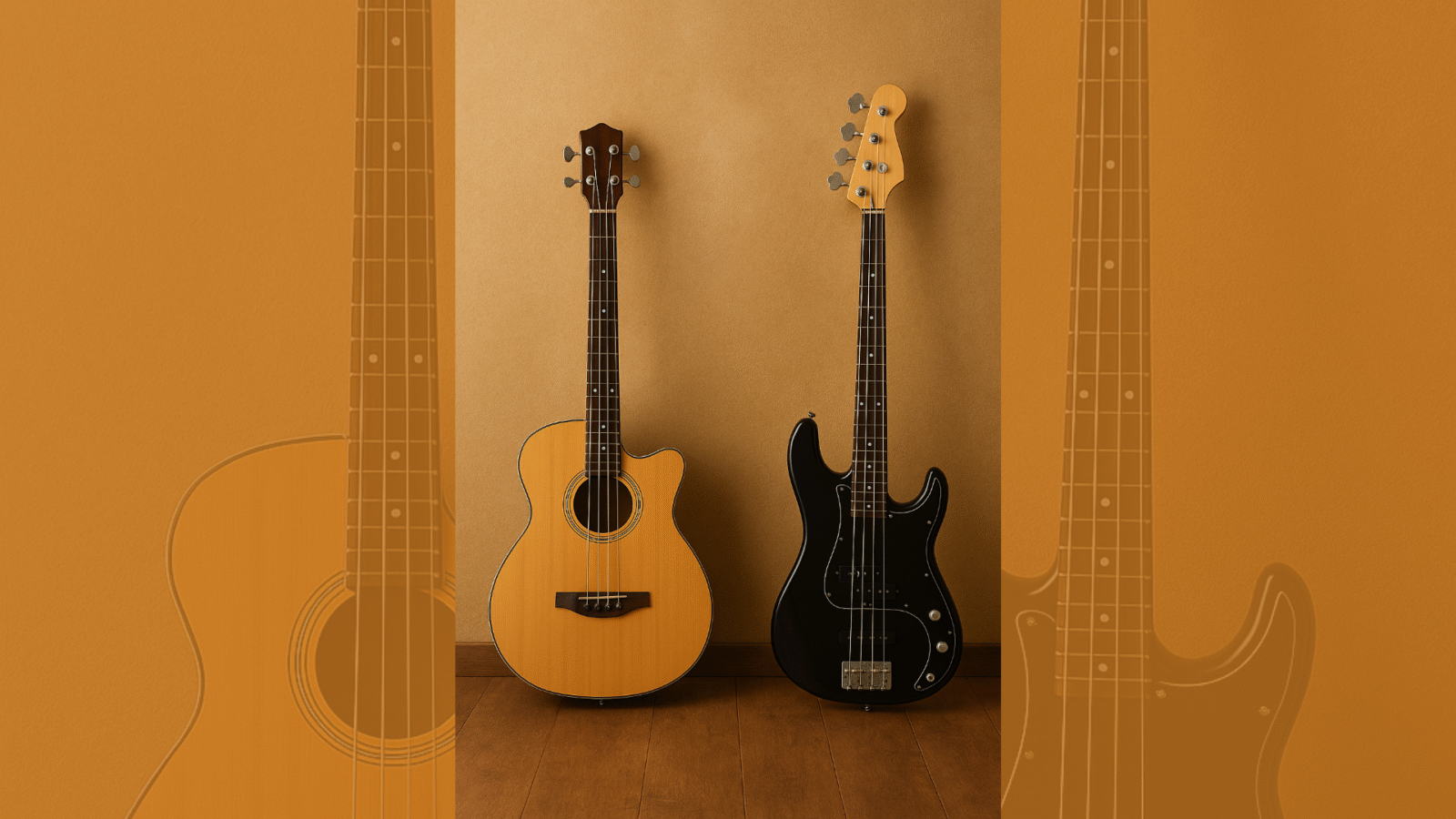
Exploring the Acoustic Bass: Unique Qualities vs Electric Bass
The world of string instruments is vast and fascinating, offering musicians unique ways to express rhythm and harmony. Among them, the bass guitar holds a vital place, creating the backbone of music across genres. While most people are familiar with the electric bass, there’s another beautiful alternative—the acoustic bass.
Exploring the acoustic bass is more than just comparing two instruments; it’s about understanding what makes it special, how it connects to traditional and modern music, and where it fits into India’s growing love for bass instruments. In this blog, we will dive deep into the acoustic bass vs electric bass, their differences, their use in Indian and global music, and why the acoustic bass deserves more recognition.
1. Origins of the Acoustic Bass
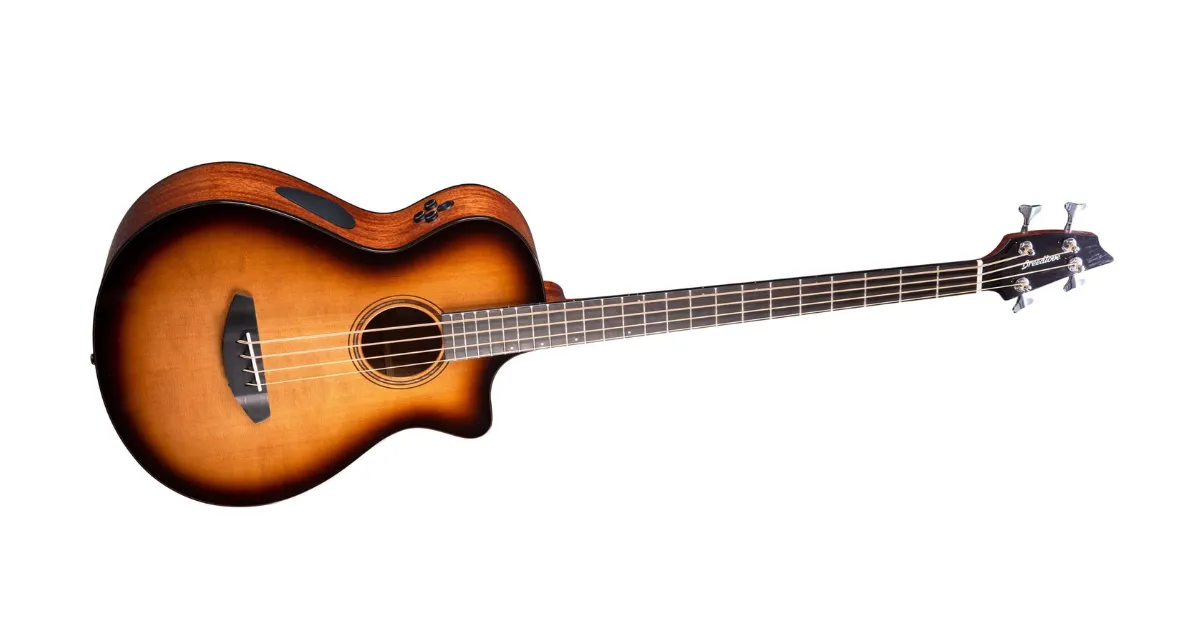
The acoustic bass guitar was developed as a bridge between traditional upright basses and modern electric basses. With its hollow body, it produces deep and resonant tones without the need for amplification. Its design takes inspiration from the classical guitar but is larger and tuned to deliver lower frequencies. In India, where traditional instruments like the veena and sitar dominate string music, the acoustic bass is slowly gaining appreciation for its organic sound that complements Indian classical fusion.
2. The Birth of the Electric Bass

The electric bass, created in the 1930s and popularized in the 1950s, revolutionized music worldwide. Its ability to plug into amplifiers made it suitable for large performances and bands. The electric bass became the heartbeat of genres like rock, pop, and jazz. In India, it entered Bollywood and independent music, adding modern energy to traditional compositions.
3. Body Design – Acoustic Warmth vs Electric Precision
The most noticeable difference lies in body design. The acoustic bass has a hollow wooden body, similar to a large acoustic guitar, and produces sound naturally. The electric bass, however, has a solid body and depends on pickups and amplifiers.
For Indian classical fusion, the acoustic bass blends beautifully with instruments like tabla, mridangam, and flute, creating a warm background. On the other hand, the electric bass is often chosen in Indian rock bands and Bollywood music where volume and precision are key.
4. Sound Quality – Resonance vs Clarity
The acoustic bass is known for its earthy, resonant sound that fills small rooms without extra equipment. It’s intimate and organic, perfect for unplugged sessions, devotional music, and folk performances in India.
The electric bass delivers a sharper, more defined tone that cuts through large ensembles, making it a favorite for stage shows and studio recordings. For Indian music lovers, choosing between acoustic and electric often depends on whether they want warmth or punch.
5. Amplification Needs – Natural vs Powered
The acoustic bass requires no amplification for small gatherings, making it ideal for home concerts, bhajans, or folk programs in India. However, in larger spaces, a microphone or pickup might be needed. The electric bass, on the other hand, always requires an amplifier to be heard, making it more suited for stage and professional settings. This difference highlights why acoustic bass is preferred in Indian cultural programs where natural sound is valued.
6. Portability and Setup
For musicians who travel frequently, the acoustic bass has a clear advantage. It is lightweight, requires no cables or amplifiers, and can be played anywhere. Electric bass players, however, need amplifiers, power sources, and sometimes pedals for effects. In India, where many musicians perform at traditional functions or festivals, the portability of the acoustic bass is a blessing.
7. String Differences
Acoustic bass guitars usually come with bronze or phosphor-bronze strings, designed to maximize resonance. Electric basses use nickel or steel strings optimized for magnetic pickups. These string differences affect tone and feel. In Indian music fusion, acoustic bass strings add a natural texture that blends with instruments like the sarangi or sitar. Electric bass strings, meanwhile, bring brightness to modern Bollywood and indie compositions.
8. Playability and Comfort
The acoustic bass typically has a thicker body, making it slightly challenging for smaller players. However, its unplugged feel makes practice more convenient. The electric bass, with its slimmer body, is easier to handle during long sessions. In Indian learning environments, acoustic bass is often suggested for beginners, while professionals lean toward electric bass for stage-ready performances.
9. Versatility in Music Genres
The acoustic bass is most versatile in folk, acoustic, devotional, and fusion genres. It pairs beautifully with Indian instruments such as tabla, dholak, harmonium, and bansuri. Electric bass dominates in rock, jazz, funk, and Bollywood music, offering more tonal flexibility. For Indian fusion bands like Indian Ocean, bass guitars (both acoustic and electric) have played a central role in creating unique soundscapes.
10. Cost Factor
In India, acoustic bass guitars are generally more affordable than high-quality electric basses plus amplifiers. This makes them an excellent gift option for beginners or as a first instrument for students. Electric bass setups can become costly with the addition of amplifiers, pedals, and accessories. Families introducing their children to music often prefer the acoustic bass for affordability and simplicity.
11. Maintenance Requirements
Acoustic basses require regular string changes and careful handling due to their hollow wooden bodies. They can be sensitive to humidity and temperature, which is common in India’s diverse climates. Electric basses, while more durable, require care for electronic parts and pickups. For Indian musicians traveling between cities and rural areas, the acoustic bass demands extra care but rewards with rich tone.
12. The Role in Indian Fusion Music
Indian fusion music thrives on blending traditional and modern elements. The acoustic bass adds depth to ragas when paired with sitar, veena, or vocals. Bands experimenting with Carnatic fusion often use acoustic bass for its natural harmony. Meanwhile, electric bass adds punch to Bollywood rock and live concerts. Both have carved a niche in India’s evolving music culture.
13. Learning Curve for Beginners
For beginners in India, the acoustic bass is easier to start with because it doesn’t require amplifiers. Students can practice anytime without worrying about technical setup. The electric bass, though equally beginner-friendly in design, requires additional knowledge of equipment. Indian music schools increasingly introduce students to both, but acoustic bass is often recommended first.
14. Visual Appeal
The acoustic bass, with its large wooden body, has a rustic charm that appeals to lovers of traditional instruments. It resonates with the look of Indian classical instruments like tanpura and veena. The electric bass, sleek and modern, attracts young musicians inspired by rock and Bollywood. Choosing between them often comes down to personal style.
15. Acoustic Bass in Indian Folk and Devotional Settings
In many Indian cultural gatherings, music is performed without heavy amplification. Here, the acoustic bass shines as it adds depth without overshadowing traditional instruments. It is becoming a favorite among folk groups in Rajasthan, devotional gatherings in temples, and unplugged Bollywood performances. Its ability to blend naturally into Indian soundscapes makes it truly special.
16. Electric Bass in Bollywood and Indian Rock
The electric bass has become indispensable in Bollywood music, where energy and clarity are vital. From background scores to dance numbers, its role cannot be ignored. Indian rock and fusion bands often rely on electric bass for powerful live performances. It’s the instrument of choice for young performers looking to dominate stage sound.
17. Acoustic Bass for Unplugged and Indie Artists
With India’s indie music scene booming, the acoustic bass is finding its place in small café performances, college festivals, and YouTube channels. Its warm, unplugged sound is perfect for intimate settings where simplicity is appreciated. Indie artists looking to blend tradition with modernity often choose acoustic bass as their base instrument.
18. Future of Bass in Indian Music
The future looks promising for both acoustic and electric bass in India. As fusion genres evolve, musicians are blending these instruments with tabla, mridangam, and tanpura to create global sounds. Acoustic bass will continue to grow in folk and devotional spaces, while electric bass dominates mainstream music. Together, they ensure bass remains an integral part of India’s diverse music culture.
Conclusion
Exploring the acoustic bass opens up a world of warm, resonant, and natural tones that stand apart from the sharp precision of the electric bass. Both instruments are powerful in their own right, but their differences make them suitable for unique settings. In India, the acoustic bass beautifully complements classical and folk music, while the electric bass drives Bollywood and fusion performances.
Whether you are a beginner, a seasoned performer, or a gift-giver looking for a meaningful choice, understanding these differences helps in making the right decision. Ultimately, the acoustic bass vs electric bass journey is not about competition—it’s about discovering how each brings life to music, tradition, and modern creativity.
At NMS Musicals, we offer a comprehensive range of musical instruments, including percussion, string, wind, and keyboard instruments. Our services encompass sales, expert servicing, and the manufacture of leather instruments. Explore our diverse collection and find the perfect instrument to suit your musical needs.
Visit our website to browse our offerings: nmsmusicals.in
For a closer look at our products, check out our shop page: nmsmusicals.in/shop
Stay connected with us through our social media channels:
- Facebook: https://www.facebook.com/nmsmusicalinstruments/
- Instagram: https://www.instagram.com/nmsmusicals/?hl=en
- YouTube: youtube.com/@nmsmusicals
Our shop locations are:
- Puducherry: 149, Perumal Koil Street, Heritage Town, Puducherry, 605001.
Map Link: https://maps.app.goo.gl/ejDwBBFEJmd3szxk7 - Chennai: No: 1, 1st Floor, Kandigai Street, TVS Nagar, Korattur, Chennai – 600076.
Map Link: https://maps.app.goo.gl/7oXmB6X7KQsqeuuw9
For inquiries, contact/Whatsapp us at 9500663895 or email us at laxman.m89@gmail.com.
Discover the world of musical instruments with NMS Musicals today!
For a visual overview of our percussion instruments, watch the following video:
Leave A Comment
You must be logged in to post a comment