

 Cart is empty
Discover the advantages of learning multiple instruments for growth

Music has been an inseparable part of Indian culture for centuries. From the divine sound of the sitar to the rhythmic beats of the tabla and the melodious tones of the flute, India has given the world a rich legacy of instruments.
While many aspiring musicians focus on mastering just one instrument, there are incredible benefits to learning more than one. In fact, the advantages of learning to play multiple instruments go far beyond just technical skills.
It can improve your creativity, make you a versatile performer, and open professional opportunities in the Indian music industry. In this blog, we will dive deep into the life-changing advantages of learning multiple instruments and why it matters in India’s growing music landscape.
Why Learning Multiple Instruments Matters in India
India’s music industry is diverse—ranging from Bollywood film scores to Carnatic and Hindustani classical, devotional music, indie rock, and fusion. Musicians who can adapt to different sounds and styles stand out.
A guitarist who also knows tabla or a flautist who understands harmonium instantly becomes more valuable in collaborative projects. This adaptability not only boosts performance opportunities but also strengthens cultural appreciation of India’s vast musical heritage.
Top Advantages of Learning to Play Multiple Instruments
1. Enhances Musical Creativity
When you learn more than one instrument, you gain new perspectives on how music works. For example, tabla introduces you to rhythm, sitar deepens your melodic understanding, and harmonium enhances chord progressions.
Combining these elements helps you create unique compositions and improvisations. Many Indian film composers, like A.R. Rahman, are multi-instrumentalists, which is one reason behind their extraordinary creativity.
2. Strengthens Your Knowledge of Music Theory
Each instrument teaches theory in a different way. On the piano, you understand harmony and chord progression; on the violin, you learn pitch accuracy; and on the mridangam, you master complex rhythm cycles (tala). The more instruments you explore, the deeper your understanding of music theory becomes.
3. Increases Adaptability in Performances
Imagine performing in a live fusion concert. If the guitarist cannot play due to technical issues, and you know guitar as well as tabla, you can step in. Learning multiple instruments ensures you can adapt to diverse musical setups, making you an indispensable part of any band or group.
4. Boosts Brain Development and Memory
Scientific studies show that playing instruments stimulates both sides of the brain. When you learn more than one instrument, this effect multiplies. For children in India, picking up instruments like flute, veena, or keyboard at an early age enhances memory, problem-solving skills, and concentration levels.
5. Provides More Career Opportunities in India
The Indian music industry is evolving, with demand for versatile musicians growing in playback singing, live concerts, music production, and teaching. A multi-instrumentalist can work as a session musician for films, compose jingles, perform in classical concerts, or even teach multiple instruments. This flexibility ensures long-term career stability.
6. Builds Cultural Appreciation
India is home to hundreds of instruments—dhol, sitar, tabla, bansuri, nadaswaram, and more. Learning multiple instruments allows musicians to appreciate the cultural depth behind each region’s traditions. This builds not only respect for Indian heritage but also broadens your artistic identity.
7. Enhances Collaboration Skills
In Indian music ensembles, collaboration is key. A vocalist who understands tabla bols (syllables) can communicate better with percussionists. A violinist who knows harmonium can assist in setting the right pitch for singers. Learning multiple instruments fosters better teamwork in group performances.
8. Increases Confidence on Stage
Confidence comes from preparation and versatility. A musician who can switch between guitar, flute, and keyboard during a performance instantly impresses the audience. In India’s competitive music scene, stage presence matters, and multi-instrumentalists often steal the show.
9. Encourages Lifelong Learning
Music is an endless journey. By learning multiple instruments, you cultivate the habit of continuous exploration. Indian musicians often spend years mastering ragas on sitar, then move to tabla to understand rhythm, and finally explore digital instruments for modern fusion. This constant growth ensures your passion never fades.
10. Helps in Composing and Producing Music
Modern Indian music production requires knowledge of multiple sounds. Whether you’re creating a Bollywood track, devotional bhajan, or indie album, knowing several instruments gives you the tools to arrange and produce music more effectively.
How to Get Started with Multiple Instruments in India
1. Start with One Instrument First
Before expanding, focus on mastering one. Many Indian musicians begin with harmonium or tabla as a foundation, then branch out to string or wind instruments.
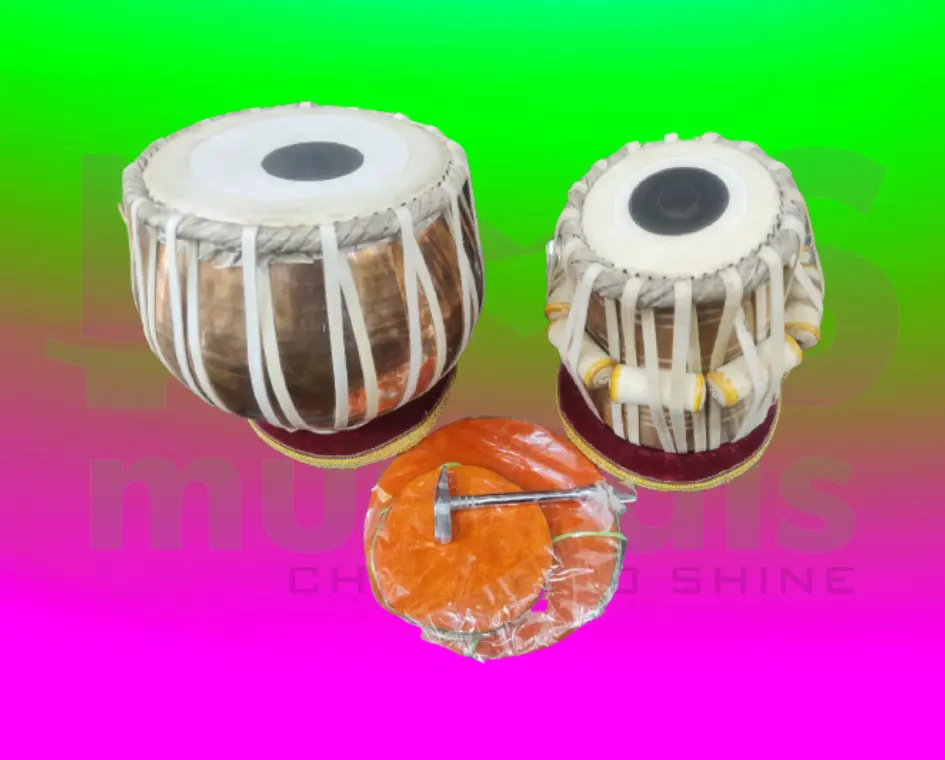
Get this instrument at best deal – Harmonium
2. Choose Instruments That Complement Each Other
Pick instruments that balance rhythm, melody, and harmony. For example, tabla + sitar, or keyboard + flute. This combination enriches your overall understanding.


Get this instrument at best deal – Flute
3. Take Advantage of Music Schools in India
Institutions like Trinity College of Music (India centers), KM Music Conservatory, and local gurukuls provide structured training. Many offer cross-instrument learning options.
4. Practice Consistently
Dedicate separate time slots for each instrument. For instance, mornings for sitar practice, evenings for tabla. Consistency matters more than duration.
5. Learn from Online Resources
Today, Indian musicians can access tutorials, YouTube lessons, and online masterclasses from maestros. This flexibility helps you explore multiple instruments at your pace.
Real-Life Indian Examples of Multi-Instrumentalists
- A.R. Rahman – Plays piano, guitar, percussion, and synthesizers; his versatility revolutionized Indian film music.
- Shankar Mahadevan – Known as a vocalist, but also proficient in keyboard and percussion, helping him excel in fusion.
- Ricky Kej – Grammy-winning composer who blends Indian and Western instruments in his productions.
- Zakir Hussain – A tabla maestro who also understands multiple percussion instruments, making his collaborations global.
Tips for Parents Encouraging Kids in India
- Introduce simple instruments like flute or harmonium before moving to sitar or mridangam.
- Create a musical environment at home by playing diverse genres.
- Encourage participation in school/college cultural programs.
- Provide access to both classical and modern instruments.
- Avoid pressure; let kids choose based on interest.
Challenges of Learning Multiple Instruments and How to Overcome Them
- Time Management – Solution: Set a daily routine with balanced practice slots.
- Financial Investment – Solution: Start with affordable Indian instruments (like flute, harmonium) before buying costly ones.
- Skill Overload – Solution: Focus on gradual progress, not mastering everything at once.
- Lack of Teachers – Solution: Use online classes or learn from Indian maestros through workshops.
Conclusion
The advantages of learning to play multiple instruments are undeniable, especially in a musically rich country like India. From boosting creativity and career opportunities to deepening cultural appreciation, multi-instrumental skills can transform your journey as a musician.
Whether you’re a child beginning with a flute or a professional adding tabla to your skills, embracing multiple instruments ensures versatility and lifelong growth. In India’s ever-evolving music scene, being a multi-instrumentalist is not just an advantage—it is a superpower.
At NMS Musicals, we offer a comprehensive range of musical instruments, including percussion, string, wind, and keyboard instruments. Our services encompass sales, expert servicing, and the manufacture of leather instruments. Explore our diverse collection and find the perfect instrument to suit your musical needs.
Visit our website to browse our offerings: nmsmusicals.in
For a closer look at our products, check out our shop page: nmsmusicals.in/shop
Stay connected with us through our social media channels:
- Facebook: https://www.facebook.com/nmsmusicalinstruments/
- Instagram: https://www.instagram.com/nmsmusicals/?hl=en
- YouTube: youtube.com/@nmsmusicals
Our shop locations are:
- Puducherry: 149, Perumal Koil Street, Heritage Town, Puducherry, 605001.
Map Link: https://maps.app.goo.gl/ejDwBBFEJmd3szxk7 - Chennai: No: 1, 1st Floor, Kandigai Street, TVS Nagar, Korattur, Chennai – 600076.
Map Link: https://maps.app.goo.gl/7oXmB6X7KQsqeuuw9
For inquiries, contact/Whatsapp us at 9500663895 or email us at laxman.m89@gmail.com.
Discover the world of musical instruments with NMS Musicals today!
For a visual overview of our percussion instruments, watch the following video:
Leave A Comment
You must be logged in to post a comment