How to Start Learning Trumpet1

Easy Start: How to Start Learning Trumpet Today

How to Start Learning Trumpet for Indian and global music success.

How to Start Learning Trumpet

The trumpet is one of the most vibrant and versatile wind instruments in the music world. Known for its bold, expressive tones and its rich history in both Western and Indian classical compositions, the trumpet offers a rewarding journey for beginners. Whether you’re a student, a music enthusiast, or a parent looking to introduce your child to music, learning the trumpet opens doors to various genres including Indian fusion, jazz, classical, and film music. This comprehensive guide will walk you through everything you need to know to get started with the trumpet in a structured, culturally rooted manner.


1. Understand the Basics of a Trumpet

Before diving into practice, it’s important to understand the instrument.

  • The trumpet is a brass wind instrument.
  • It produces sound when the player buzzes their lips into the mouthpiece.
  • The instrument has three valves that alter the pitch.
  • Indian fusion and modern orchestras often incorporate the trumpet.

A basic understanding of its parts and function will make learning easier and help you maintain the instrument better.


2. Selecting the Right Trumpet for Beginners

Choosing a quality beginner trumpet is key to early success.

  • Go for student models that are lightweight and easy to handle.
  • Consider brands like Yamaha, Jupiter, and Conn-Selmer.
  • For Indian music, opt for trumpets that can handle long tones and flexible dynamics.

Always test a few in a music store or consult a music teacher before buying.


3. Learn Proper Posture and Hand Position

Correct body posture improves sound quality and stamina.

  • Sit or stand upright with a relaxed but straight spine.
  • Hold the trumpet at a 45-degree angle from your body.
  • Left hand supports the trumpet; right hand operates the valves.

Proper grip helps avoid strain and increases control while playing long notes in Indian compositions.


4. Master the Art of Buzzing

Buzzing is the foundation of trumpet playing.

  • Practice buzzing with just your lips, then with the mouthpiece.
  • Focus on breath control and keeping a consistent tone.
  • Start with 5–10 minutes of buzzing daily.

Buzzing is essential for tuning your ear, building stamina, and developing embouchure strength.


5. Basic Music Theory and Indian Swaras

A strong grasp of music theory is vital.

  • Learn to read western staff notation.
  • For Indian music, understand Sargam (Sa, Re, Ga, Ma, Pa, Dha, Ni, Sa).
  • Practice scales and simple compositions in both forms.

This dual knowledge is especially helpful for fusion musicians and school band participants.


6. Practice Breathing Techniques

Controlled breathing is critical for trumpet players.

  • Practice diaphragmatic breathing to improve lung control.
  • Use breathing exercises like inhaling for 4 counts, holding for 4, exhaling for 4.
  • Gradually increase your capacity to hold and control breath.

This is particularly useful for playing long Indian ragas or extended notes.


7. Start with Simple Exercises

Begin with easy exercises to get comfortable.

  • Play long notes to improve tone.
  • Move on to simple melodies and major scales.
  • Slowly add fingering combinations with the three valves.

Choose exercises from beginner trumpet books or Indian compositions with simplified notation.


8. Use a Metronome and Tuner

Timing and pitch are essential skills.

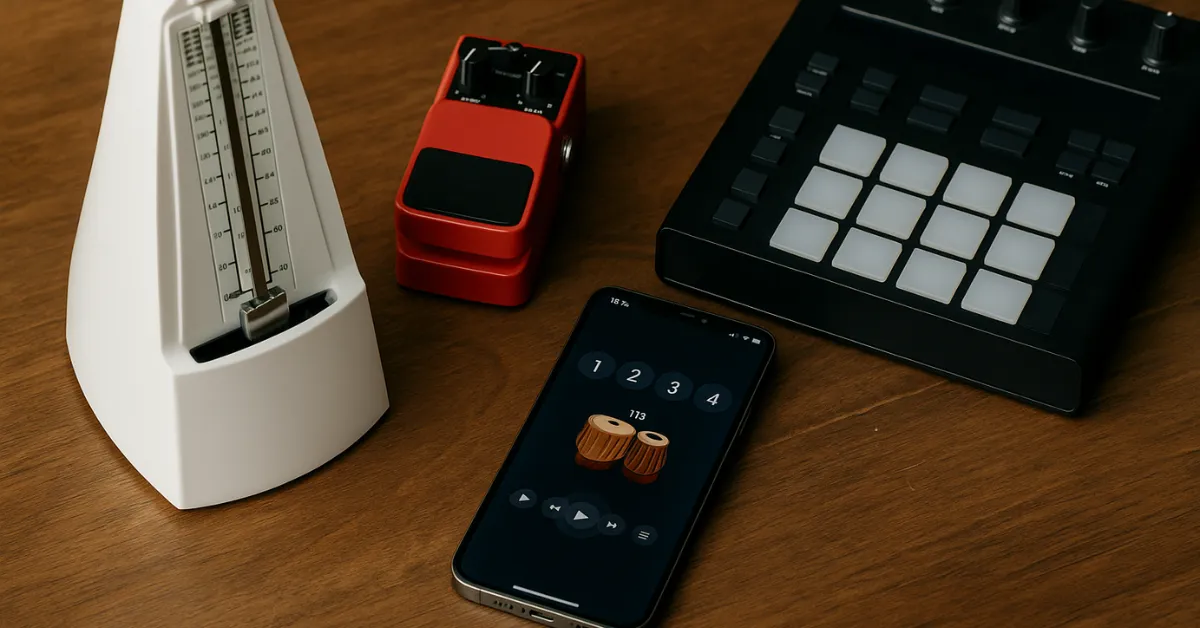
  • Use a metronome to maintain rhythm.
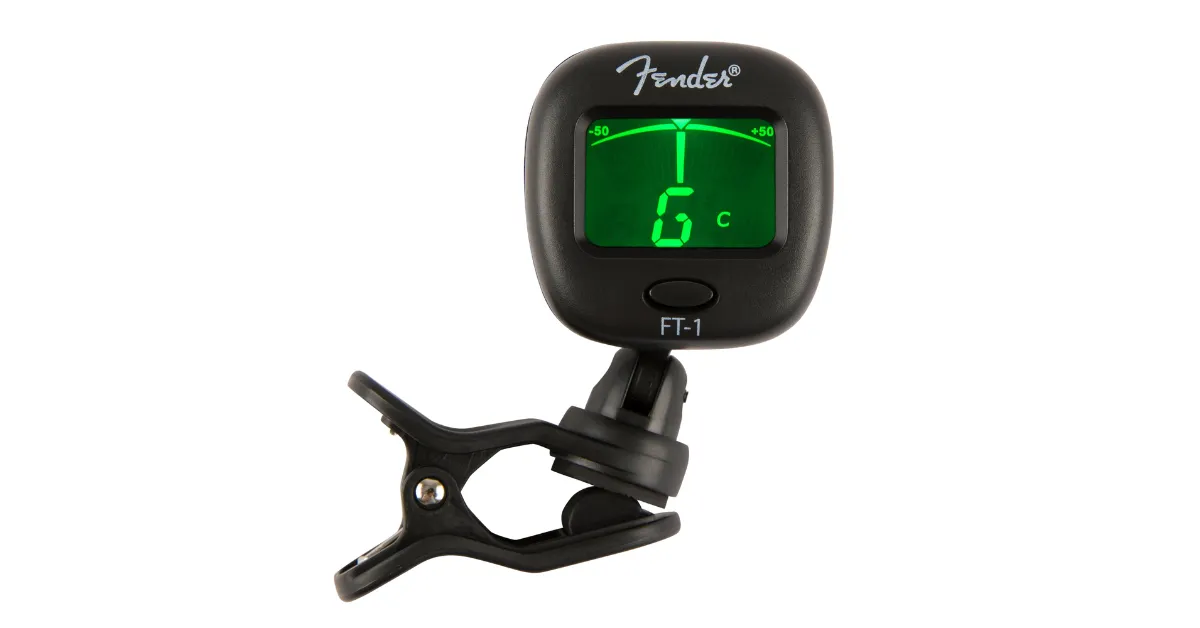
  • A tuner helps with pitch accuracy.
  • Begin with slow tempos and gradually increase.

Indian classical pieces often rely on precise rhythm (Tala) and pitch, so this practice is invaluable.


9. Consistency Is Key

Consistent practice brings results.

  • Start with 15–20 minutes daily, then increase over time.
  • Focus on technique, breath, and intonation.
  • Break your practice into warm-up, exercises, and melodies.

Create a schedule that includes Indian compositions and Western pieces for variety.


10. Play Along with Indian Music Tracks

To get familiar with Indian sounds:

  • Play along with Indian instrumental or vocal music.
  • Try matching the swaras and rhythm.
  • Explore Raagas that use slow, sustained notes.

This will enhance your ear training and adaptability.


11. Record and Review Your Playing

Self-review is a powerful learning tool.

  • Use a smartphone or simple recorder.
  • Listen back to identify flaws in tone, timing, or tuning.
  • Make notes and aim for improvement daily.

It builds self-awareness, especially when preparing for performances or exams.


12. Join a Music School or Take Online Lessons

Formal instruction can accelerate progress.

  • Look for local teachers who specialize in wind instruments.
  • Choose a school that supports Indian classical and Western music.
  • Online platforms like YouTube or paid courses are also great options.

Make sure the teacher understands your goals—be it Indian music, orchestral playing, or fusion.


13. Take Care of Your Instrument

Maintaining your trumpet is essential.

  • Clean the mouthpiece weekly.
  • Oil the valves regularly to avoid sticking.
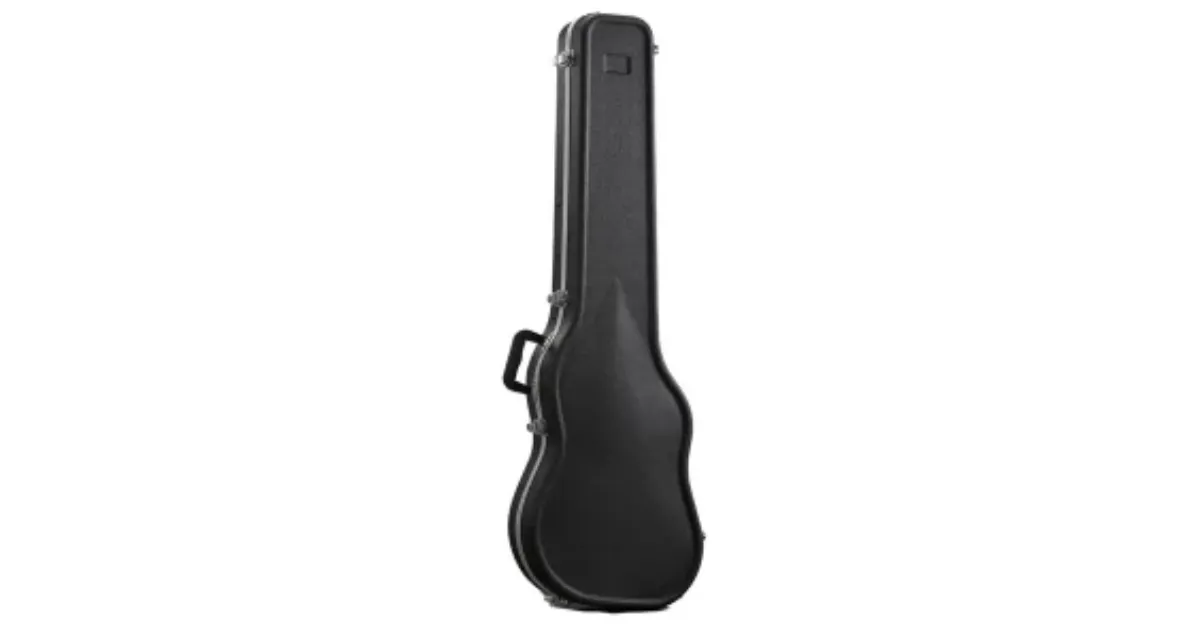
  • Store the trumpet in a dust-free case.

India’s weather conditions can affect brass instruments, so regular maintenance is critical.


14. Participate in Recitals and Jams

Performing builds confidence and skill.

  • Join school or community music groups.
  • Take part in recitals or competitions.
  • Collaborate with other Indian instrumentalists.

The trumpet blends well with tabla, keyboard, and Indian percussion for a unique sound.


15. Be Patient and Stay Inspired

Learning the trumpet is a journey.

  • You won’t master it overnight.
  • Celebrate small wins like learning a new scale or melody.
  • Listen to great trumpet players like Miles Davis or Indian fusion artists.

Staying inspired will keep your passion alive, even on tough practice days.


CONCLUSION

How to Start Learning the Trumpet isn’t just about blowing into a brass tube—it’s about developing discipline, passion, and musical identity. For Indian music lovers, it offers a unique way to explore ragas and rhythms with bold expression. Whether you’re 10 or 60, it’s never too late to begin your journey with the trumpet. With the right guidance, consistent practice, and a little patience, you’ll soon find yourself not just playing notes, but telling stories through music. Let your trumpet be your voice—and make every note count.


At NMS Musicals, we offer a comprehensive range of musical instruments, including percussion, string, wind, and keyboard instruments. Our services encompass sales, expert servicing, and the manufacture of leather instruments. Explore our diverse collection and find the perfect instrument to suit your musical needs.

Visit our website to browse our offerings: nmsmusicals.in

For a closer look at our products, check out our shop page: nmsmusicals.in/shop

Stay connected with us through our social media channels:
Our shop locations are:

For inquiries, contact/Whatsapp us at 9500663895 or email us at laxman.m89@gmail.com.

Discover the world of musical instruments with NMS Musicals today!

For a visual overview of our percussion instruments, watch the following video:
Choosing the Right Electric Keyboard1

Smart Pick: Choosing the Right Electric Keyboard for Your Studio

Choosing the Right Electric Keyboard to enhance your Indian music studio.

Choosing the Right Electric Keyboard

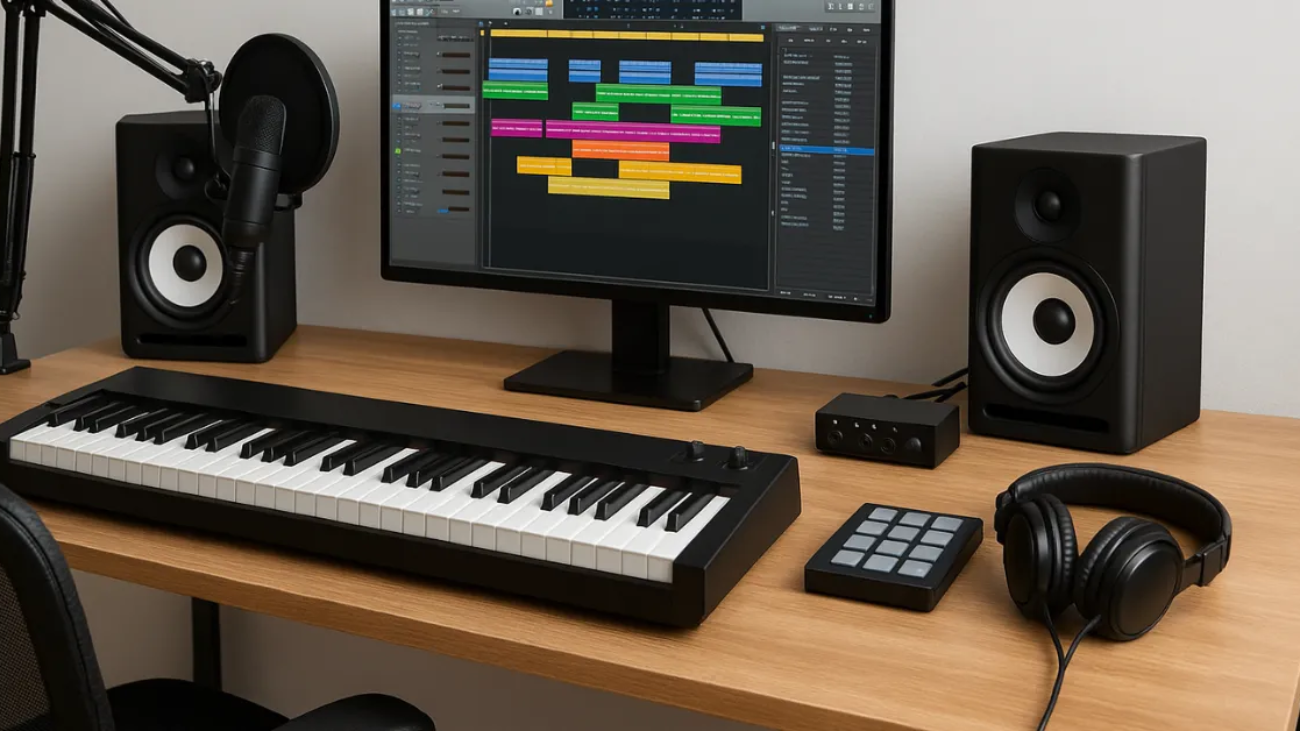
In the fast-growing world of music production, having the right tools is key. One of the most essential instruments in a home or professional studio is the electric keyboard. Whether you’re composing Indian classical pieces or producing fusion tracks, your choice of keyboard can greatly influence your sound. But how do you choose the right one from the countless options available? This blog will help you navigate the process of selecting the ideal electric keyboard for your studio, especially with a focus on Indian music.


1. Understand Your Musical Needs

Before diving into technical specs, consider your primary use. Are you focusing on Indian classical music, film score compositions, fusion, or modern electronic production? Your answer will shape the type of keyboard you need.

  • For Indian classical and devotional music, choose a keyboard that supports Indian tones (like sitar, tabla, veena).
  • For multi-genre or EDM-focused production, opt for keyboards with a wide range of customizable tones and effects.


2. Number of Keys: How Many Do You Need?

Keyboards come in different sizes, commonly 49, 61, 76, and 88 keys.

  • 49 keys: Great for basic learning and limited studio space.
  • 61 keys: A balanced choice for most users and ideal for Indian compositions.
  • 76 keys: For semi-professionals with more complex needs.
  • 88 keys: Fully weighted and suitable for professional pianists and full-range performances.


3. Touch Sensitivity and Weighted Keys

Touch sensitivity refers to how the keyboard responds to how hard or soft you press the keys.

  • Non-weighted: Good for beginners but not ideal for expressive play.
  • Semi-weighted or fully weighted keys: Offer a feel similar to acoustic pianos and allow dynamic expression, essential for nuanced Indian ragas and compositions.


4. Polyphony: How Many Notes Can Be Played at Once?

  • Basic keyboards have 32 or 64-note polyphony.
  • Professional models offer 128-note or higher polyphony, which is ideal for layering sounds, sustaining notes, or using multiple instruments simultaneously.

If you’re using layered sounds, this feature is crucial.


5. Built-in Tones and Styles

For Indian music, having built-in Indian tones and rhythm styles is a major advantage.

  • Look for keyboards that offer tones like tabla, mridangam, sitar, shehnai, veena, etc.
  • Styles should include Indian tala patterns and rhythms like teentaal, keherwa, and dadra.

Brands like Yamaha, Casio, and Roland offer models tailored for Indian musicians.


6. MIDI Connectivity and DAW Integration

MIDI support is essential if you plan to use the keyboard as a controller in your studio setup.

  • Ensure the keyboard has USB-MIDI or traditional MIDI ports.
  • Check compatibility with DAWs like FL Studio, Logic Pro, Cubase, and Ableton.

This allows you to record, edit, and layer sounds with precision.


7. Portability vs. Stability

  • If you move your setup often or play gigs, choose a lightweight keyboard.
  • For a fixed studio setup, prioritize sturdy builds with more features.

Consider foldable stands, carrying cases, and other accessories for portability.


8. Built-in Recording and Looping Features

Many modern keyboards include recording features.

  • Useful for capturing spontaneous ideas.
  • Some offer loop creation, which is perfect for Indian classical jamming or film score composition.

This can also help reduce reliance on external recording gear in smaller setups.


9. Speaker Quality and Audio Outputs

While most producers use external monitors, having decent built-in speakers helps in quick previews.

  • Check the wattage and speaker clarity.
  • Look for audio-out ports to connect to studio monitors or audio interfaces.


10. User Interface and Navigation

The interface should be intuitive.

  • A cluttered interface slows down creativity.
  • Touchscreen displays or backlit buttons are a plus.
  • Look for keyboards with assignable controls for quick DAW mapping.


11. Budget and Long-Term Value

Set a budget, but think long-term. A slightly more expensive keyboard with better features might save you money on upgrades later.

  • Budget models: ₹10,000 – ₹20,000 (basic learners)
  • Mid-range: ₹25,000 – ₹40,000 (enthusiasts and semi-pro)
  • High-end: ₹45,000+ (professional studios)

Look for warranty and service center availability, especially in India.


12. Trusted Brands to Consider in India

  • Yamaha PSR-E373 / PSR-I500: Popular for Indian tones and performance features.
  • Casio CT-X9000IN: Designed for Indian music, with built-in rhythms and tones.
  • Roland GO:KEYS / JUNO-DS: Ideal for producers and performing artists.

These brands have reliable service centers across India.


13. Accessories You May Need

  • Adjustable stand
  • Keyboard bench
  • Sustain pedal
  • Power adapter (sometimes sold separately)
  • Carry case
  • Sheet music stand

Don’t forget dust covers to protect your keyboard in Indian climates.


14. Watch Demos and Try Before You Buy

Visit local music stores and try out models.

  • Check how the keys feel under your fingers.
  • Test the tones and speaker output.
  • Watch demo videos on YouTube for real-world usage.

Especially important for kids or parents investing in a beginner keyboard.


15. Learning Resources and Community Support

  • Many keyboards come with built-in tutorials.
  • Look for models compatible with learning apps.
  • Join Indian music forums or social media groups.

Support and inspiration from communities can accelerate learning and production skills.


CONCLUSION

Choosing the right electric keyboard for your studio is not just a technical decision—it’s an investment in your musical journey. With countless models available, it’s important to pick one that aligns with your style, genre, and future aspirations. For Indian music enthusiasts, features like Indian tones, rhythm styles, and DAW connectivity are crucial. By considering the key factors discussed in this blog, you can confidently select a keyboard that complements your creativity and elevates your music production setup. Whether you’re a budding composer, a classical performer, or a modern-day producer, the right electric keyboard is your gateway to endless musical possibilities.


At NMS Musicals, we offer a comprehensive range of musical instruments, including percussion, string, wind, and keyboard instruments. Our services encompass sales, expert servicing, and the manufacture of leather instruments. Explore our diverse collection and find the perfect instrument to suit your musical needs.

Visit our website to browse our offerings: nmsmusicals.in

For a closer look at our products, check out our shop page: nmsmusicals.in/shop

Stay connected with us through our social media channels:
Our shop locations are:

For inquiries, contact/Whatsapp us at 9500663895 or email us at laxman.m89@gmail.com.

Discover the world of musical instruments with NMS Musicals today!

For a visual overview of our percussion instruments, watch the following video:
Essential Guitar Setup Tips for Perfect Sound 3

Essential Guitar Setup Tips for Perfect Sound

Guitar Setup Tips: How to Adjust Your Guitar for the Perfect Sound

Essential Guitar Setup Tips for Perfect Sound

Whether you’re a budding guitarist or a seasoned player, a properly set up guitar can dramatically improve your tone, playability, and overall experience. Many beginners in India invest in quality guitars but overlook the setup process, leading to frustration and poor sound quality. A well-adjusted guitar feels better in your hands and inspires confidence every time you play. In this detailed guide, we’ll walk you through must-know guitar setup tips tailored especially for Indian musicians. You’ll learn how to fine-tune your instrument for that perfect sound without needing professional help every time.


1. Why Guitar Setup Matters

  1. Better Playability: A proper setup ensures that your guitar is easy to play, reducing strain on your fingers.
  2. Improved Sound: Adjustments affect tone clarity, sustain, and volume.
  3. Longer Lifespan: Regular maintenance prevents long-term damage.
  4. Customization: Tailor your guitar to suit Indian music styles like Carnatic fusion, Bollywood, or indie.


2. Tools You’ll Need for a Basic Guitar Setup

  1. Allen keys (for truss rod adjustments)
  2. Screwdrivers (Phillips and flathead)
  3. String winder and cutter
  4. Ruler or feeler gauge
  5. Tuner
  6. Cleaning cloth and guitar polish
  7. Lubricant for nut and bridge


3. Step-by-Step Guitar Setup Process

  1. Clean the Guitar: Before adjusting, clean the fretboard, body, and strings.
  2. Change Strings: Fresh strings can improve tone instantly.
  3. Check Neck Relief:
  • Hold down the first and last fret.
  • Check the gap at the 8th fret using a feeler gauge.
  • Adjust the truss rod if necessary.
  1. Adjust String Action:
  • Use a ruler to measure string height at the 12th fret.
  • Use bridge saddles or nut adjustments accordingly.

2. Set Intonation:

  • Use a tuner to check pitch at the 12th fret.
  • Adjust saddle position to correct sharp or flat notes.

3. Tune Properly:

  • Always tune up to the note.
  • Use standard EADGBE tuning or Indian modal tunings if preferred.


4. Special Tips for Indian Weather Conditions

  1. Humidity Control: Use a case humidifier during monsoons or in coastal areas.
  2. Temperature Variations: Avoid exposing guitars to direct sunlight or AC vents.
  3. Wood Expansion: Regularly check for neck bowing or fret buzz.


5. Acoustic vs Electric Guitar Setup

  • Acoustic Guitars:
  • Focus more on bridge saddle and nut height.
  • Choose string gauges suited for Indian folk or film songs.
  • Electric Guitars:
  • Pay attention to pickup height and action.
  • Use effects pedals tuned for Indian fusion genres.


6. Common Setup Mistakes to Avoid

  1. Over-tightening Truss Rod: Can crack the neck.
  2. Setting Action Too Low: Causes string buzz.
  3. Wrong String Gauge: Affects tuning and finger pressure.
  4. Skipping Intonation: Leads to off-pitch notes despite tuning.


7. How Often Should You Do a Guitar Setup?

  1. Beginner Players: Every 3–4 months
  2. Intermediate to Advanced: Before any gig or recording
  3. Seasonal Check: During weather shifts (summer to monsoon)


8. Signs Your Guitar Needs a Setup

  1. String Buzzing
  2. Difficult Chord Changes
  3. Notes Sound Off
  4. High Action
  5. Tuning Instability


9. Finding Guitar Setup Help in India

  1. Local Music Stores: NMS Musicals (Chennai & Pondicherry), Furtados (Mumbai, Bengaluru)
  2. Online Setup Tutorials: Indian YouTube channels offering detailed guidance
  3. Workshops: Many music academies now offer maintenance classes


10. Tips for Maintaining Your Setup

  1. Store Properly: Use padded gig bags or hard cases
  2. Wipe After Playing: Sweat damages strings and wood
  3. Loosen Strings When Not in Use for Long
  4. Tune Before Practice: Helps keep the setup stable


Conclusion

Getting the perfect sound from your guitar isn’t just about buying the best gear—it’s about understanding how to care for and adjust your instrument. For Indian musicians especially, local weather, music styles, and performance needs make regular setup even more important. By following the guitar setup tips in this blog, you’ll extend your guitar’s life, enhance your sound, and enjoy a much smoother playing experience. Whether you’re into classical fusion, Bollywood, or indie jams, the right setup is your key to success. Take charge of your instrument today and let your music shine.


At NMS Musicals, we offer a comprehensive range of musical instruments, including percussion, string, wind, and keyboard instruments. Our services encompass sales, expert servicing, and the manufacture of leather instruments. Explore our diverse collection and find the perfect instrument to suit your musical needs.

Visit our website to browse our offerings: nmsmusicals.in

For a closer look at our products, check out our shop page: nmsmusicals.in/shop

Stay connected with us through our social media channels:
Our shop locations are:

For inquiries, contact/Whatsapp us at 9500663895 or email us at laxman.m89@gmail.com.

Discover the world of musical instruments with NMS Musicals today!

For a visual overview of our percussion instruments, watch the following video:

Choosing the Right Flute4

Choosing the Right Flute: Expert Tips You’ll Love

Choosing the Right Flute requires knowing your genre, goals, and build type.

Why the Right Flute Matters for Every Musician

Selecting the perfect flute is a critical step for both budding and experienced musicians. Whether you’re buying your first instrument or upgrading for performance purposes, understanding flute types, materials, tonal quality, and Indian classical requirements will help you make an informed decision.


1. Understand the Different Types of Flutes

Flutes come in a wide variety of types, and your musical goals should guide your selection.

Western Concert Flute

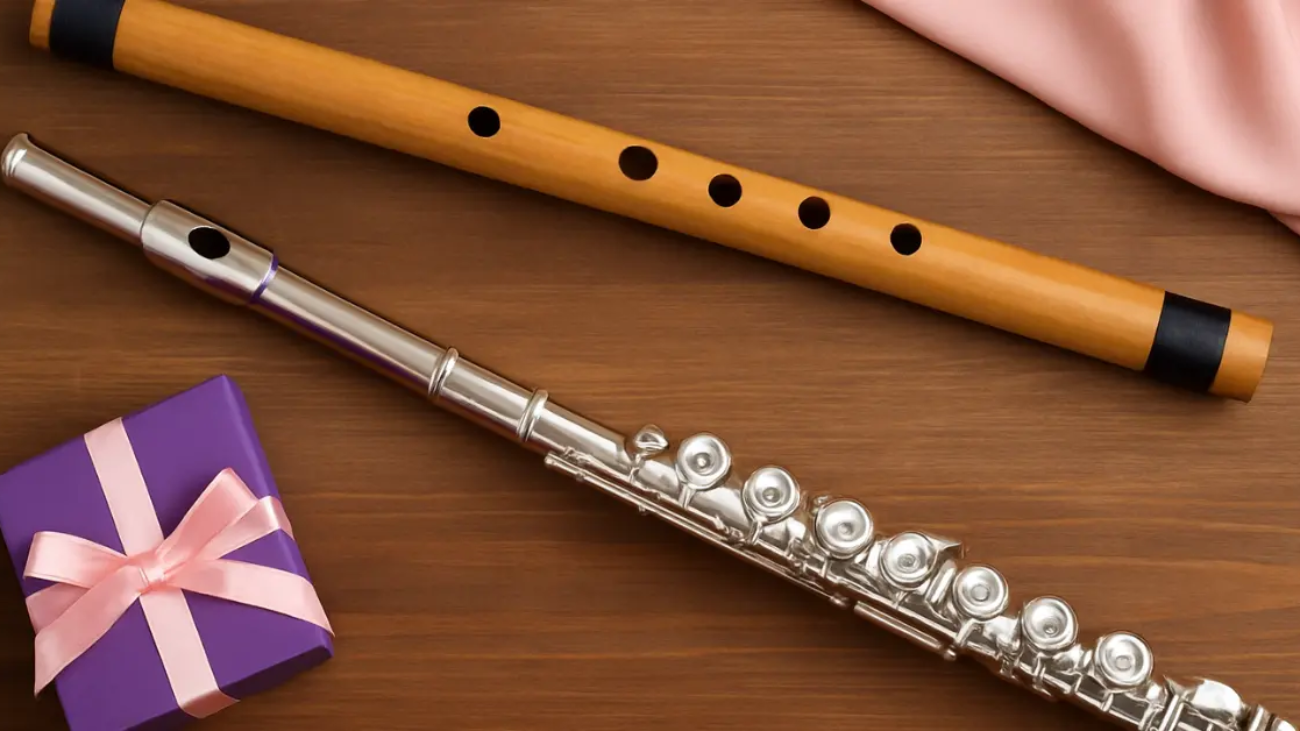
Choosing the Right Flute

This is the most common type of flute used in orchestras and schools. It has a bright, clear tone and is typically made from metal.

Indian Bansuri

Bansuri D# Flute

The Bansuri is a bamboo flute used in Indian classical music. It produces a warm, mellow tone and requires different fingering techniques than the Western flute.

Alto and Bass Flutes

Choosing the Right Flute1

These are larger and produce deeper tones. They are used in ensemble settings and are not ideal for beginners.

Piccolo

Choosing the Right Flute3

Half the size of a standard flute, the piccolo produces high-pitched tones. It’s generally used by advanced players in orchestral or marching band settings.


2. Consider Your Musical Genre and Goals

Your choice of flute should align with your musical style. If you’re learning Indian classical music, a Bansuri will be more appropriate than a Western flute.

  • For Carnatic music, opt for the venu, which is suited for Southern Indian melodies.
  • For Hindustani classical, Bansuri is the preferred instrument.
  • If you’re exploring fusion or film music, a Western flute might also be beneficial.


3. Material Matters: Wood, Bamboo, or Metal?

Flutes come in different materials, each contributing to sound quality and durability.

Bamboo (Bansuri/Venu)

These are most suitable for Indian classical music and are lightweight with a warm tone. Bamboo flutes require care to avoid cracking and warping.


Wood

Wooden flutes offer a rich and warm tone, commonly used in traditional and folk music. They are heavier and more expensive.

Metal

Typically made of silver, nickel, or gold, metal flutes are common in Western music. They offer precision and a bright tone, perfect for orchestras and solos.


4. Focus on Key, Scale, and Tuning

For Indian music, the key (Sa) and scale must be appropriate for your vocal pitch or accompanying instrument.

  • Choose a Bansuri tuned to the same Sa as your singing voice or harmonium.
  • Most beginners start with flutes in E, F, or G scale for comfortable finger reach and tone.
  • Check if the flute is perfectly tuned with a tuner before buying


    .

5. Understand Hole Configuration

  • Six-hole flutes are often used in Hindustani classical music.
  • Eight-hole flutes are common in Carnatic music.
  • Western flutes have a complex key mechanism that requires a different skill set.

Choose based on the genre you wish to specialize in.


6. Seek Professional Guidance or Teacher Advice

Before purchasing, it is best to consult with a flute teacher or a seasoned player. They can guide you based on your skill level and musical goals.

  • Take trial sessions if possible.
  • Ask about brands or makers trusted in Indian classical music.
  • Check if your music school recommends a specific type or key.


7. Prioritize Build Quality and Craftsmanship

A poorly made flute can negatively impact your playing experience. Look for:

  • Smooth internal and external finishing
  • No visible cracks or warping in bamboo flutes
  • Proper alignment of holes
  • Quality craftsmanship from reputed makers


8. Budget Wisely

  • Beginner Flutes: In India, decent quality student Bansuris can start around INR 500-1500.
  • Intermediate: Professionally tuned Bansuris may cost between INR 2000-4000.
  • Advanced/Custom Flutes: Handmade professional flutes can go above INR 5000.

Price varies with material, tuning precision, and maker’s reputation.


9. Where to Buy

  • Visit local music stores that specialize in Indian instruments like NMS Musicals(Chennai & Pondicherry).
  • Online platforms like NMS Musicals offer curated collections for beginners and professionals.
  • Custom flute makers are also a great option if you’re looking for specific tuning and build.


10. Accessories and Maintenance Tools

  • Soft cleaning cloths
  • Protective cases
  • Flute stands
  • Moisture control items for bamboo flutes
  • Thread wrapping kits

Keeping your flute clean and safe increases its lifespan.


11. Flute Brands and Makers in India

Some well-known flute makers in India include:

  • Punam Flutes
  • Subhash Flutes
  • NMS Musicals (offers curated selections)
  • Harshwardhan Flutes

Check for reviews and player testimonials before buying.


12. Try Before You Buy

If possible, test multiple flutes. Evaluate:

  • Comfort of hand placement
  • Clarity of tone
  • Response and ease of blowing
  • Tuning accuracy

Trying out flutes in-person helps you choose what feels right.


Conclusion: The Right Flute Elevates Your Musical Journey

Choosing the right flute can shape your musical progress and enjoyment. From the genre you pursue to the quality of the instrument, every aspect plays a role. Especially in Indian classical music, having the correct Bansuri or Venu makes learning smoother and performances more soulful. Seek guidance, try before you buy, and invest in a flute that resonates with your musical soul. Happy fluting!


At NMS Musicals, we offer a comprehensive range of musical instruments, including percussion, string, wind, and keyboard instruments. Our services encompass sales, expert servicing, and the manufacture of leather instruments. Explore our diverse collection and find the perfect instrument to suit your musical needs.

Visit our website to browse our offerings: nmsmusicals.in

For a closer look at our products, check out our shop page: nmsmusicals.in/shop

Stay connected with us through our social media channels:
Our shop locations are:

For inquiries, contact/Whatsapp us at 9500663895 or email us at laxman.m89@gmail.com.

Discover the world of musical instruments with NMS Musicals today!

For a visual overview of our percussion instruments, watch the following video:

Essential Piano Accessories for Beginners That Truly Help4

Essential Piano Accessories for Beginners That Truly Help

Explore essential piano accessories for beginners to enhance every practice session.

Whether you’re a budding pianist or a seasoned performer, having the right music accessories can significantly impact your musical journey. Especially in Indian classical and fusion music, the nuances of sound, rhythm, and practice demand more than just a piano. This blog focuses on the Top 5 Music Accessories Every Pianist Needs—tools that enhance sound quality, comfort, and skill, while addressing the specific requirements of Indian music culture.


1. Adjustable Piano Bench

Essential Piano Accessories for Beginners That Truly Help

Why It Matters

Posture plays a critical role in piano playing. An adjustable bench ensures that pianists of all ages and heights maintain an ergonomic posture, reducing the risk of back or wrist injuries. For Indian children learning Western or fusion piano, a comfortable sitting position can make practice sessions more effective.

Key Features to Look For

  • Height adjustability
  • Cushioned seat for extended use
  • Stable and sturdy build

Indian Context

Indian families often overlook the bench, assuming any chair will do. However, when kids start learning piano with a proper bench, they naturally develop better hand position and coordination.


2. Piano Pedal Extenders

Essential Piano Accessories for Beginners That Truly Help1

Why It Matters

For young pianists—especially those under 10—reaching the pedals is a challenge. Pedal extenders allow them to use sustain and damper pedals effectively, which are crucial in both classical and Indian-style piano performances that emphasize expression.

Key Features to Look For

  • Dual pedal options
  • Easy height and angle adjustments
  • Rubber grip for stability

Indian Context

In many Indian piano classes, kids are taught to ignore pedals until they grow taller. With extenders, they can learn full expression from day one, enhancing their musicality early on.


3. High-Quality Piano Cover

Essential Piano Accessories for Beginners That Truly Help2

Why It Matters

Whether you have an acoustic upright, grand, or a digital piano, protecting the instrument from dust and moisture is crucial. India’s diverse climate—from coastal humidity to urban dust—can damage keys and electronics over time.

Key Features to Look For

  • Breathable fabric for acoustic pianos
  • Waterproof material for digital keyboards
  • Tailored fitting for complete coverage

Indian Context

Dust from ceiling fans and open windows can settle quickly. Using a high-quality cover prevents damage and reduces maintenance frequency.


4. Metronome (Digital or Analog)

Essential Piano Accessories for Beginners That Truly Help3

Why It Matters

A metronome is a timeless practice tool. It helps maintain consistent rhythm—a skill vital not only for classical pieces but also for Indian rhythmic styles like taalas. From teentaal to ektaal, timing is everything.

Key Features to Look For

  • Adjustable tempo range
  • Visual and audio cues
  • Tap tempo functionality in digital versions

Indian Context

Indian rhythm training often relies on vocal clapping or tabla. Combining this with a metronome can help young pianists grasp complex rhythms more confidently.


5. Sheet Music Stand and LED Lamp

Music Stand for Notes - 1300Rs

Why It Matters

If you’re reading Western notations or Indian piano transcriptions, having a dedicated sheet music stand and a focused LED lamp makes a difference. It prevents eye strain and keeps both hands free to play.

Key Features to Look For

  • Height-adjustable stand
  • Clamp-based or portable design
  • LED lamp with dimmable brightness

Indian Context

Many Indian households use dining tables or bookshelves to hold music sheets, leading to bad posture and distraction. A proper stand and light create a focused learning zone.

Bonus: Indian-Inspired Accessories

Include Ethnic Fusion Tools

Indian pianists can further benefit from accessories like:

  • Tanpura drone app devices for pitch practice
  • Notation pads for Indian ragas
  • Compact tabla machines for rhythm support

These tools bridge Western piano learning with Indian music traditions, fostering a unique and enriched musical journey.


Conclusion

The journey of mastering piano goes beyond just the instrument itself. Having the right accessories fosters better practice habits, enhances sound quality, and supports physical comfort—especially for Indian learners who blend Western and Indian musical traditions. Whether it’s an adjustable bench for posture or a simple metronome for rhythm training, these tools shape a disciplined, enjoyable musical experience. So next time you’re upgrading your gear, consider these Top 5 Music Accessories Every Pianist Needs and turn your space into a complete learning sanctuary.


At NMS Musicals, we offer a comprehensive range of musical instruments, including percussion, string, wind, and keyboard instruments. Our services encompass sales, expert servicing, and the manufacture of leather instruments. Explore our diverse collection and find the perfect instrument to suit your musical needs.

Visit our website to browse our offerings: nmsmusicals.in

For a closer look at our products, check out our shop page: nmsmusicals.in/shop

Stay connected with us through our social media channels:
Our shop locations are:

For inquiries, contact/Whatsapp us at 9500663895 or email us at laxman.m89@gmail.com.

Discover the world of musical instruments with NMS Musicals today!

For a visual overview of our percussion instruments, watch the following video:
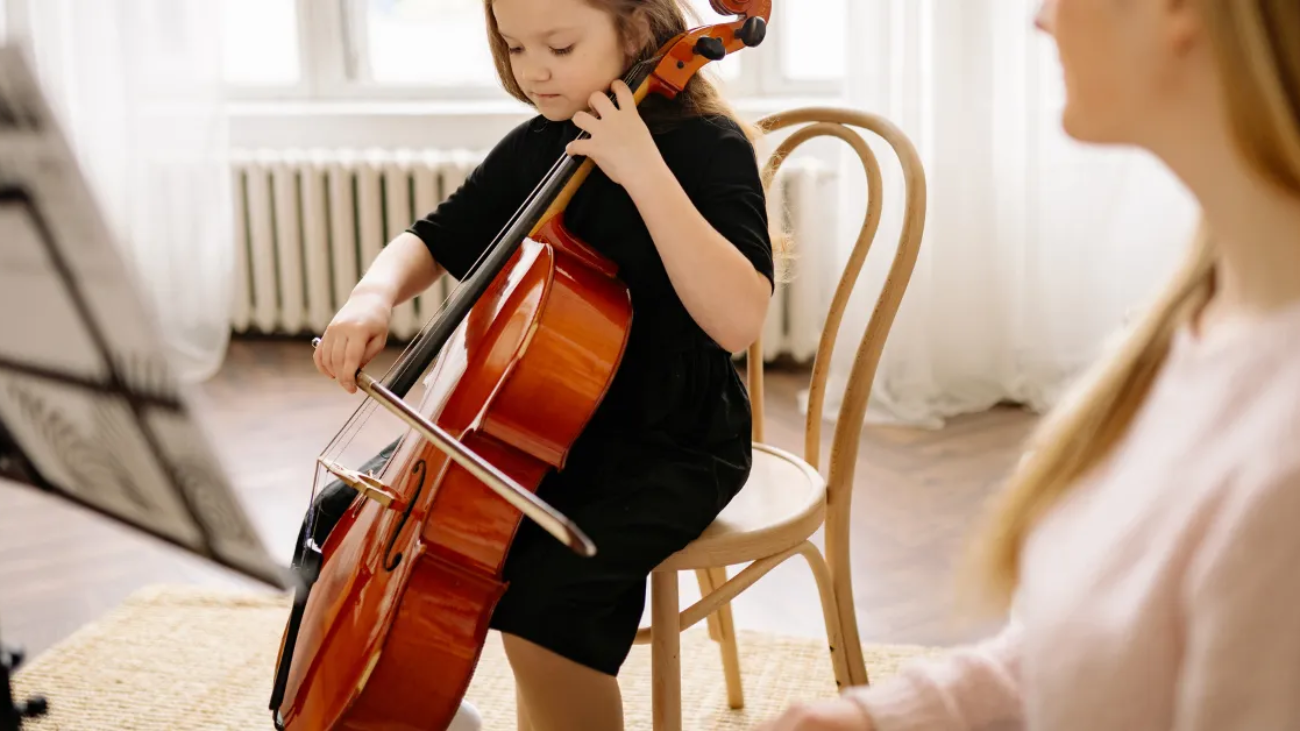
How to Play the Cello for Beginners 2

Essential Tips: How to Play the Cello for Beginners

How to Play the Cello for Beginners – Step-by-Step Indian Guide

How to Play the Cello for Beginners

Learning how to play the cello can be a deeply rewarding experience, especially for music lovers in India exploring Western classical or fusion genres. This bowed string instrument offers rich, soulful tones that are perfect for both solo and ensemble performances. Whether you’re young or an adult learner, this guide will walk you through everything you need to get started. From choosing the right instrument to practicing your first notes, we’re here to help you begin your musical journey with confidence


.

1. What is a Cello and Why Choose It?

  1. The cello is a member of the violin family but is much larger in size.
  2. It is tuned an octave lower than the viola and played sitting down.
  3. Offers deep, resonant tones ideal for Indian fusion, Western classical, and film music.
  4. Popular in both solo performances and orchestral settings.
  5. Suitable for teenagers and adults interested in mastering string instruments.


2. Choosing the Right Cello for Beginners in India

  1. Size Matters: 1/2 and 3/4 sizes for children; full-size (4/4) for adults.
  2. Materials: Solid wood cellos offer better tone than laminated ones.
  3. Brands to Consider: Cecilio, Mendini, Stentor (imported), and local luthiers.
  4. Budget Range: ₹20,000 to ₹60,000 for beginner models in India.
  5. Where to Buy: NMS Musicals (Chennai), Bajaao, Amazon India, local music academies.


3. Understanding the Parts of the Cello

  1. Body: Large, wooden hollow structure for sound resonance.
  2. Neck and Fingerboard: Where the left-hand fingers press down the strings.
  3. Pegs and Fine Tuners: For tuning the instrument.
  4. Bridge: Holds strings above the fingerboard.
  5. Bow: Used to create sound by drawing across the strings.


4. Holding the Cello and Bow Properly

  1. Posture: Sit on the edge of the chair, back straight, knees around the cello body.
  2. Bow Grip: Hold the bow with relaxed fingers, thumb curved and placed on the frog.
  3. Cello Position: Pegs should be near the left ear, endpin should touch the floor at an angle.
  4. Avoiding Tension: Practice mindfulness to release shoulder and hand tension.
  5. Consistency: Practice holding techniques daily before playing.


5. Basic Notes and First Exercises

  1. Start with open strings: C, G, D, A.
  2. Use one finger at a time to learn basic intervals.
  3. Practice long bows to create smooth sound.
  4. Focus on even pressure and straight bowing.
  5. Use Indian ragas like Yaman or Bhairav for melody exercises.


6. Tips to Improve Your Cello Playing Quickly

  1. Practice daily in short focused sessions (20–30 minutes).
  2. Record and review your playing to identify areas for improvement.
  3. Join online cello forums or Indian cello communities.
  4. Learn from Indian musicians blending cello with Carnatic or Hindustani styles.
  5. Regularly tune your cello and maintain the bow for best sound.


7. Taking Cello Classes in India

  1. Offline Options: KM Music Conservatory (Chennai), Calcutta School of Music.
  2. Online Classes: Artium Academy, Spardha School of Music, WhiteHat Jr.
  3. One-on-One Coaching: Ideal for quick progress and personal attention.
  4. Music Exams: Consider Trinity College or ABRSM grading systems.
  5. Peer Learning: Join group classes or ensemble workshops.


8. Common Mistakes Beginners Should Avoid

  1. Holding the bow too tightly.
  2. Bending the wrist in unnatural positions.
  3. Not using a tuner for accurate pitch.
  4. Practicing only scales and not real music.
  5. Ignoring the importance of posture.


9. Accessories Every Cello Beginner Needs

  1. Rosin (for the bow)
  2. Hard case or padded gig bag
  3. Extra strings
  4. Tuner and metronome
  5. Cello stand and music stand


10. Benefits of Learning the Cello in India

  1. Unique sound that complements Indian fusion music.
  2. Opportunities to stand out in performances and competitions.
  3. Flexibility to play both Indian and Western musical styles.
  4. Excellent for developing ear training and muscle memory.
  5. Can be integrated with digital recording for home studios.


Conclusion

Learning how to play the cello for beginners is a rewarding experience, offering both challenge and joy. With the right instrument, guidance, and consistent practice, anyone can begin mastering the strings. In India, the growing availability of cello classes, music communities, and affordable accessories makes it easier than ever to start. Whether you aim to perform classical solos, blend the cello into Indian film music, or simply enjoy the meditative quality of its tones, this guide provides the foundation you need. Choose your cello, commit to your practice, and let your musical journey unfold.


At NMS Musicals, we offer a comprehensive range of musical instruments, including percussion, string, wind, and keyboard instruments. Our services encompass sales, expert servicing, and the manufacture of leather instruments. Explore our diverse collection and find the perfect instrument to suit your musical needs.

Visit our website to browse our offerings: nmsmusicals.in

For a closer look at our products, check out our shop page: nmsmusicals.in/shop

Stay connected with us through our social media channels:
Our shop locations are:

For inquiries, contact/Whatsapp us at 9500663895 or email us at laxman.m89@gmail.com.

Discover the world of musical instruments with NMS Musicals today!

For a visual overview of our percussion instruments, watch the following video:
Unique Benefits of Playing Saxophone

Unique Benefits of Playing Saxophone You’ll Absolutely Love

Discover the Unique Benefits of Playing Saxophone and why it’s a top choice among modern and Indian classical music lovers.

Unique Benefits of Playing Saxophone1

Music is a universal language, and the instruments we choose to express it reflect our personality and passion. Among the many options available to aspiring musicians, the saxophone holds a distinctive allure. Especially in the Indian music landscape where traditional and modern sounds merge beautifully, the saxophone has carved out a special place. But what makes this instrument so captivating? Why choose a saxophone over other popular instruments like the flute, trumpet, or clarinet? This blog explores the answer with in-depth insights, focusing on the unique sound and versatility that sets the saxophone apart, even within the Indian music context.


1. The Saxophone’s Unique and Expressive Sound

Unlike many wind instruments, the saxophone delivers a sound that is rich, soulful, and highly expressive.

  1. The warm, woody tone of the saxophone gives it a voice-like quality that resonates with listeners.
  2. The saxophone can smoothly transition between mellow jazz vibes and powerful classical solos.
  3. It offers dynamic control, allowing musicians to play soft lullabies or energetic solos with ease.
  4. Its tonal range is vast, capable of mimicking a vocal cry or a whisper, depending on the player’s emotion.
  5. In Indian fusion music, saxophones beautifully blend with tablas and sitars, making them ideal for crossover performances.


2. Wide Range of Musical Styles

The saxophone is one of the most versatile instruments in the wind family.

  1. It is commonly used in jazz, pop, classical, rock, and even Indian Carnatic fusion music.
  2. Indian composers have started integrating saxophones into Bollywood and devotional soundtracks.
  3. It supports improvisation, which is a key component in Indian classical performances.
  4. The saxophone allows musicians to express both structured compositions and free-flowing melodies.
  5. This adaptability makes it ideal for children and teens experimenting with multiple genres.


3. Ideal for Beginner and Intermediate Players

Whether you are a child or an adult, the saxophone is surprisingly approachable for beginners.

  1. The fingering system is logical and relatively easy to learn.
  2. Producing a sound is more straightforward compared to other wind instruments like the flute.
  3. With consistent practice, students can begin playing songs within a few weeks.
  4. Many Indian music schools now include saxophone lessons alongside traditional instruments.
  5. Saxophones come in beginner-friendly models that are affordable and easy to maintain.


4. Increasing Popularity in Indian Music Education

Indian music institutions and bands are embracing the saxophone for its melodious contribution.

  1. More music schools in cities like Chennai, Bangalore, and Mumbai offer saxophone courses.
  2. Indian students are increasingly including saxophone pieces in school competitions and music exams.
  3. Many Indian YouTubers and performers now showcase saxophone covers of film songs and bhajans.
  4. This growing visibility helps inspire kids to take up the saxophone as their first instrument.
  5. It supports both Western and Indian notation systems, making it flexible for diverse learners.


5. Portability and Durability

Saxophones are built to travel and withstand performance rigors.

  1. Most alto saxophones (ideal for beginners) are compact enough to carry in a case.
  2. Their brass bodies are strong and resistant to damage from minor bumps or knocks.
  3. Unlike string instruments, saxophones don’t require regular tuning or special humidity control.
  4. A well-maintained saxophone can last for decades, even in Indian climates.
  5. It is ideal for school students who commute or need to travel for concerts and classes.


6. Strong Community and Learning Resources

The saxophone community is supportive, especially online, offering guidance and encouragement.

  1. There are hundreds of YouTube channels dedicated to saxophone tutorials.
  2. Indian saxophonists are now posting bilingual content, making it easy for regional learners.
  3. Forums and Facebook groups allow students to connect, share tips, and ask questions.
  4. Online saxophone workshops and virtual classes are readily available in India post-2020.
  5. Learners can easily find Indian compositions adapted for saxophone practice.


7. Great Choice for Indian Classical Fusion

The saxophone has found its way into Indian classical and fusion performances.

  1. Pioneers like Kadri Gopalnath popularized the saxophone in Carnatic music.
  2. Indian Ragas can be interpreted beautifully on the saxophone with precision and emotion.
  3. This instrument bridges the gap between Western brass instruments and Indian wooden flutes.
  4. It gives a new dimension to concerts involving veena, mridangam, and tabla.
  5. Learning the saxophone in this context can help kids appreciate both Indian and Western traditions.


8. Supports Emotional and Cognitive Development

Playing the saxophone helps children grow emotionally and intellectually.

  1. The act of producing sound through breath builds focus and discipline.
  2. Learning complex melodies sharpens memory and motor coordination.
  3. Kids gain confidence when they master a new piece and perform it in front of others.
  4. The expressive nature of the saxophone helps them articulate their feelings musically.
  5. Studies show that wind instruments enhance brain connectivity, supporting overall academic success.


9. Personalization and Style Expression

Saxophones can be customized and styled to reflect the musician’s identity.

  1. From matte black to gold lacquer finishes, saxophones offer multiple aesthetic choices.
  2. Mouthpieces and reeds can be personalized for tone preference.
  3. The way one plays the saxophone can be highly individual—smooth, punchy, dramatic, etc.
  4. Indian students love performing film music on saxophones with their own twists.
  5. This instrument becomes a personal companion rather than just a tool.


10. Long-Term Musical Growth

Saxophones grow with the player, offering new challenges and rewards at every level.

  1. Students can start with the alto sax and graduate to tenor or soprano saxophones later.
  2. Advanced players can explore jazz improvisation, classical solos, and Indian ragas.
  3. Saxophone playing can open doors to school bands, orchestras, college music programs, and more.
  4. It offers professional opportunities in the Indian music industry, from film scoring to studio recordings.
  5. This makes the saxophone a long-term investment in musical growth and joy.


11. Easy Availability and Support in India

Today, getting a saxophone in India is easier than ever.

  1. Reputed Indian music stores now stock beginner and professional saxophones.
  2. Brands like Yamaha, Jupiter, and Selmer have strong distribution across India.
  3. Local technicians can handle basic servicing and repair needs.
  4. Online platforms offer saxophone accessories like reeds, ligatures, and cases.
  5. Parents can confidently purchase saxophones for kids knowing support is readily available.


12. Affordability Compared to Other Wind Instruments

While the saxophone might look expensive, entry-level models are affordable.

  1. Student saxophones are available at competitive prices across India.
  2. Their long life makes them more cost-effective than some wooden Indian instruments.
  3. Used saxophones in good condition are widely sold in local and online music markets.
  4. Accessories like reeds and straps are budget-friendly and easily available.
  5. Compared to western brass instruments, saxophones offer more value for money for students.


13. Saxophones Encourage Consistent Practice

The immediate reward of creating a beautiful tone motivates students.

  1. Kids find saxophone practice engaging because they see fast progress.
  2. Playing along with Indian movie songs or devotional tracks makes learning fun.
  3. Saxophone players often become more self-driven and disciplined.
  4. Parents report higher practice consistency compared to traditional instruments like tabla or harmonium.
  5. This naturally improves musical proficiency and performance confidence.


14. Perfect for Solo and Group Settings

The saxophone shines in both solo and group performances.

  1. Students can perform solo pieces at school events or music festivals.
  2. They can also join bands, ensembles, or fusion groups.
  3. The saxophone harmonizes well with guitars, keyboards, and Indian percussion instruments.
  4. It balances melody and rhythm roles depending on the group setting.
  5. This makes it a flexible option for every budding musician.


15. Builds Stage Confidence and Creativity

Live performance is an important part of musical growth.

  1. Saxophone players gain confidence as they play in front of crowds.
  2. Many music schools encourage saxophone recitals and public events.
  3. Kids learn to adapt to different acoustics, audiences, and settings.
  4. Improvisation and stage presence grow naturally over time.
  5. This boosts their creativity and public communication skills too.


Conclusion

The saxophone is more than just a musical instrument—it’s a doorway to emotional expression, cultural fusion, and musical excellence. For Indian students, it offers the perfect balance between Western structure and Indian musical sensitivity. Whether your child is just starting their musical journey or looking to add a new instrument to their repertoire, the saxophone is a powerful, versatile, and joyful choice. Its unique sound, adaptability to Indian music, and broad developmental benefits make it a standout option. So, why choose a saxophone? Because it’s the instrument that not only sounds different but feels different—and that’s what sets it apart.


At NMS Musicals, we offer a comprehensive range of musical instruments, including percussion, string, wind, and keyboard instruments. Our services encompass sales, expert servicing, and the manufacture of leather instruments. Explore our diverse collection and find the perfect instrument to suit your musical needs.

Visit our website to browse our offerings: nmsmusicals.in

For a closer look at our products, check out our shop page: nmsmusicals.in/shop

Stay connected with us through our social media channels:
Our shop locations are:

For inquiries, contact/Whatsapp us at 9500663895 or email us at laxman.m89@gmail.com.

Discover the world of musical instruments with NMS Musicals today!

For a visual overview of our percussion instruments, watch the following video:
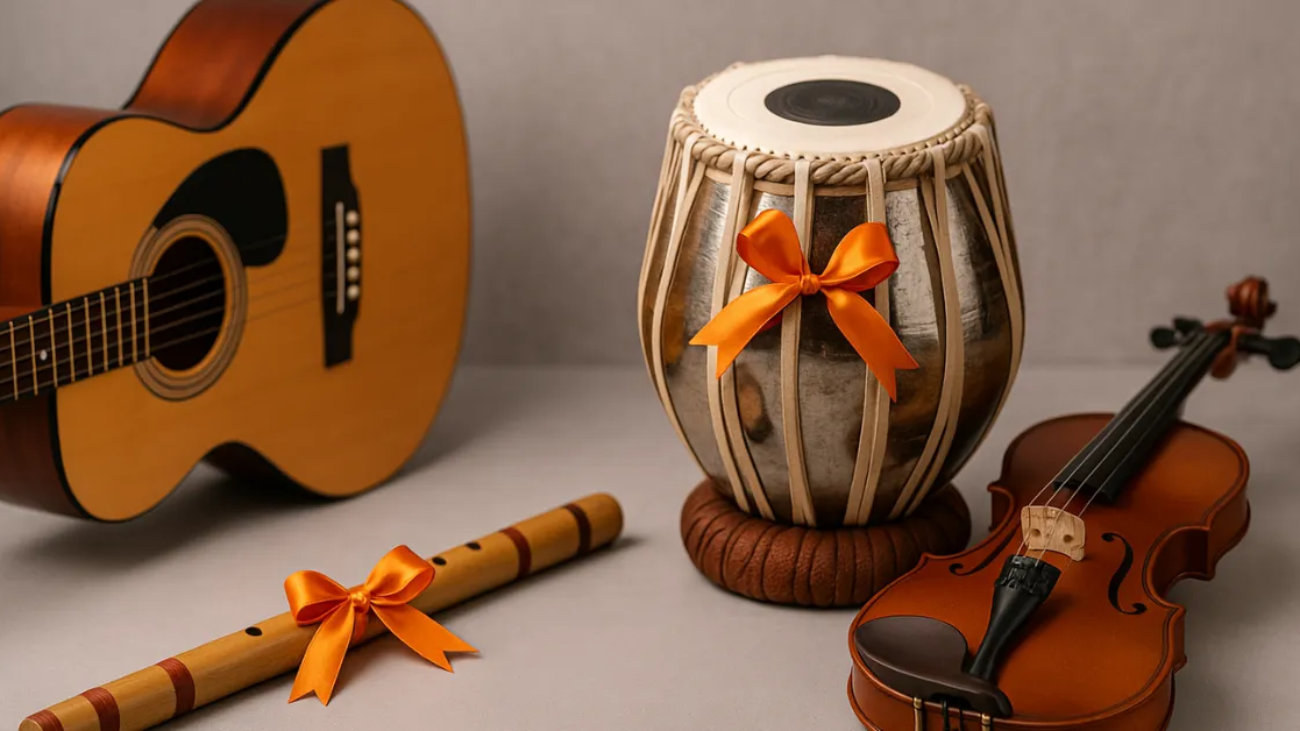
Perfect Keyboard for Your Home Studio Setup 4

Perfect Keyboard for Your Home Studio Setup

How to Find the Perfect Keyboard for Your Home Studio

Perfect Keyboard for Your Home Studio Setup 1

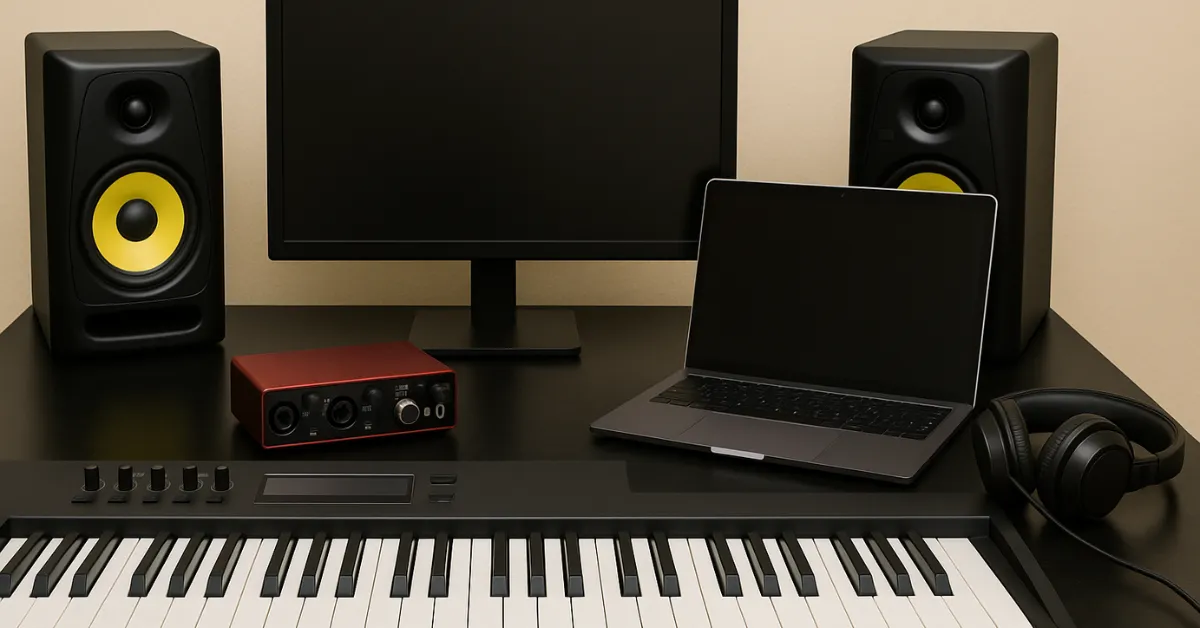
Setting up a home studio is an exciting step for any musician, and choosing the perfect keyboard plays a central role in the process. Whether you’re a budding composer, music producer, or hobbyist, the right keyboard can elevate your entire setup. With so many options available in India—from digital pianos to MIDI controllers—it’s easy to get overwhelmed. This guide will help you understand what to look for in a musician, use, especially with a focus on Indian musical styles and production needs.


1. Understanding Your Studio Needs

  1. Type of Music: Are you producing classical, electronic, Bollywood, or fusion?
  2. Level of Expertise: Are you a beginner, intermediate, or pro?
  3. Space Constraints: Measure your workspace to ensure the keyboard fits.
  4. Software Compatibility: Ensure the keyboard works with your DAW (like FL Studio, Logic, or Ableton).
  5. Budget Range: Decide how much you’re ready to spend, factoring in accessories.


2. Types of Keyboards for Home Studios

  1. Digital Pianos: Ideal for those who want an acoustic piano feel.
  2. MIDI Controllers: Best for those using virtual instruments in a DAW.
  3. Synthesizers: Great for music producers interested in custom sound design.
  4. Workstations: Feature-packed keyboards that can act as standalone music producers.
  5. Arranger Keyboards: Excellent for Indian music with rhythm styles and tone banks.


3. Number of Keys: What’s Ideal?

  1. 25-Key: Great for travel and minimal space, but limited.
  2. 49-Key: Ideal for compact studios and basic composing.
  3. 61-Key: The sweet spot for many home studio setups.
  4. 76-Key and 88-Key: Best for full-range performance and classical pieces.


4. Key Action and Sensitivity

  1. Semi-Weighted Keys: Balanced feel and affordability.
  2. Fully Weighted (Hammer Action): Mimics real pianos.
  3. Synth Action: Light and fast—great for electronic music.
  4. Velocity Sensitivity: Essential for expressive playing.


5. Built-in Sounds and Tones

  1. Indian Instruments: Look for harmonium, tabla, sitar, and bansuri tones.
  2. Drum Kits: Variety of percussion kits for different genres.
  3. Sound Banks: Some keyboards have hundreds of customizable sounds.
  4. Expandable Tones: Via USB or software integration.


6. MIDI and USB Connectivity

  1. MIDI Out/In: Essential for DAW-based production.
  2. USB to Host: Plug directly into your computer.
  3. Bluetooth MIDI: For wireless setups.
  4. Audio Interface Compatibility: Streamline your recording workflow.


7. Integration with Indian DAWs and Apps

  1. FL Studio Mobile: Compatible with many MIDI keyboards.
  2. GarageBand for iOS: Great for iPad-based producers.
  3. Ableton Live & Cubase: Popular in India’s indie music scene.
  4. Indian Plugins: Support for SwarPlug, Raga VST, etc.


8. Top Keyboard Brands in India for Home Studios

  1. Casio: Budget-friendly and includes Indian tones.
  2. Yamaha: Reliable, with great key action and sounds.
  3. Roland: Professional-grade with rich sound engines.
  4. Arturia: Excellent for MIDI control.
  5. Alesis: Affordable MIDI keyboards for producers.


9. Budget Recommendations Based on Use

  1. ₹5,000–₹10,000: Basic MIDI controllers (25-49 keys).
  2. ₹10,000–₹20,000: Beginner digital pianos and arranger keyboards.
  3. ₹20,000–₹40,000: Professional MIDI keyboards, 61-key digital pianos.
  4. ₹40,000+: Workstations and high-end stage pianos.


10. Useful Accessories for Your Keyboard

  1. Keyboard Stand: Adjustable and stable.
  2. Sustain Pedal: For expressive piano-style playing.
  3. Audio Interface: Clean audio input for your DAW.
  4. Headphones: For accurate sound monitoring.
  5. Studio Monitors: Essential for final mixing.
  6. Dust Cover: Protects the keyboard from dirt and moisture.


11. Tips to Test Before Buying

  1. Playability: Check the feel and responsiveness of keys.
  2. Sound Quality: Listen to Indian instrument samples.
  3. DAW Integration: Ensure easy setup with your music software.
  4. Demo Sessions: Try visiting a music store like NMS Musicals in Chennai.
  5. User Reviews: Read Indian-specific reviews online.


12. Where to Buy in India

  1. Offline Stores:
  • NMS Musicals (Chennai & Pondicherry)
  • Furtados (Multiple cities)
  • Soundglitz (Bangalore, Kochi)
  1. Online Platforms:
  • Amazon India
  • Bajaao
  • Flipkart
  • DevMusical


13. Future-Proofing Your Setup

  1. Expandable Features: Look for upgrade paths like USB hosting, additional sound packs.
  2. Software Bundles: Some keyboards come with DAWs included.
  3. Upgradable Firmware: Keeps your gear current.
  4. Connectivity Options: More ports = more compatibility.


14. Best Keyboards for Indian Style Music Production

  1. Yamaha PSR Series: Great Indian tones and styles.
  2. Casio CT-X Series: Customizable rhythm patterns.
  3. Roland Juno DS: Stage-worthy with excellent Indian instrument support.
  4. Akai MPK Mini: MIDI option perfect for fusion production.


Conclusion

Finding the perfect keyboard for your home studio is about aligning your musical goals, space, and budget with the right features. Whether you’re creating Hindustani classical fusion, composing film scores, or producing EDM, the keyboard you choose becomes the core of your studio. Indian musicians have unique needs—from specific tones to traditional rhythm accompaniments—and the good news is, the market now caters to them. Take the time to try out different models, research Indian-compatible features, and invest in accessories that elevate your experience. With the right keyboard in hand, your home studio can become a powerhouse of creativity.


At NMS Musicals, we offer a comprehensive range of musical instruments, including percussion, string, wind, and keyboard instruments. Our services encompass sales, expert servicing, and the manufacture of leather instruments. Explore our diverse collection and find the perfect instrument to suit your musical needs.

Visit our website to browse our offerings: nmsmusicals.in

For a closer look at our products, check out our shop page: nmsmusicals.in/shop

Stay connected with us through our social media channels:
Our shop locations are:

For inquiries, contact/Whatsapp us at 9500663895 or email us at laxman.m89@gmail.com.

Discover the world of musical instruments with NMS Musicals today!

For a visual overview of our percussion instruments, watch the following video:
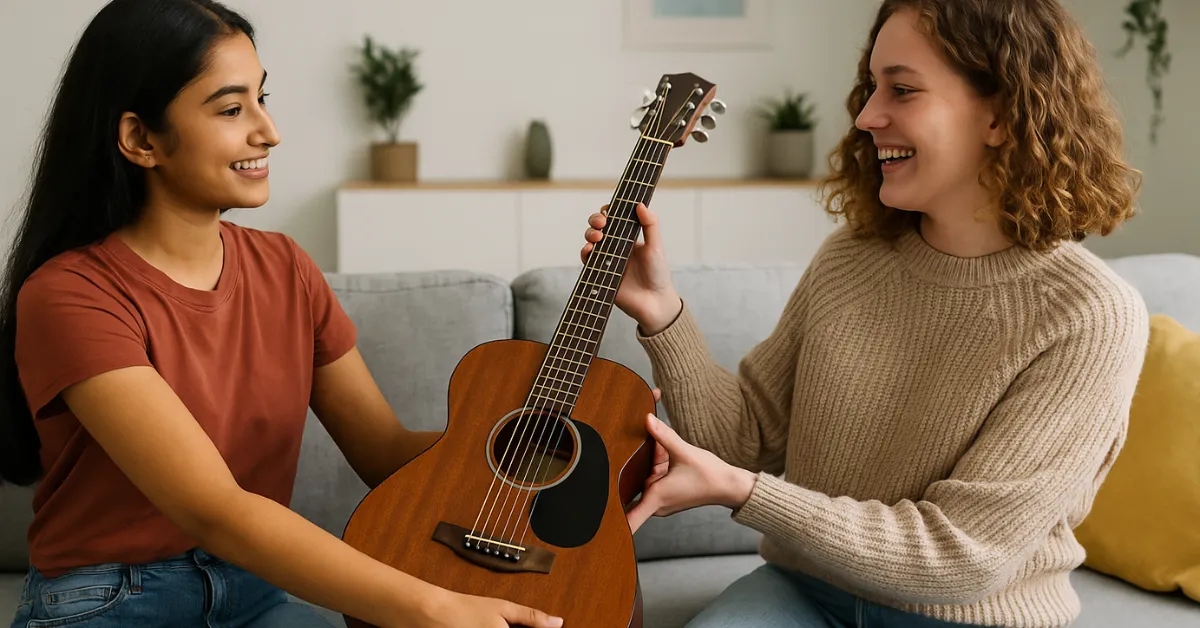
Choosing the Right Drumsticks for Drums

Perfect Guide: Choosing the Right Drumsticks for Drums

Master Your Drumming: Choosing the Right Drumsticks for Drums Made Easy

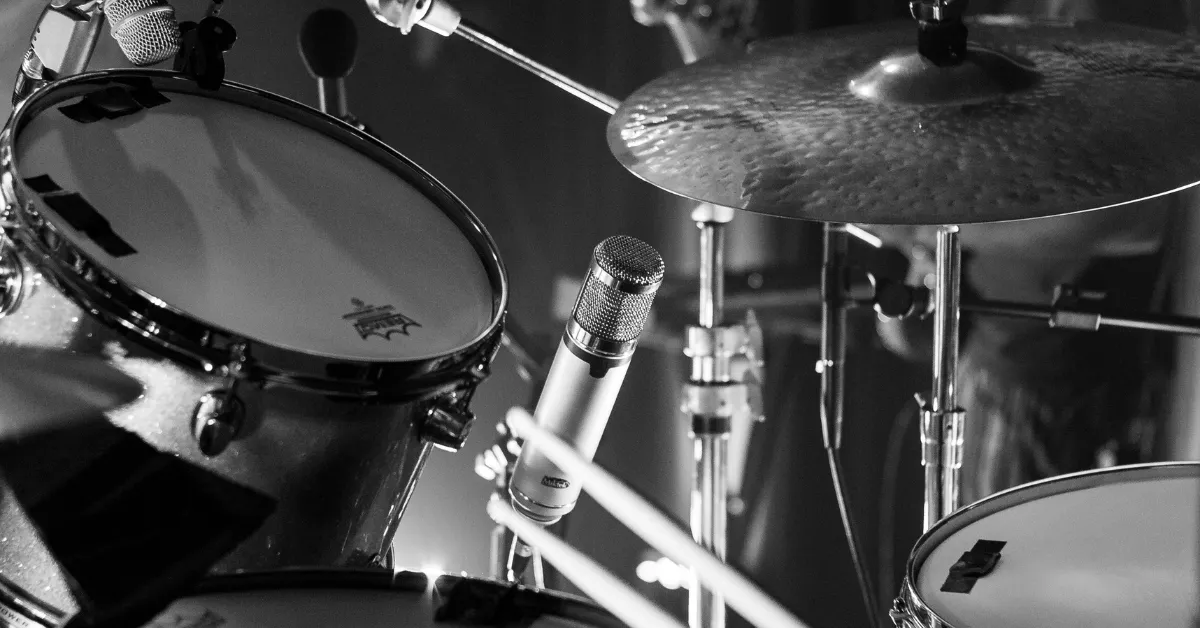
Ostar Grip Drumsticks - 7A

Drumsticks might look simple, but choosing the right pair is essential for perfecting your drumming technique, especially when playing Indian percussion instruments. The wrong sticks can affect your sound quality, cause strain on your hands, and even damage your drumheads. Whether you are a beginner, a student in a music class, or a seasoned performer playing Indian instruments like pad drums or electronic kits, understanding how to choose the right drumsticks for your drums will make a massive difference.


1. Understand the Different Types of Drumsticks

Before you buy drumsticks, it’s important to know the types available in the market.

  1. Wood Tip vs Nylon Tip: Wood tips produce warm, natural sounds, ideal for acoustic Indian instruments. Nylon tips are more durable and offer brighter tones for electronic kits.
  2. Stick Size (e.g., 7A, 5A, 5B): 7A is lighter and great for kids or soft play, 5A is a balanced choice for beginners, and 5B is heavier for louder genres.
  3. Specialty Drumsticks: Brushes, rods, and mallets are used in Indian fusion music and studio recordings.
  4. Taper and Tip Shape: Longer tapers allow more rebound; tip shapes (oval, teardrop, round) affect the sound texture.
  5. Material: Hickory is most popular. Maple is lighter and great for younger players. Oak is heavier and lasts longer.


2. Choose Drumsticks Based on Drum Type

Indian drummers often use different types of drums compared to Western counterparts, so stick choice varies.

  1. Acoustic Drums: For dhol or traditional Indian drums, sticks must be light but sturdy.
  2. Electronic Kits: Nylon tips are preferred for pads to prevent wear.
  3. Frame Drums (e.g., kanjira, dafli): Often played by hand, but if used with sticks, choose soft-tipped ones.
  4. Tabla Accompaniment on Drum Pads: Use lightweight 7A or practice sticks to maintain clarity without overpowering.
  5. Mridangam and Other Classical Instruments: If using modern drumsticks for fusion, choose rounded tips to preserve tone.


3. Match Stick Size with Age and Skill Level

Stick size plays a major role in comfort, especially for kids or beginners.

  1. For Children: 7A drumsticks are thin, lightweight, and easier for small hands.
  2. For Beginners: 5A is a universal size, balancing weight and control.
  3. For Teens: Slightly heavier sticks like 5B help in building stamina.
  4. Advanced Drummers: Choose based on personal preference and genre.
  5. For Indian Classical Training: Lightweight, balanced sticks help retain traditional nuances.


4. Consider the Musical Style You Play

Different genres demand different stick characteristics. For Indian music, this varies greatly.

  1. Carnatic and Hindustani Fusion: Use lighter sticks with good rebound to allow quick wrist movements.
  2. Folk and Bhangra: Use thick and long sticks for powerful strikes, like those used in dhol playing.
  3. Film and Studio Music: Choose smooth-tipped, well-balanced sticks for cleaner recordings.
  4. Electronic Music: Shorter sticks with nylon tips provide precision on drum pads.
  5. Devotional or Bhajan Settings: Use soft mallets or rods for gentle percussion tones.


5. Test for Comfort and Balance

Comfort is key when selecting drumsticks, especially if you play long sessions.

  1. Grip Feel: Hold the stick and do a few rolls. It should feel natural in your hand.
  2. Balance Point: The stick should not be front- or back-heavy.
  3. Weight Match: Both sticks in a pair should weigh the same to avoid uneven play.
  4. Rebound Test: Try tapping on a rubber pad to test rebound.
  5. Fatigue Factor: If the stick feels heavy after 10 minutes, it’s too large for you.


6. Know When to Replace Drumsticks

Using worn-out sticks can damage your drums and ruin your tone.

  1. Splintering Wood: If the tips or edges are chipping, replace them.
  2. Bent or Warped Sticks: Roll them on a flat surface to check for bends.
  3. Cracks in Shaft: Even small cracks can lead to sudden breaks.
  4. Unbalanced Pair: Over time, sticks can wear unevenly.
  5. Change in Tone: If your sound starts to dull, check your sticks.


7. Best Drumsticks for Indian Percussion Practice

For Indian musical needs, specific drumstick types work best during practice.

  1. Rubber-Tipped Practice Sticks: Great for silent practice and preserving pad life.
  2. Foam or Felt-Tip Sticks: Good for acoustic Indian drums.
  3. Budget-Friendly Options: Brands like Vic Firth and Vater offer student packs.
  4. Customized Indian Brand Sticks: Local music stores often carry suitable models.
  5. DIY Practice Sticks: For kids, cut-down wooden rods with smoothed tips can work well under supervision.


8. Popular Drumstick Brands Available in India

Many good brands are easily available at Indian music shops or online.

  1. Vic Firth: Offers a wide range from beginners to pros.
  2. Zildjian: Known for quality and durability.
  3. Promark: Preferred by studio musicians.
  4. Tama: Good for electronic drum pads.
  5. Indian Brands: Some local brands offer custom drumsticks for Indian percussion.


9. Maintenance Tips for Drumsticks

Taking care of your drumsticks can extend their life and save money.

  1. Wipe After Use: Sweat and oils from hands can weaken the stick material.
  2. Store Vertically: Avoid warping by keeping them upright in a stick bag.
  3. Avoid Excessive Rimshots: Can cause early tip damage.
  4. Check Before Practice: A quick inspection prevents accidents.
  5. Use Practice Pads: Save your good sticks for performances.


10. Where to Buy Drumsticks in India

You can find quality drumsticks both online and offline.

  1. Music Stores in Chennai & Pondicherry: Check out shops like NMS Musicals
  2. Online Marketplaces: Amazon India, Flipkart, Bajaao, and Furtados.
  3. Direct Brand Websites: Some brands sell directly with better warranties.
  4. Student Discounts: Ask for student packs or bulk deals if buying for a class.
  5. Second-Hand Stores: For budget buyers, check local listings for gently used pairs.


Conclusion

Understanding how to choose the right drumsticks for your drums is an essential step for any aspiring drummer—especially for those involved in Indian music styles. With the right size, weight, and tip, you can transform your sound and comfort level. Whether you’re learning to play the mridangam on an electric pad, jamming with fusion bands, or just beginning your percussion journey, the right pair of sticks can make a world of difference.

Choose wisely, test them thoroughly, and never compromise on comfort. As Indian percussion continues to blend with global rhythms, having the perfect pair of drumsticks in your hands will let your beats truly shine.


At NMS Musicals, we offer a comprehensive range of musical instruments, including percussion, string, wind, and keyboard instruments. Our services encompass sales, expert servicing, and the manufacture of leather instruments. Explore our diverse collection and find the perfect instrument to suit your musical needs.

Visit our website to browse our offerings: nmsmusicals.in

For a closer look at our products, check out our shop page: nmsmusicals.in/shop

Stay connected with us through our social media channels:
Our shop locations are:

For inquiries, contact/Whatsapp us at 9500663895 or email us at laxman.m89@gmail.com.

Discover the world of musical instruments with NMS Musicals today!

For a visual overview of our percussion instruments, watch the following video:
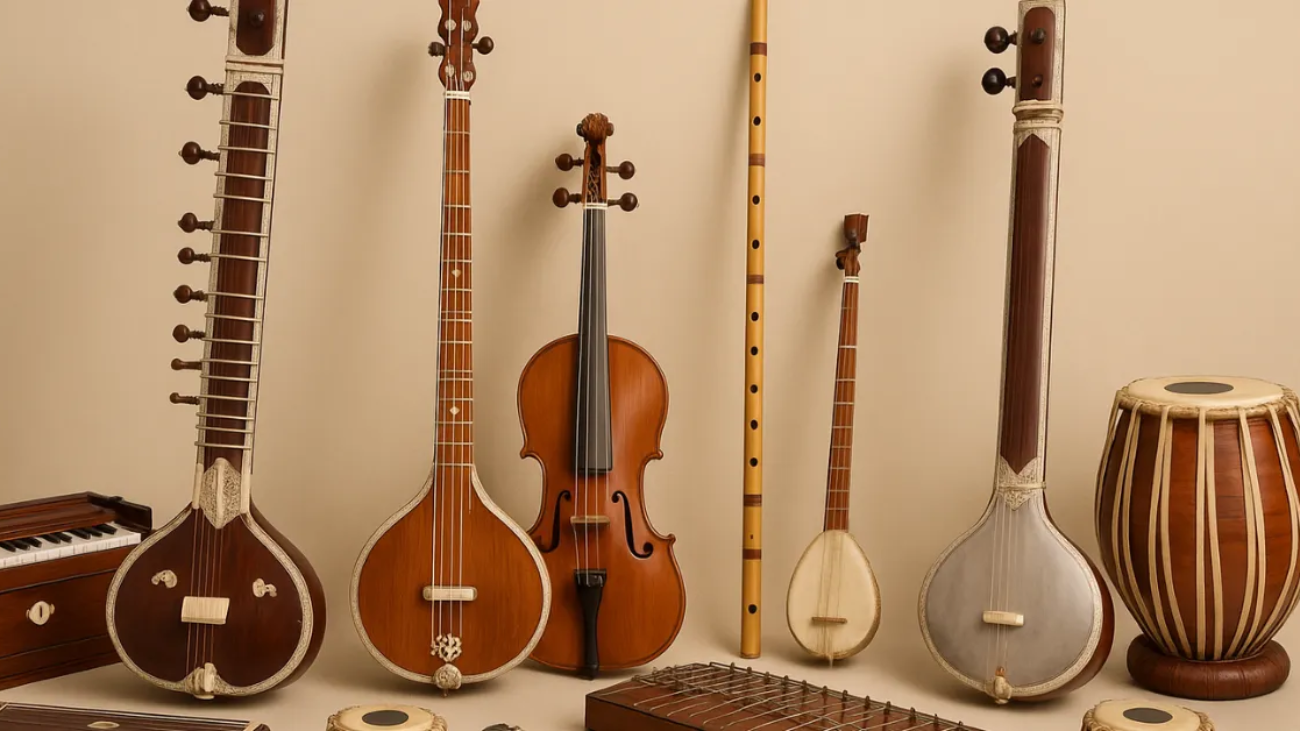
Learning Indian Classical Instruments for Kids3

Incredible Perks of Learning Indian Classical Instruments for Kids

Top 5 Benefits of Learning Indian Classical Instruments for Kids

Learning Indian Classical Instruments for Kids4

Music is a universal language, but when it comes to Indian classical instruments, the benefits go far beyond melody. For children, especially in India, learning these traditional instruments opens the door to rich cultural heritage, brain development, emotional growth, and much more. In this blog, we explore the Top 5 Benefits of Learning Indian Classical Instruments for Kids, with a focus on age-appropriate instruments and their lifelong impact.


1. Boosts Cognitive and Brain Development

One of the most remarkable advantages of learning Indian classical instruments is the positive impact on a child’s brain development.

  1. Research shows that music training stimulates areas of the brain linked to memory, attention, and spatial-temporal skills.
  2. Instruments like the tabla and mridangam require complex hand movements and rhythm patterns that enhance motor skills and coordination.
  3. Regular practice improves focus, problem-solving abilities, and even math proficiency.
  4. Playing music engages both hemispheres of the brain, strengthening neural connections.
  5. Children exposed to music early often perform better academically.


2. Develops Discipline and Patience

Indian classical music, unlike instant pop culture gratification, demands patience and regular practice.

  1. Learning ragas, talas, and intricate compositions trains children in discipline and structure.
  2. Consistent practice habits improve time management and goal setting.
  3. Students learn to appreciate progress through persistence.
  4. Instruments like veena and sitar require proper tuning and technique, encouraging careful attention.
  5. Teachers often emphasize respect for tradition, mentors, and peers.


3. Builds Emotional Intelligence and Expression

Music is not just a technical skill; it is a channel of emotional depth and self-expression.

  1. Children learn to express emotions through musical phrasing, tempo, and dynamics.
  2. Playing a raag can help a child feel and portray happiness, sadness, or serenity.
  3. Indian classical music promotes mindfulness and emotional awareness.
  4. Music practice is therapeutic, reducing stress and anxiety.
  5. Expressing creativity fosters self-confidence and individuality.


4. Strengthens Cultural Identity and Connection

In a rapidly globalizing world, learning Indian classical instruments helps children stay rooted in their heritage.

  1. Instruments like tabla, mridangam, veena, and bansuri carry centuries of cultural wisdom.
  2. Learning Indian music connects children with festivals, traditions, and family legacies.
  3. Knowledge of Indian music theory enriches language skills in Sanskrit, Tamil, or Hindi.
  4. Cultural pride strengthens social identity and boosts self-esteem.
  5. It enables participation in cultural events, temples, and school performances.


5. Encourages Social Skills and Community Engagement

Learning Indian classical music isn’t a solitary journey; it brings children into vibrant communities.

  1. Kids often take part in group classes or ensembles, learning teamwork and cooperation.
  2. Participating in concerts or arangetrams improves public speaking and performance skills.
  3. Teacher-student dynamics teach respect, listening, and feedback.
  4. Sharing a common passion for music builds lifelong friendships.
  5. Children become part of a musical legacy, giving them a sense of purpose.


Bonus: Choosing the Right Instrument for Your Child

Understanding a child’s interest and personality is key in selecting the right Indian classical instrument.

  1. Tabla or Mridangam: Perfect for children who enjoy rhythm and movement.
    Mridangam 24 inch bolt nut
  2. Veena or Sitar: Ideal for those drawn to melody and intricacy.

  3. Bansuri (Indian Flute): Great for kids who appreciate calm and meditative tones.
    base flute
  4. Violin (Carnatic Style): A versatile choice with strong community support in India.
    Learning Indian Classical Instruments for Kids
  5. Harmonium: Helps in understanding ragas and accompanying vocal music.
    Learning Indian Classical Instruments for Kids1

Each instrument provides a unique pathway into the world of classical music.


Tips for Parents: Supporting Your Child’s Musical Journey

  1. Encourage regular practice without pressure.
  2. Attend your child’s performances to show support.
  3. Provide access to good teachers and instruments.
  4. Create a musical environment at home.
  5. Celebrate milestones, no matter how small.


Conclusion

The Top 5 Benefits of Learning Indian Classical Instruments for Kids go beyond music. They touch every aspect of a child’s growth—mental, emotional, cultural, and social. Whether your child picks up a tabla, veena, or bansuri, they gain more than a skill. They become part of a living tradition that shapes character and creativity. As parents, educators, or music lovers, nurturing this connection can make a powerful difference in a child’s life.

Introducing Indian classical instruments to kids is not just an activity; it’s an investment in their holistic development. Encourage them today, and watch the lifelong benefits unfold through every note they play.


At NMS Musicals, we offer a comprehensive range of musical instruments, including percussion, string, wind, and keyboard instruments. Our services encompass sales, expert servicing, and the manufacture of leather instruments. Explore our diverse collection and find the perfect instrument to suit your musical needs.

Visit our website to browse our offerings: nmsmusicals.in

For a closer look at our products, check out our shop page: nmsmusicals.in/shop

Stay connected with us through our social media channels:
Our shop locations are:

For inquiries, contact/Whatsapp us at 9500663895 or email us at laxman.m89@gmail.com.

Discover the world of musical instruments with NMS Musicals today!

For a visual overview of our percussion instruments, watch the following video: