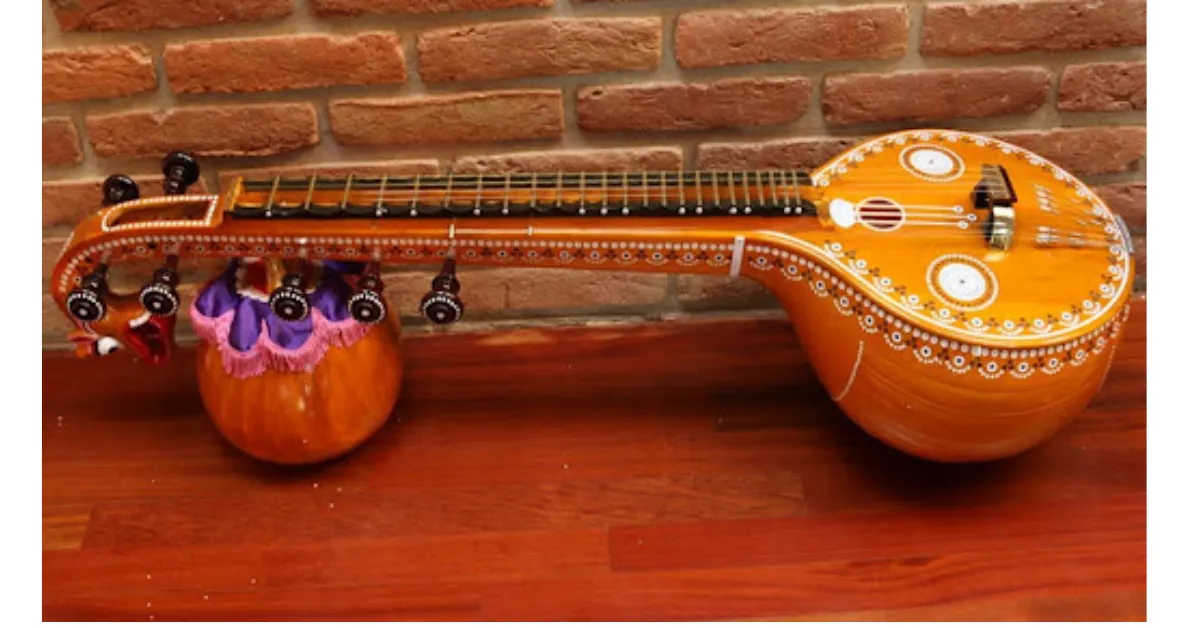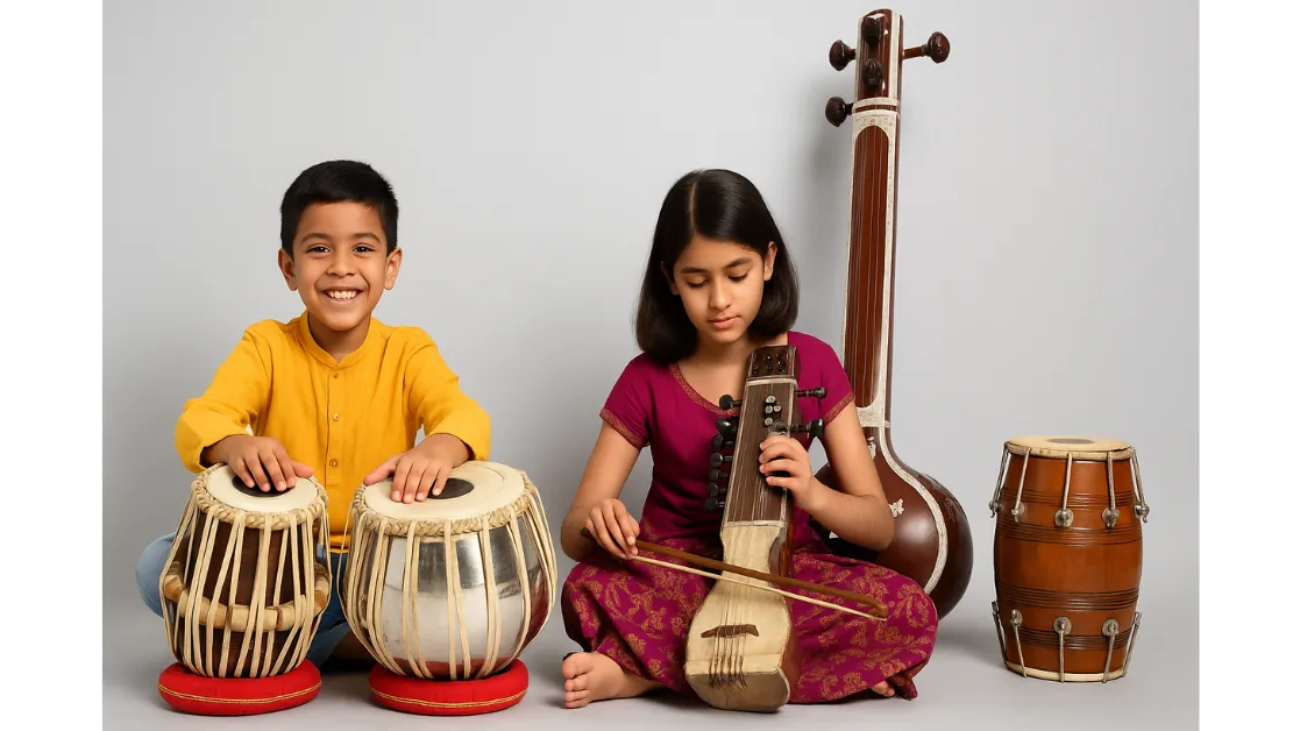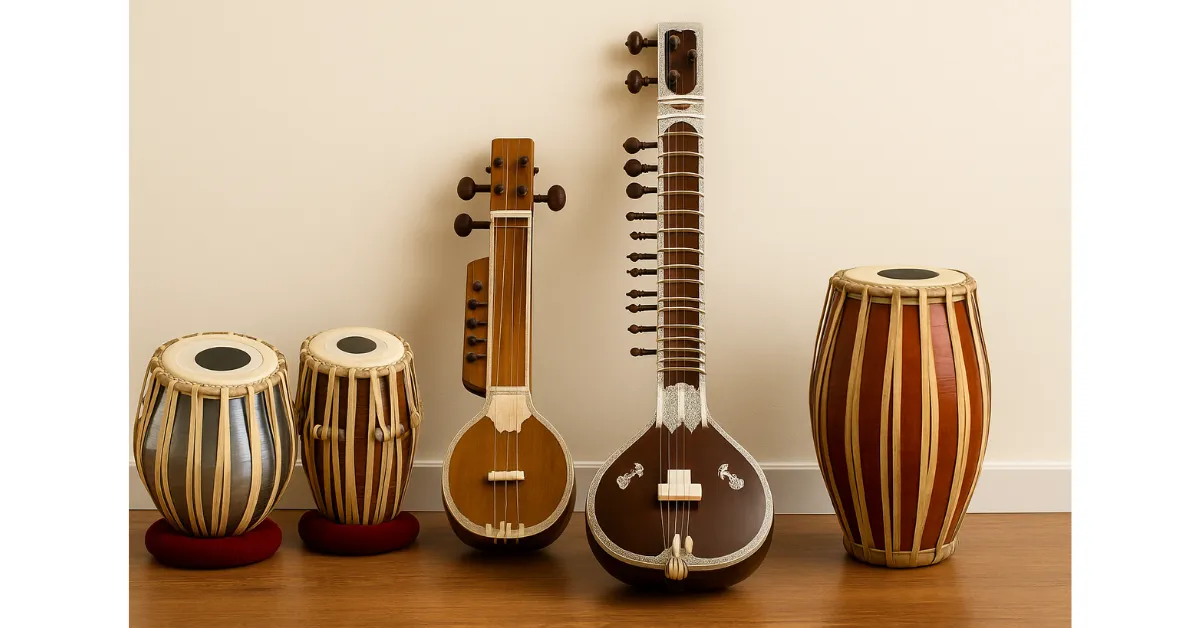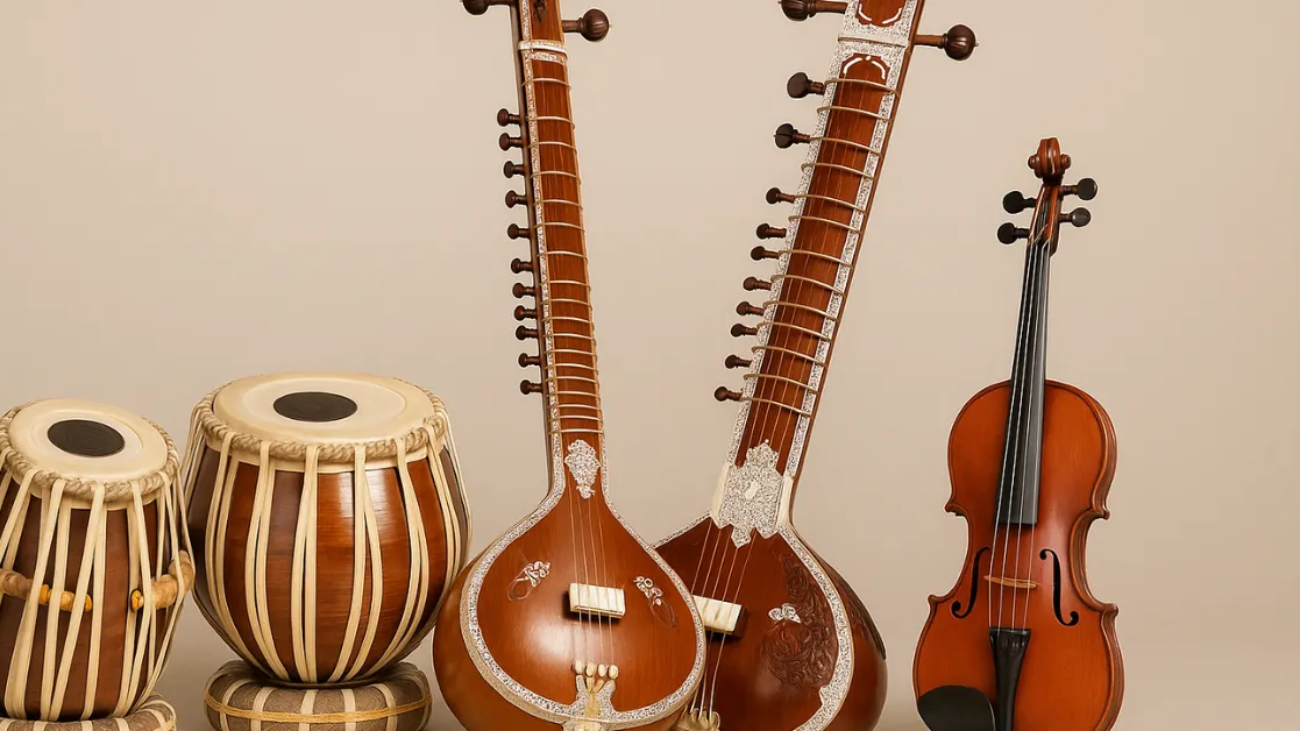
Timeless Harmonium in Indian Music

Discover the Timeless Harmonium in Indian Music Today

Learn how the Timeless Harmonium in Indian Music continues to inspire generations
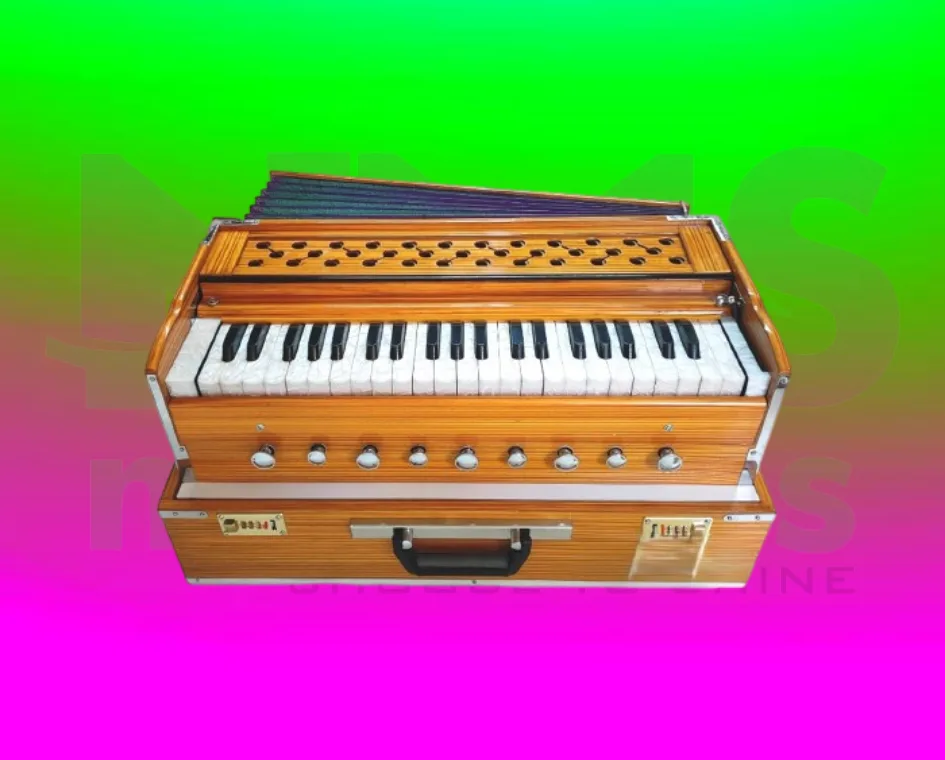
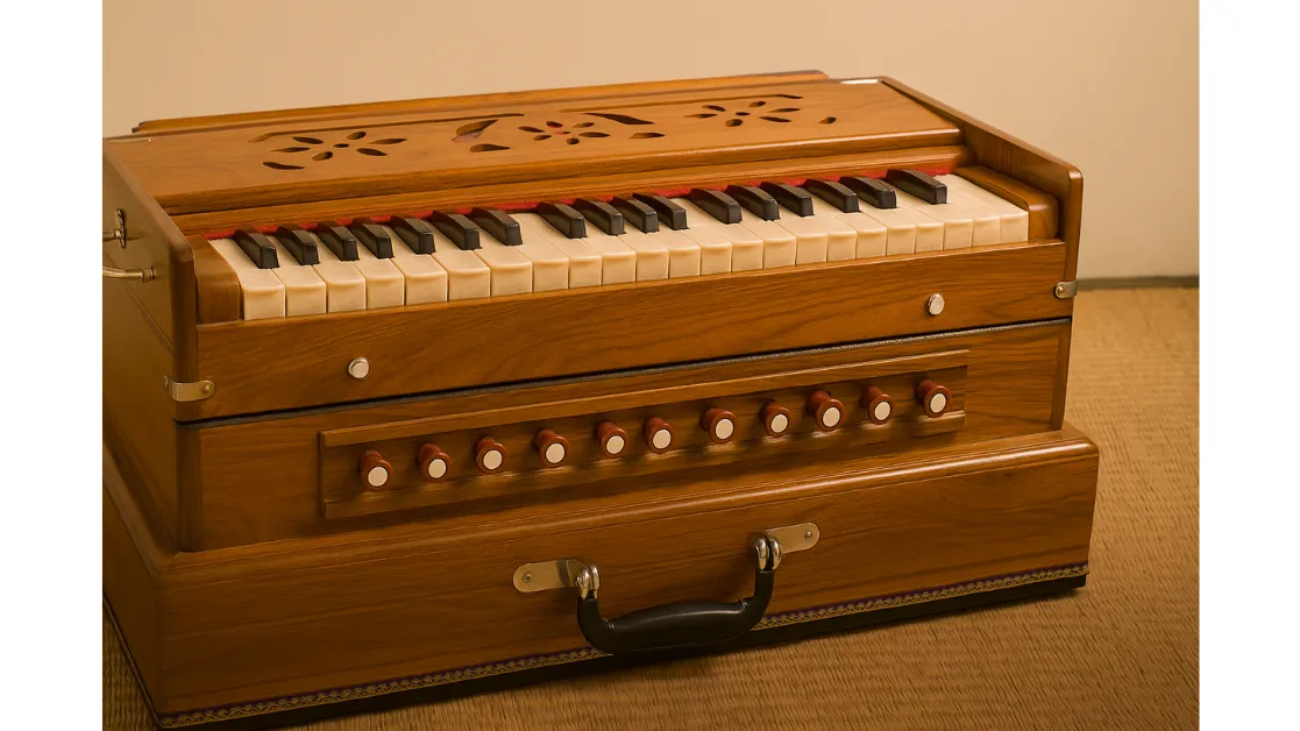
Harmonium with case

Among the myriad instruments that make up India’s rich musical tapestry, few hold as much cultural and emotional resonance as the harmonium. This humble yet powerful instrument has endured for generations, leaving its mark on classical concerts, bhajan sessions, ghazals, and even modern fusion genres. Whether played solo or as accompaniment, the harmonium’s voice is instantly recognizable and deeply rooted in India’s sonic heritage. In this blog, we explore why the harmonium is a timeless instrument in Indian music, its origins, versatility, unique qualities, and continued relevance in today’s musical landscape.


1. The Origin and Evolution of the Harmonium in India

The harmonium may have European origins, but its adaptation into Indian music is nothing short of extraordinary. Introduced to India by French missionaries in the 19th century, the original harmonium was a foot-pumped reed organ. Indian musicians quickly embraced the instrument and modified it into a hand-pumped version, more suited for floor seating and Indian performance styles.

Its portability, ease of tuning, and compatibility with Indian vocal styles helped it integrate seamlessly into classical and devotional genres. The harmonium’s ability to produce sustained drones and accompany a wide vocal range made it a staple in Hindustani classical music and devotional traditions like bhajans, qawwalis, and kirtans.


2. Harmonium’s Role in Indian Classical Music

In Hindustani classical music, the harmonium often serves as a melodic companion for vocalists. Unlike stringed instruments like the sitar or sarangi, the harmonium offers consistent pitch and ease of control for beginners and experts alike.

Some purists have critiqued its inability to produce meend (glides between notes), a core aspect of Indian raga performance. However, skilled musicians have developed techniques to simulate these nuances through finger pressure and playing styles. Its contribution to classical concerts remains significant, particularly in khayal and thumri performances.


3. Harmonium in Devotional Music

One of the most beloved uses of the harmonium is in devotional settings. Its ability to accompany group singing makes it perfect for bhajans, satsangs, and kirtans. The harmonium’s tone creates a warm, inviting atmosphere, encouraging congregational singing and spiritual reflection.

Whether in a temple, gurdwara, or a household prayer meeting, the harmonium is often the centerpiece of devotional sessions. Its ability to sustain notes and provide a firm melodic base enhances the communal and meditative power of spiritual music.


4. Harmonium in Indian Folk and Regional Music

Beyond classical and devotional music, the harmonium features prominently in Indian folk traditions. From Maharashtra’s lavani and West Bengal’s baul to Punjab’s folk songs, this instrument finds diverse expressions across regional cultures.

The harmonium’s accessibility and ease of use make it an essential tool for folk musicians, enabling them to teach, perform, and preserve regional music traditions. It bridges the gap between urban and rural musical expressions, making music education and performance more inclusive.


5. Harmonium in Ghazals and Semi-Classical Music

Ghazals, with their poetic depth and emotional resonance, often find their perfect melodic companion in the harmonium. The instrument’s ability to sustain notes and produce rich timbres enhances the romantic and melancholic themes that ghazals explore.

Accompanists use the harmonium not only to support the singer’s melody but also to weave subtle improvisations that mirror the emotional dynamics of the lyrics. Its use in thumri and dadra further showcases its capacity for expressing emotion and lyrical intimacy.


6. The Harmonium in Bollywood and Contemporary Music

The golden era of Hindi cinema saw prolific use of the harmonium in background scores and songs. Music directors such as Naushad, Madan Mohan, and R.D. Burman used the instrument extensively to layer melodies and create musical sketches for film soundtracks.

Though electronic keyboards have become more prominent in modern Bollywood, the harmonium retains its place in traditional and fusion music scenes. Artists are now blending the harmonium with electronic effects and world instruments, proving its adaptability to contemporary genres.


7. Why the Harmonium is Ideal for Beginners

Many aspiring musicians in India begin their journey with the harmonium. Its relatively simple mechanics and scale-based layout make it an excellent starting point for learning melody, pitch, and rhythm.

Unlike string instruments which require precise tuning and hand positions, the harmonium allows beginners to focus on understanding ragas and developing vocal skills. It supports both practice and performance, making it an ideal first instrument in music education.


8. Harmonium in Indian School Bands and Cultural Programs

The harmonium is widely used in Indian school bands, especially during cultural programs, Independence Day celebrations, and inter-school competitions. Its role in teaching Indian music theory, ragas, and compositions at school level has made it a foundational instrument in Indian education systems.

Music teachers often use harmoniums to demonstrate vocal pieces, train choirs, and accompany students during public performances. This fosters a deep connection with Indian music traditions from an early age.


9. Harmonium as a Tool for Music Therapy

The harmonium’s calming sound and easy learning curve have found applications in music therapy. Used in both clinical and non-clinical settings, the harmonium helps in stress reduction, emotional expression, and cognitive rehabilitation.

Therapists have noted how playing the harmonium can enhance focus, relaxation, and communication skills in children and adults alike. The instrument’s soothing nature makes it an effective medium for therapeutic work in hospitals, schools, and special education programs.


10. Innovations and Modern Harmonium Designs

Modern-day harmonium makers have introduced several innovations to suit contemporary musical needs. Compact folding models, harmoniums with couplers and scale changers, and digitally tunable variants are now available.

These innovations maintain the essence of the harmonium while expanding its functionality. The digital harmonium, for example, allows precise tuning and sound modulation—features useful for professional performances and recordings.


CONCLUSION

Why the harmonium is a timeless instrument in Indian music is evident through its history, cultural integration, and unmatched versatility. From classical concerts to devotional gatherings, from school programs to fusion stages, the harmonium has stood the test of time as a beloved and adaptable musical companion. It is both a teacher and performer, a meditative aid and a festive cheerleader.

The harmonium has not only survived the influx of Western instruments but has also adapted and thrived alongside them. Its sustained presence in Indian music is a testament to its enduring charm and practical significance. As more young musicians rediscover the harmonium’s magic, its legacy is poised to inspire generations to come.

Whether you are a music student, a performer, or a casual listener, the harmonium offers a soulful journey into the heart of Indian musical tradition. Embrace this timeless gem, and you’ll uncover a world of melody, emotion, and heritage woven into every note.


At NMS Musicals, we offer a comprehensive range of musical instruments, including percussion, string, wind, and keyboard instruments. Our services encompass sales, expert servicing, and the manufacture of leather instruments. Explore our diverse collection and find the perfect instrument to suit your musical needs.

Visit our website to browse our offerings: nmsmusicals.in

For a closer look at our products, check out our shop page: nmsmusicals.in/shop

Stay connected with us through our social media channels:
Our shop locations are:

For inquiries, contact/Whatsapp us at 9500663895 or email us at laxman.m89@gmail.com.

Discover the world of musical instruments with NMS Musicals today!

For a visual overview of our percussion instruments, watch the following video:
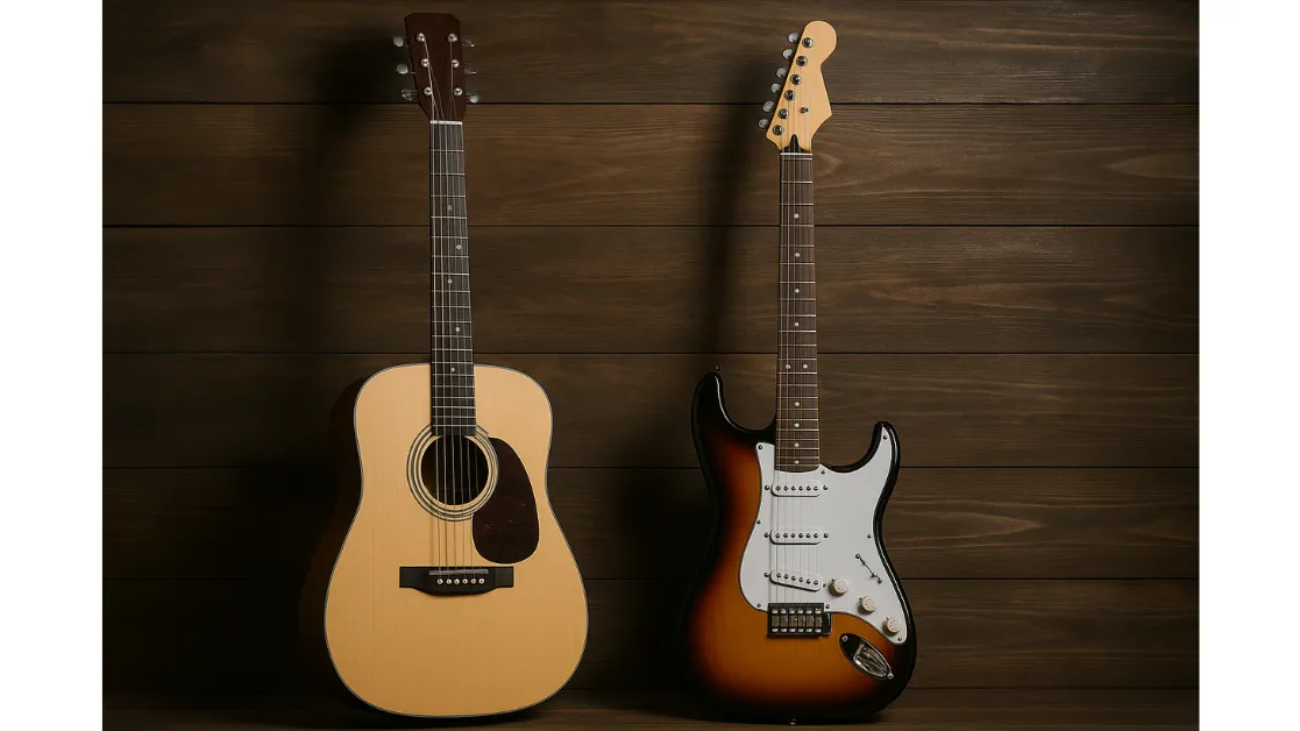
Choosing Between an Electric or Acoustic Guitar

Brilliant Guide to Choosing Between an Electric or Acoustic Guitar

Find Out What’s Best for Your Style When Choosing Between an Electric or Acoustic Guitar

Choosing Between an Electric or Acoustic Guitar 1

Guitar is among the most popular instruments in Indian schools and colleges, with students often choosing it for band performances, cultural events, or personal passion. But when it comes to picking the right type of guitar—electric or acoustic—many students find themselves stuck. The decision isn’t just about looks or sound; it reflects your style, goals, and musical direction. In this guide, we’ll help you make an informed choice by breaking down the key differences between electric and acoustic guitars, specifically tailored for Indian school and college students who want to shine in both traditional and modern band performances.


1. Understand the Basics of Both Guitars

Before diving into what suits your style best, you need to understand what sets these guitars apart.
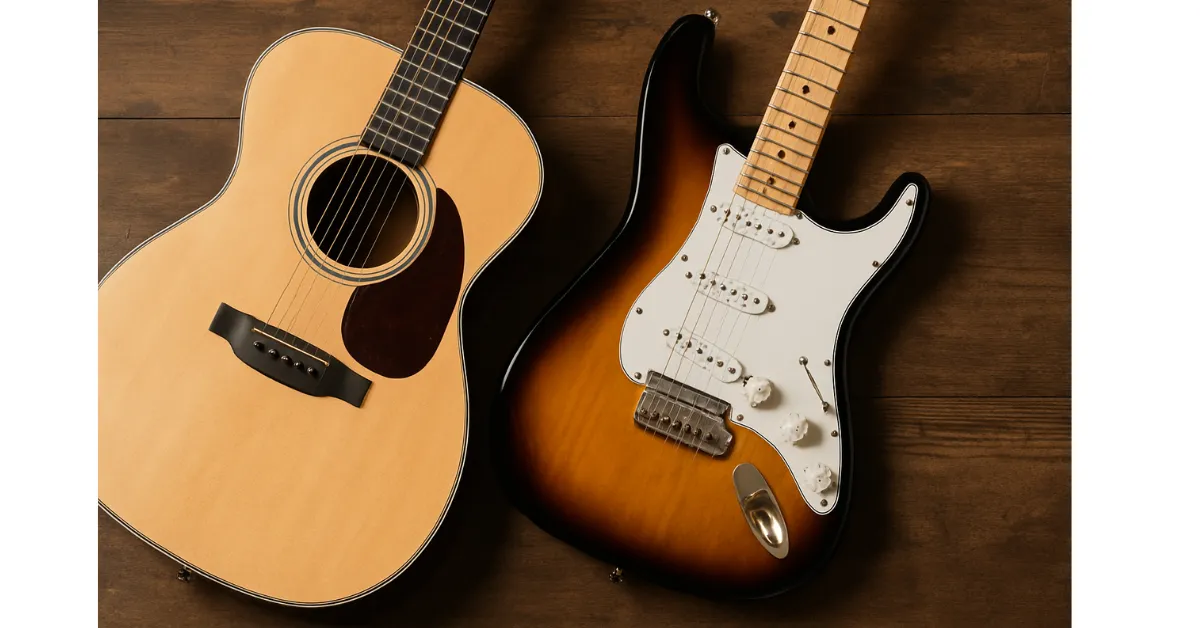
An acoustic guitar produces sound through its hollow wooden body, which naturally amplifies the strings. It doesn’t need electricity and is perfect for unplugged sessions or Indian folk music.
An electric guitar, on the other hand, uses pickups and amplifiers to produce sound. It’s more versatile in terms of sound manipulation and is ideal for rock bands, film music, or fusion genres.


2. Evaluate Your Music Style

Your personal style or the kind of music you want to play should be a key deciding factor.
If you’re into Indian classical fusion, ghazals, unplugged Bollywood covers, or school prayers, an acoustic guitar will serve you well. It offers warm, full tones that suit melodic and expressive genres.
If your heart beats for Indian rock, pop, Bollywood remixes, or high-energy band performances, the electric guitar is the way to go. Its sharper tones and effects can replicate nearly any modern genre popular in Indian school competitions and youth fests.


3. Think About Where You’ll Be Playing

Location matters. Where do you plan to use your guitar the most—at home, in music class, on stage, or with a school band?
Acoustic guitars are portable and don’t require amps or cables, making them perfect for school assemblies, classroom jamming, or casual performances.
Electric guitars are best suited for stages with proper sound systems. If your school band regularly performs at inter-school competitions or cultural festivals, having an electric guitar will amplify your performance (literally and figuratively).


4. Consider Your Budget and Gear Needs

For Indian students, affordability and availability are big factors.
Acoustic guitars are generally cheaper and don’t need extra gear. You can buy a decent quality one and start learning immediately.
Electric guitars require additional investment in amplifiers, cables, tuners, and possibly effects pedals. However, beginner kits are becoming increasingly affordable in India, especially with local brands like Givson and Kadence offering combo deals.


5. Understand the Learning Curve

Beginners often ask: which guitar is easier to learn?
Acoustic guitars require more finger strength due to thicker strings and higher action. This can be challenging for younger students, but it builds stronger technique.
Electric guitars have thinner strings and lower action, making them easier to press down. They’re often more comfortable for beginners, especially if you’re learning fast-paced Indian pop or fusion music.


6. Explore Indian Genres and Guitar Compatibility

Let’s dive into popular Indian music styles and see which guitar fits best.
For Bhajans, Sufi, and Classical Fusion: Acoustic guitars provide the earthy tone that blends well with tabla, harmonium, and sitar.
For Bollywood Covers and Acoustic Sets: Acoustic is again the winner, often used for unplugged renditions.
For Indian Rock and Indie Music: Electric guitar adds energy and modernity, making it essential for bands that play Euphoria-style or Coke Studio-type arrangements.
For Film Music and Pop Fusion: Electric guitar shines with distortion, delay, and reverb effects that mimic cinematic soundscapes.


7. Evaluate Comfort and Playability

Students in Indian schools often practice in limited spaces or while sitting on the floor.
Acoustic guitars are larger and may feel bulky for smaller frames. Their fixed shape and thickness might be tough for younger players.
Electric guitars are lighter, slimmer, and easier to handle, especially during long practice sessions or stage performances.


8. Think About Long-Term Goals

Do you see yourself pursuing music professionally, joining a college band, or becoming a YouTube musician?
An acoustic guitar provides a strong base and teaches you musical discipline. It’s perfect for solo acts, songwriting, and grounding your basics.
An electric guitar opens up the world of effects, advanced techniques, and stage presence. If you’re serious about performing in bands or composing modern music, this might be your path.


9. Noise and Volume Control at Home

Indian homes are often shared spaces where noise levels matter.
Acoustic guitars are naturally loud. While that’s great for projecting sound in class or on stage, it may disturb others during late-night practice.
Electric guitars, when used with headphones via a practice amp, offer private sessions without noise complaints. This is ideal for hostel students or those with limited practice time.


10. Get Inspired by Indian Guitarists

Look at musicians who’ve made a mark using each type.
For acoustic inspiration, check out Indian artists like Raghu Dixit, Prateek Kuhad, and Lucky Ali, who use acoustic guitars in soulful, story-driven music.
For electric vibes, turn to Ehsaan Noorani (Shankar-Ehsaan-Loy), Baiju Dharmajan, or Keba Jeremiah, who blend Indian roots with electric mastery.


11. Test Before You Decide

Visit a local music store and try both guitars. Feel their weight, playability, and sound. Ask if they allow rental or trial options.
If you’re part of a school music club or have friends who play, borrow their guitars and test which feels more “you.” The tactile experience is more informative than reading specs online.


12. Don’t Forget Aesthetics and Style

Let’s admit it—how a guitar looks also matters, especially to teenagers.
Acoustic guitars come in earthy wood finishes and give off a calm, grounded vibe. They look fantastic in unplugged performances or cultural fests.
Electric guitars, with their glossy finishes and edgy shapes, scream rockstar energy. If you’re aiming for stage appeal and flash, this one’s for you.


13. Maintenance and Durability

Indian climate conditions—especially humidity—can affect your guitar.
Acoustic guitars are more sensitive to moisture. If not stored properly, the wood can warp. Regular tuning is also required as they go out of pitch quickly.
Electric guitars are generally sturdier, though their electronics need care. Keep them in a dry place and clean the pickups and strings regularly.


14. Group Compatibility in Indian School Bands

If your school band includes tabla, dhol, keyboard, or flute, both guitars can find a role.
Acoustic guitars blend beautifully with Indian percussion and vocals.
Electric guitars dominate when paired with drums, keyboards, and mics. Consider your band’s style before deciding.


15. Future Upgrades and Add-Ons

Acoustic guitars can later be upgraded with pickups to make them semi-electric for bigger performances.
Electric guitars have endless upgrade options—from amp models to effect pedals. If you love tweaking and customizing sound, the electric path is a playground.


Conclusion

Choosing between an electric or acoustic guitar is not just a gear decision—it’s a personal, stylistic, and musical journey. Indian school and college students today are more musically diverse than ever, often blending classical heritage with modern sounds. Whether you lean toward the soulful strums of an acoustic or the electrifying riffs of an electric, make sure your choice aligns with your passion, goals, and comfort.
This brilliant guide was designed to help you reflect on your unique style and needs so you can pick the guitar that truly speaks your musical language. Whichever one you choose, commit to it, practice regularly, and let your strings sing your story!


At NMS Musicals, we offer a comprehensive range of musical instruments, including percussion, string, wind, and keyboard instruments. Our services encompass sales, expert servicing, and the manufacture of leather instruments. Explore our diverse collection and find the perfect instrument to suit your musical needs.

Visit our website to browse our offerings: nmsmusicals.in

For a closer look at our products, check out our shop page: nmsmusicals.in/shop

Stay connected with us through our social media channels:
Our shop locations are:

For inquiries, contact/Whatsapp us at 9500663895 or email us at laxman.m89@gmail.com.

Discover the world of musical instruments with NMS Musicals today!

For a visual overview of our percussion instruments, watch the following video:
Top Tips for Playing the Trumpet Like a Pro

Unstoppable Top Tips for Playing the Trumpet Like a Pro

Master the Trumpet with These Top Tips for Playing the Trumpet Like a Pro

Trumpet

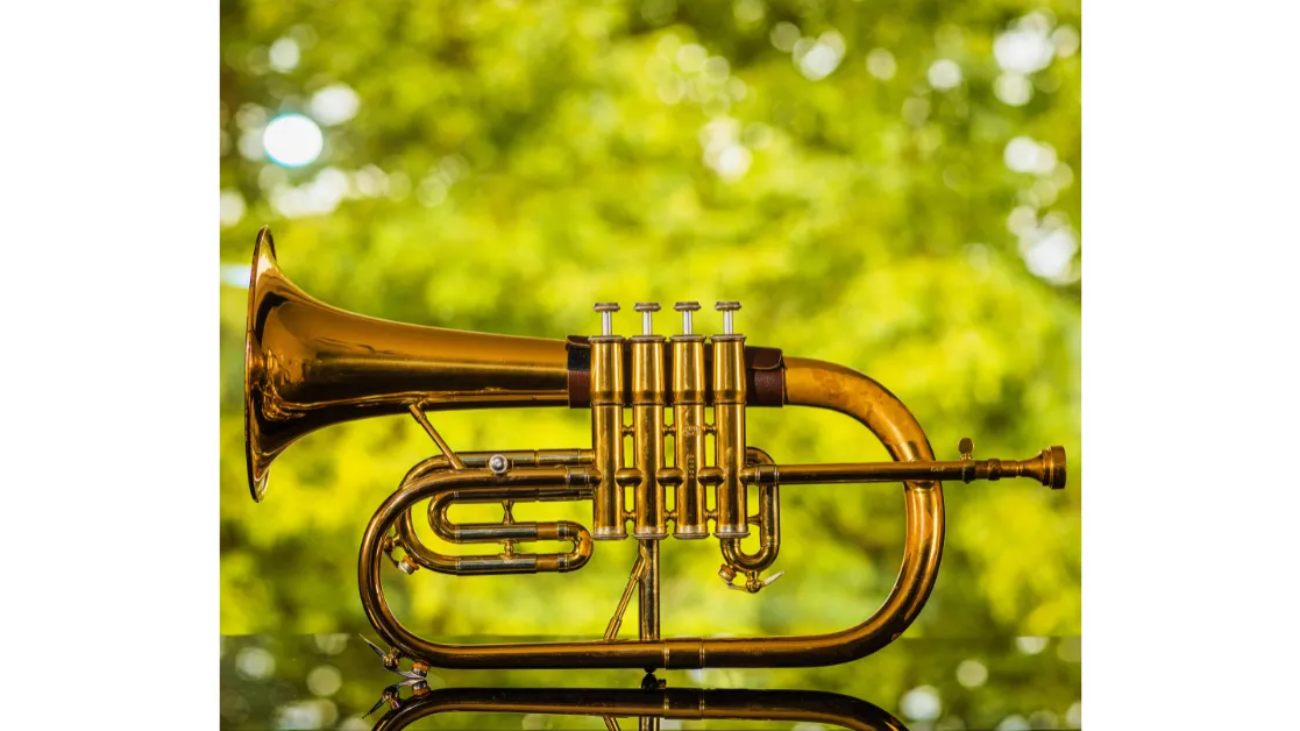
The trumpet is one of the most dynamic and expressive instruments found in Indian school bands. Its bright, bold sound often leads the melody and brings energy to every performance. While it may seem easy to produce sound from a trumpet, mastering the art of playing it like a pro takes time, effort, and a few insider tricks. Whether you’re just starting out or looking to improve your trumpet skills for your school band, learning the right techniques is crucial for standing out in a performance. This guide offers the top tips for playing the trumpet like a pro, specifically designed for students in Indian school bands.


1. Start with Proper Posture and Breathing

Your body is the foundation for playing the trumpet effectively. Begin by sitting or standing upright with a relaxed but straight back. Your shoulders should be relaxed, and your feet firmly planted on the ground. Proper posture supports optimal breath control, which is the lifeline of trumpet playing.
Breathe deeply from your diaphragm, not your chest. Controlled breathing allows you to produce a clear, steady tone and sustain longer phrases. Practice breathing exercises regularly to strengthen your lung capacity and improve your endurance while playing.


2. Develop a Strong Embouchure

Your embouchure—the way you shape your lips and mouth on the mouthpiece—is essential for producing a clean trumpet sound. Forming a tight but flexible embouchure helps you play higher notes and improve tone quality.
To strengthen your embouchure, practice long tones daily. Start on a comfortable note and hold it steadily for as long as you can without strain. Focus on keeping the tone even and centered. This simple exercise will build muscle strength and improve your control over the instrument.


3. Learn Proper Finger Placement and Technique

The trumpet has only three valves, but the combinations allow for a wide range of notes. Understanding proper finger placement and developing fast, accurate finger technique is crucial for fluency in playing.
Start by memorizing which valve combinations produce which notes. Practice scales and simple songs slowly at first, focusing on clean transitions and finger precision. Use a metronome to gradually increase speed without sacrificing accuracy.


4. Warm Up Before Every Practice

Warming up before playing helps loosen your facial muscles, activates your breathing technique, and prepares your body for a productive practice session.
A good warm-up routine includes buzzing exercises (using only the mouthpiece), long tones, and slow scales. Keep the warm-up light and relaxed—never push your range during this time. This habit will help you avoid strain and injuries while improving your playing consistency.


5. Focus on Tone Quality

Tone is what makes you stand out in a band. A clear, rich, and consistent tone is more important than playing fast or loud.
To develop a beautiful tone, practice playing with a relaxed embouchure and supported breath. Record yourself and listen critically. Are your notes smooth and centered? Are there any wavering or harsh sounds? Adjust your technique until you’re satisfied with your sound. Teachers often recommend playing simple melodies with expression to improve tone naturally.


6. Master Lip Slurs and Flexibility Exercises

Lip slurs are exercises where you move between notes without using the valves, relying solely on your lip and breath control. These exercises improve flexibility and help you move effortlessly across registers.
Practice lip slurs slowly and focus on smooth transitions. Use minimal movement in your lips and a steady airflow. Over time, these exercises will make it easier to play challenging music with wide intervals and dynamic shifts.


7. Practice with a Purpose

Mindless practice doesn’t lead to improvement. Instead, set goals for each session. One day you may work on tone, another on speed, and another on articulation.
Keep a practice journal to track what you’ve practiced, what went well, and what needs work. Break your session into parts—warm-up, technique, repertoire, and cool-down. Focused practice yields faster progress and builds confidence for performances.


8. Use a Tuner and Metronome

A tuner helps ensure your pitch is accurate, while a metronome improves timing and rhythm. Both tools are essential for building a solid musical foundation.
Practice scales, etudes, and pieces with a metronome to develop a strong internal pulse. Use a tuner to correct your pitch and train your ear. These habits are especially important for trumpet players, who often lead melodies and must play with accuracy.


9. Explore Indian Band Repertoire and Styles

Many Indian school bands incorporate traditional and patriotic pieces along with Western classical and pop arrangements. Understanding the repertoire specific to Indian bands helps trumpet players adapt and shine.
Familiarize yourself with songs commonly performed at national events, Independence Day celebrations, and school competitions. Pay attention to the phrasing and articulation unique to Indian band arrangements. This versatility will make you a more effective band member.


10. Play Along with Recordings and Peers

Listening is just as important as playing. By playing along with recordings of professional trumpet players or your school band, you develop a better sense of timing, dynamics, and musicality.
Try playing in unison with a recording, matching tone and articulation. Collaborate with your bandmates during practice to strengthen ensemble playing. Playing with others sharpens your listening skills and improves your ability to blend with the group.


11. Seek Feedback and Instruction

Even the best trumpet players continue learning. If possible, take lessons with a music teacher or experienced senior. Join band workshops or music camps conducted at your school or by local music institutions.
Feedback from knowledgeable musicians helps you spot issues you might not notice yourself. Constructive criticism leads to growth, and having a mentor keeps you motivated and accountable.


12. Keep Your Trumpet Clean and Well-Maintained

A well-maintained instrument not only sounds better but also lasts longer. Clean your trumpet regularly to remove buildup that can affect airflow and tone.
Oil the valves, clean the mouthpiece, and empty the water keys after each practice. Schedule a full internal cleaning every few months, especially if you play frequently. A clean trumpet responds more easily and reduces resistance, making playing more enjoyable.


13. Build Performance Confidence

Playing confidently is half the battle, especially during band performances. Stage fright is natural, but preparation builds trust in your abilities.
Perform in front of family or friends, even if informally. Participate in school music competitions or cultural programs. Focus on expressing the music, not just hitting the notes. With each performance, your confidence will grow, and your stage presence will improve.


14. Practice Sight-Reading Regularly

Sight-reading is the ability to read and play music you’ve never seen before. It’s a valuable skill for trumpet players in Indian school bands, where music is sometimes introduced at the last minute.
Start with easy exercises, focusing on rhythm and accurate pitches. Gradually increase difficulty and speed. The more you sight-read, the faster you’ll learn new pieces and adapt to different playing situations.


15. Stay Motivated and Have Fun

Learning the trumpet is a journey. While practice is essential, remember to enjoy the process. Play songs you love, try new genres, and celebrate small wins.
Set realistic goals and reward yourself for progress. Music should be joyful, not a chore. Staying passionate keeps you improving and turns playing the trumpet into a lifelong love.


Conclusion

Becoming a skilled trumpet player doesn’t happen overnight. It requires dedication, smart practice, and the right techniques. By following these top tips for playing the trumpet like a pro, students in Indian school bands can elevate their performance and truly enjoy the music they create. From mastering breathing and posture to refining tone and building confidence, every step matters. The trumpet is not just an instrument—it’s a powerful voice in any school band. Embrace the journey, stay committed, and let your music lead with brilliance and confidence.


At NMS Musicals, we offer a comprehensive range of musical instruments, including percussion, string, wind, and keyboard instruments. Our services encompass sales, expert servicing, and the manufacture of leather instruments. Explore our diverse collection and find the perfect instrument to suit your musical needs.

Visit our website to browse our offerings: nmsmusicals.in

For a closer look at our products, check out our shop page: nmsmusicals.in/shop

Stay connected with us through our social media channels:
Our shop locations are:

For inquiries, contact/Whatsapp us at 9500663895 or email us at laxman.m89@gmail.com.

Discover the world of musical instruments with NMS Musicals today!

For a visual overview of our percussion instruments, watch the following video:
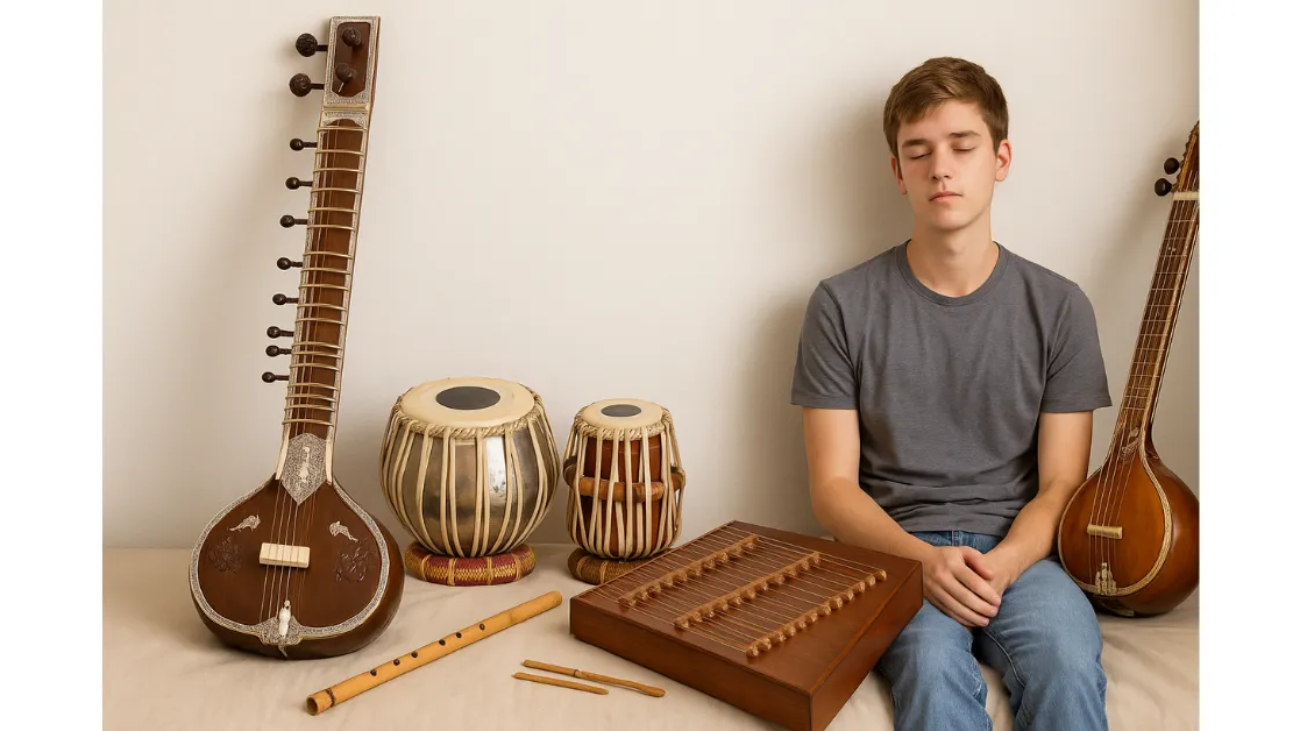
How Playing an Instrument reduces Teen Stress 3

How Playing an Instrument Reduces Teen Stress: A Powerful Solution

Discover How Playing an Instrument reduces Teen Stress

Teens today face immense pressure from various sources like school, social life, and future career expectations. As they navigate this challenging phase of life, stress and anxiety have become common companions. However, one effective way teens can manage and reduce their stress is through playing an instrument. This blog explores how playing an instrument can help teens reduce stress and improve their emotional well-being, especially when incorporating the rich sounds of Indian instruments.


The Impact of Stress on Teens

Before we delve into how music can help, it’s important to understand why stress affects teens so significantly. Teenagers are in a period of rapid growth, both mentally and emotionally. During this time, they experience changes in their bodies, their relationships with others, and their sense of identity. This combination of factors can create overwhelming stress, making it harder for them to manage their emotions.

Stress can manifest in various ways, including irritability, lack of focus, physical tension, and emotional withdrawal. If not properly managed, stress can lead to more severe mental health challenges such as anxiety, depression, and even burnout. Therefore, finding effective ways to cope with stress is crucial for maintaining mental health and overall well-being.


How Playing an Instrument Helps Relieve Stress

1. Music Activates the Brain’s Reward System

One of the most powerful ways music helps relieve stress is by triggering the brain’s reward system. When teens play an instrument, their brain releases dopamine, the “feel-good” neurotransmitter. This chemical reaction can help alleviate feelings of stress and anxiety, leaving the teen with a sense of accomplishment and happiness.


2. Music Provides a Healthy Emotional Outlet

Playing an instrument allows teens to express emotions they may find difficult to articulate in words. Music becomes a therapeutic outlet for their feelings. Whether they are feeling happy, sad, or frustrated, playing an instrument enables teens to channel their emotions into something creative and constructive. This can help them process their emotions and reduce stress.


3. Music Promotes Mindfulness and Focus

When teens play an instrument, they must focus on the music, their technique, and their instrument. This concentration helps them become absorbed in the moment, a practice similar to mindfulness meditation. By shifting their focus away from stressors and worries, teens can calm their minds and regain mental clarity. This process of being present and focused can greatly reduce feelings of anxiety.


4. The Rhythm of Music Has a Calming Effect

Many types of music, especially traditional Indian music, have rhythmic patterns that can have a calming effect on the body. Playing an instrument like the tabla or sitar can engage teens in rhythms that help regulate their breathing and heart rate. These slow, rhythmic patterns are known to lower stress hormones like cortisol and induce a state of relaxation. This physical relaxation translates into emotional relief from stress.


5. Music Boosts Self-Esteem and Confidence

Learning an instrument and mastering a musical piece can give teens a tremendous sense of achievement. This boost in self-esteem and confidence is vital for reducing stress. When teens feel competent in something, they are more likely to handle stress effectively. The sense of progress and success that comes with playing an instrument can help them navigate the pressures they face in other areas of life.


Indian Instruments That Can Help Teens Relieve Stress

While Western instruments like the guitar or piano are commonly used for stress relief, Indian instruments offer a unique cultural and therapeutic experience. Here are some Indian instruments that can help teens reduce stress:

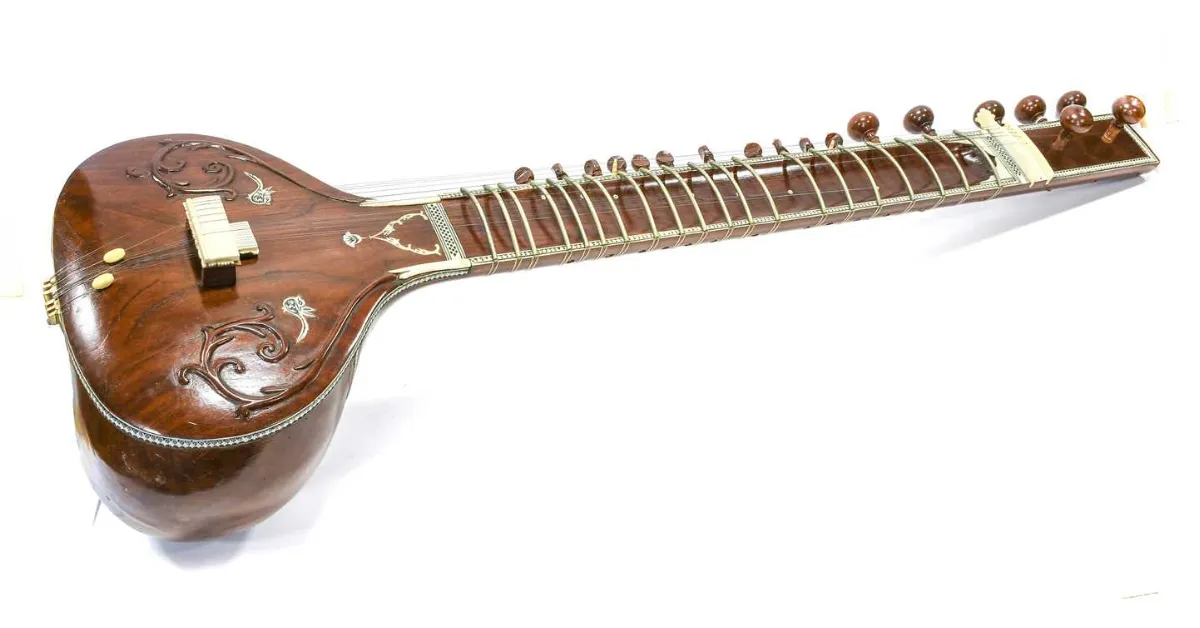
1. Sitar

How Playing an Instrument reduces Teen Stress 2

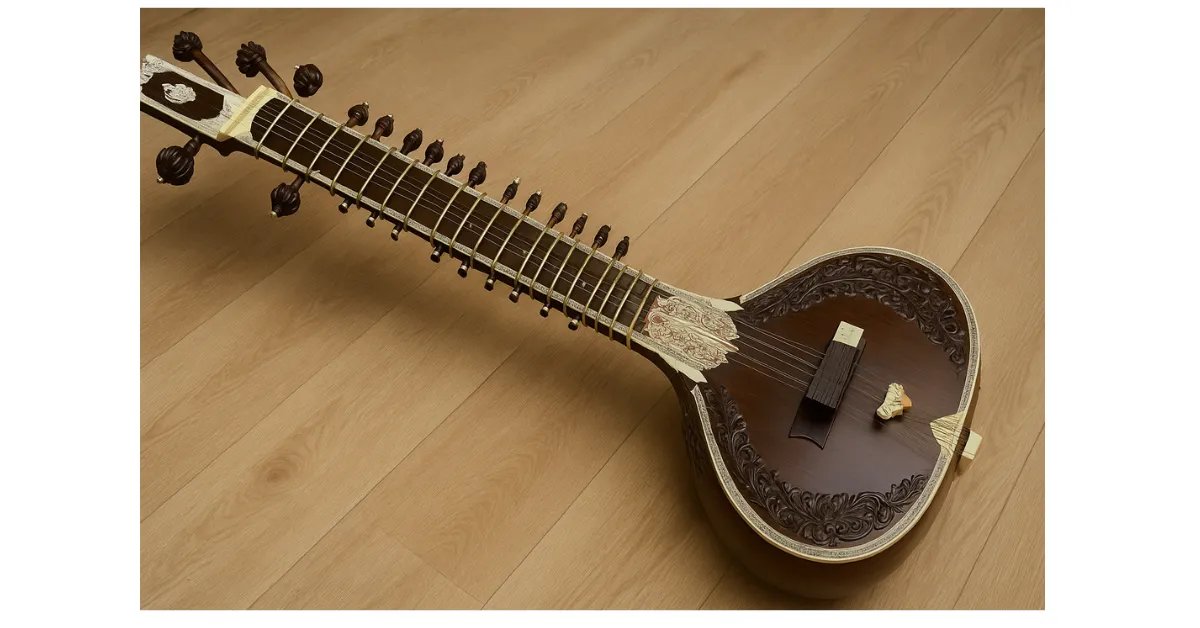
The sitar is one of the most iconic instruments in Indian classical music. Its resonating, soothing sound has been known to calm the mind and promote relaxation. Playing the sitar requires focus and dedication, allowing teens to immerse themselves fully in the music, which helps reduce stress.

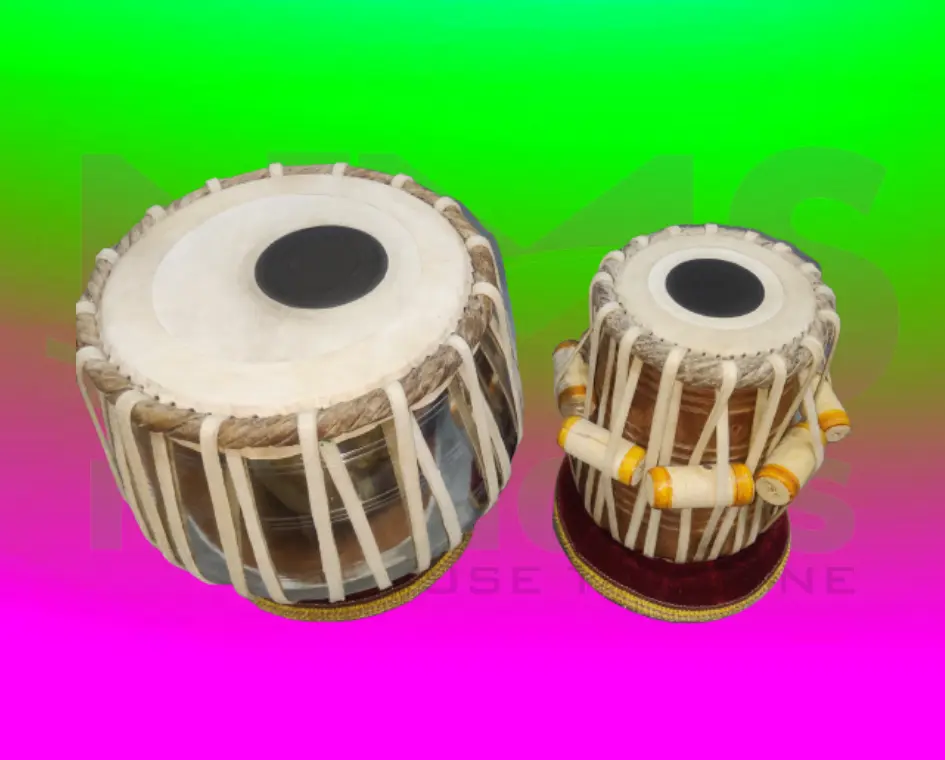
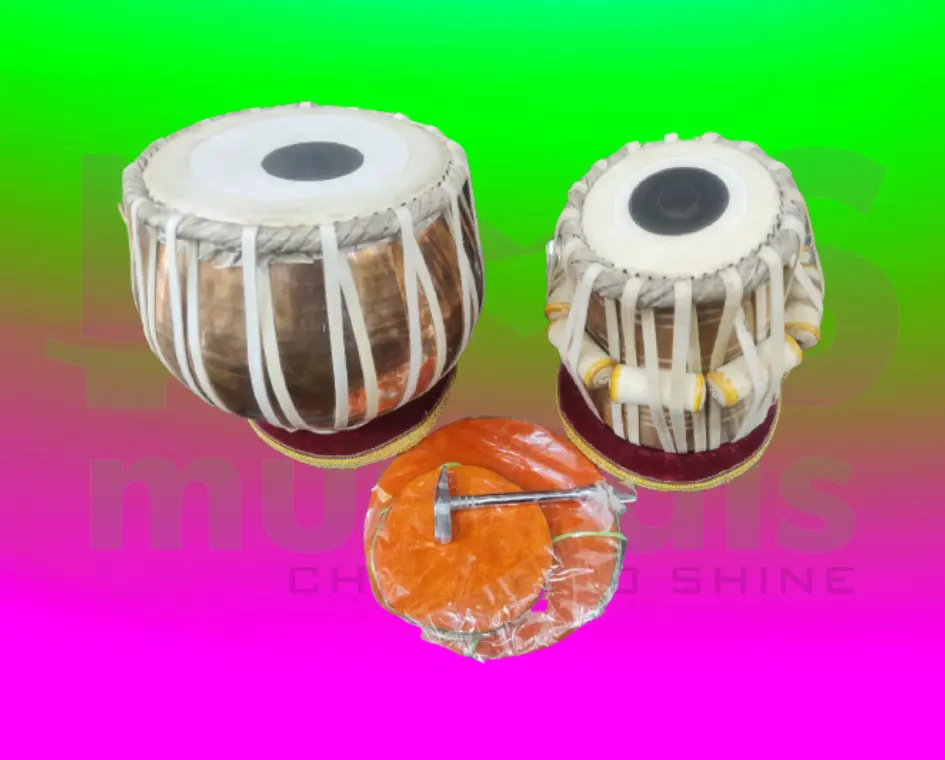
2. Tabla

copper tabla set

The tabla, a pair of hand-played drums, produces rhythmic sounds that are deeply calming. The practice of playing the tabla can help teens concentrate and control their breathing, which is effective for managing stress. The tabla’s rhythmic patterns create a meditative experience, promoting relaxation and reducing anxiety.

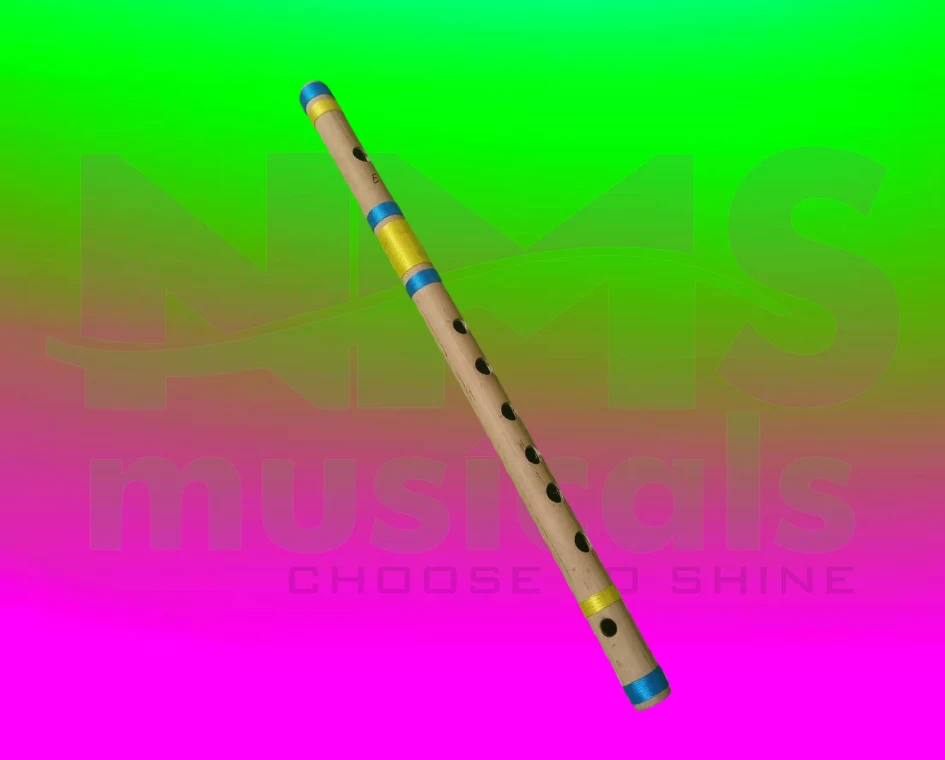
3. Flute

The Indian flute, or bansuri, produces a soft, melodious sound that can soothe the mind. The flute is often used in classical music to convey deep emotions. Teens can learn to play the flute as a way to relax, unwind, and express themselves emotionally. The calming sound of the flute helps reduce stress and induces a peaceful state of mind.

4. Santoor

How Playing an Instrument reduces Teen Stress 1

The santoor, a hammered dulcimer, produces a delicate and peaceful sound. The instrument requires careful coordination and concentration, which can divert the teen’s mind away from stress. Playing the santoor helps create a serene environment and promotes emotional well-being.

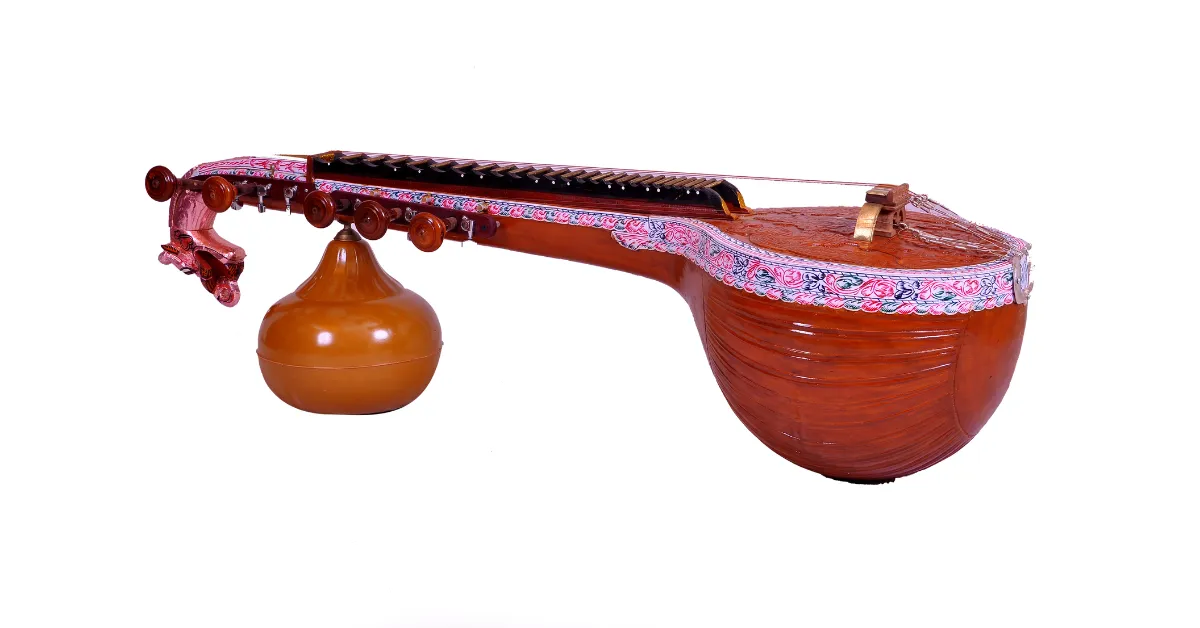
5. Veena

How Playing an Instrument reduces Teen Stress

The veena is a stringed instrument that produces soothing, resonant sounds. The veena is used in Indian classical music to convey complex emotions, and playing it requires patience and focus. Teens who play the veena often experience relief from stress, as the process of learning and playing the instrument helps calm their nerves and improve their emotional health.


Benefits of Music Therapy for Stress Relief

1. Reduces Anxiety and Depression

Studies have shown that music can reduce symptoms of anxiety and depression, which are often linked to stress. Music therapy has been used as an effective tool in treating these mental health challenges, and playing an instrument is a form of self-directed music therapy that can have long-lasting benefits.

2. Improves Mood and Emotional Regulation

Music provides an emotional outlet that helps teens manage their moods. Playing an instrument helps teens process their feelings in a constructive way, which improves their ability to regulate their emotions. This can lead to more stable moods and fewer emotional outbursts, reducing overall stress levels.

3. Enhances Social Connections

Music is a social activity, and teens who play an instrument often form connections with other musicians. Whether through school programs, music lessons, or social media, these connections can help teens feel supported and understood, reducing feelings of isolation and stress.

4. Promotes Better Sleep

Playing an instrument, particularly before bedtime, can help teens wind down and relax. This calming effect often translates into better sleep quality. Improved sleep is vital for reducing stress, as it helps the body and mind recover and recharge for the next day.


Conclusion

Playing an instrument is not just about learning to make beautiful music – it is also about improving mental health and emotional well-being. For teens who are dealing with stress, playing an instrument offers a natural, effective way to manage anxiety, boost self-esteem, and promote relaxation. Indian instruments, in particular, offer a unique cultural experience that can enhance the stress-relief process. Whether it’s the soothing sound of the sitar, the rhythmic beats of the tabla, or the calming tone of the flute, these instruments provide an avenue for teens to express themselves, improve focus, and reduce stress.

By incorporating music into their daily lives, teens can unlock a powerful tool for managing stress and cultivating emotional well-being. The benefits of playing an instrument extend far beyond just music – they help teens build resilience, find inner peace, and navigate the challenges of adolescence with confidence.


At NMS Musicals, we offer a comprehensive range of musical instruments, including percussion, string, wind, and keyboard instruments. Our services encompass sales, expert servicing, and the manufacture of leather instruments. Explore our diverse collection and find the perfect instrument to suit your musical needs.

Visit our website to browse our offerings: nmsmusicals.in

For a closer look at our products, check out our shop page: nmsmusicals.in/shop

Stay connected with us through our social media channels:
Our shop locations are:

For inquiries, contact/Whatsapp us at 9500663895 or email us at laxman.m89@gmail.com.

Discover the world of musical instruments with NMS Musicals today!

For a visual overview of our percussion instruments, watch the following video:
Choose Percussion or String Instrument for Kids 1

Best Way to Choose Percussion or String Instrument for Kids

Discover how to choose percussion or string instrument for kids

Choose Percussion or String Instrument for Kids

Introducing children to music is one of the greatest gifts a parent can give. However, selecting the right instrument can be overwhelming, especially when choosing between Indian percussion and string instruments. Understanding the nuances of both categories helps ensure that your child embarks on a musical journey that is joyful, rewarding, and suited to their natural abilities. In this blog, we will dive deep into how to choose between a percussion or string instrument for kids, with a focus on Indian classical and folk instruments.


1. Understanding Percussion and String Instruments

Percussion instruments produce sound through striking, shaking, or scraping. In Indian music, popular percussion instruments include the tabla, mridangam, dholak, and kanjira. They offer rhythmic foundation and are central to many musical compositions.

String instruments, on the other hand, create sound by vibrating strings. In Indian music, instruments like the sitar, veena, sarangi, and esraj are beloved for their melodic capabilities and expressive depth.

Each type of instrument shapes a child’s musical experience differently, affecting their sense of rhythm, melody, and emotional expression.


2. Assessing Your Child’s Natural Inclinations

Before selecting an instrument, observe your child’s behavior. Do they tap rhythmically on surfaces, showing an early fascination with beats? If yes, they may naturally align with percussion instruments like the tabla or dhol.

If they hum melodies, pay attention to musical scales, or show an interest in singing, a string instrument like the sitar or sarangi could suit them better. Identifying your child’s inclination helps avoid frustration later and fosters genuine passion.


3. Considering Age and Physical Readiness

Younger children, around ages 4-7, may find percussion instruments easier to start with because they require less fine motor coordination compared to string instruments. The tabla, for example, is approachable with simple bols (beats) that children can grasp early.

String instruments like the veena or sitar may require children to develop finger strength, hand positioning, and dexterity. Generally, kids aged 7 and above are better suited to start learning string instruments in a structured way.


4. Evaluating Ease of Learning

Percussion instruments offer quicker gratification because children can produce rhythmic sounds easily even at beginner levels. A basic theka on the tabla can be mastered within a few lessons, boosting confidence.

String instruments demand more patience. Producing a clear note on a sitar or sarangi involves learning tuning, posture, and finger techniques. For kids who love a challenge and have patience, string instruments can be deeply rewarding.


5. Availability of Teachers and Classes

When considering how to choose between a percussion or string instrument for kids, accessibility to good teachers matters immensely. In India, tabla and sitar classes are widely available both online and offline.

However, finding quality sarangi or veena teachers might be more challenging in smaller cities. Always check for reputed music schools, teacher credentials, and student reviews before committing.


6. Cost and Maintenance of Instruments

Cost is another important factor. Beginner tabla sets are relatively affordable and durable with minimal maintenance. String instruments like the sitar, veena, or sarangi can be costlier and need regular care like tuning and restringing.

Maintenance for string instruments is higher. They are sensitive to weather conditions and need periodic professional servicing. Percussion instruments like the tabla require occasional tuning but are generally easier to manage.


7. Cultural and Family Influences

Indian families often have deep-rooted musical traditions. If your family has a lineage of tabla players or veena artists, children might feel a stronger connection to these instruments naturally.

Moreover, cultural preferences vary regionally. In North India, the tabla and sitar are immensely popular, while in South India, the mridangam and veena take precedence. Respecting family traditions can add emotional richness to your child’s musical education.


8. Long-Term Musical Goals

Think about where this musical journey could lead. Percussion skills open up opportunities in rhythm sections, fusion bands, and even accompaniment for vocalists and dancers.

String instrument mastery often leads to solo performances, ensemble work, or composing original ragas. Understanding these possibilities helps in setting realistic goals and expectations for your child’s future in music.


9. Personality Matching with Instrument Choice

Percussion instruments suit energetic, lively kids who love physical activity and instant feedback. Children who are naturally rhythmic and expressive often thrive with tabla, mridangam, or dholak.

String instruments often attract introspective, detail-oriented children who enjoy exploring deep emotions and intricate melodies. If your child is patient, sensitive, and imaginative, string instruments like the sitar or esraj might be a perfect match.


10. Group Learning vs. Solo Focus

Tabla classes often emphasize group practice, making it easier for kids to socialize and enjoy collective learning. Group practice enhances timing, listening skills, and cooperative performance techniques.

String instrument learning is more individual-focused. Personalized attention is often needed to fine-tune technique and expression, particularly for intricate Indian ragas.


11. Gender Stereotypes in Instrument Choice

While certain instruments were historically associated with specific genders, today’s world encourages kids to break stereotypes. Boys and girls can equally excel at the sitar, sarangi, tabla, or mridangam.

Encourage your child to pick an instrument based on passion, not outdated societal norms.


12. Trying Before Committing

Before purchasing an instrument or enrolling in a year-long course, allow your child to try both types. Many Indian music schools offer trial classes or introductory sessions.

Watching their engagement level during these trials provides invaluable clues about where their heart truly lies.


13. Importance of Instrument Size

For smaller children, the size of the instrument matters greatly. Tabla sets come in kid-friendly sizes, while the sitar or veena might require special junior models.

An oversized sitar can discourage a young learner, making practice sessions tiring instead of enjoyable. Make sure to choose the right-sized instrument to foster comfort and enthusiasm.


14. Balancing Academics and Music Practice

Indian school curriculums are often demanding. Choose an instrument that aligns with your child’s academic schedule. Percussion instruments might require shorter practice sessions initially compared to string instruments, which need extended focus periods.

Choosing a manageable learning curve ensures that music becomes a stress-reliever rather than a burden.


15. Watching Role Models and Inspirations

Expose your child to famous Indian musicians. Watching maestros like Zakir Hussain (tabla) or Ravi Shankar (sitar) can spark tremendous inspiration.

Seeing successful artists in action allows children to visualize their own journey, making their aspirations more tangible and motivating.


16. Emotional Connection to Sound

Children often form instant connections to specific sounds. Some might feel deeply moved by the earthy resonance of the mridangam; others might be captivated by the soulful glide of a sarangi.

Let your child listen to various Indian instruments live or through recordings. Their emotional reaction can significantly guide your decision.


17. Opportunities for Performance

Assess the frequency of local events, competitions, and recitals that favor percussion or string performances. In many Indian cultural settings, tabla and sitar solo competitions are popular.

More performance opportunities can keep children motivated and excited about learning.


18. Parental Support and Involvement

Parental encouragement can make or break a child’s musical journey. Attend their classes occasionally, celebrate milestones, and help with practice routines at home.

Your active involvement sends a powerful message that their musical pursuits are valued and important.


19. Possibility of Future Instrument Swapping

Children’s interests evolve. Starting with a percussion instrument doesn’t mean they can’t switch to a string instrument later, or vice versa.

In fact, rhythmic awareness from tabla playing can enhance sitar learning later, and vice versa. Keeping a flexible mindset benefits long-term musical growth.


20. Making Music a Lifelong Companion

Finally, the ultimate goal should be to cultivate a lifelong love for music. Whether your child masters the tabla, conquers the sitar, or explores multiple instruments, what matters most is that they find joy, expression, and identity through their art.

Choosing wisely now sets the stage for a fulfilling, melodious future.


Conclusion

Choosing between a percussion or string instrument for kids is not just about picking an object—it’s about nurturing a lifelong relationship with music. By considering your child’s personality, interests, physical readiness, and cultural influences, you can guide them towards an instrument that truly resonates with their soul. Whether it’s the rhythmic heartbeat of a tabla or the soul-stirring melody of a sitar, Indian musical instruments offer a treasure trove of possibilities. Start this magical journey today, and watch your child’s world transform, one beautiful note at a time.


At NMS Musicals, we offer a comprehensive range of musical instruments, including percussion, string, wind, and keyboard instruments. Our services encompass sales, expert servicing, and the manufacture of leather instruments. Explore our diverse collection and find the perfect instrument to suit your musical needs.

Visit our website to browse our offerings: nmsmusicals.in

For a closer look at our products, check out our shop page: nmsmusicals.in/shop

Stay connected with us through our social media channels:
Our shop locations are:

For inquiries, contact/Whatsapp us at 9500663895 or email us at laxman.m89@gmail.com.

Discover the world of musical instruments with NMS Musicals today!

For a visual overview of our percussion instruments, watch the following video:
best violin brands for beginners and professionals

Trusted Picks: Best Violin Brands for Beginners and Professionals

A Complete Guide to the Best Violin Brands for Beginners and Professionals

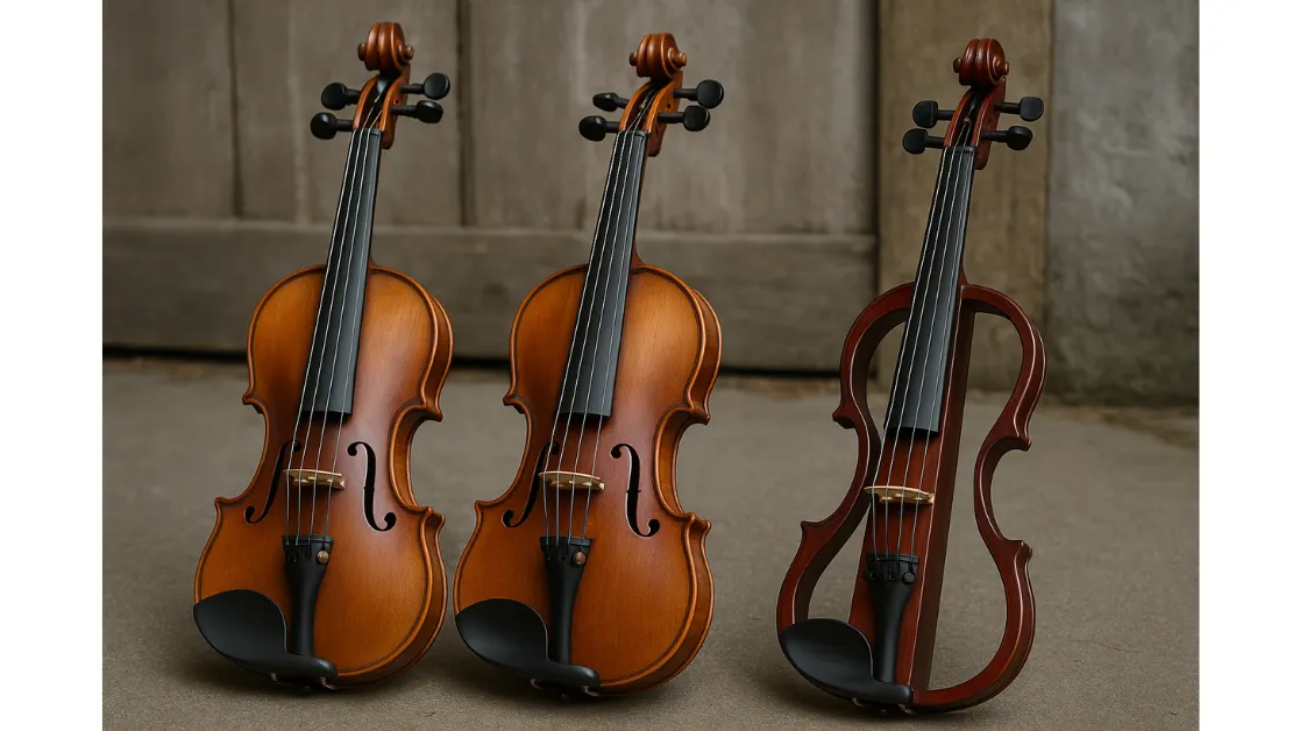
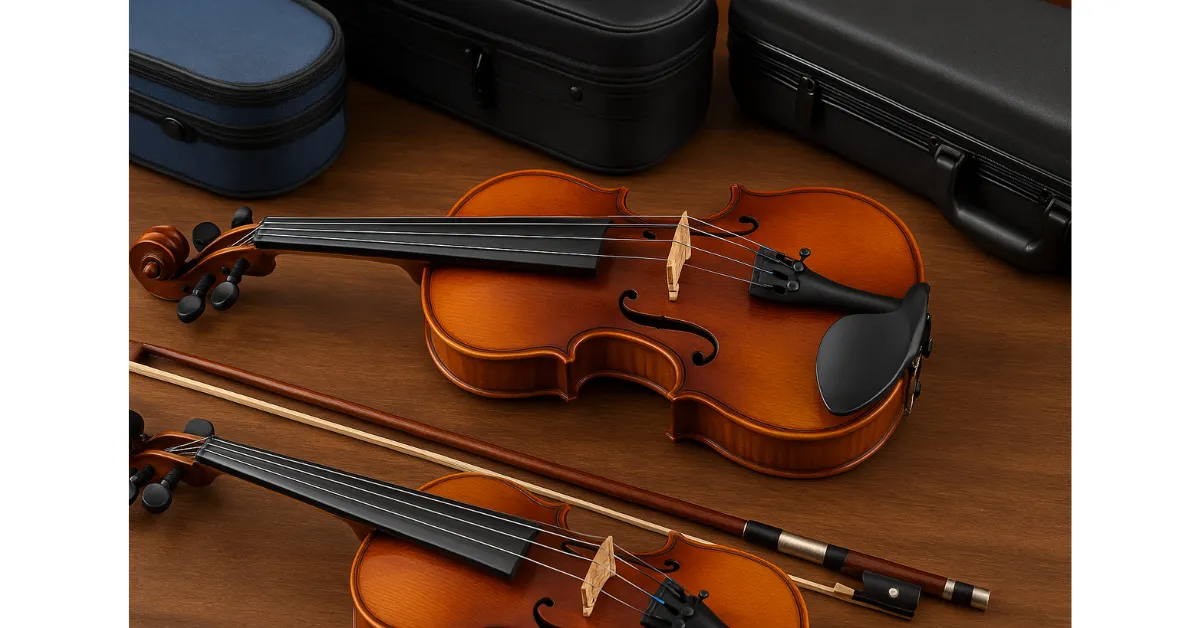
Rampur Red Violin
Get this instrument at best deal – Rampur Red Violin

Music has the unique ability to touch hearts, and few instruments do it as eloquently as the violin. Whether you’re a beginner inspired by the haunting melodies of Indian classical music or a professional looking to expand your sound palette, the violin is a timeless choice. However, the journey to becoming a violinist starts with choosing the right instrument. In India, the fusion of tradition and modernity has brought forth both global and indigenous brands that cater to various skill levels. This blog explores the best violin brands to consider, whether you’re just beginning your musical journey or refining your professional craft.


1. What Makes a Good Violin Brand?

A good violin brand offers a harmonious balance of craftsmanship, tone quality, durability, and comfort. For beginners, ease of playability is crucial, while professionals may seek tonal depth and advanced craftsmanship. Reliable brands ensure:

  • Quality wood such as spruce tops and maple backs
  • Precision in string spacing and fingerboard alignment
  • Consistent sound production across strings
  • Good resale and upgrade options


2. Factors to Consider Before Choosing a Violin

Before investing in a violin, here are key factors to evaluate:

  • Purpose: Are you learning, performing, or recording?
  • Skill Level: Beginner, intermediate, or professional?
  • Budget: Indian brands often provide high quality at lower costs.
  • Music Style: Classical, Carnatic, Hindustani, or Western?

These will guide your selection process and help match you with the right brand.


3. Top Violin Brands for Beginners in India

3.1. Paloma

Paloma violins are highly recommended for students in India. They are affordable and come with decent build quality for their price range. These violins are particularly common in music schools.

3.2. Kadence

Though Kadence is widely known for guitars, their beginner violin range is popular due to decent quality and modern aesthetics. Ideal for learners who prefer stylish yet functional instruments.

3.3. Mendini by Cecilio

Mendini is an international brand that has gained popularity among Indian students due to its complete beginner kits and affordability. Their violins offer decent tonal quality for the price.

3.4. Yamaha (Beginner Range)

Yamaha’s beginner series offers excellent quality for learners who want a branded, durable instrument. Though priced higher than local brands, Yamaha violins are known for consistent quality.


4. Best Violin Brands for Intermediate to Advanced Students

best violin brands for beginners and professionals 1

4.1. Stentor

Stentor violins are well-loved among intermediate players. Their tone, craftsmanship, and finish make them ideal for students stepping up their skills.

4.2. Cremona

Cremona violins are known for their balance of affordability and quality. Intermediate students enjoy the warm tones and handcrafted feel.

4.3. Eastman Strings

For learners transitioning to serious performance, Eastman violins offer semi-professional quality at a moderate price. They are popular in Western classical circles in India.


5. Best Violin Brands for Professionals

5.1. Gliga

Gliga violins are handmade in Romania and offer deep, resonant tones preferred by many professional Indian violinists. They are a great choice for Hindustani and Western classical music.

5.2. Yamaha (Professional Range)

Yamaha’s upper-range violins offer flawless craftsmanship. These are ideal for studio recordings, orchestras, and stage performances in both Indian and Western styles.

5.3. Scott Cao Violins

Scott Cao violins are a favorite among performing artists due to their near-custom tonal qualities. While expensive, their quality matches professional demands.

5.4. Indian Luthier-Made Violins

Many Indian violinists commission local luthiers from Chennai, Kolkata, or Pune. These custom violins are crafted specifically for Carnatic or Hindustani music, providing excellent value and tonal authenticity.


6. Electric Violin Brands in India

Electric violins are rising in popularity due to fusion music and stage performances.

6.1. NS Design

These high-end electric violins are used in live shows and recordings for their crisp tones and sleek designs.

6.2. Yamaha Electric Series

Known for their SV series, Yamaha electric violins are perfect for artists who perform both traditional and contemporary music.

6.3. Cadence Electric Violins

Cadence offers budget-friendly electric options for beginners and semi-pros, making them accessible for Indian fusion performers.


7. Indian Classical Music and Violin Brands

Rampur Electric violin view - 7000
Get this instrument at best deal – Rampur Electric violin

Indian classical violinists often modify or commission violins suited for seated posture and Carnatic/Hindustani playing styles. Key features include:

  • Adjusted fingerboards for microtones
  • Custom bridges for Indian tuning
  • Deeper scroll work and body curve for seated play

Violinists like Lalgudi Jayaraman and Dr. N. Rajam have used custom models that influenced modern Carnatic violin builds in India.


8. Renting vs. Buying a Violin in India

If you’re unsure about investing in a violin, many Indian music academies and online platforms offer rentals. Renting gives you:

  • Trial period for a particular brand or size
  • Cost-effective practice solution
  • Upgrade flexibility as you progress

Look for brands that retain value and are easier to sell or upgrade like Yamaha, Stentor, and Kadence.


9. Maintenance Tips for Your Violin

To ensure long life and tone quality, follow these tips:

  • Clean with microfiber cloth after playing
  • Use quality rosin for consistent bow grip
  • Store in hard case with humidity control
  • Regularly check tuning pegs and bridge alignment

Good brands typically offer guides and kits for maintaining your instrument.


Conclusion

Choosing the right violin brand is crucial, especially when starting your musical journey or elevating your performance. The best violin brands for beginners and professionals combine tradition, innovation, and craftsmanship to bring out the artist in you. From Indian staples like SG Musical and Paloma to globally trusted names like Yamaha and Gliga, every brand brings unique strengths. Whether you aim to master Indian classical ragas or experiment with Western harmonies, the perfect violin is your companion. Let your choice reflect your musical goals, personal style, and the soulful expression that only the violin can offer.


At NMS Musicals, we offer a comprehensive range of musical instruments, including percussion, string, wind, and keyboard instruments. Our services encompass sales, expert servicing, and the manufacture of leather instruments. Explore our diverse collection and find the perfect instrument to suit your musical needs.

Visit our website to browse our offerings: nmsmusicals.in

For a closer look at our products, check out our shop page: nmsmusicals.in/shop

Stay connected with us through our social media channels:
Our shop locations are:

For inquiries, contact/Whatsapp us at 9500663895 or email us at laxman.m89@gmail.com.

Discover the world of musical instruments with NMS Musicals today!

For a visual overview of our percussion instruments, watch the following video:
Why Every Musician Needs a Tuner 1

Crucial Truth: Why Every Musician Needs a Tuner

Learn why every musician needs a tuner

Why Every Musician Needs a Tuner

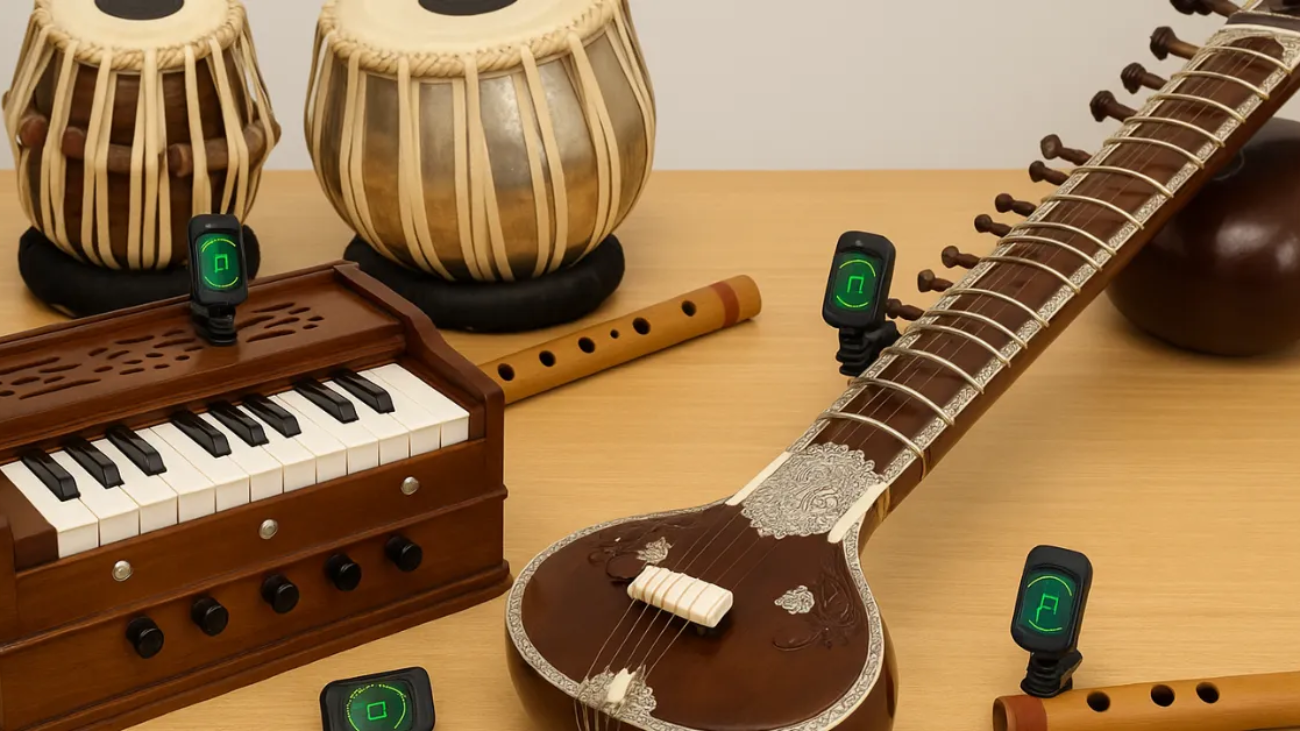
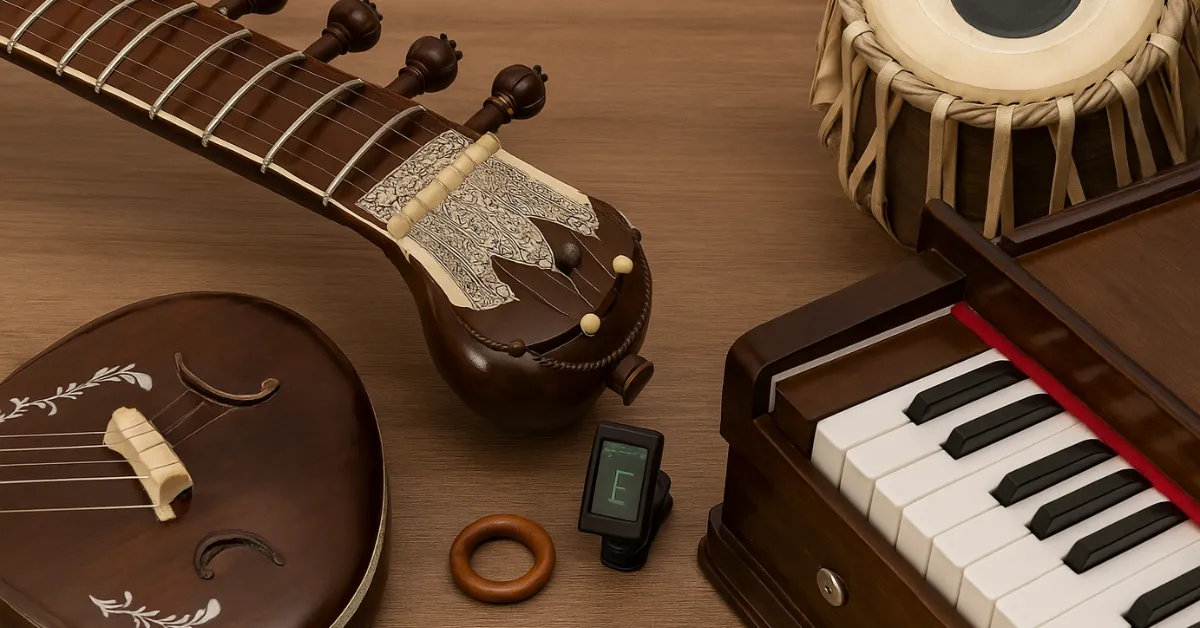
In the vibrant world of Indian classical and contemporary music, tuning your instrument isn’t just a routine—it’s an absolute necessity. Whether you’re a sitar maestro, a budding tabla player, or a harmonium enthusiast, being in tune is what separates a magical performance from a mediocre one. Still, many musicians overlook this crucial element. This blog explores why every musician needs a tuner and how staying in tune can elevate your musical journey to new heights.


1. The Foundation of Every Great Sound: Tuning

Tuning your instrument is the first step toward producing a pleasing and professional sound. An out-of-tune note can distract your audience, disturb your rhythm, and ruin the essence of a beautiful raga or melody. Especially in Indian music, where each note (swara) has emotional depth, perfect tuning becomes non-negotiable. Instruments like the sitar or veena need precise pitch alignment to resonate harmoniously with vocal or ensemble performances.


2. Importance of Tuning in Indian Instruments

Indian instruments such as the tabla, mridangam, sarod, and bansuri are finely sensitive to pitch. Even the slight variance in pitch can be noticeable during a live performance. For instance, the tabla must match the singer’s or the harmonium’s pitch to maintain the melodic integrity of the composition. Hence, tuning is not a Western concept—it’s deeply rooted in Indian tradition too. Whether it’s Carnatic or Hindustani, precise tuning is part of every rehearsal and riyaz.


3. Benefits of Using a Tuner for Beginners

When starting out, beginners might struggle to recognize pitch differences by ear. An electronic tuner bridges that gap by providing visual feedback and helping young musicians develop their listening skills over time. For Indian instruments, tuners calibrated to 440Hz or customized pitch references make it easier to tune the harmonium, flute, or even esraj. These devices provide support, especially during solo practice sessions.


4. Consistency Across Performances

Professional musicians must maintain consistency in every performance. Using a tuner before every concert or practice session ensures your instrument sounds the same every time. This builds your reliability as a performer and creates a dependable experience for your audience. Whether you’re performing bhajans on the harmonium or rendering a raag on the bansuri, consistency in tuning supports consistency in expression.


5. Faster Setup for Concerts and Recordings

Live concerts and studio recordings demand quick, reliable setup. Instead of relying on another musician to help you tune or spending time with trial and error, a tuner can help you get pitch-perfect in seconds. Tuning your veena, tanpura, or sarangi with a digital tuner speeds up preparation and helps you focus more on performance and less on adjustment.


6. Reduces Dependence on Ear Training Alone

While ear training is vital for musicianship, early reliance on a tuner builds foundational pitch awareness. Over time, this helps you tune instruments like the sitar or flute manually by ear. But until then, a tuner supports your journey. It doesn’t weaken your skills—it reinforces them by offering a benchmark for correctness.


7. Enables Smooth Ensemble Practice

Group practice sessions or school performances often involve instruments playing together. An out-of-tune dholak or a slightly off-key harmonium can disrupt harmony and distract learners. When every member uses a tuner, the entire ensemble sounds cohesive, producing a powerful and unified musical experience. This becomes even more crucial during bhajan groups, school orchestras, or classical music competitions.


8. Maintains the Instrument’s Health

Surprisingly, incorrect tension from poor tuning can damage strings, membranes, or reeds in Indian instruments. Regular tuning not only sounds better but also keeps your instrument healthier. Whether it’s the sympathetic strings of a sarod or the reeds inside a harmonium, proper tuning avoids undue stress on fragile parts, preserving the longevity of the instrument.


9. Prepares You for Advanced Learning

When you progress from beginner to intermediate or advanced levels, your gurus or mentors will expect your instrument to be correctly tuned before every class. By already incorporating the habit of using a tuner, you come prepared and respected. It shows your dedication and seriousness toward your craft, whether you’re learning from a guru or through online lessons.


10. Helps in Recording High-Quality Music

In the digital era, many musicians record music for YouTube, Spotify, or Instagram. Any dissonance in pitch can be immediately noticed in high-fidelity recordings. Using a tuner eliminates those flaws and ensures a clean, polished sound. Whether you’re uploading a bansuri cover or a sitar solo, staying in tune helps your music reach more ears with clarity and impact.


11. Accessibility and Affordability of Tuners

Tuners today are available as mobile apps, clip-on devices, or pedal tuners—making them accessible and affordable for every musician. Indian instrument-specific tuners like the Tanpura Droid or apps that detect shruti (tonal center) are perfect for both home learners and performers. With such low investment and high value, it’s a no-brainer tool for your kit.


12. Adapts Easily to Traditional and Modern Settings

Even purists in Indian classical music are embracing tuners. Whether you’re tuning a tanpura for a temple concert or adjusting a flute before an indie fusion jam, tuners adapt well to every setting. You no longer need to depend solely on your guru or a senior artist to correct your tuning.


13. Reduces Pre-Performance Anxiety

One of the common worries before a stage performance is, “Am I in tune?” A tuner takes that fear away. Just one quick check can ensure you’re starting right. This peace of mind allows musicians to step onto stage with confidence and deliver their best.


14. Encourages Independent Practice

When you don’t have a teacher or peer around, tuning your instrument can become a guessing game. Tuners offer independence to school students, amateur players, and hobbyists to practice confidently without external help. It gives a sense of control and progress.


15. Improves Overall Musicality

Being in tune trains your ears and enhances your overall sense of music. Over time, you’ll begin to notice subtle pitch differences, react quicker, and even identify when others are out of tune. Tuning sharpens your senses, making you a more aware and versatile musician.


Conclusion

Whether you’re playing the sitar, tuning a tabla, or composing a fusion track with Indian instruments, one thing remains constant—staying in tune is non-negotiable. And that’s why every musician needs a tuner. It’s not just a tool; it’s your silent companion, guiding your sound towards perfection, professionalism, and peace of mind. From building confidence in students to helping professionals deliver flawless performances, tuners serve every level of the music journey. So, embrace the tuner, tune your passion, and let your music rise in harmony.


At NMS Musicals, we offer a comprehensive range of musical instruments, including percussion, string, wind, and keyboard instruments. Our services encompass sales, expert servicing, and the manufacture of leather instruments. Explore our diverse collection and find the perfect instrument to suit your musical needs.

Visit our website to browse our offerings: nmsmusicals.in

For a closer look at our products, check out our shop page: nmsmusicals.in/shop

Stay connected with us through our social media channels:
Our shop locations are:

For inquiries, contact/Whatsapp us at 9500663895 or email us at laxman.m89@gmail.com.

Discover the world of musical instruments with NMS Musicals today!

For a visual overview of our percussion instruments, watch the following video:
best classical music instruments for children

Incredible Picks: Best Classical Music Instruments for Children

Explore the best classical music instruments for children learning Indian tradition.

Introducing children to classical music at a young age can open doors to a lifetime of creativity, discipline, and deep cultural appreciation. Whether it’s Hindustani or Carnatic traditions, classical music sharpens the brain, enhances emotional intelligence, and improves academic performance. The best music instruments for children who are interested in classical music are those that are both age-appropriate and culturally rooted, especially in Indian traditions. In this blog, we will explore a curated list of instruments ideal for young learners, the benefits of each, and tips to help parents choose the right one based on their child’s interest and physical comfort.


1. Why Indian Classical Music is Ideal for Children

Indian classical music, with its rich structure and emotional depth, is a great foundation for musical education. It emphasizes listening, discipline, and improvisation. Children learn ragas (melodic frameworks) and talas (rhythmic cycles), which enhance auditory skills and creativity. Learning classical music also helps preserve our heritage, making it both an educational and cultural investment.


2. What to Consider Before Choosing an Instrument

Before purchasing or enrolling your child in music lessons, keep these considerations in mind:

  • Age and Physical Strength: Some instruments like the veena or sitar may be heavy for very young children.
  • Interest and Temperament: Percussion instruments are great for energetic kids, while string and wind instruments suit calm and focused children.
  • Teacher Availability: Ensure qualified instructors are available locally or online for the instrument you choose.
  • Maintenance and Cost: Some instruments like tabla require regular tuning, while flutes are relatively easy to maintain.


3. Best Indian Classical Instruments for Children

Let’s dive into the best music instruments for children who are interested in classical music, with a focus on Indian options.


4. Tabla: A Percussive Path to Rhythm

Tabla is one of the most popular and accessible Indian percussion instruments. It is ideal for children aged 5 and above. Learning tabla enhances hand coordination, rhythm awareness, and mathematical timing. Beginner tabla sets for kids are lighter and more compact.

Why it’s great for kids:

  • Fun to play and highly expressive
  • Helps understand Indian rhythms (taals)
  • Builds hand independence and coordination


5. Bansuri (Indian Bamboo Flute): Breath of Melody

Bansuri E Flute

The bansuri is a wind instrument made of bamboo, widely used in Hindustani classical music. It’s light, affordable, and ideal for children above 7. Bansuri playing develops lung capacity, breath control, and melodic understanding.

Why it’s great for kids:

  • Easy to carry and inexpensive
  • Teaches melody and emotional nuance
  • Calming and meditative for children


6. Veena: The Goddess’s String

best classical music instruments for children 1

A classical instrument deeply associated with Saraswati, the goddess of wisdom, the veena is a beautiful choice for children inclined toward Carnatic music. While it’s heavier than others, student models are available for beginners. It requires discipline but rewards with divine sound.

Why it’s great for kids:

  • Deeply rooted in Indian culture
  • Helps with both melody and rhythm
  • Encourages disciplined practice


7. Mridangam: The Beat of Carnatic Music

24 inch mridangam

Mridangam is the principal rhythmic instrument in Carnatic music. Suitable for children above 6, it enhances focus and internal timing. It also strengthens hand muscles and improves posture through traditional playing techniques.

Why it’s great for kids:

  • Central to Carnatic rhythm training
  • Builds strength and timing
  • Involves both physical and mental coordination


8. Harmonium: Perfect for Bhajans and Ragas

Harmonium with case

The harmonium is a reed-based keyboard instrument widely used in classical, semi-classical, and devotional music. Children as young as 5 can begin learning harmonium. It helps develop melodic ear training and basic knowledge of ragas and swaras.

Why it’s great for kids:

  • Easy to learn and visualize notes
  • Teaches swara structure and basic ragas
  • Works well for vocal accompaniment


9. Sitar: A Plucked Journey Through Hindustani Melodies

best classical music instruments for children 3

Though a bit large for young kids, smaller sitar models are available for early learners. Recommended for children above 10, sitar playing enhances patience, finger strength, and tonal understanding.

Why it’s great for kids:

  • Iconic sound of Indian classical music
  • Helps in melodic improvisation
  • Builds finger coordination and musical memory


10. Violin: Versatile and Classical

Rampur Electric violin view - 7000

The violin, used in both Western and Indian classical styles, is a brilliant choice for kids. In Indian music, it’s usually played sitting cross-legged and forms an essential part of Carnatic concerts.

Why it’s great for kids:

  • Available in child sizes
  • Adaptable to multiple styles
  • Builds fine motor skills and pitch accuracy


11. Tanpura: For Tuning the Soul

best classical music instruments for children 2

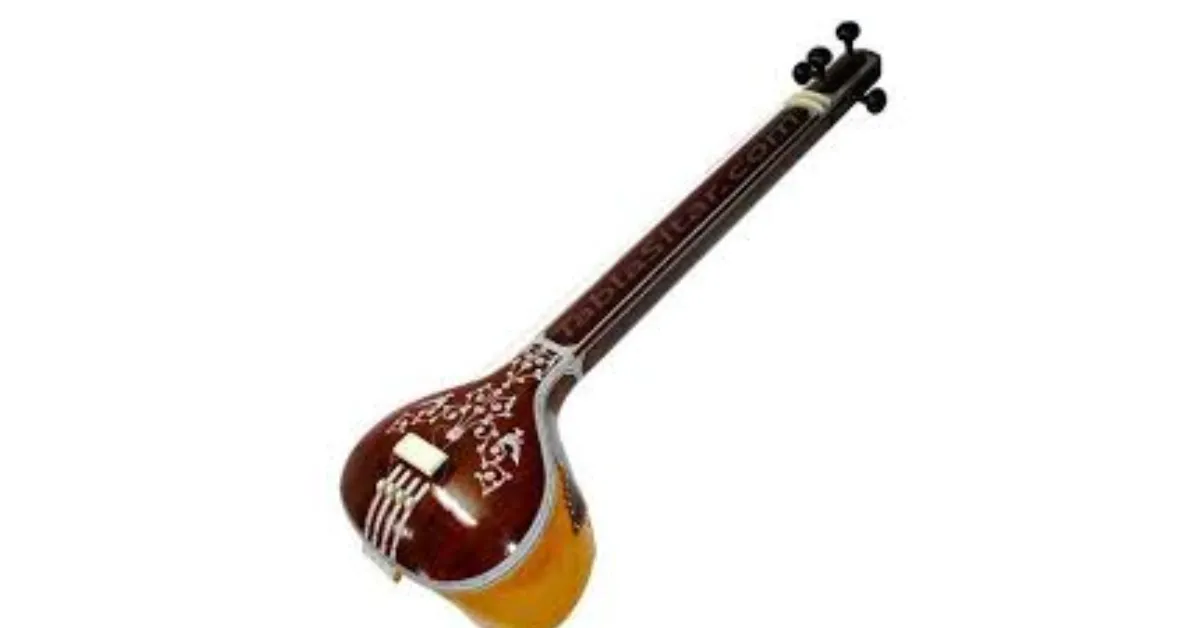
While not typically played solo, learning to tune and use a tanpura helps children understand shruti (pitch) and drone, essential to classical music. It builds listening skills and is used for vocal support.

Why it’s great for kids:

  • Aids in vocal and instrumental pitch training
  • Encourages deep listening
  • Inculcates patience and tonal precision


12. Indian Instruments vs Western Ones for Classical Music

While instruments like piano and cello are popular for classical training worldwide, Indian instruments like tabla, sitar, and harmonium are more suited for cultural and traditional learning in India. They also offer a more accessible and culturally immersive experience for children.


13. Best Age to Start Learning Indian Classical Instruments

  • Ages 4–6: Start with lighter instruments like bansuri, harmonium, or beginner tabla sets.
  • Ages 7–10: Introduce veena, sitar, or violin with proper guidance.
  • Ages 11+: Mridangam, advanced tabla, and full-size veena or sitar are ideal.

Starting young helps children grasp ragas, talas, and techniques more naturally.


14. Where to Learn Classical Music in India

Here are some reputable platforms and schools for young learners:

  • Shankar Mahadevan Academy – Online lessons for vocals and Indian instruments.
  • Saptak Archives – Good for Hindustani music courses.
  • Acharyanet – Carnatic music-focused online training with graded curriculum.

These institutions provide structured courses with experienced teachers and performance exposure.


15. Accessories and Practice Essentials

To aid your child’s musical journey, consider these add-ons:

  • Tabla Dayans for Small Hands
  • Child-Size Bansuri
  • Music Notation Books in Indian Swaras
  • Electronic Tanpura for Daily Practice
  • Veena/Violin Tuners
  • Practice Cushions for Sitting Comfortably

These tools make learning smoother and more enjoyable.


CONCLUSION: Start Their Musical Legacy Early

Choosing the best music instruments for children who are interested in classical music can spark a lifelong love for melody, discipline, and culture. Whether it’s the rhythmic pulse of tabla or the meditative tones of bansuri, Indian instruments offer children a rich, engaging, and culturally rooted experience. Parents should consider their child’s interests, personality, and physical capability before deciding on the right instrument. With proper training, a supportive environment, and the right tools, classical music can become a joyful and empowering part of any child’s life. Start early, choose wisely—and let the music grow with them.


At NMS Musicals, we offer a comprehensive range of musical instruments, including percussion, string, wind, and keyboard instruments. Our services encompass sales, expert servicing, and the manufacture of leather instruments. Explore our diverse collection and find the perfect instrument to suit your musical needs.

Visit our website to browse our offerings: nmsmusicals.in

For a closer look at our products, check out our shop page: nmsmusicals.in/shop

Stay connected with us through our social media channels:
Our shop locations are:

For inquiries, contact/Whatsapp us at 9500663895 or email us at laxman.m89@gmail.com.

Discover the world of musical instruments with NMS Musicals today!

For a visual overview of our percussion instruments, watch the following video:

Make the Most of Music Practice 1

Unleash Your Potential: Make the Most of Music Practice

Master every session with smart tips to make the most of music practice daily.

Make the Most of Music Practice

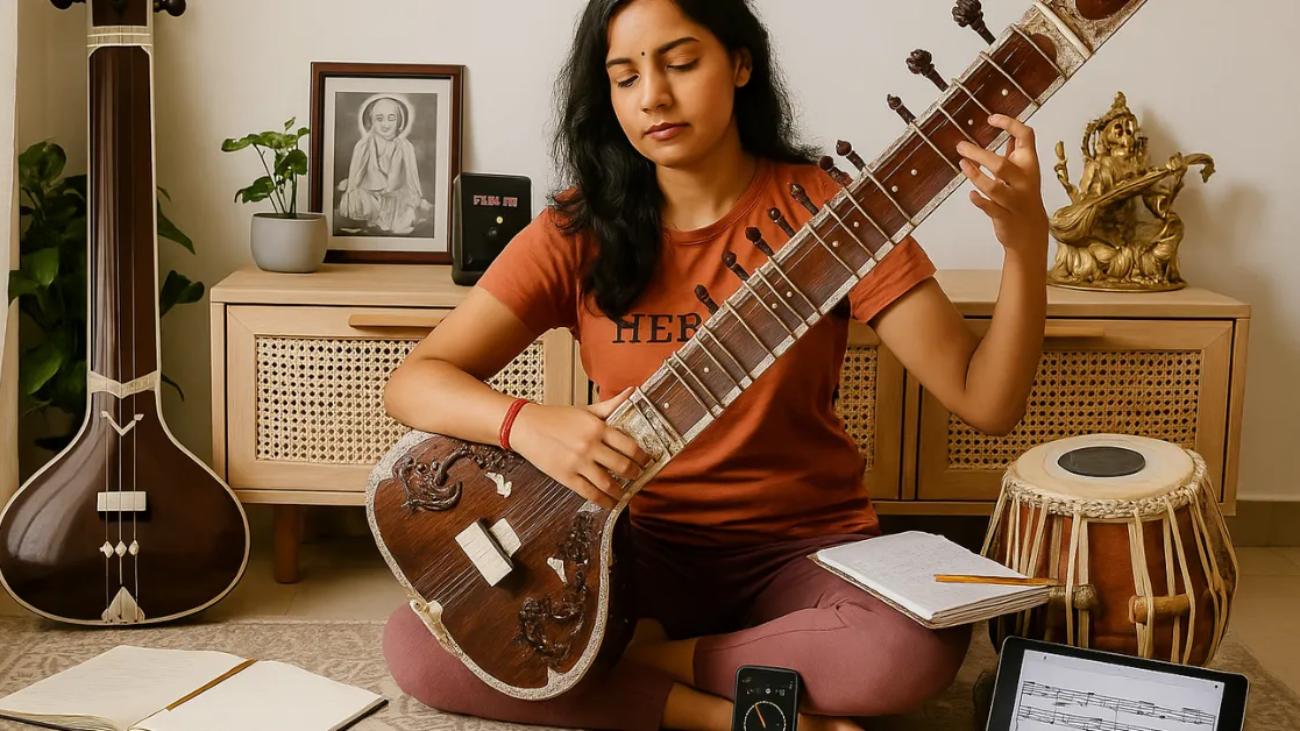
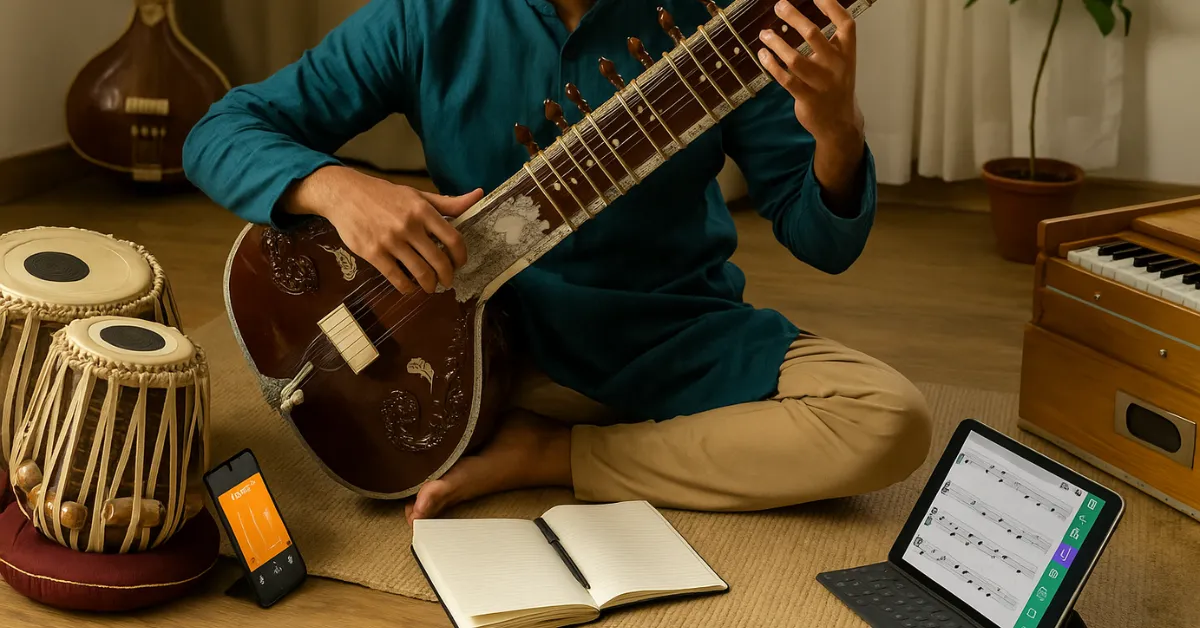
Whether you’re learning the sitar, tabla, veena, or a modern electric keyboard, one thing is true: consistent and mindful practice is the only path to musical mastery. But most young learners and even adult hobbyists often find themselves stuck in a loop of ineffective routines. The question is—how to make the most out of your music practice sessions?

The key is to approach your daily music practice like a structured performance rehearsal, not just a repetitive warm-up. With the right strategies, you can turn each session into a launchpad for real progress. This blog explores time-tested methods and modern tools—especially relevant to Indian instruments—that can make every minute of your practice count.


1. Understand Your Musical Goals

Clarify What You Want to Achieve

Before even touching your instrument, define your practice goals. Do you want to master a specific Indian raga? Learn rhythm patterns on the mridangam? Or play a full bhajan on the harmonium? Write it down.

Break Big Goals into Daily Targets

Divide your long-term goals into manageable, weekly objectives. For example, if your goal is to perform a Carnatic piece on the violin, one week could focus on bowing techniques and the next on swara patterns.


2. Create a Distraction-Free Practice Space

Set Up a Dedicated Area

Having a separate corner for your musical instruments, whether it’s a keyboard or a tabla, trains your brain to get into “music mode” whenever you enter that space.

Use Traditional Vibes

For Indian classical instruments, try adding minimal décor like a tanpura drone or a framed musical deity image. The spiritual aspect often helps keep you focused.


3. Warm-Up Like a Pro

Don’t Skip It

Spend 5–10 minutes warming up with scales or alankaras. Whether you’re a vocalist or instrumentalist, this is vital.

Use a Metronome or Lehra App

If you’re a tabla or dholak player, warm up with a lehra (melody loop) app like Lehra Studio. It helps to internalize rhythm and speed.


4. Use Time Blocks

Practice in Short, Focused Intervals

Use the Pomodoro method—25 minutes of practice, followed by 5 minutes of rest. This boosts focus and prevents fatigue.

Alternate Between Technical and Creative

Spend the first half refining technical skills (like taans or gamakas), and the second half improvising or composing your own short pieces.


5. Record Your Practice Sessions

Use Your Phone or a Handy Recorder

Whether you’re practicing sitar, flute, or vocals, record yourself. Listening back will help you hear errors you missed while playing.

Track Progress Weekly

Pick one session per week and note what improved: clarity, rhythm, emotion, etc. This motivates continued effort.


6. Use the Right Tools and Apps

Digital Tanpura and Tabla

Indian classical musicians can use apps like iTablaPro or Tanpura Droid to simulate a realistic background for solo practice.

Music Notation Apps

For Western-influenced instruments like the keyboard or guitar, use notation software like Musescore or Indian notation tools to document your compositions.


7. Keep a Practice Journal

Write Down Each Session

Record what you practiced, how it felt, and where you struggled. Over time, you’ll see patterns in your growth and weaknesses.

Reflect Often

End your week by reading back through your journal. This reflection sharpens your awareness and helps refine your practice approach.


8. Focus on Technique and Not Just Repetition

Slow It Down

Don’t race through pieces. Play slowly, focusing on perfect posture, finger placement, and clarity of notes. For veena or mandolin, this makes a big difference.

Use a Mirror

If you’re a vocalist or play string instruments, watch your posture and mouth/lip movement for better control.


9. Practice Musically, Not Mechanically

Add Emotion to Every Phrase

Don’t just hit the right notes—play with feeling. Imagine you’re performing in front of an audience. This is especially important in Indian ragas where bhava (emotion) is everything.

Connect to Lyrics or Mood

If you’re singing or playing bhajans, understand the meaning behind the lyrics. It will naturally influence your expression.


10. Include Ear Training

Listen More Than You Play

Spend at least 10 minutes a day listening to maestros—Ravi Shankar, Lalgudi Jayaraman, Zakir Hussain, or Kishori Amonkar. This fine-tunes your musical instincts.

Use Ear Training Apps

Apps like “Tenuto” or “NaadSadhana” help train pitch, intervals, and rhythm understanding.


11. Involve a Mentor or Group

Get Feedback Regularly

Share your recordings with your guru or teacher weekly. Constructive criticism accelerates growth.

Join Online Indian Music Communities

Platforms like YouTube, Facebook groups, or WhatsApp communities for tabla, veena, or Carnatic vocals provide peer feedback and motivation.


12. Stay Physically and Mentally Fit

Incorporate Breathing or Yoga

Vocalists and wind instrument players benefit from pranayama and yoga to improve lung control and mental clarity.

Stretch Before and After

Avoid stiffness in wrists or back. Indian instruments like the mridangam or harmonium require correct posture to avoid strain.


13. Practice With Backing Tracks or Accompaniment

Simulate Live Performance

Use shruti boxes, tabla loops, or karaoke-style tracks to make your practice feel like a real performance. It boosts confidence and enjoyment.

Experiment With Fusion

Blend your Indian classical training with pop or jazz using keyboard, guitar, or even electronic music apps. This builds creativity.


14. Review and Reevaluate Weekly

Set Weekly Review Days

Every Sunday, listen to a recording from Monday. Review what improved, what didn’t, and what needs to change next week.

Adjust Based on Feedback

If your teacher suggests improving your gamakas or tabla bols, dedicate specific sessions to them the following week.


15. Celebrate Small Wins

Reward Progress

Mastered a new raga? Played your first alap in public? Celebrate it. Motivation comes from recognizing effort, not just outcomes.

Track Your Musical Journey

Create a scrapbook or digital portfolio of your milestones—from mastering your first varnam to composing your first melody on the keyboard.


CONCLUSION

Learning music is not just about time spent with your instrument, but about how effectively that time is used. By integrating clear goals, modern tools, traditional discipline, and mindful review, you can truly make the most out of your music practice sessions.

Whether your journey is rooted in the powerful rhythms of the tabla or the melodic grace of the flute, every session becomes a step forward. Focus, consistency, and smart planning can transform even a 20-minute practice into a meaningful musical leap. Start small, practice smart, and most importantly—enjoy every note you create.


At NMS Musicals, we offer a comprehensive range of musical instruments, including percussion, string, wind, and keyboard instruments. Our services encompass sales, expert servicing, and the manufacture of leather instruments. Explore our diverse collection and find the perfect instrument to suit your musical needs.

Visit our website to browse our offerings: nmsmusicals.in

For a closer look at our products, check out our shop page: nmsmusicals.in/shop

Stay connected with us through our social media channels:
Our shop locations are:

For inquiries, contact/Whatsapp us at 9500663895 or email us at laxman.m89@gmail.com.

Discover the world of musical instruments with NMS Musicals today!

For a visual overview of our percussion instruments, watch the following video:
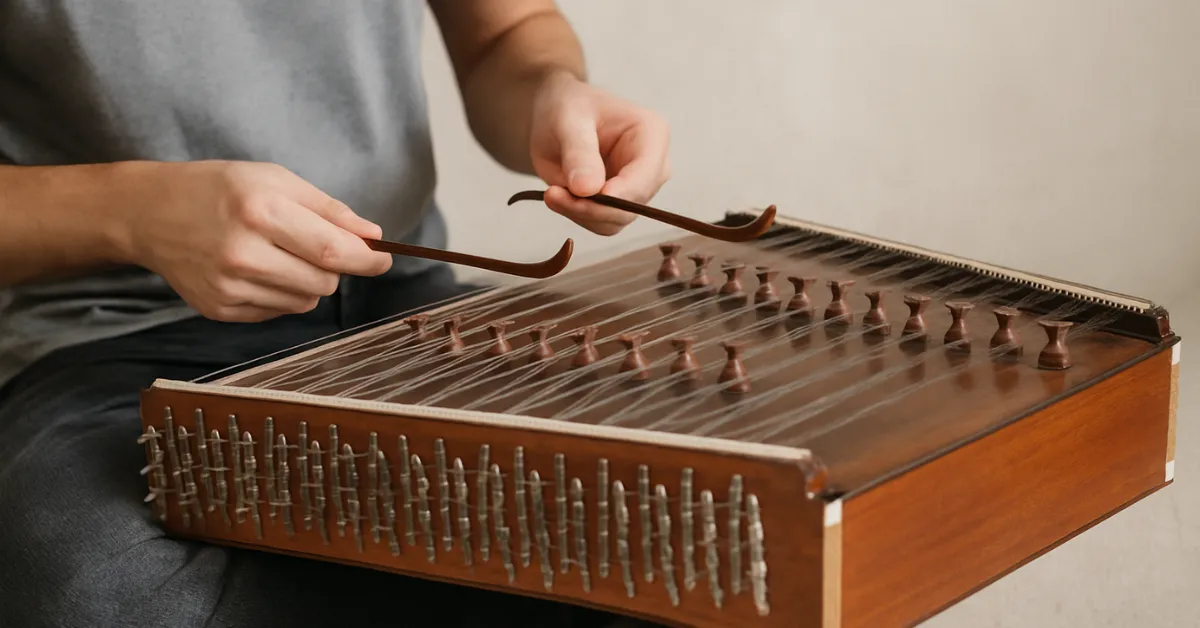
best instruments for teenagers rock music 4

Best Instruments for Teenagers Rock Music Lovers

Explore the best instruments for teenagers rock music, perfect for energetic Indian fusion and stage performances.

Teenage years are the perfect time to explore passions—and for many, that passion is music. Rock music, in particular, offers teens a thrilling outlet for creativity, rebellion, and self-expression. Whether they dream of forming a band or simply jamming at home, the right musical instrument can make all the difference. In India, the blend of traditional instruments with modern rock gear creates a unique space for young musicians to explore their identities. In this blog, we’ll explore the best instruments for teenagers who love rock music—focusing not just on classic Western rock staples but also on Indian instruments that work beautifully in fusion rock settings.


1. Why Rock Music Appeals to Teenagers

Before diving into the instruments, let’s understand the emotional pull of rock music for teens:

  • Self-Expression: Rock allows teens to channel emotions like excitement, frustration, and love.
  • Identity Formation: Playing rock music helps shape individuality and confidence.
  • Group Belonging: Forming or joining a band fosters friendships and teamwork.
  • Fusion Potential: Indian rock fuses traditional instruments with global rock styles.

Teenagers don’t just want to play music—they want to make a statement. The instruments below help them do exactly that.


2. Electric Guitar – The Heart of Rock

best instruments for teenagers rock music 3

No rock setup is complete without an electric guitar. For teens, it’s often the first instrument that ignites passion for music.

Why It’s Perfect for Teens:

  • Easy to start with basic chords
  • Wide range of affordable models in India
  • Popular brands like Yamaha, Ibanez, and Kadence available
  • Great for solos, rhythm, and melody

Indian Context:
Teen guitarists often blend ragas with rock riffs, creating a unique Indo-rock vibe.


3. Drum Kits – Beat of the Band

best instruments for teenagers rock music 2

Drums form the backbone of any rock performance. They bring energy, rhythm, and power.

Why Teens Love It:

  • Builds timing, coordination, and stamina
  • Allows for emotional release and dynamic performance
  • Popular among high-energy teens

Best Beginner Options in India:

  • Roland electronic kits (space-saving)
  • Acoustic sets from Tama and Pearl
  • Budget kits from Hertz and Natraj for practice

Indian Fusion Tip:
Teen rock bands often add tabla for unique percussion blends in Indo-rock compositions.


4. Bass Guitar – The Underrated Power Player

best instruments for teenagers rock music 1

Bass guitar is the soul of rock music—often subtle but essential.

Why Teens Should Try It:

  • Easier to learn than a 6-string
  • Makes a big impact in band setups
  • Available in sleek, lightweight models

Indian Angle:
Bass blends well with mridangam in experimental rock, offering rhythmic richness.


5. Keyboard – For Rock, Fusion & Creativity

CT-S200RD Keyboard

Modern keyboards are versatile and ideal for teens who enjoy both composing and performing.

Why It Works for Rock:

  • Built-in rhythms and tones
  • Supports solo and band roles
  • Great for experimenting with Indian classical fusion

Good Brands in India:

  • Casio, Yamaha, Roland
  • NMS Musicals offers excellent beginner models with Indian tones


6. Indian Instruments That Rock in Fusion

Indian teens today are breaking boundaries by adding Indian instruments to rock formats. These choices work great for those interested in Indo-rock.

Tabla:

  • Dynamic and percussive, great for acoustic rock
  • Adds cultural identity and rhythm complexity

Veena:

best instruments for teenagers rock music
  • Electrified versions available for rock solos
  • Adds melody and storytelling depth

Bansuri (Flute):

Bansuri E Flute
  • Works wonderfully in rock ballads and fusion themes
  • Emotional and spiritual impact on live audiences

Mridangam:

24 inch mridangam
  • Offers depth in rhythm
  • Used in Carnatic rock experiments across India

7. Starter Combos for Teen Rockers

Teens just starting out need the right gear. Here are effective beginner bundles:

Combo 1: Guitar + Practice Amp + Strap
Perfect for electric guitar beginners.

Combo 2: Keyboard + Stand + Headphones
For composing and solo playing in bedrooms or live gigs.

Combo 3: Tabla + Mic Kit
Ideal for teens wanting to mix classical percussion with indie or acoustic rock.

Combo 4: Mridangam + Loop Pedal Setup
For ambitious players who want to fuse rhythm patterns with electric loops.


8. Instruments Based on Personality

Every teen is different. Help them choose based on temperament:

  • Introverts: Keyboard or bass guitar – focus and deep solo play
  • Extroverts: Drums or electric guitar – high energy, spotlight role
  • Creative Thinkers: Bansuri or veena – emotional expression
  • Rhythmic Minds: Tabla or mridangam – percussion mastery


9. Where to Learn Rock Instruments in India

Formal training helps teens progress faster. Try these places:

  • True School of Music (Mumbai) – Rock-focused courses
  • Swarnabhoomi Academy of Music – Great for fusion learners
  • Online Platforms – Shankar Mahadevan Academy, WhiteHat Jr., Udemy


10. Tips for Parents Supporting Rock-Loving Teens

Parents play a crucial role in encouraging musical passion.

  • Listen Actively: Show interest in their music choices
  • Encourage Practice: Help create a schedule without pressure
  • Invest Smartly: Start with quality beginner instruments
  • Attend Gigs Together: Bond over performances and rehearsals


11. Budget-Friendly Rock Gear for Beginners

You don’t need to break the bank to start rocking. Here are great Indian options:

  • Kadence Electric Guitar Kits (from ₹7,000)
  • Casio Keyboards (starting ₹5,000)
  • Tabla Student Sets (from ₹3,000)
  • Electronic Drum Pads (starting ₹9,000)

Most of these can be found at NMS Musicals or online platforms like Amazon India and Bajaao.


12. Accessories Every Teen Rocker Needs

Make sure your teen is stage-ready with these essentials:

  • Guitar Picks, Straps, and Capos
  • Drumsticks and Mats
  • Keyboard Stands and Pedals
  • Tuning Apps or Digital Tuners
  • Loop Pedals (for advanced setups)
  • Clip-on Mics for Indian instruments


13. Indian Bands that Inspire Teen Rockers

Sometimes, inspiration comes from those who’ve already walked the path.

  • Indian Ocean – Masters of folk-rock fusion
  • Agam – Carnatic rock pioneers
  • Avial – Rocking in regional languages
  • Thaikkudam Bridge – Known for blending instruments like veena and violin

These bands show how Indian instruments can shine in rock.


14. Recording Rock Covers & Original Tracks

Teenagers today are recording at home more than ever. Here’s how to start:

  • Use DAWs like GarageBand, FL Studio, or Cubase
  • Start with USB microphones
  • Record solos or band sessions
  • Upload to YouTube, Instagram, and Spotify

Teen rockers in India are gaining millions of views with indie covers and original fusion tracks.


Conclusion: Rock the Stage, the Indian Way

For teenagers in India, the rock music journey is not just about playing loud—it’s about finding their voice and expressing who they are. With the right instrument—be it an electric guitar, tabla, or bansuri—teens can shape their identity, grow in confidence, and maybe even change the music world. Rock music is not just a genre; it’s an outlet for creativity and a celebration of individuality. Equip your teen with the right gear, inspire them with Indian musical roots, and watch them take the stage by storm.


At NMS Musicals, we offer a comprehensive range of musical instruments, including percussion, string, wind, and keyboard instruments. Our services encompass sales, expert servicing, and the manufacture of leather instruments. Explore our diverse collection and find the perfect instrument to suit your musical needs.

Visit our website to browse our offerings: nmsmusicals.in

For a closer look at our products, check out our shop page: nmsmusicals.in/shop

Stay connected with us through our social media channels:
Our shop locations are:

For inquiries, contact/Whatsapp us at 9500663895 or email us at laxman.m89@gmail.com.

Discover the world of musical instruments with NMS Musicals today!

For a visual overview of our percussion instruments, watch the following video: