Violin Bow Cleaning and Maintenance Guide

Violin Bow Cleaning and Maintenance Guide for Long-Lasting Results

Discover the Violin Bow Cleaning and Maintenance Guide every player needs

Violin Bow Cleaning and Maintenance Guide 3

The violin is a revered instrument in both Western and Indian classical music. However, the bow often gets overlooked when it comes to regular maintenance. Knowing how to properly clean and maintain your violin bow is essential to preserve its tone, responsiveness, and lifespan. Whether you’re a student learning Carnatic violin or a professional performer, taking care of your bow will greatly influence your sound quality. This guide is especially helpful for Indian musicians who rely on traditional playing styles and rigorous practice sessions. Let’s explore detailed steps and tips to keep your violin bow in top shape.


1. Understand the Parts of a Violin Bow

Before diving into cleaning methods, it’s important to know the different components of a violin bow:

  1. Stick: Made from wood or carbon fiber, this forms the main body.
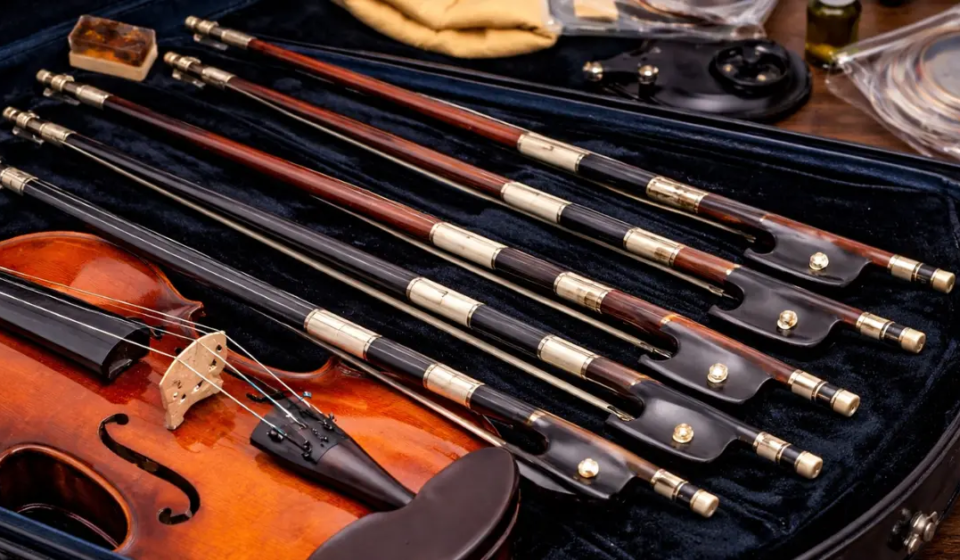
  2. Hair: Typically horsehair, used to produce sound.
  3. Frog: The adjustable part that tightens or loosens the hair.
  4. Screw: Allows adjustment of hair tension.
  5. Tip: The narrow end of the bow holding the hair.

Each of these parts requires specific care. For instance, the wood can degrade with moisture, while the hair can get damaged from over-rosining.


2. Daily Cleaning Routine

  1. After each session, always loosen the bow hair.
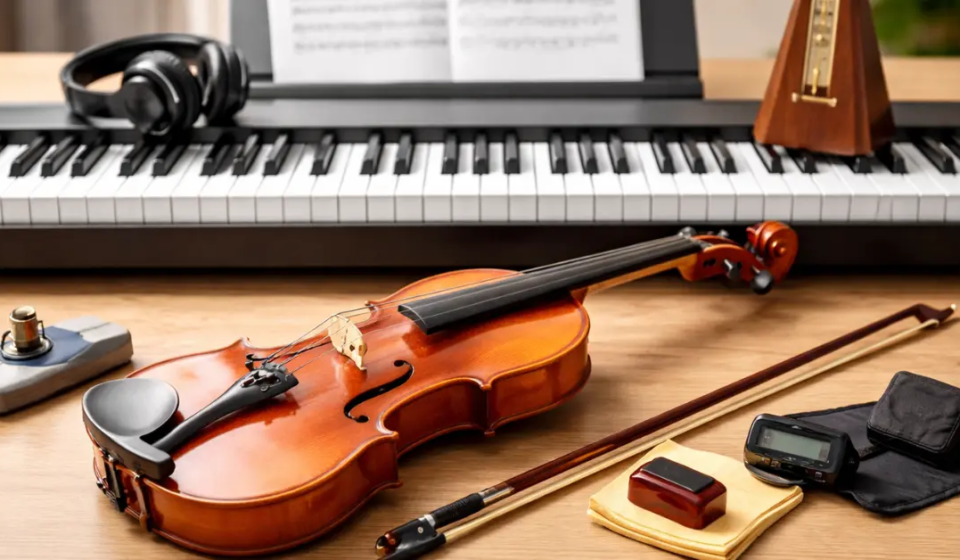
  2. Wipe the stick with a soft, dry cloth to remove rosin dust.
  3. Avoid touching the hair with your fingers, as oils from your skin degrade the hair quality.
  4. Store the bow in a hard case to prevent physical damage.

These simple habits can prevent long-term wear and tear.


3. Deep Cleaning the Bow Hair

If the hair becomes too sticky or discolored, a deep clean might be necessary. However, this should be done cautiously:

  1. Use a soft toothbrush or lint-free cloth.
  2. Dip it lightly in 70% isopropyl alcohol (avoid wetting the stick).
  3. Gently stroke the hair in one direction.
  4. Let it dry completely before applying new rosin.

Never soak the entire bow or immerse it in water. This can cause irreversible damage.


4. How Often Should You Rehair Your Bow?

Rehairing is an important aspect of maintenance, especially for Indian violinists who use extensive bowing techniques:

  1. For students: Every 6 to 12 months
  2. For professionals: Every 3 to 6 months
  3. Signs it’s time to rehair:
    • Hair is frayed or uneven
    • Loss of sound quality despite rosin
    • Slippery bow feel

Always approach a professional luthier or violin shop for rehairing.


5. Polishing the Stick

While you should avoid using alcohol or water on the stick, you can occasionally polish it:

  1. Use a dry microfiber cloth.
  2. Apply violin bow polish (sparingly).
  3. Avoid the frog and hair areas.

This keeps the stick smooth and free from grime.


6. Maintaining Proper Tension

Over-tightening is a common mistake that can warp the stick:

  1. Turn the screw until the hair forms a gentle arc.
  2. Avoid straightening the bow completely.
  3. Always loosen after practice.

This ensures the bow remains flexible and responsive


.

7. Caring for the Frog and Screw

Dust and debris can accumulate in the frog and screw areas:

  1. Use a toothpick or soft brush to gently clean crevices.
  2. Apply a drop of peg compound or mineral oil if the screw becomes stiff.
  3. Do not use excessive force.

Maintaining these small parts ensures easy tension adjustments.


8. Storage and Environment

The Indian climate, with its varying humidity, requires extra attention:

  1. Store in a case with silica gel packs to control moisture.
  2. Avoid extreme temperatures.
  3. Never leave your violin and bow in a hot car or near windows.

Maintaining a consistent environment prevents warping and hair loosening.


9. Avoid Common Mistakes

  1. Don’t use furniture polish or household cleaners.
  2. Avoid touching the hair unnecessarily.
  3. Don’t overuse rosin.
  4. Never try to fix hair breaks with glue.

Proper training and discipline go hand in hand with instrument care.


10. When to Seek Professional Help

Sometimes DIY care isn’t enough. Contact a violin technician if:

  1. The bow feels off-balanced
  2. The hair keeps breaking
  3. The screw won’t turn

A professional check-up once a year can help maintain optimal playability.


CONCLUSION

Learning how to properly clean and maintain your violin bow is crucial for any serious musician. This is particularly true for Indian classical performers, where the bow plays a vital role in tone and expression. From daily wiping to professional rehairing, consistent care ensures your bow remains a reliable partner in your musical journey. Follow the tips above, and you’ll not only extend your bow’s lifespan but also improve your performance and sound clarity. Respect your instrument, and it will reward you with years of beautiful music.


At NMS Musicals, we offer a comprehensive range of musical instruments, including percussion, string, wind, and keyboard instruments. Our services encompass sales, expert servicing, and the manufacture of leather instruments. Explore our diverse collection and find the perfect instrument to suit your musical needs.

Visit our website to browse our offerings: nmsmusicals.in

For a closer look at our products, check out our shop page: nmsmusicals.in/shop

Stay connected with us through our social media channels:
Our shop locations are:

For inquiries, contact/Whatsapp us at 9500663895 or email us at laxman.m89@gmail.com.

Discover the world of musical instruments with NMS Musicals today!

For a visual overview of our percussion instruments, watch the following video:

Choose the Right Instrument for Genre1

Best Guide to Choose the Right Instrument for Genre

Learn how to Choose the Right Instrument for Genre across Indian music styles like Carnatic, Hindustani, and fusion.

Choosing the right instrument for your music genre is a crucial step toward crafting your unique sound and developing your musical identity. Whether you’re drawn to Indian classical ragas, Western rock anthems, or contemporary fusion, the instrument you pick will influence your tone, technique, and creative flow. In India, where traditional and modern music coexist, selecting an instrument that complements your genre is both an art and a science. This guide will help you navigate through the choices with a special focus on Indian instruments, helping you find the perfect match for your musical journey.


1. Understanding Your Genre and Goals

Before buying an instrument, ask yourself what genre you resonate with the most. Are you passionate about Hindustani classical, Carnatic music, Bollywood playback, fusion, rock, EDM, jazz, or indie folk? Your musical goals—whether it’s stage performance, YouTube covers, or film scoring—also determine what instrument you should choose. For example:

  • Classical lovers may lean towards sitar, veena, tabla, or flute.
  • Bollywood and pop fans may go for guitar, keyboard, or harmonium.
  • Indie and fusion artists may prefer cajón, electric guitar, or bansuri.


2. Instruments for Indian Classical Music

Indian classical music is deeply rooted in cultural tradition, and each instrument carries centuries of heritage. Some ideal options include:

1. Sitar – A versatile string instrument used in Hindustani music. Great for raga improvisation and traditional solos.
Choose the Right Instrument for Genre2
2. Tabla – A pair of tuned drums used across genres. Essential for rhythm in both Hindustani and Bollywood settings.

3. Veena – Perfect for Carnatic music with intricate fingering and tonal depth.
Keyboard for Beginners 2
4. Bansuri (Flute) – Commonly used in Hindustani classical and light music, known for its soft, emotive sound.
Bansuri C# scale
5. Mridangam – A core percussion instrument in Carnatic concerts. These instruments suit genres that demand emotional expression, improvisation, and melodic precision.
Mridangam 22 Inch bolt & Nut


3. Instruments for Bollywood and Playback Singing

Bollywood music blends Indian melodies with Western instrumentation. Here’s what works:

1. Harmonium – A staple in vocal accompaniment, especially during practice or live unplugged sessions.
Choose the Right Instrument for Genre
2. Electronic Keyboard – Offers versatile sound presets to mimic piano, strings, tabla, and more. Perfect for arrangers.
CTK-3500 keyBoard
3. Acoustic Guitar – Common in romantic ballads and indie-style compositions.
Choose the Right Instrument for Genre5
4. Cajón – Popular in live unplugged Bollywood performances for its deep bass and crisp slap tones.
Choose the Right Instrument for Genre12
5. Violin (Indian or Western) – Often used for emotional build-ups in ballads or orchestral backgrounds.
Rampur Red Violin - 2


4. Instruments for Western Genres

If you lean toward rock, pop, or jazz, consider these instruments:

1. Electric Guitar – Ideal for rock, blues, and metal. Great for solos, rhythm, and effects-driven performances.
Choose the Right Instrument for Genre8
2. Bass Guitar – Provides groove and low-end support in bands and live setups.
Choose the Right Instrument for Genre8
3. Drum Kit – Best for pop, rock, or punk genres where rhythm is the backbone.
Choose the Right Instrument for Genre4
4. Piano or Synthesizer – Central to jazz, EDM, and pop compositions. Allows chordal arrangements and melodies.
Choose the Right Instrument for Genre10

5. Saxophone or Trumpet – Excellent for jazz and funk with strong melodic phrasing.

If you’re an Indian artist working in these genres, you can blend them with Indian instruments for a unique fusion.
Trumpet


5. Instruments for Fusion and Experimental Music

Fusion is huge in India, especially with artists mixing Indian classical with rock, jazz, and electronic genres. Instruments to explore:

1. Electric Sitar – Combines sitar’s tonal character with electric output for live or studio fusion.
Choose the Right Instrument for Genre6
2. Electronic Tabla or Cajón – Offers MIDI mapping and sampling for experimental beats.
Choose the Right Instrument for Genre7
3. Digital Flute or MIDI Wind Controllers – Allow Indian-style playability with digital sound banks.
Choose the Right Instrument for Genre
4. Loop Stations and DAWs – Essential if you want to sample Indian instruments and create live fusion loops.

This setup suits artists collaborating across genres or creating indie experimental tracks.
Choose the Right Instrument for Genre11


6. Matching Instrument to Vocal Styles

Your voice type can also influence your instrument choice. For instance:

  • A high-pitched female vocal might pair beautifully with bansuri or ukulele.
  • A rich male baritone could complement well with tabla, guitar, or harmonium.
  • Flexible vocalists experimenting with genres may benefit from a portable keyboard or DAW.

The right match creates a seamless blend between voice and instrument.


7. Age and Skill Level Considerations

Certain instruments are more beginner-friendly:

For Kids and Teenagers:

  • Ukulele (easy to play, great for learning chords)
  • Electronic keyboard (simple layout, built-in rhythms)
  • Tabla with simplified teaching apps (like TaalMala or Riyaz)

For Adults:

  • Guitar, harmonium, or bansuri, depending on genre preference
  • Violin or sitar with formal lessons

Age and patience play a role. Choose something that aligns with your commitment level and time availability.


8. Budget and Maintenance

Indian instruments like harmoniums, tabla, and sitars need care and tuning. Western instruments like electric guitars may require amps, effects pedals, and strings. Consider:

  • Entry-level tabla: ₹3,000–₹5,000
  • Decent harmonium: ₹6,000–₹10,000
  • Beginner keyboard: ₹4,000–₹8,000
  • Electric guitar: ₹7,000–₹15,000

Also factor in accessories like cases, stands, tuners, and humidifiers (especially in humid regions like Chennai or Kerala).


9. Where to Buy in India

Buy from reputed music stores or e-commerce platforms. Options include:

  • NMS Musicals (Chennai & Pondicherry) – Specializes in Indian and fusion instruments.
  • Furtados – Offers online and offline options.
  • Bajaao.com – Known for guitars, keyboards, and studio gear.

Test the instrument before purchase. Ask for tuning, return policies, and service support.


10. Learning Resources and Support

Once you’ve selected your instrument, learning is the next step. Choose from:

  • Online Classes (Sangeethapriya, Shankar Mahadevan Academy)
  • Local Gurus or Music Schools
  • Apps (Riyaz, NaadSadhana for Indian styles)
  • YouTube Tutorials – Ideal for quick self-paced learning

Instruments like tabla and sitar may require a traditional guru. Western instruments can be more DIY if you’re tech-savvy.


Conclusion

How to choose the right instrument for your music genre depends on your taste, goals, and cultural roots. In a musically diverse country like India, you’re spoiled for choice. Whether you want the emotional depth of a bansuri, the stage power of an electric guitar, or the rhythmic richness of tabla, there’s an instrument waiting to match your style. Consider your genre, skill level, and budget before you decide. And remember—your instrument isn’t just a tool; it’s a lifelong partner in your creative journey. Choose wisely, and let your music speak for itself.


At NMS Musicals, we offer a comprehensive range of musical instruments, including percussion, string, wind, and keyboard instruments. Our services encompass sales, expert servicing, and the manufacture of leather instruments. Explore our diverse collection and find the perfect instrument to suit your musical needs.

Visit our website to browse our offerings: nmsmusicals.in

For a closer look at our products, check out our shop page: nmsmusicals.in/shop

Stay connected with us through our social media channels:
Our shop locations are:

For inquiries, contact/Whatsapp us at 9500663895 or email us at laxman.m89@gmail.com.

Discover the world of musical instruments with NMS Musicals today!

For a visual overview of our percussion instruments, watch the following video:
Best Wind Instruments for Students Chennai 8

Top-Rated Picks: Best Wind Instruments for Students Chennai

Learn how to pick the Best Wind Instruments for Students Chennai with ease.

Wind instruments have long played an essential role in Indian classical and contemporary music. For music students in Chennai—a city rich in cultural heritage and artistic expression—choosing the right wind instrument is a vital step toward musical growth. From traditional Indian instruments like the nadaswaram and bansuri to modern brass and woodwinds used in school bands, the options are diverse and exciting.

This guide explores the best wind instruments for music students in Chennai, helping young learners and their parents make informed decisions based on sound, skill level, cultural relevance, and affordability. Whether the goal is to join a school orchestra, learn Carnatic music, or simply explore musical passion, this blog offers practical tips and recommendations.


1. Understanding Wind Instruments and Their Importance

Wind instruments produce sound through the vibration of air in a tube or chamber. They are typically divided into two broad categories:

a. Indian Wind Instruments:
These include traditional instruments like the bansuri (Indian bamboo flute), nadaswaram, and shehnai. Each has a deep connection to Indian classical music, especially Carnatic and Hindustani traditions.

b. Western Wind Instruments:
These include instruments like the recorder, clarinet, saxophone, trumpet, and flute, commonly used in school bands and Western music training.

Wind instruments are known to improve breath control, discipline, coordination, and musical expression—all vital traits for young musicians.


2. Why Chennai is a Great Place to Learn Wind Instruments

Chennai is a cultural hotspot for Indian classical music, especially Carnatic music. With numerous music schools, cultural institutions, and performance opportunities, it’s an ideal environment for budding wind instrumentalists.

Music students in Chennai benefit from:

  1. Access to traditional instrument teachers.
  2. Exposure to live performances and festivals.
  3. Local availability of Indian-made wind instruments.
  4. Supportive communities for students learning instruments like nadaswaram and bansuri.


3. Top 10 Wind Instruments for Music Students in Chennai

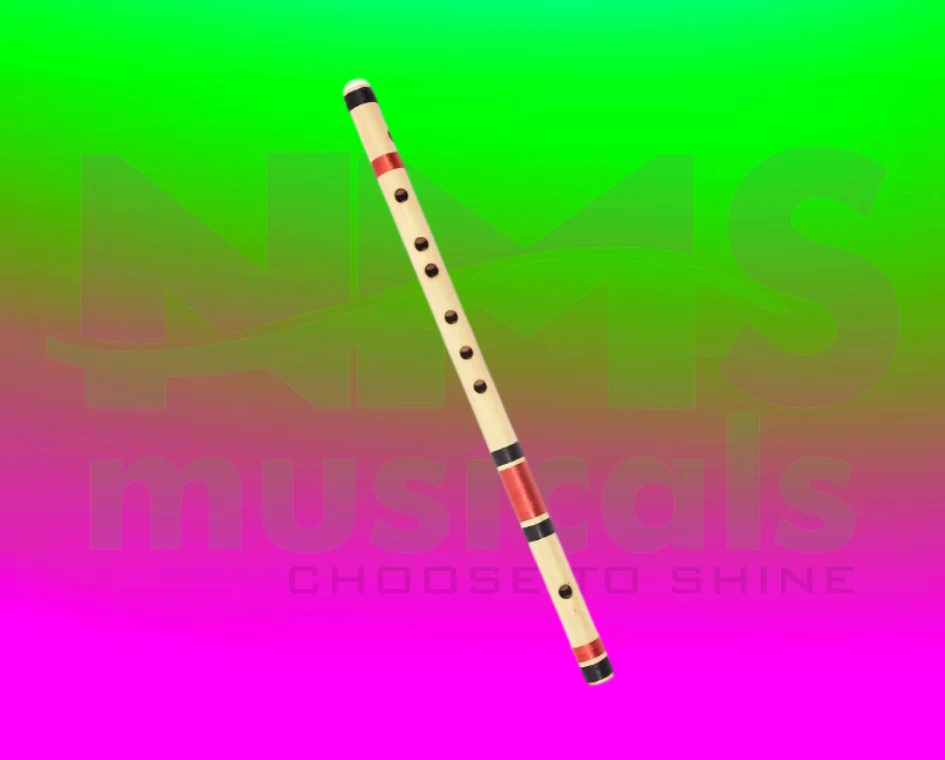
1. Bansuri (Indian Bamboo Flute)

Bansuri C# scale
Bansuri C# scale

The bansuri is an excellent first wind instrument for Indian classical music students. It is affordable, portable, and culturally rich.

  • Best For: Beginners in Carnatic and Hindustani music
  • Materials: Bamboo
  • Learning Curve: Easy to moderate

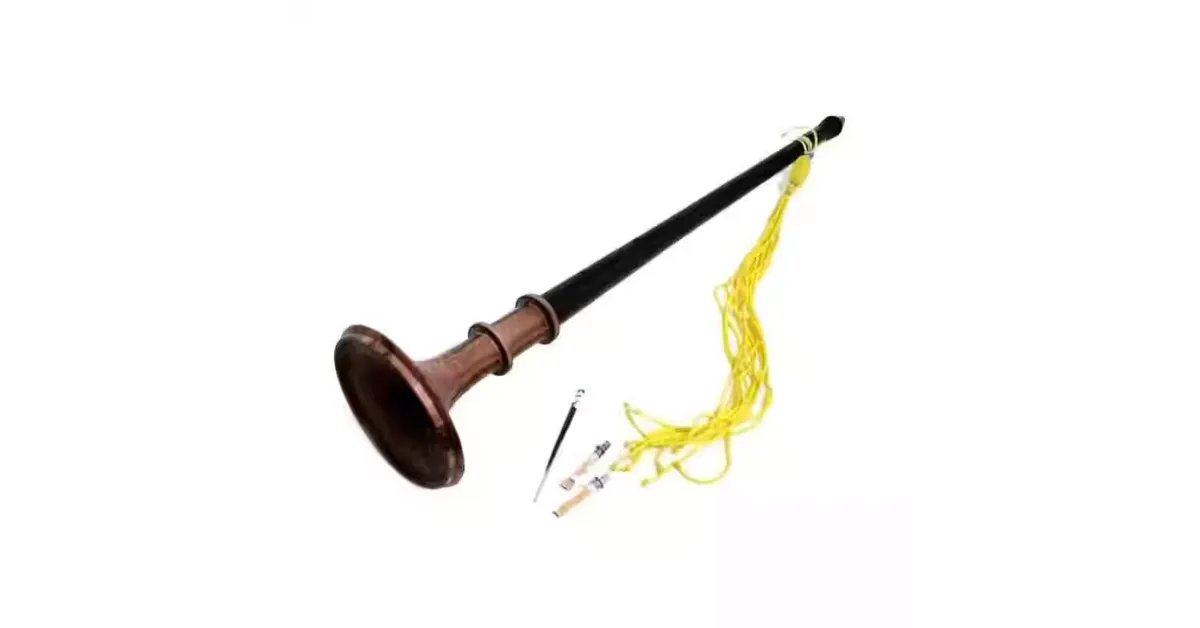
2. Nadaswaram

Best Wind Instruments for Students Chennai

Known as one of the loudest non-brass acoustic instruments in the world, the nadaswaram holds an important place in South Indian traditions.

  • Best For: Students interested in temple music and professional performance
  • Materials: Wood and metal
  • Learning Curve: Advanced

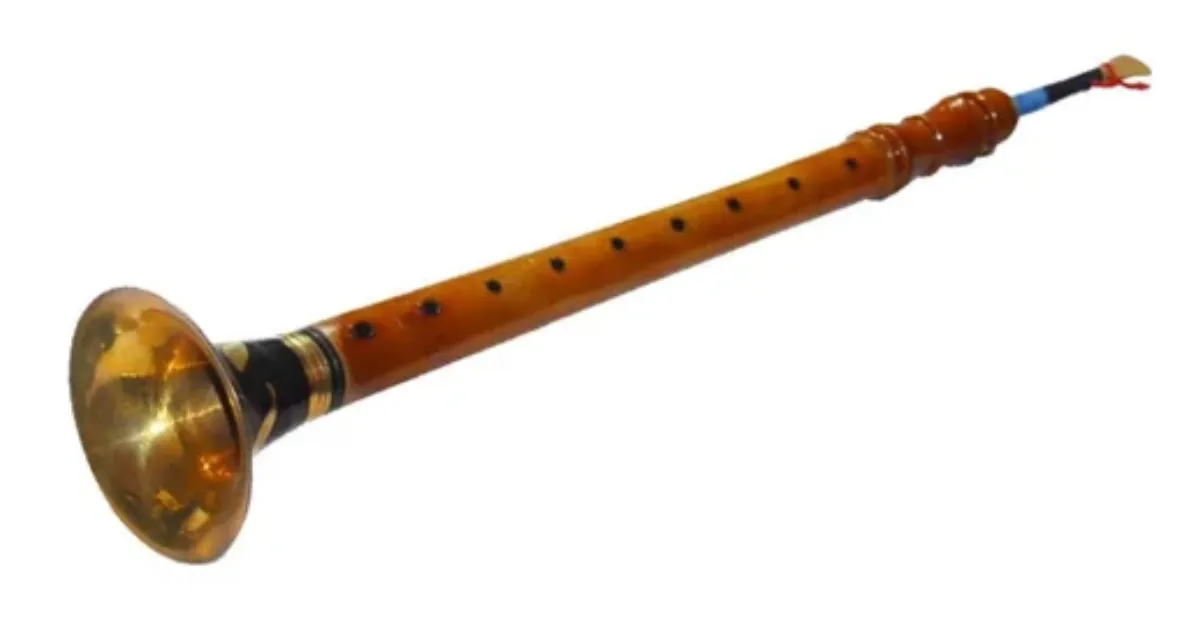
3. Shehnai

Best Wind Instruments for Students Chennai 1

Popular in North Indian classical and wedding ceremonies, the shehnai is similar to the nadaswaram but offers a softer tone.

  • Best For: Students interested in North Indian classical music
  • Materials: Wood and metal
  • Learning Curve: Moderate to hard

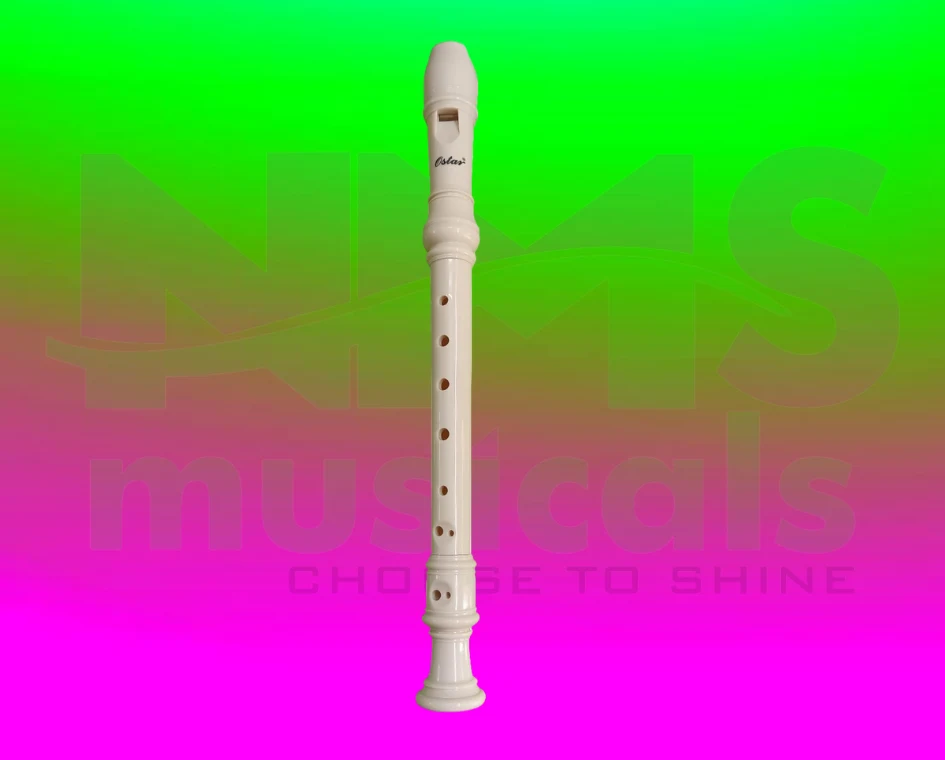
4. Recorder

Recorder

The recorder is often the first Western wind instrument introduced in schools. It helps build fundamental skills like finger positioning and breath control.

  • Best For: School band beginners
  • Materials: Plastic or wood
  • Learning Curve: Easy

5. Flute (Western Concert Flute)

Best Wind Instruments for Students Chennai 5

Unlike the bansuri, this is a keyed instrument made of metal and commonly used in Western music training and orchestras.

  • Best For: Intermediate learners
  • Materials: Metal
  • Learning Curve: Moderate

6. Clarinet

Clarinet

The clarinet is a flexible woodwind instrument used in jazz, classical, and contemporary music.

  • Best For: Older students and band members
  • Materials: Wood or plastic
  • Learning Curve: Moderate

7. Saxophone

Saxophone with case

The saxophone is a modern instrument that fits into classical, jazz, and pop genres. It is highly expressive and offers various sizes (alto, tenor, soprano).

  • Best For: Advanced students
  • Materials: Brass
  • Learning Curve: Moderate to hard

8. Trumpet

Trumpet

A brass instrument that teaches students discipline, breath control, and ensemble playing. It’s often found in Western school bands.

  • Best For: Older school students
  • Materials: Brass
  • Learning Curve: Moderate

9. Harmonium with Reed Pipes

Best Wind Instruments for Students Chennai 6

Though not a wind instrument in the traditional sense, the harmonium uses bellows and air reeds and is often used in Indian music training.

  • Best For: Students learning bhajans and classical accompaniment
  • Materials: Wood and metal
  • Learning Curve: Easy

10. Melodica

Melodica 37 keys ostar

This hybrid between keyboard and wind instrument is perfect for young learners and helps in understanding note values and breath control.

  • Best For: Kids and school beginners
  • Materials: Plastic
  • Learning Curve: Easy


4. Factors to Consider When Choosing a Wind Instrument

1. Age and Physical Strength

Some wind instruments like the nadaswaram and trumpet require strong lung capacity. Beginners may prefer lighter and simpler instruments like the recorder or bansuri.

2. Musical Interests

Does the student prefer Carnatic music, Hindustani music, or Western genres? This will determine if they should pursue a bansuri, shehnai, or clarinet.

3. Teacher Availability

Choose instruments that have good teacher availability in your area. Chennai has many gurus for Indian classical instruments, especially bansuri and nadaswaram.

4. Budget

Instruments like the bansuri and recorder are budget-friendly, while saxophones and flutes may require higher investment.

5. Learning Curve

Consider how difficult the instrument is to learn. For very young students, start with simple instruments like the melodica or recorder.


5. Where to Buy Wind Instruments in Chennai

Chennai offers various options for purchasing wind instruments:

  • Local music stores like NMS Musicals specialize in Indian instruments.
  • Carnatic music outlets often sell bansuris, nadaswarams, and harmoniums.
  • Online stores provide access to a wide range of products, including Western instruments.

Always test the instrument in-store and verify its tuning and tone quality before purchase.


6. Maintaining Wind Instruments

Proper maintenance ensures that wind instruments last long and continue to sound good. Here are some basic care tips:

  • Clean the instrument after every use using a soft cloth or swab.
  • Store it in a protective case to prevent dust and damage.
  • Avoid playing after eating or drinking to prevent residue build-up.
  • Periodically service instruments with keys and pads (like clarinets or saxophones).


7. Benefits of Learning Wind Instruments for Students

1. Improved Breathing and Lung Health

Playing wind instruments enhances respiratory control and capacity.

2. Cognitive Development

Learning music improves memory, coordination, and concentration.

3. Cultural Connection

Indian wind instruments like the bansuri and nadaswaram help students connect with their cultural roots.

4. Performance Skills

Students gain stage experience and confidence through recitals and concerts.

5. Emotional Expression

Music serves as a form of emotional release and creativity for young learners.


8. Recommended Music Schools in Chennai for Wind Instrument Training

  • Kalakshetra Foundation – Offers training in classical music including bansuri and harmonium.
  • The Music Academy Chennai – Known for Carnatic music, vocal and instrumental.


Conclusion

Wind instruments offer a gateway into the world of music for students in Chennai. Whether it’s the soulful bansuri or the powerful nadaswaram, these instruments build a strong musical foundation. With the right guidance, students can explore both traditional and modern musical paths. This guide to the best wind instruments for music students in Chennai is your first step toward making an informed, meaningful choice for your or your child’s musical journey.

From affordability to cultural richness and skill development, wind instruments offer everything a young musician needs. Invest in the right instrument and enjoy the lifelong benefits of music.


At NMS Musicals, we offer a comprehensive range of musical instruments, including percussion, string, wind, and keyboard instruments. Our services encompass sales, expert servicing, and the manufacture of leather instruments. Explore our diverse collection and find the perfect instrument to suit your musical needs.

Visit our website to browse our offerings: nmsmusicals.in

For a closer look at our products, check out our shop page: nmsmusicals.in/shop

Stay connected with us through our social media channels:
Our shop locations are:

For inquiries, contact/Whatsapp us at 9500663895 or email us at laxman.m89@gmail.com.

Discover the world of musical instruments with NMS Musicals today!

For a visual overview of our percussion instruments, watch the following video:
Pedals in Electric Guitars Explained 6

Powerful Insight: Pedals in Electric Guitars Explained

Master the tone-shaping magic of pedals in electric guitars explained for Indian music, fusion, and modern studio use.

Pedals in Electric Guitars Explained4

Electric guitars have revolutionized modern music—and for Indian musicians embracing fusion styles, rock, Bollywood covers, or Carnatic-electric blends, the role of pedals is absolutely vital. Pedals are the creative tools that shape your tone, style, and sound personality. Whether you’re an aspiring guitarist or an experienced performer, understanding the role of pedals in electric guitars can completely transform how you approach your music. This blog will guide you through every aspect of guitar pedals—from basic functionality to choosing the right ones for Indian music contexts.


1. What Are Guitar Pedals and Why Are They Important?

Guitar pedals, also known as effects pedals or stompboxes, are small devices placed between your electric guitar and amplifier. They alter the signal of your guitar to produce various effects like distortion, reverb, delay, modulation, and more.

  • Pedals help in sculpting unique tones.
  • Essential for live performances and recording.
  • Allow Indian guitarists to emulate traditional textures or create cinematic moods


2. Signal Chain: How Pedals Fit Into Your Setup

Understanding the placement of pedals in a signal chain is crucial for getting the sound you want.

  • Typical order: Tuner → Wah → Overdrive → Modulation → Delay → Reverb
  • Proper placement avoids tone muddiness.
  • Use a pedalboard for a clean, organized setup in home studios or stage gigs.


3. Distortion and Overdrive Pedals

These pedals are the heart of rock and metal tones. For Indian guitarists:

  • Useful in Bollywood rock or fusion styles.
  • Boost the dynamics in patriotic songs or energetic solos.
  • Try pedals like Boss DS-1 or Tube Screamer for creamy distortion or warm overdrive.


4. Delay Pedals for Cinematic Sounds

Delay pedals repeat the sound input to produce echoes.

  • Essential in ambient Indian guitar solos.
  • Perfect for instrumental Carnatic or Hindustani fusion with spacious textures.
  • Combine delay with reverb for ethereal tones.


5. Reverb Pedals: Creating Space

Reverb mimics sound reflections in physical spaces.

  • Simulates temples, halls, or open grounds—ideal for devotional or Indian ambient guitar.
  • Common in Indian classical fusion and soft bhajans.
  • Spring, plate, and hall reverbs offer various depth levels.


6. Wah Pedals for Expressive Lead Play

Wah pedals produce a vocal-like “wah” tone.

  • Useful in expressive solos or Bollywood guitar leads.
  • Adds personality to Hindustani-inspired melodies.
  • Players like Prasanna use wah in Carnatic fusion to mimic veena-style phrasing.


7. Modulation Pedals: Chorus, Phaser, Flanger

These pedals alter your sound waves to produce motion and depth.

  • Chorus gives a shimmering texture—ideal for Indian film love songs.
  • Phaser and flanger can enhance modern Bollywood or EDM-style guitar lines.
  • Use sparingly for Indian folk fusions to maintain clarity.


8. Loopers: Practice and Performance Tools

Loop pedals allow recording and layering live loops.

  • Great for solo Indian guitarists to layer tabla rhythms, chords, and solos.
  • Use loops to simulate jugalbandi with yourself in real-time.
  • Ideal for Instagram reels, street performances, and music classes.


9. Tuner Pedals: Stay Perfectly in Tune

An essential but often ignored tool. A tuner pedal:

  • Ensures precise tuning before gigs or recordings.
  • Silent tuning prevents awkward breaks during concerts.
  • Must-have for students learning ragas and scale-based play.


10. EQ Pedals: Tone Sculpting for Indian Styles

EQ pedals shape frequencies and give control over your tone.

  • Boost mids for Carnatic leads, scoop mids for cinematic backgrounds.
  • Adjust tone to match instruments like tabla, flute, or mridangam.
  • Vital for fusion and session guitarists.


11. Volume Pedals for Smooth Control

Volume pedals allow gradual control over sound levels.

  • Perfect for swells in devotional guitar or emotional solos.
  • Useful in Indian film music covers and ambient builds.
  • Can replace volume knob use during performances.


12. Compressor Pedals: Balanced Sound Output

Compression helps in evening out loud and soft playing.

  • Makes fingerstyle or Indian ragas sound consistent.
  • Adds sustain to slides or bends in Indian fusion solos.
  • Recommended for clean tone enthusiasts.


13. Multi-Effects Pedals vs Individual Stompboxes

Multi-effects units like Zoom G5n or Line 6 Helix combine many effects in one device.

  • Great for Indian beginners to explore sounds without huge investment.
  • Easier for gigging musicians with limited space.
  • Stompboxes offer better sound quality but at a higher price.


14. Power Supply and Pedalboard Setup

Your pedals need consistent and clean power.

  • Use isolated power supplies to avoid hums.
  • Velcro-based pedalboards make travel and arrangement simple.
  • Use patch cables and cable management for a neat Indian stage setup.


15. Choosing Pedals Based on Genre

Different Indian music styles demand different pedal setups:

  • Bollywood Pop: Delay, Reverb, Distortion
  • Carnatic Fusion: Wah, Overdrive, Compressor
  • Indian Classical: Reverb, Chorus, EQ
  • Indie Indian Rock: Distortion, Delay, Looper


16. Pedals for Indian Film and Devotional Music

When playing film songs or bhajans:

  • Reverb adds emotional weight.
  • Delay creates ambient layers during alaaps.
  • Compressor ensures clarity when playing alongside vocalists.


17. Pedals That Mimic Indian Instrument Effects

  • Delay + reverb can create veena or sitar-like tone.
  • Pitch shifter can simulate Indian string bending.
  • Wah mimics vocal gamakas used in Indian classical.


18. Top Pedal Brands Available in India

  • Boss: Reliable, widely available.
  • Zoom: Budget-friendly multi-effects for learners.
  • TC Electronic: High-end tone sculpting.
  • Mooer: Compact and affordable for Indian students.


19. Where to Buy Guitar Pedals in India

  • Online stores: Bajaao, Furtados, Amazon India.
  • Music shops: NMS Musicals(Chennai & Pondicherry).
  • Always try in-store when possible to hear how they interact with Indian tones.


20. Tips for Indian Guitarists Using Pedals

  • Avoid overloading your tone with too many effects.
  • Match your pedal chain to Indian rhythmic structures.
  • Experiment with ragas and pedal combinations for original fusion.
  • Record and tweak pedal settings based on acoustic needs of Indian halls or temples.


Conclusion

Understanding the role of pedals in electric guitars is not just about learning buttons or effects—it’s about discovering your sound. For Indian guitarists exploring fusion, Bollywood, devotional, or Carnatic rock styles, pedals open the doors to creativity. Whether you’re adding reverb to a soft bhajan, distortion to a patriotic solo, or looping tabla grooves under a Carnatic lead, the right pedal makes all the difference. Use this guide to explore, experiment, and elevate your electric guitar journey in the rich soundscape of Indian music.


At NMS Musicals, we offer a comprehensive range of musical instruments, including percussion, string, wind, and keyboard instruments. Our services encompass sales, expert servicing, and the manufacture of leather instruments. Explore our diverse collection and find the perfect instrument to suit your musical needs.

Visit our website to browse our offerings: nmsmusicals.in

For a closer look at our products, check out our shop page: nmsmusicals.in/shop

Stay connected with us through our social media channels:
Our shop locations are:

For inquiries, contact/Whatsapp us at 9500663895 or email us at laxman.m89@gmail.com.

Discover the world of musical instruments with NMS Musicals today!

For a visual overview of our percussion instruments, watch the following video:
Best Beginner Friendly Woodwind Instruments3

Essential Picks: Best Beginner Friendly Woodwind Instruments

Master music from day one with the Best Beginner Friendly Woodwind Instruments

Woodwind instruments are among the most soulful and expressive instruments in the world of music. Whether you’re captivated by the calming sound of the flute or the vibrant tones of the clarinet, starting your musical journey with a woodwind instrument is a fulfilling choice. For beginners in India, especially those exploring traditional and classical forms, choosing the right woodwind instrument can open doors to cultural enrichment and artistic growth. This guide covers the best beginner-friendly woodwind instruments, emphasizing ease of learning and their relevance in Indian musical settings.


1. Flute: The Most Popular Indian Woodwind

base flute

The flute, or bansuri, is an essential part of Indian classical music.

  • Easy to learn and play basic melodies
  • Available in various sizes for different skill levels
  • Suitable for Hindustani and Carnatic styles
  • Affordable and accessible

Many music schools and gurus across India offer beginner-level training, making it a top choice for first-timers.


2. Recorder: Perfect for Young Learners

Recorder view

The recorder is often used as an introductory instrument in music classes.

  • Simple fingering and breath control
  • Lightweight and child-friendly
  • Great stepping stone to other woodwinds
  • Found in many school curriculums

Although not traditionally Indian, it builds essential woodwind skills that translate well into Indian flute playing later on.


3. Clarinet: Ideal for Fusion and Film Music

Best Beginner Friendly Woodwind Instruments

The clarinet is gaining popularity in modern Indian music, especially film scores.

  • Rich, full sound with a wide range
  • Great for jazz and Indian fusion
  • Offers smooth transition to professional orchestras
  • Slightly more complex but rewarding to learn

Best suited for teens and adults who want a versatile, long-term instrument.


4. Saxophone: Expressive and Modern

Saxophone with case

Though less common in traditional Indian music, the saxophone is growing in contemporary settings.

  • Strong presence in Bollywood and fusion bands
  • Ideal for expressive solo performances
  • Requires breath control and embouchure training

Recommended for learners with a strong commitment to practice and passion for modern Indian music.


5. Shehnai: A Traditional Indian Favorite

Fiber Shehnai

A sacred and festive instrument, the shehnai is deeply rooted in Indian culture.

  • Used in weddings, temple rituals, and classical performances
  • Requires skilled breath control and practice
  • Deeply rewarding for those dedicated to Indian classical music

Beginners can start with plastic or resin models before progressing to wooden shehnais.


6. Harmonium-Reed Alternatives: Learning Wind Concepts

Best Beginner Friendly Woodwind Instruments1

Though not a woodwind, the harmonium is often taught alongside wind instruments in Indian music due to its role in training pitch and breath concepts.

  • Builds understanding of pitch and melody
  • Enhances listening and improvisation skills
  • Great supporting instrument for woodwind players

Ideal for those who want a holistic Indian music foundation.


7. Indian Bamboo Flute vs. Western Flute

Best Beginner Friendly Woodwind Instruments2

Understanding the difference between Indian bamboo flutes and Western concert flutes can help beginners choose wisely.

  • Bamboo Flute: Open-holed, used in Hindustani and Carnatic music
  • Western Flute: Closed-hole, used in orchestras and Western-style performances

Beginners interested in Indian music should start with bamboo flutes.


8. Choosing by Age Group

  • Kids (5–10 years): Recorder or small bamboo flute
  • Teens (11–18 years): Clarinet, bamboo flute, or saxophone
  • Adults: Clarinet, shehnai, saxophone, or even western flute for fusion

Pick based on hand size, breath strength, and musical preference.


9. Maintenance and Care

Each woodwind instrument requires regular maintenance.

  • Clean mouthpieces regularly
  • Store in cases to prevent damage
  • Oil wooden instruments periodically
  • Learn proper handling techniques

This is especially important in Indian climates where humidity can affect wooden instruments.


10. Where to Learn in India

  • Local music schools and academies
  • Online platforms offering Carnatic and Hindustani lessons
  • YouTube channels focusing on Indian woodwinds
  • Private tutors specializing in Indian instruments

Choosing a teacher familiar with the cultural background of the instrument enhances learning.


11. Budget Considerations

Woodwind instruments come in various price ranges.

  • Recorder: ₹300 – ₹800 (great for kids)
  • Bamboo Flute: ₹500 – ₹2,000 (for beginners)
  • Clarinet: ₹7,000 – ₹15,000 (student models)
  • Saxophone: ₹20,000 – ₹50,000 (entry-level models)
  • Shehnai: ₹2,000 – ₹10,000 depending on make

Investing in quality at the beginner stage can ease learning and reduce frustration.


12. Accessories That Help Beginners

  • Cleaning cloths and swabs
  • Flute thread or wax for bamboo flutes
  • Reeds for clarinets and shehnais
  • Carrying cases and moisture guards

These tools extend instrument life and help maintain sound quality.


13. Finding Motivation and Community

  • Join school bands or local Indian music groups
  • Perform at cultural events and festivals
  • Engage with online communities on social media
  • Watch live performances and tutorials

Being part of a music community keeps motivation high and promotes continuous learning.


14. How Long Does It Take to Learn?

Progress depends on consistency, age, and the instrument’s complexity.

  • Recorder/Bamboo Flute: Basic melodies in 2–3 months
  • Clarinet/Saxophone: 6–12 months for basic control
  • Shehnai: May take 1–2 years to develop tone and control

Set realistic goals and enjoy the process.


CONCLUSION

Woodwind instruments offer a beautiful gateway into the world of music, especially for beginners interested in Indian traditions. From the soulful notes of the bamboo flute to the regal tones of the shehnai, each instrument offers a unique experience. Whether you’re a child, teenager, or adult, choosing the right beginner-friendly woodwind instrument will shape your musical path. With consistent practice, proper guidance, and the right gear, you can master any of these instruments and enjoy the lifelong joy of music. Explore your options, trust your instincts, and let the sound guide your journey.


At NMS Musicals, we offer a comprehensive range of musical instruments, including percussion, string, wind, and keyboard instruments. Our services encompass sales, expert servicing, and the manufacture of leather instruments. Explore our diverse collection and find the perfect instrument to suit your musical needs.

Visit our website to browse our offerings: nmsmusicals.in

For a closer look at our products, check out our shop page: nmsmusicals.in/shop

Stay connected with us through our social media channels:
Our shop locations are:

For inquiries, contact/Whatsapp us at 9500663895 or email us at laxman.m89@gmail.com.

Discover the world of musical instruments with NMS Musicals today!

For a visual overview of our percussion instruments, watch the following video:
Best Digital Music Tools for Teenagers

Best Digital Music Tools for Teen Musicians

Best Digital Music Tools for Teen Musicians to Succeed

Music has always been an integral part of youth culture, especially in India, where tradition blends with modern technology. Today’s teen musicians are no longer limited to just offline practice or physical instruments. With the explosion of digital innovation, there’s a wide range of digital music tools and apps that can help them learn faster, compose more creatively, and explore Indian instruments with ease. In this blog, we’ll uncover the best digital music tools and apps for teen musicians, focusing on options that support Indian classical and contemporary learning, practice, and composition.


1. Riyaz – Learn Indian Classical Music

Best Digital Music Tools for Teen Musicians 1

One of the most beloved apps for Indian music learners, Riyaz is perfect for teens who want to practice Indian classical vocals or instruments like the harmonium, tabla, and more. It offers real-time feedback and structured lessons tailored for beginners.

  • Custom practice sessions for Indian ragas
  • Real-time pitch correction and feedback
  • Includes Hindustani and Carnatic styles
  • Great for daily practice and vocal training


2. NaadSadhana – AI-powered Indian Music Studio

Best Digital Music Tools for Teen Musicians 2

NaadSadhana is a smart app designed for Indian classical musicians. It’s an ideal companion for teen learners who are exploring raga-based music or experimenting with compositions.

  • AI-powered tabla, tanpura, and harmonium
  • Raga improvisation and vocal tuning
  • Supports multiple Indian classical genres
  • Helps with live performance practice


3. BandLab – Create Music with Ease

Although not India-specific, BandLab is an all-in-one digital audio workstation (DAW) app that’s perfect for teenagers wanting to compose, record, and mix their own music.

  • Cloud-based music studio with collaboration features
  • Works well with Indian loops, instruments, and vocals
  • Free multi-track editor
  • Encourages creativity and remote learning


4. iTablaPro – Tabla and Tanpura on Your Phone

Best Digital Music Tools for Teen Musicians 5

This app is a must-have for students learning Indian classical instruments. iTablaPro replicates a live tabla and tanpura with pitch-accurate sounds.

  • Studio-quality tabla, tanpura, and swarmandal
  • Ideal for instrumental practice like sitar or bansuri
  • Great for riyaz (practice) sessions
  • Supports multiple taals and scales


5. Sargam – Indian Music Notation App

Best Digital Music Tools for Teen Musicians 4 (1

Teen musicians learning Indian classical music often need help with reading and writing notations. Sargam offers just that with a clean and intuitive interface.

  • Create, save, and share Indian music notations
  • Supports Western and Indian notation styles
  • Excellent tool for theory and composition
  • Useful for vocalists, harmonium, and flute players


6. Shankar Mahadevan Academy App

This app offers structured courses taught by experts in Indian music, especially suitable for teens who want guided lessons with certified programs.

  • Live classes and self-paced modules
  • Special courses for vocals, tabla, and bhajans
  • Supports exam preparation and theory
  • Suitable for both beginners and intermediates


7. Metronome: Tempo by Soundbrenner

Best Digital Music Tools for Teen Musicians 6 (1

Timing is key in both Indian classical and Western music. Tempo by Soundbrenner is a sleek, teen-friendly metronome app that helps musicians master rhythm and tempo.

  • Easy to use with customizable beats
  • Ideal for tabla, mridangam, or even Western drums
  • Tap tempo and subdivision features
  • Syncs with multiple devices for group practice


8. SwarShala – Learn and Practice Indian Music

Best Digital Music Tools for Teen Musicians 7 (1

SwarShala by Swar Systems is an excellent choice for students looking to delve deeper into Indian music rhythms and melodies digitally.

  • Offers virtual instruments like tabla, sitar, and sarangi
  • Perfect for theory and rhythm training
  • Allows teens to create and practice compex compositions
  • Includes both Hindustani and Carnatic systems


9. FL Studio Mobile – Music Production On the Go

Best Digital Music Tools for Teen Musicians 8

FL Studio Mobile is a portable version of the famous DAW. It’s used by many young Indian music producers who blend traditional sounds with modern beats.

  • Includes sample packs suitable for Indian music
  • Great for remixing bhajans, mantras, and ragas
  • Offers MIDI input for electronic instruments
  • Inspires cross-genre creativity among teens


10. Lehra Studio – Tabla Accompaniment App

Best Digital Music Tools for Teen Musicians 10

Designed especially for tabla players, Lehra Studio provides lehra accompaniment in various ragas and taals, helping teens practice more efficiently.

  • Multiple instruments: sarangi, harmonium, bansuri
  • Ideal for solo tabla practice and stage rehearsals
  • Adjustable tempo and scale
  • Trusted by many tabla gurus across India


11. Tanpura Droid – Digital Tanpura Companion

Best Digital Music Tools for Teen Musicians 12

A simple but highly effective app, Tanpura Droid offers authentic drone sound, essential for vocal and instrumental Indian music practice.

  • Provides continuous tanpura sound
  • Simple interface for quick setup
  • Great for beginners practicing sur and shruti
  • Enhances focus during riyaz


12. Perfect Ear – Music Theory & Ear Training

Best Digital Music Tools for Teen Musicians 13

Though not Indian-specific, Perfect Ear is valuable for training one’s ear in pitch, rhythm, and intervals—essential for any aspiring musician.

  • Includes Indian solfege (sargam)
  • Customizable exercises for all skill levels
  • Helps with listening, tuning, and improvisation
  • Useful for both vocals and instruments


13. Chordbot – Create Your Own Backing Tracks

Best Digital Music Tools for Teen Musicians 9

Chordbot lets teenagers build chord progressions and play them back with realistic instruments, useful for composing or jamming with Indian melodies.

  • Create custom chord progressions
  • Layer over Indian melodies for fusion music
  • Great for songwriting and experimenting
  • Exports to MIDI and audio


14. TaalMala – Tabla and Lehra Software

Best Digital Music Tools for Teen Musicians 14 (1)

TaalMala offers extensive taal and lehra libraries, making it ideal for tabla and kathak students looking for professional-quality accompaniment.

  • Multiple taals with advanced settings
  • Realistic tabla, pakhawaj, and lehra sounds
  • Custom composition creation
  • Great for students of Indian percussion


15. Yousician – Learn Instruments Interactively

Best Digital Music Tools for Teen Musicians15

Though Western in origin, Yousician has grown popular among Indian teens for learning guitar, piano, and ukulele. It gamifies music education.

  • Real-time feedback and lesson plans
  • Supports Indian covers and compositions
  • Fun interface that appeals to younger users
  • Encourages consistent daily practice


16. Smule – Sing with the World

Best Digital Music Tools for Teen Musicians 16

Smule allows teen musicians to sing and share their music with others. It includes Indian film songs, bhajans, and classical fusion covers.

  • Duet with famous artists and friends
  • Record and edit Indian vocal performances
  • Ideal for budding singers and content creators
  • Builds confidence and stage presence


17. Ableton Live (Lite) – Professional Music Creation

Best Digital Music Tools for Teen Musicians 17 (1)

Though more advanced, Ableton Live Lite version is used by many Indian teen music producers who are diving into digital soundscapes and mixing.

  • Powerful sequencing and live performance tools
  • Indian samples and plugins available
  • Used for fusion, lo-fi, and indie music
  • Encourages creative experimentation


18. Voice Training – Learn to Sing

Best Digital Music Tools for Teen Musicians18

For those focusing on pitch-perfect singing, Voice Training apps help teens develop vocal strength and accuracy for Indian and contemporary styles.

  • Offers pitch graphs and vocal exercises
  • Helps in mastering ragas and swaras
  • Visual tools for improvement
  • Works great for mobile riyaz sessions


19. GarageBand (iOS) – Music Studio for Beginners

Best Digital Music Tools for Teen Musicians19

GarageBand remains a beginner’s favorite for producing, recording, and mixing music. Teen musicians in India use it to create modern sounds blended with Indian vibes.

  • Easy loops, instruments, and vocal recording
  • Ideal for composing indie and fusion songs
  • Touch instruments mimic tabla and sitar
  • Perfect starter app for teen creators


20. Soundtrap by Spotify – Collaborate and Create

Best Digital Music Tools for Teen Musicians 20

Soundtrap allows online collaboration, making it great for teens who want to work on music projects remotely, especially across genres like Bollywood, Carnatic pop, and indie.

  • Record, edit, and share music online
  • Add Indian instrument loops and vocals
  • Collaboration with friends or mentors
  • Cloud-based, accessible from anywhere


Conclusion

The world of music is evolving, and so are the tools available to the next generation of Indian musicians. Whether you’re a teen learning the tabla, composing on a digital piano, or blending Indian vocals with modern beats, these apps can significantly enhance your musical journey. The best digital music tools and apps for teen musicians listed above are not just trendy—they’re practical, educational, and most importantly, empowering. With consistent practice and the right tools, any teen in India can go from learning an instrument to creating unforgettable melodies that bridge tradition and innovation.


At NMS Musicals, we offer a comprehensive range of musical instruments, including percussion, string, wind, and keyboard instruments. Our services encompass sales, expert servicing, and the manufacture of leather instruments. Explore our diverse collection and find the perfect instrument to suit your musical needs.

Visit our website to browse our offerings: nmsmusicals.in

For a closer look at our products, check out our shop page: nmsmusicals.in/shop

Stay connected with us through our social media channels:
Our shop locations are:

For inquiries, contact/Whatsapp us at 9500663895 or email us at laxman.m89@gmail.com.

Discover the world of musical instruments with NMS Musicals today!

For a visual overview of our percussion instruments, watch the following video:
How to Care for Your Percussion Instruments 2

Ultimate How to Care for Your Percussion Instruments

How to Care for Your Percussion Instruments: Essential Tips for Beginners

How to Care for Your Percussion Instruments

Whether you’re just starting your musical journey or already enjoy playing instruments like the tabla, mridangam, or dholak, caring for your percussion instruments is essential. Indian percussion instruments, in particular, require thoughtful maintenance due to their natural materials and handcrafted construction. Neglecting basic care can lead to damage, poor sound quality, or even costly repairs. In this guide, we’ll walk you through how to care for your percussion instruments effectively so they last longer and sound better every time you play.


1. Understand Your Instrument’s Materials

  1. Wood: Many Indian drums like the mridangam and dholak are made of jackfruit or mango wood.
  2. Animal Skin: Traditional drum heads use goat or cowhide for resonance.
  3. Metal Components: Tabla and other instruments might have metallic rings or tuning elements.
  4. Synthetic Options: Some modern instruments use synthetic heads or plastic bodies for durability.

Understanding what your instrument is made of will help determine how to care for it correctly.


2. Cleaning Your Percussion Instruments

  1. Wipe Down After Use: Always use a clean, dry cloth to wipe the surface after each use.
  2. Avoid Harsh Chemicals: Never use alcohol or strong cleaners on natural skins.
  3. Conditioning: Use natural oil (like coconut or mustard oil) on wooden parts monthly to prevent drying.
  4. Drum Head Care: Occasionally rub a soft cloth lightly over the drum head to remove dust.


3. Humidity and Temperature Control

  1. Avoid Direct Sunlight: Prolonged exposure can warp wooden bodies.
  2. Use Dehumidifiers or Silica Gel: Especially in monsoon regions of India.
  3. Storage in Cloth Bags: Use padded bags that help in temperature regulation.
  4. Climate Matters: Instruments behave differently in coastal vs. inland regions—adjust care accordingly.


4. Tuning and Maintenance Basics

  1. Tuning the Tabla: Learn to use a hammer or consult a teacher for tuning properly.
  2. Mridangam Tuning: Adjust tension cords gently or consult a professional.
  3. Check for Cracks: Inspect weekly to ensure no cracks are forming in the body or head.
  4. Replace Damaged Parts: Don’t wait too long to replace torn skins or broken cords.


5. How to Store Percussion Instruments

  1. Use Proper Bags: Invest in a quality gig bag or hard case.
  2. Keep Off the Ground: Store on shelves or stands.
  3. Avoid Damp Areas: Keep away from kitchens or bathrooms.
  4. Long-Term Storage: Loosen any cords or heads slightly to reduce tension over time.


6. Transporting Your Instrument Safely

  1. Use Cushioned Bags: Especially for travel within India or by train.
  2. Secure in Vehicle: Make sure the instrument doesn’t bounce around.
  3. Avoid Temperature Shocks: Don’t expose to sudden hot or cold conditions.
  4. Label Your Case: Especially helpful if transporting during events or concerts.


7. Special Tips for Indian Instruments

  1. Tabla: Apply “syahi” paste correctly; never scratch it off.
  2. Mridangam: Wrap it in soft cloth when not in use.
    Mridangam 22 inch bolt nut
  3. Dholak: Occasionally tighten with rope or nuts, depending on the type.
    Rope Dholak view
  4. Ghatam: Store upright and avoid wet surfaces.
    How to Care for Your Percussion Instruments 3
  5. Kanjira: Keep away from humidity; replace skins more often due to its delicate size.
    How to Care for Your Percussion Instruments 5

8. Common Mistakes to Avoid

  1. Overtightening: Can cause drum heads to snap.
  2. Using Plastic Covers: Can trap moisture and damage the skin.
  3. Neglecting Tuning: Leads to inconsistent sound.
  4. Skipping Cleanups: Accumulated dust can cause wear.
  5. Using Wrong Oils: Avoid mineral oils; use natural oils instead.


9. Routine Maintenance Schedule

  1. Daily:
  • Wipe surface
  • Check for dust accumulation

2. Weekly:

  • Inspect for damage
  • Light conditioning if needed

3. Monthly:

  • Deep clean wooden surfaces
  • Tighten loose parts

4. Yearly:

  • Professional check-up
  • Replace drum heads if needed


10. Finding Help and Services in India

  1. NMS Musicals (Chennai & Pondicherry): Offers expert care and repair services.
  2. Local Artisans: Often more affordable for natural repairs.
  3. Online Forums: Indian music communities on Facebook, Reddit.
  4. Workshops: Look for percussion maintenance workshops.


Conclusion

Caring for your percussion instruments doesn’t have to be complicated—it just takes a little attention and consistency. Whether you play the tabla, mridangam, dholak, or any other Indian percussion instrument, these care tips will help you maintain their quality and ensure a longer lifespan. Proper cleaning, regular tuning, climate control, and careful storage can make a huge difference in how your instrument sounds and performs. So treat your instruments like the musical partners they are, and they’ll serve you well for years to come.


At NMS Musicals, we offer a comprehensive range of musical instruments, including percussion, string, wind, and keyboard instruments. Our services encompass sales, expert servicing, and the manufacture of leather instruments. Explore our diverse collection and find the perfect instrument to suit your musical needs.

Visit our website to browse our offerings: nmsmusicals.in

For a closer look at our products, check out our shop page: nmsmusicals.in/shop

Stay connected with us through our social media channels:
Our shop locations are:

For inquiries, contact/Whatsapp us at 9500663895 or email us at laxman.m89@gmail.com.

Discover the world of musical instruments with NMS Musicals today!

For a visual overview of our percussion instruments, watch the following video:
Best Acoustic Guitars for Rock Music Lovers5

Best Acoustic Guitars for Rock Music Lovers

Explore the best acoustic guitars for rock enthusiasts seeking power and tone.

Whether you’re a beginner picking up your first six-string or a seasoned guitarist looking for a bold acoustic tone, rock music demands a guitar that can match its intensity. The crisp strumming, melodic solos, and raw edge of rock come alive only when your guitar complements the genre. Acoustic guitars may seem mellow to some, but with the right build, tonewood, and design, they can deliver explosive resonance that’s perfect for rock enthusiasts. In India, where musical diversity blends classical roots with modern flair, choosing the best acoustic guitar for rock music involves balancing global quality with local accessibility. This guide explores the top 5 models that deliver iconic sound, style, and playability for every rock lover.


1. Fender CD-60S Dreadnought Acoustic Guitar

Best Acoustic Guitars for Rock Music Lovers4

Fender has always been a household name in rock music, and the CD-60S Dreadnought proves why. Designed for beginners and intermediate players alike, this model offers powerful projection and clarity, making it ideal for energetic strumming.

Why it’s great for rock:

  • Solid spruce top ensures bold volume and resonance
  • Dreadnought shape creates a loud, punchy tone
  • Easy-to-play neck with rolled edges enhances comfort
  • Durable design that handles gigging and jamming sessions

In the Indian market, this model is widely available through online and offline retailers, making it a popular choice among aspiring rock artists.


2. Yamaha F310 Acoustic Guitar

Best Acoustic Guitars for Rock Music Lovers1

Yamaha’s reputation for consistency and quality shines through in the F310. Though it’s often recommended for beginners, its sound depth and playability make it a perfect fit for budding rock musicians.

Why it’s great for rock:

  • Meranti back and sides deliver balanced tonal response
  • Strong sound projection thanks to a spruce top
  • Lightweight and easy to handle
  • Excellent craftsmanship under budget

This model is a best-seller in India and often used by music academies for training students with rock and fusion tastes.


3. Epiphone DR-100 Acoustic Guitar

Best Acoustic Guitars for Rock

Epiphone, a brand with Gibson roots, brings powerful rock tones even to its acoustic models. The DR-100 boasts rich sound and stylish aesthetics that make it appealing for performers.

Why it’s great for rock:

  • Mahogany body provides deep lows and warm tones
  • Slim taper neck allows for fast playing—perfect for solos
  • Ideal for both strumming and fingerstyle
  • Classic looks that resemble vintage rock instruments

In India, the DR-100 is available through premium dealers and is ideal for rock lovers looking for stage-ready instruments without breaking the bank.


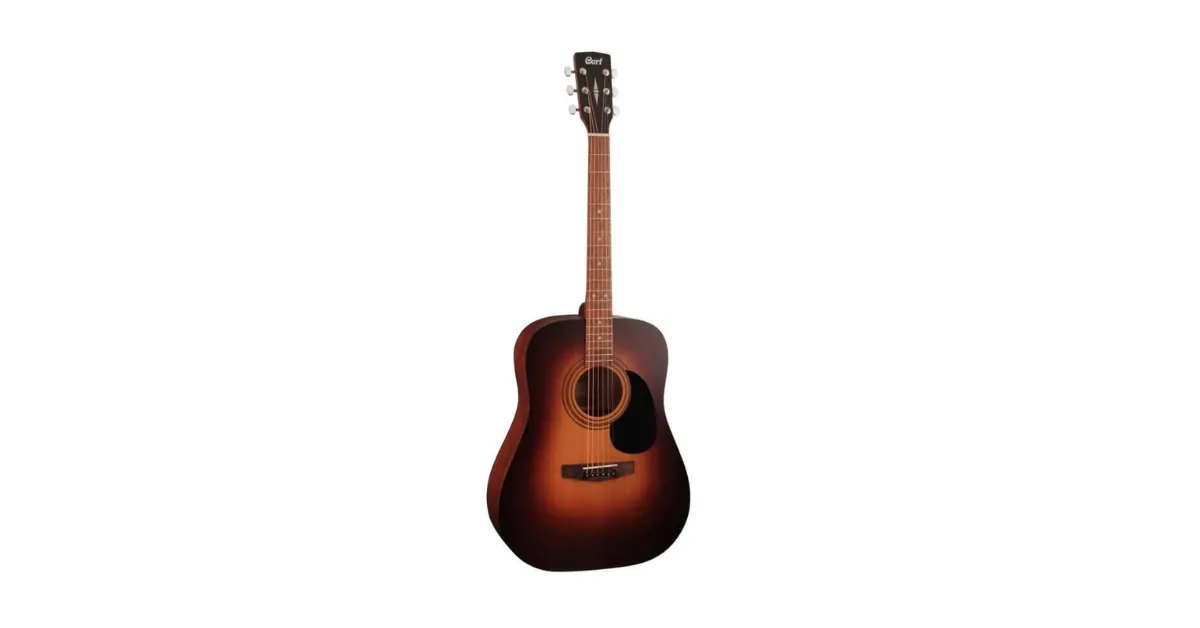
4. Kadence Frontier Series Acoustic Guitar

Best Acoustic Guitars for Rock Music Lovers3

Kadence is an Indian brand that has carved a niche in the acoustic guitar scene. The Frontier Series offers quality builds at an affordable price point, catering well to Indian rock fans.

Why it’s great for rock:

  • Great tone and projection for its price
  • Available in multiple finishes, including sunburst—popular among rock guitarists
  • Comfortable fretboard for long practice sessions
  • Comes bundled with accessories

It’s perfect for beginners who want to explore rock music with a desi twist, and many Indian bands and artists prefer Kadence for their reliability.


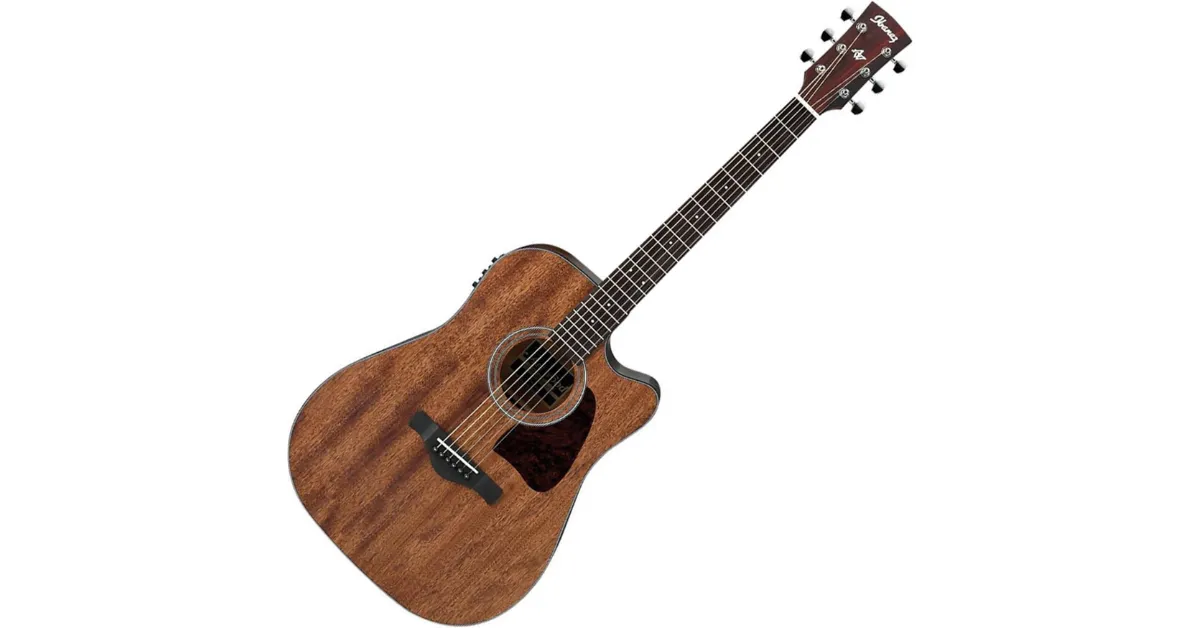
5. Ibanez AW54OPN Artwood Acoustic Guitar

Best Acoustic Guitars for Rock Music Lovers 3

Ibanez may be more famous for electric guitars, but its acoustic lineup like the AW54OPN delivers just the right raw power needed for acoustic rock.

Why it’s great for rock:

  • Solid mahogany top and body offer rich, punchy sound
  • Open pore natural finish gives it a rugged rock appearance
  • Warm low-end tones for deeper chords
  • High build quality for intermediate to pro musicians

Though slightly premium, Indian rock musicians find it a great investment due to its durability and brand legacy.


Essential Features to Look for in a Rock Acoustic Guitar

1. Tonewood: Mahogany and spruce tops are preferred for rock due to their ability to project and sustain sound.

2. Body Shape: Dreadnought and jumbo are ideal for louder volumes and fuller tones.

3. Neck Profile: A slim neck helps with faster playing, especially when shifting between chords and solos.

4. Durability: A guitar used for rock should withstand aggressive playing and regular travel.

5. Indian Market Availability: Choosing models that are accessible and serviceable in India ensures better long-term usability.


Tips for Maintaining Your Acoustic Guitar

1. Use a case: Always store your guitar in a hard case when traveling or not in use.

2. Clean strings and fretboard: Sweat and grime affect tone—clean them regularly.

3. Humidity control: Especially important in Indian climates to prevent wood cracking.

4. Regular tuning and servicing: Keeps your guitar sounding and playing its best.

5. Avoid DIY repairs: Always consult a professional for serious issues.


Indian Rock Artists and Their Acoustic Choices

Many Indian rock artists use acoustic guitars in unplugged performances or fusion compositions. Artists like Raghu Dixit, Agam, and The Local Train often incorporate acoustic guitar sounds in their rock music, blending Indian classical elements with modern rock rhythms.

Their choice of guitars leans toward models with warmth, depth, and tonal character—qualities emphasized in the above recommendations.


Conclusion

The journey of a rock music lover begins with the right instrument. While electric guitars dominate the stage, acoustic guitars are the soulful storytellers behind every great rock anthem. From global icons like Fender and Yamaha to reliable Indian favorites like Kadence, the options are diverse and powerful. Choosing the best acoustic guitar for rock music lovers means understanding what sound, feel, and vibe match your musical journey. With the right care, knowledge, and passion, your guitar becomes more than just an instrument—it becomes your voice in the world of music. So pick your rock companion, plug into your soul, and let the music roar.


At NMS Musicals, we offer a comprehensive range of musical instruments, including percussion, string, wind, and keyboard instruments. Our services encompass sales, expert servicing, and the manufacture of leather instruments. Explore our diverse collection and find the perfect instrument to suit your musical needs.

Visit our website to browse our offerings: nmsmusicals.in

For a closer look at our products, check out our shop page: nmsmusicals.in/shop

Stay connected with us through our social media channels:
Our shop locations are:

For inquiries, contact/Whatsapp us at 9500663895 or email us at laxman.m89@gmail.com.

Discover the world of musical instruments with NMS Musicals today!

For a visual overview of our percussion instruments, watch the following video:
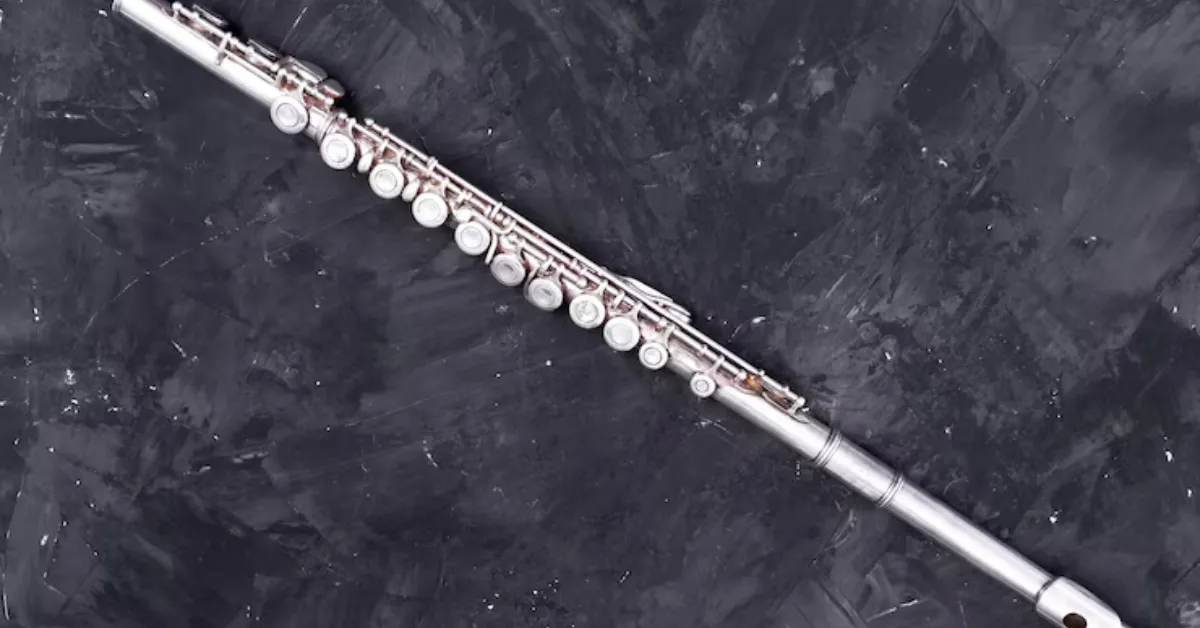
How to Play the Tambura Easily 3

How to Play the Tambura Easily

How to Play the Tambura: An Introduction to the Instrument for Beginners

How to Play the Tambura 2

In the world of Indian classical music, the tambura holds a revered position as a drone instrument that provides the essential sonic foundation for both vocal and instrumental performances. If you’ve ever been captivated by the constant, calming resonance in a raga performance, chances are that was the sound of the tambura. Whether you’re a student of music or a curious listener, learning how to play the tambura can enrich your understanding and experience of Indian music. This blog offers a complete beginner’s guide to the instrument, including how it works, how to tune it, and the right technique to play it beautifully.


1. What is a Tambura?

  1. The tambura (also spelled tanpura) is a long-necked string instrument used primarily in Indian classical music.
  2. It does not play melody but supports the melodic structure with a continuous harmonic drone.
  3. It usually has four or five strings and is made from wood and a gourd resonator.
  4. There are different types—male, female, and instrumental tamburas—varying in size and tonal depth.


2. Importance of the Tambura in Indian Music

  1. The tambura provides a tonal reference for the main artist.
  2. It creates a tranquil sound environment for improvisation.
  3. The rich overtones help vocalists and instrumentalists stay in pitch.
  4. It is considered a sacred instrument, symbolizing purity and spiritual grounding.


3. Anatomy of the Tambura

  1. Tumba (Resonator): Made from dried gourd or wood, amplifies the sound.
  2. Neck (Dandi): Long, hollow wooden tube that holds the strings.
  3. Bridge (Jawari): Made of bone or ivory, adds the buzzing sound.
  4. Strings: Usually 4–5 metal strings (3 steel and 1 brass or bronze).
  5. Tuning Pegs: Used to adjust the pitch of each string.


4. How to Tune the Tambura

  1. A standard four-string tambura is tuned to Pa-Sa-Sa-Sa or Sa-Sa-Pa-Sa.
  2. Tuning depends on the scale and the vocal range of the performer.
  3. The strings must be plucked while adjusting the pegs for precision.
  4. A digital tuner or reference pitch from a harmonium can help beginners.
  5. Indian tuning apps are also available for easy tuning on mobile phones.


5. Playing Technique: How to Pluck the Tambura

  1. Sit cross-legged with the tambura placed upright on the floor or your lap.
  2. Use your right hand (index and middle fingers) to pluck the strings in a cycle.
  3. Maintain a steady, relaxed plucking rhythm to create a uniform drone.
  4. Avoid over-plucking or uneven speed—consistency is key.
  5. Adjust finger angles for the right buzzing tone (jawari).


6. Practice Routine for Beginners

  1. Start with 10-minute daily plucking exercises.
  2. Focus on the evenness of sound and hand relaxation.
  3. Record your sound and compare with reference recordings.
  4. Practice with a tanpura app when a physical instrument is not available.
  5. Gradually increase playing time to build finger endurance.


7. Tips to Maintain Your Tambura

  1. Keep it away from moisture and direct sunlight.
  2. Clean strings and body with a dry cloth after use.
  3. Check and tighten tuning pegs regularly.
  4. Replace strings every 6–12 months depending on usage.
  5. Store in a padded bag or case for protection.


8. Learning Resources in India

  1. Online Platforms: YouTube, iTablaPro, and IndianRaga offer video tutorials.
  2. Teachers: Look for local classical vocal teachers—they usually include tambura basics.
  3. Books: “The Tanpura: An Indian Drone Instrument” by S. Yadav.


9. Digital Alternatives: Electronic Tambura

  1. Handy for practice when a traditional tambura isn’t available.
  2. Offers preset tuning and pitch settings.
  3. Portable and commonly used in music classes.
  4. Apps like iTanpura and Raga Sur are helpful for beginners.
  5. Ideal for solo practice and live performances.


10. Common Mistakes to Avoid

  1. Inconsistent plucking—leads to jarring drone sound.
  2. Incorrect tuning—disrupts the tonal base.
  3. Using broken or rusty strings.
  4. Holding the instrument in the wrong posture.
  5. Not practicing daily.


Conclusion

Mastering the tambura may seem simple because of its supportive role, but it’s a deeply nuanced instrument that enhances any Indian classical performance. For beginners, learning how to play the tambura is a great entry point into the world of raga music, tone, and spiritual expression. With consistent practice, proper tuning, and a keen ear, you can create that rich, meditative drone that defines the soul of Indian classical music. Whether you choose a traditional wooden tambura or a modern electronic version, the journey of learning this beautiful instrument is sure to be rewarding.


At NMS Musicals, we offer a comprehensive range of musical instruments, including percussion, string, wind, and keyboard instruments. Our services encompass sales, expert servicing, and the manufacture of leather instruments. Explore our diverse collection and find the perfect instrument to suit your musical needs.

Visit our website to browse our offerings: nmsmusicals.in

For a closer look at our products, check out our shop page: nmsmusicals.in/shop

Stay connected with us through our social media channels:
Our shop locations are:

For inquiries, contact/Whatsapp us at 9500663895 or email us at laxman.m89@gmail.com.

Discover the world of musical instruments with NMS Musicals today!

For a visual overview of our percussion instruments, watch the following video:

Must-Have Guitar Pedals for Beginners 1

Power Picks: Must-Have Guitar Pedals for Beginners
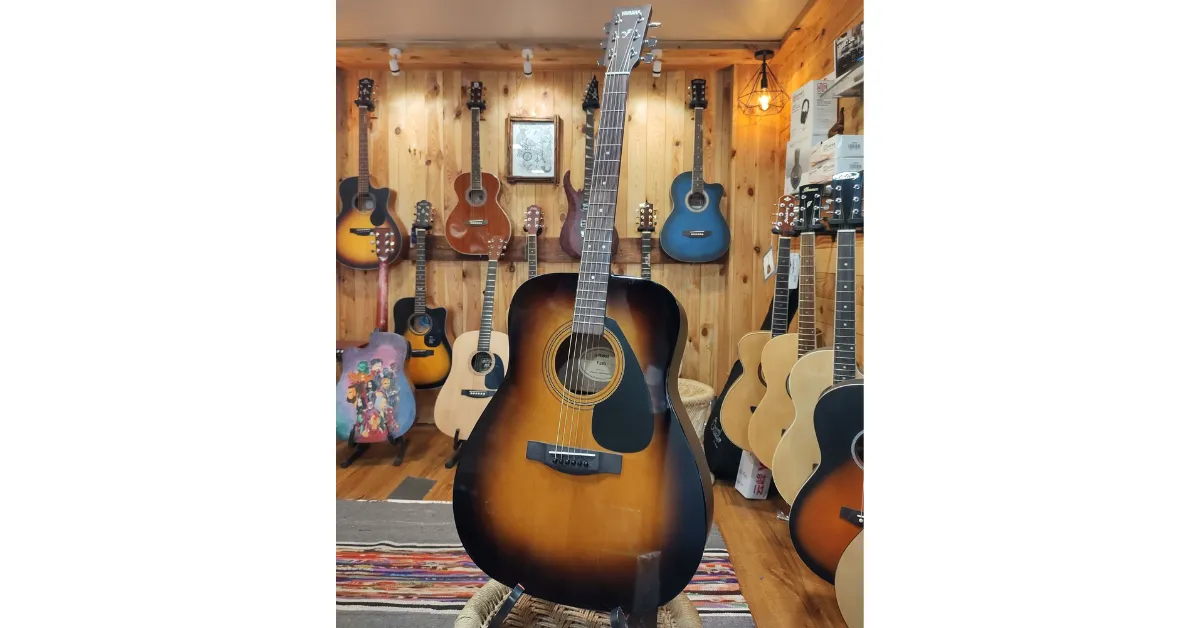
Must-Have Guitar Pedals for Beginners: Boost Tone, Learn Fast & Play Better

Must-Have Guitar Pedals for Beginners 5

The right guitar pedal can be a game-changer for any guitarist, especially for beginners looking to craft their unique sound. Whether you’re into rock, classical fusion, or Indian contemporary music, choosing the right pedalboard setup can completely transform your playing experience. In this blog, we explore why guitarists need the right pedals, how they enhance sound, and which options are best for Indian learners.


1. What Are Guitar Pedals and Why They Matter

  1. Definition: Guitar pedals are electronic devices that alter the sound of your guitar in various ways.
  2. Purpose: They help in shaping tone, adding effects, and controlling dynamics.
  3. Categories: Common categories include distortion, overdrive, delay, reverb, and modulation.
  4. Customization: Allows players to express their style and mood.
  5. Importance: They can turn a simple melody into an emotionally rich composition.


2. The Role of Pedals in Indian Guitar Playing

  1. Bollywood Influence: Modern Bollywood music uses delay and reverb-heavy tones.
  2. Classical Fusion: Pedals like reverb and EQ help blend guitars with tabla, flute, and sitar.
  3. Indie Music Scene: Indian indie artists rely on pedals for ambient textures and loops.
  4. Performance Settings: Useful in both live settings and studio recordings.
  5. Teaching Aids: Great for demonstrating sound textures in Indian music schools.


3. Essential Pedals for Beginners in India

  1. Tuner Pedal: Keeps your guitar in tune without relying on external devices.
  2. Overdrive Pedal: A must for rock, metal, and energetic performances.
  3. Delay Pedal: Adds echo and depth—great for Bollywood and fusion.
  4. Reverb Pedal: Adds spaciousness to your sound.
  5. Looper Pedal: Helps practice layering and improvisation, especially in solo practice.


4. How Guitar Pedals Enhance Your Sound

  1. Tone Shaping: EQ and compressor pedals refine your frequency response.
  2. Dynamic Control: Volume and expression pedals let you modulate live.
  3. Ambient Effects: Delay and reverb can create vast soundscapes.
  4. Drive and Distortion: Create everything from bluesy warmth to metal crunch.
  5. Rhythmic Enhancement: Looper and delay can enhance timing and practice.


5. Choosing the Right Pedals for Your Genre

  1. Rock: Overdrive, distortion, chorus.
  2. Blues: Tube screamer, compressor.
  3. Pop/Bollywood: Delay, reverb, EQ.
  4. Jazz: Chorus, compressor, clean boost.
  5. Classical Fusion: Reverb, EQ, modulation pedals.


6. Common Mistakes Indian Guitarists Make with Pedals

  1. Buying Too Many: Start with 2–3 essential ones.
  2. Ignoring Power Supply: Use a good daisy chain or isolated supply.
  3. Skipping a Pedalboard: Helps organize and protect your setup.
  4. Not Learning Settings: Understand knob functions.
  5. Low-Quality Cables: Affects sound clarity and performance.


7. Best Guitar Pedal Brands in India

  1. Boss: Trusted by professionals.
  2. Zoom: Affordable and versatile multi-effects units.
  3. Digitech: Great for distortion and delay.
  4. Mooer: Compact and quality-driven.
  5. Donner: Budget-friendly and ideal for beginners.


8. Where to Buy Guitar Pedals in India

  • Offline:
    • NMS Musicals (Chennai & Pondicherry)
    • Saptaswara Musicals (Bangalore)
    • Furtados (Pan-India)
  • Online:
    • Amazon India
    • Bajaao
    • DevMusical
    • Flipkart


9. Setting Up Your First Pedalboard

  1. Choose Your Essentials: Tuner, overdrive, delay.
  2. Get a Board: Start with a small-sized pedalboard.
  3. Power Supply: Use a quality power source.
  4. Cable Management: Keep cables short and tidy.
  5. Order of Effects: Tuner → Drive → Modulation → Reverb/Delay.


10. Learning Resources for Guitar Pedals

  1. YouTube Channels: Indian musicians explaining pedal usage.
  2. Online Courses: Websites like GuitarMonk and Artium Academy.
  3. Books: “Guitar Effects Explained” and similar beginner guides.
  4. Workshops: Offered by music stores like NMS Musicals.
  5. Practice Routines: Include pedal-based practice in daily sessions.


Conclusion

Investing in the right guitar pedals can elevate your music and deepen your creativity. For Indian guitarists, the growing market of affordable and diverse pedals makes it easier than ever to explore sound textures and performance techniques. Whether you’re practicing Bollywood songs, composing fusion tracks, or playing live, pedals provide endless opportunities to personalize your tone. Start simple, learn deeply, and grow your setup as your skills evolve.


At NMS Musicals, we offer a comprehensive range of musical instruments, including percussion, string, wind, and keyboard instruments. Our services encompass sales, expert servicing, and the manufacture of leather instruments. Explore our diverse collection and find the perfect instrument to suit your musical needs.

Visit our website to browse our offerings: nmsmusicals.in

For a closer look at our products, check out our shop page: nmsmusicals.in/shop

Stay connected with us through our social media channels:
Our shop locations are:

For inquiries, contact/Whatsapp us at 9500663895 or email us at laxman.m89@gmail.com.

Discover the world of musical instruments with NMS Musicals today!

For a visual overview of our percussion instruments, watch the following video: