

 Cart is empty
Master expressive skills with guitar techniques for better music expression in Indian and global styles.
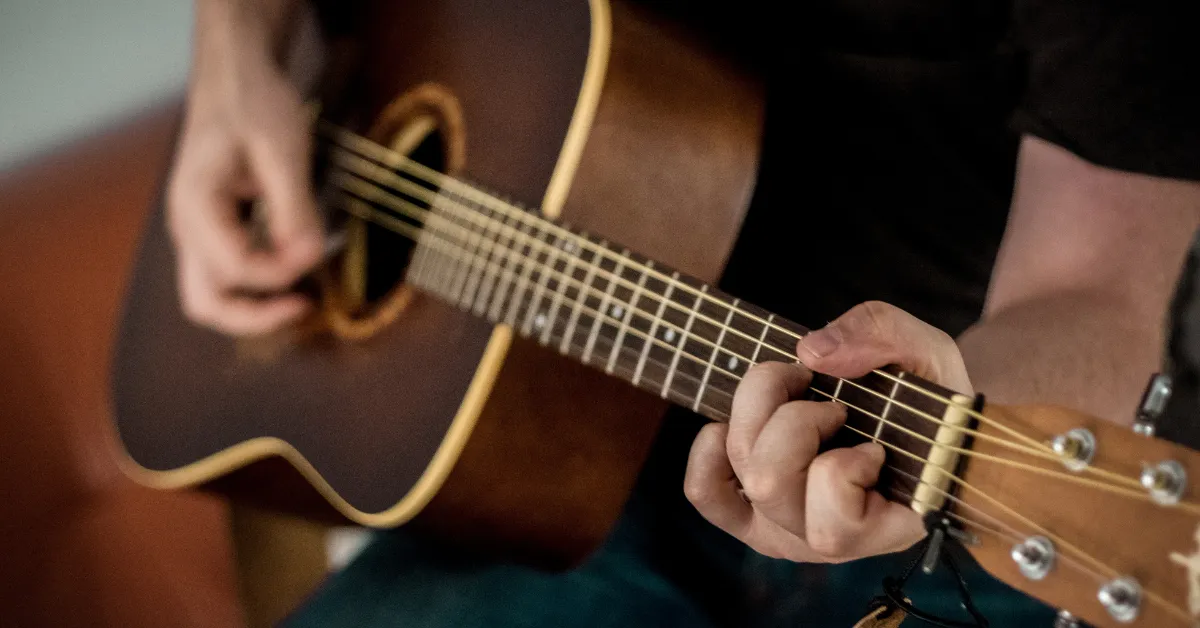
The guitar is more than just a stringed instrument—it’s a voice, a storyteller, and an emotional outlet. Whether you’re strumming by a campfire or performing ragas on stage, the way you play matters just as much as what you play. For Indian guitarists and fusion artists alike, understanding the different techniques can transform your musical expression and connect more deeply with audiences. This guide explores various guitar techniques—Western and Indian—and how they impact your music style, tone, and delivery.
1. Fingerstyle Technique
Fingerstyle is one of the most versatile guitar techniques. It allows the guitarist to pluck multiple strings at once using fingers, rather than a pick, enabling melody, bassline, and rhythm to be played simultaneously.
Impact:
This technique gives you complete control over each note’s tone, making it perfect for classical Indian ragas and expressive solo compositions. It’s widely used in Carnatic fusion guitar performances and instrumental covers of devotional music.
2. Alternate Picking
This technique involves alternating between downward and upward strokes while using a pick. It increases speed and fluidity, especially useful in fast-paced solos and complex riffs.
Impact:
In rock or Indian fusion compositions, alternate picking allows for sharp articulation and can add intensity to your leads, making solos in genres like Indian rock and Indo-Western fusion sound clean and dynamic.
3. Slide Guitar (Bottleneck Style)
Using a slide or a metal/glass tube, this technique involves gliding over strings to create a smooth, glissando sound. In Indian music, the slide guitar is used to mimic the meends and gamakas of traditional instruments like the sitar and sarangi.
Impact:
Slide playing enables microtonal expression, which is essential in Indian classical music. It’s highly effective in Hindustani instrumental performances and devotional bhajans that demand emotional nuance.
4. Legato (Hammer-ons and Pull-offs)
Legato playing makes notes flow into each other smoothly. Hammer-ons and pull-offs help produce fast passages without having to pick every note.
Impact:
Legato adds fluidity to guitar solos. Indian musicians use this to emulate vocal-style improvisation, such as in Hindustani alaap or Carnatic swaras.
5. Tremolo Picking
This technique involves rapidly picking a single note repeatedly, usually with a plectrum.
Impact:
Often used in flamenco and metal, Indian guitarists adopt tremolo picking in cinematic background scores and dramatic solo builds in fusion performances.
6. Muting Techniques
There are two major types of muting—palm muting and left-hand muting. These techniques control sustain and tone by partially silencing the strings.
Impact:
Palm muting is useful for percussive effects in Indian rhythm-based compositions, especially when mimicking tabla or mridangam strokes. Left-hand muting is used in funk and contemporary Carnatic guitar styles.
7. Bending and Vibrato
Bending allows you to stretch a string to reach a higher pitch, while vibrato involves rapidly varying the pitch of a note.
Impact:
Both techniques add expressiveness. In Indian classical guitar, bends help simulate gamakas (note oscillations) used in vocal music, while vibrato adds emotion, especially in ragas with slow alaaps.
8. Tapping Technique
Involves using the fingers of the picking hand to tap notes on the fretboard.
Impact:
Used in Indian rock and experimental genres, this flashy technique is great for fast solos and intricate melodic lines, and it adds a dramatic visual flair during live performances.
9. Chord Voicing and Open Tunings
Changing the standard tuning or using unique chord shapes (voicings) opens up a whole new sound palette.
Impact:
Many Indian fusion guitarists use open tunings like DADGAD or custom ragas-specific tunings to create drone effects that mimic instruments like the tanpura or veena.
10. Rasgueado and Flamenco-Style Strumming
Rasgueado is a technique where fingers strum in quick succession, typically used in flamenco.
Impact:
It brings a dramatic and rhythmic quality to Indian dance music guitar interpretations and provides texture during group jugalbandi (ensemble) performances.
11. Percussive Playing and Body Taps
Using the guitar body for rhythmic effects is gaining popularity in modern Indian fusion.
Impact:
Simulates Indian percussion like the tabla or kanjira. Great for solo performances where the guitarist becomes the whole rhythm section.
12. Harmonics and Overtones
Natural harmonics occur when a finger lightly touches a string at specific points, while artificial harmonics require precision with picking and fretting simultaneously.
Impact:
Used in ambient Indian cinematic compositions and devotional meditative tracks to create ethereal, bell-like tones.
13. Drone-Based Playing
Involves letting open strings ring constantly, acting as a drone like in Indian classical music.
Impact:
Foundational for raga-based guitar performances. Open strings represent the constant “Sa” (tonic note), similar to tanpura.
14. Hybrid Picking
This combines using a pick and fingers together.
Impact:
Popular in fusion music, hybrid picking allows seamless transitions between melody and rhythm, helping Indian guitarists achieve more complex layering during performances.
15. Rhythm Techniques for Bhajans and Kirtans
Guitarists often adapt specific strumming patterns to replicate tabla thekas in devotional settings.
Impact:
Strumming in 7-beat, 10-beat, or 16-beat cycles lets guitarists participate in Indian bhajans, kirtans, and even semi-classical concerts with authenticity.
16. Looping and Layering Techniques
Using a loop pedal, you can record phrases live and layer them on top of one another.
Impact:
Solo Indian guitarists create entire backing tracks live, combining tanpura drones, rhythmic tapping, and melodic solos. This technique brings solo concerts to life.
17. Techniques from Indian Instruments Adapted to Guitar
Many Indian guitarists now translate veena, sitar, or sarod techniques directly to the guitar. This includes using slides for meend, fast finger rolls for jhala, and alternate tunings for raga improvisation.
Impact:
Preserves the authenticity of Indian classical music while expanding the guitar’s role in traditional formats.
Conclusion: Elevate Your Expression with Every Technique
Mastering guitar techniques is not just about technical ability—it’s about finding your voice. Whether you’re playing Indian classical music, devotional songs, or fusion, each technique adds a new layer to your expression. From the subtle art of fingerstyle to the visual drama of tapping and the emotional bends of Indian ragas, your approach defines your sound.
If you’re a guitarist in India or someone inspired by the deep traditions of Indian music, these techniques are essential tools. They allow you to stand out, stay rooted in your culture, and push the boundaries of modern expression. Learn, practice, and experiment—because every string you pluck is an opportunity to move hearts.
At NMS Musicals, we offer a comprehensive range of musical instruments, including percussion, string, wind, and keyboard instruments. Our services encompass sales, expert servicing, and the manufacture of leather instruments. Explore our diverse collection and find the perfect instrument to suit your musical needs.
Visit our website to browse our offerings: nmsmusicals.in
For a closer look at our products, check out our shop page: nmsmusicals.in/shop
Stay connected with us through our social media channels:
- Facebook: https://www.facebook.com/nmsmusicalinstruments/
- Instagram: https://www.instagram.com/nmsmusicals/?hl=en
- YouTube: youtube.com/@nmsmusicals
Our shop locations are:
- Puducherry: 149, Perumal Koil Street, Heritage Town, Puducherry, 605001.
Map Link: https://maps.app.goo.gl/ejDwBBFEJmd3szxk7 - Chennai: No: 1, 1st Floor, Kandigai Street, TVS Nagar, Korattur, Chennai – 600076.
Map Link: https://maps.app.goo.gl/7oXmB6X7KQsqeuuw9
For inquiries, contact/Whatsapp us at 9500663895 or email us at laxman.m89@gmail.com.
Discover the world of musical instruments with NMS Musicals today!
For a visual overview of our percussion instruments, watch the following video:
Leave A Comment
You must be logged in to post a comment