
 Cart is empty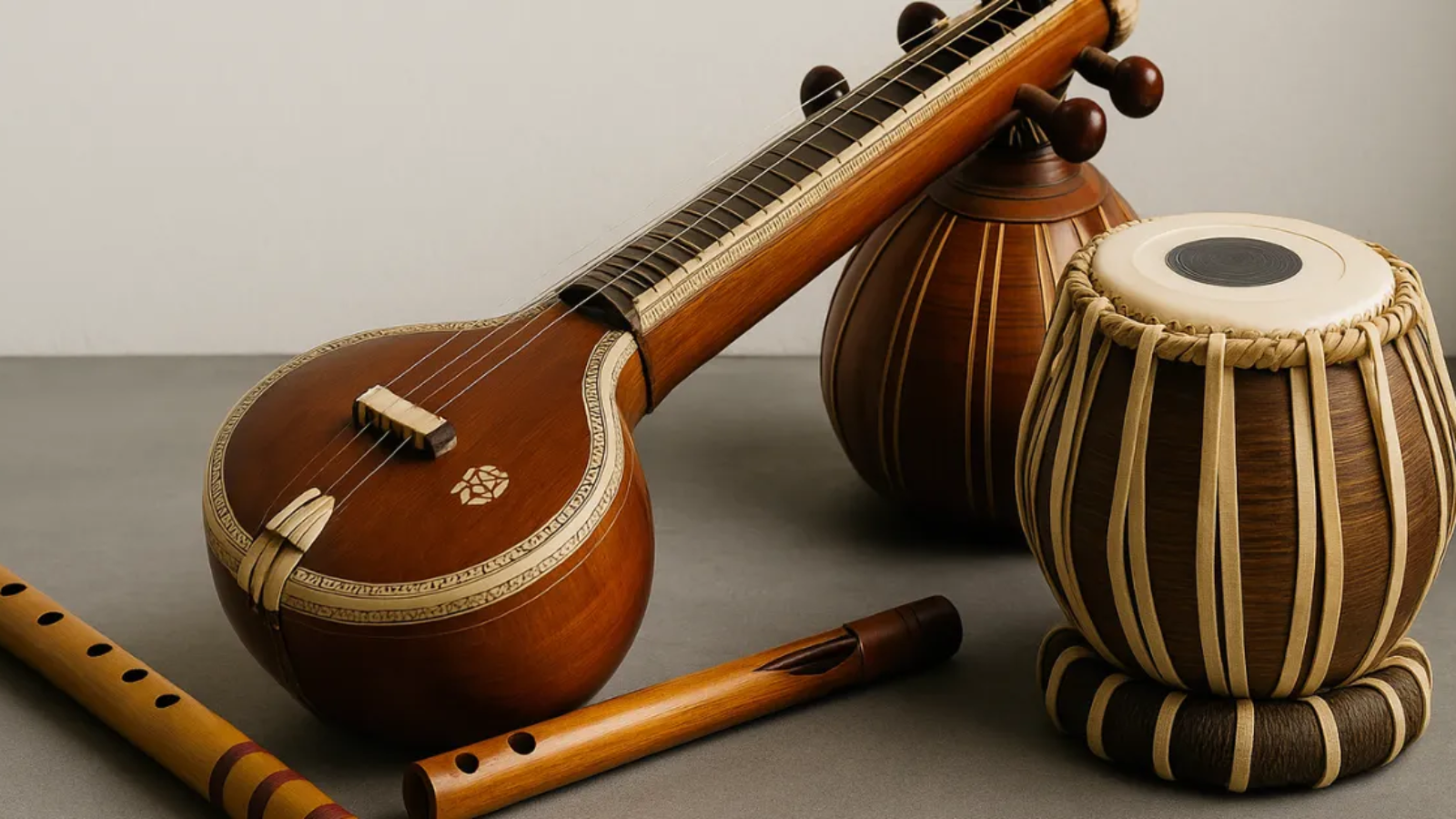
Music lessons boost child brain power using Indian instruments and training
Music is more than just melody—it’s a transformative experience, especially for young minds. Scientific research continues to prove what Indian traditions have long understood: that learning music enhances a child’s brain development. With a rich heritage of Indian classical music and instruments like tabla, veena, mridangam, and flute, India offers children a deeply enriching way to boost their mental faculties. In this blog, we’ll explore why music lessons can boost your child’s cognitive skills, focusing on how Indian instruments play a powerful role in enhancing brain development.
1. Understanding Cognitive Skills in Children
Cognitive skills refer to the core abilities your child uses to think, read, learn, remember, and pay attention. These skills include:
- Memory
- Focus and attention
- Auditory and visual processing
- Logic and reasoning
- Speed of processing
When these areas are stimulated regularly, children tend to perform better in academics and problem-solving. Music, especially structured training like Carnatic or Hindustani classical, helps in strengthening these skills from an early age.
2. Scientific Research: How Music Impacts the Brain
Studies from institutions like Harvard and MIT have shown that children who receive music lessons score better on memory and verbal intelligence tests. This is because:
- Music activates both hemispheres of the brain
- Instrument practice improves coordination and timing
- Repetition in music strengthens long-term memory
- Musical performance boosts confidence and concentration
In the Indian context, the rhythmic complexity of mridangam or the melodic richness of veena trains the brain uniquely, encouraging logical sequencing and deep listening skills.
3. The Role of Indian Instruments in Cognitive Development
Indian classical instruments have layered complexity that encourages deep learning.
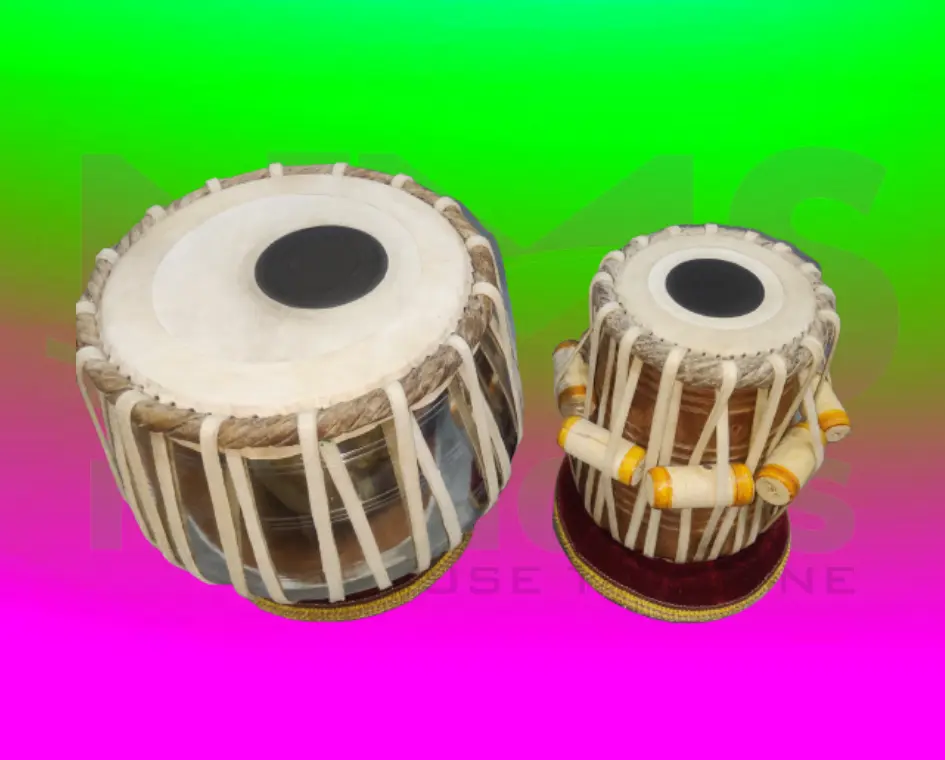
Tabla:
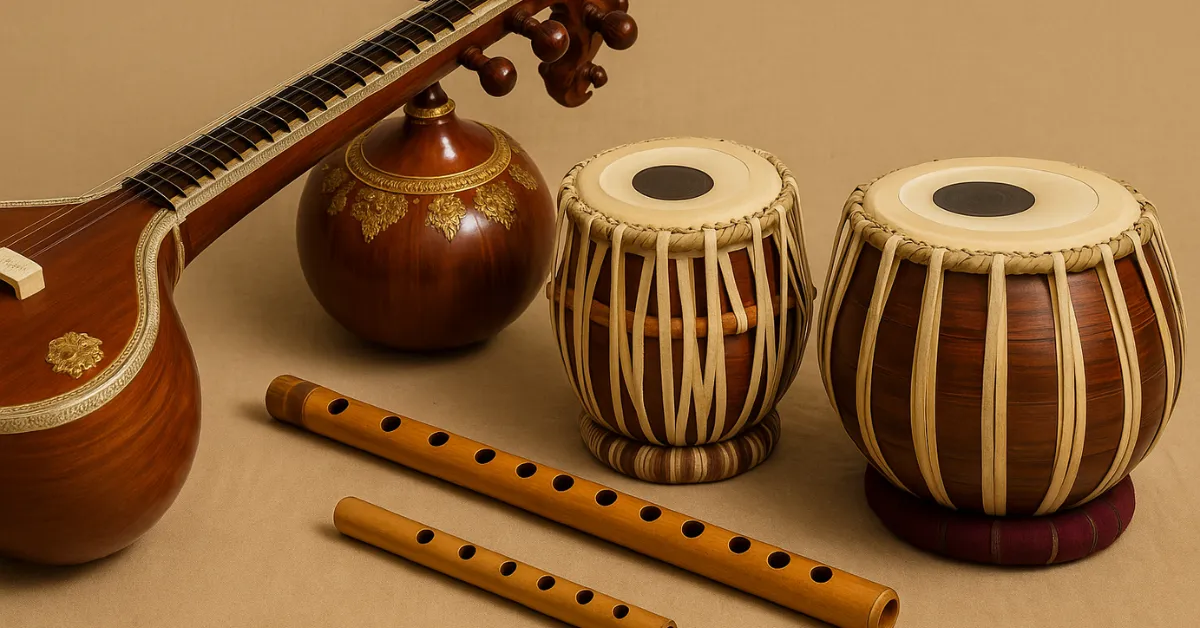
Known for its precise rhythm patterns (taals), learning tabla improves a child’s timing, patience, and auditory recognition.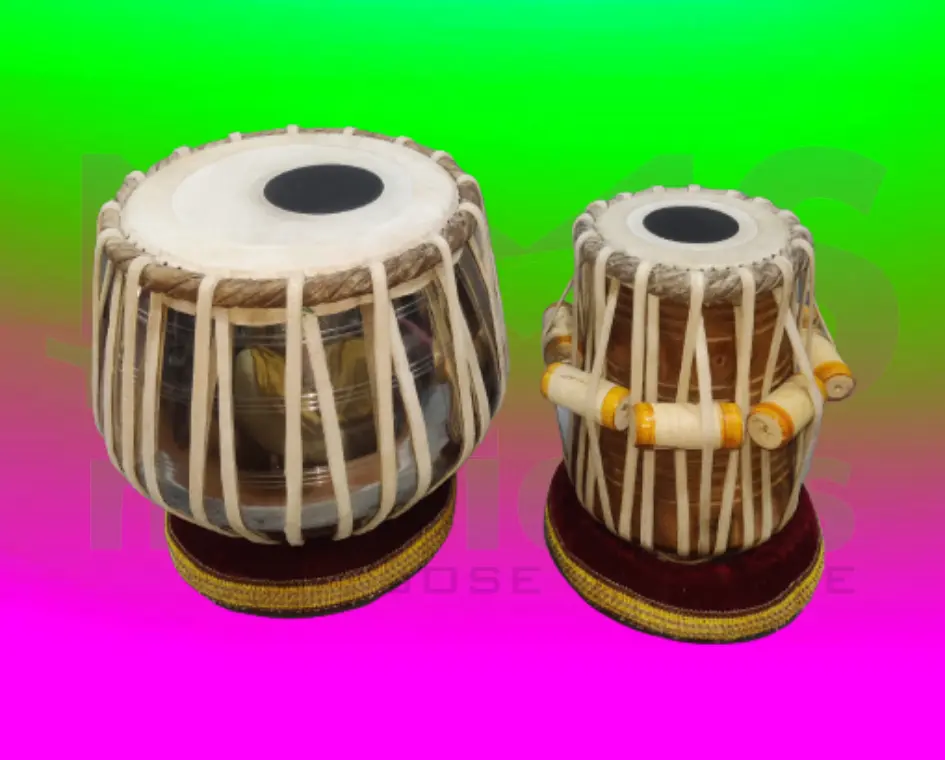
Veena:
Mastering the veena involves intricate fingering and melody recognition, which sharpens hand-eye coordination and pitch awareness.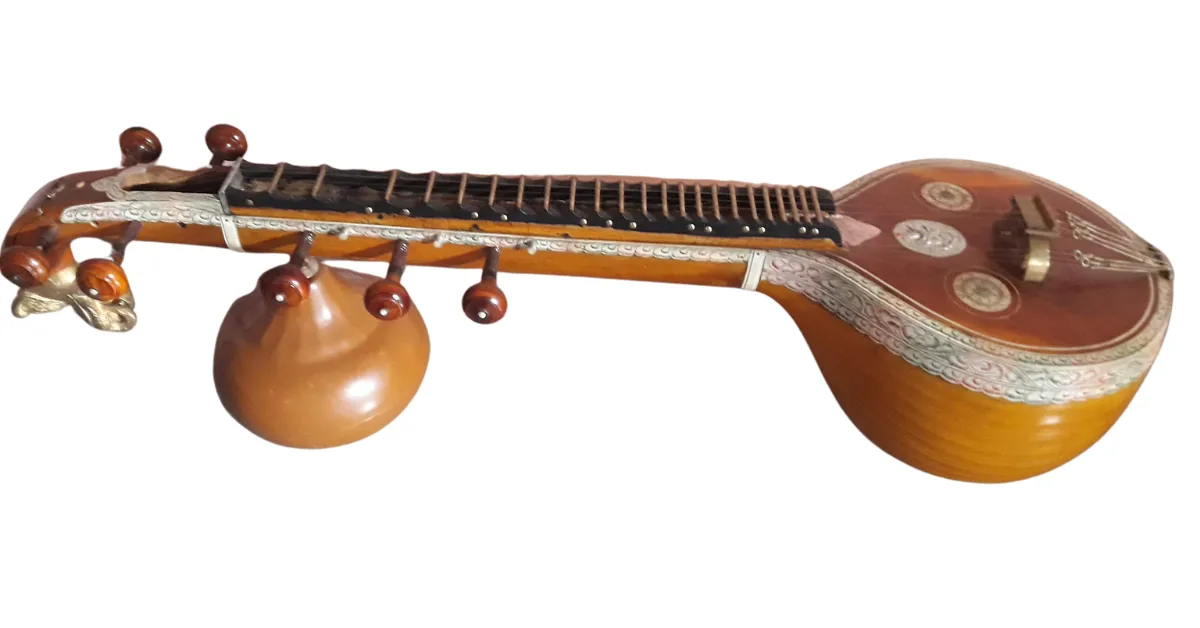
Flute (Bansuri):
Playing the bansuri strengthens breath control and focus—both crucial for better classroom concentration.
Mridangam:
One of the most physically engaging instruments, mridangam builds rhythm accuracy and bilateral coordination.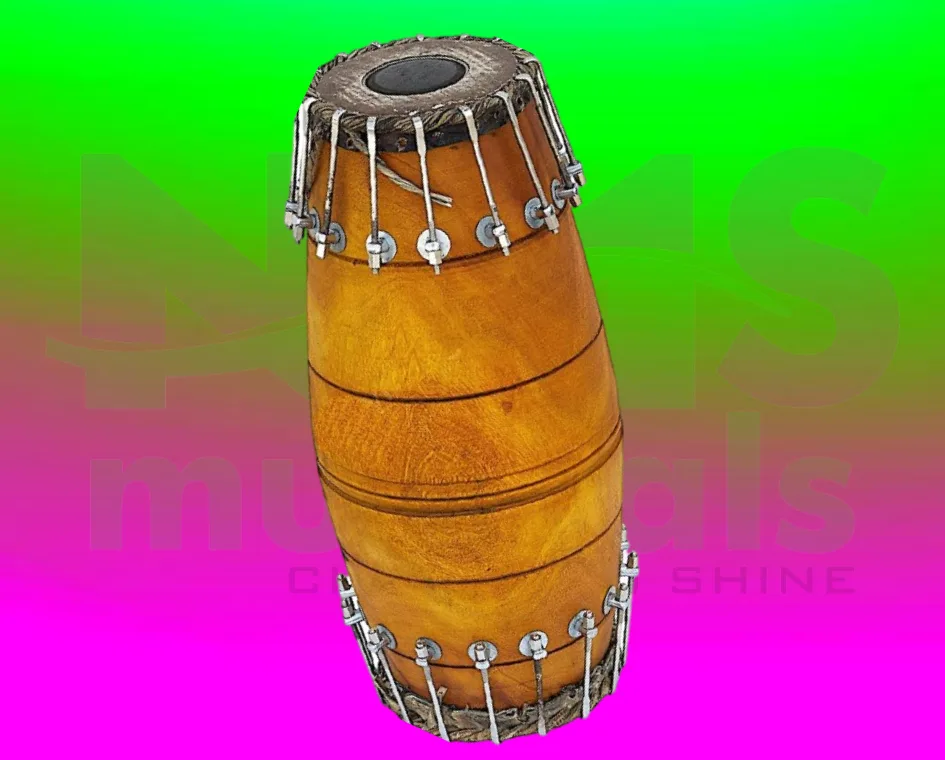
4. How Early Music Lessons Improve Memory and Attention
Here’s how Indian music lessons particularly aid cognitive development:
- Memorization of Ragas: Learning ragas boosts memory as children recall melodic patterns.
- Structured Practice: Indian music is highly structured, encouraging discipline and routine.
- Rhythmic Exercises (Taal Practice): Improves attention span as children learn to keep beat precisely.
- Listening and Repeating (Shravana and Abhyasa): Reinforces auditory memory.
5. Emotional and Social Development Through Music
Beyond cognition, music has emotional and social benefits:
- Reduces Anxiety: Indian classical music has calming ragas that soothe the nervous system.
- Boosts Self-Esteem: Performing in front of others builds confidence.
- Encourages Teamwork: Group music sessions foster social interaction.
These benefits are amplified when kids learn in group settings like music schools or carnatic sabhas.
6. Best Age to Start Music Lessons
Children can start learning Indian music as early as age 4–5. Here’s how age impacts learning:
- Ages 4–6: Best for developing ear training (shravanam) and basic rhythms
- Ages 7–10: Ideal for starting instruments like tabla or veena
- Ages 11–14: Good time for mastering technique and performing
Parents should choose instruments that align with the child’s interest and temperament.
7. Choosing the Right Instrument for Your Child
Not every child connects with every instrument. Here are some tips:
- For Energetic Kids: Mridangam and tabla are great to release energy rhythmically.
- For Calm Learners: Veena or flute offers soothing tones and meditative practice.
- For Social Learners: Group bhajan singing or harmonium classes are perfect.
Let your child try trial classes at your nearest music academy before making a long-term commitment.
8. Indian Music vs Western Music: Which is Better?
Indian classical music provides a depth of improvisation and emotional engagement unmatched by structured Western lessons. Here’s how they differ:
Indian Classical:
- Focus on improvisation
- Deep listening and internalization
- Encourages spiritual connection
Western Music:
- Notation-based learning
- Structured progression
- Standardized exams
Both have their merits, but for cultural continuity and brain development in Indian contexts, classical Indian training is invaluable.
9. Instruments That Stimulate Brain Growth
Some instruments are known for their unique ability to challenge the brain:
- Tabla: Left and right hand play different patterns simultaneously

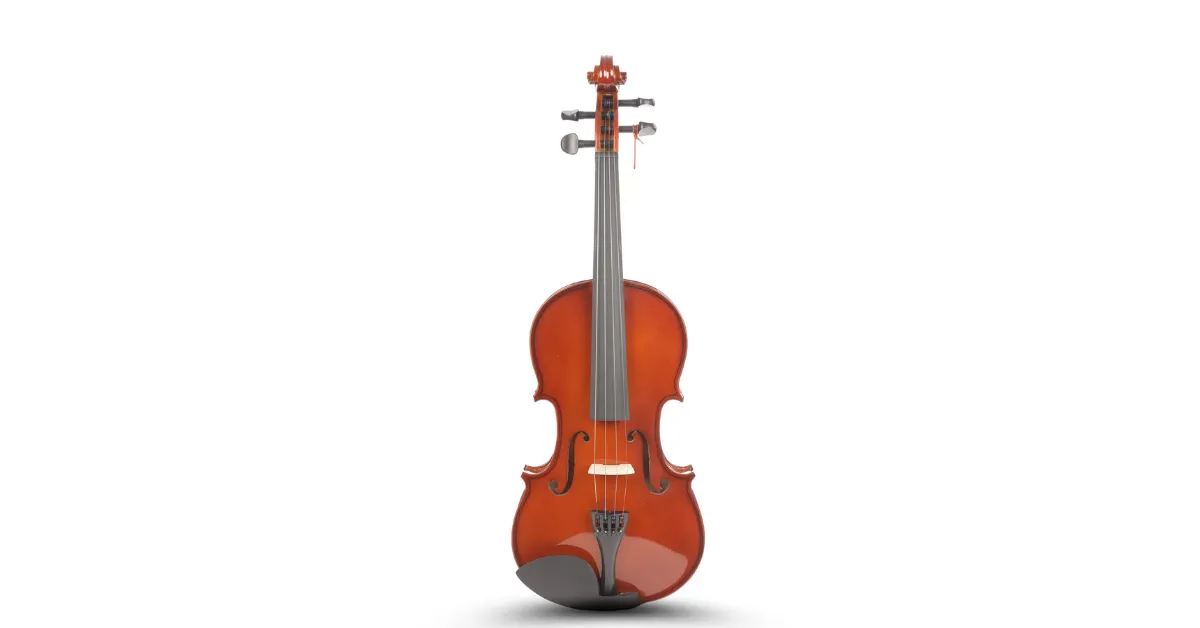
- Violin (Carnatic Style): Demands tuning accuracy and ear training
- Mridangam: Improves timing, coordination, and hand strength
10. How to Support Your Child’s Music Learning at Home
Parental support makes all the difference. Here’s how you can help:
- Create a daily practice schedule
- Attend classes and concerts together
- Celebrate small achievements
- Provide quality instruments
- Expose them to Indian music legends like Lalgudi Jayaraman or Zakir Hussain
Learning music is not a one-time decision—it’s a lifelong gift.
11. Where to Learn Indian Instruments in India
Online platforms like Acharyanet and Shankar Mahadevan Academy also offer beginner-friendly courses for children.
12. The Academic Edge: Music and Better School Performance
Multiple studies suggest music students perform better in:
- Math: Rhythm and counting patterns boost calculation ability
- Language: Improves vocabulary and phonetic skills
- Science: Develops hypothesis-testing through pattern recognition
Learning music trains the brain to make connections, improving comprehension across subjects.
13. Benefits of Group Music Education
Learning in a group creates accountability and boosts social learning:
- Team Dynamics: Children learn to listen to others
- Motivation: Seeing peers improve inspires effort
- Communication Skills: Singing or performing enhances verbal abilities
Group bhajan classes or instrumental groups are excellent starting points.
14. Music Exams and Certifications
Many parents opt for formal evaluation systems to measure progress:
- ABGMV (Akhil Bharatiya Gandharva Mahavidyalaya): Indian music certifications
- Trinity/ABRSM (for fusion or Western instruments)
- Local music schools: Often offer in-house assessments
These boost discipline and give tangible milestones.
CONCLUSION
Music is one of the most profound gifts you can offer your child—and Indian classical music takes that gift to another level. From improving cognitive skills to nurturing emotional intelligence and discipline, the benefits of learning music are limitless. Instruments like tabla, veena, and mridangam do more than create sound—they build focus, memory, and a sharp, creative mind. When you invest in music education for your child, especially in traditional Indian forms, you’re investing in a smarter, more mindful future. So start early, choose wisely, and watch your child’s brain—and heart—grow beautifully.
At NMS Musicals, we offer a comprehensive range of musical instruments, including percussion, string, wind, and keyboard instruments. Our services encompass sales, expert servicing, and the manufacture of leather instruments. Explore our diverse collection and find the perfect instrument to suit your musical needs.
Visit our website to browse our offerings: nmsmusicals.in
For a closer look at our products, check out our shop page: nmsmusicals.in/shop
Stay connected with us through our social media channels:
- Facebook: https://www.facebook.com/nmsmusicalinstruments/
- Instagram: https://www.instagram.com/nmsmusicals/?hl=en
- YouTube: youtube.com/@nmsmusicals
Our shop locations are:
- Puducherry: 149, Perumal Koil Street, Heritage Town, Puducherry, 605001.
Map Link: https://maps.app.goo.gl/ejDwBBFEJmd3szxk7 - Chennai: No: 1, 1st Floor, Kandigai Street, TVS Nagar, Korattur, Chennai – 600076.
Map Link: https://maps.app.goo.gl/7oXmB6X7KQsqeuuw9
For inquiries, contact/Whatsapp us at 9500663895 or email us at laxman.m89@gmail.com.
Discover the world of musical instruments with NMS Musicals today!
For a visual overview of our percussion instruments, watch the following video:
Leave A Comment
You must be logged in to post a comment