

 Cart is empty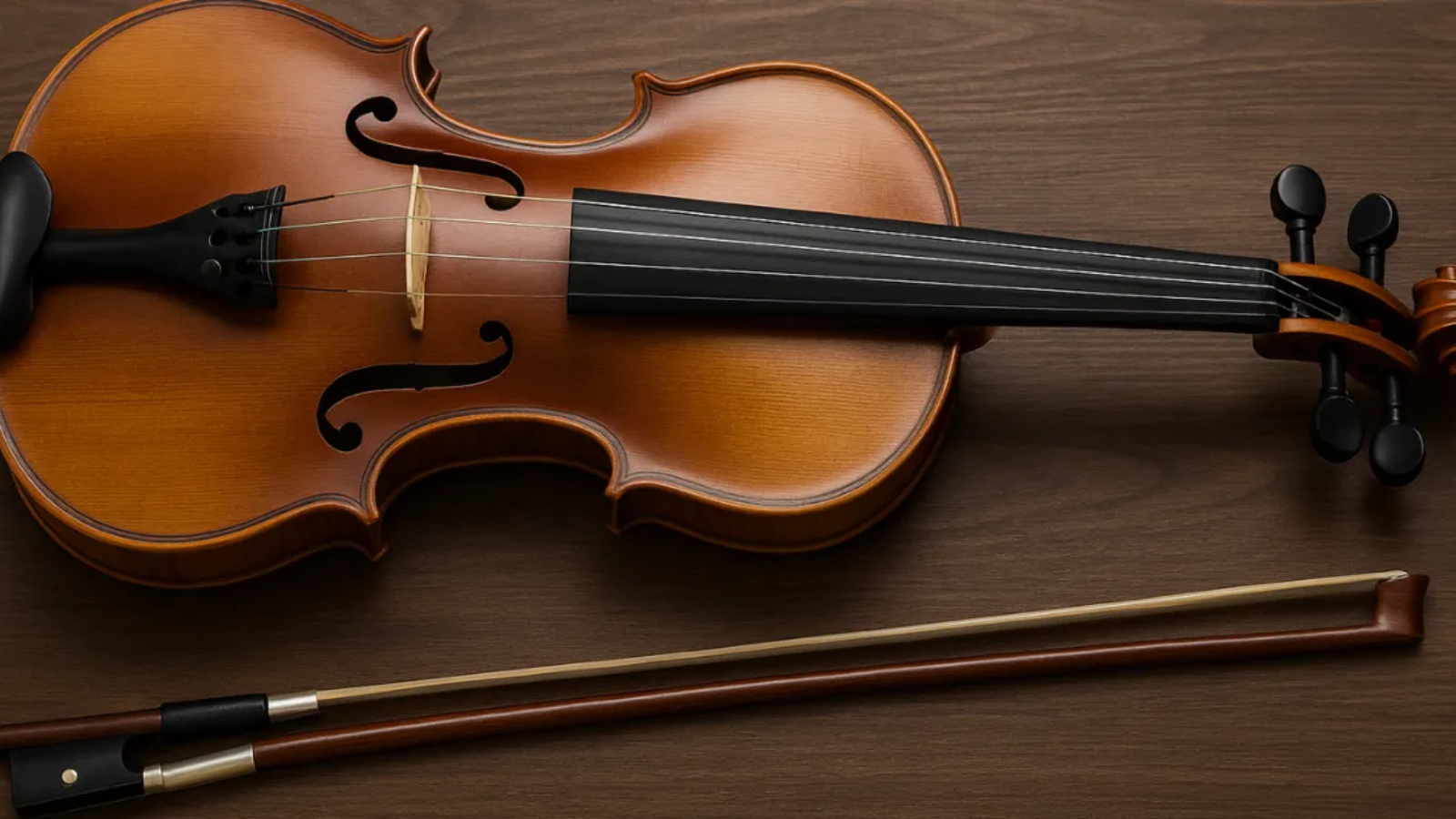
Explore why choose the violin in India can be a beautiful, rewarding musical journey steeped in classical elegance and cultural depth.
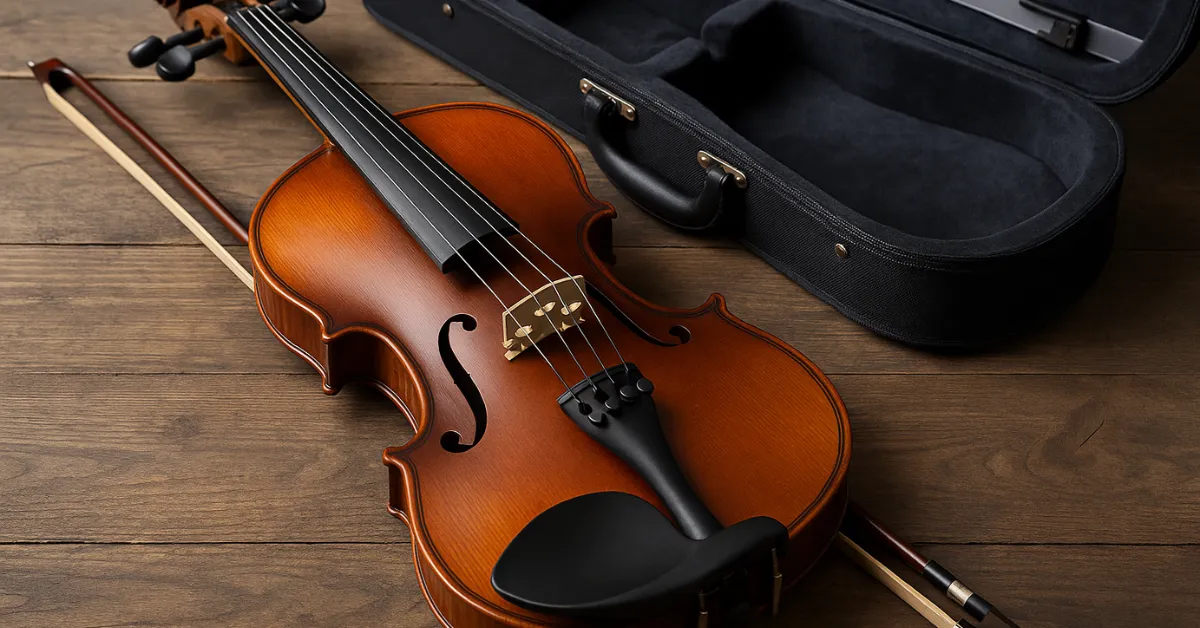
The violin is more than just a musical instrument—it’s a vessel of emotion, a medium of storytelling, and a timeless bridge between cultures. With roots deeply embedded in both Western and Indian classical traditions, the violin offers a unique experience for musicians of all levels. It stands out for its expressive range, versatility, and ability to adapt to various musical genres, especially Indian classical music. If you’ve ever wondered why choose the violin, this blog dives into its classical beauty, its cultural significance in India, and its immense potential for beginners and seasoned players alike.
1. Historical Background of the Violin
1.1 Origins and Evolution of the Violin
The violin as we know it today originated in 16th-century Italy, evolving from earlier bowed string instruments. Over time, it became the centerpiece of orchestras and chamber ensembles in Western classical music. The violin’s journey into Indian classical music began in the 18th century during British colonization, where it was adapted into the Carnatic music tradition.
1.2 Introduction to Indian Classical Music
Indian violinists adapted Western techniques and tuned the violin to suit Indian ragas. Unlike the Western style of playing while standing, Indian violinists play seated, resting the instrument between the chest and ankle. This adaptation gave rise to a distinct Indian style that is now revered worldwide.
2. Why Choose the Violin? Exploring the Classical Beauty of the Instrument
2.1 Unmatched Expressiveness
One of the most compelling reasons why musicians choose the violin is its ability to express deep human emotions. Its tone can imitate the subtleties of the human voice—ideal for Indian classical music, where emotional depth is vital.
2.2 Adaptability to Different Genres
The violin can seamlessly transition from Carnatic and Hindustani styles to Bollywood and fusion music. Artists like Dr. L. Subramaniam, Kunnakudi Vaidyanathan, and N. Rajam have showcased how beautifully the violin fits into Indian traditions and modern sounds.
2.3 Elegant Aesthetic and Stage Presence
Whether in a concert hall or a temple, the violin brings a sense of grace to the stage. Its polished wooden body, combined with the bow’s smooth glide, makes it visually and sonically stunning.
3. The Violin in Indian Classical Music
3.1 Violin in Carnatic Music
In South India, the violin is a core melodic instrument in Carnatic concerts. It supports vocalists and can take the lead in solo performances. Legendary Carnatic violinists like T.N. Krishnan and Lalgudi Jayaraman have established the violin as an indispensable part of South Indian music.
3.2 Violin in Hindustani Classical Music
Though less common than in Carnatic music, the violin has carved out a space in Hindustani traditions. Artists like N. Rajam have played key roles in integrating the violin into North Indian ragas, developing the “Gayaki” style—where the violin mimics the human voice.
3.3 Supporting Role and Solo Performances
The violin often serves as a secondary melodic instrument in Indian concerts, shadowing the vocalist. However, it is equally powerful as a solo instrument, commanding attention with its emotional resonance.
4. Key Benefits of Learning the Violin
4.1 Enhances Ear Training and Pitch Accuracy
Learning the violin sharpens your ability to recognize pitch and intervals. This is particularly important in Indian classical music, which relies heavily on microtonal accuracy.
4.2 Improves Coordination and Fine Motor Skills
Playing the violin requires simultaneous use of both hands in different motions—pressing strings with one and moving the bow with the other. This dual action enhances motor coordination and hand dexterity.
4.3 Encourages Patience and Discipline
The violin is known for its steep learning curve. It rewards patience, discipline, and dedication—qualities that benefit learners not just musically but also in life.
4.4 Emotional and Cognitive Benefits
Numerous studies show that playing the violin stimulates both sides of the brain. It enhances memory, focus, and problem-solving skills, and helps with emotional regulation.
5. Choosing the Right Violin for Indian Music
5.1 Size and Build
Violins come in sizes ranging from full to 1/16 for children. Choose one that fits your body and hand comfortably. In India, student violins made by brands like Paloma, Radel, and Yamaha are great for beginners.
5.2 Strings and Bow
Indian classical musicians often prefer gut strings or synthetic-core strings for warmer tones. A lightweight bow with good tension control is essential for producing nuanced swaras (notes).
5.3 Tuning for Indian Ragas
In Indian music, violins are usually tuned to Sa–Pa–Sa–Pa (C–G–C–G or D–A–D–A), allowing easier modulation through ragas. The tuning can be adjusted based on the vocalist’s pitch or concert key.
6. Finding a Violin Teacher in India
6.1 Traditional Gurukuls and Music Schools
India has several reputed institutions such as Kalakshetra (Chennai), Sri Shanmukhananda Fine Arts (Mumbai), and Delhi School of Music that offer structured training in Indian violin.
6.2 Online Learning Options
Modern learners can also take advantage of online violin lessons, which are especially popular post-pandemic. Websites like Shankar Mahadevan Academy, Udemy, and YouTube channels offer Carnatic and Hindustani violin courses.
6.3 Private Tutors and Gurus
One-on-one training with an experienced guru is still the most effective method. Look for teachers who have stage experience and are affiliated with prestigious music sabhas.
7. The Violin’s Role in Modern Indian Music
7.1 Bollywood and Regional Cinema
From soulful background scores to romantic melodies, the violin has a powerful presence in Indian cinema. Music directors like Ilaiyaraaja, R.D. Burman, and A.R. Rahman have extensively used violins to evoke emotions.
7.2 Indie and Fusion Bands
Indian fusion bands like Indian Ocean and Agam frequently use violins to blend classical swaras with rock, folk, and jazz. These performances showcase the versatility of the instrument.
7.3 Collaborations with Western Artists
Global collaborations with Western classical and jazz musicians have opened new doors for Indian violinists. Cross-cultural musical exchange has helped bring Indian classical violin to international stages.
8. Top Indian Classical Violinists You Should Know
8.1 Lalgudi Jayaraman
Known for his lyrical playing and intricate compositions, Lalgudi Jayaraman is a legend in Carnatic music.
8.2 Dr. L. Subramaniam
Internationally renowned for his fusion music and Western collaborations, Dr. Subramaniam is a master of both Indian and Western styles.
8.3 T.N. Krishnan
With a career spanning over seven decades, Krishnan’s contributions to Carnatic violin playing are immeasurable.
8.4 N. Rajam
One of the few female Hindustani violinists, N. Rajam is known for her “Gayaki Ang” technique, emulating vocal nuances on the violin.
9. Tips for Practicing the Violin at Home
9.1 Set a Fixed Practice Schedule
Consistency is key. Practice daily at a fixed time to develop muscle memory and improve faster.
9.2 Start Slow, Then Build Speed
Begin with slow bowing and scale exercises. Speed will naturally increase with time and control.
9.3 Record and Review Your Practice
Use your phone or a recorder to listen back and catch errors in intonation or bowing.
9.4 Join a Music Group or Ensemble
Playing with others builds listening skills and keeps you motivated. Look for local Carnatic or Hindustani groups.
10. Violin Accessories Worth Investing In
10.1 Rosin and Bow Case

Rosin is essential for bow grip. A good case protects your bow from warping.
10.2 Violin Shoulder Rest
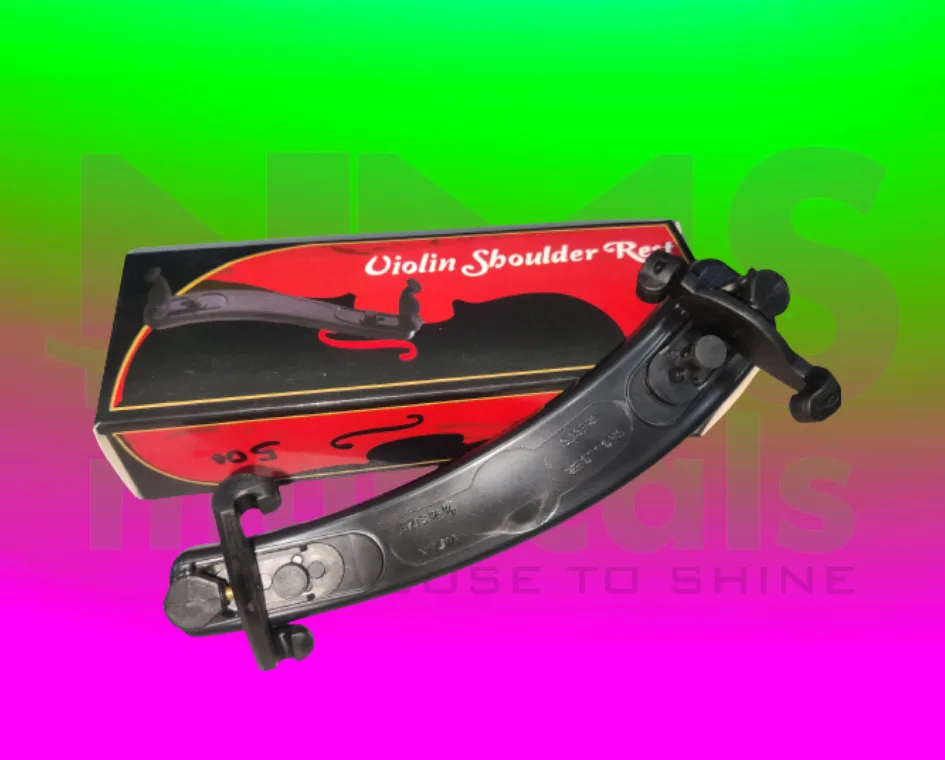
A padded rest offers comfort and helps maintain posture during long practice sessions.
10.3 Electronic Tuner
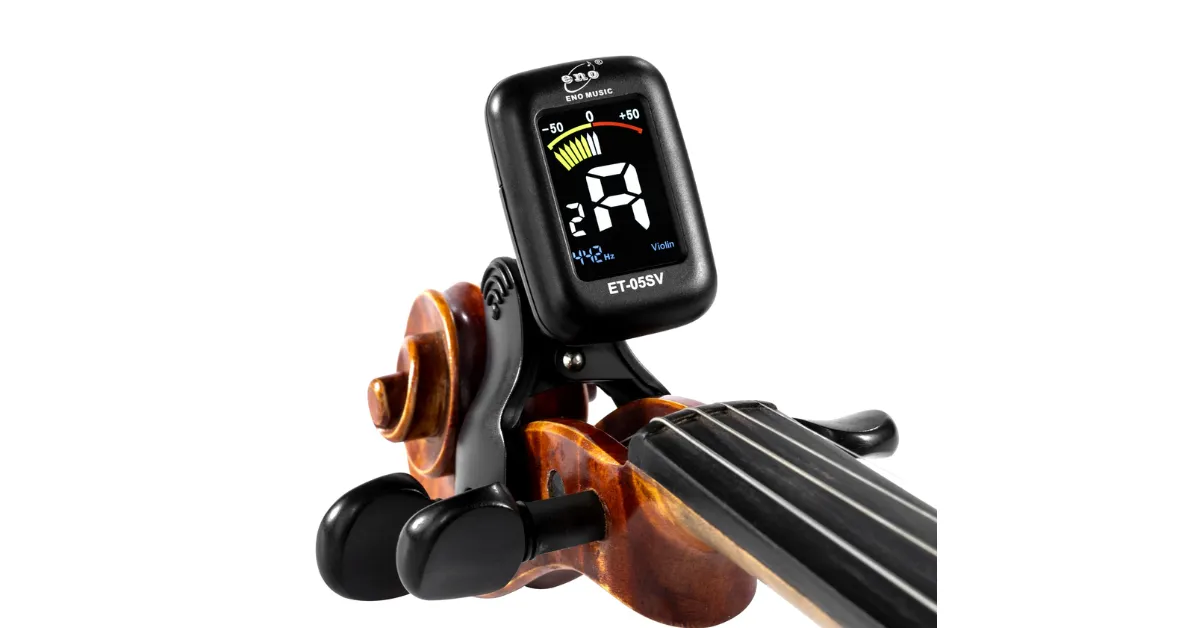
Tuning is critical in Indian classical music. A digital tuner helps maintain perfect pitch before each session.
CONCLUSION
The violin isn’t just an instrument; it’s an experience, a lifelong companion for those who seek musical depth and expression. Its place in Indian classical music, coupled with its adaptability across genres, makes it an invaluable choice for learners and professionals. Whether you’re drawn to the soul-stirring sounds of Carnatic ragas, the grandeur of Hindustani music, or the fusion of modern styles, the violin is a key that opens countless musical doors.
So, why choose the violin? Because it offers not just technical brilliance, but emotional storytelling, cultural heritage, and a path to musical mastery.
At NMS Musicals, we offer a comprehensive range of musical instruments, including percussion, string, wind, and keyboard instruments. Our services encompass sales, expert servicing, and the manufacture of leather instruments. Explore our diverse collection and find the perfect instrument to suit your musical needs.
Visit our website to browse our offerings: nmsmusicals.in
For a closer look at our products, check out our shop page: nmsmusicals.in/shop
Stay connected with us through our social media channels:
- Facebook: https://www.facebook.com/nmsmusicalinstruments/
- Instagram: https://www.instagram.com/nmsmusicals/?hl=en
- YouTube: youtube.com/@nmsmusicals
Our shop locations are:
- Puducherry: 149, Perumal Koil Street, Heritage Town, Puducherry, 605001.
Map Link: https://maps.app.goo.gl/ejDwBBFEJmd3szxk7 - Chennai: No: 1, 1st Floor, Kandigai Street, TVS Nagar, Korattur, Chennai – 600076.
Map Link: https://maps.app.goo.gl/7oXmB6X7KQsqeuuw9
For inquiries, contact/Whatsapp us at 9500663895 or email us at laxman.m89@gmail.com.
Discover the world of musical instruments with NMS Musicals today!
For a visual overview of our percussion instruments, watch the following video:
Leave A Comment
You must be logged in to post a comment