types of violins for beginners 6

Ultimate Guide: Best Types of Violins for Beginners

Learn the different types of violins for beginners and pick the right one.

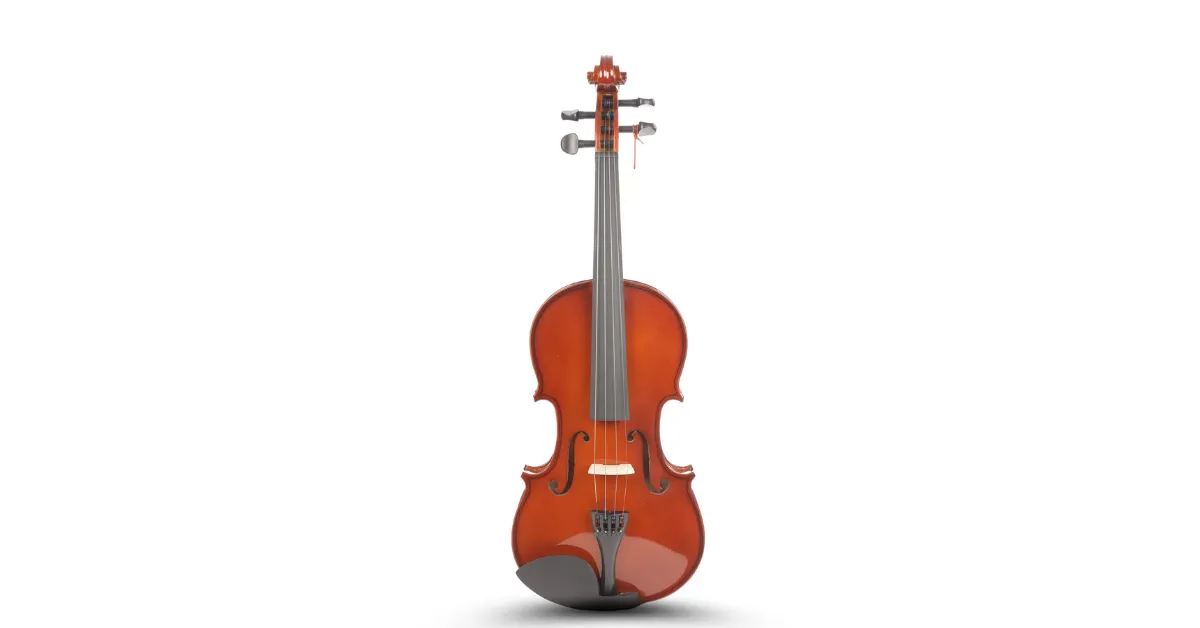
Rampur Semi-acoustic Violin view - 7000
Get this instrument at best deal

The violin is one of the most expressive and versatile string instruments in the world. It has found a special place not only in Western classical music but also in Indian classical traditions. From soul-stirring Carnatic compositions to innovative fusion performances, the violin adapts beautifully to every genre. But choosing the right violin can feel overwhelming—especially with so many types available in the market. Whether you’re a complete beginner or someone looking to upgrade, understanding the different types of violins is essential to making a smart and soulful decision.

This blog will walk you through the most common types of violins and help you decide which one is perfect for your skill level, musical goals, and interest in Indian music.


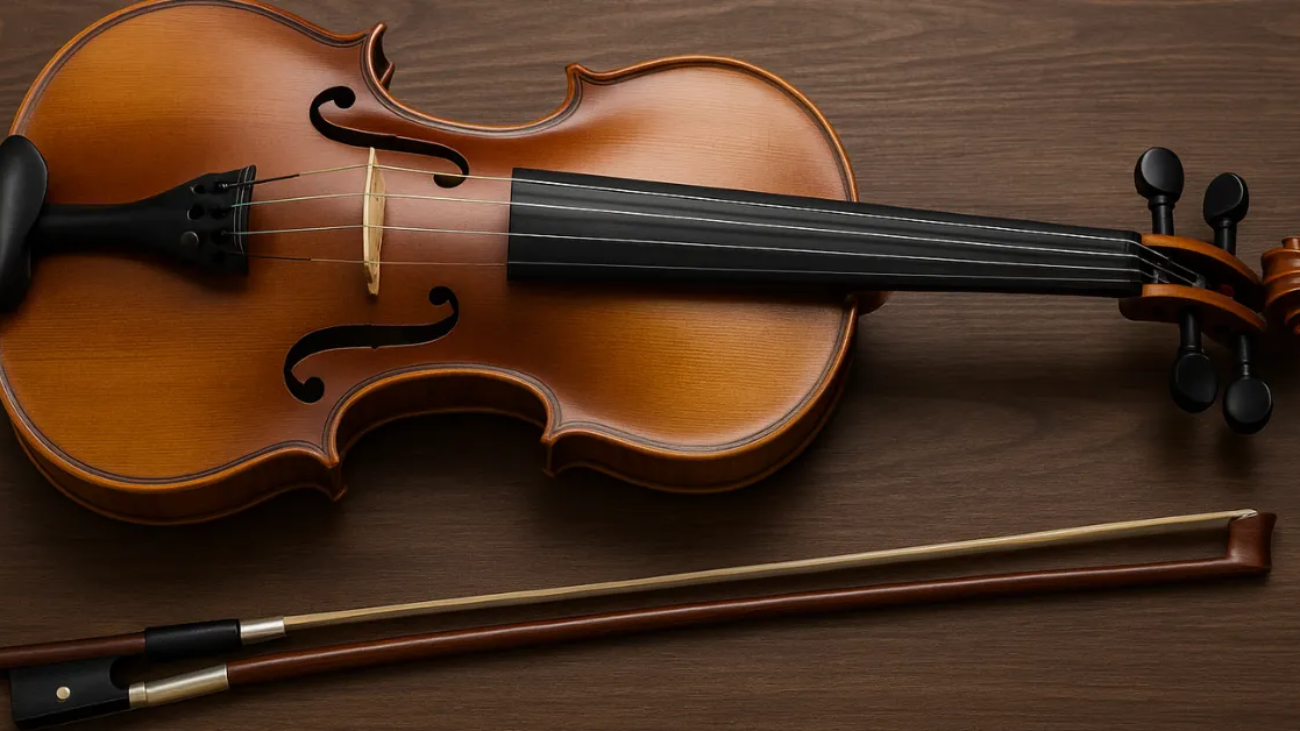
1. Acoustic Violin: The Traditional Choice

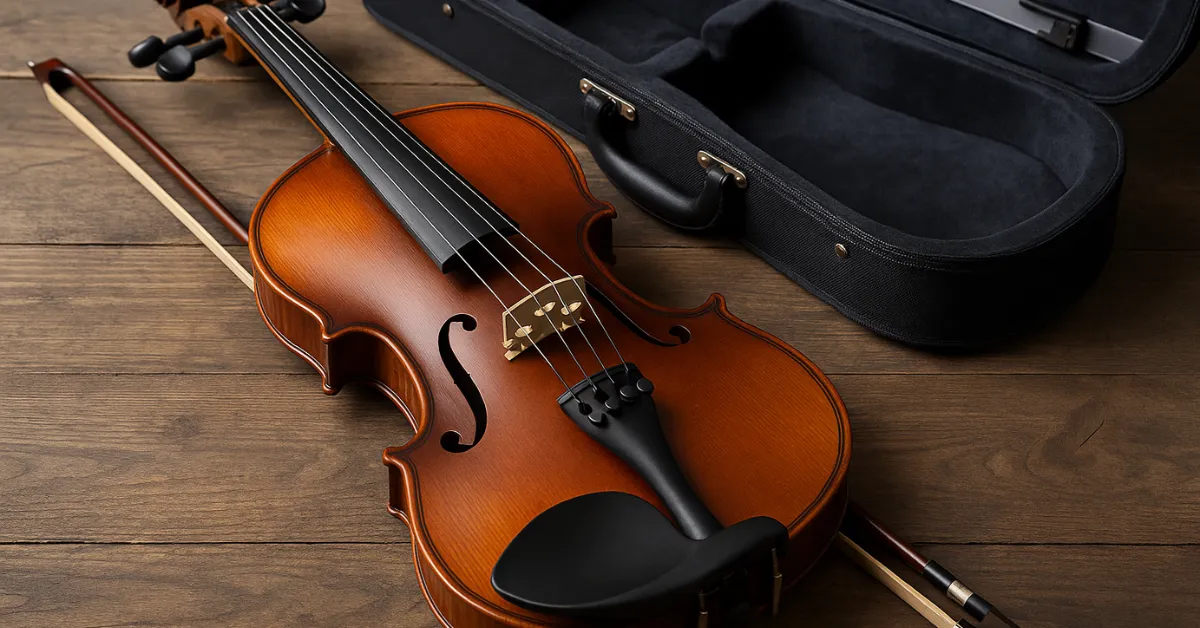
Violin wood colour with case
Get this instrument at best deal – Violin wood colour with case

The acoustic violin is the most popular and traditional form. It’s the one you usually see in classical orchestras and Indian classical music concerts.

Features:

  • Made from solid wood like spruce or maple
  • Produces sound naturally through its hollow body
  • Requires a bow and resin

Ideal For:

  • Beginners
  • Indian classical music (both Carnatic and Hindustani)
  • Students pursuing violin as an academic subject

Why It’s a Great Choice:

Acoustic violins are perfect for learning proper posture, finger positioning, and bowing techniques. In India, most music schools and teachers recommend starting with this model.


2. Electric Violin: Modern and Versatile

types of violins for beginners 1

An electric violin has a solid body and relies on pickups and amplifiers to produce sound. It’s ideal for modern genres like rock, jazz, and fusion.

Features:

  • Requires an amplifier and sometimes pedals
  • Sleek, futuristic design
  • Silent playing mode available

Ideal For:

  • Intermediate and advanced players
  • Stage performers and fusion artists
  • Practice in noise-sensitive environments

Why It’s a Great Choice:

Electric violins offer versatility and volume control. Many Indian artists experimenting with fusion music or creating YouTube content prefer electric violins for their ease of recording and effects compatibility.


3. Semi-Acoustic Violin: The Best of Both Worlds

Cut Violin With Case
Get this instrument at best deal – Semi-Acoustic Violin With Case

As the name suggests, the semi-acoustic violin blends the features of both acoustic and electric violins. It looks like a traditional acoustic model but has built-in pickups.

Features:

  • Can be played acoustically or connected to an amplifier
  • Ideal for stage performance with traditional tone
  • Slightly heavier than a regular acoustic violin

Ideal For:

  • Intermediate players
  • Musicians playing Indian classical on stage
  • Fusion and film musicians

Why It’s a Great Choice:

It’s perfect for Indian classical performers who want the acoustic sound but also need amplification for large concerts.


4. Silent Violin: For Undisturbed Practice

types of violins for beginners 3

A silent violin is similar to an electric violin but specifically designed for practice without disturbing others.

Features:

  • Comes with a headphone jack
  • Lightweight and compact
  • No natural acoustic sound

Ideal For:

  • Beginners practicing at home
  • Students living in hostels or apartments
  • Night-time practice

Why It’s a Great Choice:

For Indian students preparing for music exams or those practicing ragas for hours, silent violins can be a lifesaver in shared living environments.

5. 5-String Violin: Extended Range for Advanced Players

types of violins for beginners 4

This violin includes an additional lower string (C string), allowing it to cover a wider range of notes.

Features:

  • Typically used by advanced violinists
  • Requires stronger finger techniques
  • Suitable for fusion and jazz

Ideal For:

  • Professional musicians
  • Fusion and film background scorers
  • Indian violinists exploring contemporary styles

Why It’s a Great Choice:

For those blending Carnatic violin with jazz or fusion, this violin offers extended range and deeper tones that open up new creative possibilities.


6. Baroque Violin: Historical and Rare

types of violins for beginners 5

This is a replica of violins used during the Baroque era, made without modern enhancements like chin rests or steel strings.

Features:

  • Gut strings
  • Soft, warm tone
  • Typically handmade

Ideal For:

  • Classical purists
  • Niche collectors
  • Historical performance enthusiasts

Why It’s a Great Choice:

In India, this is less common, but if you’re into historical performances or teaching classical history of music, it’s a unique choice.


7. Indian Carnatic Violin: Tailored for Tradition

types of violins for beginners 7

While structurally similar to the acoustic violin, the Carnatic violin differs in playing posture and tuning.

Features:

  • Played sitting cross-legged
  • Tuning differs slightly from Western classical violin
  • Often accompanied by a mridangam

Ideal For:

  • Students of Carnatic music
  • Performers in classical Indian concerts
  • Music college aspirants in India

Why It’s a Great Choice:

It’s a must-have for anyone learning Indian classical violin seriously. Some Indian manufacturers even craft violins specifically for Carnatic music learners.


8. Violin Sizes: What’s the Right Size for You?

Violins come in various sizes—from full size (4/4) to smaller ones (1/16) for kids.

Guide to Choosing:

  • Ages 11 and above: 4/4 (full size)
  • Ages 9–11: 3/4
  • Ages 7–9: 1/2
  • Ages 5–7: 1/4

For Indian parents looking to introduce their children to music early, small-sized acoustic violins are available and ideal for young learners.


9. Brands to Consider in India

Some popular brands in India offering quality violins for various skill levels include:

For Beginners:

  • Kadence
  • Juarez
  • Havana

For Intermediate and Advanced:

  • Yamaha (especially for electric and silent)
  • Stentor
  • Cremona

These brands are widely available across music stores and online platforms in India.


10. Budget Considerations

When it comes to buying a violin, the price can vary significantly based on the type, material, and brand.

Budget Guide:

  • Beginner Acoustic Violin: ₹3,000–₹8,000
  • Electric Violin: ₹10,000–₹30,000
  • Semi-Acoustic: ₹8,000–₹20,000
  • Professional Classical: ₹20,000 and above

Indian brands offer great entry-level options, especially for students appearing for Grade exams or participating in music competitions.


Conclusion

Choosing the right violin involves understanding your goals, your level of expertise, and your preferred style of music—especially if you’re learning Indian classical music. Whether you’re a beginner looking for your first acoustic violin or a professional exploring electric or semi-acoustic options, there’s something for everyone.

Remember, the perfect violin should feel comfortable in your hands and inspire you to play. In Indian music, where emotion and expression are at the heart of performance, picking the right instrument can transform your musical journey.

Invest wisely, seek advice from a trusted music teacher, and don’t hesitate to try different models. With the right violin in your hands, your musical expression becomes limitless.


At NMS Musicals, we offer a comprehensive range of musical instruments, including percussion, string, wind, and keyboard instruments. Our services encompass sales, expert servicing, and the manufacture of leather instruments. Explore our diverse collection and find the perfect instrument to suit your musical needs.

Visit our website to browse our offerings: nmsmusicals.in

For a closer look at our products, check out our shop page: nmsmusicals.in/shop

Stay connected with us through our social media channels:
Our shop locations are:

For inquiries, contact/Whatsapp us at 9500663895 or email us at laxman.m89@gmail.com.

Discover the world of musical instruments with NMS Musicals today!

For a visual overview of our percussion instruments, watch the following video:
best guitar for classical music 2

Ultimate Guide to the Best Guitar for Classical Music

Discover how to choose the best guitar for classical music based on style, tone, and tradition.

When it comes to playing classical music, the right guitar can make all the difference. Whether you’re a complete beginner or a passionate performer, choosing the best guitar for classical music is essential to shaping your sound, style, and comfort. With a rich tradition in Indian classical and Western music alike, the classical guitar holds a unique place in the hearts of many musicians.

But with so many options available—wood types, string materials, body shapes, and pricing—how do you know which guitar is perfect for you? This guide will walk you through everything you need to know before picking up your next instrument, with a special focus on Indian musical preferences.


1. What Is a Classical Guitar?

A classical guitar is a six-string acoustic instrument, typically with nylon strings, known for its warm, mellow tone and suitability for fingerstyle playing. It is traditionally used in Western classical compositions but also fits beautifully into Indian classical fusion settings due to its soft tonal output.


2. Classical Guitar vs Acoustic Guitar

best guitar for classical music

Sound: Classical guitars have a soft, rounded tone suitable for intricate melodies, while acoustic guitars with steel strings are louder and brighter.
Strings: Classical guitars use nylon strings, easier on the fingers, perfect for beginners.
Neck Width: Classical guitars have wider necks for fingerpicking techniques.
Usage: Classical is ideal for Indian ragas, compositions, and practice; acoustic is used more for folk and contemporary music.


3. Types of Classical Guitars

1. Full-Size Classical Guitars:
These are ideal for adults and older teenagers. They produce a full tone and are often used in performances.

2. 3/4 or 1/2 Size Classical Guitars:
Perfect for children or players with smaller hands. These maintain classical tone but in a more manageable size.

3. Electro-Classical Guitars:
Have built-in pickups for amplification, great for stage performances or recording Indian classical fusion tracks.

4. Indian Classical-Inspired Guitars:
Some luthiers offer nylon string guitars with Indian tonal modifications, designed to better emulate veena or sitar tonalities.


4. Important Factors While Choosing a Classical Guitar

1. Tonewood:

  • Spruce: Bright and powerful.
  • Cedar: Warm and rich—great for classical music.
  • Rosewood/Sapele: Used for back and sides to add depth.

2. Action and Playability:
Action refers to how high the strings are from the fretboard. For Indian classical, low-to-medium action is ideal for ease of sliding techniques and speed.

3. String Type:
Nylon strings come in different tensions—normal, hard, and extra hard. For Indian styles with fast finger work, medium tension provides a balance of flexibility and sustain.

4. Brand and Build:
Reliable brands for classical guitars include:

  • Yamaha C Series (like C40 or C70) – Affordable and high quality.
  • Cordoba – Offers great sound and build for Indian classical styles.
  • Kadence and Pluto (Indian Brands) – Beginner-friendly and available locally.


5. Best Classical Guitars for Beginners in India

1. Yamaha C40
Affordable, reliable, and offers excellent tone quality.

2. Kadence Frontier Series
Great for Indian beginners. Comfortable neck and good tuning stability.

3. Pluto HW34-201
Compact and budget-friendly, ideal for kids and early learners.

4. Cordoba C3M
Premium build, ideal for serious beginners transitioning into Indian fusion genres.


6. Classical Guitar Maintenance Tips

1. Keep it in a hard case or padded gig bag.
2. Use a humidifier if in dry climates.
3. Clean with microfiber cloth after every use.
4. Change strings every 3-4 months.
5. Avoid tuning too high, especially with nylon strings.


7. How to Use Classical Guitar in Indian Music

Though classical guitar is Western in origin, Indian musicians have adapted it brilliantly for fusion, Bollywood scores, and solo performances. Techniques like sliding, alternate picking, and meend (Indian-style note bending) are often used.

Some Indian classical artists modify string tunings or add sympathetic strings to mimic traditional instruments like sitar or sarod.


8. Additional Gear to Consider

1. Footstool or Guitar Support:
To maintain posture while seated and playing classical.
best guitar for classical music 1

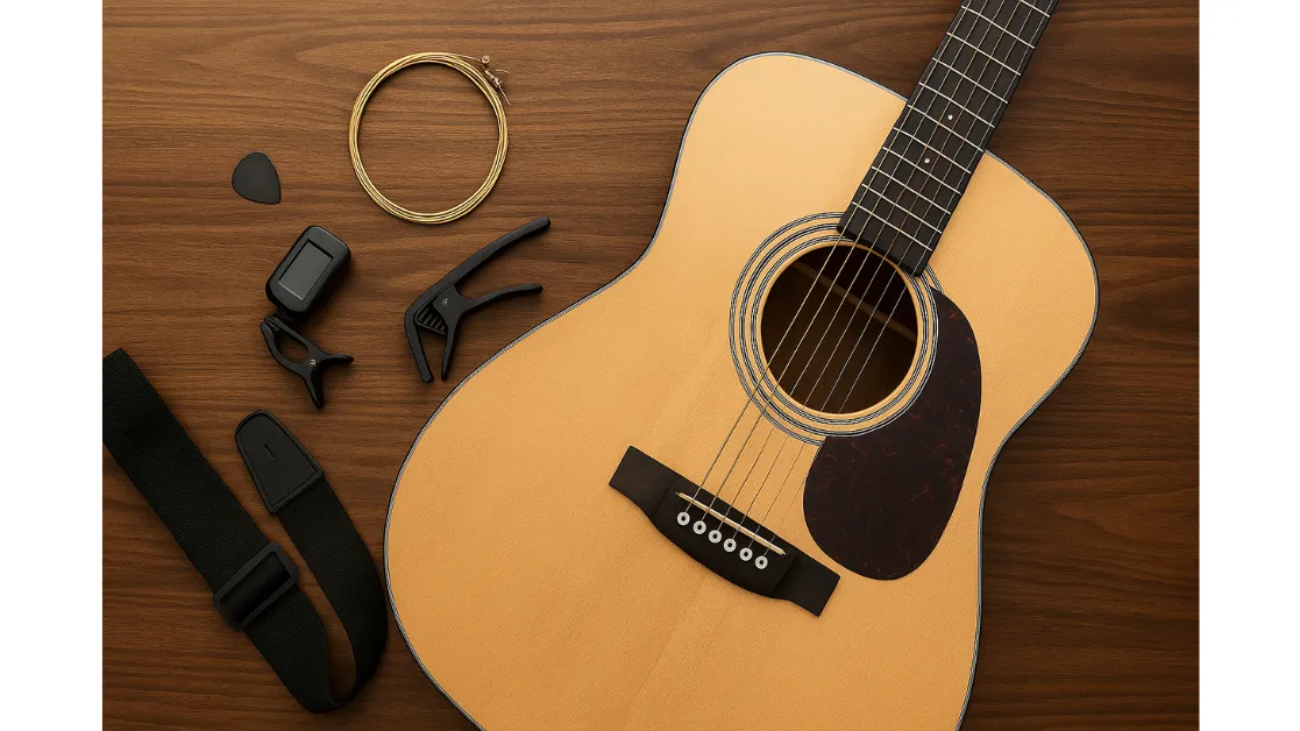
2. Tuner:
Chromatic tuners or mobile apps help maintain pitch accurately.
Clip-on Tuner

3. Capo:
While not commonly used in classical music, it’s helpful when exploring modern fusion.
Shark Capo - Golden

4. Spare Strings:
Always have extra nylon string sets, preferably from D’Addario, Augustine, or Savarez
Karuna Nylon Guitar Strings


9. How to Choose Based on Playing Style

Fingerstyle Indian Classical:
Choose a guitar with wider neck and low action for speed and control.

Fusion and Modern Classical:
Look for an electro-classical model with built-in EQ and output jack.

Solo Performances:
Tonewood becomes important—go for cedar top for warmth and projection.

Beginners with no musical background:
Start with a Yamaha C40 or Kadence Frontier and upgrade as your technique develops.


10. Common Mistakes to Avoid While Buying a Classical Guitar

1. Buying Steel-String Instead of Nylon:
Many beginners confuse acoustic with classical—nylon strings are a must.

2. Ignoring Size and Fit:
Too big a guitar can hinder posture and discourage practice.

3. Overpaying for Unnecessary Features:
As a beginner, you don’t need advanced electronics or exotic tonewoods.

4. Buying Without Testing:
If possible, always play the guitar before buying to feel the sound and comfort.


11. Where to Buy Classical Guitars in India

Offline Stores:
Visit local music stores like Furtados, Bajaao, NMS Musicals (Chennai & Pondicherry), etc., to try different models.

Online Platforms:
Amazon India, Flipkart, Bajaao, and NMSMusicals.in offer wide varieties of classical guitars with reviews and ratings.


12. Tips for Beginners Learning Classical Guitar

1. Practice Regularly:
Daily 15-30 minutes builds muscle memory.

2. Start with Scales and Simple Indian Melodies:
Ragas like Bhairav or Yaman sound beautiful on classical guitar.

3. Use Metronome:
To improve timing and rhythm.

4. Join Online or Offline Music Classes:
Indian guitar teachers often blend Carnatic/Hindustani techniques with Western styles.

5. Don’t Rush to Upgrade:
Your first guitar should last at least a year before switching.


Conclusion

Choosing the best guitar for classical music is not just about specs—it’s about how it feels in your hands, how it sounds to your ears, and how it supports your journey in music. Whether you’re aiming to perform pure Western classical compositions or blend Indian ragas into your tunes, the classical guitar offers a world of expressive possibilities.

For Indian musicians, blending tradition with technique is the key. With the right guidance, research, and mindset, you’ll not only find the perfect guitar—you’ll also unlock your unique voice in music.

Let your classical guitar journey begin with the right strings, the right tone, and the right heart. 🎶


At NMS Musicals, we offer a comprehensive range of musical instruments, including percussion, string, wind, and keyboard instruments. Our services encompass sales, expert servicing, and the manufacture of leather instruments. Explore our diverse collection and find the perfect instrument to suit your musical needs.

Visit our website to browse our offerings: nmsmusicals.in

For a closer look at our products, check out our shop page: nmsmusicals.in/shop

Stay connected with us through our social media channels:
Our shop locations are:

For inquiries, contact/Whatsapp us at 9500663895 or email us at laxman.m89@gmail.com.

Discover the world of musical instruments with NMS Musicals today!

For a visual overview of our percussion instruments, watch the following video:
Care for Music Books 1

Care for Music Books: Proven Tips That Truly Work

Care for Music Books with easy preservation tips for Indian music lovers

Care for Music Books

For musicians, especially students of Indian classical instruments, music books are more than just pages with notes—they are a treasure trove of learning and heritage. Whether you’re learning the sitar, tabla, veena, or bansuri, your music books hold the foundational knowledge needed for practice and progress. That’s why proper care and maintenance of your music books is vital. In this blog, we explore how to care for your music books and share preservation tips that ensure their longevity, so they stay as inspiring as the day you first opened them.


1. Store Books in a Cool, Dry Environment

The first rule of book preservation is proper storage. Always store your music books in a cool, dry place. Indian weather, especially in humid areas, can cause pages to warp, stick, or develop mold.

  • Avoid direct sunlight as it can fade the ink and weaken the paper.
  • Use a dehumidifier if you live in a coastal area.
  • Ensure books are not exposed to fluctuating temperatures or dampness.


2. Keep Books Upright and Supported

Books stored improperly can warp or lose their shape over time. Always place your music books upright on shelves with proper support.

  • Use bookends to prevent slanting.
  • Store large books flat to prevent spine damage.
  • Do not overcrowd shelves to avoid bending the covers or pages.


3. Handle Books with Clean Hands

Oils and dirt from our hands can degrade paper over time. Always wash and dry your hands before handling your music books.

  • Avoid eating while studying music.
  • Use a clean cloth if the book is old or fragile.
  • Handle pages gently to prevent tears or creases


4. Use Book Covers or Jackets

Protective covers can shield your books from dust, spills, and scratches. They’re especially helpful for preserving frequently used Indian music theory or notation books.

  • Use transparent plastic covers to keep titles visible.
  • For older books, consider archival-quality jackets.
  • Replace torn covers to maintain overall appearance.


5. Avoid Writing Directly on Pages

While it’s tempting to make notes in your books, doing so can lead to cluttered pages and permanent damage.

  • Use sticky notes for temporary annotations.
  • Keep a separate notebook for writing raga breakdowns or talas.
  • Use pencil lightly if absolutely necessary.


6. Clean Books Regularly

Books can collect dust and grime if not regularly cleaned. Regular maintenance ensures better preservation.

  • Use a soft brush or microfiber cloth.
  • Avoid using water or cleaning sprays.
  • Inspect for bugs, especially in wooden cupboards.


7. Protect from Insects and Rodents

Indian households often face issues with silverfish or rodents that can damage paper.

  • Use naphthalene balls or herbal repellents.
  • Check for droppings or paper shreds regularly.
  • Store books in sealed cabinets if pests are common.


8. Organize Books by Category

Keeping your books organized helps avoid unnecessary damage from frequent searching or flipping.

  • Group books by instrument: sitar, tabla, harmonium, etc.
  • Separate practical from theory books.
  • Label book spines for quick access.


9. Laminate Important Sheets

Certain pages—like talas, raga maps, or notations—are used frequently. Laminating these pages can preserve them longer.

  • Laminate your practice schedule or lesson summaries.
  • Use transparent pockets for temporary laminating.
  • Avoid heat lamination on older, delicate pages.


10. Digitize Rare or Old Books

Some older Indian music books are rare or out of print. Scanning and storing them digitally can preserve their content while reducing wear.

  • Use high-resolution scanning.
  • Store files on the cloud and a physical drive.
  • Keep backups to avoid accidental loss.


11. Use Music Stands Carefully

When practicing, placing your books on music stands improperly can lead to bending or tearing.

  • Use adjustable stands to fit the book’s size.
  • Clip pages gently if needed.
  • Don’t press hard on the spine.


12. Avoid Overexposure During Practice

Leaving your books open in sunlight or high fan areas can degrade pages.

  • Close the book after each session.
  • Use a cloth cover to shield when not in use.
  • Rotate between different books to avoid overuse.


13. Repair Books When Needed

Minor repairs can prevent major damage if done early.

  • Use acid-free tape for page tears.
  • Fix binding with professional help if loose.
  • Don’t use glue that can stain or harden pages.


14. Share and Lend with Care

When lending music books to friends or students, set guidelines to ensure they’re returned in good condition.

  • Use a lending register.
  • Ask users to return within a specific time.
  • Provide covers or bags for protection.


15. Create a Catalog or Inventory

Keeping track of your collection helps prevent misplacement and encourages better care.

  • Use a spreadsheet or an app.
  • Include purchase dates and condition.
  • Update regularly when new books are added.


Conclusion

Your music books are a reflection of your journey as a musician. Especially when learning intricate Indian classical instruments, these books become sacred guides full of tradition and technical knowledge. Preserving them ensures that their wisdom remains intact for years to come—not only for you but also for future learners. By following the above preservation tips, you ensure that your music books stay in peak condition, continuing to inspire every raga, tala, and tune you play.


At NMS Musicals, we offer a comprehensive range of musical instruments, including percussion, string, wind, and keyboard instruments. Our services encompass sales, expert servicing, and the manufacture of leather instruments. Explore our diverse collection and find the perfect instrument to suit your musical needs.

Visit our website to browse our offerings: nmsmusicals.in

For a closer look at our products, check out our shop page: nmsmusicals.in/shop

Stay connected with us through our social media channels:
Our shop locations are:

For inquiries, contact/Whatsapp us at 9500663895 or email us at laxman.m89@gmail.com.

Discover the world of musical instruments with NMS Musicals today!

For a visual overview of our percussion instruments, watch the following video:
choose between grand and upright piano 6

Best Way to Choose Between Grand and Upright Piano

A simple guide to choose between grand and upright piano for Indian musicians

Choosing the right piano can be a big decision, especially if you are just starting your musical journey or upgrading your instrument. In India, where space, budget, and acoustic considerations often vary greatly from household to household, understanding the difference between a grand piano and an upright piano becomes crucial. This blog aims to guide you through the decision-making process with a special focus on Indian requirements. From tonal quality and space constraints to budget considerations and learning preferences, this guide will help you choose the piano that suits your musical lifestyle the best.


1. Understanding the Basics of Grand and Upright Pianos

A grand piano is the traditional, horizontal type of piano with long strings and a large soundboard, often seen on concert stages. An upright piano, on the other hand, is vertical, with strings running vertically to save space, making it more suitable for homes and studios.

Grand Piano

choose between grand and upright piano
  • Horizontal layout
  • Superior sound and dynamic control
  • Requires more space

Upright Piano

choose between grand and upright piano 1
  • Vertical layout
  • Compact and space-saving
  • Affordable and great for home use


2. Sound Quality: Which Piano Sounds Better?

Grand pianos are known for their rich, resonant tones, thanks to longer strings and horizontal action. This allows for more nuanced dynamics and better sustain. In Indian classical music, where expression plays a significant role, this tonal richness is a big plus.

Upright pianos, while still offering a pleasing sound, cannot match the depth of a grand piano. However, modern upright pianos from brands like Yamaha or Kawai offer improved sound quality suitable for Indian ragas, ghazals, and bhajans.


3. Space Constraints: What Fits Your Indian Home?

Most Indian homes have limited space, especially in metro cities. A grand piano can easily take up over 5 to 7 feet of space, which may not be practical for apartments. An upright piano, being vertical, only needs wall space and can easily fit into a drawing room or music corner.

So, if you live in a flat in Mumbai or Delhi, an upright is likely the best option. But if you have a spacious independent home in South India or a dedicated music studio, a grand piano could be a worthwhile investment.


4. Cost Comparison: What’s Your Budget?

Grand pianos are significantly more expensive due to craftsmanship, materials, and size. Prices in India can range from ₹6 lakhs to ₹30 lakhs or more for high-end models. Upright pianos are more affordable, with decent models starting at around ₹2 lakhs.

Grand Piano

  • Starts from ₹6,00,000
  • Premium brands like Steinway or Yamaha C series

Upright Piano

  • Starts from ₹1,50,000
  • Popular models: Yamaha U1, Kawai K-300


5. Purpose: Home Use vs Stage Performance

If you are a professional performer or an advanced student aiming to pursue a music career, especially in Indian fusion or stage performance, a grand piano gives you the performance quality needed. However, for casual playing, learning Indian classical music, or preparing for Trinity exams at home, an upright piano is sufficient.


6. Maintenance Needs in Indian Climate

India’s varying humidity can affect wood and strings. Grand pianos require more maintenance due to their larger soundboard and open structure. Upright pianos are more enclosed and manageable in tropical climates.

Consider investing in a dehumidifier or a climate-control system, especially in coastal cities like Chennai or Kochi.


7. Aesthetic and Emotional Value

A grand piano is more than an instrument—it’s a statement piece. It adds grandeur to any space, which can enhance the emotional connect with music. In Indian homes where décor plays a strong cultural role, this can be a meaningful factor.

On the other hand, an upright piano is elegant and minimal. For homes with traditional wooden interiors or limited room, upright pianos blend beautifully without overpowering the space.


8. Indian Music Styles and Piano Adaptability

While pianos are Western in origin, many Indian musicians now incorporate them into ragas, bhajans, and even film compositions. Grand pianos are better suited for fusion performances and Carnatic-Western blends due to their superior dynamics.

Upright pianos can also be used to learn basic ragas, provide background chords for vocals, or support light classical arrangements. Many music schools in India now use upright pianos for teaching Indian scales.


9. Best Indian Brands and Where to Buy

India has access to global piano brands, and some even tailor their products to Indian acoustics. Look for:

  • Yamaha (U1, U3 for upright; C3 for grand)
    choose between grand and upright piano 2
  • Kawai (K-series for upright; GL-series for grand)
    choose between grand and upright piano 3
  • Casio Hybrid Models (for digital upright experience)
    choose between grand and upright piano 4
  • Steinway India Distributors (for concert-grade grand pianos)
    choose between grand and upright piano 5

Buy from verified distributors in metros like Chennai, Bangalore, and Mumbai. Also consider visiting music expos and festivals to explore and test different models.


10. Digital Alternatives for Beginners in India

If a grand or upright piano feels too costly, digital pianos like Yamaha Clavinova or Casio Privia offer decent alternatives. They mimic real piano action and are perfect for Indian learners who want flexibility without the investment of an acoustic piano.

Digital pianos are great for apartment living, compatible with headphones, and maintenance-free. While they lack the tonal depth of a grand, they’re still powerful learning tools.


Conclusion

Choosing between a grand piano and an upright piano boils down to your space, budget, musical goals, and personal preferences. For Indian families looking to nurture music in their homes, upright pianos offer practicality, affordability, and great learning potential. But if you’re passionate about tone, dynamics, and stage presence, a grand piano is an unmatched companion.

Both types of pianos have their own beauty and strengths. Whether you’re a budding student of Indian classical music or a seasoned performer blending Hindustani with Western elements, picking the right piano can define your musical path for years to come. Make your decision with love for the art—and you can never go wrong.


At NMS Musicals, we offer a comprehensive range of musical instruments, including percussion, string, wind, and keyboard instruments. Our services encompass sales, expert servicing, and the manufacture of leather instruments. Explore our diverse collection and find the perfect instrument to suit your musical needs.

Visit our website to browse our offerings: nmsmusicals.in

For a closer look at our products, check out our shop page: nmsmusicals.in/shop

Stay connected with us through our social media channels:
Our shop locations are:

For inquiries, contact/Whatsapp us at 9500663895 or email us at laxman.m89@gmail.com.

Discover the world of musical instruments with NMS Musicals today!

For a visual overview of our percussion instruments, watch the following video:
Role of Music Teachers in India 2

Incredible Role of Music Teachers in India

Discover the essential role of music teachers in India’s musical journey

Role of Music Teachers in India

The journey of a young musician begins with curiosity—a fascination with melodies and rhythms that slowly grows into a deep passion. While talent is an important part of this journey, guidance plays an even bigger role. The guiding force? A music teacher. In the Indian musical landscape, music teachers are not just educators—they are gurus, mentors, and lifelong inspirations. This blog explores the incredible impact of music teachers on young lives, especially in the context of Indian classical and traditional instruments like the tabla, sitar, and harmonium. From instilling discipline to nurturing creativity, the role of music teachers is profound and often life-changing.


1. The Foundational Role of a Music Teacher

The very first interaction a child has with structured musical learning is usually through a teacher. Music teachers lay the groundwork by introducing students to:

  • The basics of rhythm and melody
  • Techniques for playing Indian instruments like tabla, veena, or sitar
  • Importance of posture, breathing, and hand coordination
  • Musical notations and theory

In Indian classical traditions, especially, this foundation is sacred. The guru-shishya parampara (teacher-student lineage) reflects the reverence placed on this relationship.


2. Personalized Learning for Every Student

No two students are alike, and effective music teachers recognize this. They craft lesson plans that suit the student’s personality, aptitude, and musical interests. For instance:

  • A child with an ear for rhythm may be directed towards percussion instruments like tabla or mridangam
  • Someone who enjoys melody may be encouraged to pursue sitar or bansuri

Such customized guidance fosters enthusiasm and faster learning. Teachers also identify strengths and work on weaknesses, making students more confident performers.


3. Mentorship Beyond Music

One of the defining traits of impactful music teachers is that their influence extends beyond music. They help students:

  • Build discipline through regular practice routines
  • Develop patience—vital when learning complex ragas or talas
  • Boost their self-esteem through encouragement and performance opportunities
  • Learn time management by balancing academics with musical practice

In India, music teachers often become secondary parental figures, nurturing their students’ emotional and creative well-being.


4. Introducing Indian Instruments and Their Cultural Significance

A crucial part of shaping a young musician’s life is exposure to Indian musical heritage. Music teachers are often the first to:

  • Explain the history and cultural roots of instruments like the tabla, dholak, sitar, sarod, veena, and tanpura
  • Demonstrate the sound variations and techniques unique to each instrument
  • Encourage appreciation of classical composers and regional musical styles

For example, when teaching harmonium, teachers also introduce bhajans, ghazals, and devotional songs, giving context and meaning to the lessons.


5. Building Stage Confidence and Performance Skills

Performing in front of others is a transformative experience for young learners. Music teachers play a vital role in:

  • Preparing students for recitals, school performances, and competitions
  • Teaching stage presence, posture, and handling nervousness
  • Training in group coordination during ensembles or jamming sessions

These experiences not only hone musical ability but also develop public speaking, confidence, and resilience.


6. Encouraging Creativity and Improvisation

Indian music places great importance on improvisation. Whether it’s a tabla solo or a sitar rendition of a raga, the ability to improvise is essential. Music teachers:

  • Teach the basics of improvisation within the raga framework
  • Encourage students to explore different rhythmic cycles or “taals”
  • Inspire original compositions or unique interpretations of classical pieces

This nurtures creativity, one of the most important skills for a lifelong musician.


7. Helping Students Set and Achieve Goals

Goal-setting is another way music teachers shape students’ lives. This could include:

  • Completing grade levels in Indian music board exams
  • Mastering a specific raga or tala
  • Learning to accompany bhajans or light music
  • Preparing for a performance on Independence Day or school events

By tracking progress, providing feedback, and celebrating milestones, teachers instill a growth mindset.


8. Connecting Students to Musical Communities

Great music teachers open doors to broader musical communities by:

  • Introducing students to music schools, online classes, or workshops
  • Connecting them with other musicians for duets or group learning
  • Encouraging participation in cultural programs, temple festivals, and inter-school music contests

Such exposure is essential to build motivation, friendship, and a sense of belonging.


9. Teaching Discipline Through Practice

Indian classical music demands rigor. A sitar player may need to spend hours perfecting a single note. A tabla student might spend days mastering a new taal. Music teachers:

  • Instill practice discipline from the very first lesson
  • Set structured routines that balance theory, technique, and performance
  • Use repetition and feedback to build precision and musical expression

This discipline also positively affects academics and other areas of life.


10. Encouraging Lifelong Learning

The beauty of Indian music is that learning never ends. Music teachers plant the seeds of lifelong curiosity. They encourage students to:

  • Explore other instruments like bansuri, dhol, or harmonium
  • Attend concerts of maestros to learn by observing
  • Continue music even during college or careers

A good teacher ensures that music becomes a lasting companion in a student’s life.


11. Emotional Support and Understanding

Music is deeply emotional, and children often bring their feelings to the learning space. Teachers:

  • Create a safe, non-judgmental environment for expression
  • Use music as a way to release stress or manage emotions
  • Provide encouragement after failures or poor performances

This emotional bond helps students view music as therapy and self-expression, not just performance.


12. Emphasizing Respect and Tradition

Indian music is built on respect—for the instrument, for the art, and for the teacher. Music teachers:

  • Teach students how to tune and care for instruments like tabla or veena
  • Reinforce respect for classical traditions, dress code, and stage etiquette
  • Encourage listening to recordings of legends like Pt. Ravi Shankar or Zakir Hussain

This develops humility and gratitude, important traits for any artist.


13. Adapting to Modern Methods of Learning

While traditions are important, today’s teachers also use:

  • Online classes with video feedback
  • Digital metronomes and tanpura apps
  • Online sheet music and YouTube tutorials

Modern music teachers combine old-school discipline with contemporary tools to enhance learning and make it fun.


14. Providing Career Guidance in Music

For students interested in music careers, teachers are often the first mentors who:

  • Suggest pathways like music production, music therapy, teaching, or stage performance
  • Guide students towards conservatories or universities specializing in Indian music
  • Help build portfolios through recordings and live shows

A teacher’s recommendation also carries weight when applying to music institutions.

15. Helping Students Handle Criticism and Rejections

Music involves feedback, some of it harsh. Teachers help students:

  • Understand the difference between constructive criticism and personal bias
  • View rejection as a step toward improvement
  • Stay focused on growth and internal satisfaction rather than external applause

This helps build emotional strength and resilience—qualities every artist needs.


Conclusion

The incredible impact of music teachers on young lives is often beyond what can be measured. They are not just teaching ragas or rhythms—they are building character, instilling discipline, nurturing emotion, and preserving cultural heritage. Whether it’s a young child learning the tabla in Chennai or a teenager exploring the sitar in Delhi, behind every successful Indian musician is a teacher who believed, guided, and inspired. For parents, choosing the right music teacher could be one of the most important decisions in shaping a child’s creative future. And for students, a music teacher is often not just a guide—but a lifelong companion in their musical journey.


At NMS Musicals, we offer a comprehensive range of musical instruments, including percussion, string, wind, and keyboard instruments. Our services encompass sales, expert servicing, and the manufacture of leather instruments. Explore our diverse collection and find the perfect instrument to suit your musical needs.

Visit our website to browse our offerings: nmsmusicals.in

For a closer look at our products, check out our shop page: nmsmusicals.in/shop

Stay connected with us through our social media channels:
Our shop locations are:

For inquiries, contact/Whatsapp us at 9500663895 or email us at laxman.m89@gmail.com.

Discover the world of musical instruments with NMS Musicals today!

For a visual overview of our percussion instruments, watch the following video:
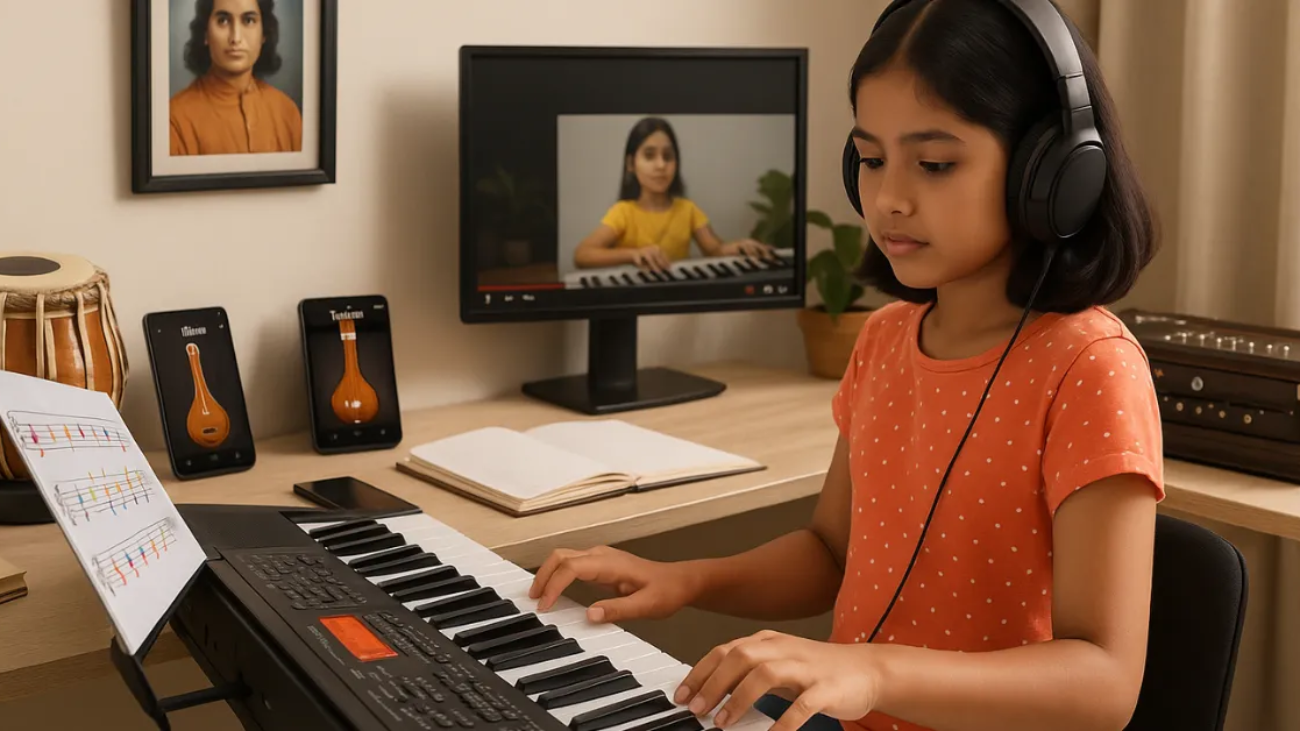
how to buy the right bass guitar for beginners 2

“How to Buy the Right Bass Guitar for Beginners – Expert Guide”

How to buy the right bass guitar for beginners

Buying the right bass guitar as a beginner can be overwhelming. With a variety of options, features, and brands available, it’s crucial to make an informed decision. Whether you’re planning to play Indian fusion, rock, jazz, or classical music, understanding the fundamentals of a bass guitar is the key to a fulfilling musical journey. In this guide, we’ll break down the process of selecting the perfect bass guitar for beginners, covering everything from basic features to specialized Indian instruments that can complement your style.


1. Understanding the Basics of a Bass Guitar

Before diving into specific brands or models, let’s start with the essentials. A bass guitar is a stringed instrument designed to play low-pitched notes. It usually has four strings, but there are also five-string and six-string options. Bass guitars come in two main types: electric and acoustic.

1.1 Electric Bass Guitars

how to buy the right bass guitar for beginners

Electric bass guitars are the most popular type, offering a broad range of tones suitable for various genres. These basses are powered by pickups that send the signal to an amplifier, allowing for powerful sound customization.

1.2 Acoustic Bass Guitars

how to buy the right bass guitar for beginners 1

Acoustic bass guitars don’t require an amplifier. They are known for their warm, organic sound. Though less common than electric bass guitars, they’re a great choice for unplugged performances or smaller acoustic settings, especially for Indian fusion music.

1.3 Indian Influence on Bass Guitars

If you’re planning to incorporate traditional Indian instruments like the sitar, tabla, or veena into your bass playing, choosing the right bass guitar that can complement the rich tonal quality of Indian instruments is important. Look for bass guitars with customizable tone controls that let you fine-tune your sound to blend with Indian rhythms and melodies.


2. Determine Your Budget

Bass guitars come in various price ranges, and it’s crucial to establish a budget before making a decision. Generally, beginners should aim for a bass guitar in the mid-range price category, as it offers the best balance between quality and affordability.

2.1 Budget Options for Beginners

You don’t need to break the bank for a good beginner bass guitar. Brands like Squier, Yamaha, and Ibanez offer excellent options at affordable prices. These models typically cost between ₹15,000 to ₹30,000, depending on the features and finish.

2.2 Premium Options

For those willing to invest a bit more, premium models by Fender, Gibson, or Music Man can cost ₹40,000 or more. These guitars offer superior build quality and sound, though they may be overkill for beginners.


3. Choose the Right Bass Guitar Size

Bass guitars come in various sizes, and it’s essential to pick one that suits your physical build. For example, short-scale bass guitars, which have a shorter neck and smaller body, are easier to play and are perfect for those with smaller hands. Standard full-scale bass guitars are ideal for players who have more experience or larger hands.


3.1 Full-Scale Bass Guitars

These bass guitars typically have a neck length of around 34 inches and are the most common option for serious players. If you plan on playing a wide range of music, including rock, jazz, and Indian fusion, a full-scale bass guitar is a great choice.

3.2 Short-Scale Bass Guitars

Short-scale bass guitars typically have a neck length of 30 inches. They’re easier to play for beginners due to their smaller neck and body, making them ideal for younger players or those with smaller hands.


4. Choose the Number of Strings

Bass guitars typically come with four, five, or six strings. As a beginner, it’s recommended to start with a four-string bass guitar, as it offers a simpler layout and is the standard for most music genres.

4.1 Four-String Bass Guitars

The four-string bass guitar is the most common and widely used option. It’s easier for beginners to learn on and is more versatile for various music styles. A four-string bass is perfect for Indian fusion music, as it allows you to focus on rhythm and melody without overwhelming yourself with extra strings.

4.2 Five-String Bass Guitars

Five-string bass guitars add an extra low B string, which is useful for playing more complex bass lines in jazz or modern rock. However, it can be challenging for beginners, so it’s recommended to start with a four-string bass and switch to a five-string later if you need the extended range


5. Pay Attention to the Body Shape and Design

The body shape of the bass guitar affects both its sound and comfort. Common body shapes include:

5.1 Solid-Body Bass Guitars

Solid-body bass guitars are the most common type. They offer a robust tone and are less prone to feedback, making them great for stage performances.

5.2 Semi-Hollow and Hollow-Body Bass Guitars

These basses provide a warmer, more resonant tone. They’re a good choice for genres that require more expressive sound, such as jazz, blues, or Indian classical fusion. However, they tend to be more expensive than solid-body bass guitars.


6. Pickup Types and Tone Controls

The pickups on a bass guitar play a significant role in shaping its sound. Understanding the types of pickups and their role in tone production is crucial when selecting the right bass guitar.

6.1 Single-Coil Pickups

Single-coil pickups are known for their bright, punchy sound. They’re ideal for genres like rock and funk, but can sometimes produce unwanted hum.

6.2 Humbucker Pickups

Humbucker pickups are known for their smooth, thick sound. They produce less hum than single-coil pickups and are great for players who want a fuller tone, especially when blending with Indian instruments.

6.3 Active vs. Passive Pickups

Active pickups use a battery to boost the signal, allowing for more powerful tone shaping and a wider range of frequencies. Passive pickups, on the other hand, are simpler and more traditional, providing a raw, organic sound.


7. Consider the Neck Construction and Material

The neck of the bass guitar plays a crucial role in playability. The material and construction of the neck affect both comfort and tone.

7.1 Bolt-On Necks

Bolt-on necks are common in affordable bass guitars. They offer good sustain and are relatively easy to repair if necessary.

7.2 Set-Neck and Neck-Through Designs

Set-neck and neck-through designs offer improved sustain and stability. These bass guitars are generally more expensive but offer superior tonal quality.


8. Test the Bass Guitar

It’s important to test a bass guitar before purchasing it. Pay attention to the action (how high or low the strings are from the fretboard), as well as the overall feel of the instrument. Make sure that the guitar feels comfortable to play and that the neck is easy to navigate.

8.1 Play the Guitar Unplugged

Before plugging the bass guitar into an amplifier, try playing it unplugged. This will give you a better idea of how the instrument feels and how it resonates acoustically.

8.2 Test the Electronics

Once you plug in the bass, test the electronics by turning the volume and tone knobs. Make sure the pickups are working correctly and that there are no unwanted noises or feedback.


9. Look for a Quality Brand

While there are many budget-friendly bass guitars on the market, investing in a reputable brand can make a big difference in terms of quality, durability, and sound. Popular brands for beginners include Squier, Ibanez, and Yamaha.

9.1 Squier

Squier, a subsidiary of Fender, offers affordable bass guitars that are known for their quality construction and great tone. They’re a popular choice for beginners.

9.2 Ibanez

Ibanez basses are known for their versatility and sleek designs. They offer a wide range of bass guitars that suit both beginners and more advanced players.

9.3 Yamaha

Yamaha bass guitars are well-regarded for their durability, playability, and consistent quality. They offer a wide range of bass guitars at various price points.


10. Conclusion

Choosing the right bass guitar as a beginner is an exciting step in your musical journey. Whether you’re interested in Indian fusion music or modern rock, the bass guitar you select will significantly impact your playing experience. Focus on key aspects such as budget, body type, number of strings, and pickup types to find a bass guitar that matches your needs. With the right instrument in hand, you’ll be on your way to mastering the bass and playing alongside some of the world’s greatest musicians.


At NMS Musicals, we offer a comprehensive range of musical instruments, including percussion, string, wind, and keyboard instruments. Our services encompass sales, expert servicing, and the manufacture of leather instruments. Explore our diverse collection and find the perfect instrument to suit your musical needs.

Visit our website to browse our offerings: nmsmusicals.in

For a closer look at our products, check out our shop page: nmsmusicals.in/shop

Stay connected with us through our social media channels:
Our shop locations are:

For inquiries, contact/Whatsapp us at 9500663895 or email us at laxman.m89@gmail.com.

Discover the world of musical instruments with NMS Musicals today!

For a visual overview of our percussion instruments, watch the following video:
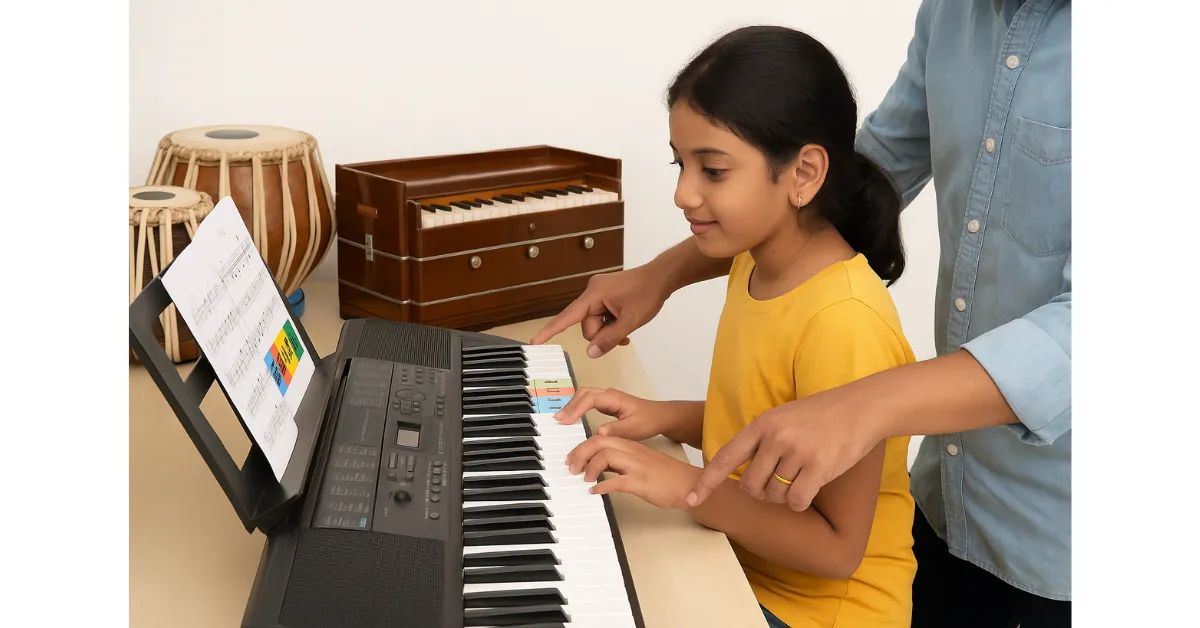
Best Musical Gifts for Men Who Love Music 1

Ultimate Best Musical Gifts for Men Who Love Music

Best Musical Gifts for Men Who Love Music

Choosing the best musical gifts for men who love music can be a joyful yet overwhelming experience. Whether it’s a birthday, anniversary, or festive occasion, music-themed gifts are personal, meaningful, and long-lasting. In India, the options are even more exciting with the availability of traditional and modern Indian instruments that suit different skill levels. From handcrafted tablas to digital keyboards, this comprehensive guide helps you pick the perfect musical gift for the music-loving man in your life.


1. Consider the Recipient’s Musical Taste and Skill Level

Before selecting a gift, consider what kind of music he enjoys—classical, Bollywood, devotional, fusion, or rock. Also, think about whether he’s a beginner, a hobbyist, or a professional musician. For beginners, starter kits work well, while pros may prefer advanced or specialized equipment.

  • Beginner: Entry-level Indian instruments, digital tuners, instruction books.
  • Intermediate: Higher-end instruments, combo packs, personalized accessories.
  • Professional: Premium brands, performance-level gear, customized instruments.


2. Indian Classical Instruments – A Timeless Gift

For men who love Indian classical music, traditional instruments make highly appreciated gifts. They hold cultural value and offer a deep connection to heritage.

2.1 Tabla Set

A high-quality tabla set is a fantastic gift for a rhythm enthusiast. Choose a well-balanced bayan and dayan combo with a tuning hammer and a padded case. Look for brands like Haridas Vhatkar or Maharaja Musicals.

2.2 Bansuri (Indian Bamboo Flute)

Bansuri E Flute

The bansuri is a soulful gift, ideal for men who enjoy meditative or Hindustani classical music. Available in various scales, a beginner-friendly bansuri in C or G scale is a good start.

2.3 Mridangam

Mridangam 22 inch bolt nut

Perfect for men inclined towards Carnatic music, the mridangam is a thoughtful gift with deep spiritual resonance. Opt for jackwood mridangams from Kerala for their authentic tone.

2.4 Harmonium

Harmonium with case

Compact portable harmoniums or foldable models are excellent for men who sing bhajans or play devotional music. Look for options with couplers and multi-fold bellows for better airflow.


3. Modern Musical Instruments for Indian Music Lovers

For those who blend Indian styles with modern music, these contemporary instruments are a great fit.

3.1 Electronic Keyboard

CTK-3500 keyBoard

An entry-level 61-key Yamaha or Casio keyboard is perfect for Bollywood and devotional melodies. Advanced models with Indian tones and rhythms are ideal for fusion lovers.

3.2 Acoustic or Electric Guitar

Best Musical Gifts for Men Who Love Music

A great gift for men into indie or fusion rock. For Indian film music, choose guitars compatible with effects pedals. Add a capo, strap, and pick set for a complete bundle.

3.3 Cajon

Beatbox

This Peruvian percussion box is becoming popular in Indian unplugged sessions. It’s portable, stylish, and matches various genres.

3.4 Digital Tanpura or Shruti Box

Radel micro v6

These are wonderful tools for vocalists or instrumentalists practicing Indian classical music. Some modern devices include mobile compatibility and tuning options.


4. Musical Accessories That Make Great Gifts

If you’re unsure about gifting a full instrument, accessories make safe yet valuable gifts.

4.1 Instrument Cases and Gig Bags

Customized soft or hard cases for tabla, flute, or guitar protect gear and add personality. Look for waterproof materials and extra padding.

4.2 Tuning Devices

Clip-on digital tuners or tabla tuning apps like iTablaPro subscriptions are practical for daily use.

4.3 Metronomes

Classic mechanical metronomes or digital ones help improve rhythm. They’re especially helpful for beginners and serious students.

4.4 Stands and Rests

Flute holders, guitar stands, harmonium benches—these items may seem simple but are essential in every practice room.


5. Books and Educational Resources

Learning resources are ideal for men who love to understand theory and technique.

5.1 Beginner Instrument Guides

Books on how to play the tabla, harmonium, or flute, with notations in Indian styles, are available in both English and regional languages.

5.2 Music Theory Books

Indian raga theory or western notation guides offer deeper musical knowledge. Useful for music students and hobbyists.

5.3 Online Course Subscriptions

Gift online lessons for keyboard, sitar, or vocal training via platforms like Udemy or IndianRaga.


6. Customized and Personalized Music Gifts

Make your gift extra special with customization.

6.1 Name-Engraved Instruments

Get his name or initials engraved on a flute, guitar pick, or tabla cover.

6.2 Custom Song Compositions

Commission a personalized song or instrumental melody from a local composer or through platforms like Fiverr or Kompoz.

6.3 Musical Wall Art or Decor

Wall posters of Indian classical legends, instrument-shaped lamps, or vinyl record clocks are perfect for decorating a music room.


7. Gifts for Tech-Savvy Musicians

For the modern man who loves both music and technology, consider these:

7.1 Audio Interface

Great for home recording or podcasting. Compatible with Indian instruments using mics or pickups.

7.2 Mobile Recording Mics

Smartphone-compatible condenser mics are excellent for capturing flute or tabla solos during practice.

7.3 Loop Stations

Perfect for live performers and fusion artists. Brands like Boss or TC Electronic offer great compact models.

7.4 Music Production Software

DAWs like Ableton Live or FL Studio allow Indian artists to blend traditional and modern sounds.


8. Subscription-Based Gifts

Think beyond objects. Monthly or yearly subscriptions make great gifts.

8.1 Music Streaming Services

Spotify Premium or Apple Music lets them access unlimited music and playlists from Indian classical to film music.

8.2 Music Magazine Subscriptions

Magazines like Sruti or Rolling Stone India keep them updated with musical trends.

8.3 Raga or Rhythm Apps

Apps like NaadSadhana or TaalMala are perfect for classical practice.


9. Budget-Friendly Musical Gift Ideas

If you’re on a budget, there are still meaningful options.

  • Bamboo flutes under ₹500
  • Tabla hammers or tuning blocks
  • Portable tanpuras under ₹1,000
  • Entry-level harmonicas or ocarinas
  • Music-themed mugs, notebooks, or T-shirts


10. Where to Buy Musical Gifts in India

You can find quality musical gifts from:

  • Online Stores: Bajaao, Furtados, Amazon India
  • Offline Stores: NMS Musicals(Chennai & Pondicherry)
  • Always buy from reputed stores to ensure quality and authenticity.


Conclusion

Finding the best musical gifts for men who love music doesn’t have to be a daunting task. Whether it’s a beautifully crafted bansuri, an advanced keyboard, or a set of tabla with perfect resonance, music gifts reflect care, creativity, and emotional depth. With so many Indian instruments and accessories available, you’re sure to find something that complements his taste and musical journey. From traditional tabla sets to tech-savvy gear, every gift on this list will help him play, create, and enjoy music even more.


At NMS Musicals, we offer a comprehensive range of musical instruments, including percussion, string, wind, and keyboard instruments. Our services encompass sales, expert servicing, and the manufacture of leather instruments. Explore our diverse collection and find the perfect instrument to suit your musical needs.

Visit our website to browse our offerings: nmsmusicals.in

For a closer look at our products, check out our shop page: nmsmusicals.in/shop

Stay connected with us through our social media channels:
Our shop locations are:

For inquiries, contact/Whatsapp us at 9500663895 or email us at laxman.m89@gmail.com.

Discover the world of musical instruments with NMS Musicals today!

For a visual overview of our percussion instruments, watch the following video:
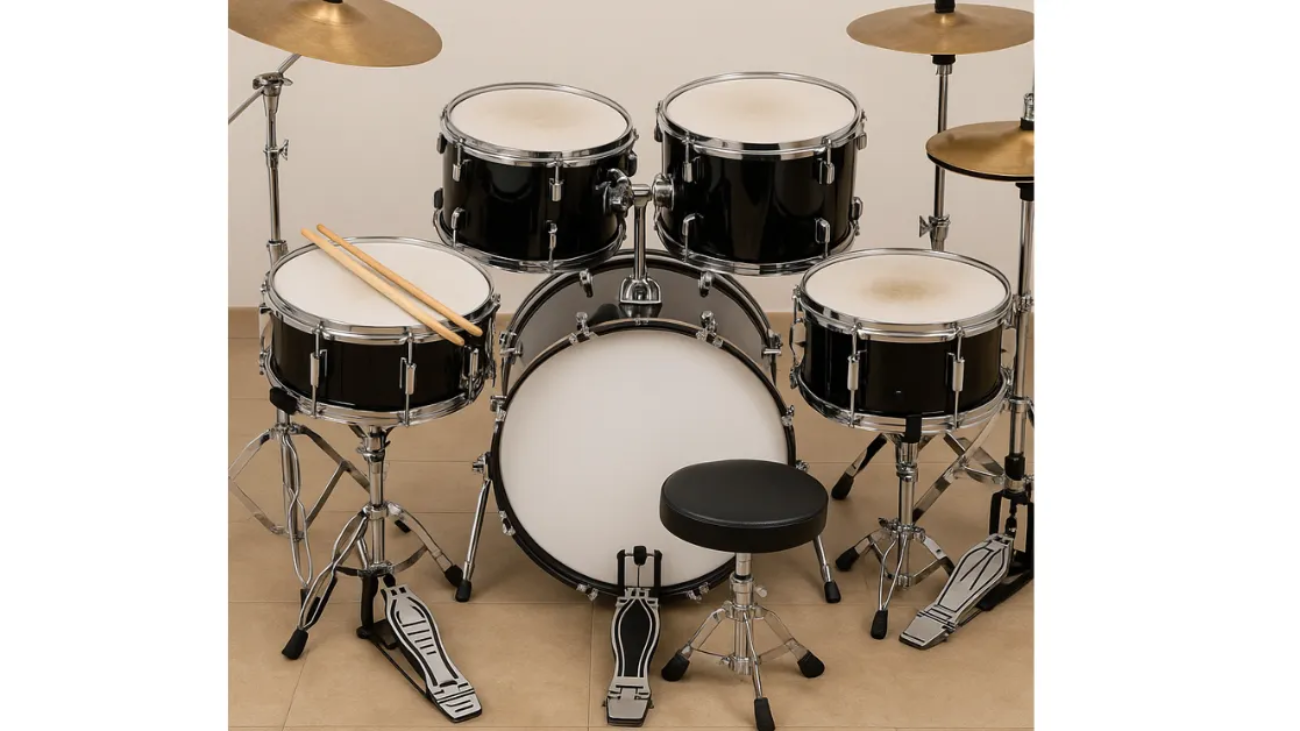
How to Play the Piano for Beginners

Amazing Way to Learn How to Play the Piano for Beginners

How to Play the Piano for Beginners – Step-by-Step Indian Guide

How to Play the Piano for Beginner1

Learning how to play the piano can be an incredibly rewarding experience, especially when you blend Western techniques with Indian musical styles. From the soothing melodies of ragas to the powerful chords of Bollywood hits, the piano is versatile and expressive. This step-by-step guide is designed especially for Indian beginners who wish to master the piano while keeping cultural context and musical roots in mind.


1. Understanding the Piano Keyboard

Before diving into playing, it’s essential to understand the layout of a standard piano keyboard.

  • A standard keyboard has 88 keys: 52 white and 36 black.
  • Notes repeat every 12 keys in an octave pattern.
  • White keys represent natural notes (A, B, C, etc.), while black keys are sharps and flats.

Familiarize yourself with these patterns, especially the middle C, which is often your starting point.


2. Setting Up Your Piano or Keyboard at Home

For beginners in India, space and budget are major factors. Here’s what you can consider:

  • Digital keyboards (61 or 76 keys) are affordable and beginner-friendly.
  • Look for touch-sensitive keys, sustain pedal support, and Indian instrument sounds like sitar or tabla.
  • Brands to consider: Yamaha PSR series, Casio CTK series, Roland GO series.

Set your piano near natural light, at an ergonomic height, with minimal distractions.


3. Finger Numbering and Hand Position

Before playing, you must learn finger positioning:

  • Right-hand fingers: 1 (thumb) to 5 (pinky)
  • Left-hand fingers: also 1 to 5, starting from thumb

Always curve your fingers naturally and keep your wrists relaxed. This technique is especially important while playing ragas or fast Bollywood melodies.


4. Learning the Musical Alphabet and Notes

The musical alphabet runs from A to G, and it repeats.

  • The white keys go in this order: C-D-E-F-G-A-B
  • Middle C is your anchor. Use it to start learning melodies and scales.

In Indian classical adaptation:

  • Sa = C, Re = D, Ga = E, and so on (based on chosen scale)

You can label keys with stickers until you get comfortable.


5. Basic Indian and Western Scales to Learn First

Start with simple scales that are frequently used in both Indian and Western music:

  • C Major Scale (C-D-E-F-G-A-B-C)
  • Hindustani Raag Yaman (Kalyan thaat) on white keys using the Lydian mode
  • Carnatic Raga Mayamalavagowla – great for finger training and swarasthana identification

Practice each scale with both hands separately, then together.


6. Practicing Simple Rhythmic Patterns (Taal and Beats)

Incorporate rhythm early:

  • Use a metronome or tabla app to stay in rhythm.
  • Practice with teen taal, ek taal, or even adi tala (Carnatic) depending on your music style.
  • Clap and count the rhythm before playing melodies.

Rhythm mastery is essential in Indian compositions and bhajans.


7. Playing Basic Melodies and Bhajans

Start with simple songs:

  • Saare Jahan Se Achha
  • Raghupati Raghav Raja Ram
  • Twinkle Twinkle Little Star (to understand note jumps)
  • Jana Gana Mana (for both Indian and Western melody styles)

These help develop finger coordination, timing, and musical memory.


8. Introduction to Chords and Harmonies

Chords are groups of 3+ notes played together. They give fullness to your music.

  • C Major chord: C-E-G
  • G Major chord: G-B-D
  • A minor chord: A-C-E

Use chords in bhajan backgrounds or Bollywood songs. Indian fusion music often blends chords with ragas for a unique soundscape.


9. How to Read and Use Indian Notation on Piano

Indian classical uses sargam notation: Sa Re Ga Ma Pa Dha Ni Sa.

  • Associate Sa with any key (usually C for beginners).
  • Identify komal (flat) and teevra (sharp) notes on black keys.
  • Learn to map ragas like Raag Bhimpalasi, Desh, or Kafi to Western notes.

This knowledge bridges your Western piano with Indian melody styles.


10. Using Both Hands Together

Once you’re confident with scales and simple tunes, practice left-hand accompaniment:

  • Play chords or bass notes with the left hand.
  • Try simple patterns: LH holds C chord while RH plays melody on scale.

Indian-style left-hand use may involve holding drone-style Sa or Pa, like a shruti box effect.


11. Explore Indian Instrument Sounds on Digital Keyboards

Many keyboards come with Indian tone banks:

  • Sounds include sitar, shehnai, tabla, mridangam, veena
  • Use these to add cultural depth to compositions
  • Combine piano sound (RH) and tabla loop (LH) for performances

This is especially great for solo acts or devotional events.


12. Recording and Listening to Your Practice

Recording helps monitor progress and identify errors.

  • Use onboard recorders or mobile apps like BandLab, Soundtrap
  • Listen for timing, wrong notes, or rushed transitions
  • Replay to understand raga feel, taan clarity, or bhajan flow

Playback with a critical ear helps speed up improvement.


13. Practice Routine for Indian Beginners

Stick to a consistent, varied schedule:

  • 10 min: Finger warm-up exercises (Hanons or Sa-Re-Ga drills)
  • 10 min: Scales + ragas
  • 10 min: Melody + bhajan or Bollywood song
  • 10 min: Chords and hand coordination

Weekly add one new scale or rhythm. Practice with tanpura or tabla loops.

14. Learn From Indian Piano Artists

Follow these Indian piano influencers for motivation and learning:

  • Stephen Devassy: Fusion pianist with Carnatic roots
  • Anil Srinivasan: Expert in Carnatic piano adaptations
  • Ricky Kej: Known for global fusion and piano compositions

Their videos often show how to adapt Indian melodies into piano-friendly forms.


15. Join Indian Piano Learning Communities

Learning with others boosts motivation:

  • Join Facebook groups like “Indian Keyboardists & Pianists”
  • Attend workshops and webinars by local music schools
  • Take online classes from Indian-centric platforms like Acharyanet or Shankar Mahadevan Academy

Interacting with peers gives you feedback and performance ideas.


16. Choose the Right Books and Online Resources

Some excellent beginner resources include:

  • Alfred’s Basic Piano Library
  • Indian Raga Piano Tutorials on YouTube
  • Carnatic Piano Notation PDFs from online learning sites

Print out Swarasthana charts, Western + Indian scale maps, and Taal guides to keep near your piano.


17. Performance and Improvisation Tips

Once you’re comfortable:

  • Practice bhajan improvisation using ragas
  • Perform small family events or online concerts
  • Use Alaap + Tan patterns during intros

Improvisation builds confidence and creativity in Indian-style playing.


18. Common Mistakes to Avoid

  • Skipping hand technique and posture
  • Not practicing with rhythm or taal
  • Ignoring Indian scale mapping
  • Only playing Western songs and ignoring your cultural roots

Awareness of mistakes is the first step to mastery.


Conclusion

Learning how to play the piano: a step-by-step guide for beginners is more than just pressing keys—it’s about discovering an entirely new way of expressing yourself musically. For Indian learners, it’s an exciting opportunity to blend ancient ragas with modern harmonies. With the right approach, tools, and consistent effort, you can enjoy playing bhajans, film songs, classical pieces, and even composing your own Indian fusion melodies. Start your piano journey today—and let every note reflect your musical soul.


At NMS Musicals, we offer a comprehensive range of musical instruments, including percussion, string, wind, and keyboard instruments. Our services encompass sales, expert servicing, and the manufacture of leather instruments. Explore our diverse collection and find the perfect instrument to suit your musical needs.

Visit our website to browse our offerings: nmsmusicals.in

For a closer look at our products, check out our shop page: nmsmusicals.in/shop

Stay connected with us through our social media channels:
Our shop locations are:

For inquiries, contact/Whatsapp us at 9500663895 or email us at laxman.m89@gmail.com.

Discover the world of musical instruments with NMS Musicals today!

For a visual overview of our percussion instruments, watch the following video:
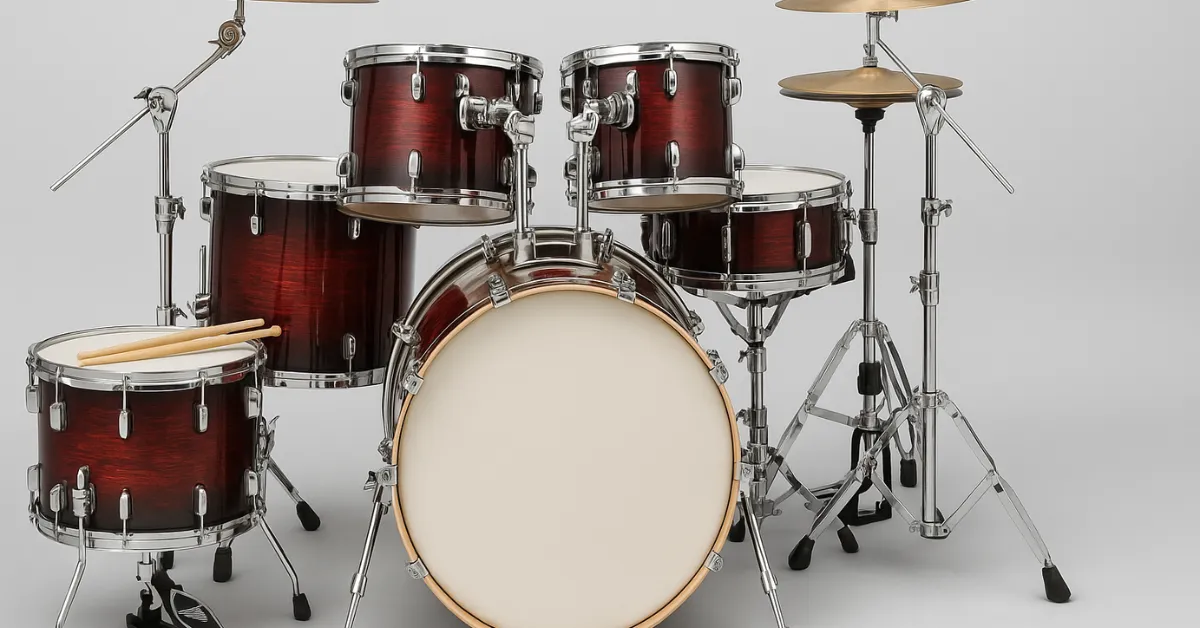
Effective Metronome Practice Techniques 1

Boost Timing with Effective Metronome Practice Techniques

Improve rhythm control using effective metronome practice techniques

Effective Metronome Practice Techniques

Rhythm is the backbone of music, and mastering it takes dedication and practice. One of the most powerful tools to help musicians, especially those practicing Indian instruments like tabla, mridangam, and sitar, is the metronome. In this blog, we’ll dive into how to use the metronome effectively when practicing and how it can transform your timing, accuracy, and confidence.


1. What is a Metronome?

A metronome is a device that produces a regular, metrical ticking sound or visual cue that musicians use to maintain consistent tempo. Whether digital or mechanical, it provides a steady beat to align your playing.


2. Benefits of Using a Metronome in Practice

  1. Develops precise timing.
  2. Builds internal rhythm.
  3. Improves synchronization with other musicians.
  4. Helps in learning complex tala patterns in Indian music.
  5. Prevents rushing or dragging during performances.


3. Understanding Tempo and Time Signatures

Before using a metronome, understand tempo (beats per minute) and time signatures (like 4/4, 7/8, or Indian talas like Teen Taal). This understanding helps in setting the right BPM (beats per minute) and organizing practice sessions accordingly.


4. Choosing the Right Metronome

You can choose between:

  1. Mechanical Metronomes – classic, visual swing.
  2. Digital Metronomes – accurate, often portable.
  3. App-based Metronomes – feature-rich with tala presets for Indian music.


5. Starting Simple: Whole Notes and Slow Tempos

  1. Begin with basic exercises at 40-60 BPM.
  2. Play long notes or single strokes in rhythm.
  3. Practice Indian syllables like “Dha,” “Tin,” “Na” with a tabla.


6. Building Up: Gradual Speed Increases

  1. Once you’re comfortable, increase speed by 5 BPM.
  2. Always ensure clarity before moving faster.
  3. This helps in muscle memory without sacrificing timing.


7. Using Subdivisions to Improve Precision

Subdivisions (e.g., eighths, triplets, sixteenths) train your ear and hand coordination.

  1. Set metronome to play subdivisions.
  2. Practice tabla bols like “Dha Tin Tin Ta” at different subdivisions.


8. Practicing Complex Indian Talas with Metronome

Metronomes can be adapted for:

  1. Teen Taal (16 beats)
  2. Jhap Taal (10 beats)
  3. Rupak (7 beats)

Use programmable metronomes or apps that let you mark sam (first beat), khali (empty beat), and vibhags (divisions).


9. Alternating Strong and Weak Beats

Practice accenting certain beats (e.g., 1 and 3 in 4/4) to reflect Indian tala structure.

  1. This trains awareness of phrasing.
  2. Helps in improvisation for tabla solos.


10. Metronome with Different Instruments

Try these combinations:

  1. Violin – for bowing consistency.
  2. Bansuri – for breath control and phrasing.
  3. Sitar – to maintain tempo during improvisation.


11. Practice Routines with Metronome

  1. Warm-Up – 5 minutes slow tempo.
  2. Core Practice – 20 minutes at performance speed.
  3. Improvisation – 10 minutes with tala-specific rhythm.


12 .Common Mistakes to Avoid

  1. Relying only on metronome for rhythm.
  2. Practicing too fast.
  3. Not aligning complex compositions with subdivisions.


13. Using Metronome in Group Practice

In Indian ensemble or jugalbandi settings, the metronome helps align multiple players. Start with one instrument and build layers while following tempo.


14. Recording and Reviewing Practice with Metronome

Record your practice and analyze:

  1. Consistency with tempo.
  2. Clarity of each bol or note.
  3. Sync with tala patterns.


15. Apps and Tools for Metronome Practice

  1. Metronome Beats
  2. Tabla Trainer
  3. Tala Keeper
  4. Metronomics
  5. Soundbrenner

Many allow Indian tala integration, visualization, and customization.


Conclusion

Learning how to use the metronome effectively when practicing is one of the most valuable skills a musician can acquire. For Indian classical musicians, it becomes even more vital due to complex rhythmic patterns and talas. Regular metronome practice improves your timing, builds musical confidence, and enhances overall performance. Whether you’re playing the tabla, sitar, bansuri, or any other Indian instrument, integrating a metronome into your daily routine will surely elevate your musical journey.


At NMS Musicals, we offer a comprehensive range of musical instruments, including percussion, string, wind, and keyboard instruments. Our services encompass sales, expert servicing, and the manufacture of leather instruments. Explore our diverse collection and find the perfect instrument to suit your musical needs.

Visit our website to browse our offerings: nmsmusicals.in

For a closer look at our products, check out our shop page: nmsmusicals.in/shop

Stay connected with us through our social media channels:
Our shop locations are:

For inquiries, contact/Whatsapp us at 9500663895 or email us at laxman.m89@gmail.com.

Discover the world of musical instruments with NMS Musicals today!

For a visual overview of our percussion instruments, watch the following video:
How to Pick the Right Flute for Your Skill Level 6

Ultimate Guide on How to Pick the Right Flute for Your Skill Level

How to Pick the Right Flute for Your Skill Level at Any Stage

Flute music is deeply rooted in Indian tradition, celebrated in classical, folk, and devotional genres. The right flute can enhance your ability to produce beautiful melodies, whether you’re just beginning or looking to refine your craft. Knowing how to pick the right flute for your skill level is crucial for sound clarity, comfort, and growth. In this guide, we’ll walk you through everything you need to know—from flute types and materials to size, pitch, and tonal compatibility with Indian music.


1. Know Your Skill Level

The first step to picking the right flute is knowing where you stand.

  • Beginners: Need flutes with easy blowing, medium pitch, and simple fingering systems.
  • Intermediate: Require better tone control, wider range, and precision in pitch.
  • Advanced: Look for customized flutes tuned to specific ragas, with high tonal purity.

Self-awareness of your level helps narrow down choices effectively.


2. Understand Indian Flute Types

In India, the most common flutes are:

2.1 Bansuri (North Indian Flute)

Bansuri C Scale Flute
  • Traditionally made from bamboo.
  • Features 6 or 7 finger holes.
  • Best for Hindustani classical music and Bollywood songs.

2.2 Venu (South Indian Flute)

How to Pick the Right Flute for Your Skill Level
  • Has 8 holes, longer body.
  • Used in Carnatic music.
  • Demands breath control but offers rich melodic range.

Choose based on the musical tradition you’re learning.


3. Select the Right Material

Most Indian flutes are made from bamboo, but other materials are available for specific needs.

  • Bamboo: Traditional, warm, earthy tone.
    How to Pick the Right Flute for Your Skill Level 1
  • PVC or plastic: Durable and good for beginners.
    How to Pick the Right Flute for Your Skill Level 2
  • Wooden flutes (rosewood, sandalwood): For professional use, deeper tone.

Stick to bamboo for authenticity and a better feel for Indian styles.
How to Pick the Right Flute for Your Skill Level 3


4. Determine the Correct Scale

Each flute is keyed to a particular pitch or scale. For Indian music:

  • Beginner bansuri scale: C, C#, D, E.
  • Advanced players: G, A, or custom scales for ragas.

Tip: Start with a C-medium scale flute—it’s easier to play and widely used in teaching.


5. Understand Flute Sizes

Flute size affects pitch and playability.

  • Small flutes: High pitch (e.g., E, F), easier finger stretch for children.
  • Medium flutes: Balanced tone (e.g., C, D), ideal for most adults.
  • Long flutes: Lower pitch (e.g., A, B), rich tonal depth but harder to control.

Beginners should pick medium-sized flutes to start.


6. Choose Between Side-Blown and End-Blown Flutes

  • Side-blown (transverse): Common in Indian music, requires skillful blowing.
    How to Pick the Right Flute for Your Skill Level 4
  • End-blown: Used in tribal or folk music; easier for absolute beginners. For classical Indian training, side-blown bansuri or venu is the way to go.
    How to Pick the Right Flute for Your Skill Level 5


7. Focus on Tuning and Pitch Accuracy

In Indian classical music, precise tuning is vital. Check for:

  • Proper alignment of finger holes.
  • Smoothness of the inner bore.
  • No air leaks.

Test with a tuner or compare with a tanpura drone to ensure pitch alignment.


8. Check the Embouchure Hole Quality

The blowing hole (embouchure) must be properly shaped:

  • Too large or uneven: Difficult to control airflow.
  • Too small: Requires more effort to produce sound.

For beginners, choose flutes with a well-rounded, smooth blowing hole.


9. Match the Flute with Your Music Goals

Think about what style you want to pursue:

  • Bhajans, folk music: High-pitched C or D bansuri.
  • Raga performance: Choose custom-tuned long flutes (G, A).
  • Fusion or film music: PVC or tuned flutes with external mics.

Clarity on your end goals helps find a flute that supports your practice.


10. Consider Comfort and Finger Stretch

Make sure the finger holes are spaced comfortably:

  • Test grip and stretch with both hands.
  • Hold and try fingering before buying.
  • Avoid flutes with sharp-edged holes—they hurt after long practice.

This is essential for young learners and players with smaller hands.


11. Evaluate Sound Quality

Sound quality is the ultimate test:

  • Check tone richness and consistency across octaves.
  • Test for clean meends (glides) and gamakas (oscillations).
  • Blow softly and firmly—good flutes respond well in both cases.

Record your sound and compare across flutes if needed.


12. Explore Brands and Makers in India

Top Indian flute makers are known for their craftsmanship:

  • Punam Flutes (Varanasi): Known for professional-level bansuris.
  • Subhash Thakur Bansuri: Popular with Carnatic musicians.
  • Dev Veena: Good for beginner and intermediate players.

Buy from makers who provide scale charts and tuning videos.


13. Try Before You Buy (If Possible)

Visit local stores or workshops:

  • Try 2-3 flutes of the same scale.
  • Check if sound varies between pieces.
  • Ask for guidance on embouchure and blowing tips.

Chennai, Mumbai, and Delhi have great Indian flute shops and teachers to help you try options.


14. Online Buying Tips for Indian Flutes

If buying online:

  • Check flute key, material, and length in cm/inch.
  • Look for video samples of the actual flute.
  • Prefer handmade over machine-cut flutes.

Reputable online platforms include Flipkart, Amazon India, Bansuri.in, and Musee Musicals.


15. Maintenance and Accessories

Once you have the right flute, maintain it well:

  • Use a cotton cleaning rod after practice.
  • Store in a padded bag or cloth wrap.
  • Avoid exposing bamboo flutes to moisture or direct sunlight.

Accessories like flute cases, stands, and covers add longevity.


16. Learn Basic Flute Techniques

Choose a flute that supports learning techniques like:

  • Sa Re Ga Ma (basic swaras)
  • Meend (slide)
  • Murki (fast ornamental phrases)

Ask your teacher if the flute supports octave jumps (mandra, madhya, taar).


17. Ask Your Guru or Teacher for Recommendations

A good teacher knows your progress and sound goals:

  • Request flute suggestions based on your current level.
  • Ask them to test your new flute.
  • Match flute pitch with your vocal range or other instruments in ensemble.

Guru guidance ensures you won’t make the wrong investment.


18. Beginner Mistakes to Avoid

  • Don’t pick a cheap, untuned flute.
  • Avoid decorative flutes not meant for real playing.
  • Don’t go too high or too low in pitch for starters.
  • Don’t ignore comfort—flute playing requires long hours.

Taking these precautions helps set a strong foundation.


19. Flute Upgrades as You Advance

When you progress:

  • Switch to longer bansuris (G, A).
  • Add alternate key flutes for ragas.
  • Explore dual-tone or drone flutes for special effects.

Advanced learners often keep 5–6 flutes in different scales.


20. Practice Regularly and Record Progress

  • Practice daily with tanpura or tabla loops.
  • Record yourself weekly to assess tone improvement.
  • Use tuning apps like NaadSadhana or PitchLab.

Consistent practice brings out the best from even a basic flute.


Conclusion

Knowing how to pick the right flute for your skill level is a journey in itself—one that requires awareness, guidance, and patience. From choosing the right scale and material to understanding tonal quality and comfort, every detail matters. As an Indian musician, staying rooted in classical sensibilities while exploring new sounds begins with selecting the flute that aligns with your heart and hands. Whether you’re starting your musical path or refining your skillset, let your flute be a reflection of your musical voice.


At NMS Musicals, we offer a comprehensive range of musical instruments, including percussion, string, wind, and keyboard instruments. Our services encompass sales, expert servicing, and the manufacture of leather instruments. Explore our diverse collection and find the perfect instrument to suit your musical needs.

Visit our website to browse our offerings: nmsmusicals.in

For a closer look at our products, check out our shop page: nmsmusicals.in/shop

Stay connected with us through our social media channels:
Our shop locations are:

For inquiries, contact/Whatsapp us at 9500663895 or email us at laxman.m89@gmail.com.

Discover the world of musical instruments with NMS Musicals today!

For a visual overview of our percussion instruments, watch the following video: