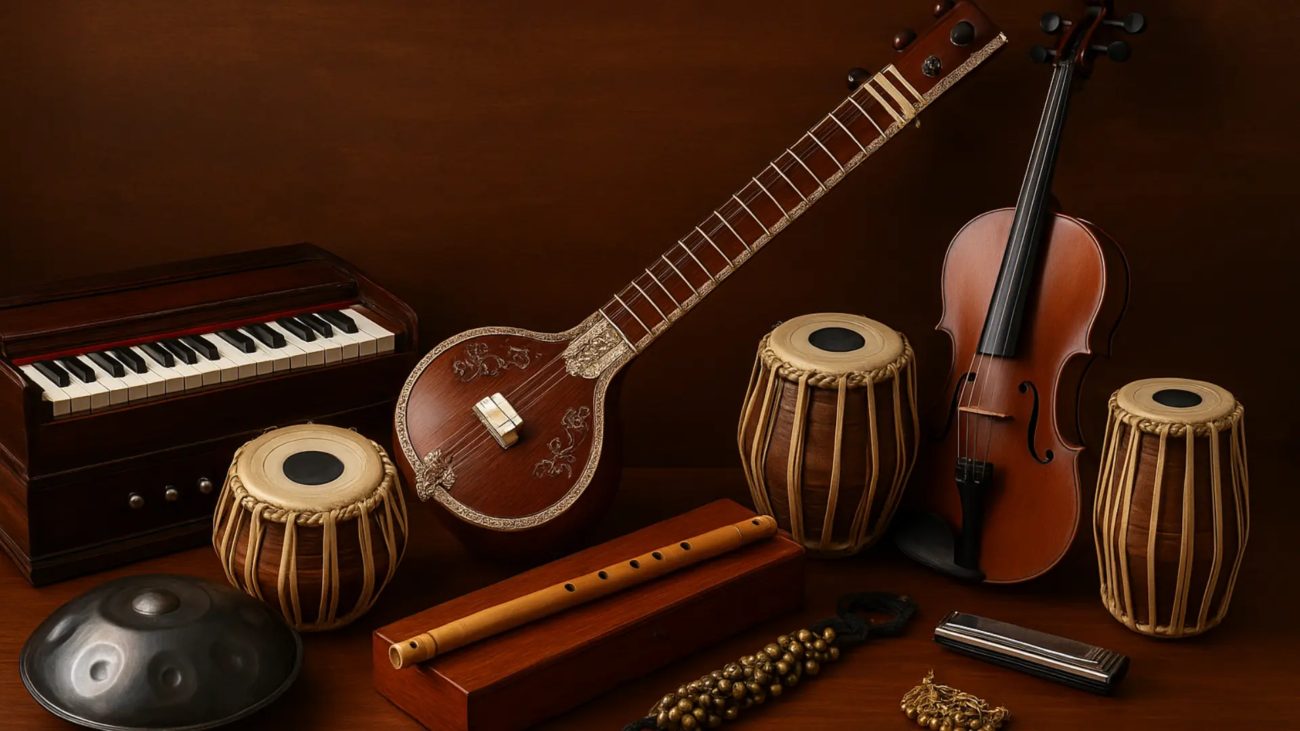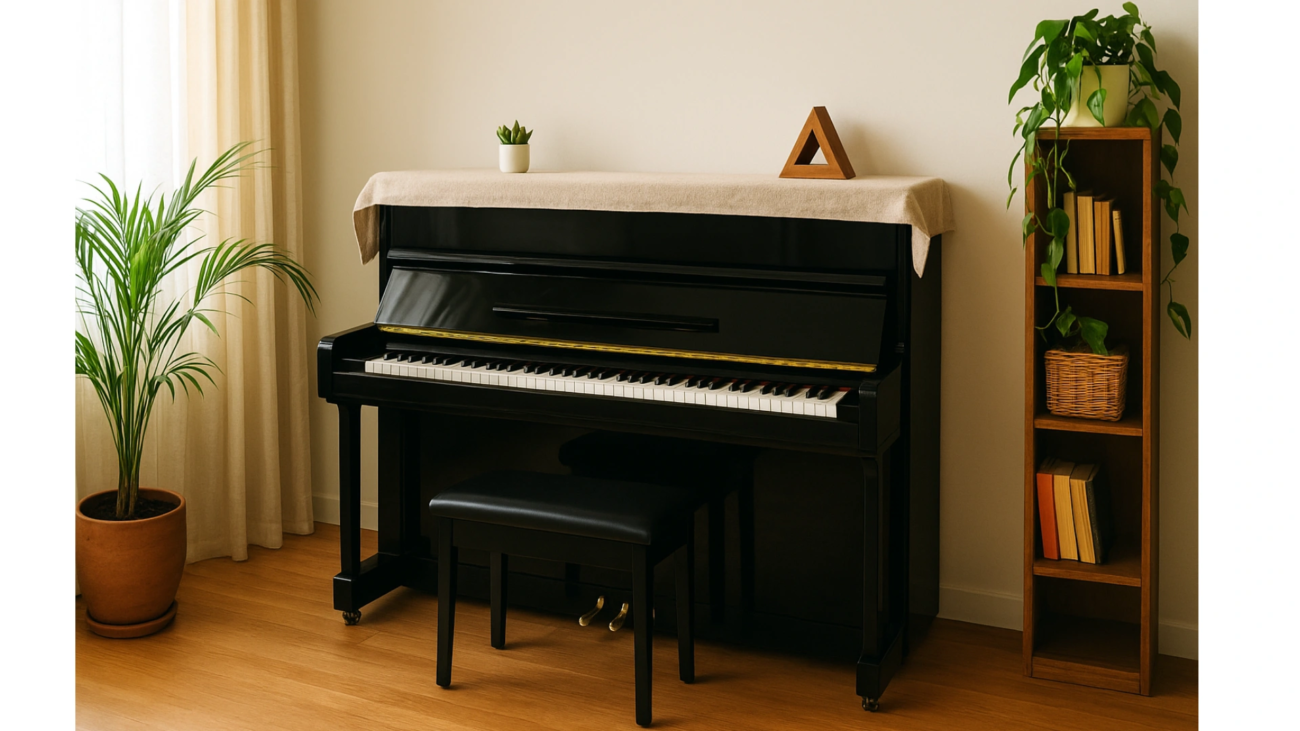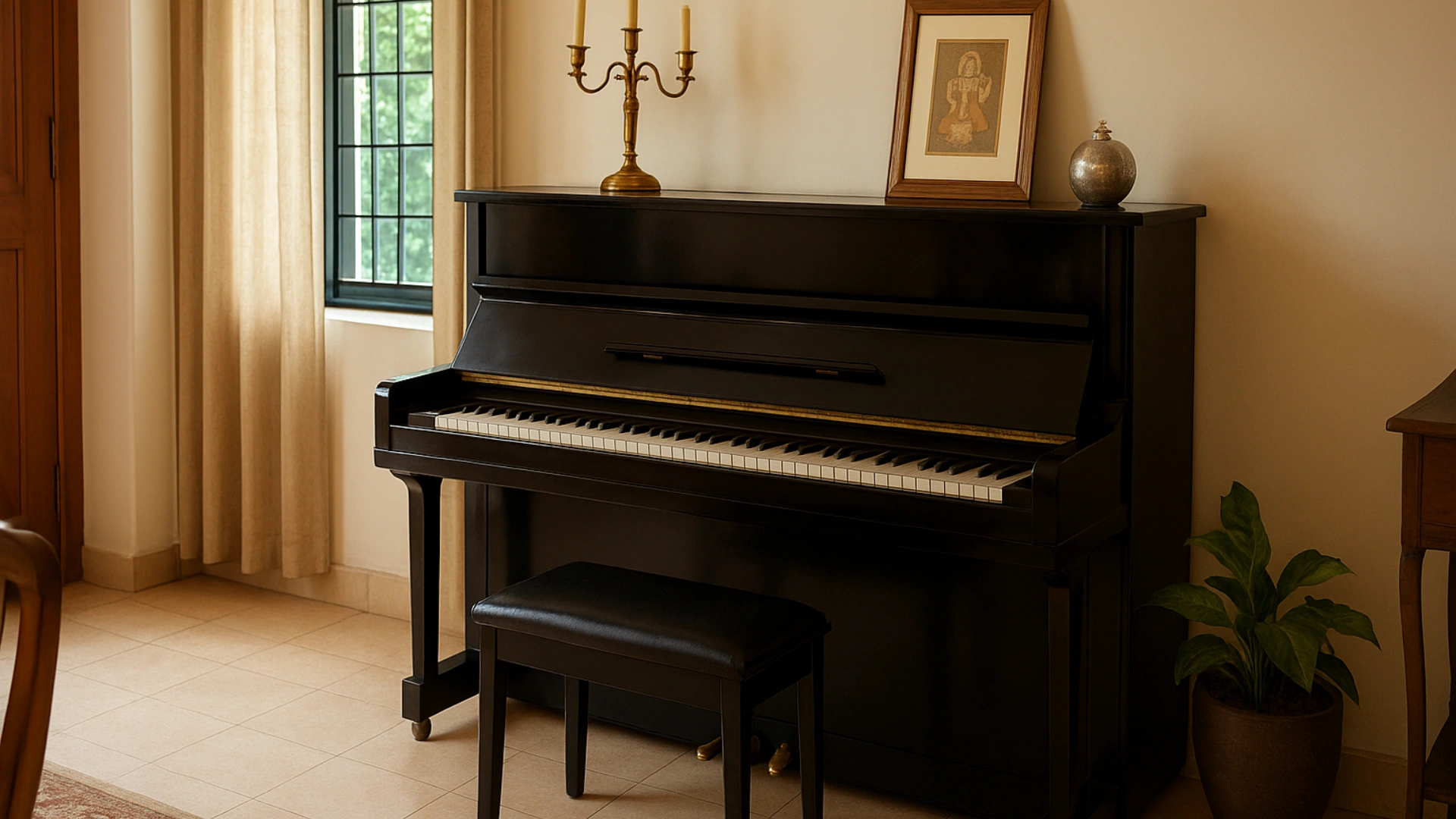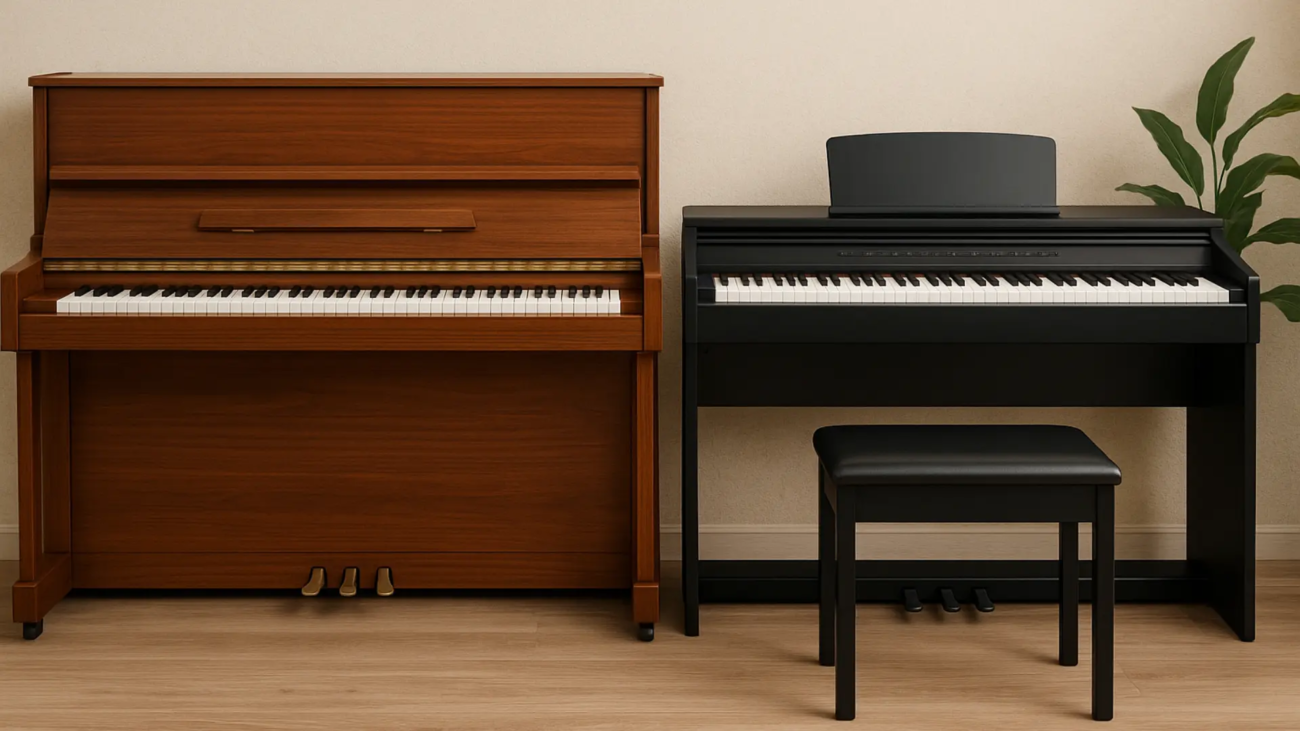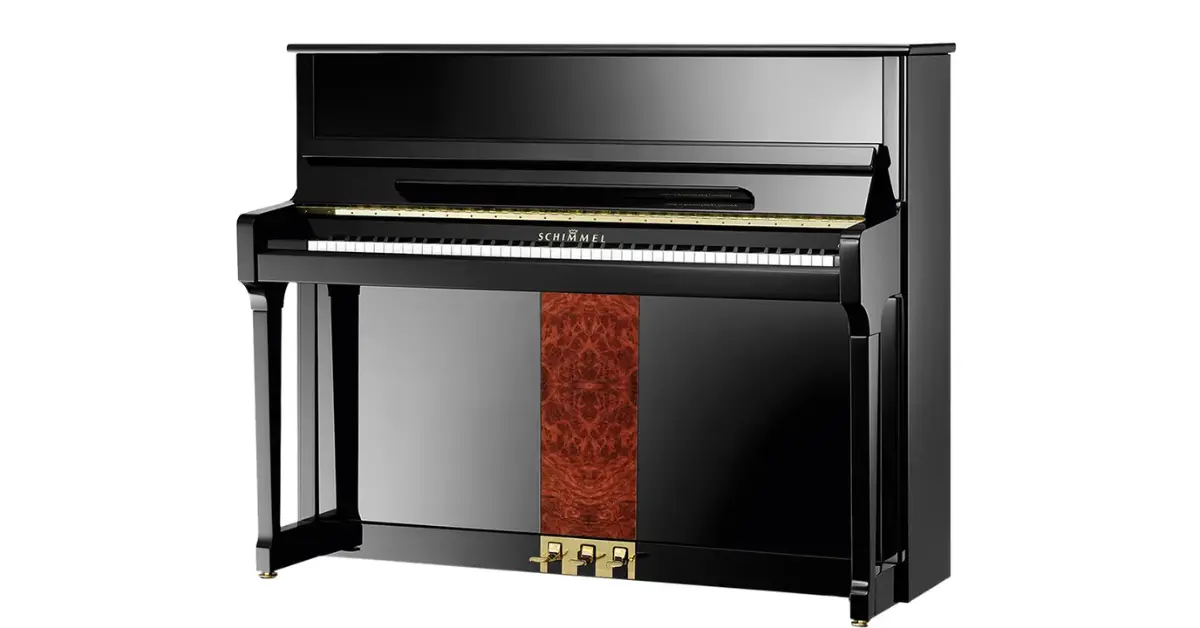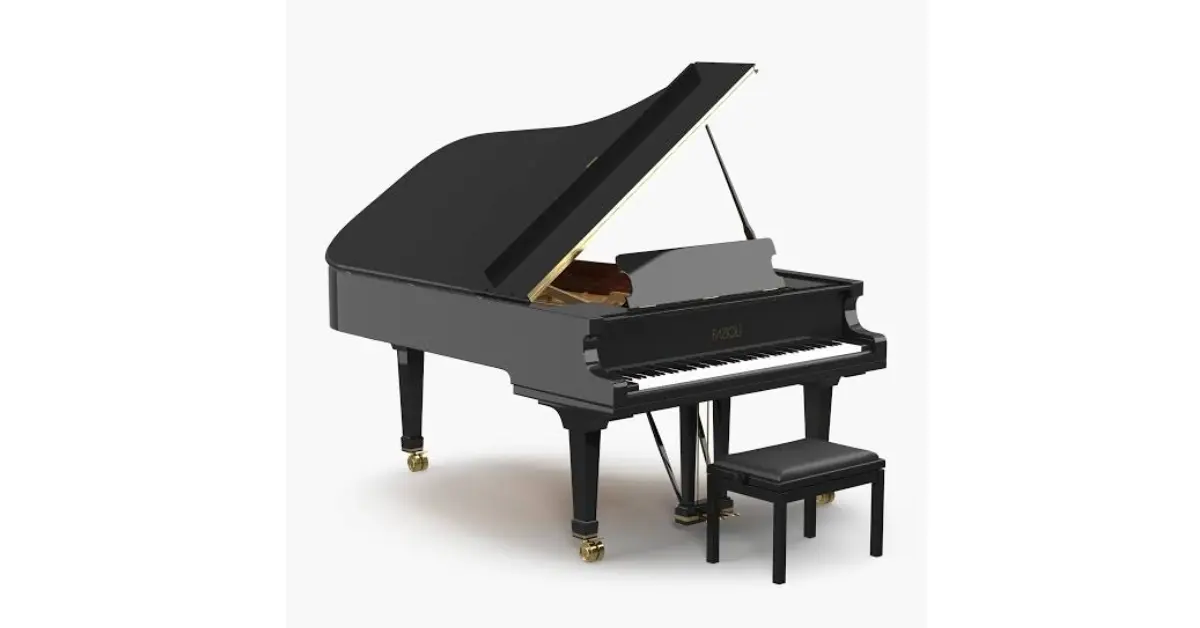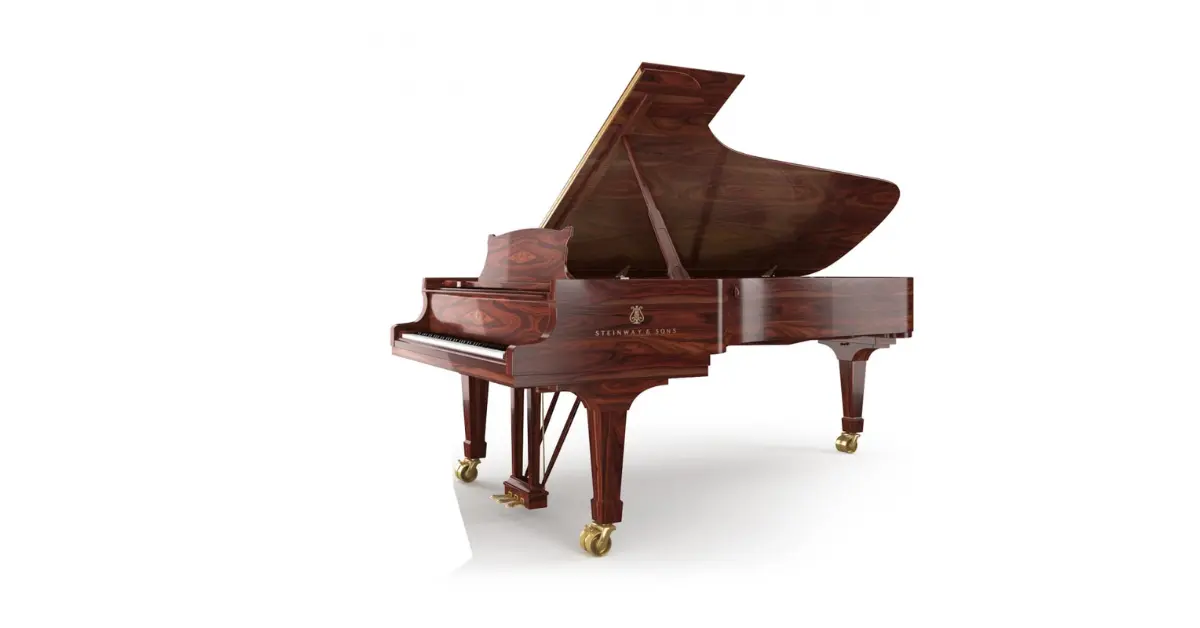
Best Instruments for Teenage Girls

Best Instruments for Teenage Girls: Powerful Top Picks

Best Instruments for Teenage Girls – A Complete Guide for Music Lovers
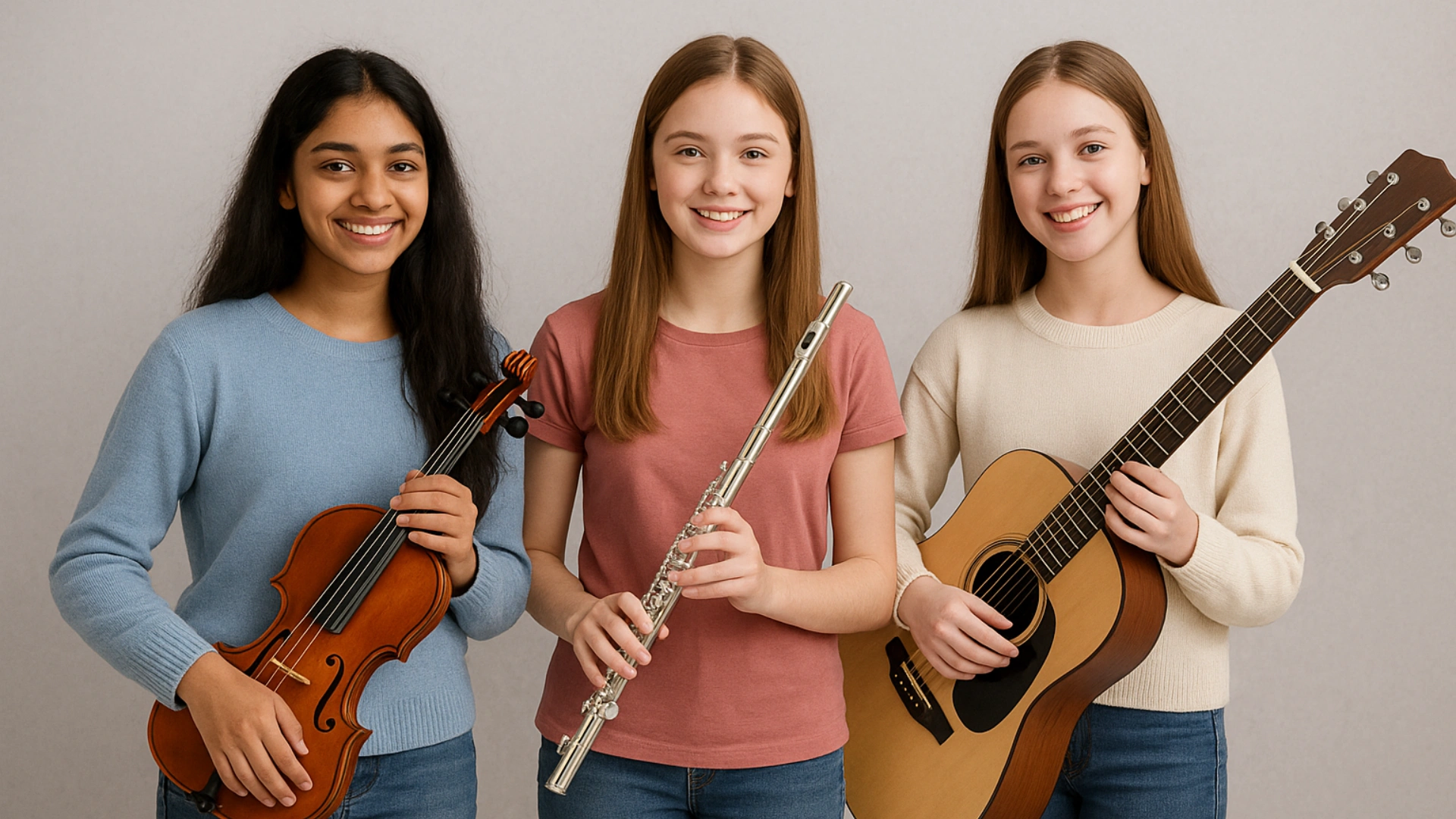
Music has always been a universal language, but for teenagers, it is often more than that—it’s an escape, a form of expression, and sometimes even the beginning of a lifelong passion or career. When it comes to teenage girls, choosing the right instrument can be both exciting and overwhelming. The right instrument not only builds confidence but also nurtures creativity, discipline, and emotional expression. In India, where traditional instruments have deep cultural roots, teenage girls often explore instruments that connect them to their heritage while also allowing them to enjoy modern sounds.


Why Music is Important for Teenage Girls

Teenage years are filled with discovery, emotions, and identity-building. Music becomes an outlet that helps teenagers manage stress, boost self-esteem, and create meaningful connections. For teenage girls in particular, learning an instrument enhances:

  • Creativity and imagination
  • Concentration and focus
  • Emotional stability
  • Social confidence through performances
  • Connection with cultural heritage

This is why choosing the best instruments for teenage girls is not just about convenience but about inspiring them in ways that shape their overall personality.


Things to Consider Before Choosing an Instrument

1. Interest and Passion

Teenagers should feel connected to the instrument. If they love the sound of a sitar or feel drawn to the rhythm of a tabla, that passion will drive them to practice consistently.

2. Physical Comfort

Instruments should suit their size and ability. A heavy instrument might discourage practice, while a comfortable and manageable one will keep them engaged.

3. Cultural Connection

Indian instruments like harmonium, veena, or mridangam hold cultural significance and can help teenage girls embrace their roots.

4. Budget and Accessibility

Parents should consider affordability and the availability of teachers and learning resources. Some instruments are easier to find in urban areas, while others may be region-specific.

5. Learning Curve

Beginners should ideally start with instruments that are not extremely complex but still rewarding. Once confidence builds, they can move to more advanced options.


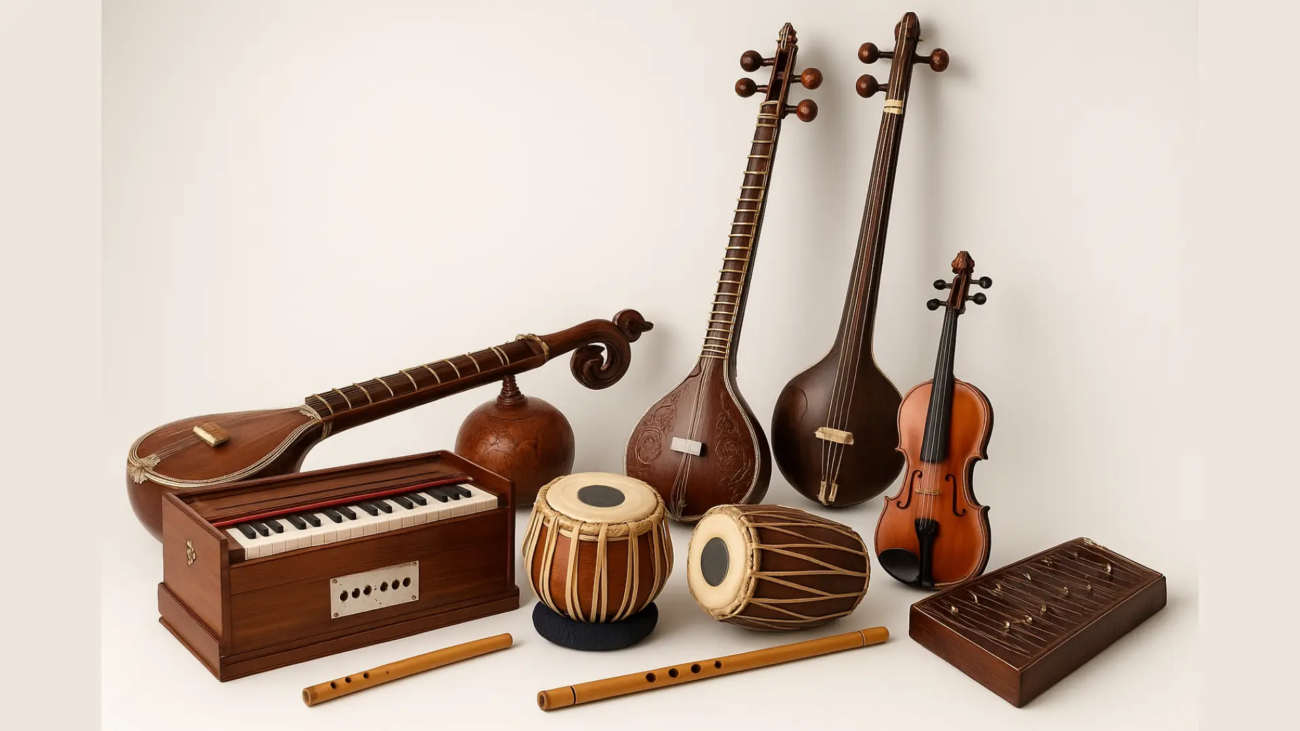
Best Indian Instruments for Teenage Girls: Top Picks

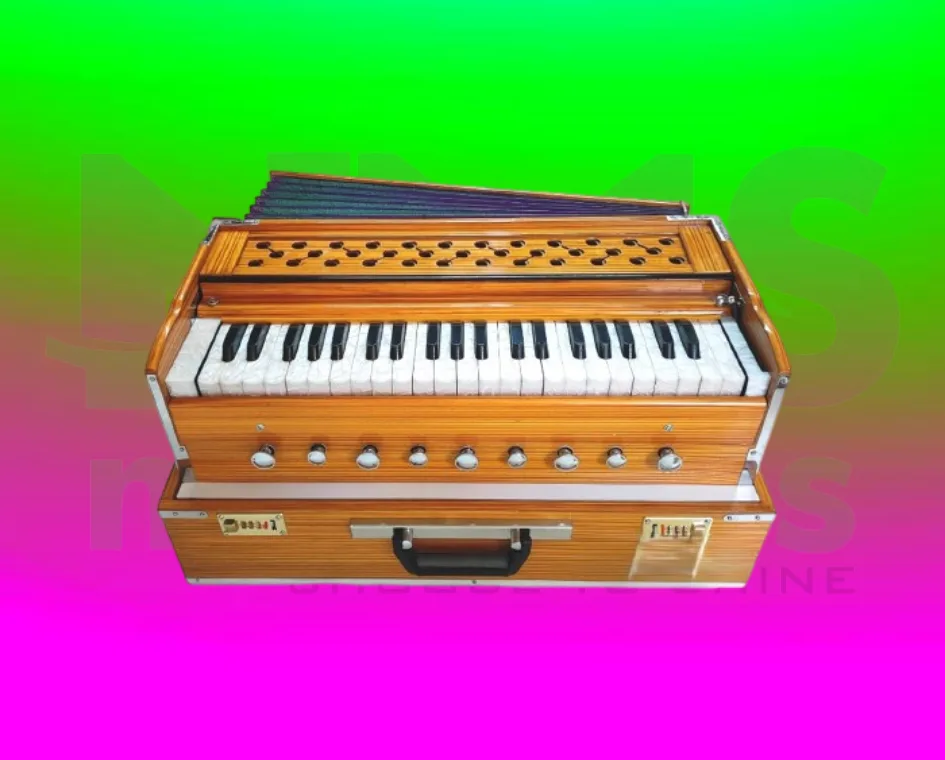
1. Harmonium
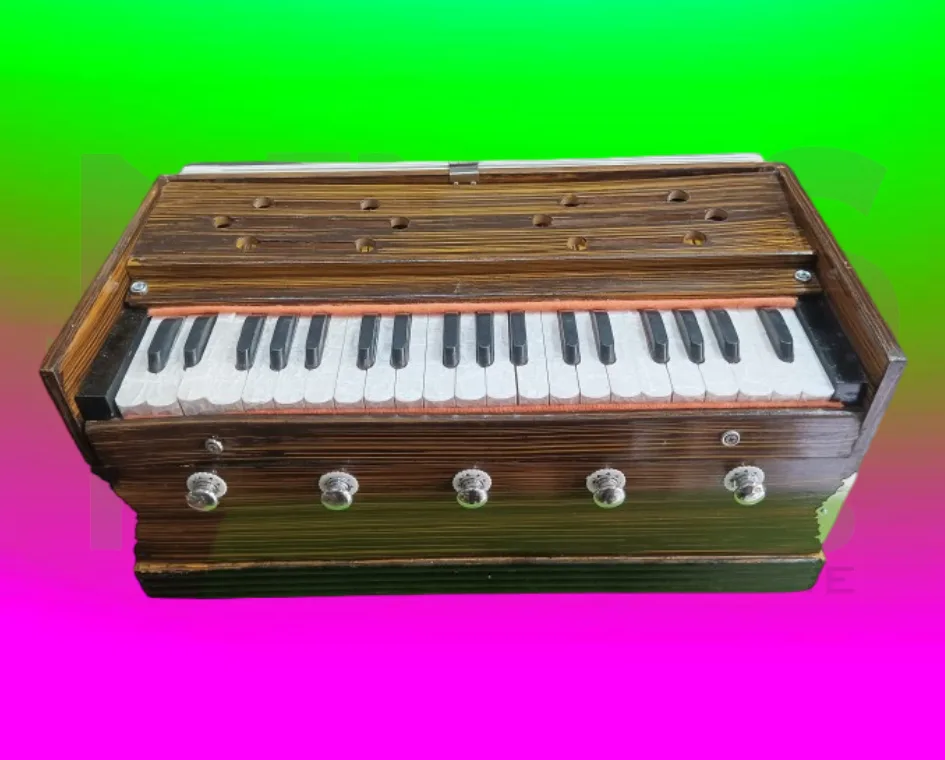
Double Reed harmonium
Get this instrument at best deal – Harmonium – Double Reed With Bag

The harmonium is one of the most versatile Indian instruments. It’s widely used in classical music, devotional bhajans, ghazals, and even light Bollywood tunes. For teenage girls, the harmonium offers:

  • Simplicity in learning the basics
  • Strong foundation in Indian classical music
  • Enhancement of vocal practice, since it helps maintain pitch and scale

It’s also relatively portable and can be used for solo performances or group settings.


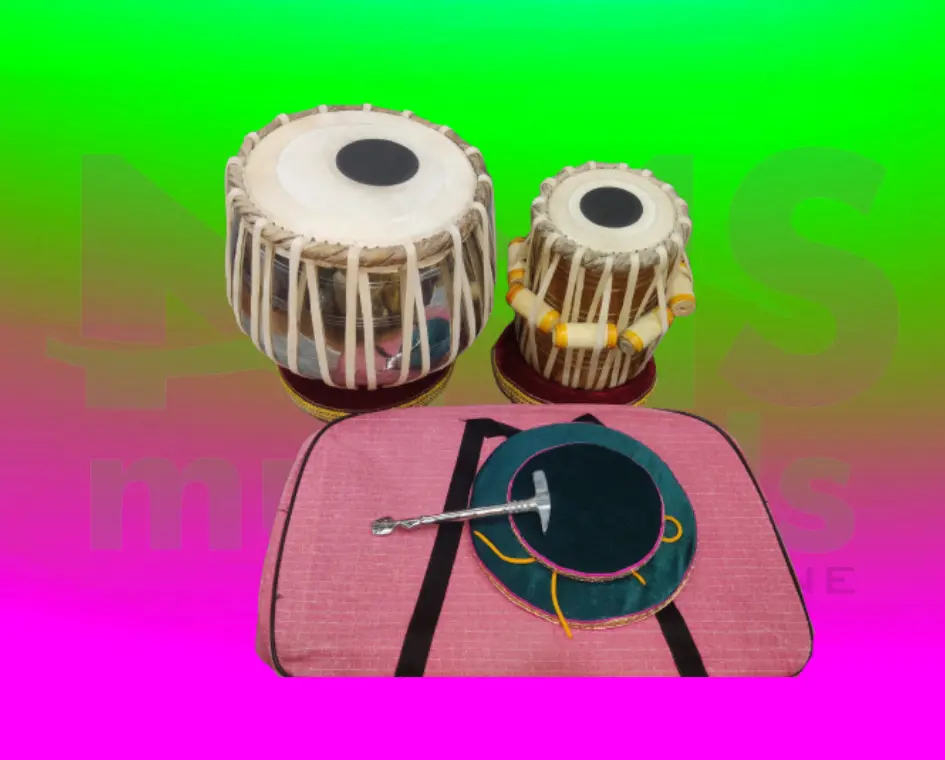
2. Tabla
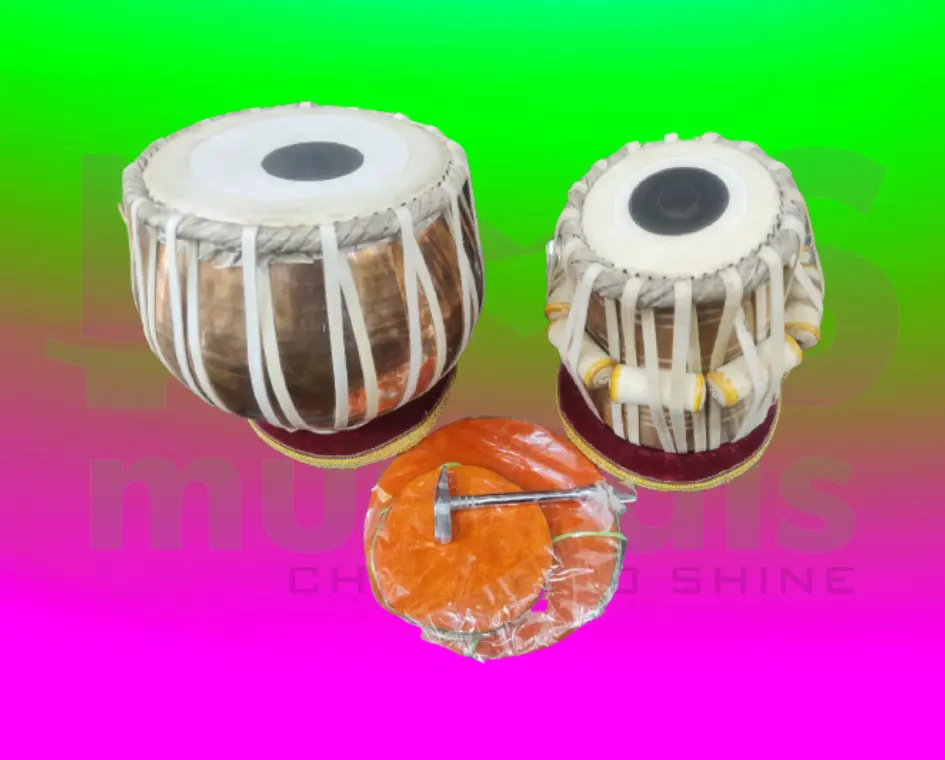
copper tabla set
Get this instrument at best deal – Copper Tabla Set With Ringset, Hammer & Bag

Tabla is one of the most popular percussion instruments in India. It sharpens rhythm skills, hand coordination, and timing. For teenage girls who enjoy beats and rhythm, tabla offers:

  • Great cultural connection with Indian classical and folk music
  • Opportunities to perform in concerts and cultural events
  • Development of patience and discipline, since tabla requires practice to master intricate rhythms


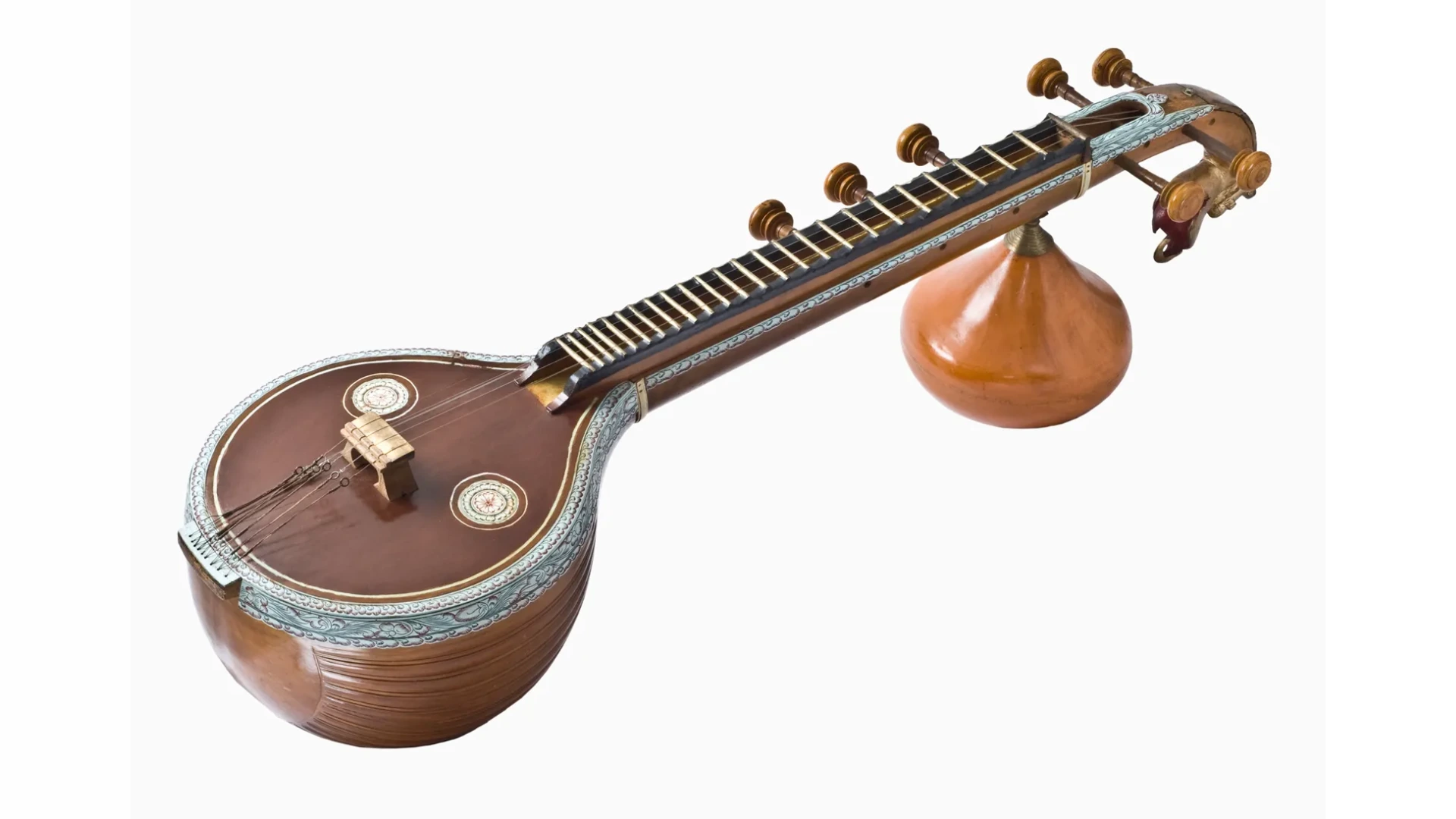
3. Veena
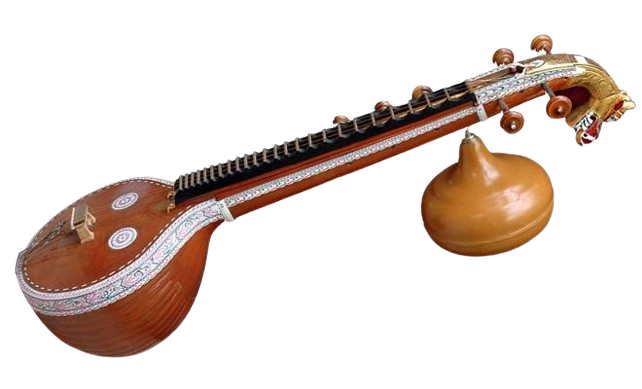
The veena is an ancient and elegant string instrument with immense cultural value. Though slightly challenging for beginners, it is ideal for teenage girls passionate about Carnatic classical music. Learning veena provides:

  • Deep connection with South Indian traditions
  • Enhancement of finger strength and dexterity
  • A graceful sense of stage presence


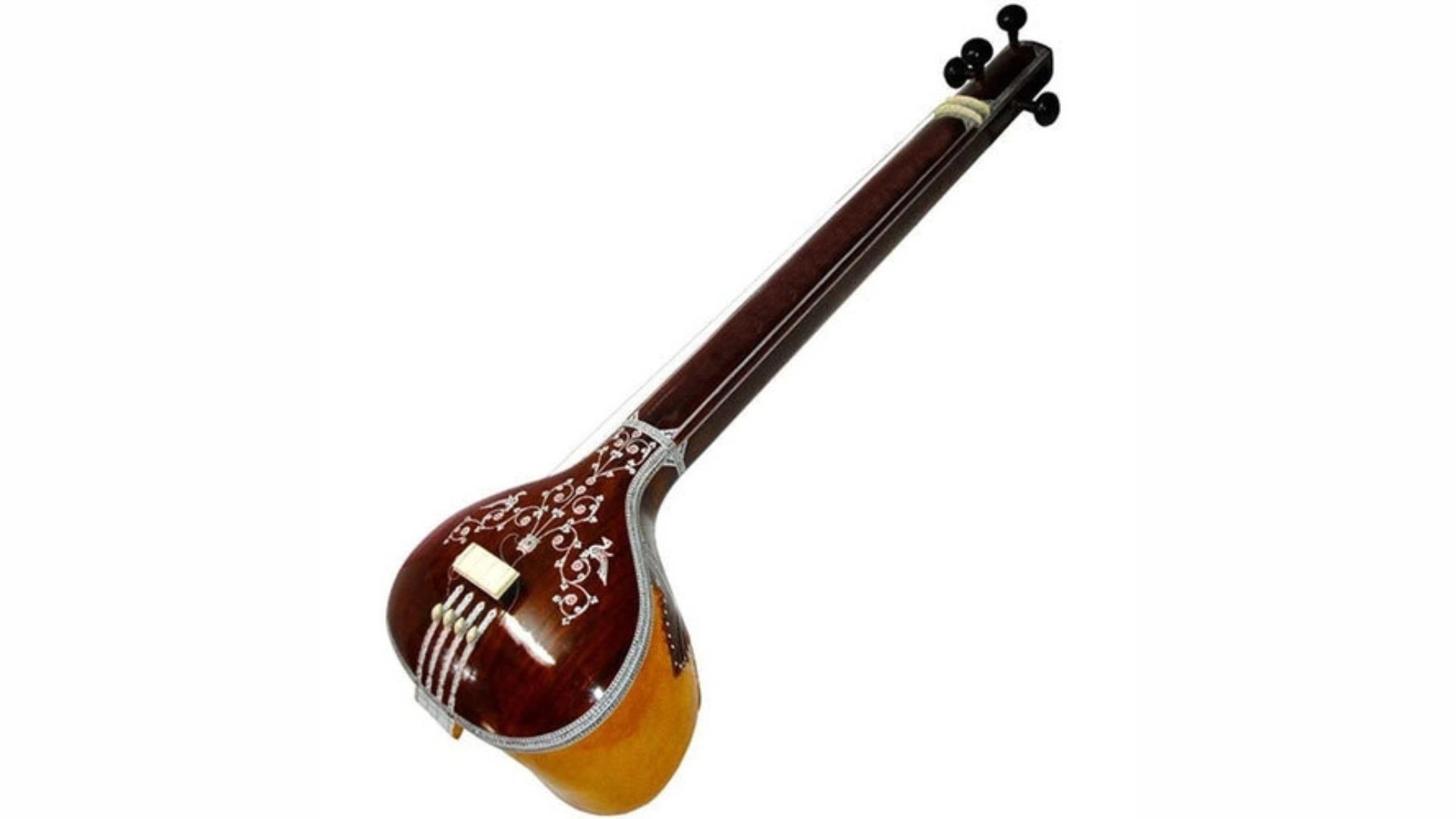
4. Sitar
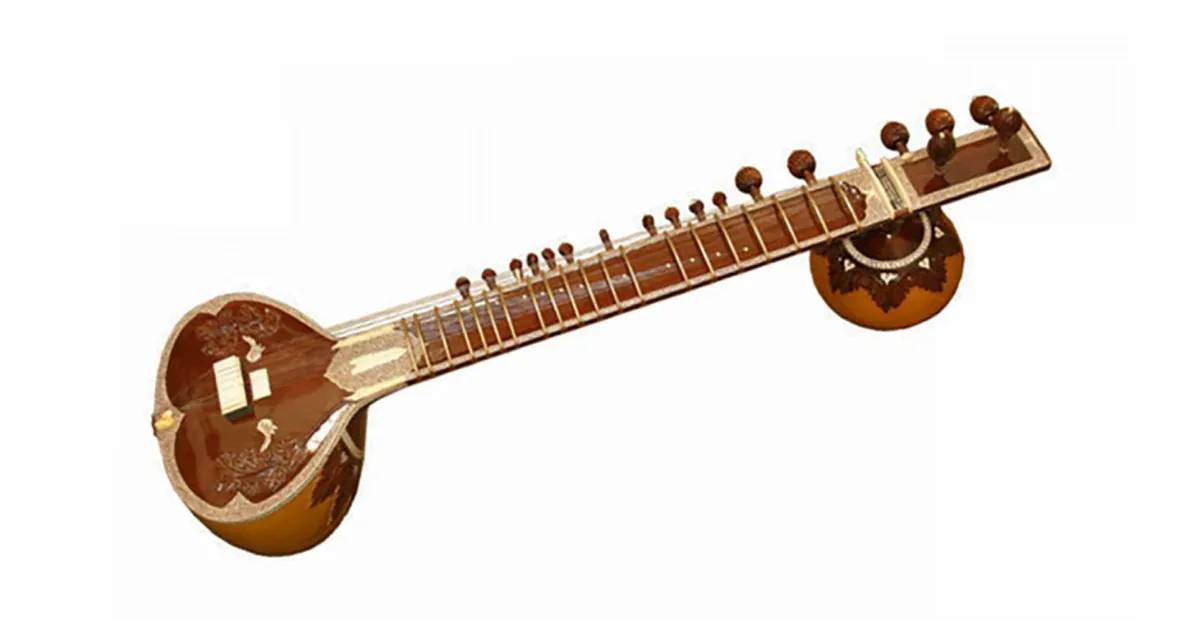
Sitar in Indian Classical Music 4

The sitar, popularized globally by maestros like Ravi Shankar, is another exceptional choice. For teenage girls who love soulful melodies, sitar offers:

  • Beautiful, meditative sound that inspires creativity
  • Opportunities in both Indian classical and fusion genres
  • Long-term musical depth and sophistication


5. Violin (Indian Style)

Rampur Electric Violin - yellow
Get this instrument at best deal – Rampur Violin

Though the violin is western in origin, it has been seamlessly adapted into Indian classical music, especially Carnatic and Hindustani styles. Teenage girls can benefit because:

  • It builds ear training and pitch recognition
  • Can be played solo or as accompaniment
  • Suitable for both light and classical music


6. Mridangam
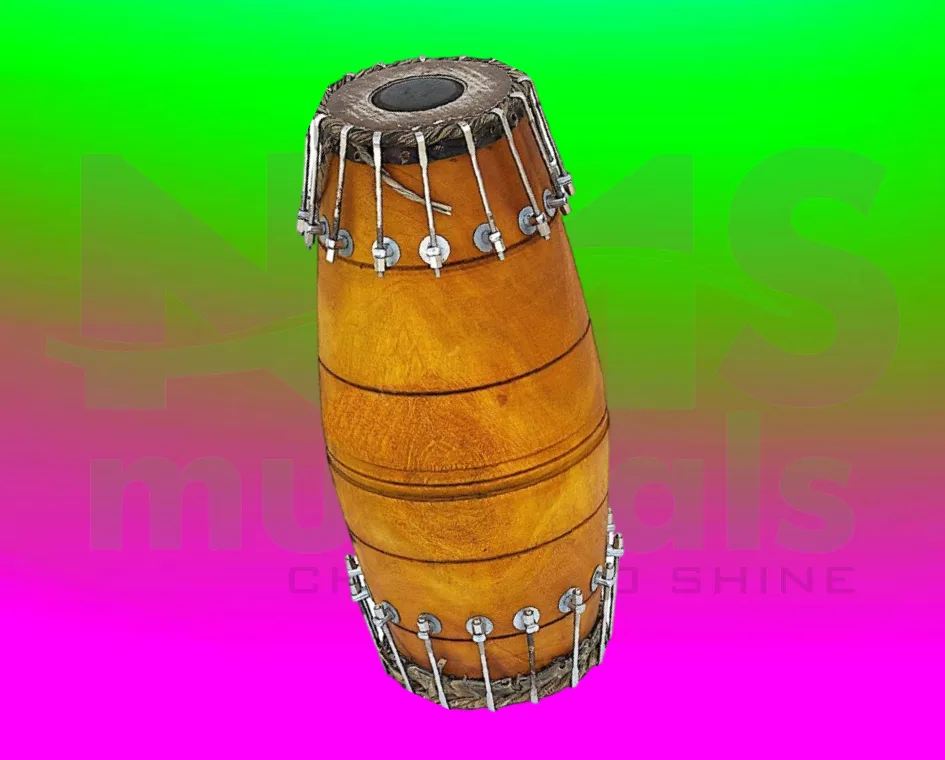
Mridangam 22 inch bolt nut
Get this instrument at best deal – Mridangam

The mridangam, an essential percussion instrument in Carnatic music, is a fantastic choice for rhythm lovers. Teenage girls learning mridangam can expect:

  • Strong foundation in laya (tempo and rhythm)
  • Improved hand strength and coordination
  • Cultural pride through traditional performances


7. Flute (Bansuri)

Bansuri D scale Flute
Get this instrument at best deal – Bansuri Flute

The Indian bamboo flute, or bansuri, is lightweight and melodious. Teenage girls will enjoy its calming tones and portability. Benefits include:

  • Easy to carry and practice anywhere
  • Connection with devotional and light classical music
  • Enhanced lung capacity and breath control


8. Santoor
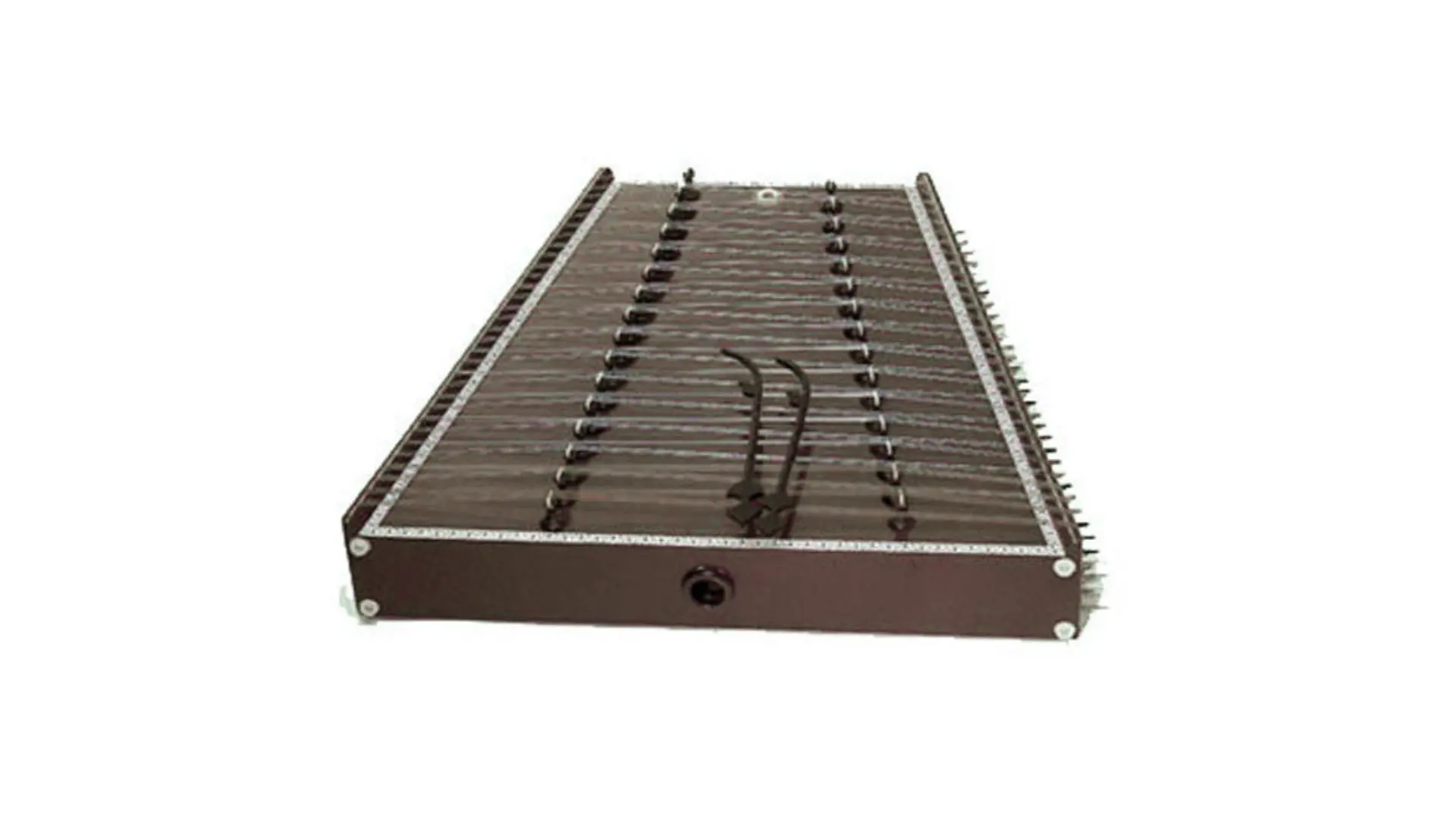
The santoor, played with small mallets, has a soothing and unique sound. Though less common among teenagers, it makes for a distinctive choice. It helps in:

  • Building hand coordination and multitasking skills
  • Developing appreciation for Kashmiri folk and Hindustani classical music
  • Creating a unique identity as a performer


9. Tanpura
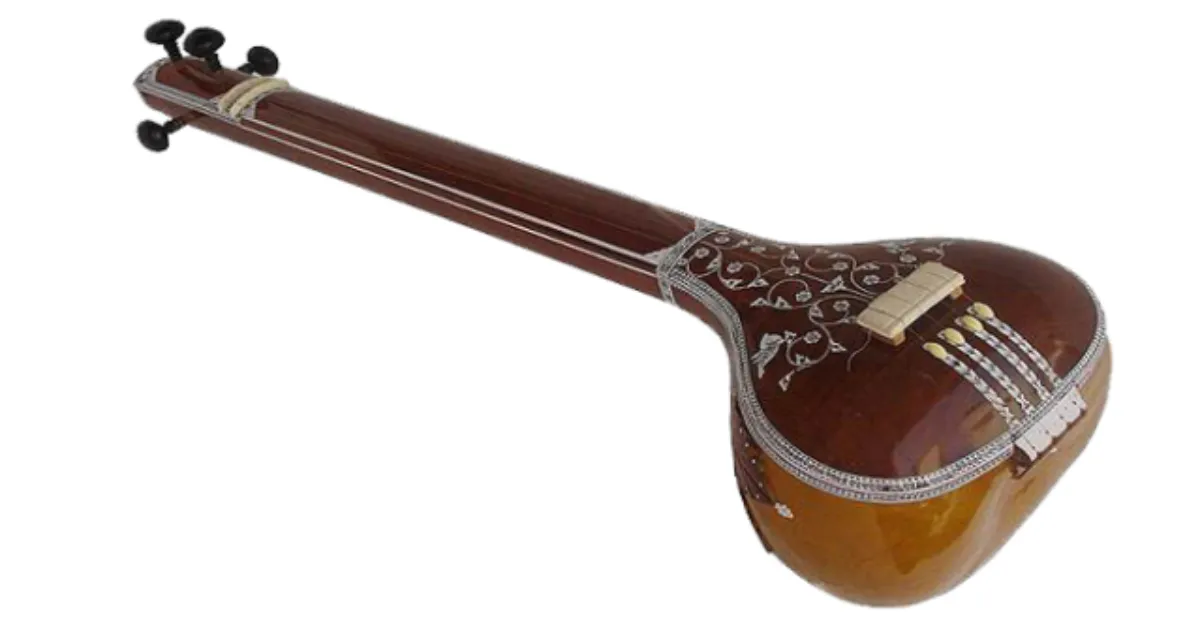
How to Play the Tambura 2

The tanpura is not a melodic instrument but provides the essential drone in Indian music. Teenage girls who sing can benefit immensely, as it helps maintain shruti (pitch). It’s ideal for those deeply involved in classical vocal training.


10. Electronic Shruti Box

Dhruva Nano radel
Get this instrument at best deal – Radel Saarang Maestro Dx – Electronic Shruti Box / Digital

A modern adaptation of the traditional shruti box, the electronic version is compact and easy to use. It’s especially helpful for teenage girls practicing vocals daily without requiring manual effort.


Best Western Instruments for Teenage Girls (Fusion Options)

Although Indian instruments dominate this list, some western instruments complement Indian music beautifully and are great choices for teenage girls:


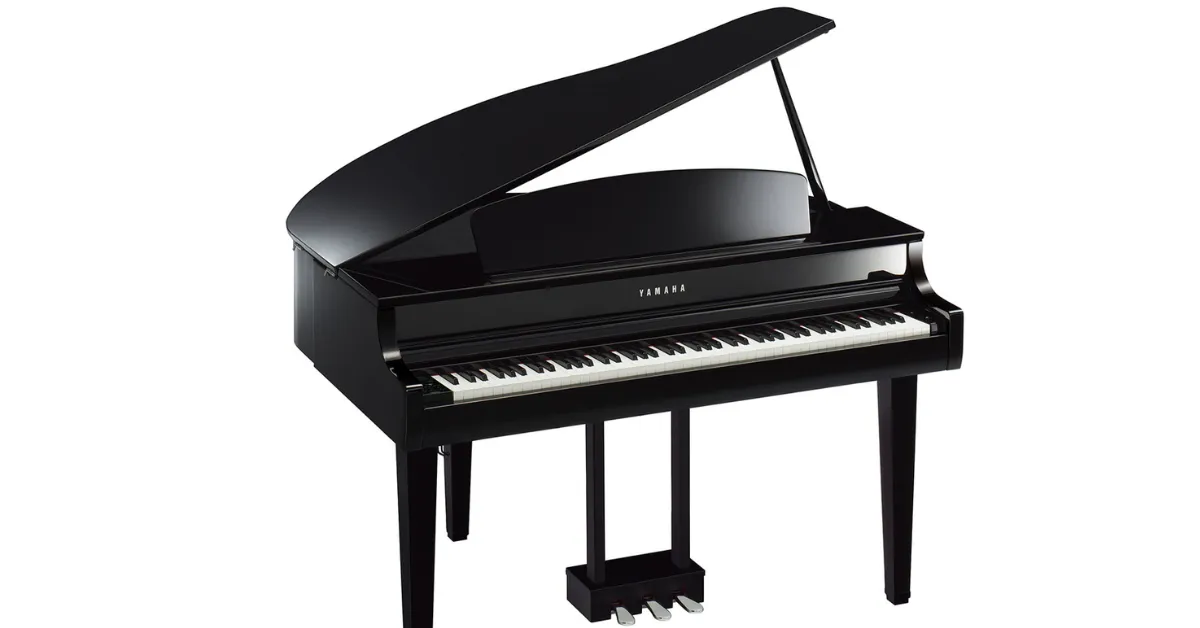
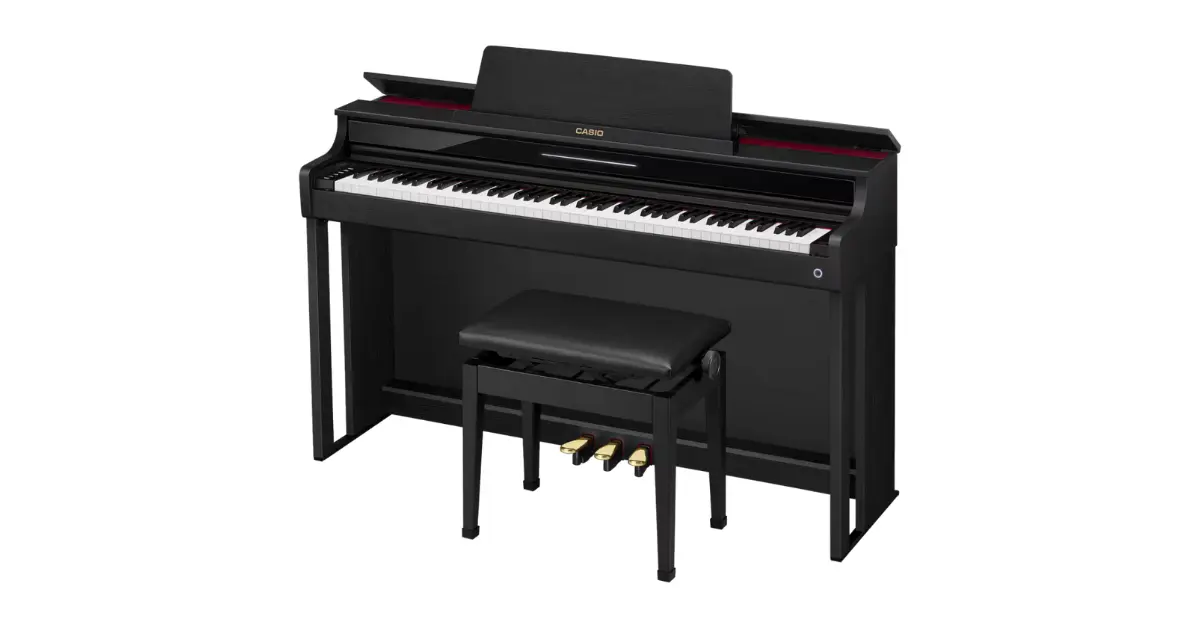
11. Keyboard/Piano

CTK-3500 keyBoard
Get this instrument at best deal – Casio CTK-2550 Portable Keyboard
  • Builds strong foundation in melody and harmony
  • Easy transition to Indian ragas and devotional songs
  • Great for songwriting and experimenting with music


12. Acoustic Guitar

Techno TM-39P model
Get this instrument at best deal – Techno TM-39P Semi-Acoustic Guitar With
  • Popular among teenagers for versatility
  • Easy to learn chords and sing along
  • Works well in fusion with Indian folk tunes


13. Cajón

Beatbox
Get this instrument at best deal – Beatbox
  • A modern percussion instrument that works well with Indian rhythms
  • Compact, portable, and fun for jamming sessions
  • Great for teenage girls who love experimenting with beats


Benefits of Choosing Indian Instruments for Teenage Girls

  • They strengthen the bond with cultural heritage
  • Indian instruments are often used in devotional, classical, and folk traditions that promote discipline and spirituality
  • Girls can participate in school functions, cultural programs, and competitions
  • Many Indian instruments improve vocal abilities, which is an added advantage for aspiring singers


Tips to Encourage Teenage Girls to Learn Music

1. Create a Musical Environment at Home

Listening to Indian classical and devotional music at home can inspire girls to pick up instruments naturally.

2. Set Small Learning Goals

Instead of overwhelming them, parents can encourage practice by setting achievable goals like learning one raga or a simple bhajan.

3. Encourage Group Learning

Teenagers enjoy learning with peers. Group classes or music clubs help maintain consistency.

4. Provide Performance Opportunities

Stage shows, family gatherings, or school functions can motivate girls to practice sincerely.

5. Balance Academics and Music

Music should be presented as a joyful escape, not as a burden. Allowing flexible schedules ensures long-term interest.


Conclusion

Choosing the best instruments for teenage girls is about more than just sound. It’s about finding an instrument that resonates with their personality, passion, and culture. Indian instruments like the harmonium, tabla, veena, sitar, flute, and mridangam not only offer musical growth but also connect teenage girls with India’s rich cultural heritage. For those who enjoy fusion, keyboards, guitars, and cajóns provide additional versatility.

Ultimately, the best choice is the one that makes them feel inspired every time they play. Music has the power to shape confidence, nurture creativity, and give teenage girls a lifelong gift they can carry with pride.


At NMS Musicals, we offer a comprehensive range of musical instruments, including percussion, string, wind, and keyboard instruments. Our services encompass sales, expert servicing, and the manufacture of leather instruments. Explore our diverse collection and find the perfect instrument to suit your musical needs.

Visit our website to browse our offerings: nmsmusicals.in

For a closer look at our products, check out our shop page: nmsmusicals.in/shop

Stay connected with us through our social media channels:
Our shop locations are:

For inquiries, contact/Whatsapp us at 9500663895 or email us at laxman.m89@gmail.com.

Discover the world of musical instruments with NMS Musicals today!

For a visual overview of our percussion instruments, watch the following video:
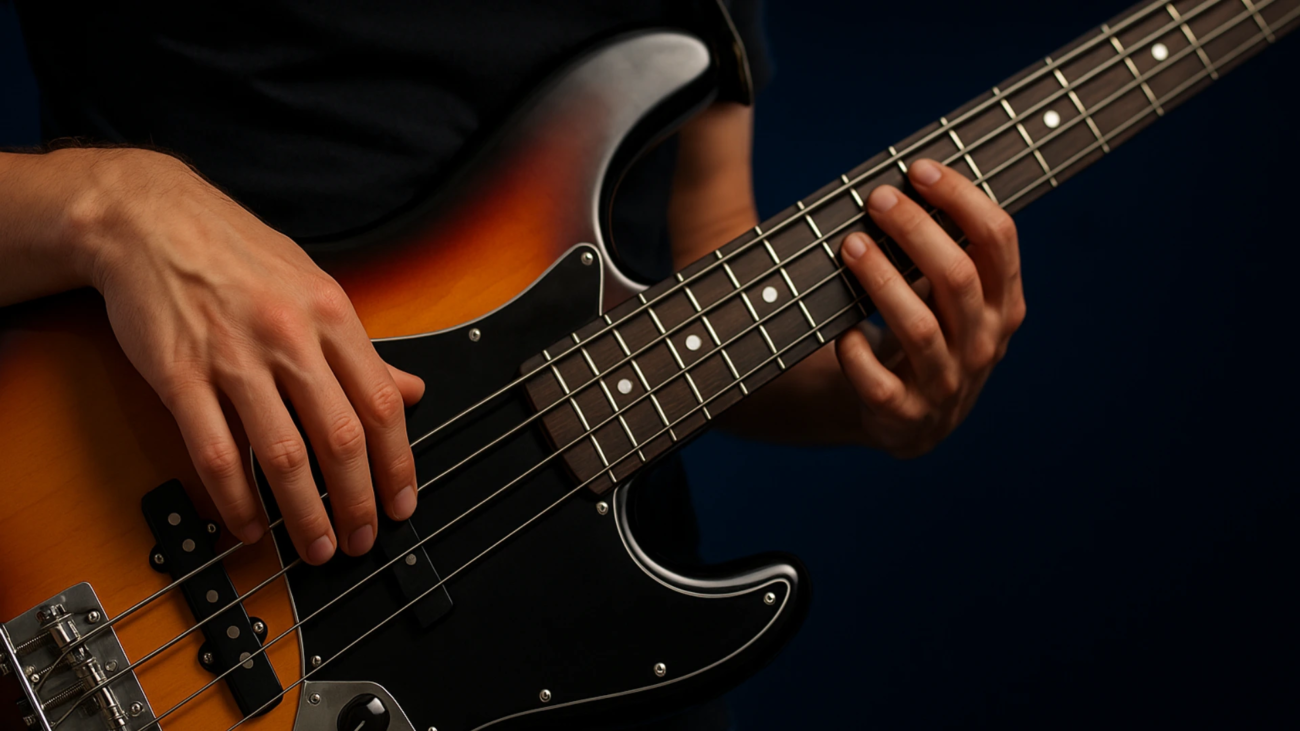
Powerful Advanced Electric Bass Techniques for Experts

Powerful Advanced Electric Bass Techniques for Experts

Master Advanced Electric Bass Techniques to Elevate Your Playing in India

The electric bass is the heartbeat of modern music, laying down grooves that bring songs to life. In India, where western and Indian musical influences blend beautifully, bass players are increasingly in demand across bands, film music, live concerts, and recording studios.

For experienced players, mastering advanced techniques on the electric bass is not just about skill, but about creating powerful, emotional connections with listeners. In this guide, we’ll dive into advanced techniques for seasoned bassists looking to elevate their performance.


1. Perfecting Fingerstyle Techniques

Fingerstyle playing goes beyond the basics when you start experimenting with speed, dynamics, and articulation. Advanced players in India’s jazz and fusion scenes often adapt fingerstyle patterns to blend Carnatic rhythms with funk grooves, making their basslines both complex and uniquely local.


2. Slap and Pop Mastery

Slap bass is more than just flair—it’s a rhythmic powerhouse. Incorporating muted notes, ghost notes, and double-thumbing can transform simple riffs into explosive statements. Indian bassists performing Bollywood funk or indie music often use slap to energize live crowds.


3. Chordal and Harmonic Play

Playing chords on the bass is an advanced but effective technique. Using harmonics and chord voicings can create a lush texture, useful for solo performances. Many Indian bass players use this technique during unplugged sessions or acoustic concerts.


4. Tapping Technique for Expressive Solos

Two-handed tapping allows bassists to take on melodic roles. From fast arpeggios to full chord progressions, tapping is a powerful skill. In India, progressive rock and metal bands often feature bassists tapping intricate patterns to complement soaring guitar leads.


5. Advanced Rhythmic Syncopation

Rhythm is king in Indian music, and bassists can take inspiration from classical talas (rhythmic cycles). Integrating complex rhythmic syncopation and odd time signatures adds a cultural edge, making your bass playing stand out in both Indian and international contexts.


6. Improvisation with Indian Classical Elements

Advanced Indian bassists often draw from ragas and fusion traditions. Using microtonal bends and ornamentations, they create bass solos that merge global techniques with Indian soul.


7. Tone Shaping and Gear Optimization

Your sound is your signature. Understanding EQ, pedalboards, and amplifiers is crucial. In India’s live scene, where sound setups can vary widely, knowing how to quickly dial in your tone is an essential advanced skill.


8. Stage Performance and Band Chemistry

Experienced bassists know that playing is only half the battle—stage presence and communication with the drummer and lead instrumentalists elevate the performance. Indian bands often thrive on audience interaction, making performance skills critical.


9. Recording Techniques for Indian Studios

In the recording studio, precision matters. Advanced bassists in India should learn DI recording, layering techniques, and tone editing to stand out in Bollywood tracks, indie albums, and background scores.


10. Continuous Learning and Experimentation

The mark of a true advanced bassist is never settling. Explore Indian folk music, fusion projects, and global collaborations to keep expanding your musical language.


Conclusion

The art of playing the electric bass: advanced techniques for experienced players is more than a technical journey—it’s a creative evolution. In India, where music is both tradition and innovation, advanced bassists have the opportunity to shape the sound of the future.

By mastering techniques like fingerstyle variations, slap, tapping, harmonic play, and rhythmic syncopation, you can not only refine your personal style but also inspire others. Remember, the electric bass isn’t just an instrument—it’s the pulse of every song, and your advanced skills can make that pulse unforgettable.

At NMS Musicals in Pondicherry and Chennai, we guide you in every step of your musical journey, from choosing the right instrument to training your ears for excellence. If you’re ready to take your musicianship to the next level, start your ear training today and experience how it transforms your connection with music.


At NMS Musicals, we offer a comprehensive range of musical instruments, including percussion, string, wind, and keyboard instruments. Our services encompass sales, expert servicing, and the manufacture of leather instruments. Explore our diverse collection and find the perfect instrument to suit your musical needs.

Visit our website to browse our offerings: nmsmusicals.in

For a closer look at our products, check out our shop page: nmsmusicals.in/shop

Stay connected with us through our social media channels:
Our shop locations are:

For inquiries, contact/Whatsapp us at 9500663895 or email us at laxman.m89@gmail.com.

Discover the world of musical instruments with NMS Musicals today!

For a visual overview of our percussion instruments, watch the following video:
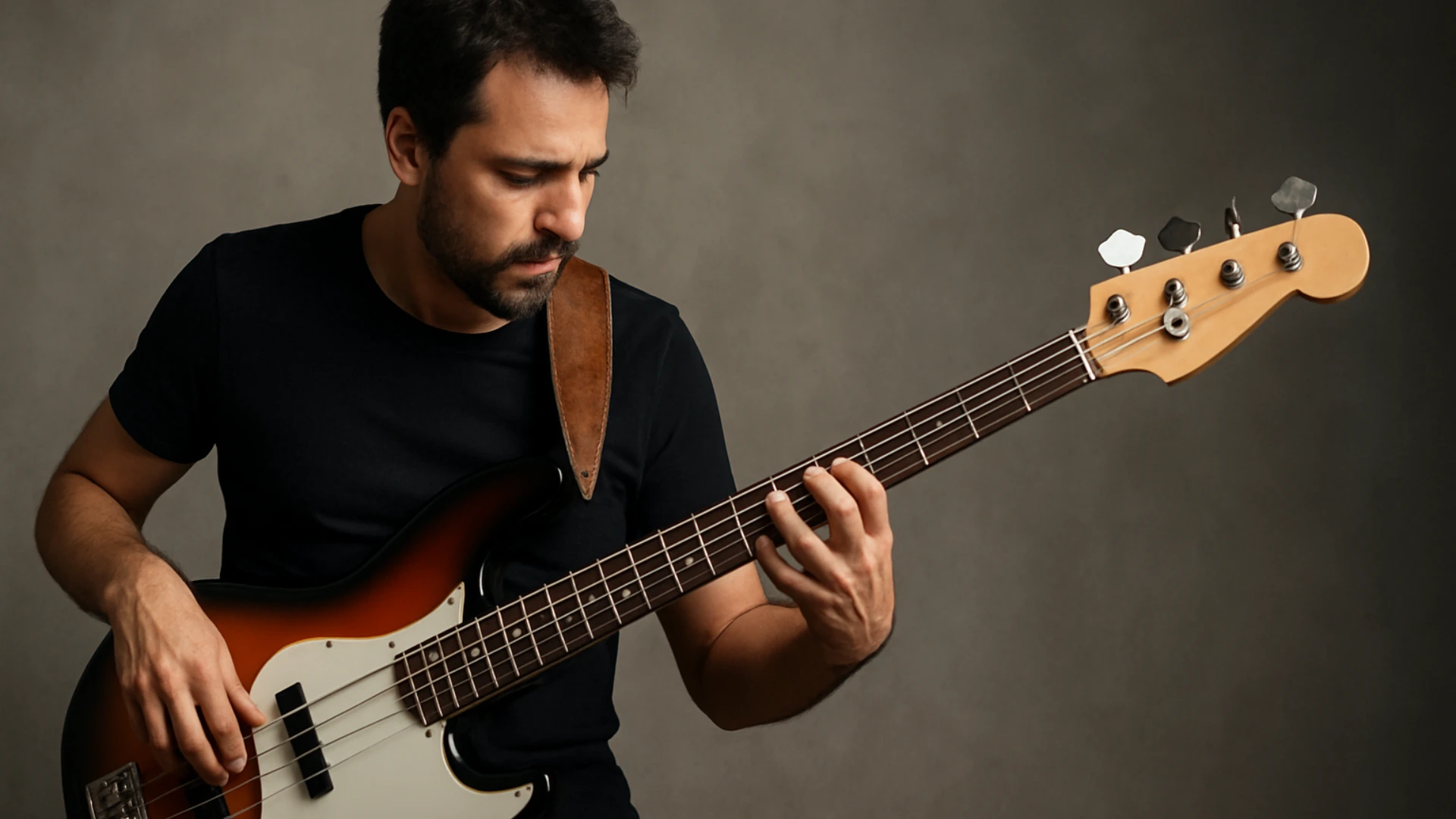
Powerful Tips to Maintain Your Trumpet in Top Condition

Powerful Tips to Maintain Your Trumpet in Top Condition

Learn how to maintain your trumpet in top condition

The trumpet is one of the most powerful and expressive instruments in both Western and Indian music. From jazz and classical concerts to Indian weddings and devotional processions, its bright and commanding sound has a unique place.

However, a trumpet requires regular care and proper maintenance to stay in top condition. Without routine cleaning, oiling, and storage, the instrument can lose its shine, develop stuck valves, and produce poor sound quality.

In this comprehensive guide, we will walk you through How to Maintain Your Trumpet and Keep It in Top Condition. Whether you are a beginner learning in a music school in India or a professional performing at events, these steps will help you extend the life of your trumpet while ensuring the best possible sound.


Why Trumpet Maintenance Matters

A well-maintained trumpet offers several benefits:

  • It produces clear, consistent, and vibrant tones.
  • Valves and slides move smoothly without sticking.
  • The brass surface remains polished and resistant to tarnish.
  • The instrument lasts longer, saving money on repairs.
  • You can perform confidently in concerts, recordings, and practice sessions.


How to Maintain Your Trumpet and Keep It in Top Condition

1. Daily Cleaning After Playing

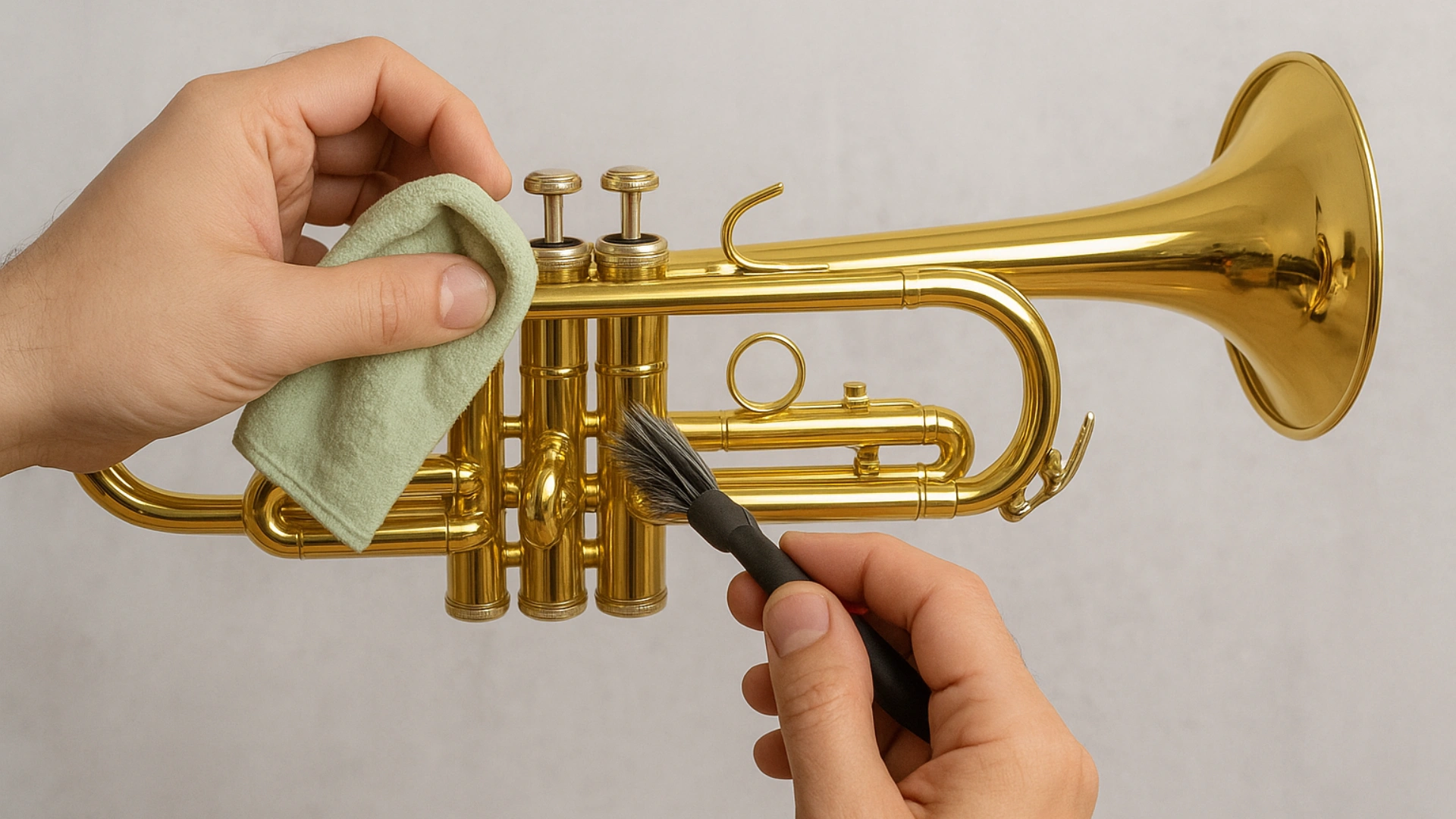
After each practice or performance, it’s important to clean your trumpet. Moisture, saliva, and debris collect inside the instrument, affecting both hygiene and sound.

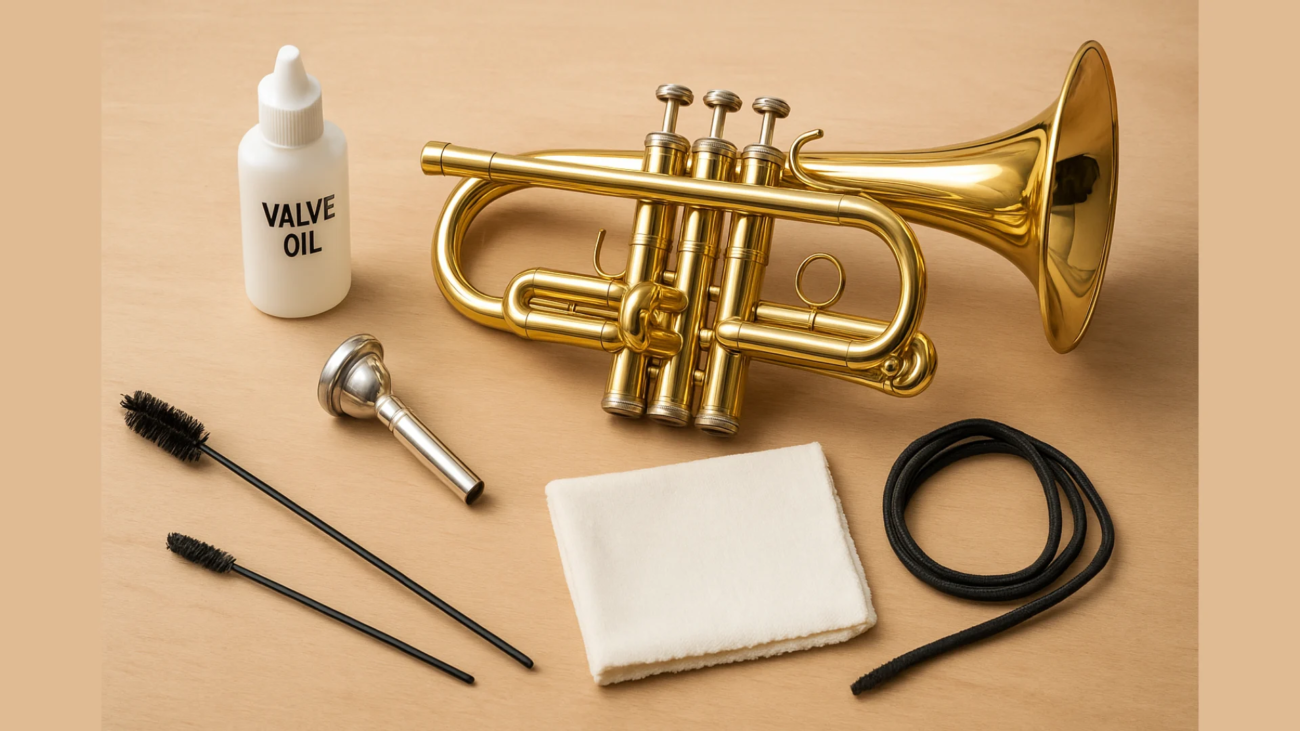
  • Use a soft cleaning cloth to wipe the exterior surface.
  • Empty the water key (also known as spit valve) by pressing it and blowing gently.
  • Remove fingerprints and sweat marks to prevent tarnishing.

This daily habit keeps your trumpet fresh and ready for the next session.


2. Weekly Deep Cleaning of the Trumpet

Once a week, give your trumpet a more thorough cleaning.

  • Disassemble the trumpet carefully, removing the mouthpiece, valves, and slides.
  • Use warm water with mild soap to clean the body. Avoid hot water, as it may damage lacquer.
  • Gently brush the inside of tubes using a flexible cleaning snake brush.
  • Rinse with clean water and dry completely before reassembling.

Weekly cleaning is especially important in humid Indian climates, where moisture buildup is common.


3. Proper Valve Maintenance

The valves are the heart of the trumpet. Smooth valve action ensures effortless playing.

  • Apply trumpet valve oil regularly—at least two to three times per week.
  • Always use oils specifically made for brass instruments.
  • Avoid touching valves with dirty or oily hands, as this can cause sticking.
  • If a valve gets stuck, do not force it. Apply oil and move it gently.

In India, many music stores sell valve oils from brands like Yamaha, Bach, and Denis Wick. Choosing a good brand ensures longer-lasting performance.


4. Slide Maintenance for Flexibility

Slides help in tuning and adjusting pitch, making their smooth function essential.

  • Grease the tuning slide every 2–3 weeks with slide grease.
  • Check that all slides move freely without stiffness.
  • Never play with stuck slides—forcing them can damage the instrument.

Regular lubrication prevents damage and ensures precise tuning, which is vital for live performances in Indian concerts and bands.


5. Mouthpiece Cleaning for Hygiene

Trumpet Mouthpiece - Brass
Get this instrument at best deal – https://nmsmusicals.in/product/trumpet-mouthpiece-brass/

The mouthpiece is where you blow into the trumpet, making it the most exposed part to germs.

  • Clean the mouthpiece daily with warm water.
  • Use a mouthpiece brush to scrub inside.
  • Disinfect occasionally with a mild cleaning solution.

This is especially important in India’s warm climate, where bacteria and moisture accumulate quickly.


6. Polishing the Trumpet for Shine

Trumpets, being brass instruments, lose their shine over time.

  • Use a soft polishing cloth designed for brass instruments.
  • Avoid abrasive cleaners that may damage lacquer.
  • Silver-plated trumpets need special silver polish, available in Indian music shops.

A polished trumpet not only looks professional but also inspires confidence in performances.


7. Safe Storage and Handling

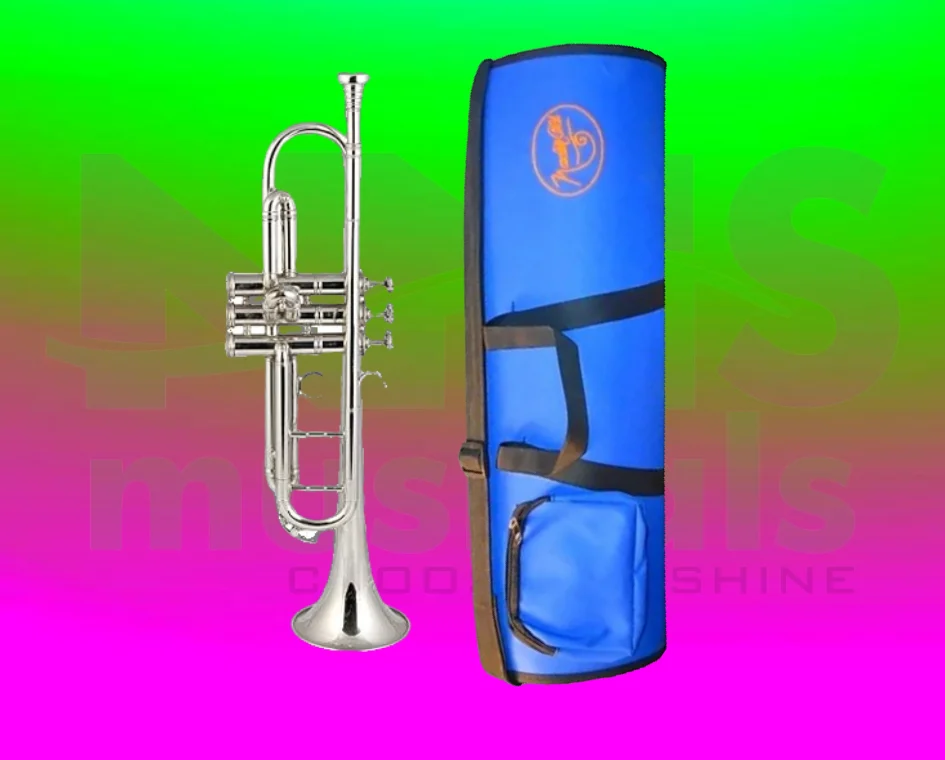
"Top 5 Tips for Learning to Play the Trumpet"
Get this instrument at best deal – https://nmsmusicals.in/product/nadir-ali-trumpet/

Improper storage is one of the main reasons trumpets get damaged.

  • Store the trumpet in a hard case when not in use.
  • Keep it in a dry, cool environment away from direct sunlight.
  • Avoid leaving the trumpet on chairs or unstable surfaces during breaks.
  • In India, where dust is common, always keep your instrument covered when not in use.


8. Seasonal Maintenance in Indian Climate

India’s weather conditions—humid summers, monsoon rains, and dry winters—can affect your trumpet.

  • In humid regions, moisture inside valves and slides builds faster—clean more frequently.
  • In dry regions, oil and grease dry quickly—lubricate more often.
  • Always keep silica gel packets inside the case during monsoons to prevent rust.


9. Professional Servicing and Checkups

Even with regular maintenance, professional servicing is necessary.

  • Take your trumpet to a music shop or repair center at least once a year.
  • Experts check for dents, air leaks, or misalignments.
  • In India, trusted brands like Furtados, Musee Musicals, and NMS Musicals offer repair services.


10. Building a Consistent Care Routine

The most important part of trumpet care is building habits.

  • Create a routine: daily wiping, weekly deep cleaning, monthly slide greasing.
  • Record maintenance dates in a notebook.
  • Stay disciplined, as consistency keeps your trumpet performing at its best.


Common Mistakes to Avoid

  • Using household oils instead of proper valve oil.
  • Skipping cleaning after practice sessions.
  • Leaving the trumpet in humid environments without protection.
  • Using harsh chemicals or rough cloths for cleaning.
  • Playing with stuck valves or slides.

Avoiding these mistakes can save you from costly repairs.


Tips for Indian Trumpet Players

  • Always buy maintenance kits available in Indian music stores—they include brushes, cloths, and lubricants.
  • For marching bands and wedding performances, carry a small cleaning cloth and valve oil in your case.
  • Join Indian music groups online to share care tips with fellow trumpet players.
  • Learn basic repair skills, like unsticking valves, to manage emergencies during live shows.


Conclusion

Maintaining your trumpet is not just about keeping it clean—it’s about protecting its sound, shine, and lifespan. By following these steps on How to Maintain Your Trumpet and Keep It in Top Condition, you ensure that your instrument remains reliable for performances, recordings, and practice. From daily wiping to valve oiling, slide greasing, and seasonal care, each step is vital in India’s diverse climate.

A trumpet in top condition allows you to focus on music instead of technical problems. Whether you are a beginner learning in a school, a student preparing for exams, or a professional performing across India, proper maintenance is your key to success. With discipline, care, and love for your instrument, your trumpet will reward you with clear, powerful, and inspiring music for years to come.


At NMS Musicals, we offer a comprehensive range of musical instruments, including percussion, string, wind, and keyboard instruments. Our services encompass sales, expert servicing, and the manufacture of leather instruments. Explore our diverse collection and find the perfect instrument to suit your musical needs.

Visit our website to browse our offerings: nmsmusicals.in

For a closer look at our products, check out our shop page: nmsmusicals.in/shop

Stay connected with us through our social media channels:
Our shop locations are:

For inquiries, contact/Whatsapp us at 9500663895 or email us at laxman.m89@gmail.com.

Discover the world of musical instruments with NMS Musicals today!

For a visual overview of our percussion instruments, watch the following video:
Transformative Reasons to Learn Cello as an Adult Beginner

Transformative Reasons to Learn Cello as an Adult Beginner

Learn Cello as an Adult Beginner with confidence through this inspiring guide

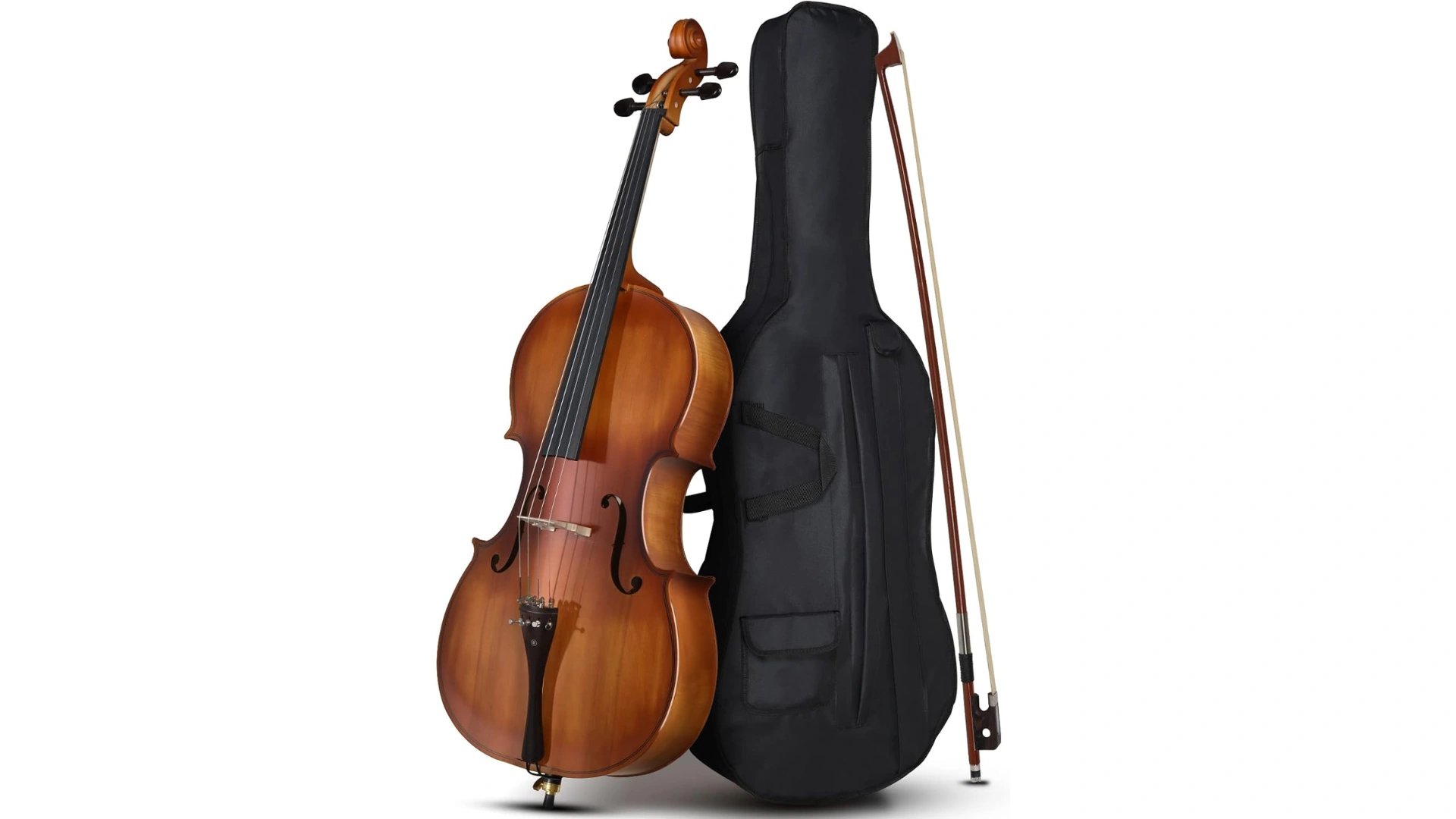
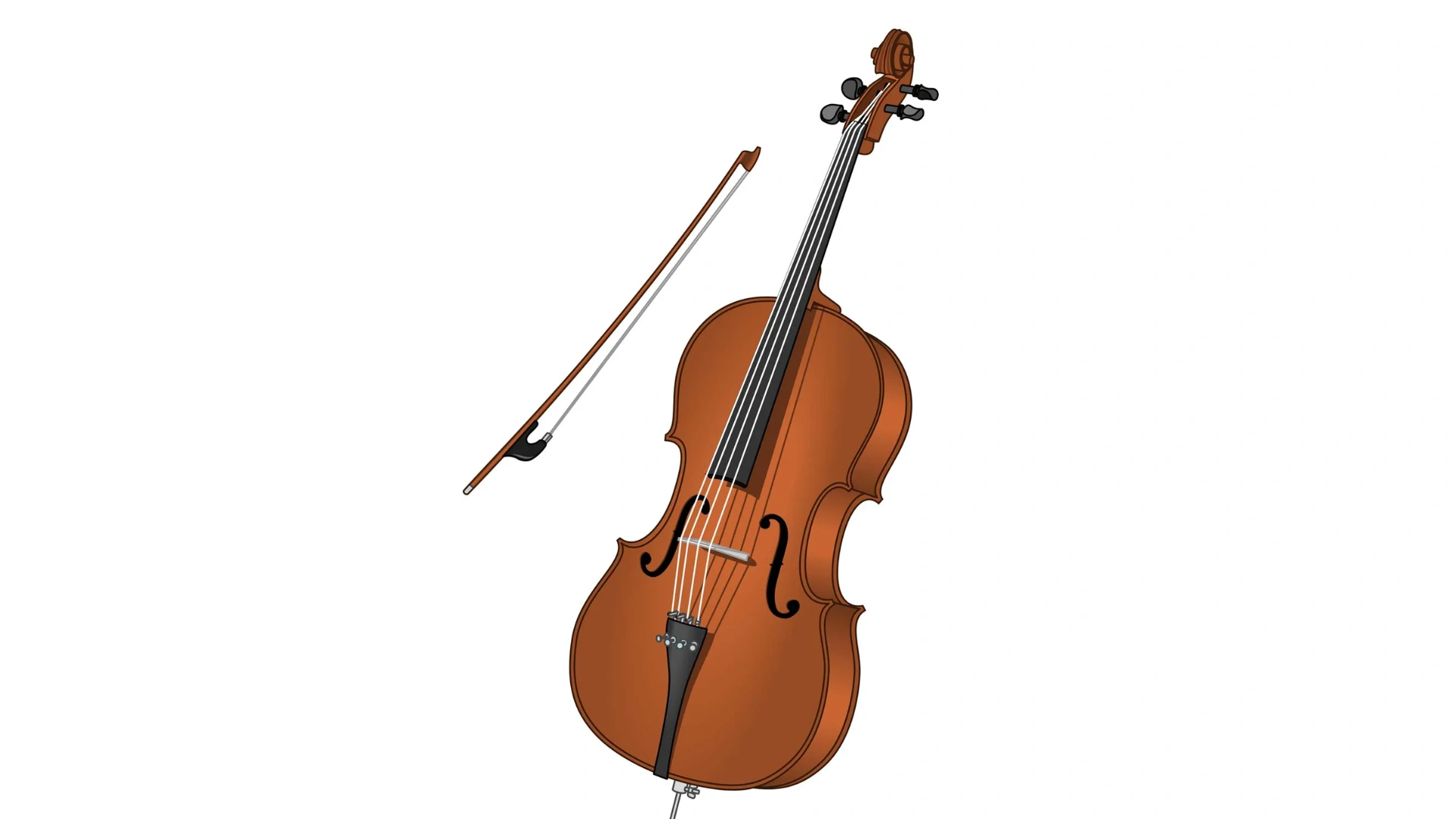
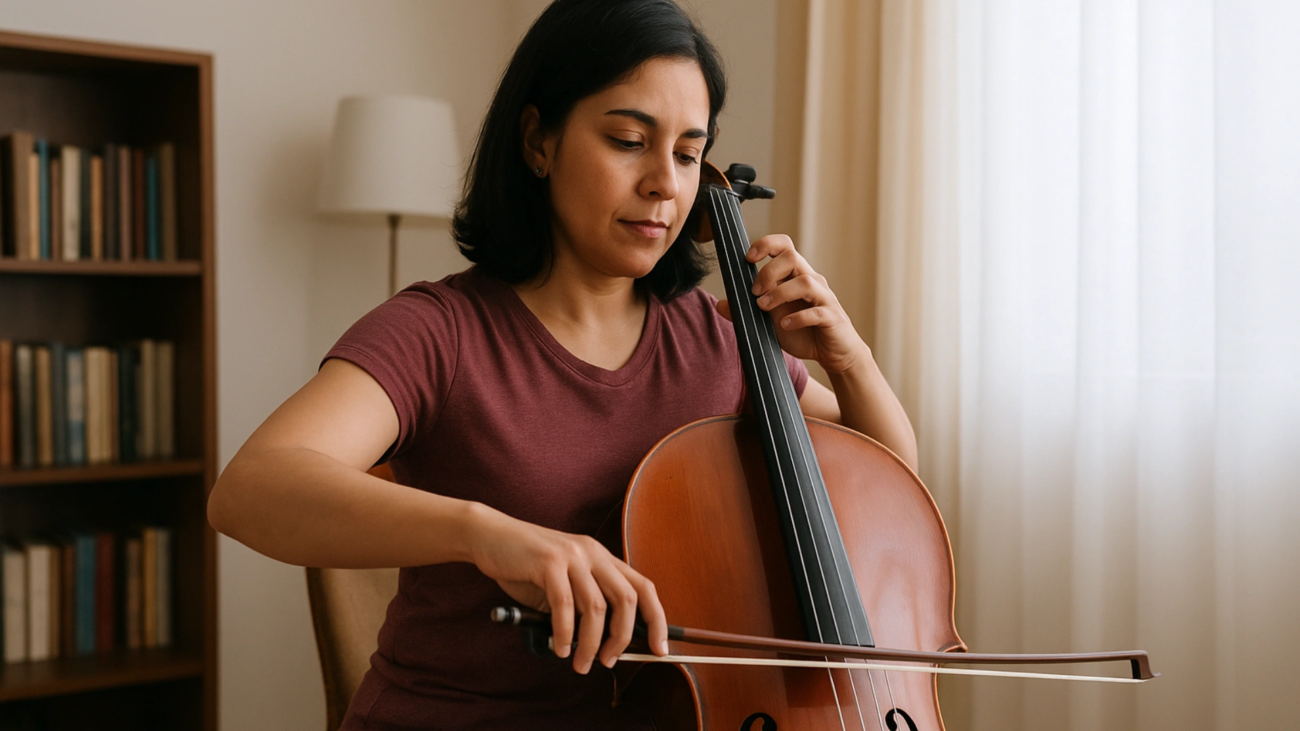
cello


Music has a universal charm, and the beauty of learning an instrument is that it’s never too late to start. For adults looking to enrich their lives, the cello emerges as one of the most rewarding instruments to learn.

With its deep, resonant tones and ability to evoke emotion, the cello holds a special place in both classical and contemporary music. In India, interest in Western classical instruments has been growing, and adults are increasingly turning toward the cello for its versatility and soulful nature.

This blog will explain in detail why the cello is a great instrument for adults to learn, its benefits, practical tips for beginners, and how Indian learners can begin their journey with guidance and quality instruments from trusted music shops like NMS Musicals in Pondicherry and Chennai.


1. The Unique Charm of the Cello for Adults

The cello is often described as the instrument that most closely resembles the human voice. Its wide range allows it to produce both deep, powerful bass notes and bright, lyrical melodies. For adults, this makes the learning experience emotionally fulfilling and intellectually stimulating. Unlike smaller string instruments such as the violin, the cello’s size provides a more grounded, physical connection to the music, which many adult learners find rewarding.


2. Emotional and Mental Benefits of Learning the Cello

Learning any instrument brings cognitive and emotional advantages, but the cello stands out for several reasons:

1. Stress Relief

The warm, soothing tones of the cello help reduce stress and anxiety, making it a form of musical therapy for adults balancing work and family responsibilities.

2. Cognitive Enhancement

Playing the cello involves reading music, coordinating both hands, and maintaining posture, all of which boost memory, focus, and problem-solving skills.

3. Emotional Expression

Adults often seek creative outlets, and the cello provides a channel to express emotions that words cannot.


3. Physical Advantages for Adult Learners

Many assume that string instruments are only suitable for young learners, but the cello proves otherwise.

1. Comfortable Posture

Unlike the violin, which requires playing under the chin, the cello rests between the knees, making it more ergonomic for adults.

2. Improves Motor Skills

Cello playing refines coordination between the bow hand and finger placements.

3. Builds Core Strength

Proper posture while playing the cello naturally engages the back and core muscles, promoting better body alignment.


4. The Cello’s Versatility in Indian Music Context

While traditionally associated with Western classical compositions, the cello is finding its way into Indian fusion, film music, and contemporary ensembles. Renowned Indian cellists are blending Carnatic and Hindustani styles with cello tones, showing its adaptability. For adults in India, learning the cello not only connects them to global music traditions but also provides opportunities to explore unique fusion sounds.


5. Practical Tips for Adults Learning the Cello

1. Choose the Right Instrument

Selecting a quality cello is the first step. Beginners in India can explore affordable yet durable cellos at NMS Musicals in Pondicherry and Chennai, where expert staff can guide you based on budget and skill level.

2. Start with Professional Guidance

While self-learning is possible, adults benefit greatly from structured lessons, either online or in person.

3. Set Realistic Goals

Adults should set achievable milestones, such as learning one piece every few weeks, instead of aiming for rapid progress.

4. Practice Consistently

Even 20–30 minutes a day can lead to steady improvement over time.

5. Record Your Progress

Recording practice sessions helps in tracking improvement and identifying areas for growth.


6. Overcoming Common Challenges for Adult Learners

1. Time Management

Balancing family, work, and music practice can be difficult. Adults should create a weekly practice schedule that aligns with their routine.

2. Patience with Progress

Unlike children, adults may progress slower in terms of muscle memory. Patience and consistent effort are key.

3. Finding the Right Teacher

Look for instructors experienced in teaching adults, as their approach differs from training younger students.


7. Why Buy Your Cello from NMS Musicals in India

When starting your cello journey, choosing the right instrument is crucial. At NMS Musicals (Pondicherry & Chennai), learners can find:

  1. A wide range of beginner and professional cellos.
  2. Expert guidance to help select the right size and model.
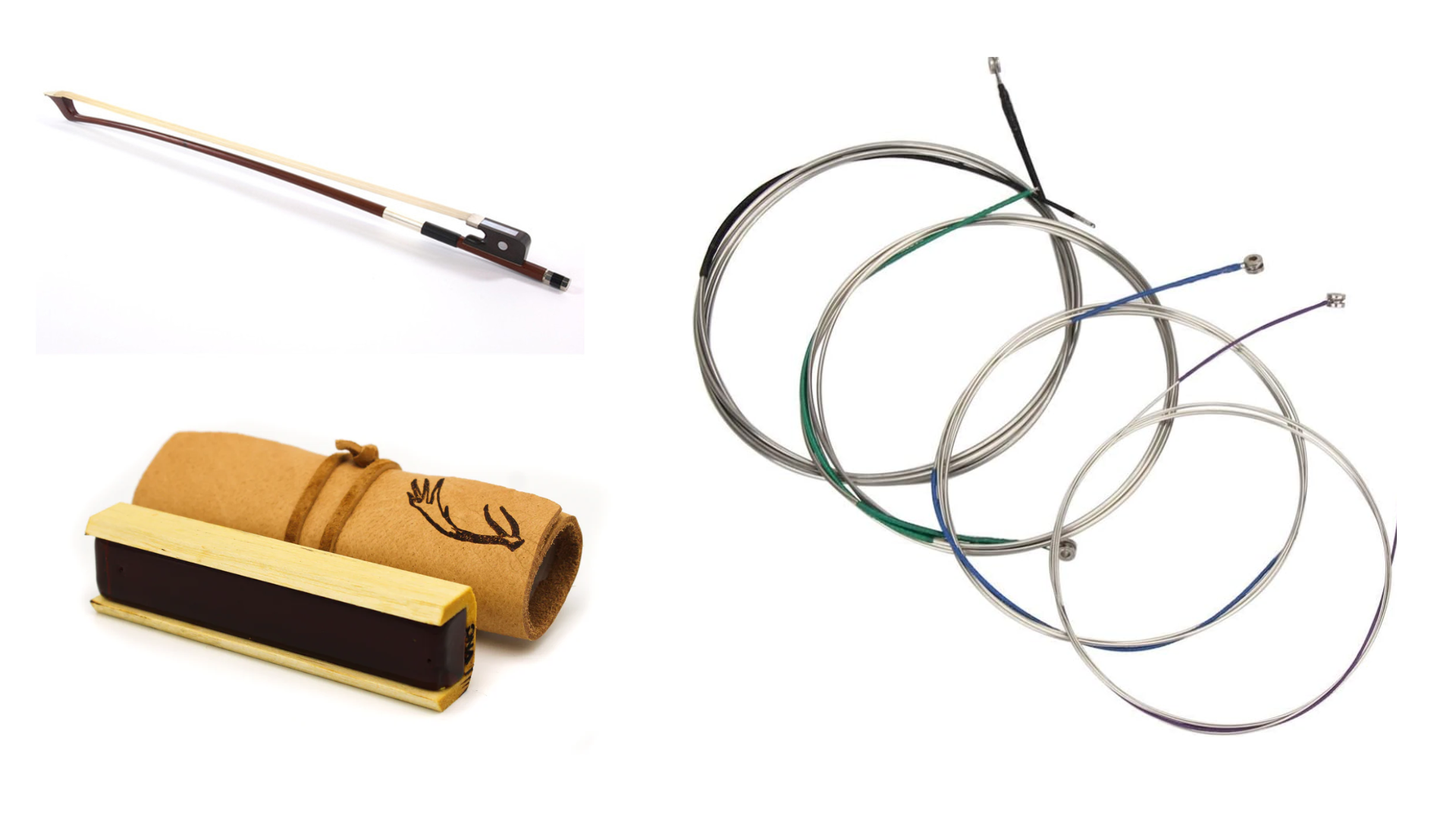
  3. Accessories such as cello bows, strings, and rosin to ensure complete setup.
  4. Affordable rental and purchase options for adult learners.

By starting with a trusted shop, Indian learners can avoid common pitfalls like poor instrument quality, which can hinder progress.


8. The Joy of Playing the Cello in India

Imagine sitting in your living room in Chennai, playing soulful cello melodies that echo through the space, or performing fusion music with friends in Pondicherry. The cello opens doors not just to personal joy but also to community performances, collaborations, and even online showcases. Adults in India are increasingly discovering the cello as a lifelong companion that enriches both personal and social life.


Conclusion

The journey of learning an instrument as an adult is both empowering and rewarding. Among the many options available, the cello stands out as a truly great instrument for adults to learn. Its emotional depth, physical comfort, versatility, and role in both global and Indian music traditions make it an excellent choice.

For adults in India ready to embark on this musical journey, NMS Musicals in Pondicherry and Chennai is the perfect place to start. From quality instruments to expert guidance, you’ll find all you need to make your cello-learning experience both joyful and sustainable.

So, if you’ve been waiting to pick up an instrument as an adult, the cello might just be your perfect match. Start today, and let its rich tones become a part of your life’s soundtrack.


At NMS Musicals, we offer a comprehensive range of musical instruments, including percussion, string, wind, and keyboard instruments. Our services encompass sales, expert servicing, and the manufacture of leather instruments. Explore our diverse collection and find the perfect instrument to suit your musical needs.

Visit our website to browse our offerings: nmsmusicals.in

For a closer look at our products, check out our shop page: nmsmusicals.in/shop

Stay connected with us through our social media channels:
Our shop locations are:

For inquiries, contact/Whatsapp us at 9500663895 or email us at laxman.m89@gmail.com.

Discover the world of musical instruments with NMS Musicals today!

For a visual overview of our percussion instruments, watch the following video:
Effortless Ways to Keep Your Piano in Perfect Condition

Effortless Ways to Keep Your Piano in Perfect Condition

Beginner’s Guide to Keep Your Piano in Perfect Condition

CTK-2550 Keyboard
Get this instrument at best deal – Casio CTK-2550 Portable Keyboard

A piano is more than just a musical instrument—it’s an investment, a centerpiece of a home, and for musicians, a faithful companion in the journey of music. But keeping your piano in perfect condition requires more than occasional cleaning; it demands regular maintenance, tuning, and care.

In India, where varying weather conditions, humidity, and dust can affect the performance of your piano, proper maintenance becomes even more critical. In this detailed guide, we will explore practical and effective ways on how to keep your piano in perfect condition, so you can ensure its longevity, beauty, and exceptional sound quality.

And if you ever need professional assistance with piano tuning, servicing, or repairs, NMS Musicals in Pondicherry and Chennai is your go-to destination.


1. Understand the Importance of Regular Piano Maintenance

Your piano is a delicate combination of wood, felt, and metal, all of which react to the environment. Regular maintenance ensures that the instrument performs at its best and lasts for decades. In India, dust and humidity are two of the biggest challenges that musicians face. Without proper care, your piano may lose tonal quality, keys may become sticky, and tuning stability may be compromised.


2. Proper Placement of Your Piano

  1. Avoid placing your piano near windows or doors where it is exposed to direct sunlight, rain, or temperature fluctuations.
  2. Keep your piano away from air conditioners, heaters, and humidifiers to prevent warping and cracking of the wood.
  3. Position your piano against an inner wall of the house to minimize exposure to external weather conditions.

Correct placement alone can add years to the life of your piano.


3. Control Humidity and Temperature

Humidity is one of the biggest enemies of pianos in India. Too much humidity can swell the wooden parts, while dryness can cause cracks.

  1. Use a dehumidifier during monsoons and a humidifier during dry seasons.
  2. Try to maintain consistent humidity levels between 40-50%.
  3. Consider investing in a piano climate control system if you live in areas with extreme weather.


4. Cleaning Your Piano

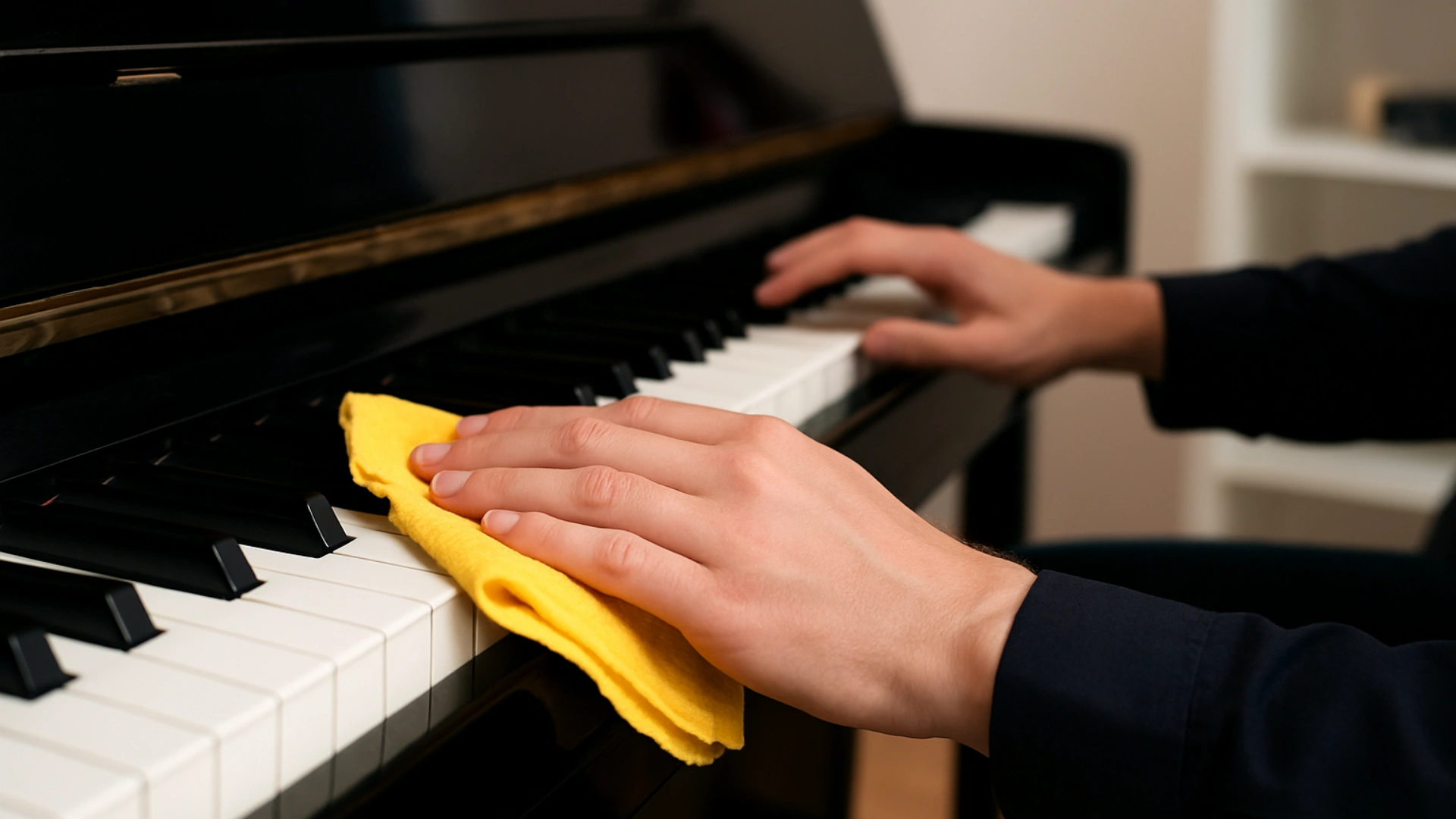
  1. Exterior Cleaning: Use a soft, dry cloth to dust the surface regularly. For polished finishes, use a microfiber cloth. Avoid harsh cleaners.
  2. Keys Cleaning: Use a damp cloth (not wet) with mild soap for plastic keys. For ivory keys, clean with a barely damp cloth and dry immediately.
  3. Inside Cleaning: Do not attempt deep cleaning of internal parts unless you are a professional. Instead, schedule regular servicing with experts like NMS Musicals in Pondicherry & Chennai.


5. Tuning Your Piano Regularly

Tuning is one of the most critical aspects of piano care. In India, due to climate and humidity changes, pianos should ideally be tuned at least twice a year.

  1. Hire a certified piano tuner rather than attempting it yourself.
  2. Tuning ensures the correct pitch, maintains tonal quality, and protects the strings from damage.
  3. Professional services from NMS Musicals guarantee precision and care.


6. Servicing and Regulation

Beyond tuning, your piano needs regulation and voicing to ensure smooth key action and sound quality.

  1. Regulation adjusts the mechanical parts for correct key response.
  2. Voicing modifies the tone by adjusting the hammers.
  3. Schedule servicing every 2-3 years to maintain playability and sound excellence.


7. Protecting Your Piano from Dust and Damage

Yamaha Heavy Foam Bag
Get this instrument at best deal – Yamaha Heavy Foam Keyboard Bag
  1. Keep the keyboard lid closed when not in use to protect keys from dust.
  2. Cover your piano with a piano cover if you live in a dusty environment.
  3. Avoid placing drinks, plants, or heavy objects on the piano to prevent accidental damage.


8. Transporting Your Piano Safely

Moving a piano requires expertise because of its weight and delicate structure.

  1. Always hire professional movers who specialize in pianos.
  2. Avoid dragging or pushing the piano as it may damage the floor and instrument.
  3. Secure the piano properly during transport to prevent tuning instability.


9. Common Problems Faced by Piano Owners in India

  1. Sticky Keys: Caused by dust, humidity, or food particles.
  2. Out of Tune Quickly: Due to extreme climate conditions.
  3. Cracks in Soundboard: Happens when pianos are exposed to excessive dryness.
  4. Rusty Strings: High humidity in coastal areas leads to rusting.

Professional servicing at NMS Musicals can help resolve these issues efficiently.


10. DIY Piano Maintenance Tips for Musicians in India

  1. Play your piano regularly to keep it active.
  2. Keep the piano area clean and dust-free.
  3. Maintain a consistent environment inside the room.
  4. Invest in a hygrometer to monitor humidity levels.
  5. Schedule annual servicing with trusted shops like NMS Musicals.


Conclusion

Learning how to keep your piano in perfect condition is not just about preserving an instrument—it’s about protecting your passion for music. Whether you’re an aspiring pianist or a professional musician in India, following these piano care tips will ensure that your instrument produces beautiful music for generations.

For all your piano servicing, tuning, and accessories needs, visit NMS Musicals in Pondicherry and Chennai. With expert technicians, genuine accessories, and reliable services, NMS Musicals is the trusted partner for musicians who want nothing less than perfection.


At NMS Musicals, we offer a comprehensive range of musical instruments, including percussion, string, wind, and keyboard instruments. Our services encompass sales, expert servicing, and the manufacture of leather instruments. Explore our diverse collection and find the perfect instrument to suit your musical needs.

Visit our website to browse our offerings: nmsmusicals.in

For a closer look at our products, check out our shop page: nmsmusicals.in/shop

Stay connected with us through our social media channels:
Our shop locations are:

For inquiries, contact/Whatsapp us at 9500663895 or email us at laxman.m89@gmail.com.

Discover the world of musical instruments with NMS Musicals today!

For a visual overview of our percussion instruments, watch the following video:
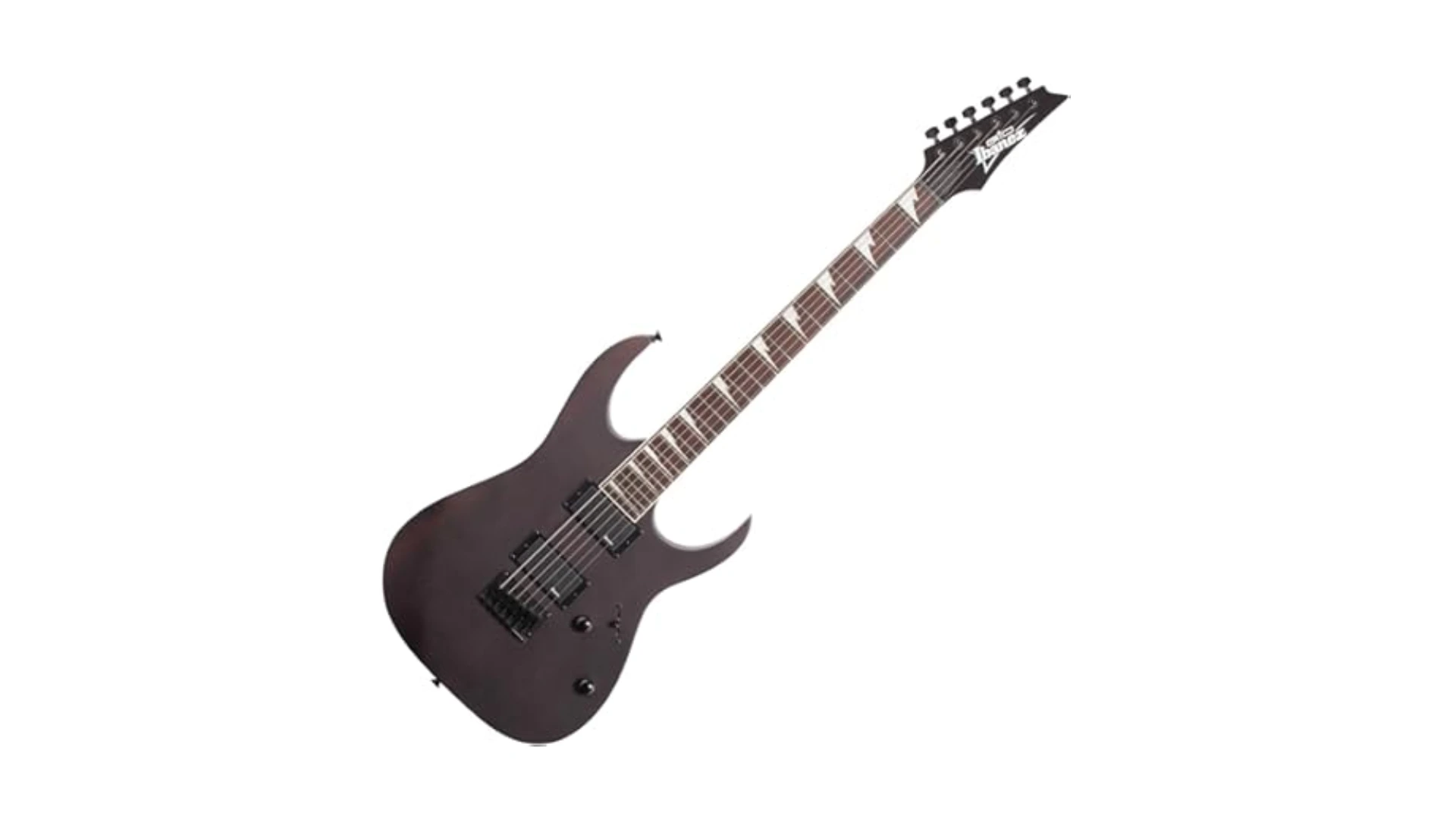
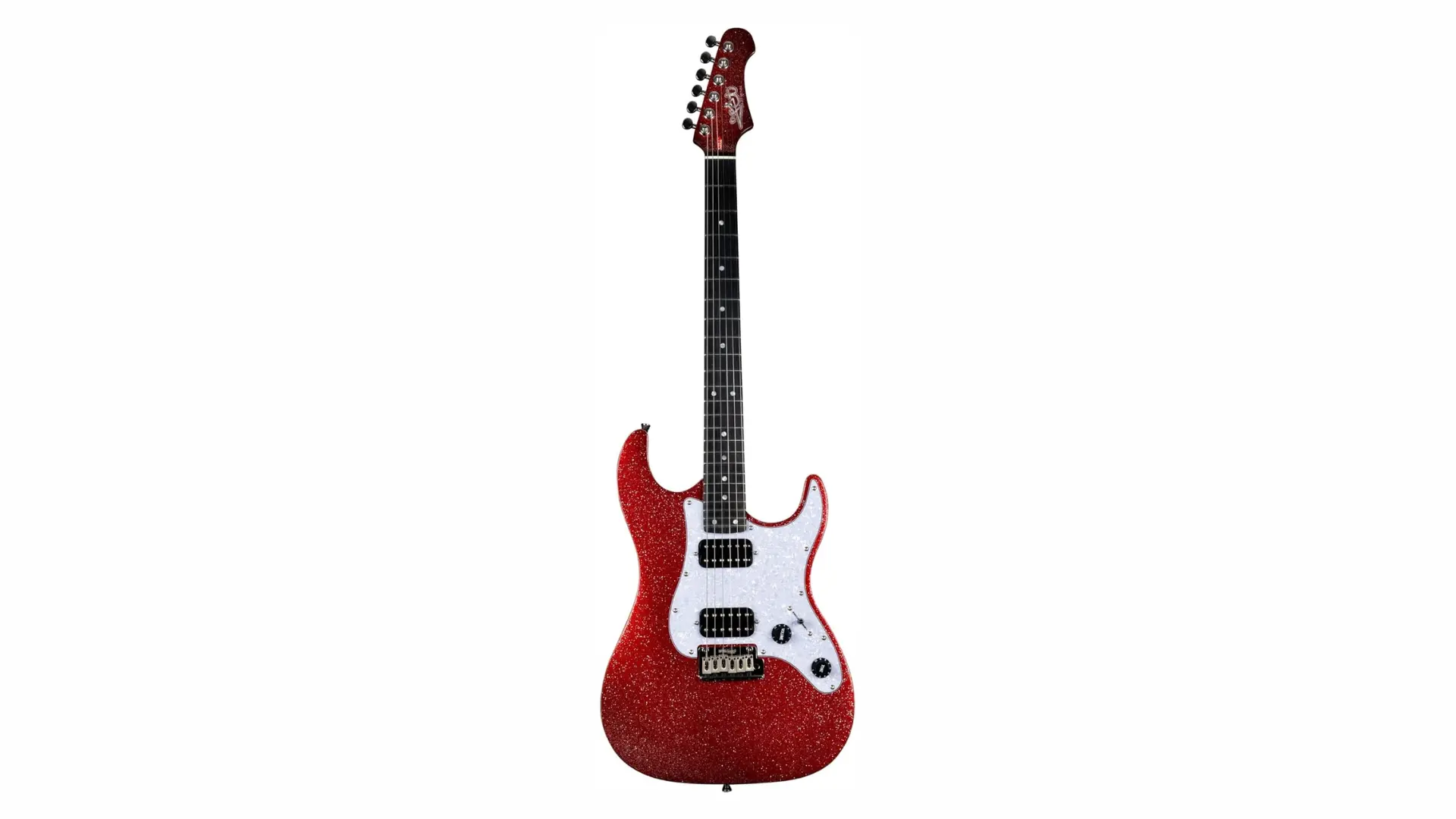
Unforgettable Secrets What Makes a Great Guitar Solo

Unforgettable Secrets What Makes a Great Guitar Solo

What Makes a Great Guitar Solo Tips from the Pros for Indian Musicians

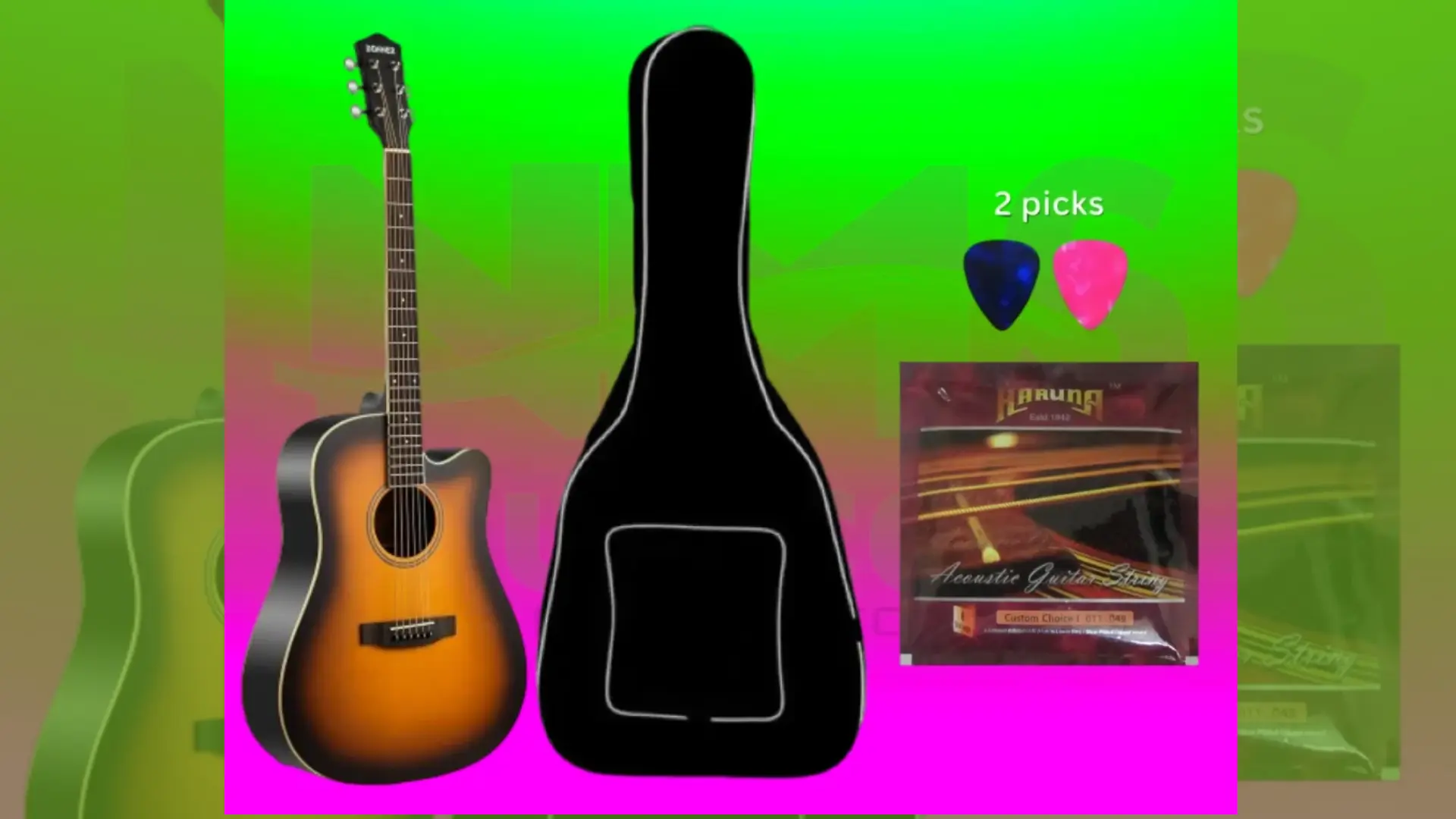
Get this instrument at best deal – Donner Guitar

When you hear a legendary guitar solo, it feels like magic. Whether it’s the fiery runs of Jimi Hendrix, the emotional bends of Eric Clapton, or the soulful improvisations of Indian fusion artists, solos have the power to touch hearts and leave a lasting impression. But what makes a great guitar solo truly unforgettable? Is it speed, technical mastery, or pure emotion?

In India, guitarists across genres—from Bollywood music to Carnatic fusion—are striving to create solos that stand out. At NMS Musicals in Pondicherry and Chennai, we meet countless aspiring guitarists who dream of mastering solos but struggle to understand the secret ingredients. This guide explores the essential elements, tips from professionals, and the journey of shaping your own solo style.


The Key Elements of a Great Guitar Solo

1. Emotional Expression

A great solo is not just about playing notes—it’s about telling a story. The emotion you convey through bends, vibrato, and phrasing makes your solo memorable.

2. Melody Over Speed

Many beginners think faster means better. In reality, the best solos are often simple, melodic, and singable. Think of David Gilmour’s solos in Pink Floyd classics.

3. Technical Proficiency

While emotion matters most, strong technical control—alternate picking, tapping, legato, and slides—gives you the freedom to express without limits.

4. Timing and Rhythm

A great guitarist knows when to pause, when to build tension, and when to unleash. Solos need rhythm and dynamics to stay engaging.

5. Unique Personal Style

Your influences may shape you, but your unique phrasing and tone define your identity as a soloist. Indian guitarists often blend Western rock with ragas to create something fresh.


Tips from Professional Guitarists

1. Focus on Phrasing

Pro players emphasize phrasing over speed. Break your solo into musical sentences. Leave space for breath—like a singer would.

2. Master Your Scales

Knowing scales (major, minor, pentatonic, blues, modes) helps you build solos with structure. Indian guitarists can also integrate ragas for originality.

3. Listen More, Play Less

Legendary guitarists stress listening to great solos and internalizing them before attempting to replicate. Ear training is essential here.

4. Learn from Indian Fusion Guitarists

Artists like Baiju Dharmajan and Prasanna show how solos can bridge cultures. Their solos blend Indian classical with modern techniques.

5. Practice with Backing Tracks

Practicing solos over backing tracks sharpens your improvisation and timing skills. You’ll learn how to adapt to different keys and grooves.


Common Mistakes Guitarists Make in Solos

  1. Overplaying without direction
  2. Ignoring melody and relying only on speed
  3. Lack of control in bends and vibrato
  4. Playing out of key due to poor ear training
  5. Forgetting the audience connection


How to Develop Your Own Guitar Solo Style

1. Study the Masters

Listen to legends like Santana, Slash, Steve Vai, and Indian guitar heroes. Analyze what makes their solos unique.

2. Experiment with Tone

Your gear matters. Experiment with guitar pickups, amps, and pedals to find your voice. At NMS Musicals in Chennai and Pondicherry, we help guitarists choose the right equipment for their tone goals.

3. Combine Genres

Don’t be afraid to mix Carnatic gamakas with rock bends or Bollywood melodies with blues scales. Fusion creates originality.

4. Record and Review

Recording your solos allows you to hear mistakes and improve phrasing, tone, and timing.

5. Perform Live

Playing in front of an audience teaches you more about emotion, connection, and flow than practice alone.


Recommended Guitars and Accessories for Indian Guitarists

For those starting their solo journey, having the right instrument makes a big difference. At NMS Musicals (Pondicherry & Chennai), we recommend:

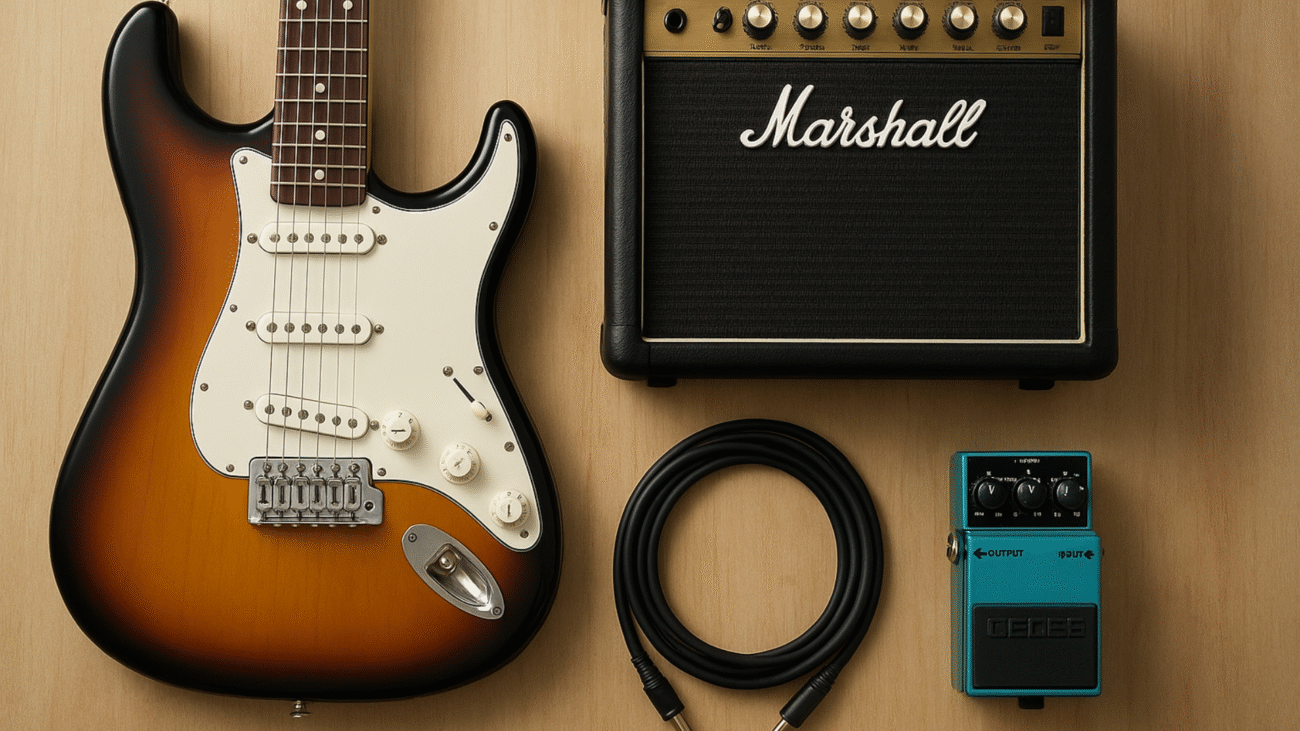
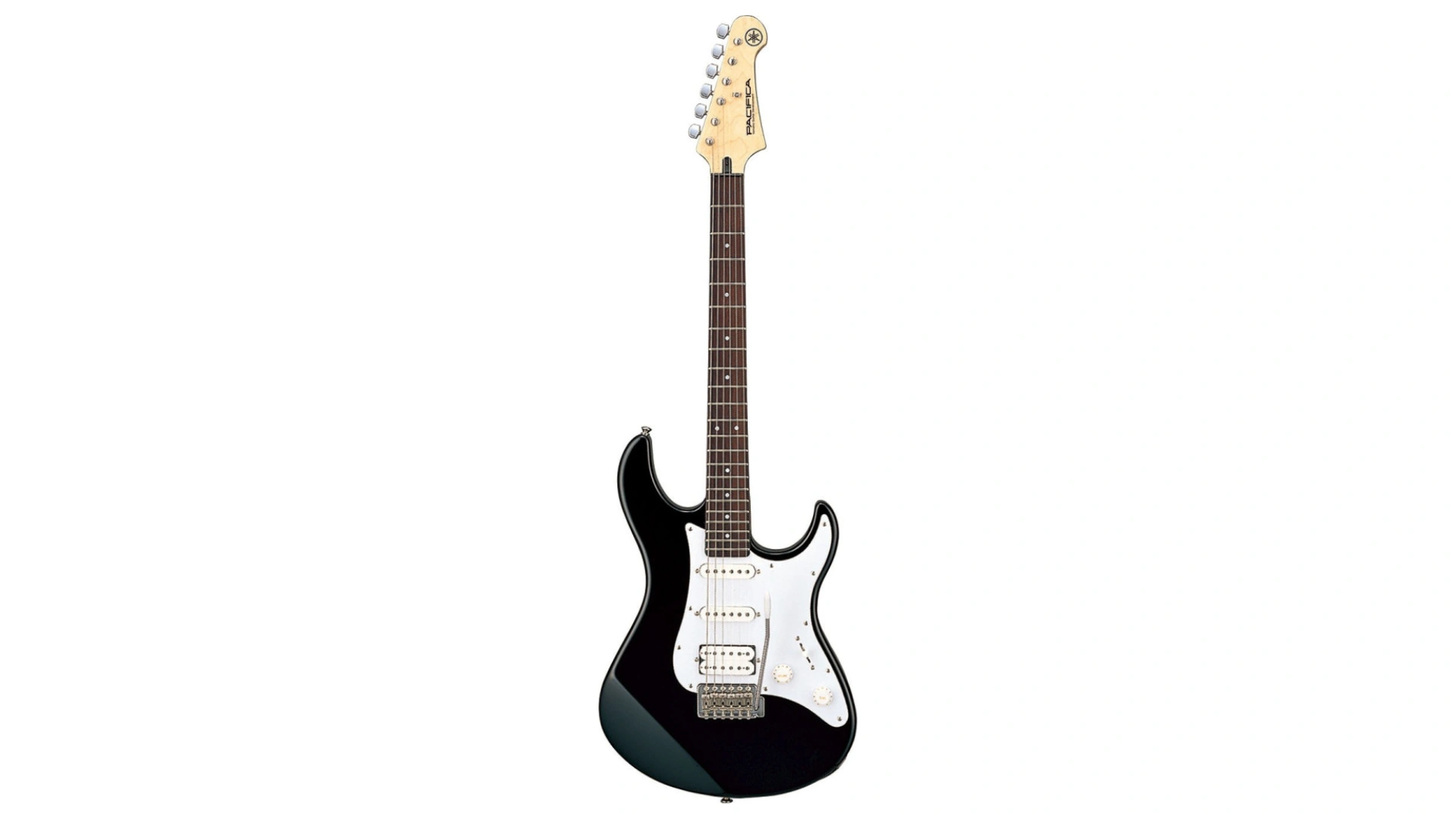
  • Yamaha Pacifica Series – Great for beginners


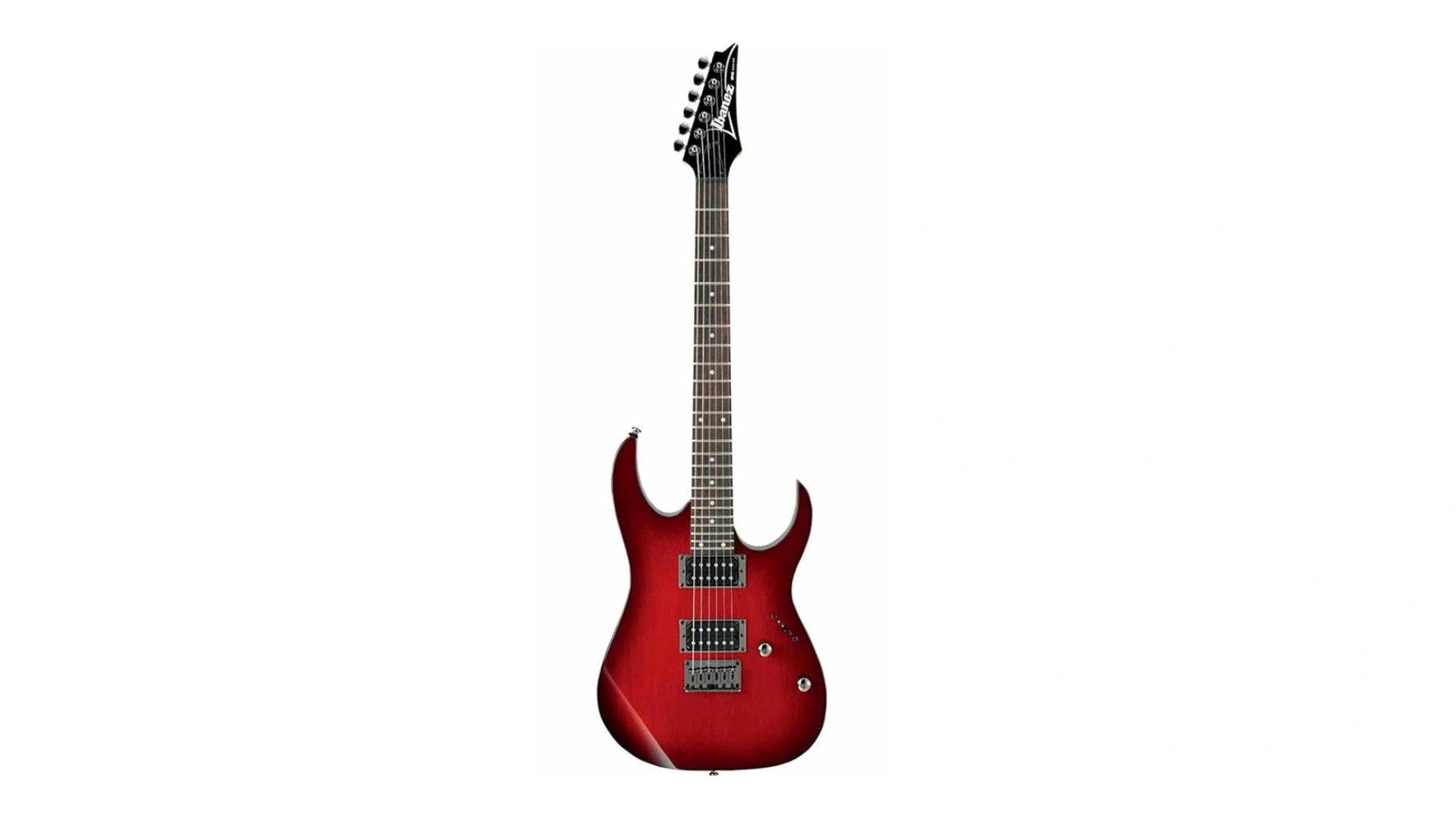
  • Ibanez RG Series – Perfect for speed and versatility


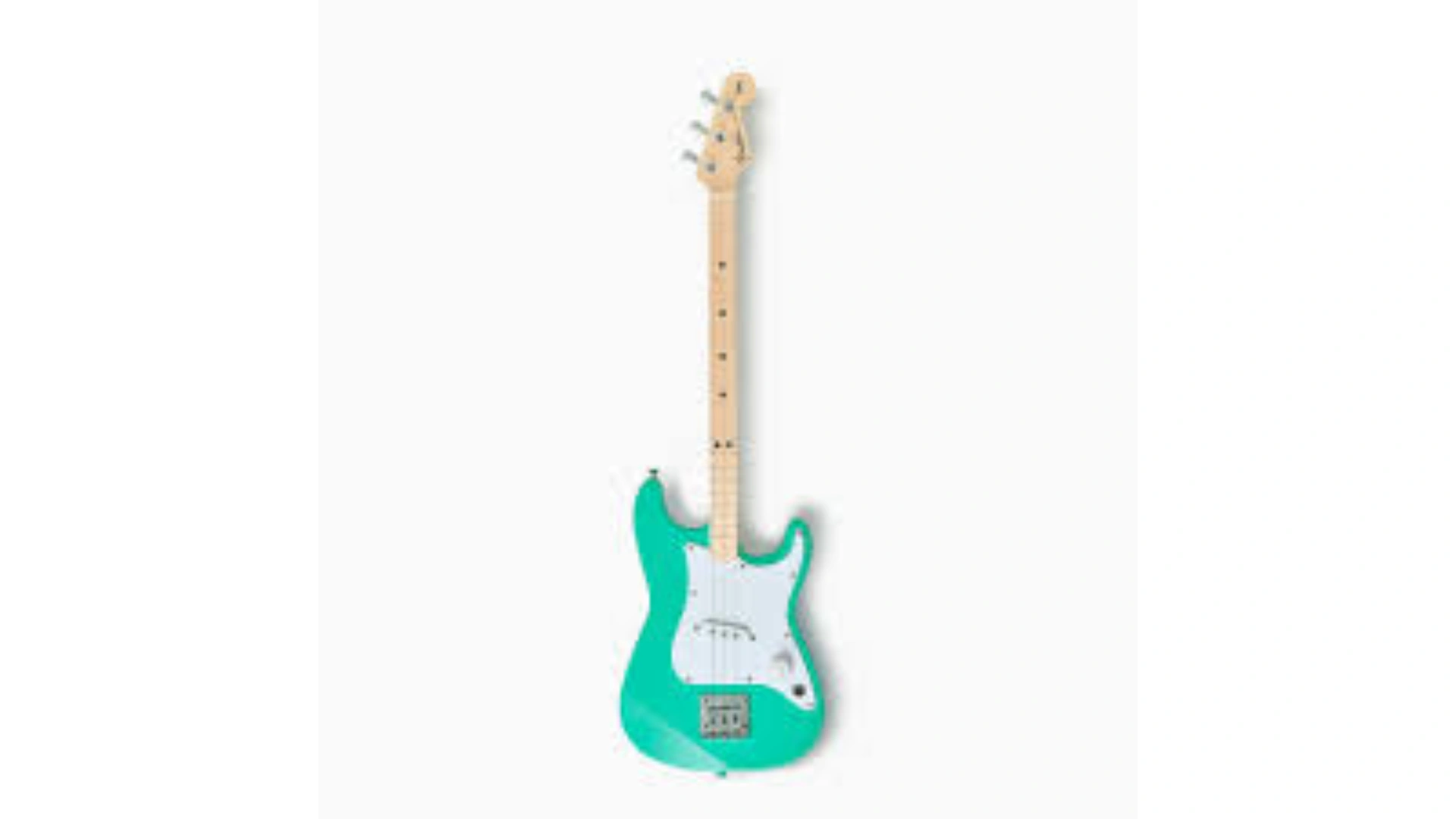
  • Fender Stratocaster – A classic for soulful solos


  • Boss Effects Pedals – To shape your sound creatively


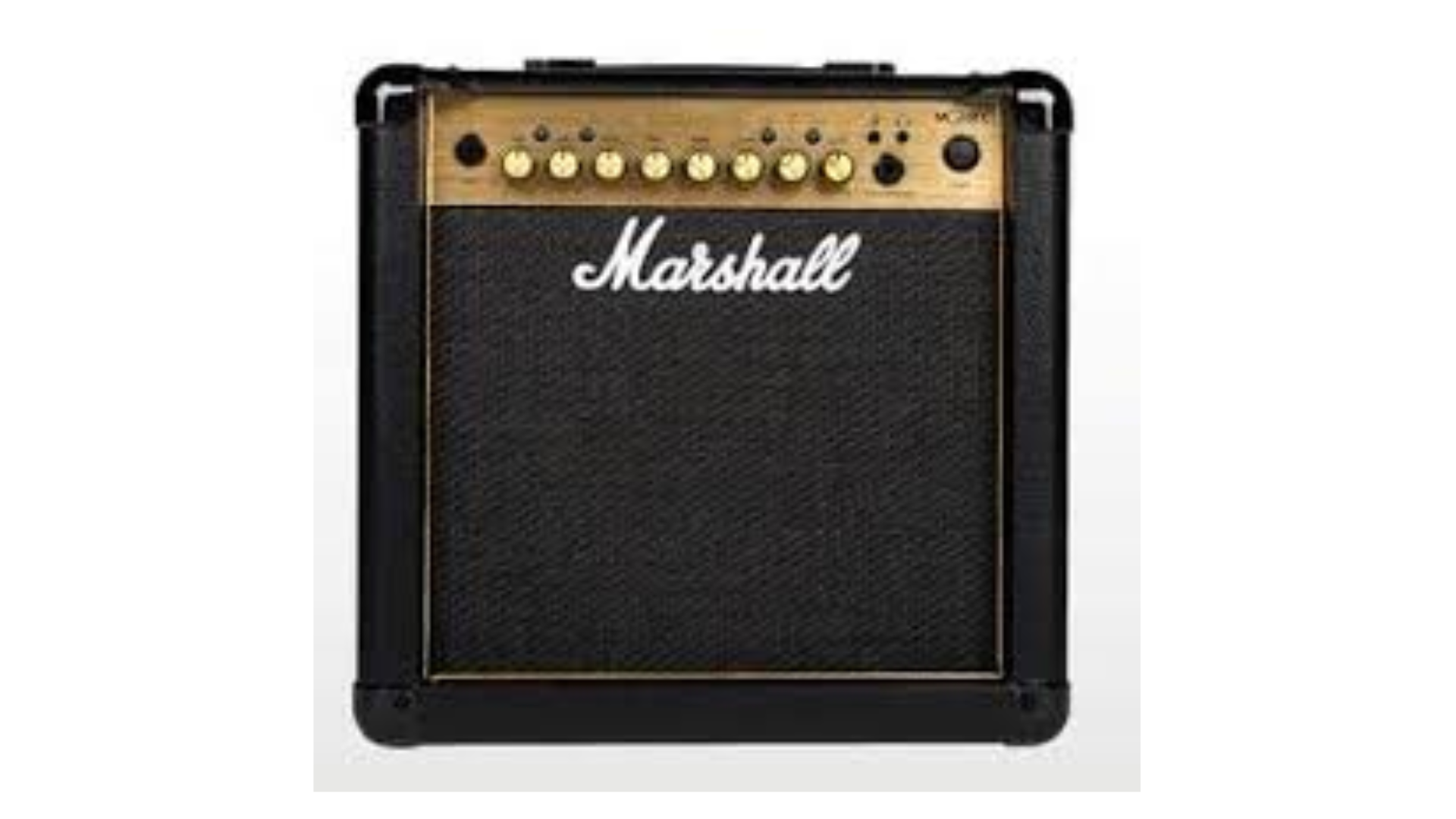
  • Marshall Amps – For reliable performance and tone


Practice Exercises for Building Better Solos

1. Scale Sequences

Practice major and pentatonic scales in sequences to build fluidity.

2. Bending and Vibrato Control

Spend time perfecting bends so they reach the correct pitch. Vibrato adds emotional weight.

3. Call-and-Response Soloing

Play a short phrase, then respond with another phrase. This makes your solo conversational.

4. Rhythm Variation

Play the same lick in different rhythms to explore creativity.

5. Improvisation Challenges

Set a timer for 5 minutes and improvise in a single scale without repeating yourself.


The Role of Ear Training in Solos

As we highlighted in our earlier blog, ear training is vital. Recognizing intervals, chords, and progressions helps you craft solos that complement the song, not just showcase skill.


How Indian Musicians Can Stand Out with Solos

Indian guitarists have a unique advantage: cultural diversity. By blending Bollywood melodies, ragas, and Western guitar techniques, you can create solos that stand apart on the global stage.


Conclusion

So, what makes a great guitar solo? It’s not just speed or technicality—it’s a perfect balance of emotion, melody, technique, rhythm, and individuality. The best solos tell stories, move audiences, and leave lasting impressions.

If you’re a guitarist in India looking to master solos, NMS Musicals in Pondicherry and Chennai is here to help you. From guitars and pedals to amps and accessories, we provide everything you need to shape your sound and sharpen your soloing skills. Begin your journey today, and one day, your solos may inspire the next generation.


At NMS Musicals, we offer a comprehensive range of musical instruments, including percussion, string, wind, and keyboard instruments. Our services encompass sales, expert servicing, and the manufacture of leather instruments. Explore our diverse collection and find the perfect instrument to suit your musical needs.

Visit our website to browse our offerings: nmsmusicals.in

For a closer look at our products, check out our shop page: nmsmusicals.in/shop

Stay connected with us through our social media channels:
Our shop locations are:

For inquiries, contact/Whatsapp us at 9500663895 or email us at laxman.m89@gmail.com.

Discover the world of musical instruments with NMS Musicals today!

For a visual overview of our percussion instruments, watch the following video:
Crucial Benefits The Importance of Ear Training for Musicians

Crucial Benefits: The Importance of Ear Training for Musicians

The Importance of Ear Training for Musicians How to Develop Your Listening Skills

In the journey of becoming a skilled musician, most learners in India focus primarily on technique, practice, and learning songs. While these are crucial aspects of musical growth, one element that often gets overlooked is ear training.

Understanding the importance of ear training for musicians is not just about identifying notes or chords—it’s about developing a powerful listening skill that shapes the way you play, create, and connect with music. Whether you’re a beginner learning your first instrument or an advanced player aspiring to perform on stage, ear training will transform your musical journey.

At NMS Musicals in Pondicherry and Chennai, we see aspiring musicians every day who struggle with rhythm, pitch recognition, and improvisation.

The common solution? Strengthening their listening skills through structured ear training. In this blog, we will explore why ear training matters, its benefits for Indian musicians, how to develop your listening skills, and practical exercises to master this craft.


What is Ear Training and Why Does It Matter?

Ear training is the process of sharpening your ability to recognize and understand the different elements of music—such as pitch, intervals, scales, rhythms, and chords—by listening. For musicians in India, where classical, folk, and contemporary genres are rich with tonal variations, ear training becomes even more essential.

When you develop your listening skills, you gain the ability to:

  1. Identify musical intervals instantly
  2. Recognize chord progressions and scales
  3. Tune instruments without relying solely on devices
  4. Improve improvisation during live performances
  5. Play by ear and replicate music you hear


The Importance of Ear Training for Musicians in India

1. Enhances Pitch Accuracy

Indian music relies heavily on tonal precision, whether it’s in Carnatic ragas, Hindustani classical, or Bollywood melodies. A trained ear helps you sing or play in tune consistently.

2. Boosts Rhythm Recognition

Drumming patterns in tabla, mridangam, or even modern drum kits require sharp rhythmic awareness. Ear training enables musicians to keep time and adapt quickly during ensemble performances.

3. Improves Musical Memory

By actively training your ear, you can recall melodies, chord changes, and entire compositions more effectively. This is especially beneficial for students preparing for music exams or competitions.

4. Strengthens Improvisation Skills

Improvisation is at the heart of both Indian classical and modern jazz. With ear training, you’ll be able to respond to other musicians on stage instantly.

5. Connects You Emotionally with Music

Music is not just technical—it’s emotional. Ear training allows you to feel and express emotions through your instrument or voice more effectively.


How to Develop Your Listening Skills

1. Start with Intervals

Intervals are the building blocks of music. Begin by training your ear to distinguish between major, minor, perfect, augmented, and diminished intervals. Apps and online tools can help, but practicing with a piano or guitar is most effective.

2. Practice with Indian Classical Music

Listen to ragas and try to identify the specific swaras (notes). For example, practice differentiating between Sa-Re-Ga in different scales. This sharpens your tonal awareness.

3. Work on Rhythm Training

Clap along with talas like Teentaal, Rupak, or Adi Tala. Once comfortable, practice with metronomes or drum machines to improve timing.

4. Transcribe Music

Choose a simple Bollywood or Carnatic song and try to play it by ear on your instrument. Writing down the notes or chords helps reinforce recognition.

5. Play in Groups

Jamming with other musicians is one of the best ways to improve listening skills. You’ll naturally adapt to others’ timing, pitch, and improvisation.


Ear Training Exercises Every Musician Should Try

1. Singing Intervals

Play two notes on a keyboard and try singing them. Repeat until you can recognize the interval without checking.

2. Call-and-Response Exercises

Ask a teacher or peer to play a short melody on an instrument, and replicate it immediately by ear.

3. Rhythm Dictation

Listen to a rhythm and write it down or clap it back. Start simple, then progress to complex patterns.

4. Chord Identification

Listen to different chord progressions and practice naming them (major, minor, diminished, seventh).

5. Tuning by Ear

Before using an electronic tuner, try to tune your guitar, violin, or other instrument by listening to reference pitches.


The Role of Ear Training for Different Musicians in India

Vocalists

Indian singers rely heavily on accurate pitch. Ear training ensures you hit the right swaras every time.

Guitarists and Pianists

These instruments involve chords and scales, making ear training vital for improvisation and composition.

Drummers and Percussionists

Recognizing rhythmic cycles (tala) and adapting to varying beats becomes second nature with ear training.

Composers and Producers

From film music directors to indie producers in India, ear training allows quick idea translation from mind to instrument.

Tools and Resources for Ear Training in India

  1. Apps – Functional Ear Trainer, Tenuto, and Teoria
  2. Online Courses – Indian music schools offering ear training modules
  3. Music Teachers – Personalized ear training at institutes like NMS Musicals (Pondicherry & Chennai)
  4. Daily Practice – Consistency is more important than intensity


Why You Shouldn’t Skip Ear Training

Some musicians in India make the mistake of relying solely on technique or technology. While tools like tuners and metronomes are helpful, they cannot replace a well-trained ear. Skipping ear training leads to challenges in performing, improvising, and collaborating.

At NMS Musicals, we encourage students to combine instrument practice with ear training sessions. Our teachers in Pondicherry and Chennai provide one-on-one guidance to help you develop sharp listening skills.


How NMS Musicals Supports Your Learning Journey

If you’re in Tamil Nadu or Pondicherry, NMS Musicals is more than just a shop—it’s a hub for musicians. Along with selling instruments like guitars, pianos, drums, and Indian classical instruments, we also provide guidance on practice techniques, ear training exercises, and music education resources. Our expert team helps beginners and professionals alike strengthen both their technical and listening skills.


Conclusion

The journey of becoming a complete musician goes beyond practicing scales or memorizing songs. The importance of ear training for musicians lies in its ability to enhance listening skills, sharpen performance, improve improvisation, and connect emotionally with music. For Indian musicians, where tradition and modern styles merge, ear training is not just an added skill—it is essential.

At NMS Musicals in Pondicherry and Chennai, we guide you in every step of your musical journey, from choosing the right instrument to training your ears for excellence. If you’re ready to take your musicianship to the next level, start your ear training today and experience how it transforms your connection with music.


At NMS Musicals, we offer a comprehensive range of musical instruments, including percussion, string, wind, and keyboard instruments. Our services encompass sales, expert servicing, and the manufacture of leather instruments. Explore our diverse collection and find the perfect instrument to suit your musical needs.

Visit our website to browse our offerings: nmsmusicals.in

For a closer look at our products, check out our shop page: nmsmusicals.in/shop

Stay connected with us through our social media channels:
Our shop locations are:

For inquiries, contact/Whatsapp us at 9500663895 or email us at laxman.m89@gmail.com.

Discover the world of musical instruments with NMS Musicals today!

For a visual overview of our percussion instruments, watch the following video:

Magical Best Instruments for Kids Classical Music to Start Learning

Magical Best Instruments for Kids Classical Music to Start Learning

Discover the Best Instruments for Kids Classical Music and Start Their Journey with Indian Traditions

Classical music has always been a treasure in Indian culture, shaping emotions, discipline, and creativity for centuries. When kids are introduced to classical instruments at a young age, they not only learn music but also develop patience, focus, and a deeper connection with traditions. Parents often wonder: Which is the best instrument for my child to begin their classical music journey?

In this blog, we will explore the best instruments for kids who want to learn classical music, with a strong focus on Indian instruments. These instruments are not only beginner-friendly but also open doors for a lifelong musical journey.


Why Choose Indian Classical Instruments for Kids?

Indian classical instruments hold cultural depth, historical significance, and spiritual energy. Unlike western instruments, many Indian instruments are deeply tied to meditation, storytelling, and discipline. Teaching kids these instruments early on develops not only their artistic side but also their sense of cultural identity.


Best Instruments for Kids Who Want to Learn Classical Music

1. Tabla

steel tabla set (1)
Get this instrument at best deal -https://nmsmusicals.in/product/steel-tabla-set-with-ringset-hammer-bag/

The tabla is one of the most popular percussion instruments in Indian classical music. It consists of two hand-played drums, the dayan (right drum) and bayan (left drum).

  • Why it’s good for kids: Learning tabla helps kids improve rhythm, hand coordination, and timing. Children can start tabla training as early as 5 years old.
  • Benefits: Builds focus, enhances memory, and creates a strong foundation in rhythm which is essential for all music learning.
  • Learning path: Kids can start with basic bols (syllables) like dha, dhin, na, and move towards complex tala cycles.


2. Harmonium

Harmonium with case
Get this instrument at best deal -https://nmsmusicals.in/product/harmonium-case-double-reed/

The harmonium is a small, hand-pumped keyboard instrument that accompanies many classical performances.

  • Why it’s good for kids: Easy to handle and introduces children to melody and pitch recognition.
  • Benefits: Helps kids learn Indian ragas, improves vocal training (since it’s often used to support singing), and builds a solid base in classical music theory.
  • Learning path: Children can begin by practicing scales, ragas, and simple devotional songs.


3. Flute (Bansuri)

Bansuri D scale Flute
Get this instrument at best deal -https://nmsmusicals.in/product/bansuri-flute-d-scale-2/

The bansuri is a bamboo flute that has a rich, soulful tone. It is deeply associated with Lord Krishna and Indian classical ragas.

  • Why it’s good for kids: Lightweight and simple in structure, making it approachable for children.
  • Benefits: Improves breath control, enhances concentration, and develops a child’s sensitivity to melody.
  • Learning path: Kids can start with basic swaras (notes), practice simple tunes, and gradually learn ragas.


4. Veena

The Best Music Instruments for a Gift2

The veena is one of the oldest and most respected Indian string instruments, often associated with Goddess Saraswati.

  • Why it’s good for kids: Although slightly larger, smaller beginner models are available for children. Learning veena gives kids a profound understanding of melody and rhythm together.
  • Benefits: Develops finger dexterity, discipline, and deep appreciation for Carnatic classical music.
  • Learning path: Beginners start with simple compositions and gradually move into complex Carnatic kritis.


5. Mridangam

Mridangam 22 inch bolt nut
Get this instrument at best deal -https://nmsmusicals.in/product/mridangam-22-inch-second-quality-with-bolt-and-nut/

The mridangam is a double-sided drum, central to Carnatic music.

  • Why it’s good for kids: Perfect for children who love rhythm and want to be part of traditional Carnatic concerts.
  • Benefits: Enhances hand coordination, strengthens memory, and sharpens listening skills.
  • Learning path: Kids start with basic syllables like tha, dhi, thom, and progress into complex rhythmic cycles.


6. Sitar

Sitar in Indian Classical Music 4

The sitar is a plucked string instrument famous worldwide for Hindustani classical music.

  • Why it’s good for kids: Though larger in size, beginner sitars are designed for children. The sound is magical and keeps children motivated.
  • Benefits: Builds patience, enhances creativity, and improves a child’s ability to grasp ragas.
  • Learning path: Students first practice scales and then move on to improvisation within ragas.


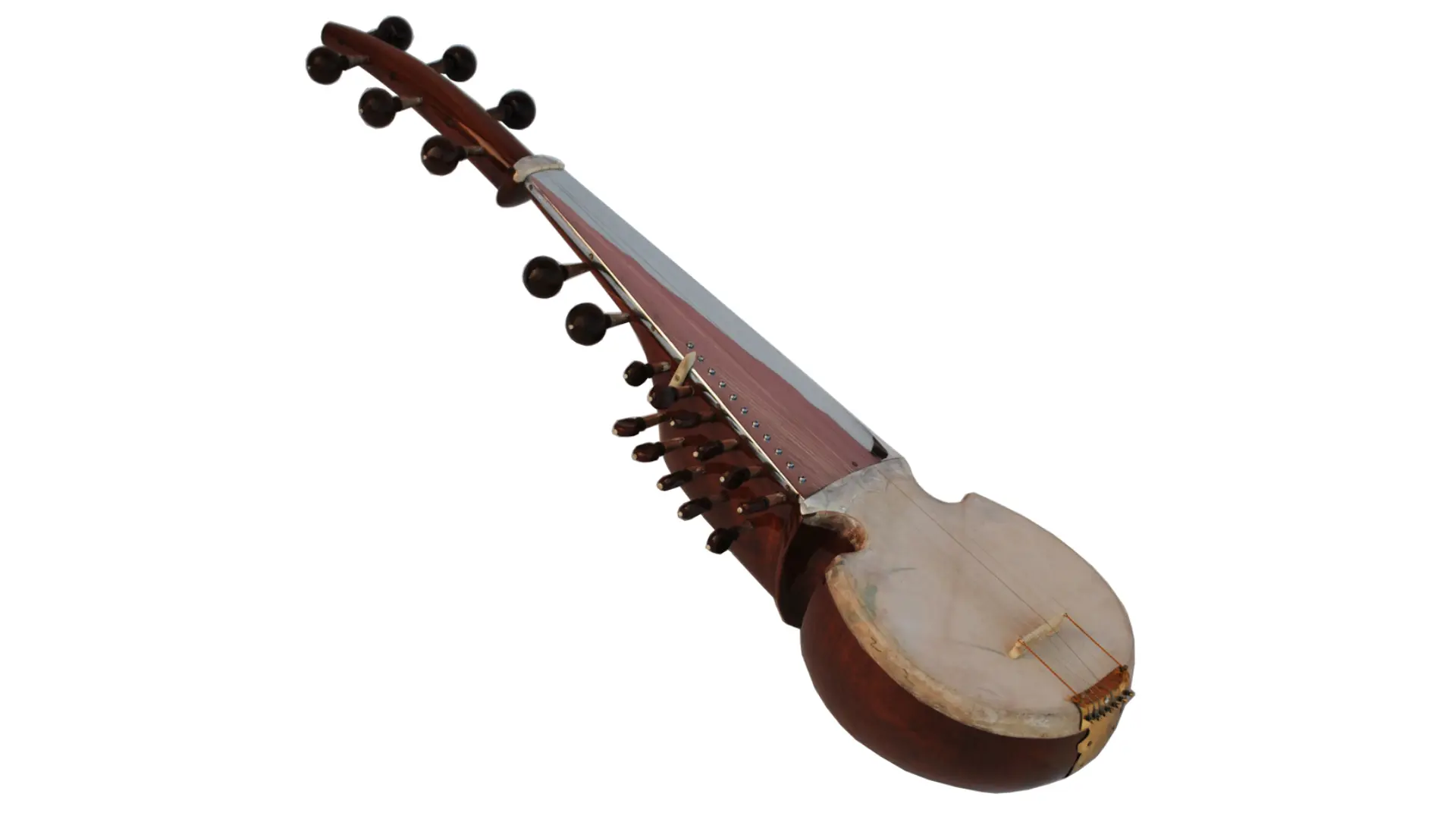
7. Sarod

Irresistible Guide to The Best Instruments for Solo Performances What Works Best for You

The sarod is a fretless string instrument with a deep, resonant sound.

  • Why it’s good for kids: Slightly more advanced, but passionate children can begin early under the right teacher.
  • Benefits: Improves musical imagination, ear training, and emotional expression.
  • Learning path: Kids begin with basic ragas and gradually move towards advanced compositions and improvisation.


8. Violin (Indian Style)

Cut Violin With Case
Get this instrument at best deal – Rampur Electric Violin With Case – Cut Shape

The Indian violin is adapted differently than its Western counterpart, often played sitting cross-legged.

  • Why it’s good for kids: The violin is versatile and allows children to explore both Carnatic and Hindustani music.
  • Benefits: Sharpens listening skills, enhances pitch recognition, and develops versatility in performance.
  • Learning path: Beginners start with simple scales and progress into ragas and kritis.


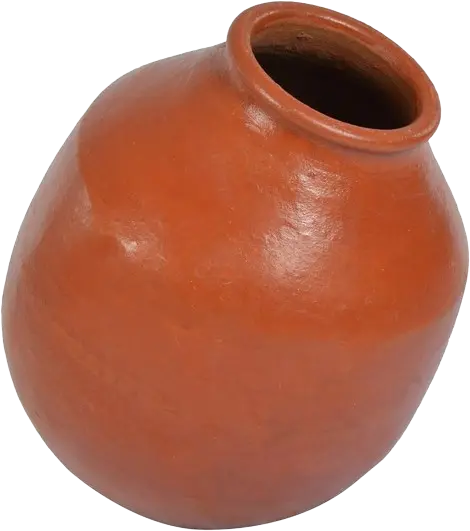
9. Ghatam

Ghatam-removebg-preview

The ghatam is a clay pot percussion instrument, commonly used in Carnatic music.

  • Why it’s good for kids: Unique, fun to play, and very engaging for children who like rhythm.
  • Benefits: Improves rhythm sense, builds coordination, and keeps kids connected with folk traditions.
  • Learning path: Children can begin with simple beats and gradually move into complex rhythmic improvisations.


10. Tanpura

The Best Music Instruments for a Gift

The tanpura is not usually a solo instrument but provides the essential drone in Indian classical music.

  • Why it’s good for kids: Builds listening skills and trains children to recognize shruti (pitch).
  • Benefits: Improves a child’s ability to sing or play in tune, develops patience, and sharpens focus.
  • Learning path: Kids start by using the tanpura for regular practice sessions to stabilize their sense of pitch.


Tips for Parents Choosing Instruments for Kids

  • Consider child’s age and interest: Younger kids may start with percussion like tabla or ghatam, while older kids can handle sitar or veena.
  • Look for beginner-friendly models: Many instruments have smaller versions designed for children.
  • Encourage regular practice: 15–20 minutes daily is better than long, irregular sessions.
  • Find the right teacher: A supportive guru can make all the difference in keeping a child motivated.
  • Blend fun with discipline: Encourage kids to enjoy the instrument first, and gradually build structure into practice.


How Learning Classical Instruments Helps Kids Beyond Music

  • Improves academic performance: Music enhances memory, math skills, and focus.
  • Boosts confidence: Performing in front of small groups builds stage confidence.
  • Encourages discipline: Regular practice teaches patience and perseverance.
  • Connects with culture: Learning Indian classical instruments connects children with their roots.


Conclusion

Introducing children to the best instruments for kids who want to learn classical music is one of the most rewarding decisions a parent can make. From tabla to veena, bansuri to mridangam, each instrument offers unique benefits that shape not just a child’s musical skills but also their character, discipline, and creativity.

Whether your child is drawn to rhythm, melody, or harmony, Indian classical instruments provide the perfect foundation. With the right guidance, support, and encouragement, your child’s musical journey can turn into a lifelong passion that carries the beauty of tradition into the future.


At NMS Musicals, we offer a comprehensive range of musical instruments, including percussion, string, wind, and keyboard instruments. Our services encompass sales, expert servicing, and the manufacture of leather instruments. Explore our diverse collection and find the perfect instrument to suit your musical needs.

Visit our website to browse our offerings: nmsmusicals.in

For a closer look at our products, check out our shop page: nmsmusicals.in/shop

Stay connected with us through our social media channels:
Our shop locations are:

For inquiries, contact/Whatsapp us at 9500663895 or email us at laxman.m89@gmail.com.

Discover the world of musical instruments with NMS Musicals today!

For a visual overview of our percussion instruments, watch the following video:
Powerful Tips for Choosing Between an Acoustic and Digital Piano

Powerful Tips for Choosing Between an Acoustic and Digital Piano

Pros and Cons of Choosing Between an Acoustic and Digital Piano for Musicians in India

Choosing Between an Acoustic and Digital Piano is one of the most important decisions for any musician, whether a beginner or a professional. Both types of pianos offer unique advantages, and understanding their differences can help you make an informed choice that suits your lifestyle, budget, and musical goals.

In India, where space, climate, and accessibility are key considerations, selecting the right piano becomes even more critical. This guide explores the pros and cons of acoustic and digital pianos to help you make the best choice.


1. Understanding Acoustic Pianos

Acoustic pianos are traditional instruments that produce sound mechanically through hammers striking strings when keys are pressed. They are available in two main types:

why choose a digital piano 3

Grand Piano: Offers rich, resonant sound with exceptional tonal quality, ideal for professional performances.

choose between grand and upright piano 4

Upright Piano: Compact and suitable for homes or small studios while maintaining decent sound quality.


Pros of Acoustic Pianos

  1. Rich, Authentic Sound: Acoustic pianos produce a natural, resonant tone that digital pianos strive to replicate.
  2. Dynamic Range: Ability to produce nuanced tones depending on how keys are pressed.
  3. Classic Design: Visually appealing and adds elegance to your home or studio.
  4. Longevity: Can last decades with proper care, often appreciating in value.


Cons of Acoustic Pianos

  1. High Cost: Generally more expensive than digital pianos.
  2. Maintenance Needs: Requires regular tuning and servicing.
  3. Space Requirement: Bulky and needs dedicated space.
  4. Climate Sensitivity: Humidity and temperature fluctuations, common in India, can affect tuning and lifespan.


2. Understanding Digital Pianos

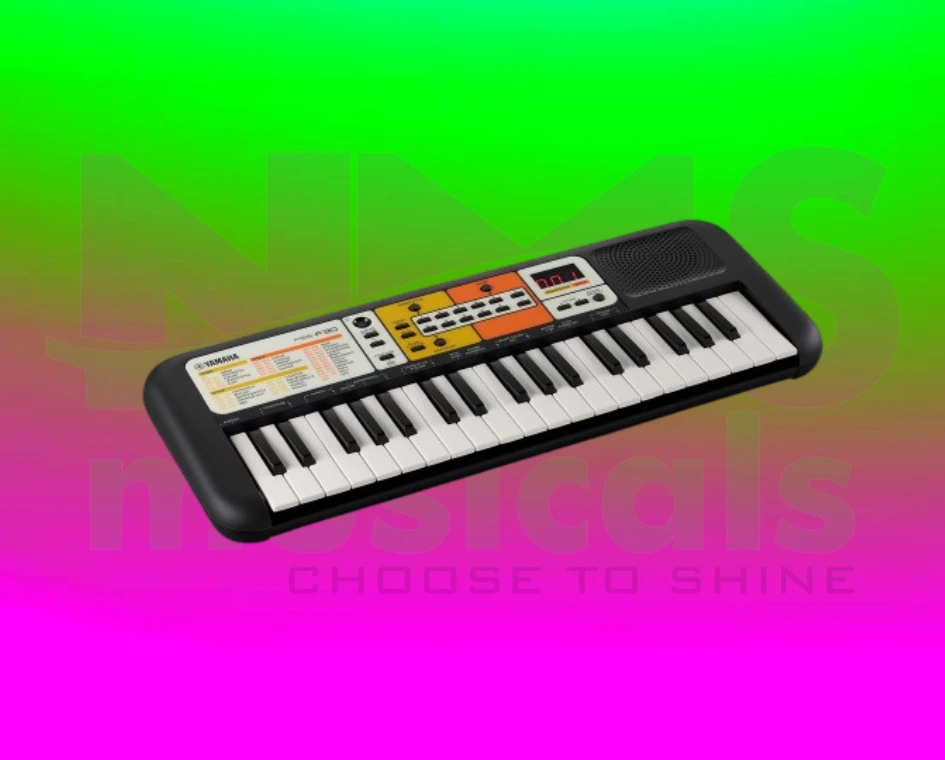
PSS F30 Keyboard
Get this instrument at best deal – Yamaha PSS-F30, 37 Keys Portable Mini Keyboard

Digital pianos simulate acoustic piano sounds electronically. They are versatile, compact, and increasingly realistic.


Pros of Digital Pianos

  1. Affordable Options: Cheaper than acoustic pianos, ideal for beginners.
  2. Portability: Lightweight and easy to place in small spaces.
  3. Low Maintenance: No tuning needed, perfect for humid regions in India.
  4. Versatility: Multiple sounds, recording features, and headphone compatibility.
  5. Technology Integration: Connect with apps for learning, recording, and composing.


Cons of Digital Pianos

  1. Less Authentic Sound: Cannot fully replicate acoustic piano resonance.
  2. Limited Longevity: Electronics may fail over time.
  3. Less Prestige: May not offer the same visual or status appeal as acoustic pianos.


3. Key Factors to Consider Before Buying

Budget: Acoustic pianos require a higher initial investment; digital pianos are more affordable.

Space: Grand pianos need significant space; digital pianos are compact.

Purpose: Performance or recording favors acoustic; learning and casual play may favor digital.

Maintenance: Acoustic requires regular tuning; digital requires minimal upkeep.

Climate: Digital pianos are ideal for India’s humid regions; acoustic pianos need controlled conditions.

Sound Quality Preference: Traditionalists often prefer acoustic resonance.

Portability Needs: Digital pianos are easier to transport for gigs or practice.


4. Acoustic Piano Buying Tips in India

  1. Research reputable local brands.
  2. Check warranty and service options.
  3. Consider used pianos carefully; inspect for quality.
  4. Ensure enough space and suitable placement.
  5. Factor in long-term maintenance costs.


5. Digital Piano Buying Tips in India

  1. Test key action and sound quality before purchase.
  2. Look for weighted keys, touch sensitivity, and headphone compatibility.
  3. Check warranty and after-sales service.
  4. Consider portability and app connectivity.
  5. Match the model to your learning or performance goals.


6. Acoustic vs Digital Piano for Beginners

  1. Digital pianos are often preferred for beginners due to affordability and convenience.
  2. Acoustic pianos help develop touch and dynamics but need commitment.
  3. Weighted-key digital pianos can be a practical alternative for small spaces.


7. Acoustic vs Digital Piano for Professionals

  1. Acoustic pianos remain the standard for performances and recordings.
  2. Digital pianos are useful for practice, composing, and portable gigs.
  3. Many professionals use both for flexibility.


8. Popular Piano Brands in India

Acoustic: Yamaha, Kawai, Steinway & Sons, Pearl River.

Digital: Casio, Roland, Yamaha, Korg


9. Maintenance and Care Tips

Acoustic Pianos: Tune 2–4 times per year, control humidity, professional servicing.

Digital Pianos: Keep away from moisture, clean keys, update software if applicable.


10. Final Decision Checklist

  1. Determine budget and space.
  2. Identify purpose: learning, practice, performance, or recording.
  3. Consider maintenance, climate, and longevity.
  4. Test sound and key feel in person.
  5. Compare brands and after-sales service in India.


Conclusion

Choosing Between an Acoustic and Digital Piano depends on your budget, space, purpose, and lifestyle. Acoustic pianos offer timeless appeal and authentic sound, while digital pianos provide affordability, portability, and convenience, especially in India’s diverse climates. By evaluating your needs and the pros and cons of each, you can confidently select the piano that enhances your musical journey for years.


At NMS Musicals, we offer a comprehensive range of musical instruments, including percussion, string, wind, and keyboard instruments. Our services encompass sales, expert servicing, and the manufacture of leather instruments. Explore our diverse collection and find the perfect instrument to suit your musical needs.

Visit our website to browse our offerings: nmsmusicals.in

For a closer look at our products, check out our shop page: nmsmusicals.in/shop

Stay connected with us through our social media channels:
Our shop locations are:

For inquiries, contact/Whatsapp us at 9500663895 or email us at laxman.m89@gmail.com.

Discover the world of musical instruments with NMS Musicals today!

For a visual overview of our percussion instruments, watch the following video:
Ultimate Guide to Choose the Right Piano for Home 3

Ultimate Guide to Choose the Right Piano for Your Home

Choose the Right Piano for Home in India: Expert Tips for Families

Music has the power to transform a house into a home. For many families in India, owning a piano is a lifelong dream—whether for learning, practicing, or enjoying soulful melodies during family gatherings. However, with so many options available, the question of how to choose the right piano for your home can feel overwhelming.

Between digital and acoustic options, budget constraints, space availability, and brand choices, making the right decision requires both research and guidance. In this comprehensive guide, we’ll help you navigate the process step by step, ensuring you find the piano that perfectly suits your needs, lifestyle, and home environment in India.


1. Understanding the Types of Pianos

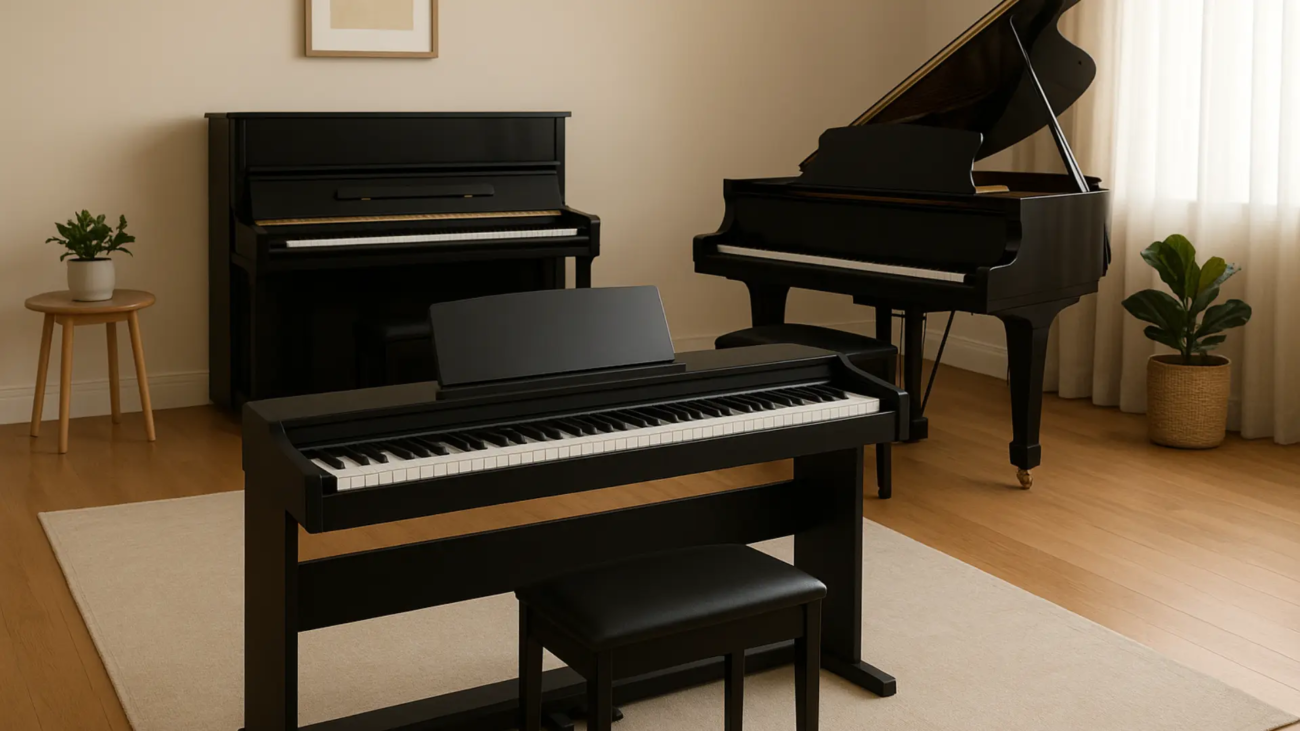
When thinking about how to choose the right piano for your home, the first step is identifying the type of piano that fits your lifestyle.

  • Acoustic Upright Piano:
    choose between grand and upright piano 1

    Ideal for Indian homes with limited space. Upright pianos provide a classic sound and are more compact than grand pianos.
  • Grand Piano:
    choose between grand and upright piano

    Perfect for spacious homes, performance halls, or luxury interiors. They offer superior tone and responsiveness but require significant space and investment.
  • Digital Piano:

    E383 KEYBOARD STAND AND BAG
    Get this instrument at best deal – Yamaha PSR-E383 Portable Keyboard

    Highly popular in India due to affordability and convenience. They mimic acoustic sound, offer multiple tones, and can be used with headphones for silent practice.


2. Evaluating the Space in Your Home

Space plays a crucial role in choosing the right piano. In Indian apartments, an upright or digital piano is more practical, while independent houses or villas may accommodate a grand piano. Always measure the dimensions of the piano and compare them with the available space in your living room, music room, or study.


3. Considering Your Budget

Price is a deciding factor for most Indian families. Acoustic upright pianos start from Rs. 1.5–2 lakh, while digital pianos can cost as little as Rs. 20,000 and go up to Rs. 2 lakh. Grand pianos, on the other hand, can easily cross Rs. 5 lakh. Setting a budget helps you shortlist suitable options without overspending.


4. Sound and Tone Quality

The soul of a piano lies in its sound. When buying an acoustic piano, test the resonance, sustain, and tonal richness. In India, where traditional ragas often blend with western compositions, tonal clarity is essential. Digital pianos should be evaluated for how realistically they reproduce acoustic tones.


5. Key Action and Touch Sensitivity

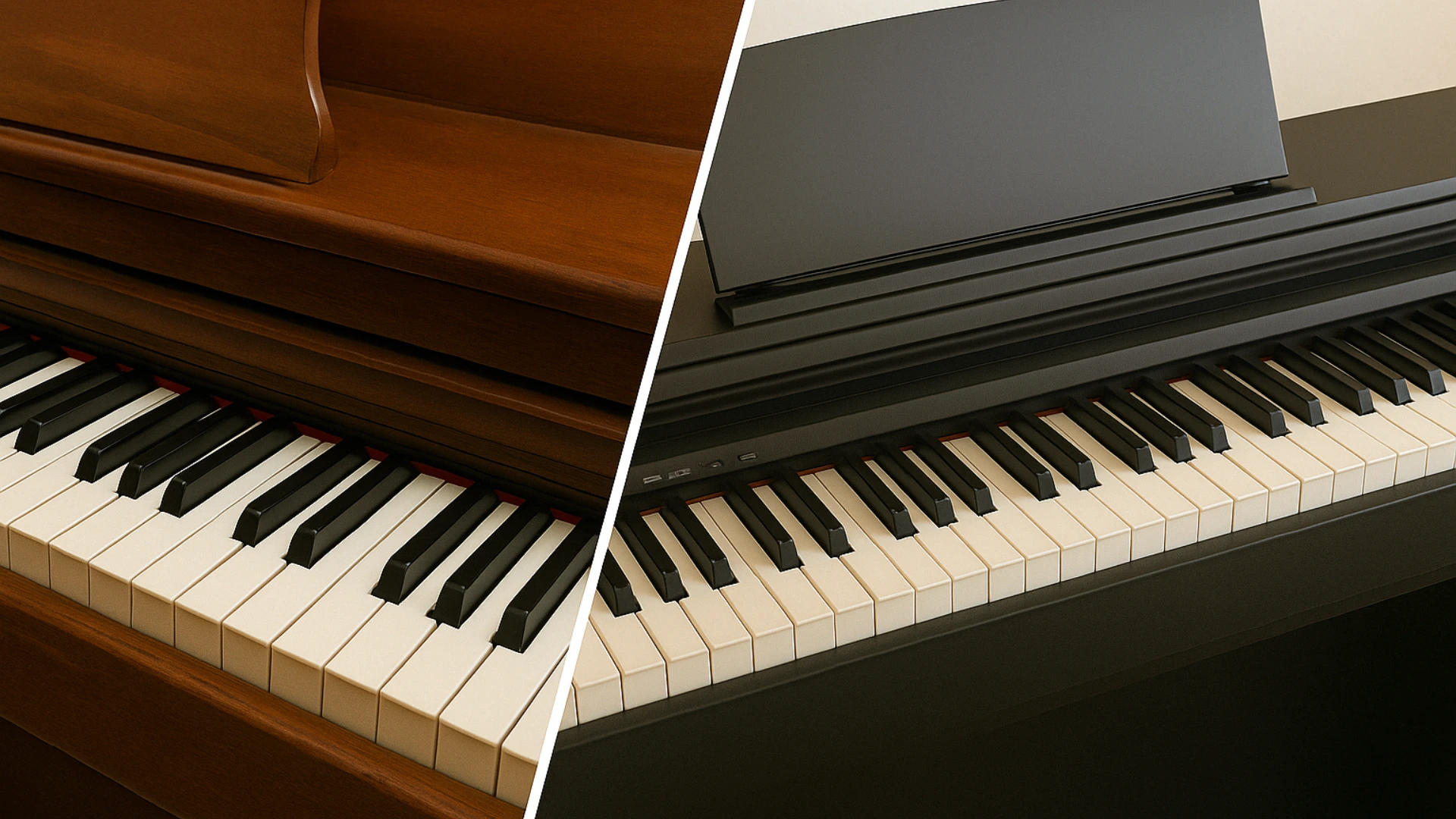
A piano should feel responsive to your touch. Acoustic pianos naturally provide weighted keys, while digital models vary. Look for hammer-action or graded-weight keys if you’re choosing a digital piano. This is especially important for learners in India who may eventually transition to acoustic instruments.


6. Durability and Climate Suitability

India’s climate can be harsh on wooden instruments. Acoustic pianos require regular maintenance to withstand humidity and temperature fluctuations. Digital pianos are less affected by climate, making them a popular choice for Indian households in coastal cities like Chennai or humid regions like Kerala.

choose between grand and upright piano 5

7. Maintenance and Service Availability

A piano is a long-term investment. Acoustic pianos need regular tuning and servicing, which can cost Rs. 2,000–5,000 annually. Before purchasing, check whether service centers and technicians for your chosen brand are easily available in your city.


8. Portability and Convenience

If you’re a family that moves often due to job transfers, a digital piano is easier to transport. Upright and grand pianos are heavy and require professional movers. In Indian cities where shifting homes is common, portability can be a deciding factor.


9. Brand Selection

Some of the best piano brands available in India include Yamaha, Kawai, Roland, and Casio. Yamaha upright and digital pianos are known for their durability and tone, while Casio is popular for affordability. Roland digital pianos are favored by stage performers. Choose a brand that matches your budget and expectations.


10. Aesthetic Appeal and Home Décor

A piano is not just an instrument—it’s also a piece of furniture that adds elegance to your home. Upright pianos with polished ebony finishes are timeless, while grand pianos make a luxurious statement in spacious living areas. Digital pianos often come in sleek modern designs that blend well with minimalist Indian interiors.


11. Purpose of Buying the Piano

Ask yourself why you are purchasing a piano.

  • For beginners or children, digital pianos are budget-friendly and practical.
  • For serious learners or advanced players, an upright acoustic piano is a better choice.
  • For performers or enthusiasts, a grand piano delivers unmatched sound and presence.


12. Trying Before Buying

CTK-2550 Keyboard
Get this instrument at best deal – https://nmsmusicals.in/product/casio-ctk-2550-portable-keyboard/

Never buy a piano without playing it first. Visit music stores in India like Furtados, Yamaha Music, or local dealers to test different models. Listen to the tone, feel the keys, and imagine the instrument in your home setting.


13. Exploring Online vs Offline Purchase

While online platforms offer discounts, buying a piano offline in India allows you to test the instrument physically and get personalized recommendations. For expensive acoustic models, offline purchase is safer, whereas digital pianos can be confidently bought online from trusted retailers.


14. Accessories and Add-ons

When buying a piano, consider essential accessories like benches, covers, stands, and headphones. Many Indian families also invest in a UPS or stabilizer for digital pianos to protect them from power fluctuations.


15. Resale Value

Acoustic pianos, especially those from reputed brands, hold good resale value in India. Digital pianos depreciate faster but are easier to sell due to affordability. If you plan to upgrade in the future, factor in the resale market.


16. Learning and Teacher Availability

Choosing the right piano also depends on the availability of teachers and classes. In Indian metros like Mumbai, Delhi, and Bangalore, western classical piano classes are widely available. However, in smaller towns, digital pianos may be a better option due to their versatility for self-learning apps.


17. Future-proofing Your Investment

If your child or family member is just beginning, think long-term. Buying a slightly better piano today can save you from an upgrade within a year or two. Digital pianos with USB connectivity, recording options, and learning features can also make practice engaging.


Conclusion

When deciding how to choose the right piano for your home, the key is balancing your musical goals with practical considerations like budget, space, and lifestyle. In India, where homes range from compact city apartments to sprawling villas, the perfect piano will vary for each family.

Whether you choose a sleek digital piano for convenience, an upright acoustic piano for traditional sound, or a grand piano for unmatched elegance, the right choice will bring years of joy and inspiration to your home. Remember, a piano is not just an instrument—it’s an investment in music, memories, and harmony for generations to come.


At NMS Musicals, we offer a comprehensive range of musical instruments, including percussion, string, wind, and keyboard instruments. Our services encompass sales, expert servicing, and the manufacture of leather instruments. Explore our diverse collection and find the perfect instrument to suit your musical needs.

Visit our website to browse our offerings: nmsmusicals.in

For a closer look at our products, check out our shop page: nmsmusicals.in/shop

Stay connected with us through our social media channels:
Our shop locations are:

For inquiries, contact/Whatsapp us at 9500663895 or email us at laxman.m89@gmail.com.

Discover the world of musical instruments with NMS Musicals today!

For a visual overview of our percussion instruments, watch the following video: