
 Cart is empty
Unbeatable Top 10 Music Accessories for Every Musician in Indian Classical Music
Every musician knows that having the right instrument is only half the journey. What truly enhances practice, performance, and longevity of instruments are the accessories that come with them.
Especially in Indian classical music, accessories play a vital role in protecting instruments, improving sound quality, and ensuring musicians can focus entirely on their art.
In this blog, we will explore the Top 10 Music Accessories Every Musician Should Have, with a strong focus on Indian instruments. These accessories are practical, essential, and make a powerful difference in the musical journey of both beginners and professionals.
Top 10 Music Accessories Every Musician Should Have
1. Instrument Cases and Bags

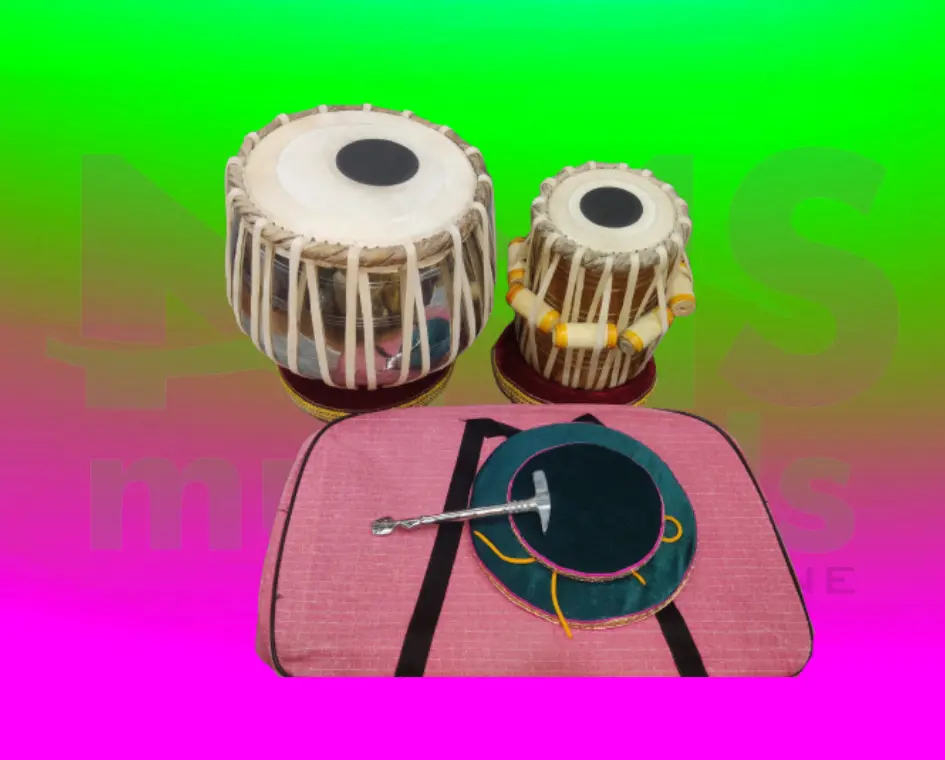
One of the most important accessories for any musician is a strong, protective case or bag.

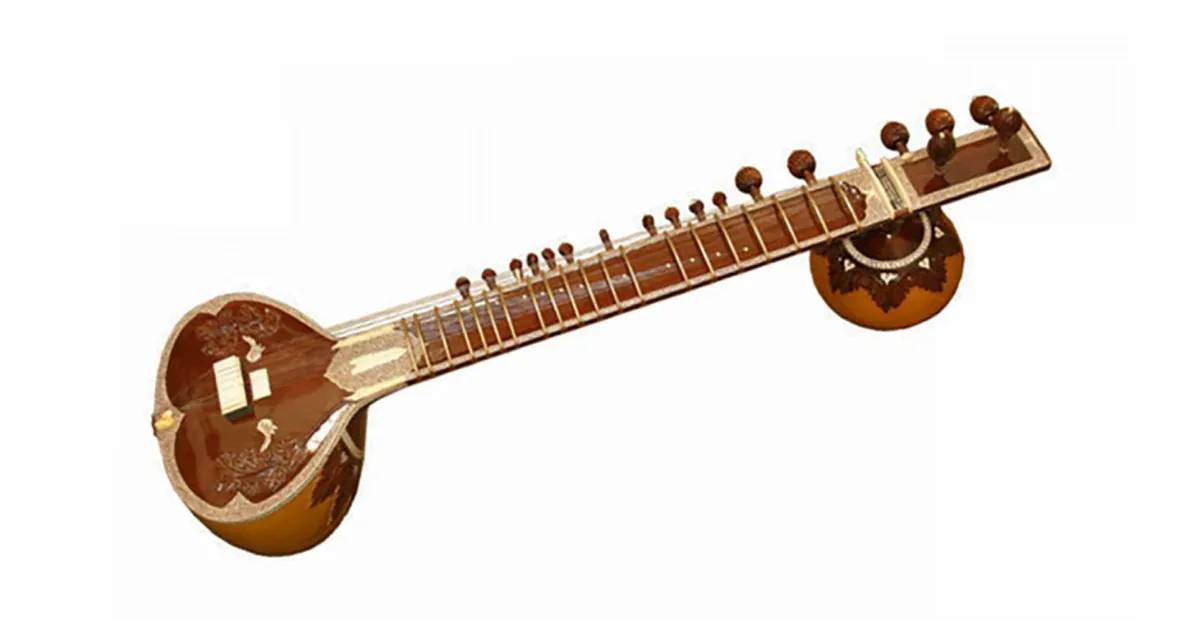
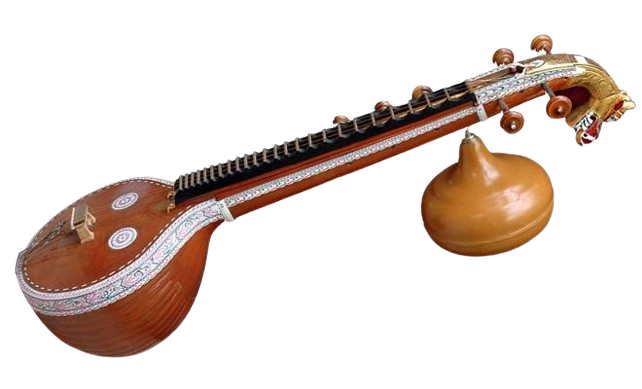
- For Indian instruments: Sitar, veena, and tabla require padded cases to avoid damage during travel
- Why it’s important: Protects delicate instruments from dust, moisture, and accidental knocks.
- Tip for musicians: Always choose waterproof and padded cases for long-lasting safety.
2. Music Stands

A music stand is a must-have for practicing or performing musicians.
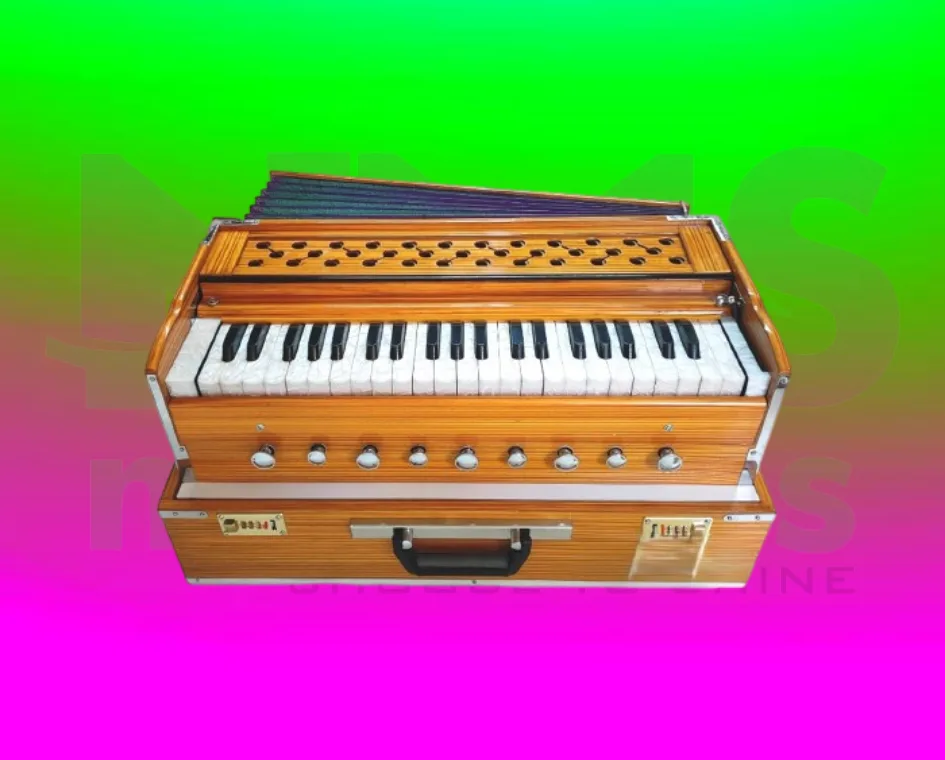
- For Indian instruments: Vocalists, harmonium players, and violinists benefit from music stands to hold notations or lyrics.
- Why it’s important: Promotes correct posture and reduces distractions during practice.
- Tip for musicians: Adjustable, foldable stands are ideal for students and professionals.
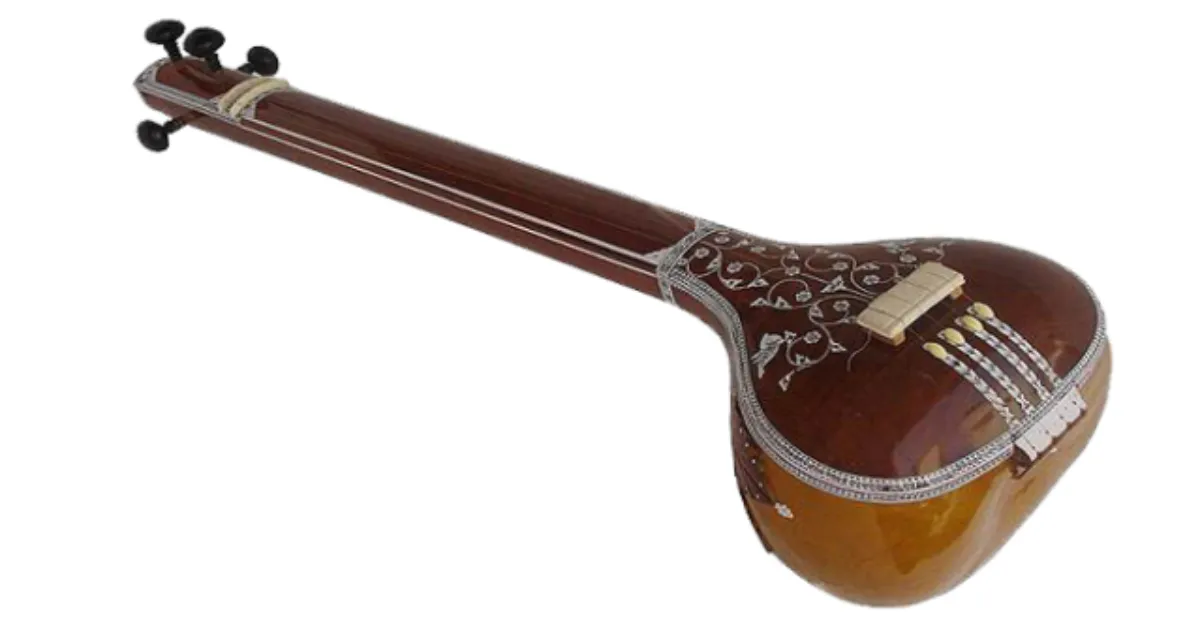
3. Electronic Tanpura

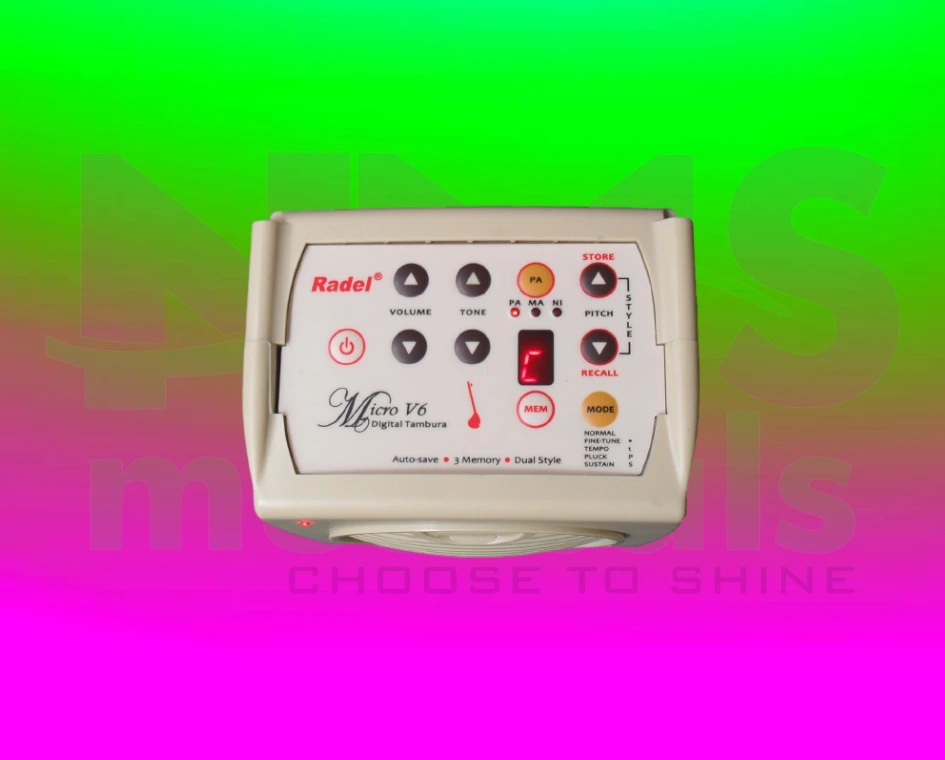
For Indian classical musicians, the tanpura provides the essential drone.
- For Indian instruments: Used by singers, sitar players, veena players, and violinists to maintain pitch.
- Why it’s important: Creates a steady shruti (pitch reference) and supports long practice sessions.
- Tip for musicians: Invest in a high-quality electronic tanpura with pitch and volume adjustment.
4. Metronome and Tala Machine
Keeping rhythm is at the heart of classical music.

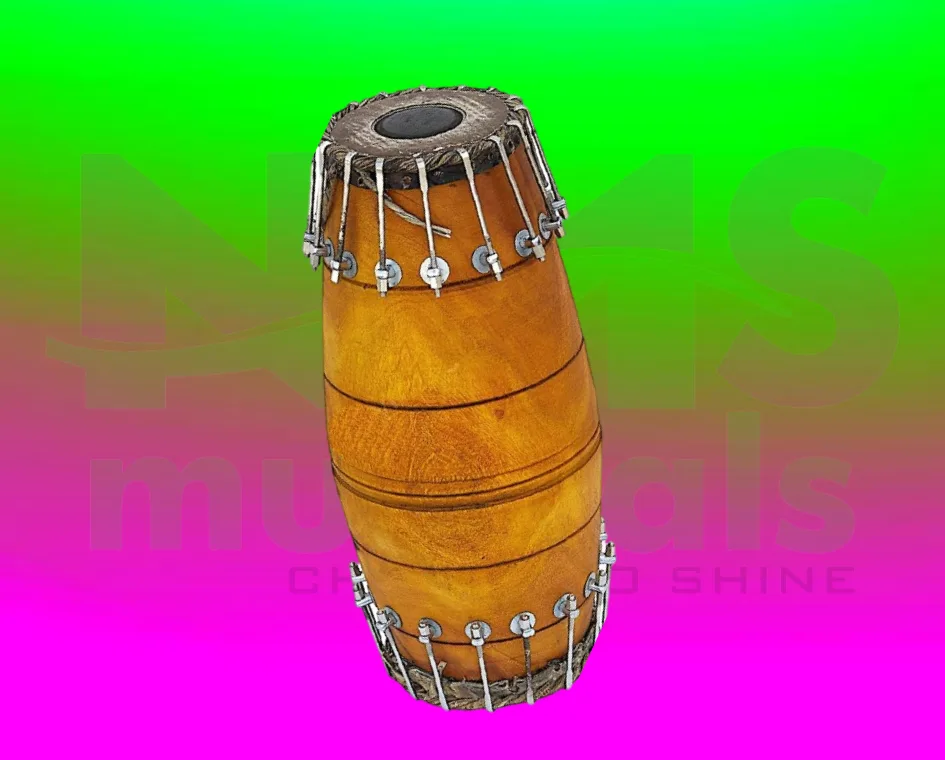
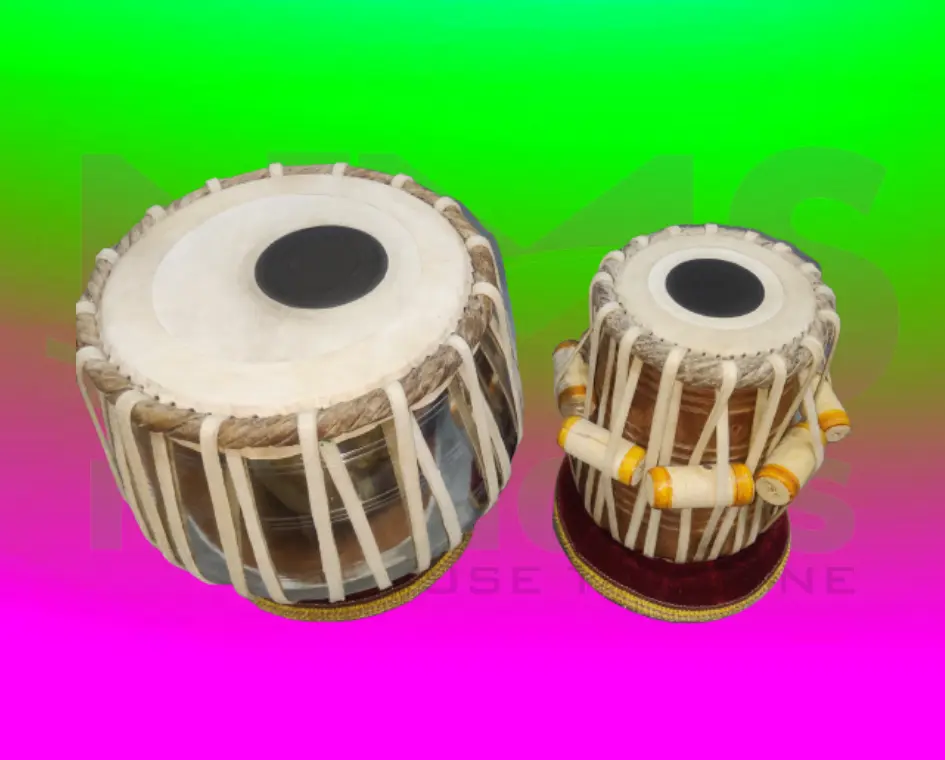
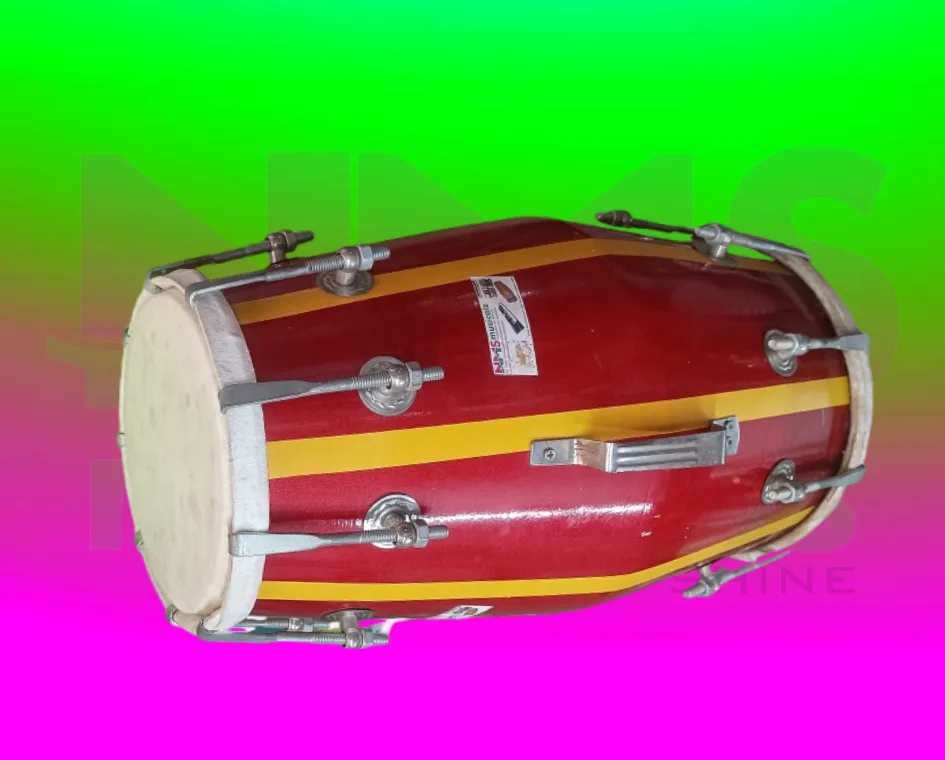
- For Indian instruments: Tabla, mridangam, ghatam, and kanjira players benefit greatly.
- Why it’s important: Helps children and beginners stay on beat while practicing talas.
- Tip for musicians: Choose a tala machine that covers multiple rhythmic cycles like Adi Tala, Rupak, and Teen Tala.
5. Instrument Cleaning Kit
Every musician should maintain their instrument with a proper cleaning kit.
- For Indian instruments: Veena, sitar, sarod, and flute need regular cleaning to preserve tone.
- Why it’s important: Prevents rusting of strings, maintains airflow in flutes, and prolongs lifespan.
- Tip for musicians: Keep a microfiber cloth, natural oils for wood, and soft brushes for daily care.
6. Tuners and Pitch Pipes

Tuning is critical for perfect sound.
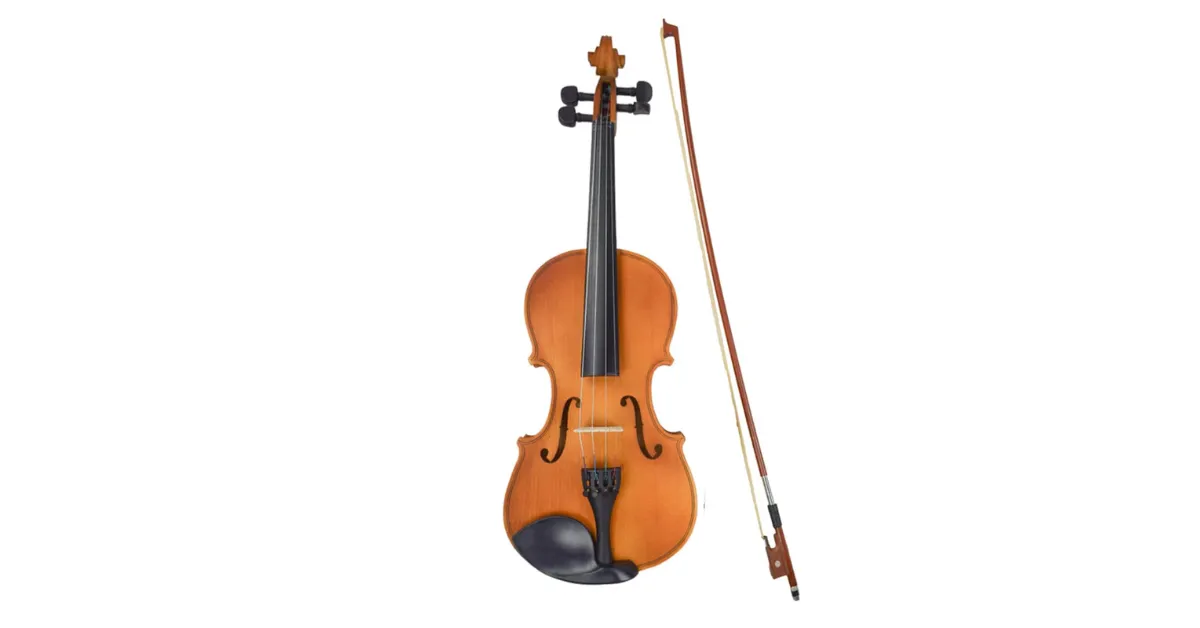
- For Indian instruments: Sitar, veena, violin, and sarod players rely heavily on accurate tuning.
- Why it’s important: Helps maintain correct shruti and ensures instruments blend perfectly in group performances.
- Tip for musicians: Beginners can use digital tuners, while traditionalists can carry pitch pipes.
7. Extra Strings and Reeds

Strings and reeds are the lifeline of many instruments.
- For Indian instruments: Sitar, veena, sarod, violin, and bansuri players must carry spares.
- Why it’s important: Avoids interruptions during performances and ensures smooth playing.
- Tip for musicians: Store strings in moisture-free packets and replace reeds regularly for best tone.
8. Cushions and Mats for Performances

Comfort is crucial during long practice and performance sessions.
- For Indian instruments: Tabla, mridangam, ghatam, and sitar players sit cross-legged for hours.
- Why it’s important: Provides back support and comfort, preventing fatigue.
- Tip for musicians: Use thick cotton cushions or wooden mats for stable seating.
9. Microphones and Amplifiers

Good sound projection is essential for performances.
- For Indian instruments: Flute, veena, sitar, harmonium, and vocalists use clip-on or stand microphones.
- Why it’s important: Ensures clarity and reach of sound in concerts.
- Tip for musicians: Choose dynamic microphones for durability and portable amplifiers for small gatherings.
10. Sheet Music and Notation Books

Learning is incomplete without proper study material.
- For Indian instruments: Vocalists, violinists, and harmonium players benefit from Carnatic or Hindustani notation books.
- Why it’s important: Helps in structured learning and revision of ragas, talas, and compositions.
- Tip for musicians: Maintain a personal notebook to track lessons and compositions.
How These Accessories Improve a Musician’s Journey
- Enhanced Practice: Accessories like metronomes and tanpuras refine practice sessions.
- Instrument Protection: Cleaning kits and cases ensure longevity.
- Performance Quality: Amplifiers and microphones boost stage presence.
- Discipline: Music stands and notation books create organized learning.
- Comfort: Cushions and mats make long hours of practice easier.
Conclusion
The journey of a musician doesn’t stop at buying an instrument. Having the Top 10 Music Accessories Every Musician Should Have makes a huge difference in practice, performance, and long-term growth. For Indian classical musicians, accessories like electronic tanpura, tala machines, cleaning kits, and cushions are as important as the instruments themselves.
By investing in the right accessories, musicians not only protect their instruments but also enhance their skills, improve sound quality, and stay motivated throughout their learning journey. Whether you are a beginner or a seasoned performer, these accessories are your silent partners in creating magical music.
At NMS Musicals, we offer a comprehensive range of musical instruments, including percussion, string, wind, and keyboard instruments. Our services encompass sales, expert servicing, and the manufacture of leather instruments. Explore our diverse collection and find the perfect instrument to suit your musical needs.
Visit our website to browse our offerings: nmsmusicals.in
For a closer look at our products, check out our shop page: nmsmusicals.in/shop
Stay connected with us through our social media channels:
- Facebook: https://www.facebook.com/nmsmusicalinstruments/
- Instagram: https://www.instagram.com/nmsmusicals/?hl=en
- YouTube: youtube.com/@nmsmusicals
Our shop locations are:
- Puducherry: 149, Perumal Koil Street, Heritage Town, Puducherry, 605001.
Map Link: https://maps.app.goo.gl/ejDwBBFEJmd3szxk7 - Chennai: No: 1, 1st Floor, Kandigai Street, TVS Nagar, Korattur, Chennai – 600076.
Map Link: https://maps.app.goo.gl/7oXmB6X7KQsqeuuw9
For inquiries, contact/Whatsapp us at 9500663895 or email us at laxman.m89@gmail.com.
Discover the world of musical instruments with NMS Musicals today!
For a visual overview of our percussion instruments, watch the following video: