Drum Playing Benefits for Stress Relief 2

Powerful Drum Playing Benefits for Stress Relief

Discover the top drum playing benefits for stress relief and relaxation

Powerful Drum Playing Benefits for Stress Relief

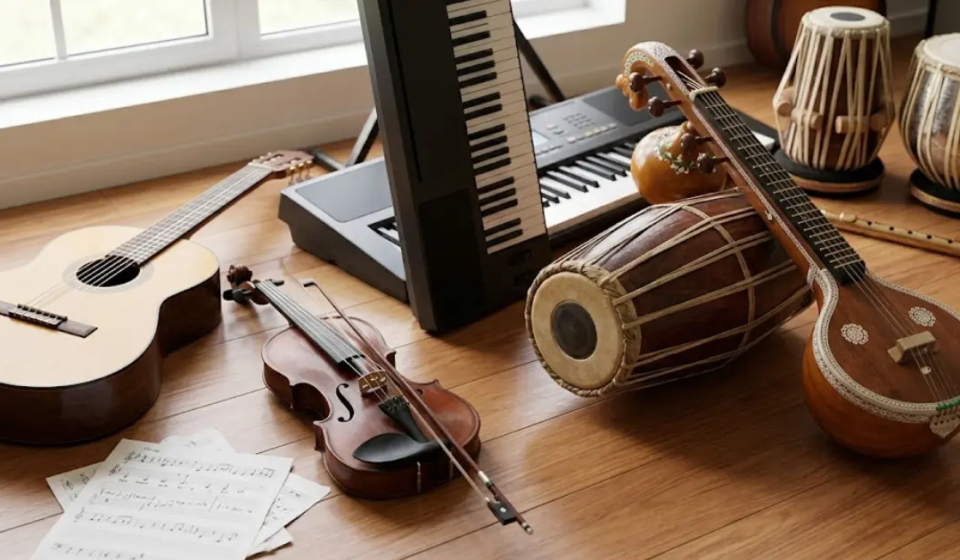
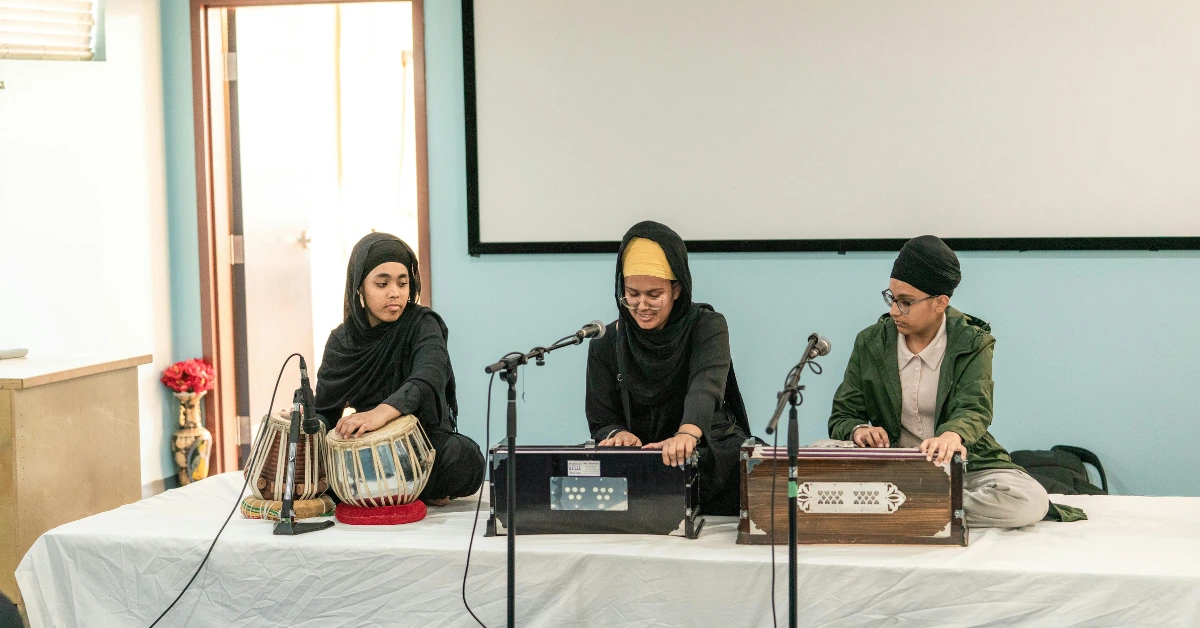
In today’s fast-paced world, managing stress is more important than ever. One of the most powerful and creative outlets for releasing stress is playing the drums. Whether you’re hitting a snare, tapping on a tabla, or performing a complex rhythm on the mridangam, percussion instruments provide a rhythmic escape that not only entertains but also heals. In this blog, we’ll explore the top 10 benefits of playing the drums for stress relief, with a special focus on Indian percussion instruments that hold deep cultural and therapeutic value.


1. Instant Emotional Release

Drumming provides a direct and immediate outlet for releasing pent-up emotions. When you’re overwhelmed, playing the drums allows you to express feelings physically. This rhythmic action translates emotional tension into beats, giving a sense of relief and satisfaction.


2. Natural Stress Buster

Scientific studies have shown that rhythmic drumming reduces cortisol levels — the stress hormone. Indian instruments like tabla and mridangam are especially useful as their repetitive patterns and beats create meditative states. This natural method of stress relief works without side effects.


3. Mindfulness and Meditation

Playing the drums requires deep focus and attention, aligning closely with mindfulness practices. In Indian classical music, the repetitive cycles of tala (rhythmic patterns) induce a trance-like meditative state. Practicing this focus daily helps your mind stay calm and grounded.


4. Boosts Mental Clarity and Focus

Rhythmic patterns challenge your brain to stay engaged and alert. Over time, this improves your concentration and mental agility. Instruments like the kanjira or ghatam require precise timing, enhancing your sense of timing and boosting memory.


5. Elevates Mood and Motivation

Drumming naturally increases the production of endorphins, which are chemicals responsible for happiness. Playing even for a few minutes can elevate your mood, motivate you to be productive, and keep negative thoughts at bay.


6. Encourages Social Bonding

Group drumming sessions are highly beneficial for building community and reducing loneliness. Indian traditions of jamming together on tabla, mridangam, and other instruments create a strong sense of unity and mutual respect.


7. Develops Self-Discipline and Routine

Learning an instrument like tabla or mridangam involves consistent practice. This discipline translates into other areas of life. Having a daily practice session helps create a healthy routine, which in turn, supports emotional well-being.


8. Expresses Cultural Identity

Indian percussion instruments have deep roots in our traditions. Playing them connects you with heritage and culture, fostering a sense of pride, belonging, and continuity. This cultural connection is a great way to reduce existential stress and build identity.


9. Enhances Physical Coordination

Drumming is a full-body activity that enhances coordination between your hands, eyes, and even feet. This physicality not only strengthens your muscles but also releases built-up tension, allowing the body to relax.


10. Accessible to All Ages

From children to senior citizens, anyone can play drums. Whether it’s a simple hand-drum or a complex mridangam, learning is fun and flexible. This inclusivity helps people across generations reduce stress in a joyful way.


CONCLUSION

Incorporating drumming into your life is a powerful way to combat stress and boost mental well-being. Whether you’re a beginner exploring Indian percussion or an experienced player, the benefits are undeniable. From improving focus and coordination to offering emotional healing and cultural connection, playing the drums for stress relief is not just music therapy – it’s life therapy. If you’re looking for a fulfilling hobby or a path to inner calm, start with the beat of a drum and feel the stress melt away.


At NMS Musicals, we offer a comprehensive range of musical instruments, including percussion, string, wind, and keyboard instruments. Our services encompass sales, expert servicing, and the manufacture of leather instruments. Explore our diverse collection and find the perfect instrument to suit your musical needs.

Visit our website to browse our offerings: nmsmusicals.in

For a closer look at our products, check out our shop page: nmsmusicals.in/shop

Stay connected with us through our social media channels:
Our shop locations are:

For inquiries, contact/Whatsapp us at 9500663895 or email us at laxman.m89@gmail.com.

Discover the world of musical instruments with NMS Musicals today!

For a visual overview of our percussion instruments, watch the following video:
Best Indian Instruments for Kids 1 (1)

Top Picks: Best Indian Instruments for Kids to Learn

Find the best Indian instruments for kids to begin their musical journey with joy.

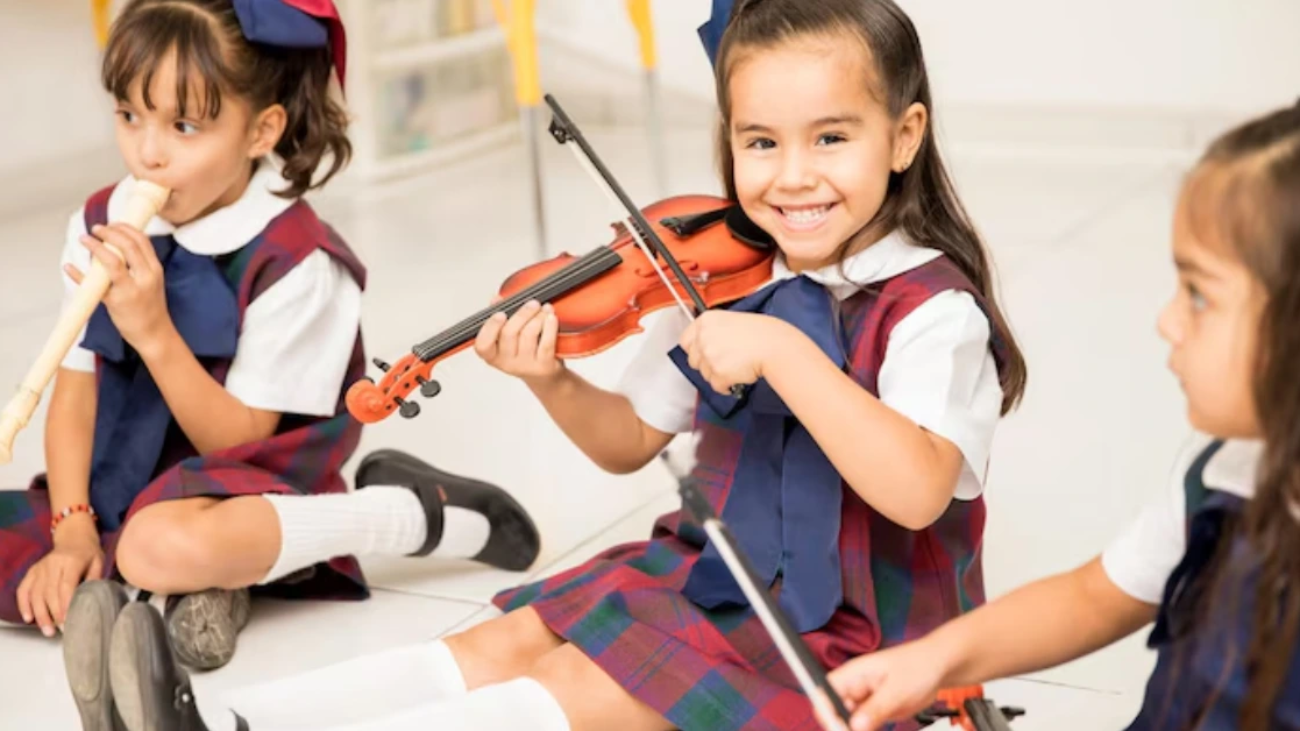
Music has the power to shape young minds, build confidence, and provide a creative outlet for self-expression. When it comes to introducing children to music, the choice of the first instrument plays a crucial role. Indian classical instruments, rich in heritage and musical depth, offer an enriching starting point for young learners. If you’re a parent or educator wondering what is the best instrument for kids to learn first, this blog offers a complete guide focusing on Indian instruments that are both educational and kid-friendly.


Why Start Kids with Indian Musical Instruments?

1. Cultural Connection

Indian instruments allow children to connect with their roots and develop an appreciation for traditional music from an early age.

2. Foundational Learning

Many Indian instruments teach rhythm, melody, and timing, which are core musical concepts that benefit all future music learning.

3. Development of Fine Motor Skills

Instruments like tabla and flute require precise hand and breath control, improving coordination and focus.

4. Emotional and Mental Growth

Learning music enhances cognitive development, emotional intelligence, and patience.


Factors to Consider Before Choosing an Instrument

1. Age and Physical Ability

Younger children may need smaller or lighter instruments that are easy to hold and play.

2. Interest and Personality

Choose an instrument that aligns with your child’s interests—whether they enjoy rhythm, melody, or the idea of blowing into an instrument.

3. Availability of Teachers

Ensure you can find qualified instructors for the instrument you choose.

4. Maintenance and Durability

Some instruments require frequent tuning or special care—choose based on your ability to maintain it.


Top Indian Instruments for Kids to Learn First

1. Tabla – Perfect for Energetic Learners

brass tabla set
brass tabla set

Why It’s Great:

  • Ideal for kids who enjoy rhythm and movement.
  • Builds strong timing and coordination skills.
  • Used across many music genres.

Tips for Beginners: Start with basic taals like Teentaal and practice with a metronome. Use child-sized tablas for comfort.


2. Bansuri (Flute) – Soothing and Simple

Bansuri D scale Flute

Why It’s Great:

  • Light and easy to carry.
  • Teaches breath control and pitch accuracy.
  • Encourages calmness and focus.

Tips for Beginners: Start with a smaller flute in C or D scale. Encourage slow, deep breathing exercises before playing.


3. Sitar – Melodic and Majestic

Best Indian Instruments for Kids

Why It’s Great:

  • Teaches melody and complex musical structures.
  • Enhances finger dexterity.
  • Aesthetically engaging and historically rich.

Tips for Beginners: Use student-size sitars and start with basic ragas. Ensure the sitar is tuned properly before each session.


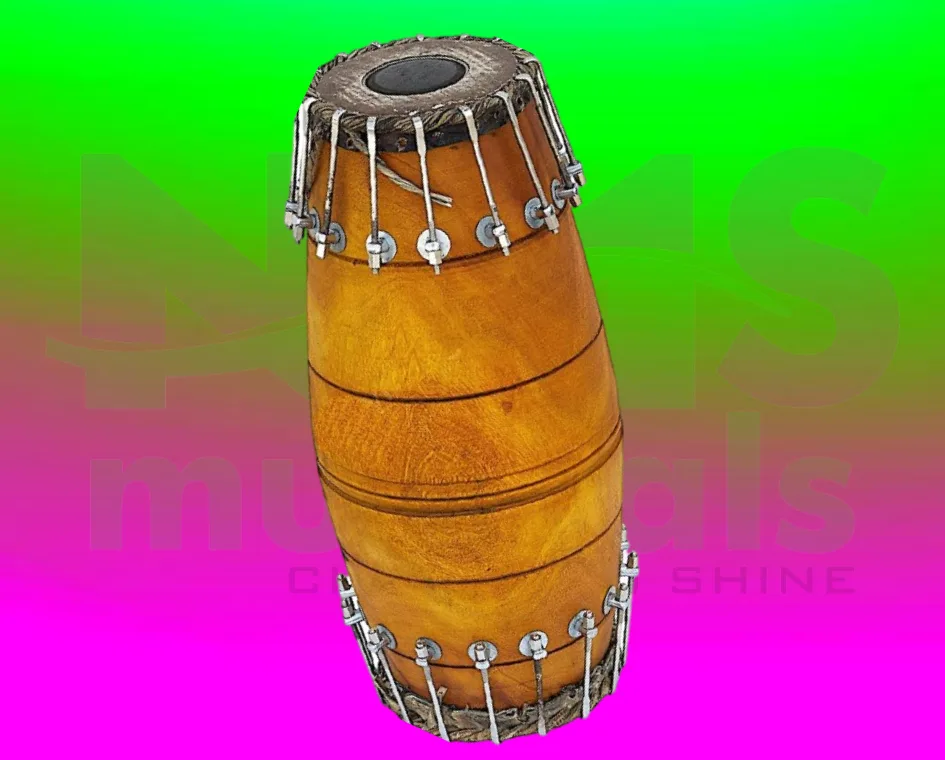
4. Mridangam – Southern Rhythmic Wonder

Why It’s Great:

Mridangam 18 inch with rope
  • Builds a strong sense of rhythm.
  • Great for kids who are detail-oriented.
  • Teaches structured Carnatic rhythmic patterns.

Tips for Beginners: Start with basic talas and use a smaller mridangam suited for children’s hands


.

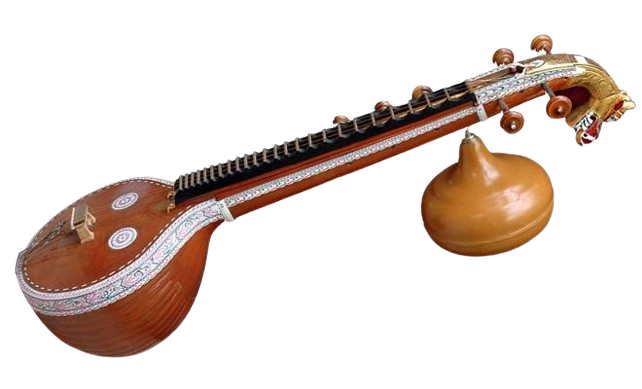
5. Veena – Royal and Revered

Best Indian Instruments for Kids 2

Why It’s Great:

  • Teaches both melody and rhythm.
  • Great for patient and focused learners.
  • Offers a deep connection to Carnatic music tradition.

Tips for Beginners: Use a light veena or a practice model. Ensure regular tuning and posture guidance from the start.


How to Keep Kids Motivated to Practice

1. Set Small Goals

Break down lessons into weekly achievements—like learning one taal or raga.

2. Celebrate Milestones

Reward progress with stickers, certificates, or even small performances at home.

3. Make It Social

Group classes or jam sessions with other children can make learning more fun.

4. Use Fun Tools

Apps, flashcards, and recordings make practice engaging.


Role of Parents in Music Learning

1. Attend Lessons

Being present during classes shows support and allows you to help with practice at home.

2. Create a Practice Schedule

Help your child stick to a routine by dedicating a fixed time each day.

3. Encourage Listening

Introduce kids to classical music through concerts, YouTube, or Spotify playlists.


Benefits of Early Music Education

1. Academic Improvement

Music strengthens skills like math, reading, and memory.

2. Emotional Intelligence

Children learn to express themselves and understand emotions better.

3. Confidence and Discipline

Performing and consistent practice build resilience and self-esteem.

4. Cultural Enrichment

Learning Indian instruments connects kids with traditions, festivals, and languages.


Common Challenges and How to Overcome Them

1. Initial Difficulty

Let children know it’s okay to make mistakes and that progress comes with practice.

2. Lack of Interest

Rotate between different practice styles—sometimes use storytelling or games.

3. Physical Discomfort

Make sure instruments are child-sized and ergonomically appropriate.


Alternatives If Your Child Struggles

1. Try a Different Instrument

If one doesn’t suit them, switching to another like harmonium or dholak might help.

2. Combine with Singing

Sometimes singing along while playing makes the learning more holistic.

3. Start with Music Theory

Understanding the ‘why’ behind music can renew interest and commitment.


Where to Buy Beginner-Friendly Instruments

  • Look for local Indian music stores with student-size models.
  • Online platforms like Amazon or Flipkart.
  • Consult your music teacher for recommended brands.


Recommended Age to Start Learning

  • Tabla: 5–6 years
  • Bansuri: 6–8 years
  • Sitar: 8–10 years
  • Mridangam: 6–8 years
  • Veena: 10+ years


Choosing a Good Music School or Teacher

  • Look for experienced instructors in Indian classical music.
  • Ask for demo classes.
  • Review their teaching style and past student results.


Future Opportunities in Music

  • Competitions and stage performances
  • School and community events
  • Formal music certifications
  • Career in music composition, teaching, or performance


CONCLUSION

When deciding what is the best instrument for kids to learn first, Indian classical instruments offer not just musical education but also a path to discipline, cultural connection, and creativity. Whether your child chooses the rhythmic tabla or the soothing bansuri, the key is to support them with patience and joy. With the right guidance and a nurturing environment, their first instrument could become a lifelong passion. Encourage your little musician to start small, dream big, and enjoy every note of the journey!


At NMS Musicals, we offer a comprehensive range of musical instruments, including percussion, string, wind, and keyboard instruments. Our services encompass sales, expert servicing, and the manufacture of leather instruments. Explore our diverse collection and find the perfect instrument to suit your musical needs.

Visit our website to browse our offerings: nmsmusicals.in

For a closer look at our products, check out our shop page: nmsmusicals.in/shop

Stay connected with us through our social media channels:
Our shop locations are:

For inquiries, contact/Whatsapp us at 9500663895 or email us at laxman.m89@gmail.com.

Discover the world of musical instruments with NMS Musicals today!

For a visual overview of our percussion instruments, watch the following video:
Sitar Maintenance Tips for Beginners 2

Powerful Sitar Maintenance Tips for Beginners That Actually Work

Discover sitar maintenance tips for beginners to keep your instrument sounding its best

Sitar Maintenance Tips for Beginners

The sitar is not just a musical instrument—it’s a soulful extension of Indian classical tradition and artistry. As a delicate and intricate string instrument, proper maintenance is key to ensuring it delivers the rich, resonant sounds it is known for. Whether you’re a beginner or an experienced player, knowing how to maintain your sitar is essential for preserving its longevity and playability. This guide will walk you through the most important tips to care for your sitar, from daily cleaning to long-term storage, so you can enjoy beautiful performances for years to come.


1. Understand Your Sitar’s Anatomy

Before learning how to maintain your sitar, it’s important to understand its parts:

  • Main Gourd (Kadu) – the resonating chamber.
  • Neck (Dandi) – holds the frets and tuning pegs.
  • Frets (Parda) – movable brass pieces.
  • Strings (Taar) – includes playing and sympathetic strings.
  • Tuning Pegs (Kunti) – used to tune the strings.
  • Bridge (Jawari) – critical to tonal quality.

Each component has specific maintenance needs, and regular care can prevent damage and ensure smooth playing.


2. Clean Your Sitar Regularly

Dust and grime can degrade the sound and finish of your sitar. Here’s how to clean it:

  1. Use a soft, dry cloth after every practice session to wipe down the strings and body.
  2. Avoid using water or chemical cleaners which can damage the wood and finish.
  3. Clean the bridge and strings gently using a microfiber cloth or a soft brush.

Consistency is key to keeping your sitar in excellent condition.


3. Handle with Proper Technique

How you hold and store your sitar affects its durability:

  1. Support the gourd properly while sitting—use a cushion or pad.
  2. Avoid placing it on hard surfaces without padding to protect the resonator.
  3. Never hang the sitar by the tuning pegs—this may loosen or damage them.

Proper handling reduces the chances of cracking, loosening frets, or distorting the bridge.


4. Maintain String Quality

Sitar strings are sensitive to wear and tension:

  1. Replace old or rusted strings to avoid dull sound or string breakage.
  2. Oil your fingers slightly or use finger protectors to reduce corrosion from sweat.
  3. Loosen the strings slightly if you won’t be playing the sitar for several days.

Regular string care ensures optimal tone and prevents unnecessary tension on the neck.


5. Tune Your Sitar Properly

Improper tuning can strain the instrument:

  1. Use a chromatic tuner or learn to tune by ear if you’re experienced.
  2. Adjust each string gradually and avoid sudden tightening.
  3. Check tuning pegs to make sure they’re not loose or slipping.

Learning accurate tuning technique protects your sitar and enhances your sound.


6. Jawari Maintenance

The jawari or bridge of the sitar is crucial to its iconic buzzing tone:

  1. Check the bridge regularly for wear or groove flattening.
  2. Do not try to file the bridge unless you’re trained—this can ruin the tone.
  3. Have the bridge adjusted by a professional sitar technician when needed.

Neglecting the jawari can drastically affect the sitar’s sound and resonance.


7. Protect from Environmental Damage

Sitar wood is highly sensitive to temperature and humidity:

  1. Store in a climate-controlled environment—avoid extreme heat or cold.
  2. Use a sitar case or padded bag when transporting.
  3. Avoid direct sunlight and damp areas, which can cause wood warping or cracking.

Environmental care goes a long way in extending the life of your sitar.


8. Frets and Pegs Adjustment

The frets and tuning pegs require occasional fine-tuning:

  1. Gently realign frets using a cloth-covered finger if they shift during playing.
  2. Apply peg compound or chalk to ensure smooth and stable tuning.
  3. Check for fret wear—deep grooves may indicate the need for replacement.

Avoid using force on these delicate parts to prevent damage.


9. Sitar Storage Tips

Safe storage protects the sitar from damage and dust:

  1. Use a padded hard case if you travel frequently with your sitar.
  2. Wrap the strings and bridge area with a soft cloth for added protection.
  3. Keep it off the floor—preferably store it vertically on a padded stand.

Storage techniques are just as important as playing techniques in preserving your instrument.


10. Seek Professional Maintenance

Every sitar requires occasional expert care:

  1. Visit a luthier or sitar technician once a year for full inspection and tuning.
  2. Check for structural issues like wood cracks, peg slipping, or buzz problems.
  3. Get the bridge reset or reshaped if the tone starts sounding flat or distorted.

Regular checkups by professionals ensure your sitar remains concert-ready.


Conclusion

Your sitar is more than an instrument—it’s a vessel of expression and a piece of Indian musical heritage. To honor it and maintain its soul-stirring sound, following a dedicated care routine is essential. From cleaning and tuning to environmental protection and professional maintenance, every step ensures that your sitar continues to produce mesmerizing melodies for years. Now that you know how to maintain your sitar, make these essential care habits part of your musical journey and preserve your instrument for future generations.

At NMS Musicals, we offer a comprehensive range of musical instruments, including percussion, string, wind, and keyboard instruments. Our services encompass sales, expert servicing, and the manufacture of leather instruments. Explore our diverse collection and find the perfect instrument to suit your musical needs.

Visit our website to browse our offerings: nmsmusicals.in

For a closer look at our products, check out our shop page: nmsmusicals.in/shop

Stay connected with us through our social media channels:
Our shop locations are:

For inquiries, contact/Whatsapp us at 9500663895 or email us at laxman.m89@gmail.com.

Discover the world of musical instruments with NMS Musicals today!

For a visual overview of our percussion instruments, watch the following video:
Importance of Music Education for Children

Transformative Power: Importance of Music Education for Children

Transformative Power: Importance of Music Education for Children

Importance of Music Education for Children1

Music has long been a universal language that speaks to the soul, transcending cultural boundaries and generations. For children, the introduction of music—particularly through formal education—can be a transformative experience. This blog explores why music education is important for children and highlights the critical role that instruments play in their cognitive, emotional, and social development.


1. Enhances Brain Development

Research consistently shows that children who engage in music education, especially through learning instruments, experience improved brain function.

  • How it helps: Boosts memory, spatial-temporal skills, and mathematical ability
  • Scientific evidence: MRI studies reveal enhanced neural activity in musically trained children
  • Instrument examples: Piano, violin, and flute show significant impact on brain structure

Detailed Insight:
Learning to play an instrument involves both sides of the brain—analytical and creative. This dual engagement enhances neural connections, which support faster information processing and better problem-solving skills.


2. Builds Emotional Intelligence

Music is an expressive outlet that allows children to explore and understand their emotions. Playing an instrument fosters emotional intelligence.

  • How it helps: Develops empathy, emotional regulation, and self-awareness
  • Role of instruments: Helps children channel emotions into creative expression
  • Long-term benefits: Improved coping skills and mental health awareness

Detailed Insight:
Children learn to identify their emotions and translate them into melodies. For instance, playing a soft tune on the keyboard might express sadness, while an upbeat drumming session could reflect excitement. These experiences support emotional articulation and stability.


3. Strengthens Academic Performance

Contrary to the belief that music distracts from academics, studies show that music education enhances overall academic performance.

  • How it helps: Improves reading comprehension, language development, and test scores
  • Instrument learning: Encourages discipline and focus needed for academic success
  • School programs: Music-integrated curricula lead to better student engagement

Detailed Insight:
Practicing scales, reading sheet music, and remembering rhythms improve a child’s attention span and retention abilities—skills transferable to all academic areas. Structured music lessons also instill discipline, routine, and goal setting.


4. Encourages Creativity and Imagination

Music education nurtures imagination and originality. With instruments as tools, children can explore endless creative avenues.

  • How it helps: Stimulates artistic thinking and innovation
  • Improvisation with instruments: Sparks spontaneous musical creation
  • Support for other arts: Aids in drawing, dancing, and storytelling

Detailed Insight:
Children who learn instruments often experiment with sound. For example, using a xylophone to create new melodies allows them to explore sound combinations. This freedom builds confidence in their unique creative voice.


5. Boosts Social Skills and Teamwork

Many music programs involve group learning, bands, or orchestras, fostering teamwork and social interaction.

  • How it helps: Builds communication, collaboration, and leadership
  • Role of ensembles: Teaches timing, coordination, and harmony with peers
  • Positive environment: Encourages friendship and shared goals

Detailed Insight:
Playing in a group setting like a school band requires listening to others, adjusting to group dynamics, and offering support. These are foundational social skills children will use throughout life.


6. Promotes Discipline and Patience

Learning an instrument is a long-term commitment that demands regular practice and gradual improvement.

  • How it helps: Encourages perseverance, responsibility, and time management
  • Instrument practice: Daily routines reinforce work ethic and self-control
  • Life lessons: Teaches that progress comes with consistency

Detailed Insight:
Young learners understand that mastery doesn’t come overnight. Whether it’s learning a difficult piano piece or maintaining proper drumming rhythm, the process helps them build resilience and a growth mindset.


7. Builds Confidence and Self-Esteem

Successfully learning and performing music boosts a child’s self-confidence.

  • How it helps: Encourages self-expression and public performance
  • Positive reinforcement: Feedback from teachers and peers builds self-worth
  • Achievements: Recitals, exams, and personal goals provide validation

Detailed Insight:
Completing a music piece or receiving applause during a recital instills a sense of achievement. This experience encourages children to take on new challenges, knowing they have the ability to succeed.


8. Connects Children to Culture and History

Music offers a unique way to introduce children to cultural traditions and historical contexts.

  • How it helps: Broadens cultural awareness and global understanding
  • Instrument origins: Learning about tabla, sitar, or bagpipes connects them to diverse heritages
  • Music appreciation: Encourages respect for all cultures

Detailed Insight:
Through songs, rhythms, and instruments from different cultures, children gain an understanding of global diversity. This fosters inclusion, tolerance, and curiosity about the world.


9. Provides a Healthy Emotional Outlet

Music is a safe and constructive way for children to release stress and express emotions.

  • How it helps: Reduces anxiety and boosts mood
  • Instrument playing: Acts as a form of therapy
  • Holistic well-being: Supports both mental and physical health

Detailed Insight:
Strumming a guitar after school or playing soft melodies on the keyboard can be therapeutic. Music gives children an outlet to process their day and reset their emotions.


10. Encourages Lifelong Learning and Enjoyment

Music education sets the foundation for a lifelong passion and learning journey.

  • How it helps: Creates a love for learning beyond the classroom
  • Role of instruments: Becomes a lifelong companion in personal growth
  • Future opportunities: Opens doors to careers and hobbies in music

Detailed Insight:
Even if children don’t pursue music professionally, the skills and enjoyment they gain stay with them for life. They can continue playing for relaxation, social bonding, or even as a side passion.


CONCLUSION

Understanding why music education is important for children helps us prioritize it as an essential part of development rather than a luxury. Instruments play a significant role in this journey by engaging young minds, nurturing their emotional world, and opening doors to creativity and discipline.

From better brain function and social skills to enhanced emotional health and cultural appreciation, the impact of music education goes far beyond the notes played. Introducing children to instruments and structured musical learning fosters growth in every aspect of their lives.

As parents, educators, or music enthusiasts, advocating for music education and supporting access to instruments can create lasting positive change. Let’s give every child the gift of music—a gift that resonates throughout life.


At NMS Musicals, we offer a comprehensive range of musical instruments, including percussion, string, wind, and keyboard instruments. Our services encompass sales, expert servicing, and the manufacture of leather instruments. Explore our diverse collection and find the perfect instrument to suit your musical needs.

Visit our website to browse our offerings: nmsmusicals.in

For a closer look at our products, check out our shop page: nmsmusicals.in/shop

Stay connected with us through our social media channels:
Our shop locations are:

For inquiries, contact/Whatsapp us at 9500663895 or email us at laxman.m89@gmail.com.

Discover the world of musical instruments with NMS Musicals today!

For a visual overview of our percussion instruments, watch the following video:
Top Piano Gifts for Aspiring Musicians

Top Piano Gifts for Aspiring Musicians They’ll Love

Discover the top piano gifts for aspiring musicians that inspire growth and joy

Top Piano Gifts for Aspiring Musicians1

Choosing a thoughtful gift for a budding pianist can be both exciting and meaningful. Whether it’s for a child just starting lessons or a teen exploring musical creativity, the right gift can enhance their learning experience and motivate them further. In this guide, we’ll explore the top 5 gift ideas for the aspiring pianist—gifts that are practical, inspirational, and sure to bring joy to any piano lover.


1. Digital Metronome

One of the most essential tools for any pianist, a digital metronome helps in maintaining consistent tempo during practice. It’s especially beneficial for beginners who are learning rhythm and timing.

  • Why it’s a great gift: Builds a strong foundation in timing
  • Key features to look for: Adjustable tempo, different sound settings, easy-to-read display
  • Recommended for: Beginners, students preparing for exams, those practicing complex pieces

In-depth Benefits:
Digital metronomes now come with visual cues and voice count options which make practice sessions more engaging. Some models also include tuner functions, making them multifunctional. Practicing with a metronome helps a beginner develop internal timing, an essential skill for solo and ensemble performances.

Buying Tips:
When selecting a metronome, go for one with a clear LCD screen, volume control, and multiple time signature options. A clip-on feature or built-in stand can also be handy.


2. Piano Bench with Storage

A comfortable and practical addition to any practice space, a piano bench with storage offers both comfort and convenience. It allows young pianists to store their sheet music, books, and accessories neatly.

  • Why it’s a great gift: Combines function with comfort
  • Key features to look for: Adjustable height, cushioned seat, spacious storage compartment
  • Recommended for: Home learners, students with lots of books and materials

In-depth Benefits:
Piano practice sessions often stretch for hours, and proper seating helps maintain posture and reduces fatigue. A bench with built-in storage also helps students stay organized and focus on practice instead of hunting for their materials.

Buying Tips:
Opt for benches with padded cushions, solid wood construction, and smooth-lifting lids for easy access. If possible, match the bench style with the room or piano aesthetics.


3. Sheet Music and Beginner Books

You can never go wrong with good learning material. Books tailored for beginners help students practice scales, simple songs, and music theory in an engaging way.

  • Why it’s a great gift: Boosts skills while making practice fun
  • Key features to look for: Clear notation, progressive difficulty, interactive content
  • Recommended for: Young beginners, school students, adults starting fresh

In-depth Benefits:
A structured learning curriculum from a beginner piano book ensures step-by-step progress. Some books come with accompanying audio tracks or QR codes linking to demonstration videos. This blend of traditional and digital learning enhances understanding and retention.

Buying Tips:
Choose books authored by renowned educators or those used in graded piano exams. Look for colorful pages, illustrations, and engaging content suitable for the student’s age and level.


4. Piano-Themed Accessories

From music note bookmarks to piano key scarves, themed accessories add a fun and personal touch to a musician’s life. These are perfect for stocking stuffers or small celebratory gifts.

  • Why it’s a great gift: Adds personality and flair to their passion
  • Key features to look for: Quality materials, musical relevance, daily usability
  • Recommended for: Any age group, gift-givers looking for a small yet thoughtful option

In-depth Benefits:
These accessories reflect a student’s musical identity and keep them connected to their passion even outside practice. They also serve as reminders of their goals, motivating them to keep improving.

Buying Tips:
Select accessories that are both decorative and functional—like mugs, bags, and stationery sets. Personalized gifts with names or initials add an extra layer of thoughtfulness.


5. Piano Learning Apps or Online Subscriptions

Modern learners benefit greatly from tech-based tools. Subscriptions to piano learning apps offer structured lessons, real-time feedback, and a variety of practice exercises.

  • Why it’s a great gift: Encourages regular and interactive practice
  • Key features to look for: Beginner-friendly interface, wide song library, gamified learning
  • Recommended for: Tech-savvy kids, independent learners, students supplementing teacher instruction

In-depth Benefits:
These apps can turn practice into a fun activity. Many allow students to set goals, earn rewards, and even track progress with graphs. They also make it easy to practice anytime and anywhere.

Buying Tips:
Look for apps that are compatible with multiple devices, have user-friendly interfaces, and offer content for various skill levels. A free trial can help determine if it’s the right fit before committing to a subscription.


CONCLUSION

The perfect gift can inspire a lifetime of musical enjoyment. Whether it’s a functional tool like a metronome or a fun accessory that celebrates their passion, each of these top 5 gift ideas for the aspiring pianist is carefully chosen to encourage and support musical growth.

When choosing a gift, consider the recipient’s skill level, personality, and practice environment. A well-selected present shows not only your love and thoughtfulness but also your encouragement for their musical aspirations. With these carefully curated ideas, you’re sure to find something that resonates with your aspiring pianist and brings a smile to their face.

So go ahead—make your aspiring pianist’s day truly special and spark a deeper love for music that lasts a lifetime.


At NMS Musicals, we offer a comprehensive range of musical instruments, including percussion, string, wind, and keyboard instruments. Our services encompass sales, expert servicing, and the manufacture of leather instruments. Explore our diverse collection and find the perfect instrument to suit your musical needs.

Visit our website to browse our offerings: nmsmusicals.in

For a closer look at our products, check out our shop page: nmsmusicals.in/shop

Stay connected with us through our social media channels:
Our shop locations are:

For inquiries, contact/Whatsapp us at 9500663895 or email us at laxman.m89@gmail.com.

Discover the world of musical instruments with NMS Musicals today!

For a visual overview of our percussion instruments, watch the following video:

Electric Guitar for Teenagers 2

Incredible Benefits of Electric Guitar for Teenagers

Discover why learning electric guitar for teenagers emotionally and mentally.

Electric Guitar for Teenagers

Choosing the right instrument for a teenager can be a meaningful investment in their creativity, discipline, and emotional development. Among the many options available, the electric guitar stands out as a bold and empowering choice. With its wide sonic range, cool factor, and expressive power, it’s no wonder teens around the world gravitate toward it. In this guide, we’ll explore why the electric guitar is perfect for teenagers—covering its benefits, learning curve, emotional impact, and practical advice for parents.


Why the Electric Guitar Appeals to Teenagers

1. It Matches Their Energy and Expression

Teenagers often experience strong emotions and look for outlets to express themselves. The electric guitar offers dynamic sound—from smooth melodies to powerful riffs—that helps teens channel their feelings creatively. This instrument becomes a voice when words aren’t enough.

2. It’s Culturally Iconic and Cool

From Jimi Hendrix to Billie Eilish’s bandmates, the electric guitar is always present in pop culture. Many teens are influenced by music videos, concerts, and their favorite bands. Holding an electric guitar feels empowering, stylish, and relevant to their world.

3. Easy to Start, Fun to Play

While mastery takes time, the electric guitar offers quick wins early on. With the help of amplifiers and effects, even basic chords sound impressive. This keeps teens motivated as they hear real progress from the beginning.


Emotional and Cognitive Benefits for Teens

1. Builds Confidence Through Achievement

Learning songs, performing for friends, or jamming with others helps teens build confidence. Every new chord or song mastered is a victory that boosts their self-esteem and encourages perseverance.

2. Supports Mental Health and Stress Relief

Teen years can be stressful. Playing the electric guitar serves as a healthy coping mechanism. The act of strumming and improvising can soothe anxiety and help teens relax, focus, and find calm.

3. Enhances Memory and Focus

Learning music theory, memorizing tabs, and practicing routines all strengthen brain functions. Studies show that playing an instrument improves memory, attention span, and multitasking skills in young people.


Educational and Social Advantages

1. Improves Academic Discipline

Practicing guitar teaches discipline, routine, and time management. This positive habit can spill over into schoolwork and other areas of life, creating better study habits and improved focus.

2. Encourages Collaboration and Teamwork

Whether it’s in a school band, music club, or casual jam session, playing guitar invites teens to work with others. It fosters communication, active listening, and creative exchange.

3. Opens Doors to Performance Opportunities

Talent shows, school concerts, or online performances on social media offer teens a platform to showcase their skills. These moments can be transformational for self-worth and public speaking confidence.


Choosing the Right Electric Guitar for a Teenager

1. Start with a Beginner-Friendly Model

Look for lightweight guitars with thin necks for easier handling. Models like the Squier Stratocaster or Yamaha Pacifica are great for small hands and new players.

2. Choose the Right Amplifier

A good amp doesn’t have to be big or expensive. A 10-20 watt practice amp with clean and overdrive settings will be enough to start. Look for amps with headphone jacks for quiet practice.

3. Consider Style and Color Preferences

Teens love gear that reflects their personality. Choosing a guitar in a color or design they like increases the emotional connection and motivation to practice.


Learning Tips for Teens and Parents

1. Use Structured Online Courses or Private Lessons

Online platforms like Fender Play or Justin Guitar offer structured paths for beginners. If your child learns better face-to-face, consider hiring a local guitar tutor.

2. Encourage Practice Without Pressure

Set a consistent, low-pressure schedule—maybe 20–30 minutes a day. Celebrate small milestones, like learning a new chord or playing along to a favorite song.

3. Combine Theory with Fun Songs

Balance theory (like scales and chords) with real songs that your teen loves. Learning Nirvana, Ed Sheeran, or Taylor Swift can make practice feel more like play.


Common Challenges and How to Overcome Them

1. Finger Pain and Fatigue

Beginners might struggle with finger pain, especially when pressing strings. Encourage short, frequent practice sessions and assure them it gets easier.

2. Getting Discouraged by Progress

Not mastering a song quickly can feel frustrating. Show them beginner performances of famous guitarists and remind them that everyone starts somewhere.

3. Maintaining the Guitar

Teach them how to change strings, clean their instrument, and store it properly. This builds respect for the tool and a sense of responsibility.


Affordability and Long-Term Value

1. Budget Options Are Plentiful

You can find good starter guitar kits (guitar, amp, cable, strap, and picks) for ₹10,000–₹15,000. These bundles offer great value for families on a budget.

2. Investment in Lifelong Skills

Even if your teen doesn’t become a professional musician, the skills they gain—discipline, creativity, emotional awareness—last a lifetime.

3. Resale and Upgrading Options

Guitars hold value well. If your teen sticks with it, you can always upgrade to a better model later. Entry-level guitars can also be sold or passed on to others.


Electric Guitar vs. Other Instruments

1. Easier Sound Output Compared to Acoustic

Electric guitars require less finger pressure and are more forgiving with mistakes. Amplifiers also enhance sound, making progress feel more exciting.

2. Greater Genre Flexibility

Whether it’s rock, blues, pop, funk, or metal—electric guitars can do it all. This versatility keeps teens interested as their musical taste evolves.

3. Visual and Performance Appeal

Let’s face it—teens love cool gear. Electric guitars with bold designs, LED fretboards, or effects pedals turn practice into performance and fun.


How to Support Your Teen’s Musical Journey

1. Listen and Show Interest

Ask about their favorite songs, attend their performances, or listen to them play at home. Your involvement boosts their morale and motivation.

2. Provide a Practice Space

Give them a quiet corner or a small music room with their gear set up. A dedicated space encourages regular practice.

3. Encourage Exploration

Let them experiment with new styles, backing tracks, and effects pedals. Musical exploration helps build identity and confidence.


Frequently Asked Questions

What age is right to start electric guitar?

Teens aged 12 and above usually have the finger strength and focus required to start. However, younger kids can start with 3/4 size models under guidance.

How much practice is needed?

Consistency matters more than length. 20–30 minutes a day is a great start for building momentum and skill.

Can girls play electric guitar too?

Absolutely! The electric guitar is for everyone. Girls like Taylor Swift and St. Vincent have made huge impacts in the guitar world.


Conclusion

The teenage years are a critical time for personal growth, identity formation, and emotional expression. Learning an instrument like the electric guitar isn’t just about music—it’s about confidence, discipline, and creative freedom. From iconic inspiration to therapeutic benefits, there are countless reasons why the electric guitar is perfect for teenagers. With the right support, tools, and encouragement, this powerful instrument can shape a young person’s life in unforgettable ways.


At NMS Musicals, we offer a comprehensive range of musical instruments, including percussion, string, wind, and keyboard instruments. Our services encompass sales, expert servicing, and the manufacture of leather instruments. Explore our diverse collection and find the perfect instrument to suit your musical needs.

Visit our website to browse our offerings: nmsmusicals.in

For a closer look at our products, check out our shop page: nmsmusicals.in/shop

Stay connected with us through our social media channels:
Our shop locations are:

For inquiries, contact/Whatsapp us at 9500663895 or email us at laxman.m89@gmail.com.

Discover the world of musical instruments with NMS Musicals today!

For a visual overview of our percussion instruments, watch the following video:

Right Drum Kit for Kids Beginners

Perfect Starter: Right Drum Kit for Kids Beginners

Discover how to pick the right drum kit for kids beginners with ease and confidence

Right Drum Kit for Kids Beginners1

Music can be a powerful tool for childhood development, and percussion instruments like the drum kit offer a unique blend of rhythm, coordination, and fun. For parents considering introducing their children to drumming, the first and most crucial step is selecting the right drum kit. In this comprehensive guide, we’ll explore everything you need to know about how to choose the right drum kit for kids—from size and type to budget and accessories.


Why Drums Are Great for Kids

1. Builds Motor Skills and Coordination

Drumming requires both fine and gross motor skills, helping children develop excellent hand-eye coordination and limb independence.

2. Boosts Focus and Discipline

Learning to play drums teaches kids to stay on beat and follow timing, which improves focus and discipline over time.

3. Encourages Creativity and Emotional Expression

Through improvisation and rhythm-making, children can express themselves freely and creatively.

4. Enhances Academic Skills

Studies show that learning music can enhance mathematical and language skills, both of which are crucial in early education.


Types of Drum Kits for Kids

1. Acoustic Drum Kits

Traditional drum kits made of wood and metal, producing rich, natural sound. Best for practice in dedicated music rooms.

2. Electronic Drum Kits

These kits use rubber pads or mesh heads and are plugged into headphones or speakers. Great for apartments and quiet environments.

3. Junior Drum Sets

Specifically designed for younger kids (ages 3-10), these kits are smaller and easier to manage.


Key Factors When Choosing a Drum Kit for Kids

1. Age and Size of the Child

Pick a drum kit that fits the child’s height and reach. A kit that’s too large may be discouraging and hard to play.

2. Skill Level

Beginners need fewer components. A basic 3- to 5-piece kit is more than sufficient to start with.

3. Available Space at Home

Consider how much space you can dedicate to the drum kit. Acoustic kits require more room than electronic ones.

4. Noise Tolerance

If you live in an apartment or shared space, an electronic kit with headphone capability might be the best choice.

5. Budget and Long-Term Investment

Start with an affordable option but don’t compromise on basic quality. You can always upgrade as your child progresses.


Components of a Standard Kid’s Drum Kit

1. Bass Drum

The largest drum, played with a foot pedal, creates the deep “boom” sound.

2. Snare Drum

Known for its crisp, sharp sound—central to most beats.

3. Tom-Toms

Usually two or three drums of varying sizes, providing tonal variety.

4. Hi-Hats

Two cymbals mounted on a stand, played with a foot pedal and drumsticks.

5. Crash or Ride Cymbal

Used for accents or rhythm patterns, adding brightness and dynamics.


Top Brands for Kids’ Drum Kits

1. Ludwig

Renowned for its build quality and durability, Ludwig offers excellent junior kits.

2. Yamaha

Their electronic drum sets are ideal for noise-free practice at home.

3. Alesis

Affordable and beginner-friendly electronic drum kits with great features.

4. Pearl

Offers acoustic kits with solid components and long-term reliability.


Recommended Drum Kits by Age Group

1. Ages 3–6:

  • Mendini by Cecilio 3-piece Junior Drum Set
  • Ludwig Junior Kit

2. Ages 7–10:

  • Pearl Roadshow Junior
  • Alesis Nitro Mesh Kit (Electronic)

3. Ages 11 and above:

  • Yamaha DTX402K (Electronic)
  • Ludwig Accent Drive (Acoustic)


Accessories and Extras to Consider

1. Drum Stool (Throne)

Must be height-adjustable and comfortable for long practice sessions.

2. Drumsticks

Lighter and shorter sticks are ideal for small hands.

3. Headphones (For Electronic Kits)

Look for noise-isolating headphones designed for musical instruments.

4. Practice Pads

Silent rubber pads to help kids practice without disturbing others.

5. Drum Mat

Prevents slipping and protects the floor from drum stand scratches.


Common Mistakes Parents Make When Buying a Drum Kit

1. Going Too Cheap

Poor quality kits fall apart easily and can demotivate your child.

2. Choosing Adult Kits

A full-sized drum kit may be too overwhelming for a child to manage.

3. Ignoring Setup and Maintenance

Assembly and tuning matter. Learn or get help to set it up properly.

4. Not Thinking Ahead

Your child may outgrow the kit too fast. Consider brands that offer upgradeable options.


How to Help Your Child Get Started

1. Set Up a Practice Schedule

Keep practice short and engaging—15 to 30 minutes a day is ideal.

2. Find a Teacher or Online Course

A qualified drum instructor or beginner-friendly YouTube channels can make a big difference.

3. Encourage and Celebrate Progress

Applaud small wins and help your child stay motivated.

4. Play Along Together

If you play an instrument, join them in a session to make it more fun and collaborative.


Maintenance Tips for Drum Kits

1. Regular Cleaning

Wipe down drums and cymbals with a dry cloth to prevent dust buildup.

2. Tuning Drums

Learn basic tuning to keep drums sounding fresh and resonant.

3. Replacing Drumheads

With regular use, drumheads may wear out and need replacing.

4. Checking Screws and Hardware

Tighten loose screws or bolts to prevent wobbling or damage during play.


Where to Buy Drum Kits for Kids in India

1. Music Retail Stores in Major Cities

Shops in cities like Chennai, Bangalore, and Mumbai stock junior and beginner kits.

2. Online Platforms

Websites like Amazon, Flipkart, Bajaao, and NMS Musicals offer wide selections.

3. Local Music Schools

Some music schools offer discounts or packages with drum kits included.


How to Create a Child-Friendly Practice Area

1. Quiet Corner

Designate a quiet, low-traffic space in your home for practice.

2. Soundproofing

Use foam pads or heavy curtains to reduce echo and noise bleed.

3. Inspirational Decor

Put up posters of famous drummers to keep your child motivated.


Benefits of Learning Drums for Kids

1. Boosts Physical Strength and Endurance

Drumming can be quite a workout, building strength and stamina over time.

2. Teaches Time Management

Scheduled lessons and regular practice teach responsibility and time awareness.

3. Enhances Social Skills

Playing in school bands or music groups helps children make friends and learn teamwork.

4. Offers Long-Term Growth

Drums can be a lifelong passion, and starting young opens up many opportunities.


Signs Your Child Is Ready for a Drum Kit

1. Shows Interest in Rhythm

Tapping on tables or playing with toy drums could be early signs of musical interest.

2. Listens to Percussion-Heavy Music

A preference for rhythmic tracks might indicate a natural inclination.

3. Imitates Drummers on TV or YouTube

Copying drummer movements shows eagerness to learn.

4. Asks for a Drum Set

Sometimes it’s just that simple—your child may tell you directly!


Budgeting for the First Drum Kit

1. Entry-Level Acoustic: ₹10,000 – ₹18,000

2. Junior Electronic Kits: ₹15,000 – ₹25,000

3. Intermediate Acoustic Kits: ₹25,000 – ₹40,000

4. Accessories Bundle: ₹2,000 – ₹5,000


Conclusion

Choosing the right drum kit for your child is not just about buying an instrument—it’s about opening the door to creativity, discipline, and musical joy. By considering your child’s age, interests, available space, and noise tolerance, you can select a kit that sparks a lifelong love for music. Whether you opt for a junior acoustic set or a high-tech electronic kit, the key is to match the instrument with your child’s unique personality and needs. With the right guidance and support, your little drummer can take their first confident steps into the world of rhythm.


At NMS Musicals, we offer a comprehensive range of musical instruments, including percussion, string, wind, and keyboard instruments. Our services encompass sales, expert servicing, and the manufacture of leather instruments. Explore our diverse collection and find the perfect instrument to suit your musical needs.

Visit our website to browse our offerings: nmsmusicals.in

For a closer look at our products, check out our shop page: nmsmusicals.in/shop

Stay connected with us through our social media channels:
Our shop locations are:

For inquiries, contact/Whatsapp us at 9500663895 or email us at laxman.m89@gmail.com.

Discover the world of musical instruments with NMS Musicals today!

For a visual overview of our percussion instruments, watch the following video:
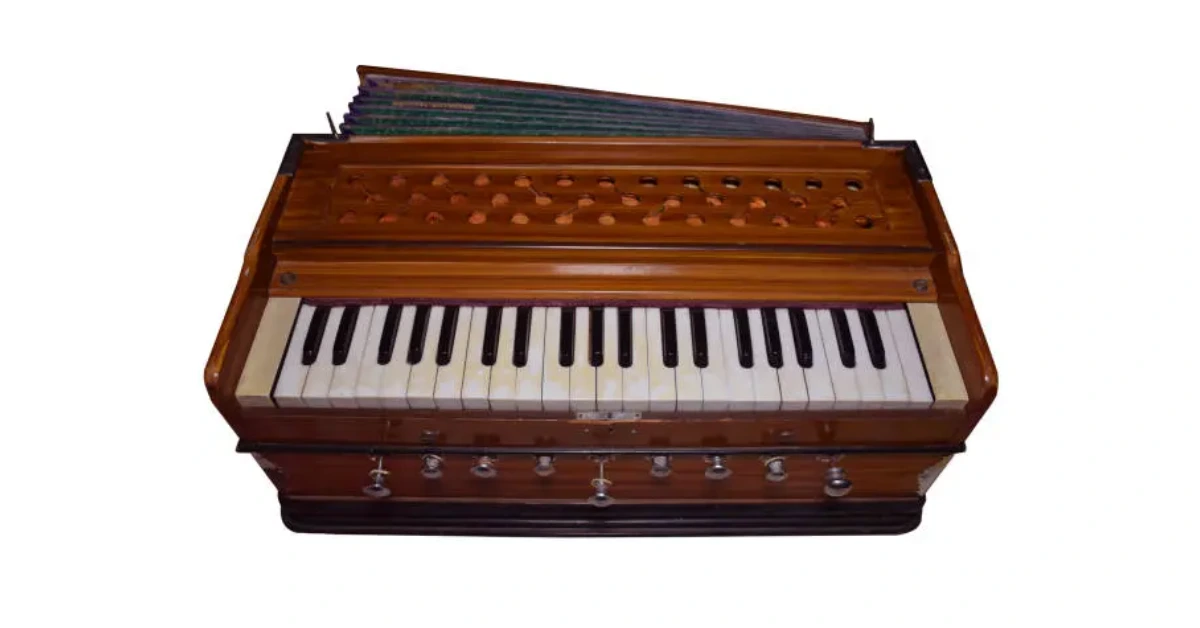
Powerful Tabla Playing Tips for Beginners 2

Powerful Tabla Playing Tips for Beginners You Must Know

Master the Art: Tabla Playing Tips for Beginners That Truly Work

Powerful Tabla Playing Tips for Beginners You Must Know

Are you fascinated by the rhythmic beats of the tabla but unsure how to begin your musical journey? Whether you’re a child or an adult, starting an instrument like the tabla can seem daunting. Fortunately, it’s never too late—or too early—to pick up this classical Indian percussion instrument. With proper guidance, clear instructions, and consistent practice, anyone can learn the tabla.

This guide breaks down the most effective beginner tips on how to play the tabla, helping you form a solid foundation and build rhythm confidently. Let’s dive in!


1. Understand the Anatomy of the Tabla

Before you begin playing, it’s essential to understand the instrument.

  • Tabla is made up of two drums: the smaller dayan (right drum, made of wood) and the larger bayan (left drum, usually metal or clay).
  • The black center spot on both drums, called the syahi, helps produce the tonal clarity tabla is known for.
  • Each part of the drum contributes to unique sounds and should be handled with care.

Familiarizing yourself with these elements ensures you respect the instrument while also using it correctly.


2. Learn Proper Posture and Hand Positioning

The way you sit and position your hands affects your comfort and performance.

  • Sit cross-legged on the floor or use a tabla stand if needed.
  • Keep your back straight and shoulders relaxed.
  • Your fingers should be curved and relaxed, striking with fingertips or palm, depending on the stroke.

Practicing proper posture from the beginning prevents strain and helps with longer practice sessions.


3. Start with Basic Tabla Bols (Syllables)

Tabla is unique in its vocalization of rhythms through bols (syllables), such as:

  • Na, Ta, Tin, Dha, Dhin, Ge, Ke, Tun

Each bol corresponds to a stroke. Practicing them vocally helps in remembering rhythm patterns and improving playing technique.

Start slow and gradually speed up only when you are confident with clarity.


4. Practice Simple Taal Patterns

Taal refers to rhythm cycles in Indian classical music. Beginners typically start with:

  • Teentaal (16 beats)
  • Keharwa (8 beats)
  • Dadra (6 beats)

Learning how to count and play within these taals will give structure to your practice. Use claps and finger movements to understand the beat cycles before applying them to the tabla.


5. Use a Metronome or Lehra App

Timing is critical in tabla. Beginners often struggle to maintain consistent tempo.

  • Use a metronome or lehra app (background melody) to stay on beat.
  • Practice slowly at first (around 60-80 BPM) and increase gradually.

These tools are excellent for improving rhythm discipline and avoiding common timing mistakes.


6. Watch Videos and Follow a Teacher (Online or Offline)

While self-learning is possible, having guidance makes a huge difference.

  • YouTube channels dedicated to tabla lessons offer free content for beginners.
  • Consider enrolling in an online tabla class or finding a local tabla teacher.

Observing hand movements, stroke techniques, and posture in videos helps you visually understand concepts you read about.


7. Maintain and Tune Your Tabla Regularly

Tabla maintenance is key to producing the best sound:

  • Keep the tabla covered when not in use.
  • Avoid moisture or extreme heat exposure.
  • Learn to tune the dayan using a hammer for perfect pitch.

Regular tuning and care keep your instrument performance-ready and durable.


8. Develop a Daily Practice Routine

Consistency builds mastery. Create a schedule that includes:

  • 5–10 minutes vocal practice of bols
  • 15–30 minutes of stroke drills
  • 10–20 minutes playing with metronome or lehra
  • Time for listening to tabla solos or classical music

Break your practice into sessions if needed. The key is repetition and improvement.


9. Record and Review Your Practice

Recording yourself helps you spot mistakes you might miss while playing.

  • Use your phone or a basic audio app.
  • Listen for stroke clarity, rhythm accuracy, and sound quality.

Reviewing recordings boosts self-awareness and motivates improvement.


10. Learn Basic Compositions (Kaidas, Tukas, Relas)

As you progress, explore basic compositions like:

  • Kaida – a structured composition with variations
  • Tukda – short compositions used in performances
  • Rela – fast-paced rhythmic patterns

These help improve speed, creativity, and expression in your playing.


11. Practice with Other Musicians

Once you’re confident with basic rhythms, playing with others can enhance your musicality.

  • Join a music school or group
  • Collaborate with harmonium or sitar players
  • Attend jam sessions or classical concerts

Interacting with other musicians expands your rhythm understanding and performance confidence.


12. Be Patient and Embrace the Learning Journey

Mastering tabla is not a race. Like any musical journey, it requires time, passion, and dedication.

  • Don’t get discouraged by mistakes.
  • Celebrate small wins like perfecting a stroke or learning a new taal.
  • Stay inspired by listening to tabla maestros like Zakir Hussain or Anindo Chatterjee.

Learning tabla should be joyful, not stressful.


Conclusion

The tabla is more than just a percussion instrument—it’s a form of expression, culture, and rhythmic brilliance. By following these beginner tips on how to play the tabla, you’re not only learning an instrument but also embracing a centuries-old musical tradition. Whether you’re learning to play as a hobby or aiming for stage performance, consistent practice and curiosity will take you far.

Take your time, enjoy the rhythm, and soon enough, you’ll find yourself playing the tabla with skill and confidence. Start your journey today and discover the joy this iconic instrument brings into your life.


At NMS Musicals, we offer a comprehensive range of musical instruments, including percussion, string, wind, and keyboard instruments. Our services encompass sales, expert servicing, and the manufacture of leather instruments. Explore our diverse collection and find the perfect instrument to suit your musical needs.

Visit our website to browse our offerings: nmsmusicals.in

For a closer look at our products, check out our shop page: nmsmusicals.in/shop

Stay connected with us through our social media channels:
Our shop locations are:

For inquiries, contact/Whatsapp us at 9500663895 or email us at laxman.m89@gmail.com.

Discover the world of musical instruments with NMS Musicals today!

For a visual overview of our percussion instruments, watch the following video:

Why Your Teen Should Learn to Play the Drums Now 2

Why Your Teen Should Learn to Play the Drums Now

Find out why your teen should learn to play the drums and how it can shape focus, confidence, and creativity.

Why Your Teen Should Learn to Play the Drums Now

The teenage years are a time of growth, exploration, and self-discovery. It’s during this phase that many young individuals develop passions that shape their future. One such powerful and life-enriching pursuit is learning a musical instrument—especially the drums. If you’re wondering why your teen should learn to play the drums, you’re in the right place. Drumming is more than just noise and rhythm—it’s a creative outlet that offers numerous cognitive, emotional, and social benefits. In this blog, we’ll dive into five major reasons why the drums could be the perfect choice for your teenager, and how it can transform their growth journey.


1. Boosts Confidence and Self-Esteem

Drums Help Teens Express Themselves

Teenagers often struggle to express their emotions. Learning to play the drums offers a physical and auditory outlet for these feelings. The power of hitting the right beat at the right time provides a satisfying release, helping teens develop a sense of accomplishment.

Performance Builds Courage

Whether it’s a school performance or a family gathering, every performance opportunity builds your teen’s stage presence. As they gain applause and recognition, their self-esteem naturally increases. Mastering a difficult rhythm also teaches them that perseverance pays off—another major confidence booster.


2. Enhances Coordination and Motor Skills

Drumming Requires Physical Precision

Unlike many other instruments, playing the drums engages all four limbs. It enhances your teen’s motor coordination as they learn to move their hands and feet independently yet rhythmically. This improved coordination spills over into daily activities and sports, helping them become more physically agile.

Improves Brain-Body Synchronization

Scientific studies show that drumming strengthens the connection between the left and right hemispheres of the brain. This improves multitasking, balance, and reaction time—valuable skills for both academic and athletic excellence.


3. Strengthens Focus and Academic Performance

Rhythm Training Trains the Brain

Drumming involves staying in time, reading rhythmic patterns, and following musical notations—all of which require deep concentration. This focused practice improves cognitive flexibility, memory, and mental alertness.

Practice Routines Build Discipline

Consistent practice cultivates a strong work ethic and time management. Teens who dedicate time to daily practice often see improvements in their academic performance. The structure of drumming routines teaches discipline, which helps in studies and life in general.


4. Encourages Emotional Resilience and Mental Wellness

A Healthy Outlet for Stress and Emotions

Teenagers face immense academic and social pressure. Playing the drums allows them to channel these feelings in a healthy and creative way. It’s not just therapy—it’s fun and energizing. Drumming reduces stress hormones and increases endorphins, making it a natural mood lifter.

Helps in Managing Anxiety and ADHD

Numerous studies support drumming as a therapeutic tool for children and teens with anxiety, depression, and ADHD. The repetitive and structured nature of drumming helps regulate behavior and calms the mind, improving emotional stability.


5. Builds Social Skills and Team Spirit

Playing in a Band Teaches Teamwork

Drumming isn’t just a solo activity—it shines in groups. When your teen joins a band or school music group, they learn to collaborate, listen, and adapt. These are invaluable interpersonal skills that last a lifetime.

Creates New Friendships and Communities

From music academies to drum circles, the world of percussion is filled with vibrant communities. Your teen will meet like-minded peers, form friendships, and grow in an environment that values artistic expression and cooperation.


Choosing the Right Drum Kit for Beginners

Acoustic vs. Electronic Drums

An acoustic drum set offers a classic, organic experience but may be too loud for small living spaces. Electronic drum kits, on the other hand, are quieter and more compact—ideal for apartment living or indoor practice.

Size and Adjustability

For teenagers, it’s important to choose a drum kit that is adjustable and comfortable. Look for a set that can grow with your child and adapt to their playing style as they advance.

Invest in Quality, Not Just Price

While it might be tempting to opt for a cheap drum set, investing in a quality beginner kit from a reputable brand ensures better sound, durability, and playing experience. Brands like Yamaha, Roland, and Pearl offer great starter options.


Finding the Right Drum Teacher or Class

Local Music Schools vs. Private Tutors

Music schools offer structured group lessons and exposure to ensemble playing. Private tutors provide personalized attention and pace. Depending on your teen’s learning style, you may choose either or even a hybrid approach.

Online Lessons for Flexibility

With the growth of online platforms, your teen can now access world-class instructors right from home. Websites like Udemy, MasterClass, and YouTube also provide great beginner tutorials to get started.

Supporting Your Teen’s Musical Journey

Encourage Practice Without Pressure

Practice makes perfect, but teens need motivation—not stress. Set a routine, create a quiet practice area, and celebrate progress, no matter how small. Encouragement fuels consistency.

Attend Their Performances

Whether it’s a school recital or a neighborhood talent show, showing up for your teen’s musical milestones means the world to them. It boosts morale and strengthens your bond.

Provide the Right Resources

Invest in good-quality sticks, metronomes, and drum pads. Introduce them to different music genres to expand their musical horizons. Create playlists together and have jam sessions to keep things exciting.


Common Myths About Learning Drums

“Drums Are Too Loud”

With electronic kits and practice pads, volume is easily controllable. You don’t need to worry about disturbing the neighbors anymore.

“Drums Are for Boys”

Drumming is for everyone. Many world-renowned drummers are female, and girls excel in percussion just as much as boys.

“It’s Too Expensive”

Beginner kits and classes are more affordable than ever. Plus, many schools offer rental programs and scholarships for musical education.


Success Stories: Teens Who Thrived with Drums

From Shy to Stage Star

One young drummer from Chennai, who started lessons at age 13, transformed from a shy introvert into a confident performer. Today, she leads her school band and mentors younger students.

Academic Improvement

Another teen, struggling with concentration, saw remarkable improvements in focus and grades after taking up drums. The rhythm and structure brought much-needed discipline into his life.


Career Opportunities in Drumming

From Hobby to Profession

Teens passionate about drumming can pursue careers in music education, session work, live performances, and even sound production. The opportunities are endless in today’s digital world.

Content Creation and YouTube

With platforms like YouTube and Instagram, talented teen drummers are gaining massive followings and monetizing their passion through content creation.


Final Words for Parents

Learning to play the drums is one of the most rewarding and empowering activities your teen can engage in. It offers the perfect blend of fun, discipline, expression, and social connection. Whether they’re jamming alone or playing in a band, the life skills they gain through drumming will serve them well into adulthood.


Conclusion

Choosing to introduce your teen to the drums is not just about learning music—it’s about empowering them for life. From building self-esteem and emotional resilience to improving academic focus and social skills, the benefits are endless. If you’ve been wondering why your teen should learn to play the drums, now you have five powerful reasons to start that journey today. Equip them with a drumstick and watch them beat their way to success.


At NMS Musicals, we offer a comprehensive range of musical instruments, including percussion, string, wind, and keyboard instruments. Our services encompass sales, expert servicing, and the manufacture of leather instruments. Explore our diverse collection and find the perfect instrument to suit your musical needs.

Visit our website to browse our offerings: nmsmusicals.in

For a closer look at our products, check out our shop page: nmsmusicals.in/shop

Stay connected with us through our social media channels:
Our shop locations are:

For inquiries, contact/Whatsapp us at 9500663895 or email us at laxman.m89@gmail.com.

Discover the world of musical instruments with NMS Musicals today!

For a visual overview of our percussion instruments, watch the following video:
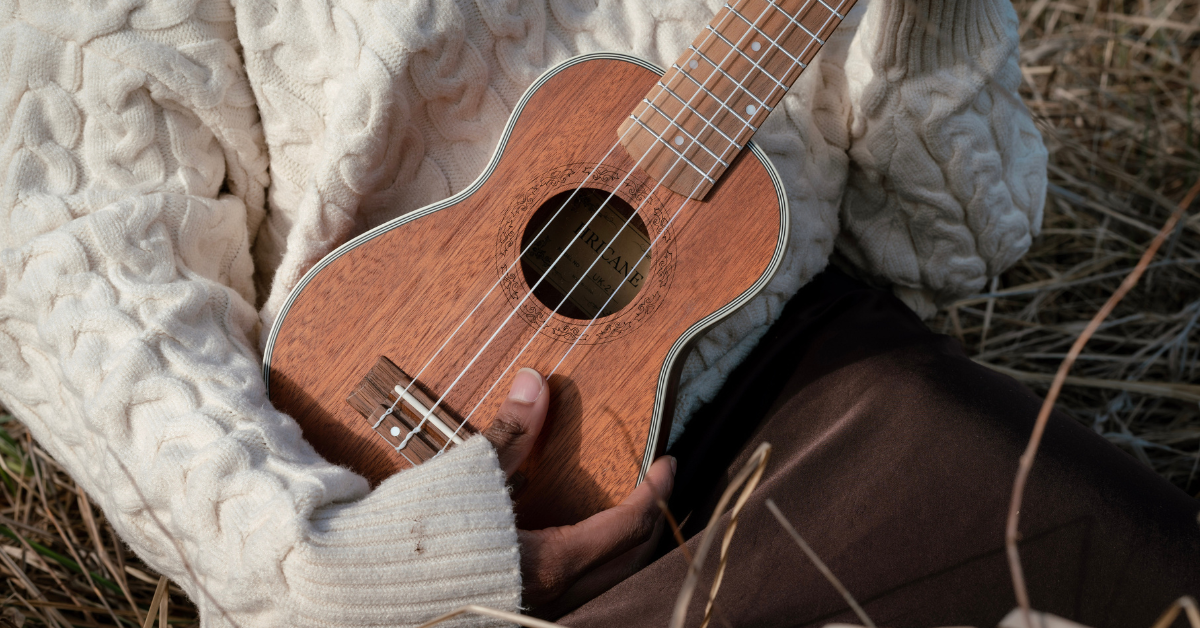
most popular Indian instruments to learn 2

Most Popular Indian Instruments to Learn


Discover the most popular Indian instruments to learn and how they enrich your musical journey

most popular Indian instruments to learn

India is a land of rich cultural diversity and heritage, and one of the most vibrant expressions of this cultural wealth is found in its music. The traditional music of India, both classical and folk, is built on centuries of history and a variety of instruments that are unique in their sound, technique, and spiritual depth. For anyone with a love for music, learning to play an Indian instrument is not just about acquiring a new skill but connecting with an age-old tradition that spans generations.

Whether you’re a complete beginner or a seasoned musician looking to diversify your skills, Indian instruments offer an enriching path of exploration. This guide highlights the most popular Indian instruments and why learning them can be a meaningful investment for your musical journey.


1. Sitar: The Icon of Indian Classical Music

The sitar is perhaps the most globally recognized Indian musical instrument. With its long neck, sympathetic strings, and complex fingering technique, the sitar offers a wide range of expressive possibilities.

  • Why You Should Learn It: The sitar is deeply associated with Indian classical music and provides an excellent foundation in ragas and rhythm. It also helps improve concentration and patience.
  • Popular Artists: Ravi Shankar, Anoushka Shankar


2. Tabla: The Percussive Powerhouse

The tabla is a pair of hand drums that plays a central role in Hindustani classical music. Its rhythmic patterns, known as “taals,” are the heartbeat of many Indian music compositions.

  • Why You Should Learn It: Learning tabla enhances rhythm skills, timing, and hand coordination. It’s a versatile instrument used in classical, devotional, and even fusion music.
  • Popular Artists: Zakir Hussain, Alla Rakha


3. Harmonium: The Melodic Companion

The harmonium is a keyboard instrument that produces sound when air is pushed through reeds by bellows. It is widely used in devotional music, classical recitals, and Indian vocal training.

  • Why You Should Learn It: It’s one of the easiest Indian instruments to start with and complements vocal music perfectly. It helps learners understand pitch and scale.
  • Popular Artists: Pandit Bhimsen Joshi (often accompanied by harmonium)


4. Mridangam: The Backbone of Carnatic Music

The mridangam is a double-headed drum that is integral to South Indian Carnatic music. Its deep, resonant sounds and intricate rhythmic patterns make it both challenging and exciting.

  • Why You Should Learn It: Mridangam helps develop an excellent sense of rhythm and improvisation. It also strengthens hand muscles and mental agility.
  • Popular Artists: Palghat Mani Iyer, Umayalpuram Sivaraman


5. Veena: The Sacred String Instrument

The veena is an ancient plucked string instrument, known for its majestic appearance and spiritual significance. It is predominantly used in South Indian classical music.

  • Why You Should Learn It: The veena has a calming effect and is deeply associated with Goddess Saraswati, the deity of wisdom and learning. It builds dexterity and emotional expression.
  • Popular Artists: E. Gayathri, Chitti Babu


6. Bansuri: The Soulful Bamboo Flute

The bansuri is a bamboo flute associated with Lord Krishna. Its soft, ethereal tones have made it a favorite for both classical and folk music.

  • Why You Should Learn It: Playing the bansuri improves lung capacity and breath control. It also sharpens listening skills and fosters emotional expression.
  • Popular Artists: Hariprasad Chaurasia


7. Sarod: The Deep and Resonant String Instrument

The sarod is a fretless string instrument that produces deep, introspective sounds. It’s an advanced instrument usually pursued after some exposure to Indian classical music.

  • Why You Should Learn It: The dholak is great for learning basic rhythm and is widely used in weddings, festivals, and bhajans.
  • Popular Artists: Used in numerous regional and folk performances


9. Santoor: The Strings of Serenity

The santoor is a hammered dulcimer with a peaceful, resonant tone. It is played with small wooden mallets called mezrab.

  • Why You Should Learn It: The santoor enhances hand coordination and offers a meditative playing experience.
  • Popular Artists: Shivkumar Sharma


10. Shehnai: The Ceremonial Wind Instrument

The shehnai is a reed instrument often played at weddings and religious ceremonies. It has a rich, nasal tone and is considered auspicious.

  • Why You Should Learn It: The shehnai improves breath control and pitch precision. It is also steeped in cultural importance.
  • Popular Artists: Bismillah Khan


Conclusion

Learning a musical instrument is always a rewarding experience, and when that instrument is deeply tied to a rich cultural tradition like that of India, the benefits go far beyond music. Whether you are drawn to the melodic beauty of the sitar, the rhythmic complexity of the tabla, or the spiritual serenity of the veena, there is an Indian instrument waiting to become your companion.

The most popular Indian instruments are not only beautiful to listen to but are also tools for developing discipline, creativity, and cultural appreciation. So if you’re wondering which instrument to learn next, consider choosing from these traditional Indian gems—you’ll not only expand your musical horizons but also connect with a timeless legacy.

Start your journey today, and embrace the powerful world of Indian music. It’s never too late to learn, and with every note you play, you’re becoming a part of something much bigger than yourself.


At NMS Musicals, we offer a comprehensive range of musical instruments, including percussion, string, wind, and keyboard instruments. Our services encompass sales, expert servicing, and the manufacture of leather instruments. Explore our diverse collection and find the perfect instrument to suit your musical needs.

Visit our website to browse our offerings: nmsmusicals.in

For a closer look at our products, check out our shop page: nmsmusicals.in/shop

Stay connected with us through our social media channels:
Our shop locations are:

For inquiries, contact/Whatsapp us at 9500663895 or email us at laxman.m89@gmail.com.

Discover the world of musical instruments with NMS Musicals today!

For a visual overview of our percussion instruments, watch the following video: