
 Cart is empty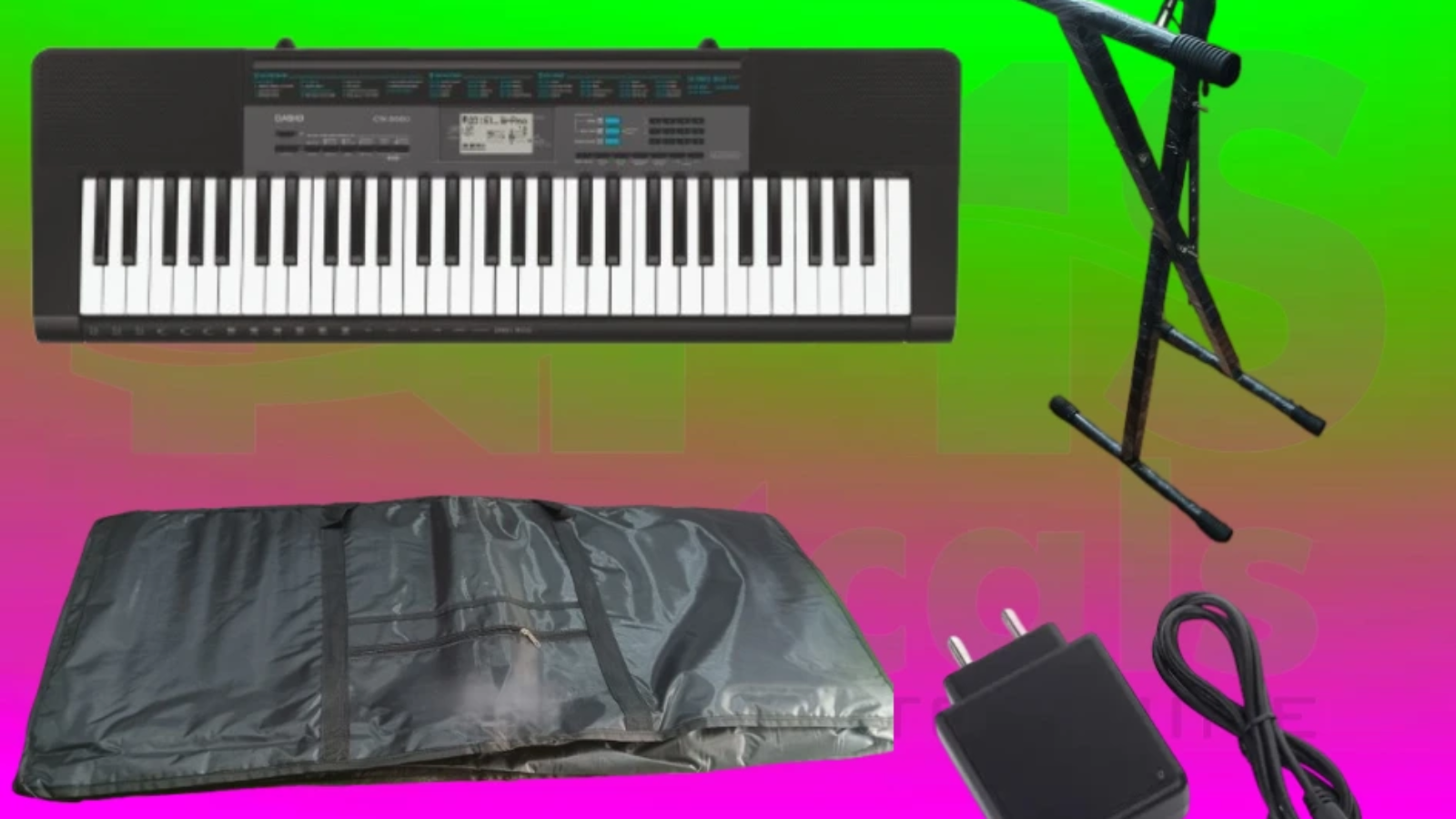
How to Buy Your First Keyboard: What to Look for and Why
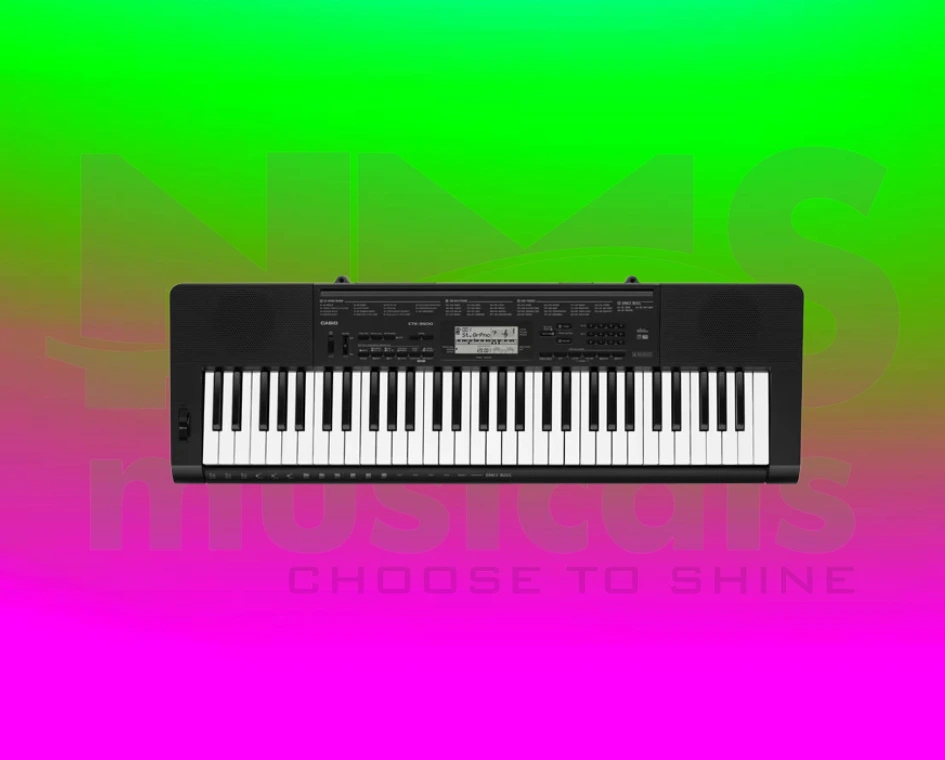
Buying your first keyboard can be one of the most exciting steps in your musical journey. Whether you’re looking to learn classical ragas, play Bollywood songs, or experiment with Western melodies, choosing the right instrument is crucial.
In India, keyboards are not just popular for modern music but also play a huge role in devotional songs, stage performances, and even fusion with traditional instruments like tabla, sitar, or flute. However, for beginners, the variety of options can be overwhelming.
Should you buy a digital keyboard, a synthesizer, or a portable arranger? What features matter most for someone just starting out? This detailed guide will walk you through everything you need to know about how to buy your first keyboard, what to look for, and why it matters.
1. Decide the Purpose of Buying Your Keyboard
Before you purchase your first keyboard, it’s essential to clarify your purpose. Are you buying it for casual hobby playing, professional learning, devotional use, or stage performance?
- If you’re a beginner learning Indian classical or bhajans, you might need a simple, portable keyboard with essential sounds.
- If you’re preparing for stage shows or film music, you might prefer advanced features like multiple tones, rhythms, and sound layering.
- For young learners or children, small and lightweight models with built-in lessons can be the best choice.
Knowing your exact purpose will narrow down your options and prevent overspending on unnecessary features.
2. Understand the Difference Between Keyboards, Synthesizers, and Digital Pianos
When searching how to buy your first keyboard, many beginners confuse keyboards with digital pianos or synthesizers. Here’s the difference:
- keyboard

Portable, versatile, and often come with hundreds of built-in sounds and rhythms. Perfect for beginners in India. - Digital Pianos – Focus on replicating the feel and sound of an acoustic piano with weighted keys. More expensive and less portable.
- Synthesizers – Designed for sound creation and professional music production. Usually not recommended as a first instrument.


For beginners, a portable keyboard from trusted brands like Yamaha, Casio, or Roland is the best investment under a reasonable budget.
3. Number of Keys: What Should You Choose?
Keyboards come in different key counts – 32, 49, 61, 76, or 88 keys.
- 32 or 49 keys – Suitable for kids or absolute beginners.
- 61 keys – The most popular choice in India for learners. It covers a wide range of ragas and film songs.
- 76 or 88 keys – Recommended for advanced learners or those pursuing Western classical.
For most first-time buyers, 61 keys strike the perfect balance between functionality and portability.
4. Touch Sensitivity and Weighted Keys
One of the most important things to consider when buying your first keyboard is touch sensitivity. This feature ensures that the volume of the note depends on how hard you press the key – just like a piano. Without this, all notes will sound the same, which is not good for developing finger strength or expression.
- Weighted keys are mostly available in digital pianos, but if you are serious about long-term learning, invest in a keyboard that has at least touch sensitivity.
5. Polyphony – Why It Matters
Polyphony refers to the number of notes a keyboard can play at once. Beginners often overlook this feature, but it’s critical.
- A 32-note polyphony is okay for basic practice.
- A 64 or 128-note polyphony allows smooth layering of sounds, chords, and sustained notes without cutting off.
For Indian devotional and film music where sustained background sounds are common, higher polyphony creates a richer sound experience.
6. Built-In Tones and Rhythms for Indian Music
Indian learners benefit greatly from keyboards that include Indian tones and rhythms.
- Some Casio and Yamaha keyboards come with tabla, dholak, sitar, harmonium, and even shehnai sounds.
- Rhythms like keherwa, dadra, and bhajan beats are preloaded, making practice much more engaging.
If you want to play bhajans, ghazals, or Bollywood music, ensure your first keyboard has these options.
7. Recording and Playback Features
A very helpful feature for beginners is the ability to record and playback what you play.
- This helps you track progress, identify mistakes, and improve faster.
- Some keyboards allow USB or SD card recording, which is great if you want to share your performances online.
8. Portability and Power Options
If you plan to carry your keyboard to music classes, satsangs, or performances, portability is key. Look for lightweight models that can also run on batteries in addition to an adapter.
In India, power cuts can interrupt practice, so having battery backup ensures you don’t lose learning time.
9. Learning Aids and Built-In Lessons
Many modern keyboards come with built-in learning aids such as:
- Light-up keys to guide beginners.
- Step-by-step lesson functions.
- Integration with mobile apps for guided practice.
These features are very useful for self-learners, especially if you don’t have a music teacher initially.
10. Connectivity Option
When buying your first keyboard, check the connectivity features:
- MIDI/USB connectivity – Useful if you want to connect to a computer for recording or learning apps.
- Audio output – For connecting to external speakers during stage shows.
- Headphone jack – Allows private practice without disturbing others.
Connectivity future-proofs your investment, ensuring the keyboard grows with your learning.
11. Budget Considerations in India
For first-time buyers in India, budget plays a big role. Thankfully, quality beginner keyboards are available under ₹5,000 to ₹15,000.
- Casio SA-76 or SA-77– Compact models under ₹6,000, good for kids.
- Yamaha PSR-F52 – Beginner-friendly with Indian tones under ₹10,000.
- Casio CT-X700 – Around ₹12,000, excellent features for beginners.


Avoid overspending on professional keyboards if you’re still unsure about long-term commitment. Start affordable, and upgrade later if needed.
12. Try Before You Buy
Whenever possible, visit a local music store and try different models. Check the feel of the keys, sound quality, and overall comfort. If buying online, read customer reviews and check for warranty options.
13. Accessories You Should Buy Along with Your Keyboard
To enhance your learning experience, consider investing in:
- A sturdy keyboard stand for proper playing posture.
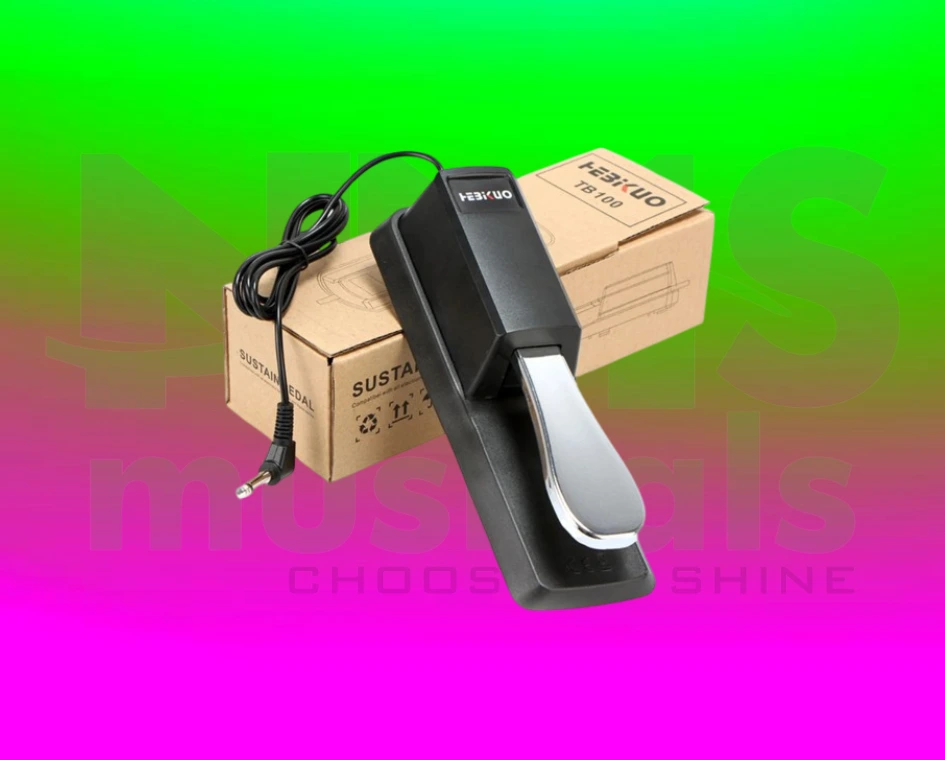
Get this instrument at best deal – Keyboard Steel Stand - A sustain pedal for expressive playing.
Get this instrument at best deal – Hebikuo TB100 Sustain Pedal - Headphones for focused practice.
Get this instrument at best deal – Behringer HpM1000-BK Headphones - A keyboard bag for safe transport.
Get this instrument at best deal – Yamaha Keyboard Bag



These small additions can make your learning journey smoother and more enjoyable.
14. Indian Music and Keyboards – Why They Blend So Well
Unlike Western countries where pianos dominate, in India the keyboard has become a universal instrument. From temple bhajans to Bollywood orchestras, from Carnatic fusion to college bands, keyboards are everywhere.
This is why buying the right keyboard with Indian tones, rhythms, and portability is more important here than anywhere else.
Conclusion
Choosing your first keyboard is not just about buying an instrument – it’s about starting a journey into music that can last a lifetime. By considering factors such as the number of keys, touch sensitivity, polyphony, built-in Indian tones, recording options, and portability, you’ll be able to pick the perfect model that matches your needs. Remember, the best first keyboard is the one that inspires you to practice every day, whether it’s playing a simple bhajan, a Bollywood song, or your first original composition.
Now that you know how to buy your first keyboard, what to look for, and why, you can confidently step into the world of music with the right companion. Whether you’re a child, a beginner adult, or someone revisiting music after years, the right keyboard will make your journey joyful, affordable, and truly rewarding.
At NMS Musicals, we offer a comprehensive range of musical instruments, including percussion, string, wind, and keyboard instruments. Our services encompass sales, expert servicing, and the manufacture of leather instruments. Explore our diverse collection and find the perfect instrument to suit your musical needs.
Visit our website to browse our offerings: nmsmusicals.in
For a closer look at our products, check out our shop page: nmsmusicals.in/shop
Stay connected with us through our social media channels:
- Facebook: https://www.facebook.com/nmsmusicalinstruments/
- Instagram: https://www.instagram.com/nmsmusicals/?hl=en
- YouTube: youtube.com/@nmsmusicals
Our shop locations are:
- Puducherry: 149, Perumal Koil Street, Heritage Town, Puducherry, 605001.
Map Link: https://maps.app.goo.gl/ejDwBBFEJmd3szxk7 - Chennai: No: 1, 1st Floor, Kandigai Street, TVS Nagar, Korattur, Chennai – 600076.
Map Link: https://maps.app.goo.gl/7oXmB6X7KQsqeuuw9
For inquiries, contact/Whatsapp us at 9500663895 or email us at laxman.m89@gmail.com.
Discover the world of musical instruments with NMS Musicals today!
For a visual overview of our percussion instruments, watch the following video:
Leave A Comment
You must be logged in to post a comment