

 Cart is empty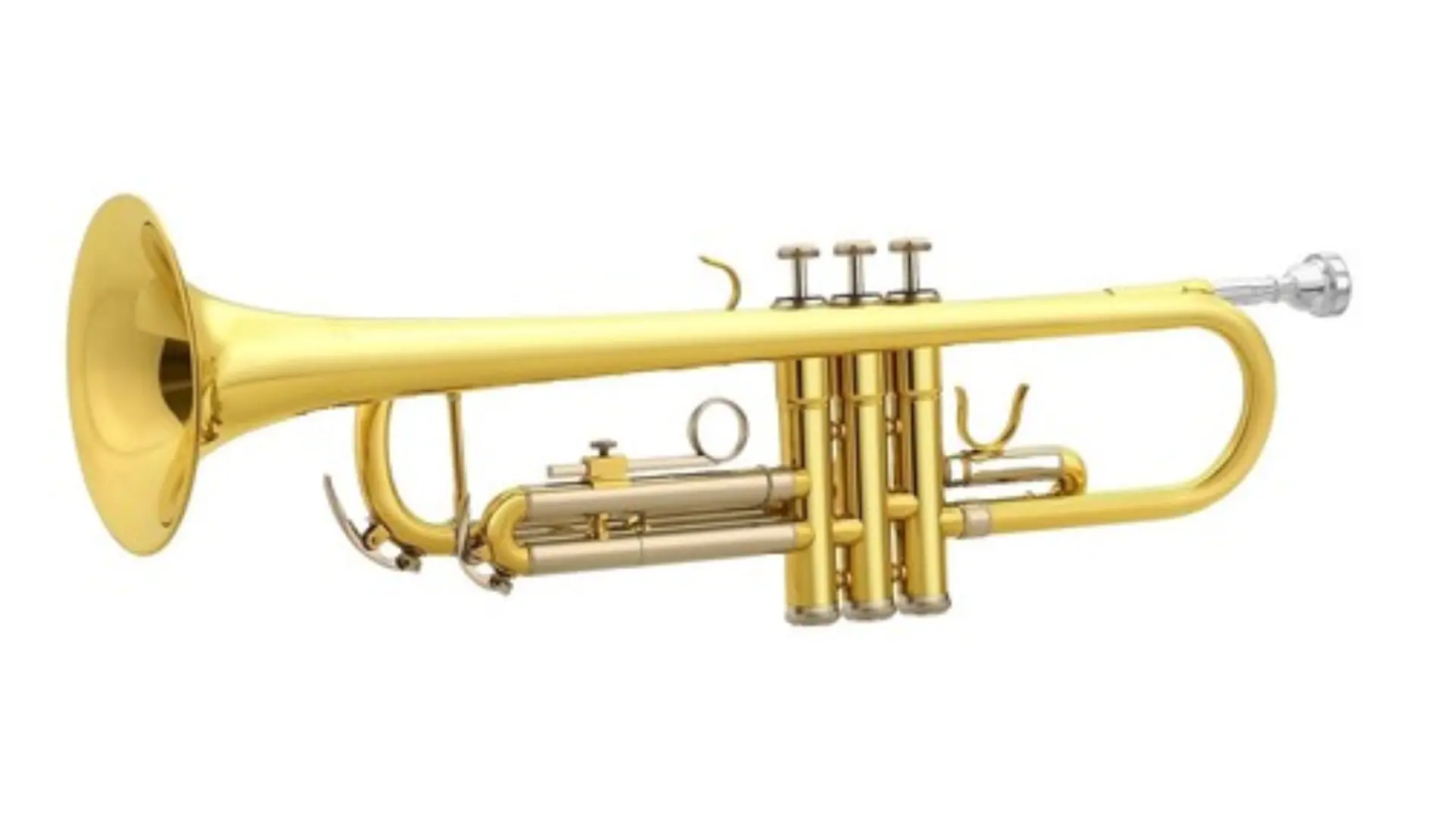
Top 5 Tips for Learning to Play the Trumpet Effectively
Learning to play the trumpet is an exciting journey filled with challenges and rewards. Whether you are a complete beginner or someone with a little experience, mastering the trumpet requires dedication, patience, and the right techniques. In India, where instruments like the tabla, harmonium, and sitar dominate the music scene, the trumpet has carved a niche for itself, especially in brass bands, classical fusion, jazz, and film music.
Many young learners are now showing interest in wind instruments, with the trumpet being a popular choice due to its bold and powerful sound.
In this blog, we’ll explore the Top 5 Tips for Learning to Play the Trumpet, focusing on strategies that work for beginners in India as well as globally. These tips are designed to help you develop the right habits, improve faster, and enjoy your musical journey.
1. Mastering the Correct Posture and Breathing Technique
The foundation of playing the trumpet lies in how you hold your instrument and how you breathe. Unlike string instruments or percussion, the trumpet heavily relies on airflow and lip control.
Why Posture Matters
A relaxed yet upright posture helps maximize airflow and prevents unnecessary strain. In India, beginners often learn in marching bands or school ensembles where posture is emphasized. Always sit or stand straight, keeping your shoulders relaxed.
Breathing the Right Way
Use diaphragmatic breathing instead of shallow chest breathing. Place a hand on your stomach, inhale deeply through your nose, and feel your stomach expand. This will provide enough air support for producing clear and strong notes.
Indian Learning Context
Many Indian teachers combine traditional pranayama breathing exercises from yoga with trumpet practice. Practicing “Anulom-Vilom” (alternate nostril breathing) or “Bhastrika” can significantly improve lung capacity and stamina.
2. Building a Strong Embouchure
The embouchure, or the way you shape and control your lips, is the heart of trumpet playing. Without it, even expensive instruments won’t produce the right sound.
Developing Lip Strength
Start with buzzing exercises without the trumpet. Simply press your lips together and blow air to create a buzzing sound. This strengthens your lip muscles and prepares you for longer playing sessions.
Avoiding Bad Habits
Indian learners often imitate film musicians and over-tighten their lips to get louder sounds, which can strain muscles. The key is balance—firm but flexible lips.
Long-Term Practice
Consistency is crucial. Even 10–15 minutes of daily embouchure exercises are more effective than long, irregular sessions.
3. Consistent Practice with the Right Warm-Up
Like learning the tabla or sitar, playing the trumpet requires discipline and regularity. Practice sessions should always begin with warm-ups to prevent fatigue and ensure smooth progress.
Essential Warm-Ups
- Long tones: Hold a single note for as long as possible with consistent pitch.
- Lip slurs: Move smoothly between different harmonics without changing valves.
- Scale practice: Begin with simple C major, then move on to ragas and Indian scale patterns for variety.
Importance in Indian Context
Brass bands in India emphasize stamina because players often perform for long hours during weddings, festivals, and processions. Regular warm-ups help prepare for such extended performances.
Scheduling Practice
Dedicate 30–45 minutes daily, divided into warm-ups, technical exercises, and playing songs. Beginners should avoid over-practicing as it may damage lip muscles.
4. Learning Music Theory and Indian Adaptations
Playing the trumpet is not just about blowing into the instrument; understanding music theory is equally vital.
Western vs Indian Scales
Trumpets are usually tuned in Bb or C, and learning Western scales will help you read sheet music. But in India, many musicians adapt the trumpet to ragas, film songs, and fusion performances.
Benefits of Music Theory
- Helps in improvisation during jazz or Indian fusion.
- Improves your ability to play with other musicians, especially in orchestras or bands.
- Strengthens memory by connecting notes with patterns.
Indian Raga Adaptations
For learners in India, practicing ragas like Bhairav, Yaman, or Kafi on the trumpet can be an exciting challenge. Teachers often transpose traditional ragas into trumpet-friendly scales, bridging Western brass with Indian classical.
5. Choosing the Right Instrument and Accessories

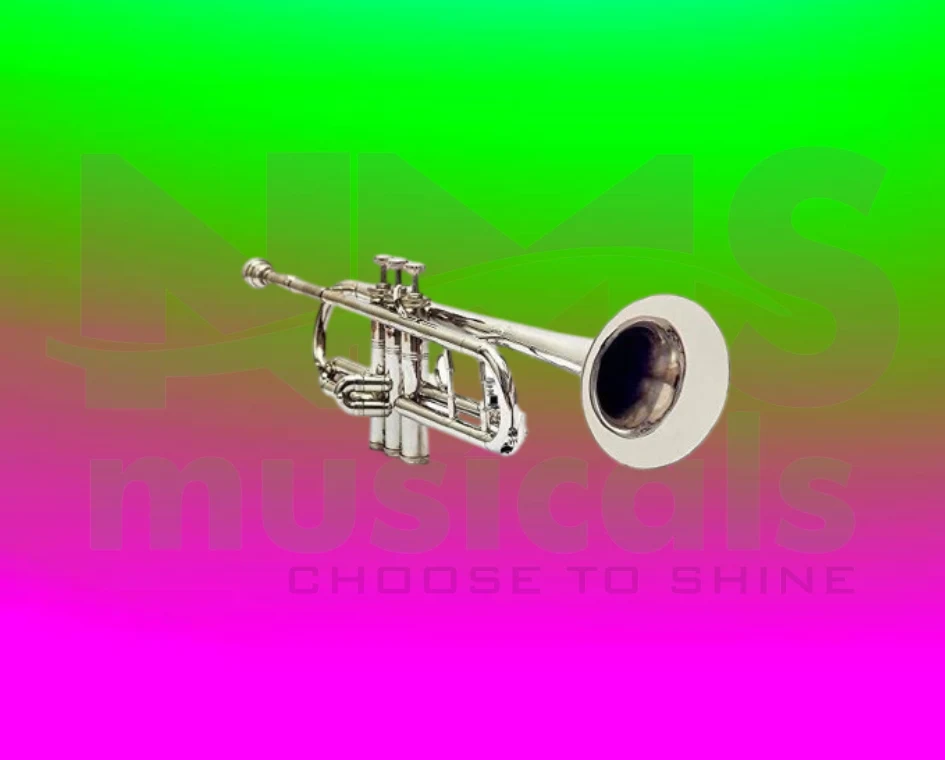
Your trumpet plays a major role in your learning journey. Beginners in India often get overwhelmed with the variety available, from budget models to professional trumpets.
Selecting the Trumpet
- For Beginners:
Yamaha YTR-2330,
Eastar Bb Trumpet,
or locally available brands like ARCTIC or Pluto. - For Intermediate Players:
Bach TR300H2,
Jupiter JTR700,
or Indian-imported brands with better build quality. - For Indian Use Cases:
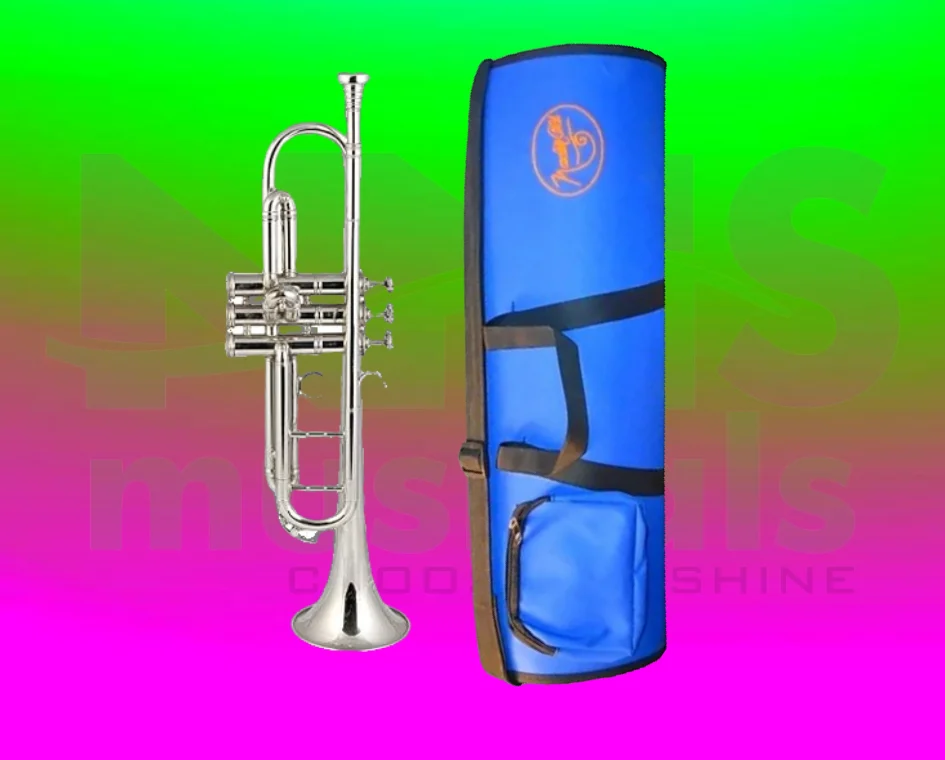
Choose durable trumpets that can withstand outdoor performances, like brass band events.


Must-Have Accessories
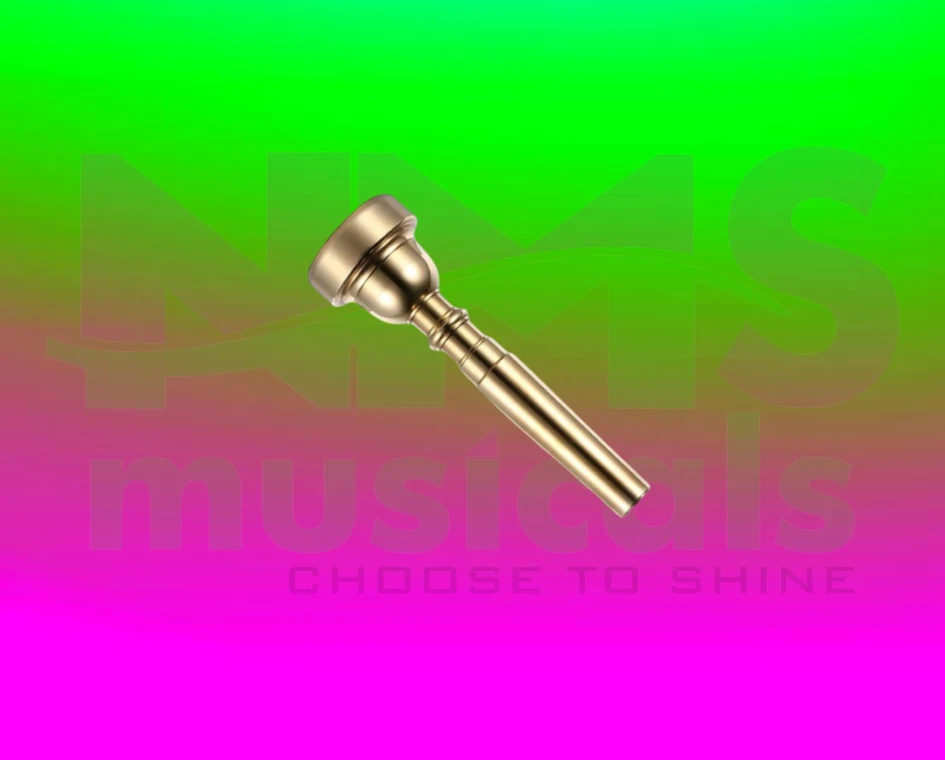
- A reliable mouthpiece (7C for beginners).
Get this instrument at best deal – Brass Trumpet Mouthpiece - Valve oil for smooth functioning.
- A sturdy case for carrying to classes or functions.
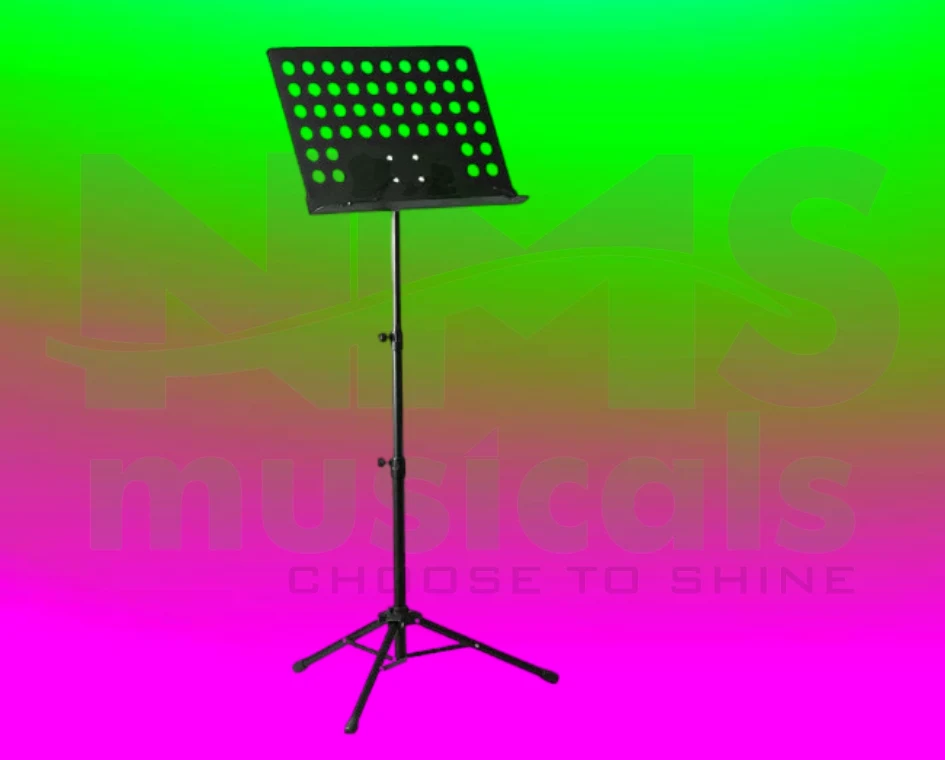
- A music stand for practicing at home.
Get this instrument at best deal – https://nmsmusicals.in/product/music-stand/


Renting vs Buying in India
Many Indian learners start by renting trumpets from music shops in cities like Chennai, Delhi, or Mumbai. Renting is cost-effective and allows you to upgrade later without huge expenses.
Conclusion
Mastering the trumpet is not just about learning an instrument—it’s about embracing discipline, creativity, and cultural expression. In India, where the trumpet is often associated with celebrations, weddings, and film music, modern learners are finding new ways to use it in jazz, classical, and fusion genres. By following the Top 5 Tips for Learning to Play the Trumpet, you will build a solid foundation that combines correct posture, strong embouchure, regular practice, theoretical knowledge, and the right choice of instrument.
Remember, progress may feel slow at first, but every note you play adds to your growth. Stay consistent, keep experimenting, and soon you’ll experience the joy of creating music that resonates not only with you but with everyone who hears your trumpet’s bold and beautiful sound.
At NMS Musicals, we offer a comprehensive range of musical instruments, including percussion, string, wind, and keyboard instruments. Our services encompass sales, expert servicing, and the manufacture of leather instruments. Explore our diverse collection and find the perfect instrument to suit your musical needs.
Visit our website to browse our offerings: nmsmusicals.in
For a closer look at our products, check out our shop page: nmsmusicals.in/shop
Stay connected with us through our social media channels:
- Facebook: https://www.facebook.com/nmsmusicalinstruments/
- Instagram: https://www.instagram.com/nmsmusicals/?hl=en
- YouTube: youtube.com/@nmsmusicals
Our shop locations are:
- Puducherry: 149, Perumal Koil Street, Heritage Town, Puducherry, 605001.
Map Link: https://maps.app.goo.gl/ejDwBBFEJmd3szxk7 - Chennai: No: 1, 1st Floor, Kandigai Street, TVS Nagar, Korattur, Chennai – 600076.
Map Link: https://maps.app.goo.gl/7oXmB6X7KQsqeuuw9
For inquiries, contact/Whatsapp us at 9500663895 or email us at laxman.m89@gmail.com.
Discover the world of musical instruments with NMS Musicals today!
For a visual overview of our percussion instruments, watch the following video:
Leave A Comment
You must be logged in to post a comment