
 Cart is empty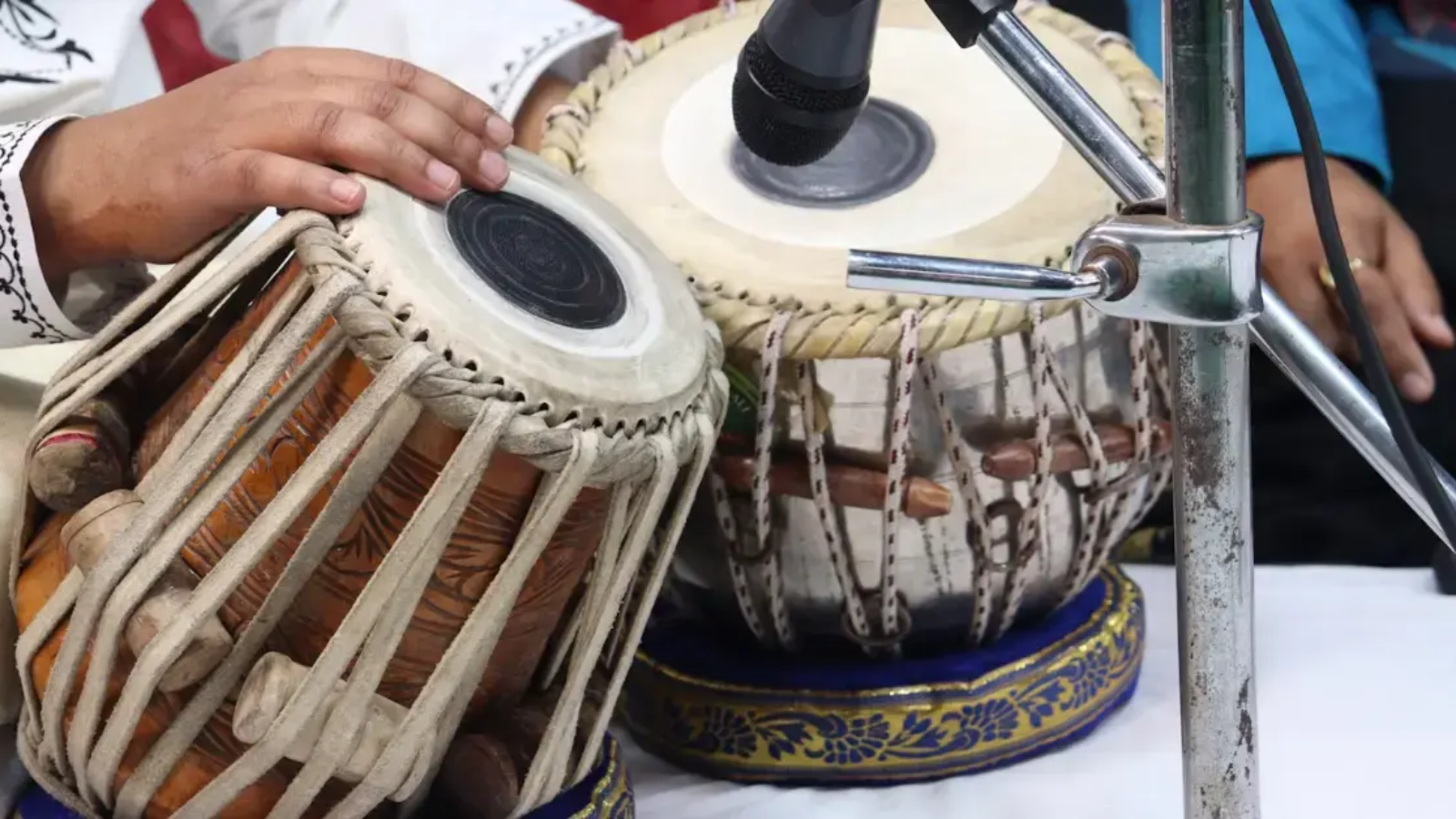
Find the best Indian instruments for kids to begin their musical journey with joy.
Music has the power to shape young minds, build confidence, and provide a creative outlet for self-expression. When it comes to introducing children to music, the choice of the first instrument plays a crucial role. Indian classical instruments, rich in heritage and musical depth, offer an enriching starting point for young learners. If you’re a parent or educator wondering what is the best instrument for kids to learn first, this blog offers a complete guide focusing on Indian instruments that are both educational and kid-friendly.
Why Start Kids with Indian Musical Instruments?
1. Cultural Connection
Indian instruments allow children to connect with their roots and develop an appreciation for traditional music from an early age.
2. Foundational Learning
Many Indian instruments teach rhythm, melody, and timing, which are core musical concepts that benefit all future music learning.
3. Development of Fine Motor Skills
Instruments like tabla and flute require precise hand and breath control, improving coordination and focus.
4. Emotional and Mental Growth
Learning music enhances cognitive development, emotional intelligence, and patience.
Factors to Consider Before Choosing an Instrument
1. Age and Physical Ability
Younger children may need smaller or lighter instruments that are easy to hold and play.
2. Interest and Personality
Choose an instrument that aligns with your child’s interests—whether they enjoy rhythm, melody, or the idea of blowing into an instrument.
3. Availability of Teachers
Ensure you can find qualified instructors for the instrument you choose.
4. Maintenance and Durability
Some instruments require frequent tuning or special care—choose based on your ability to maintain it.
Top Indian Instruments for Kids to Learn First
1. Tabla – Perfect for Energetic Learners

Why It’s Great:
- Ideal for kids who enjoy rhythm and movement.
- Builds strong timing and coordination skills.
- Used across many music genres.
Tips for Beginners: Start with basic taals like Teentaal and practice with a metronome. Use child-sized tablas for comfort.
2. Bansuri (Flute) – Soothing and Simple

Why It’s Great:
- Light and easy to carry.
- Teaches breath control and pitch accuracy.
- Encourages calmness and focus.
Tips for Beginners: Start with a smaller flute in C or D scale. Encourage slow, deep breathing exercises before playing.
3. Sitar – Melodic and Majestic

Why It’s Great:
- Teaches melody and complex musical structures.
- Enhances finger dexterity.
- Aesthetically engaging and historically rich.
Tips for Beginners: Use student-size sitars and start with basic ragas. Ensure the sitar is tuned properly before each session.
4. Mridangam – Southern Rhythmic Wonder
Why It’s Great:

- Builds a strong sense of rhythm.
- Great for kids who are detail-oriented.
- Teaches structured Carnatic rhythmic patterns.
Tips for Beginners: Start with basic talas and use a smaller mridangam suited for children’s hands
.
5. Veena – Royal and Revered

Why It’s Great:
- Teaches both melody and rhythm.
- Great for patient and focused learners.
- Offers a deep connection to Carnatic music tradition.
Tips for Beginners: Use a light veena or a practice model. Ensure regular tuning and posture guidance from the start.
How to Keep Kids Motivated to Practice
1. Set Small Goals
Break down lessons into weekly achievements—like learning one taal or raga.
2. Celebrate Milestones
Reward progress with stickers, certificates, or even small performances at home.
3. Make It Social
Group classes or jam sessions with other children can make learning more fun.
4. Use Fun Tools
Apps, flashcards, and recordings make practice engaging.
Role of Parents in Music Learning
1. Attend Lessons
Being present during classes shows support and allows you to help with practice at home.
2. Create a Practice Schedule
Help your child stick to a routine by dedicating a fixed time each day.
3. Encourage Listening
Introduce kids to classical music through concerts, YouTube, or Spotify playlists.
Benefits of Early Music Education
1. Academic Improvement
Music strengthens skills like math, reading, and memory.
2. Emotional Intelligence
Children learn to express themselves and understand emotions better.
3. Confidence and Discipline
Performing and consistent practice build resilience and self-esteem.
4. Cultural Enrichment
Learning Indian instruments connects kids with traditions, festivals, and languages.
Common Challenges and How to Overcome Them
1. Initial Difficulty
Let children know it’s okay to make mistakes and that progress comes with practice.
2. Lack of Interest
Rotate between different practice styles—sometimes use storytelling or games.
3. Physical Discomfort
Make sure instruments are child-sized and ergonomically appropriate.
Alternatives If Your Child Struggles
1. Try a Different Instrument
If one doesn’t suit them, switching to another like harmonium or dholak might help.
2. Combine with Singing
Sometimes singing along while playing makes the learning more holistic.
3. Start with Music Theory
Understanding the ‘why’ behind music can renew interest and commitment.
Where to Buy Beginner-Friendly Instruments
- Look for local Indian music stores with student-size models.
- Online platforms like Amazon or Flipkart.
- Consult your music teacher for recommended brands.
Recommended Age to Start Learning
- Tabla: 5–6 years
- Bansuri: 6–8 years
- Sitar: 8–10 years
- Mridangam: 6–8 years
- Veena: 10+ years
Choosing a Good Music School or Teacher
- Look for experienced instructors in Indian classical music.
- Ask for demo classes.
- Review their teaching style and past student results.
Future Opportunities in Music
- Competitions and stage performances
- School and community events
- Formal music certifications
- Career in music composition, teaching, or performance
CONCLUSION
When deciding what is the best instrument for kids to learn first, Indian classical instruments offer not just musical education but also a path to discipline, cultural connection, and creativity. Whether your child chooses the rhythmic tabla or the soothing bansuri, the key is to support them with patience and joy. With the right guidance and a nurturing environment, their first instrument could become a lifelong passion. Encourage your little musician to start small, dream big, and enjoy every note of the journey!
At NMS Musicals, we offer a comprehensive range of musical instruments, including percussion, string, wind, and keyboard instruments. Our services encompass sales, expert servicing, and the manufacture of leather instruments. Explore our diverse collection and find the perfect instrument to suit your musical needs.
Visit our website to browse our offerings: nmsmusicals.in
For a closer look at our products, check out our shop page: nmsmusicals.in/shop
Stay connected with us through our social media channels:
- Facebook: https://www.facebook.com/nmsmusicalinstruments/
- Instagram: https://www.instagram.com/nmsmusicals/?hl=en
- YouTube: youtube.com/@nmsmusicals
Our shop locations are:
- Puducherry: 149, Perumal Koil Street, Heritage Town, Puducherry, 605001.
Map Link: https://maps.app.goo.gl/ejDwBBFEJmd3szxk7 - Chennai: No: 1, 1st Floor, Kandigai Street, TVS Nagar, Korattur, Chennai – 600076.
Map Link: https://maps.app.goo.gl/7oXmB6X7KQsqeuuw9
For inquiries, contact/Whatsapp us at 9500663895 or email us at laxman.m89@gmail.com.
Discover the world of musical instruments with NMS Musicals today!
For a visual overview of our percussion instruments, watch the following video:
Leave A Comment
You must be logged in to post a comment