Top 5 Best Ukuleles for Beginners An Incredible Choice 1

Top 5 Best Ukuleles for Beginners: An Incredible Choice

Top 5 Best Ukuleles for Beginners in India – Find the Perfect Starter Instrument
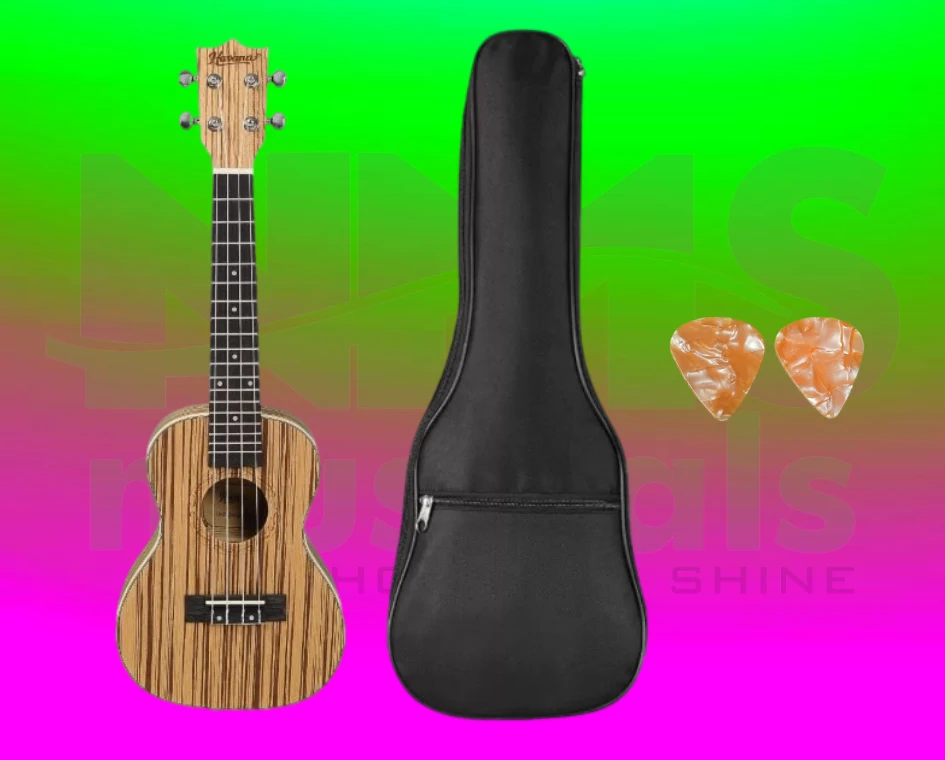
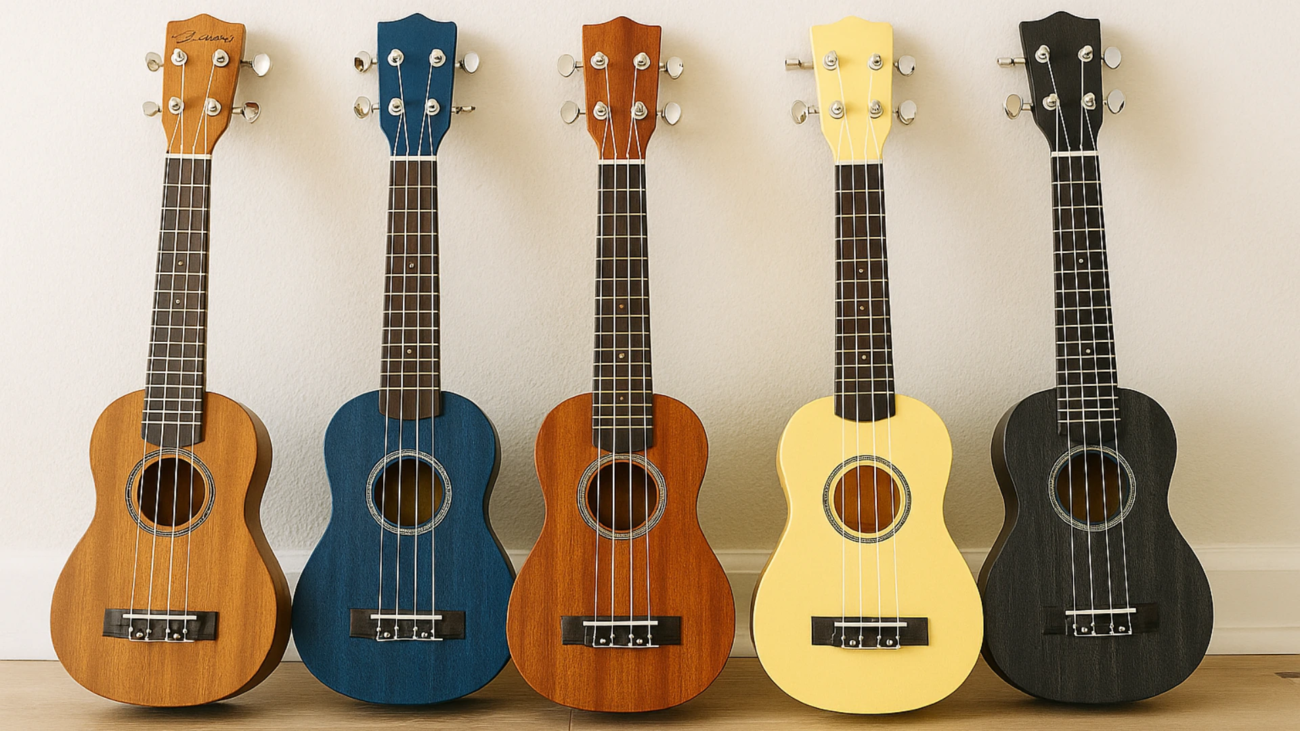
Havana Ukulele With Bag
Get this instrument at best deal – Havana Ukulele with Bag

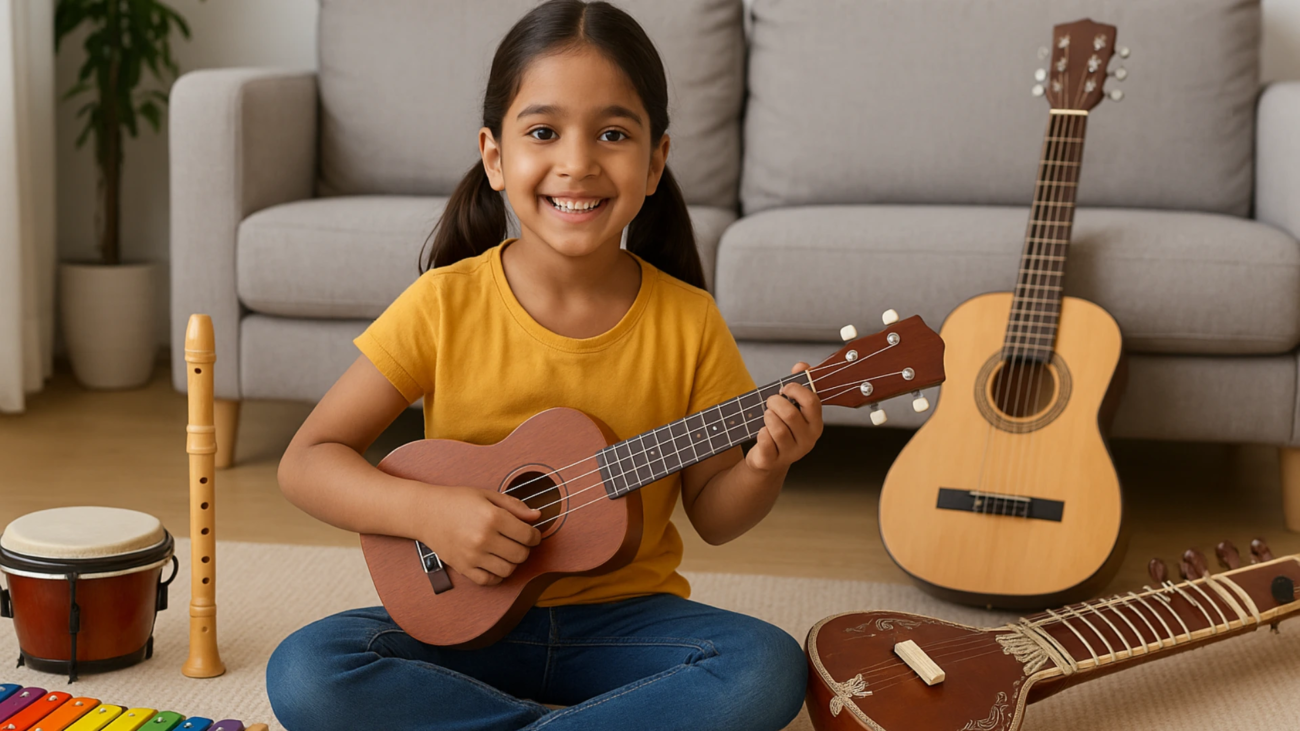
Learning a musical instrument is one of the most rewarding experiences, and for beginners, the ukulele has become an extremely popular choice. With its compact size, easy-to-learn chords, and cheerful sound, the ukulele is perfect for aspiring musicians of all ages.

In India, the popularity of the ukulele has skyrocketed over the past few years, with more and more people exploring it as a beginner’s instrument. Whether you’re a student, a working professional looking for a hobby, or even someone hoping to perform, the ukulele is a great entry point into the world of music.

If you’re searching for the Top 5 Best Ukuleles for Beginners, you’re in the right place. This blog will cover the best beginner-friendly ukuleles available in India, their pros and cons, and tips for choosing the right one for your needs. We’ll also guide you on where to buy them locally, including trusted stores like NMS Musicals in Pondicherry and Chennai, so you can start your musical journey with confidence.


Why Choose a Ukulele as a Beginner?

The ukulele is often described as the happiest instrument, not only for its sound but also for how accessible it is. Compared to guitars and pianos, learning the ukulele is much easier for beginners. The small size makes it comfortable to hold, especially for kids and teenagers, while adults appreciate its portability.

The chords are simple, and with just four strings, mastering your favorite songs doesn’t take long. In India, ukuleles have become a fantastic first choice for those who want an instrument that’s both fun and practical.


Factors to Consider Before Buying a Ukulele

Before diving into the list of the Top 5 Best Ukuleles for Beginners, here are some factors you should think about:

1. Size of the Ukulele

Ukuleles come in four main sizes: Soprano, Concert, Tenor, and Baritone. Beginners usually prefer soprano or concert because of their affordability and ease of handling.

2. Budget

For beginners, it’s best to choose an affordable yet good-quality ukulele. In India, ukuleles can range from budget-friendly to high-end models.

3. Material

The sound and durability of the ukulele depend on whether it’s made of laminate wood or solid wood. Beginners can easily start with laminate as it is durable and cost-effective.

4. Brand Reputation

Choosing a trusted brand ensures you get good sound quality and durability. In India, several international and local brands offer excellent options.

5. Where to Buy

Buying from a reliable store like NMS Musicals (Pondicherry & Chennai) ensures authenticity, warranty, and expert guidance.


Top 5 Best Ukuleles for Beginners in India

1. Kala KA-15S Soprano Ukulele
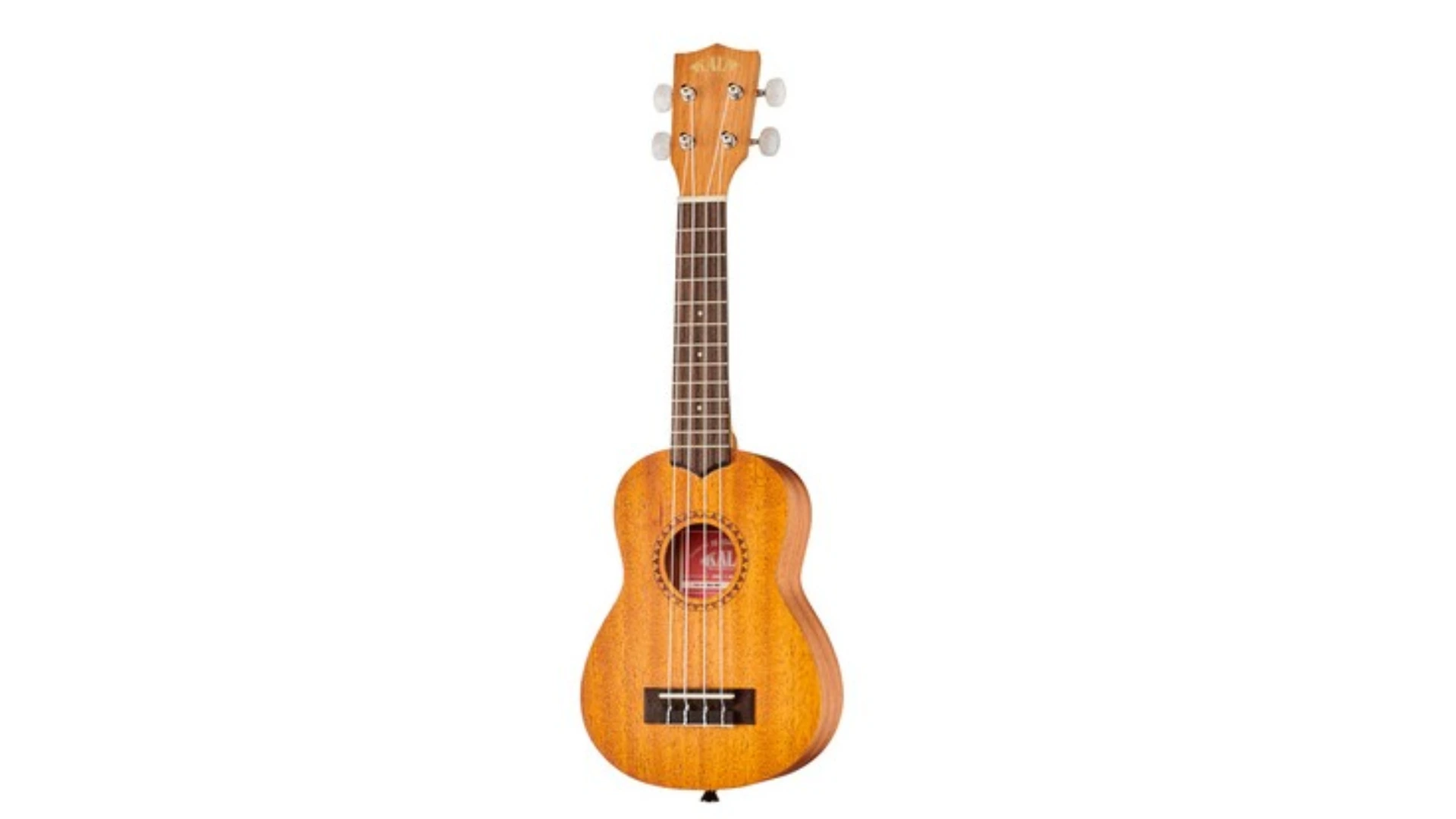
Kala is one of the most recognized ukulele brands worldwide. The KA-15S is ideal for beginners because it offers great sound, durability, and affordability.

  • Pros: Clear tone, beginner-friendly size, durable build.
  • Cons: Slightly higher price compared to entry-level Indian brands.
  • Best for: Students and first-time learners.


2. Kadence Wanderer Concert Ukulele
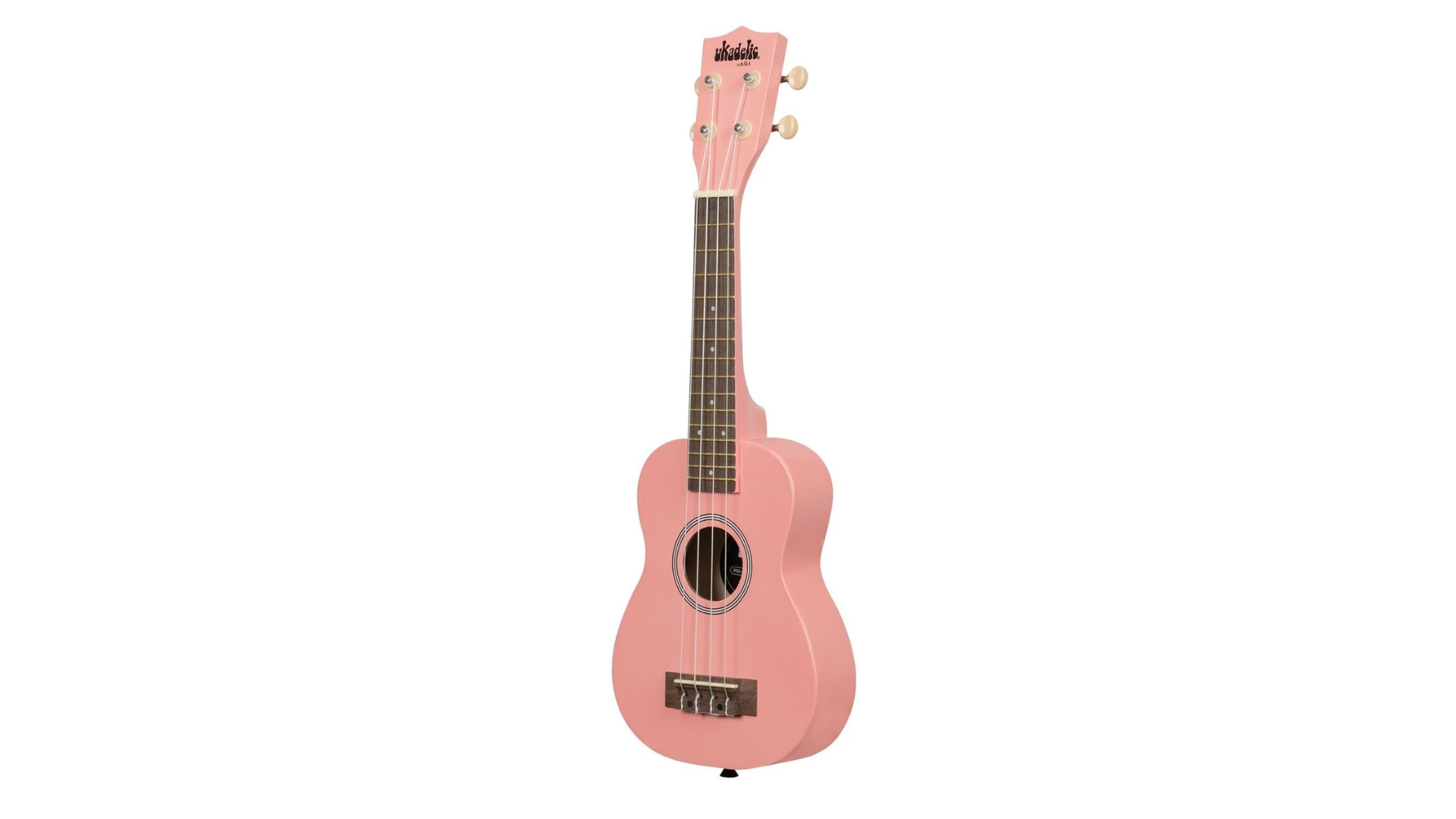
Kadence is a well-known Indian brand, popular for offering affordable instruments with decent quality. The Wanderer Concert Ukulele is perfect for beginners looking for a larger size than soprano.

  • Pros: Affordable, good sound projection, stylish design.
  • Cons: Tuning stability might need frequent adjustments.
  • Best for: Beginners who want affordability with quality.


3. Fender Venice Soprano Ukulele
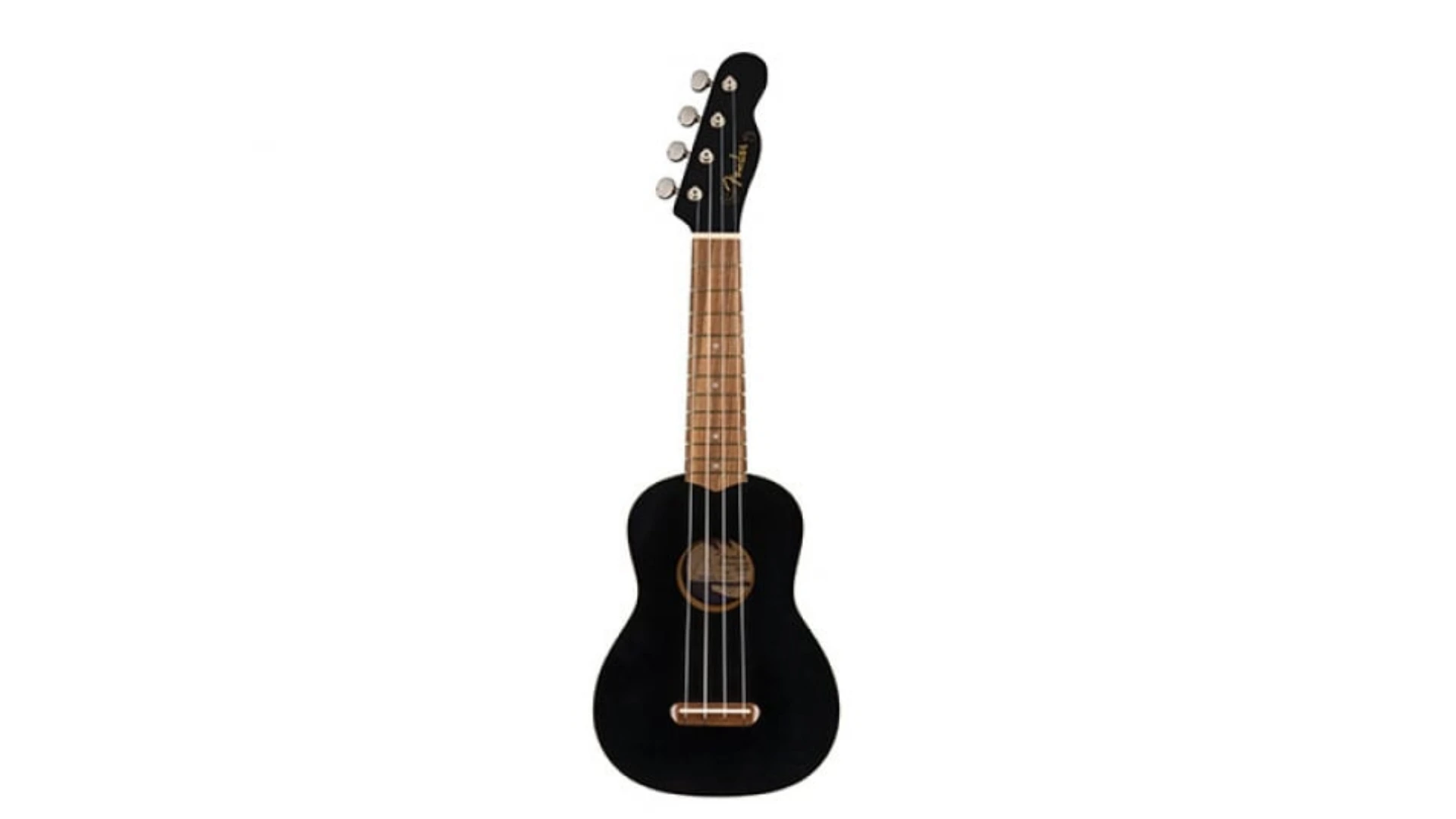
Fender brings premium design with the Venice Soprano Ukulele, known for its lightweight body and bright tone.

  • Pros: Easy playability, stylish Fender headstock, excellent tone.
  • Cons: Pricier compared to most beginner models.
  • Best for: Beginners who want both performance and style.


4. Mahalo Rainbow Series Ukulele
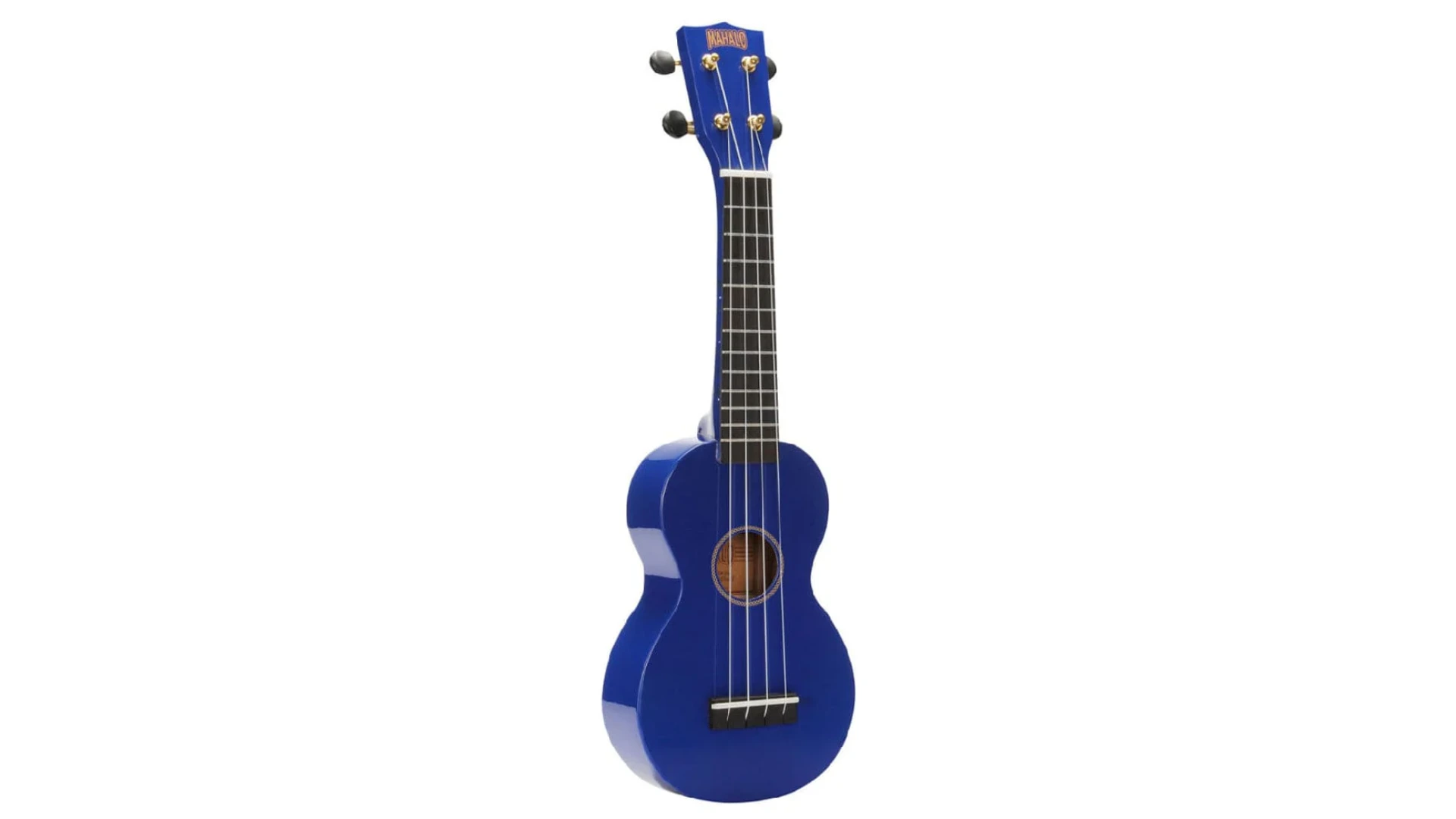
Mahalo offers colorful, affordable ukuleles, making them especially popular with younger learners in India. The Rainbow Series adds fun to the learning journey.

  • Pros: Affordable, fun colors, good starter option.
  • Cons: Not as durable as higher-end models.
  • Best for: Kids and absolute beginners.


5. Yamaha GL1 Guitalele
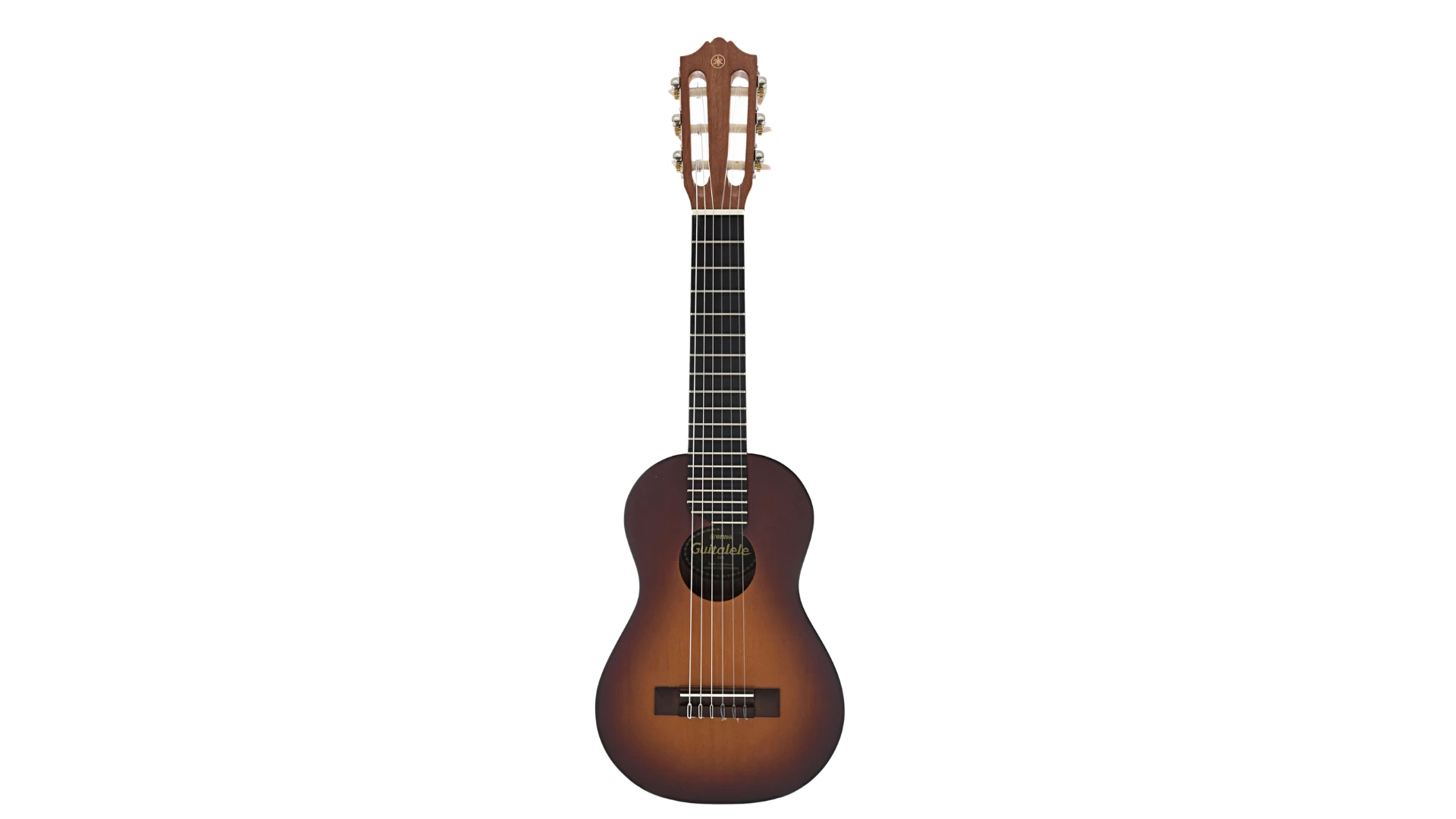
The Yamaha Guitalele is a mix between a guitar and ukulele, with six strings tuned like a guitar but in a smaller size. It’s perfect for those who may want to transition to guitar later.

  • Pros: Unique instrument, great sound, Yamaha quality.
  • Cons: Slightly more complex than a 4-string ukulele.
  • Best for: Beginners planning to learn both ukulele and guitar.


Tips for Beginners Learning Ukulele in India

1. Start with Basic Chords

Learning a few basic chords like C, G, Am, and F allows you to play hundreds of songs.

2. Practice Daily

Consistency is key. Even 15 minutes of daily practice can show quick results.

3. Watch Tutorials

There are countless tutorials on YouTube, including Indian creators who guide beginners with easy lessons.

4. Join a Music Store Workshop

Stores like NMS Musicals in Pondicherry and Chennai often provide workshops or guidance for beginners, making it easier to learn.

5. Invest in Accessories

A tuner, padded bag, and spare strings are must-have accessories for beginners in India.
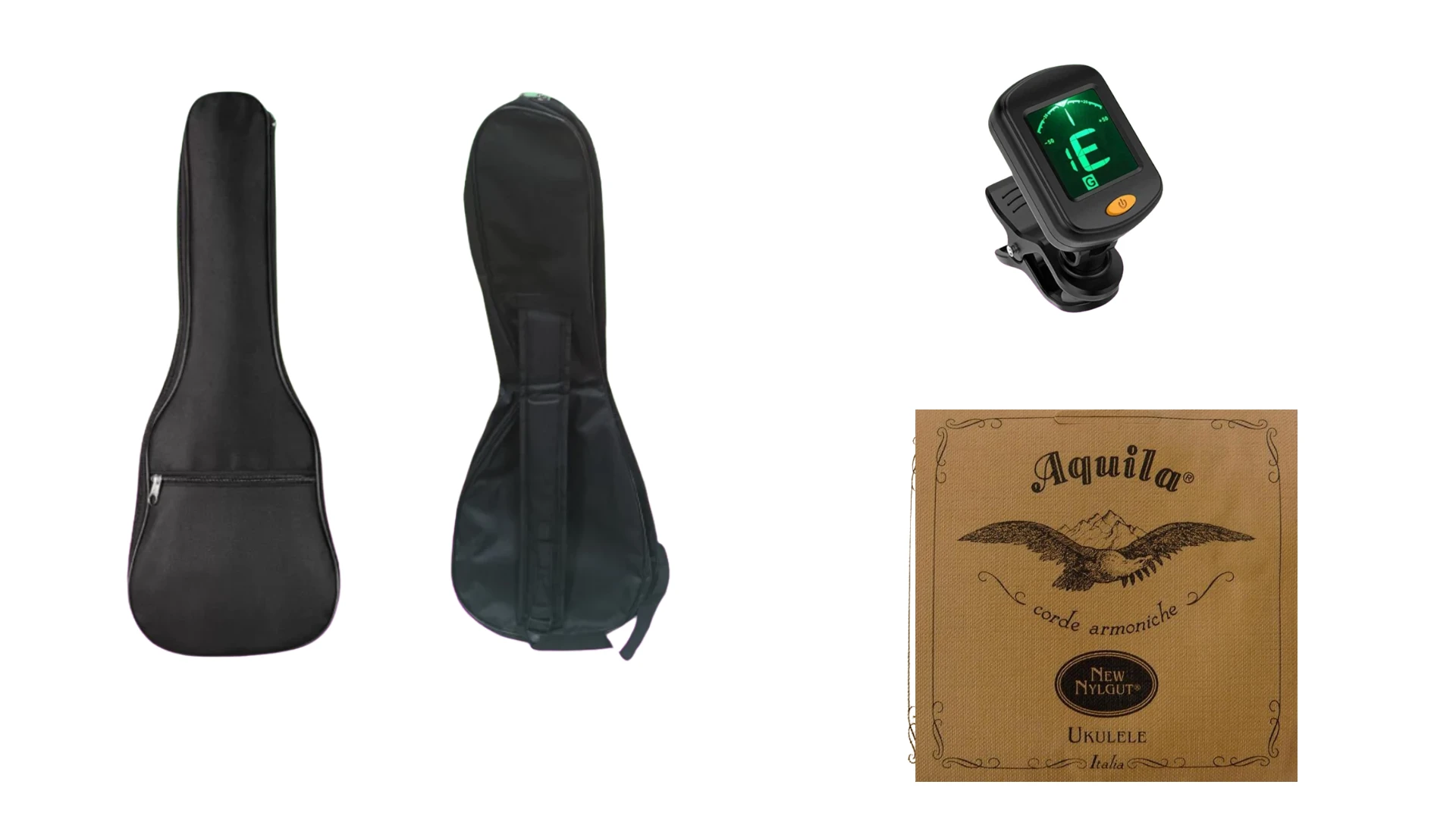
Get this instrument at best deal – ukulele-accessories/


Where to Buy the Best Ukuleles in India?

While online marketplaces offer many options, it’s always better to try the instrument in person. This ensures you pick a ukulele that feels comfortable and sounds right. If you’re in South India, you can visit NMS Musicals in Pondicherry and Chennai, where you’ll find a variety of ukuleles, expert advice, and affordable deals.


Conclusion

Finding the Top 5 Best Ukuleles for Beginners in India doesn’t have to be complicated. With the right guidance, you can choose a ukulele that matches your style, budget, and future goals. Whether you want a fun, colorful starter ukulele like the Mahalo, a premium model like the Fender Venice, or a versatile one like the Yamaha Guitalele, there’s something for everyone.

For those in South India, especially around Pondicherry and Chennai, we recommend visiting NMS Musicals, where you’ll get not only the best selection but also genuine support in starting your musical journey. Pick up a ukulele today, and step into the exciting world of music with joy and confidence.


At NMS Musicals, we offer a comprehensive range of musical instruments, including percussion, string, wind, and keyboard instruments. Our services encompass sales, expert servicing, and the manufacture of leather instruments. Explore our diverse collection and find the perfect instrument to suit your musical needs.

Visit our website to browse our offerings: nmsmusicals.in

For a closer look at our products, check out our shop page: nmsmusicals.in/shop

Stay connected with us through our social media channels:
Our shop locations are:

For inquiries, contact/Whatsapp us at 9500663895 or email us at laxman.m89@gmail.com.

Discover the world of musical instruments with NMS Musicals today!

For a visual overview of our percussion instruments, watch the following video:
Essential Guide on How to Get Started with Learning the Drums 10

Essential Guide on How to Get Started with Learning the Drums

How to Get Started with Learning the Drums A Beginner’s Guide for Indian Musicians

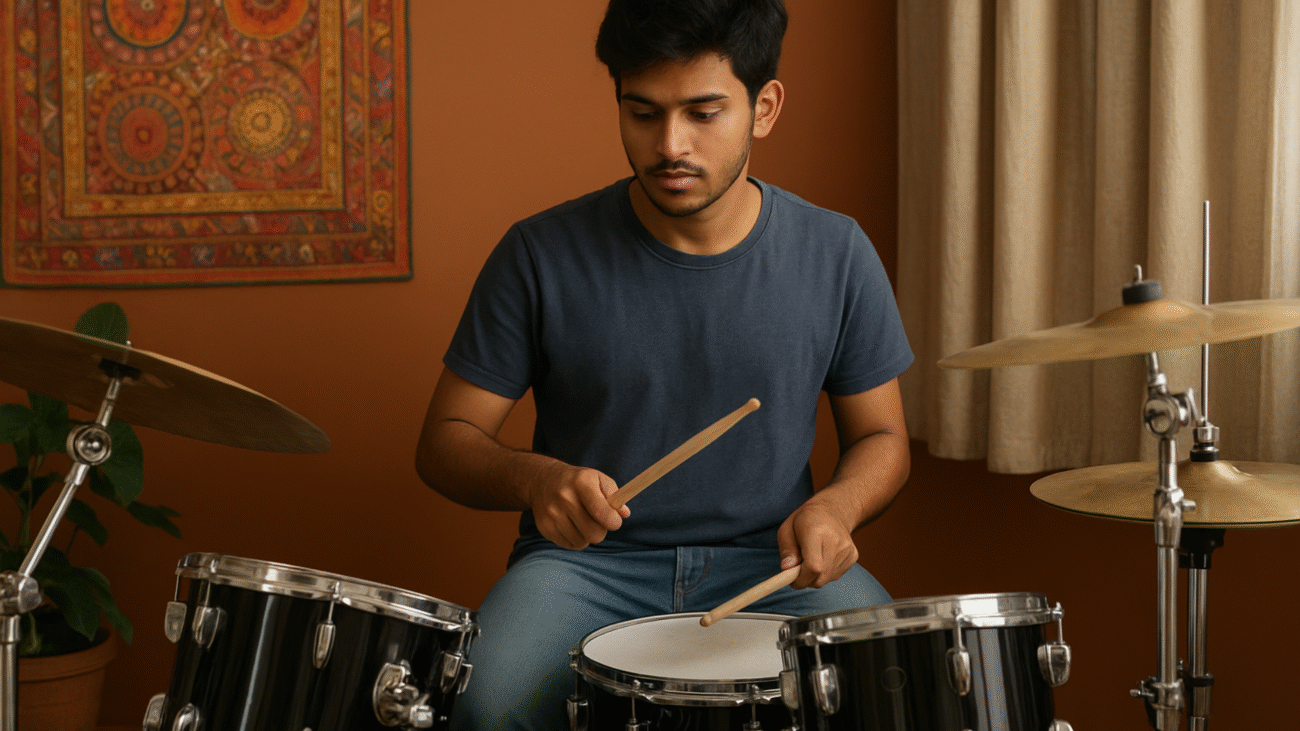
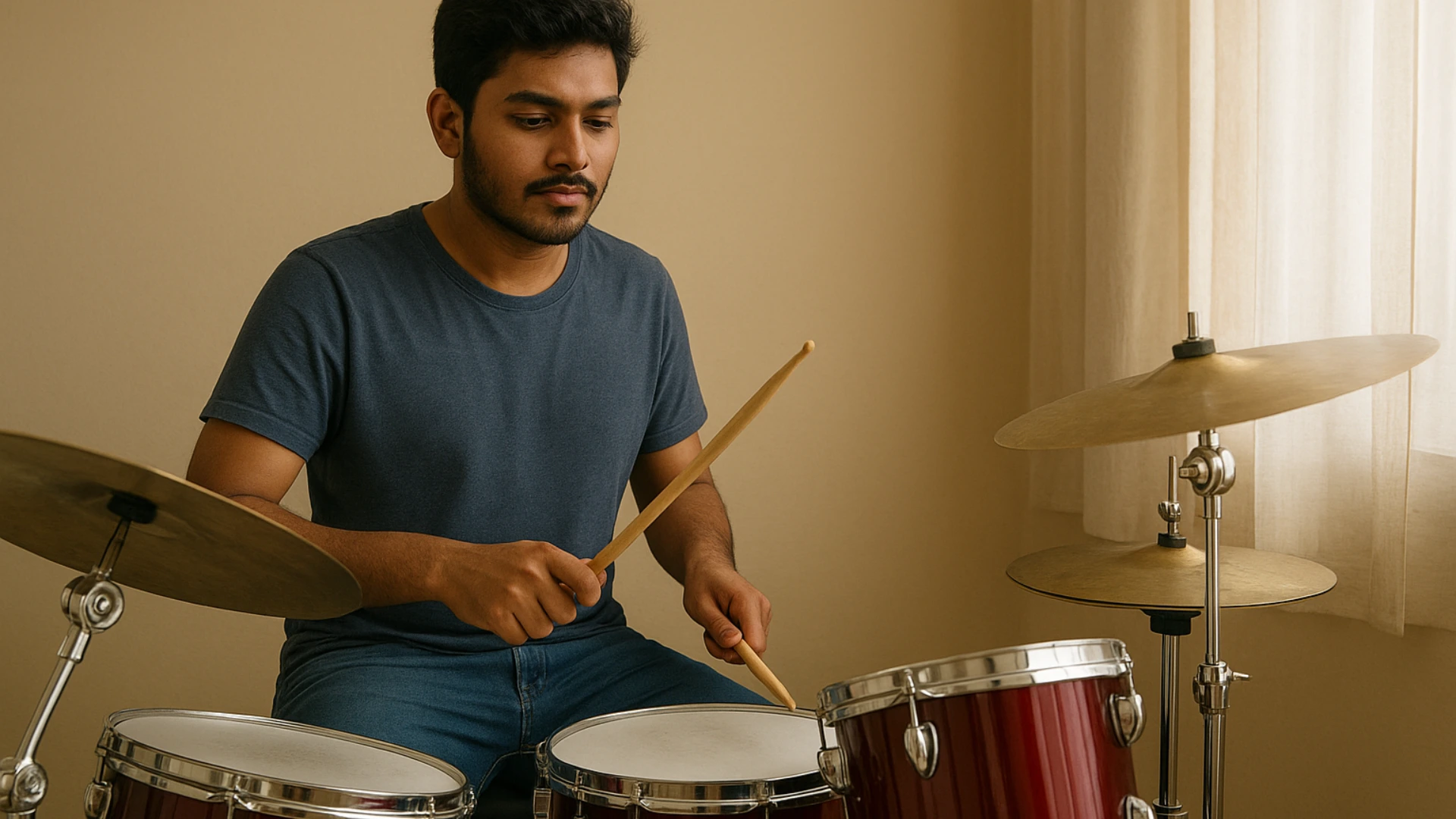
How to Get Started with Learning the Drums is an exciting journey that every music lover should experience at least once in life. Drums are the heartbeat of music, setting the pace and energy of every song. In India, where rhythm is deeply rooted in traditional and contemporary music, learning drums is becoming increasingly popular among young musicians.

From Bollywood hits to Carnatic fusion, from rock concerts to school bands, drummers are in high demand. For beginners, however, the process may seem overwhelming—what kit to buy, how to practice, or where to find lessons.

This beginner’s guide will simplify the entire journey, step by step. If you’re based in South India, you’ll also find excellent support from NMS Musicals in Pondicherry and Chennai, where you can purchase beginner-friendly drum kits and receive expert advice to get started.


1. Why Learn Drums?

Learning drums is more than just hitting sticks on surfaces—it’s about rhythm, creativity, and expression. For beginners in India, drums help develop coordination, focus, and confidence. They’re also a fun way to relieve stress while staying musically active. Whether you want to play casually or aim for a career in music, drums give you the foundation to explore multiple genres.


2. Choosing the Right Drum Kit in India

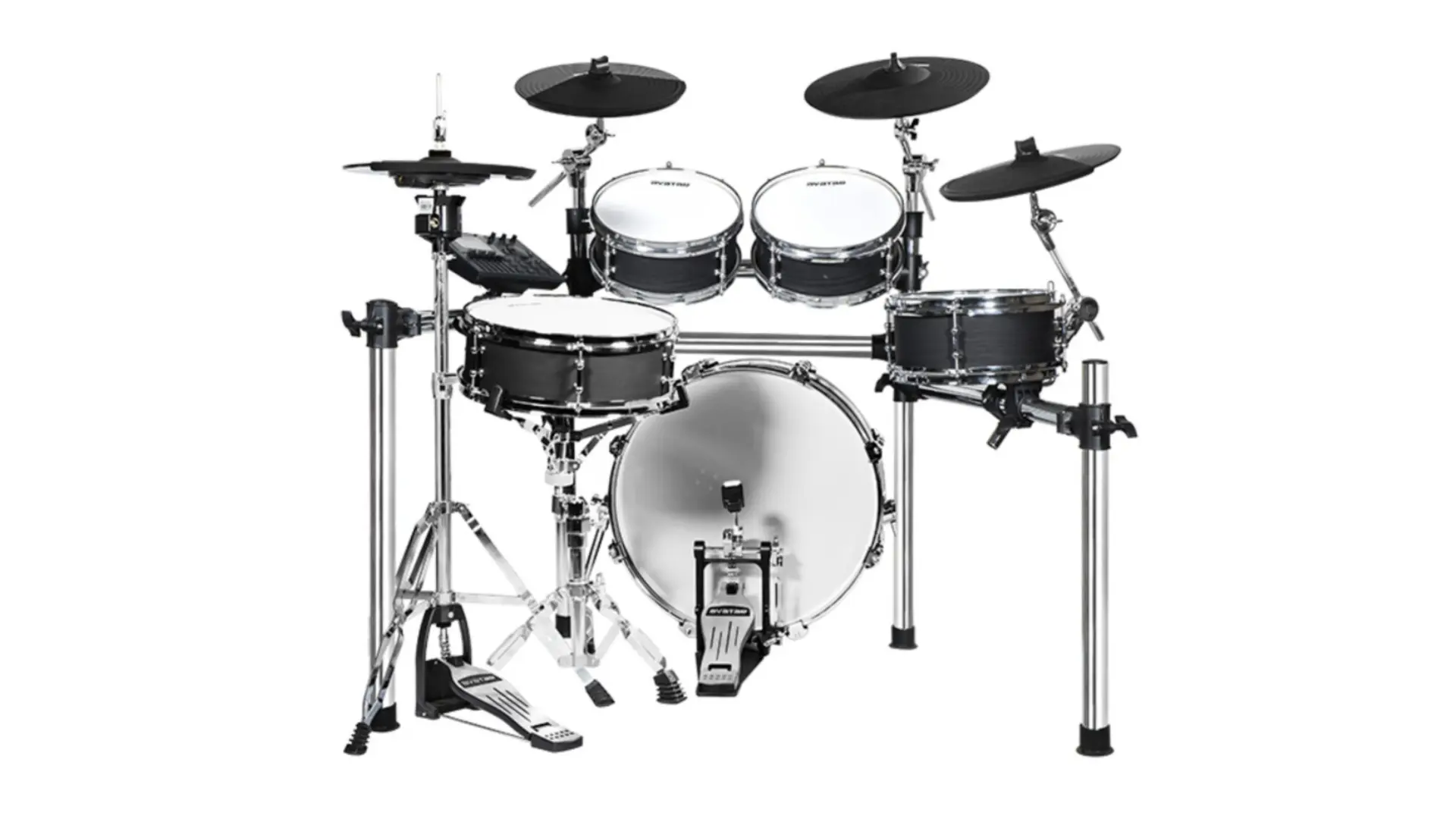
For beginners, the first step is deciding between acoustic and electronic drum kits.

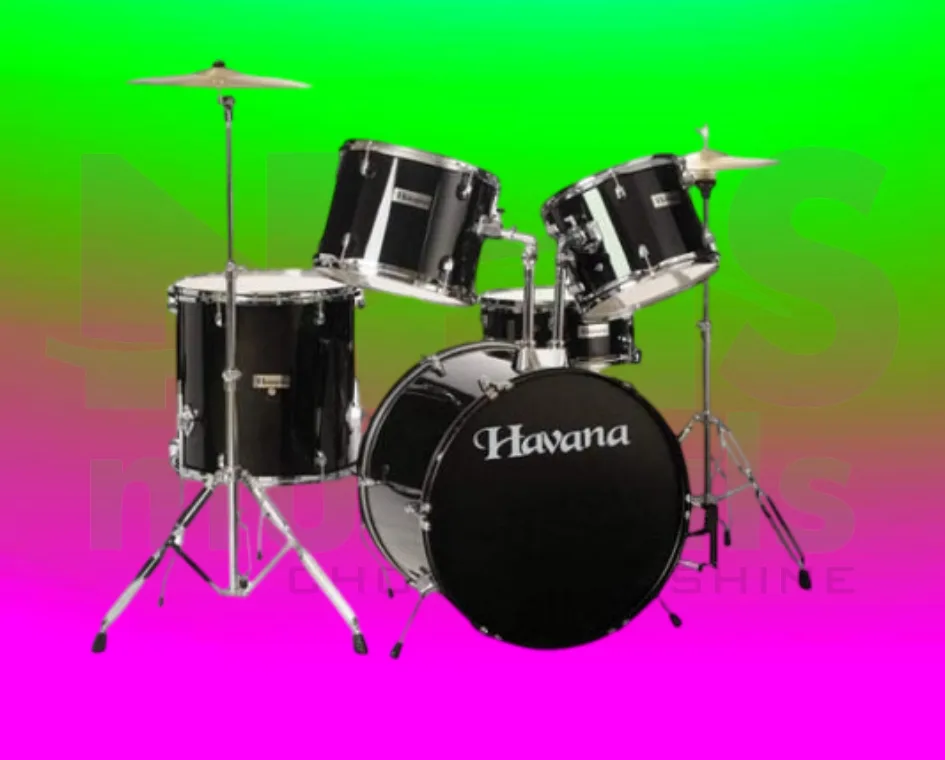
Havana HV522 Drum Set
Get this instrument at best deal – Havana HV 522 5Pcs Acoustic Drum Set

Acoustic Drum Kit: Offers authentic sound and dynamic control. Ideal for live performances.


Electronic Drum Kit: Compact, quieter, and suitable for practice in Indian apartments.

At NMS Musicals Chennai and Pondicherry, you’ll find both types of kits, along with expert recommendations for beginners based on your needs and budget.


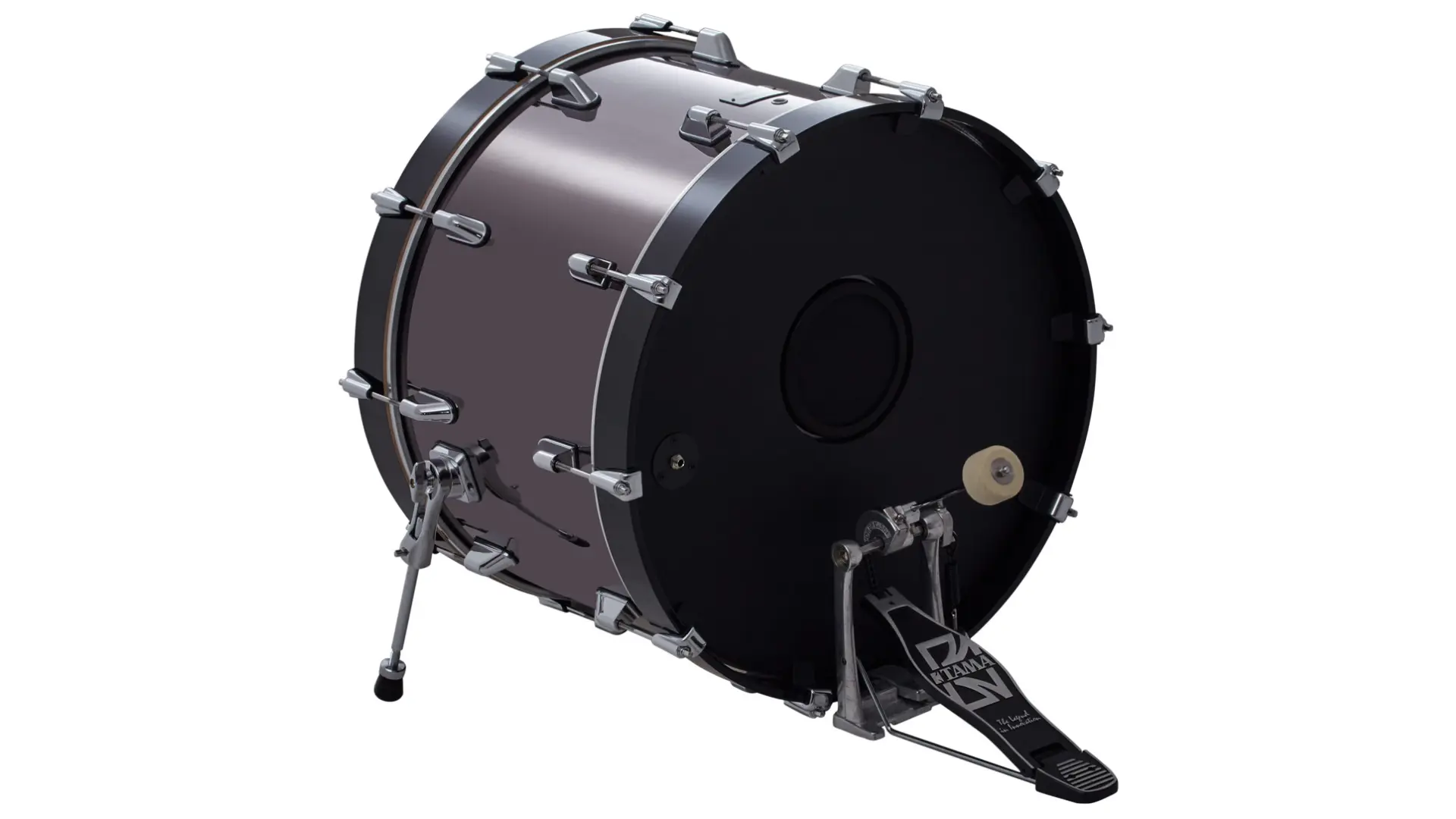
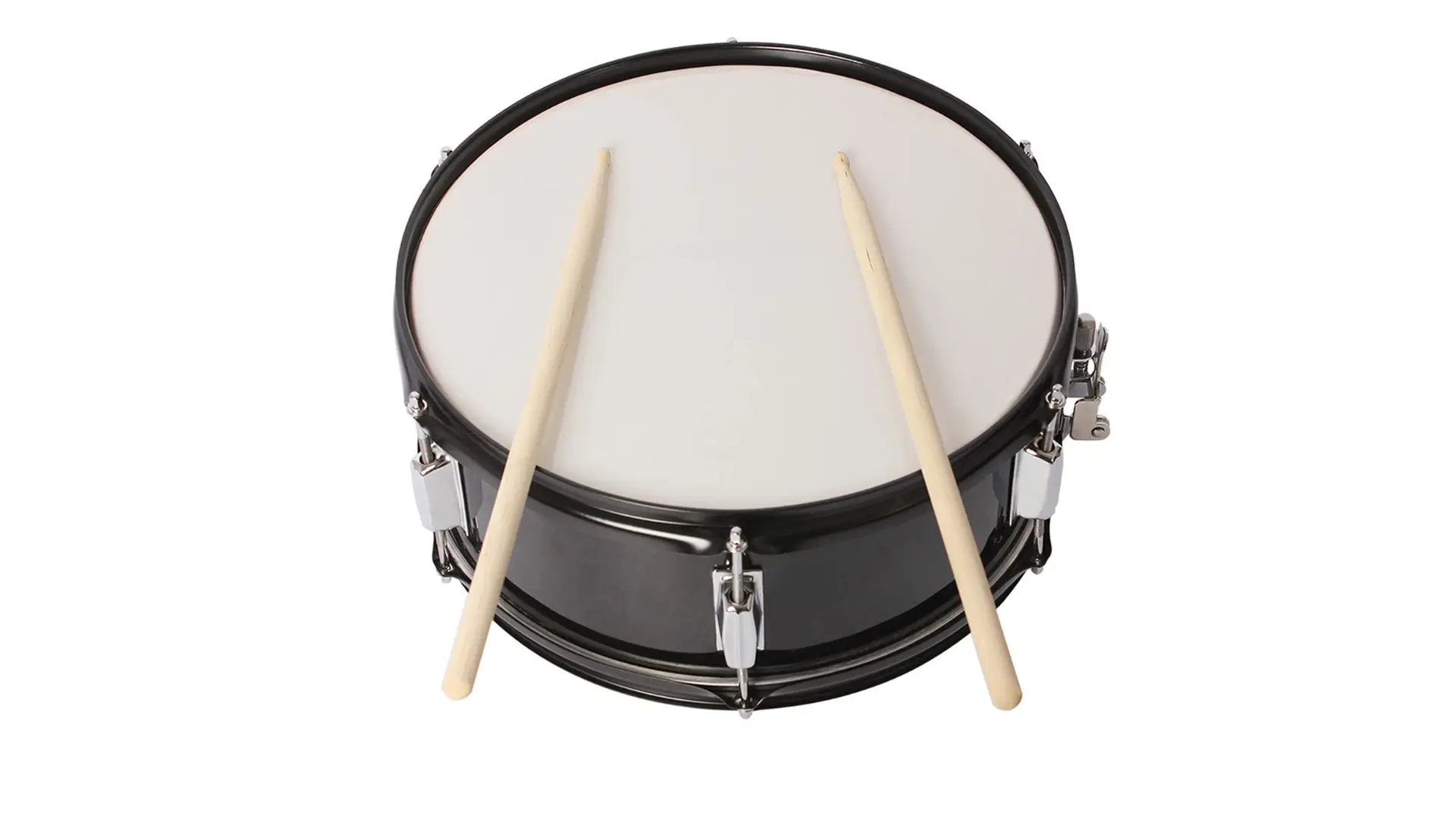
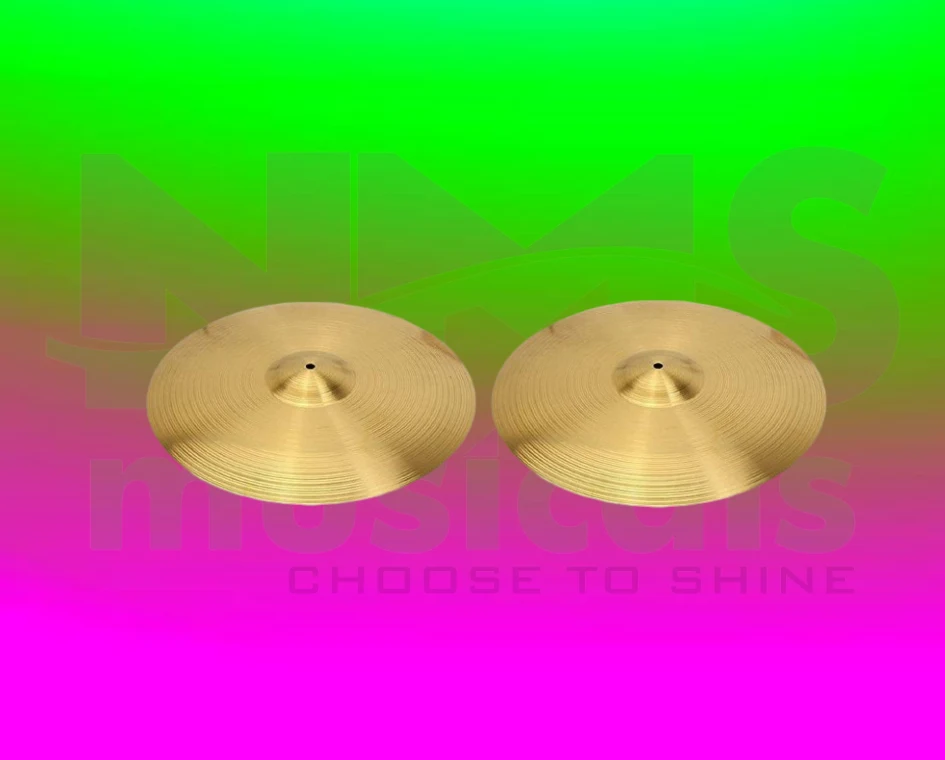
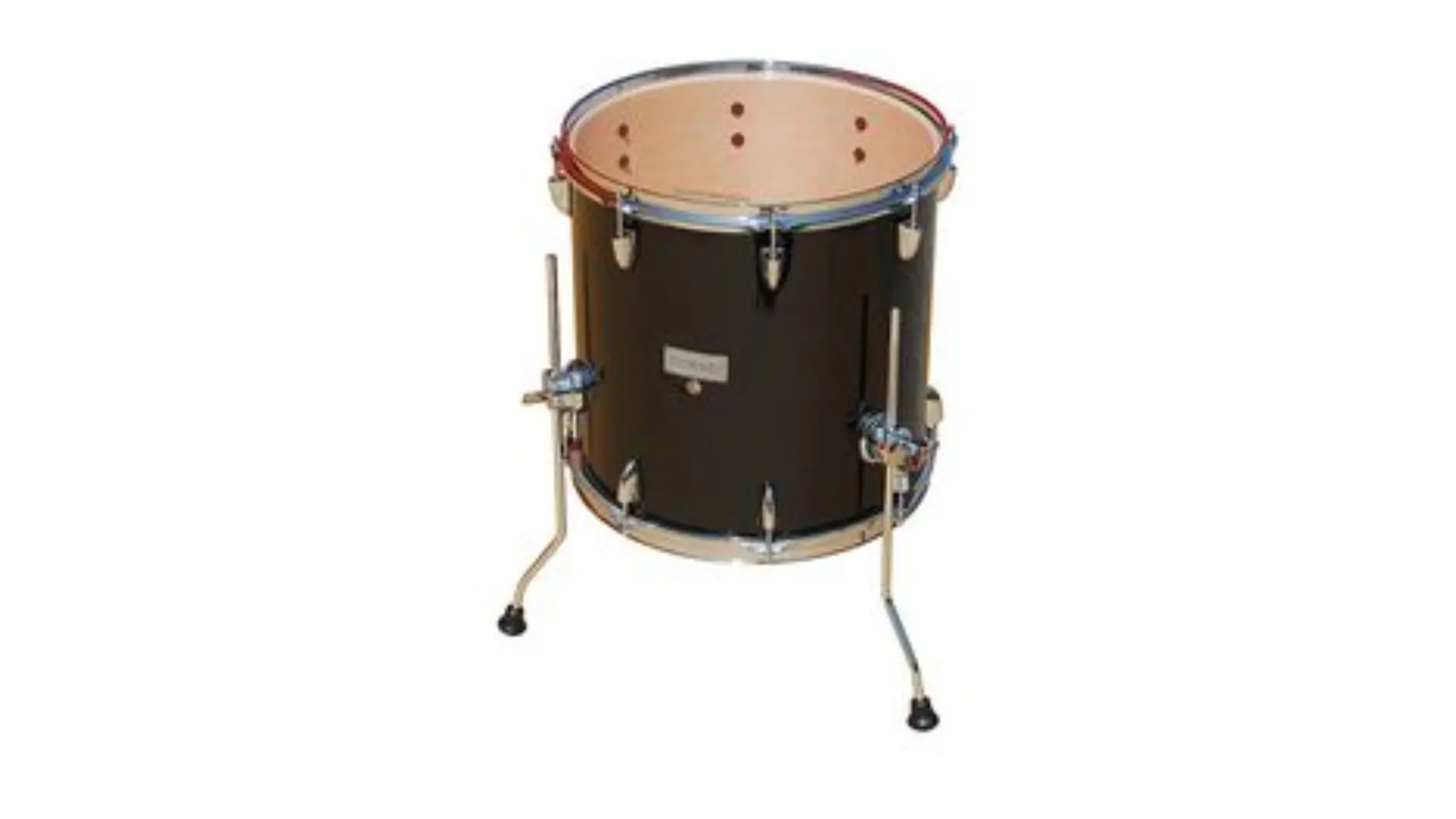
3. Essential Parts of a Drum Kit

Before starting, familiarize yourself with these basic parts of a standard kit:

Understanding each part will help you learn how they work together to create beats.


4. Accessories Every Beginner Drummer Needs

To make your drumming experience smooth, you’ll need:

All these essentials are available at NMS Musicals Pondicherry and Chennai with starter packages tailored for beginners.


5. How to Set Up Your Drum Kit

Setting up correctly is essential for comfort and injury prevention. Beginners should:

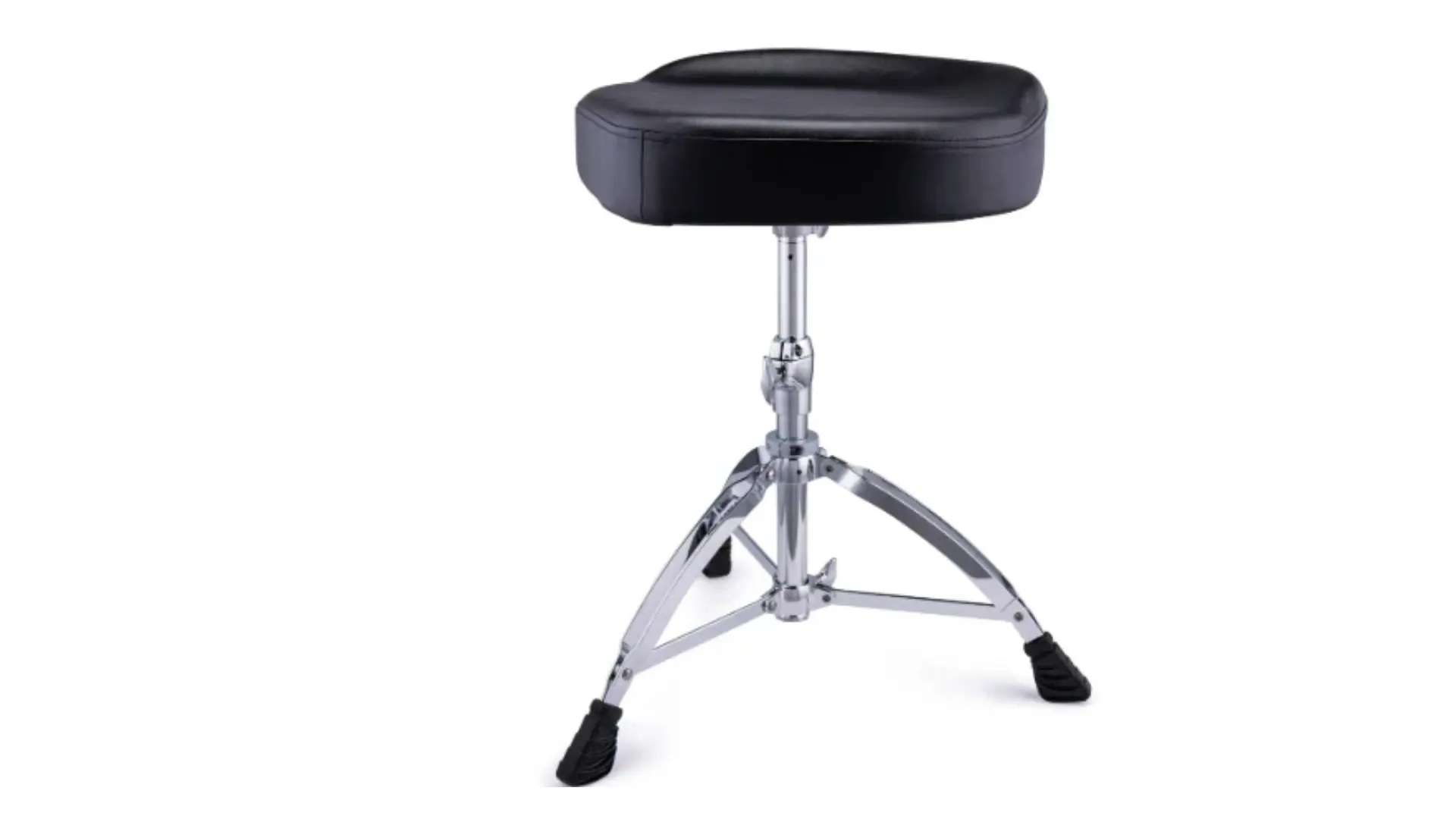
  1. Adjust the throne so your knees are at a right angle.
  2. Position the snare between your knees at waist level.
  3. Keep toms slightly angled toward you.
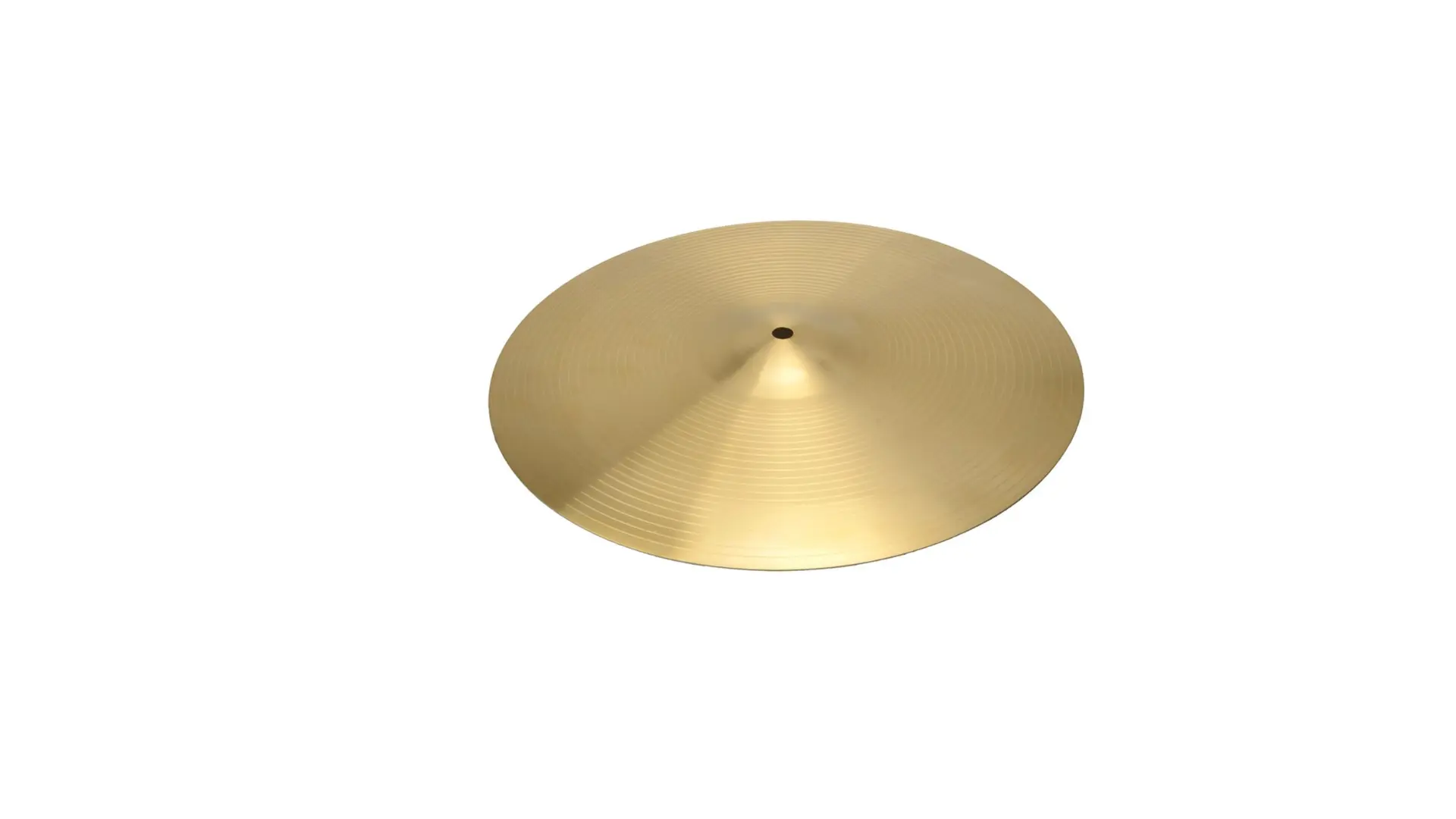
  4. Place cymbals high enough for reach but not too far away.


6. Holding Drumsticks the Right Way

Ostar Blue Grip Drumsticks
Get this instrument at best deal – Ostar Blue Colour Grip Drumsticks – 7A 1-Pair

Good technique begins with proper grip. Learn the matched grip—holding both sticks in the same way. This gives beginners control and flexibility when practicing beats.


7. First Drumming Patterns for Beginners

Start with simple rhythms:

  • Quarter note beat (bass-snare-hi-hat)
  • Eighth note hi-hat with bass-snare
  • Basic rock beat

These patterns help you build timing and coordination.


8. Importance of Rudiments

  • Single strokes
  • Double strokes
  • Paradiddles
  • Flams
  • Drags

Daily rudiment practice sharpens control and speed.


9. Practicing with a Metronome

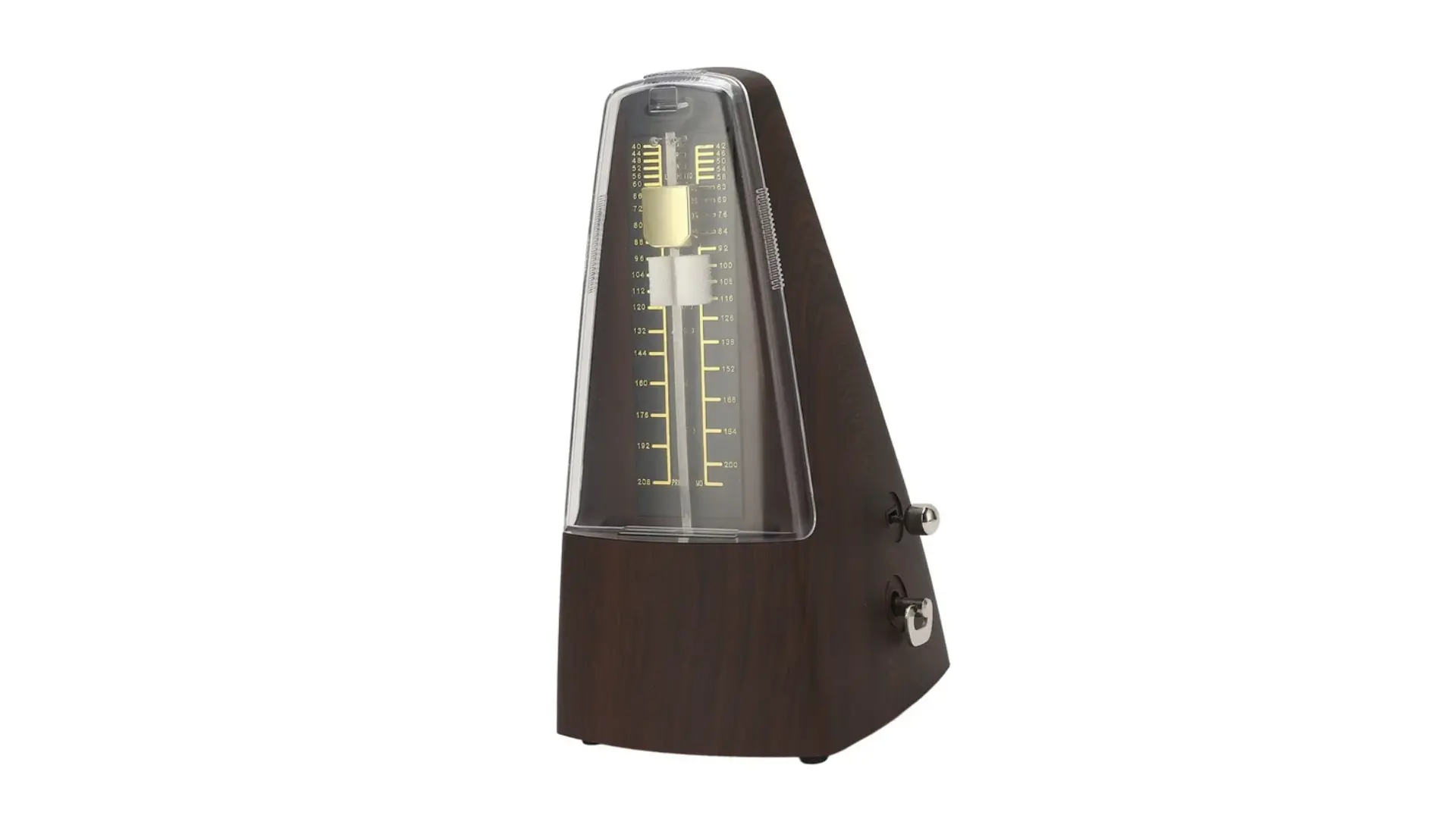
Timing is the soul of drumming. Beginners should use a metronome or app, starting at slow tempos before increasing speed. This ensures accuracy and rhythm consistency.


10. How to Practice Effectively

Consistency is key. Practice daily for 20–30 minutes, breaking sessions into smaller chunks. Focus on:

  • Warm-ups (rudiments)
  • Basic beats
  • Coordination exercises
  • Playing along with simple songs


11. Learning to Read Drum Notation

Reading sheet music for drums helps you play structured beats. Beginners can learn symbols for each drum and practice counting rhythms. Many online Indian tutorials explain this step-by-step.


12. Best Songs for Beginners to Try on Drums

Simple songs help build confidence. In India, try:

  • “We Will Rock You” (Queen)
  • Bollywood beats with steady rhythms
  • Pop hits with simple grooves


13. Exploring Different Drum Styles

As a beginner, you can explore:

  • Rock drumming
  • Jazz beats
  • Bollywood fusion
  • Funk grooves
  • Indian fusion drumming

Experimenting with multiple styles makes you versatile.


14. Joining Drum Classes in India

Drum lessons provide structure and motivation. Many Indian cities, including Chennai and Pondicherry, have music schools. For trusted guidance, NMS Musicals connects learners with reliable teachers.


15. Cost of Drum Kits and Lessons in India

  • Beginner acoustic kit: Rs. 15,000–Rs. 30,000
  • Electronic kits: Rs. 20,000–Rs. 50,000
  • Lessons: Rs.2,000–Rs. 5,000 per month

Buying from NMS Musicals Chennai and Pondicherry ensures quality instruments at fair prices with warranty and after-sales service.


16. Common Challenges for Beginners and How to Overcome Them

  • Struggling with coordination → Practice slowly, focus on one limb at a time.
  • Getting tired quickly → Build stamina through regular practice.
  • Feeling stuck → Learn new songs to stay motivated.


17. Benefits of Learning Drums for Indian Students

Drumming enhances discipline, reduces stress, and builds confidence. For students, it also improves concentration, making it a perfect balance between academics and hobbies.


18. Performing for the First Time

Start small—play for friends, family, or school events. In India, local festivals and cultural programs provide plenty of opportunities for new drummers to perform.


19. Maintaining Your Drum Kit

Regular care ensures long-lasting performance. Beginners should:

  • Tune drums regularly
  • Replace drumheads when worn out
  • Clean cymbals with care


20. Long-Term Benefits of Drumming

  1. Improves coordination and timing
  2. Builds confidence and stage presence
  3. Encourages creativity
  4. Offers career opportunities
  5. Provides lifelong enjoyment


Conclusion

How to Get Started with Learning the Drums is a journey of rhythm, patience, and dedication. For beginners in India, drums open the door to creativity and self-expression across multiple genres. From choosing the right kit to practicing daily, every step builds your confidence and skills. Whether you want to play casually or aim for professional performances, starting right is key. For high-quality drum kits, accessories, and guidance, visit NMS Musicals in Pondicherry and Chennai—your trusted partner in the musical journey. With practice, passion, and persistence, you can become the drummer who sets the heartbeat of every performance.


At NMS Musicals, we offer a comprehensive range of musical instruments, including percussion, string, wind, and keyboard instruments. Our services encompass sales, expert servicing, and the manufacture of leather instruments. Explore our diverse collection and find the perfect instrument to suit your musical needs.

Visit our website to browse our offerings: nmsmusicals.in

For a closer look at our products, check out our shop page: nmsmusicals.in/shop

Stay connected with us through our social media channels:
Our shop locations are:

For inquiries, contact/Whatsapp us at 9500663895 or email us at laxman.m89@gmail.com.

Discover the world of musical instruments with NMS Musicals today!

For a visual overview of our percussion instruments, watch the following video:
Best Music Instrument for Child Age Group

Best Music Instrument for Child Age Group

Best Music Instrument for Child Age Group in India: A Parent’s Guide

Music is one of the most beautiful gifts you can give your child. From sparking creativity to improving memory and focus, learning an instrument helps children grow in countless ways. However, knowing how to choose the best music instrument for your child’s age group is crucial

A wrong choice can lead to frustration, while the right instrument can inspire a lifelong passion. In India, where both traditional and Western instruments are popular, parents often wonder what’s most suitable for their child’s age and interest.

This guide will help Indian parents make informed decisions by breaking down age-appropriate instruments, practical considerations, and cultural influences.


1. Why Choosing the Right Instrument Matters

Every child is unique, and so is their learning style. An instrument that is too heavy, complex, or advanced can discourage them. By choosing the right instrument for their age group, you ensure:

  • Proper physical comfort
  • Faster learning curve
  • More fun and engaging practice
  • Long-term commitment to music


2. Factors Parents Should Consider Before Choosing an Instrument

Before deciding, parents in India should evaluate:

  1. Child’s Age and Physical Build: Some instruments require strong lungs or hand span.

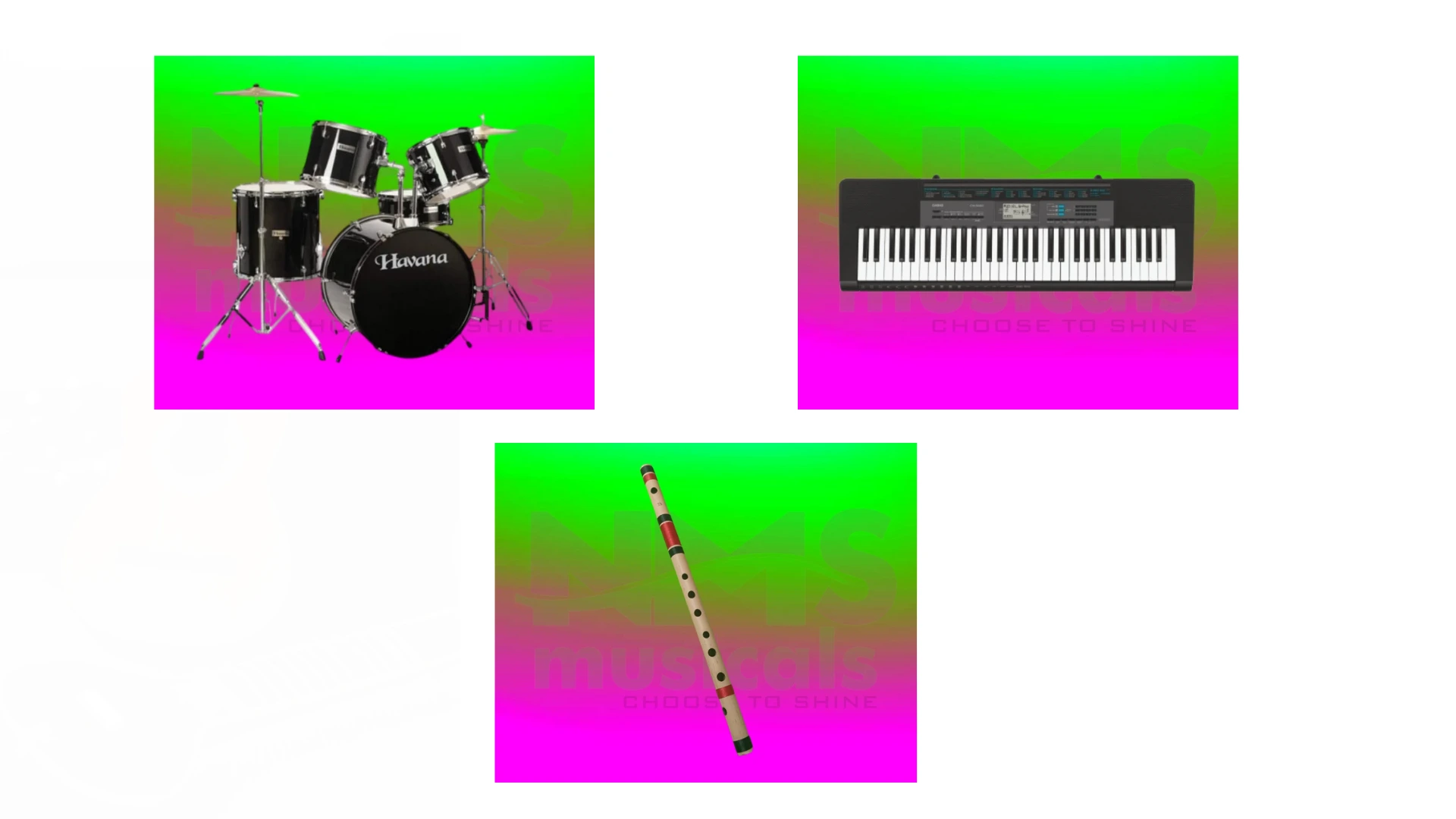
  2. Child’s Personality: Outgoing children may prefer drums, while quiet kids may enjoy piano or flute.

    drums – https://nmsmusicals.in/product/havana-drum-set/
    piano – https://nmsmusicals.in/product/casio-ctk-2550-portable-keyboard/
    flute – https://nmsmusicals.in/product/bansuri-flute-d-scale-2/

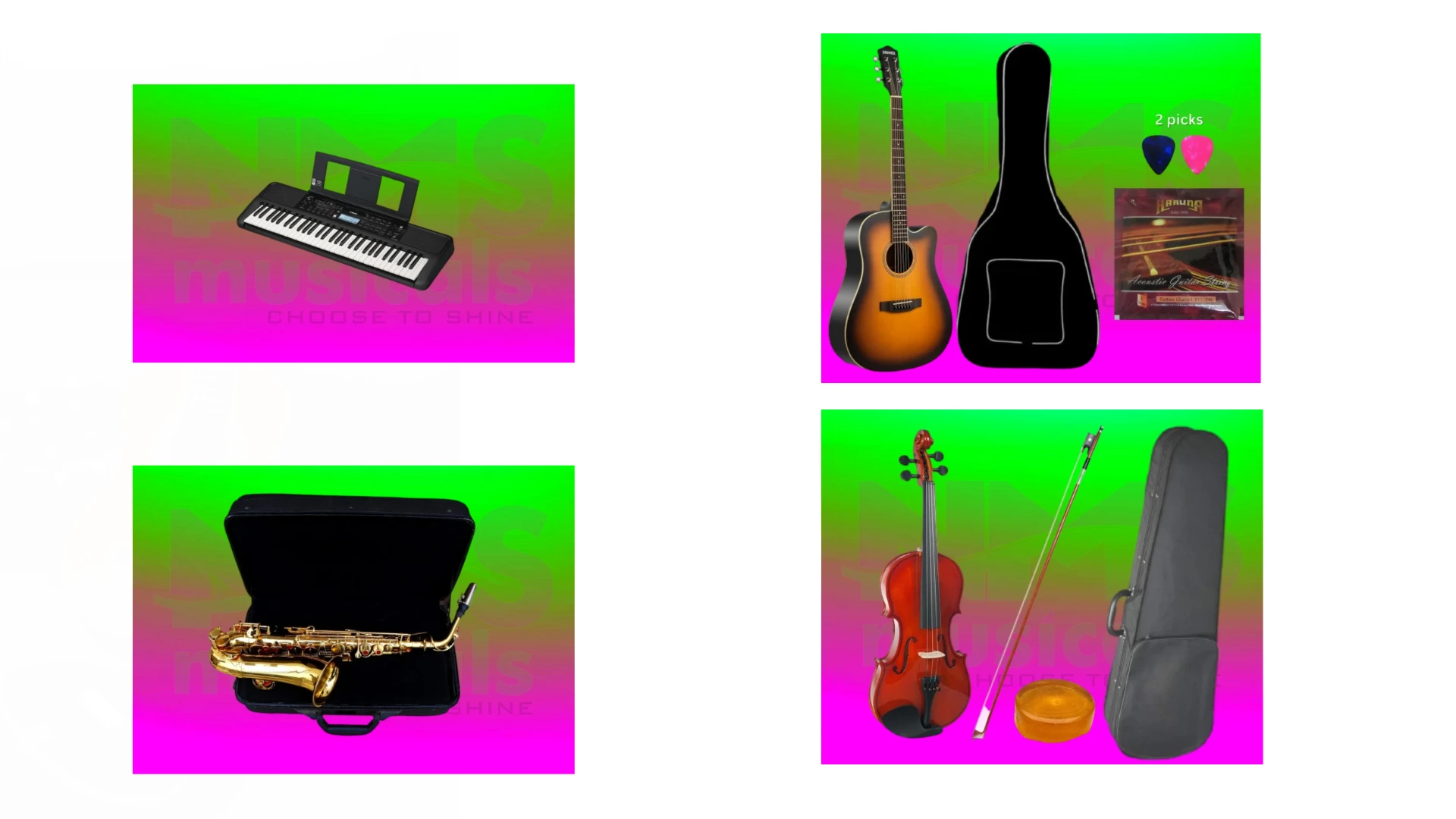
  3. Budget and Availability in India: Instruments like keyboards and guitars are easily available, while others like violins or saxophones can be more expensive.


    keyboard – https://nmsmusicals.in/product/yamaha-psr-e383-portable-keyboard/
    guitar – https://nmsmusicals.in/product/donner-guitar/
    violin – https://nmsmusicals.in/product/rampur-violin/
    saxophone – https://nmsmusicals.in/product/nadir-ali-saxophone-with-case/

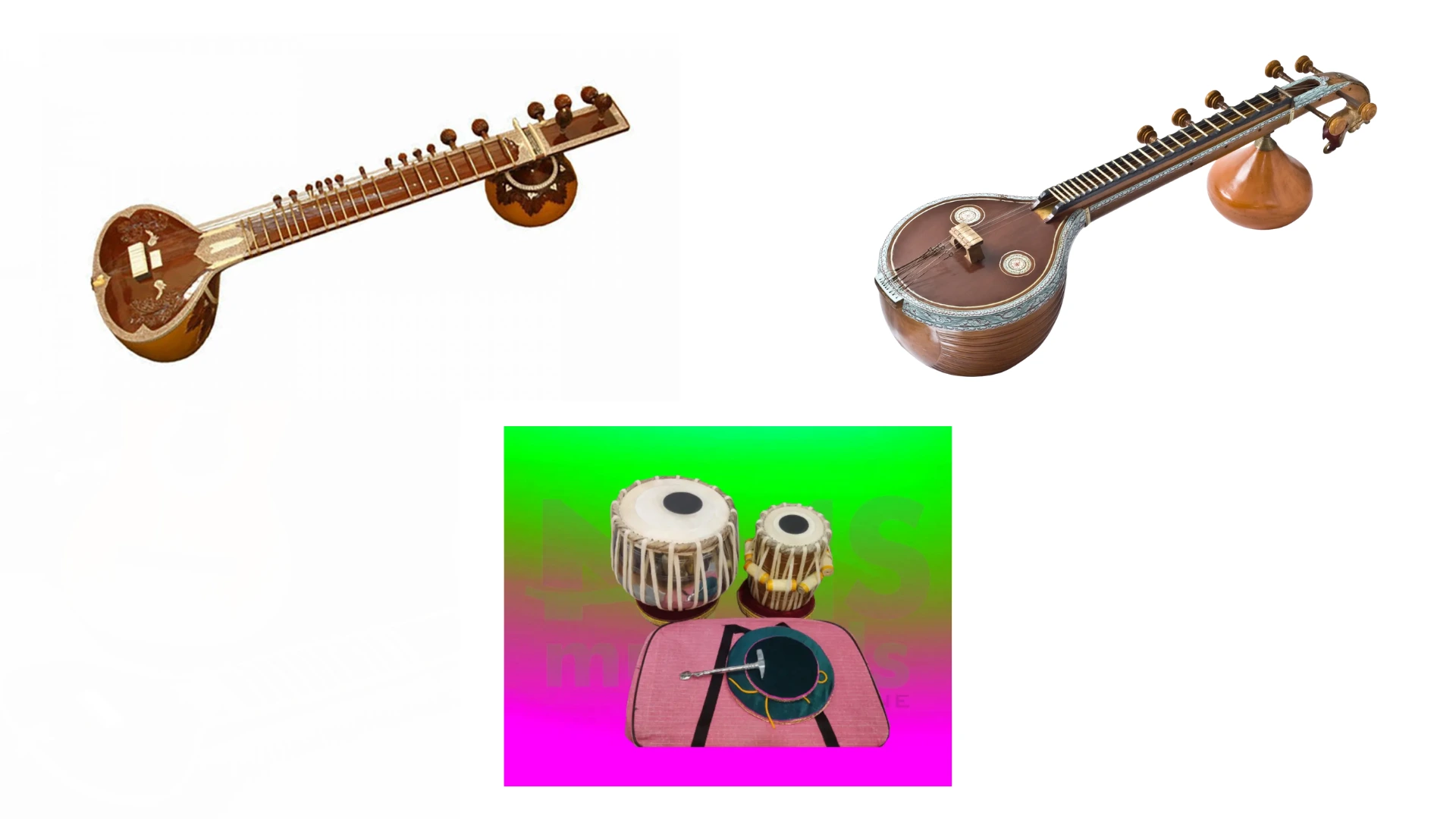
  4. Cultural Background: Many Indian families encourage classical instruments like tabla, veena, or sitar.

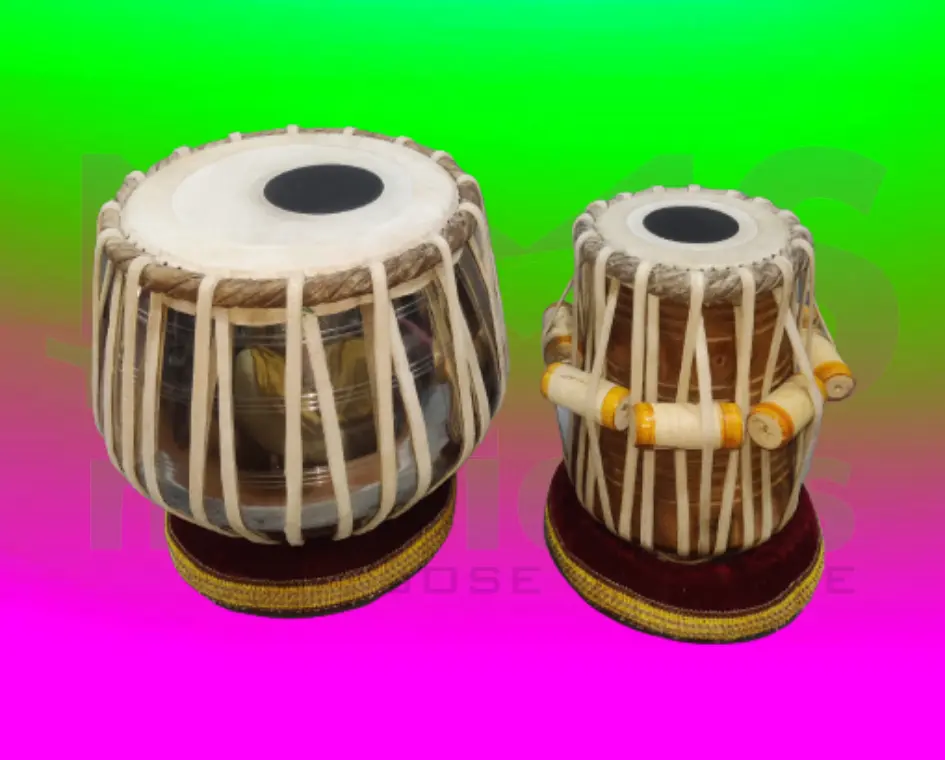
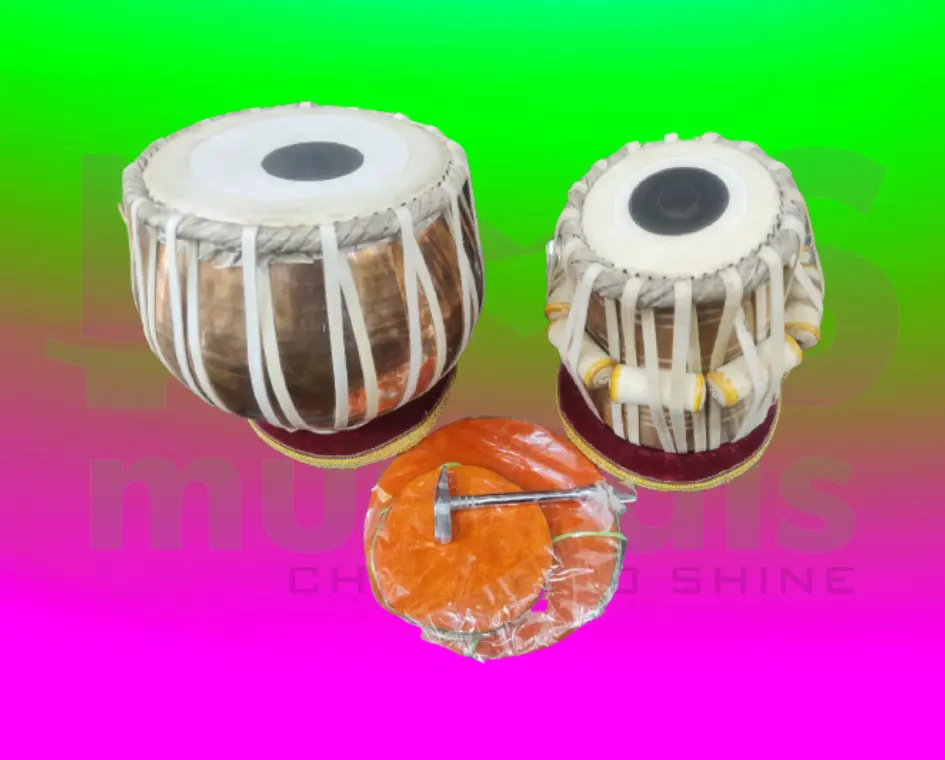
    Tabla – https://nmsmusicals.in/product/steel-tabla-set-with-ringset-hammer-bag/

  5. Future Learning Path: Choose an instrument that offers opportunities for higher learning and performance.


3. Best Instruments for Ages 3–5 (Preschool Stage)

At this age, children are too young for complex instruments. Focus on fun, noise-making, and rhythm-building. Suitable options in India include:

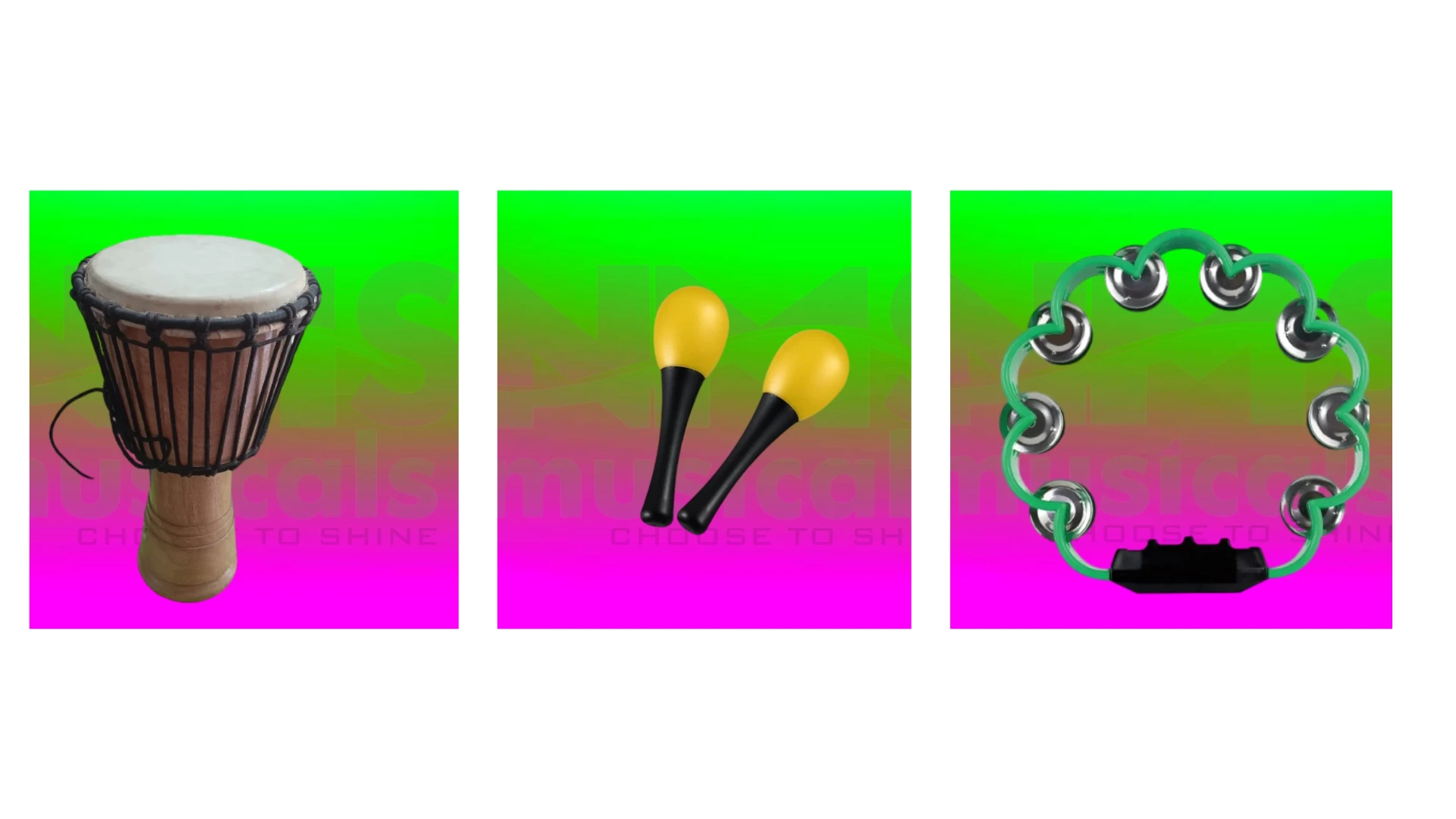
  1. Percussion instruments like hand drums, shakers, or tambourines.

    Djembe – https://nmsmusicals.in/?post_type=product&p=2897
    Handle Eggshakers – https://nmsmusicals.in/product/handle-eggshakers-yellow-colour-1-pair/ Tambourine – https://nmsmusicals.in/product/flower-shaped-tambourine-green-colour/

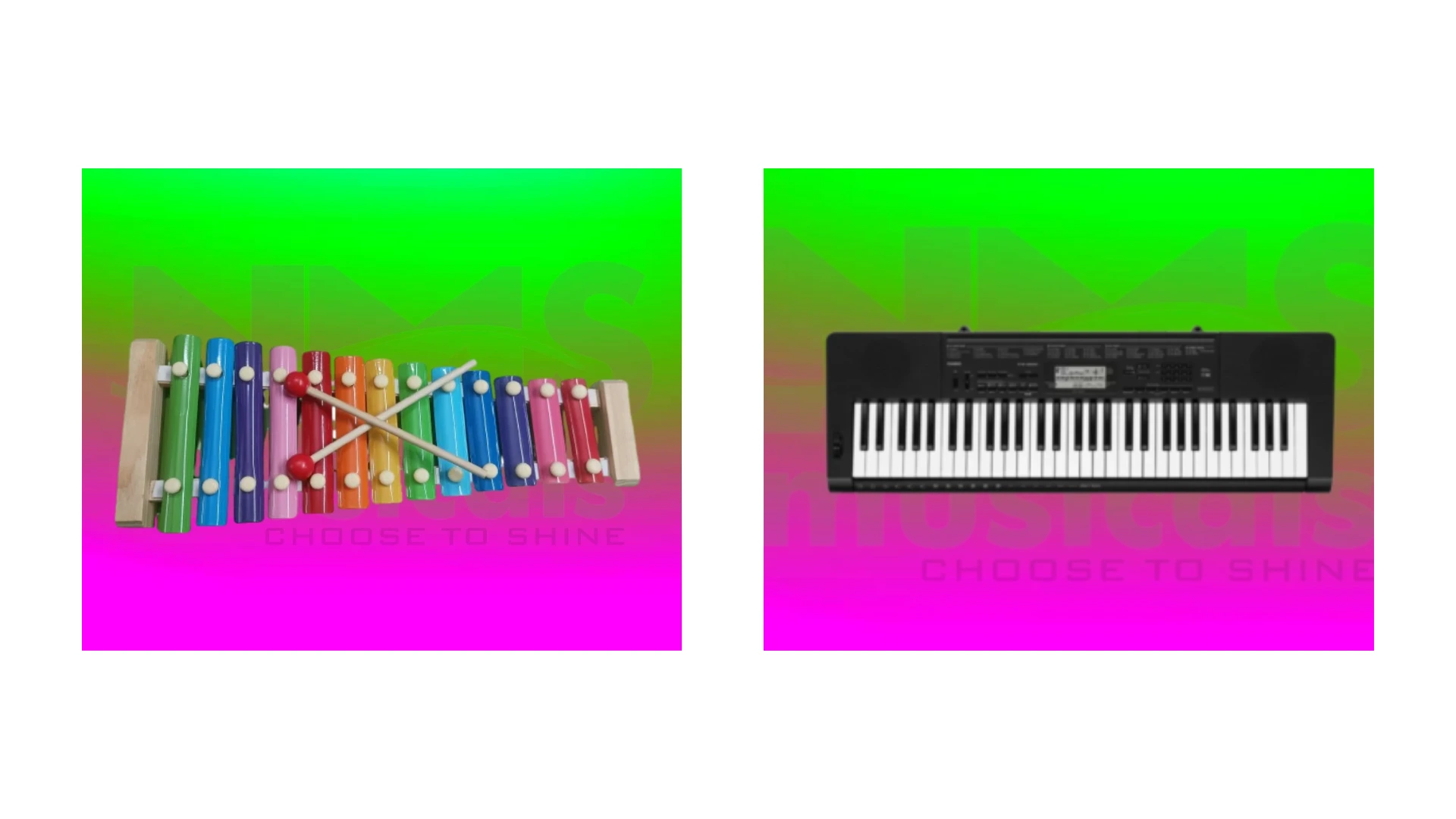
  2. Xylophones and small keyboards designed for kids.

    Keyboard – https://nmsmusicals.in/?s=keyboard&post_type=post%2Cpage%2Cproduct
    Xylophone – https://nmsmusicals.in/product/xylophone/

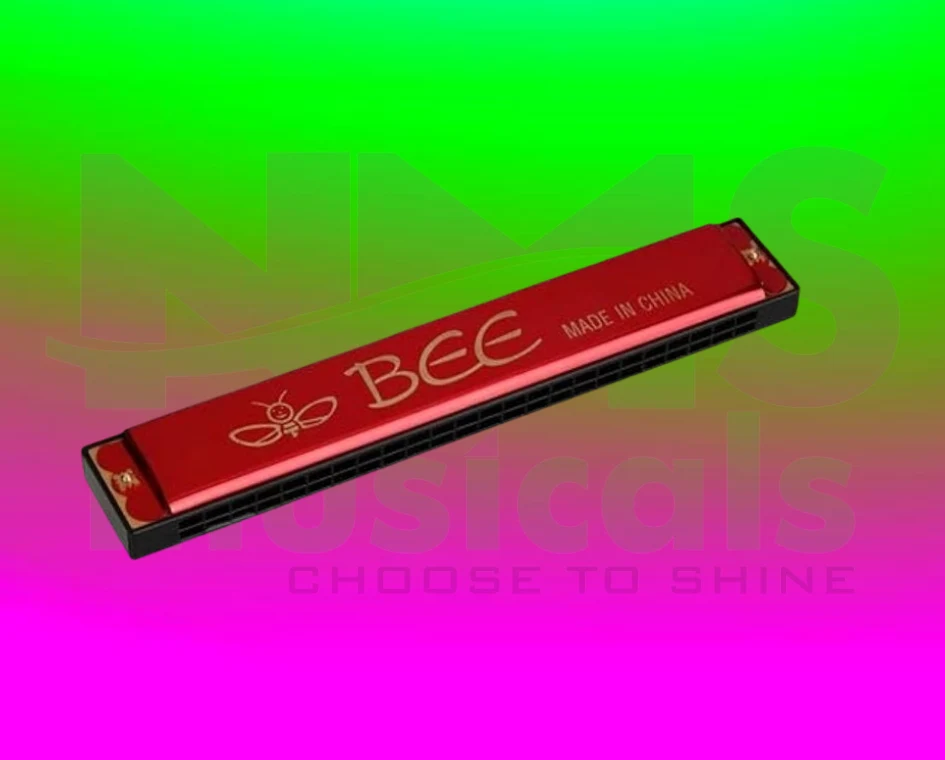
  3. Small harmonicas or toy flutes.
    These instruments help develop basic rhythm, coordination, and love for music without overwhelming them.

    Bee Harmonica - Red Colour
    Get this instrument at best deal – https://nmsmusicals.in/product/bee-harmonica-orange-colour/


4. Best Instruments for Ages 6–8 (Early Primary Stage)

At this stage, children can start structured learning. Best options include:

  1. Keyboard/Piano: Builds strong musical foundation and finger coordination.

    CTK-2550 Keyboard

    Get this instrument at best deal – casio-ctk-2550-portable-keyboard


  2. Violin (small sizes available): Popular in both Western and Carnatic traditions in India.

    Rampur Electric Violin - yellow

    Get this instrument at best deal – Rampur Violin 3/4 Full Size With Case


  3. Tabla or Mridangam: For parents who want kids to embrace Indian classical percussion.


    Get this instrument at best deal – Copper Tabla Set With Ringset, Hammer & Bag


  4. Recorder or Flute: Simple wind instruments to start breath control.

    Yamaha Recorder
    Get this instrument at best deal – Yamaha Recorder


  5. Ukulele: Small and light, perfect for little hands.

    Havana Ukulele With Bag
    Get this instrument at best deal – Havana Ukulele with Bag


5. Best Instruments for Ages 9–12 (Upper Primary Stage)

Children in this age group can handle more complex instruments. Ideal options are:

  1. Guitar: Acoustic or classical, widely available in India and very popular.


    Get this instrument at best deal – https://nmsmusicals.in/product/donner-guitar/


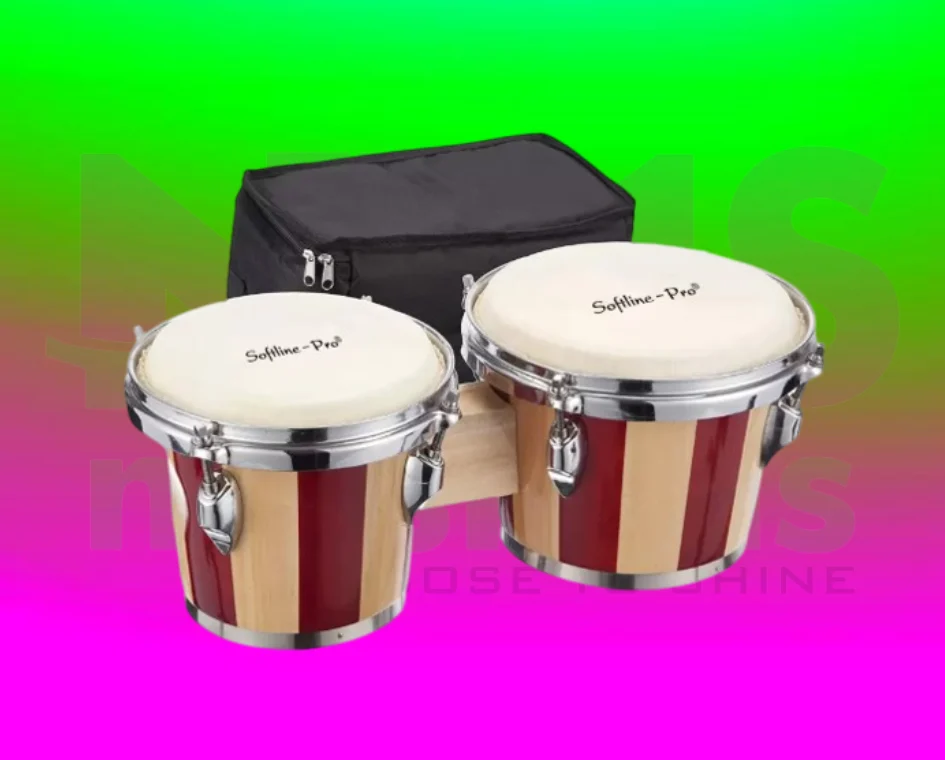
  2. Bongos: Builds rhythm and confidence. Requires space but is rewarding.

    Softline Pro Bongos
    Get this instrument at best deal – Softline Pro Bongos


  3. Bansuri (Indian bamboo flute): Perfect for those inclined towards Indian music.

    Bansuri C# scale

    Get this instrument at best deal – Bansuri Flute


  4. Violin/Viola: Suitable for Western classical or Carnatic styles.

    Violin wood colour with case

    Get this instrument at best deal – Rampur Violin 3/4 Full Size 


  5. Keyboard with advanced lessons: Builds strong theory and performance skills.

    SA-51 Keyboard

    Get this instrument at best deal – Casio SA-51 Mini Keyboard


6. Best Instruments for Teenagers (13+ Years)

Teenagers can explore advanced instruments depending on interest and personality:

  1. Electric Guitar/Bass Guitar: Popular for band performances in schools and colleges.

    SQOE Electric Guitar

    Get this instrument at best deal – SQOE Electric Guitar

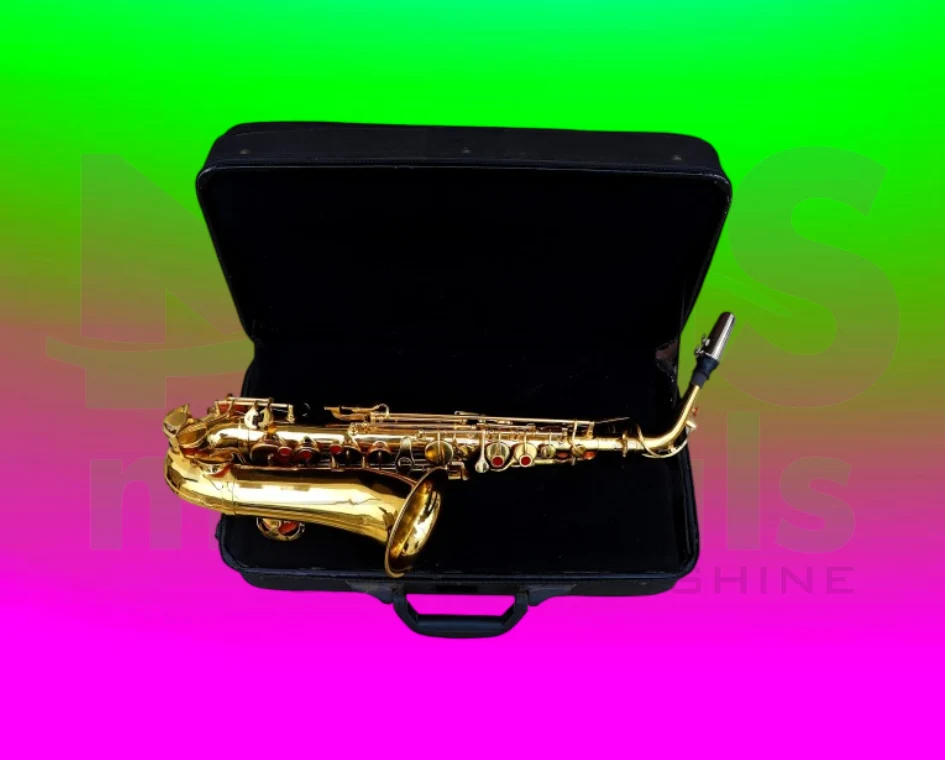
  2. Saxophone/Clarinet: Demanding but rewarding, often available in Indian music academies.

    Saxophone with case

    Get this instrument at best deal – Nadir Ali Saxophone


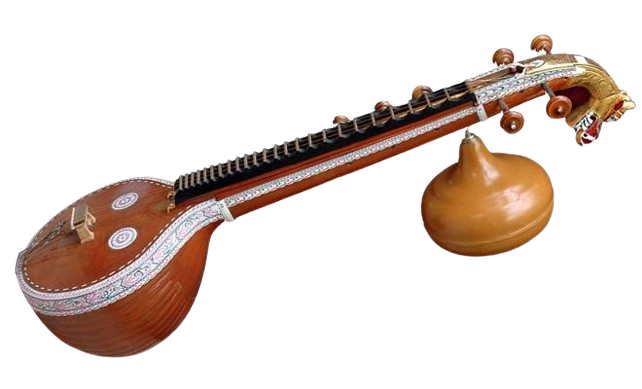
  3. Sitar/Veena: For students inclined towards Indian classical traditions.


  4. Drum Kit: Full drum set for stage-ready performances.

    Havana HV522 Drum Set

    Get this instrument at best deal – Havana HV 522 5Pcs Acoustic Drum Set

  5. Advanced Piano: For those committed to Western classical or film music.

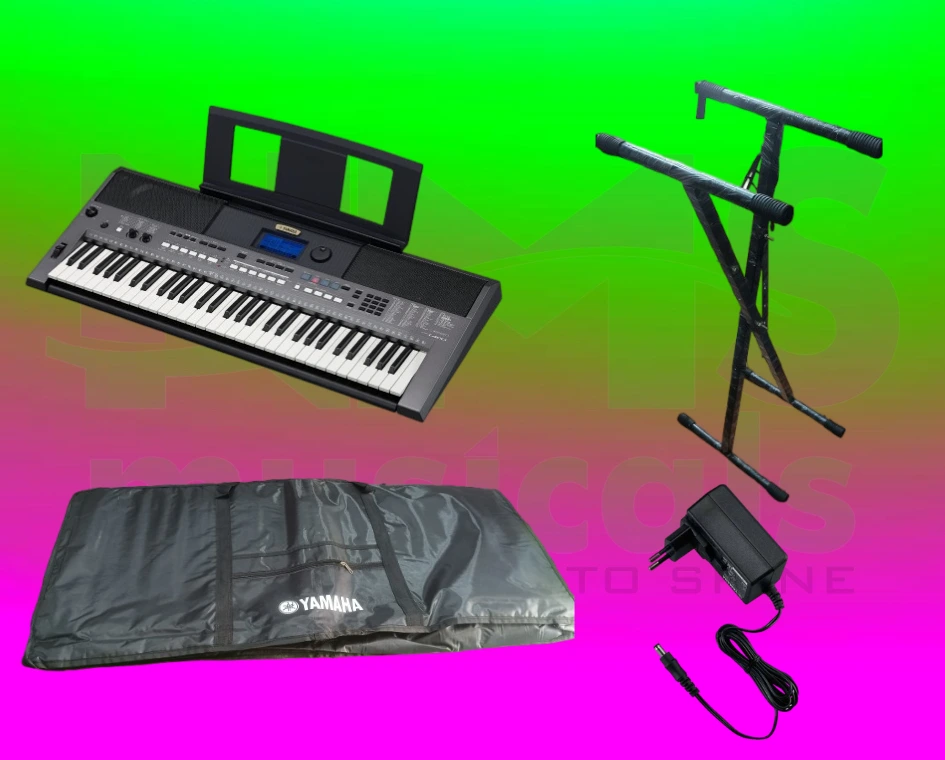
    i400 Stand & Bag

    Get this instrument at best deal – Yamaha PSR-I400 Portable Keyboard


7. Indian vs. Western Instruments: What to Choose?

In India, parents often struggle to decide between traditional and Western instruments. Consider:

  • Western instruments like guitar, piano, and drums offer global recognition and easier availability of online tutorials.
  • Indian instruments like tabla, sitar, and bansuri connect children to cultural roots and open doors to classical training.
    A good balance is exposing children to both—many Indian music schools today offer fusion learning.


8. Budget-Friendly Options in India

Get this instrument at best deal – https://nmsmusicals.in/shop-2/

Music learning can be expensive, but India offers affordable choices:

9. Role of Music Schools and Online Classes in India

Enrolling your child in a structured program ensures proper guidance. In India, cities like Chennai, Mumbai, Delhi, and Bangalore have reputed music academies offering both Indian classical and Western music training.

With online platforms like YouTube, WhiteHat Jr (music programs), and private tutors, even children in smaller towns can access quality music education.


10. How Parents Can Encourage Practice

No matter which instrument you choose, parental support is key:

  1. Set a fixed practice time daily.
  2. Celebrate small progress.
  3. Avoid pressuring the child—keep it fun.
  4. Provide exposure to live concerts, both Indian classical and Western.
  5. Join them occasionally in musical play.


11. Common Mistakes to Avoid When Choosing an Instrument

  1. Choosing based on trend, not suitability.
  2. Buying oversized or heavy instruments for younger children.
  3. Ignoring the child’s personal interest.
  4. Not budgeting for accessories (like strings, reeds, or cases).
  5. Switching instruments too often instead of building consistency.


12. Age Group vs. Instrument Quick Guide for Indian Parents

  • 3–5 Years: Percussion, toy keyboards, xylophones.
  • 6–8 Years: Keyboard, violin, tabla, ukulele.
  • 9–12 Years: Guitar, drums, flute, advanced keyboard.
  • 13+ Years: Electric guitar, saxophone, sitar, veena, drum kit.


Conclusion

Learning music is a lifelong journey, and the first step is choosing the right instrument. Knowing how to choose the best music instrument for your child’s age group helps Indian parents guide their children towards a rewarding experience.

From playful percussion for toddlers to advanced sitar or electric guitar for teens, every stage has its perfect match. Whether you prefer Western or Indian classical traditions, what matters most is nurturing your child’s interest with patience, encouragement, and the right resources.

With India’s growing access to music schools and online lessons, every child today has the opportunity to grow into a confident and skilled musician.


At NMS Musicals, we offer a comprehensive range of musical instruments, including percussion, string, wind, and keyboard instruments. Our services encompass sales, expert servicing, and the manufacture of leather instruments. Explore our diverse collection and find the perfect instrument to suit your musical needs.

Visit our website to browse our offerings: nmsmusicals.in

For a closer look at our products, check out our shop page: nmsmusicals.in/shop

Stay connected with us through our social media channels:
Our shop locations are:

For inquiries, contact/Whatsapp us at 9500663895 or email us at laxman.m89@gmail.com.

Discover the world of musical instruments with NMS Musicals today!

For a visual overview of our percussion instruments, watch the following video:
improve saxophone tone with simple tips

Powerful Ways to Improve Saxophone Tone with Simple Tips

Improve Saxophone Tone with Simple Tips for Every Player

Saxophone with case
Get this instrument at best deal – https://nmsmusicals.in/product/nadir-ali-saxophone-with-case/

Learning the saxophone is an exciting journey, but many beginners and even intermediate players often struggle with achieving a rich and smooth tone. How to Improve Your Saxophone Tone with These Simple Tips is not just about blowing harder or practicing longer—it’s about learning the right methods, exercises, and adjustments that can completely transform your sound.

In India, where instruments like the tabla, sitar, and bansuri dominate the traditional music scene, the saxophone holds a unique place in modern fusion and film music. Legendary players like Kadri Gopalnath have shown us how beautifully the saxophone can blend with Carnatic and Hindustani traditions.

In this guide, we’ll explore effective, practical, and Indian-context friendly tips to help you improve your saxophone tone.How to Improve Your Saxophone Tone with These Simple Tips. Discover powerful techniques, Indian practice styles, and exercises to master your saxophone sound.


Understanding the Importance of Saxophone Tone

1. What is Saxophone Tone?

Tone refers to the quality of sound your saxophone produces. A good tone is warm, clear, and expressive, while a poor tone may sound thin, airy, or nasal.

2. Why Tone Matters in Indian Music Context

In Indian film scores, devotional albums, and fusion bands, saxophonists are expected to produce a vocal-like tone that complements traditional instruments like the violin, mridangam, or harmonium.


How to Improve Your Saxophone Tone with These Simple Tips

1. Focus on Your Embouchure

The way you place your lips, teeth, and facial muscles on the mouthpiece—known as embouchure—affects the tone directly.

  • Keep your bottom lip cushioned over the teeth.
  • Avoid too much mouthpiece pressure.
  • Practice long tones to stabilize embouchure.

2. Breathe from Your Diaphragm

  • Use deep belly breathing rather than shallow chest breathing.
  • Indian classical singers also rely heavily on diaphragmatic breathing for sustained notes—apply the same principle.

3. Long Tone Exercises

Spend at least 10 minutes daily holding single notes steadily. Start from low Bb and move up the scale. This exercise builds control, consistency, and tone richness.

4. Choose the Right Reed

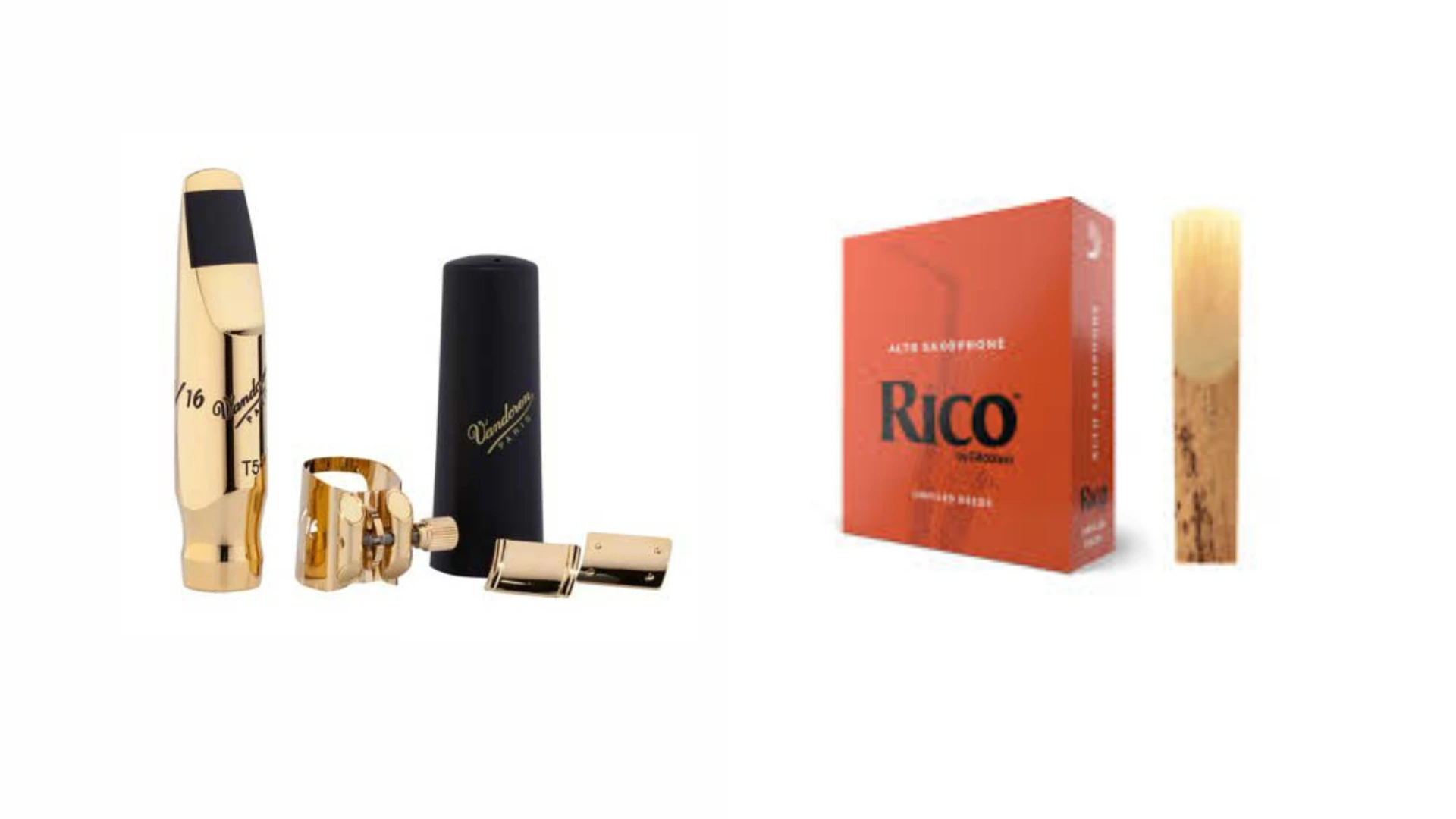
Reed 3.5
Get this instrument at best deal – https://nmsmusicals.in/product/rico-daddario-saxophone-reed-strength-3-5/
  • Softer reeds (1.5–2.0 strength) are better for beginners.
  • Advanced players may use harder reeds (2.5–3.0) for a darker tone.
  • In India, brands like Vandoren and Rico are widely available.

5. Use Proper Mouthpiece and Ligature

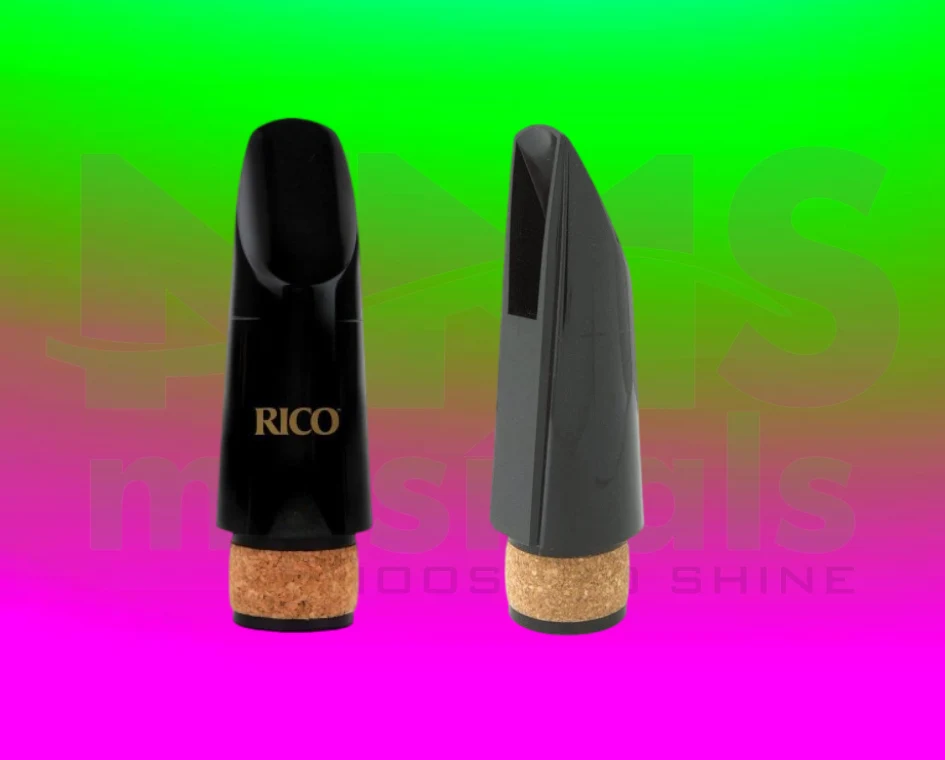
Rico mouthpiece
Get this instrument at best deal – https://nmsmusicals.in/product/rico-saxophone-mouthpiece/

The mouthpiece design and ligature pressure significantly affect tone. Beginners should avoid very open-tip mouthpieces until embouchure strength develops.

6. Check Your Posture

  • Sit or stand tall with a straight back.
  • Avoid leaning forward—this restricts airflow.
  • Many Indian saxophonists in Carnatic concerts use a seated posture but maintain upright breathing alignment.

7. Warm-Up with Scales and Ragas

  • Practice major and minor scales daily.
  • In India, saxophonists often adapt ragas like Shankarabharanam (equivalent to major scale) to build tone and musicality simultaneously.

8. Experiment with Dynamics

  • Play notes softly (piano) and loudly (forte).
  • In Carnatic and Bollywood music, dynamic contrast creates emotional expression.

9. Record and Listen to Yourself

Hearing your own recordings helps identify nasal tones, airy sounds, or pitch inconsistencies.

10. Learn from Indian Saxophone Masters

Listening to recordings of Kadri Gopalnath, Philomena Thumboochetty, and modern film saxophonists helps you understand tonal richness and Indian adaptation of saxophone.


Additional Tips for Beginners

1. Avoid Over-Blowing

Too much air pressure leads to squeaks and harsh tones.

2. Moisture Management

Saliva buildup can affect reed vibration. Take short breaks to dry.

3. Practice in Small Sessions

Rather than practicing for long hours, split your practice into 20–30 minute sessions.

4. Maintain Your Saxophone

A poorly maintained saxophone leaks air, damaging your tone. Clean reeds, swab inside, and check pads regularly.


Indian Context: Saxophone in Fusion and Carnatic Music

Unlike in the West where saxophone dominates jazz and classical ensembles, in India, it has found a special place in film music and Carnatic concerts.

  • Kadri Gopalnath introduced saxophone in Carnatic ragas.
  • In Bollywood, saxophone solos appear in many hit songs.
  • Contemporary Indian bands use saxophone with tabla, mridangam, and keyboard for fusion performances.

This makes it crucial for Indian saxophonists to focus on tone quality that blends Western sax technique with Indian musical aesthetics.


Advanced Exercises to Improve Tone

1. Overtone Practice

Play fundamental notes and gradually produce higher harmonics. This strengthens your embouchure and improves tonal flexibility.

2. Subtone Technique

Used in jazz and Indian film music for soft passages—requires loose embouchure and controlled air support.

3. Vibrato Control

Adding vibrato can make your tone more expressive. Start slow and increase speed gradually.

4. Articulation Practice

Work on tonguing exercises with syllables like “ta” and “da” for crisp articulation without breaking the tone.


Common Mistakes to Avoid

  1. Playing with too tight an embouchure
  2. Ignoring breathing exercises
  3. Choosing reeds that are too hard too soon
  4. Neglecting regular instrument cleaning
  5. Not listening to professional recordings


The Role of Indian Instruments in Enhancing Saxophone Learning

Interestingly, learning Indian instruments like flute, violin, or harmonium can improve your saxophone tone. These instruments train you in breath control, pitch accuracy, and melodic phrasing, which directly transfer to saxophone playing.


Conclusion

Mastering the saxophone is not just about playing the right notes—it’s about producing a soulful tone that touches the listener. With the above simple tips, including embouchure correction, breathing techniques, reed selection, and Indian-inspired practice methods, you can significantly improve your saxophone tone.

Whether you’re playing ragas, Bollywood songs, or fusion music, the saxophone has the power to express emotions like no other. By combining Western techniques with Indian musical discipline, you can unlock your true potential as a saxophonist.


At NMS Musicals, we offer a comprehensive range of musical instruments, including percussion, string, wind, and keyboard instruments. Our services encompass sales, expert servicing, and the manufacture of leather instruments. Explore our diverse collection and find the perfect instrument to suit your musical needs.

Visit our website to browse our offerings: nmsmusicals.in

For a closer look at our products, check out our shop page: nmsmusicals.in/shop

Stay connected with us through our social media channels:
Our shop locations are:

For inquiries, contact/Whatsapp us at 9500663895 or email us at laxman.m89@gmail.com.

Discover the world of musical instruments with NMS Musicals today!

For a visual overview of our percussion instruments, watch the following video:
"How to Pick the Best Acoustic Guitar for a Beginner"

How to pick the best acoustic guitar for a beginner

How to Pick the Best Acoustic Guitar for a Beginner in India

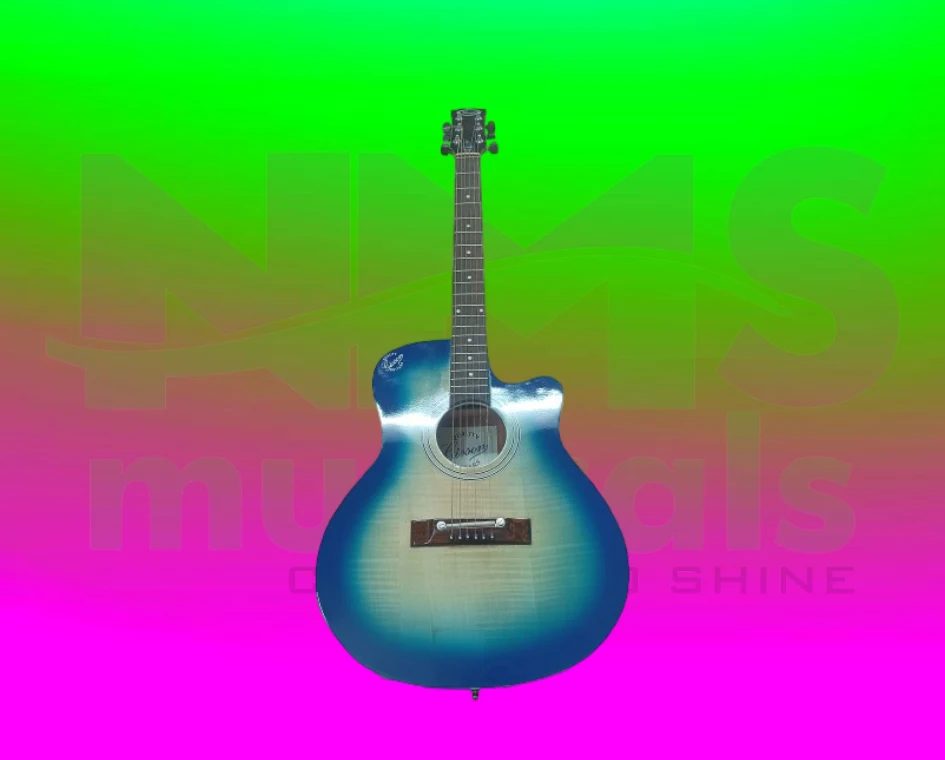
Little Sreej Black Colour Guitar
Get this instrument at best deal – https://nmsmusicals.in/product/givson-little-sreej-acoustic-guitar-with-bag-2-picks-and-1st-and-2nd-string/

Starting your musical journey with an acoustic guitar can be one of the most rewarding experiences of your life. But for beginners, choosing the right guitar can also feel overwhelming. With so many shapes, sizes, tones, and prices in the Indian market, it’s easy to get lost in the details. Learning how to pick the best acoustic guitar for a beginner is not just about buying an instrument; it’s about finding a guitar that motivates you, suits your style, and helps you progress smoothly. In this detailed guide, we’ll explore every factor you need to consider before making your purchase, focusing on beginner-friendly guitars available in India, including local and international brands that are trusted by new learners.


Why Choosing the Right Acoustic Guitar Matters

A beginner’s first guitar is like a foundation stone. If the instrument feels uncomfortable or produces poor sound, it may discourage you from practicing. On the other hand, a well-chosen acoustic guitar can inspire you to play more and learn faster. Especially in India, where music is both cultural and contemporary, investing in the right instrument can make your practice sessions enjoyable and help you build a lifelong passion.


Things to Look for in a Beginner’s Acoustic Guitar

Givson G125 Special Acoustic Guitar
Get this instrument at best deal – https://nmsmusicals.in/product/donner-guitar/

1. Decide Your Budget Wisely

Budget plays a key role when learning how to pick the best acoustic guitar for a beginner. In India, a decent starter acoustic guitar can range anywhere between ₹4,000 and ₹12,000. For beginners, it’s better to avoid the cheapest options as they may compromise on build quality and sound. Aim for a mid-range guitar that balances affordability with durability. Brands like Yamaha, Fender, Kadence, and Juarez offer great options under ₹10,000 for Indian learners.

2. Choose the Right Size and Shape

Guitars come in multiple body shapes like dreadnought, jumbo, concert, and parlor. For beginners, dreadnoughts are the most popular due to their balanced tone and projection. However, if you have a smaller build or want more comfort, a concert or parlor guitar is easier to hold. For children or young teens, ¾-sized guitars are ideal. The right size ensures that you can practice for long hours without strain.

3. Focus on Tonewood and Build Quality

The wood used in the body of the guitar significantly affects its tone. Beginners may not need premium solid-wood guitars initially, but laminate tops with good-quality tonewoods like spruce or mahogany are excellent. Spruce tops provide bright sounds, while mahogany produces warmer tones. Indian brands like Granada and Givson also use reliable tonewoods in their beginner models.

4. Check the Neck and Action

The neck’s playability is crucial for beginners. A slim neck makes it easier to grip and move your fingers across the fretboard. Also, pay attention to the action (the height of strings above the fretboard). If the action is too high, pressing strings will be painful; if too low, buzzing will occur. When buying from a store, test how comfortable the neck feels in your hand.

5. Decide Between Acoustic or Electro-Acoustic

For complete beginners, a simple acoustic guitar is enough. However, if you’re planning to perform on stage or want amplification in the future, an electro-acoustic guitar with built-in pickups and equalizer can be a better long-term investment. In India, many budget-friendly electro-acoustic options are available around ₹8,000 to ₹15,000.

6. Choose Nylon or Steel Strings

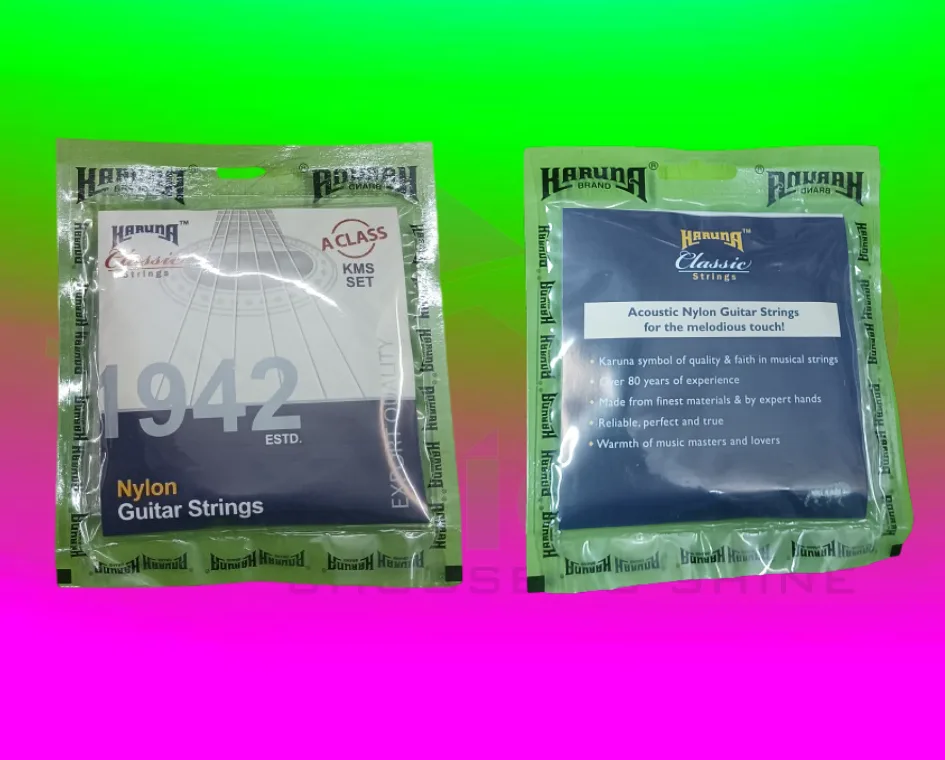
Karuna Nylon Guitar Strings
Get this instrument at best deal – Karuna Nylon Guitar Strings

Classical acoustic guitars use nylon strings, which are softer and easier on the fingers. Steel-string guitars, however, are more versatile and widely used in Bollywood, Indian pop, and Western genres. For beginners, steel-string acoustics are more popular in India, though nylon-string guitars can be great for children or those with very sensitive fingers.

7. Explore Trusted Brands in India

Some beginner-friendly acoustic guitar brands in India include:

  • Yamaha F280/F310 – Reliable sound and build quality.


  • Kadence Frontier – Affordable and stylish for entry-level players.


  • Juarez 038C – Perfect for absolute beginners with budget constraints.


  • Fender FA-125 – A well-balanced international brand choice.


  • Givson – An Indian brand offering durable guitars at affordable prices.


8. Accessories You Should Consider

Get this instrument at best deal – Guitar Accessories

While learning how to pick the best acoustic guitar for a beginner, remember that accessories play a role too. Essentials include:

  • A sturdy guitar bag or hard case
  • Extra sets of strings
  • A digital tuner
  • A capo for playing in different keys
  • Guitar picks and a strap for comfort

These small items will enhance your practice sessions and keep your guitar in good condition.


Tips for Buying Your First Acoustic Guitar in India

1. Always Try Before You Buy

If possible, visit a music store and play a few chords on different models. Even if you don’t know how to play yet, feel the comfort, neck width, and weight of the guitar.

2. Ask for Professional Guidance

If you have a friend or teacher who plays, take them along when choosing. Their input will save you from making common mistakes beginners often make.

3. Don’t Be Overly Brand-Conscious

While global brands like Yamaha or Fender are reliable, many Indian brands also offer good beginner-friendly models at lower prices. Balance your decision with your needs and budget.

4. Look for Starter Packs

Some beginner kits in India come with a guitar, tuner, picks, strap, and bag. These are economical choices for those starting from scratch.

5. Check Online and Offline Options

E-commerce sites like Amazon, Flipkart, and Bajaao offer great deals. However, offline stores allow you to test the guitar physically before buying. Many stores in cities like Chennai, Bangalore, and Delhi offer excellent collections.


Common Mistakes Beginners Make When Buying an Acoustic Guitar

Techno TM-39P model
Get this instrument at best deal – Techno TM-39P Semi-Acoustic Guitar

1. Choosing the Cheapest Option Available

A poor-quality guitar can ruin your learning experience, so avoid picking solely based on price.

2. Ignoring Comfort and Size

If the guitar feels too big or uncomfortable, you won’t enjoy playing it.

3. Not Considering Long-Term Goals

If you want to eventually perform, it’s better to choose a slightly better model than just a basic one.

4. Forgetting About Maintenance

Beginners often overlook the importance of storing their guitars properly. Controlling humidity and using a guitar stand helps prolong the life of the instrument.

5. Not Asking for Expert Help

Many new learners purchase guitars without consulting a teacher or experienced player. Guidance can save money and effort in the long run.


Best Beginner Acoustic Guitars Under ₹10,000 in India

1. Yamaha F310

Durable, balanced tone, widely recommended for beginners.

2. Kadence Frontier Series

Affordable, stylish, and comfortable for practice.

3. Juarez 038C

Great choice for those with very limited budgets.

4. Fender FA-125

A strong performer with excellent sound projection.

5. Granada PRS-1

An Indian-made option with warm sound and sturdy build.


Conclusion

Learning how to pick the best acoustic guitar for a beginner is about balancing your budget, comfort, and goals. The right guitar should inspire you to practice every day, not discourage you. For Indian learners, there are plenty of excellent options, from international brands like Yamaha and Fender to trusted local names like Kadence and Givson.

Remember to focus on factors like size, tonewood, playability, and accessories when making your decision. Whether you choose a simple acoustic or an electro-acoustic guitar, the most important part is starting your journey. With the right instrument in your hands, you’re not just buying a guitar—you’re opening the door to a lifetime of music and creativity.


At NMS Musicals, we offer a comprehensive range of musical instruments, including percussion, string, wind, and keyboard instruments. Our services encompass sales, expert servicing, and the manufacture of leather instruments. Explore our diverse collection and find the perfect instrument to suit your musical needs.

Visit our website to browse our offerings: nmsmusicals.in

For a closer look at our products, check out our shop page: nmsmusicals.in/shop

Stay connected with us through our social media channels:
Our shop locations are:

For inquiries, contact/Whatsapp us at 9500663895 or email us at laxman.m89@gmail.com.

Discover the world of musical instruments with NMS Musicals today!

For a visual overview of our percussion instruments, watch the following video:
Best Gifting Ideas for Music Lovers Under Rs 5000

Best Gifting Ideas for Music Lovers Under Rs 5000

Discover the Best Gifting Ideas for Music Lovers with Affordable and Unique Options

Music is not just an art; it is an emotion that connects souls. Whether it’s a birthday, anniversary, festival, or a special occasion, gifting something musical can touch the heart of a music enthusiast like nothing else. The joy of receiving a thoughtful gift that complements their passion for melodies is priceless.

If you are looking for something budget-friendly yet impactful, you are in the right place. In this blog, we will explore The Best Gifting Ideas for Music Enthusiasts Under Rs. 5000 with a special focus on Indian instruments and accessories that can make your loved ones smile with joy.


1. Portable Acoustic Guitar Accessories Kit

For budding guitarists, accessories like tuners, capos, string sets, and polishing cloths can be the perfect present. These essentials not only help maintain the guitar but also enhance the playing experience. A well-curated guitar accessory kit under Rs. 5000 makes for a thoughtful and practical gift.


2. Mini Tabla Set

A compact tabla set is a fantastic option for anyone who admires classical Indian rhythms. Many budget-friendly mini tabla sets are available in the Indian market that produce authentic sound. This can be a decorative piece as well as a playable instrument for practice.


3. High-Quality Violin Bow or Rosin

Violin bow - 2
Get this instrument at best deal – https://nmsmusicals.in/product/violin-bow/

For violin players, a good bow or rosin makes a huge difference. Premium bows within the Rs. 5000 budget are available, and gifting one will surely make their playing smoother and more refined. Rosin is an inexpensive yet meaningful add-on.


4. Digital Metronom

Timing is everything in music, and a digital metronome helps maintain perfect rhythm. Compact models under Rs. 5000 are widely available and make a superb gift for both students and professionals.


5. Portable Harmonium (Folding Type)

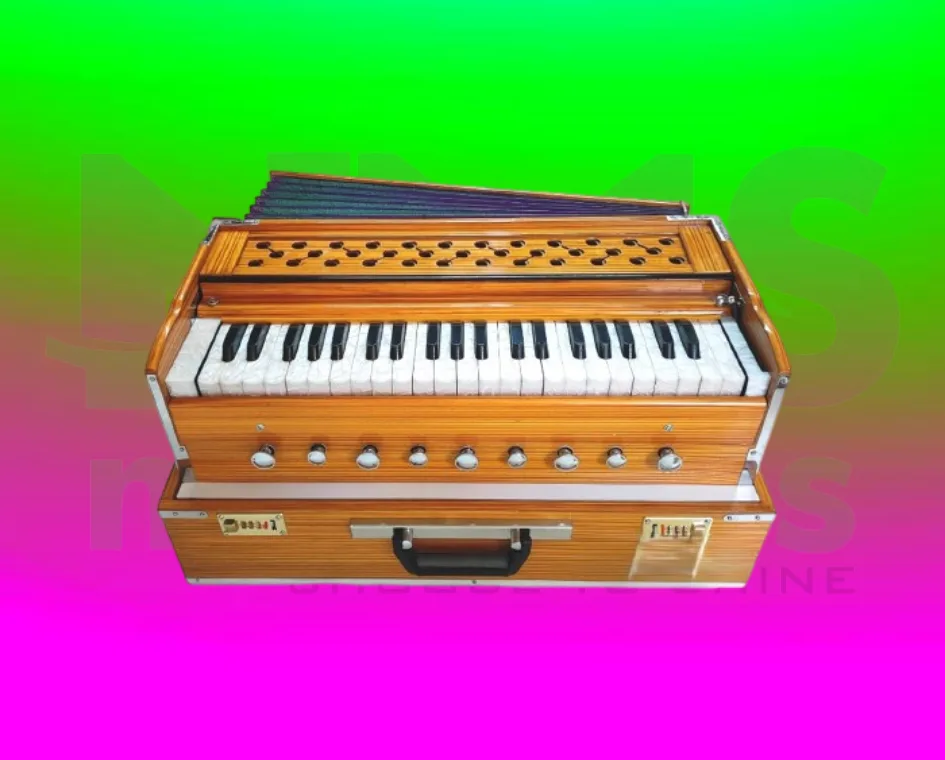
Harmonium with case
Get this instrument at best deal – https://nmsmusicals.in/product/harmonium-double-reed/

A folding harmonium is a wonderful budget-friendly instrument for lovers of Indian classical and devotional music. These compact harmoniums are portable and easy to use, making them a perfect gift choice.


6. Ukulele Starter Kit

Havana Ukulele With Bag
Get this instrument at best deal – https://nmsmusicals.in/product/ukulele/

The ukulele is gaining popularity in India for its ease of play and cheerful sound. A beginner’s ukulele kit, complete with a tuner and case, often comes well under Rs. 5000, making it a trendy and practical gift.


7. Traditional Flutes (Bansuri)

Bansuri C# scale
Get this instrument at best deal – https://nmsmusicals.in/product/bansuri-flute-d-scale-2/

For lovers of Hindustani classical music, nothing beats the soulful sound of a bamboo flute. High-quality bansuris handcrafted by Indian artisans are affordable and meaningful gifts for music enthusiasts.


8. Cajón Drum (Percussion Box)

Beatbox
Get this instrument at best deal – https://nmsmusicals.in/product/beatbox/

Percussion lovers will appreciate a Cajón drum, a box-shaped instrument used widely in fusion and contemporary music. Many budget-friendly versions are available in India, ideal for rhythm players.


9. Professional Microphone for Practice

Beta 58A Microphone
Get this instrument at best deal – https://nmsmusicals.in/?post_type=product&p=3878

If your loved one enjoys singing or recording, a good-quality microphone within Rs. 5000 can be an excellent choice. It enhances voice clarity and helps in creating home recordings.


10. Sitar Accessories Set

For sitar enthusiasts, gifting an accessory set that includes extra strings, mizrabs (plectrums), and cleaning cloths can be incredibly useful. This thoughtful choice supports their practice and care routine.


11. Tabla Covers and Cushions

tabla ring set
Get this instrument at best deal – Tabla Ring set

High-quality tabla covers, rings, and cushions are available within budget. These not only protect the tabla but also provide better resonance and comfort while playing.


12. Electronic Tanpura (Pocket Size)

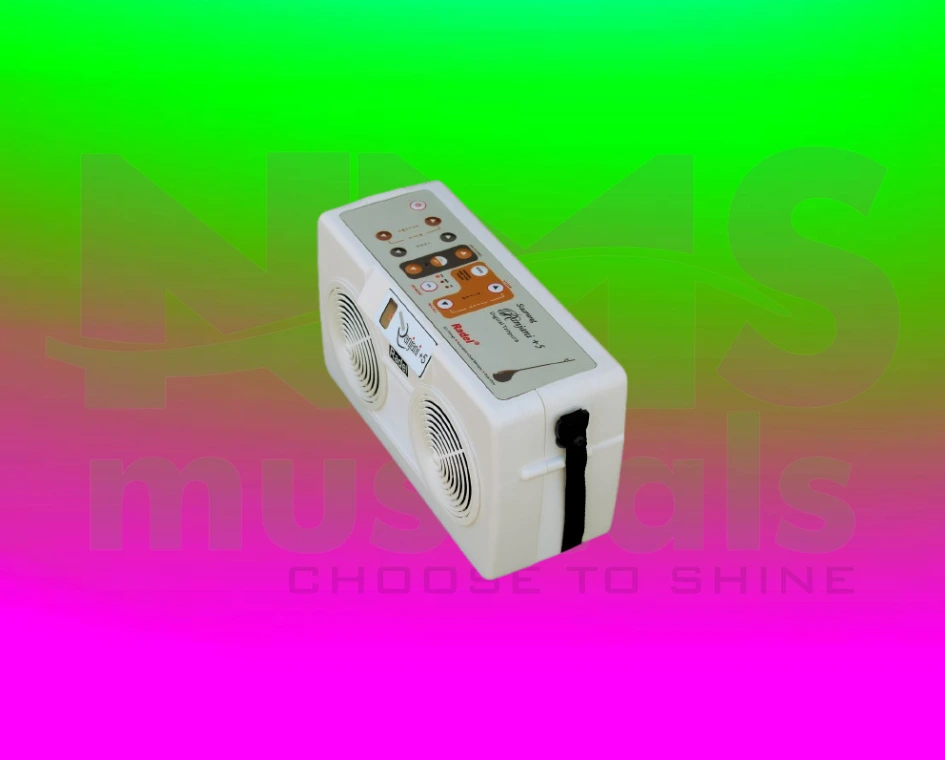
Radel Ranjani 5
Get this instrument at best deal – https://nmsmusicals.in/product/saarang-ranjani5-electronic-shruti-box-digital-tanpura/

A pocket tanpura is a brilliant gift for vocalists and instrumentalists practicing Indian classical music. Compact electronic tanpuras under Rs. 5000 can easily accompany singers in their daily riyaaz.


13. Dholak or Khol Drum

offer dholak side view
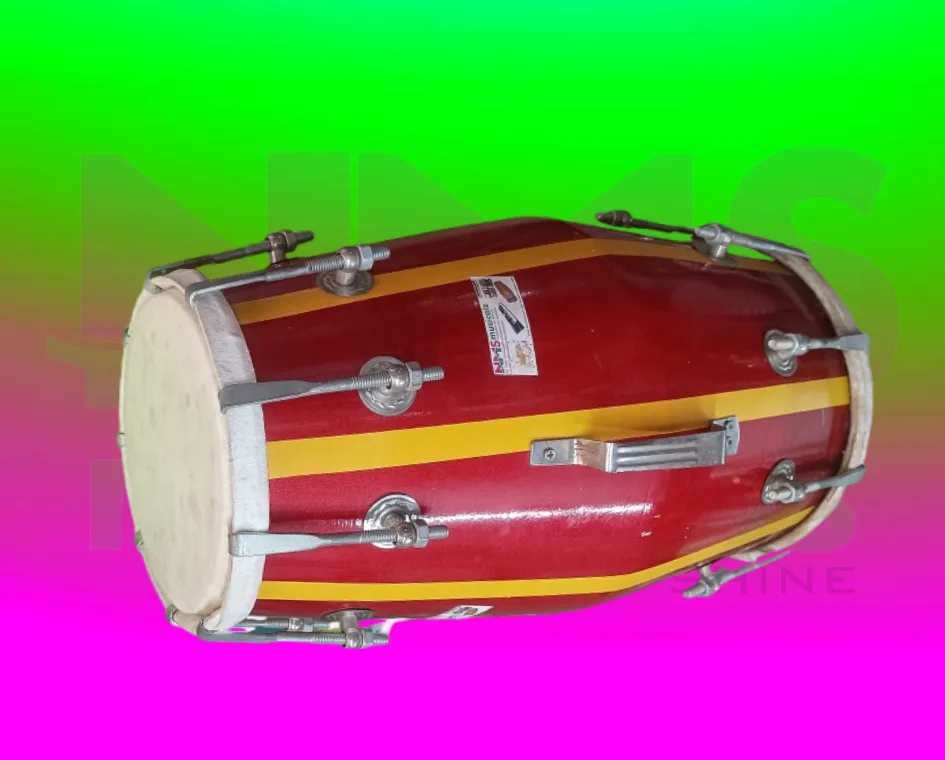
Get this instrument at best deal – https://nmsmusicals.in/product/dholak-mangowood-2/

For folk music lovers, instruments like the dholak or khol are culturally rich gifts. These drums are not only affordable but also connect the player to traditional Indian roots.


14. Guitar Pedals (Basic Effects)

Entry-level guitar pedals, such as delay or distortion, are available within this budget. They allow guitarists to experiment with their sound and enhance creativity.


15. Music-Themed Home Décor

From miniature tabla keychains to sitar wall hangings, music-themed décor items are a fun and unique gift idea. They blend music with lifestyle beautifully.


16. Handheld Tambourine or Khanjira

Tambourine 8 Inch With Head - Red Colour
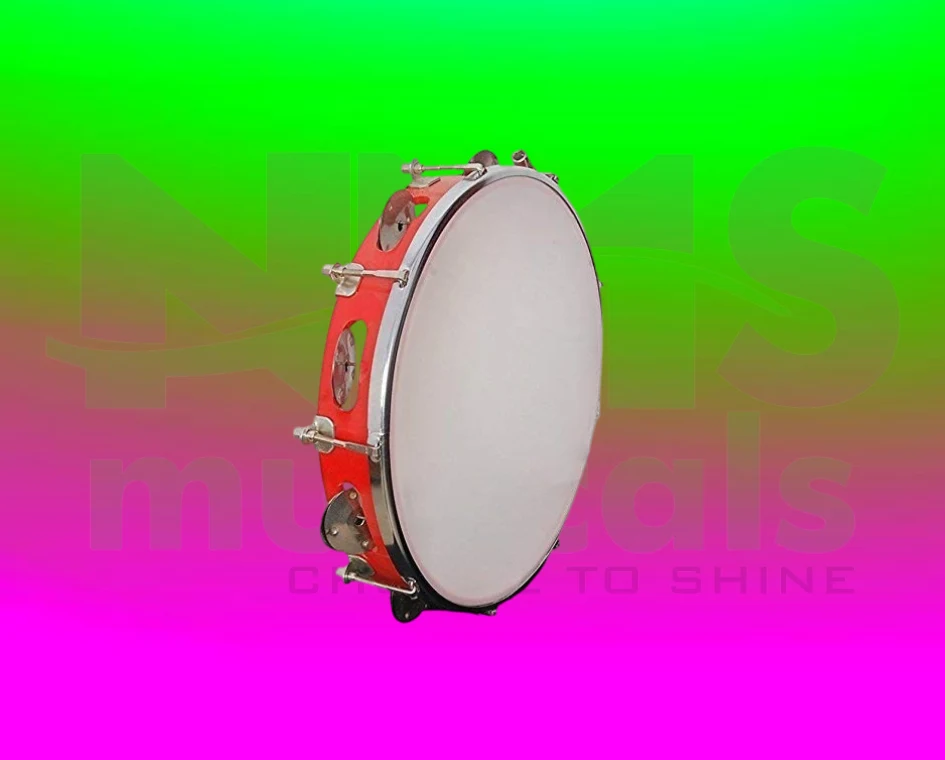
Get this instrument at best deal – https://nmsmusicals.in/product/tambourine-12-inch-with-head-orange-colour/

Percussion instruments like tambourines or khanjiras are affordable, fun, and widely used in Indian devotional and folk music. Their lively sound makes them perfect for gifting.


17. Veena Accessories

Veena Metti Plastic
Get this instrument at best deal – Veena Meeti – Plastic

For Veena players, a set of strings, polishing cloths, and carrying covers make a thoughtful yet budget-friendly gift. Accessories support the maintenance of this grand Indian instrument.


18. Compact Keyboard (Mini Piano)

SA-51 Keyboard
Get this instrument at best deal – https://nmsmusicals.in/product/casio-ctk-2550-portable-keyboard/

Beginner-level electronic keyboards with basic features are available under Rs. 5000. They are perfect for kids or adults starting their journey in music.


19. Tabla Electronic Tuner

Musedo Tuner
Get this instrument at best deal – Musedo MT- 40W Metro Tuner

Keeping tabla and other percussion instruments in tune is vital. An electronic tuner designed for Indian instruments can be a great and thoughtful gift.


20. Music Gift Vouchers

If you’re unsure what to buy, music store vouchers are a smart option. With Rs. 5000, the recipient can choose their desired instrument or accessory.


Conclusion

When it comes to music lovers, nothing brings more joy than gifts that align with their passion. The list of The Best Gifting Ideas for Music Enthusiasts Under Rs. 5000 offers a wide variety of options, from Indian traditional instruments like tabla, bansuri, and harmonium, to modern accessories like microphones, guitar pedals, and ukuleles.

Each gift on this list is not only affordable but also carries a sense of thoughtfulness that will be cherished by musicians. Whether you are surprising a beginner, a student, or a seasoned performer, these budget-friendly options ensure that your gift leaves a lasting impression. After all, music is a universal language, and gifting something that nurtures this art is truly priceless.


At NMS Musicals, we offer a comprehensive range of musical instruments, including percussion, string, wind, and keyboard instruments. Our services encompass sales, expert servicing, and the manufacture of leather instruments. Explore our diverse collection and find the perfect instrument to suit your musical needs.

Visit our website to browse our offerings: nmsmusicals.in

For a closer look at our products, check out our shop page: nmsmusicals.in/shop

Stay connected with us through our social media channels:
Our shop locations are:

For inquiries, contact/Whatsapp us at 9500663895 or email us at laxman.m89@gmail.com.

Discover the world of musical instruments with NMS Musicals today!

For a visual overview of our percussion instruments, watch the following video:
Magical Best Instruments for Kids Classical Music to Start Learning

Advantages of Learning Multiple Instruments: Powerful Benefits

Discover the advantages of learning multiple instruments for growth

Best Instruments for Teenagers in a Band
Get this instrument at best deal – https://nmsmusicals.in/

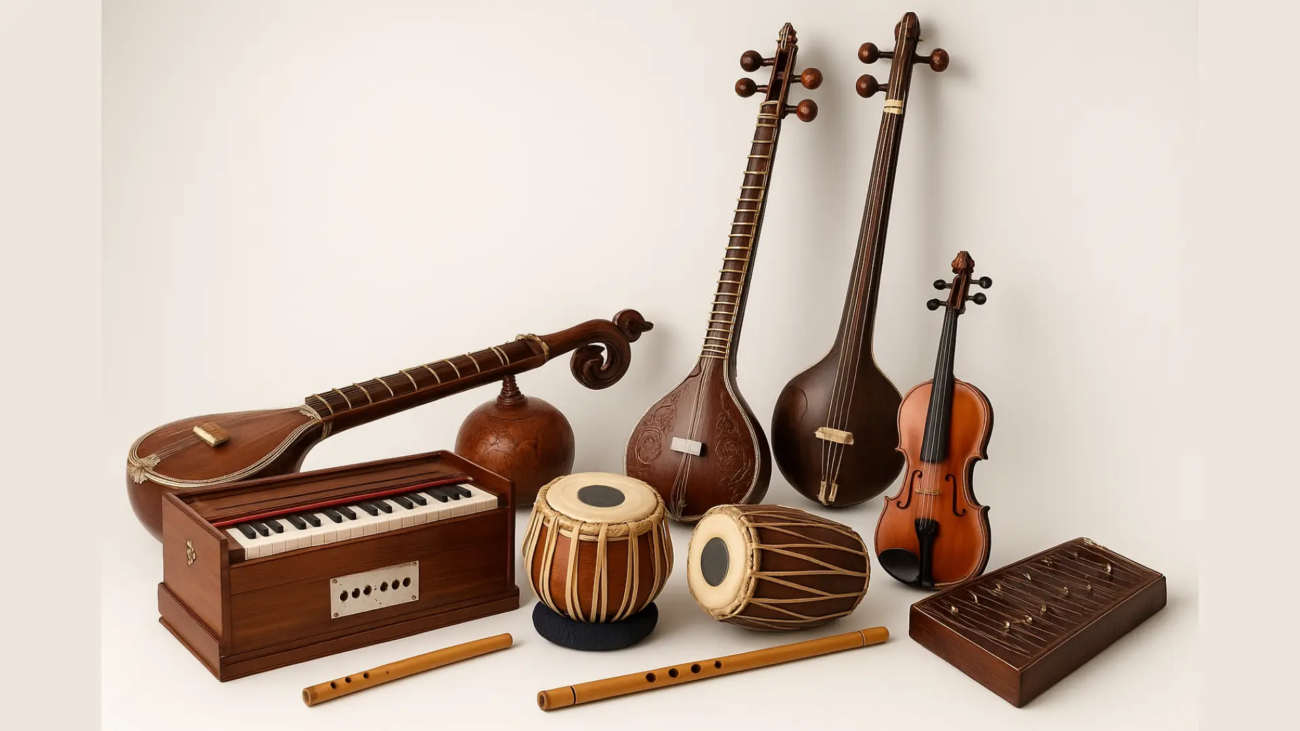
Music has been an inseparable part of Indian culture for centuries. From the divine sound of the sitar to the rhythmic beats of the tabla and the melodious tones of the flute, India has given the world a rich legacy of instruments.

While many aspiring musicians focus on mastering just one instrument, there are incredible benefits to learning more than one. In fact, the advantages of learning to play multiple instruments go far beyond just technical skills.

It can improve your creativity, make you a versatile performer, and open professional opportunities in the Indian music industry. In this blog, we will dive deep into the life-changing advantages of learning multiple instruments and why it matters in India’s growing music landscape.


Why Learning Multiple Instruments Matters in India

India’s music industry is diverse—ranging from Bollywood film scores to Carnatic and Hindustani classical, devotional music, indie rock, and fusion. Musicians who can adapt to different sounds and styles stand out.

A guitarist who also knows tabla or a flautist who understands harmonium instantly becomes more valuable in collaborative projects. This adaptability not only boosts performance opportunities but also strengthens cultural appreciation of India’s vast musical heritage.


Top Advantages of Learning to Play Multiple Instruments

1. Enhances Musical Creativity

When you learn more than one instrument, you gain new perspectives on how music works. For example, tabla introduces you to rhythm, sitar deepens your melodic understanding, and harmonium enhances chord progressions.

Combining these elements helps you create unique compositions and improvisations. Many Indian film composers, like A.R. Rahman, are multi-instrumentalists, which is one reason behind their extraordinary creativity.

2. Strengthens Your Knowledge of Music Theory

Each instrument teaches theory in a different way. On the piano, you understand harmony and chord progression; on the violin, you learn pitch accuracy; and on the mridangam, you master complex rhythm cycles (tala). The more instruments you explore, the deeper your understanding of music theory becomes.

3. Increases Adaptability in Performances

Imagine performing in a live fusion concert. If the guitarist cannot play due to technical issues, and you know guitar as well as tabla, you can step in. Learning multiple instruments ensures you can adapt to diverse musical setups, making you an indispensable part of any band or group.

4. Boosts Brain Development and Memory

Scientific studies show that playing instruments stimulates both sides of the brain. When you learn more than one instrument, this effect multiplies. For children in India, picking up instruments like flute, veena, or keyboard at an early age enhances memory, problem-solving skills, and concentration levels.

5. Provides More Career Opportunities in India

The Indian music industry is evolving, with demand for versatile musicians growing in playback singing, live concerts, music production, and teaching. A multi-instrumentalist can work as a session musician for films, compose jingles, perform in classical concerts, or even teach multiple instruments. This flexibility ensures long-term career stability.

6. Builds Cultural Appreciation

India is home to hundreds of instruments—dhol, sitar, tabla, bansuri, nadaswaram, and more. Learning multiple instruments allows musicians to appreciate the cultural depth behind each region’s traditions. This builds not only respect for Indian heritage but also broadens your artistic identity.

7. Enhances Collaboration Skills

In Indian music ensembles, collaboration is key. A vocalist who understands tabla bols (syllables) can communicate better with percussionists. A violinist who knows harmonium can assist in setting the right pitch for singers. Learning multiple instruments fosters better teamwork in group performances.

8. Increases Confidence on Stage

Confidence comes from preparation and versatility. A musician who can switch between guitar, flute, and keyboard during a performance instantly impresses the audience. In India’s competitive music scene, stage presence matters, and multi-instrumentalists often steal the show.

9. Encourages Lifelong Learning

Music is an endless journey. By learning multiple instruments, you cultivate the habit of continuous exploration. Indian musicians often spend years mastering ragas on sitar, then move to tabla to understand rhythm, and finally explore digital instruments for modern fusion. This constant growth ensures your passion never fades.

10. Helps in Composing and Producing Music

Modern Indian music production requires knowledge of multiple sounds. Whether you’re creating a Bollywood track, devotional bhajan, or indie album, knowing several instruments gives you the tools to arrange and produce music more effectively.


How to Get Started with Multiple Instruments in India

1. Start with One Instrument First

Before expanding, focus on mastering one. Many Indian musicians begin with harmonium or tabla as a foundation, then branch out to string or wind instruments.

copper tabla set
Get this instrument at best deal – Tabla
Get this instrument at best deal – Harmonium

2. Choose Instruments That Complement Each Other

Pick instruments that balance rhythm, melody, and harmony. For example, tabla + sitar, or keyboard + flute. This combination enriches your overall understanding.

Get this instrument at best deal – Tabla
Get this instrument at best deal – Keyboard
Get this instrument at best deal – Flute

3. Take Advantage of Music Schools in India

Institutions like Trinity College of Music (India centers), KM Music Conservatory, and local gurukuls provide structured training. Many offer cross-instrument learning options.

4. Practice Consistently

Dedicate separate time slots for each instrument. For instance, mornings for sitar practice, evenings for tabla. Consistency matters more than duration.

5. Learn from Online Resources

Today, Indian musicians can access tutorials, YouTube lessons, and online masterclasses from maestros. This flexibility helps you explore multiple instruments at your pace.


Real-Life Indian Examples of Multi-Instrumentalists

  1. A.R. Rahman – Plays piano, guitar, percussion, and synthesizers; his versatility revolutionized Indian film music.
  2. Shankar Mahadevan – Known as a vocalist, but also proficient in keyboard and percussion, helping him excel in fusion.
  3. Ricky Kej – Grammy-winning composer who blends Indian and Western instruments in his productions.
  4. Zakir Hussain – A tabla maestro who also understands multiple percussion instruments, making his collaborations global.


Tips for Parents Encouraging Kids in India

  1. Introduce simple instruments like flute or harmonium before moving to sitar or mridangam.
  2. Create a musical environment at home by playing diverse genres.
  3. Encourage participation in school/college cultural programs.
  4. Provide access to both classical and modern instruments.
  5. Avoid pressure; let kids choose based on interest.


Challenges of Learning Multiple Instruments and How to Overcome Them

  1. Time Management – Solution: Set a daily routine with balanced practice slots.
  2. Financial Investment – Solution: Start with affordable Indian instruments (like flute, harmonium) before buying costly ones.
  3. Skill Overload – Solution: Focus on gradual progress, not mastering everything at once.
  4. Lack of Teachers – Solution: Use online classes or learn from Indian maestros through workshops.


Conclusion

The advantages of learning to play multiple instruments are undeniable, especially in a musically rich country like India. From boosting creativity and career opportunities to deepening cultural appreciation, multi-instrumental skills can transform your journey as a musician.

Whether you’re a child beginning with a flute or a professional adding tabla to your skills, embracing multiple instruments ensures versatility and lifelong growth. In India’s ever-evolving music scene, being a multi-instrumentalist is not just an advantage—it is a superpower.


At NMS Musicals, we offer a comprehensive range of musical instruments, including percussion, string, wind, and keyboard instruments. Our services encompass sales, expert servicing, and the manufacture of leather instruments. Explore our diverse collection and find the perfect instrument to suit your musical needs.

Visit our website to browse our offerings: nmsmusicals.in

For a closer look at our products, check out our shop page: nmsmusicals.in/shop

Stay connected with us through our social media channels:
Our shop locations are:

For inquiries, contact/Whatsapp us at 9500663895 or email us at laxman.m89@gmail.com.

Discover the world of musical instruments with NMS Musicals today!

For a visual overview of our percussion instruments, watch the following video:
How to Buy Your First Keyboard: What to Look for and Why

How to Buy Your First Keyboard: What to Look for and Why

How to Buy Your First Keyboard: What to Look for and Why

CTK-3500 keyBoard
Get this instrument at best deal – https://nmsmusicals.in/product/casio-ctk-2550-portable-keyboard/

Buying your first keyboard can be one of the most exciting steps in your musical journey. Whether you’re looking to learn classical ragas, play Bollywood songs, or experiment with Western melodies, choosing the right instrument is crucial.

In India, keyboards are not just popular for modern music but also play a huge role in devotional songs, stage performances, and even fusion with traditional instruments like tabla, sitar, or flute. However, for beginners, the variety of options can be overwhelming.

Should you buy a digital keyboard, a synthesizer, or a portable arranger? What features matter most for someone just starting out? This detailed guide will walk you through everything you need to know about how to buy your first keyboard, what to look for, and why it matters.


1. Decide the Purpose of Buying Your Keyboard

Before you purchase your first keyboard, it’s essential to clarify your purpose. Are you buying it for casual hobby playing, professional learning, devotional use, or stage performance?

  • If you’re a beginner learning Indian classical or bhajans, you might need a simple, portable keyboard with essential sounds.
  • If you’re preparing for stage shows or film music, you might prefer advanced features like multiple tones, rhythms, and sound layering.
  • For young learners or children, small and lightweight models with built-in lessons can be the best choice.

Knowing your exact purpose will narrow down your options and prevent overspending on unnecessary features.


2. Understand the Difference Between Keyboards, Synthesizers, and Digital Pianos

When searching how to buy your first keyboard, many beginners confuse keyboards with digital pianos or synthesizers. Here’s the difference:

  • keyboard
    CTK-3500 keyBoard
    Portable, versatile, and often come with hundreds of built-in sounds and rhythms. Perfect for beginners in India.

  • Digital Pianos – Focus on replicating the feel and sound of an acoustic piano with weighted keys. More expensive and less portable.


  • Synthesizers – Designed for sound creation and professional music production. Usually not recommended as a first instrument.

For beginners, a portable keyboard from trusted brands like Yamaha, Casio, or Roland is the best investment under a reasonable budget.


3. Number of Keys: What Should You Choose?

Keyboards come in different key counts – 32, 49, 61, 76, or 88 keys.

  • 32 or 49 keys – Suitable for kids or absolute beginners.
  • 61 keys – The most popular choice in India for learners. It covers a wide range of ragas and film songs.
  • 76 or 88 keys – Recommended for advanced learners or those pursuing Western classical.

For most first-time buyers, 61 keys strike the perfect balance between functionality and portability.


4. Touch Sensitivity and Weighted Keys

One of the most important things to consider when buying your first keyboard is touch sensitivity. This feature ensures that the volume of the note depends on how hard you press the key – just like a piano. Without this, all notes will sound the same, which is not good for developing finger strength or expression.

  • Weighted keys are mostly available in digital pianos, but if you are serious about long-term learning, invest in a keyboard that has at least touch sensitivity.


5. Polyphony – Why It Matters

Polyphony refers to the number of notes a keyboard can play at once. Beginners often overlook this feature, but it’s critical.

  • A 32-note polyphony is okay for basic practice.
  • A 64 or 128-note polyphony allows smooth layering of sounds, chords, and sustained notes without cutting off.

For Indian devotional and film music where sustained background sounds are common, higher polyphony creates a richer sound experience.


6. Built-In Tones and Rhythms for Indian Music

Indian learners benefit greatly from keyboards that include Indian tones and rhythms.

  • Some Casio and Yamaha keyboards come with tabla, dholak, sitar, harmonium, and even shehnai sounds.
  • Rhythms like keherwa, dadra, and bhajan beats are preloaded, making practice much more engaging.

If you want to play bhajans, ghazals, or Bollywood music, ensure your first keyboard has these options.


7. Recording and Playback Features

A very helpful feature for beginners is the ability to record and playback what you play.

  • This helps you track progress, identify mistakes, and improve faster.
  • Some keyboards allow USB or SD card recording, which is great if you want to share your performances online.


8. Portability and Power Options

If you plan to carry your keyboard to music classes, satsangs, or performances, portability is key. Look for lightweight models that can also run on batteries in addition to an adapter.

In India, power cuts can interrupt practice, so having battery backup ensures you don’t lose learning time.


9. Learning Aids and Built-In Lessons

Many modern keyboards come with built-in learning aids such as:

  • Light-up keys to guide beginners.
  • Step-by-step lesson functions.
  • Integration with mobile apps for guided practice.

These features are very useful for self-learners, especially if you don’t have a music teacher initially.


10. Connectivity Option

When buying your first keyboard, check the connectivity features:

  • MIDI/USB connectivity – Useful if you want to connect to a computer for recording or learning apps.
  • Audio output – For connecting to external speakers during stage shows.
  • Headphone jack – Allows private practice without disturbing others.

Connectivity future-proofs your investment, ensuring the keyboard grows with your learning.


11. Budget Considerations in India

For first-time buyers in India, budget plays a big role. Thankfully, quality beginner keyboards are available under ₹5,000 to ₹15,000.

  • Casio SA-76 or SA-77– Compact models under ₹6,000, good for kids.


  • Yamaha PSR-F52 – Beginner-friendly with Indian tones under ₹10,000.


  • Casio CT-X700 – Around ₹12,000, excellent features for beginners.

Avoid overspending on professional keyboards if you’re still unsure about long-term commitment. Start affordable, and upgrade later if needed.


12. Try Before You Buy

Whenever possible, visit a local music store and try different models. Check the feel of the keys, sound quality, and overall comfort. If buying online, read customer reviews and check for warranty options.


13. Accessories You Should Buy Along with Your Keyboard

To enhance your learning experience, consider investing in:

These small additions can make your learning journey smoother and more enjoyable.


14. Indian Music and Keyboards – Why They Blend So Well

Unlike Western countries where pianos dominate, in India the keyboard has become a universal instrument. From temple bhajans to Bollywood orchestras, from Carnatic fusion to college bands, keyboards are everywhere.

This is why buying the right keyboard with Indian tones, rhythms, and portability is more important here than anywhere else.


Conclusion

Choosing your first keyboard is not just about buying an instrument – it’s about starting a journey into music that can last a lifetime. By considering factors such as the number of keys, touch sensitivity, polyphony, built-in Indian tones, recording options, and portability, you’ll be able to pick the perfect model that matches your needs. Remember, the best first keyboard is the one that inspires you to practice every day, whether it’s playing a simple bhajan, a Bollywood song, or your first original composition.

Now that you know how to buy your first keyboard, what to look for, and why, you can confidently step into the world of music with the right companion. Whether you’re a child, a beginner adult, or someone revisiting music after years, the right keyboard will make your journey joyful, affordable, and truly rewarding.


At NMS Musicals, we offer a comprehensive range of musical instruments, including percussion, string, wind, and keyboard instruments. Our services encompass sales, expert servicing, and the manufacture of leather instruments. Explore our diverse collection and find the perfect instrument to suit your musical needs.

Visit our website to browse our offerings: nmsmusicals.in

For a closer look at our products, check out our shop page: nmsmusicals.in/shop

Stay connected with us through our social media channels:
Our shop locations are:

For inquiries, contact/Whatsapp us at 9500663895 or email us at laxman.m89@gmail.com.

Discover the world of musical instruments with NMS Musicals today!

For a visual overview of our percussion instruments, watch the following video:
How to Take Care of Your Acoustic Guitar: Essential Maintenance Tips

How to Take Care of Your Acoustic Guitar: Essential Maintenance Tips

How to Take Care of Your Acoustic Guitar with Smart Maintenance

Gioson Guitar
Get this instrument at best deal – https://nmsmusicals.in/product/gioson-acoustic-guitar-with-bag-2-picks-and-1st-and-2nd-string-copy/

Knowing how to take care of your acoustic guitar is essential for every guitarist, whether you are just starting out or are already an experienced musician. In India, where climate conditions vary drastically between states, proper acoustic guitar maintenance becomes even more important.

Extreme humidity in places like Kerala or Mumbai can damage your guitar’s wood, while the dry heat of Rajasthan can cause cracks.

For Indian musicians who perform Bollywood hits, classical ragas, Carnatic fusion, or devotional bhajans, a well-maintained acoustic guitar ensures better sound quality, longer lifespan, and a smooth playing experience.

This detailed guide will give you all the essential maintenance tips you need to keep your acoustic guitar safe, clean, and sounding its best for years.


1. Keep Your Guitar Clean

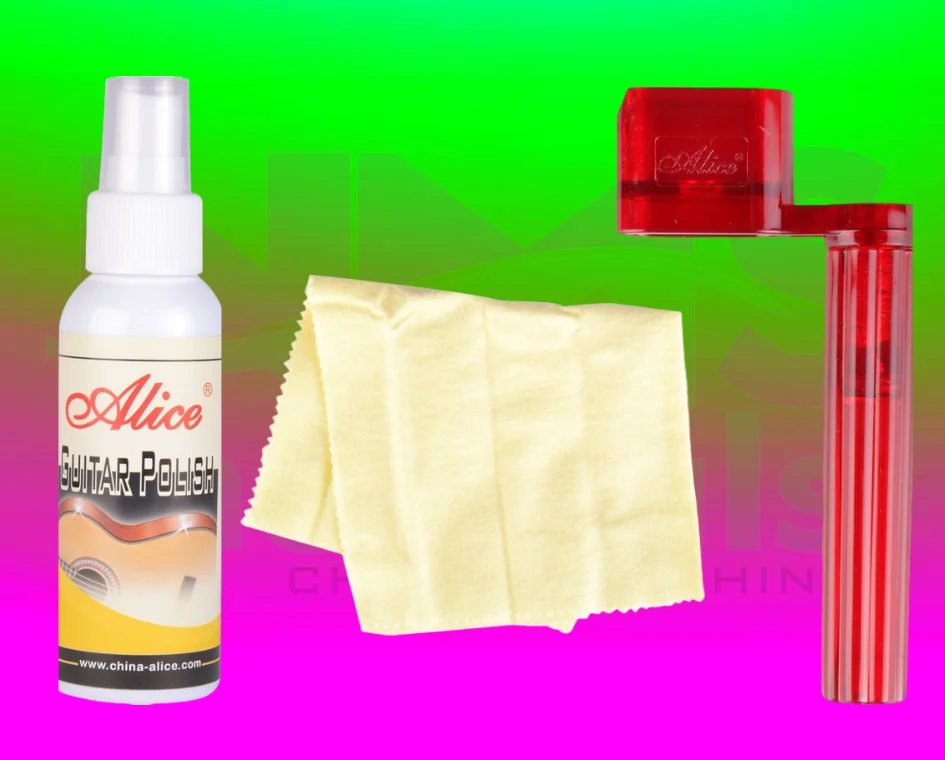
Alice Guitar Polish
Get this instrument at best deal – Alice Guitar Polish

Dust, sweat, and oil from your hands can damage the surface and strings of your guitar over time. Indian weather often brings high dust levels, making cleaning essential.

  1. Always wipe your guitar body, neck, and headstock with a soft microfiber cloth after every playing session.
  2. Use a guitar-specific cleaning polish, not household cleaners, to avoid damaging the wood.
  3. Clean the soundhole area carefully, as dust often collects there.
  4. During Indian festivals or outdoor performances, be extra cautious about dirt and smoke exposure.


2. Maintain and Replace Strings

Get this instrument at best deal – https://nmsmusicals.in/product-category/accessories/guitar-accessories/

Strings have a major impact on the sound of your acoustic guitar. In India’s climate, strings often rust faster due to humidity.

  1. Wipe your strings with a clean dry cloth after each session.
  2. Use string cleaners or lubricants to prevent corrosion.
  3. Replace your strings every 2–3 months, or sooner if you play daily.
  4. For Indian folk and fusion styles, consider phosphor bronze strings for warm tones.
  5. Avoid touching strings with oily hands; wash before playing.


3. Control Humidity and Temperature

The Indian climate can be harsh on guitars. High humidity causes wood swelling, while dry conditions lead to cracks.

  1. Store your guitar in a hard case when not in use.
  2. Use a guitar humidifier in dry areas such as Delhi in winter.
  3. Avoid exposing your guitar to direct sunlight, especially during Indian summers.
  4. Never keep your guitar near air conditioners, heaters, or damp areas.
  5. If traveling across different states, let your guitar adjust slowly to new climates.


4. Care for the Fretboard and Neck

The fretboard and neck are vital for smooth playability. Without care, the wood can dry out or warp.

  1. Apply lemon oil or fretboard conditioner once every few months.
  2. Clean the fretboard thoroughly whenever you change strings.
  3. Check the neck alignment regularly; buzzing sounds indicate adjustment needs.
  4. Adjust the truss rod when required but seek professional help if unsure.
  5. In India’s humid states, inspect for mold or excess moisture near the frets.


5. Store Your Guitar Safely

guitar bag ordinary givson

Get this instrument at best deal – Guitar Bags

Proper storage ensures long life and prevents accidental damage.

  1. Keep your guitar in a padded gig bag or hard case when not in use.
  2. Avoid leaving your guitar lying flat; store it vertically.
  3. Use silica gel packets in the case during monsoon to absorb moisture.
  4. Never hang your guitar on walls without humidity control.
  5. Loosen the strings slightly if you are storing your guitar for long periods.


6. Get Regular Professional Setups

Even with home care, professional servicing keeps your guitar in top condition. In India, most music stores offer affordable setups.

  1. A setup includes adjusting action, intonation, and truss rod.
  2. Frets are polished and checked for wear.
  3. Electronics in semi-acoustic guitars are inspected.
  4. Setups help adapt your guitar for Bollywood strumming or Carnatic fingerstyle.
  5. Schedule a setup every 6–12 months for best results.


7. Protect the Guitar Body

Scratch Guard With Guitar
Get this instrument at best deal – https://nmsmusicals.in/product/scratch-guard-for-guitar/

The guitar body contributes significantly to tone and aesthetics. Protecting it prevents scratches and long-term damage.

  1. Use a quality guitar polish to maintain shine.
  2. Avoid stickers or adhesives that harm the finish.
  3. Use a pickguard to protect against strumming marks.
  4. During Indian weddings or stage shows, cover the guitar when not playing.
  5. Avoid exposing the guitar to perfumes, incense smoke, or chemicals.


8. Maintain Accessories

Guitar accessories also need care to remain functional.

  1. Capos – Keep them clean and store dry.
    Guitar Capo

  2. Tuners – Replace batteries regularly.
    Guitar Tuning Peg Key (1)

  3. Straps – Use padded straps for long Indian performances.

  4. Gig bags – Check zippers, straps, and padding regularly.
    Guitar Foam Bag

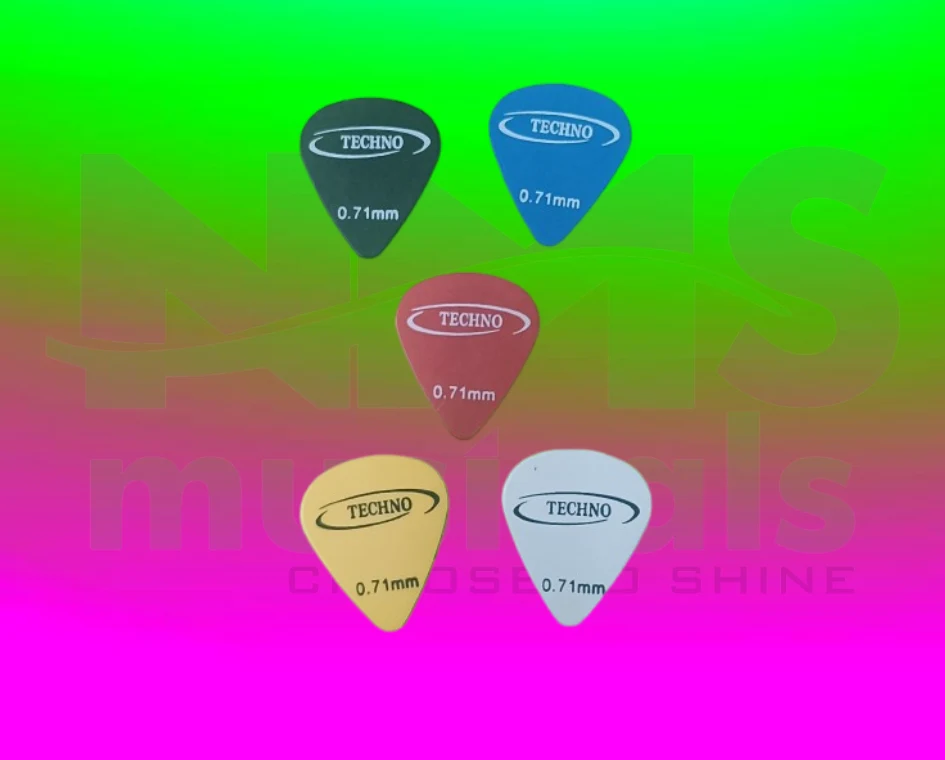
  5. Picks – Replace worn picks to maintain tone quality.
    Techno 0.71mm Colour Picks

    Get this instrument at best deal -https://nmsmusicals.in/product-category/accessories/guitar-accessories/


9. Take Extra Care During Travel

Traveling with your guitar across India exposes it to varied climates and handling risks.

  1. Always use a sturdy hard case for long journeys.
  2. For air travel, loosen the strings slightly.
  3. Avoid rough handling in buses and trains; keep the guitar near you.
  4. Invest in insurance if you own a high-value acoustic guitar.
  5. For festivals and concerts, carry an extra set of strings and cleaning cloth.


10. Develop Good Playing Habits

Your playing habits also affect your guitar’s condition.

  1. Wash and dry your hands before playing.
  2. Avoid eating oily foods before handling your guitar.
  3. Play regularly; unused guitars often deteriorate faster.
  4. Use correct fingering techniques to reduce unnecessary fret wear.
  5. Practice in a stable, safe environment to avoid accidental drops.


11. Avoid Common Mistakes

Many beginners unknowingly damage their guitars by neglect.

  1. Do not expose your guitar to direct sunlight.
  2. Avoid cleaning with water or alcohol-based liquids.
  3. Do not leave the guitar on the floor without a case.
  4. Never ignore buzzing or sound distortion.
  5. Avoid over-tightening strings, especially in India’s hot climate.


12. Preserve Your Guitar for the Long Term

For Indian musicians, a guitar is more than an instrument—it’s a lifelong companion.

  1. Schedule professional maintenance once every year.
  2. Replace worn accessories promptly.
  3. Keep track of your guitar’s sound quality and aging process.
  4. Maintain your guitar as carefully as Indian classical musicians maintain sitars or veenas.
  5. Treat your guitar as a legacy instrument to pass on to the next generation.


Conclusion

Your acoustic guitar is not just a wooden instrument; it is a voice for your music. For Indian guitarists, maintaining a guitar is even more important due to the varied climate and environmental challenges.

By cleaning your guitar regularly, changing strings on time, protecting it from humidity, and seeking professional setups, you can ensure your acoustic guitar remains reliable for decades.

Whether you are strumming Bollywood melodies, composing indie music, or blending Indian ragas into your playing, your guitar deserves the same devotion you give to your art.

By following these essential acoustic guitar maintenance tips, you will preserve your guitar’s sound, beauty, and longevity—making every note you play as powerful as your passion.


At NMS Musicals, we offer a comprehensive range of musical instruments, including percussion, string, wind, and keyboard instruments. Our services encompass sales, expert servicing, and the manufacture of leather instruments. Explore our diverse collection and find the perfect instrument to suit your musical needs.

Visit our website to browse our offerings: nmsmusicals.in

For a closer look at our products, check out our shop page: nmsmusicals.in/shop

Stay connected with us through our social media channels:
Our shop locations are:

For inquiries, contact/Whatsapp us at 9500663895 or email us at laxman.m89@gmail.com.

Discover the world of musical instruments with NMS Musicals today!

For a visual overview of our percussion instruments, watch the following video:
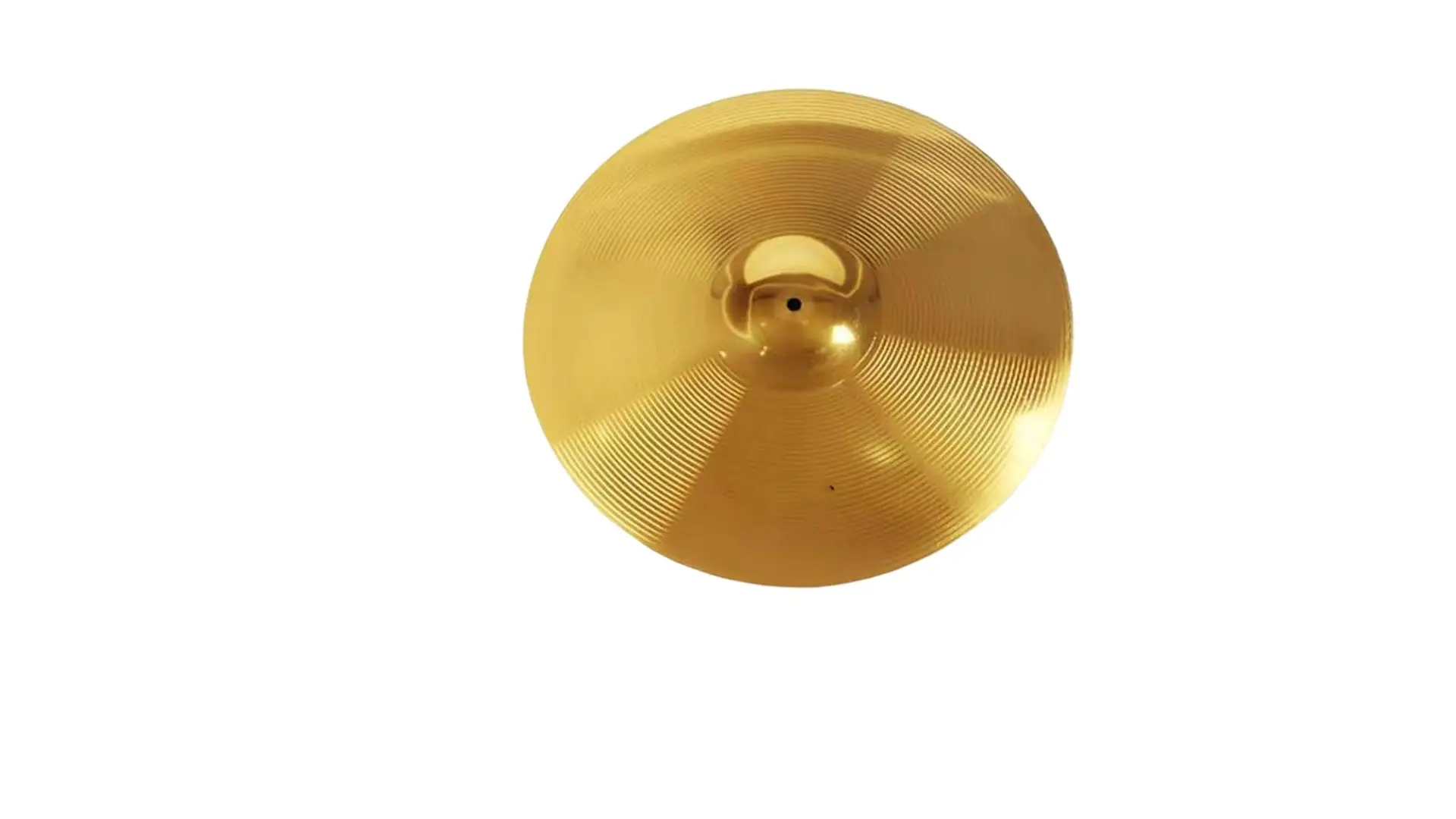
Top 5 Tips for Learning to Play the Trumpet

Unstoppable Top 5 Tips for Learning to Play the Trumpet

Top 5 Tips for Learning to Play the Trumpet Effectively

"Top 5 Tips for Learning to Play the Trumpet"
Get this instrument at best deal – https://nmsmusicals.in/product/nadir-ali-trumpet/

Learning to play the trumpet is an exciting journey filled with challenges and rewards. Whether you are a complete beginner or someone with a little experience, mastering the trumpet requires dedication, patience, and the right techniques. In India, where instruments like the tabla, harmonium, and sitar dominate the music scene, the trumpet has carved a niche for itself, especially in brass bands, classical fusion, jazz, and film music.

Many young learners are now showing interest in wind instruments, with the trumpet being a popular choice due to its bold and powerful sound.

In this blog, we’ll explore the Top 5 Tips for Learning to Play the Trumpet, focusing on strategies that work for beginners in India as well as globally. These tips are designed to help you develop the right habits, improve faster, and enjoy your musical journey.


1. Mastering the Correct Posture and Breathing Technique

The foundation of playing the trumpet lies in how you hold your instrument and how you breathe. Unlike string instruments or percussion, the trumpet heavily relies on airflow and lip control.

Why Posture Matters

A relaxed yet upright posture helps maximize airflow and prevents unnecessary strain. In India, beginners often learn in marching bands or school ensembles where posture is emphasized. Always sit or stand straight, keeping your shoulders relaxed.

Breathing the Right Way

Use diaphragmatic breathing instead of shallow chest breathing. Place a hand on your stomach, inhale deeply through your nose, and feel your stomach expand. This will provide enough air support for producing clear and strong notes.

Indian Learning Context

Many Indian teachers combine traditional pranayama breathing exercises from yoga with trumpet practice. Practicing “Anulom-Vilom” (alternate nostril breathing) or “Bhastrika” can significantly improve lung capacity and stamina.


2. Building a Strong Embouchure

The embouchure, or the way you shape and control your lips, is the heart of trumpet playing. Without it, even expensive instruments won’t produce the right sound.

Developing Lip Strength

Start with buzzing exercises without the trumpet. Simply press your lips together and blow air to create a buzzing sound. This strengthens your lip muscles and prepares you for longer playing sessions.

Avoiding Bad Habits

Indian learners often imitate film musicians and over-tighten their lips to get louder sounds, which can strain muscles. The key is balance—firm but flexible lips.

Long-Term Practice

Consistency is crucial. Even 10–15 minutes of daily embouchure exercises are more effective than long, irregular sessions.


3. Consistent Practice with the Right Warm-Up

Like learning the tabla or sitar, playing the trumpet requires discipline and regularity. Practice sessions should always begin with warm-ups to prevent fatigue and ensure smooth progress.

Essential Warm-Ups

  • Long tones: Hold a single note for as long as possible with consistent pitch.
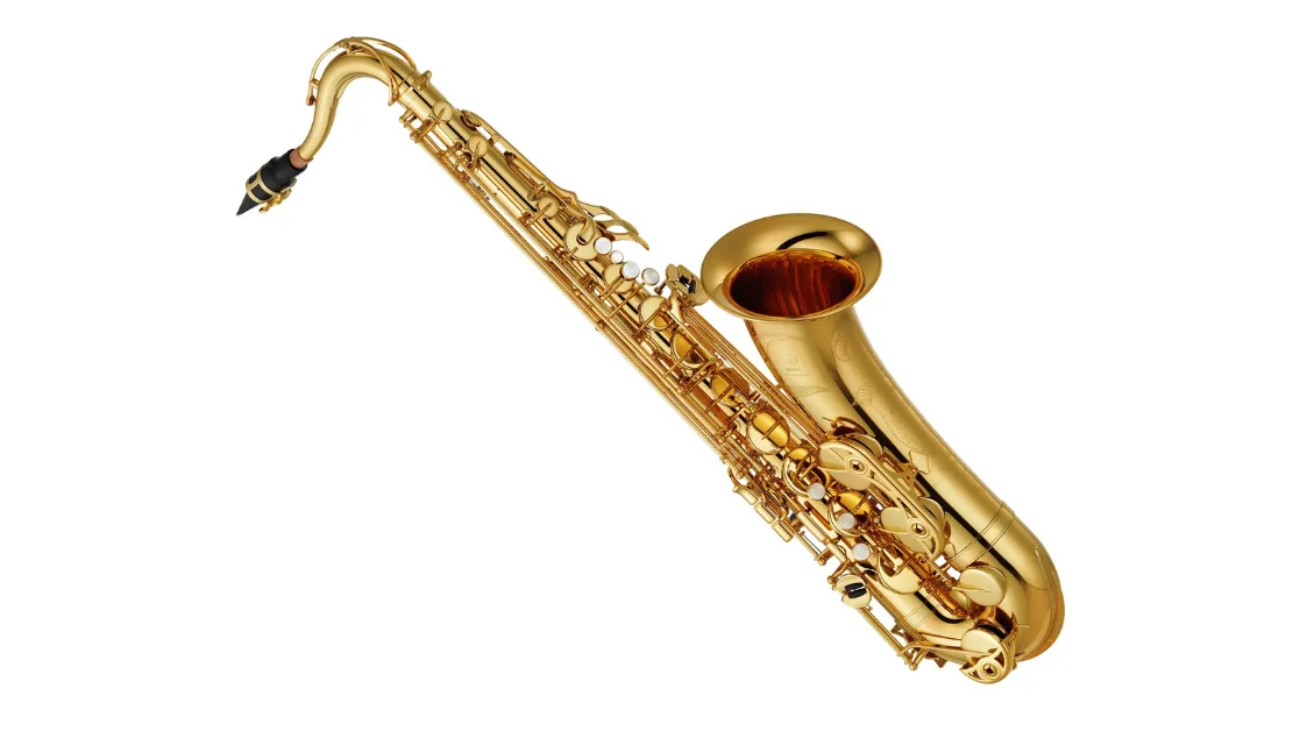
  • Lip slurs: Move smoothly between different harmonics without changing valves.
  • Scale practice: Begin with simple C major, then move on to ragas and Indian scale patterns for variety.

Importance in Indian Context

Brass bands in India emphasize stamina because players often perform for long hours during weddings, festivals, and processions. Regular warm-ups help prepare for such extended performances.

Scheduling Practice

Dedicate 30–45 minutes daily, divided into warm-ups, technical exercises, and playing songs. Beginners should avoid over-practicing as it may damage lip muscles.


4. Learning Music Theory and Indian Adaptations

Playing the trumpet is not just about blowing into the instrument; understanding music theory is equally vital.

Western vs Indian Scales

Trumpets are usually tuned in Bb or C, and learning Western scales will help you read sheet music. But in India, many musicians adapt the trumpet to ragas, film songs, and fusion performances.

Benefits of Music Theory

  • Helps in improvisation during jazz or Indian fusion.
  • Improves your ability to play with other musicians, especially in orchestras or bands.
  • Strengthens memory by connecting notes with patterns.

Indian Raga Adaptations

For learners in India, practicing ragas like Bhairav, Yaman, or Kafi on the trumpet can be an exciting challenge. Teachers often transpose traditional ragas into trumpet-friendly scales, bridging Western brass with Indian classical.


5. Choosing the Right Instrument and Accessories

Your trumpet plays a major role in your learning journey. Beginners in India often get overwhelmed with the variety available, from budget models to professional trumpets.

Selecting the Trumpet

  • For Beginners:
    Yamaha YTR-2330,

    Eastar Bb Trumpet,


    or locally available brands like ARCTIC or Pluto.
    trumpet pluto brand


  • For Intermediate Players:
    Bach TR300H2,


    Jupiter JTR700,


    or Indian-imported brands with better build quality.
    Bugle


  • For Indian Use Cases:
    Trumpet
    Choose durable trumpets that can withstand outdoor performances, like brass band events.

Must-Have Accessories

Renting vs Buying in India

Many Indian learners start by renting trumpets from music shops in cities like Chennai, Delhi, or Mumbai. Renting is cost-effective and allows you to upgrade later without huge expenses.


Conclusion

Mastering the trumpet is not just about learning an instrument—it’s about embracing discipline, creativity, and cultural expression. In India, where the trumpet is often associated with celebrations, weddings, and film music, modern learners are finding new ways to use it in jazz, classical, and fusion genres. By following the Top 5 Tips for Learning to Play the Trumpet, you will build a solid foundation that combines correct posture, strong embouchure, regular practice, theoretical knowledge, and the right choice of instrument.

Remember, progress may feel slow at first, but every note you play adds to your growth. Stay consistent, keep experimenting, and soon you’ll experience the joy of creating music that resonates not only with you but with everyone who hears your trumpet’s bold and beautiful sound.


At NMS Musicals, we offer a comprehensive range of musical instruments, including percussion, string, wind, and keyboard instruments. Our services encompass sales, expert servicing, and the manufacture of leather instruments. Explore our diverse collection and find the perfect instrument to suit your musical needs.

Visit our website to browse our offerings: nmsmusicals.in

For a closer look at our products, check out our shop page: nmsmusicals.in/shop

Stay connected with us through our social media channels:
Our shop locations are:

For inquiries, contact/Whatsapp us at 9500663895 or email us at laxman.m89@gmail.com.

Discover the world of musical instruments with NMS Musicals today!

For a visual overview of our percussion instruments, watch the following video: