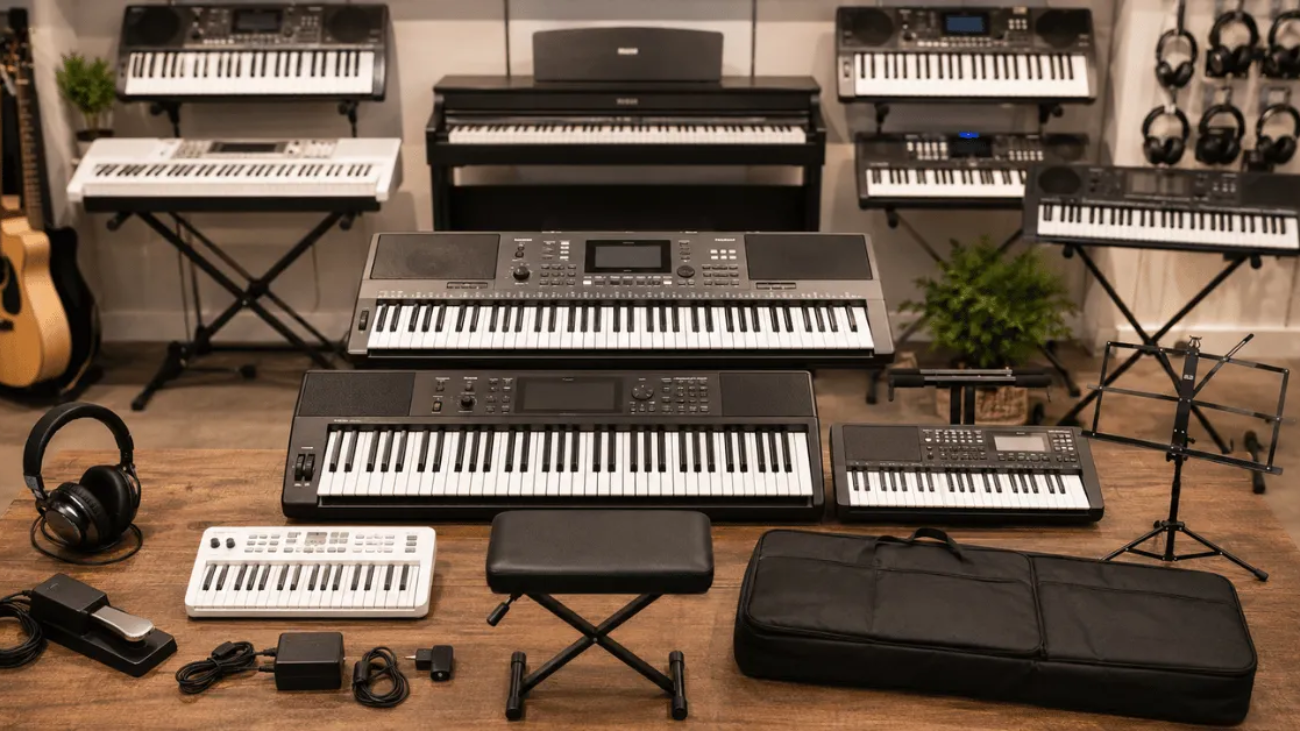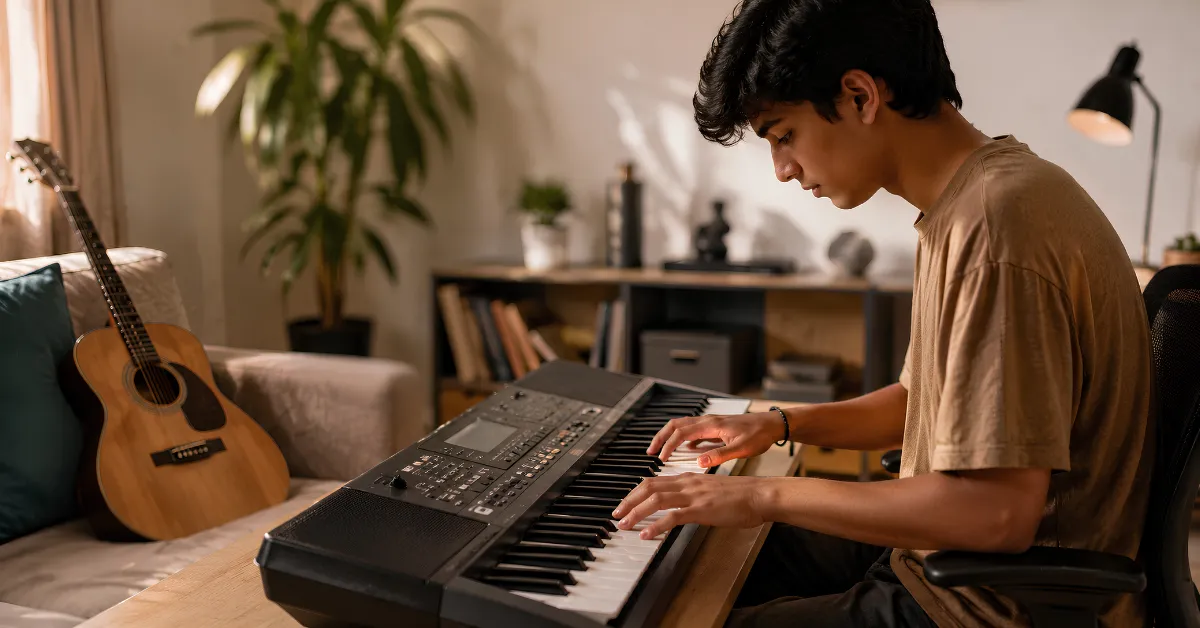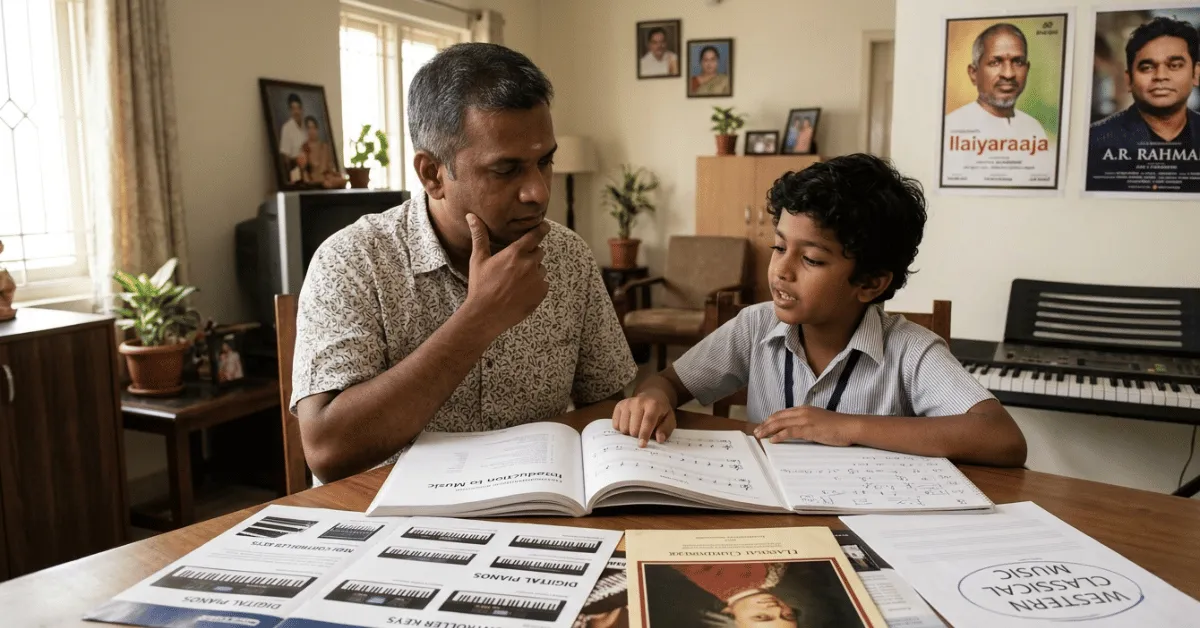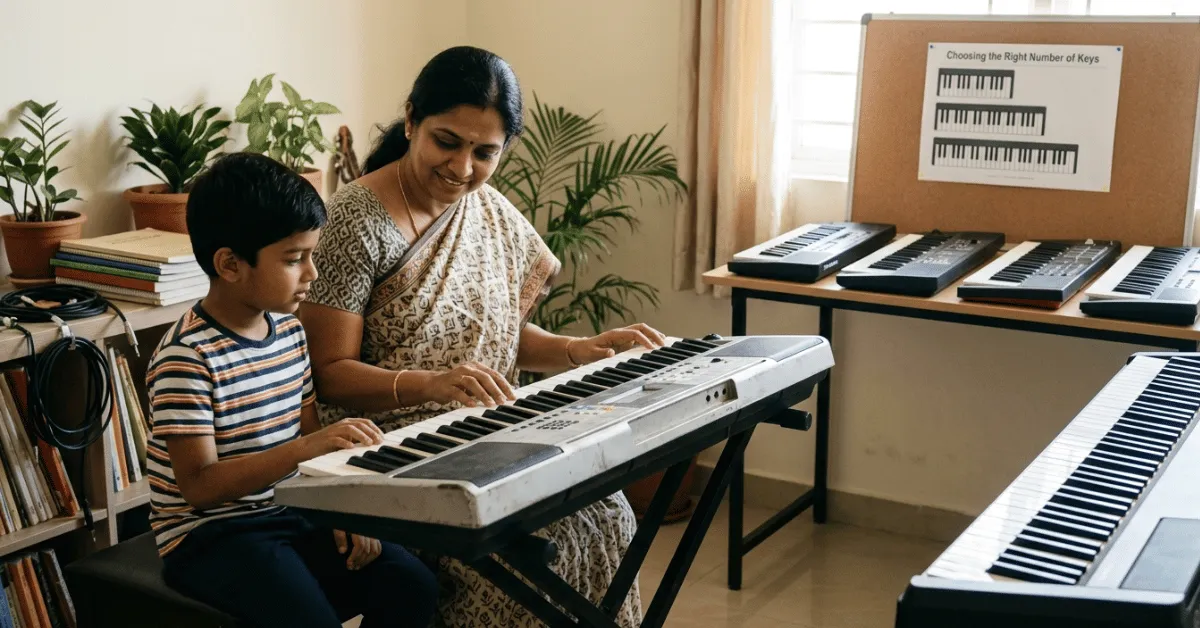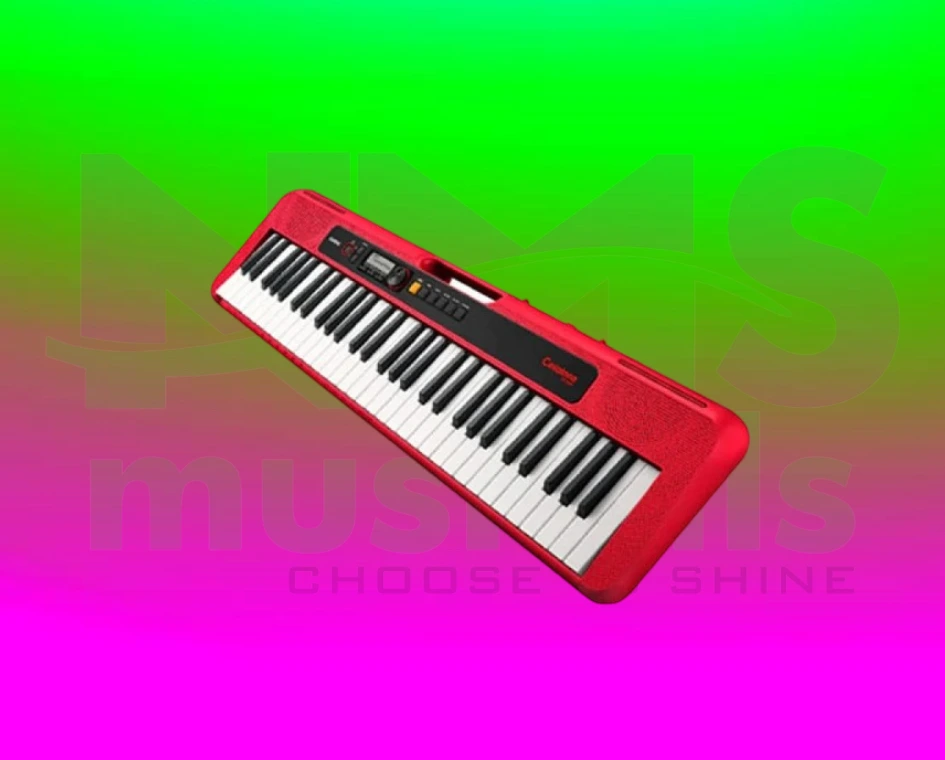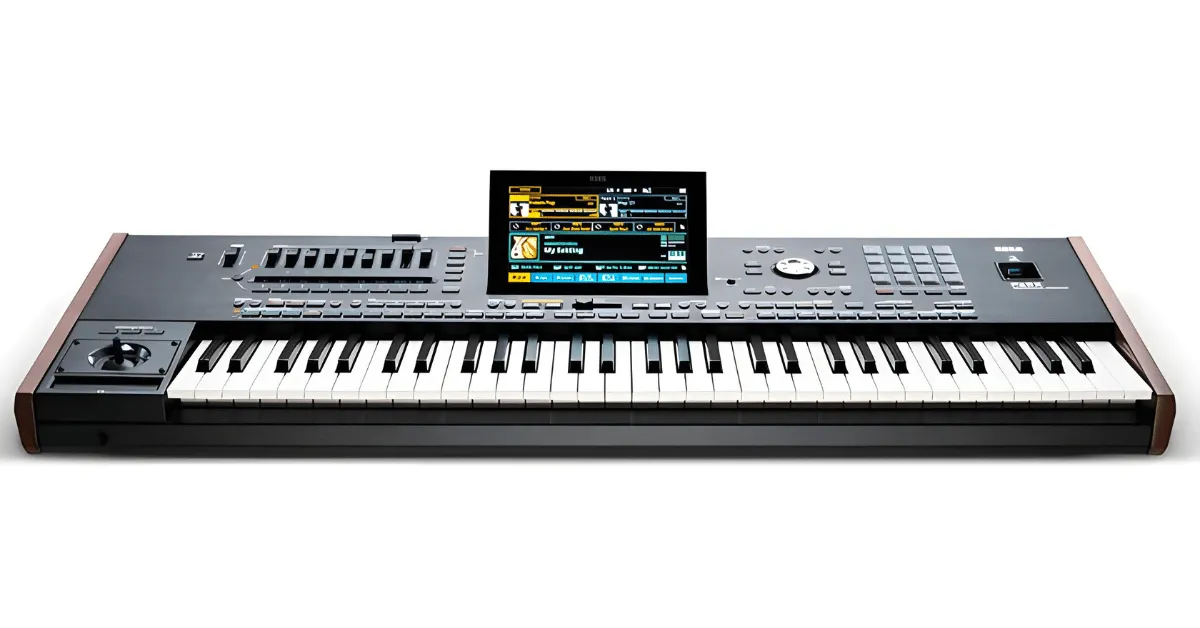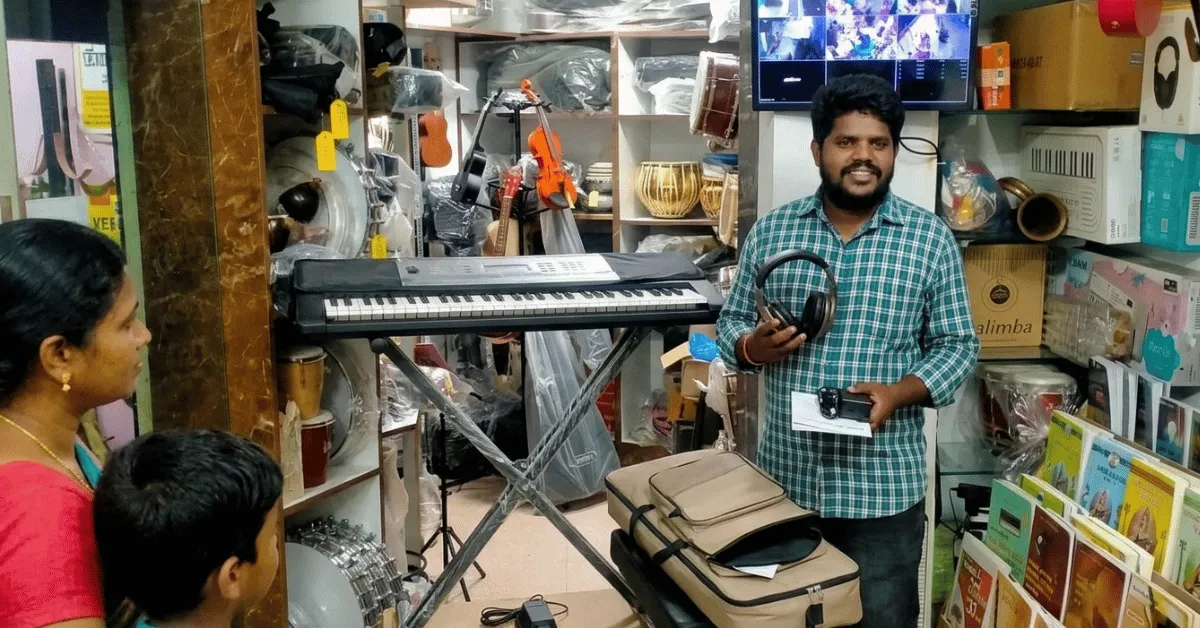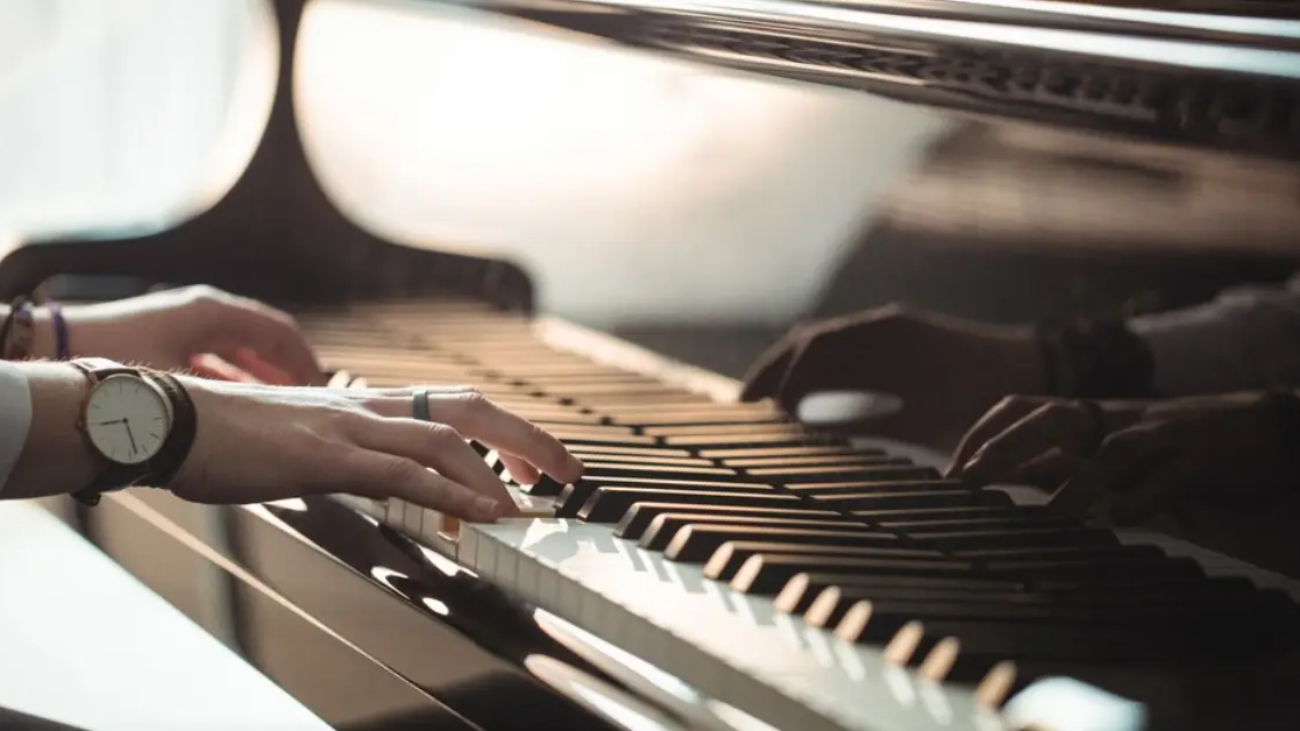
Best Digital Pianos for Home Use – Powerful Guide

Best Digital Pianos for Home Use – Powerful Guide

Best digital pianos for home use – smart choices for Indian homes

Best Digital Pianos for Home Use – Powerful Guide 1

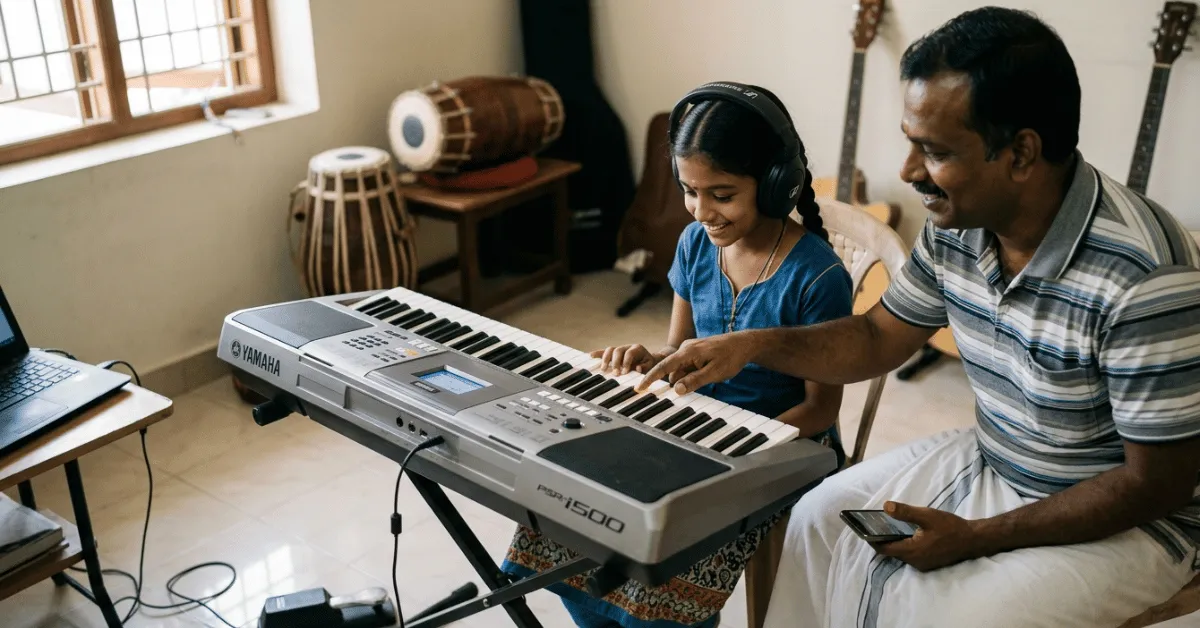
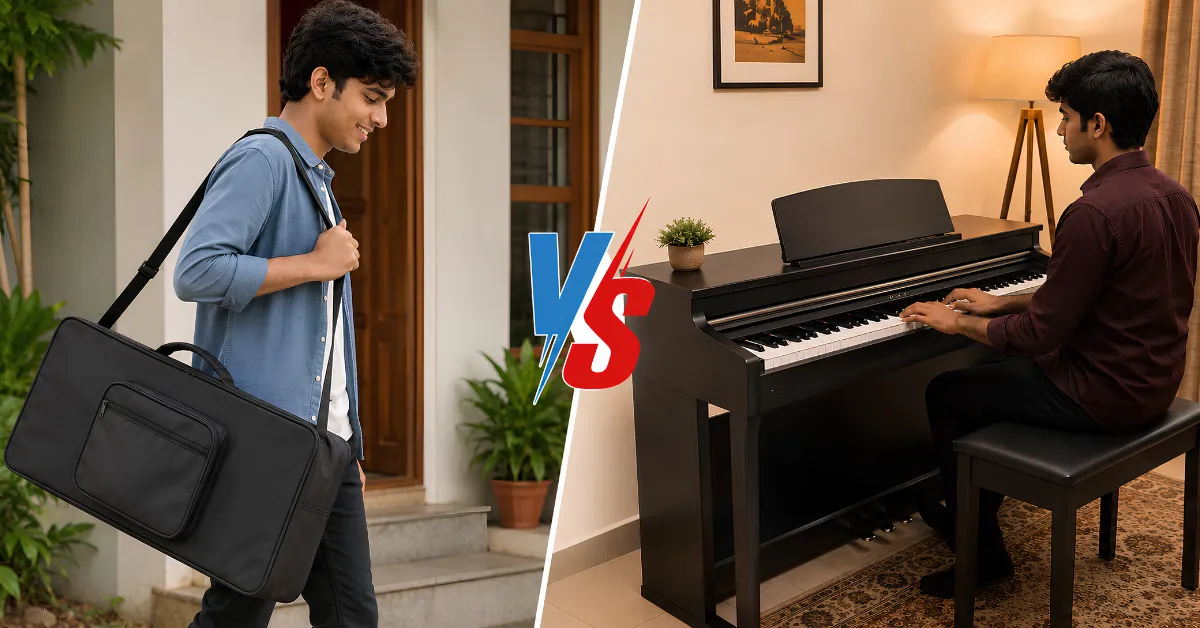
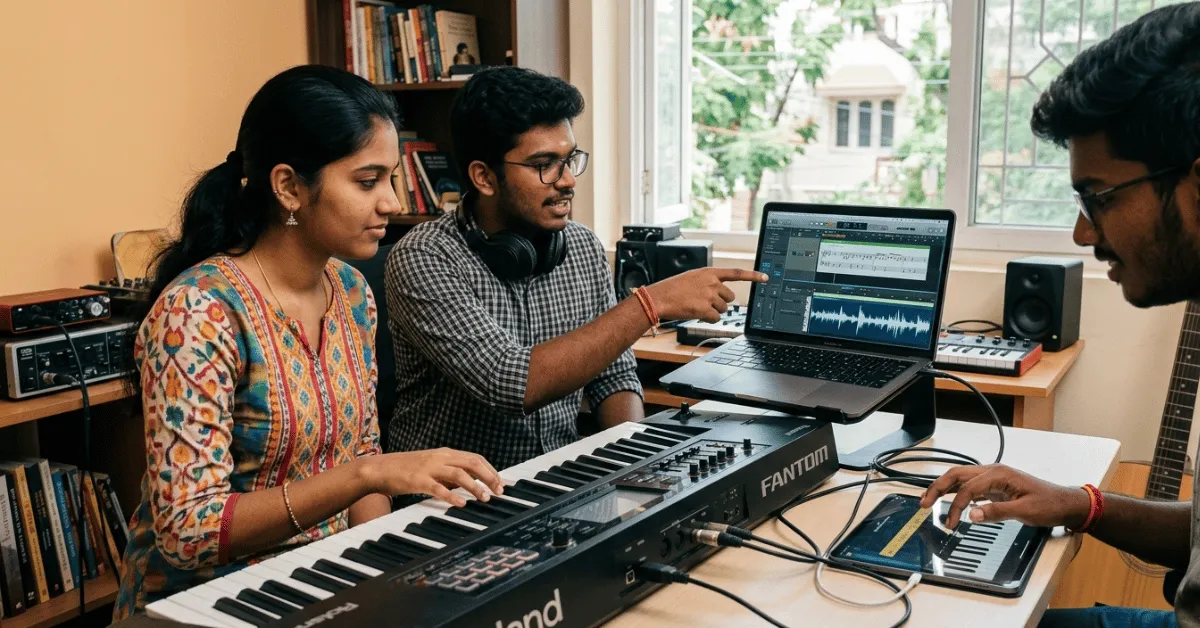
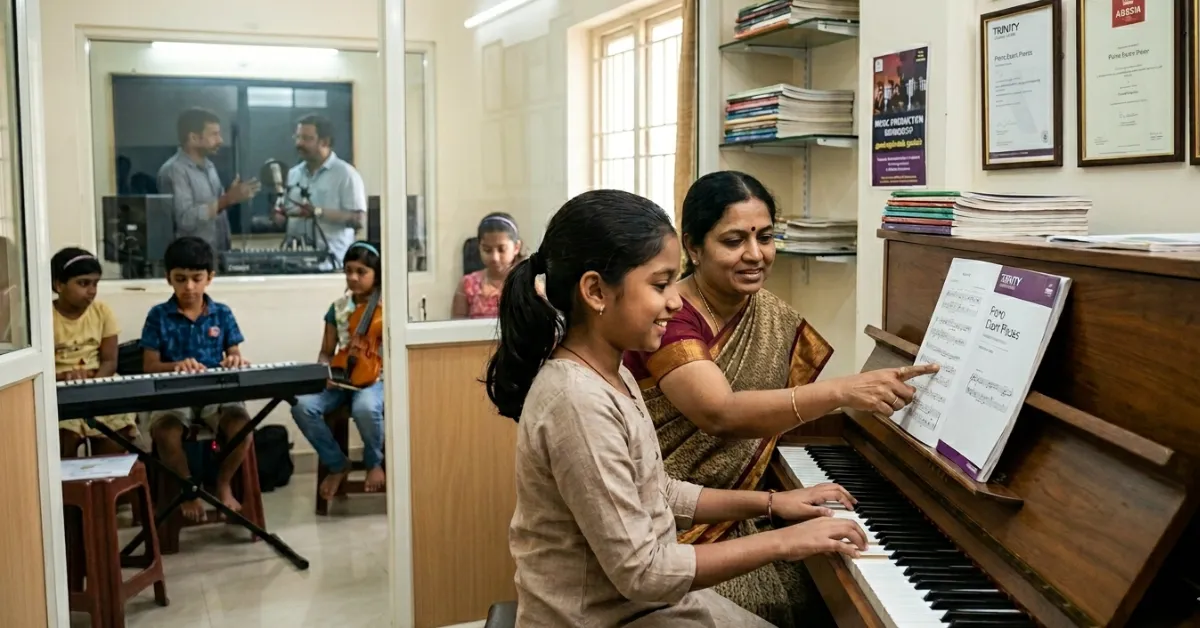
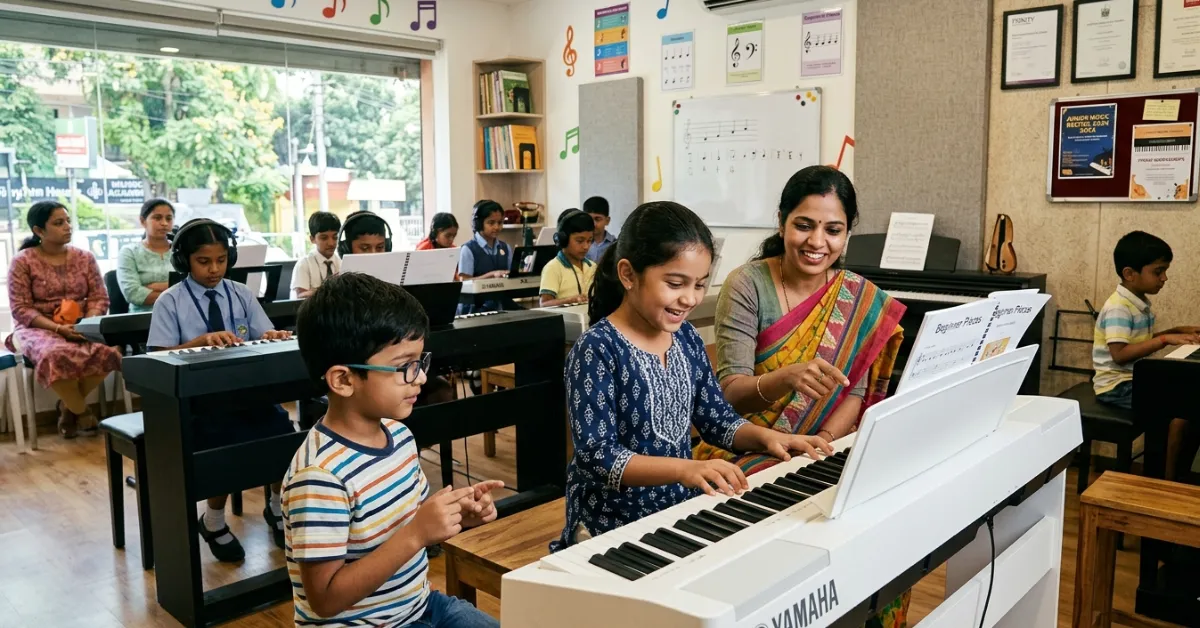
Choosing the best digital pianos for home use can completely transform your musical journey—whether you’re a beginner, a hobbyist, or a professional practicing at home. In India, where space, budget, and versatility matter a lot, digital pianos have become the go-to choice over traditional acoustic pianos.

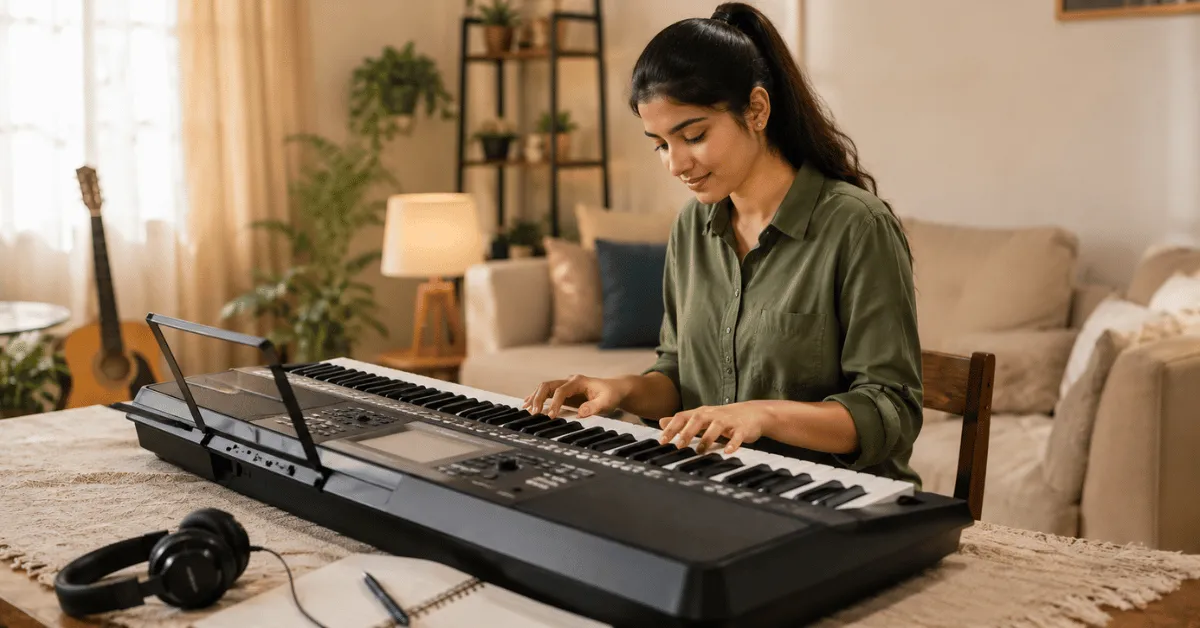
Unlike bulky acoustic pianos, digital pianos are compact, affordable, and packed with modern features like headphone support, recording options, multiple instrument tones, and connectivity for learning apps. They are ideal for apartments, independent homes, and even studio setups.

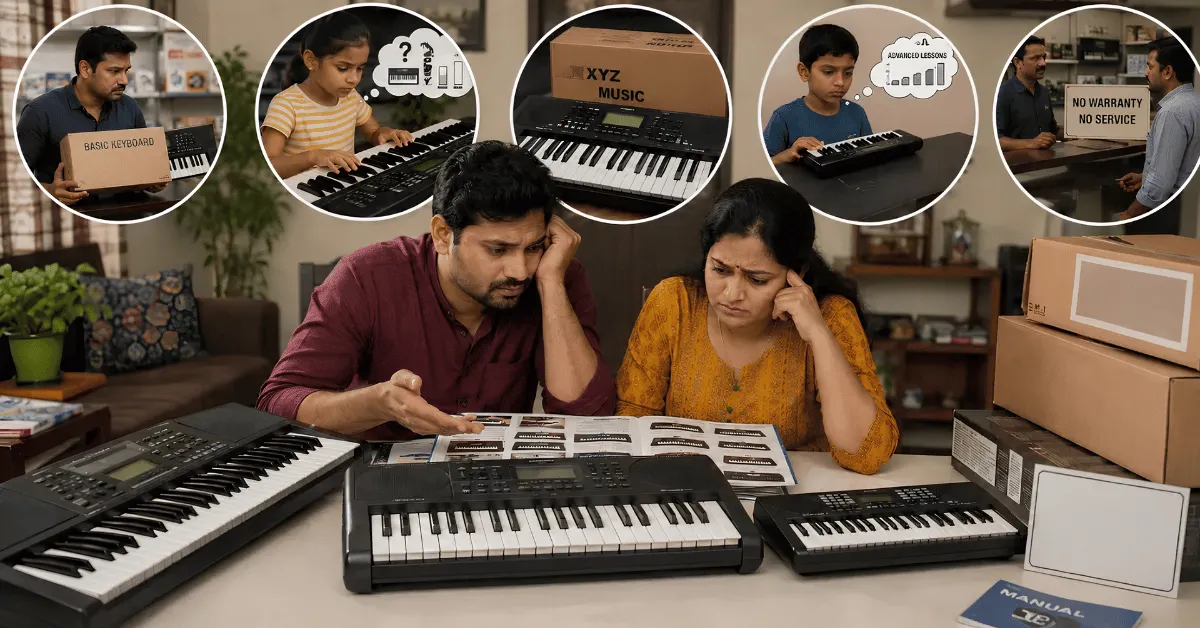
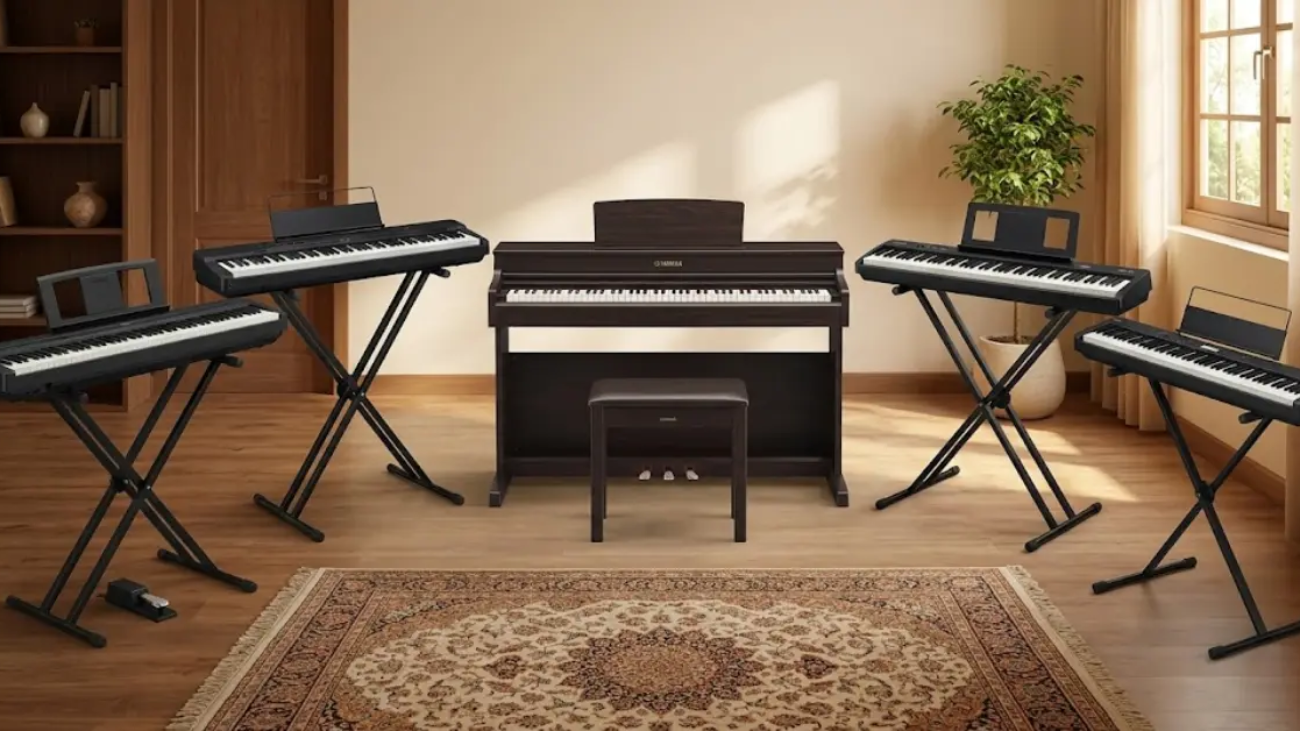
But with so many options available in the Indian market, selecting the right one can feel overwhelming. That’s why this detailed guide will help you discover the top 5 best digital pianos for home use carefully selected based on sound quality, key action, features, and value for money.

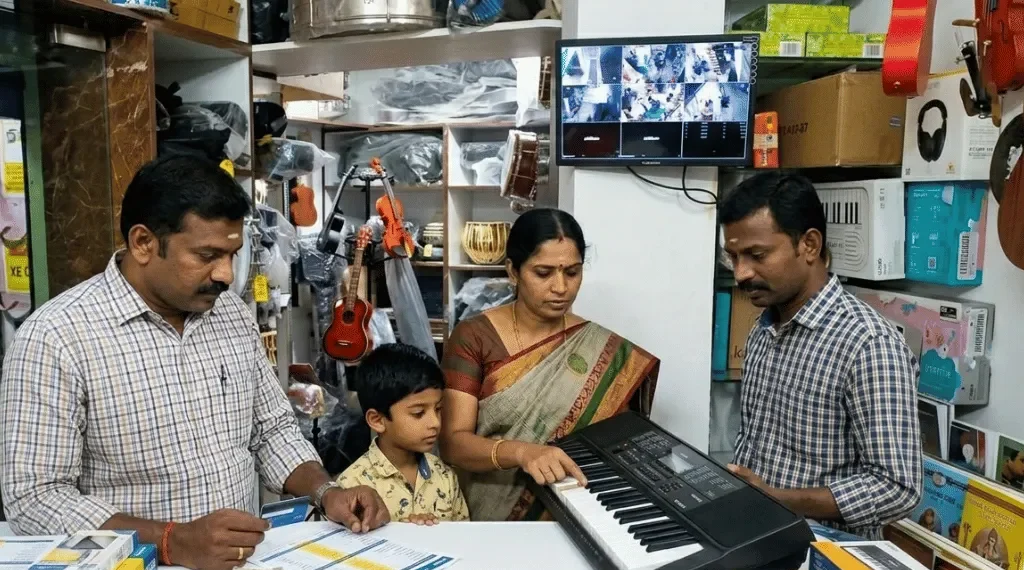
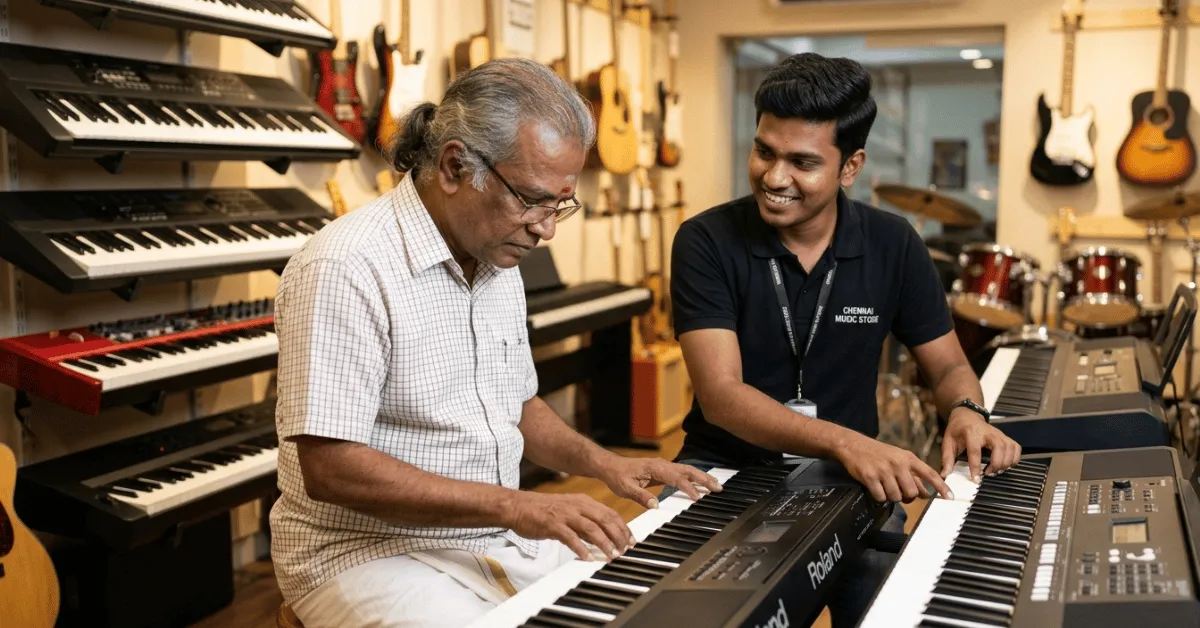
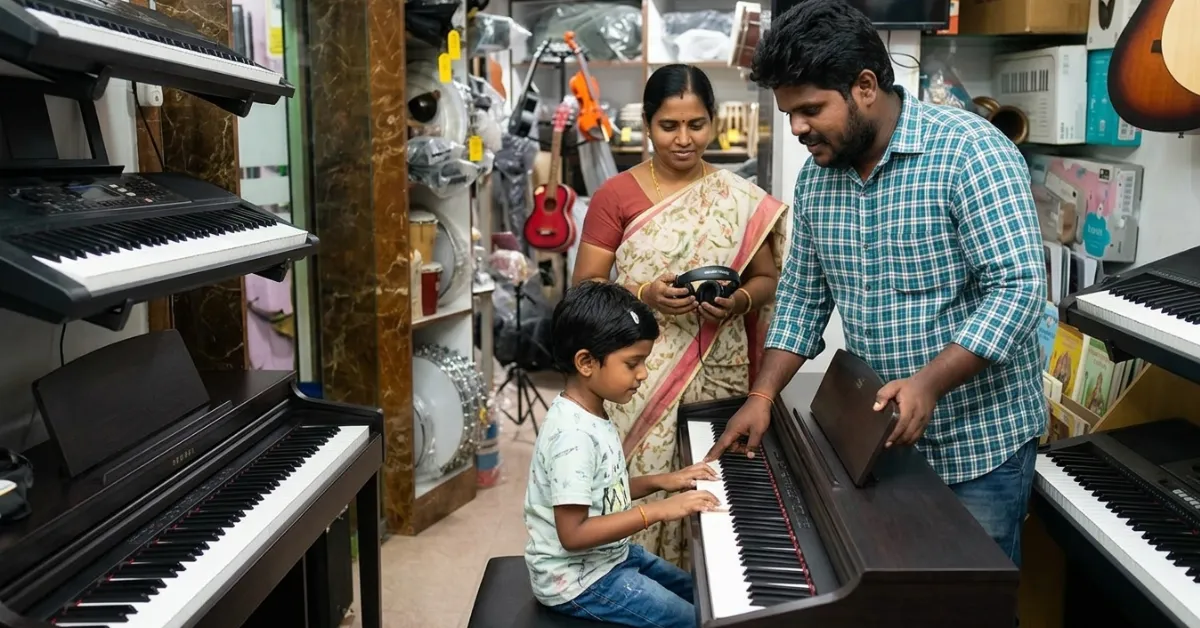
If you’re based in Chennai or Pondicherry, you can also explore these models directly at NMS Musicals, where expert guidance and hands-on experience make your decision easier.


1. Yamaha P-45 – Best Budget-Friendly Digital Piano

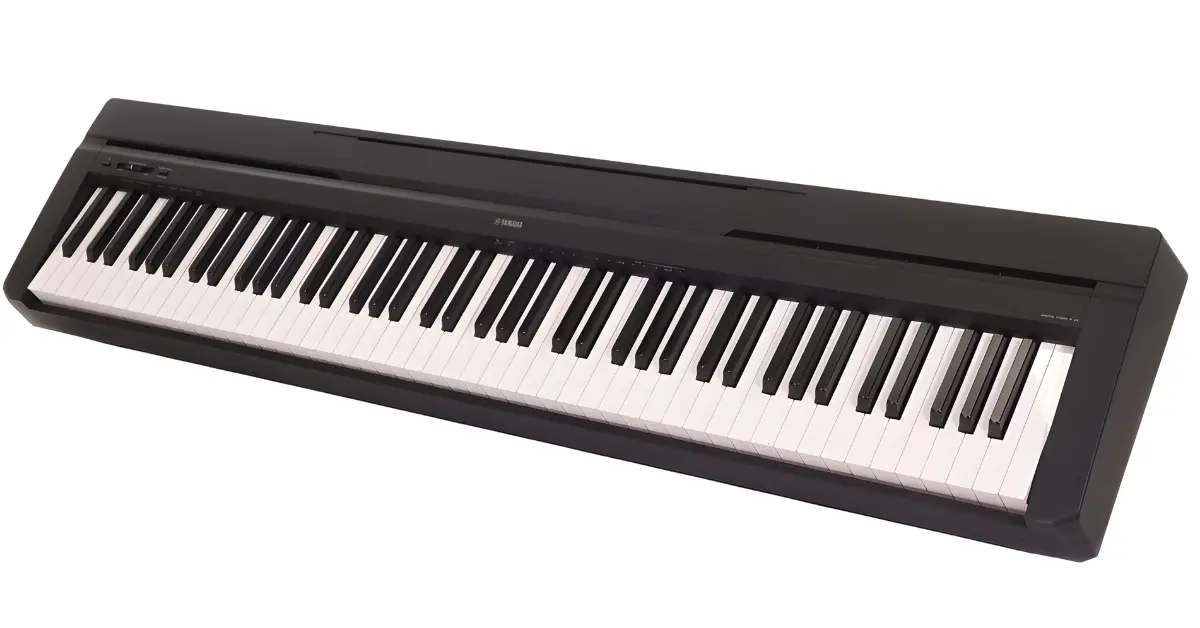
Best Digital Pianos for Home Use – Powerful Guide Yamaha P-45

The Yamaha P-45 is one of the most popular entry-level digital pianos in India and for good reason. It delivers exceptional value for beginners who want an authentic piano experience without spending a fortune.

Key Features:

  • 88 fully weighted keys (Graded Hammer Standard)
  • Advanced Wave Memory (AWM) stereo sampling
  • Compact and lightweight design
  • Simple, beginner-friendly interface

Why It’s Great for Home Use:
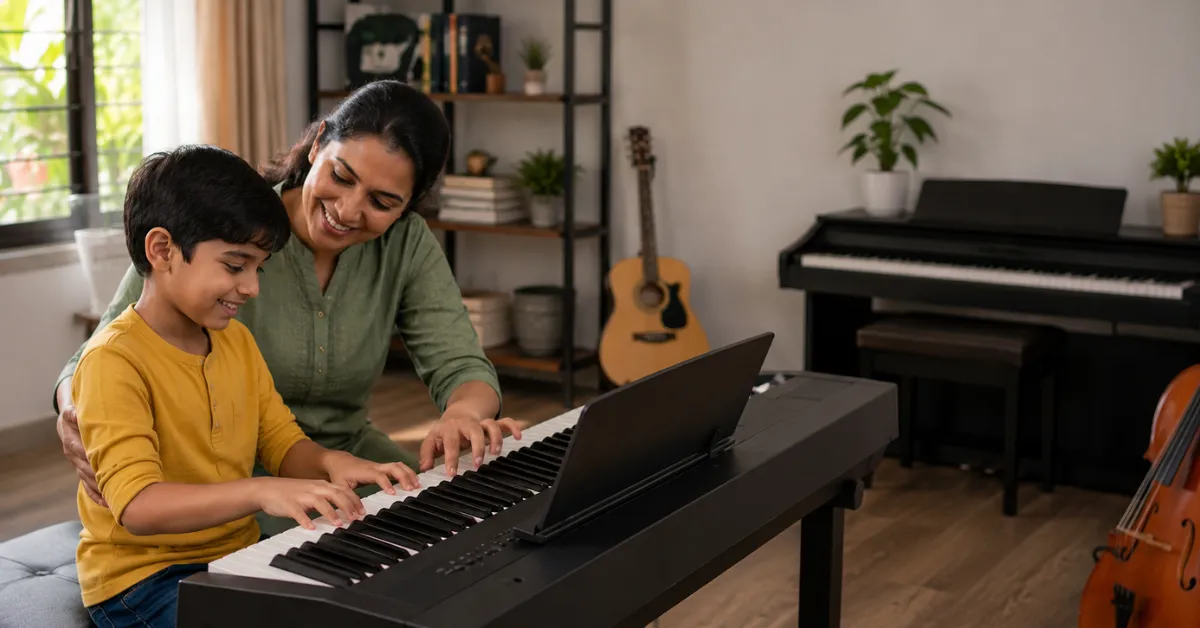
The Yamaha P-45 is perfect for small Indian homes where space is limited. It can be easily placed on a stand or table and stored when not in use. Its headphone feature allows silent practice ideal for apartments.

Best For: Beginners and students

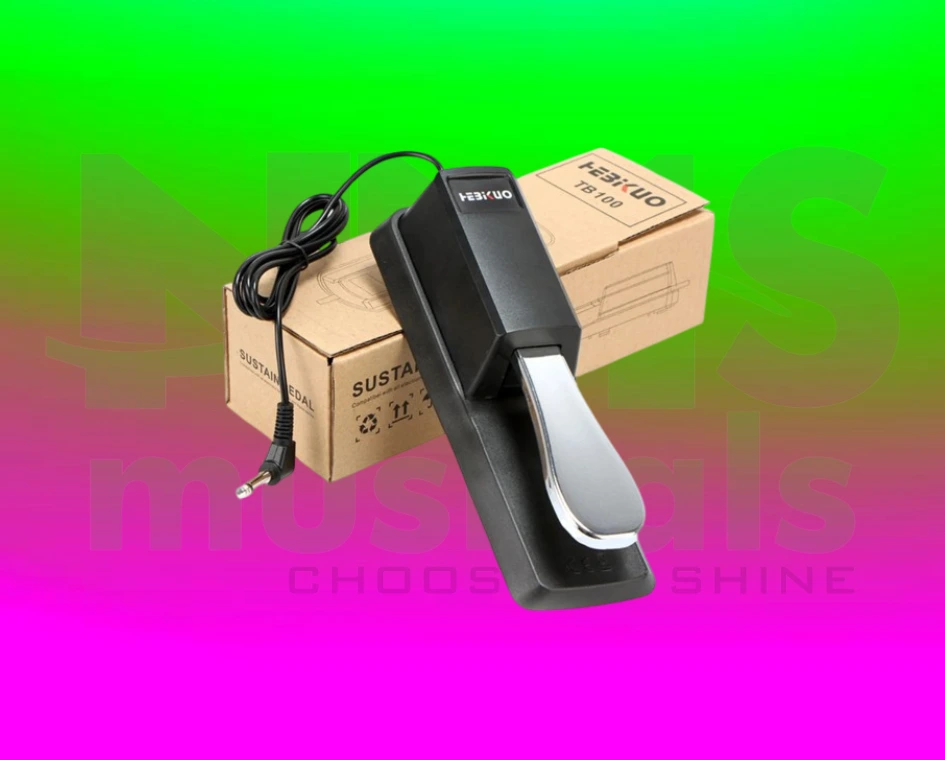
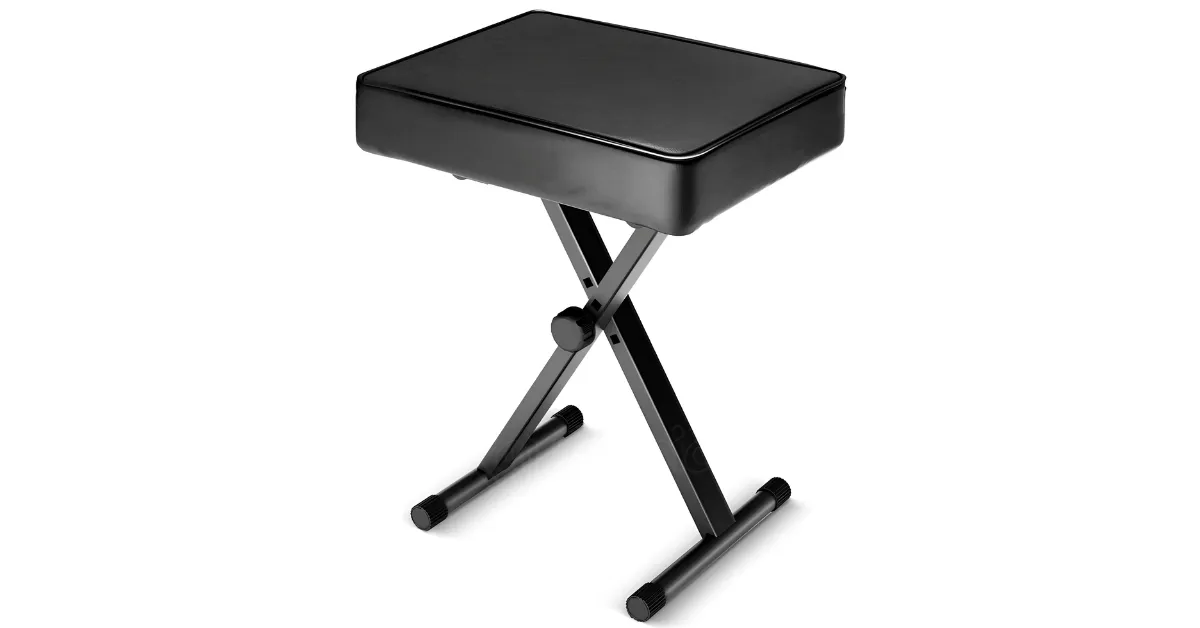
Pro Tip: Pair it with a sustain pedal and stand for a complete home setup.


2. Casio PX-160 – Best Value for Money

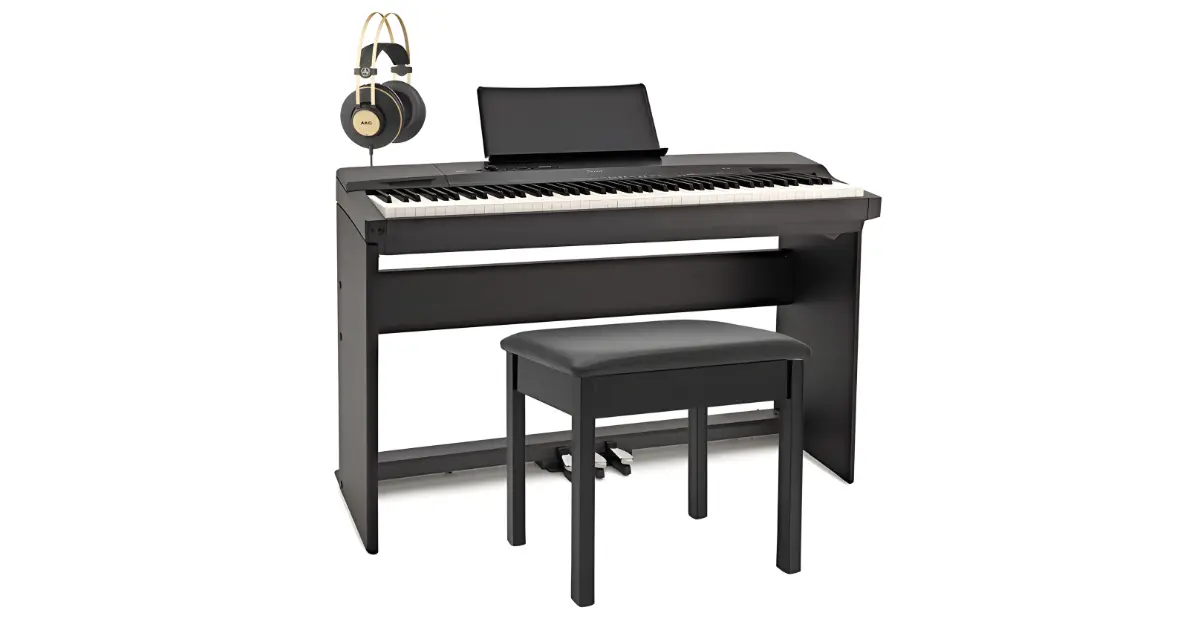
Best Digital Pianos for Home Use – Powerful Guide Casio PX-160

Casio has made significant improvements in digital piano technology, and the PX-160 is a great example. It offers premium features at a mid-range price.

Key Features:

  • Tri-Sensor Scaled Hammer Action II
  • AiR sound source for realistic tones
  • Dual headphone outputs
  • Lightweight and portable

Why It’s Great for Home Use:
The PX-160 is ideal for families where multiple users might practice. Its dual headphone jacks allow teacher-student sessions at home without disturbing others.

Best For: Beginners to intermediate players

Why Indians Love It:
Casio offers reliable service across India, making it a safe investment.


3. Roland FP-10 – Best for Realistic Piano Feel

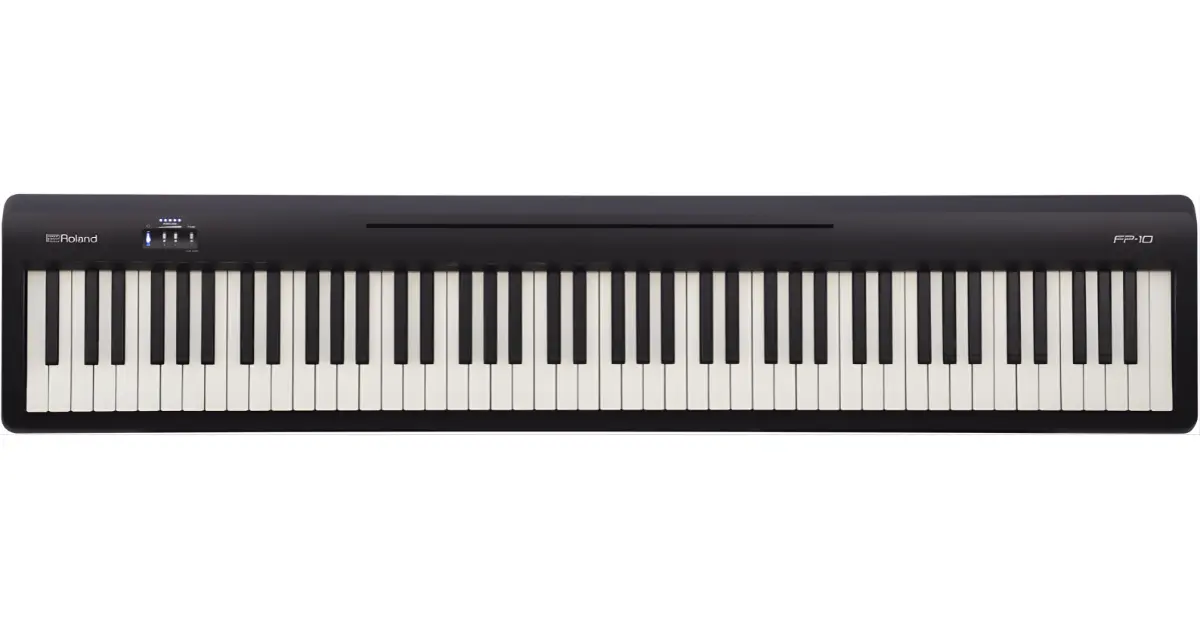
Best Digital Pianos for Home Use – Powerful Guide Roland FP-10

If you’re looking for the closest experience to an acoustic piano, the Roland FP-10 stands out. It is known for its superior key action and sound engine.

Key Features:

  • PHA-4 Standard keyboard
  • SuperNATURAL sound engine
  • Bluetooth MIDI connectivity
  • Compact modern design

Why It’s Great for Home Use:
The Roland FP-10 is perfect for serious learners who want to develop proper finger technique. Its realistic feel makes transitioning to an acoustic piano much easier.

Best For: Serious beginners and intermediate players

Bonus: Connect it to learning apps via Bluetooth for a smarter practice experience.


4. Yamaha Arius YDP-145 – Best for Premium Home Setup

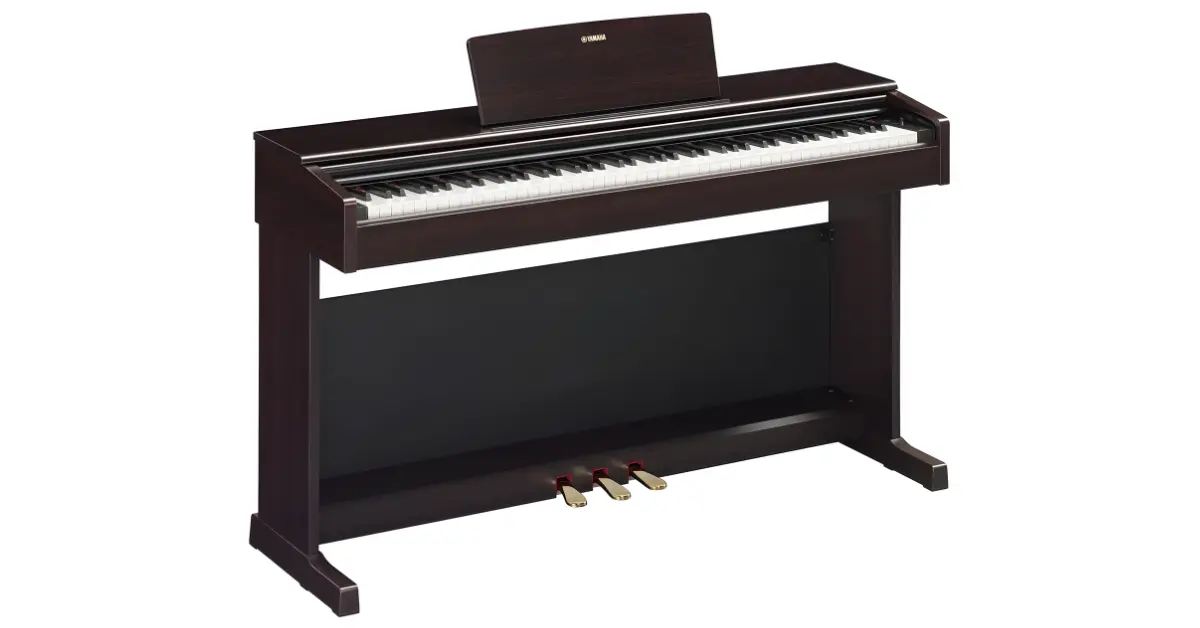
Best Digital Pianos for Home Use – Powerful Guide Yamaha Arius YDP-145

For those who want a stylish, furniture-like piano for their home, the Yamaha Arius YDP-145 is an excellent choice. It combines aesthetics with performance.

Key Features:

  • Graded Hammer 3 (GH3) keyboard
  • CFX concert grand piano sampling
  • Built-in cabinet with pedals
  • Elegant wooden design

Why It’s Great for Home Use:
This piano looks beautiful in living rooms and offers a rich, immersive sound experience. It’s perfect for those who want both functionality and aesthetics.

Best For: Intermediate players and home performers

Ideal For Indian Homes: Complements modern interiors beautifully.


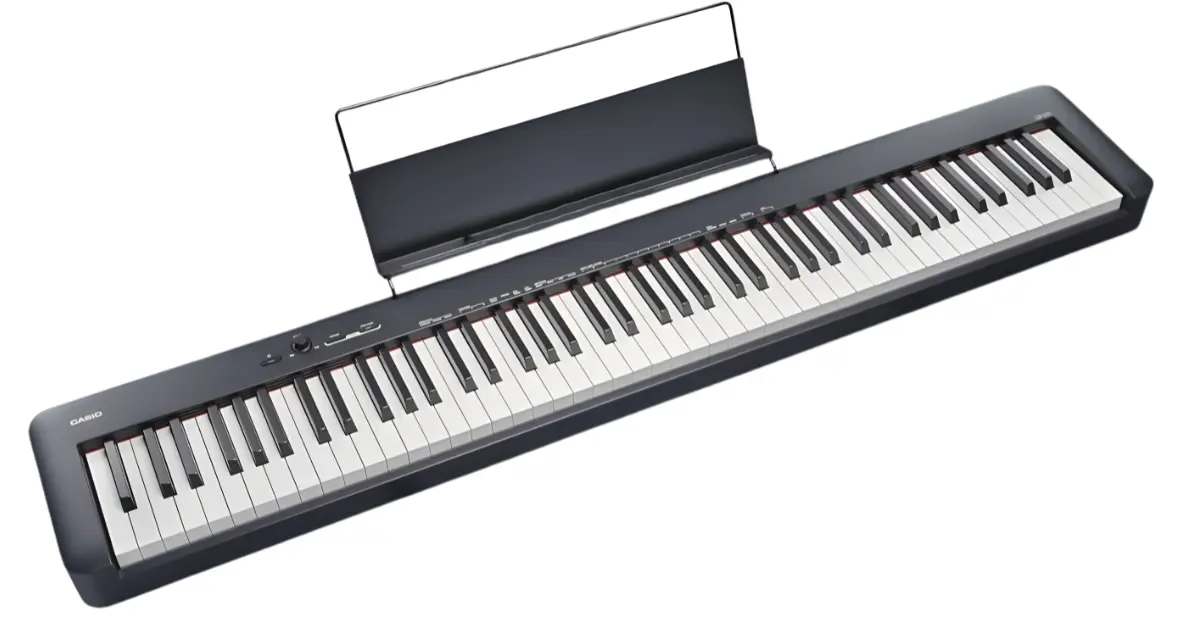
5. Casio CDP-S110 – Best Compact Digital Piano

Best Digital Pianos for Home Use – Powerful Guide Casio CDP-S110

If portability and affordability are your priorities, the Casio CDP-S110 is one of the best options available.

Key Features:

  • Slim and lightweight design
  • Scaled Hammer Action Keyboard
  • USB connectivity
  • Battery operation option

Why It’s Great for Home Use:
This is one of the most compact digital pianos in India. You can easily move it around or even use it in different rooms.

Best For: Students, kids, and casual players

Unique Advantage: Can run on batteries—perfect during power cuts in India.


How to Choose the Best Digital Piano for Home Use

Best Digital Pianos for Home Use – Powerful Guide 2

Before buying, consider these important factors:

1. Key Action:
Look for weighted or hammer-action keys for a realistic feel.

2. Sound Quality:
Choose models with good sampling technology for authentic tones.

3. Space Availability:
Compact models are better for smaller Indian homes.

4. Budget:
Entry-level models start around ₹25,000, while premium ones can go beyond ₹1 lakh.

5. Connectivity:
USB and Bluetooth features are helpful for learning and recording.


Why Buy from NMS Musicals?

Best Digital Pianos for Home Use – Powerful Guide 3

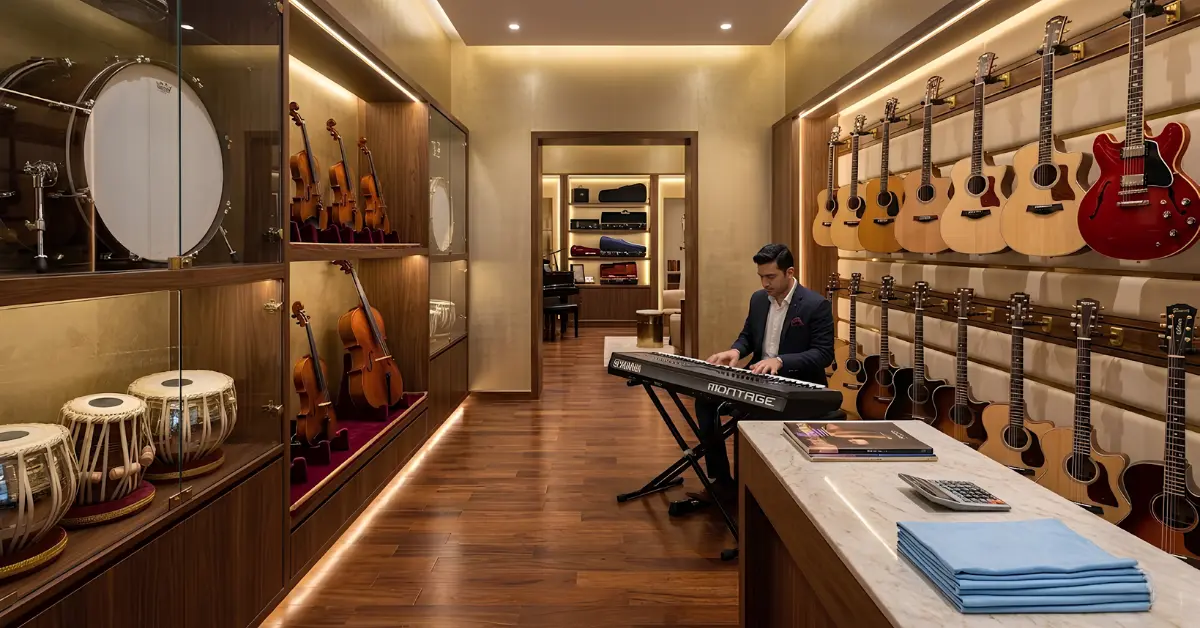
If you’re planning to buy a digital piano in Chennai or Pondicherry, NMS Musicals is a trusted destination.

Benefits of Buying from NMS Musicals:

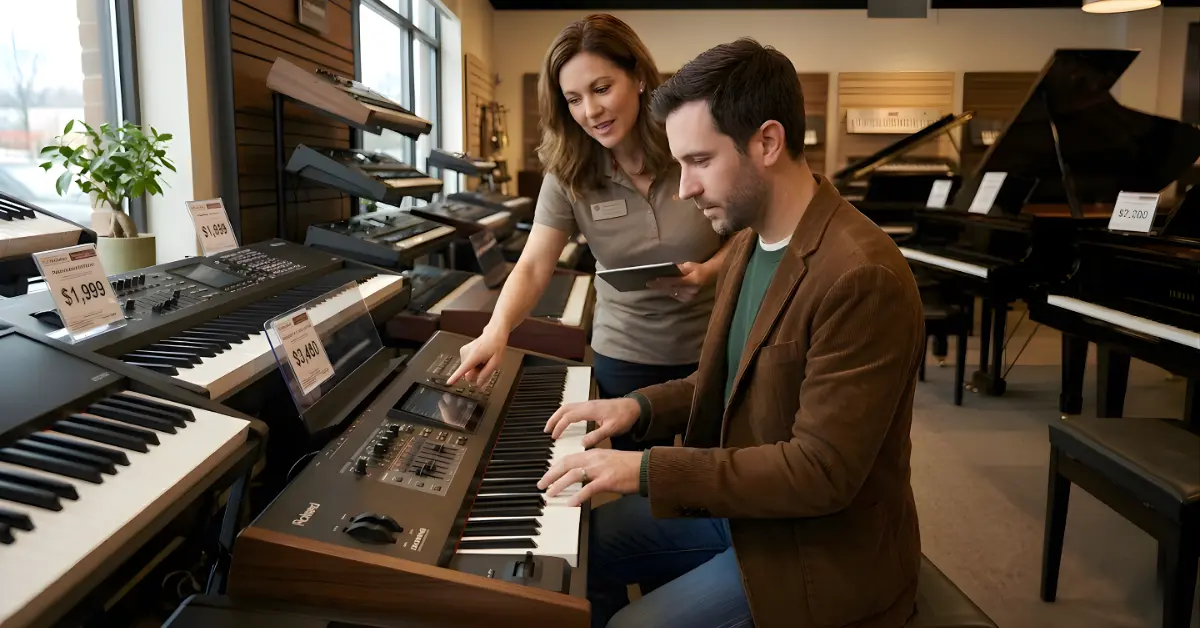
  • Hands-on demo of all major brands
  • Expert guidance based on your skill level
  • Competitive pricing
  • After-sales support and service
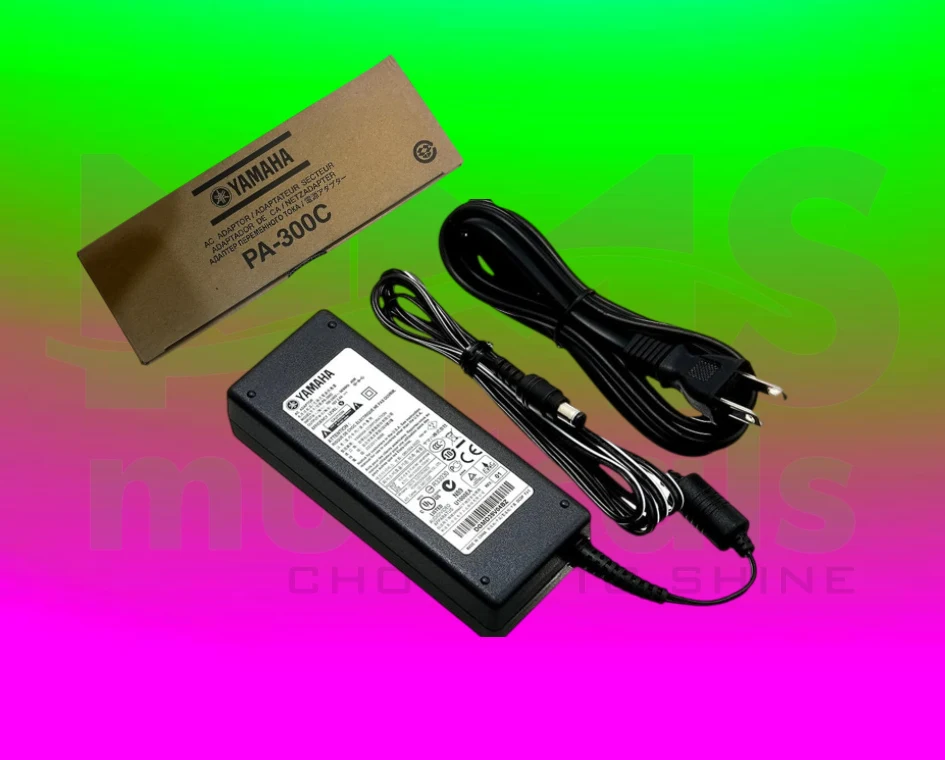
  • Accessories like stands, pedals, and benches available

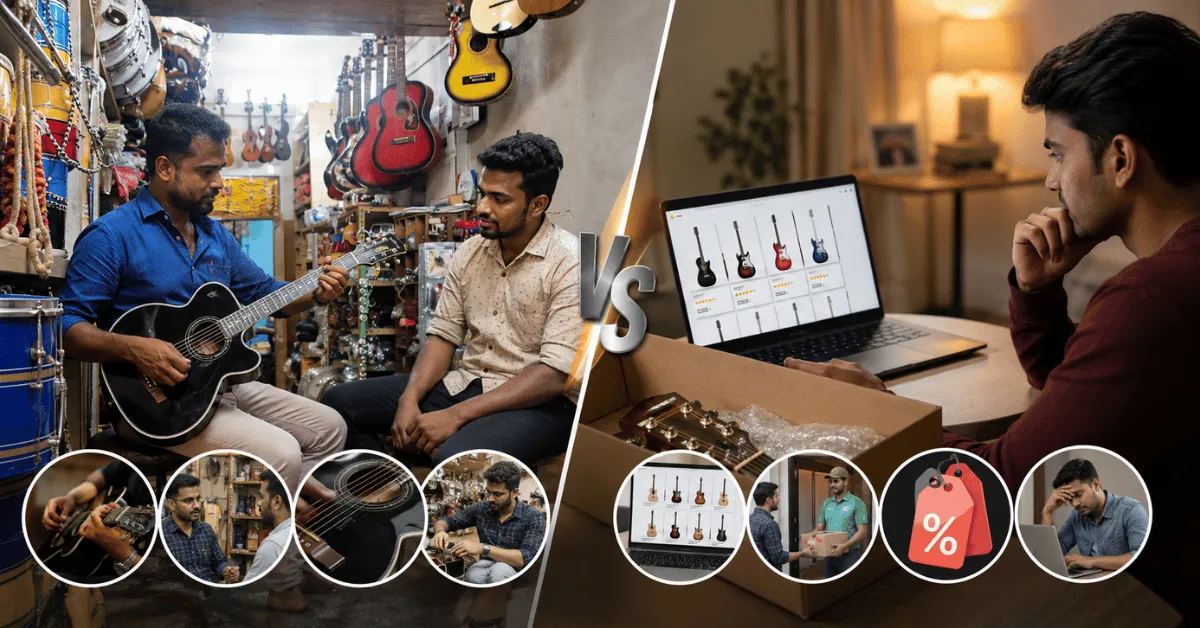
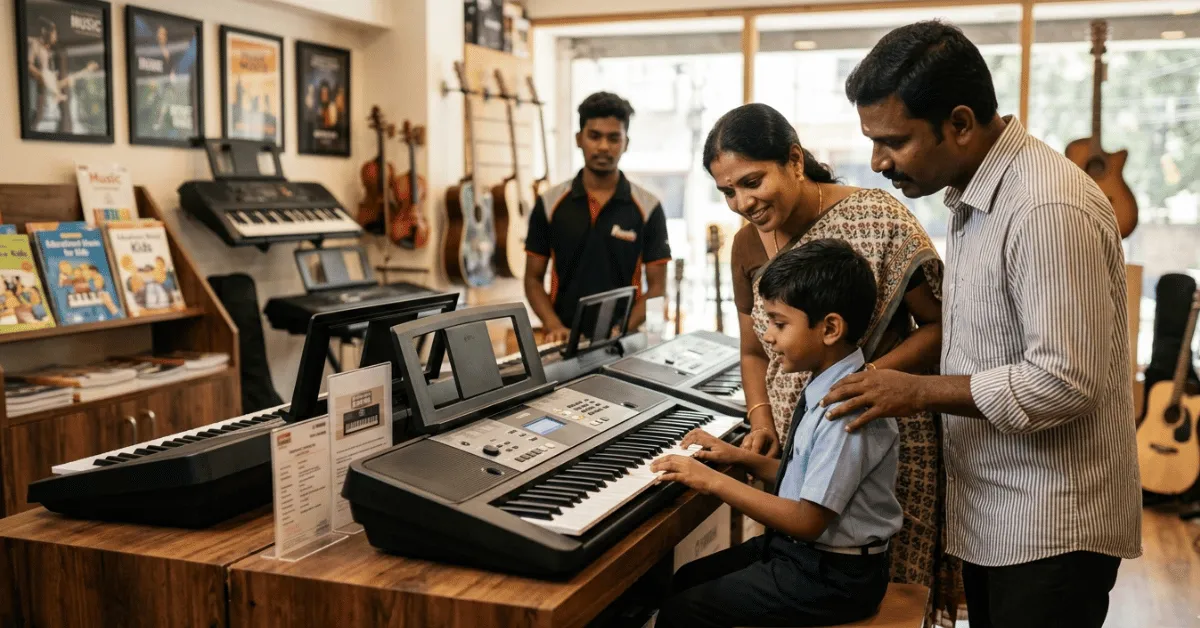
Visiting a physical store helps you feel the keys and compare models—something online shopping cannot provide.


Conclusion

Finding the best digital pianos for home use doesn’t have to be complicated. Whether you’re a beginner starting your musical journey or an experienced player upgrading your setup, there’s a perfect digital piano for every need and budget.

From the affordable Yamaha P-45 to the premium Yamaha Arius YDP-145, each model offers unique advantages tailored for Indian homes. The key is to understand your requirements—space, budget, and usage—and choose accordingly.

If you’re still unsure, visiting NMS Musicals in Chennai or Pondicherry can make your decision much easier. With expert advice and a wide range of options, you’ll find the perfect instrument to bring music into your home.

Start your musical journey today—because the right piano can truly change everything.


At NMS Musicals, we offer a comprehensive range of musical instruments, including percussion, string, wind, and keyboard instruments. Our services encompass sales, expert servicing, and the manufacture of leather instruments. Explore our diverse collection and find the perfect instrument to suit your musical needs.

Visit our website to browse our offerings: nmsmusicals.in

For a closer look at our products, check out our shop page: nmsmusicals.in/shop

Stay connected with us through our social media channels:
Our shop locations are:

For inquiries, contact/Whatsapp us at 9500663895 or email us at laxman.m89@gmail.com.

Discover the world of musical instruments with NMS Musicals today!

For a visual overview of our percussion instruments, watch the following video:
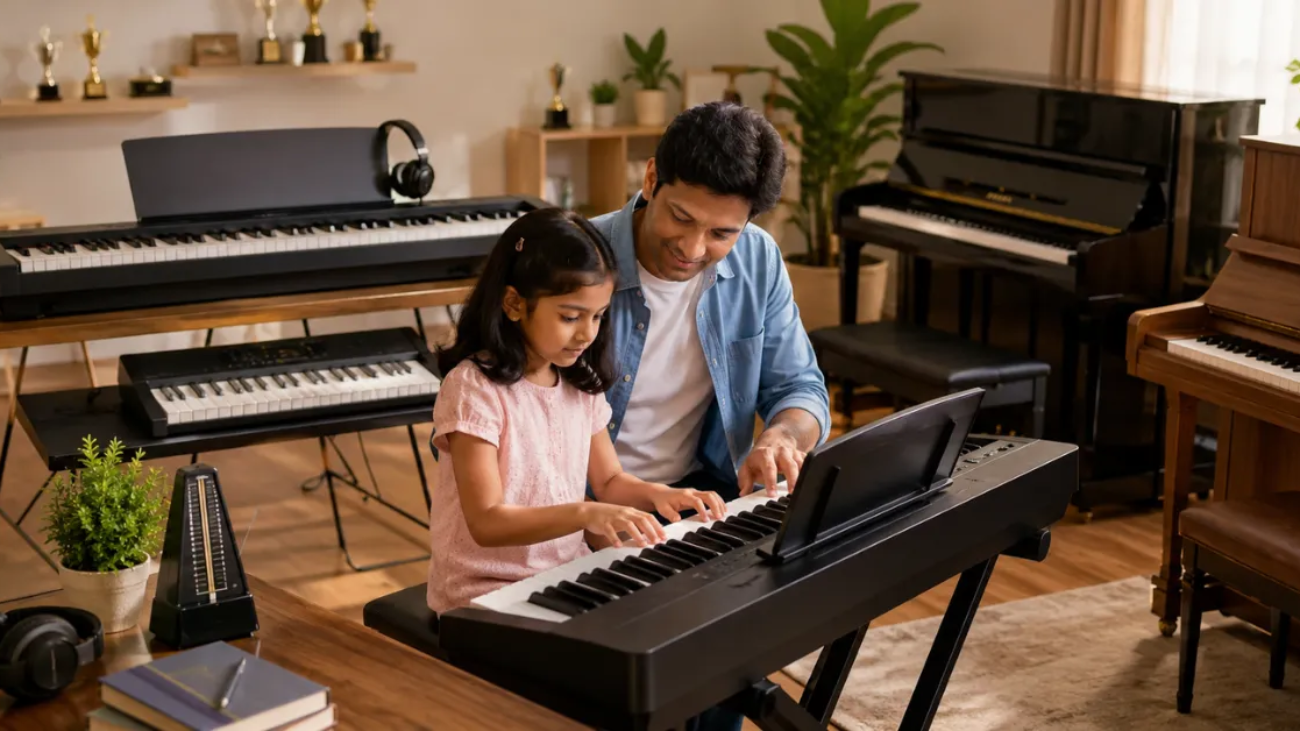
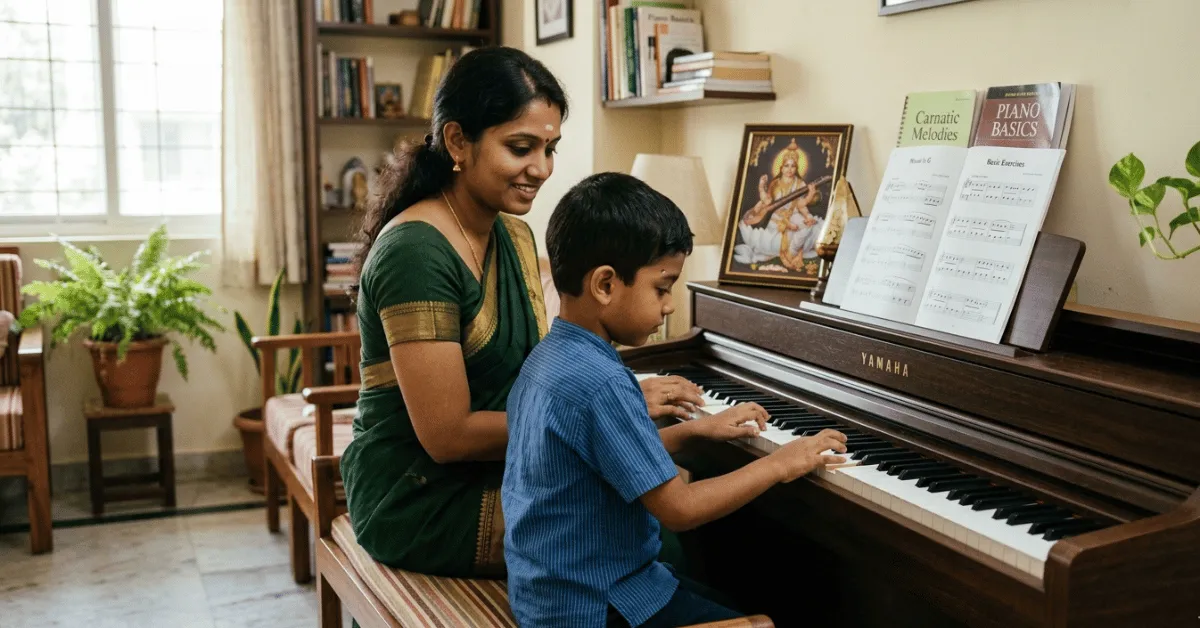
Powerful Reasons to Learn Piano for Classical Music

Powerful Reasons to Learn Piano for Classical Music Lover

Powerful Reasons to Learn Piano for Classical Music Lover and Master the Basics Faster

Powerful Reasons to Learn Piano for Classical Music 1

If you truly love classical music, there’s one instrument that stands above the rest in helping you understand, feel, and perform it—the piano. From the intricate compositions of legendary maestros to the emotional depth of every note, the piano offers a complete musical experience.

In India, especially in cities like Chennai and Pondicherry, classical music appreciation is growing rapidly. More people are not just listening—but learning. And among all instruments, the piano remains one of the most powerful choices for beginners and serious learners alike.

This blog will give you a complete understanding of why learning the piano is one of the best decisions you can make if you love classical music.


1. The Piano Is the Foundation of Classical Music

The piano is not just another instrument—it is the backbone of classical music theory and performance.

Unlike instruments that focus on melody alone, the piano allows you to play:

  1. Melody
  2. Harmony
  3. Rhythm

All at the same time.

This makes it easier to understand how classical compositions are structured. When you learn piano, you’re not just learning notes—you’re learning the language of music itself.

For Indian learners, this is especially helpful because it builds a strong base whether you later move to Western classical, film music, or even fusion styles.


2. You Can Play Complete Pieces Alone

One of the biggest advantages of learning piano is independence.

With instruments like violin or flute, you often need accompaniment. But with piano:

  1. You can perform full compositions solo
  2. You control both melody and chords
  3. You don’t need additional instruments

This is perfect for students and hobbyists in India who want a complete musical experience without depending on a group.


3. It Improves Brain Power and Focus

Learning piano is not just about music—it’s a powerful brain exercise.

When you play piano, you:

  1. Use both hands independently
  2. Read music
  3. Maintain rhythm
  4. Interpret emotion

This activates multiple parts of the brain simultaneously.

For students in India, this leads to:

  • Better concentration
  • Improved memory
  • Stronger coordination

It’s one of the few activities that combines creativity with intelligence.


4. Perfect Instrument for Beginners

Casio SA-51 Mini Keyboard
Get this instrument at best deal – Casio SA-51 Mini Keyboard

If you’re just starting your musical journey, piano is one of the easiest instruments to begin with.

Why?

  1. Keys are visually laid out (easy to understand)
  2. No need to tune constantly like a guitar
  3. Produces sound instantly (just press a key)

This makes it beginner-friendly, especially for children and adults who are new to music.

In cities like Chennai, many parents prefer piano as the first instrument for their kids due to its structured learning approach.


5. Helps You Understand Music Theory Deeply

Music theory can be confusing when learned in isolation.

But with piano:

  1. Scales are easy to visualize
  2. Chords become simple to understand
  3. Progressions are clearly visible

This makes piano one of the best tools to learn:

  • Western classical theory
  • Composition basics
  • Arrangement techniques

For Indian musicians who want to explore beyond basic playing, piano is the gateway.


6. Wide Range of Classical Repertoire

The piano has one of the richest collections of classical compositions.

You can explore:

  1. Simple beginner pieces
  2. Intermediate sonatas
  3. Advanced concert-level compositions

This ensures that:

  • You never run out of material
  • Your learning journey stays exciting
  • You continuously grow as a musician

Whether you are a beginner or advanced player, piano offers endless possibilities.


7. Emotional Expression Like No Other

Classical music is all about emotion—and piano delivers it beautifully.

With piano, you can:

  1. Play soft, delicate notes
  2. Create powerful, dramatic sounds
  3. Control dynamics easily

This allows you to truly connect with music.

In Indian culture, where emotional expression in music is highly valued, piano fits perfectly.


8. Ideal for Both Kids and Adults

Casio SA-50 Keyboard
Get this instrument at best deal – Casio SA-50 Mini Keyboard
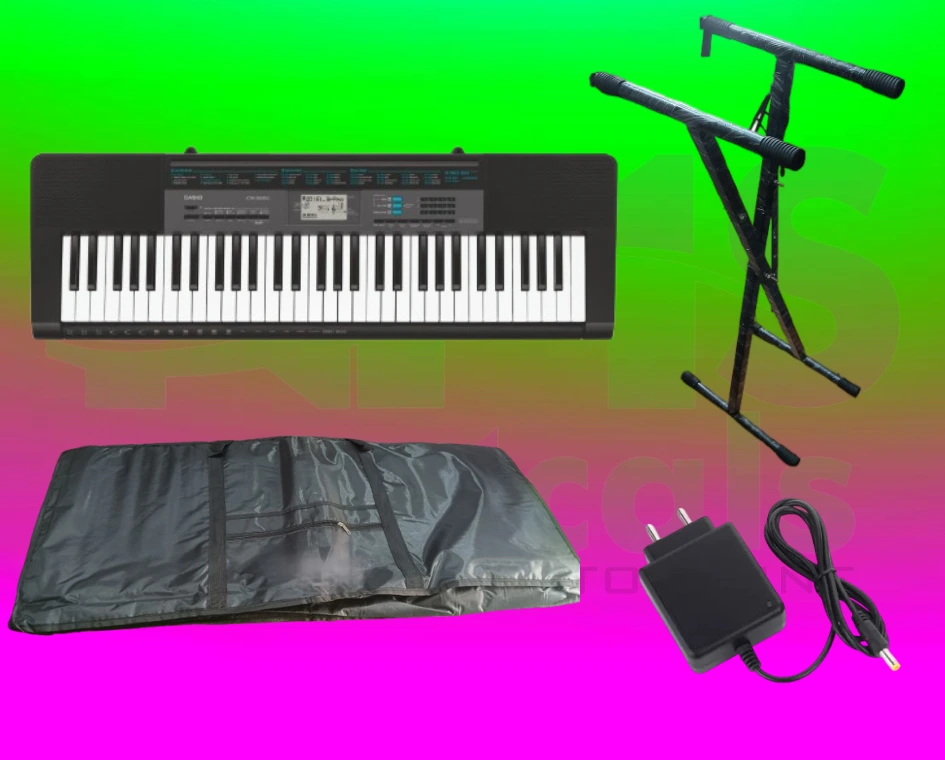
Casio CTK-2550 Stand with Bag
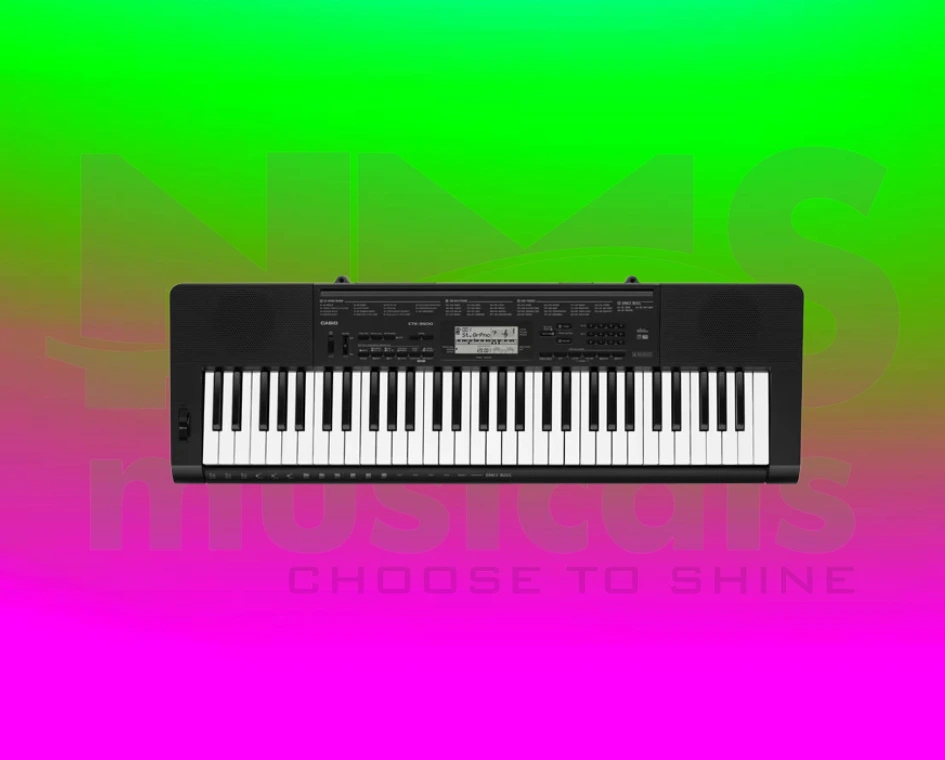
Get this instrument at best deal – Casio CTK-2550 Portable Keyboard

Unlike many instruments, piano is suitable for all age groups.

For kids:

  1. Builds discipline
  2. Improves cognitive skills
  3. Encourages creativity

For adults:

  1. Reduces stress
  2. Offers a productive hobby
  3. Provides mental relaxation

Whether you’re 6 or 60, piano is always a great choice.


9. Opens Career Opportunities

Learning piano can also lead to professional opportunities.

In India, you can:

  1. Become a music teacher
  2. Perform at events
  3. Compose music
  4. Work in studios

With the rise of digital platforms and content creation, pianists now have more opportunities than ever.


10. Easy Availability of Digital Pianos in India

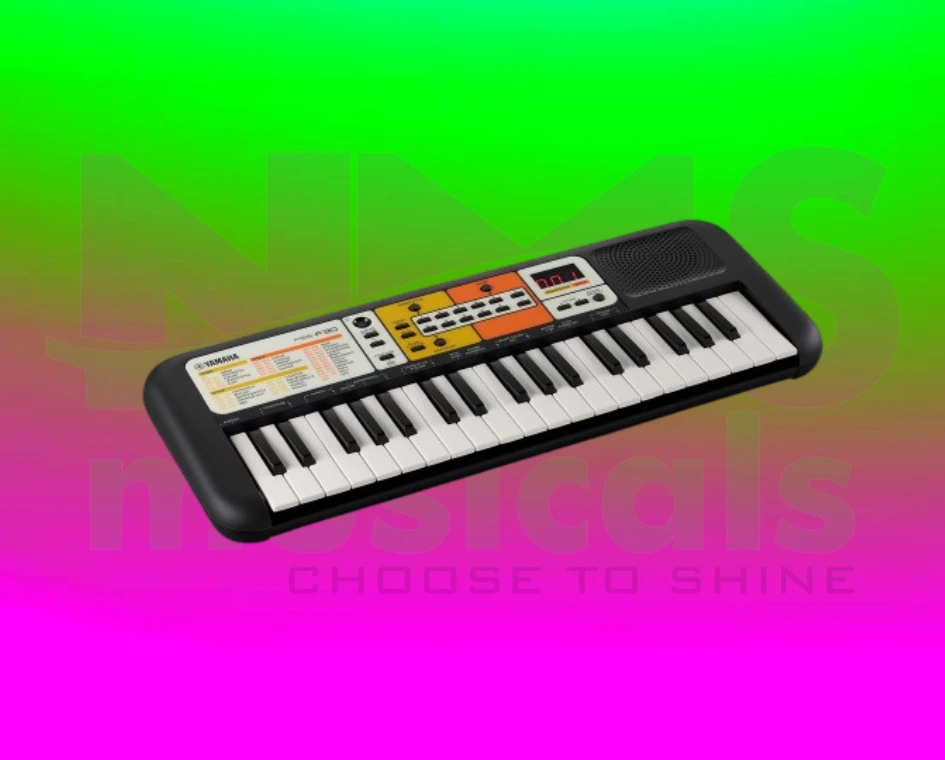
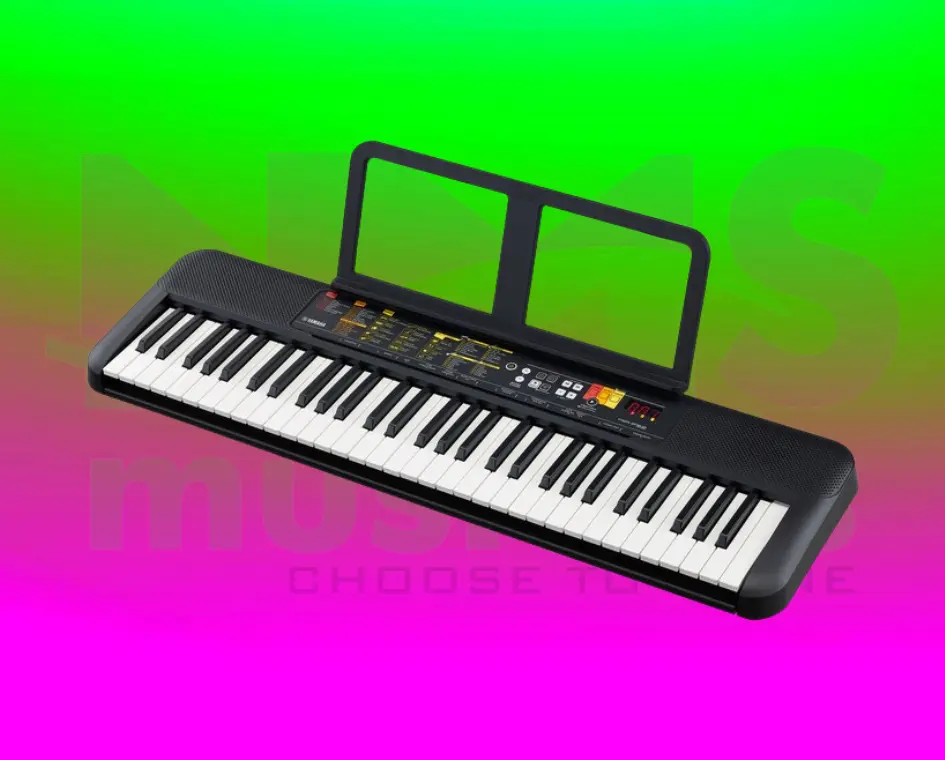
Yamaha PSR-F52 Keyboard 8 Musical Instrument from NMS Musicals
Get this instrument at best deal – Yamaha PSR-F52 Portable Keyboard

Earlier, pianos were expensive and bulky.

But today:

  1. Digital pianos are affordable
  2. Portable options are available
  3. Headphone practice is possible

This makes learning piano more accessible in India than ever before.


11. Builds Discipline and Patience

Classical music requires dedication—and piano helps develop that.

When you practice regularly:

  1. You learn patience
  2. You improve consistency
  3. You build long-term focus

These skills are valuable not just in music, but in life as well.


12. Perfect for Indian Music Fusion

Piano is not limited to Western classical music.

In India, many musicians use piano for:

  1. Film music
  2. Devotional songs
  3. Fusion compositions

This makes it a versatile instrument for modern musicians.


13. Great for Self-Learning

Powerful Reasons to Learn Piano for Classical Music 2

With online tutorials and apps, learning piano has become easier.

You can:

  1. Learn at your own pace
  2. Practice anytime
  3. Access global resources

This is especially useful for learners in India who may not always have access to teachers nearby.


14. Enhances Creativity

Piano encourages you to experiment.

You can:

  1. Create your own melodies
  2. Try different chord combinations
  3. Compose original music

This makes learning more enjoyable and personal.


15. A Lifetime Skill

Unlike many hobbies, piano stays with you forever.

Once you learn:

  1. You can play anytime
  2. You never forget the basics
  3. You continue improving over time

It becomes a lifelong companion.


Where to Buy the Right Piano in India

PSR-I500 KEYBOARD Yamaha PSR-I500 Portable Keyboard
Get this instrument at best deal – Yamaha PSR-I500 Portable Keyboard With Stand and Bag

Choosing the right instrument is very important for your learning journey.

If you’re looking to buy a piano or keyboard, we recommend visiting NMS Musicals:

  1. Pondicherry branch
  2. Chennai branch

At NMS Musicals, you can:

  • Get expert guidance
  • Try different models
  • Choose the best instrument for your level

Whether you’re a beginner or advanced player, selecting the right piano makes a huge difference.


Conclusion

If you love classical music, learning the piano is one of the most powerful and rewarding decisions you can make. It gives you a deep understanding of music, improves your skills, and allows you to express emotions like no other instrument.

In India, with increasing access to quality instruments and learning resources, there has never been a better time to start your piano journey.

Whether you’re learning for passion, relaxation, or career growth—the piano will open doors you never imagined.

So take the first step, choose the right instrument, and begin your journey into the beautiful world of classical music.


At NMS Musicals, we offer a comprehensive range of musical instruments, including percussion, string, wind, and keyboard instruments. Our services encompass sales, expert servicing, and the manufacture of leather instruments. Explore our diverse collection and find the perfect instrument to suit your musical needs.

Visit our website to browse our offerings: nmsmusicals.in

For a closer look at our products, check out our shop page: nmsmusicals.in/shop

Stay connected with us through our social media channels:
Our shop locations are:

For inquiries, contact/Whatsapp us at 9500663895 or email us at laxman.m89@gmail.com.

Discover the world of musical instruments with NMS Musicals today!

For a visual overview of our percussion instruments, watch the following video:
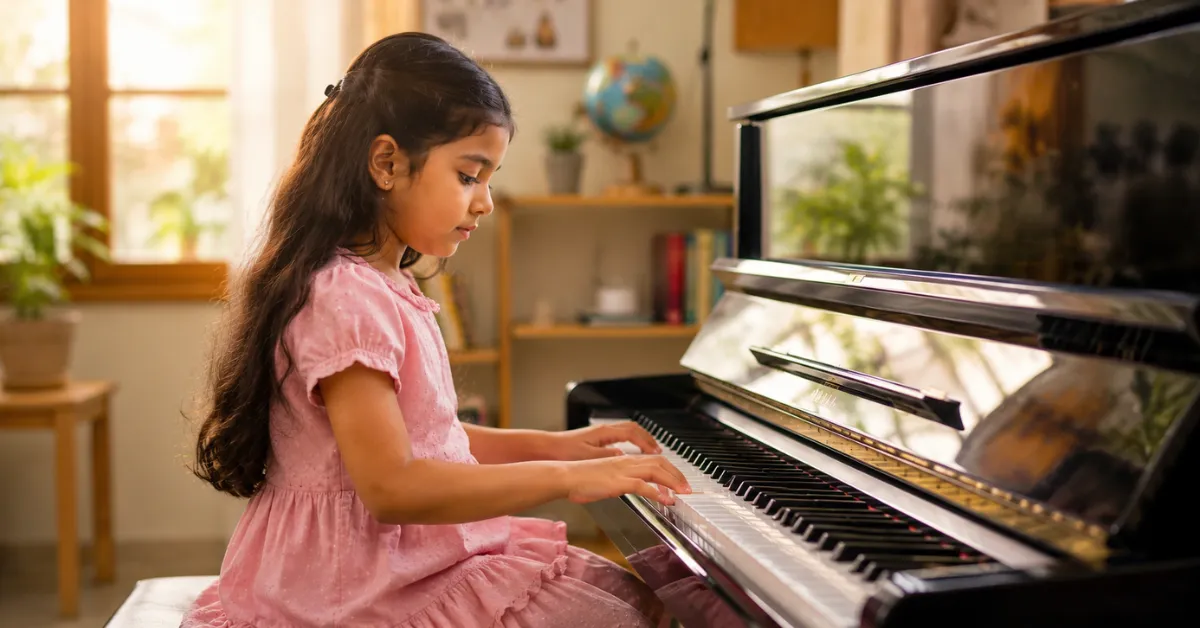
How to Play Jazz on the Piano Essential Tips for Beginners

Powerful Guide: How to Play Jazz on the Piano

How to Play Jazz on the Piano: Essential Tips for Beginners

How to Play Jazz on the Piano Essential Tips for Beginners 1

Jazz piano is one of the most expressive and creative styles of music you can learn. Unlike classical music, where you strictly follow written notes, jazz gives you the freedom to explore, improvise, and create your own sound. If you’ve ever listened to smooth jazz and wondered how pianists create such beautiful melodies on the spot, the answer lies in understanding a few essential techniques and practicing them consistently.

For many beginners in India, jazz may feel difficult or confusing at first. But the truth is, with the right approach and guidance, anyone can start playing jazz on the piano. Whether you are a complete beginner or someone who already plays basic piano, this guide will help you understand the core concepts of jazz in a simple and practical way.

In this blog, we will break down jazz piano into easy steps—from chords and scales to rhythm and improvisation. By the end, you will have a strong foundation to start your jazz journey confidently.


1. Understand the Basics of Jazz Music

PSR-E473
Get this instrument at best deal – Yamaha PSR-E473 Portable Keyboard
  1. Jazz is based on improvisation rather than strict notation
  2. It uses swing rhythm instead of straight timing
  3. It relies heavily on chords and chord progressions
  4. It encourages personal expression

In Indian music, improvisation is also common, especially in classical ragas. If you are familiar with that concept, you already have an advantage in learning jazz.


2. Learn Essential Jazz Chords

  1. Start with seventh chords (Major 7, Minor 7, Dominant 7)
  2. Practice chord inversions to move smoothly across keys
  3. Learn extended chords like 9th, 11th, and 13th
  4. Focus on smooth transitions between chords

For example, instead of playing a simple C major chord, jazz players often use Cmaj7 to add depth and color.

If you are looking for quality keyboards or pianos to practice these chords, you can visit NMS Musicals in Pondicherry & Chennai, where you can find beginner to advanced instruments suitable for jazz learning.


3. Master the Swing Rhythm

  1. Swing means playing notes unevenly (long-short pattern)
  2. Practice with a metronome or backing track
  3. Listen to jazz recordings and try to copy the feel
  4. Start slow and gradually increase speed

This rhythm might feel strange at first, but with practice, it becomes natural.


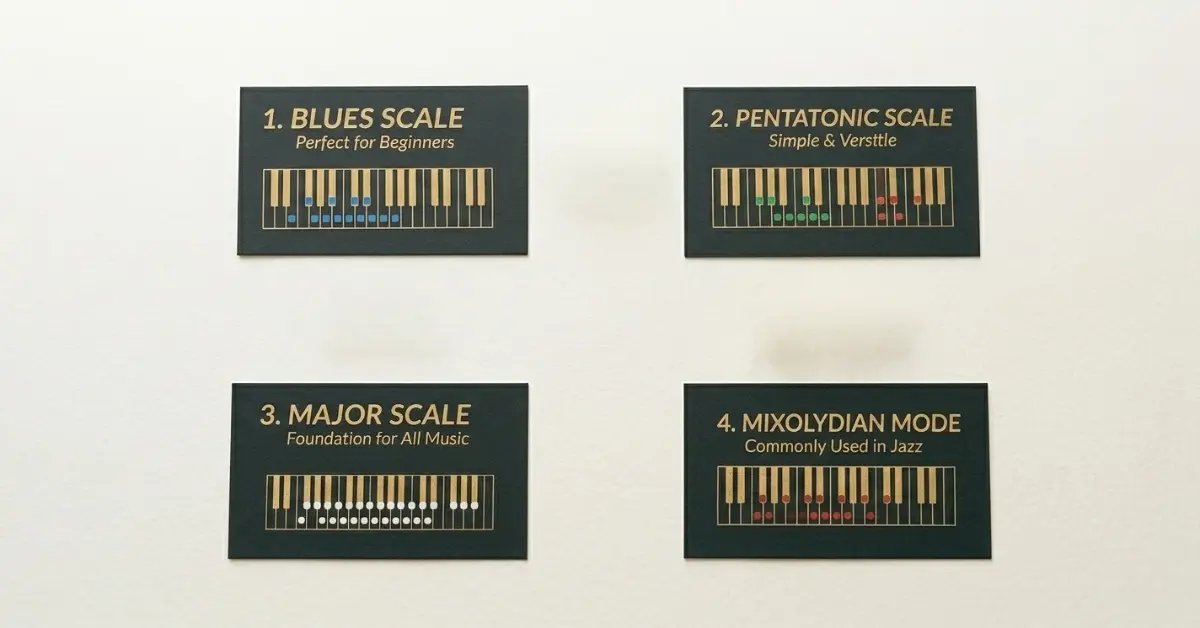
4. Learn Jazz Scales

How to Play Jazz on the Piano Essential Tips for Beginners Learn Jazz Scales
  1. Blues scale – perfect for beginners
  2. Pentatonic scale – simple and versatile
  3. Major scale – foundation for all music
  4. Mixolydian mode – commonly used in jazz

Practice these scales daily in different keys. This will improve your finger movement and musical understanding.


5. Practice Simple Chord Progressions

  1. Learn II–V–I progression in different keys
  2. Practice slowly with both hands
  3. Add rhythm variations
  4. Experiment with different voicings

This progression is used in countless jazz songs, so mastering it is essential.


6. Start Improvising Step by Step

  1. Begin with simple melodies using scales
  2. Play over basic chord progressions
  3. Repeat small phrases and develop them
  4. Don’t worry about mistakes—experiment freely

Think of improvisation like speaking a language. At first, you use simple words, but over time, you form complex sentences.


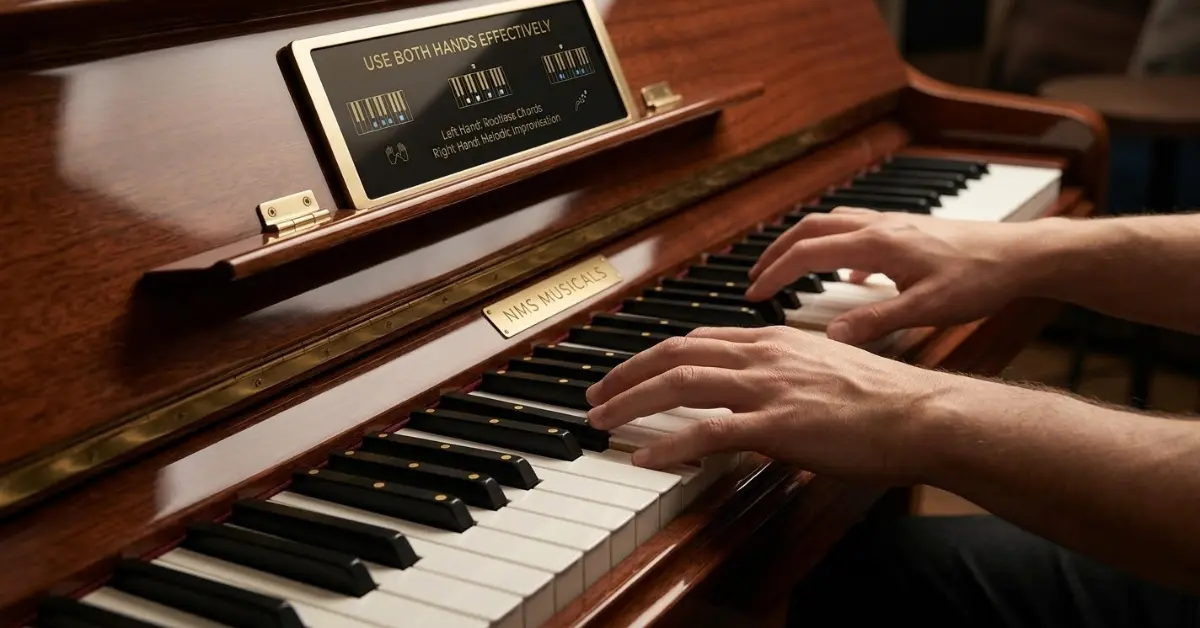
7. Use Both Hands Effectively

How to Play Jazz on the Piano Essential Tips for Beginners Learn Use Both Hands Effectively
  1. Left hand plays chords or bass lines
  2. Right hand plays melody and improvisation
  3. Practice hands separately first
  4. Combine them slowly

Coordination is key, so take your time to build confidence.


8. Listen to Jazz Music Regularly

  1. Explore different jazz styles
  2. Focus on piano players
  3. Try to copy simple phrases
  4. Train your ear to recognize patterns

The more you listen, the better you understand jazz naturally.


9. Practice Daily with Discipline

  1. Practice at least 20–30 minutes daily
  2. Divide time between chords, scales, and improvisation
  3. Set small goals for each session
  4. Track your progress

Even short daily practice can lead to big improvement over time.


10. Choose the Right Instrument

E383 KEYBOARD STAND AND BAG Musical Instrument from NMS Musicals
Get this instrument at best deal – Yamaha PSR-E383 Portable Keyboard With Stand and Bag
  1. Use a keyboard with touch sensitivity
  2. Prefer 61 or 88 keys for better range
  3. Ensure good sound quality

If you are serious about learning jazz piano, visit NMS Musicals in Pondicherry & Chennai. They offer a wide range of keyboards and pianos suitable for beginners and professionals, along with expert guidance to help you choose the right instrument.


11. Take Guidance from Experts

  1. Join a local piano class
  2. Take online lessons
  3. Follow structured courses
  4. Get feedback on your playing

In India, many students are now learning jazz through online platforms, making it easier than ever.


12. Be Patient and Enjoy the Process

  1. Accept that progress takes time
  2. Celebrate small achievements
  3. Stay motivated by listening to music
  4. Keep experimenting and exploring

The beauty of jazz lies in the journey, not just the destination.


Conclusion

Learning how to play jazz on the piano may seem challenging at first, but with the right approach, it becomes an exciting and rewarding experience. By focusing on essential elements like chords, scales, rhythm, and improvisation, you can gradually build your skills and confidence.

Remember, jazz is all about expression and creativity. There is no single “correct” way to play—it’s about finding your own style and enjoying the music you create. With regular practice, patience, and a willingness to learn, you can develop into a confident jazz pianist.

If you are starting your journey, make sure you have the right instrument and support. Visit NMS Musicals in Pondicherry & Chennai to explore quality pianos and keyboards that can help you learn and grow faster.

Start today, stay consistent, and soon you will be playing beautiful jazz melodies with ease.


At NMS Musicals, we offer a comprehensive range of musical instruments, including percussion, string, wind, and keyboard instruments. Our services encompass sales, expert servicing, and the manufacture of leather instruments. Explore our diverse collection and find the perfect instrument to suit your musical needs.

Visit our website to browse our offerings: nmsmusicals.in

For a closer look at our products, check out our shop page: nmsmusicals.in/shop

Stay connected with us through our social media channels:
Our shop locations are:

For inquiries, contact/Whatsapp us at 9500663895 or email us at laxman.m89@gmail.com.

Discover the world of musical instruments with NMS Musicals today!

For a visual overview of our percussion instruments, watch the following video:
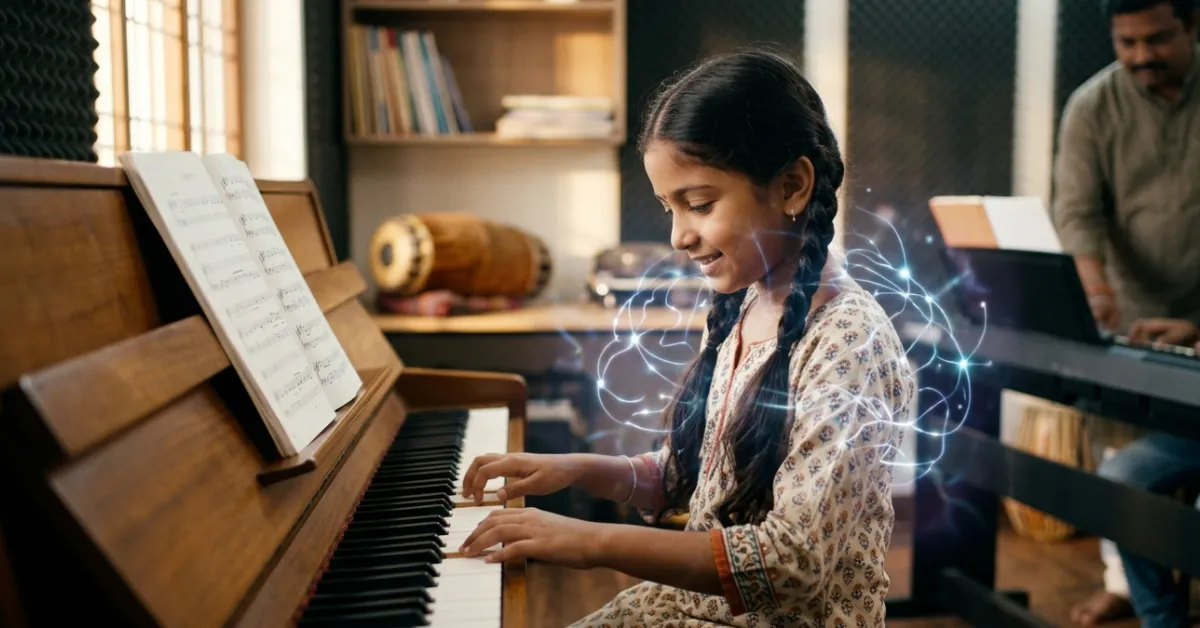
Why the Keyboard Is the Best for Kids

Powerful Reasons Why the Keyboard Is the Best for Kids

Learn why the keyboard is the best for kids when starting music

Keyboard Is the Best for Kids2

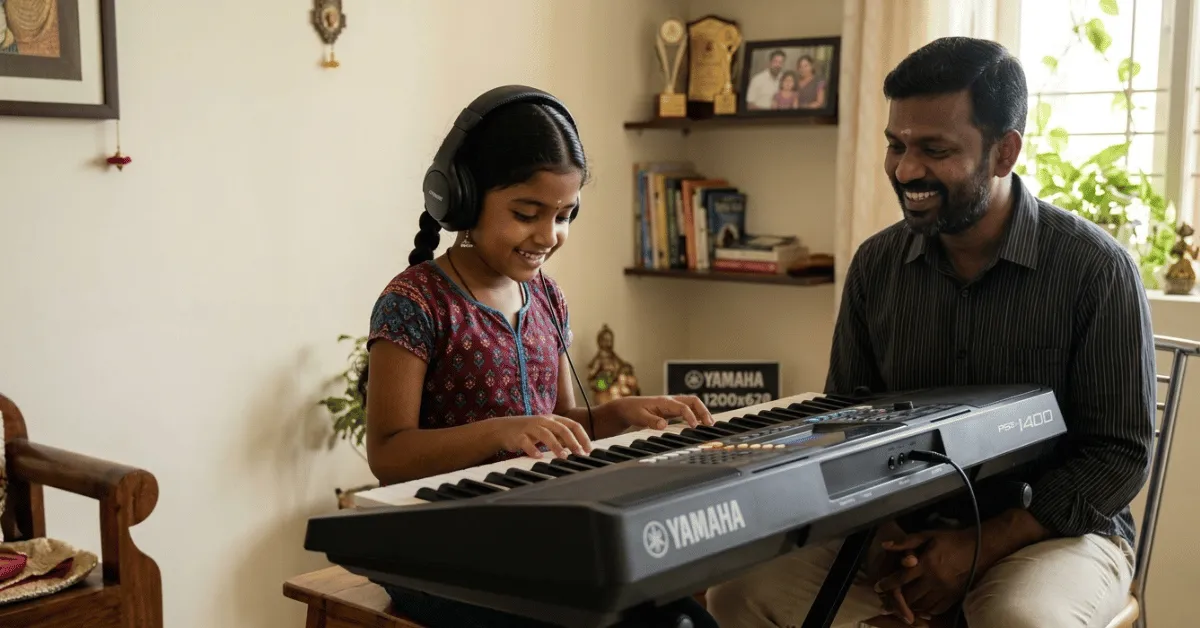
Choosing a musical instrument for your child is a big decision. It’s about more than just music—it’s about nurturing creativity, discipline, confidence, and even brain development. When it comes to the best instrument to start with, many experts and music educators agree on one thing: the keyboard is the best first instrument for kids. Whether you’re thinking about lessons, looking for a hobby, or exploring early childhood development, the keyboard offers an unbeatable combination of simplicity, versatility, and fun. In this blog, we’ll explore all the powerful reasons why the keyboard should be your top pick when introducing your child to the world of music.


1. Easy to Learn and Play from Day One

One of the biggest advantages of a keyboard is its beginner-friendly nature.

Unlike string or wind instruments that require precise finger placement or breath control, the keyboard produces sound with a simple press of a key. This makes it ideal for small hands and young learners.

Kids can start playing simple songs within days, giving them a confidence boost and motivation to keep learning.


2. Builds a Strong Musical Foundation

The layout of the keyboard is perfect for teaching musical structure and theory.

Children naturally begin to understand concepts like scales, chords, intervals, and harmony just by playing and experimenting with different keys.

It also helps them visually see the relationships between notes, making music theory less abstract and easier to grasp.

This foundation proves invaluable if they decide to move on to other instruments later in life.


3. Develops Both Hands and Brain Coordination

Playing the keyboard strengthens hand-eye coordination and encourages both hands to work independently.

This develops fine motor skills and strengthens connections between the left and right hemispheres of the brain.

Over time, kids learn to read music while simultaneously coordinating finger movements—a brain-boosting multitasking skill that benefits other areas of learning like math and language.


4. Encourages Creativity and Self-Expression

With a keyboard, children are not limited to playing classical tunes—they can explore sounds, rhythms, and even compose their own music.

Modern keyboards come with a variety of tones, beats, and recording features that inspire creativity and imagination.

Improvising and creating music from scratch allows them to explore emotions, express feelings, and develop their own musical identity.


5. Affordable and Widely Accessible

Keyboards are one of the most budget-friendly instruments on the market.

Entry-level keyboards with 61 keys and built-in speakers are available at reasonable prices, often less than the cost of beginner violins or guitars.

You don’t need expensive accessories, and many models are portable and space-saving—ideal for home practice and small living spaces.


6. Quiet Practice with Headphones

Let’s face it: not all instruments are easy on the ears when a beginner is practicing.

The keyboard allows for silent practice with headphones.

This means your child can practice without disturbing the rest of the house or neighbors—perfect for busy households or apartment living.


7. Instant Gratification Builds Confidence

Because keyboards produce clear, in-tune notes effortlessly, kids can hear immediate results from their actions.

This immediate feedback is essential for building confidence and maintaining interest.

Even simple tunes like “Twinkle Twinkle” or “Mary Had a Little Lamb” can make a child feel like a superstar in their early learning phase.


8. Suitable for a Wide Age Range

Whether your child is 3 or 13, the keyboard adjusts to their level.

For toddlers, musical play with simple melodies develops ear training and rhythm.

Older children can progress to reading sheet music, learning classical pieces, or experimenting with digital production.

It’s one instrument that grows with your child’s ability and interest.


9. Access to Tons of Learning Resources

Because it’s such a popular instrument, there’s no shortage of learning materials for the keyboard.

You’ll find online tutorials, YouTube videos, beginner books, mobile apps, and local classes all tailored to young learners.

This makes it easier for parents to support practice at home and allows kids to learn at their own pace.


10. Prepares Kids for Other Instruments

Starting with the keyboard makes learning other instruments much easier.

A solid understanding of melody, harmony, and rhythm through keyboard playing translates beautifully to guitar, violin, or even singing.

It also improves aural skills and ear training, which are critical across all musical disciplines.


11. Supports Emotional Development

Music is a known emotional outlet, and learning the keyboard can be incredibly therapeutic for kids.

It helps children manage stress, express feelings, and develop emotional intelligence.

The sense of accomplishment from mastering a piece can improve self-esteem and mental well-being.


12. Encourages Routine and Discipline

Practicing a musical instrument requires regularity, patience, and persistence.

Establishing a keyboard practice routine teaches kids time management, responsibility, and discipline.

These habits carry over into schoolwork, sports, and other activities.


13. Keyboard Lessons Are Readily Available

Unlike niche instruments that might require specialist teachers, keyboard and piano teachers are widely available in most cities and even online.

You can choose between private lessons, group classes, or self-paced courses.

This flexibility means every family can find an approach that fits their schedule and budget.


14. Enhances Listening and Focus Skills

Learning the keyboard involves active listening, whether it’s matching pitch, following tempo, or playing in sync with backing tracks.

These listening skills improve attention span and focus—key abilities for academic and social success.

Children become better at observing details and processing auditory information, which also benefits their speech and language development.


15. Makes Learning Fun and Rewarding

Ultimately, the best first instrument for a child is one they enjoy—and keyboards are fun!

The variety of sounds, rhythms, and digital features like metronomes and built-in songs keep kids engaged.

Many keyboards even have games and interactive lessons, making practice feel more like play.

When children enjoy what they’re doing, they’re far more likely to stick with it—and succeed.


CONCLUSION

There are countless reasons why the keyboard is the best first instrument for kids. It’s approachable, educational, engaging, and versatile—everything a beginner-friendly instrument should be. From developing fine motor skills and musical understanding to building discipline and emotional intelligence, the keyboard offers more than just fun—it lays the groundwork for lifelong learning and creativity. So if you’re thinking of introducing your child to music, start with a keyboard. It’s not just a smart choice—it’s a brilliant investment in your child’s future.


At NMS Musicals, we offer a comprehensive range of musical instruments, including percussion, string, wind, and keyboard instruments. Our services encompass sales, expert servicing, and the manufacture of leather instruments. Explore our diverse collection and find the perfect instrument to suit your musical needs.

Visit our website to browse our offerings: nmsmusicals.in

For a closer look at our products, check out our shop page: nmsmusicals.in/shop

Stay connected with us through our social media channels:
Our shop locations are:

For inquiries, contact/Whatsapp us at 9500663895 or email us at laxman.m89@gmail.com.

Discover the world of musical instruments with NMS Musicals today!

For a visual overview of our percussion instruments, watch the following video:


Piano Basics for Beginners

Top 10 Piano Basics for Beginners You Should Master

Piano Basics for Beginners: You Must Learn as a Beginner!

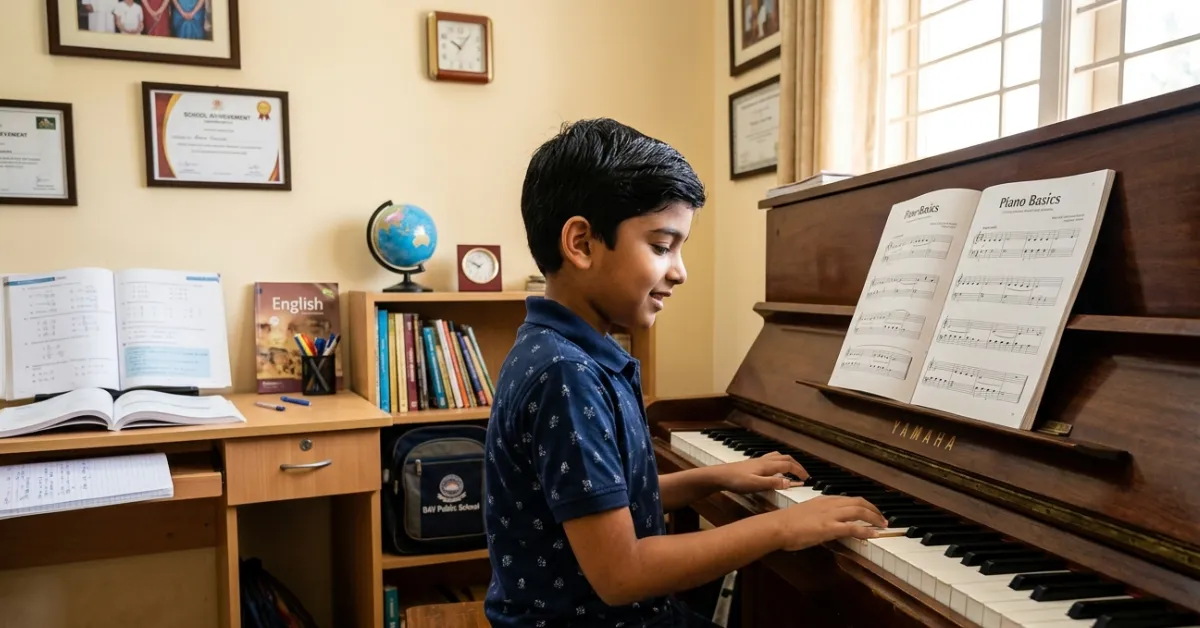
Learning to play the piano is an exciting journey that can be both rewarding and enjoyable. As a beginner, it is essential to start with the right lessons to build a strong foundation. Mastering fundamental techniques will help you progress faster and play with confidence. In this blog, we will explore the top 10 piano lessons you should learn as a beginner to set yourself up for success.

Piano learning is a process that requires patience and dedication. Many beginners struggle with finger placement, note reading, and rhythm. However, consistent practice and the right approach can make the learning process enjoyable and effective. Whether you are learning for fun, as a hobby, or with a goal to become a professional, these essential lessons will guide you toward becoming a confident pianist.

Get Piano/Keyboard at best deals – Click Here

1. Proper Finger Placement and Hand Positioning

One of the first lessons every beginner must learn is proper finger placement and hand positioning. Correct posture and relaxed hands will prevent strain and help you play more efficiently.

Your fingers should be curved naturally, and your wrists should remain flexible. Avoid stiffening your fingers, as it can lead to discomfort and slower progress. Placing your fingers correctly on the keys allows for better control and smoother transitions between notes. Practicing proper hand positioning from the start will help you develop muscle memory and improve your playing technique over time.


2. Understanding Musical Notes and Symbols

Familiarizing yourself with musical notes, symbols, and basic music theory is crucial for reading sheet music. Learning note values, rests, and dynamic markings will improve your ability to interpret and play music accurately.

A strong foundation in music notation will make it easier to read and understand sheet music. Beginners should start by learning the names of notes on the staff and their corresponding keys on the piano. Understanding time signatures, tempo markings, and dynamics will help you play with accuracy and expression.


3. Mastering Scales and Chords

Practicing scales and chords will strengthen your fingers and improve your coordination. Major and minor scales, as well as common chords, lay the foundation for playing melodies and harmonizing music.

Scales help improve finger strength and dexterity. They also train your ears to recognize patterns in music. Chords, on the other hand, form the building blocks of songs and allow you to accompany melodies effectively. Practicing both hands separately before combining them will help improve accuracy and speed.


4. Learning Simple Songs and Melodies

Starting with easy songs and melodies will boost your confidence and allow you to apply what you’ve learned. Songs with simple note patterns help reinforce reading skills and hand coordination.

Familiar tunes make learning more enjoyable and keep motivation levels high. Songs like “Twinkle, Twinkle, Little Star” or “Ode to Joy” are great starting points. As you progress, you can challenge yourself with more complex pieces that require greater hand coordination and expression.


5. Developing Proper Rhythm and Timing

Rhythm and timing are essential aspects of playing the piano. Using a metronome and practicing rhythmic exercises will help you maintain steady beats and play more expressively.

Playing in time is crucial, whether you’re performing solo or with others. Beginners often struggle with keeping a consistent tempo, but practicing with a metronome will improve rhythmic accuracy. Clapping out rhythms before playing them can also help internalize the beat.


6. Understanding Finger Exercises for Strength and Agility

Finger exercises improve dexterity and control, making it easier to play complex pieces. Regular practice of finger drills such as Hanon exercises will enhance your playing ability.

Strengthening your fingers ensures you can play for longer periods without fatigue. Exercises such as playing five-finger patterns, scales, and trills will help improve finger independence and control. These drills should be incorporated into daily practice routines for best results.


7. Reading Sheet Music Effectively

Learning to read sheet music efficiently allows you to play new pieces with ease. Understanding key signatures, time signatures, and note placements will make the learning process smoother.

Sheet music is like a roadmap for pianists. The ability to quickly recognize notes and rhythms allows you to play more fluently. Beginners should start with simple pieces before progressing to more advanced compositions.


8. Playing with Both Hands Together

Coordinating both hands can be challenging at first, but it is a crucial skill. Practicing hand independence through simple exercises will help you develop this ability.

Beginners often struggle with coordinating both hands because each hand plays different notes and rhythms. To overcome this challenge, start by practicing each hand separately before combining them. Slow and deliberate practice will help develop muscle memory.


9. Introduction to Pedaling Techniques

Using the sustain pedal correctly can add depth and emotion to your playing. Learning how and when to use the pedal will enhance your musical expression.

Pedaling is an essential skill that helps create a richer and more resonant sound. Beginners should start by learning when to press and release the sustain pedal to avoid excessive blurring of notes. Practicing simple exercises with pedal markings will improve coordination and control.


10. Understanding Dynamics and Expression

Playing with dynamics and expression brings life to the music. Learning how to control volume, phrasing, and articulation will make your performance more engaging.

Expression in music involves more than just playing the right notes. Pianists must convey emotions by varying touch and intensity. Practicing crescendos, diminuendos, and different articulation techniques such as staccato and legato will improve musical expression.


CONCLUSION

Mastering these top 10 piano lessons as a beginner will provide you with a strong foundation and set you on the path to becoming a skilled pianist. With consistent practice and dedication, you will improve your technique and gain confidence in your playing. Keep learning, enjoy the process, and let the music guide your journey.

Starting as a beginner may seem overwhelming, but progress comes with patience and commitment. Each lesson builds upon the previous one, forming a comprehensive skill set that will allow you to play more challenging pieces. Remember that learning piano is a marathon, not a sprint. Set realistic goals, practice regularly, and celebrate your improvements along the way. Soon enough, you will find yourself playing your favorite songs with ease and confidence.


At NMS Musicals, we offer a comprehensive range of musical instruments, including percussion, string, wind, and keyboard instruments. Our services encompass sales, expert servicing, and the manufacture of leather instruments. Explore our diverse collection and find the perfect instrument to suit your musical needs.

Visit our website to browse our offerings: nmsmusicals.in

For a closer look at our products, check out our shop page: nmsmusicals.in/shop

Stay connected with us through our social media channels:
Our shop locations are:

For inquiries, contact/Whatsapp us at 9500663895 or email us at laxman.m89@gmail.com.

Discover the world of musical instruments with NMS Musicals today!

For a visual overview of our percussion instruments, watch the following video: