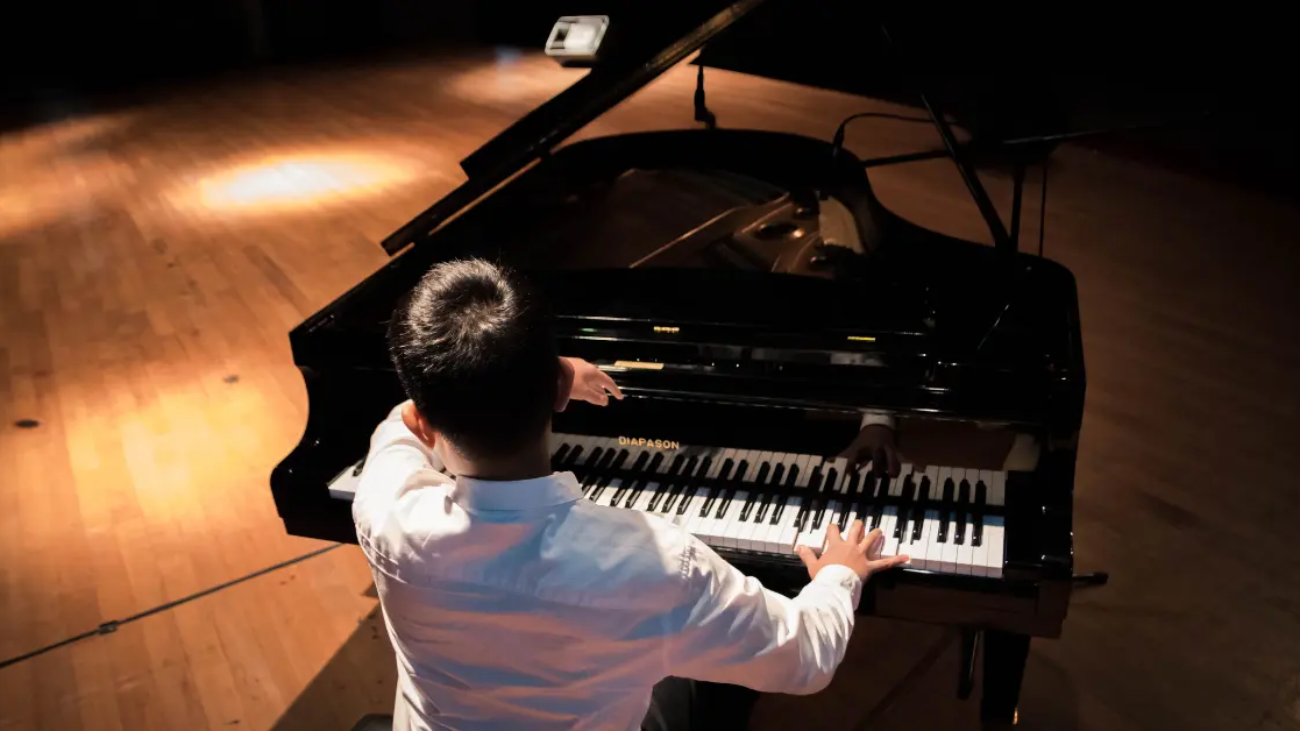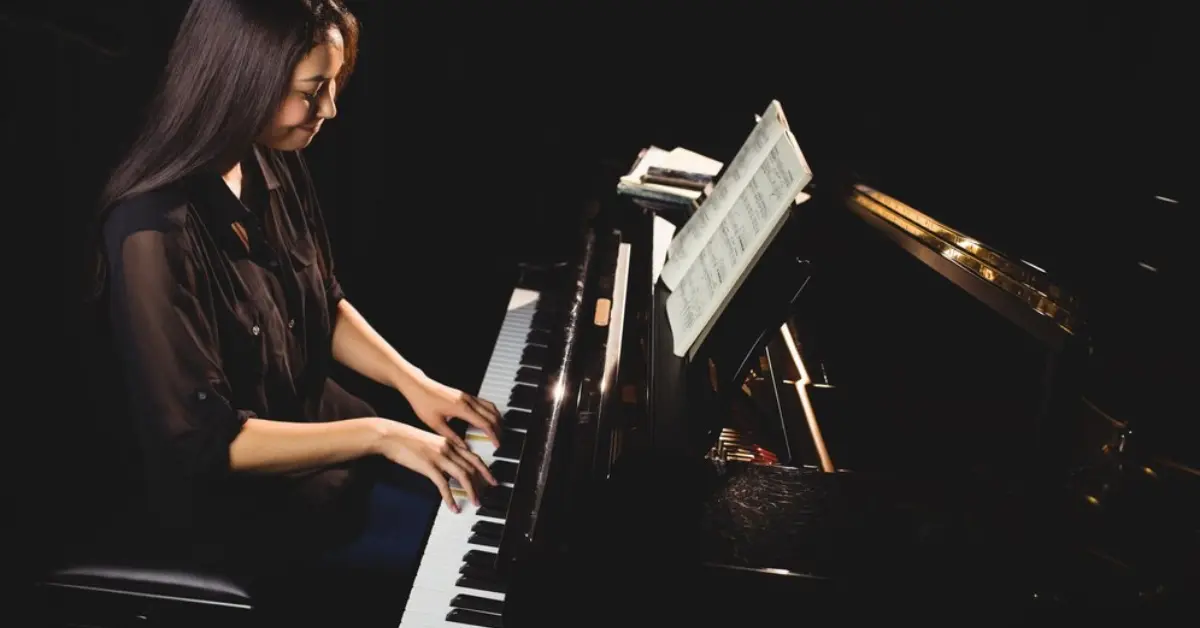
how to buy the right bass guitar for beginners 2

“How to Buy the Right Bass Guitar for Beginners – Expert Guide”

How to buy the right bass guitar for beginners

Buying the right bass guitar as a beginner can be overwhelming. With a variety of options, features, and brands available, it’s crucial to make an informed decision. Whether you’re planning to play Indian fusion, rock, jazz, or classical music, understanding the fundamentals of a bass guitar is the key to a fulfilling musical journey. In this guide, we’ll break down the process of selecting the perfect bass guitar for beginners, covering everything from basic features to specialized Indian instruments that can complement your style.


1. Understanding the Basics of a Bass Guitar

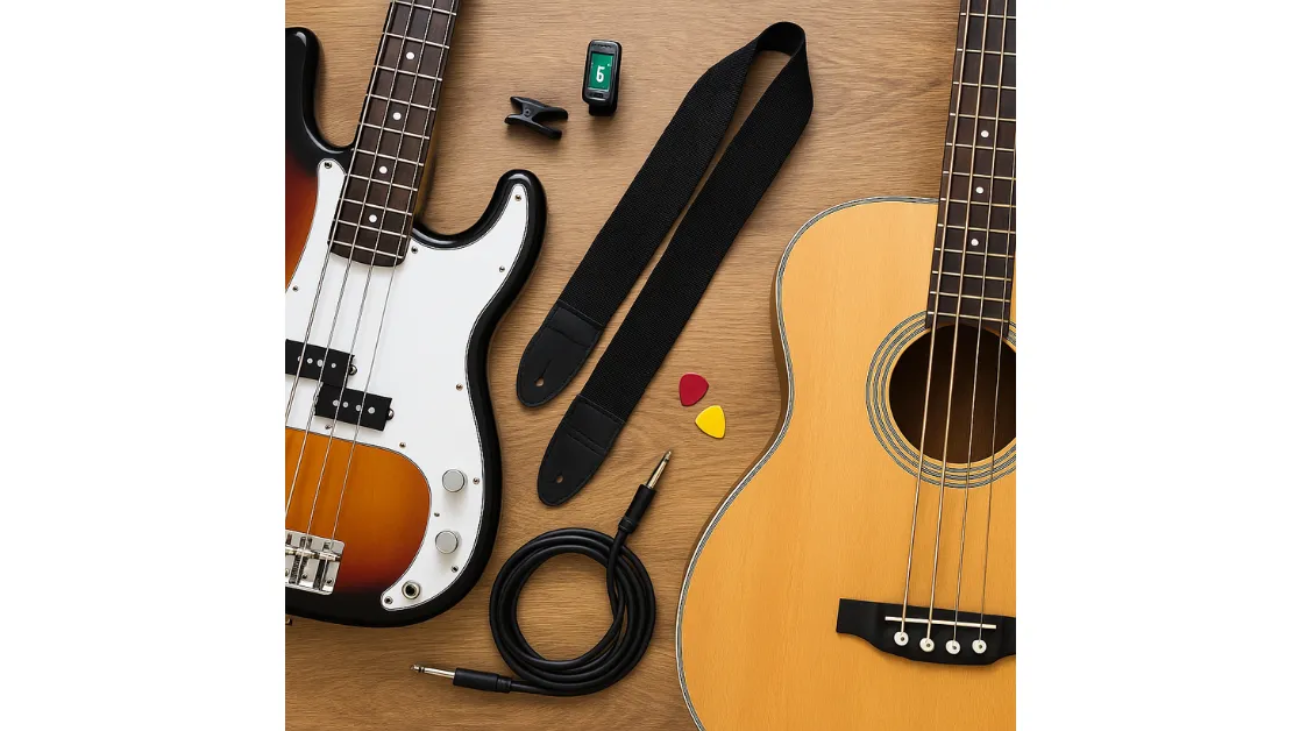
Before diving into specific brands or models, let’s start with the essentials. A bass guitar is a stringed instrument designed to play low-pitched notes. It usually has four strings, but there are also five-string and six-string options. Bass guitars come in two main types: electric and acoustic.

1.1 Electric Bass Guitars
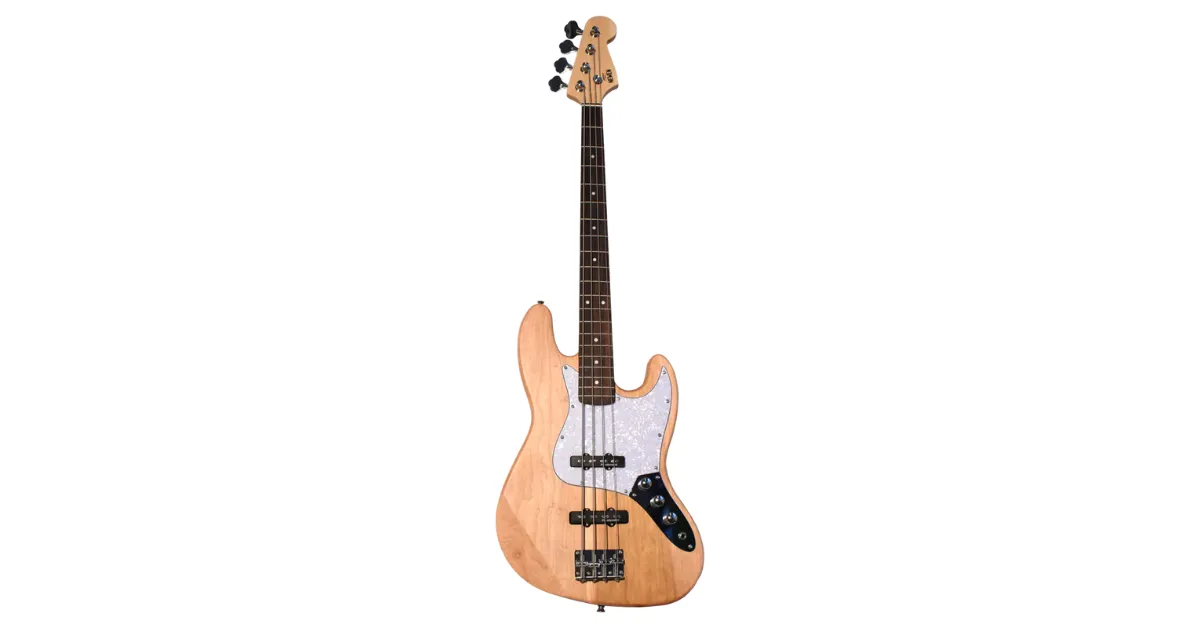
how to buy the right bass guitar for beginners

Electric bass guitars are the most popular type, offering a broad range of tones suitable for various genres. These basses are powered by pickups that send the signal to an amplifier, allowing for powerful sound customization.

1.2 Acoustic Bass Guitars
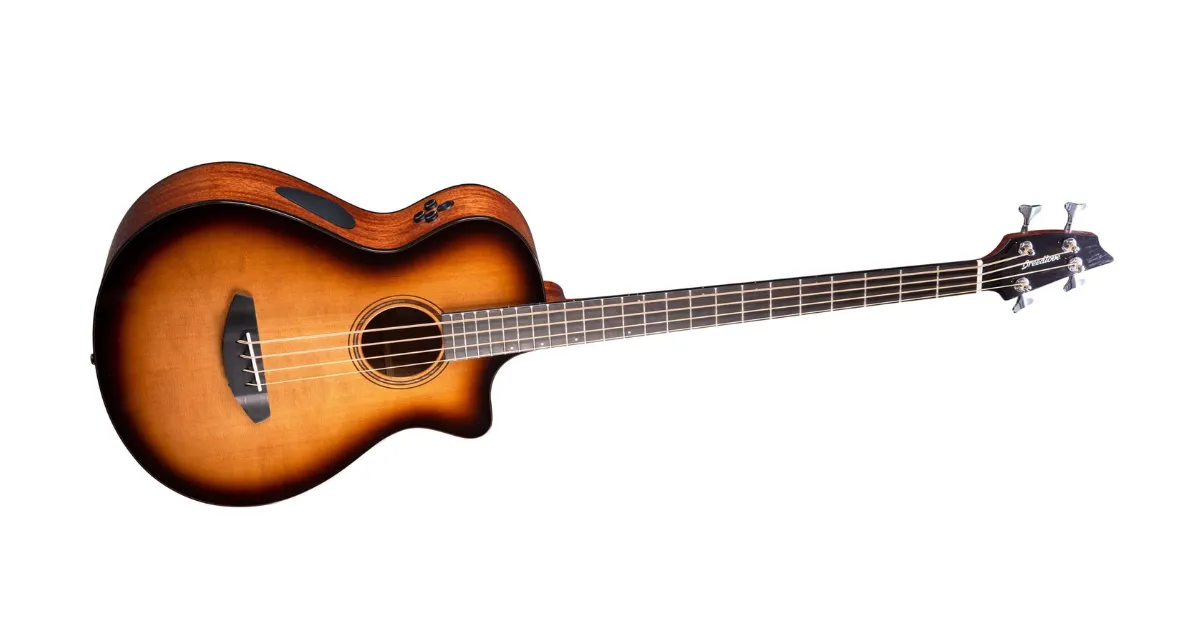
how to buy the right bass guitar for beginners 1

Acoustic bass guitars don’t require an amplifier. They are known for their warm, organic sound. Though less common than electric bass guitars, they’re a great choice for unplugged performances or smaller acoustic settings, especially for Indian fusion music.

1.3 Indian Influence on Bass Guitars

If you’re planning to incorporate traditional Indian instruments like the sitar, tabla, or veena into your bass playing, choosing the right bass guitar that can complement the rich tonal quality of Indian instruments is important. Look for bass guitars with customizable tone controls that let you fine-tune your sound to blend with Indian rhythms and melodies.


2. Determine Your Budget

Bass guitars come in various price ranges, and it’s crucial to establish a budget before making a decision. Generally, beginners should aim for a bass guitar in the mid-range price category, as it offers the best balance between quality and affordability.

2.1 Budget Options for Beginners

You don’t need to break the bank for a good beginner bass guitar. Brands like Squier, Yamaha, and Ibanez offer excellent options at affordable prices. These models typically cost between ₹15,000 to ₹30,000, depending on the features and finish.

2.2 Premium Options

For those willing to invest a bit more, premium models by Fender, Gibson, or Music Man can cost ₹40,000 or more. These guitars offer superior build quality and sound, though they may be overkill for beginners.


3. Choose the Right Bass Guitar Size

Bass guitars come in various sizes, and it’s essential to pick one that suits your physical build. For example, short-scale bass guitars, which have a shorter neck and smaller body, are easier to play and are perfect for those with smaller hands. Standard full-scale bass guitars are ideal for players who have more experience or larger hands.


3.1 Full-Scale Bass Guitars

These bass guitars typically have a neck length of around 34 inches and are the most common option for serious players. If you plan on playing a wide range of music, including rock, jazz, and Indian fusion, a full-scale bass guitar is a great choice.

3.2 Short-Scale Bass Guitars

Short-scale bass guitars typically have a neck length of 30 inches. They’re easier to play for beginners due to their smaller neck and body, making them ideal for younger players or those with smaller hands.


4. Choose the Number of Strings

Bass guitars typically come with four, five, or six strings. As a beginner, it’s recommended to start with a four-string bass guitar, as it offers a simpler layout and is the standard for most music genres.

4.1 Four-String Bass Guitars

The four-string bass guitar is the most common and widely used option. It’s easier for beginners to learn on and is more versatile for various music styles. A four-string bass is perfect for Indian fusion music, as it allows you to focus on rhythm and melody without overwhelming yourself with extra strings.

4.2 Five-String Bass Guitars

Five-string bass guitars add an extra low B string, which is useful for playing more complex bass lines in jazz or modern rock. However, it can be challenging for beginners, so it’s recommended to start with a four-string bass and switch to a five-string later if you need the extended range


5. Pay Attention to the Body Shape and Design

The body shape of the bass guitar affects both its sound and comfort. Common body shapes include:

5.1 Solid-Body Bass Guitars

Solid-body bass guitars are the most common type. They offer a robust tone and are less prone to feedback, making them great for stage performances.

5.2 Semi-Hollow and Hollow-Body Bass Guitars

These basses provide a warmer, more resonant tone. They’re a good choice for genres that require more expressive sound, such as jazz, blues, or Indian classical fusion. However, they tend to be more expensive than solid-body bass guitars.


6. Pickup Types and Tone Controls

The pickups on a bass guitar play a significant role in shaping its sound. Understanding the types of pickups and their role in tone production is crucial when selecting the right bass guitar.

6.1 Single-Coil Pickups

Single-coil pickups are known for their bright, punchy sound. They’re ideal for genres like rock and funk, but can sometimes produce unwanted hum.

6.2 Humbucker Pickups

Humbucker pickups are known for their smooth, thick sound. They produce less hum than single-coil pickups and are great for players who want a fuller tone, especially when blending with Indian instruments.

6.3 Active vs. Passive Pickups

Active pickups use a battery to boost the signal, allowing for more powerful tone shaping and a wider range of frequencies. Passive pickups, on the other hand, are simpler and more traditional, providing a raw, organic sound.


7. Consider the Neck Construction and Material

The neck of the bass guitar plays a crucial role in playability. The material and construction of the neck affect both comfort and tone.

7.1 Bolt-On Necks

Bolt-on necks are common in affordable bass guitars. They offer good sustain and are relatively easy to repair if necessary.

7.2 Set-Neck and Neck-Through Designs

Set-neck and neck-through designs offer improved sustain and stability. These bass guitars are generally more expensive but offer superior tonal quality.


8. Test the Bass Guitar

It’s important to test a bass guitar before purchasing it. Pay attention to the action (how high or low the strings are from the fretboard), as well as the overall feel of the instrument. Make sure that the guitar feels comfortable to play and that the neck is easy to navigate.

8.1 Play the Guitar Unplugged

Before plugging the bass guitar into an amplifier, try playing it unplugged. This will give you a better idea of how the instrument feels and how it resonates acoustically.

8.2 Test the Electronics

Once you plug in the bass, test the electronics by turning the volume and tone knobs. Make sure the pickups are working correctly and that there are no unwanted noises or feedback.


9. Look for a Quality Brand

While there are many budget-friendly bass guitars on the market, investing in a reputable brand can make a big difference in terms of quality, durability, and sound. Popular brands for beginners include Squier, Ibanez, and Yamaha.

9.1 Squier

Squier, a subsidiary of Fender, offers affordable bass guitars that are known for their quality construction and great tone. They’re a popular choice for beginners.

9.2 Ibanez

Ibanez basses are known for their versatility and sleek designs. They offer a wide range of bass guitars that suit both beginners and more advanced players.

9.3 Yamaha

Yamaha bass guitars are well-regarded for their durability, playability, and consistent quality. They offer a wide range of bass guitars at various price points.


10. Conclusion

Choosing the right bass guitar as a beginner is an exciting step in your musical journey. Whether you’re interested in Indian fusion music or modern rock, the bass guitar you select will significantly impact your playing experience. Focus on key aspects such as budget, body type, number of strings, and pickup types to find a bass guitar that matches your needs. With the right instrument in hand, you’ll be on your way to mastering the bass and playing alongside some of the world’s greatest musicians.


At NMS Musicals, we offer a comprehensive range of musical instruments, including percussion, string, wind, and keyboard instruments. Our services encompass sales, expert servicing, and the manufacture of leather instruments. Explore our diverse collection and find the perfect instrument to suit your musical needs.

Visit our website to browse our offerings: nmsmusicals.in

For a closer look at our products, check out our shop page: nmsmusicals.in/shop

Stay connected with us through our social media channels:
Our shop locations are:

For inquiries, contact/Whatsapp us at 9500663895 or email us at laxman.m89@gmail.com.

Discover the world of musical instruments with NMS Musicals today!

For a visual overview of our percussion instruments, watch the following video:
Best Musical Gifts for Men Who Love Music 1

Ultimate Best Musical Gifts for Men Who Love Music

Best Musical Gifts for Men Who Love Music

Choosing the best musical gifts for men who love music can be a joyful yet overwhelming experience. Whether it’s a birthday, anniversary, or festive occasion, music-themed gifts are personal, meaningful, and long-lasting. In India, the options are even more exciting with the availability of traditional and modern Indian instruments that suit different skill levels. From handcrafted tablas to digital keyboards, this comprehensive guide helps you pick the perfect musical gift for the music-loving man in your life.


1. Consider the Recipient’s Musical Taste and Skill Level

Before selecting a gift, consider what kind of music he enjoys—classical, Bollywood, devotional, fusion, or rock. Also, think about whether he’s a beginner, a hobbyist, or a professional musician. For beginners, starter kits work well, while pros may prefer advanced or specialized equipment.

  • Beginner: Entry-level Indian instruments, digital tuners, instruction books.
  • Intermediate: Higher-end instruments, combo packs, personalized accessories.
  • Professional: Premium brands, performance-level gear, customized instruments.


2. Indian Classical Instruments – A Timeless Gift

For men who love Indian classical music, traditional instruments make highly appreciated gifts. They hold cultural value and offer a deep connection to heritage.

2.1 Tabla Set

A high-quality tabla set is a fantastic gift for a rhythm enthusiast. Choose a well-balanced bayan and dayan combo with a tuning hammer and a padded case. Look for brands like Haridas Vhatkar or Maharaja Musicals.

2.2 Bansuri (Indian Bamboo Flute)

Bansuri E Flute

The bansuri is a soulful gift, ideal for men who enjoy meditative or Hindustani classical music. Available in various scales, a beginner-friendly bansuri in C or G scale is a good start.

2.3 Mridangam

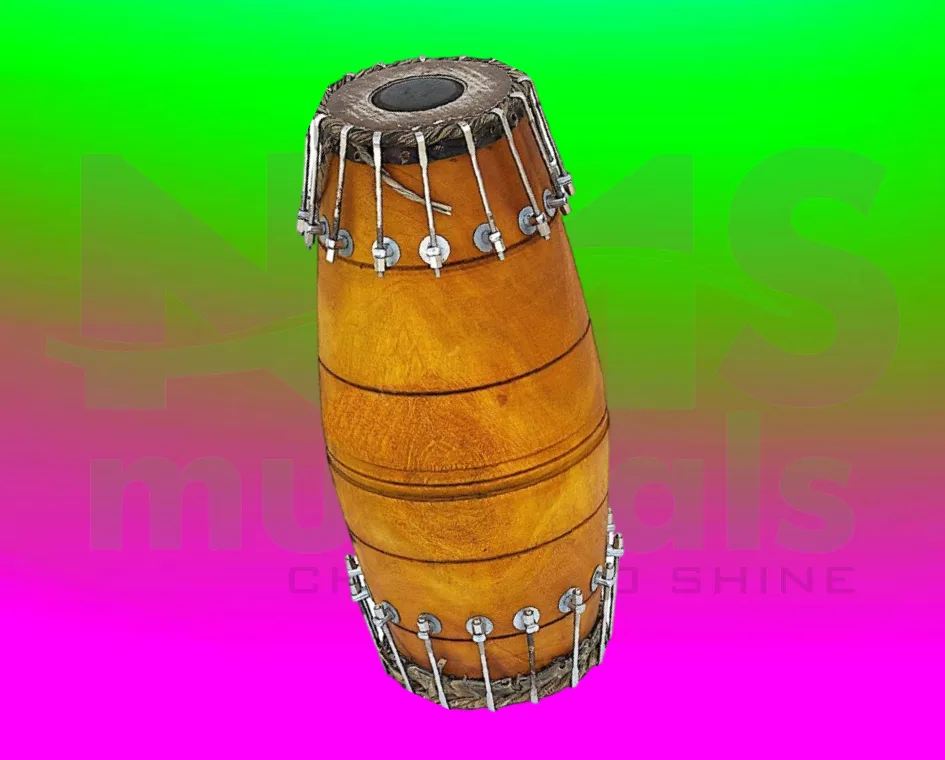
Mridangam 22 inch bolt nut

Perfect for men inclined towards Carnatic music, the mridangam is a thoughtful gift with deep spiritual resonance. Opt for jackwood mridangams from Kerala for their authentic tone.

2.4 Harmonium

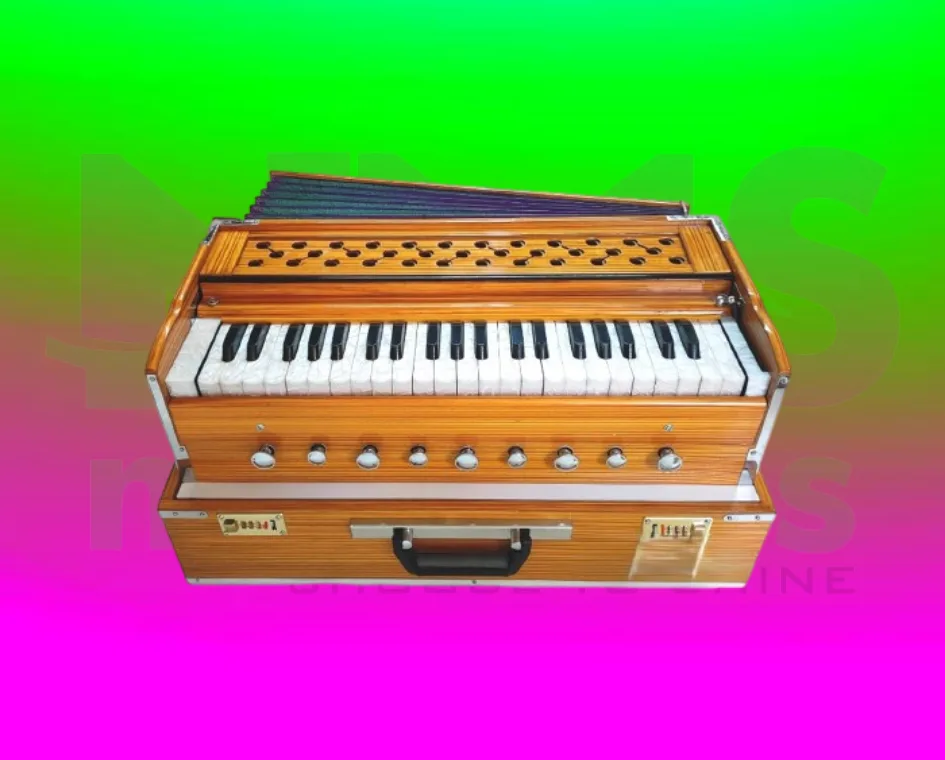
Harmonium with case

Compact portable harmoniums or foldable models are excellent for men who sing bhajans or play devotional music. Look for options with couplers and multi-fold bellows for better airflow.


3. Modern Musical Instruments for Indian Music Lovers

For those who blend Indian styles with modern music, these contemporary instruments are a great fit.

3.1 Electronic Keyboard

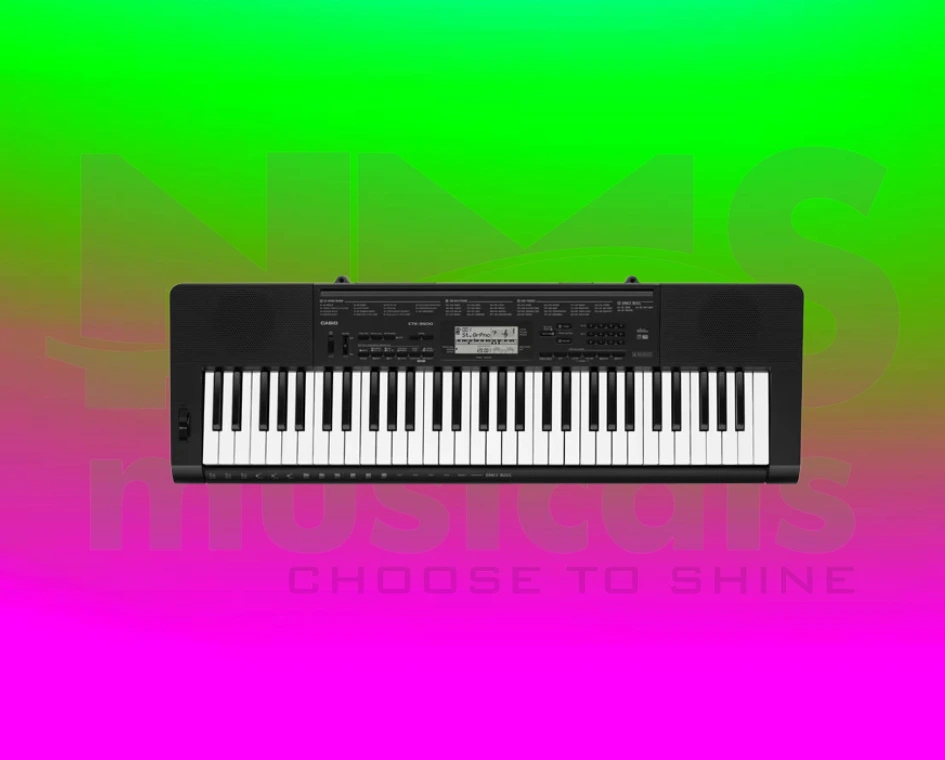
CTK-3500 keyBoard

An entry-level 61-key Yamaha or Casio keyboard is perfect for Bollywood and devotional melodies. Advanced models with Indian tones and rhythms are ideal for fusion lovers.

3.2 Acoustic or Electric Guitar

Best Musical Gifts for Men Who Love Music

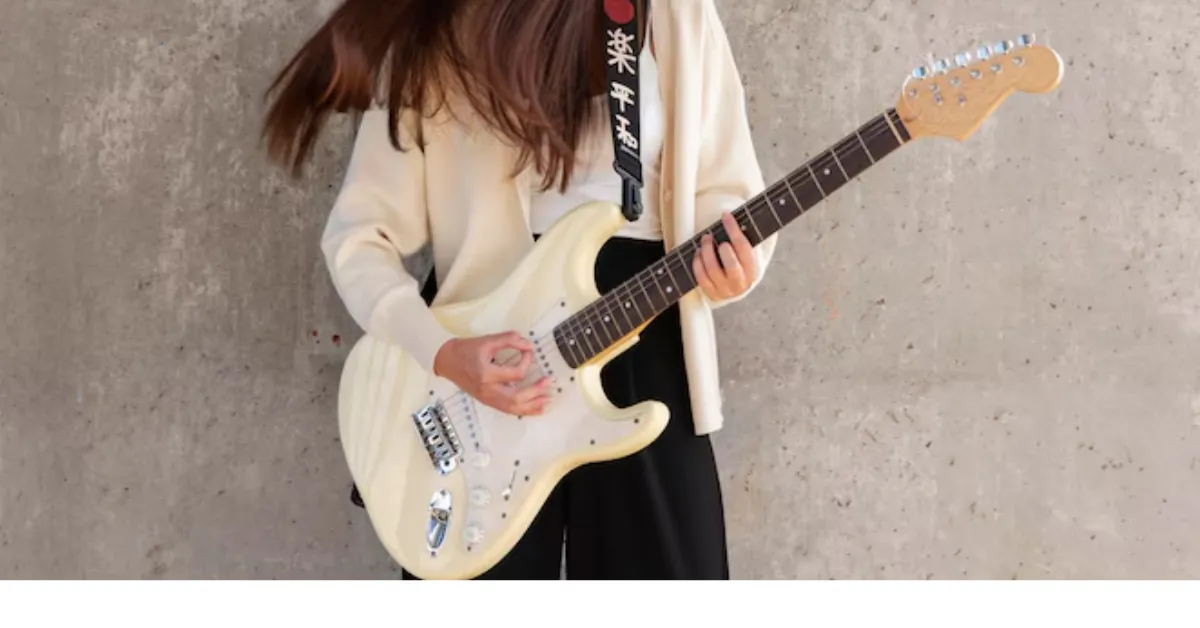
A great gift for men into indie or fusion rock. For Indian film music, choose guitars compatible with effects pedals. Add a capo, strap, and pick set for a complete bundle.

3.3 Cajon

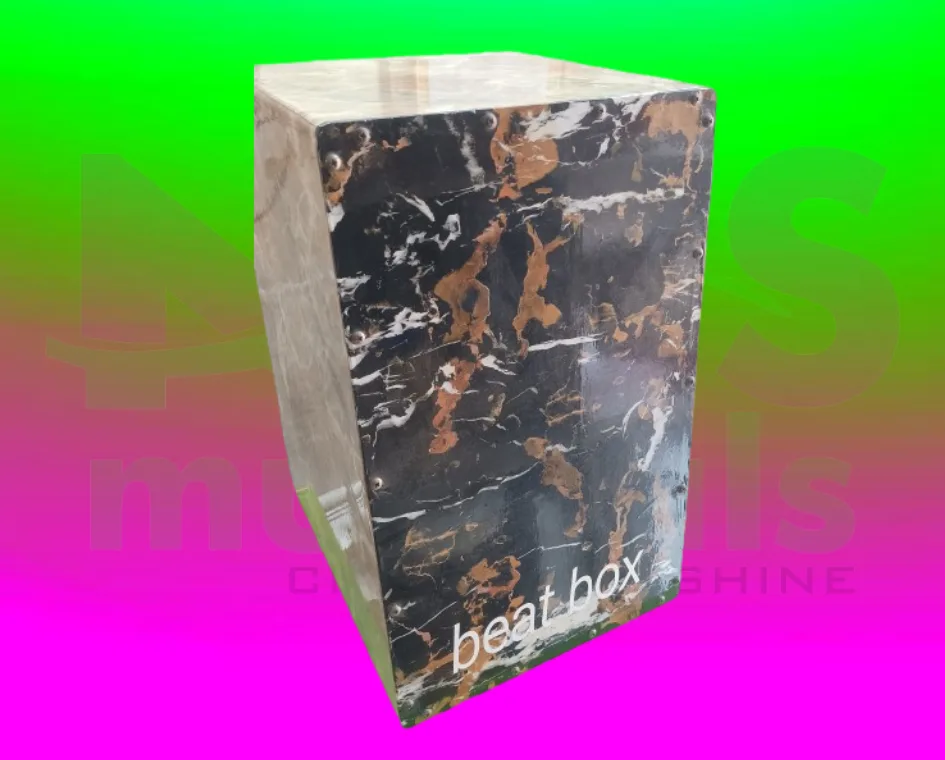
Beatbox

This Peruvian percussion box is becoming popular in Indian unplugged sessions. It’s portable, stylish, and matches various genres.

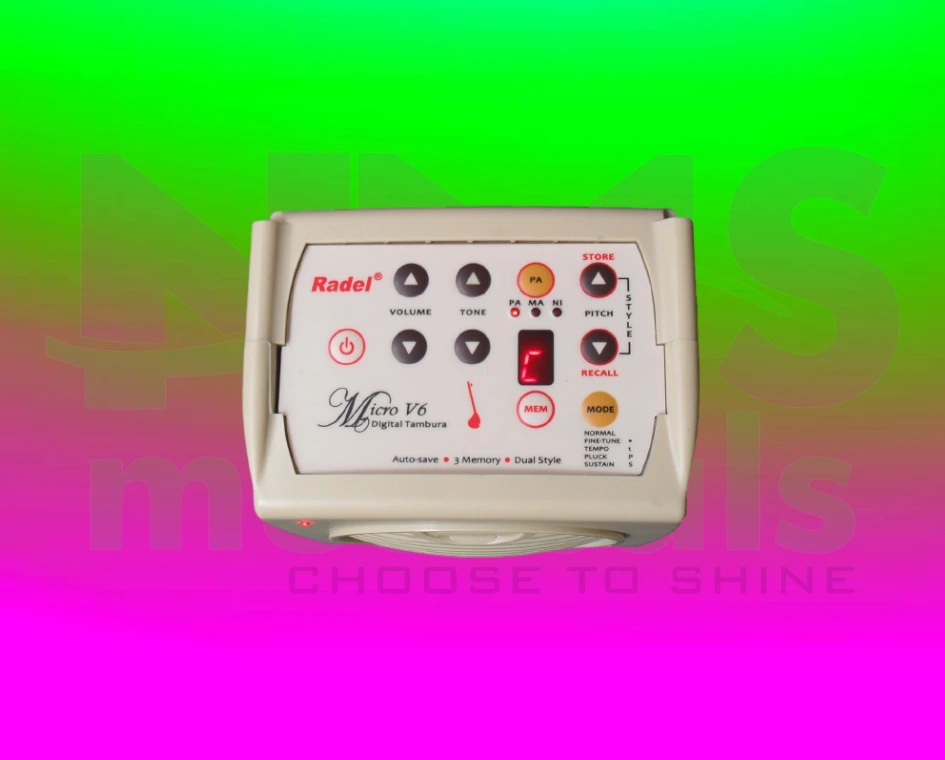
3.4 Digital Tanpura or Shruti Box

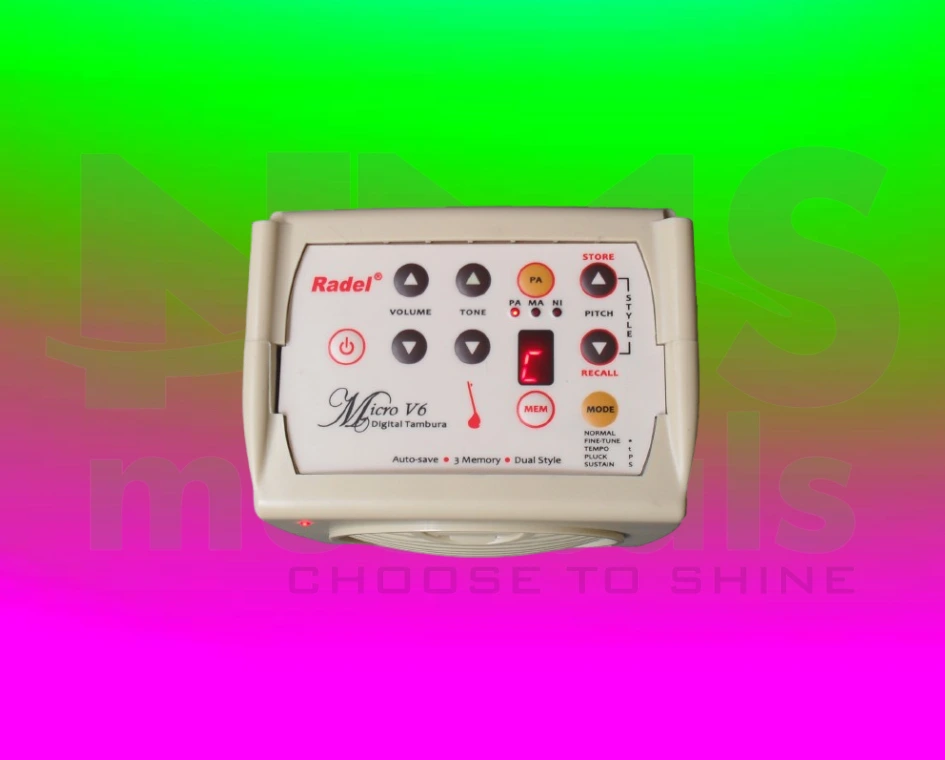
Radel micro v6

These are wonderful tools for vocalists or instrumentalists practicing Indian classical music. Some modern devices include mobile compatibility and tuning options.


4. Musical Accessories That Make Great Gifts

If you’re unsure about gifting a full instrument, accessories make safe yet valuable gifts.

4.1 Instrument Cases and Gig Bags

Customized soft or hard cases for tabla, flute, or guitar protect gear and add personality. Look for waterproof materials and extra padding.

4.2 Tuning Devices

Clip-on digital tuners or tabla tuning apps like iTablaPro subscriptions are practical for daily use.

4.3 Metronomes

Classic mechanical metronomes or digital ones help improve rhythm. They’re especially helpful for beginners and serious students.

4.4 Stands and Rests

Flute holders, guitar stands, harmonium benches—these items may seem simple but are essential in every practice room.


5. Books and Educational Resources

Learning resources are ideal for men who love to understand theory and technique.

5.1 Beginner Instrument Guides

Books on how to play the tabla, harmonium, or flute, with notations in Indian styles, are available in both English and regional languages.

5.2 Music Theory Books

Indian raga theory or western notation guides offer deeper musical knowledge. Useful for music students and hobbyists.

5.3 Online Course Subscriptions

Gift online lessons for keyboard, sitar, or vocal training via platforms like Udemy or IndianRaga.


6. Customized and Personalized Music Gifts

Make your gift extra special with customization.

6.1 Name-Engraved Instruments

Get his name or initials engraved on a flute, guitar pick, or tabla cover.

6.2 Custom Song Compositions

Commission a personalized song or instrumental melody from a local composer or through platforms like Fiverr or Kompoz.

6.3 Musical Wall Art or Decor

Wall posters of Indian classical legends, instrument-shaped lamps, or vinyl record clocks are perfect for decorating a music room.


7. Gifts for Tech-Savvy Musicians

For the modern man who loves both music and technology, consider these:

7.1 Audio Interface

Great for home recording or podcasting. Compatible with Indian instruments using mics or pickups.

7.2 Mobile Recording Mics

Smartphone-compatible condenser mics are excellent for capturing flute or tabla solos during practice.

7.3 Loop Stations

Perfect for live performers and fusion artists. Brands like Boss or TC Electronic offer great compact models.

7.4 Music Production Software

DAWs like Ableton Live or FL Studio allow Indian artists to blend traditional and modern sounds.


8. Subscription-Based Gifts

Think beyond objects. Monthly or yearly subscriptions make great gifts.

8.1 Music Streaming Services

Spotify Premium or Apple Music lets them access unlimited music and playlists from Indian classical to film music.

8.2 Music Magazine Subscriptions

Magazines like Sruti or Rolling Stone India keep them updated with musical trends.

8.3 Raga or Rhythm Apps

Apps like NaadSadhana or TaalMala are perfect for classical practice.


9. Budget-Friendly Musical Gift Ideas

If you’re on a budget, there are still meaningful options.

  • Bamboo flutes under ₹500
  • Tabla hammers or tuning blocks
  • Portable tanpuras under ₹1,000
  • Entry-level harmonicas or ocarinas
  • Music-themed mugs, notebooks, or T-shirts


10. Where to Buy Musical Gifts in India

You can find quality musical gifts from:

  • Online Stores: Bajaao, Furtados, Amazon India
  • Offline Stores: NMS Musicals(Chennai & Pondicherry)
  • Always buy from reputed stores to ensure quality and authenticity.


Conclusion

Finding the best musical gifts for men who love music doesn’t have to be a daunting task. Whether it’s a beautifully crafted bansuri, an advanced keyboard, or a set of tabla with perfect resonance, music gifts reflect care, creativity, and emotional depth. With so many Indian instruments and accessories available, you’re sure to find something that complements his taste and musical journey. From traditional tabla sets to tech-savvy gear, every gift on this list will help him play, create, and enjoy music even more.


At NMS Musicals, we offer a comprehensive range of musical instruments, including percussion, string, wind, and keyboard instruments. Our services encompass sales, expert servicing, and the manufacture of leather instruments. Explore our diverse collection and find the perfect instrument to suit your musical needs.

Visit our website to browse our offerings: nmsmusicals.in

For a closer look at our products, check out our shop page: nmsmusicals.in/shop

Stay connected with us through our social media channels:
Our shop locations are:

For inquiries, contact/Whatsapp us at 9500663895 or email us at laxman.m89@gmail.com.

Discover the world of musical instruments with NMS Musicals today!

For a visual overview of our percussion instruments, watch the following video:
How to Play the Piano for Beginners

Amazing Way to Learn How to Play the Piano for Beginners

How to Play the Piano for Beginners – Step-by-Step Indian Guide

How to Play the Piano for Beginner1

Learning how to play the piano can be an incredibly rewarding experience, especially when you blend Western techniques with Indian musical styles. From the soothing melodies of ragas to the powerful chords of Bollywood hits, the piano is versatile and expressive. This step-by-step guide is designed especially for Indian beginners who wish to master the piano while keeping cultural context and musical roots in mind.


1. Understanding the Piano Keyboard

Before diving into playing, it’s essential to understand the layout of a standard piano keyboard.

  • A standard keyboard has 88 keys: 52 white and 36 black.
  • Notes repeat every 12 keys in an octave pattern.
  • White keys represent natural notes (A, B, C, etc.), while black keys are sharps and flats.

Familiarize yourself with these patterns, especially the middle C, which is often your starting point.


2. Setting Up Your Piano or Keyboard at Home

For beginners in India, space and budget are major factors. Here’s what you can consider:

  • Digital keyboards (61 or 76 keys) are affordable and beginner-friendly.
  • Look for touch-sensitive keys, sustain pedal support, and Indian instrument sounds like sitar or tabla.
  • Brands to consider: Yamaha PSR series, Casio CTK series, Roland GO series.

Set your piano near natural light, at an ergonomic height, with minimal distractions.


3. Finger Numbering and Hand Position

Before playing, you must learn finger positioning:

  • Right-hand fingers: 1 (thumb) to 5 (pinky)
  • Left-hand fingers: also 1 to 5, starting from thumb

Always curve your fingers naturally and keep your wrists relaxed. This technique is especially important while playing ragas or fast Bollywood melodies.


4. Learning the Musical Alphabet and Notes

The musical alphabet runs from A to G, and it repeats.

  • The white keys go in this order: C-D-E-F-G-A-B
  • Middle C is your anchor. Use it to start learning melodies and scales.

In Indian classical adaptation:

  • Sa = C, Re = D, Ga = E, and so on (based on chosen scale)

You can label keys with stickers until you get comfortable.


5. Basic Indian and Western Scales to Learn First

Start with simple scales that are frequently used in both Indian and Western music:

  • C Major Scale (C-D-E-F-G-A-B-C)
  • Hindustani Raag Yaman (Kalyan thaat) on white keys using the Lydian mode
  • Carnatic Raga Mayamalavagowla – great for finger training and swarasthana identification

Practice each scale with both hands separately, then together.


6. Practicing Simple Rhythmic Patterns (Taal and Beats)

Incorporate rhythm early:

  • Use a metronome or tabla app to stay in rhythm.
  • Practice with teen taal, ek taal, or even adi tala (Carnatic) depending on your music style.
  • Clap and count the rhythm before playing melodies.

Rhythm mastery is essential in Indian compositions and bhajans.


7. Playing Basic Melodies and Bhajans

Start with simple songs:

  • Saare Jahan Se Achha
  • Raghupati Raghav Raja Ram
  • Twinkle Twinkle Little Star (to understand note jumps)
  • Jana Gana Mana (for both Indian and Western melody styles)

These help develop finger coordination, timing, and musical memory.


8. Introduction to Chords and Harmonies

Chords are groups of 3+ notes played together. They give fullness to your music.

  • C Major chord: C-E-G
  • G Major chord: G-B-D
  • A minor chord: A-C-E

Use chords in bhajan backgrounds or Bollywood songs. Indian fusion music often blends chords with ragas for a unique soundscape.


9. How to Read and Use Indian Notation on Piano

Indian classical uses sargam notation: Sa Re Ga Ma Pa Dha Ni Sa.

  • Associate Sa with any key (usually C for beginners).
  • Identify komal (flat) and teevra (sharp) notes on black keys.
  • Learn to map ragas like Raag Bhimpalasi, Desh, or Kafi to Western notes.

This knowledge bridges your Western piano with Indian melody styles.


10. Using Both Hands Together

Once you’re confident with scales and simple tunes, practice left-hand accompaniment:

  • Play chords or bass notes with the left hand.
  • Try simple patterns: LH holds C chord while RH plays melody on scale.

Indian-style left-hand use may involve holding drone-style Sa or Pa, like a shruti box effect.


11. Explore Indian Instrument Sounds on Digital Keyboards

Many keyboards come with Indian tone banks:

  • Sounds include sitar, shehnai, tabla, mridangam, veena
  • Use these to add cultural depth to compositions
  • Combine piano sound (RH) and tabla loop (LH) for performances

This is especially great for solo acts or devotional events.


12. Recording and Listening to Your Practice

Recording helps monitor progress and identify errors.

  • Use onboard recorders or mobile apps like BandLab, Soundtrap
  • Listen for timing, wrong notes, or rushed transitions
  • Replay to understand raga feel, taan clarity, or bhajan flow

Playback with a critical ear helps speed up improvement.


13. Practice Routine for Indian Beginners

Stick to a consistent, varied schedule:

  • 10 min: Finger warm-up exercises (Hanons or Sa-Re-Ga drills)
  • 10 min: Scales + ragas
  • 10 min: Melody + bhajan or Bollywood song
  • 10 min: Chords and hand coordination

Weekly add one new scale or rhythm. Practice with tanpura or tabla loops.

14. Learn From Indian Piano Artists

Follow these Indian piano influencers for motivation and learning:

  • Stephen Devassy: Fusion pianist with Carnatic roots
  • Anil Srinivasan: Expert in Carnatic piano adaptations
  • Ricky Kej: Known for global fusion and piano compositions

Their videos often show how to adapt Indian melodies into piano-friendly forms.


15. Join Indian Piano Learning Communities

Learning with others boosts motivation:

  • Join Facebook groups like “Indian Keyboardists & Pianists”
  • Attend workshops and webinars by local music schools
  • Take online classes from Indian-centric platforms like Acharyanet or Shankar Mahadevan Academy

Interacting with peers gives you feedback and performance ideas.


16. Choose the Right Books and Online Resources

Some excellent beginner resources include:

  • Alfred’s Basic Piano Library
  • Indian Raga Piano Tutorials on YouTube
  • Carnatic Piano Notation PDFs from online learning sites

Print out Swarasthana charts, Western + Indian scale maps, and Taal guides to keep near your piano.


17. Performance and Improvisation Tips

Once you’re comfortable:

  • Practice bhajan improvisation using ragas
  • Perform small family events or online concerts
  • Use Alaap + Tan patterns during intros

Improvisation builds confidence and creativity in Indian-style playing.


18. Common Mistakes to Avoid

  • Skipping hand technique and posture
  • Not practicing with rhythm or taal
  • Ignoring Indian scale mapping
  • Only playing Western songs and ignoring your cultural roots

Awareness of mistakes is the first step to mastery.


Conclusion

Learning how to play the piano: a step-by-step guide for beginners is more than just pressing keys—it’s about discovering an entirely new way of expressing yourself musically. For Indian learners, it’s an exciting opportunity to blend ancient ragas with modern harmonies. With the right approach, tools, and consistent effort, you can enjoy playing bhajans, film songs, classical pieces, and even composing your own Indian fusion melodies. Start your piano journey today—and let every note reflect your musical soul.


At NMS Musicals, we offer a comprehensive range of musical instruments, including percussion, string, wind, and keyboard instruments. Our services encompass sales, expert servicing, and the manufacture of leather instruments. Explore our diverse collection and find the perfect instrument to suit your musical needs.

Visit our website to browse our offerings: nmsmusicals.in

For a closer look at our products, check out our shop page: nmsmusicals.in/shop

Stay connected with us through our social media channels:
Our shop locations are:

For inquiries, contact/Whatsapp us at 9500663895 or email us at laxman.m89@gmail.com.

Discover the world of musical instruments with NMS Musicals today!

For a visual overview of our percussion instruments, watch the following video:

Effective Metronome Practice Techniques 1

Boost Timing with Effective Metronome Practice Techniques

Improve rhythm control using effective metronome practice techniques

Effective Metronome Practice Techniques

Rhythm is the backbone of music, and mastering it takes dedication and practice. One of the most powerful tools to help musicians, especially those practicing Indian instruments like tabla, mridangam, and sitar, is the metronome. In this blog, we’ll dive into how to use the metronome effectively when practicing and how it can transform your timing, accuracy, and confidence.


1. What is a Metronome?

A metronome is a device that produces a regular, metrical ticking sound or visual cue that musicians use to maintain consistent tempo. Whether digital or mechanical, it provides a steady beat to align your playing.


2. Benefits of Using a Metronome in Practice

  1. Develops precise timing.
  2. Builds internal rhythm.
  3. Improves synchronization with other musicians.
  4. Helps in learning complex tala patterns in Indian music.
  5. Prevents rushing or dragging during performances.


3. Understanding Tempo and Time Signatures

Before using a metronome, understand tempo (beats per minute) and time signatures (like 4/4, 7/8, or Indian talas like Teen Taal). This understanding helps in setting the right BPM (beats per minute) and organizing practice sessions accordingly.


4. Choosing the Right Metronome

You can choose between:

  1. Mechanical Metronomes – classic, visual swing.
  2. Digital Metronomes – accurate, often portable.
  3. App-based Metronomes – feature-rich with tala presets for Indian music.


5. Starting Simple: Whole Notes and Slow Tempos

  1. Begin with basic exercises at 40-60 BPM.
  2. Play long notes or single strokes in rhythm.
  3. Practice Indian syllables like “Dha,” “Tin,” “Na” with a tabla.


6. Building Up: Gradual Speed Increases

  1. Once you’re comfortable, increase speed by 5 BPM.
  2. Always ensure clarity before moving faster.
  3. This helps in muscle memory without sacrificing timing.


7. Using Subdivisions to Improve Precision

Subdivisions (e.g., eighths, triplets, sixteenths) train your ear and hand coordination.

  1. Set metronome to play subdivisions.
  2. Practice tabla bols like “Dha Tin Tin Ta” at different subdivisions.


8. Practicing Complex Indian Talas with Metronome

Metronomes can be adapted for:

  1. Teen Taal (16 beats)
  2. Jhap Taal (10 beats)
  3. Rupak (7 beats)

Use programmable metronomes or apps that let you mark sam (first beat), khali (empty beat), and vibhags (divisions).


9. Alternating Strong and Weak Beats

Practice accenting certain beats (e.g., 1 and 3 in 4/4) to reflect Indian tala structure.

  1. This trains awareness of phrasing.
  2. Helps in improvisation for tabla solos.


10. Metronome with Different Instruments

Try these combinations:

  1. Violin – for bowing consistency.
  2. Bansuri – for breath control and phrasing.
  3. Sitar – to maintain tempo during improvisation.


11. Practice Routines with Metronome

  1. Warm-Up – 5 minutes slow tempo.
  2. Core Practice – 20 minutes at performance speed.
  3. Improvisation – 10 minutes with tala-specific rhythm.


12 .Common Mistakes to Avoid

  1. Relying only on metronome for rhythm.
  2. Practicing too fast.
  3. Not aligning complex compositions with subdivisions.


13. Using Metronome in Group Practice

In Indian ensemble or jugalbandi settings, the metronome helps align multiple players. Start with one instrument and build layers while following tempo.


14. Recording and Reviewing Practice with Metronome

Record your practice and analyze:

  1. Consistency with tempo.
  2. Clarity of each bol or note.
  3. Sync with tala patterns.


15. Apps and Tools for Metronome Practice

  1. Metronome Beats
  2. Tabla Trainer
  3. Tala Keeper
  4. Metronomics
  5. Soundbrenner

Many allow Indian tala integration, visualization, and customization.


Conclusion

Learning how to use the metronome effectively when practicing is one of the most valuable skills a musician can acquire. For Indian classical musicians, it becomes even more vital due to complex rhythmic patterns and talas. Regular metronome practice improves your timing, builds musical confidence, and enhances overall performance. Whether you’re playing the tabla, sitar, bansuri, or any other Indian instrument, integrating a metronome into your daily routine will surely elevate your musical journey.


At NMS Musicals, we offer a comprehensive range of musical instruments, including percussion, string, wind, and keyboard instruments. Our services encompass sales, expert servicing, and the manufacture of leather instruments. Explore our diverse collection and find the perfect instrument to suit your musical needs.

Visit our website to browse our offerings: nmsmusicals.in

For a closer look at our products, check out our shop page: nmsmusicals.in/shop

Stay connected with us through our social media channels:
Our shop locations are:

For inquiries, contact/Whatsapp us at 9500663895 or email us at laxman.m89@gmail.com.

Discover the world of musical instruments with NMS Musicals today!

For a visual overview of our percussion instruments, watch the following video:
How to Pick the Right Flute for Your Skill Level 6

Ultimate Guide on How to Pick the Right Flute for Your Skill Level

How to Pick the Right Flute for Your Skill Level at Any Stage

Flute music is deeply rooted in Indian tradition, celebrated in classical, folk, and devotional genres. The right flute can enhance your ability to produce beautiful melodies, whether you’re just beginning or looking to refine your craft. Knowing how to pick the right flute for your skill level is crucial for sound clarity, comfort, and growth. In this guide, we’ll walk you through everything you need to know—from flute types and materials to size, pitch, and tonal compatibility with Indian music.


1. Know Your Skill Level

The first step to picking the right flute is knowing where you stand.

  • Beginners: Need flutes with easy blowing, medium pitch, and simple fingering systems.
  • Intermediate: Require better tone control, wider range, and precision in pitch.
  • Advanced: Look for customized flutes tuned to specific ragas, with high tonal purity.

Self-awareness of your level helps narrow down choices effectively.


2. Understand Indian Flute Types

In India, the most common flutes are:

2.1 Bansuri (North Indian Flute)

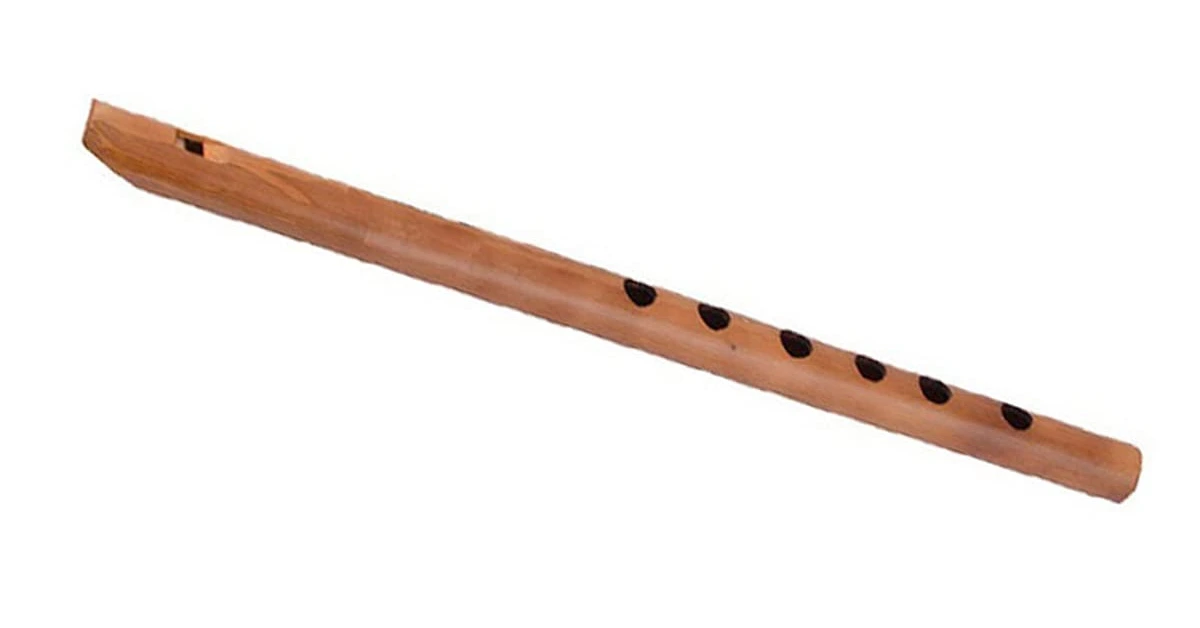
Bansuri C Scale Flute
  • Traditionally made from bamboo.
  • Features 6 or 7 finger holes.
  • Best for Hindustani classical music and Bollywood songs.

2.2 Venu (South Indian Flute)

How to Pick the Right Flute for Your Skill Level
  • Has 8 holes, longer body.
  • Used in Carnatic music.
  • Demands breath control but offers rich melodic range.

Choose based on the musical tradition you’re learning.


3. Select the Right Material

Most Indian flutes are made from bamboo, but other materials are available for specific needs.

  • Bamboo: Traditional, warm, earthy tone.
    How to Pick the Right Flute for Your Skill Level 1
  • PVC or plastic: Durable and good for beginners.
    How to Pick the Right Flute for Your Skill Level 2
  • Wooden flutes (rosewood, sandalwood): For professional use, deeper tone.

Stick to bamboo for authenticity and a better feel for Indian styles.
How to Pick the Right Flute for Your Skill Level 3


4. Determine the Correct Scale

Each flute is keyed to a particular pitch or scale. For Indian music:

  • Beginner bansuri scale: C, C#, D, E.
  • Advanced players: G, A, or custom scales for ragas.

Tip: Start with a C-medium scale flute—it’s easier to play and widely used in teaching.


5. Understand Flute Sizes

Flute size affects pitch and playability.

  • Small flutes: High pitch (e.g., E, F), easier finger stretch for children.
  • Medium flutes: Balanced tone (e.g., C, D), ideal for most adults.
  • Long flutes: Lower pitch (e.g., A, B), rich tonal depth but harder to control.

Beginners should pick medium-sized flutes to start.


6. Choose Between Side-Blown and End-Blown Flutes

  • Side-blown (transverse): Common in Indian music, requires skillful blowing.
    How to Pick the Right Flute for Your Skill Level 4
  • End-blown: Used in tribal or folk music; easier for absolute beginners. For classical Indian training, side-blown bansuri or venu is the way to go.
    How to Pick the Right Flute for Your Skill Level 5


7. Focus on Tuning and Pitch Accuracy

In Indian classical music, precise tuning is vital. Check for:

  • Proper alignment of finger holes.
  • Smoothness of the inner bore.
  • No air leaks.

Test with a tuner or compare with a tanpura drone to ensure pitch alignment.


8. Check the Embouchure Hole Quality

The blowing hole (embouchure) must be properly shaped:

  • Too large or uneven: Difficult to control airflow.
  • Too small: Requires more effort to produce sound.

For beginners, choose flutes with a well-rounded, smooth blowing hole.


9. Match the Flute with Your Music Goals

Think about what style you want to pursue:

  • Bhajans, folk music: High-pitched C or D bansuri.
  • Raga performance: Choose custom-tuned long flutes (G, A).
  • Fusion or film music: PVC or tuned flutes with external mics.

Clarity on your end goals helps find a flute that supports your practice.


10. Consider Comfort and Finger Stretch

Make sure the finger holes are spaced comfortably:

  • Test grip and stretch with both hands.
  • Hold and try fingering before buying.
  • Avoid flutes with sharp-edged holes—they hurt after long practice.

This is essential for young learners and players with smaller hands.


11. Evaluate Sound Quality

Sound quality is the ultimate test:

  • Check tone richness and consistency across octaves.
  • Test for clean meends (glides) and gamakas (oscillations).
  • Blow softly and firmly—good flutes respond well in both cases.

Record your sound and compare across flutes if needed.


12. Explore Brands and Makers in India

Top Indian flute makers are known for their craftsmanship:

  • Punam Flutes (Varanasi): Known for professional-level bansuris.
  • Subhash Thakur Bansuri: Popular with Carnatic musicians.
  • Dev Veena: Good for beginner and intermediate players.

Buy from makers who provide scale charts and tuning videos.


13. Try Before You Buy (If Possible)

Visit local stores or workshops:

  • Try 2-3 flutes of the same scale.
  • Check if sound varies between pieces.
  • Ask for guidance on embouchure and blowing tips.

Chennai, Mumbai, and Delhi have great Indian flute shops and teachers to help you try options.


14. Online Buying Tips for Indian Flutes

If buying online:

  • Check flute key, material, and length in cm/inch.
  • Look for video samples of the actual flute.
  • Prefer handmade over machine-cut flutes.

Reputable online platforms include Flipkart, Amazon India, Bansuri.in, and Musee Musicals.


15. Maintenance and Accessories

Once you have the right flute, maintain it well:

  • Use a cotton cleaning rod after practice.
  • Store in a padded bag or cloth wrap.
  • Avoid exposing bamboo flutes to moisture or direct sunlight.

Accessories like flute cases, stands, and covers add longevity.


16. Learn Basic Flute Techniques

Choose a flute that supports learning techniques like:

  • Sa Re Ga Ma (basic swaras)
  • Meend (slide)
  • Murki (fast ornamental phrases)

Ask your teacher if the flute supports octave jumps (mandra, madhya, taar).


17. Ask Your Guru or Teacher for Recommendations

A good teacher knows your progress and sound goals:

  • Request flute suggestions based on your current level.
  • Ask them to test your new flute.
  • Match flute pitch with your vocal range or other instruments in ensemble.

Guru guidance ensures you won’t make the wrong investment.


18. Beginner Mistakes to Avoid

  • Don’t pick a cheap, untuned flute.
  • Avoid decorative flutes not meant for real playing.
  • Don’t go too high or too low in pitch for starters.
  • Don’t ignore comfort—flute playing requires long hours.

Taking these precautions helps set a strong foundation.


19. Flute Upgrades as You Advance

When you progress:

  • Switch to longer bansuris (G, A).
  • Add alternate key flutes for ragas.
  • Explore dual-tone or drone flutes for special effects.

Advanced learners often keep 5–6 flutes in different scales.


20. Practice Regularly and Record Progress

  • Practice daily with tanpura or tabla loops.
  • Record yourself weekly to assess tone improvement.
  • Use tuning apps like NaadSadhana or PitchLab.

Consistent practice brings out the best from even a basic flute.


Conclusion

Knowing how to pick the right flute for your skill level is a journey in itself—one that requires awareness, guidance, and patience. From choosing the right scale and material to understanding tonal quality and comfort, every detail matters. As an Indian musician, staying rooted in classical sensibilities while exploring new sounds begins with selecting the flute that aligns with your heart and hands. Whether you’re starting your musical path or refining your skillset, let your flute be a reflection of your musical voice.


At NMS Musicals, we offer a comprehensive range of musical instruments, including percussion, string, wind, and keyboard instruments. Our services encompass sales, expert servicing, and the manufacture of leather instruments. Explore our diverse collection and find the perfect instrument to suit your musical needs.

Visit our website to browse our offerings: nmsmusicals.in

For a closer look at our products, check out our shop page: nmsmusicals.in/shop

Stay connected with us through our social media channels:
Our shop locations are:

For inquiries, contact/Whatsapp us at 9500663895 or email us at laxman.m89@gmail.com.

Discover the world of musical instruments with NMS Musicals today!

For a visual overview of our percussion instruments, watch the following video:
perfect beginner drum kit gift 1

Perfect Beginner Drum Kit Gift: A Thoughtful Musical Surprise

Discover how to choose the perfect beginner drum kit gift

perfect beginner drum kit gift

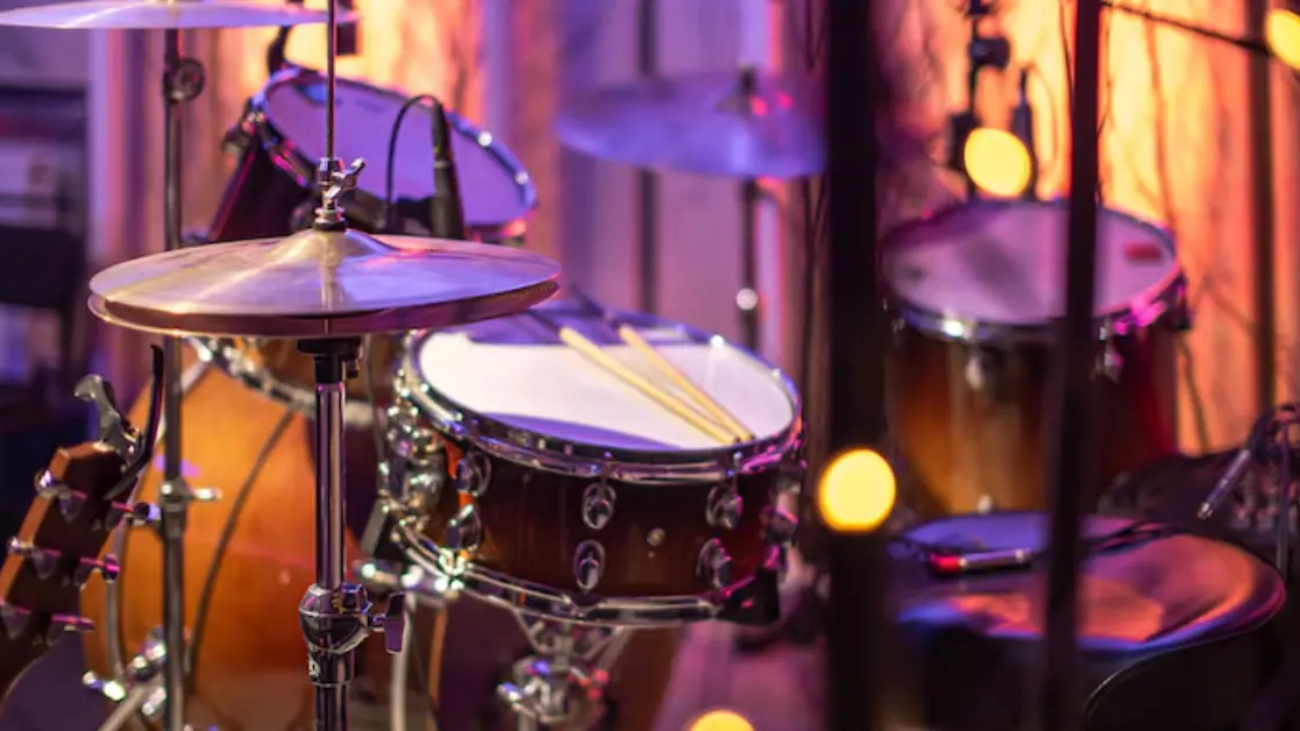
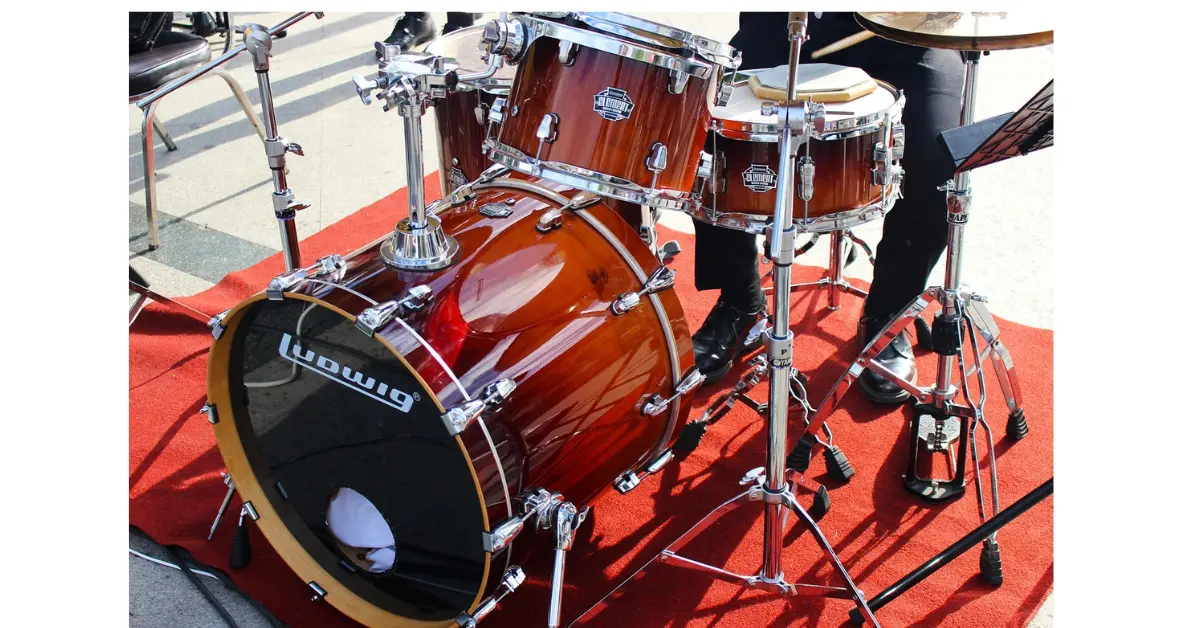
Gifting a musical instrument is more than a gesture—it’s an emotional investment in someone’s creative journey. When that instrument is a drum kit, the gift takes on a rhythmic resonance. Whether it’s your child, friend, or student, giving them their first drum kit is both exciting and meaningful. For Indian music lovers, choosing between Western and Indian percussion instruments like the tabla or mridangam adds a cultural dimension to this thoughtful gift. This blog will guide you through every step to find the perfect drum kit for a beginner, considering factors like budget, skill level, Indian musical preferences, and ease of use.


1. Understand the Recipient’s Music Interest

Before buying, know the style they love. Do they lean towards Western music genres like rock or jazz, or do they enjoy the rhythms of Indian classical music? Their musical taste will dictate whether to go for a traditional Indian drum like tabla or dhol, or a modern drum kit with acoustic or electronic setups.


2. Age and Size Matter

Children need smaller kits suited for their height and reach. Junior acoustic kits or compact electronic kits work well. If you’re gifting to a teenager or adult beginner, opt for full-sized models.

  • For kids: Try a small acoustic kit or junior-sized tabla.
  • For teens/adults: Consider beginner-level full-sized electronic kits or larger Indian drums like mridangam or dholak.


3. Acoustic vs Electronic Drum Kits

Acoustic Drum Kits

  • Natural sound and feel
  • Great for traditional rock, jazz, or classical rhythms
  • Requires space and soundproofing

Electronic Drum Kits

  • Volume control, ideal for apartments
  • Headphone connectivity for quiet practice
  • Easy to transport and store

Brands to consider: Yamaha, Roland, Alesis for electronic kits; Pearl and Mapex for acoustic kits.


4. Indian Percussion Alternatives

If your recipient is into Indian music, a tabla, mridangam, dhol, or kanjira might be more meaningful than a Western drum set.

  • Tabla: Excellent for Hindustani classical music
  • Mridangam: Core to Carnatic music in South India
  • Dhol & Dholak: Great for folk, bhangra, and festive music
  • Kanjira & Ghatam: Ideal for rhythmic exploration in Indian fusion styles

These instruments are great for kids or adults beginning their musical journey in traditional Indian music.


5. Look for Beginner-Friendly Features

Choose kits or instruments that come with:

  • Practice pads or built-in rhythms
  • Instructional guides or access to learning apps
  • Lightweight design and easy tuning mechanisms
  • Adjustable stands for comfort

Indian brands like Gurusoundz, Haribhau Vishwanath, Paloma, and Bina offer beginner-friendly tabla and mridangam models with tuning hammers and cushions.


6. Check for Complete Drum Set Packages

For gifting, it’s best to choose bundles that include:

  • Drumsticks
  • Seat (throne)
  • Tuning keys
  • Foot pedals (for Western kits)
  • Carrying cases (especially for Indian drums)

A complete package saves you money and gives a sense of readiness to the beginner.


7. Choose Based on Genre Compatibility

Western Rock or Pop

Go for a 5-piece acoustic drum kit or a beginner-level electronic kit.

Indian Classical (Carnatic or Hindustani)

Choose mridangam, tabla, or ghatam.

Fusion or Indie Music

An electronic kit or hybrid percussion setup (tabla + cajón or loop pad) is ideal.

Folk or Devotional Music

Dholak, khol, or duff makes meaningful and regionally specific gifts.


8. Don’t Ignore the Drum Sticks and Accessories

Make your gift complete by adding:

  • Drumsticks suited for beginners
  • Tabla hammers or tuning stones
  • Carry bags or cases
  • Cushions for Indian drums
  • Headphones (for electronic kits)
  • Drum pads for silent practice


9. Consider Portability and Space

If the recipient lives in a compact apartment or hostel:

  • Opt for compact electronic drum pads
  • Choose tabla sets with collapsible stands
  • Consider foldable mridangam cases


10. Match the Budget

Budget varies by instrument:

  • Tabla set: ₹2,500–₹8,000
  • Mridangam: ₹4,000–₹12,000
  • Electronic kit (basic): ₹18,000–₹40,000
  • Acoustic drum kit (basic): ₹15,000–₹35,000

Don’t compromise on quality—buy from trusted retailers or reputed brands.


11. Indian Music Learning Apps and Books

Pair the instrument with learning resources:

  • Apps: TaalMala, Riyaz, NaadSadhana
  • Books: “Learn Tabla in 30 Days” or “Mridangam for Starters”

This shows you’ve put thought into helping them grow musically.


12. Check for Tuning and Build Quality

When gifting Indian percussion:

  • Make sure the tabla dayan (right drum) is tuned to C or D for beginners
  • Mridangam should have tight skin, no cracks, and good weight
  • Dhols should have solid straps and wood quality

When gifting Western kits:

  • Shells should be sturdy (birch or maple wood)
  • Pedals and cymbals should have proper resistance
  • Electronic kits should have adjustable volume and sensitivity


13. Ask the Music Teacher or Mentor

If your friend or loved one is already taking classes, ask their teacher for input. They’ll suggest the best size, pitch, and brand that matches their learning path.


14. Shop from Indian Music Stores

Support local music stores like:

  • NMS Musicals (Pondicherry & Chennai)
  • Bhargava’s Musik (Mumbai)
  • Raj Musicals (Delhi)

They often provide after-sales support and customized accessories for Indian instruments.


15. Add a Personal Touch

Personalize the gift with:

  • A name engraving on the drum or sticks
  • A custom carry bag
  • A handwritten note with a musical quote


16. Where to Buy Online

For authentic Indian percussion:

  • Flipkart
  • Amazon India
  • Bajaao
  • Musikshack

Always check ratings, return policies, and warranty options.


17. Importance of Maintenance Gear

Add in:

  • Tabla covers, mridangam oil, or dhol tuning keys
  • Electronic kits need dry cloths and power adapters
  • Drumsticks should be stored in bags or holders


18. Future-Proof the Gift

Choose an instrument that will grow with the player. Look for upgrade options:

  • Electronic kits with expandable pads
  • Tabla with extra skins and tuning paste
  • Drum sets that allow cymbal or tom upgrades


Conclusion

Gifting a drum kit isn’t just a present—it’s a potential life-changer. Whether you’re choosing a digital set for modern beats or a tabla for a young Hindustani student, your gift helps lay the foundation for a lifelong passion. By considering the recipient’s musical taste, space, age, and budget, and focusing on Indian instruments where appropriate, you can make an impact that resonates for years. The perfect beginner drum kit gift isn’t just about rhythm—it’s about thoughtfulness, encouragement, and inspiration.


At NMS Musicals, we offer a comprehensive range of musical instruments, including percussion, string, wind, and keyboard instruments. Our services encompass sales, expert servicing, and the manufacture of leather instruments. Explore our diverse collection and find the perfect instrument to suit your musical needs.

Visit our website to browse our offerings: nmsmusicals.in

For a closer look at our products, check out our shop page: nmsmusicals.in/shop

Stay connected with us through our social media channels:
Our shop locations are:

For inquiries, contact/Whatsapp us at 9500663895 or email us at laxman.m89@gmail.com.

Discover the world of musical instruments with NMS Musicals today!

For a visual overview of our percussion instruments, watch the following video:
Steel tabla set Musical Instrument from NMS Musicals

Incredible Complete Guide to Indian Tabla Mastery

This complete guide to Indian tabla helps you understand and master its art.

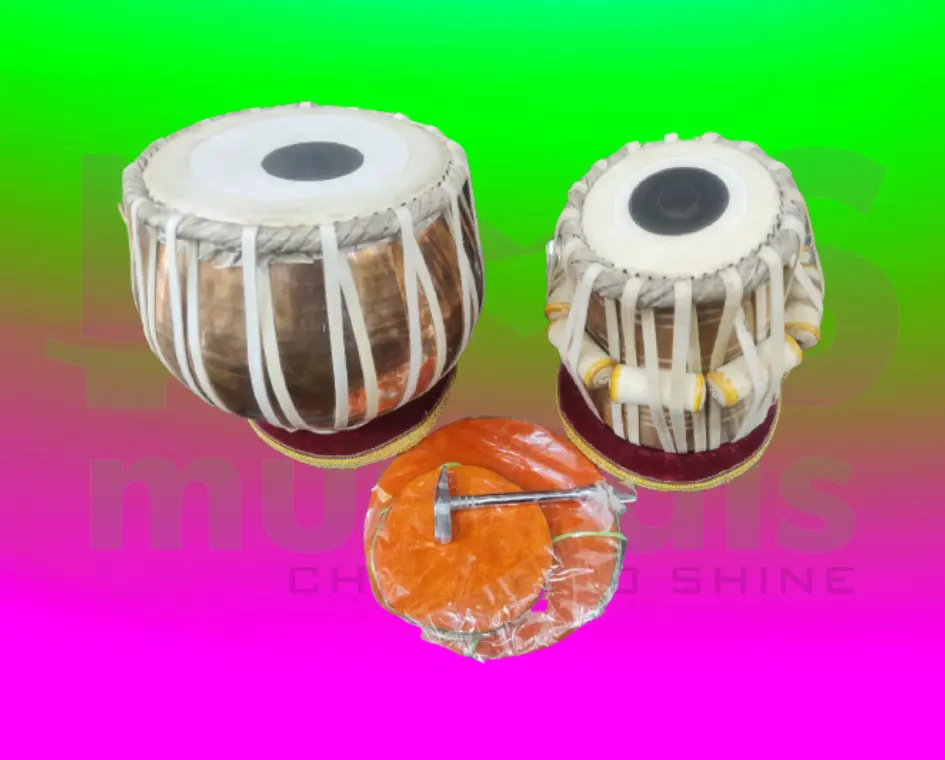
copper tabla set

The Indian tabla is one of the most expressive percussion instruments in the world. Deeply rooted in Indian classical music, this twin-drum instrument carries a cultural and musical legacy that has transcended centuries. Whether you’re a student, teacher, or music enthusiast, understanding the tabla is crucial for diving deep into the rhythms of Indian music.


1. The History of Tabla

The tabla has a fascinating origin, believed to have evolved from the ancient Indian percussion instruments like the pakhawaj and mridangam. It became more prominent during the 18th century in North India and has since become an integral part of Hindustani classical music.


2. Understanding the Tabla’s Structure

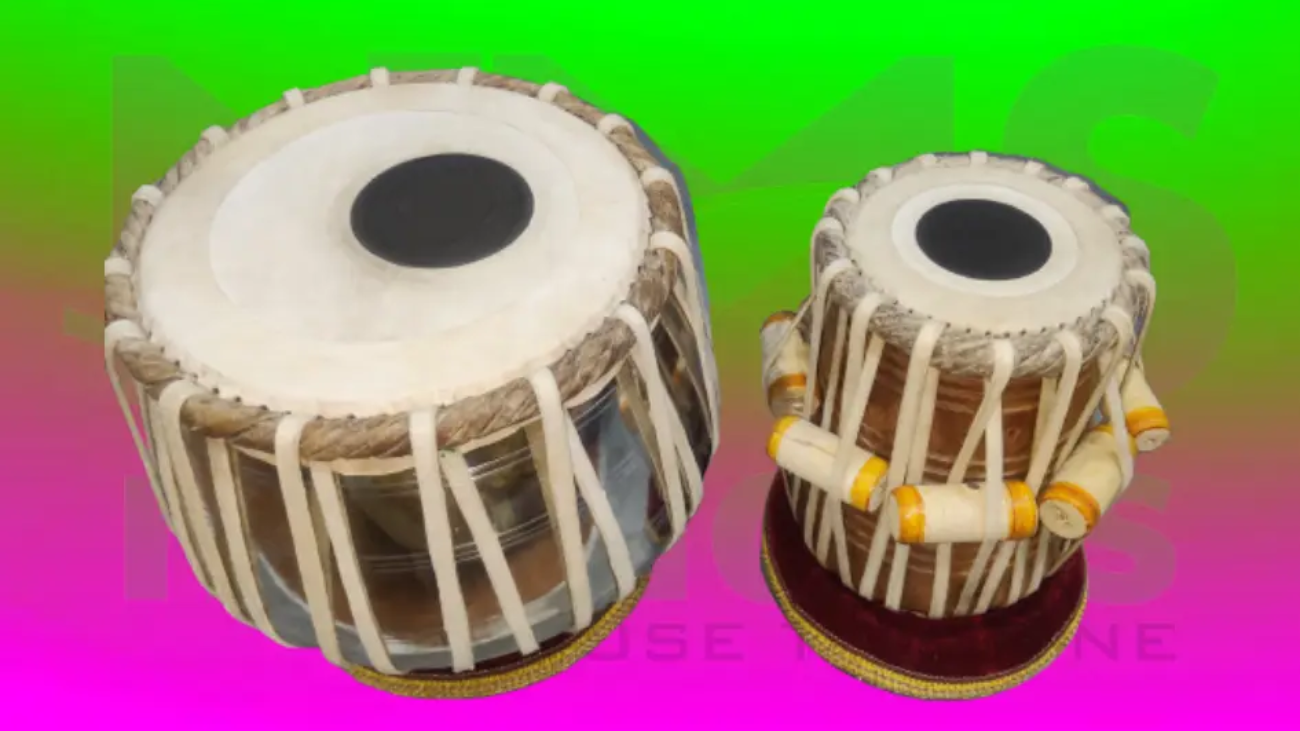
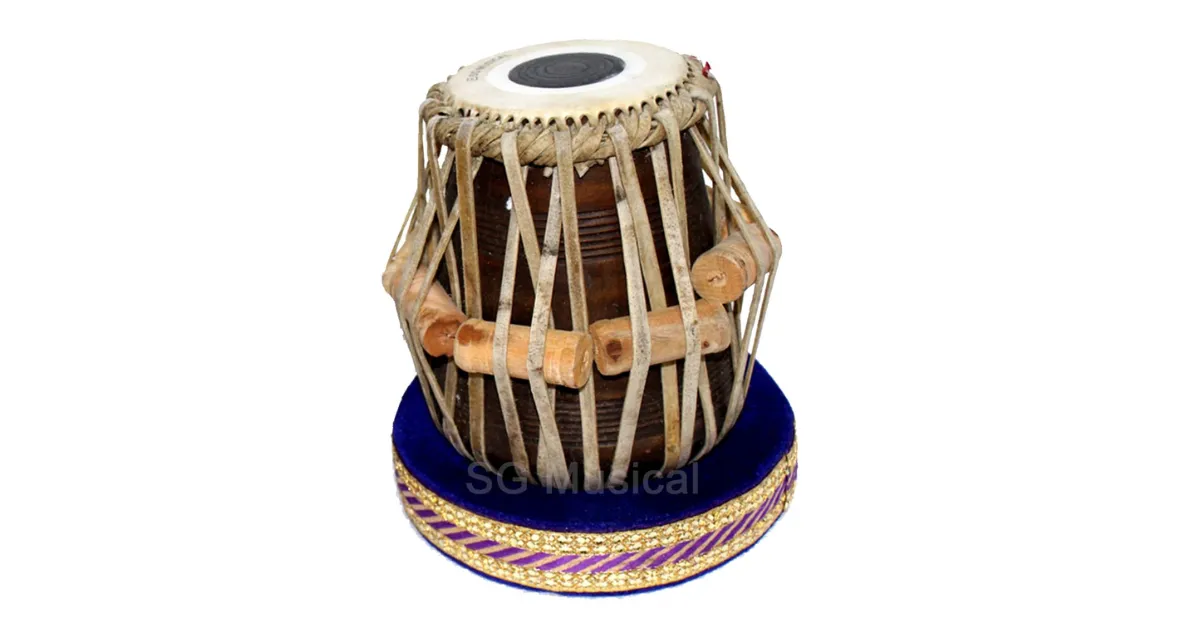
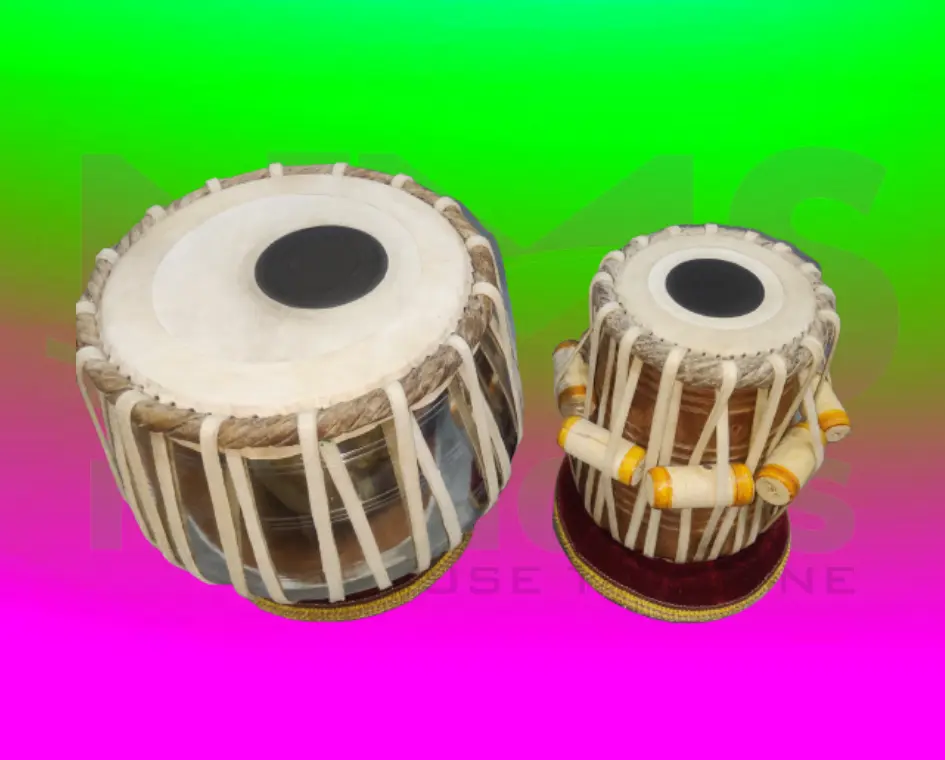
The tabla consists of two drums:

  1. Dayan (Right Drum): Made of wood, usually sheesham or rosewood, tuned to the tonic note of the raga.
    Complete Guide to Indian Tabla
  2. Bayan (Left Drum): Larger, made of metal (brass, copper) or clay, and provides the bass sound.

Each drum features a black spot known as “syahi,” composed of iron filings and paste, which contributes to the unique sound of tabla.
Complete Guide to Indian Tabla 1


3. Different Types of Tabla

  1. Concert Tabla: Used by professional musicians; finely crafted with high-quality materials.
  2. Student Tabla: More affordable and suitable for learners.
  3. Folk Tabla: Used in regional or folk performances, less refined in structure.
  4. Electronic Tabla: Used for practice or modern fusion music.


4. Key Materials and Components

  1. Wood Types: Sheesham, neem, and rosewood for dayan.
  2. Metal Choices: Brass and copper for bayan.
  3. Skins: Goat or cowhide used for the drum heads.
  4. Tuning Blocks: Cylindrical wooden pieces inserted between the straps.


5. Basic Tabla Playing Techniques

Tabla playing involves a variety of strokes known as “bols.”

  1. Na: Sharp stroke on the rim of dayan.
  2. Tin: Open stroke on the center.
  3. Dha: Combination of na and ghe.
  4. Ge: Bass stroke on bayan.

Learning tabla involves mastering these bols and composing them into rhythmic patterns or “taals.”


6. Popular Tabla Taals

  1. Teentaal (16 beats)
  2. Keharwa (8 beats)
  3. Dadra (6 beats)
  4. Jhaptal (10 beats)
  5. Rupak (7 beats)

Each taal follows a cyclical pattern with stress points that align with musical compositions.


7. Learning the Tabla: Beginner to Advanced

  1. Start with Theory: Learn the names of strokes, parts of the tabla, and taals.
  2. Practice Basic Bols: Repeat bols daily to develop finger control and accuracy.
  3. Play Simple Taals: Keharwa and Dadra are good starting points.
  4. Advance to Complex Rhythms: Once comfortable, move to Teentaal and Jhaptal.
  5. Accompaniment Practice: Learn to play with vocals, harmonium, and sitar.


8. Importance of Tabla in Indian Music

Tabla is central to Hindustani classical music, Bhajans, Ghazals, Kathak dance performances, and modern fusion. It adds rhythm and emotion to performances, highlighting the importance of percussive storytelling in Indian music.


9. How to Choose the Right Tabla

  1. Purpose: Are you a beginner, intermediate player, or concert artist?
  2. Material: Opt for high-quality wood and metal.
  3. Brand: Reliable Indian brands like Haridas Vhatkar, Akbar Mian, or Bina.
  4. Sound Quality: Test the tonal clarity and balance between dayan and bayan.
  5. Accessories: Look for a good-quality ring set, tuning hammer, and carry bag.


10. Common Maintenance Tips

  1. Keep Dry: Avoid exposure to moisture; always store in a dry place.
  2. Cover After Use: Use cloth covers to prevent dust accumulation.
  3. Tighten Straps: Regularly check and adjust the tension using a tuning hammer.
  4. Reapply Syahi: Get it professionally re-applied once it wears out.
  5. Use Cushion Rings: Protect the base of the drums.


11. Tabla Care Essentials for Indian Climate

  1. Humidity Control: Use silica gel or dehumidifiers during monsoon.
  2. Regular Cleaning: Wipe with a dry cloth after every use.
  3. Avoid Direct Sunlight: Keep away from harsh sunlight to prevent skin cracking.


12. Famous Indian Tabla Players

  1. Zakir Hussain: A living legend, known for his speed and grace.
  2. Alla Rakha: Zakir Hussain’s father, known for classical excellence.
  3. Anindo Chatterjee: Master of Farukhabad gharana.
  4. Swapan Chaudhuri: Known for his mastery in solo and accompaniment.


13. Online vs Offline Learning

  1. Offline Learning: Best for hands-on feedback and traditional experience.
  2. Online Classes: Great for flexibility and access to global teachers.
  3. Hybrid Learning: Combines best of both worlds for consistent progress.


14. Tabla in Modern Indian Fusion

The tabla is now widely used in Indian film music, Indo-jazz, and world fusion projects. Artists collaborate with Western musicians, making tabla a global percussion icon.


15. Tabla for Kids: A Good First Instrument?

Yes! Tabla is excellent for:

  1. Developing Rhythm Sense
  2. Enhancing Focus
  3. Learning Cultural Values

Choose smaller-sized tablas for children and ensure daily supervised practice.


Conclusion

The Indian tabla is more than just an instrument—it’s a gateway to India’s rich musical traditions. Whether you’re a student starting your musical journey or an experienced artist deepening your rhythm vocabulary, the tabla offers an expressive, vibrant path to mastery. With the right tabla, consistent practice, and proper care, anyone can become proficient in this amazing percussion art. Embrace this timeless instrument and let your rhythm speak!


At NMS Musicals, we offer a comprehensive range of musical instruments, including percussion, string, wind, and keyboard instruments. Our services encompass sales, expert servicing, and the manufacture of leather instruments. Explore our diverse collection and find the perfect instrument to suit your musical needs.

Visit our website to browse our offerings: nmsmusicals.in

For a closer look at our products, check out our shop page: nmsmusicals.in/shop

Stay connected with us through our social media channels:
Our shop locations are:

For inquiries, contact/Whatsapp us at 9500663895 or email us at laxman.m89@gmail.com.

Discover the world of musical instruments with NMS Musicals today!

For a visual overview of our percussion instruments, watch the following video:
Right Electric Guitar Pedal Guide

Ultimate Right Electric Guitar Pedal Guide for Musicians

Explore the Right Electric Guitar Pedal Guide for personalized sound control

Right Electric Guitar Pedal Guide1

Electric guitar pedals are essential tools that can transform your playing experience, tone, and musical expression. Whether you’re diving into Indian fusion, classical improvisation, or cinematic scoring, understanding how to choose the right electric guitar pedal for your sound is crucial. This guide walks you through everything you need to know—types of pedals, how they work, and how to align them with Indian music sensibilities.


1. Understand Your Genre and Playing Style

Before buying any pedal, identify your musical genre. Indian guitarists often blend Carnatic or Hindustani melodies with modern styles like rock, pop, or ambient soundscapes. Each genre benefits from specific effects.

  • For Carnatic fusion: Reverb and delay can enhance slides and gamakas.
  • For Hindustani styles: Overdrive or light distortion gives subtle grit.
  • For Bollywood covers or pop rock: Chorus and compressor pedals are must-haves.


2. Know the Basics: What Is a Guitar Pedal?

A guitar pedal alters your guitar’s sound by modifying the signal between the guitar and amplifier. You activate it with your foot, allowing hands-free tone control. Pedals can shape tone, boost signals, add delay, echo, distortion, and more.


3. Types of Electric Guitar Pedals and Their Uses

Each type of pedal adds a different texture to your playing. Here’s a breakdown of key categories useful for Indian styles:

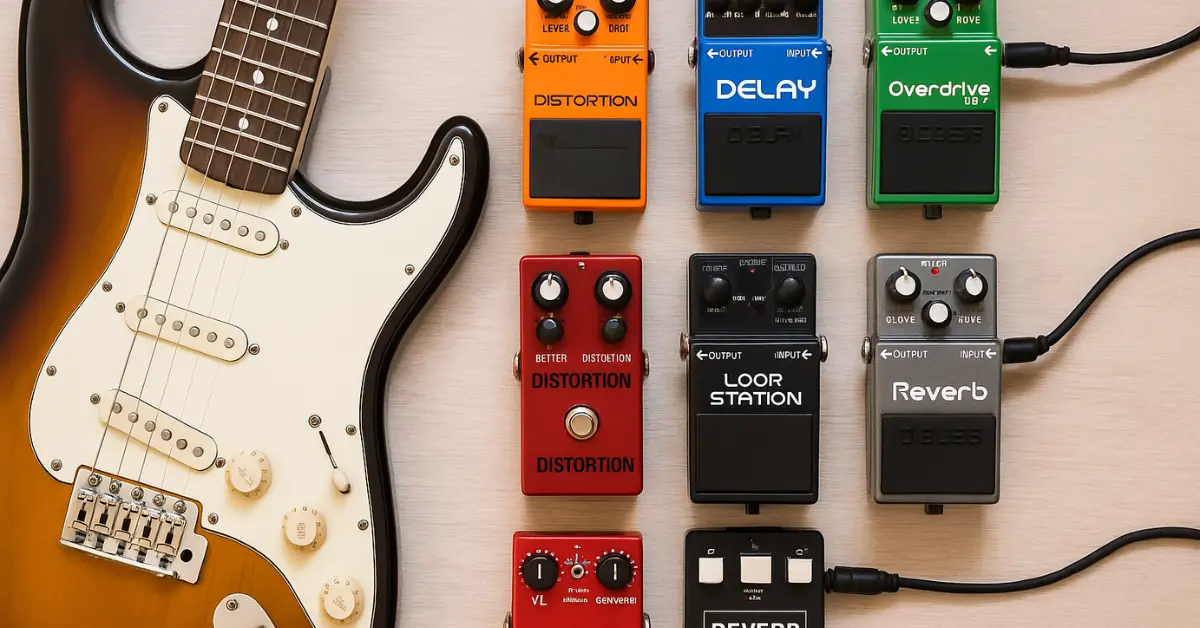
3.1 Distortion and Overdrive Pedals

  • Use: Add crunchy, gritty tones.
  • Best for: Bollywood rock, Indian fusion.
  • Recommended Brands: BOSS DS-1, Ibanez Tube Screamer.

3.2 Delay Pedals

  • Use: Create echo effects or rhythmic repeats.
  • Best for: Raga improvisations, solo performances.
  • Indian Artists’ Choice: TC Electronic Flashback, BOSS DD-8.

3.3 Reverb Pedals

  • Use: Simulates natural room or hall reverberation.
  • Perfect for: Bhajans, Carnatic guitar renditions.
  • Try: Hall of Fame Reverb by TC Electronic.

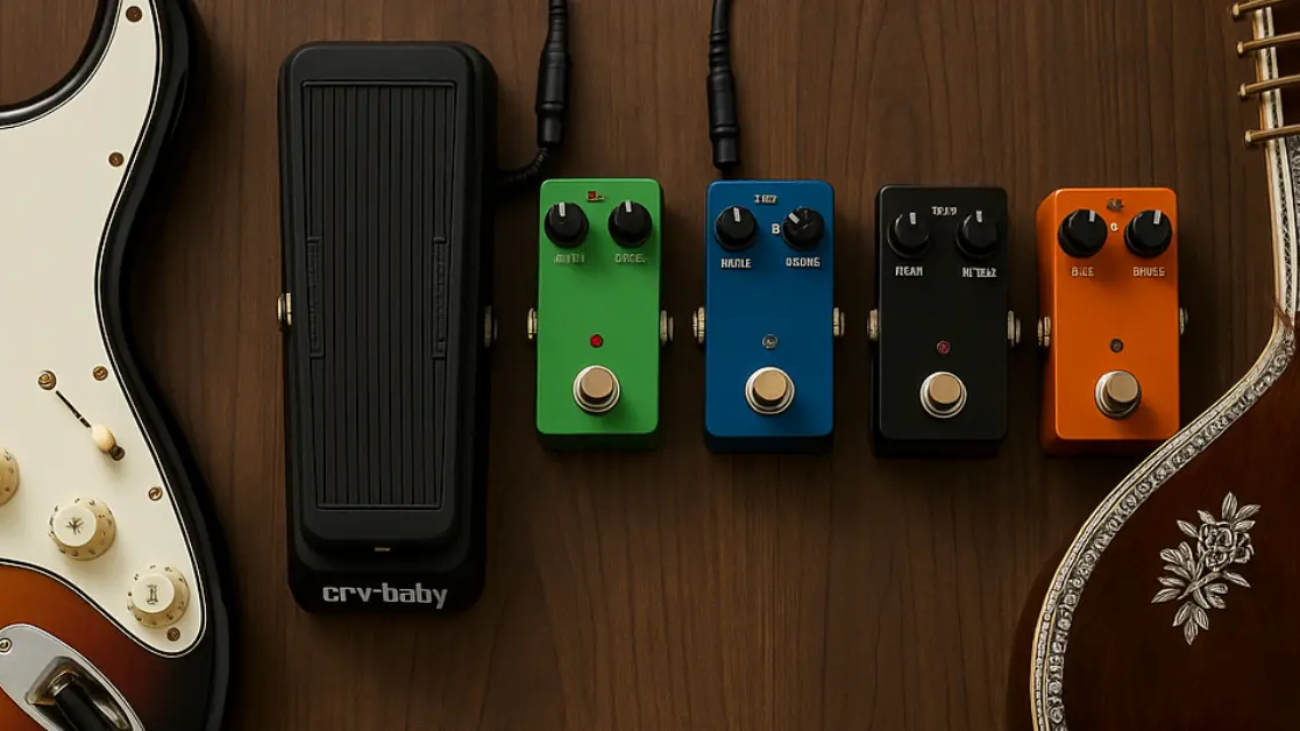
3.4 Wah Pedals

  • Use: Filter tone to sound like a human voice.
  • Use Case: Carnatic guitar gamakas.
  • Popular Models: Dunlop Cry Baby.

3.5 Chorus Pedals

  • Use: Makes single notes sound like multiple instruments.
  • Good for: Instrumental Bollywood tracks.
  • Suggested: BOSS CH-1 Super Chorus.

3.6 Compression Pedals

  • Use: Evens out volume inconsistencies.
  • Perfect for: Classical raga articulation.
  • Best Choice: MXR Dyna Comp, Keeley Compressor Plus.

3.7 Looper Pedals

  • Use: Record and repeat guitar phrases.
  • Great for: Solo live Indian performances.
  • Best Options: BOSS RC-1, Ditto Looper by TC Electronic.


4. Decide Between Analog and Digital Pedals

  • Analog: Warmer, vintage tones—great for Indian classical guitarists.
  • Digital: Versatile, programmable options—best for fusion and experimental genres.

Choose based on the purity of sound you need. For example, analog reverb sounds more natural for Carnatic ragas.


5. Multi-Effects Units vs. Individual Pedals

  • Multi-effects units: Combine multiple effects in one box. Great for beginners.
  • Individual pedals: Allow more control and customization.

Indian fusion guitarists like Baiju Dharmajan often use a mix of both for tailored tonal control.


6. Arrange Pedals in the Right Order

The pedalboard signal chain affects tone:

  1. Tuner
  2. Wah/Envelope
  3. Compression
  4. Overdrive/Distortion
  5. Modulation (Chorus, Phaser)
  6. Delay
  7. Reverb

Proper order ensures your gamakas, bends, and sustain are preserved in Indian compositions.


7. Think About Pedal Power and Connections

  • Use isolated power supplies like Voodoo Lab Pedal Power.
  • Ensure patch cables are noise-free.
  • Invest in a pedalboard if you use 3 or more pedals.


8. Consider Pedal Size and Portability

If you perform often or travel for Indian music gigs, choose compact pedals. Mini pedals from Mooer and Electro-Harmonix save space and weight.


9. Budget Wisely

Quality pedals start around ₹4,000 and go up to ₹25,000+. Prioritize your first three essential pedals (like reverb, delay, overdrive) and expand over time.


10. Try Before You Buy

Always test pedals in-store, especially for Indian fusion. Listen for clarity in gamakas, sustain in alaaps, and rhythmic alignment in jathis.


11. Indian Musicians to Watch for Inspiration

  • Santhosh Chandran: Fusion tones, slide guitar mastery.
  • Rex Vijayan: Uses multi-effects and analog delay for cinematic compositions.
  • Warren Mendonsa (Blackstratblues): Balances distortion and modulation beautifully.


12. Pedals to Match Indian Instruments

  • With Veena or Saraswati Guitar: Use reverb and EQ pedals.
  • With Electric Sitar or Sitar Guitar: Delay and phaser create psychedelic ragas.
  • With Carnatic-inspired fretless guitars: Overdrive and looper build complex textures.


13. Pedalboard Setup Tips for Indian Conditions

  • High humidity: Use silica gel or moisture-proof pedalboards.
  • Outdoor gigs: Use rugged, metal casing pedals.
  • Frequent power fluctuations: Use voltage stabilizers with pedal power.


14. Useful Apps and Tools for Indian Guitarists

  • NaadSadhana: Use it with looper pedals to jam over tanpura and tabla.
  • TaalMala: Helps with rhythmic cycle practice.
  • Mobile Tuners: Combine with pedal tuners for Carnatic gamaka tuning.


15. Where to Buy in India

  • Online: Bajaao, Furtados, Devmusical.
  • Offline: Chennai’s Musee Musicals, Delhi’s OnStage.
  • Ask for demo sessions and Carnatic tuning support.


16. Best Starter Pedal Kits for Indian Beginners

  • Basic Kit: Tuner, Reverb, Delay.
  • Intermediate Kit: Add Looper, Compressor.
  • Fusion Kit: Add Chorus, Wah, Overdrive.


17. Tips for Practicing with Pedals

  • Use backing tracks with tabla loops or tanpura drones.
  • Practice with headphones using amp simulators.
  • Record and review to hear tone shifts.


18. Experiment with Soundscapes

Many Indian artists use guitar pedals not just for tone shaping but for sound design. For instance:

  • Ambient drones with reverb + delay.
  • Rhythmic loops with looper and tabla app.
  • Carnatic meets Psychedelia using phaser + fuzz.

Let your pedalboard become an extension of your creative self.


Conclusion

Learning how to choose the right electric guitar pedal for your sound is an essential step toward shaping your identity as a guitarist—especially in India’s rich musical landscape. Whether you’re crafting Carnatic fusion or recreating a Bollywood melody, the right pedal combination can enhance your tone, style, and expression. Start simple, listen closely, and explore as your style evolves. The journey of sound begins with one step—or one stomp on your first pedal.


At NMS Musicals, we offer a comprehensive range of musical instruments, including percussion, string, wind, and keyboard instruments. Our services encompass sales, expert servicing, and the manufacture of leather instruments. Explore our diverse collection and find the perfect instrument to suit your musical needs.

Visit our website to browse our offerings: nmsmusicals.in

For a closer look at our products, check out our shop page: nmsmusicals.in/shop

Stay connected with us through our social media channels:
Our shop locations are:

For inquiries, contact/Whatsapp us at 9500663895 or email us at laxman.m89@gmail.com.

Discover the world of musical instruments with NMS Musicals today!

For a visual overview of our percussion instruments, watch the following video:
Best Musical Gifts for Partner 3

Best Musical Gifts for Partner: Unique & Romantic Gift Ideas

Discover the best musical gifts for partner, including soulful Indian instruments that make perfect romantic and thoughtful presents.

Gifting is one of the most heartwarming expressions of love. When it comes to choosing something personal and meaningful for your significant other, a musical instrument is a powerful symbol of harmony and connection. Whether your partner is an aspiring musician or simply loves music, Elegant Violin opens up a world of creativity and joy. In this blog, we’ll explore the best music instruments to gift your significant other, especially focusing on traditional Indian options that add cultural depth to your gesture.


1. The Soulful Sitar

Best Musical Gifts for Partner

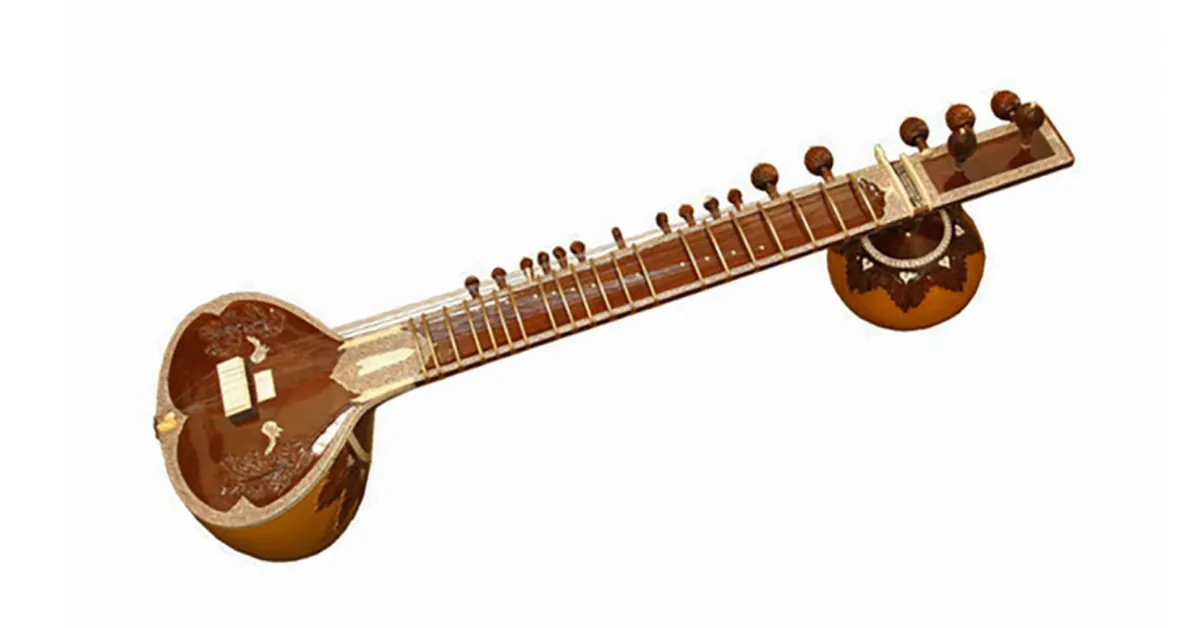
The sitar is a stringed instrument deeply rooted in Indian classical music. Its rich sound and spiritual aura make it a wonderful gift for someone who appreciates tradition and melody. Gifting a sitar is symbolic of emotional depth and intellectual connection.

  • Ideal for: Lovers of Indian classical music
  • Symbolism: Spiritual bond, deep connection
  • Bonus: Pair it with a beginner’s tutorial book


2. Tabla: A Rhythmic Romance

If your partner has a flair for rhythm and percussion, a set of tablas could be the perfect gift. This pair of hand-played drums is an iconic Indian instrument that’s both challenging and rewarding to master.

  • Ideal for: Percussion enthusiasts, rhythm learners
  • Symbolism: Harmony and coordination
  • Bonus: Look for handcrafted tabla sets with a soft carry case


3. The Elegant Violin

High Quality Violin Bow Investment

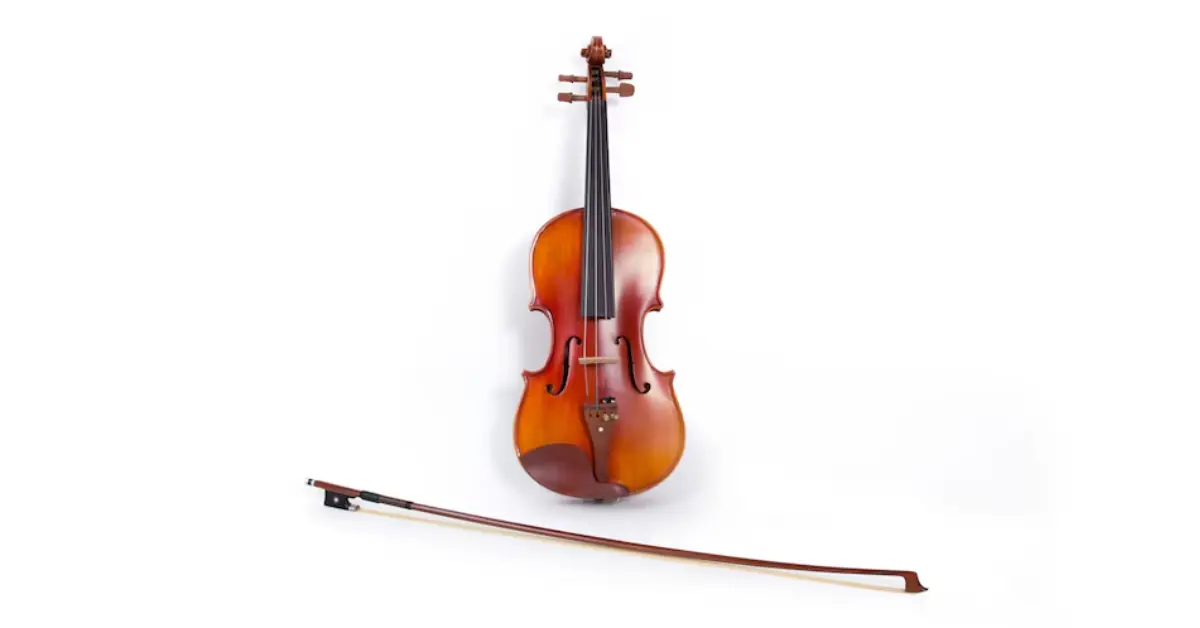
For someone drawn to melody and emotion, a violin is an elegant and romantic choice. It fits various genres from Indian classical to fusion music. Gifting a violin says, “I understand your emotional language.”

  • Ideal for: Emotionally expressive partners
  • Symbolism: Elegance, emotion, grace
  • Bonus: Opt for electric violins for tech-savvy musicians


4. Harmonium: The Heart of Devotion

Single Reed harmonium

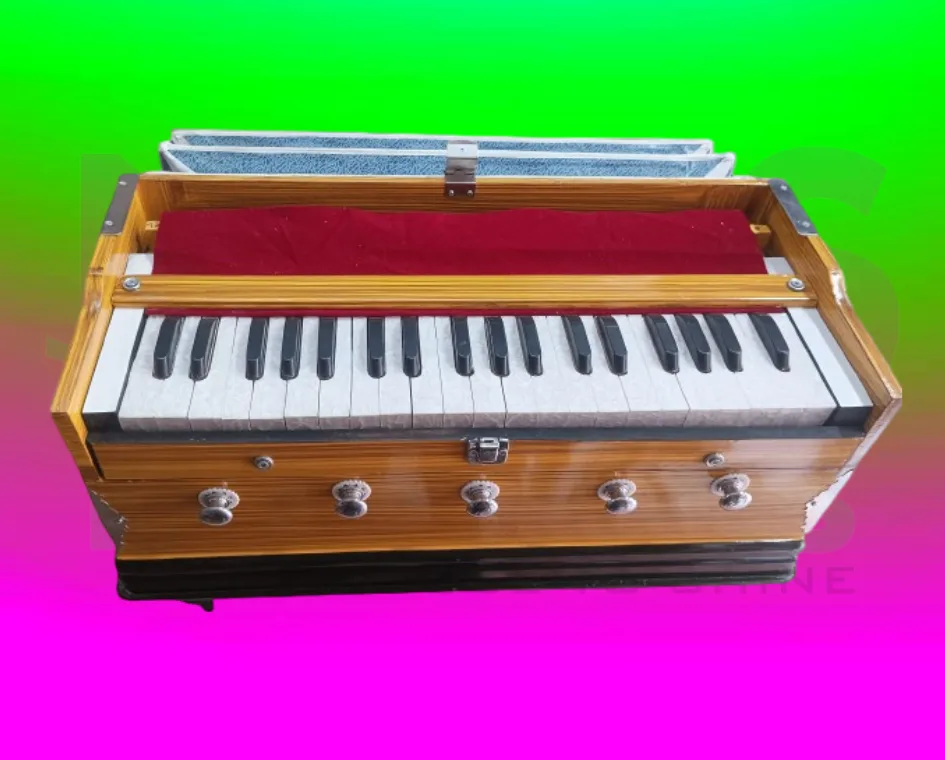
A harmonium can be a deeply spiritual gift for a partner who loves devotional music or kirtans. It’s often used in bhajans and classical music, and learning it can bring immense peace and discipline.

  • Ideal for: Spiritual partners, bhajan singers
  • Symbolism: Devotion, balance
  • Bonus: Choose a folding model for portability


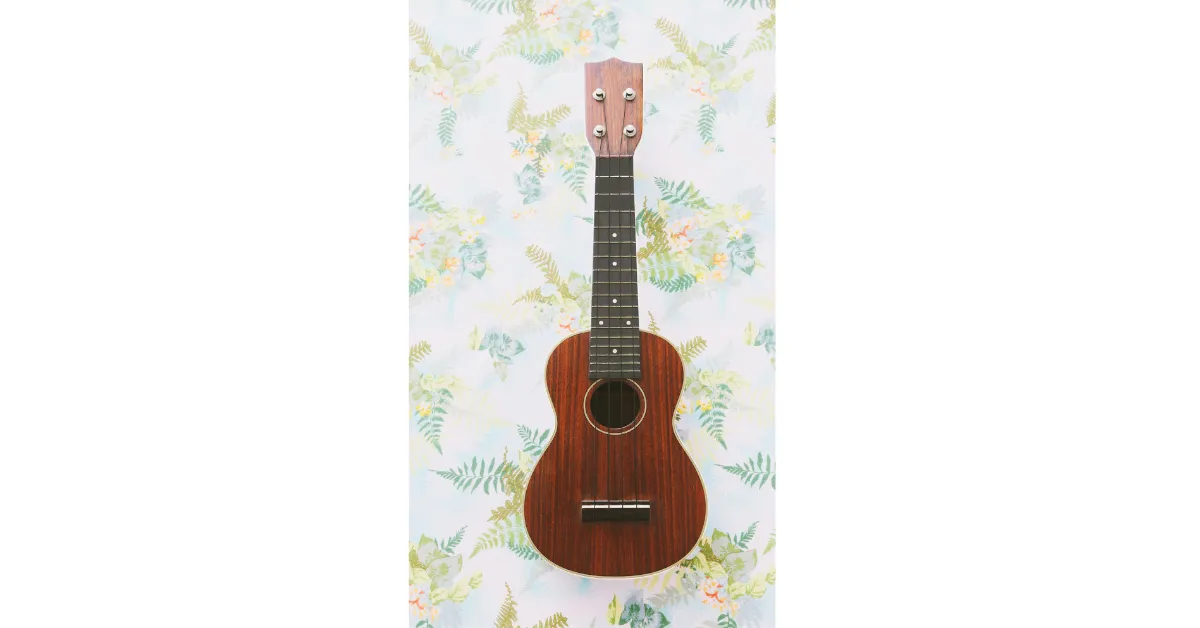
5. Ukulele: Cute and Compact

Best Musical Gifts for Partner 1

If your significant other enjoys cheerful, upbeat sounds, the ukulele is a charming instrument to gift. It’s small, easy to learn, and perfect for serenading each other.

  • Ideal for: Casual music lovers, travelers
  • Symbolism: Fun, lighthearted love
  • Bonus: Personalize it with a custom strap or case


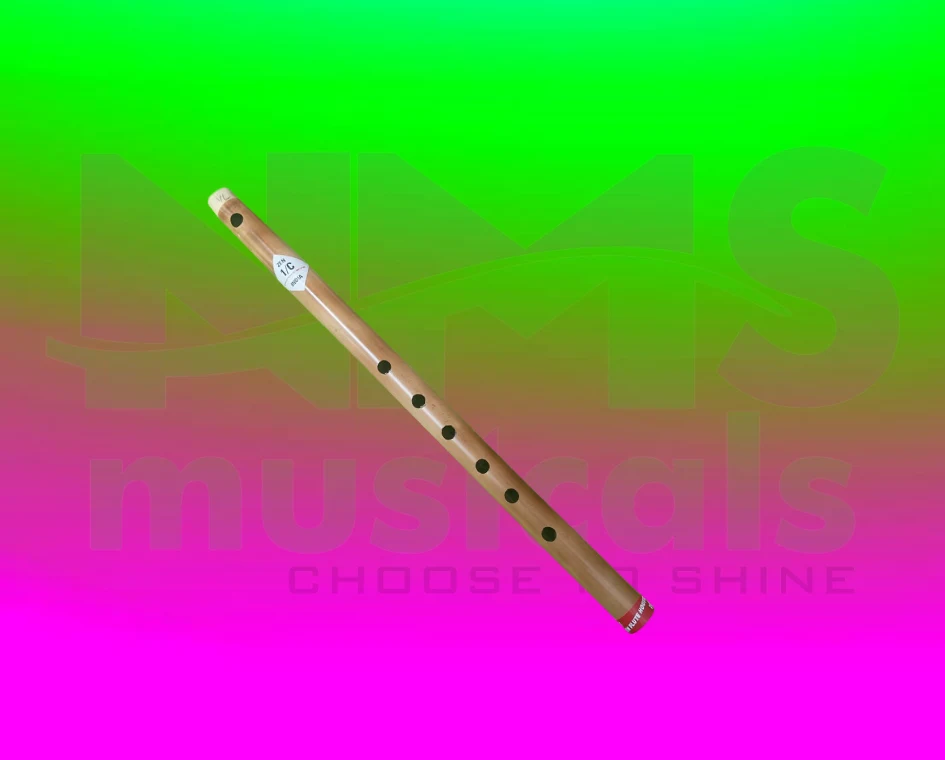
6. Flute: Breeze of Romance

C scale flute
C scale flute

The flute has always been a romantic instrument in Indian culture, associated with Lord Krishna. Gifting a flute signifies harmony, peace, and emotional connection.

  • Ideal for: Meditative souls, classical lovers
  • Symbolism: Serenity, romance
  • Bonus: Include a beginner’s fingering chart and case


7. Cajon: Beat in a Box

Beatbox
Beatbox

The cajon is a percussion box drum that’s becoming increasingly popular among indie musicians. It’s compact, portable, and great for spontaneous jam sessions.

  • Ideal for: Beat lovers, aspiring drummers
  • Symbolism: Spontaneity, heartbeat
  • Bonus: Go for handcrafted Indian cajons for a unique touch


8. Keyboard: Versatile and Universal

PSR-I400 Keyboard

A digital keyboard is a great all-rounder gift. It allows your partner to explore melodies, harmonies, and even compose their own songs. With built-in Indian tones and rhythms, some keyboards make it easier to explore regional styles.

  • Ideal for: Beginners, composers
  • Symbolism: Creativity, versatility
  • Bonus: Pair it with a stand, headphones, and a beginner’s book


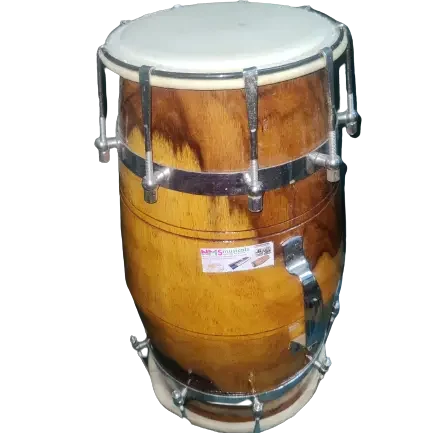
9. Dholak: Folk Vibes

For partners who love folk or regional music, a dholak is a lively and energetic gift. It’s used in weddings, bhajans, and folk events, and adds an instant festive mood.

  • Ideal for: Folk music fans
  • Symbolism: Celebration, liveliness
  • Bonus: Choose a dholak with leather heads and a tuning spanner


10. Electronic Tanpura: A Modern Classic

Radel Saarang micro v6

If your significant other is into classical vocals, an electronic tanpura can be a thoughtful and practical gift. It’s compact, easy to use, and replaces the need for a live tanpura player.

  • Ideal for: Vocalists, students of classical music
  • Symbolism: Support, consistency
  • Bonus: Pick one with adjustable pitch and tempo settings


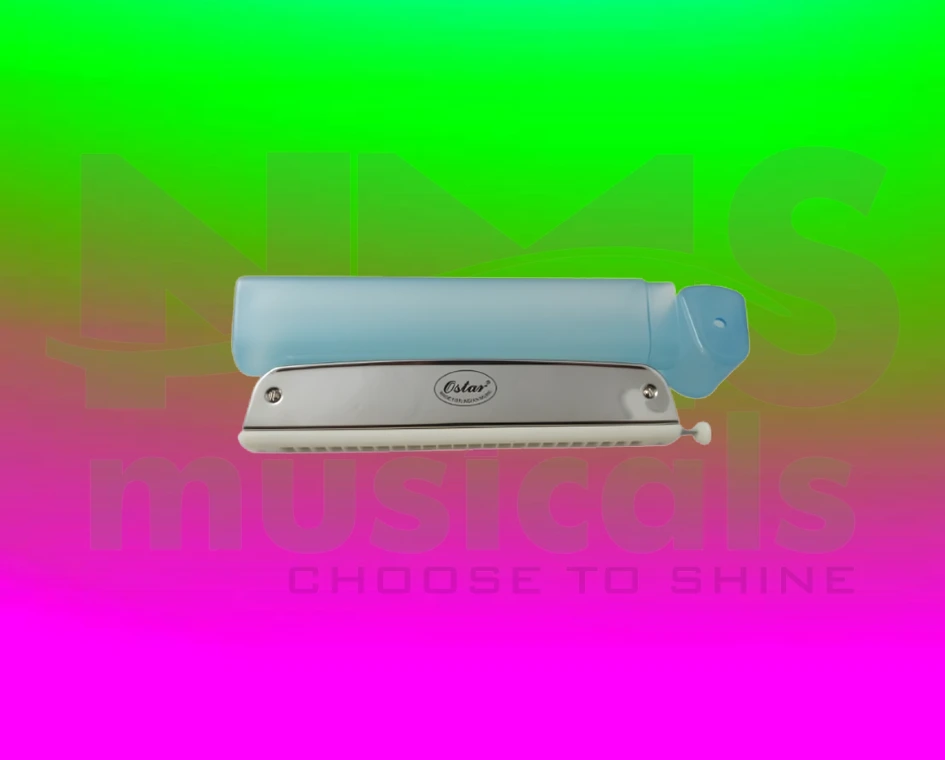
11. Mouth Organ: Pocket Melodies

Ostar Mouthorgan

The mouth organ (harmonica) is a small yet impactful gift that can fit right in a pocket. It’s fun to play and great for impromptu performances.

  • Ideal for: Travel enthusiasts, old-school romantics
  • Symbolism: Simplicity, emotional warmth
  • Bonus: Include a protective case and tutorial app


12. Tanpura App & Accessories

Best Musical Gifts for Partner 2

If your partner already has instruments, consider getting them music accessories or even a subscription to a tanpura app. This enhances their practice sessions and adds value to their musical journey.

  • Ideal for: Tech-savvy musicians
  • Symbolism: Support, enhancement
  • Bonus: Pair with a stylish music diary or tuner


CONCLUSION

Choosing a music instrument as a gift for your significant other is more than just a material gesture. It’s a symbol of love, rhythm, and a shared journey through sound. From the spiritual notes of a sitar to the cheerful strums of a ukulele, every instrument tells a story. With Indian instruments adding a cultural touch, your gift becomes even more meaningful. Whether your partner is a seasoned musician or just beginning their musical path, these thoughtful instruments are sure to strike the right chord in their heart.


At NMS Musicals, we offer a comprehensive range of musical instruments, including percussion, string, wind, and keyboard instruments. Our services encompass sales, expert servicing, and the manufacture of leather instruments. Explore our diverse collection and find the perfect instrument to suit your musical needs.

Visit our website to browse our offerings: nmsmusicals.in

For a closer look at our products, check out our shop page: nmsmusicals.in/shop

Stay connected with us through our social media channels:
Our shop locations are:

For inquiries, contact/Whatsapp us at 9500663895 or email us at laxman.m89@gmail.com.

Discover the world of musical instruments with NMS Musicals today!

For a visual overview of our percussion instruments, watch the following video:
Harmony and Chords in Piano Music2

Unlock Harmony and Chords in Piano Music Now

Explore how Harmony and Chords in Piano Music bring depth and emotion.

Harmony and Chords in Piano Music

The piano is one of the most versatile instruments in both Indian and Western music. Its ability to express deep emotions through layered sounds has made it a favorite among composers and learners alike. Among its many components, harmony and chords form the foundation of musical expression. For Indian pianists exploring Carnatic or Hindustani influences alongside global genres like jazz and pop, understanding harmony unlocks the true potential of musical storytelling. In this guide, we dive deep into the powerful impact of harmony in piano music, focusing on how it enriches melodies, enhances compositions, and connects cultural styles.


1. What is Harmony in Piano Music?

Harmony refers to the combination of different musical notes played simultaneously to produce a pleasing sound. In piano music, this usually involves playing chords along with melody lines. It gives body, context, and mood to the tune being played.


2. Importance of Harmony in Indian Piano Arrangements

Unlike traditional Indian instruments which focus heavily on melody (raga) and rhythm (tala), incorporating harmony on the piano allows musicians to bridge Indian and Western styles. Harmonized ragas or bhajans performed on the piano bring emotional depth and resonance.


3. Basics of Chords and Harmony

To begin exploring harmony, it’s essential to understand chords. A chord is a group of at least three notes played together.

  1. Major chords: Bright and happy sounds (e.g., C major – C, E, G)
  2. Minor chords: Softer and more emotional (e.g., A minor – A, C, E)
  3. Seventh chords: Add tension and color (e.g., G7 – G, B, D, F)


4. Scales and Chord Construction

Most harmonies stem from scales. The major and minor scales provide the structure for building chords.

  • Learn Indian scales (ragas) and how they translate to Western notation.
  • Explore how to harmonize ragas using piano chords.


5. Triads: The Foundation of Harmony

Triads are the simplest form of chords—three-note chords forming the base of most harmonies.

  • Root: The starting note
  • Third: Determines major or minor quality
  • Fifth: Adds stability


6. Extended Chords for Advanced Harmony

Once comfortable with triads, pianists can expand into extended chords such as ninths, elevenths, and thirteenths. These are especially useful in fusion music or jazz-influenced Indian compositions.


7. Chord Progressions and Their Emotional Impact

A chord progression is a sequence of chords played one after another. Popular progressions include:

  1. I – IV – V – I (Happy, conclusive feel)
  2. ii – V – I (Jazz and semi-classical applications)
  3. vi – IV – I – V (Modern pop, adaptable for bhajans or light music)


8. Harmony in Western vs. Indian Piano Playing

Western classical and contemporary music rely heavily on harmony, whereas Indian classical music traditionally focuses on melody and rhythm. Piano players in India can now blend both for innovative compositions using:

  • Drone notes and harmonized ragas
  • Western chord backing for Indian-style vocals


9. Application in Indian Genres

Explore how harmony is applied in Indian music using the piano:
  • Film Music: Use of major/minor chords to support emotional scenes
  • Bhajans: Simple progressions to accompany vocal leads
  • Carnatic Fusion: Blend of ragas with jazz chords


10. Chord Inversions and Their Role

Chord inversions create smoother transitions between harmonies. For example:

  • C Major (C–E–G) → First inversion (E–G–C) → Second inversion (G–C–E)
    In Indian piano playing, inversions help maintain fluid transitions in fast-paced bhajans or rhythmic patterns.


11. Using Harmony in Composing Piano Pieces

Harmony plays a central role in structuring and composing music. Whether you are writing a bhajan, a Bollywood-style theme, or a contemporary Indian-fusion song, consider:

  • Base chords for structure
  • Color tones (7ths, 9ths) for emotional depth
  • Complementing melody lines with inversions


12. Harmony Exercises for Beginners

  1. Play a C major scale and harmonize each note using its corresponding chord
  2. Try harmonizing a simple bhajan using I–IV–V chords
  3. Use a MIDI keyboard and digital piano app to experiment with harmony layering


13. Digital Tools to Practice Harmony

For Indian learners, combining traditional learning with digital tools is effective:

  • Apps like Riyaz and NaadSadhana: Support raga-based practice
  • MIDI software like GarageBand or FL Studio: Layer chords and practice harmonies


14. Learning Harmony through Indian Songs

Pick Indian songs that use harmonies (like A.R. Rahman’s compositions) to train your ear. Try breaking them down to identify:

  • Chord patterns
  • Basslines
  • Harmony lines


15. Teaching Harmony to Kids and Beginners

Introducing harmony early builds a strong foundation:

  • Begin with simple 3-note chords
  • Use Indian nursery rhymes or patriotic songs to make learning familiar
  • Encourage two-hand playing: melody on right, chords on left


16. Common Mistakes in Learning Piano Harmony

Avoid these pitfalls:

  • Jumping to advanced chords without triad mastery
  • Ignoring ear training—always try to “hear” the harmony
  • Overcomplicating progressions too early


17. Indian Instruments That Complement Piano Harmony

Some traditional Indian instruments harmonize beautifully with piano:

  • Mridangam and tabla: Rhythmic depth
  • Flute and veena: Melodic layering
  • Tanpura: Drone background for harmonic grounding


18. Exploring Fusion Music with Harmony

Combine Indian ragas with jazz chords or blues progressions to create unique styles. Try blending:

  • Raga Yaman with major 7th chords
  • Raga Bhimpalasi with minor chords and sus chords


19. Practicing Harmony with a Teacher or Group

Group classes and ensembles offer feedback and introduce different harmony styles. Look for Indian music schools that offer piano instruction integrated with classical or film-based syllabi.


20. Sheet Music vs. By-Ear Learning for Harmony

While sheet music is common in Western training, Indian learners often use by-ear methods. A hybrid approach is best:

  • Use notations for Western chords
  • Use Indian swaras for melodies
  • Develop listening skills alongside reading skills


CONCLUSION

Mastering harmony and chords on the piano is like unlocking a new language in music. It gives structure, beauty, and emotion to compositions—whether you’re interpreting a devotional bhajan, composing a film theme, or simply playing for joy. Especially for Indian learners, blending the traditional with the modern offers endless creative opportunities. By learning the building blocks of harmony, practicing consistently, and experimenting with Indian genres, you can take your piano skills to a new level of depth and expression.


At NMS Musicals, we offer a comprehensive range of musical instruments, including percussion, string, wind, and keyboard instruments. Our services encompass sales, expert servicing, and the manufacture of leather instruments. Explore our diverse collection and find the perfect instrument to suit your musical needs.

Visit our website to browse our offerings: nmsmusicals.in

For a closer look at our products, check out our shop page: nmsmusicals.in/shop

Stay connected with us through our social media channels:
Our shop locations are:

For inquiries, contact/Whatsapp us at 9500663895 or email us at laxman.m89@gmail.com.

Discover the world of musical instruments with NMS Musicals today!

For a visual overview of our percussion instruments, watch the following video: