best violin brands for beginners and professionals

Trusted Picks: Best Violin Brands for Beginners and Professionals

A Complete Guide to the Best Violin Brands for Beginners and Professionals

Rampur Red Violin
Get this instrument at best deal – Rampur Red Violin

Music has the unique ability to touch hearts, and few instruments do it as eloquently as the violin. Whether you’re a beginner inspired by the haunting melodies of Indian classical music or a professional looking to expand your sound palette, the violin is a timeless choice. However, the journey to becoming a violinist starts with choosing the right instrument. In India, the fusion of tradition and modernity has brought forth both global and indigenous brands that cater to various skill levels. This blog explores the best violin brands to consider, whether you’re just beginning your musical journey or refining your professional craft.


1. What Makes a Good Violin Brand?

A good violin brand offers a harmonious balance of craftsmanship, tone quality, durability, and comfort. For beginners, ease of playability is crucial, while professionals may seek tonal depth and advanced craftsmanship. Reliable brands ensure:

  • Quality wood such as spruce tops and maple backs
  • Precision in string spacing and fingerboard alignment
  • Consistent sound production across strings
  • Good resale and upgrade options


2. Factors to Consider Before Choosing a Violin

Before investing in a violin, here are key factors to evaluate:

  • Purpose: Are you learning, performing, or recording?
  • Skill Level: Beginner, intermediate, or professional?
  • Budget: Indian brands often provide high quality at lower costs.
  • Music Style: Classical, Carnatic, Hindustani, or Western?

These will guide your selection process and help match you with the right brand.


3. Top Violin Brands for Beginners in India

3.1. Paloma

Paloma violins are highly recommended for students in India. They are affordable and come with decent build quality for their price range. These violins are particularly common in music schools.

3.2. Kadence

Though Kadence is widely known for guitars, their beginner violin range is popular due to decent quality and modern aesthetics. Ideal for learners who prefer stylish yet functional instruments.

3.3. Mendini by Cecilio

Mendini is an international brand that has gained popularity among Indian students due to its complete beginner kits and affordability. Their violins offer decent tonal quality for the price.

3.4. Yamaha (Beginner Range)

Yamaha’s beginner series offers excellent quality for learners who want a branded, durable instrument. Though priced higher than local brands, Yamaha violins are known for consistent quality.


4. Best Violin Brands for Intermediate to Advanced Students

best violin brands for beginners and professionals 1

4.1. Stentor

Stentor violins are well-loved among intermediate players. Their tone, craftsmanship, and finish make them ideal for students stepping up their skills.

4.2. Cremona

Cremona violins are known for their balance of affordability and quality. Intermediate students enjoy the warm tones and handcrafted feel.

4.3. Eastman Strings

For learners transitioning to serious performance, Eastman violins offer semi-professional quality at a moderate price. They are popular in Western classical circles in India.


5. Best Violin Brands for Professionals

5.1. Gliga

Gliga violins are handmade in Romania and offer deep, resonant tones preferred by many professional Indian violinists. They are a great choice for Hindustani and Western classical music.

5.2. Yamaha (Professional Range)

Yamaha’s upper-range violins offer flawless craftsmanship. These are ideal for studio recordings, orchestras, and stage performances in both Indian and Western styles.

5.3. Scott Cao Violins

Scott Cao violins are a favorite among performing artists due to their near-custom tonal qualities. While expensive, their quality matches professional demands.

5.4. Indian Luthier-Made Violins

Many Indian violinists commission local luthiers from Chennai, Kolkata, or Pune. These custom violins are crafted specifically for Carnatic or Hindustani music, providing excellent value and tonal authenticity.


6. Electric Violin Brands in India

Electric violins are rising in popularity due to fusion music and stage performances.

6.1. NS Design

These high-end electric violins are used in live shows and recordings for their crisp tones and sleek designs.

6.2. Yamaha Electric Series

Known for their SV series, Yamaha electric violins are perfect for artists who perform both traditional and contemporary music.

6.3. Cadence Electric Violins

Cadence offers budget-friendly electric options for beginners and semi-pros, making them accessible for Indian fusion performers.


7. Indian Classical Music and Violin Brands

Rampur Electric violin view - 7000
Get this instrument at best deal – Rampur Electric violin

Indian classical violinists often modify or commission violins suited for seated posture and Carnatic/Hindustani playing styles. Key features include:

  • Adjusted fingerboards for microtones
  • Custom bridges for Indian tuning
  • Deeper scroll work and body curve for seated play

Violinists like Lalgudi Jayaraman and Dr. N. Rajam have used custom models that influenced modern Carnatic violin builds in India.


8. Renting vs. Buying a Violin in India

If you’re unsure about investing in a violin, many Indian music academies and online platforms offer rentals. Renting gives you:

  • Trial period for a particular brand or size
  • Cost-effective practice solution
  • Upgrade flexibility as you progress

Look for brands that retain value and are easier to sell or upgrade like Yamaha, Stentor, and Kadence.


9. Maintenance Tips for Your Violin

To ensure long life and tone quality, follow these tips:

  • Clean with microfiber cloth after playing
  • Use quality rosin for consistent bow grip
  • Store in hard case with humidity control
  • Regularly check tuning pegs and bridge alignment

Good brands typically offer guides and kits for maintaining your instrument.


Conclusion

Choosing the right violin brand is crucial, especially when starting your musical journey or elevating your performance. The best violin brands for beginners and professionals combine tradition, innovation, and craftsmanship to bring out the artist in you. From Indian staples like SG Musical and Paloma to globally trusted names like Yamaha and Gliga, every brand brings unique strengths. Whether you aim to master Indian classical ragas or experiment with Western harmonies, the perfect violin is your companion. Let your choice reflect your musical goals, personal style, and the soulful expression that only the violin can offer.


At NMS Musicals, we offer a comprehensive range of musical instruments, including percussion, string, wind, and keyboard instruments. Our services encompass sales, expert servicing, and the manufacture of leather instruments. Explore our diverse collection and find the perfect instrument to suit your musical needs.

Visit our website to browse our offerings: nmsmusicals.in

For a closer look at our products, check out our shop page: nmsmusicals.in/shop

Stay connected with us through our social media channels:
Our shop locations are:

For inquiries, contact/Whatsapp us at 9500663895 or email us at laxman.m89@gmail.com.

Discover the world of musical instruments with NMS Musicals today!

For a visual overview of our percussion instruments, watch the following video:

Why Every Musician Needs a Tuner 1

Crucial Truth: Why Every Musician Needs a Tuner

Learn why every musician needs a tuner

Why Every Musician Needs a Tuner

In the vibrant world of Indian classical and contemporary music, tuning your instrument isn’t just a routine—it’s an absolute necessity. Whether you’re a sitar maestro, a budding tabla player, or a harmonium enthusiast, being in tune is what separates a magical performance from a mediocre one. Still, many musicians overlook this crucial element. This blog explores why every musician needs a tuner and how staying in tune can elevate your musical journey to new heights.


1. The Foundation of Every Great Sound: Tuning

Tuning your instrument is the first step toward producing a pleasing and professional sound. An out-of-tune note can distract your audience, disturb your rhythm, and ruin the essence of a beautiful raga or melody. Especially in Indian music, where each note (swara) has emotional depth, perfect tuning becomes non-negotiable. Instruments like the sitar or veena need precise pitch alignment to resonate harmoniously with vocal or ensemble performances.


2. Importance of Tuning in Indian Instruments

Indian instruments such as the tabla, mridangam, sarod, and bansuri are finely sensitive to pitch. Even the slight variance in pitch can be noticeable during a live performance. For instance, the tabla must match the singer’s or the harmonium’s pitch to maintain the melodic integrity of the composition. Hence, tuning is not a Western concept—it’s deeply rooted in Indian tradition too. Whether it’s Carnatic or Hindustani, precise tuning is part of every rehearsal and riyaz.


3. Benefits of Using a Tuner for Beginners

When starting out, beginners might struggle to recognize pitch differences by ear. An electronic tuner bridges that gap by providing visual feedback and helping young musicians develop their listening skills over time. For Indian instruments, tuners calibrated to 440Hz or customized pitch references make it easier to tune the harmonium, flute, or even esraj. These devices provide support, especially during solo practice sessions.


4. Consistency Across Performances

Professional musicians must maintain consistency in every performance. Using a tuner before every concert or practice session ensures your instrument sounds the same every time. This builds your reliability as a performer and creates a dependable experience for your audience. Whether you’re performing bhajans on the harmonium or rendering a raag on the bansuri, consistency in tuning supports consistency in expression.


5. Faster Setup for Concerts and Recordings

Live concerts and studio recordings demand quick, reliable setup. Instead of relying on another musician to help you tune or spending time with trial and error, a tuner can help you get pitch-perfect in seconds. Tuning your veena, tanpura, or sarangi with a digital tuner speeds up preparation and helps you focus more on performance and less on adjustment.


6. Reduces Dependence on Ear Training Alone

While ear training is vital for musicianship, early reliance on a tuner builds foundational pitch awareness. Over time, this helps you tune instruments like the sitar or flute manually by ear. But until then, a tuner supports your journey. It doesn’t weaken your skills—it reinforces them by offering a benchmark for correctness.


7. Enables Smooth Ensemble Practice

Group practice sessions or school performances often involve instruments playing together. An out-of-tune dholak or a slightly off-key harmonium can disrupt harmony and distract learners. When every member uses a tuner, the entire ensemble sounds cohesive, producing a powerful and unified musical experience. This becomes even more crucial during bhajan groups, school orchestras, or classical music competitions.


8. Maintains the Instrument’s Health

Surprisingly, incorrect tension from poor tuning can damage strings, membranes, or reeds in Indian instruments. Regular tuning not only sounds better but also keeps your instrument healthier. Whether it’s the sympathetic strings of a sarod or the reeds inside a harmonium, proper tuning avoids undue stress on fragile parts, preserving the longevity of the instrument.


9. Prepares You for Advanced Learning

When you progress from beginner to intermediate or advanced levels, your gurus or mentors will expect your instrument to be correctly tuned before every class. By already incorporating the habit of using a tuner, you come prepared and respected. It shows your dedication and seriousness toward your craft, whether you’re learning from a guru or through online lessons.


10. Helps in Recording High-Quality Music

In the digital era, many musicians record music for YouTube, Spotify, or Instagram. Any dissonance in pitch can be immediately noticed in high-fidelity recordings. Using a tuner eliminates those flaws and ensures a clean, polished sound. Whether you’re uploading a bansuri cover or a sitar solo, staying in tune helps your music reach more ears with clarity and impact.


11. Accessibility and Affordability of Tuners

Tuners today are available as mobile apps, clip-on devices, or pedal tuners—making them accessible and affordable for every musician. Indian instrument-specific tuners like the Tanpura Droid or apps that detect shruti (tonal center) are perfect for both home learners and performers. With such low investment and high value, it’s a no-brainer tool for your kit.


12. Adapts Easily to Traditional and Modern Settings

Even purists in Indian classical music are embracing tuners. Whether you’re tuning a tanpura for a temple concert or adjusting a flute before an indie fusion jam, tuners adapt well to every setting. You no longer need to depend solely on your guru or a senior artist to correct your tuning.


13. Reduces Pre-Performance Anxiety

One of the common worries before a stage performance is, “Am I in tune?” A tuner takes that fear away. Just one quick check can ensure you’re starting right. This peace of mind allows musicians to step onto stage with confidence and deliver their best.


14. Encourages Independent Practice

When you don’t have a teacher or peer around, tuning your instrument can become a guessing game. Tuners offer independence to school students, amateur players, and hobbyists to practice confidently without external help. It gives a sense of control and progress.


15. Improves Overall Musicality

Being in tune trains your ears and enhances your overall sense of music. Over time, you’ll begin to notice subtle pitch differences, react quicker, and even identify when others are out of tune. Tuning sharpens your senses, making you a more aware and versatile musician.


Conclusion

Whether you’re playing the sitar, tuning a tabla, or composing a fusion track with Indian instruments, one thing remains constant—staying in tune is non-negotiable. And that’s why every musician needs a tuner. It’s not just a tool; it’s your silent companion, guiding your sound towards perfection, professionalism, and peace of mind. From building confidence in students to helping professionals deliver flawless performances, tuners serve every level of the music journey. So, embrace the tuner, tune your passion, and let your music rise in harmony.


At NMS Musicals, we offer a comprehensive range of musical instruments, including percussion, string, wind, and keyboard instruments. Our services encompass sales, expert servicing, and the manufacture of leather instruments. Explore our diverse collection and find the perfect instrument to suit your musical needs.

Visit our website to browse our offerings: nmsmusicals.in

For a closer look at our products, check out our shop page: nmsmusicals.in/shop

Stay connected with us through our social media channels:
Our shop locations are:

For inquiries, contact/Whatsapp us at 9500663895 or email us at laxman.m89@gmail.com.

Discover the world of musical instruments with NMS Musicals today!

For a visual overview of our percussion instruments, watch the following video:
best classical music instruments for children

Incredible Picks: Best Classical Music Instruments for Children

Explore the best classical music instruments for children learning Indian tradition.

Introducing children to classical music at a young age can open doors to a lifetime of creativity, discipline, and deep cultural appreciation. Whether it’s Hindustani or Carnatic traditions, classical music sharpens the brain, enhances emotional intelligence, and improves academic performance. The best music instruments for children who are interested in classical music are those that are both age-appropriate and culturally rooted, especially in Indian traditions. In this blog, we will explore a curated list of instruments ideal for young learners, the benefits of each, and tips to help parents choose the right one based on their child’s interest and physical comfort.


1. Why Indian Classical Music is Ideal for Children

Indian classical music, with its rich structure and emotional depth, is a great foundation for musical education. It emphasizes listening, discipline, and improvisation. Children learn ragas (melodic frameworks) and talas (rhythmic cycles), which enhance auditory skills and creativity. Learning classical music also helps preserve our heritage, making it both an educational and cultural investment.


2. What to Consider Before Choosing an Instrument

Before purchasing or enrolling your child in music lessons, keep these considerations in mind:

  • Age and Physical Strength: Some instruments like the veena or sitar may be heavy for very young children.
  • Interest and Temperament: Percussion instruments are great for energetic kids, while string and wind instruments suit calm and focused children.
  • Teacher Availability: Ensure qualified instructors are available locally or online for the instrument you choose.
  • Maintenance and Cost: Some instruments like tabla require regular tuning, while flutes are relatively easy to maintain.


3. Best Indian Classical Instruments for Children

Let’s dive into the best music instruments for children who are interested in classical music, with a focus on Indian options.


4. Tabla: A Percussive Path to Rhythm

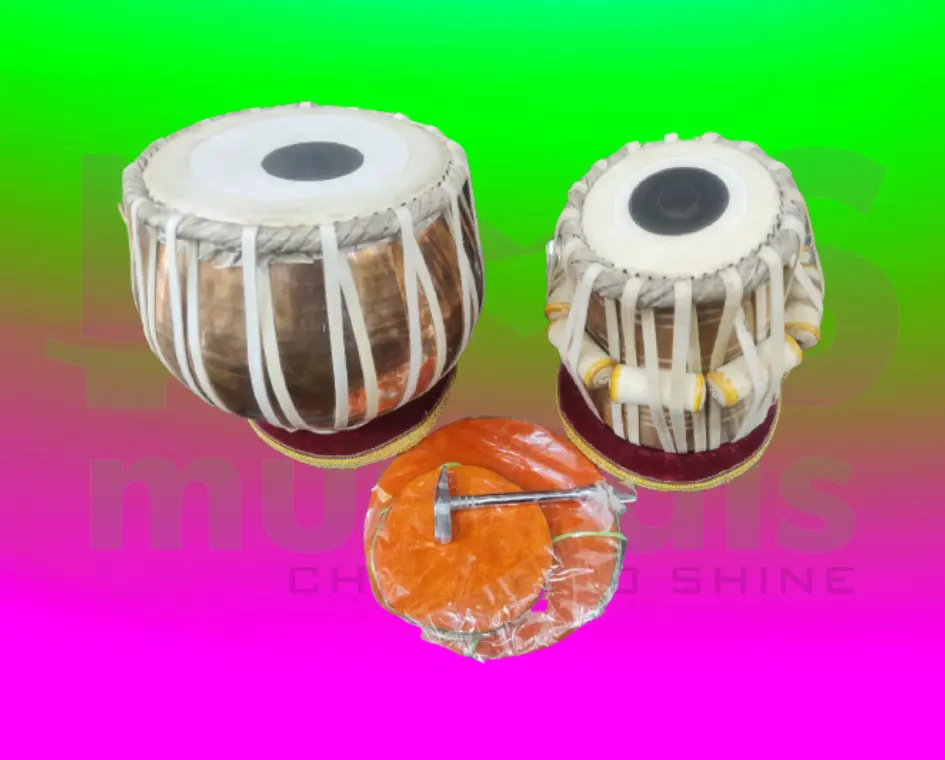
Tabla is one of the most popular and accessible Indian percussion instruments. It is ideal for children aged 5 and above. Learning tabla enhances hand coordination, rhythm awareness, and mathematical timing. Beginner tabla sets for kids are lighter and more compact.

Why it’s great for kids:

  • Fun to play and highly expressive
  • Helps understand Indian rhythms (taals)
  • Builds hand independence and coordination


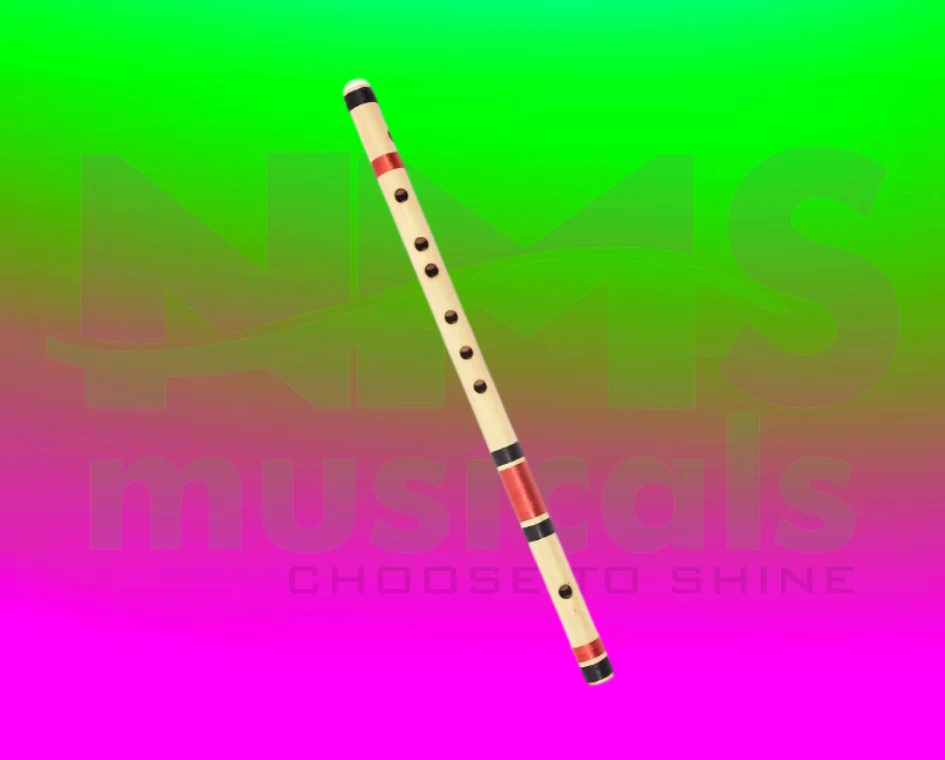
5. Bansuri (Indian Bamboo Flute): Breath of Melody

Bansuri E Flute

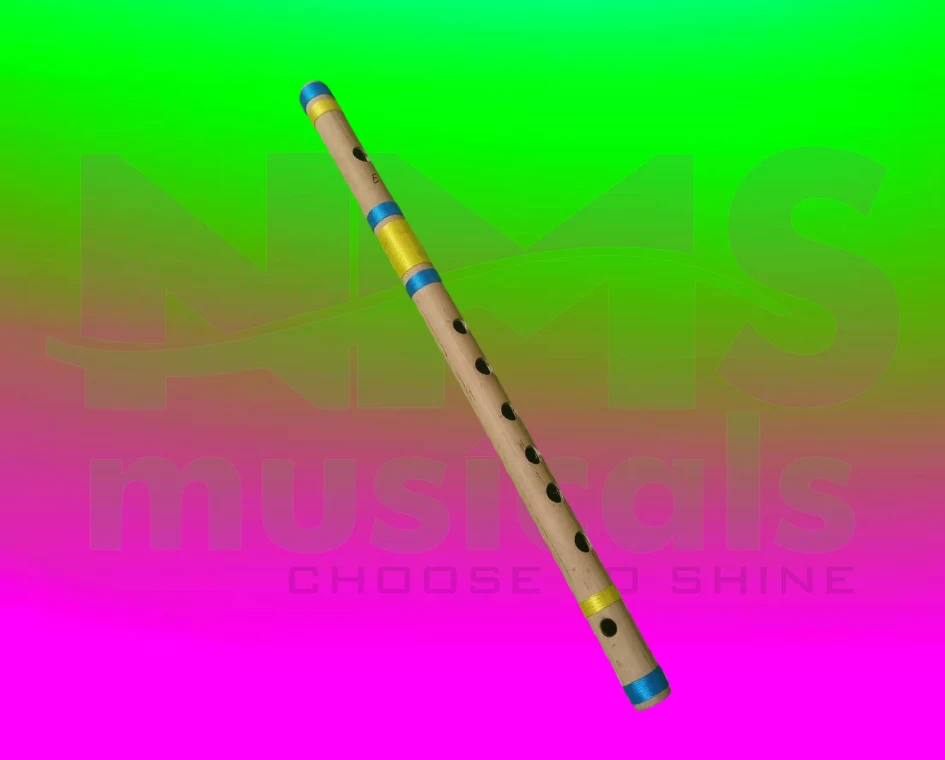
The bansuri is a wind instrument made of bamboo, widely used in Hindustani classical music. It’s light, affordable, and ideal for children above 7. Bansuri playing develops lung capacity, breath control, and melodic understanding.

Why it’s great for kids:

  • Easy to carry and inexpensive
  • Teaches melody and emotional nuance
  • Calming and meditative for children


6. Veena: The Goddess’s String

best classical music instruments for children 1

A classical instrument deeply associated with Saraswati, the goddess of wisdom, the veena is a beautiful choice for children inclined toward Carnatic music. While it’s heavier than others, student models are available for beginners. It requires discipline but rewards with divine sound.

Why it’s great for kids:

  • Deeply rooted in Indian culture
  • Helps with both melody and rhythm
  • Encourages disciplined practice


7. Mridangam: The Beat of Carnatic Music

24 inch mridangam

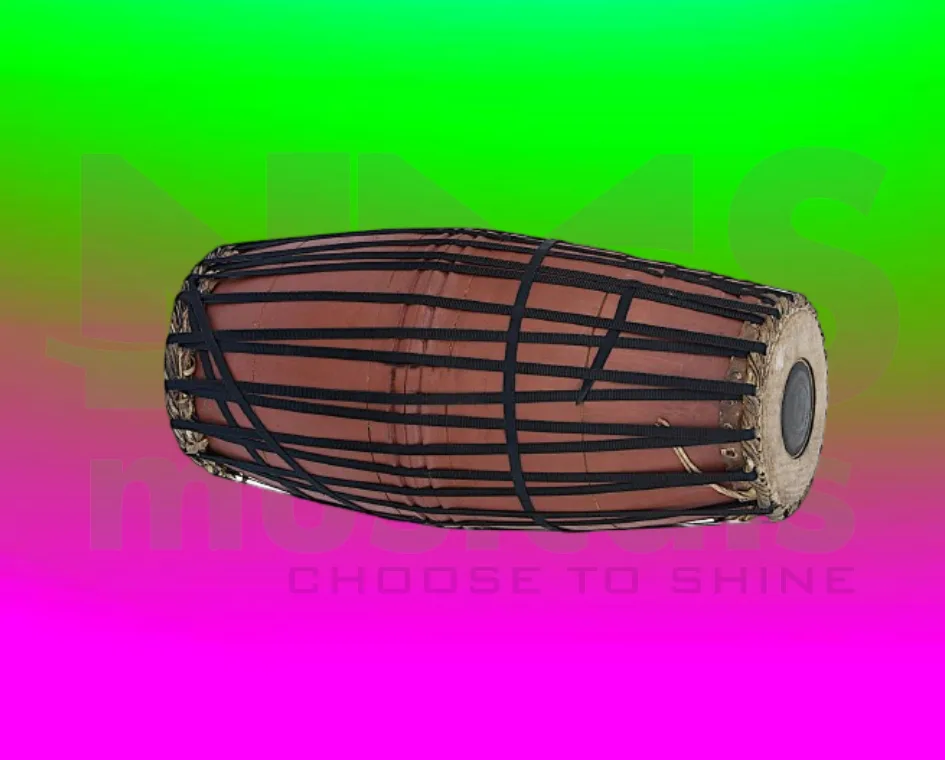
Mridangam is the principal rhythmic instrument in Carnatic music. Suitable for children above 6, it enhances focus and internal timing. It also strengthens hand muscles and improves posture through traditional playing techniques.

Why it’s great for kids:

  • Central to Carnatic rhythm training
  • Builds strength and timing
  • Involves both physical and mental coordination


8. Harmonium: Perfect for Bhajans and Ragas

Harmonium with case

The harmonium is a reed-based keyboard instrument widely used in classical, semi-classical, and devotional music. Children as young as 5 can begin learning harmonium. It helps develop melodic ear training and basic knowledge of ragas and swaras.

Why it’s great for kids:

  • Easy to learn and visualize notes
  • Teaches swara structure and basic ragas
  • Works well for vocal accompaniment


9. Sitar: A Plucked Journey Through Hindustani Melodies

best classical music instruments for children 3

Though a bit large for young kids, smaller sitar models are available for early learners. Recommended for children above 10, sitar playing enhances patience, finger strength, and tonal understanding.

Why it’s great for kids:

  • Iconic sound of Indian classical music
  • Helps in melodic improvisation
  • Builds finger coordination and musical memory


10. Violin: Versatile and Classical

Rampur Electric violin view - 7000

The violin, used in both Western and Indian classical styles, is a brilliant choice for kids. In Indian music, it’s usually played sitting cross-legged and forms an essential part of Carnatic concerts.

Why it’s great for kids:

  • Available in child sizes
  • Adaptable to multiple styles
  • Builds fine motor skills and pitch accuracy


11. Tanpura: For Tuning the Soul

best classical music instruments for children 2

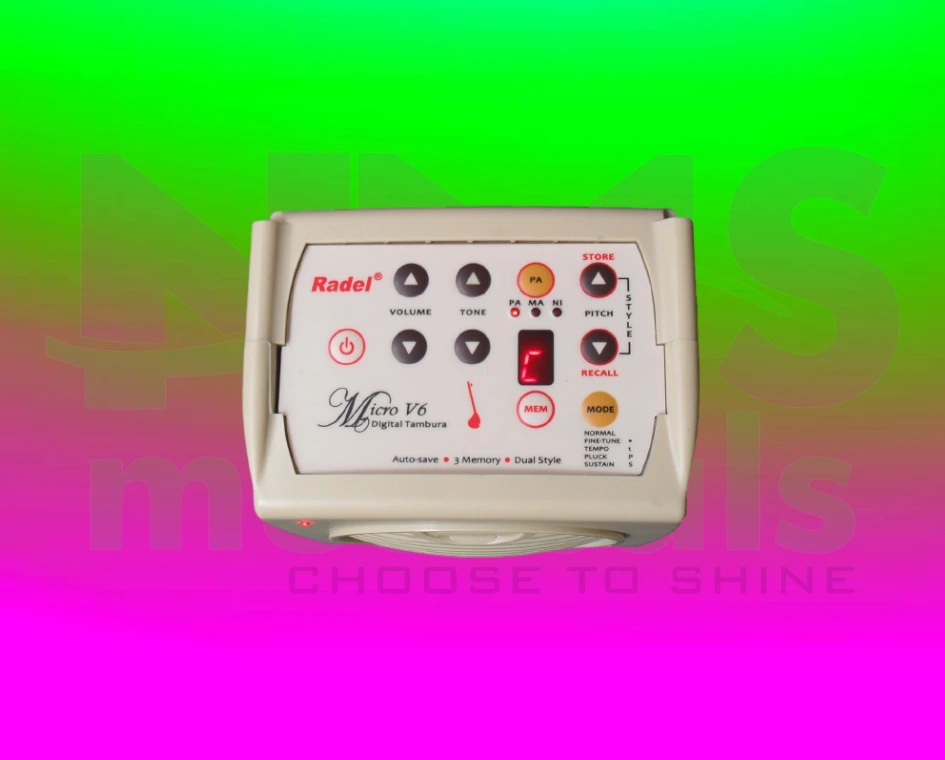
While not typically played solo, learning to tune and use a tanpura helps children understand shruti (pitch) and drone, essential to classical music. It builds listening skills and is used for vocal support.

Why it’s great for kids:

  • Aids in vocal and instrumental pitch training
  • Encourages deep listening
  • Inculcates patience and tonal precision


12. Indian Instruments vs Western Ones for Classical Music

While instruments like piano and cello are popular for classical training worldwide, Indian instruments like tabla, sitar, and harmonium are more suited for cultural and traditional learning in India. They also offer a more accessible and culturally immersive experience for children.


13. Best Age to Start Learning Indian Classical Instruments

  • Ages 4–6: Start with lighter instruments like bansuri, harmonium, or beginner tabla sets.
  • Ages 7–10: Introduce veena, sitar, or violin with proper guidance.
  • Ages 11+: Mridangam, advanced tabla, and full-size veena or sitar are ideal.

Starting young helps children grasp ragas, talas, and techniques more naturally.


14. Where to Learn Classical Music in India

Here are some reputable platforms and schools for young learners:

  • Shankar Mahadevan Academy – Online lessons for vocals and Indian instruments.
  • Saptak Archives – Good for Hindustani music courses.
  • Acharyanet – Carnatic music-focused online training with graded curriculum.

These institutions provide structured courses with experienced teachers and performance exposure.


15. Accessories and Practice Essentials

To aid your child’s musical journey, consider these add-ons:

  • Tabla Dayans for Small Hands
  • Child-Size Bansuri
  • Music Notation Books in Indian Swaras
  • Electronic Tanpura for Daily Practice
  • Veena/Violin Tuners
  • Practice Cushions for Sitting Comfortably

These tools make learning smoother and more enjoyable.


CONCLUSION: Start Their Musical Legacy Early

Choosing the best music instruments for children who are interested in classical music can spark a lifelong love for melody, discipline, and culture. Whether it’s the rhythmic pulse of tabla or the meditative tones of bansuri, Indian instruments offer children a rich, engaging, and culturally rooted experience. Parents should consider their child’s interests, personality, and physical capability before deciding on the right instrument. With proper training, a supportive environment, and the right tools, classical music can become a joyful and empowering part of any child’s life. Start early, choose wisely—and let the music grow with them.


At NMS Musicals, we offer a comprehensive range of musical instruments, including percussion, string, wind, and keyboard instruments. Our services encompass sales, expert servicing, and the manufacture of leather instruments. Explore our diverse collection and find the perfect instrument to suit your musical needs.

Visit our website to browse our offerings: nmsmusicals.in

For a closer look at our products, check out our shop page: nmsmusicals.in/shop

Stay connected with us through our social media channels:
Our shop locations are:

For inquiries, contact/Whatsapp us at 9500663895 or email us at laxman.m89@gmail.com.

Discover the world of musical instruments with NMS Musicals today!

For a visual overview of our percussion instruments, watch the following video:
Make the Most of Music Practice 1

Unleash Your Potential: Make the Most of Music Practice

Master every session with smart tips to make the most of music practice daily.

Make the Most of Music Practice

Whether you’re learning the sitar, tabla, veena, or a modern electric keyboard, one thing is true: consistent and mindful practice is the only path to musical mastery. But most young learners and even adult hobbyists often find themselves stuck in a loop of ineffective routines. The question is—how to make the most out of your music practice sessions?

The key is to approach your daily music practice like a structured performance rehearsal, not just a repetitive warm-up. With the right strategies, you can turn each session into a launchpad for real progress. This blog explores time-tested methods and modern tools—especially relevant to Indian instruments—that can make every minute of your practice count.


1. Understand Your Musical Goals

Clarify What You Want to Achieve

Before even touching your instrument, define your practice goals. Do you want to master a specific Indian raga? Learn rhythm patterns on the mridangam? Or play a full bhajan on the harmonium? Write it down.

Break Big Goals into Daily Targets

Divide your long-term goals into manageable, weekly objectives. For example, if your goal is to perform a Carnatic piece on the violin, one week could focus on bowing techniques and the next on swara patterns.


2. Create a Distraction-Free Practice Space

Set Up a Dedicated Area

Having a separate corner for your musical instruments, whether it’s a keyboard or a tabla, trains your brain to get into “music mode” whenever you enter that space.

Use Traditional Vibes

For Indian classical instruments, try adding minimal décor like a tanpura drone or a framed musical deity image. The spiritual aspect often helps keep you focused.


3. Warm-Up Like a Pro

Don’t Skip It

Spend 5–10 minutes warming up with scales or alankaras. Whether you’re a vocalist or instrumentalist, this is vital.

Use a Metronome or Lehra App

If you’re a tabla or dholak player, warm up with a lehra (melody loop) app like Lehra Studio. It helps to internalize rhythm and speed.


4. Use Time Blocks

Practice in Short, Focused Intervals

Use the Pomodoro method—25 minutes of practice, followed by 5 minutes of rest. This boosts focus and prevents fatigue.

Alternate Between Technical and Creative

Spend the first half refining technical skills (like taans or gamakas), and the second half improvising or composing your own short pieces.


5. Record Your Practice Sessions

Use Your Phone or a Handy Recorder

Whether you’re practicing sitar, flute, or vocals, record yourself. Listening back will help you hear errors you missed while playing.

Track Progress Weekly

Pick one session per week and note what improved: clarity, rhythm, emotion, etc. This motivates continued effort.


6. Use the Right Tools and Apps

Digital Tanpura and Tabla

Indian classical musicians can use apps like iTablaPro or Tanpura Droid to simulate a realistic background for solo practice.

Music Notation Apps

For Western-influenced instruments like the keyboard or guitar, use notation software like Musescore or Indian notation tools to document your compositions.


7. Keep a Practice Journal

Write Down Each Session

Record what you practiced, how it felt, and where you struggled. Over time, you’ll see patterns in your growth and weaknesses.

Reflect Often

End your week by reading back through your journal. This reflection sharpens your awareness and helps refine your practice approach.


8. Focus on Technique and Not Just Repetition

Slow It Down

Don’t race through pieces. Play slowly, focusing on perfect posture, finger placement, and clarity of notes. For veena or mandolin, this makes a big difference.

Use a Mirror

If you’re a vocalist or play string instruments, watch your posture and mouth/lip movement for better control.


9. Practice Musically, Not Mechanically

Add Emotion to Every Phrase

Don’t just hit the right notes—play with feeling. Imagine you’re performing in front of an audience. This is especially important in Indian ragas where bhava (emotion) is everything.

Connect to Lyrics or Mood

If you’re singing or playing bhajans, understand the meaning behind the lyrics. It will naturally influence your expression.


10. Include Ear Training

Listen More Than You Play

Spend at least 10 minutes a day listening to maestros—Ravi Shankar, Lalgudi Jayaraman, Zakir Hussain, or Kishori Amonkar. This fine-tunes your musical instincts.

Use Ear Training Apps

Apps like “Tenuto” or “NaadSadhana” help train pitch, intervals, and rhythm understanding.


11. Involve a Mentor or Group

Get Feedback Regularly

Share your recordings with your guru or teacher weekly. Constructive criticism accelerates growth.

Join Online Indian Music Communities

Platforms like YouTube, Facebook groups, or WhatsApp communities for tabla, veena, or Carnatic vocals provide peer feedback and motivation.


12. Stay Physically and Mentally Fit

Incorporate Breathing or Yoga

Vocalists and wind instrument players benefit from pranayama and yoga to improve lung control and mental clarity.

Stretch Before and After

Avoid stiffness in wrists or back. Indian instruments like the mridangam or harmonium require correct posture to avoid strain.


13. Practice With Backing Tracks or Accompaniment

Simulate Live Performance

Use shruti boxes, tabla loops, or karaoke-style tracks to make your practice feel like a real performance. It boosts confidence and enjoyment.

Experiment With Fusion

Blend your Indian classical training with pop or jazz using keyboard, guitar, or even electronic music apps. This builds creativity.


14. Review and Reevaluate Weekly

Set Weekly Review Days

Every Sunday, listen to a recording from Monday. Review what improved, what didn’t, and what needs to change next week.

Adjust Based on Feedback

If your teacher suggests improving your gamakas or tabla bols, dedicate specific sessions to them the following week.


15. Celebrate Small Wins

Reward Progress

Mastered a new raga? Played your first alap in public? Celebrate it. Motivation comes from recognizing effort, not just outcomes.

Track Your Musical Journey

Create a scrapbook or digital portfolio of your milestones—from mastering your first varnam to composing your first melody on the keyboard.


CONCLUSION

Learning music is not just about time spent with your instrument, but about how effectively that time is used. By integrating clear goals, modern tools, traditional discipline, and mindful review, you can truly make the most out of your music practice sessions.

Whether your journey is rooted in the powerful rhythms of the tabla or the melodic grace of the flute, every session becomes a step forward. Focus, consistency, and smart planning can transform even a 20-minute practice into a meaningful musical leap. Start small, practice smart, and most importantly—enjoy every note you create.


At NMS Musicals, we offer a comprehensive range of musical instruments, including percussion, string, wind, and keyboard instruments. Our services encompass sales, expert servicing, and the manufacture of leather instruments. Explore our diverse collection and find the perfect instrument to suit your musical needs.

Visit our website to browse our offerings: nmsmusicals.in

For a closer look at our products, check out our shop page: nmsmusicals.in/shop

Stay connected with us through our social media channels:
Our shop locations are:

For inquiries, contact/Whatsapp us at 9500663895 or email us at laxman.m89@gmail.com.

Discover the world of musical instruments with NMS Musicals today!

For a visual overview of our percussion instruments, watch the following video:
best instruments for teenagers rock music 4

Best Instruments for Teenagers Rock Music Lovers

Explore the best instruments for teenagers rock music, perfect for energetic Indian fusion and stage performances.

Teenage years are the perfect time to explore passions—and for many, that passion is music. Rock music, in particular, offers teens a thrilling outlet for creativity, rebellion, and self-expression. Whether they dream of forming a band or simply jamming at home, the right musical instrument can make all the difference. In India, the blend of traditional instruments with modern rock gear creates a unique space for young musicians to explore their identities. In this blog, we’ll explore the best instruments for teenagers who love rock music—focusing not just on classic Western rock staples but also on Indian instruments that work beautifully in fusion rock settings.


1. Why Rock Music Appeals to Teenagers

Before diving into the instruments, let’s understand the emotional pull of rock music for teens:

  • Self-Expression: Rock allows teens to channel emotions like excitement, frustration, and love.
  • Identity Formation: Playing rock music helps shape individuality and confidence.
  • Group Belonging: Forming or joining a band fosters friendships and teamwork.
  • Fusion Potential: Indian rock fuses traditional instruments with global rock styles.

Teenagers don’t just want to play music—they want to make a statement. The instruments below help them do exactly that.


2. Electric Guitar – The Heart of Rock

best instruments for teenagers rock music 3

No rock setup is complete without an electric guitar. For teens, it’s often the first instrument that ignites passion for music.

Why It’s Perfect for Teens:

  • Easy to start with basic chords
  • Wide range of affordable models in India
  • Popular brands like Yamaha, Ibanez, and Kadence available
  • Great for solos, rhythm, and melody

Indian Context:
Teen guitarists often blend ragas with rock riffs, creating a unique Indo-rock vibe.


3. Drum Kits – Beat of the Band

best instruments for teenagers rock music 2

Drums form the backbone of any rock performance. They bring energy, rhythm, and power.

Why Teens Love It:

  • Builds timing, coordination, and stamina
  • Allows for emotional release and dynamic performance
  • Popular among high-energy teens

Best Beginner Options in India:

  • Roland electronic kits (space-saving)
  • Acoustic sets from Tama and Pearl
  • Budget kits from Hertz and Natraj for practice

Indian Fusion Tip:
Teen rock bands often add tabla for unique percussion blends in Indo-rock compositions.


4. Bass Guitar – The Underrated Power Player

best instruments for teenagers rock music 1

Bass guitar is the soul of rock music—often subtle but essential.

Why Teens Should Try It:

  • Easier to learn than a 6-string
  • Makes a big impact in band setups
  • Available in sleek, lightweight models

Indian Angle:
Bass blends well with mridangam in experimental rock, offering rhythmic richness.


5. Keyboard – For Rock, Fusion & Creativity

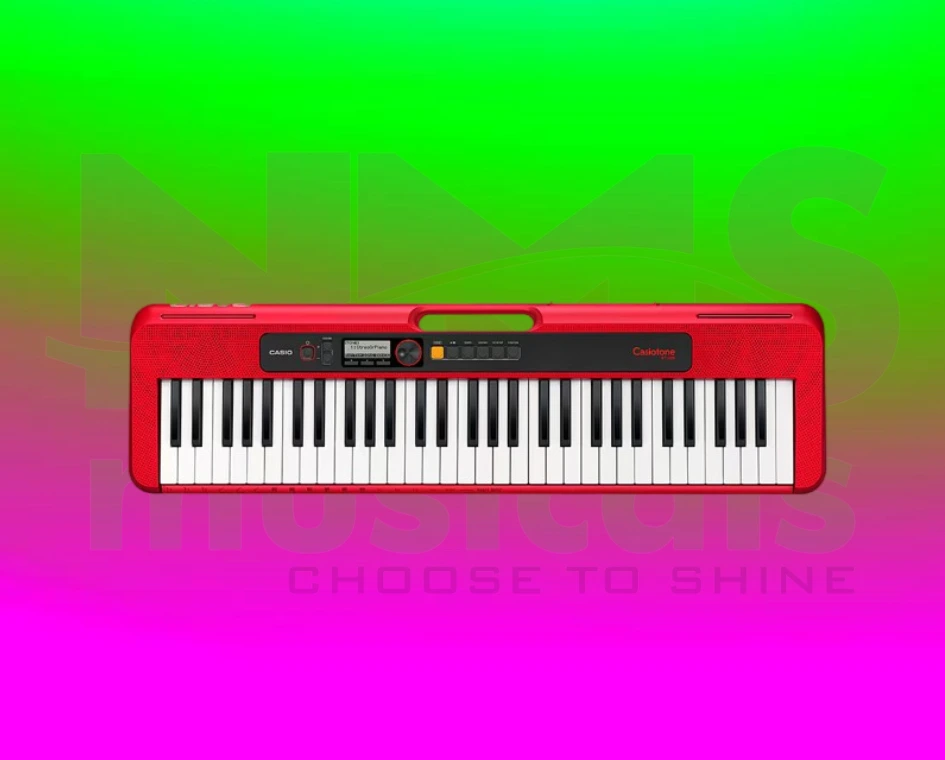
CT-S200RD Keyboard

Modern keyboards are versatile and ideal for teens who enjoy both composing and performing.

Why It Works for Rock:

  • Built-in rhythms and tones
  • Supports solo and band roles
  • Great for experimenting with Indian classical fusion

Good Brands in India:

  • Casio, Yamaha, Roland
  • NMS Musicals offers excellent beginner models with Indian tones


6. Indian Instruments That Rock in Fusion

Indian teens today are breaking boundaries by adding Indian instruments to rock formats. These choices work great for those interested in Indo-rock.

Tabla:

  • Dynamic and percussive, great for acoustic rock
  • Adds cultural identity and rhythm complexity

Veena:

best instruments for teenagers rock music
  • Electrified versions available for rock solos
  • Adds melody and storytelling depth

Bansuri (Flute):

Bansuri E Flute
  • Works wonderfully in rock ballads and fusion themes
  • Emotional and spiritual impact on live audiences

Mridangam:

24 inch mridangam
  • Offers depth in rhythm
  • Used in Carnatic rock experiments across India

7. Starter Combos for Teen Rockers

Teens just starting out need the right gear. Here are effective beginner bundles:

Combo 1: Guitar + Practice Amp + Strap
Perfect for electric guitar beginners.

Combo 2: Keyboard + Stand + Headphones
For composing and solo playing in bedrooms or live gigs.

Combo 3: Tabla + Mic Kit
Ideal for teens wanting to mix classical percussion with indie or acoustic rock.

Combo 4: Mridangam + Loop Pedal Setup
For ambitious players who want to fuse rhythm patterns with electric loops.


8. Instruments Based on Personality

Every teen is different. Help them choose based on temperament:

  • Introverts: Keyboard or bass guitar – focus and deep solo play
  • Extroverts: Drums or electric guitar – high energy, spotlight role
  • Creative Thinkers: Bansuri or veena – emotional expression
  • Rhythmic Minds: Tabla or mridangam – percussion mastery


9. Where to Learn Rock Instruments in India

Formal training helps teens progress faster. Try these places:

  • True School of Music (Mumbai) – Rock-focused courses
  • Swarnabhoomi Academy of Music – Great for fusion learners
  • Online Platforms – Shankar Mahadevan Academy, WhiteHat Jr., Udemy


10. Tips for Parents Supporting Rock-Loving Teens

Parents play a crucial role in encouraging musical passion.

  • Listen Actively: Show interest in their music choices
  • Encourage Practice: Help create a schedule without pressure
  • Invest Smartly: Start with quality beginner instruments
  • Attend Gigs Together: Bond over performances and rehearsals


11. Budget-Friendly Rock Gear for Beginners

You don’t need to break the bank to start rocking. Here are great Indian options:

  • Kadence Electric Guitar Kits (from ₹7,000)
  • Casio Keyboards (starting ₹5,000)
  • Tabla Student Sets (from ₹3,000)
  • Electronic Drum Pads (starting ₹9,000)

Most of these can be found at NMS Musicals or online platforms like Amazon India and Bajaao.


12. Accessories Every Teen Rocker Needs

Make sure your teen is stage-ready with these essentials:

  • Guitar Picks, Straps, and Capos
  • Drumsticks and Mats
  • Keyboard Stands and Pedals
  • Tuning Apps or Digital Tuners
  • Loop Pedals (for advanced setups)
  • Clip-on Mics for Indian instruments


13. Indian Bands that Inspire Teen Rockers

Sometimes, inspiration comes from those who’ve already walked the path.

  • Indian Ocean – Masters of folk-rock fusion
  • Agam – Carnatic rock pioneers
  • Avial – Rocking in regional languages
  • Thaikkudam Bridge – Known for blending instruments like veena and violin

These bands show how Indian instruments can shine in rock.


14. Recording Rock Covers & Original Tracks

Teenagers today are recording at home more than ever. Here’s how to start:

  • Use DAWs like GarageBand, FL Studio, or Cubase
  • Start with USB microphones
  • Record solos or band sessions
  • Upload to YouTube, Instagram, and Spotify

Teen rockers in India are gaining millions of views with indie covers and original fusion tracks.


Conclusion: Rock the Stage, the Indian Way

For teenagers in India, the rock music journey is not just about playing loud—it’s about finding their voice and expressing who they are. With the right instrument—be it an electric guitar, tabla, or bansuri—teens can shape their identity, grow in confidence, and maybe even change the music world. Rock music is not just a genre; it’s an outlet for creativity and a celebration of individuality. Equip your teen with the right gear, inspire them with Indian musical roots, and watch them take the stage by storm.


At NMS Musicals, we offer a comprehensive range of musical instruments, including percussion, string, wind, and keyboard instruments. Our services encompass sales, expert servicing, and the manufacture of leather instruments. Explore our diverse collection and find the perfect instrument to suit your musical needs.

Visit our website to browse our offerings: nmsmusicals.in

For a closer look at our products, check out our shop page: nmsmusicals.in/shop

Stay connected with us through our social media channels:
Our shop locations are:

For inquiries, contact/Whatsapp us at 9500663895 or email us at laxman.m89@gmail.com.

Discover the world of musical instruments with NMS Musicals today!

For a visual overview of our percussion instruments, watch the following video:
best musical instruments for adults beginners

Top-Rated Picks: Best Musical Instruments for Adults Beginners

Explore the best musical instruments for adults beginners

best musical instruments for adults beginners 3

There’s a myth that learning music is only for kids or prodigies. In reality, many adults discover music later in life and find it incredibly rewarding. Whether you want to relieve stress, fulfill a lifelong dream, or reconnect with cultural roots, music offers a world of possibilities. Especially in India, where traditional instruments are rich in heritage and emotion, learning music as an adult is a journey worth taking. In this guide, we’ll explore the best instruments for adults who want to start playing music—with a special focus on Indian instruments.


1. What Makes an Instrument Ideal for Adults?

As an adult beginner, your needs differ from those of a child. Here’s what to consider when choosing your first instrument:

Ease of Learning: Instruments with simpler fingering or easier sound production help keep motivation high.

Physical Comfort: Look for instruments that don’t strain your posture or require extreme dexterity.

Cultural Connection: Indian adults may enjoy instruments tied to their heritage.

Practicality: Consider size, noise levels, and whether it’s suitable for home practice.


2. Indian Instruments Perfect for Adult Beginners

India offers a wide range of beginner-friendly instruments. Here are some top choices:

Tabla
This iconic percussion instrument is both rhythmic and meditative. It’s physically engaging and suitable for adults who enjoy beats. Start with basic taals and work your way up.


Harmonium
A great choice for vocal accompaniment and solo melodies, the harmonium is easy to play. Adults especially appreciate its soothing sound and simplicity.
Harmonium with case

Flute (Bansuri)
Portable and soulful, the Indian bamboo flute is a fantastic choice for calm and introspective music. It improves breath control and is affordable to start with.
Bansuri D scale Flute

Tanpura
Though not typically a melody instrument, the tanpura is perfect for adults interested in meditative or devotional music. It supports vocalists and sets a serene mood.
best musical instruments for adults beginners


Mridangam
For those interested in Carnatic rhythms, the mridangam is engaging and expressive. Adults with a knack for rhythm find it highly rewarding.
Mridangam 18 inch with rope


3. Western Instruments That Suit Indian Adults

While traditional Indian instruments are deeply cultural, many adults in India also explore Western instruments for versatility.

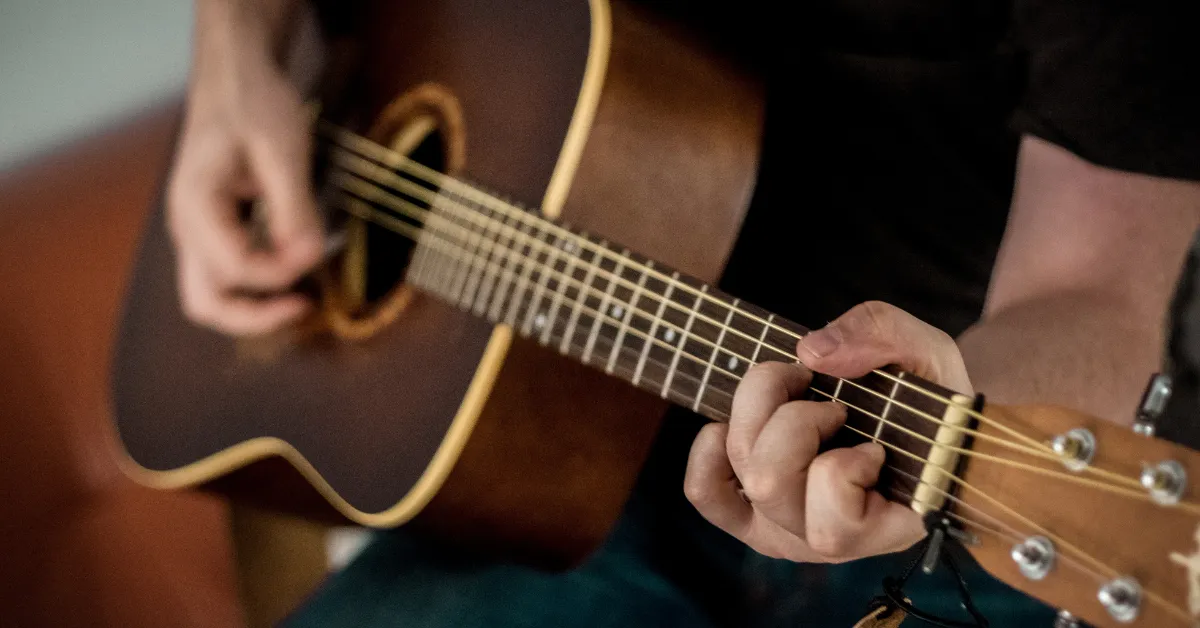
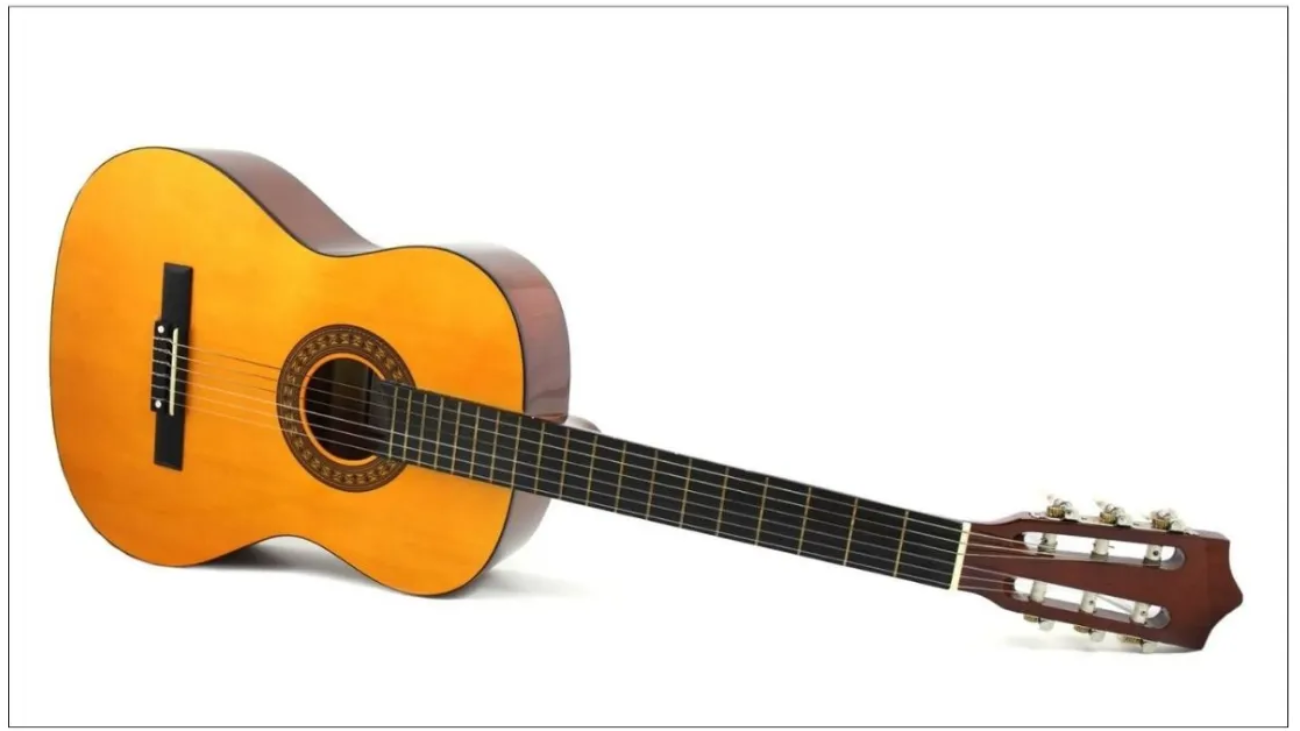
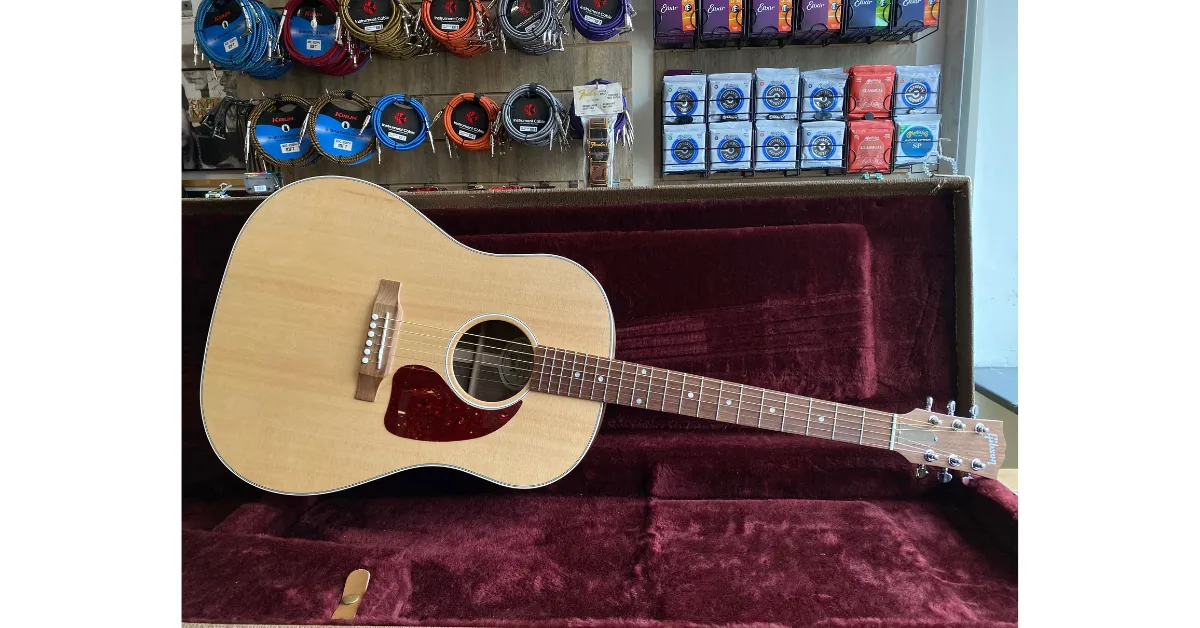
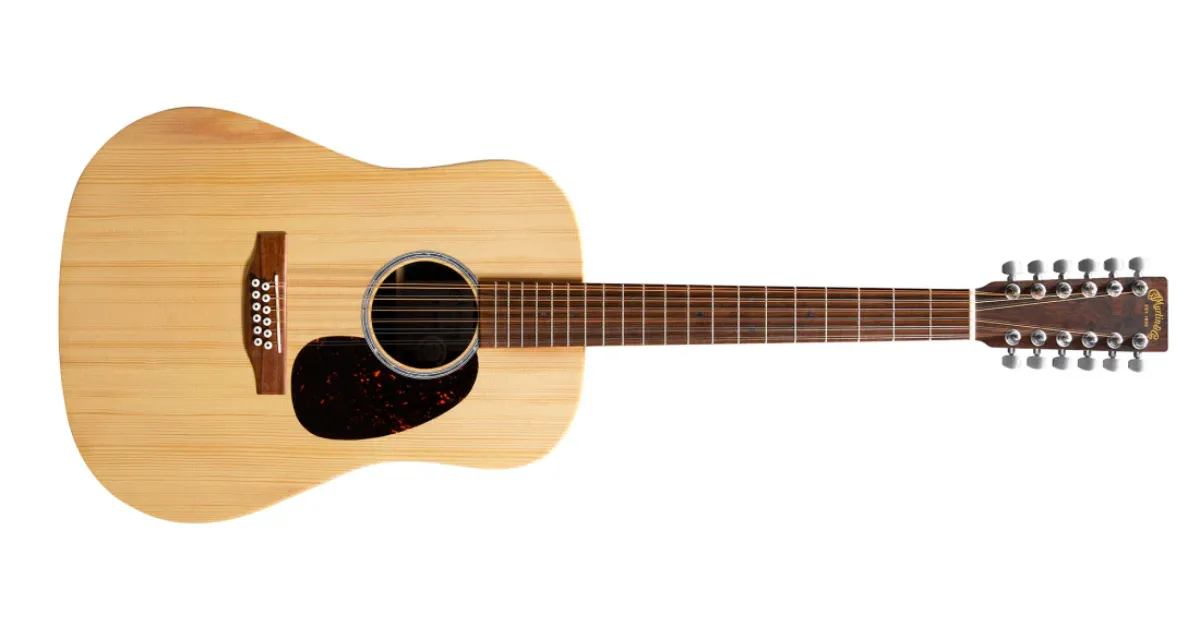
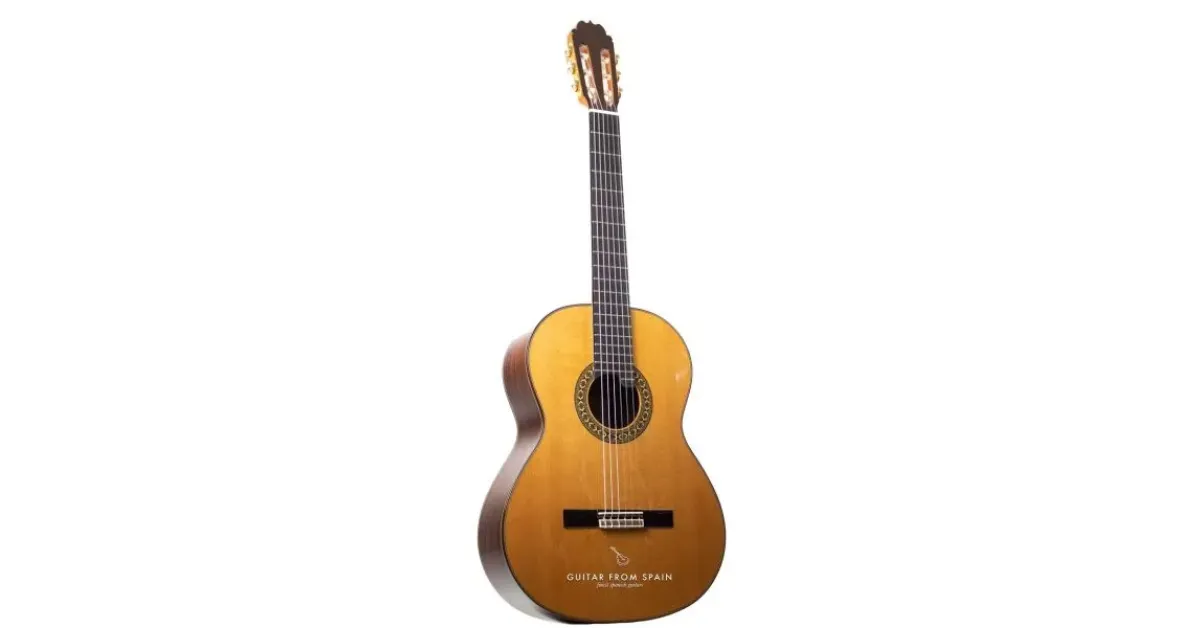
Acoustic Guitar
Whether strumming Bollywood songs or devotional tunes, the guitar is a flexible and popular choice. Look for nylon-string guitars for easier finger comfort.
best musical instruments for adults beginners 1

Keyboard/Digital Piano
This is one of the easiest and most versatile instruments for adult beginners. Many Indian songs, bhajans, and ragas can be played using basic chords.
CTK-2550 Keyboard

Ukulele
Small and easy to learn, the ukulele is an ideal choice for casual learners. It’s great for Indian fusion music and devotional singing.
Ukulele view

Violin
Although slightly more complex, the violin is used in both Western and Carnatic music. Adults with patience and passion often fall in love with its emotional range.
Rampur Electric violin view - 7000


4. How to Choose the Right Instrument as an Adult

Before you buy your first instrument, ask yourself these questions:

What kind of music do I want to play?
If you’re into classical Indian music, go for harmonium or tabla. If you’re more into film music, keyboard or guitar could be better.

Do I want to sing along?
Harmonium or tanpura are ideal for vocalists.

Am I comfortable with rhythm or melody?
Percussionists should try tabla or mridangam; melody lovers should consider bansuri or violin.

Do I want something portable?
Flute, ukulele, and tanpura win here.


5. Budget-Friendly Options for Adult Beginners

Music doesn’t have to be expensive. Here are some affordable options:

Tabla Practice Set: ₹2,500–₹5,000
Harmonium (Standard Reed): ₹4,000–₹8,000
Bamboo Bansuri: ₹300–₹1,200
Digital Keyboard: ₹5,000–₹10,000
Ukulele: ₹2,000–₹5,000

Most of these instruments are widely available in India through trusted music retailers like NMS Musicals.


6. Practice Tips for Adults Learning Music

Unlike children, adults have different time commitments and learning styles. Here’s how to stay on track:

Set Realistic Goals: Practice 15–30 minutes daily instead of long sessions.

Use Online Resources: YouTube tutorials, apps, or online classes make learning easier.

Take Formal Classes: Consider joining academies like Shankar Mahadevan Academy or NMS Musicals.

Practice Mindfully: Focus on small improvements. Don’t rush the process.

Celebrate Milestones: Play in front of family or record yourself every month to track progress.


7. Emotional and Health Benefits of Learning Music

Music is more than a hobby—it’s therapy. Here’s what adults gain:

Reduces Stress: Playing music calms the nervous system.

Improves Focus: Learning music enhances attention span and memory.

Boosts Confidence: Performing for friends or on social media can build self-esteem.

Enhances Emotional Expression: Especially in Indian classical music, ragas help convey emotions deeply.


8. Online Platforms to Learn Indian Instruments

Here are some excellent options for adults looking to learn Indian music online:

Acharyanet: Great for learning veena, mridangam, and vocal Carnatic music.

Shankar Mahadevan Academy: Offers courses in tabla, harmonium, and Bollywood music.

Raga Labs: Combines Indian classical with modern elements.


9. Where to Buy Beginner Instruments in India

When buying an instrument, quality matters. These Indian brands and stores offer reliable products:

NMS Musicals: Wide range of beginner-friendly Indian instruments.

Paloma: Known for harmoniums and tabla sets.

Kharaj Musicals: Specializes in sitars, tanpuras, and veenas.

Radha Krishna Sharma & Co.: Traditional makers of mridangam and pakhawaj.

Online marketplaces like Amazon India or Flipkart also stock beginner models, but visit a physical store if possible.


10. Instrument Accessories That Help Adult Beginners

Accessories can ease your practice journey:

Tabla Dayan Cushions: Reduce noise and wrist strain.

Harmonium Covers: Protect your instrument from dust and humidity.

Clip-on Tuners: Great for guitars and violins.

Keyboard Stands: Improve posture and comfort.

Flute Cases: Keep your bansuri safe during travel.


11. Tips for Maintaining Your Instrument

Take care of your instrument so it lasts:

Clean After Use: Especially for wind instruments like flute.

Avoid Moisture: Store in dry areas, especially harmoniums and tabla.

Tune Regularly: Use tuning apps or seek expert help.

Use Covers and Cases: Protection from dust and travel damage.


12. Building Confidence to Perform as an Adult

Adults often feel nervous about starting something new. Here’s how to overcome that:

Join a Community: Participate in local bhajan groups or music circles.

Record Yourself: Share small clips on WhatsApp or Instagram to get feedback.

Perform for Family: Home concerts are a great starting point.

Attend Workshops: Live feedback from teachers boosts confidence.


Conclusion: Start Today, Grow Everyday

Music knows no age limit. Whether you’re in your 30s, 50s, or beyond, learning an instrument can transform your life. With so many Indian and Western instruments suited for beginners, the path is wide open. Choose an instrument that resonates with you—be it the rhythmic tabla, the soulful flute, or the versatile keyboard. Take small, steady steps, and enjoy the process. Let every note you play be a reflection of your journey and joy. With the right mindset and the right tools, you can become a musician at any age.

So why wait? Pick up that instrument, and start your musical journey today.


At NMS Musicals, we offer a comprehensive range of musical instruments, including percussion, string, wind, and keyboard instruments. Our services encompass sales, expert servicing, and the manufacture of leather instruments. Explore our diverse collection and find the perfect instrument to suit your musical needs.

Visit our website to browse our offerings: nmsmusicals.in

For a closer look at our products, check out our shop page: nmsmusicals.in/shop

Stay connected with us through our social media channels:
Our shop locations are:

For inquiries, contact/Whatsapp us at 9500663895 or email us at laxman.m89@gmail.com.

Discover the world of musical instruments with NMS Musicals today!

For a visual overview of our percussion instruments, watch the following video:
Create Your First Music Video Fast 1

Amazing Tips to Create Your First Music Video Fast

Learn how to create your first music video using the best beginner tools, techniques, and Indian instruments for a professional-quality production

Create Your First Music Video Fast

If you’re ready to showcase your talent and passion, there’s no better way to start than to create your first music video. Music videos aren’t just for pop stars and big-budget productions—they are for every musician who wants to share their art visually. Whether you’re a classical singer, a tabla player, or an experimental artist working with Indian instruments, a well-made music video can help you connect with your audience, grow your brand, and even land new opportunities. In this blog, we’ll guide you through the entire process of making your first music video with beginner-friendly tools and tips—keeping Indian music traditions in focus.


1. Start with a Strong Concept

Before you begin shooting, develop a clear concept for your video.

  • What is the emotion or message of your music?
  • Is it devotional, romantic, energetic, or meditative?
  • Visualize how Indian instruments will appear on screen—like the elegance of a sitar or the power of a tabla solo.


2. Choose the Right Song

Your song is the foundation of the entire video.

  • Pick a song that reflects your unique style.
  • Choose a piece that highlights Indian instruments like flute, veena, or dholak.
  • Make sure the tempo and energy of the music can be supported visually.


3. Write a Simple Storyboard

Even a rough sketch of scenes helps plan your video better.

  • Divide the song into sections (intro, verse, chorus, etc.).
  • Note the camera angles or movements for each part.
  • Mark where you’ll show Indian instruments in close-up or wide angles.


4. Decide Between Live Performance or Conceptual Video

There are two main approaches:

  • Live performance: Capture your actual performance in real time. Perfect for tabla solos, veena, or vocal recitals.
  • Conceptual video: Add narrative visuals that match the song’s theme, often filmed separately from the music recording.


5. Pick the Right Location

Your location should support the mood of your song.

  • For devotional or classical pieces, consider temples, gardens, or minimalist indoor settings.
  • If you’re featuring Indian instruments, try a space that highlights their traditional elegance.
  • Ensure good lighting and minimal background noise.


6. Use Basic Camera Gear or Smartphones

You don’t need expensive cameras.

  • Most modern smartphones shoot in 1080p or 4K—perfect for YouTube or social media.
  • Use a tripod to avoid shaky footage.
  • Invest in a ring light or use natural window light for clean visuals.


7. Record High-Quality Audio Separately

Never rely on your camera’s built-in mic.

  • Record music in your home studio or a quiet room using a condenser mic.
  • Record tabla, mridangam, or sitar using two mics for clarity and depth.
  • Sync the high-quality audio later during editing.


8. Dress According to Your Music Style

Your look should reflect the mood of your music.

  • For Carnatic or Hindustani music, traditional attire enhances authenticity.
  • Match the instrument’s cultural tone—like kurta for tabla or sari for veena.


9. Frame the Shot Properly

Composition matters a lot in videos.

  • Use the rule of thirds: place your face or instrument off-center.
  • Keep Indian instruments fully in frame—capture the movement of hands on tabla or the slide of fingers on sitar.
  • Use close-ups for emotion and wide shots for context.


10. Capture Multiple Takes from Different Angles

Variety keeps your video engaging.

  • Record the same part from front, side, and top angles.
  • Use one static camera and one handheld (if possible) for movement.
  • Feature close-ups of instrument details like tabla strokes or veena strings.


11. Use Simple Editing Software for Beginners

You don’t need to be a pro editor to make clean videos.

  • Try CapCut, DaVinci Resolve, or iMovie—all beginner-friendly.
  • Sync your high-quality audio with video manually.
  • Add basic transitions and fade-ins for a smooth feel.


12. Add Text and Titles Thoughtfully

Use minimal text to maintain a professional feel.

  • Add your artist name, song title, and instrument name (like “Bansuri Cover” or “Tabla Solo”).
  • Use clear fonts that match your music’s theme.
  • Avoid flashy transitions unless your music is modern/fusion.


13. Add Subtle Effects to Enhance Mood

Don’t overdo effects; focus on emotion.

  • Use color grading to match the tone: warm tones for devotional, cool for meditative.
  • Apply soft filters to bring attention to Indian instruments and expressions.
  • For energetic songs, use speed ramps or beat-synced cuts.


14. Respect the Cultural Presentation of Indian Instruments

Portray Indian instruments with cultural dignity.

  • Avoid cheesy or out-of-place filters on classical performances.
  • Make sure your handling of instruments is respectful and professional.
  • Credit your instrument and tradition (e.g., Hindustani Sitar, Carnatic Flute).


15. Use Royalty-Free Visual Assets if Needed

If you need extra clips, use licensed visuals.

  • Websites like Pexels, Pixabay, or Videvo offer free assets.
  • You can include clips of Indian nature, temples, or crowd scenes if they align with your concept.


16. Upload to the Right Platforms

Pick the best channels for your audience.

  • Upload on YouTube, Instagram Reels, and Facebook for reach.
  • Use tags like #IndianMusicVideo, #TablaPerformance, #IndianClassical.
  • For devotional music, platforms like ShareChat and DailyHunt work well in India.


17. Write a Good Video Description and Tags

Your description helps with discovery.

  • Mention the instruments used: “This performance features Indian flute and tabla.”
  • Add your city/region to attract local fans (e.g., Chennai Bansuri Cover).
  • Include links to your other videos or artist profile.


18. Promote Your Video Organically

Don’t just post and pray—promote your work.

  • Share in WhatsApp groups, music forums, and Facebook communities.
  • Reach out to Indian music YouTubers for collaboration or shoutouts.
  • Engage with viewers in the comments to build a fan base.


19. Keep Backup of All Raw Files

Always save your project files.

  • Store video, audio, and project files in a dedicated folder.
  • Use Google Drive or an external hard disk.
  • This helps in case you want to re-edit later or reuse footage.


20. Practice and Improve with Each Video

Your first video won’t be perfect—and that’s okay.

  • Analyze what worked and what didn’t.
  • Watch similar Indian music videos for inspiration.
  • Keep experimenting with camera angles, light setups, and musical style.


Conclusion

Creating your first music video doesn’t have to be overwhelming. With the right planning, tools, and a little creativity, you can create your first music video that not only looks professional but also reflects your musical identity. Especially if you’re working with Indian instruments, your video becomes a cultural showcase as well. From tabla beats to veena melodies, your music deserves to be seen as well as heard. So gather your gear, plan your scenes, and take the leap—your first music video could be the beginning of an incredible journey in music and media.


At NMS Musicals, we offer a comprehensive range of musical instruments, including percussion, string, wind, and keyboard instruments. Our services encompass sales, expert servicing, and the manufacture of leather instruments. Explore our diverse collection and find the perfect instrument to suit your musical needs.

Visit our website to browse our offerings: nmsmusicals.in

For a closer look at our products, check out our shop page: nmsmusicals.in/shop

Stay connected with us through our social media channels:
Our shop locations are:

For inquiries, contact/Whatsapp us at 9500663895 or email us at laxman.m89@gmail.com.

Discover the world of musical instruments with NMS Musicals today!

For a visual overview of our percussion instruments, watch the following video:
best instruments for solo musicians 6

Best Instruments for Solo Musicians That Truly Impress

Explore the best instruments for solo musicians and elevate every solo act.

There’s something uniquely powerful about a solo performance. When a musician takes the stage alone, every note, rhythm, and expression becomes deeply personal. Whether you’re performing in an auditorium or streaming from your living room, choosing the right instrument is crucial to creating an impactful musical experience. For Indian musicians, especially, the rich cultural tapestry offers an extraordinary variety of solo instruments—from the meditative veena to the dynamic tabla. In this guide, we’ll help you explore the best instruments for a solo musician, especially within the context of Indian classical and contemporary music.


1. What Makes a Good Solo Instrument?

Not every instrument is equally suited for solo performances. Here are the characteristics that make an instrument great for solo play:

  • Expressive Range: The ability to convey emotion and dynamic range.
  • Portability: Easy to carry for gigs or street performances.
  • Layered Sound: Capable of harmony, melody, or rhythm alone.
  • Visual Impact: Stage presence is a factor in solo shows.

Indian instruments like the sitar, tabla, and flute stand out not only because of their unique sound but also due to their emotional depth and expressive capabilities.


2. Indian Classical Instruments Ideal for Solo Performers

India has given the world a treasure trove of musical instruments perfect for solo performances. Here are some standouts:

Sitar

best instruments for solo musicians

A highly expressive instrument associated with meditative ragas. The sitar offers a rich tonal range that makes it ideal for solo recitals.

Veena

best instruments for solo musicians 1

Often associated with Saraswati, the goddess of wisdom, the veena is the epitome of classical beauty. Its gentle tone and rhythmic complexity suit temple and stage settings alike.

Flute (Bansuri)

Ideal for emotional solos, the flute is easy to carry and powerful in its subtlety. It’s often used in both Hindustani and Carnatic traditions.

Tabla

copper tabla set

While commonly played in accompaniment, tabla solos are exhilarating. Complex taals, kaidas, and relas make it a showstopper in solo performances.

Mridangam

Mridangam 24 inch bolt nut

The heart of Carnatic rhythm, mridangam solos are known for their mathematical precision and energetic tempo changes.


3. Western Instruments Popular with Indian Solo Artists

Though Indian music traditions are rich, many solo performers in India also embrace Western instruments for fusion, indie, and contemporary styles.

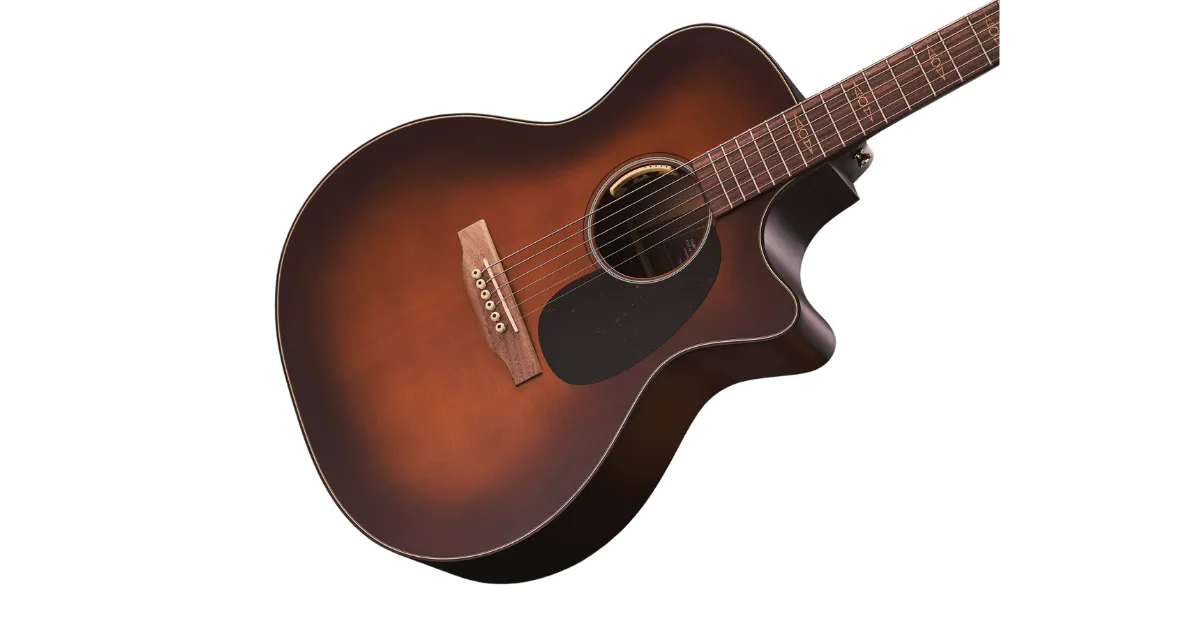
Guitar (Acoustic & Electric)

best instruments for solo musicians 7

An all-time favorite, the guitar suits every genre—from rock to bhajans. Its versatility and ease of learning make it perfect for solo musicians.

Keyboard or Digital Piano

best instruments for solo musicians 3

Ideal for solo gigs in cafes or concerts, a keyboard can simulate multiple instruments. Indian musicians often use it for film music covers and devotional tracks.

Violin

best instruments for solo musicians 5

Used extensively in Carnatic solos, the violin also bridges beautifully into Western genres. Its emotional expressiveness makes it a popular choice.


4. Consider Your Musical Style and Audience

The best instrument depends on the genre you play and who you’re playing for.

  • For Classical Indian Music: Sitar, tabla, veena, and flute are ideal.
  • For Devotional and Bhajans: Harmonium, bansuri, and acoustic guitar work beautifully.
  • For Fusion and Indie: Electric guitar, keyboard, and violin are highly effective.
  • For Percussion-Focused Acts: Tabla and mridangam deliver rhythmic solos that captivate.


5. Budget-Friendly Solo Instruments

If you’re just starting out, investing wisely is key. Here are some budget-friendly options that don’t compromise on quality:

  • Bansuri (Flute): Simple and spiritual, starting around ₹300.
  • Harmonium: Good quality options available from ₹5,000 onwards.
  • Tabla Practice Sets: Starting at ₹3,000, ideal for home practice.
  • Ukulele: Popular for acoustic Indian fusion, budget models from ₹2,000.


6. Amplification and Accessories

To stand out as a solo performer, you may need amplification or accessories:

  • Pick-up Mics for Veena or Violin
  • Clip-on Tuners for Guitar
  • Portable Amplifiers
  • Loop Pedals for Guitars or Keyboards
  • Tabla Mic Setup for Live Gigs

These tools enhance sound clarity and give your solo acts a professional touch.


7. Practice Tips for Solo Musicians

Playing solo requires a different skill set. Here’s how to sharpen it:

  1. Daily Practice Routine: Maintain structure—warm-ups, scales, ragas, and improvisation.
  2. Record Yourself: Listen and critique your playing.
  3. Learn from Legends: Watch solo performances by maestros like Zakir Hussain, N. Rajam, or Emani Sankara Sastry.
  4. Balance Emotion with Technique: Focus on emotive delivery as much as precision.


8. Performance Tips for Indian Solo Artists

Performing solo in India means connecting deeply with the audience. Here’s how:

  1. Set the Mood with Ragas: Choose morning or evening ragas based on concert time.
  2. Explain Briefly: Engage your audience by introducing the piece or taal.
  3. Dress the Part: Traditional attire adds visual grace to classical performances.
  4. Use Pauses Effectively: Silence between musical phrases builds anticipation.


9. Learning Platforms for Solo Instrument Training

Here are some popular Indian learning platforms for solo musicians:

  • Shankar Mahadevan Academy: Offers online training in tabla, vocal, and more.
  • Acharyanet: Specializes in Carnatic music, veena, and mridangam.
  • Raga Labs: A good choice for Indian fusion and indie soloists.


10. How to Choose the Right Instrument for You

Ask yourself the following before investing:

  • What genres am I most drawn to?
  • Do I need portability for busking or travel gigs?
  • What’s my comfort level with melody, rhythm, or harmony?
  • Do I enjoy string, wind, or percussion more?

Trying out instruments at music schools or shops like NMS Musicals before buying is a wise move.


11. Best Indian Brands for Solo Music Instruments

Choosing a quality Indian-made instrument supports tradition and craftsmanship. Here are some brands:

  • Paloma (Tabla & Harmonium)
  • Kharaj Musicals (Sitar & Veena)
  • NMS Musicals (Wide range of Indian instruments)
  • Radha Krishna Sharma (Mridangam)

Their products are tailored to Indian music requirements and often handcrafted for best tonal quality.


12. Recording and Streaming Your Solo Music

As a solo artist, online platforms can multiply your reach. Here’s how to make your mark:

  • Use a good condenser mic
  • Record in a quiet room with soft walls
  • Upload regularly on YouTube, Instagram, and Spotify
  • Engage viewers with story-driven captions and cultural insights

Many Indian solo musicians have built strong followings with devotional covers and instrumental medleys.


13. How Indian Instruments Support Cultural Identity

Choosing Indian instruments for solo performances not only elevates music but connects the artist to heritage. A solo mridangam or veena performance carries centuries of tradition. Each note becomes a tribute to India’s rich sonic landscape.


Conclusion: Make Every Note Count

Being a solo musician is a bold and fulfilling journey. The instrument you choose defines your musical identity and becomes your voice on stage. Whether you lean toward the soulful strings of a veena or the vibrant rhythm of tabla, solo performance with Indian instruments allows deep artistic expression. Embrace the power of going solo—and let your instrument do the talking.

With the right guidance, gear, and inspiration, your solo music journey can become a beacon of tradition, innovation, and pure artistry.


At NMS Musicals, we offer a comprehensive range of musical instruments, including percussion, string, wind, and keyboard instruments. Our services encompass sales, expert servicing, and the manufacture of leather instruments. Explore our diverse collection and find the perfect instrument to suit your musical needs.

Visit our website to browse our offerings: nmsmusicals.in

For a closer look at our products, check out our shop page: nmsmusicals.in/shop

Stay connected with us through our social media channels:
Our shop locations are:

For inquiries, contact/Whatsapp us at 9500663895 or email us at laxman.m89@gmail.com.

Discover the world of musical instruments with NMS Musicals today!

For a visual overview of our percussion instruments, watch the following video:
At NMS Musicals, we offer a comprehensive range of musical instruments, including percussion, string, wind, and keyboard instruments. Our services encompass sales, expert servicing, and the manufacture of leather instruments. Explore our diverse collection and find the perfect instrument to suit your musical needs.

Visit our website to browse our offerings: nmsmusicals.in

For a closer look at our products, check out our shop page: nmsmusicals.in/shop

Stay connected with us through our social media channels:
Our shop locations are:

For inquiries, contact/Whatsapp us at 9500663895 or email us at laxman.m89@gmail.com.

Discover the world of musical instruments with NMS Musicals today!

For a visual overview of our percussion instruments, watch the following video:

Set Up your Home Recording Studio 1

Effortless Guide to Set Up your Home Recording Studio

Learn how to set up your home recording studio with essential gear, setup tips, and Indian instruments to record professional music at home.

Set Up your Home Recording Studio

In today’s digital era, the ability to set up your home recording studio opens the door to unlimited creative potential. Whether you’re a classical vocalist, a tabla artist, or an electronic music enthusiast incorporating Indian instruments, a well-designed home studio can help you record, edit, and produce music with professional quality. And the best part? You don’t need a massive space or a huge budget to get started. With the right gear and smart setup strategies, even a corner of your room can be transformed into a music production haven. In this detailed guide, we’ll walk you through every step—from choosing the right gear to optimizing your space—for musicians who want to create magic right from their homes.


1. Choose the Right Space for Your Studio

Your first task is finding a quiet and acoustically balanced space.

  • Prefer smaller rooms with minimal echo.
  • Avoid rooms with tiled or empty walls.
  • Use rugs, bookshelves, and curtains to absorb sound.
  • Ensure there’s access to power outlets and ventilation.


2. Invest in a Good Quality Microphone

Your microphone captures every detail, so choose wisely.

  • For Indian vocals, condenser microphones are best for clarity.
  • For tabla, mridangam, or dholak, use dynamic microphones for handling strong beats.
  • Popular choices: Audio-Technica AT2020, Shure SM58, Rode NT1-A.


3. Select an Audio Interface

An audio interface connects your microphone/instruments to your computer.

  • Choose interfaces with phantom power (for condenser mics).
  • Look for low-latency drivers and at least 2 inputs.
  • Top picks: Focusrite Scarlett 2i2, Behringer UMC22, M-Audio AIR 192.


4. Use a Reliable Digital Audio Workstation (DAW)

A DAW is your virtual studio where recording and editing happen.

  • Free DAWs like Cakewalk or Tracktion T7 are great for beginners.
  • For Indian classical mixing, Cubase or Ableton Live offer advanced options.
  • Ensure your DAW supports VST plugins and MIDI compatibility.


5. Get Studio Monitor Speakers or Headphones

Good sound output is crucial for mixing.

  • Use flat-response studio monitors for accurate playback.
  • Budget options: Mackie CR3, PreSonus Eris 3.5.
  • Alternatively, use closed-back headphones like Audio-Technica ATH-M40x.


6. Acoustic Treatment is a Game-Changer

Soundproofing ensures that outside noise doesn’t spoil your recording.

  • Use foam panels on walls.
  • Bass traps in room corners help reduce low-frequency buildup.
  • Thick curtains or mattresses can be used as DIY solutions.


7. Include Indian Instruments in Your Setup

Make your studio fit for Indian music.

  • Use clip-on mics for flutes, veena, or sitar.
  • Use a room mic plus close mic setup for tabla, mridangam, and ghatam.
  • Keep a tanpura app or electronic tanpura ready for reference tones.


8. Add a MIDI Keyboard for Composition

A MIDI controller helps create background scores and fusion compositions.

  • Choose a 49-key MIDI keyboard with velocity sensitivity.
  • Plug it into your DAW to trigger virtual instruments like Indian tabla loops, sitar VSTs, or sarangi plugins.


9. Keep a Microphone Stand and Pop Filter Ready

Don’t hold the mic in your hand—it reduces quality.

  • Use a stable mic stand to position your microphone at mouth or instrument level.
  • Use a pop filter to reduce harsh “p” and “s” sounds, especially in vocals.


10. Use External Storage for Project Backups

Music projects can consume a lot of space.

  • Use a dedicated external SSD for speed and reliability.
  • Save sessions in multiple formats and keep backup copies.


11. Power Backup is a Must in India

Avoid losing work due to power cuts.

  • Use a UPS (Uninterruptible Power Supply) for your PC and audio interface.
  • Save your session every 10 minutes manually or set autosave.


12. Consider a Laptop or Desktop with Good Specs

Your computer is the heart of your studio.

  • Aim for at least 8 GB RAM, i5 processor, and 256 GB SSD.
  • If you use sample-heavy VSTs, 16 GB RAM is recommended.


13. Learn Basic Mixing and Mastering

Recording is only half the journey—mixing and mastering polish your track.

  • Learn how to use EQ, compression, reverb, and panning.
  • Use Indian reference songs to compare levels.
  • Explore YouTube tutorials or platforms like Coursera for mixing lessons.


14. Use Mobile Recording Apps for On-the-Go Music

If you’re traveling or short on space:

  • Try apps like BandLab, GarageBand, or n-Track Studio.
  • Plug in a Lavalier mic or a USB mic with an OTG cable.


15. Keep Your Cables and Gear Organized

Messy cables = bad vibes and interruptions.

  • Use cable ties, labelled organizers, and a small drawer unit for gear.
  • Keep spare XLR cables, jack converters, and USB cables handy.


16. Create a Comfortable and Inspiring Atmosphere

A peaceful setup enhances creativity.

  • Add a small lamp, plants, or artwork related to Indian music.
  • Keep instruments like bansuri, tabla, or tampura in the room to spark ideas.


17. Learn How to Record Indian Vocals Perfectly

Indian vocals need special attention.

  • Record in dry conditions (no reverb), then add effects later.
  • Use reverb plugins suited for Indian bhajans or classical renderings.
  • Layer multiple takes to add richness.


18. Record Indian Percussion the Right Way

Instruments like tabla, mridangam, and dholak need careful miking.

  • Use two mics: one for the bass head and one for treble head.
  • Keep a balanced mic distance to avoid distortion.
  • Record in a room with low reflections.


19. Connect Instruments Through Direct Input (DI)

Some instruments can be plugged directly.

  • Use a DI box for electric guitar or keyboard.
  • For harmoniums with pickups, connect directly to the interface.
  • Check for ground loop issues when connecting AC-powered instruments.


20. Keep Practicing and Updating Your Setup

No studio is ever perfect—it evolves with you.

  • As your skills grow, upgrade mics, monitors, or add soundproofing.
  • Join music production forums, follow Indian YouTubers like T-Series StageWorks, 99Sounds India, or Nirvana Digital.
  • Keep creating and sharing to improve.


Conclusion

Setting up your home recording studio may seem intimidating at first, but with the right gear, planning, and a bit of Indian musical flavor, it becomes a fulfilling journey. From capturing the deep tones of a mridangam to layering the haunting notes of a bansuri, your home studio can handle it all with the right setup. Whether you’re a beginner or a semi-pro musician, learning how to set up your home recording studio empowers you to create, record, and publish music at your own pace. With smart investment and consistent practice, your humble home corner can turn into a space where soulful Indian melodies come to life.


At NMS Musicals, we offer a comprehensive range of musical instruments, including percussion, string, wind, and keyboard instruments. Our services encompass sales, expert servicing, and the manufacture of leather instruments. Explore our diverse collection and find the perfect instrument to suit your musical needs.

Visit our website to browse our offerings: nmsmusicals.in

For a closer look at our products, check out our shop page: nmsmusicals.in/shop

Stay connected with us through our social media channels:
Our shop locations are:

For inquiries, contact/Whatsapp us at 9500663895 or email us at laxman.m89@gmail.com.

Discover the world of musical instruments with NMS Musicals today!

For a visual overview of our percussion instruments, watch the following video:
why choose the violin in India 2

Why Choose the Violin in India – Discover Its Timeless Power

Explore why choose the violin in India can be a beautiful, rewarding musical journey steeped in classical elegance and cultural depth.

why choose the violin in India 1

The violin is more than just a musical instrument—it’s a vessel of emotion, a medium of storytelling, and a timeless bridge between cultures. With roots deeply embedded in both Western and Indian classical traditions, the violin offers a unique experience for musicians of all levels. It stands out for its expressive range, versatility, and ability to adapt to various musical genres, especially Indian classical music. If you’ve ever wondered why choose the violin, this blog dives into its classical beauty, its cultural significance in India, and its immense potential for beginners and seasoned players alike.


1. Historical Background of the Violin

1.1 Origins and Evolution of the Violin

The violin as we know it today originated in 16th-century Italy, evolving from earlier bowed string instruments. Over time, it became the centerpiece of orchestras and chamber ensembles in Western classical music. The violin’s journey into Indian classical music began in the 18th century during British colonization, where it was adapted into the Carnatic music tradition.

1.2 Introduction to Indian Classical Music

Indian violinists adapted Western techniques and tuned the violin to suit Indian ragas. Unlike the Western style of playing while standing, Indian violinists play seated, resting the instrument between the chest and ankle. This adaptation gave rise to a distinct Indian style that is now revered worldwide.


2. Why Choose the Violin? Exploring the Classical Beauty of the Instrument

2.1 Unmatched Expressiveness

One of the most compelling reasons why musicians choose the violin is its ability to express deep human emotions. Its tone can imitate the subtleties of the human voice—ideal for Indian classical music, where emotional depth is vital.

2.2 Adaptability to Different Genres

The violin can seamlessly transition from Carnatic and Hindustani styles to Bollywood and fusion music. Artists like Dr. L. Subramaniam, Kunnakudi Vaidyanathan, and N. Rajam have showcased how beautifully the violin fits into Indian traditions and modern sounds.

2.3 Elegant Aesthetic and Stage Presence

Whether in a concert hall or a temple, the violin brings a sense of grace to the stage. Its polished wooden body, combined with the bow’s smooth glide, makes it visually and sonically stunning.


3. The Violin in Indian Classical Music

3.1 Violin in Carnatic Music

In South India, the violin is a core melodic instrument in Carnatic concerts. It supports vocalists and can take the lead in solo performances. Legendary Carnatic violinists like T.N. Krishnan and Lalgudi Jayaraman have established the violin as an indispensable part of South Indian music.

3.2 Violin in Hindustani Classical Music

Though less common than in Carnatic music, the violin has carved out a space in Hindustani traditions. Artists like N. Rajam have played key roles in integrating the violin into North Indian ragas, developing the “Gayaki” style—where the violin mimics the human voice.

3.3 Supporting Role and Solo Performances

The violin often serves as a secondary melodic instrument in Indian concerts, shadowing the vocalist. However, it is equally powerful as a solo instrument, commanding attention with its emotional resonance.


4. Key Benefits of Learning the Violin

4.1 Enhances Ear Training and Pitch Accuracy

Learning the violin sharpens your ability to recognize pitch and intervals. This is particularly important in Indian classical music, which relies heavily on microtonal accuracy.

4.2 Improves Coordination and Fine Motor Skills

Playing the violin requires simultaneous use of both hands in different motions—pressing strings with one and moving the bow with the other. This dual action enhances motor coordination and hand dexterity.

4.3 Encourages Patience and Discipline

The violin is known for its steep learning curve. It rewards patience, discipline, and dedication—qualities that benefit learners not just musically but also in life.

4.4 Emotional and Cognitive Benefits

Numerous studies show that playing the violin stimulates both sides of the brain. It enhances memory, focus, and problem-solving skills, and helps with emotional regulation.


5. Choosing the Right Violin for Indian Music

5.1 Size and Build

Violins come in sizes ranging from full to 1/16 for children. Choose one that fits your body and hand comfortably. In India, student violins made by brands like Paloma, Radel, and Yamaha are great for beginners.

5.2 Strings and Bow

Indian classical musicians often prefer gut strings or synthetic-core strings for warmer tones. A lightweight bow with good tension control is essential for producing nuanced swaras (notes).

5.3 Tuning for Indian Ragas

In Indian music, violins are usually tuned to Sa–Pa–Sa–Pa (C–G–C–G or D–A–D–A), allowing easier modulation through ragas. The tuning can be adjusted based on the vocalist’s pitch or concert key.


6. Finding a Violin Teacher in India

6.1 Traditional Gurukuls and Music Schools

India has several reputed institutions such as Kalakshetra (Chennai), Sri Shanmukhananda Fine Arts (Mumbai), and Delhi School of Music that offer structured training in Indian violin.

6.2 Online Learning Options

Modern learners can also take advantage of online violin lessons, which are especially popular post-pandemic. Websites like Shankar Mahadevan Academy, Udemy, and YouTube channels offer Carnatic and Hindustani violin courses.

6.3 Private Tutors and Gurus

One-on-one training with an experienced guru is still the most effective method. Look for teachers who have stage experience and are affiliated with prestigious music sabhas.


7. The Violin’s Role in Modern Indian Music

7.1 Bollywood and Regional Cinema

From soulful background scores to romantic melodies, the violin has a powerful presence in Indian cinema. Music directors like Ilaiyaraaja, R.D. Burman, and A.R. Rahman have extensively used violins to evoke emotions.

7.2 Indie and Fusion Bands

Indian fusion bands like Indian Ocean and Agam frequently use violins to blend classical swaras with rock, folk, and jazz. These performances showcase the versatility of the instrument.

7.3 Collaborations with Western Artists

Global collaborations with Western classical and jazz musicians have opened new doors for Indian violinists. Cross-cultural musical exchange has helped bring Indian classical violin to international stages.


8. Top Indian Classical Violinists You Should Know

8.1 Lalgudi Jayaraman

Known for his lyrical playing and intricate compositions, Lalgudi Jayaraman is a legend in Carnatic music.

8.2 Dr. L. Subramaniam

Internationally renowned for his fusion music and Western collaborations, Dr. Subramaniam is a master of both Indian and Western styles.

8.3 T.N. Krishnan

With a career spanning over seven decades, Krishnan’s contributions to Carnatic violin playing are immeasurable.

8.4 N. Rajam

One of the few female Hindustani violinists, N. Rajam is known for her “Gayaki Ang” technique, emulating vocal nuances on the violin.


9. Tips for Practicing the Violin at Home

9.1 Set a Fixed Practice Schedule

Consistency is key. Practice daily at a fixed time to develop muscle memory and improve faster.

9.2 Start Slow, Then Build Speed

Begin with slow bowing and scale exercises. Speed will naturally increase with time and control.

9.3 Record and Review Your Practice

Use your phone or a recorder to listen back and catch errors in intonation or bowing.

9.4 Join a Music Group or Ensemble

Playing with others builds listening skills and keeps you motivated. Look for local Carnatic or Hindustani groups.


10. Violin Accessories Worth Investing In

10.1 Rosin and Bow Case

Violin wood colour with case

Rosin is essential for bow grip. A good case protects your bow from warping.

10.2 Violin Shoulder Rest

A padded rest offers comfort and helps maintain posture during long practice sessions.

10.3 Electronic Tuner

why choose the violin in India

Tuning is critical in Indian classical music. A digital tuner helps maintain perfect pitch before each session.


CONCLUSION

The violin isn’t just an instrument; it’s an experience, a lifelong companion for those who seek musical depth and expression. Its place in Indian classical music, coupled with its adaptability across genres, makes it an invaluable choice for learners and professionals. Whether you’re drawn to the soul-stirring sounds of Carnatic ragas, the grandeur of Hindustani music, or the fusion of modern styles, the violin is a key that opens countless musical doors.

So, why choose the violin? Because it offers not just technical brilliance, but emotional storytelling, cultural heritage, and a path to musical mastery.


At NMS Musicals, we offer a comprehensive range of musical instruments, including percussion, string, wind, and keyboard instruments. Our services encompass sales, expert servicing, and the manufacture of leather instruments. Explore our diverse collection and find the perfect instrument to suit your musical needs.

Visit our website to browse our offerings: nmsmusicals.in
For a closer look at our products, check out our shop page: nmsmusicals.in/shop

Stay connected with us through our social media channels:
Our shop locations are:

For inquiries, contact/Whatsapp us at 9500663895 or email us at laxman.m89@gmail.com.

Discover the world of musical instruments with NMS Musicals today!

For a visual overview of our percussion instruments, watch the following video: