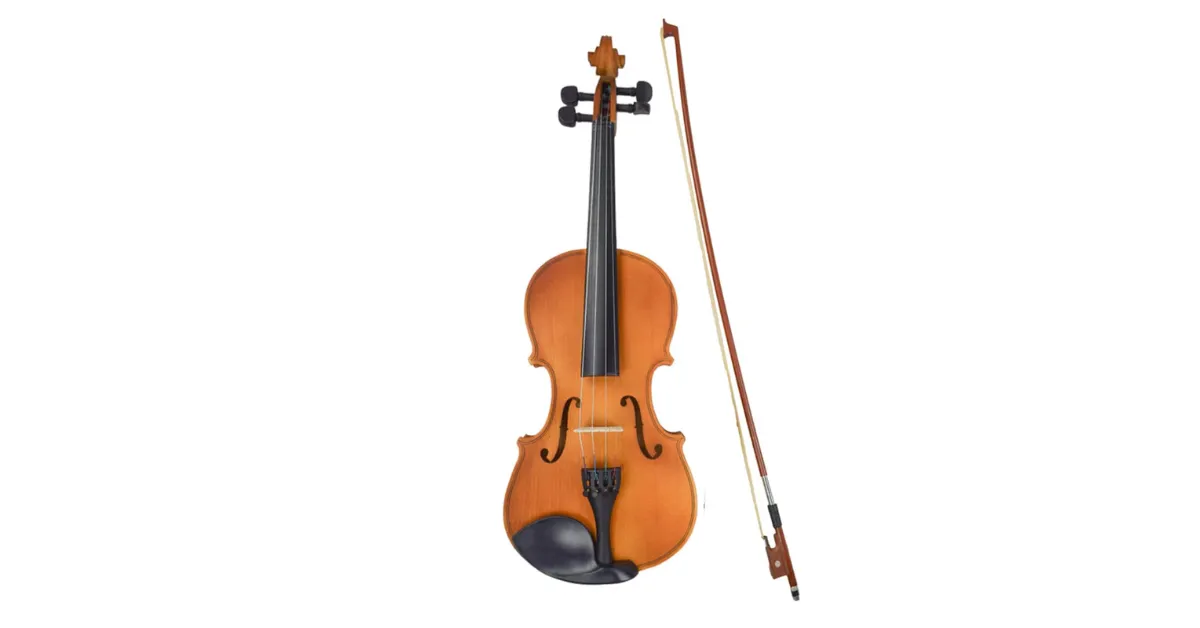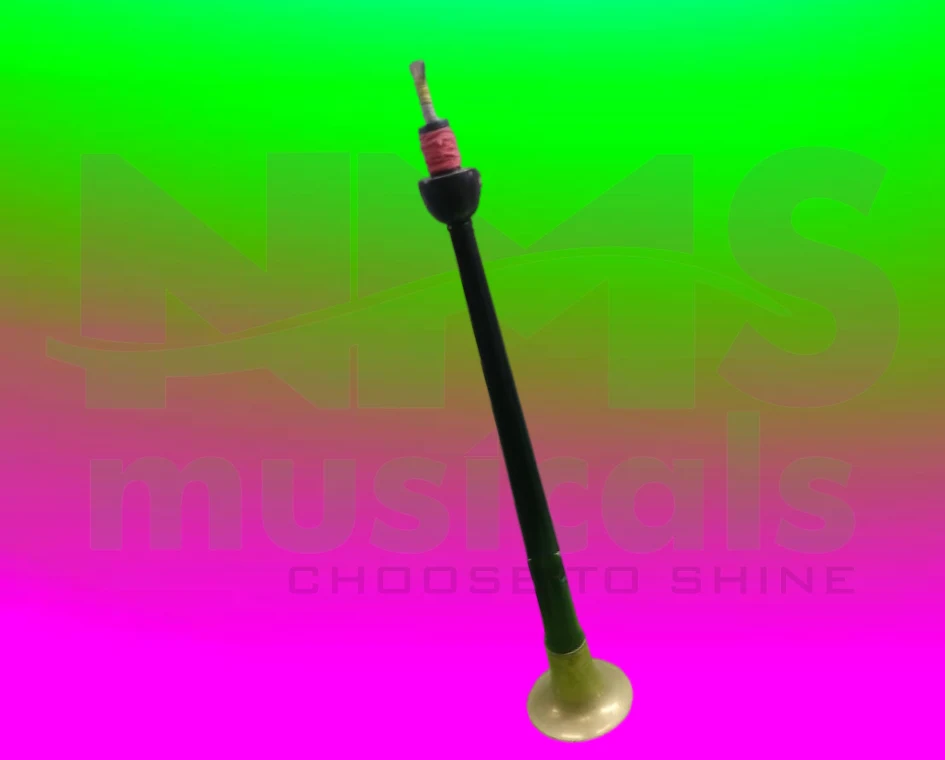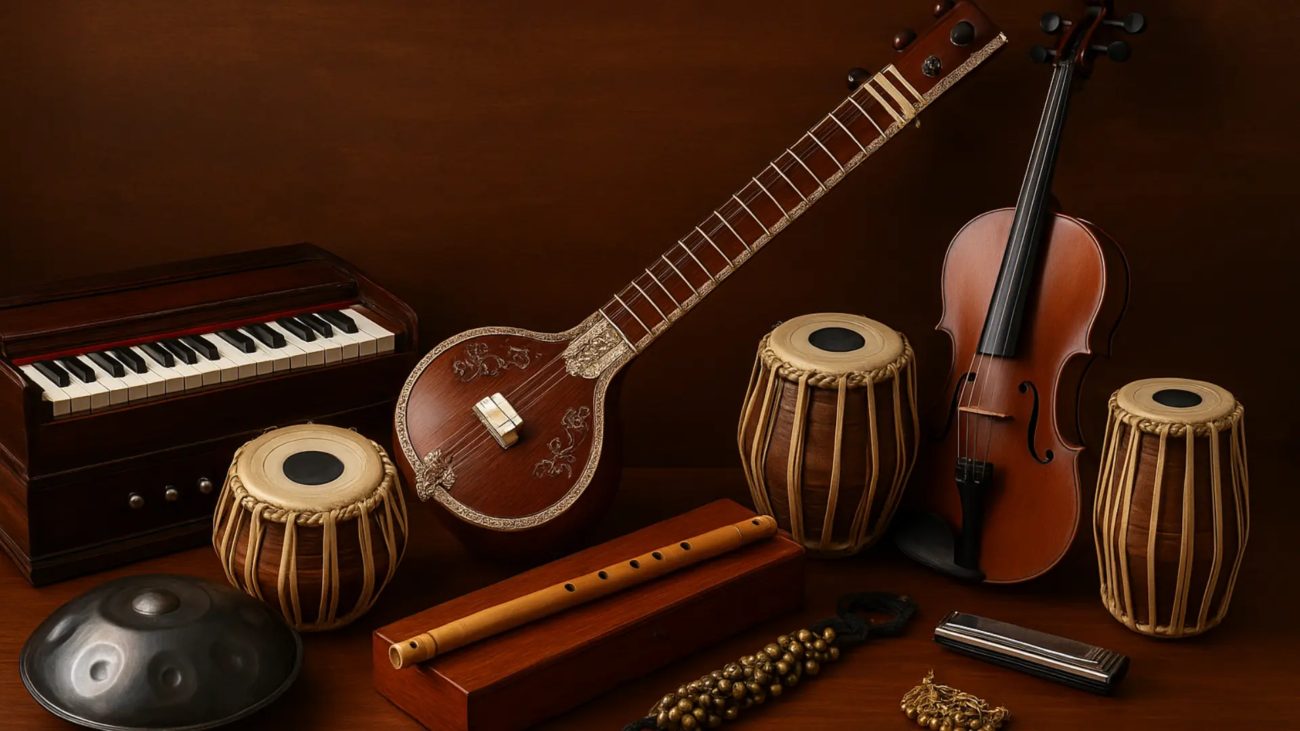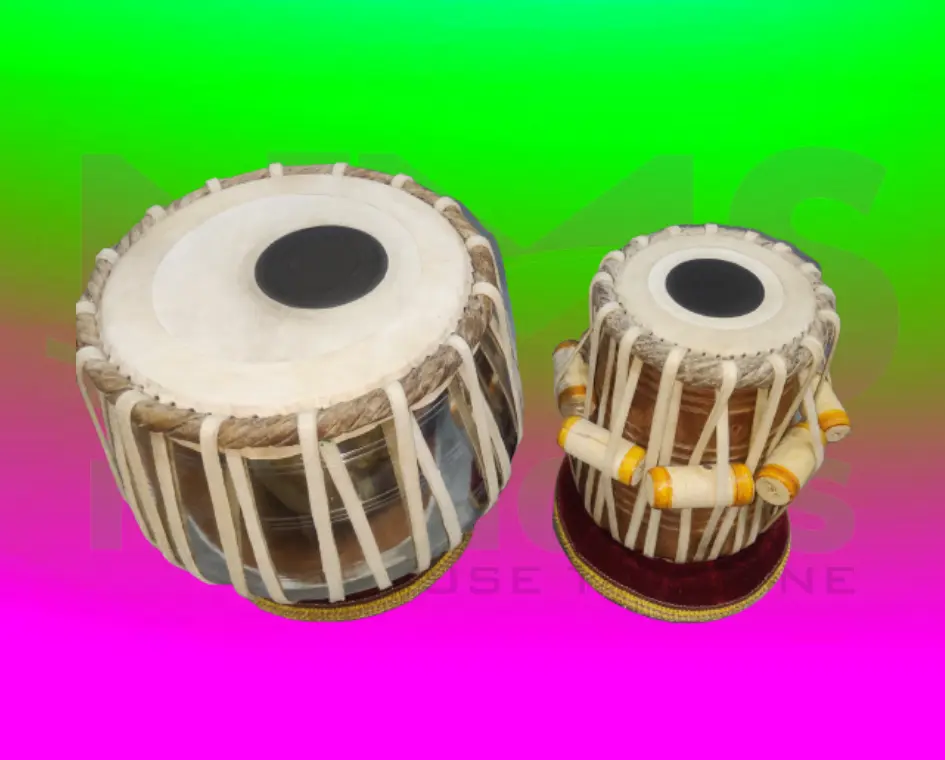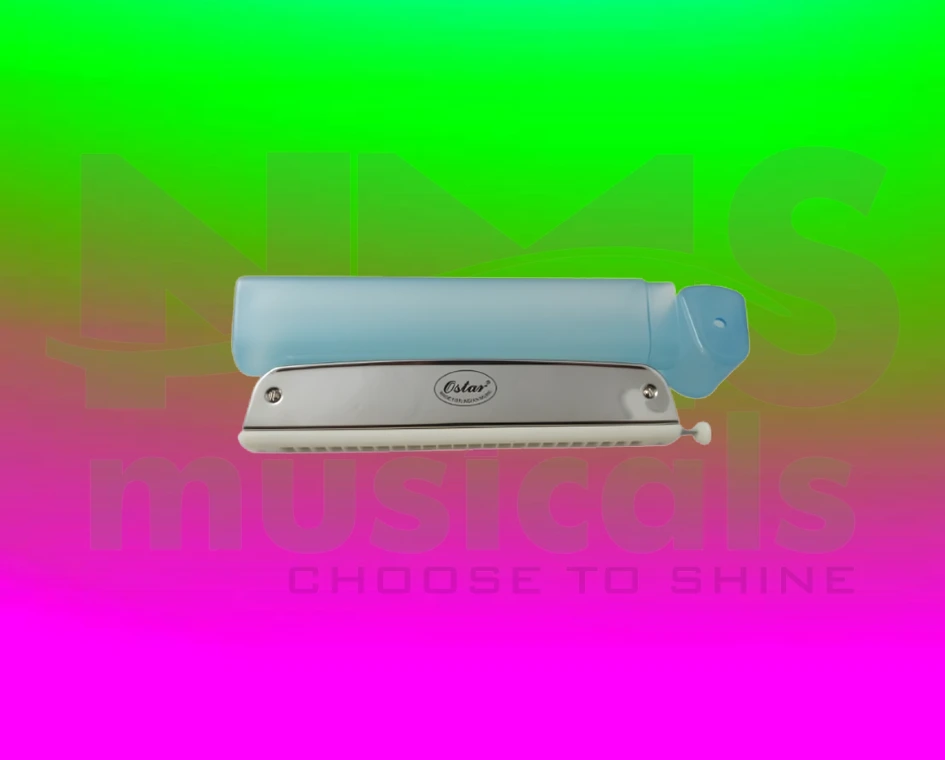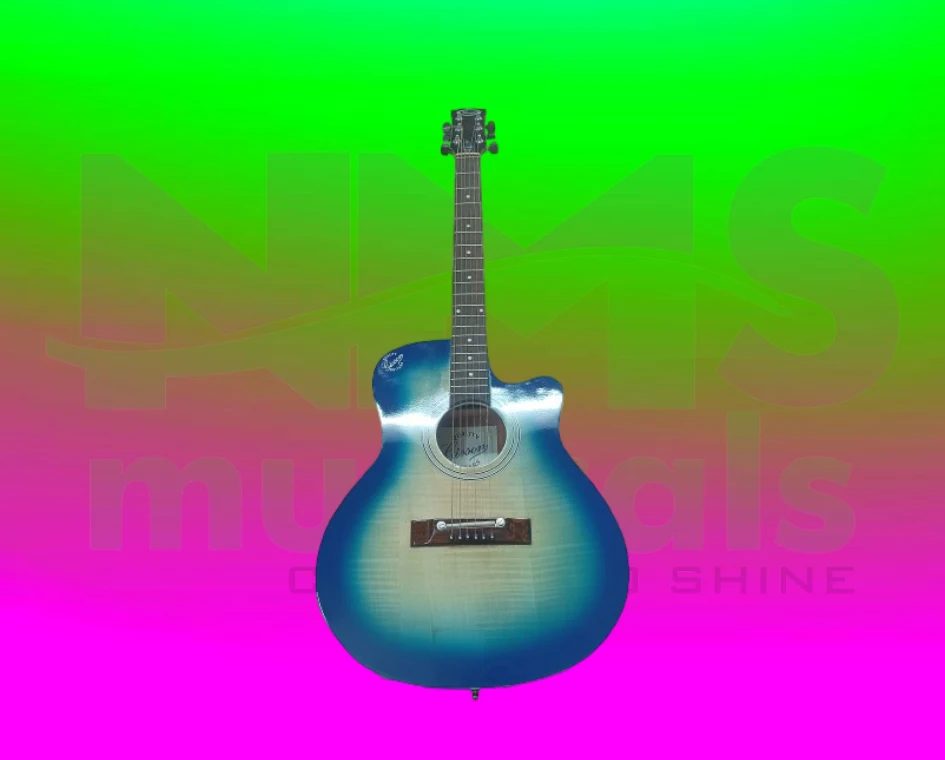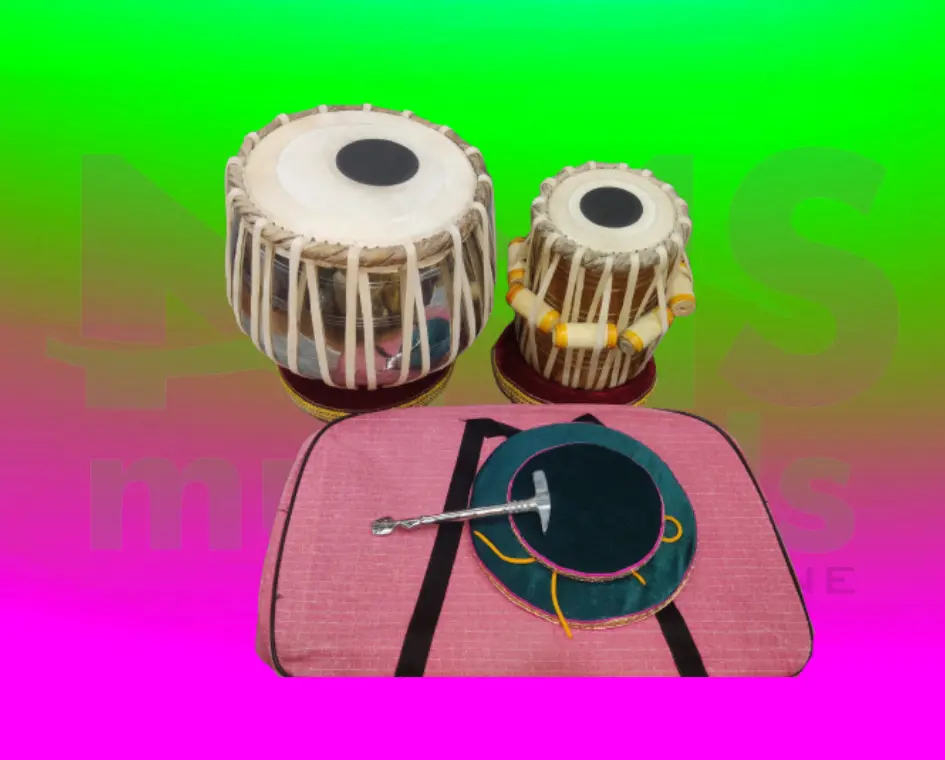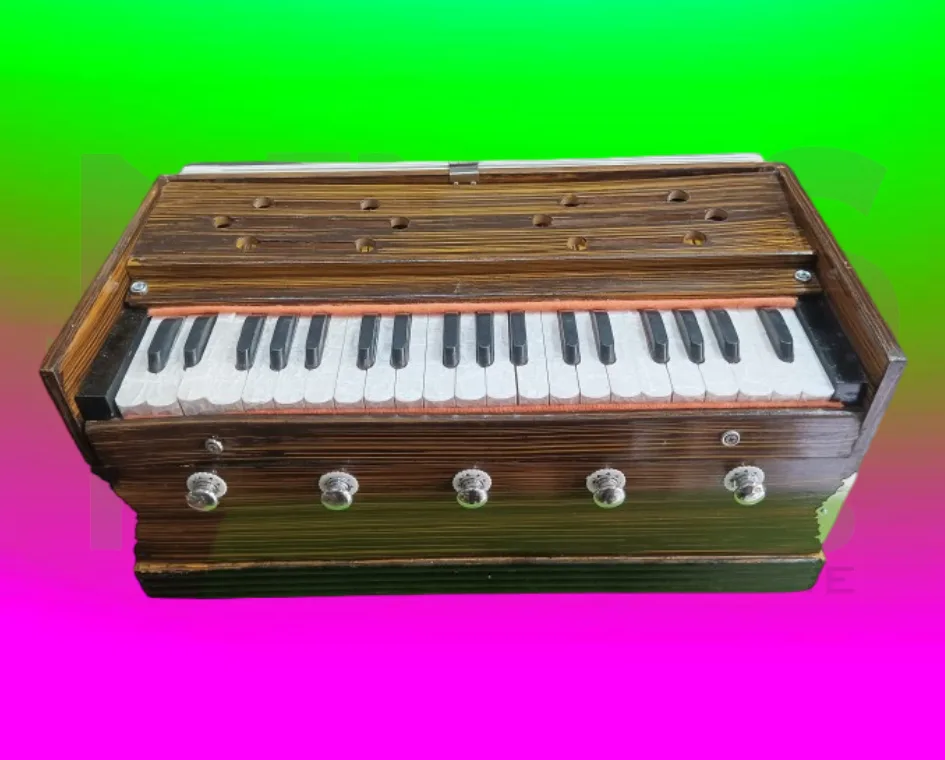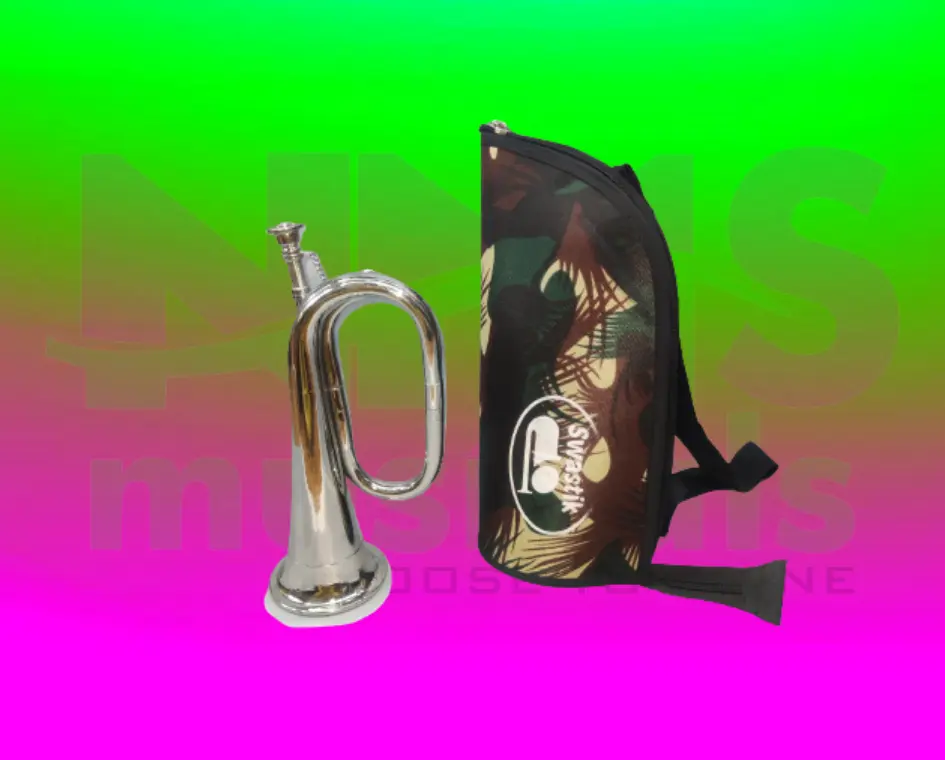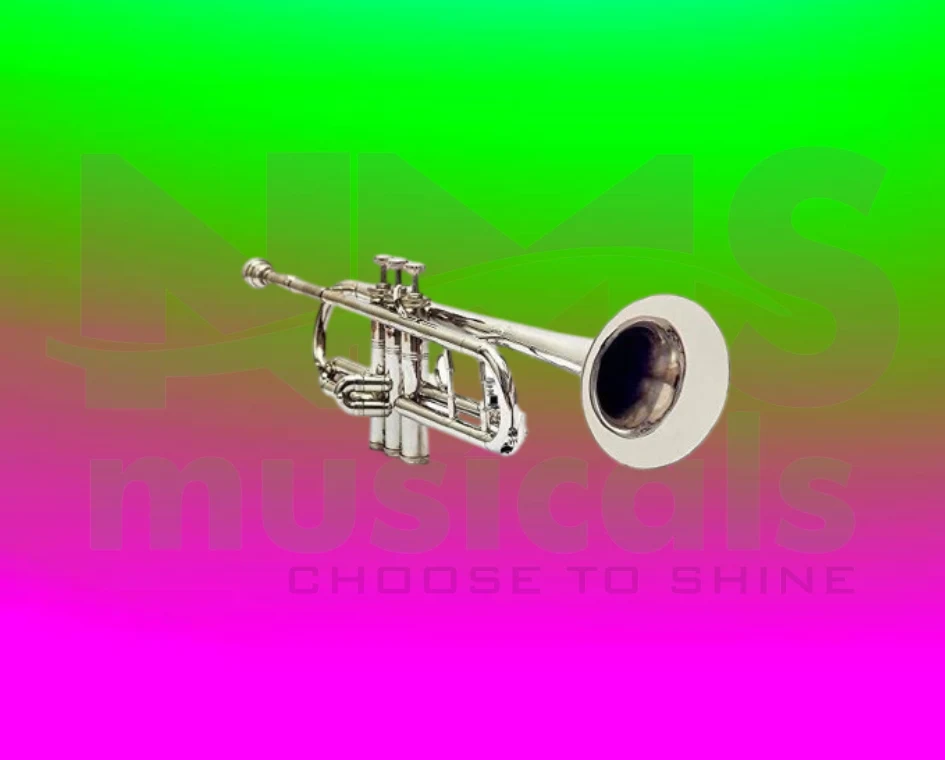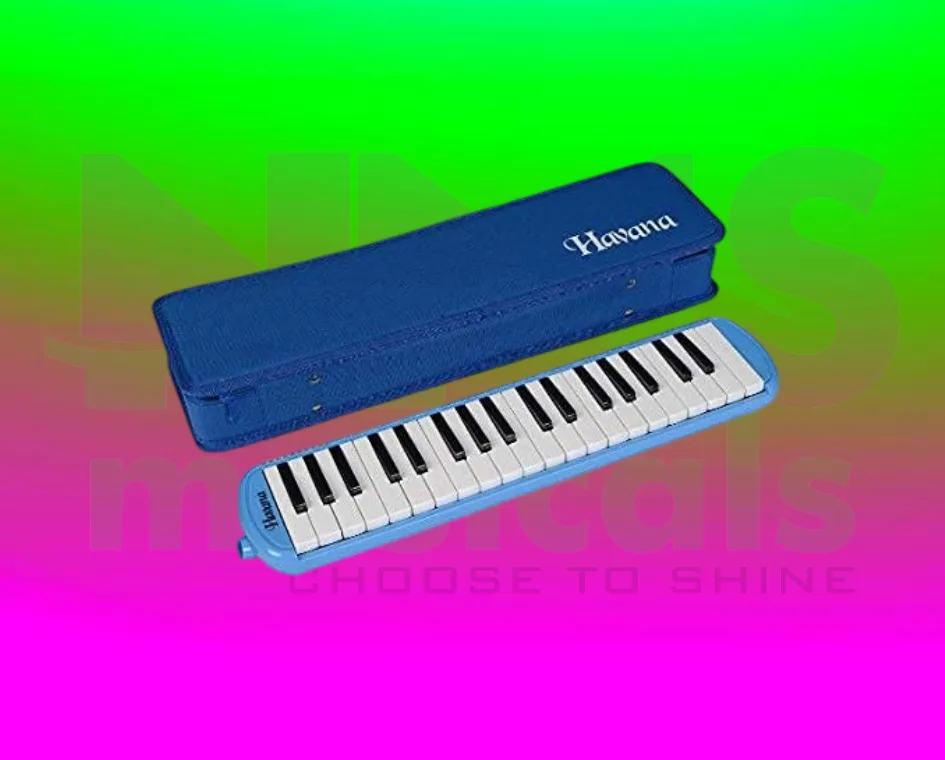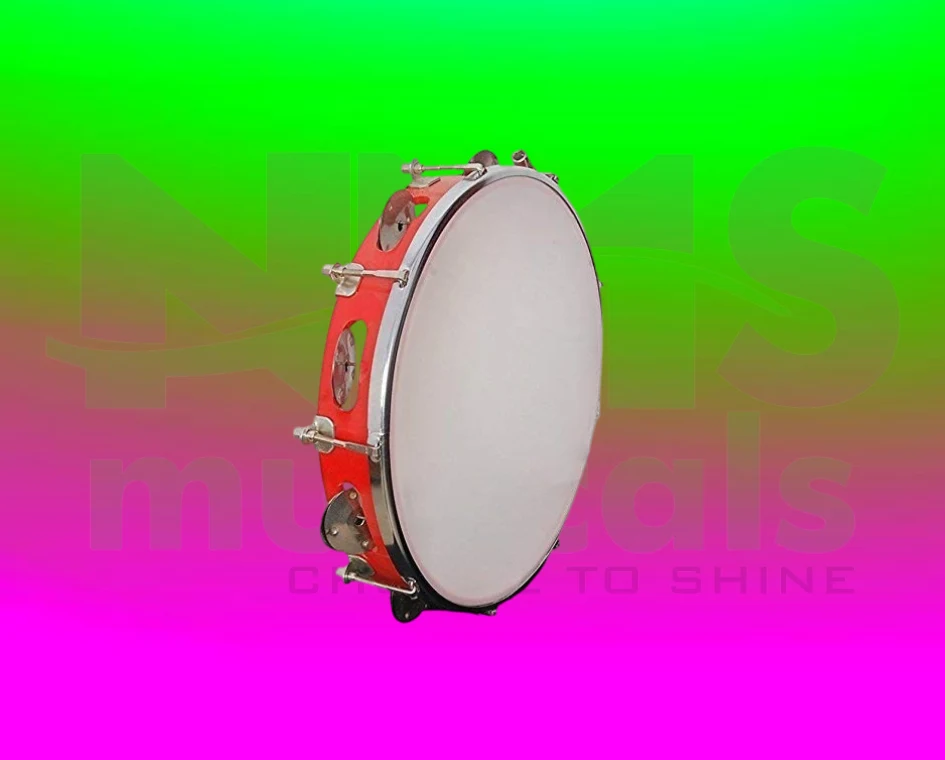
Perfect Musical Instrument Gift for Boys Guide 2

Perfect Musical Instrument Gift for Boys Guide

Your Guide to the Perfect Musical Instrument Gift for Boys

Perfect Musical Instrument Gift for Boys

Gifting a musical instrument can be one of the most meaningful ways to inspire a child’s creativity and talent. If you’re looking to gift the perfect music instrument for a boy, there are many thoughtful choices, especially when you consider Indian musical traditions. Whether it’s for a birthday, a celebration, or simply to encourage musical growth, this guide will walk you through what to consider and which Indian instruments are best suited for boys of various ages and interests.


1. Understand the Child’s Age and Interest

  1. A musical gift should align with the child’s age. Younger boys may need lightweight, durable instruments like a small dhol or a beginner flute.
  2. Older boys may be ready for more complex instruments like a tabla set or a sitar.
  3. Observe if the boy has shown a preference for rhythm (like drumming on tables) or melody (humming tunes). This can guide your instrument choice.


2. Choose Age-Appropriate Instruments

  1. Ages 3–6: Toy instruments or simple percussive Indian instruments like the Kanjira or small dholaks.
  2. Ages 7–10: Instruments like the bansuri (Indian bamboo flute) or tabla.
  3. Ages 11+: Classical options like the sitar, harmonium, or even keyboard with Indian sound packs can be introduced.


3. Prioritize Indian Instruments for Cultural Connection

  1. Indian instruments help children develop cultural roots and a sense of tradition.
  2. Instruments like mridangam, bansuri, tabla, or santoor not only promote discipline but also build an emotional connection to music.
  3. These instruments can be easily learned under a local teacher or through online classes.


4. Consider Instrument Size and Portability

  1. Ensure the instrument isn’t too large or heavy for the child.
  2. Portable instruments like flutes or small tabla sets are easier to manage and store.
  3. If space is limited at home, avoid large instruments like harmoniums unless you’re sure they have space.


5. Think About Durability and Safety

  1. Choose instruments with rounded edges and non-toxic materials.
  2. Look for quality wood or fiber builds when gifting Indian instruments like tabla or dholak.
  3. Ensure tuning pegs, drum skins, or reeds are secure and don’t pose safety issues.


6. Balance Quality with Budget

  1. There are high-quality beginner instruments available under reasonable budgets.
  2. Indian brands like Paloma, Gurusoundz, and Radha Krishna Sharma offer beginner versions of classical instruments.
  3. Avoid ultra-cheap toy versions unless the gift is purely for fun, not serious learning.


7. Include Accessories and Learning Material

  1. Gift essential accessories like a tabla cover, sitar string set, or cleaning cloth.
  2. Include a beginner’s guidebook, online class subscription, or video tutorial.
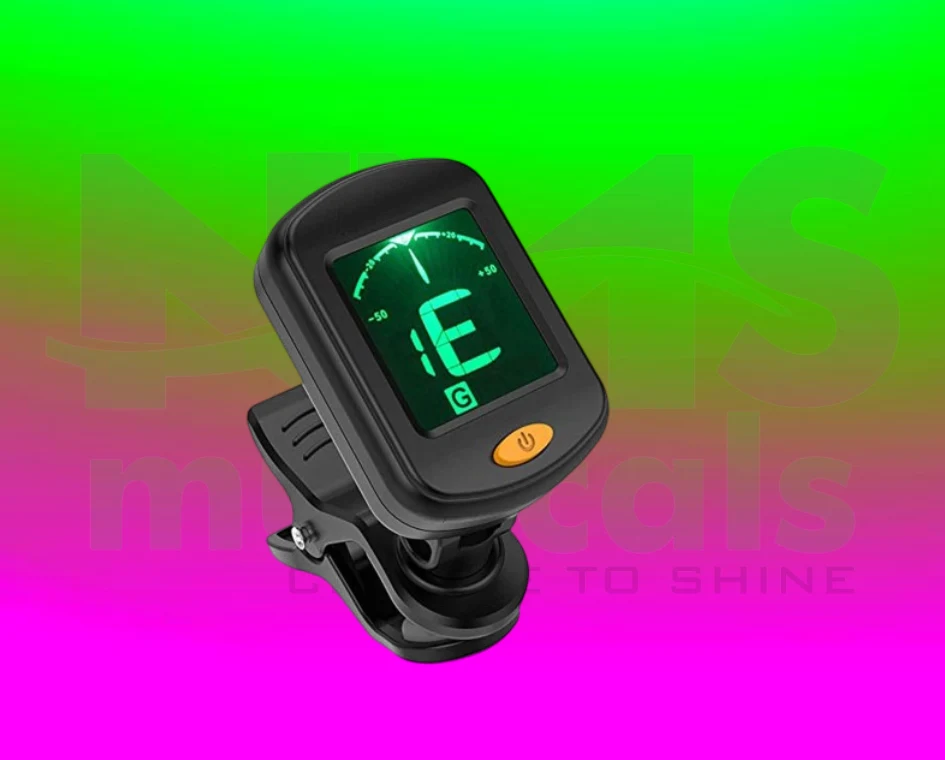
  3. A tuning app or metronome can also add a valuable layer of learning.


8. Make It Personal and Inspiring

  1. Add a personal touch by engraving the boy’s name on the instrument (if applicable).
  2. Pair the gift with a storybook or documentary about famous Indian musicians.
  3. Attach a handwritten note encouraging their musical journey.


9. Top Indian Instruments to Gift a Boy

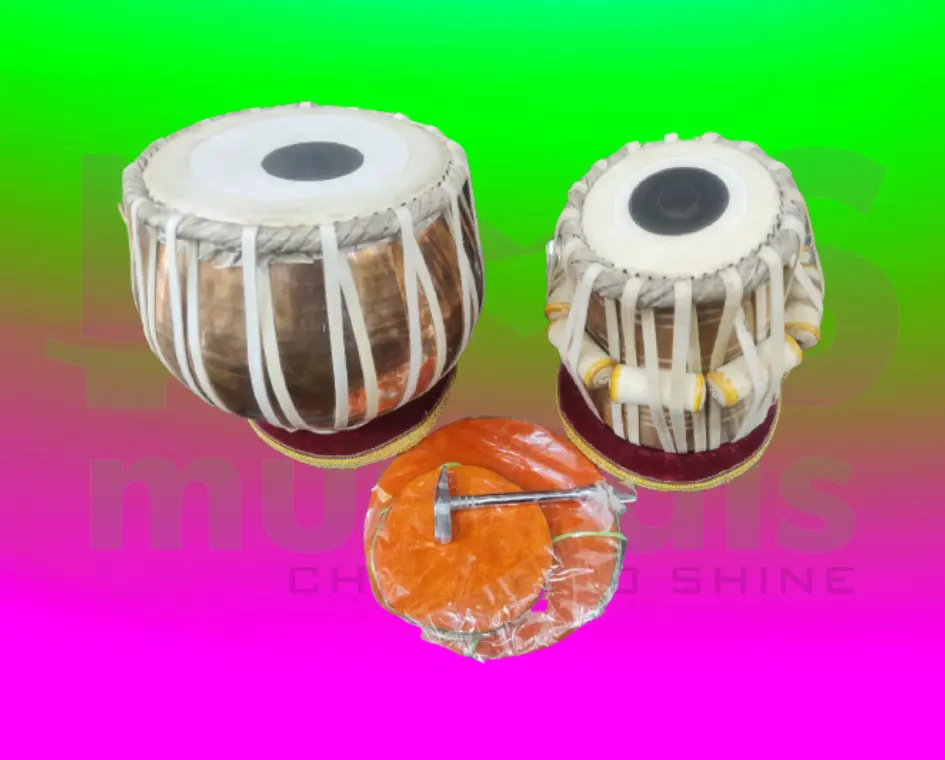
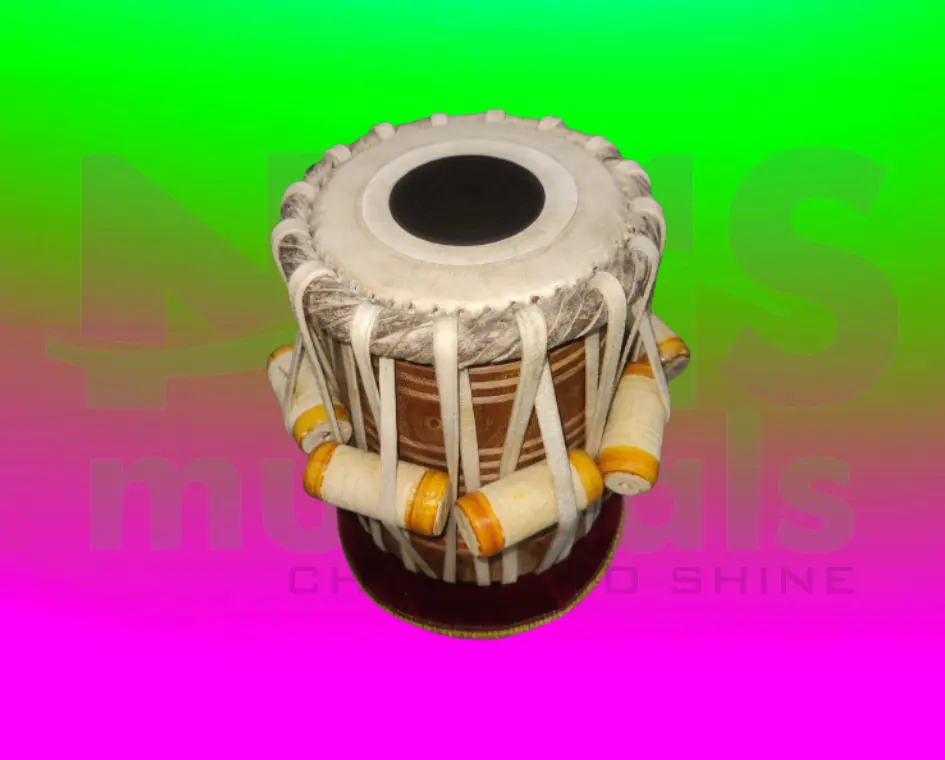
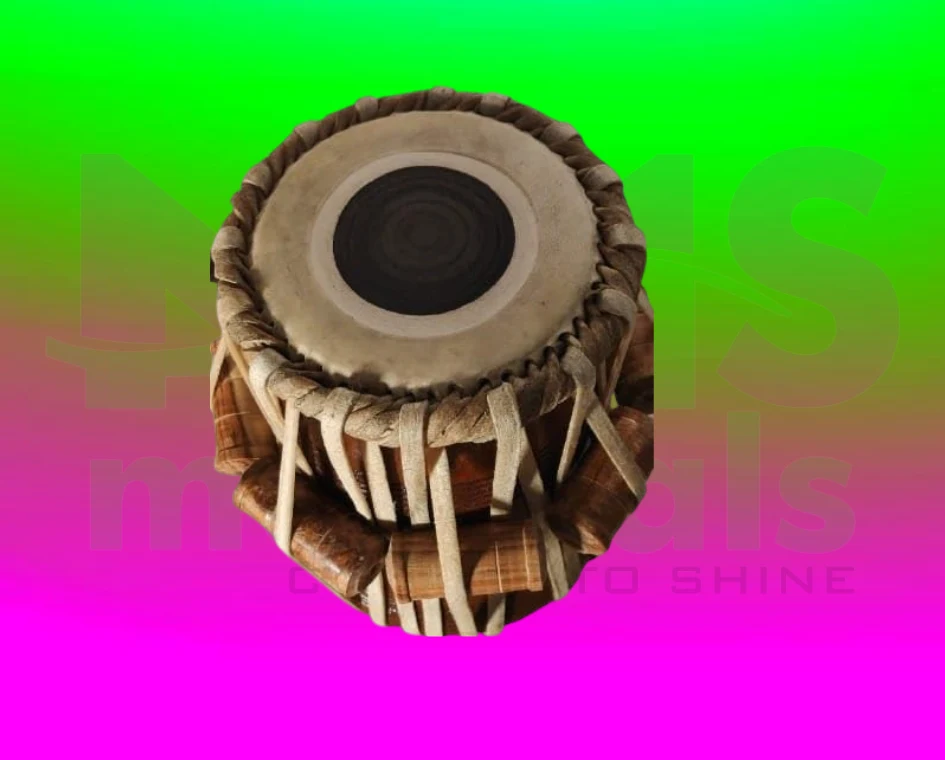
  1. Tabla: Great for rhythm-loving boys and one of the most iconic Indian instruments.
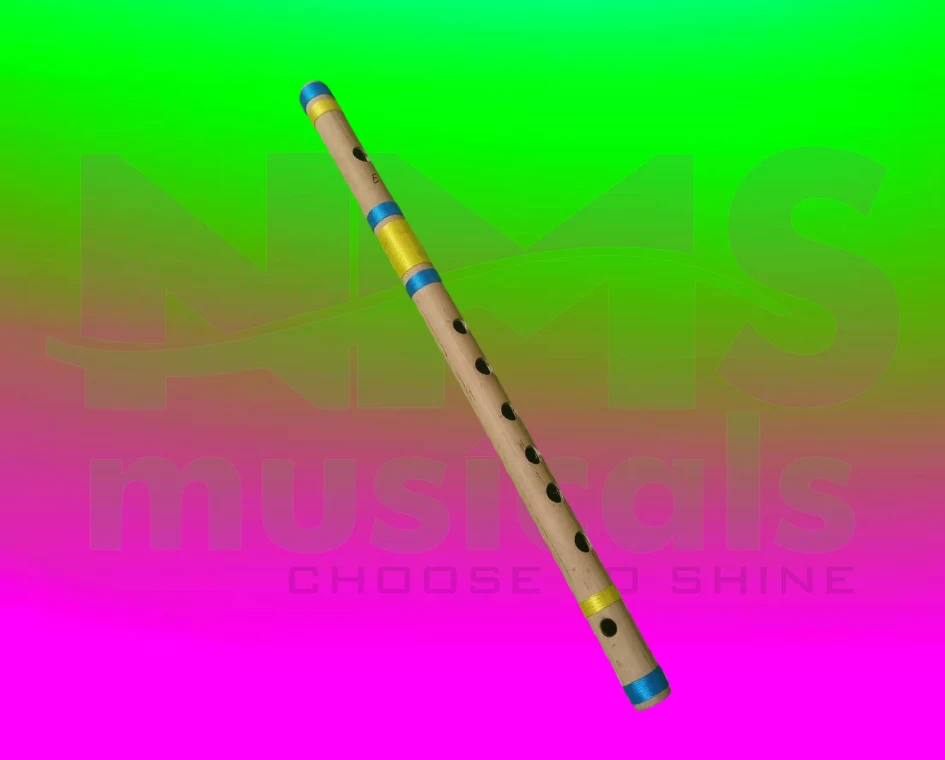
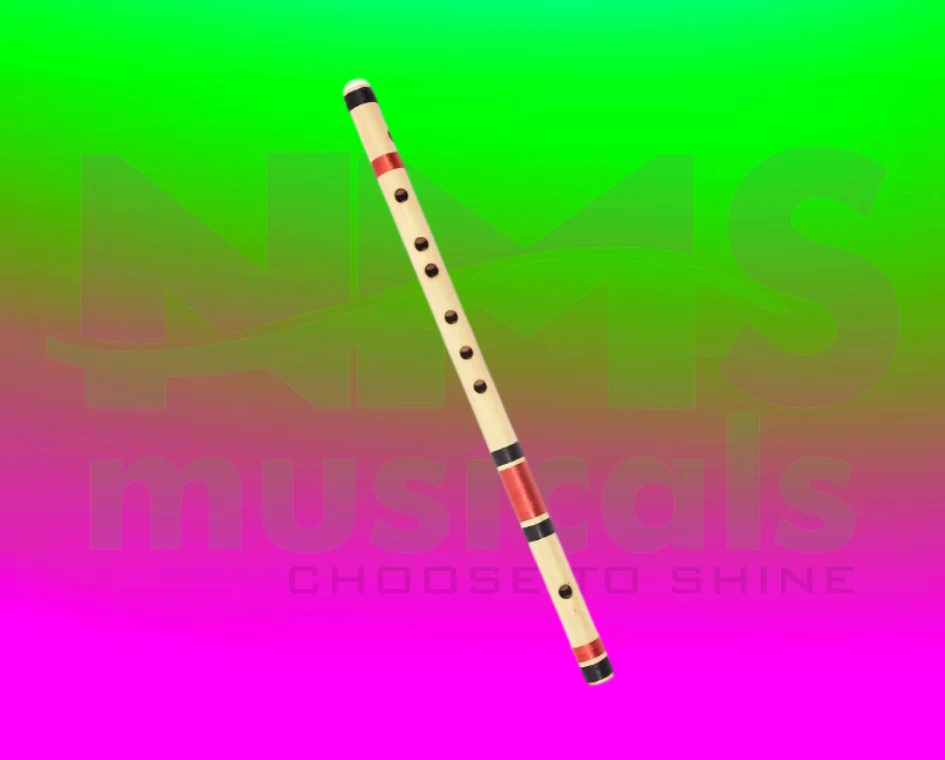
  2. Bansuri (Flute): Lightweight and portable, ideal for melodic learners.
    Bansuri D scale Flute
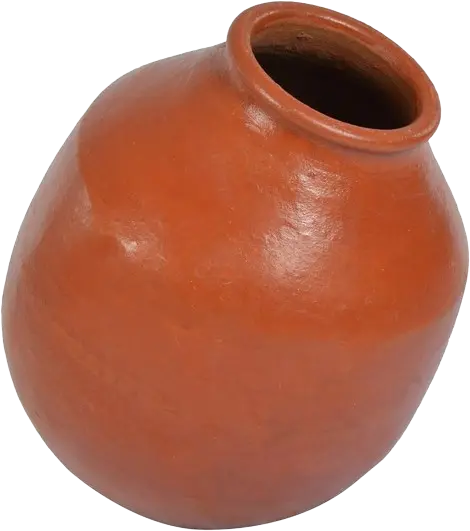
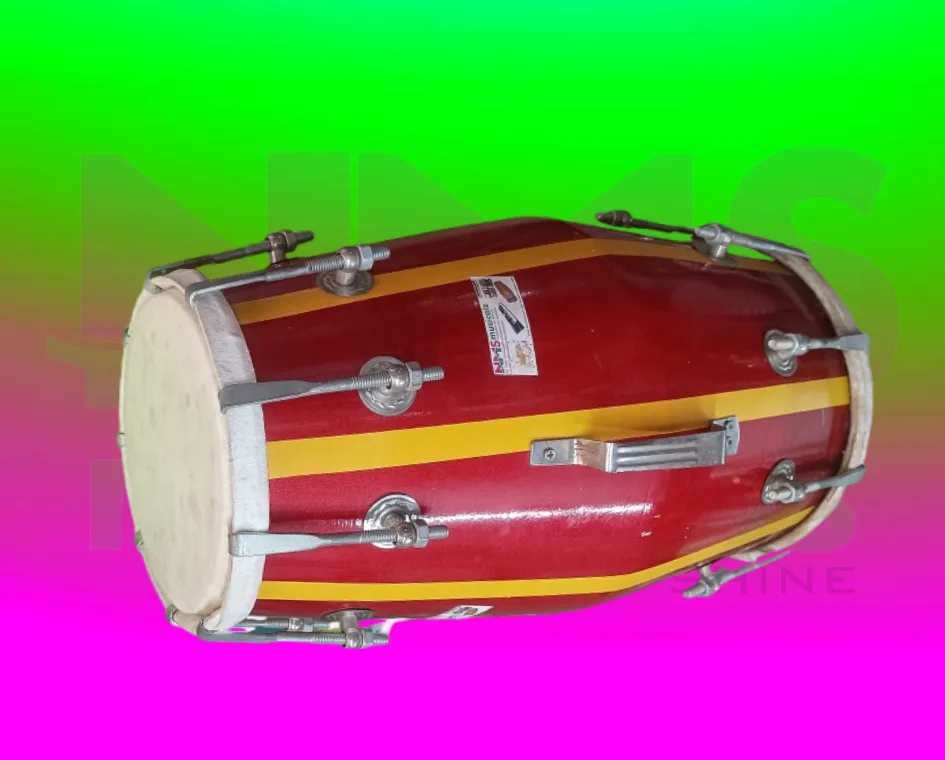
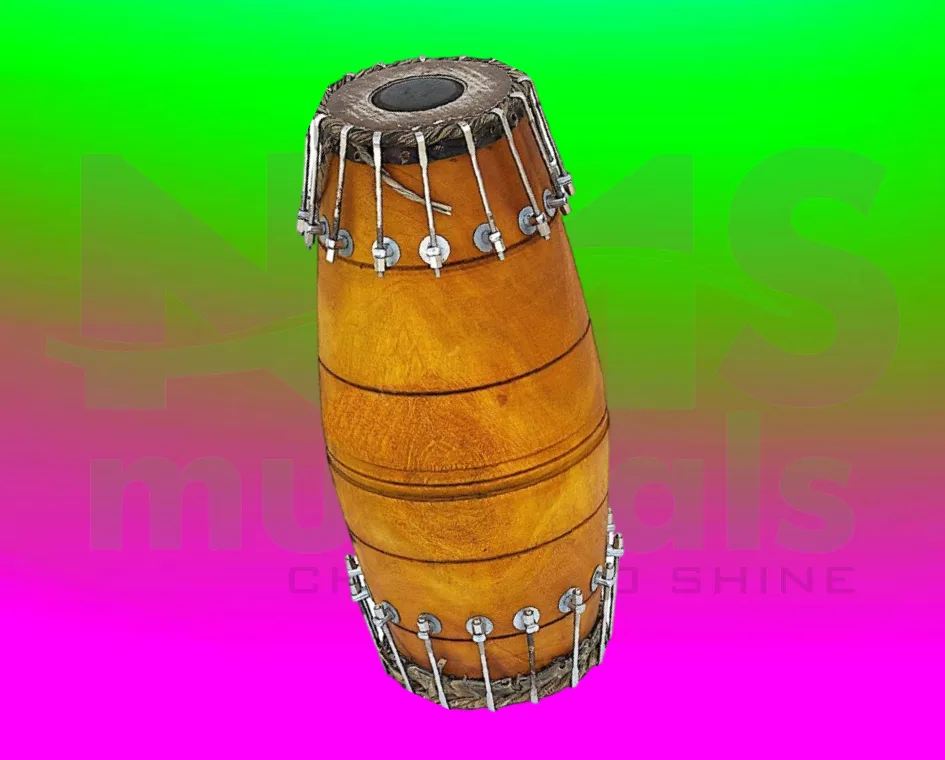
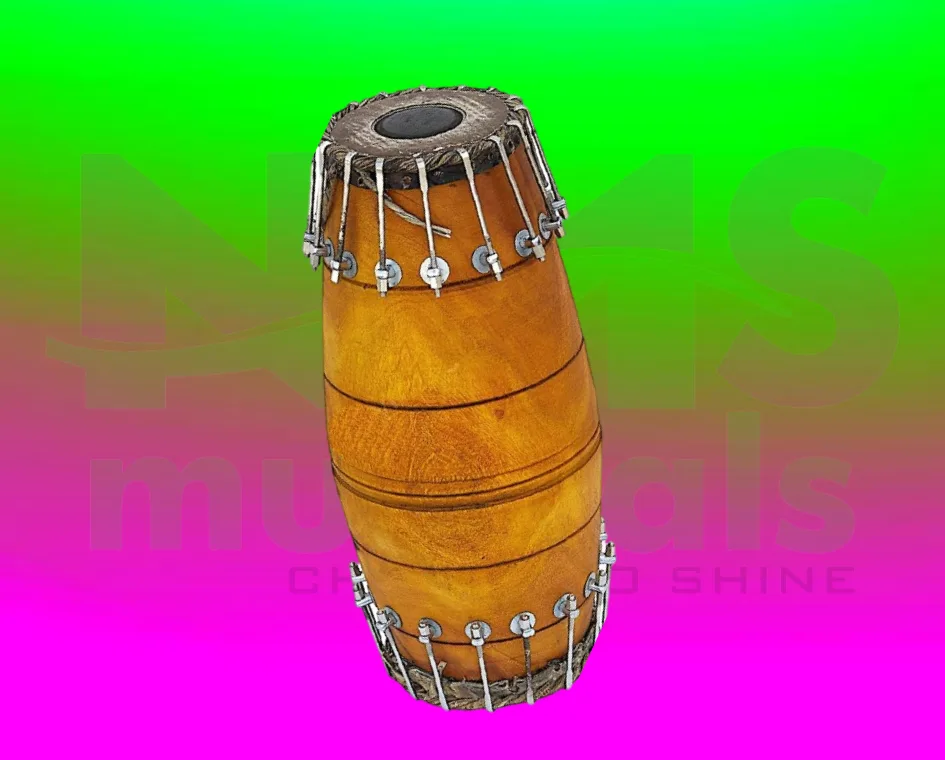
  3. Mridangam : Best for boys interested in South Indian classical percussion.
    Mridangam 22 inch bolt nut
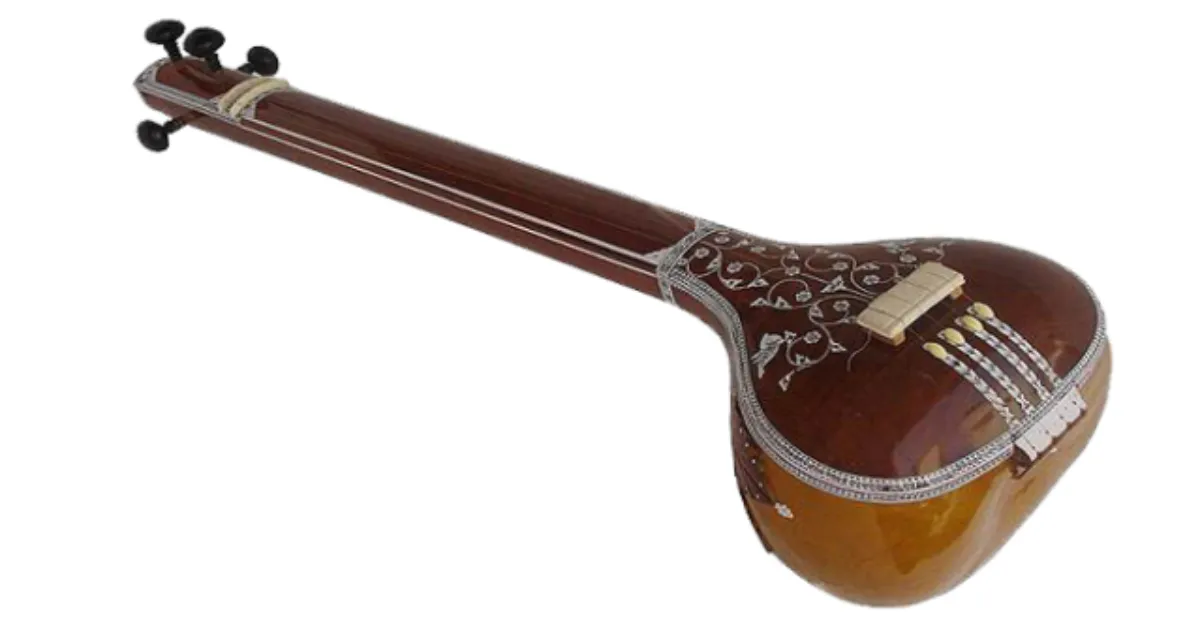
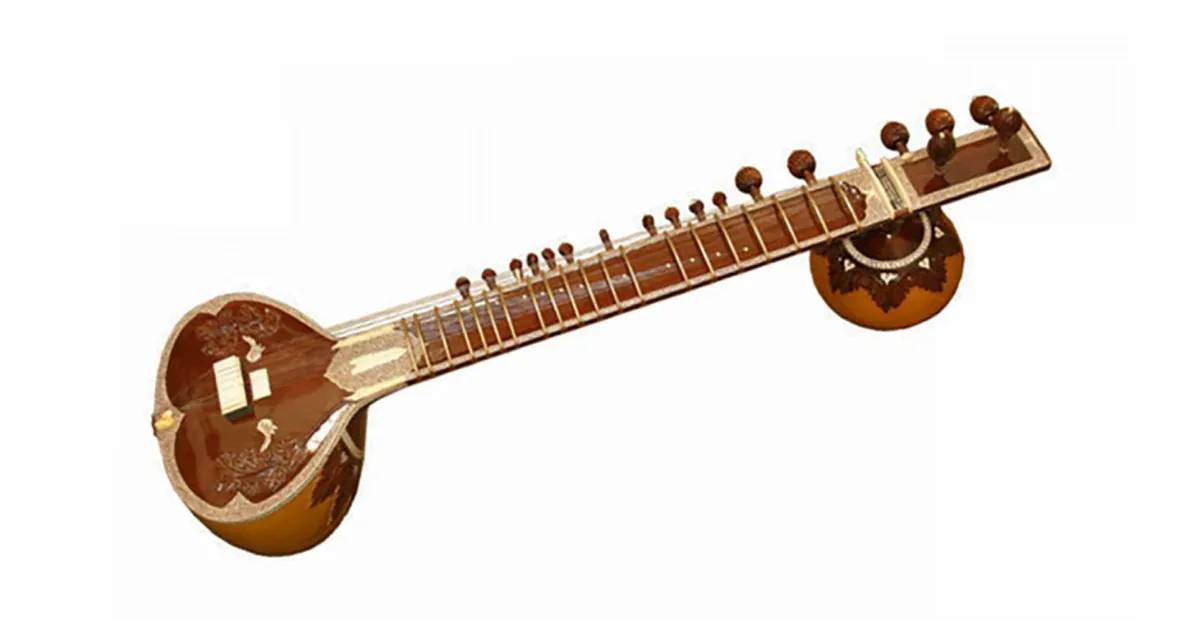
  4. Sitar: Perfect for older boys who want to dive into classical music.
    Perfect Musical Instrument Gift for Boys Guide 2
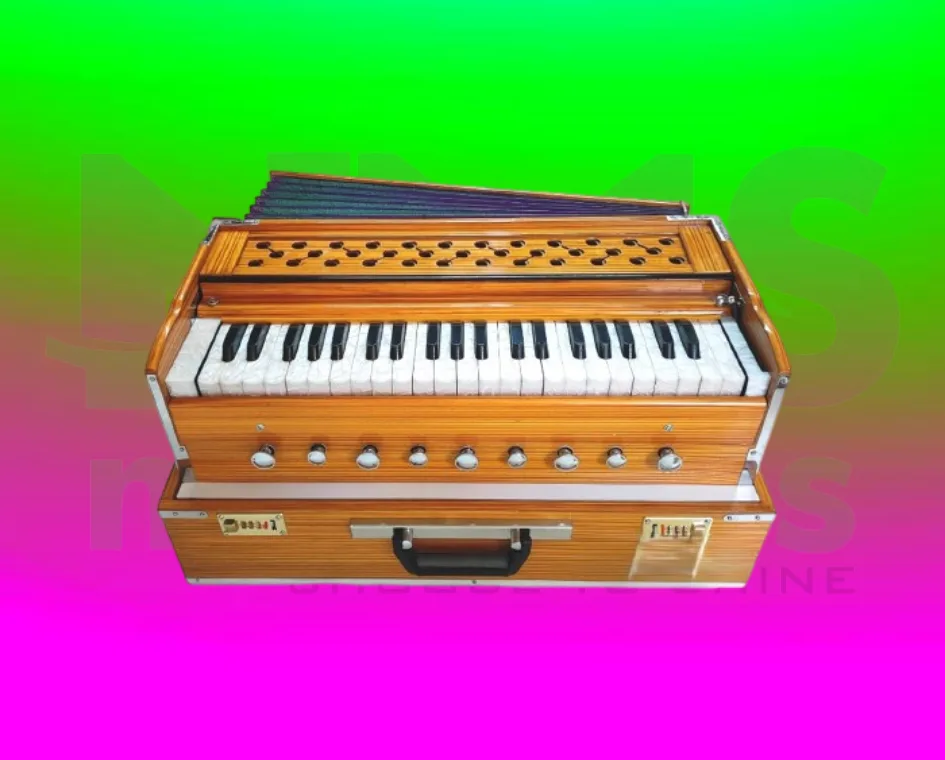
  5. Harmonium: Good for kids interested in both playing and singing.
    Harmonium side view
  6. Keyboard with Indian tones: Modern yet rooted in tradition.
    Perfect Musical Instrument Gift for Boys Guide 3


10. Where to Buy the Right Instrument

  1. Local music stores in cities like NMSMusicals(Chennai & Pondicherry) specialize in Indian classical instruments.
  2. Online platforms like NMSMusicals.in, Amazon India, or Flipkart offer child-friendly variants.
  3. Check for return policies, product reviews, and seller reputation before purchase.


CONCLUSION

Choosing to gift the perfect music instrument for a boy isn’t just about buying something fun—it’s about giving the gift of creativity, discipline, and cultural connection. By focusing on Indian instruments, age-appropriateness, safety, and learning support, you create an opportunity that can shape his future passion and talent. Whether it’s a tabla or a flute, the right instrument can unlock a lifelong love for music. Let your thoughtful choice be the beginning of a beautiful musical journey.


At NMS Musicals, we offer a comprehensive range of musical instruments, including percussion, string, wind, and keyboard instruments. Our services encompass sales, expert servicing, and the manufacture of leather instruments. Explore our diverse collection and find the perfect instrument to suit your musical needs.

Visit our website to browse our offerings: nmsmusicals.in

For a closer look at our products, check out our shop page: nmsmusicals.in/shop

Stay connected with us through our social media channels:
Our shop locations are:

For inquiries, contact/Whatsapp us at 9500663895 or email us at laxman.m89@gmail.com.

Discover the world of musical instruments with NMS Musicals today!

For a visual overview of our percussion instruments, watch the following video:

Benefits of Learning Violin for Kids Uncovered1

Amazing Benefits of Learning Violin for Kids Uncovered

Explore the top benefits of learning violin for kids and how it helps development

benefits of learning violin for kids

Music is a powerful tool for growth and development, especially for children. Among various instruments, the violin stands out as a unique blend of emotional expression, discipline, and technical skill. Parents looking to offer their child a meaningful musical journey often turn to violin training for its unmatched developmental benefits. In this blog, we’ll explore the top 5 benefits of learning the violin for children, helping you understand why this beautiful instrument can be a powerful part of your child’s growth story.


1. Enhances Cognitive and Academic Skills

Violin training has been closely linked with improved brain development and academic performance.

  • Why it matters: Strengthens memory, attention span, and problem-solving
  • Scientific support: Studies show increased IQ and better math/language skills
  • Practical impact: Children perform better in school and standardized tests

In-depth Insight:
When children learn to play the violin, they’re engaging both sides of their brain. Reading music, coordinating bowing and fingering, and listening attentively—all at once—activates cognitive centers that aid in multitasking and critical thinking. These skills spill over into classroom learning, making violin students more attentive and capable learners.


2. Develops Emotional Expression and Confidence

Playing the violin allows children to explore and express emotions while boosting self-esteem.

  • Why it matters: Promotes emotional intelligence and self-awareness
  • Performance effect: Builds stage confidence and pride in achievement
  • Emotional growth: Helps children articulate feelings through music

In-depth Insight:
Children often find it difficult to express emotions through words. The violin becomes a medium through which they communicate happiness, sorrow, and excitement. Over time, they become more in tune with their emotional states and gain confidence by mastering a complex instrument. Every recital or performance becomes a personal victory.


3. Improves Discipline and Patience

Mastering the violin takes regular practice, precision, and perseverance.

  • Why it matters: Builds a strong work ethic and persistence
  • Routine benefit: Instills time management and goal setting
  • Long-term impact: Creates a mindset of continuous improvement

In-depth Insight:
Children who learn the violin are introduced to the concept of delayed gratification. Progress is slow but rewarding, and this teaches them the value of commitment. Practicing scales or correcting posture may seem tedious, but it cultivates patience and a disciplined approach to challenges


.

4. Strengthens Physical Coordination and Motor Skills

Playing the violin improves fine motor control, posture, and overall physical coordination.

  • Why it matters: Enhances hand-eye coordination and muscle memory
  • Physical benefits: Improves dexterity and body alignment
  • Motor development: Refines gross and fine motor movements

In-depth Insight:
Handling a violin requires the simultaneous use of both hands in completely different roles—one managing the bow and the other fingering the strings. This bilateral coordination strengthens neural pathways responsible for complex movements. Children develop greater agility and precision in their movements, benefiting other physical activities as well.


5. Encourages Social Interaction and Teamwork

Violin students often participate in orchestras, duets, and group lessons, all of which foster social engagement.

  • Why it matters: Enhances communication and listening skills
  • Collaborative benefit: Teaches harmony and cooperation
  • Life skills: Fosters empathy, respect, and shared responsibility

In-depth Insight:
Music is a communal activity. When children play in ensembles, they learn to listen to others, adapt their timing, and maintain harmony. These lessons go beyond music, shaping them into empathetic and cooperative individuals who excel in group dynamics both in and outside of school.


CONCLUSION

Introducing your child to the violin can be a life-changing decision. The top 5 benefits of learning the violin for children go far beyond musical proficiency. From boosting academic performance to nurturing emotional expression and physical coordination, the violin cultivates a well-rounded personality. It teaches patience, discipline, and the joy of collaborative creativity.

By investing in violin education, you are not just giving your child a hobby—you are empowering them with skills that enrich every aspect of their life. Whether they pursue music professionally or keep it as a passion, the values and strengths they gain from the violin will stay with them forever.

So if you’re looking for an instrument that combines art, discipline, and emotional growth, the violin is a powerful and beautiful choice for your child.


At NMS Musicals, we offer a comprehensive range of musical instruments, including percussion, string, wind, and keyboard instruments. Our services encompass sales, expert servicing, and the manufacture of leather instruments. Explore our diverse collection and find the perfect instrument to suit your musical needs.

Visit our website to browse our offerings: nmsmusicals.in

For a closer look at our products, check out our shop page: nmsmusicals.in/shop

Stay connected with us through our social media channels:
Our shop locations are:

For inquiries, contact/Whatsapp us at 9500663895 or email us at laxman.m89@gmail.com.

Discover the world of musical instruments with NMS Musicals today!

For a visual overview of our percussion instruments, watch the following video:

Healing Power of Music Therapy Explained 2

Transformative Healing Power of Music Therapy Explained

Discover how the healing power of music therapy helps mind and body

Healing Power of Music Therapy

Music has always held a special place in human culture. From ancient chants and ceremonial rhythms to modern pop songs and symphonies, it speaks directly to our emotions and thoughts. In recent years, music has become more than just entertainment—it’s now recognized as a powerful form of therapy. Music therapy, particularly when it involves playing musical instruments, is emerging as a potent tool for healing and emotional well-being.

This blog explores music therapy the healing power of playing instruments, breaking down how and why it works, who it helps, and how anyone can benefit from it.


1. What Is Music Therapy?

Music therapy is a clinically proven approach where music is used to address physical, emotional, cognitive, and social needs. Certified music therapists design structured sessions involving music creation, listening, singing, or instrument playing to support therapeutic goals.

It’s not just about listening to relaxing music—though that helps, too. It’s an active, evidence-based process designed to improve quality of life, reduce stress, and promote emotional and psychological healing.


2. The Science Behind Music Therapy

Music has a profound effect on the brain. It activates both the left and right hemispheres, improves neuroplasticity, and encourages the release of dopamine and serotonin—neurochemicals associated with happiness and relaxation.

Here are some science-backed benefits:

  • Reduces cortisol levels (stress hormone)
  • Increases oxytocin (the “bonding” hormone)
  • Improves neuroplasticity, especially beneficial after trauma or injury
  • Enhances memory and focus—great for people with Alzheimer’s or ADHD


3. Why Playing Instruments Enhances Healing

Listening to music is powerful, but playing instruments deepens the therapeutic effect. Here’s how:

a. Physical Engagement

Playing an instrument involves coordination, movement, and breathing, which can help with motor skills and physical rehabilitation.

b. Emotional Release

Expressing emotions through music can help process trauma, reduce anxiety, and improve self-awareness.

c. Mental Focus

Learning an instrument encourages focus, discipline, and cognitive flexibility. This is particularly useful for children and individuals with attention disorders.

d. Social Connection

Group music sessions promote cooperation, communication, and empathy—crucial for those facing social anxiety or isolation.


4. Who Can Benefit from Music Therapy?

Music therapy is inclusive—it can help almost anyone, regardless of age or musical ability. Some groups that particularly benefit include:

a. Children with Developmental Disorders

Children with autism or speech delays often find it easier to express themselves through instruments and music games.

b. Seniors with Dementia

Music helps stimulate memory, evoke emotion, and create connections with others, even when verbal communication is challenging.

c. People Recovering from Trauma

Music provides a safe and non-verbal outlet to process painful memories and feelings.

d. Individuals with Mental Health Challenges

People dealing with depression, anxiety, PTSD, and stress-related disorders benefit from the structured emotional release that music offers.


5. Types of Instruments Often Used in Therapy

The type of instrument can influence the therapeutic effect. Some common options include:

a. Drums and Percussion

These are excellent for releasing tension and promoting coordination.

b. Piano and Keyboard

These instruments are great for melodic expression and cognitive stimulation.

c. Guitar

The guitar offers rhythmic and harmonic flexibility, making it popular in both individual and group sessions.

d. Wind Instruments (like flute or harmonica)

These aid in controlled breathing and relaxation.

e. Singing Bowls and Bells

Used in sound therapy, they promote calmness and meditation.


6. Music Therapy in Practice: What to Expect

In a typical music therapy session:

  • The therapist evaluates emotional and physical needs
  • Sessions are tailored—some may focus on rhythm, others on improvisation or songwriting
  • Goals may include improving communication, reducing anxiety, or enhancing motor skills

These sessions may be conducted in:

  • Hospitals
  • Schools
  • Mental health facilities
  • Rehabilitation centers
  • Private clinics or even online


7. Case Studies: Real-Life Healing Through Music

Case 1: PTSD Recovery

A war veteran struggling with PTSD found comfort in drumming sessions. Over months, the rhythmic activity helped reduce his flashbacks and anxiety levels.

Case 2: Speech Development in Children

A non-verbal child with autism began speaking words through singing activities during therapy. Instrument-based sessions encouraged expression and interaction.

Case 3: Elderly Joy

In a senior care home, group keyboard sessions sparked joy and laughter among residents, improving both cognitive function and emotional well-being.


8. Incorporating Music Therapy at Home

Even without a certified therapist, families can bring the benefits of music home:

  • Create a safe space for instrument exploration
  • Encourage improvisation and free play
  • Use music-based games for memory, attention, or communication
  • Practice breathing and mindfulness using wind instruments or singing


9. How to Get Started with Music Therapy

If you or someone you know could benefit:

  • Look for certified music therapists in your area
  • Ask your healthcare provider for referrals
  • Choose sessions based on individual needs—emotional healing, cognitive improvement, or stress reduction

Some useful resources include:

  • The Indian Association of Music Therapy (IAMT)
  • Hospitals and wellness centers with music-based programs
  • Online music therapy platforms for remote sessions


Conclusion

Music therapy is more than just a feel-good experience—it’s a transformative tool for healing. Through structured and purposeful engagement with instruments, individuals of all ages can experience improved mental, emotional, and physical well-being. Whether you’re struggling with stress, helping a child express emotions, or looking to reconnect with joy, music provides a path forward.

So why wait? Pick up that instrument, hit that key, or strike that drum. The healing power of playing instruments is real—and it’s never too late to tune into the music within.

At NMS Musicals, we offer a comprehensive range of musical instruments, including percussion, string, wind, and keyboard instruments. Our services encompass sales, expert servicing, and the manufacture of leather instruments. Explore our diverse collection and find the perfect instrument to suit your musical needs.

Visit our website to browse our offerings: nmsmusicals.in

For a closer look at our products, check out our shop page: nmsmusicals.in/shop

Stay connected with us through our social media channels:
Our shop locations are:

For inquiries, contact/Whatsapp us at 9500663895 or email us at laxman.m89@gmail.com.

Discover the world of musical instruments with NMS Musicals today!

For a visual overview of our percussion instruments, watch the following video:
Best Wind Instrument for Children

Powerful Choice: Best Wind Instrument for Children

Discover the perfect best wind instrument for children to nurture musical talent

Best Wind Instrument for Children1

Choosing the perfect wind instrument for your child can be a thrilling yet overwhelming experience. With so many options available, it’s essential to find an instrument that suits your child’s age, physical abilities, interests, and long-term musical goals. Wind instruments can help children build breath control, posture, coordination, and discipline, all while igniting a love for music.


Why Wind Instruments are Great for Kids

  1. Develops Physical and Mental Skills: Wind instruments improve lung capacity, posture, and hand-eye coordination.
  2. Encourages Discipline: Regular practice builds commitment and responsibility.
  3. Boosts Confidence: Performing and progressing builds self-esteem.
  4. Introduces Musical Concepts Early: Teaches pitch, rhythm, and tone from the beginning.
  5. Variety of Choices: From flutes to clarinets, there’s something for every personality.


Common Wind Instruments for Beginners

  1. Recorder
Recorder view
  • Affordable and simple to learn.
  • Teaches breath control and basic fingering.

2. Flute

Bansuri E Flute
  • Requires good breath control.
  • Great for older children (ages 8+).

3. Clarinet

Best Wind Instrument for Children 1
  • Suitable for ages 9 and above.
  • Versatile for classical and modern music.

4. Saxophone

Saxophone with case
  • Best for teens due to size and weight.
  • Popular in jazz and school bands.

5. Trumpet

Trumpet
  • Loud and energetic.
  • Ideal for enthusiastic learners.

6. Trombone

Best Wind Instrument for Children 2
  • Fun to play, requires arm length and strength.
  • Great for physical kids with strong lungs.

7. French Horn

Best Wind Instrument for Children 3
  • Demands a good ear for pitch.
  • Suitable for dedicated students.


How to Know Which Instrument Fits Best

  1. Assess Physical Readiness
  • Mouth structure, hand size, and arm strength matter.
  • Ensure the child can comfortably hold the instrument.

2. Evaluate Musical Interests

  • Does your child enjoy classical, jazz, or pop music?
  • Match instrument to their favorite genre.

3. Consult with Music Teachers

  • Teachers can evaluate readiness and recommend the right choice.
  • They may allow trial sessions with various instruments.

4. Consider Personality Type

  • Outgoing kids might enjoy trumpet or saxophone.
  • Reflective children might prefer flute or clarinet.

5. Think Long-Term

  • Choose an instrument they can grow into.
  • Consider school band options and private lessons.


Benefits of Early Musical Training

  1. Academic Improvement: Music enhances math and reading skills.
  2. Emotional Development: Helps children express feelings creatively.
  3. Better Social Skills: Playing in bands or groups fosters teamwork.
  4. Improved Focus: Learning music requires concentration.
  5. Fun and Motivation: Children enjoy seeing progress and playing favorite songs.


Renting vs. Buying an Instrument

  1. Renting Pros:
  • Affordable for beginners.
  • Easy to switch instruments if needed.

2. Renting Cons:

  • Long-term cost adds up.
  • Rental instruments may have wear and tear.

3. Buying Pros:

  • Ownership creates a sense of responsibility.
  • Can be a good investment with proper care.

4. Buying Cons:

  • Higher upfront cost.
  • Risk of disinterest or damage.


Tips for Parents When Choosing a Wind Instrument

  1. Attend Live Performances: Let your child see and hear instruments in action.
  2. Try a Beginner’s Workshop: Hands-on experience can help them decide.
  3. Start with Private Lessons: Personalized guidance boosts initial success.
  4. Check for School Band Programs: These may influence instrument choices.
  5. Be Patient: It may take time for your child to find their favorite.


Maintaining the Instrument

  1. Regular Cleaning: Prevents bacteria build-up.
  2. Proper Storage: Use cases to avoid damage.
  3. Routine Check-ups: Technicians can catch minor issues early.
  4. Teach Responsibility: Encourage kids to care for their gear.
  5. Keep Accessories Handy: Reeds, oil, and cloths are essential.


Conclusion

How to choose the perfect wind instrument for your child doesn’t have to be a mystery. By considering their physical build, interests, personality, and long-term goals, you can help guide them toward a rewarding musical journey. Whether it’s a soft-toned flute or a bold trumpet, finding the right instrument can spark lifelong passion and joy. Equip your child with the right start and watch their musical talent flourish.


At NMS Musicals, we offer a comprehensive range of musical instruments, including percussion, string, wind, and keyboard instruments. Our services encompass sales, expert servicing, and the manufacture of leather instruments. Explore our diverse collection and find the perfect instrument to suit your musical needs.

Visit our website to browse our offerings: nmsmusicals.in

For a closer look at our products, check out our shop page: nmsmusicals.in/shop

Stay connected with us through our social media channels:
Our shop locations are:

For inquiries, contact/Whatsapp us at 9500663895 or email us at laxman.m89@gmail.com.

Discover the world of musical instruments with NMS Musicals today!

For a visual overview of our percussion instruments, watch the following video:
Ultimate Guide: How to Clean Your Guitar Step-by-Step

Ultimate Guide: How to Clean Your Guitar Step-by-Step

Ultimate Guide: How to Clean Your Guitar Step-by-Step

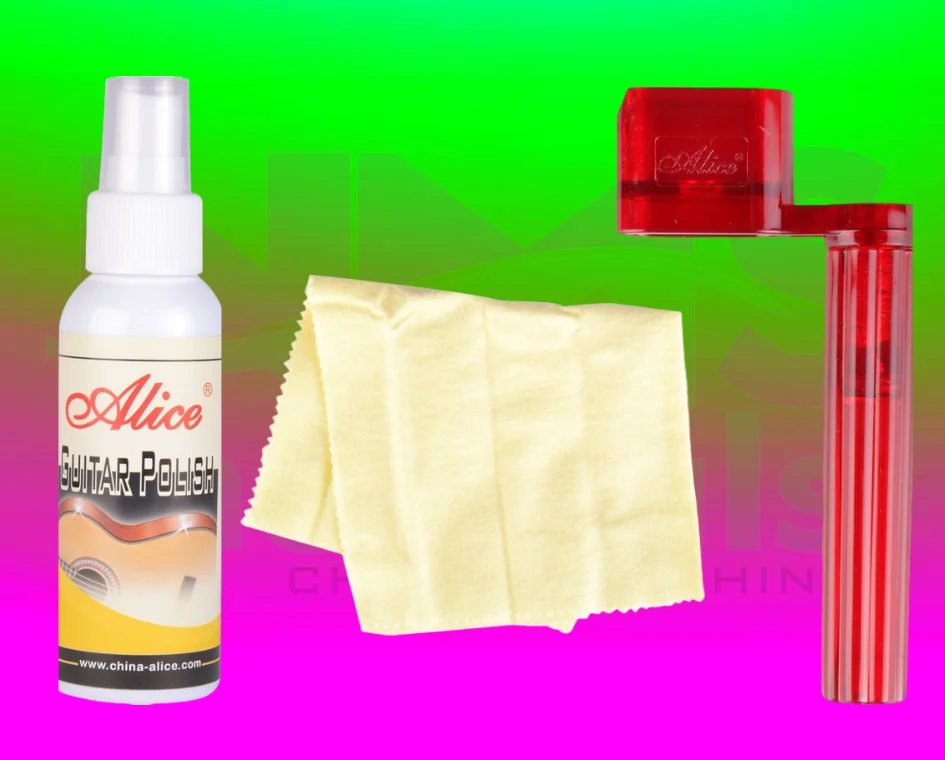
Alice Guitar Polish

Keeping your guitar in top condition isn’t just about tuning and playing—it’s also about giving it the proper care it deserves. Whether you’re a beginner or an experienced musician, knowing how to clean your guitar step-by-step is essential. A clean guitar not only looks better but also sounds better and lasts longer. In this blog, we’ll walk you through an easy and effective way to clean your guitar and maintain it in perfect condition.


1. Why Cleaning Your Guitar Matters

  1. Sound Quality Preservation
    Dust and grime can dull the resonance and vibrancy of your guitar over time. A clean guitar ensures optimal sound output and clarity.
  2. Improves Playability
    Dirty fretboards and sticky strings can hinder smooth play. Cleaning your guitar regularly enhances your overall playing experience.
  3. Extends Lifespan
    Just like any other instrument, a well-maintained guitar lasts longer. Regular cleaning helps avoid rust, corrosion, and permanent damage.
  4. Enhances Aesthetics
    A shiny, clean guitar is a joy to look at. It reflects the care and love you have for your instrument.


2. Tools and Materials You Need

  1. Microfiber Cloth
    Soft and lint-free cloth for wiping dust and polishing.
  2. Guitar Polish
    Use a polish that’s specially formulated for guitars to avoid damage.
  3. String Cleaner or Rubbing Alcohol
    To remove grime and oil buildup on the strings.
  4. Lemon Oil (for fretboard)
    Great for conditioning rosewood or ebony fretboards.
  5. String Winder and Cutter
    Helps to remove and replace guitar strings easily.
  6. Soft Brush or Paintbrush
    Useful for dusting around the tuning pegs and bridge.
  7. Cotton Swabs
    For cleaning those hard-to-reach spots.


3. Safety Tips Before You Start

  1. Work on a Flat Surface
    Place your guitar on a flat, soft surface to prevent it from slipping or falling.
  2. Remove Strings Carefully
    Always detune and remove strings slowly to prevent neck tension issues.
  3. Use Only Guitar-Safe Products
    Avoid household cleaners—they can damage the wood and finish.


4. Step-by-Step Guide to Clean Your Guitar

  1. Step 1: Remove the Strings
    Start by loosening and carefully removing the strings. This gives you full access to the fretboard and body.
  2. Step 2: Clean the Fretboard
    Use a dry brush or cloth to remove loose dirt. Then apply lemon oil using a cloth or cotton swab and wipe gently.
  3. Step 3: Polish the Body
    Spray a small amount of guitar polish on a microfiber cloth and wipe the body in circular motions. Avoid spraying directly on the guitar.
  4. Step 4: Clean the Headstock and Tuning Pegs
    Use a soft brush and cotton swabs to clean around the tuning machines. Wipe with a clean cloth.
  5. Step 5: Clean the Bridge and Pickups
    Dust the bridge carefully using a brush and polish the area. For electric guitars, use a dry cloth to gently wipe pickups.
  6. Step 6: Clean the Back and Sides
    Wipe the back and sides of the guitar with a microfiber cloth and polish if needed.
  7. Step 7: Clean the Strings (if reusing)
    If you’re not replacing strings, use a string cleaner or lightly damp cloth with rubbing alcohol to clean them.
  8. Step 8: Restring the Guitar
    Replace with a fresh set of strings or reinstall the old ones if cleaned. Tune your guitar gradually to full pitch.


5. How Often Should You Clean Your Guitar?

  1. Quick Wipe Down After Every Use
    Always give your guitar a quick wipe after playing to remove sweat and oils.
  2. Deep Cleaning Once a Month
    A monthly deep clean ensures everything stays in perfect condition.
  3. Fretboard Conditioning Every 3-6 Months
    If your fretboard is unfinished wood like rosewood or ebony, condition it every few months.
  4. String Change Every 1-3 Months
    Depending on usage, change your strings regularly to maintain tone and playability.


6. Tips to Keep Your Guitar Clean Longer

  1. Wash Your Hands Before Playing
    Clean hands mean less grime transferring to your instrument.
  2. Use a Guitar Case
    Store your guitar in a hard or soft case to protect it from dust and environmental changes.
  3. Avoid Exposure to Extreme Temperatures
    Keep your guitar away from direct sunlight, heaters, and moisture.
  4. Use a Humidifier if Needed
    Especially for acoustic guitars, humidity can make a big difference in wood preservation.
  5. Wipe Down Strings After Every Session
    It takes only a few seconds and keeps strings sounding fresh longer.


7. Special Tips for Different Guitar Types

  1. Acoustic Guitars
    Focus on wood conditioning and bridge cleaning. Avoid too much polish on soundboards.
  2. Electric Guitars
    Pay attention to electronics and pickups. Avoid liquid near knobs and switches.
  3. Classical Guitars
    Be extra gentle with nylon strings and avoid over-oiling the fretboard.
  4. Bass Guitars
    Strings collect grime easily. Clean them more often and watch for pickup buildup.


Conclusion

Cleaning your guitar doesn’t have to be complicated. With the right tools and a bit of time, you can keep your guitar in peak condition, improving its performance and extending its lifespan. Knowing how to clean your guitar step-by-step empowers you to care for your instrument like a pro. Whether you’re preparing for a performance or just enjoying a jam session at home, a clean guitar always sounds and feels better. Make cleaning a regular part of your musical journey, and your guitar will thank you with every note it plays.


At NMS Musicals, we offer a comprehensive range of musical instruments, including percussion, string, wind, and keyboard instruments. Our services encompass sales, expert servicing, and the manufacture of leather instruments. Explore our diverse collection and find the perfect instrument to suit your musical needs.

Visit our website to browse our offerings: nmsmusicals.in

For a closer look at our products, check out our shop page: nmsmusicals.in/shop

Stay connected with us through our social media channels:
Our shop locations are:

For inquiries, contact/Whatsapp us at 9500663895 or email us at laxman.m89@gmail.com.

Discover the world of musical instruments with NMS Musicals today!

For a visual overview of our percussion instruments, watch the following video:
Timeless Harmonium in Indian Music

Discover the Timeless Harmonium in Indian Music Today

Learn how the Timeless Harmonium in Indian Music continues to inspire generations

Harmonium with case

Among the myriad instruments that make up India’s rich musical tapestry, few hold as much cultural and emotional resonance as the harmonium. This humble yet powerful instrument has endured for generations, leaving its mark on classical concerts, bhajan sessions, ghazals, and even modern fusion genres. Whether played solo or as accompaniment, the harmonium’s voice is instantly recognizable and deeply rooted in India’s sonic heritage. In this blog, we explore why the harmonium is a timeless instrument in Indian music, its origins, versatility, unique qualities, and continued relevance in today’s musical landscape.


1. The Origin and Evolution of the Harmonium in India

The harmonium may have European origins, but its adaptation into Indian music is nothing short of extraordinary. Introduced to India by French missionaries in the 19th century, the original harmonium was a foot-pumped reed organ. Indian musicians quickly embraced the instrument and modified it into a hand-pumped version, more suited for floor seating and Indian performance styles.

Its portability, ease of tuning, and compatibility with Indian vocal styles helped it integrate seamlessly into classical and devotional genres. The harmonium’s ability to produce sustained drones and accompany a wide vocal range made it a staple in Hindustani classical music and devotional traditions like bhajans, qawwalis, and kirtans.


2. Harmonium’s Role in Indian Classical Music

In Hindustani classical music, the harmonium often serves as a melodic companion for vocalists. Unlike stringed instruments like the sitar or sarangi, the harmonium offers consistent pitch and ease of control for beginners and experts alike.

Some purists have critiqued its inability to produce meend (glides between notes), a core aspect of Indian raga performance. However, skilled musicians have developed techniques to simulate these nuances through finger pressure and playing styles. Its contribution to classical concerts remains significant, particularly in khayal and thumri performances.


3. Harmonium in Devotional Music

One of the most beloved uses of the harmonium is in devotional settings. Its ability to accompany group singing makes it perfect for bhajans, satsangs, and kirtans. The harmonium’s tone creates a warm, inviting atmosphere, encouraging congregational singing and spiritual reflection.

Whether in a temple, gurdwara, or a household prayer meeting, the harmonium is often the centerpiece of devotional sessions. Its ability to sustain notes and provide a firm melodic base enhances the communal and meditative power of spiritual music.


4. Harmonium in Indian Folk and Regional Music

Beyond classical and devotional music, the harmonium features prominently in Indian folk traditions. From Maharashtra’s lavani and West Bengal’s baul to Punjab’s folk songs, this instrument finds diverse expressions across regional cultures.

The harmonium’s accessibility and ease of use make it an essential tool for folk musicians, enabling them to teach, perform, and preserve regional music traditions. It bridges the gap between urban and rural musical expressions, making music education and performance more inclusive.


5. Harmonium in Ghazals and Semi-Classical Music

Ghazals, with their poetic depth and emotional resonance, often find their perfect melodic companion in the harmonium. The instrument’s ability to sustain notes and produce rich timbres enhances the romantic and melancholic themes that ghazals explore.

Accompanists use the harmonium not only to support the singer’s melody but also to weave subtle improvisations that mirror the emotional dynamics of the lyrics. Its use in thumri and dadra further showcases its capacity for expressing emotion and lyrical intimacy.


6. The Harmonium in Bollywood and Contemporary Music

The golden era of Hindi cinema saw prolific use of the harmonium in background scores and songs. Music directors such as Naushad, Madan Mohan, and R.D. Burman used the instrument extensively to layer melodies and create musical sketches for film soundtracks.

Though electronic keyboards have become more prominent in modern Bollywood, the harmonium retains its place in traditional and fusion music scenes. Artists are now blending the harmonium with electronic effects and world instruments, proving its adaptability to contemporary genres.


7. Why the Harmonium is Ideal for Beginners

Many aspiring musicians in India begin their journey with the harmonium. Its relatively simple mechanics and scale-based layout make it an excellent starting point for learning melody, pitch, and rhythm.

Unlike string instruments which require precise tuning and hand positions, the harmonium allows beginners to focus on understanding ragas and developing vocal skills. It supports both practice and performance, making it an ideal first instrument in music education.


8. Harmonium in Indian School Bands and Cultural Programs

The harmonium is widely used in Indian school bands, especially during cultural programs, Independence Day celebrations, and inter-school competitions. Its role in teaching Indian music theory, ragas, and compositions at school level has made it a foundational instrument in Indian education systems.

Music teachers often use harmoniums to demonstrate vocal pieces, train choirs, and accompany students during public performances. This fosters a deep connection with Indian music traditions from an early age.


9. Harmonium as a Tool for Music Therapy

The harmonium’s calming sound and easy learning curve have found applications in music therapy. Used in both clinical and non-clinical settings, the harmonium helps in stress reduction, emotional expression, and cognitive rehabilitation.

Therapists have noted how playing the harmonium can enhance focus, relaxation, and communication skills in children and adults alike. The instrument’s soothing nature makes it an effective medium for therapeutic work in hospitals, schools, and special education programs.


10. Innovations and Modern Harmonium Designs

Modern-day harmonium makers have introduced several innovations to suit contemporary musical needs. Compact folding models, harmoniums with couplers and scale changers, and digitally tunable variants are now available.

These innovations maintain the essence of the harmonium while expanding its functionality. The digital harmonium, for example, allows precise tuning and sound modulation—features useful for professional performances and recordings.


CONCLUSION

Why the harmonium is a timeless instrument in Indian music is evident through its history, cultural integration, and unmatched versatility. From classical concerts to devotional gatherings, from school programs to fusion stages, the harmonium has stood the test of time as a beloved and adaptable musical companion. It is both a teacher and performer, a meditative aid and a festive cheerleader.

The harmonium has not only survived the influx of Western instruments but has also adapted and thrived alongside them. Its sustained presence in Indian music is a testament to its enduring charm and practical significance. As more young musicians rediscover the harmonium’s magic, its legacy is poised to inspire generations to come.

Whether you are a music student, a performer, or a casual listener, the harmonium offers a soulful journey into the heart of Indian musical tradition. Embrace this timeless gem, and you’ll uncover a world of melody, emotion, and heritage woven into every note.


At NMS Musicals, we offer a comprehensive range of musical instruments, including percussion, string, wind, and keyboard instruments. Our services encompass sales, expert servicing, and the manufacture of leather instruments. Explore our diverse collection and find the perfect instrument to suit your musical needs.

Visit our website to browse our offerings: nmsmusicals.in

For a closer look at our products, check out our shop page: nmsmusicals.in/shop

Stay connected with us through our social media channels:
Our shop locations are:

For inquiries, contact/Whatsapp us at 9500663895 or email us at laxman.m89@gmail.com.

Discover the world of musical instruments with NMS Musicals today!

For a visual overview of our percussion instruments, watch the following video:

Choosing Between an Electric or Acoustic Guitar

Brilliant Guide to Choosing Between an Electric or Acoustic Guitar

Find Out What’s Best for Your Style When Choosing Between an Electric or Acoustic Guitar

Choosing Between an Electric or Acoustic Guitar 1

Guitar is among the most popular instruments in Indian schools and colleges, with students often choosing it for band performances, cultural events, or personal passion. But when it comes to picking the right type of guitar—electric or acoustic—many students find themselves stuck. The decision isn’t just about looks or sound; it reflects your style, goals, and musical direction. In this guide, we’ll help you make an informed choice by breaking down the key differences between electric and acoustic guitars, specifically tailored for Indian school and college students who want to shine in both traditional and modern band performances.


1. Understand the Basics of Both Guitars

Before diving into what suits your style best, you need to understand what sets these guitars apart.
An acoustic guitar produces sound through its hollow wooden body, which naturally amplifies the strings. It doesn’t need electricity and is perfect for unplugged sessions or Indian folk music.
An electric guitar, on the other hand, uses pickups and amplifiers to produce sound. It’s more versatile in terms of sound manipulation and is ideal for rock bands, film music, or fusion genres.


2. Evaluate Your Music Style

Your personal style or the kind of music you want to play should be a key deciding factor.
If you’re into Indian classical fusion, ghazals, unplugged Bollywood covers, or school prayers, an acoustic guitar will serve you well. It offers warm, full tones that suit melodic and expressive genres.
If your heart beats for Indian rock, pop, Bollywood remixes, or high-energy band performances, the electric guitar is the way to go. Its sharper tones and effects can replicate nearly any modern genre popular in Indian school competitions and youth fests.


3. Think About Where You’ll Be Playing

Location matters. Where do you plan to use your guitar the most—at home, in music class, on stage, or with a school band?
Acoustic guitars are portable and don’t require amps or cables, making them perfect for school assemblies, classroom jamming, or casual performances.
Electric guitars are best suited for stages with proper sound systems. If your school band regularly performs at inter-school competitions or cultural festivals, having an electric guitar will amplify your performance (literally and figuratively).


4. Consider Your Budget and Gear Needs

For Indian students, affordability and availability are big factors.
Acoustic guitars are generally cheaper and don’t need extra gear. You can buy a decent quality one and start learning immediately.
Electric guitars require additional investment in amplifiers, cables, tuners, and possibly effects pedals. However, beginner kits are becoming increasingly affordable in India, especially with local brands like Givson and Kadence offering combo deals.


5. Understand the Learning Curve

Beginners often ask: which guitar is easier to learn?
Acoustic guitars require more finger strength due to thicker strings and higher action. This can be challenging for younger students, but it builds stronger technique.
Electric guitars have thinner strings and lower action, making them easier to press down. They’re often more comfortable for beginners, especially if you’re learning fast-paced Indian pop or fusion music.


6. Explore Indian Genres and Guitar Compatibility

Let’s dive into popular Indian music styles and see which guitar fits best.
For Bhajans, Sufi, and Classical Fusion: Acoustic guitars provide the earthy tone that blends well with tabla, harmonium, and sitar.
For Bollywood Covers and Acoustic Sets: Acoustic is again the winner, often used for unplugged renditions.
For Indian Rock and Indie Music: Electric guitar adds energy and modernity, making it essential for bands that play Euphoria-style or Coke Studio-type arrangements.
For Film Music and Pop Fusion: Electric guitar shines with distortion, delay, and reverb effects that mimic cinematic soundscapes.


7. Evaluate Comfort and Playability

Students in Indian schools often practice in limited spaces or while sitting on the floor.
Acoustic guitars are larger and may feel bulky for smaller frames. Their fixed shape and thickness might be tough for younger players.
Electric guitars are lighter, slimmer, and easier to handle, especially during long practice sessions or stage performances.


8. Think About Long-Term Goals

Do you see yourself pursuing music professionally, joining a college band, or becoming a YouTube musician?
An acoustic guitar provides a strong base and teaches you musical discipline. It’s perfect for solo acts, songwriting, and grounding your basics.
An electric guitar opens up the world of effects, advanced techniques, and stage presence. If you’re serious about performing in bands or composing modern music, this might be your path.


9. Noise and Volume Control at Home

Indian homes are often shared spaces where noise levels matter.
Acoustic guitars are naturally loud. While that’s great for projecting sound in class or on stage, it may disturb others during late-night practice.
Electric guitars, when used with headphones via a practice amp, offer private sessions without noise complaints. This is ideal for hostel students or those with limited practice time.


10. Get Inspired by Indian Guitarists

Look at musicians who’ve made a mark using each type.
For acoustic inspiration, check out Indian artists like Raghu Dixit, Prateek Kuhad, and Lucky Ali, who use acoustic guitars in soulful, story-driven music.
For electric vibes, turn to Ehsaan Noorani (Shankar-Ehsaan-Loy), Baiju Dharmajan, or Keba Jeremiah, who blend Indian roots with electric mastery.


11. Test Before You Decide

Visit a local music store and try both guitars. Feel their weight, playability, and sound. Ask if they allow rental or trial options.
If you’re part of a school music club or have friends who play, borrow their guitars and test which feels more “you.” The tactile experience is more informative than reading specs online.


12. Don’t Forget Aesthetics and Style

Let’s admit it—how a guitar looks also matters, especially to teenagers.
Acoustic guitars come in earthy wood finishes and give off a calm, grounded vibe. They look fantastic in unplugged performances or cultural fests.
Electric guitars, with their glossy finishes and edgy shapes, scream rockstar energy. If you’re aiming for stage appeal and flash, this one’s for you.


13. Maintenance and Durability

Indian climate conditions—especially humidity—can affect your guitar.
Acoustic guitars are more sensitive to moisture. If not stored properly, the wood can warp. Regular tuning is also required as they go out of pitch quickly.
Electric guitars are generally sturdier, though their electronics need care. Keep them in a dry place and clean the pickups and strings regularly.


14. Group Compatibility in Indian School Bands

If your school band includes tabla, dhol, keyboard, or flute, both guitars can find a role.
Acoustic guitars blend beautifully with Indian percussion and vocals.
Electric guitars dominate when paired with drums, keyboards, and mics. Consider your band’s style before deciding.


15. Future Upgrades and Add-Ons

Acoustic guitars can later be upgraded with pickups to make them semi-electric for bigger performances.
Electric guitars have endless upgrade options—from amp models to effect pedals. If you love tweaking and customizing sound, the electric path is a playground.


Conclusion

Choosing between an electric or acoustic guitar is not just a gear decision—it’s a personal, stylistic, and musical journey. Indian school and college students today are more musically diverse than ever, often blending classical heritage with modern sounds. Whether you lean toward the soulful strums of an acoustic or the electrifying riffs of an electric, make sure your choice aligns with your passion, goals, and comfort.
This brilliant guide was designed to help you reflect on your unique style and needs so you can pick the guitar that truly speaks your musical language. Whichever one you choose, commit to it, practice regularly, and let your strings sing your story!


At NMS Musicals, we offer a comprehensive range of musical instruments, including percussion, string, wind, and keyboard instruments. Our services encompass sales, expert servicing, and the manufacture of leather instruments. Explore our diverse collection and find the perfect instrument to suit your musical needs.

Visit our website to browse our offerings: nmsmusicals.in

For a closer look at our products, check out our shop page: nmsmusicals.in/shop

Stay connected with us through our social media channels:
Our shop locations are:

For inquiries, contact/Whatsapp us at 9500663895 or email us at laxman.m89@gmail.com.

Discover the world of musical instruments with NMS Musicals today!

For a visual overview of our percussion instruments, watch the following video:

Top Tips for Playing the Trumpet Like a Pro

Unstoppable Top Tips for Playing the Trumpet Like a Pro

Master the Trumpet with These Top Tips for Playing the Trumpet Like a Pro

Trumpet

The trumpet is one of the most dynamic and expressive instruments found in Indian school bands. Its bright, bold sound often leads the melody and brings energy to every performance. While it may seem easy to produce sound from a trumpet, mastering the art of playing it like a pro takes time, effort, and a few insider tricks. Whether you’re just starting out or looking to improve your trumpet skills for your school band, learning the right techniques is crucial for standing out in a performance. This guide offers the top tips for playing the trumpet like a pro, specifically designed for students in Indian school bands.


1. Start with Proper Posture and Breathing

Your body is the foundation for playing the trumpet effectively. Begin by sitting or standing upright with a relaxed but straight back. Your shoulders should be relaxed, and your feet firmly planted on the ground. Proper posture supports optimal breath control, which is the lifeline of trumpet playing.
Breathe deeply from your diaphragm, not your chest. Controlled breathing allows you to produce a clear, steady tone and sustain longer phrases. Practice breathing exercises regularly to strengthen your lung capacity and improve your endurance while playing.


2. Develop a Strong Embouchure

Your embouchure—the way you shape your lips and mouth on the mouthpiece—is essential for producing a clean trumpet sound. Forming a tight but flexible embouchure helps you play higher notes and improve tone quality.
To strengthen your embouchure, practice long tones daily. Start on a comfortable note and hold it steadily for as long as you can without strain. Focus on keeping the tone even and centered. This simple exercise will build muscle strength and improve your control over the instrument.


3. Learn Proper Finger Placement and Technique

The trumpet has only three valves, but the combinations allow for a wide range of notes. Understanding proper finger placement and developing fast, accurate finger technique is crucial for fluency in playing.
Start by memorizing which valve combinations produce which notes. Practice scales and simple songs slowly at first, focusing on clean transitions and finger precision. Use a metronome to gradually increase speed without sacrificing accuracy.


4. Warm Up Before Every Practice

Warming up before playing helps loosen your facial muscles, activates your breathing technique, and prepares your body for a productive practice session.
A good warm-up routine includes buzzing exercises (using only the mouthpiece), long tones, and slow scales. Keep the warm-up light and relaxed—never push your range during this time. This habit will help you avoid strain and injuries while improving your playing consistency.


5. Focus on Tone Quality

Tone is what makes you stand out in a band. A clear, rich, and consistent tone is more important than playing fast or loud.
To develop a beautiful tone, practice playing with a relaxed embouchure and supported breath. Record yourself and listen critically. Are your notes smooth and centered? Are there any wavering or harsh sounds? Adjust your technique until you’re satisfied with your sound. Teachers often recommend playing simple melodies with expression to improve tone naturally.


6. Master Lip Slurs and Flexibility Exercises

Lip slurs are exercises where you move between notes without using the valves, relying solely on your lip and breath control. These exercises improve flexibility and help you move effortlessly across registers.
Practice lip slurs slowly and focus on smooth transitions. Use minimal movement in your lips and a steady airflow. Over time, these exercises will make it easier to play challenging music with wide intervals and dynamic shifts.


7. Practice with a Purpose

Mindless practice doesn’t lead to improvement. Instead, set goals for each session. One day you may work on tone, another on speed, and another on articulation.
Keep a practice journal to track what you’ve practiced, what went well, and what needs work. Break your session into parts—warm-up, technique, repertoire, and cool-down. Focused practice yields faster progress and builds confidence for performances.


8. Use a Tuner and Metronome

A tuner helps ensure your pitch is accurate, while a metronome improves timing and rhythm. Both tools are essential for building a solid musical foundation.
Practice scales, etudes, and pieces with a metronome to develop a strong internal pulse. Use a tuner to correct your pitch and train your ear. These habits are especially important for trumpet players, who often lead melodies and must play with accuracy.


9. Explore Indian Band Repertoire and Styles

Many Indian school bands incorporate traditional and patriotic pieces along with Western classical and pop arrangements. Understanding the repertoire specific to Indian bands helps trumpet players adapt and shine.
Familiarize yourself with songs commonly performed at national events, Independence Day celebrations, and school competitions. Pay attention to the phrasing and articulation unique to Indian band arrangements. This versatility will make you a more effective band member.


10. Play Along with Recordings and Peers

Listening is just as important as playing. By playing along with recordings of professional trumpet players or your school band, you develop a better sense of timing, dynamics, and musicality.
Try playing in unison with a recording, matching tone and articulation. Collaborate with your bandmates during practice to strengthen ensemble playing. Playing with others sharpens your listening skills and improves your ability to blend with the group.


11. Seek Feedback and Instruction

Even the best trumpet players continue learning. If possible, take lessons with a music teacher or experienced senior. Join band workshops or music camps conducted at your school or by local music institutions.
Feedback from knowledgeable musicians helps you spot issues you might not notice yourself. Constructive criticism leads to growth, and having a mentor keeps you motivated and accountable.


12. Keep Your Trumpet Clean and Well-Maintained

A well-maintained instrument not only sounds better but also lasts longer. Clean your trumpet regularly to remove buildup that can affect airflow and tone.
Oil the valves, clean the mouthpiece, and empty the water keys after each practice. Schedule a full internal cleaning every few months, especially if you play frequently. A clean trumpet responds more easily and reduces resistance, making playing more enjoyable.


13. Build Performance Confidence

Playing confidently is half the battle, especially during band performances. Stage fright is natural, but preparation builds trust in your abilities.
Perform in front of family or friends, even if informally. Participate in school music competitions or cultural programs. Focus on expressing the music, not just hitting the notes. With each performance, your confidence will grow, and your stage presence will improve.


14. Practice Sight-Reading Regularly

Sight-reading is the ability to read and play music you’ve never seen before. It’s a valuable skill for trumpet players in Indian school bands, where music is sometimes introduced at the last minute.
Start with easy exercises, focusing on rhythm and accurate pitches. Gradually increase difficulty and speed. The more you sight-read, the faster you’ll learn new pieces and adapt to different playing situations.


15. Stay Motivated and Have Fun

Learning the trumpet is a journey. While practice is essential, remember to enjoy the process. Play songs you love, try new genres, and celebrate small wins.
Set realistic goals and reward yourself for progress. Music should be joyful, not a chore. Staying passionate keeps you improving and turns playing the trumpet into a lifelong love.


Conclusion

Becoming a skilled trumpet player doesn’t happen overnight. It requires dedication, smart practice, and the right techniques. By following these top tips for playing the trumpet like a pro, students in Indian school bands can elevate their performance and truly enjoy the music they create. From mastering breathing and posture to refining tone and building confidence, every step matters. The trumpet is not just an instrument—it’s a powerful voice in any school band. Embrace the journey, stay committed, and let your music lead with brilliance and confidence.


At NMS Musicals, we offer a comprehensive range of musical instruments, including percussion, string, wind, and keyboard instruments. Our services encompass sales, expert servicing, and the manufacture of leather instruments. Explore our diverse collection and find the perfect instrument to suit your musical needs.

Visit our website to browse our offerings: nmsmusicals.in

For a closer look at our products, check out our shop page: nmsmusicals.in/shop

Stay connected with us through our social media channels:
Our shop locations are:

For inquiries, contact/Whatsapp us at 9500663895 or email us at laxman.m89@gmail.com.

Discover the world of musical instruments with NMS Musicals today!

For a visual overview of our percussion instruments, watch the following video:
How Playing an Instrument reduces Teen Stress 3

How Playing an Instrument Reduces Teen Stress: A Powerful Solution

Discover How Playing an Instrument reduces Teen Stress

Teens today face immense pressure from various sources like school, social life, and future career expectations. As they navigate this challenging phase of life, stress and anxiety have become common companions. However, one effective way teens can manage and reduce their stress is through playing an instrument. This blog explores how playing an instrument can help teens reduce stress and improve their emotional well-being, especially when incorporating the rich sounds of Indian instruments.


The Impact of Stress on Teens

Before we delve into how music can help, it’s important to understand why stress affects teens so significantly. Teenagers are in a period of rapid growth, both mentally and emotionally. During this time, they experience changes in their bodies, their relationships with others, and their sense of identity. This combination of factors can create overwhelming stress, making it harder for them to manage their emotions.

Stress can manifest in various ways, including irritability, lack of focus, physical tension, and emotional withdrawal. If not properly managed, stress can lead to more severe mental health challenges such as anxiety, depression, and even burnout. Therefore, finding effective ways to cope with stress is crucial for maintaining mental health and overall well-being.


How Playing an Instrument Helps Relieve Stress

1. Music Activates the Brain’s Reward System

One of the most powerful ways music helps relieve stress is by triggering the brain’s reward system. When teens play an instrument, their brain releases dopamine, the “feel-good” neurotransmitter. This chemical reaction can help alleviate feelings of stress and anxiety, leaving the teen with a sense of accomplishment and happiness.


2. Music Provides a Healthy Emotional Outlet

Playing an instrument allows teens to express emotions they may find difficult to articulate in words. Music becomes a therapeutic outlet for their feelings. Whether they are feeling happy, sad, or frustrated, playing an instrument enables teens to channel their emotions into something creative and constructive. This can help them process their emotions and reduce stress.


3. Music Promotes Mindfulness and Focus

When teens play an instrument, they must focus on the music, their technique, and their instrument. This concentration helps them become absorbed in the moment, a practice similar to mindfulness meditation. By shifting their focus away from stressors and worries, teens can calm their minds and regain mental clarity. This process of being present and focused can greatly reduce feelings of anxiety.


4. The Rhythm of Music Has a Calming Effect

Many types of music, especially traditional Indian music, have rhythmic patterns that can have a calming effect on the body. Playing an instrument like the tabla or sitar can engage teens in rhythms that help regulate their breathing and heart rate. These slow, rhythmic patterns are known to lower stress hormones like cortisol and induce a state of relaxation. This physical relaxation translates into emotional relief from stress.


5. Music Boosts Self-Esteem and Confidence

Learning an instrument and mastering a musical piece can give teens a tremendous sense of achievement. This boost in self-esteem and confidence is vital for reducing stress. When teens feel competent in something, they are more likely to handle stress effectively. The sense of progress and success that comes with playing an instrument can help them navigate the pressures they face in other areas of life.


Indian Instruments That Can Help Teens Relieve Stress

While Western instruments like the guitar or piano are commonly used for stress relief, Indian instruments offer a unique cultural and therapeutic experience. Here are some Indian instruments that can help teens reduce stress:

1. Sitar

How Playing an Instrument reduces Teen Stress 2

The sitar is one of the most iconic instruments in Indian classical music. Its resonating, soothing sound has been known to calm the mind and promote relaxation. Playing the sitar requires focus and dedication, allowing teens to immerse themselves fully in the music, which helps reduce stress.

2. Tabla

copper tabla set

The tabla, a pair of hand-played drums, produces rhythmic sounds that are deeply calming. The practice of playing the tabla can help teens concentrate and control their breathing, which is effective for managing stress. The tabla’s rhythmic patterns create a meditative experience, promoting relaxation and reducing anxiety.

3. Flute

The Indian flute, or bansuri, produces a soft, melodious sound that can soothe the mind. The flute is often used in classical music to convey deep emotions. Teens can learn to play the flute as a way to relax, unwind, and express themselves emotionally. The calming sound of the flute helps reduce stress and induces a peaceful state of mind.

4. Santoor

How Playing an Instrument reduces Teen Stress 1

The santoor, a hammered dulcimer, produces a delicate and peaceful sound. The instrument requires careful coordination and concentration, which can divert the teen’s mind away from stress. Playing the santoor helps create a serene environment and promotes emotional well-being.

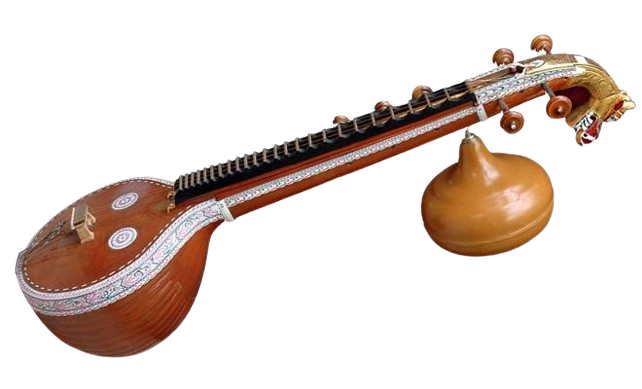
5. Veena

How Playing an Instrument reduces Teen Stress

The veena is a stringed instrument that produces soothing, resonant sounds. The veena is used in Indian classical music to convey complex emotions, and playing it requires patience and focus. Teens who play the veena often experience relief from stress, as the process of learning and playing the instrument helps calm their nerves and improve their emotional health.


Benefits of Music Therapy for Stress Relief

1. Reduces Anxiety and Depression

Studies have shown that music can reduce symptoms of anxiety and depression, which are often linked to stress. Music therapy has been used as an effective tool in treating these mental health challenges, and playing an instrument is a form of self-directed music therapy that can have long-lasting benefits.

2. Improves Mood and Emotional Regulation

Music provides an emotional outlet that helps teens manage their moods. Playing an instrument helps teens process their feelings in a constructive way, which improves their ability to regulate their emotions. This can lead to more stable moods and fewer emotional outbursts, reducing overall stress levels.

3. Enhances Social Connections

Music is a social activity, and teens who play an instrument often form connections with other musicians. Whether through school programs, music lessons, or social media, these connections can help teens feel supported and understood, reducing feelings of isolation and stress.

4. Promotes Better Sleep

Playing an instrument, particularly before bedtime, can help teens wind down and relax. This calming effect often translates into better sleep quality. Improved sleep is vital for reducing stress, as it helps the body and mind recover and recharge for the next day.


Conclusion

Playing an instrument is not just about learning to make beautiful music – it is also about improving mental health and emotional well-being. For teens who are dealing with stress, playing an instrument offers a natural, effective way to manage anxiety, boost self-esteem, and promote relaxation. Indian instruments, in particular, offer a unique cultural experience that can enhance the stress-relief process. Whether it’s the soothing sound of the sitar, the rhythmic beats of the tabla, or the calming tone of the flute, these instruments provide an avenue for teens to express themselves, improve focus, and reduce stress.

By incorporating music into their daily lives, teens can unlock a powerful tool for managing stress and cultivating emotional well-being. The benefits of playing an instrument extend far beyond just music – they help teens build resilience, find inner peace, and navigate the challenges of adolescence with confidence.


At NMS Musicals, we offer a comprehensive range of musical instruments, including percussion, string, wind, and keyboard instruments. Our services encompass sales, expert servicing, and the manufacture of leather instruments. Explore our diverse collection and find the perfect instrument to suit your musical needs.

Visit our website to browse our offerings: nmsmusicals.in

For a closer look at our products, check out our shop page: nmsmusicals.in/shop

Stay connected with us through our social media channels:
Our shop locations are:

For inquiries, contact/Whatsapp us at 9500663895 or email us at laxman.m89@gmail.com.

Discover the world of musical instruments with NMS Musicals today!

For a visual overview of our percussion instruments, watch the following video:

Choose Percussion or String Instrument for Kids 1

Best Way to Choose Percussion or String Instrument for Kids

Discover how to choose percussion or string instrument for kids

Choose Percussion or String Instrument for Kids

Introducing children to music is one of the greatest gifts a parent can give. However, selecting the right instrument can be overwhelming, especially when choosing between Indian percussion and string instruments. Understanding the nuances of both categories helps ensure that your child embarks on a musical journey that is joyful, rewarding, and suited to their natural abilities. In this blog, we will dive deep into how to choose between a percussion or string instrument for kids, with a focus on Indian classical and folk instruments.


1. Understanding Percussion and String Instruments

Percussion instruments produce sound through striking, shaking, or scraping. In Indian music, popular percussion instruments include the tabla, mridangam, dholak, and kanjira. They offer rhythmic foundation and are central to many musical compositions.

String instruments, on the other hand, create sound by vibrating strings. In Indian music, instruments like the sitar, veena, sarangi, and esraj are beloved for their melodic capabilities and expressive depth.

Each type of instrument shapes a child’s musical experience differently, affecting their sense of rhythm, melody, and emotional expression.


2. Assessing Your Child’s Natural Inclinations

Before selecting an instrument, observe your child’s behavior. Do they tap rhythmically on surfaces, showing an early fascination with beats? If yes, they may naturally align with percussion instruments like the tabla or dhol.

If they hum melodies, pay attention to musical scales, or show an interest in singing, a string instrument like the sitar or sarangi could suit them better. Identifying your child’s inclination helps avoid frustration later and fosters genuine passion.


3. Considering Age and Physical Readiness

Younger children, around ages 4-7, may find percussion instruments easier to start with because they require less fine motor coordination compared to string instruments. The tabla, for example, is approachable with simple bols (beats) that children can grasp early.

String instruments like the veena or sitar may require children to develop finger strength, hand positioning, and dexterity. Generally, kids aged 7 and above are better suited to start learning string instruments in a structured way.


4. Evaluating Ease of Learning

Percussion instruments offer quicker gratification because children can produce rhythmic sounds easily even at beginner levels. A basic theka on the tabla can be mastered within a few lessons, boosting confidence.

String instruments demand more patience. Producing a clear note on a sitar or sarangi involves learning tuning, posture, and finger techniques. For kids who love a challenge and have patience, string instruments can be deeply rewarding.


5. Availability of Teachers and Classes

When considering how to choose between a percussion or string instrument for kids, accessibility to good teachers matters immensely. In India, tabla and sitar classes are widely available both online and offline.

However, finding quality sarangi or veena teachers might be more challenging in smaller cities. Always check for reputed music schools, teacher credentials, and student reviews before committing.


6. Cost and Maintenance of Instruments

Cost is another important factor. Beginner tabla sets are relatively affordable and durable with minimal maintenance. String instruments like the sitar, veena, or sarangi can be costlier and need regular care like tuning and restringing.

Maintenance for string instruments is higher. They are sensitive to weather conditions and need periodic professional servicing. Percussion instruments like the tabla require occasional tuning but are generally easier to manage.


7. Cultural and Family Influences

Indian families often have deep-rooted musical traditions. If your family has a lineage of tabla players or veena artists, children might feel a stronger connection to these instruments naturally.

Moreover, cultural preferences vary regionally. In North India, the tabla and sitar are immensely popular, while in South India, the mridangam and veena take precedence. Respecting family traditions can add emotional richness to your child’s musical education.


8. Long-Term Musical Goals

Think about where this musical journey could lead. Percussion skills open up opportunities in rhythm sections, fusion bands, and even accompaniment for vocalists and dancers.

String instrument mastery often leads to solo performances, ensemble work, or composing original ragas. Understanding these possibilities helps in setting realistic goals and expectations for your child’s future in music.


9. Personality Matching with Instrument Choice

Percussion instruments suit energetic, lively kids who love physical activity and instant feedback. Children who are naturally rhythmic and expressive often thrive with tabla, mridangam, or dholak.

String instruments often attract introspective, detail-oriented children who enjoy exploring deep emotions and intricate melodies. If your child is patient, sensitive, and imaginative, string instruments like the sitar or esraj might be a perfect match.


10. Group Learning vs. Solo Focus

Tabla classes often emphasize group practice, making it easier for kids to socialize and enjoy collective learning. Group practice enhances timing, listening skills, and cooperative performance techniques.

String instrument learning is more individual-focused. Personalized attention is often needed to fine-tune technique and expression, particularly for intricate Indian ragas.


11. Gender Stereotypes in Instrument Choice

While certain instruments were historically associated with specific genders, today’s world encourages kids to break stereotypes. Boys and girls can equally excel at the sitar, sarangi, tabla, or mridangam.

Encourage your child to pick an instrument based on passion, not outdated societal norms.


12. Trying Before Committing

Before purchasing an instrument or enrolling in a year-long course, allow your child to try both types. Many Indian music schools offer trial classes or introductory sessions.

Watching their engagement level during these trials provides invaluable clues about where their heart truly lies.


13. Importance of Instrument Size

For smaller children, the size of the instrument matters greatly. Tabla sets come in kid-friendly sizes, while the sitar or veena might require special junior models.

An oversized sitar can discourage a young learner, making practice sessions tiring instead of enjoyable. Make sure to choose the right-sized instrument to foster comfort and enthusiasm.


14. Balancing Academics and Music Practice

Indian school curriculums are often demanding. Choose an instrument that aligns with your child’s academic schedule. Percussion instruments might require shorter practice sessions initially compared to string instruments, which need extended focus periods.

Choosing a manageable learning curve ensures that music becomes a stress-reliever rather than a burden.


15. Watching Role Models and Inspirations

Expose your child to famous Indian musicians. Watching maestros like Zakir Hussain (tabla) or Ravi Shankar (sitar) can spark tremendous inspiration.

Seeing successful artists in action allows children to visualize their own journey, making their aspirations more tangible and motivating.


16. Emotional Connection to Sound

Children often form instant connections to specific sounds. Some might feel deeply moved by the earthy resonance of the mridangam; others might be captivated by the soulful glide of a sarangi.

Let your child listen to various Indian instruments live or through recordings. Their emotional reaction can significantly guide your decision.


17. Opportunities for Performance

Assess the frequency of local events, competitions, and recitals that favor percussion or string performances. In many Indian cultural settings, tabla and sitar solo competitions are popular.

More performance opportunities can keep children motivated and excited about learning.


18. Parental Support and Involvement

Parental encouragement can make or break a child’s musical journey. Attend their classes occasionally, celebrate milestones, and help with practice routines at home.

Your active involvement sends a powerful message that their musical pursuits are valued and important.


19. Possibility of Future Instrument Swapping

Children’s interests evolve. Starting with a percussion instrument doesn’t mean they can’t switch to a string instrument later, or vice versa.

In fact, rhythmic awareness from tabla playing can enhance sitar learning later, and vice versa. Keeping a flexible mindset benefits long-term musical growth.


20. Making Music a Lifelong Companion

Finally, the ultimate goal should be to cultivate a lifelong love for music. Whether your child masters the tabla, conquers the sitar, or explores multiple instruments, what matters most is that they find joy, expression, and identity through their art.

Choosing wisely now sets the stage for a fulfilling, melodious future.


Conclusion

Choosing between a percussion or string instrument for kids is not just about picking an object—it’s about nurturing a lifelong relationship with music. By considering your child’s personality, interests, physical readiness, and cultural influences, you can guide them towards an instrument that truly resonates with their soul. Whether it’s the rhythmic heartbeat of a tabla or the soul-stirring melody of a sitar, Indian musical instruments offer a treasure trove of possibilities. Start this magical journey today, and watch your child’s world transform, one beautiful note at a time.


At NMS Musicals, we offer a comprehensive range of musical instruments, including percussion, string, wind, and keyboard instruments. Our services encompass sales, expert servicing, and the manufacture of leather instruments. Explore our diverse collection and find the perfect instrument to suit your musical needs.

Visit our website to browse our offerings: nmsmusicals.in

For a closer look at our products, check out our shop page: nmsmusicals.in/shop

Stay connected with us through our social media channels:
Our shop locations are:

For inquiries, contact/Whatsapp us at 9500663895 or email us at laxman.m89@gmail.com.

Discover the world of musical instruments with NMS Musicals today!

For a visual overview of our percussion instruments, watch the following video: