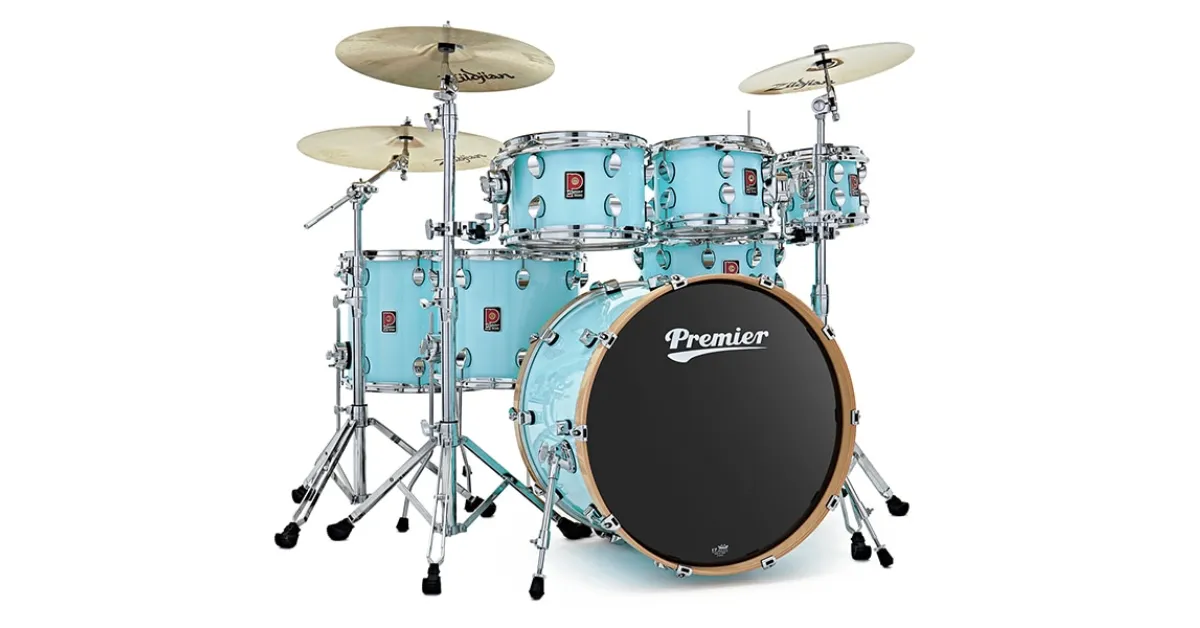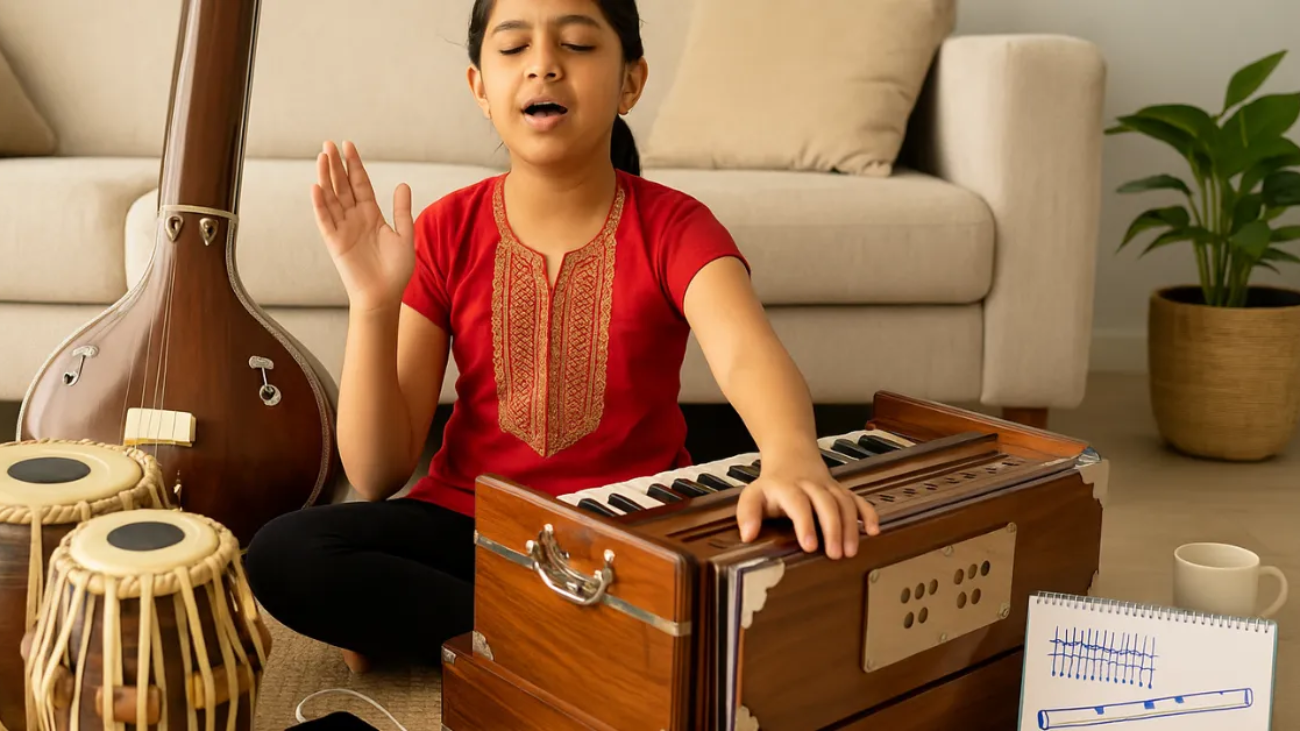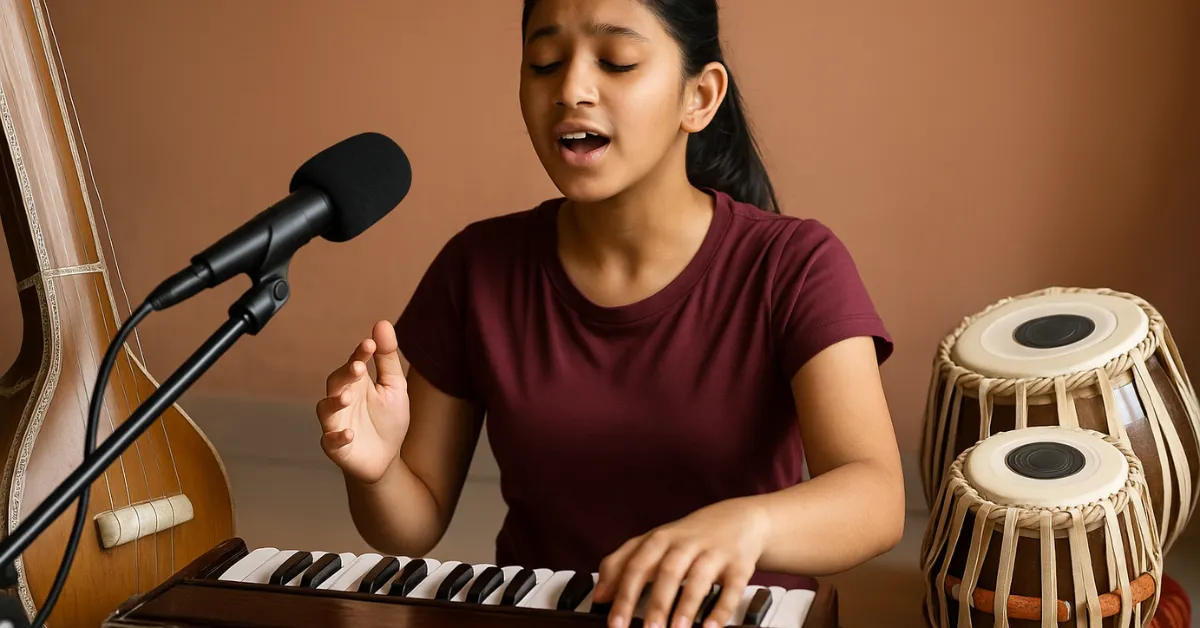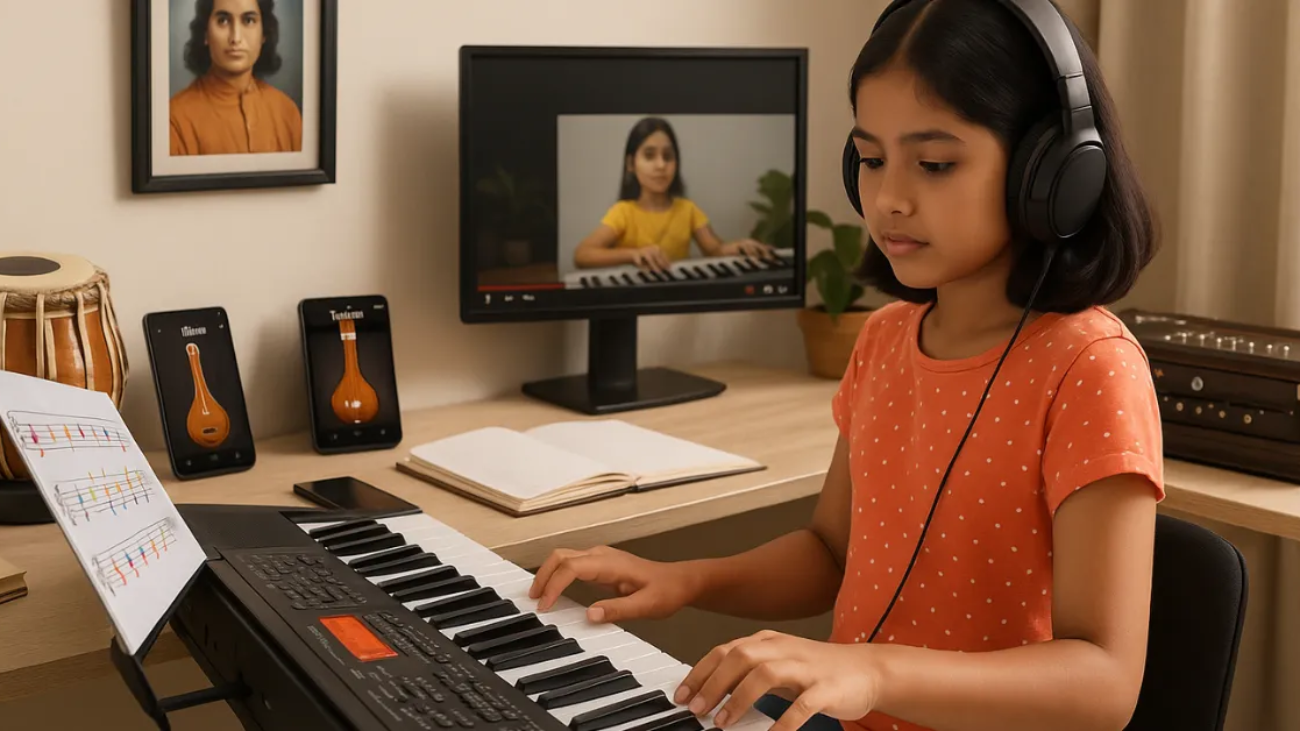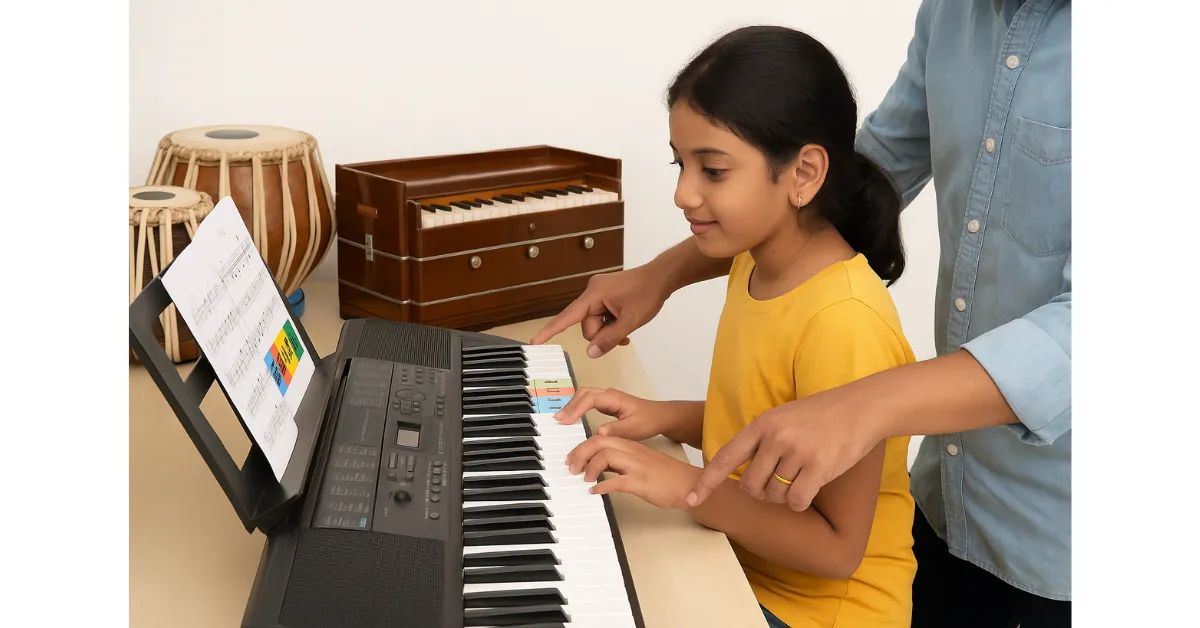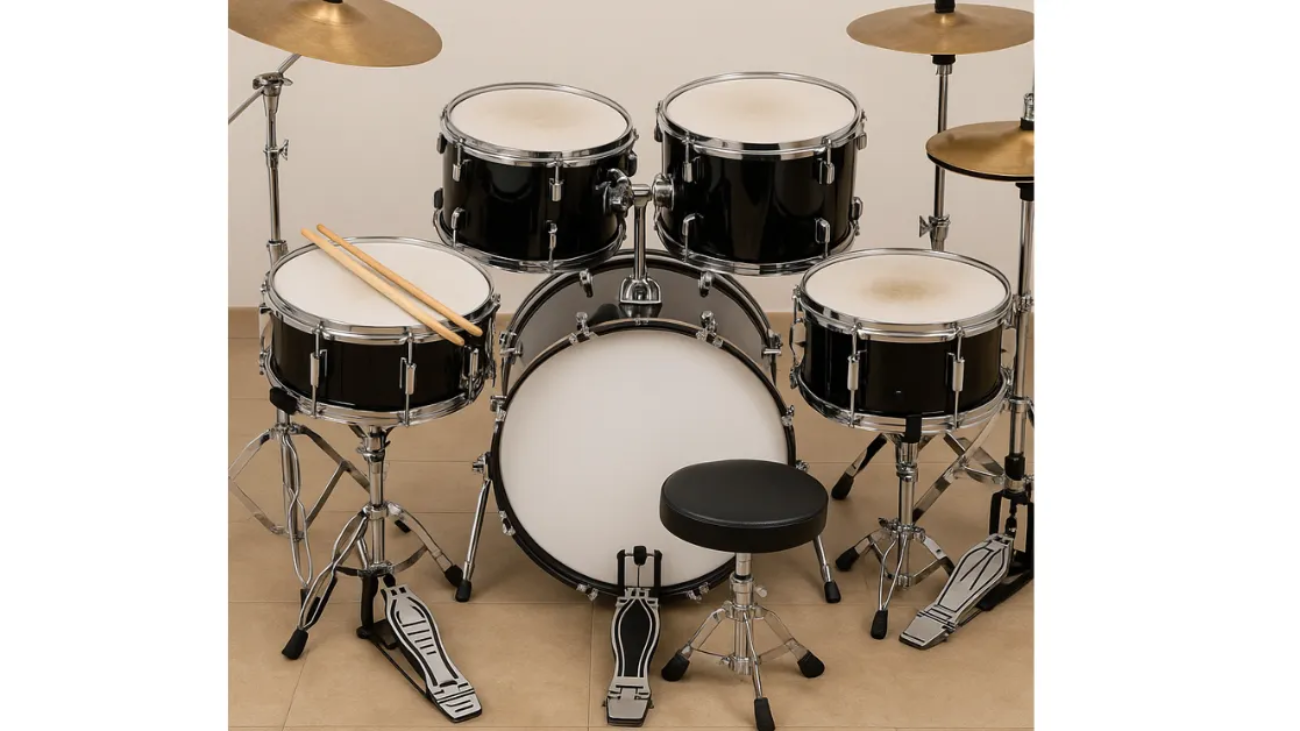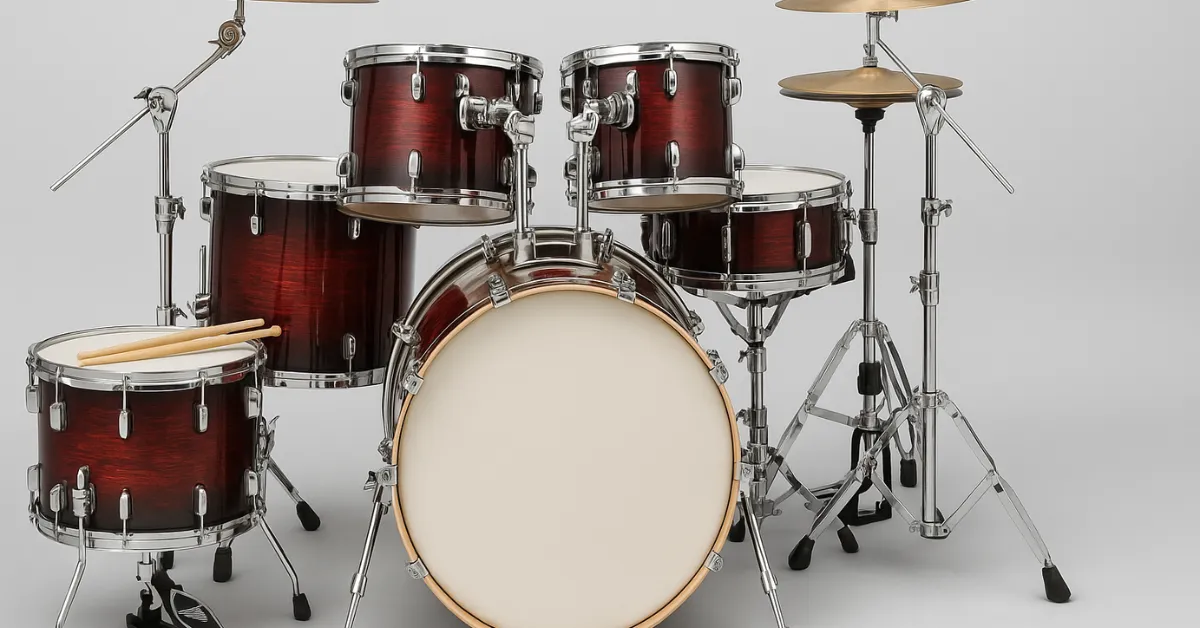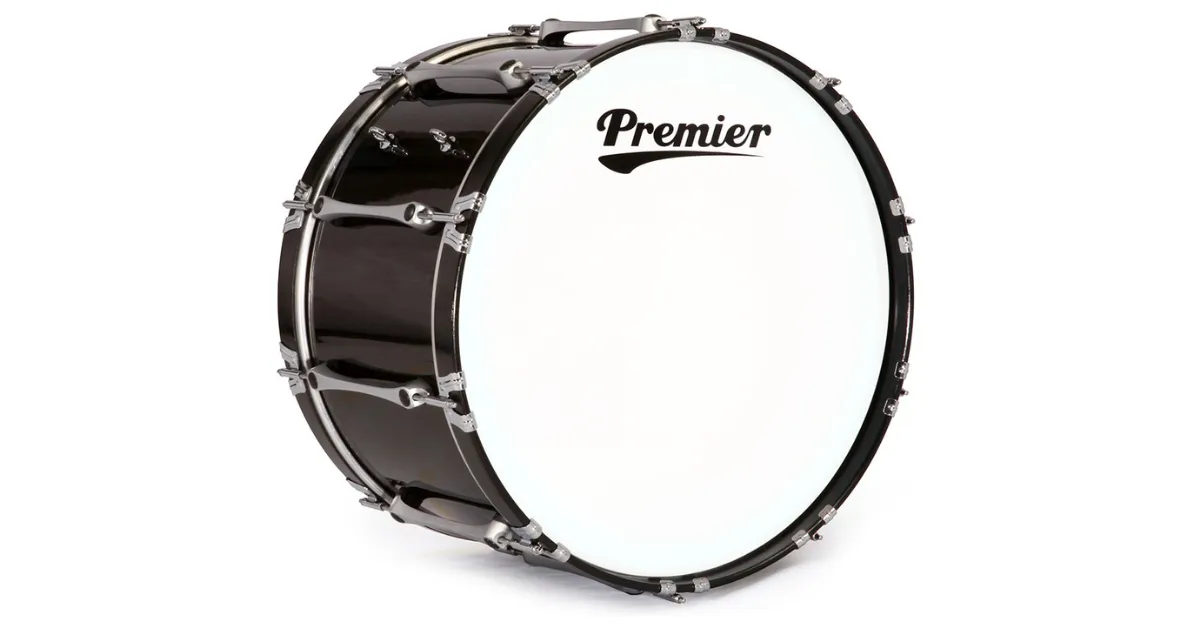
best musical instruments for adults beginners
Top-Rated Picks: Best Musical Instruments for Adults Beginners

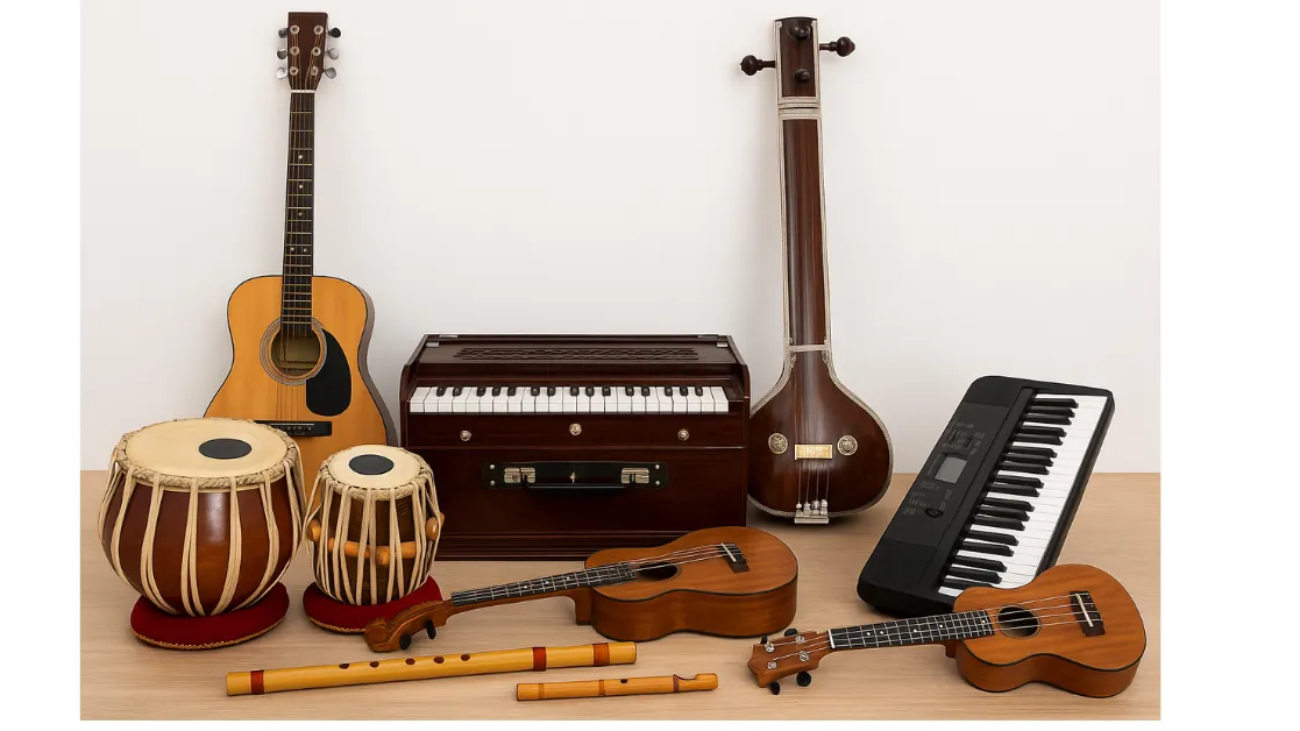
Explore the best musical instruments for adults beginners

best musical instruments for adults beginners 3

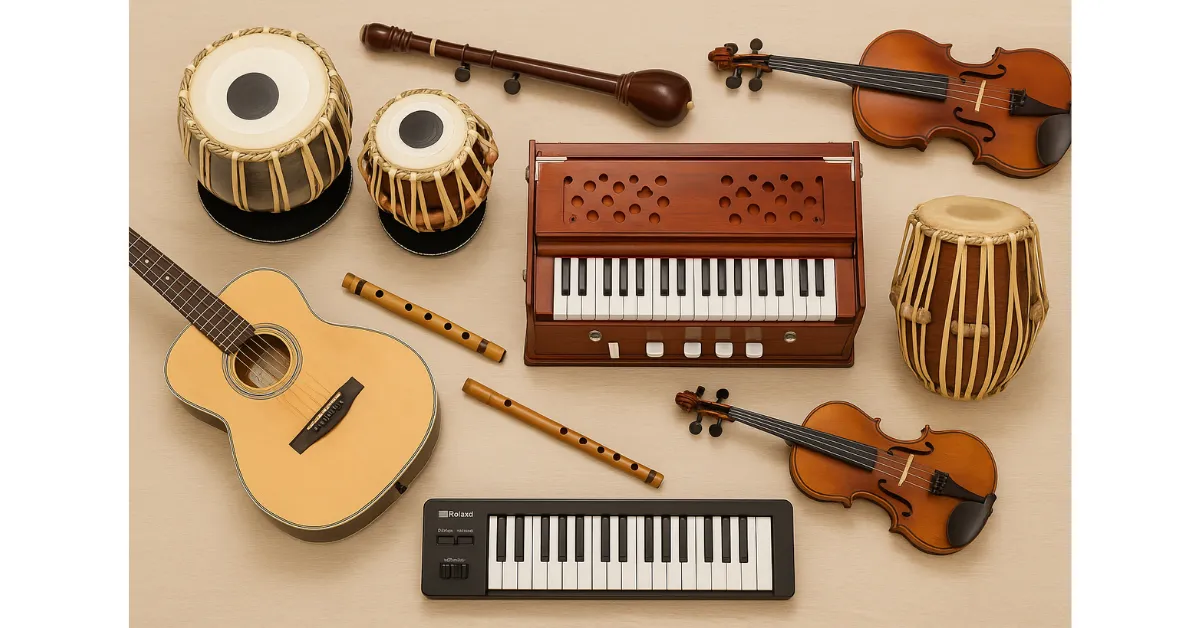
There’s a myth that learning music is only for kids or prodigies. In reality, many adults discover music later in life and find it incredibly rewarding. Whether you want to relieve stress, fulfill a lifelong dream, or reconnect with cultural roots, music offers a world of possibilities. Especially in India, where traditional instruments are rich in heritage and emotion, learning music as an adult is a journey worth taking. In this guide, we’ll explore the best instruments for adults who want to start playing music—with a special focus on Indian instruments.


1. What Makes an Instrument Ideal for Adults?

As an adult beginner, your needs differ from those of a child. Here’s what to consider when choosing your first instrument:

Ease of Learning: Instruments with simpler fingering or easier sound production help keep motivation high.

Physical Comfort: Look for instruments that don’t strain your posture or require extreme dexterity.

Cultural Connection: Indian adults may enjoy instruments tied to their heritage.

Practicality: Consider size, noise levels, and whether it’s suitable for home practice.


2. Indian Instruments Perfect for Adult Beginners

India offers a wide range of beginner-friendly instruments. Here are some top choices:

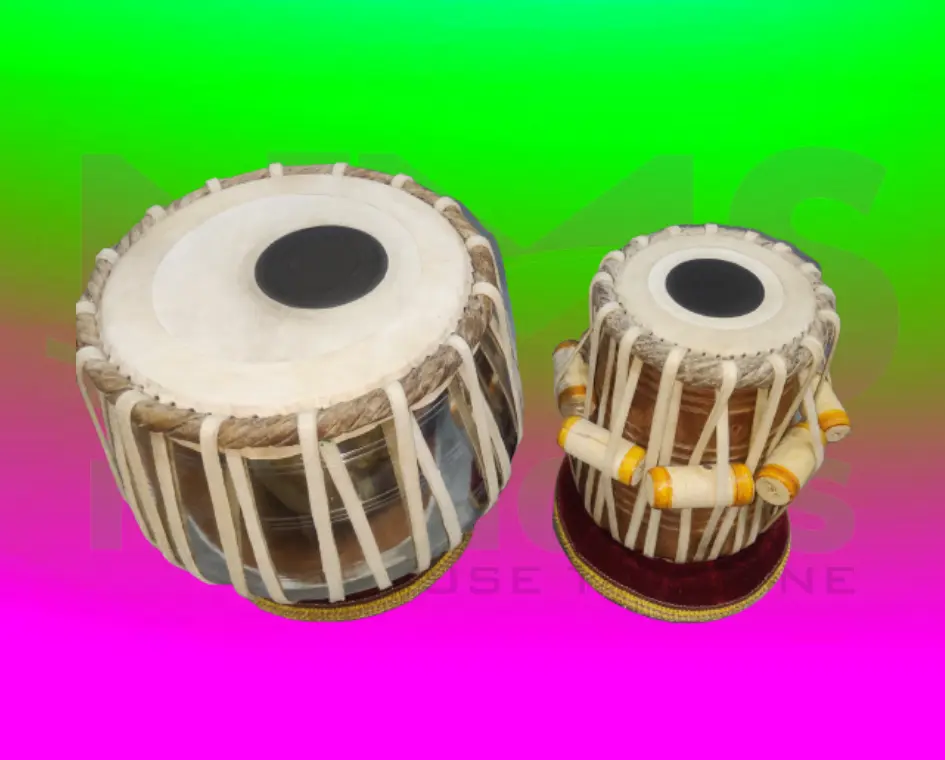
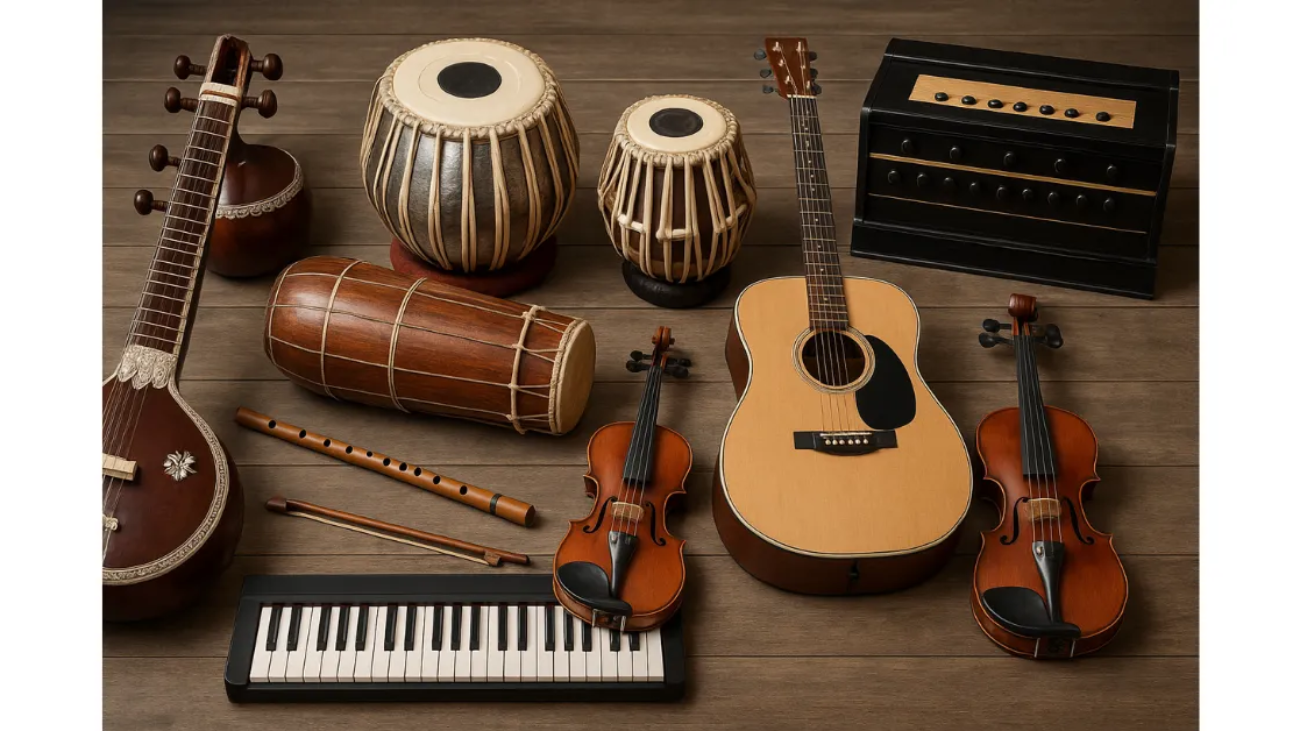
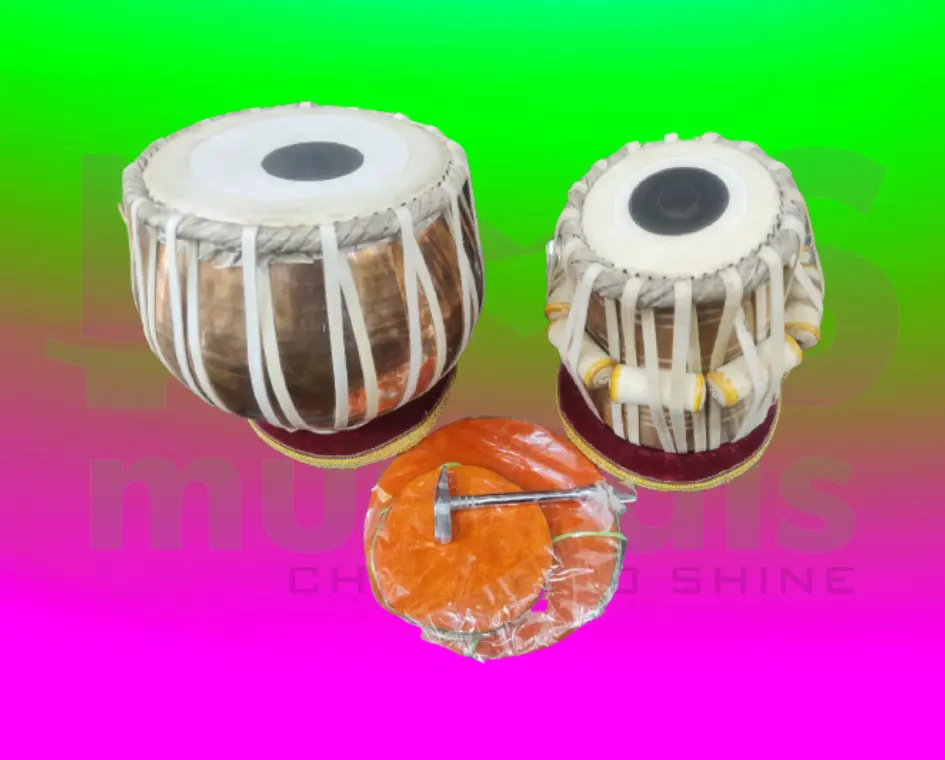
Tabla
This iconic percussion instrument is both rhythmic and meditative. It’s physically engaging and suitable for adults who enjoy beats. Start with basic taals and work your way up.

Harmonium
A great choice for vocal accompaniment and solo melodies, the harmonium is easy to play. Adults especially appreciate its soothing sound and simplicity.
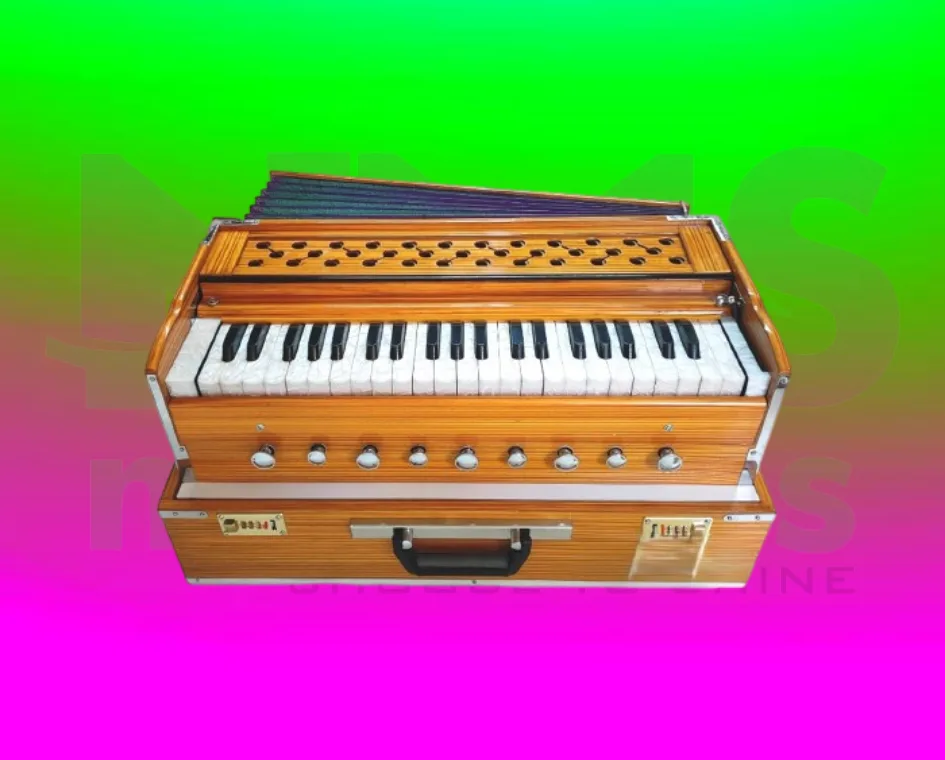
Harmonium with case

Flute (Bansuri)
Portable and soulful, the Indian bamboo flute is a fantastic choice for calm and introspective music. It improves breath control and is affordable to start with.
Bansuri D scale Flute

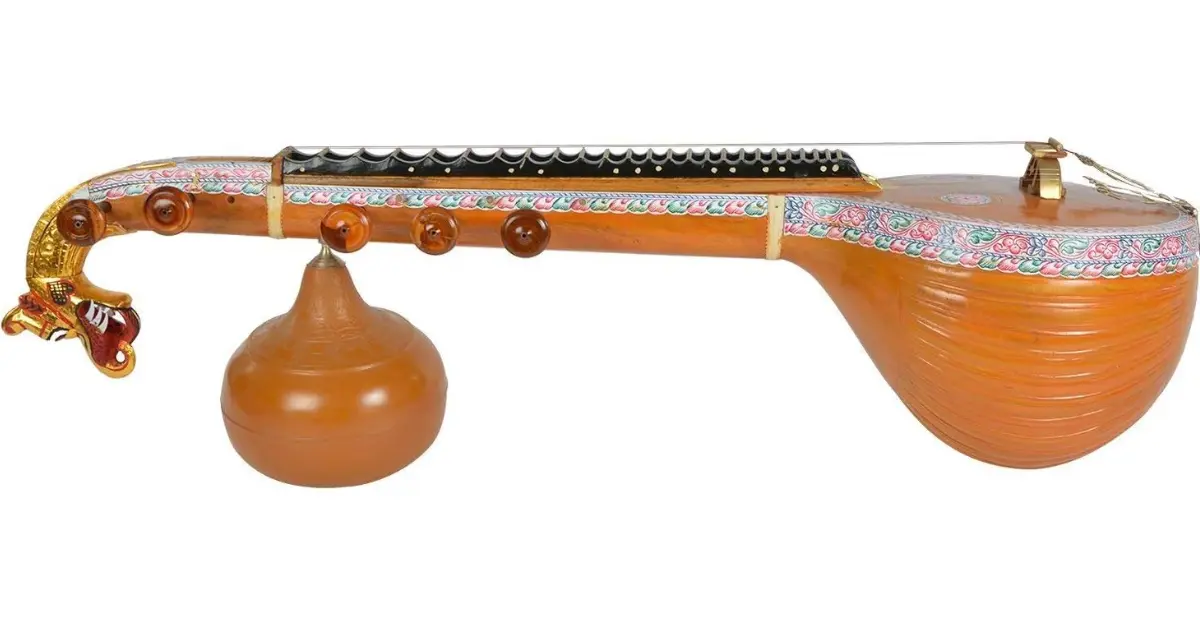
Tanpura
Though not typically a melody instrument, the tanpura is perfect for adults interested in meditative or devotional music. It supports vocalists and sets a serene mood.
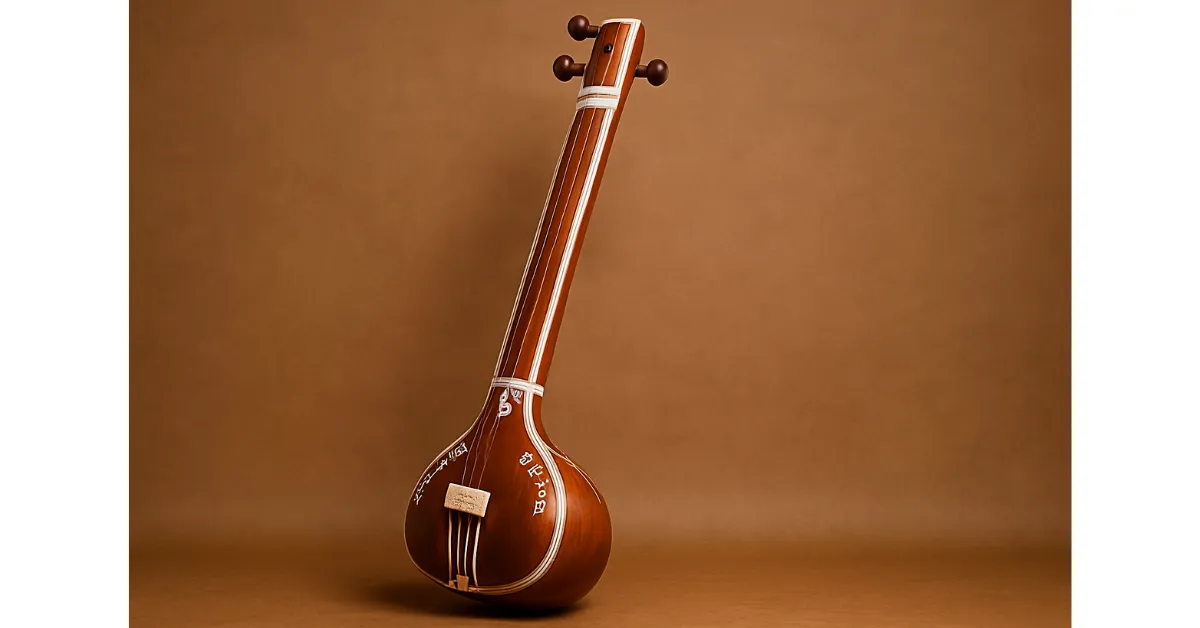
best musical instruments for adults beginners


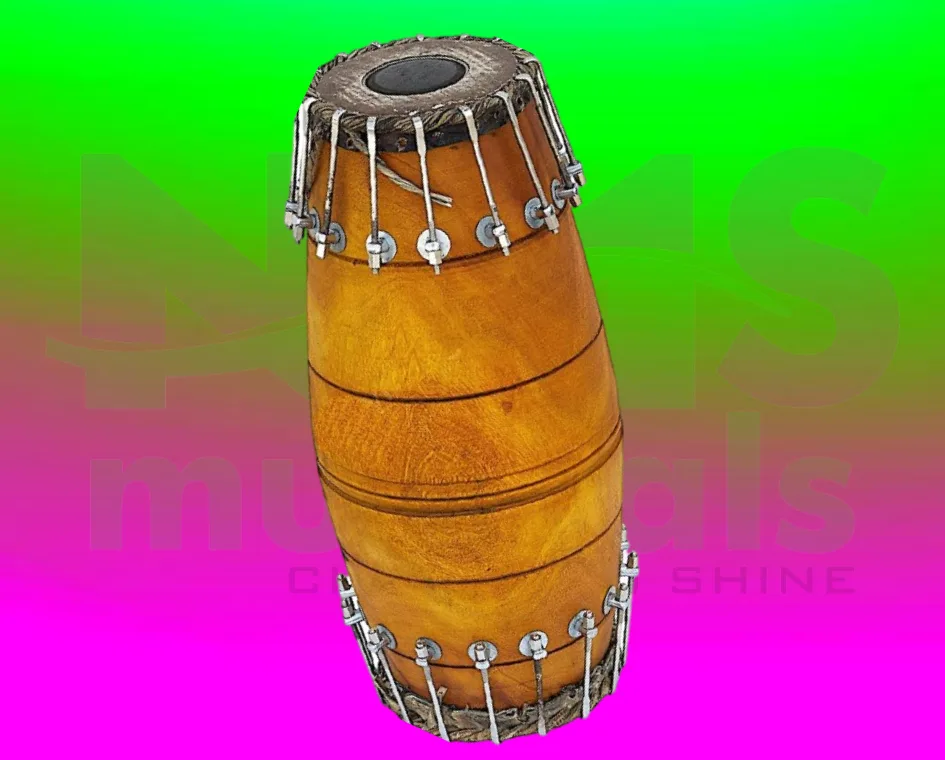
Mridangam
For those interested in Carnatic rhythms, the mridangam is engaging and expressive. Adults with a knack for rhythm find it highly rewarding.
Mridangam 18 inch with rope


3. Western Instruments That Suit Indian Adults

While traditional Indian instruments are deeply cultural, many adults in India also explore Western instruments for versatility.

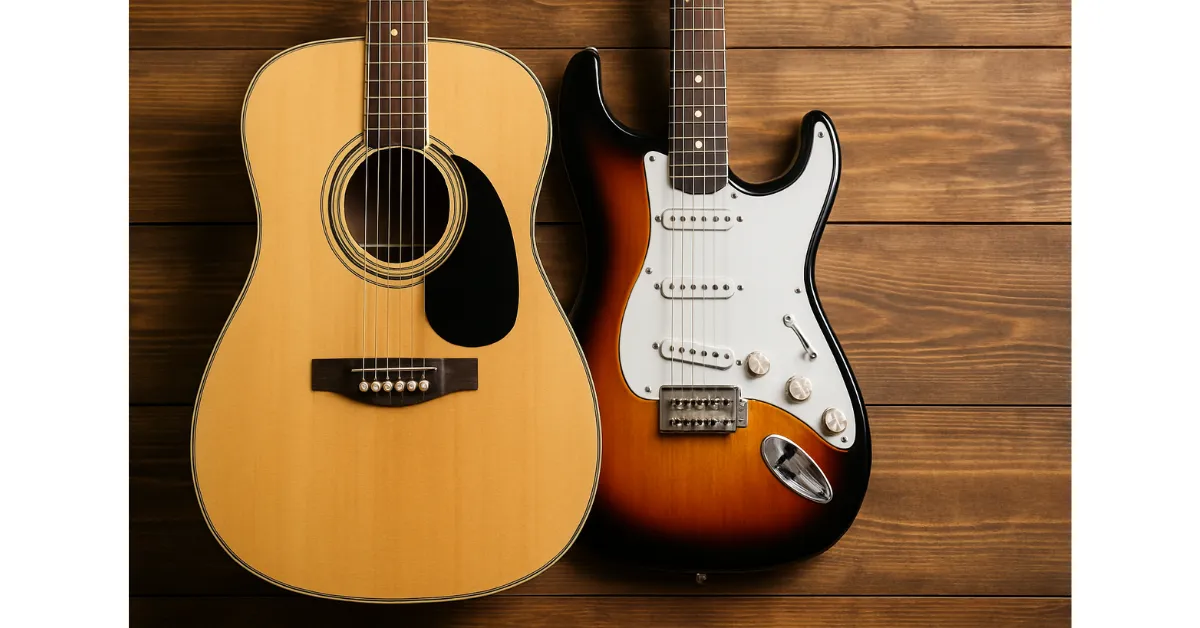
Acoustic Guitar
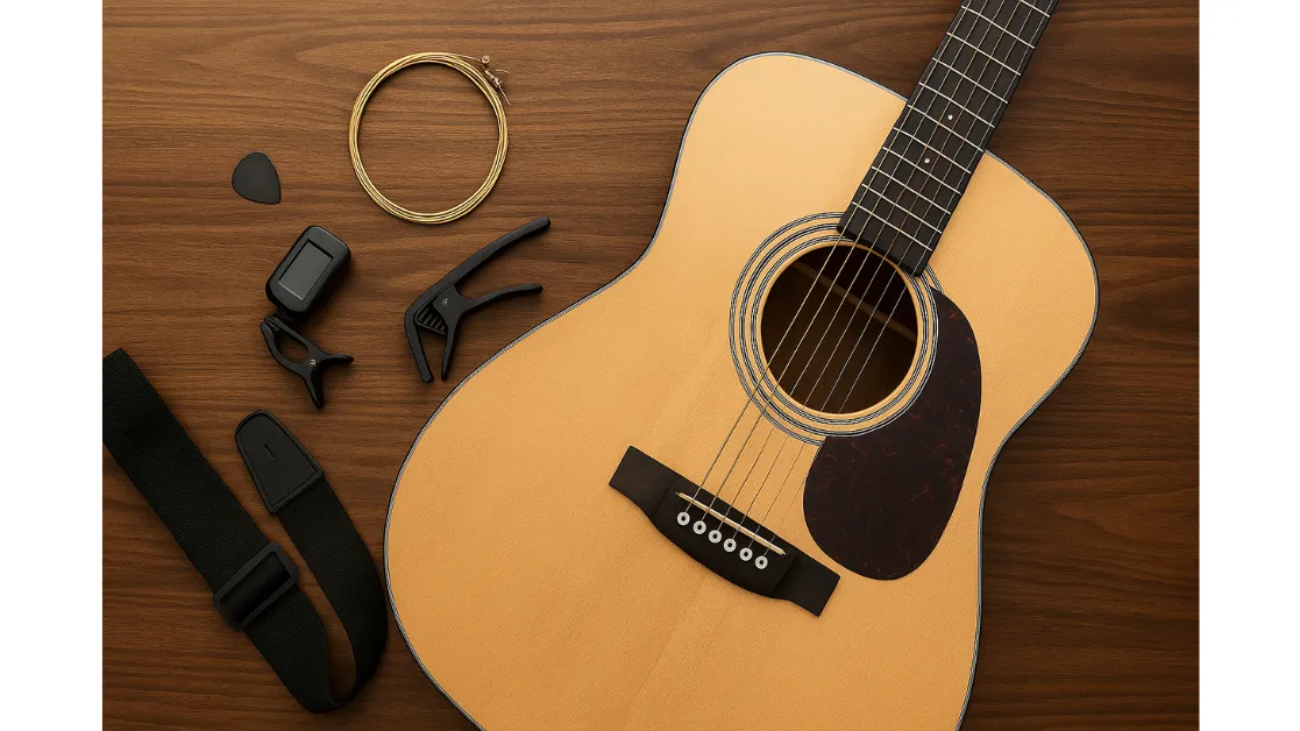
Whether strumming Bollywood songs or devotional tunes, the guitar is a flexible and popular choice. Look for nylon-string guitars for easier finger comfort.
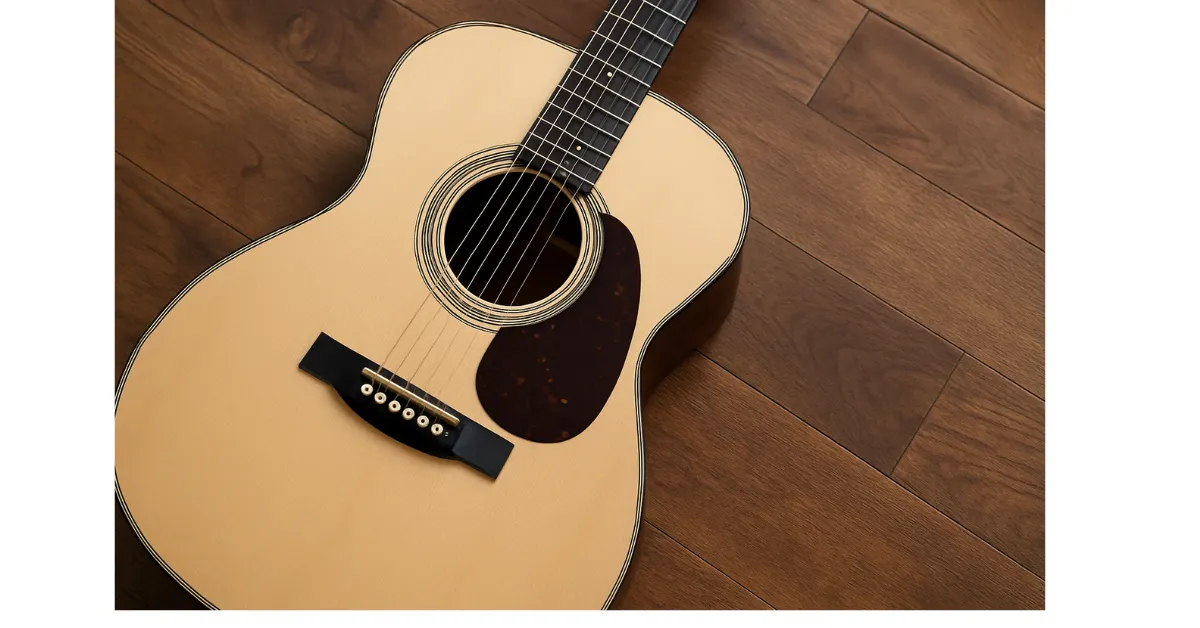
best musical instruments for adults beginners 1

Keyboard/Digital Piano
This is one of the easiest and most versatile instruments for adult beginners. Many Indian songs, bhajans, and ragas can be played using basic chords.
CTK-2550 Keyboard

Ukulele
Small and easy to learn, the ukulele is an ideal choice for casual learners. It’s great for Indian fusion music and devotional singing.
Ukulele view

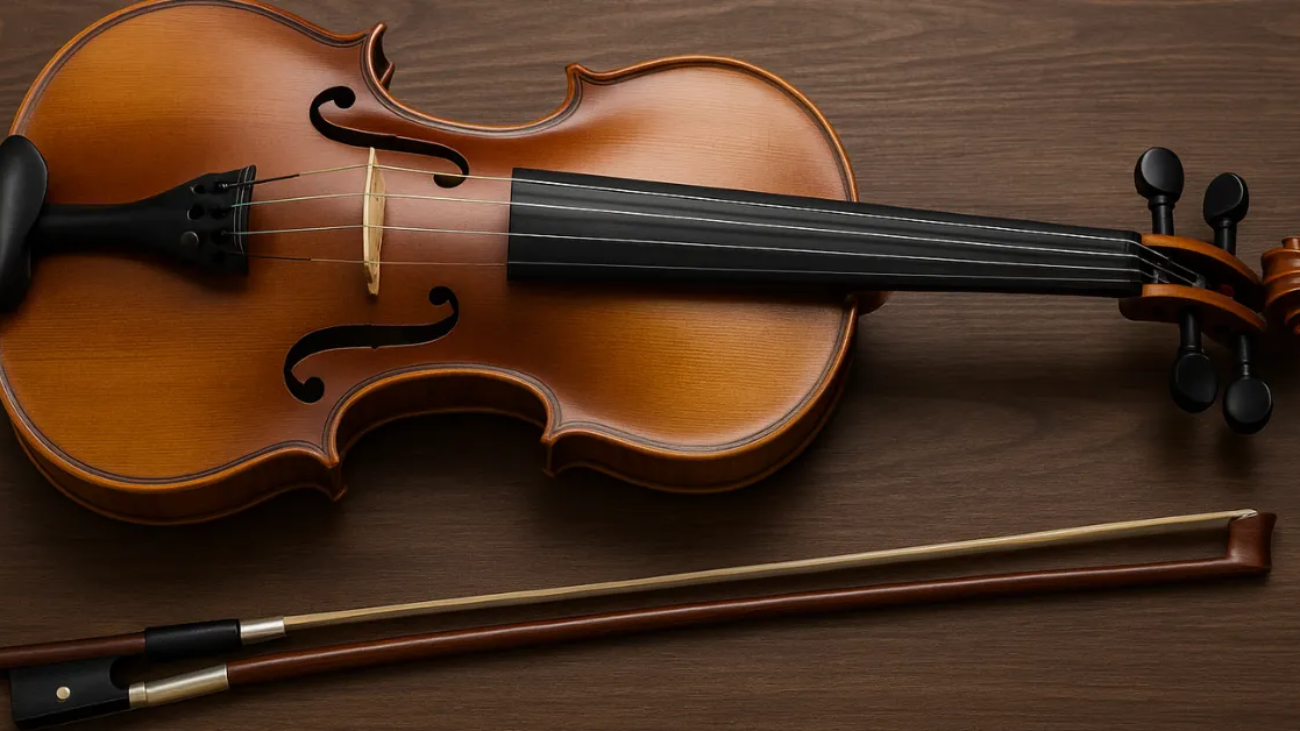
Violin
Although slightly more complex, the violin is used in both Western and Carnatic music. Adults with patience and passion often fall in love with its emotional range.
Rampur Electric violin view - 7000


4. How to Choose the Right Instrument as an Adult

Before you buy your first instrument, ask yourself these questions:

What kind of music do I want to play?
If you’re into classical Indian music, go for harmonium or tabla. If you’re more into film music, keyboard or guitar could be better.

Do I want to sing along?
Harmonium or tanpura are ideal for vocalists.

Am I comfortable with rhythm or melody?
Percussionists should try tabla or mridangam; melody lovers should consider bansuri or violin.

Do I want something portable?
Flute, ukulele, and tanpura win here.


5. Budget-Friendly Options for Adult Beginners

Music doesn’t have to be expensive. Here are some affordable options:

Tabla Practice Set: ₹2,500–₹5,000
Harmonium (Standard Reed): ₹4,000–₹8,000
Bamboo Bansuri: ₹300–₹1,200
Digital Keyboard: ₹5,000–₹10,000
Ukulele: ₹2,000–₹5,000

Most of these instruments are widely available in India through trusted music retailers like NMS Musicals.


6. Practice Tips for Adults Learning Music

Unlike children, adults have different time commitments and learning styles. Here’s how to stay on track:

Set Realistic Goals: Practice 15–30 minutes daily instead of long sessions.

Use Online Resources: YouTube tutorials, apps, or online classes make learning easier.

Take Formal Classes: Consider joining academies like Shankar Mahadevan Academy or NMS Musicals.

Practice Mindfully: Focus on small improvements. Don’t rush the process.

Celebrate Milestones: Play in front of family or record yourself every month to track progress.


7. Emotional and Health Benefits of Learning Music

Music is more than a hobby—it’s therapy. Here’s what adults gain:

Reduces Stress: Playing music calms the nervous system.

Improves Focus: Learning music enhances attention span and memory.

Boosts Confidence: Performing for friends or on social media can build self-esteem.

Enhances Emotional Expression: Especially in Indian classical music, ragas help convey emotions deeply.


8. Online Platforms to Learn Indian Instruments

Here are some excellent options for adults looking to learn Indian music online:

Acharyanet: Great for learning veena, mridangam, and vocal Carnatic music.

Shankar Mahadevan Academy: Offers courses in tabla, harmonium, and Bollywood music.

Raga Labs: Combines Indian classical with modern elements.


9. Where to Buy Beginner Instruments in India

When buying an instrument, quality matters. These Indian brands and stores offer reliable products:

NMS Musicals: Wide range of beginner-friendly Indian instruments.

Paloma: Known for harmoniums and tabla sets.

Kharaj Musicals: Specializes in sitars, tanpuras, and veenas.

Radha Krishna Sharma & Co.: Traditional makers of mridangam and pakhawaj.

Online marketplaces like Amazon India or Flipkart also stock beginner models, but visit a physical store if possible.


10. Instrument Accessories That Help Adult Beginners

Accessories can ease your practice journey:

Tabla Dayan Cushions: Reduce noise and wrist strain.

Harmonium Covers: Protect your instrument from dust and humidity.

Clip-on Tuners: Great for guitars and violins.

Keyboard Stands: Improve posture and comfort.

Flute Cases: Keep your bansuri safe during travel.


11. Tips for Maintaining Your Instrument

Take care of your instrument so it lasts:

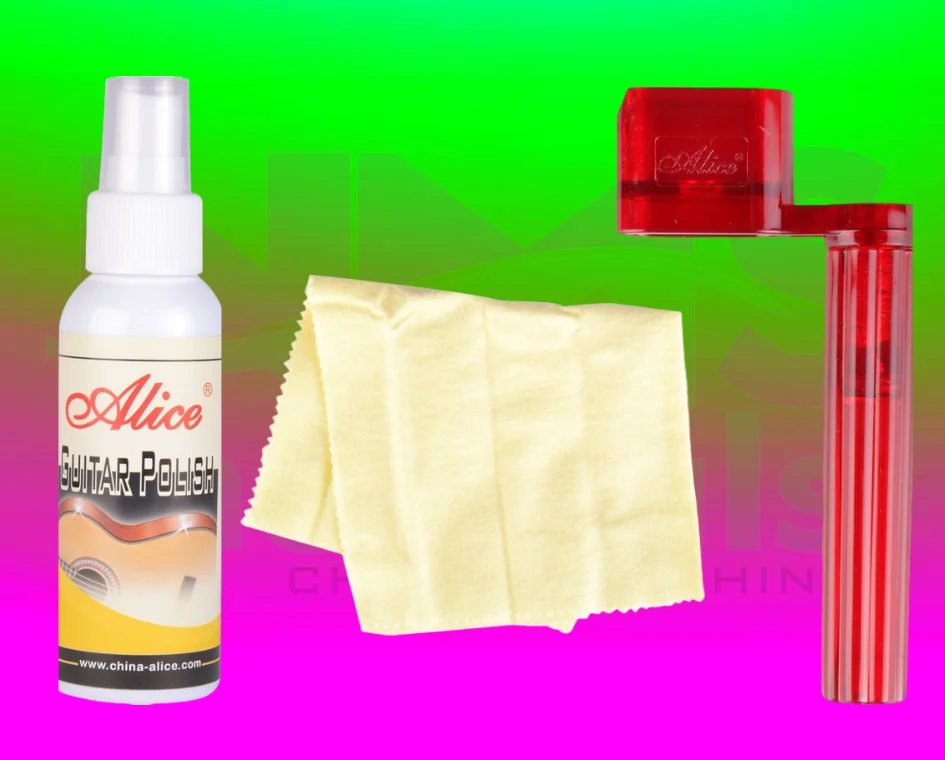
Clean After Use: Especially for wind instruments like flute.

Avoid Moisture: Store in dry areas, especially harmoniums and tabla.

Tune Regularly: Use tuning apps or seek expert help.

Use Covers and Cases: Protection from dust and travel damage.


12. Building Confidence to Perform as an Adult

Adults often feel nervous about starting something new. Here’s how to overcome that:

Join a Community: Participate in local bhajan groups or music circles.

Record Yourself: Share small clips on WhatsApp or Instagram to get feedback.

Perform for Family: Home concerts are a great starting point.

Attend Workshops: Live feedback from teachers boosts confidence.


Conclusion: Start Today, Grow Everyday

Music knows no age limit. Whether you’re in your 30s, 50s, or beyond, learning an instrument can transform your life. With so many Indian and Western instruments suited for beginners, the path is wide open. Choose an instrument that resonates with you—be it the rhythmic tabla, the soulful flute, or the versatile keyboard. Take small, steady steps, and enjoy the process. Let every note you play be a reflection of your journey and joy. With the right mindset and the right tools, you can become a musician at any age.

So why wait? Pick up that instrument, and start your musical journey today.


At NMS Musicals, we offer a comprehensive range of musical instruments, including percussion, string, wind, and keyboard instruments. Our services encompass sales, expert servicing, and the manufacture of leather instruments. Explore our diverse collection and find the perfect instrument to suit your musical needs.

Visit our website to browse our offerings: nmsmusicals.in

For a closer look at our products, check out our shop page: nmsmusicals.in/shop

Stay connected with us through our social media channels:
Our shop locations are:

For inquiries, contact/Whatsapp us at 9500663895 or email us at laxman.m89@gmail.com.

Discover the world of musical instruments with NMS Musicals today!

For a visual overview of our percussion instruments, watch the following video:
Create Your First Music Video Fast 1

Amazing Tips to Create Your First Music Video Fast

Learn how to create your first music video using the best beginner tools, techniques, and Indian instruments for a professional-quality production

Create Your First Music Video Fast

If you’re ready to showcase your talent and passion, there’s no better way to start than to create your first music video. Music videos aren’t just for pop stars and big-budget productions—they are for every musician who wants to share their art visually. Whether you’re a classical singer, a tabla player, or an experimental artist working with Indian instruments, a well-made music video can help you connect with your audience, grow your brand, and even land new opportunities. In this blog, we’ll guide you through the entire process of making your first music video with beginner-friendly tools and tips—keeping Indian music traditions in focus.


1. Start with a Strong Concept

Before you begin shooting, develop a clear concept for your video.

  • What is the emotion or message of your music?
  • Is it devotional, romantic, energetic, or meditative?
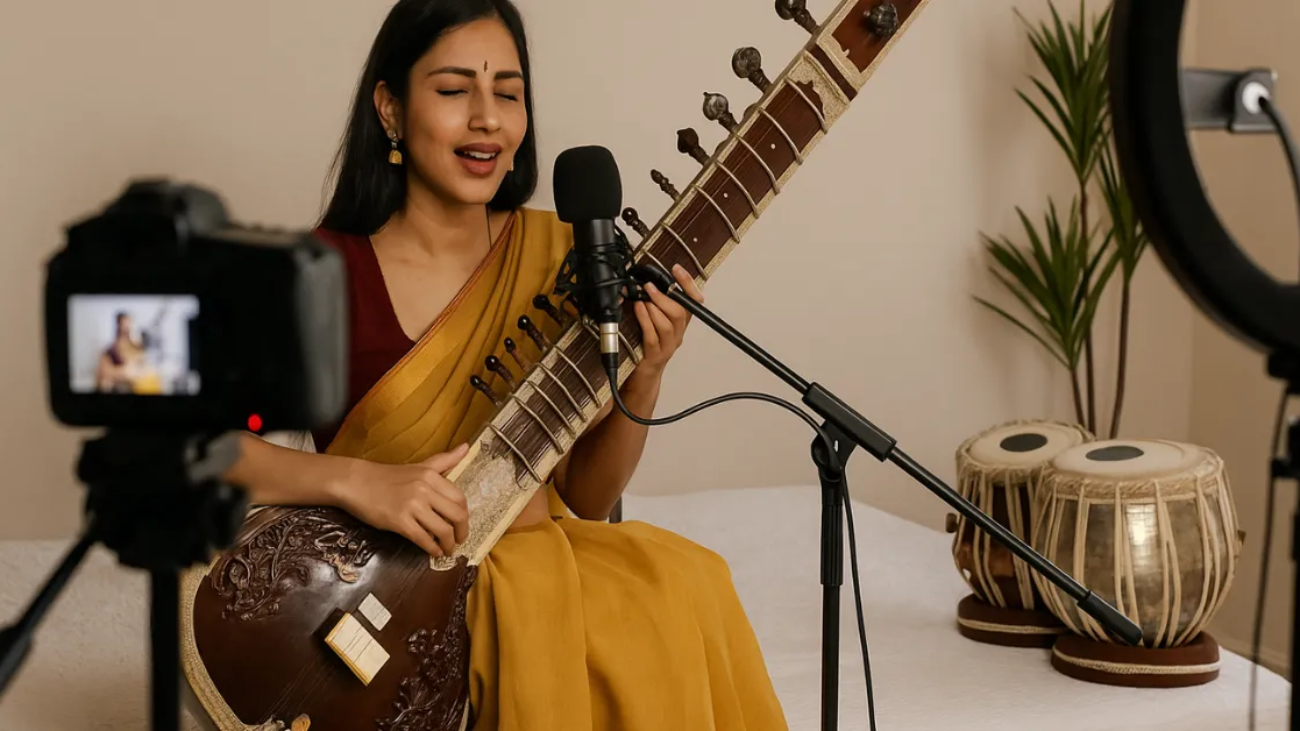
  • Visualize how Indian instruments will appear on screen—like the elegance of a sitar or the power of a tabla solo.


2. Choose the Right Song

Your song is the foundation of the entire video.

  • Pick a song that reflects your unique style.
  • Choose a piece that highlights Indian instruments like flute, veena, or dholak.
  • Make sure the tempo and energy of the music can be supported visually.


3. Write a Simple Storyboard

Even a rough sketch of scenes helps plan your video better.

  • Divide the song into sections (intro, verse, chorus, etc.).
  • Note the camera angles or movements for each part.
  • Mark where you’ll show Indian instruments in close-up or wide angles.


4. Decide Between Live Performance or Conceptual Video

There are two main approaches:

  • Live performance: Capture your actual performance in real time. Perfect for tabla solos, veena, or vocal recitals.
  • Conceptual video: Add narrative visuals that match the song’s theme, often filmed separately from the music recording.


5. Pick the Right Location

Your location should support the mood of your song.

  • For devotional or classical pieces, consider temples, gardens, or minimalist indoor settings.
  • If you’re featuring Indian instruments, try a space that highlights their traditional elegance.
  • Ensure good lighting and minimal background noise.


6. Use Basic Camera Gear or Smartphones

You don’t need expensive cameras.

  • Most modern smartphones shoot in 1080p or 4K—perfect for YouTube or social media.
  • Use a tripod to avoid shaky footage.
  • Invest in a ring light or use natural window light for clean visuals.


7. Record High-Quality Audio Separately

Never rely on your camera’s built-in mic.

  • Record music in your home studio or a quiet room using a condenser mic.
  • Record tabla, mridangam, or sitar using two mics for clarity and depth.
  • Sync the high-quality audio later during editing.


8. Dress According to Your Music Style

Your look should reflect the mood of your music.

  • For Carnatic or Hindustani music, traditional attire enhances authenticity.
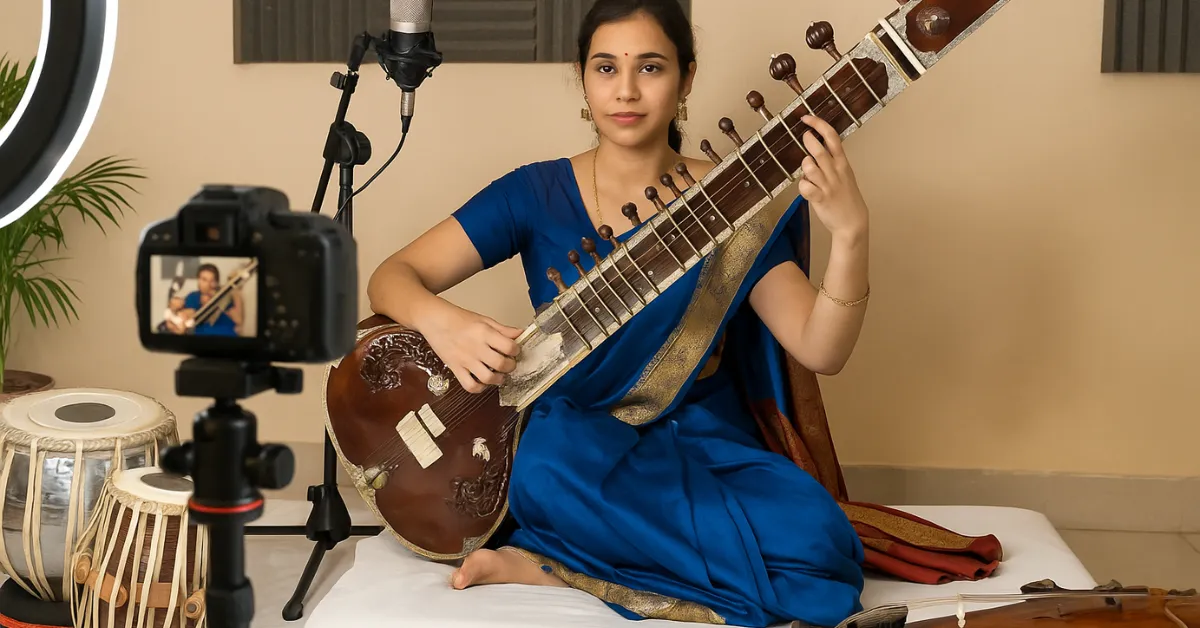
  • Match the instrument’s cultural tone—like kurta for tabla or sari for veena.


9. Frame the Shot Properly

Composition matters a lot in videos.

  • Use the rule of thirds: place your face or instrument off-center.
  • Keep Indian instruments fully in frame—capture the movement of hands on tabla or the slide of fingers on sitar.
  • Use close-ups for emotion and wide shots for context.


10. Capture Multiple Takes from Different Angles

Variety keeps your video engaging.

  • Record the same part from front, side, and top angles.
  • Use one static camera and one handheld (if possible) for movement.
  • Feature close-ups of instrument details like tabla strokes or veena strings.


11. Use Simple Editing Software for Beginners

You don’t need to be a pro editor to make clean videos.

  • Try CapCut, DaVinci Resolve, or iMovie—all beginner-friendly.
  • Sync your high-quality audio with video manually.
  • Add basic transitions and fade-ins for a smooth feel.


12. Add Text and Titles Thoughtfully

Use minimal text to maintain a professional feel.

  • Add your artist name, song title, and instrument name (like “Bansuri Cover” or “Tabla Solo”).
  • Use clear fonts that match your music’s theme.
  • Avoid flashy transitions unless your music is modern/fusion.


13. Add Subtle Effects to Enhance Mood

Don’t overdo effects; focus on emotion.

  • Use color grading to match the tone: warm tones for devotional, cool for meditative.
  • Apply soft filters to bring attention to Indian instruments and expressions.
  • For energetic songs, use speed ramps or beat-synced cuts.


14. Respect the Cultural Presentation of Indian Instruments

Portray Indian instruments with cultural dignity.

  • Avoid cheesy or out-of-place filters on classical performances.
  • Make sure your handling of instruments is respectful and professional.
  • Credit your instrument and tradition (e.g., Hindustani Sitar, Carnatic Flute).


15. Use Royalty-Free Visual Assets if Needed

If you need extra clips, use licensed visuals.

  • Websites like Pexels, Pixabay, or Videvo offer free assets.
  • You can include clips of Indian nature, temples, or crowd scenes if they align with your concept.


16. Upload to the Right Platforms

Pick the best channels for your audience.

  • Upload on YouTube, Instagram Reels, and Facebook for reach.
  • Use tags like #IndianMusicVideo, #TablaPerformance, #IndianClassical.
  • For devotional music, platforms like ShareChat and DailyHunt work well in India.


17. Write a Good Video Description and Tags

Your description helps with discovery.

  • Mention the instruments used: “This performance features Indian flute and tabla.”
  • Add your city/region to attract local fans (e.g., Chennai Bansuri Cover).
  • Include links to your other videos or artist profile.


18. Promote Your Video Organically

Don’t just post and pray—promote your work.

  • Share in WhatsApp groups, music forums, and Facebook communities.
  • Reach out to Indian music YouTubers for collaboration or shoutouts.
  • Engage with viewers in the comments to build a fan base.


19. Keep Backup of All Raw Files

Always save your project files.

  • Store video, audio, and project files in a dedicated folder.
  • Use Google Drive or an external hard disk.
  • This helps in case you want to re-edit later or reuse footage.


20. Practice and Improve with Each Video

Your first video won’t be perfect—and that’s okay.

  • Analyze what worked and what didn’t.
  • Watch similar Indian music videos for inspiration.
  • Keep experimenting with camera angles, light setups, and musical style.


Conclusion

Creating your first music video doesn’t have to be overwhelming. With the right planning, tools, and a little creativity, you can create your first music video that not only looks professional but also reflects your musical identity. Especially if you’re working with Indian instruments, your video becomes a cultural showcase as well. From tabla beats to veena melodies, your music deserves to be seen as well as heard. So gather your gear, plan your scenes, and take the leap—your first music video could be the beginning of an incredible journey in music and media.


At NMS Musicals, we offer a comprehensive range of musical instruments, including percussion, string, wind, and keyboard instruments. Our services encompass sales, expert servicing, and the manufacture of leather instruments. Explore our diverse collection and find the perfect instrument to suit your musical needs.

Visit our website to browse our offerings: nmsmusicals.in

For a closer look at our products, check out our shop page: nmsmusicals.in/shop

Stay connected with us through our social media channels:
Our shop locations are:

For inquiries, contact/Whatsapp us at 9500663895 or email us at laxman.m89@gmail.com.

Discover the world of musical instruments with NMS Musicals today!

For a visual overview of our percussion instruments, watch the following video:
best instruments for solo musicians 6

Best Instruments for Solo Musicians That Truly Impress

Explore the best instruments for solo musicians and elevate every solo act.

There’s something uniquely powerful about a solo performance. When a musician takes the stage alone, every note, rhythm, and expression becomes deeply personal. Whether you’re performing in an auditorium or streaming from your living room, choosing the right instrument is crucial to creating an impactful musical experience. For Indian musicians, especially, the rich cultural tapestry offers an extraordinary variety of solo instruments—from the meditative veena to the dynamic tabla. In this guide, we’ll help you explore the best instruments for a solo musician, especially within the context of Indian classical and contemporary music.


1. What Makes a Good Solo Instrument?

Not every instrument is equally suited for solo performances. Here are the characteristics that make an instrument great for solo play:

  • Expressive Range: The ability to convey emotion and dynamic range.
  • Portability: Easy to carry for gigs or street performances.
  • Layered Sound: Capable of harmony, melody, or rhythm alone.
  • Visual Impact: Stage presence is a factor in solo shows.

Indian instruments like the sitar, tabla, and flute stand out not only because of their unique sound but also due to their emotional depth and expressive capabilities.


2. Indian Classical Instruments Ideal for Solo Performers

India has given the world a treasure trove of musical instruments perfect for solo performances. Here are some standouts:

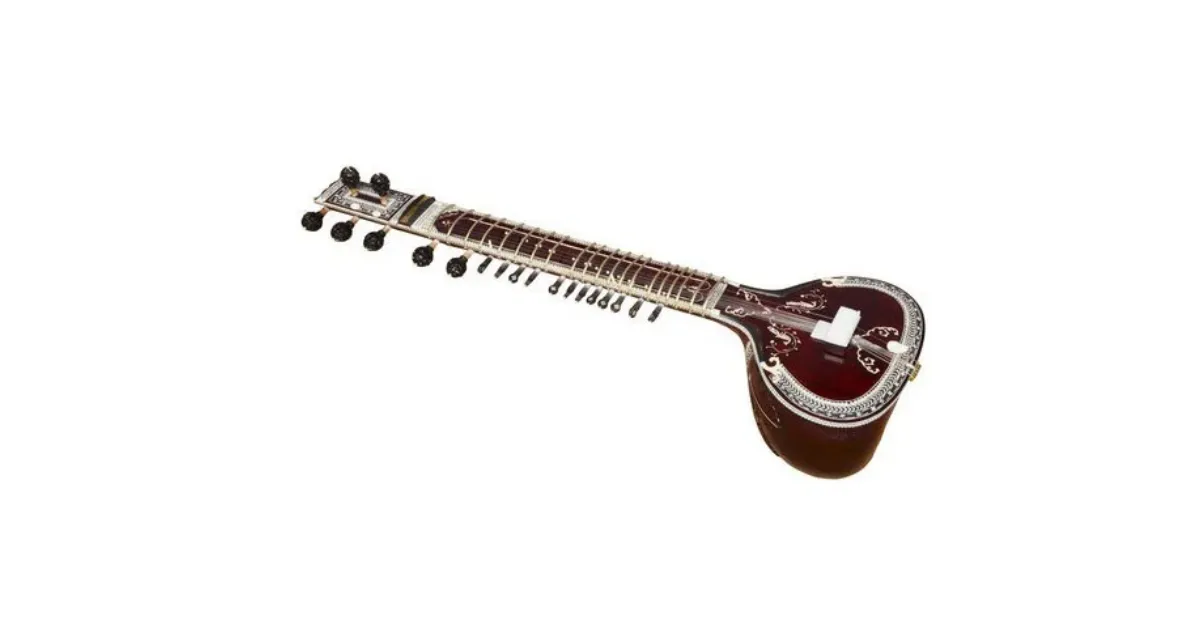
Sitar

best instruments for solo musicians

A highly expressive instrument associated with meditative ragas. The sitar offers a rich tonal range that makes it ideal for solo recitals.

Veena

best instruments for solo musicians 1

Often associated with Saraswati, the goddess of wisdom, the veena is the epitome of classical beauty. Its gentle tone and rhythmic complexity suit temple and stage settings alike.

Flute (Bansuri)

Ideal for emotional solos, the flute is easy to carry and powerful in its subtlety. It’s often used in both Hindustani and Carnatic traditions.

Tabla

copper tabla set

While commonly played in accompaniment, tabla solos are exhilarating. Complex taals, kaidas, and relas make it a showstopper in solo performances.

Mridangam

Mridangam 24 inch bolt nut

The heart of Carnatic rhythm, mridangam solos are known for their mathematical precision and energetic tempo changes.


3. Western Instruments Popular with Indian Solo Artists

Though Indian music traditions are rich, many solo performers in India also embrace Western instruments for fusion, indie, and contemporary styles.

Guitar (Acoustic & Electric)

best instruments for solo musicians 7

An all-time favorite, the guitar suits every genre—from rock to bhajans. Its versatility and ease of learning make it perfect for solo musicians.

Keyboard or Digital Piano

best instruments for solo musicians 3

Ideal for solo gigs in cafes or concerts, a keyboard can simulate multiple instruments. Indian musicians often use it for film music covers and devotional tracks.

Violin

best instruments for solo musicians 5

Used extensively in Carnatic solos, the violin also bridges beautifully into Western genres. Its emotional expressiveness makes it a popular choice.


4. Consider Your Musical Style and Audience

The best instrument depends on the genre you play and who you’re playing for.

  • For Classical Indian Music: Sitar, tabla, veena, and flute are ideal.
  • For Devotional and Bhajans: Harmonium, bansuri, and acoustic guitar work beautifully.
  • For Fusion and Indie: Electric guitar, keyboard, and violin are highly effective.
  • For Percussion-Focused Acts: Tabla and mridangam deliver rhythmic solos that captivate.


5. Budget-Friendly Solo Instruments

If you’re just starting out, investing wisely is key. Here are some budget-friendly options that don’t compromise on quality:

  • Bansuri (Flute): Simple and spiritual, starting around ₹300.
  • Harmonium: Good quality options available from ₹5,000 onwards.
  • Tabla Practice Sets: Starting at ₹3,000, ideal for home practice.
  • Ukulele: Popular for acoustic Indian fusion, budget models from ₹2,000.


6. Amplification and Accessories

To stand out as a solo performer, you may need amplification or accessories:

  • Pick-up Mics for Veena or Violin
  • Clip-on Tuners for Guitar
  • Portable Amplifiers
  • Loop Pedals for Guitars or Keyboards
  • Tabla Mic Setup for Live Gigs

These tools enhance sound clarity and give your solo acts a professional touch.


7. Practice Tips for Solo Musicians

Playing solo requires a different skill set. Here’s how to sharpen it:

  1. Daily Practice Routine: Maintain structure—warm-ups, scales, ragas, and improvisation.
  2. Record Yourself: Listen and critique your playing.
  3. Learn from Legends: Watch solo performances by maestros like Zakir Hussain, N. Rajam, or Emani Sankara Sastry.
  4. Balance Emotion with Technique: Focus on emotive delivery as much as precision.


8. Performance Tips for Indian Solo Artists

Performing solo in India means connecting deeply with the audience. Here’s how:

  1. Set the Mood with Ragas: Choose morning or evening ragas based on concert time.
  2. Explain Briefly: Engage your audience by introducing the piece or taal.
  3. Dress the Part: Traditional attire adds visual grace to classical performances.
  4. Use Pauses Effectively: Silence between musical phrases builds anticipation.


9. Learning Platforms for Solo Instrument Training

Here are some popular Indian learning platforms for solo musicians:

  • Shankar Mahadevan Academy: Offers online training in tabla, vocal, and more.
  • Acharyanet: Specializes in Carnatic music, veena, and mridangam.
  • Raga Labs: A good choice for Indian fusion and indie soloists.


10. How to Choose the Right Instrument for You

Ask yourself the following before investing:

  • What genres am I most drawn to?
  • Do I need portability for busking or travel gigs?
  • What’s my comfort level with melody, rhythm, or harmony?
  • Do I enjoy string, wind, or percussion more?

Trying out instruments at music schools or shops like NMS Musicals before buying is a wise move.


11. Best Indian Brands for Solo Music Instruments

Choosing a quality Indian-made instrument supports tradition and craftsmanship. Here are some brands:

  • Paloma (Tabla & Harmonium)
  • Kharaj Musicals (Sitar & Veena)
  • NMS Musicals (Wide range of Indian instruments)
  • Radha Krishna Sharma (Mridangam)

Their products are tailored to Indian music requirements and often handcrafted for best tonal quality.


12. Recording and Streaming Your Solo Music

As a solo artist, online platforms can multiply your reach. Here’s how to make your mark:

  • Use a good condenser mic
  • Record in a quiet room with soft walls
  • Upload regularly on YouTube, Instagram, and Spotify
  • Engage viewers with story-driven captions and cultural insights

Many Indian solo musicians have built strong followings with devotional covers and instrumental medleys.


13. How Indian Instruments Support Cultural Identity

Choosing Indian instruments for solo performances not only elevates music but connects the artist to heritage. A solo mridangam or veena performance carries centuries of tradition. Each note becomes a tribute to India’s rich sonic landscape.


Conclusion: Make Every Note Count

Being a solo musician is a bold and fulfilling journey. The instrument you choose defines your musical identity and becomes your voice on stage. Whether you lean toward the soulful strings of a veena or the vibrant rhythm of tabla, solo performance with Indian instruments allows deep artistic expression. Embrace the power of going solo—and let your instrument do the talking.

With the right guidance, gear, and inspiration, your solo music journey can become a beacon of tradition, innovation, and pure artistry.


At NMS Musicals, we offer a comprehensive range of musical instruments, including percussion, string, wind, and keyboard instruments. Our services encompass sales, expert servicing, and the manufacture of leather instruments. Explore our diverse collection and find the perfect instrument to suit your musical needs.

Visit our website to browse our offerings: nmsmusicals.in

For a closer look at our products, check out our shop page: nmsmusicals.in/shop

Stay connected with us through our social media channels:
Our shop locations are:

For inquiries, contact/Whatsapp us at 9500663895 or email us at laxman.m89@gmail.com.

Discover the world of musical instruments with NMS Musicals today!

For a visual overview of our percussion instruments, watch the following video:
At NMS Musicals, we offer a comprehensive range of musical instruments, including percussion, string, wind, and keyboard instruments. Our services encompass sales, expert servicing, and the manufacture of leather instruments. Explore our diverse collection and find the perfect instrument to suit your musical needs.

Visit our website to browse our offerings: nmsmusicals.in

For a closer look at our products, check out our shop page: nmsmusicals.in/shop

Stay connected with us through our social media channels:
Our shop locations are:

For inquiries, contact/Whatsapp us at 9500663895 or email us at laxman.m89@gmail.com.

Discover the world of musical instruments with NMS Musicals today!

For a visual overview of our percussion instruments, watch the following video:
Set Up your Home Recording Studio 1

Effortless Guide to Set Up your Home Recording Studio

Learn how to set up your home recording studio with essential gear, setup tips, and Indian instruments to record professional music at home.

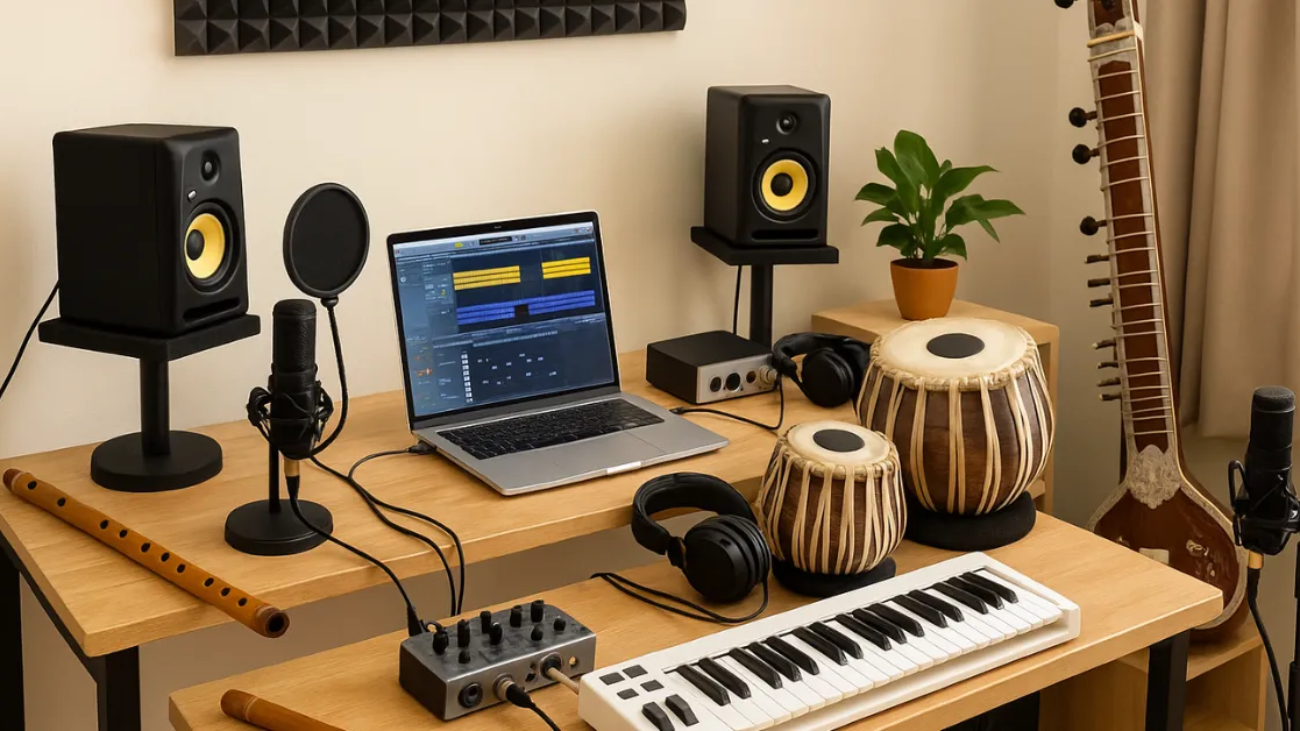
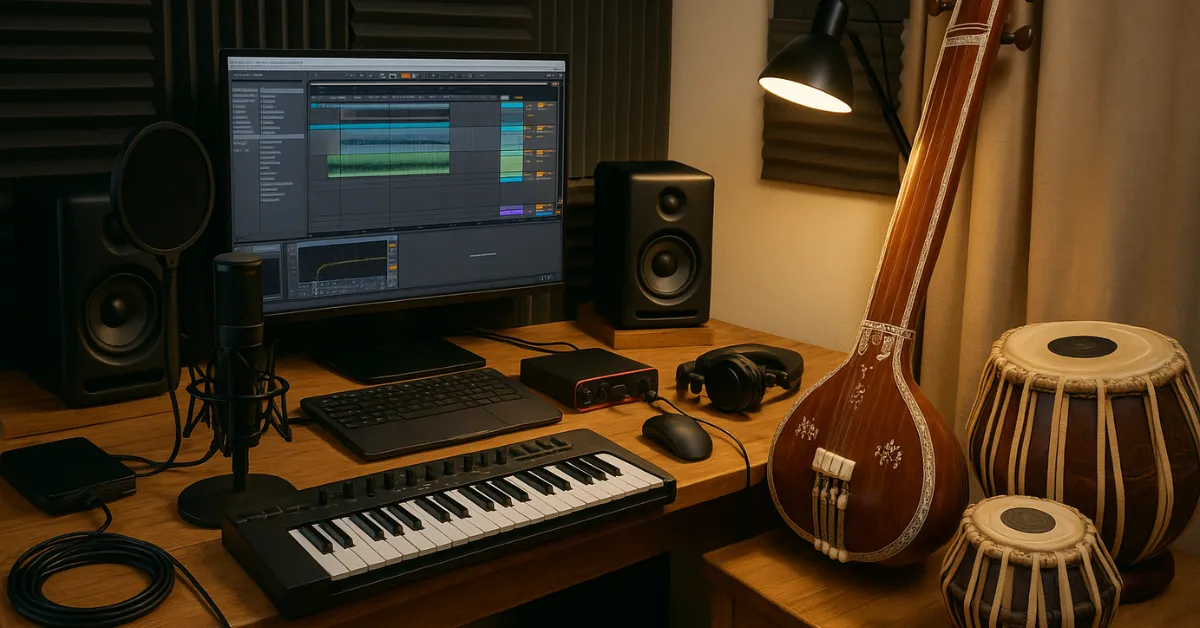
Set Up your Home Recording Studio

In today’s digital era, the ability to set up your home recording studio opens the door to unlimited creative potential. Whether you’re a classical vocalist, a tabla artist, or an electronic music enthusiast incorporating Indian instruments, a well-designed home studio can help you record, edit, and produce music with professional quality. And the best part? You don’t need a massive space or a huge budget to get started. With the right gear and smart setup strategies, even a corner of your room can be transformed into a music production haven. In this detailed guide, we’ll walk you through every step—from choosing the right gear to optimizing your space—for musicians who want to create magic right from their homes.


1. Choose the Right Space for Your Studio

Your first task is finding a quiet and acoustically balanced space.

  • Prefer smaller rooms with minimal echo.
  • Avoid rooms with tiled or empty walls.
  • Use rugs, bookshelves, and curtains to absorb sound.
  • Ensure there’s access to power outlets and ventilation.


2. Invest in a Good Quality Microphone

Your microphone captures every detail, so choose wisely.

  • For Indian vocals, condenser microphones are best for clarity.
  • For tabla, mridangam, or dholak, use dynamic microphones for handling strong beats.
  • Popular choices: Audio-Technica AT2020, Shure SM58, Rode NT1-A.


3. Select an Audio Interface

An audio interface connects your microphone/instruments to your computer.

  • Choose interfaces with phantom power (for condenser mics).
  • Look for low-latency drivers and at least 2 inputs.
  • Top picks: Focusrite Scarlett 2i2, Behringer UMC22, M-Audio AIR 192.


4. Use a Reliable Digital Audio Workstation (DAW)

A DAW is your virtual studio where recording and editing happen.

  • Free DAWs like Cakewalk or Tracktion T7 are great for beginners.
  • For Indian classical mixing, Cubase or Ableton Live offer advanced options.
  • Ensure your DAW supports VST plugins and MIDI compatibility.


5. Get Studio Monitor Speakers or Headphones

Good sound output is crucial for mixing.

  • Use flat-response studio monitors for accurate playback.
  • Budget options: Mackie CR3, PreSonus Eris 3.5.
  • Alternatively, use closed-back headphones like Audio-Technica ATH-M40x.


6. Acoustic Treatment is a Game-Changer

Soundproofing ensures that outside noise doesn’t spoil your recording.

  • Use foam panels on walls.
  • Bass traps in room corners help reduce low-frequency buildup.
  • Thick curtains or mattresses can be used as DIY solutions.


7. Include Indian Instruments in Your Setup

Make your studio fit for Indian music.

  • Use clip-on mics for flutes, veena, or sitar.
  • Use a room mic plus close mic setup for tabla, mridangam, and ghatam.
  • Keep a tanpura app or electronic tanpura ready for reference tones.


8. Add a MIDI Keyboard for Composition

A MIDI controller helps create background scores and fusion compositions.

  • Choose a 49-key MIDI keyboard with velocity sensitivity.
  • Plug it into your DAW to trigger virtual instruments like Indian tabla loops, sitar VSTs, or sarangi plugins.


9. Keep a Microphone Stand and Pop Filter Ready

Don’t hold the mic in your hand—it reduces quality.

  • Use a stable mic stand to position your microphone at mouth or instrument level.
  • Use a pop filter to reduce harsh “p” and “s” sounds, especially in vocals.


10. Use External Storage for Project Backups

Music projects can consume a lot of space.

  • Use a dedicated external SSD for speed and reliability.
  • Save sessions in multiple formats and keep backup copies.


11. Power Backup is a Must in India

Avoid losing work due to power cuts.

  • Use a UPS (Uninterruptible Power Supply) for your PC and audio interface.
  • Save your session every 10 minutes manually or set autosave.


12. Consider a Laptop or Desktop with Good Specs

Your computer is the heart of your studio.

  • Aim for at least 8 GB RAM, i5 processor, and 256 GB SSD.
  • If you use sample-heavy VSTs, 16 GB RAM is recommended.


13. Learn Basic Mixing and Mastering

Recording is only half the journey—mixing and mastering polish your track.

  • Learn how to use EQ, compression, reverb, and panning.
  • Use Indian reference songs to compare levels.
  • Explore YouTube tutorials or platforms like Coursera for mixing lessons.


14. Use Mobile Recording Apps for On-the-Go Music

If you’re traveling or short on space:

  • Try apps like BandLab, GarageBand, or n-Track Studio.
  • Plug in a Lavalier mic or a USB mic with an OTG cable.


15. Keep Your Cables and Gear Organized

Messy cables = bad vibes and interruptions.

  • Use cable ties, labelled organizers, and a small drawer unit for gear.
  • Keep spare XLR cables, jack converters, and USB cables handy.


16. Create a Comfortable and Inspiring Atmosphere

A peaceful setup enhances creativity.

  • Add a small lamp, plants, or artwork related to Indian music.
  • Keep instruments like bansuri, tabla, or tampura in the room to spark ideas.


17. Learn How to Record Indian Vocals Perfectly

Indian vocals need special attention.

  • Record in dry conditions (no reverb), then add effects later.
  • Use reverb plugins suited for Indian bhajans or classical renderings.
  • Layer multiple takes to add richness.


18. Record Indian Percussion the Right Way

Instruments like tabla, mridangam, and dholak need careful miking.

  • Use two mics: one for the bass head and one for treble head.
  • Keep a balanced mic distance to avoid distortion.
  • Record in a room with low reflections.


19. Connect Instruments Through Direct Input (DI)

Some instruments can be plugged directly.

  • Use a DI box for electric guitar or keyboard.
  • For harmoniums with pickups, connect directly to the interface.
  • Check for ground loop issues when connecting AC-powered instruments.


20. Keep Practicing and Updating Your Setup

No studio is ever perfect—it evolves with you.

  • As your skills grow, upgrade mics, monitors, or add soundproofing.
  • Join music production forums, follow Indian YouTubers like T-Series StageWorks, 99Sounds India, or Nirvana Digital.
  • Keep creating and sharing to improve.


Conclusion

Setting up your home recording studio may seem intimidating at first, but with the right gear, planning, and a bit of Indian musical flavor, it becomes a fulfilling journey. From capturing the deep tones of a mridangam to layering the haunting notes of a bansuri, your home studio can handle it all with the right setup. Whether you’re a beginner or a semi-pro musician, learning how to set up your home recording studio empowers you to create, record, and publish music at your own pace. With smart investment and consistent practice, your humble home corner can turn into a space where soulful Indian melodies come to life.


At NMS Musicals, we offer a comprehensive range of musical instruments, including percussion, string, wind, and keyboard instruments. Our services encompass sales, expert servicing, and the manufacture of leather instruments. Explore our diverse collection and find the perfect instrument to suit your musical needs.

Visit our website to browse our offerings: nmsmusicals.in

For a closer look at our products, check out our shop page: nmsmusicals.in/shop

Stay connected with us through our social media channels:
Our shop locations are:

For inquiries, contact/Whatsapp us at 9500663895 or email us at laxman.m89@gmail.com.

Discover the world of musical instruments with NMS Musicals today!

For a visual overview of our percussion instruments, watch the following video:
why choose the violin in India 2

Why Choose the Violin in India – Discover Its Timeless Power

Explore why choose the violin in India can be a beautiful, rewarding musical journey steeped in classical elegance and cultural depth.

why choose the violin in India 1

The violin is more than just a musical instrument—it’s a vessel of emotion, a medium of storytelling, and a timeless bridge between cultures. With roots deeply embedded in both Western and Indian classical traditions, the violin offers a unique experience for musicians of all levels. It stands out for its expressive range, versatility, and ability to adapt to various musical genres, especially Indian classical music. If you’ve ever wondered why choose the violin, this blog dives into its classical beauty, its cultural significance in India, and its immense potential for beginners and seasoned players alike.


1. Historical Background of the Violin

1.1 Origins and Evolution of the Violin

The violin as we know it today originated in 16th-century Italy, evolving from earlier bowed string instruments. Over time, it became the centerpiece of orchestras and chamber ensembles in Western classical music. The violin’s journey into Indian classical music began in the 18th century during British colonization, where it was adapted into the Carnatic music tradition.

1.2 Introduction to Indian Classical Music

Indian violinists adapted Western techniques and tuned the violin to suit Indian ragas. Unlike the Western style of playing while standing, Indian violinists play seated, resting the instrument between the chest and ankle. This adaptation gave rise to a distinct Indian style that is now revered worldwide.


2. Why Choose the Violin? Exploring the Classical Beauty of the Instrument

2.1 Unmatched Expressiveness

One of the most compelling reasons why musicians choose the violin is its ability to express deep human emotions. Its tone can imitate the subtleties of the human voice—ideal for Indian classical music, where emotional depth is vital.

2.2 Adaptability to Different Genres

The violin can seamlessly transition from Carnatic and Hindustani styles to Bollywood and fusion music. Artists like Dr. L. Subramaniam, Kunnakudi Vaidyanathan, and N. Rajam have showcased how beautifully the violin fits into Indian traditions and modern sounds.

2.3 Elegant Aesthetic and Stage Presence

Whether in a concert hall or a temple, the violin brings a sense of grace to the stage. Its polished wooden body, combined with the bow’s smooth glide, makes it visually and sonically stunning.


3. The Violin in Indian Classical Music

3.1 Violin in Carnatic Music

In South India, the violin is a core melodic instrument in Carnatic concerts. It supports vocalists and can take the lead in solo performances. Legendary Carnatic violinists like T.N. Krishnan and Lalgudi Jayaraman have established the violin as an indispensable part of South Indian music.

3.2 Violin in Hindustani Classical Music

Though less common than in Carnatic music, the violin has carved out a space in Hindustani traditions. Artists like N. Rajam have played key roles in integrating the violin into North Indian ragas, developing the “Gayaki” style—where the violin mimics the human voice.

3.3 Supporting Role and Solo Performances

The violin often serves as a secondary melodic instrument in Indian concerts, shadowing the vocalist. However, it is equally powerful as a solo instrument, commanding attention with its emotional resonance.


4. Key Benefits of Learning the Violin

4.1 Enhances Ear Training and Pitch Accuracy

Learning the violin sharpens your ability to recognize pitch and intervals. This is particularly important in Indian classical music, which relies heavily on microtonal accuracy.

4.2 Improves Coordination and Fine Motor Skills

Playing the violin requires simultaneous use of both hands in different motions—pressing strings with one and moving the bow with the other. This dual action enhances motor coordination and hand dexterity.

4.3 Encourages Patience and Discipline

The violin is known for its steep learning curve. It rewards patience, discipline, and dedication—qualities that benefit learners not just musically but also in life.

4.4 Emotional and Cognitive Benefits

Numerous studies show that playing the violin stimulates both sides of the brain. It enhances memory, focus, and problem-solving skills, and helps with emotional regulation.


5. Choosing the Right Violin for Indian Music

5.1 Size and Build

Violins come in sizes ranging from full to 1/16 for children. Choose one that fits your body and hand comfortably. In India, student violins made by brands like Paloma, Radel, and Yamaha are great for beginners.

5.2 Strings and Bow

Indian classical musicians often prefer gut strings or synthetic-core strings for warmer tones. A lightweight bow with good tension control is essential for producing nuanced swaras (notes).

5.3 Tuning for Indian Ragas

In Indian music, violins are usually tuned to Sa–Pa–Sa–Pa (C–G–C–G or D–A–D–A), allowing easier modulation through ragas. The tuning can be adjusted based on the vocalist’s pitch or concert key.


6. Finding a Violin Teacher in India

6.1 Traditional Gurukuls and Music Schools

India has several reputed institutions such as Kalakshetra (Chennai), Sri Shanmukhananda Fine Arts (Mumbai), and Delhi School of Music that offer structured training in Indian violin.

6.2 Online Learning Options

Modern learners can also take advantage of online violin lessons, which are especially popular post-pandemic. Websites like Shankar Mahadevan Academy, Udemy, and YouTube channels offer Carnatic and Hindustani violin courses.

6.3 Private Tutors and Gurus

One-on-one training with an experienced guru is still the most effective method. Look for teachers who have stage experience and are affiliated with prestigious music sabhas.


7. The Violin’s Role in Modern Indian Music

7.1 Bollywood and Regional Cinema

From soulful background scores to romantic melodies, the violin has a powerful presence in Indian cinema. Music directors like Ilaiyaraaja, R.D. Burman, and A.R. Rahman have extensively used violins to evoke emotions.

7.2 Indie and Fusion Bands

Indian fusion bands like Indian Ocean and Agam frequently use violins to blend classical swaras with rock, folk, and jazz. These performances showcase the versatility of the instrument.

7.3 Collaborations with Western Artists

Global collaborations with Western classical and jazz musicians have opened new doors for Indian violinists. Cross-cultural musical exchange has helped bring Indian classical violin to international stages.


8. Top Indian Classical Violinists You Should Know

8.1 Lalgudi Jayaraman

Known for his lyrical playing and intricate compositions, Lalgudi Jayaraman is a legend in Carnatic music.

8.2 Dr. L. Subramaniam

Internationally renowned for his fusion music and Western collaborations, Dr. Subramaniam is a master of both Indian and Western styles.

8.3 T.N. Krishnan

With a career spanning over seven decades, Krishnan’s contributions to Carnatic violin playing are immeasurable.

8.4 N. Rajam

One of the few female Hindustani violinists, N. Rajam is known for her “Gayaki Ang” technique, emulating vocal nuances on the violin.


9. Tips for Practicing the Violin at Home

9.1 Set a Fixed Practice Schedule

Consistency is key. Practice daily at a fixed time to develop muscle memory and improve faster.

9.2 Start Slow, Then Build Speed

Begin with slow bowing and scale exercises. Speed will naturally increase with time and control.

9.3 Record and Review Your Practice

Use your phone or a recorder to listen back and catch errors in intonation or bowing.

9.4 Join a Music Group or Ensemble

Playing with others builds listening skills and keeps you motivated. Look for local Carnatic or Hindustani groups.


10. Violin Accessories Worth Investing In

10.1 Rosin and Bow Case

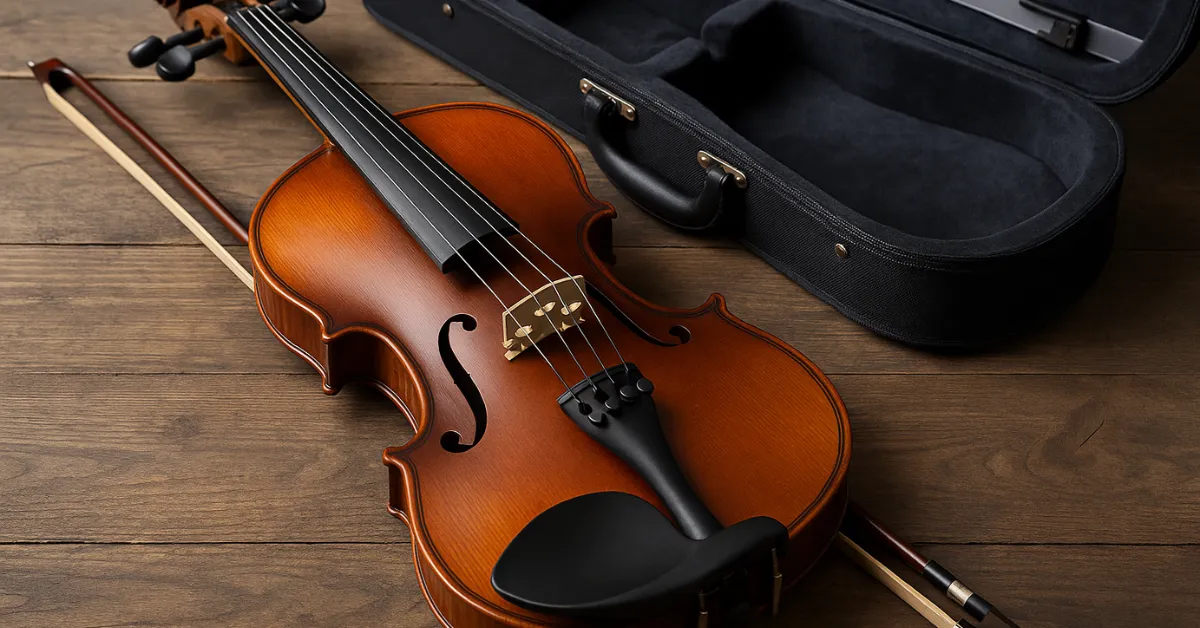
Violin wood colour with case

Rosin is essential for bow grip. A good case protects your bow from warping.

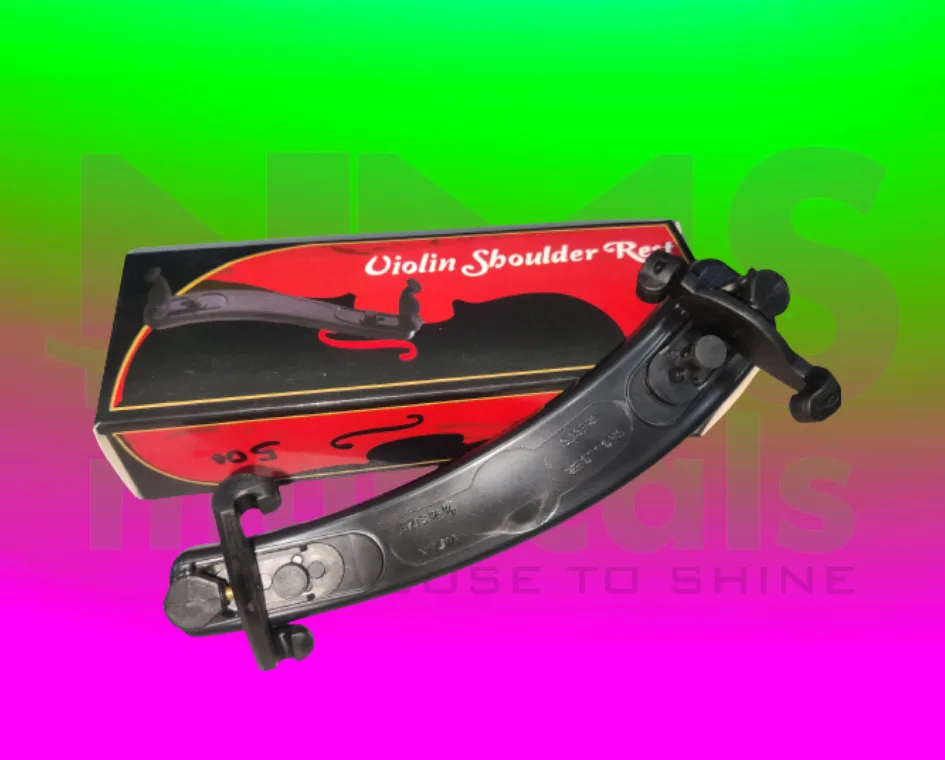
10.2 Violin Shoulder Rest

A padded rest offers comfort and helps maintain posture during long practice sessions.

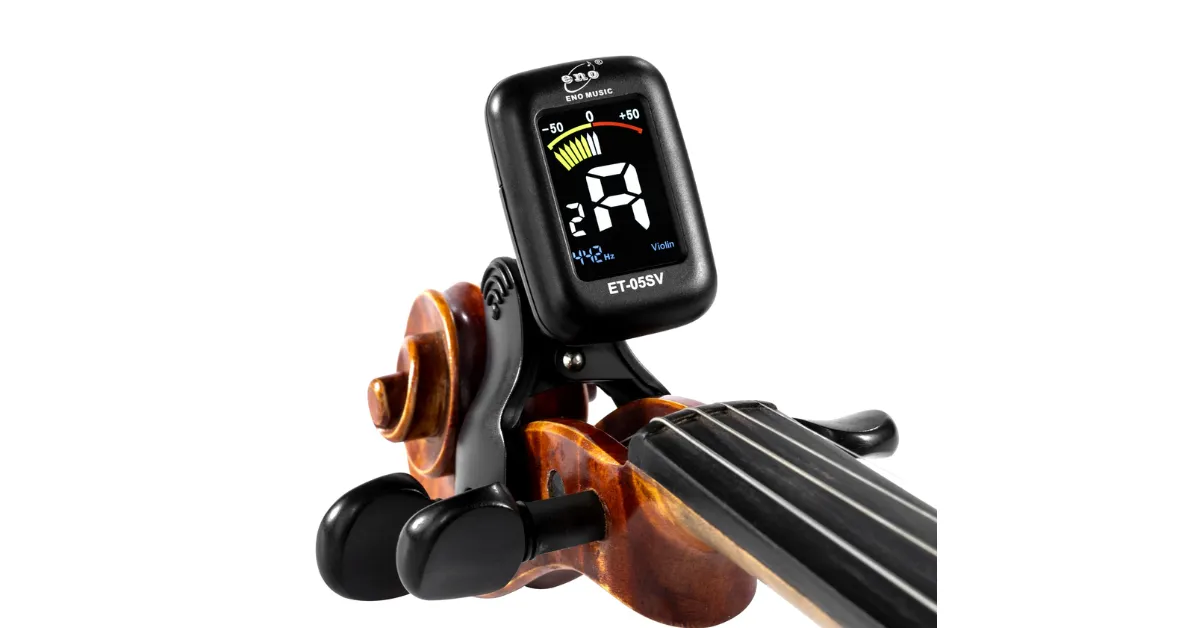
10.3 Electronic Tuner

why choose the violin in India

Tuning is critical in Indian classical music. A digital tuner helps maintain perfect pitch before each session.


CONCLUSION

The violin isn’t just an instrument; it’s an experience, a lifelong companion for those who seek musical depth and expression. Its place in Indian classical music, coupled with its adaptability across genres, makes it an invaluable choice for learners and professionals. Whether you’re drawn to the soul-stirring sounds of Carnatic ragas, the grandeur of Hindustani music, or the fusion of modern styles, the violin is a key that opens countless musical doors.

So, why choose the violin? Because it offers not just technical brilliance, but emotional storytelling, cultural heritage, and a path to musical mastery.


At NMS Musicals, we offer a comprehensive range of musical instruments, including percussion, string, wind, and keyboard instruments. Our services encompass sales, expert servicing, and the manufacture of leather instruments. Explore our diverse collection and find the perfect instrument to suit your musical needs.

Visit our website to browse our offerings: nmsmusicals.in

For a closer look at our products, check out our shop page: nmsmusicals.in/shop

Stay connected with us through our social media channels:
Our shop locations are:

For inquiries, contact/Whatsapp us at 9500663895 or email us at laxman.m89@gmail.com.

Discover the world of musical instruments with NMS Musicals today!

For a visual overview of our percussion instruments, watch the following video:

best drum sets for quiet home practice 1

Explore the best drum sets for quiet home practice perfect for Indian homes

Explore the best drum sets for quiet home practice perfect for Indian homes

best drum sets for quiet home practice

In a country like India where music is deeply rooted in our culture yet space and sound constraints are common in most households, finding the best drums for practice at home can be a real challenge. Whether you’re a beginner looking to learn, a parent helping a child pursue a passion, or a seasoned drummer wanting to hone your skills quietly, the need for a quiet, budget-friendly, and apartment-friendly drum set is undeniable.

This guide breaks down the best options—ranging from electronic drum kits to compact acoustic alternatives and even traditional Indian drumming practice setups. We’ll help you choose the right drums that won’t wake the neighbors, break the bank, or compromise on quality.


1. Why Home-Friendly Drum Kits Matter in India

Indian households often face a unique challenge: thin walls, closely packed apartments, and a high sensitivity to noise. This makes it difficult to practice traditional acoustic drums without disturbing family or neighbors. Hence, the best drums for practice at home must be:

  • Quiet or noise-controlled
  • Space-saving and portable
  • Affordable and low maintenance
  • Compatible with Indian music styles

The good news is, there are plenty of options available today that meet all these criteria.


2. Electronic Drum Kits: The Ultimate Quiet Option

If silence is your top priority, electronic drum kits are your best bet. These kits allow you to plug in headphones, adjust volume, and even experiment with different drum sounds—all without making a peep.

Top Picks for Indian Users:

  • Alesis Nitro Mesh Kit: Ideal for beginners, features responsive mesh heads and quiet play.
  • Yamaha DTX402K: Durable, silent, and perfect for Indian-style rhythms and western beats.
  • Roland TD-1K: A bit pricey but extremely reliable and compact.

Why They’re Great:

  • Built-in metronomes and coaching functions
  • Compact design fits in small rooms
  • Quiet mesh pads minimize disturbance
  • MIDI output for digital recording or music classes online

These kits are available across Indian e-commerce platforms like Amazon, Flipkart, and Bajaao.


3. Acoustic Drum Kits with Sound Dampening Options

Not ready to go fully electronic? You can still opt for an acoustic kit and make it quieter by using practice pads, rubber mutes, or mesh heads.

Best Budget Acoustic Kits:

  • Havana Beginner Drum Set: Indian brand offering full-size kits under ₹20,000.
  • Pearl Roadshow: Popular for its quality and beginner-friendly setup.

Tips to Quiet Down Acoustic Kits:

  • Add drum mutes or silencers on each drum
  • Use low-volume cymbals
  • Place carpets or foam underneath to reduce vibrations
  • Install practice mesh heads

This setup is ideal if you want the feel of an acoustic kit but in a less noisy format.


4. Practice Pads and Tabletop Kits

For students or musicians who just want to work on hand coordination, rhythm, or stick control, practice pads and tabletop kits are excellent.

Recommended Options:

  • Vic Firth Practice Pad: Durable, realistic rebound
  • Remo Tunable Pad: Easily tunable to match feel of real drums
  • SoundX Practice Kit: Widely available in India, especially for schools

Why Choose Practice Pads:

  • Incredibly quiet
  • Portable and lightweight
  • Affordable (₹700 to ₹2000)
  • Great for building muscle memory

Pair it with a metronome or tabla app on your phone to practice traditional Indian rhythms like teentaal or dadra.


5. Indian Percussion Alternatives for Practice

If you’re into Indian music, you might want to consider tabla-style practice kits or electronic tabla machines.

Tabla Practice Options:

  • Dayan-only Pads: For silent right-hand practice
  • Electronic Tabla by Radel or Taalmala: Helps simulate lehra and rhythm practice
  • Tabla Drum Pads: Available online, mimic feel of tabla without full resonance

These alternatives are widely used by students in Indian classical schools and are especially useful in apartment settings.


6. Hybrid Kits: Acoustic Feel + Electronic Control

Hybrid kits combine the best of both worlds—real drums fitted with sensors or triggers connected to a sound module.

Top Hybrid Picks:

  • Roland V-Drums Acoustic Design (VAD)
  • Yamaha Hybrid Drum Module with Traditional Kit

While on the expensive side, they offer versatility for serious musicians who play both Indian and Western music styles.

You can practice silently with headphones and still get the feel of a full-sized acoustic drum set. Some hybrid kits allow you to import Indian percussion sounds too!


7. Compact Kits for Small Spaces

Don’t have enough space for a full-size drum kit? Look for compact drum kits that are designed specifically for small apartments.

Great Space-Saving Options:

  • Alesis CompactKit 4: A tabletop electronic drum kit with built-in speakers and headphone jack
  • Carlsbro CSD130: Foldable, light, and easy to move
  • Havana 3-Piece Junior Drum Kit: Great for kids in India with space-saving design

They are highly rated for practice use, especially for city homes where space is a premium.


8. Budget-Friendly Options Under ₹15,000

Drumming shouldn’t break the bank. There are plenty of silent or practice-focused kits under ₹15,000 that are excellent for Indian households.

Value-for-Money Kits:

  • Swan7 Practice Kit: Perfect for beginners
  • Havana Junior Acoustic Kit
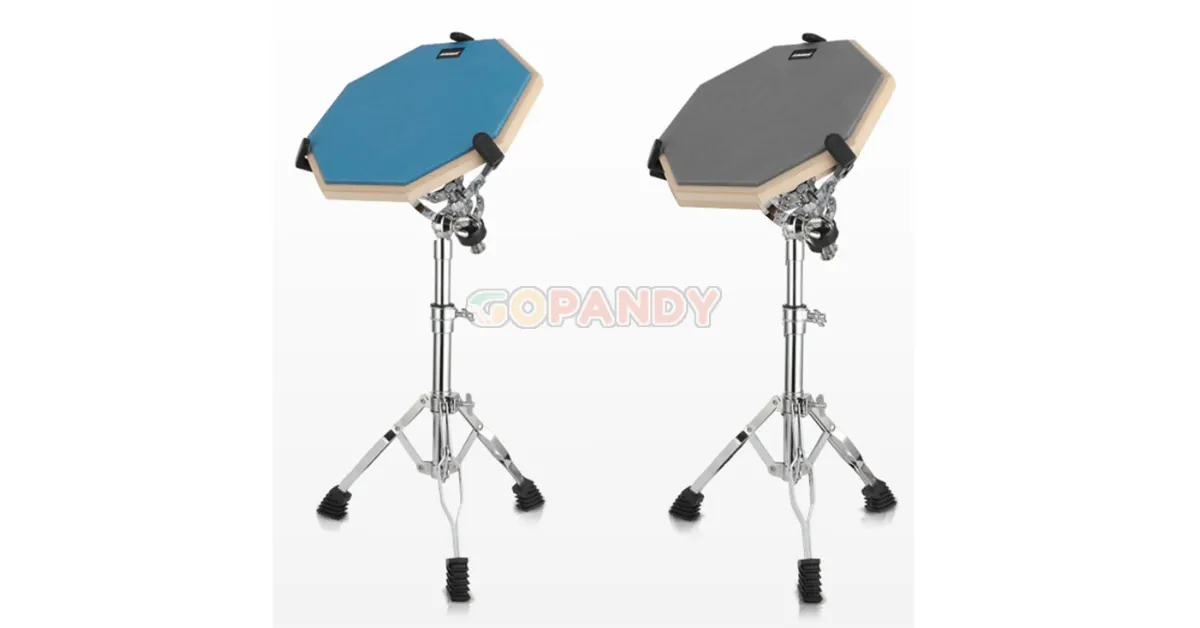
  • Maxtone Drum Practice Pad with Stand

Many of these are available in India’s music stores and online marketplaces. Always check for warranty, return policy, and replacement parts availability before buying.


9. Drum Accessories to Enhance Practice

No matter which type of drum you choose, certain accessories can make your home practice better and quieter.

Must-Have Add-ons:

  • Noise-reducing drumsticks (like Vic Firth Sound Off)
  • Practice foot pedals
  • Foldable drum stools
  • Drum mats to prevent slipping and absorb sound

These tools are affordable and can turn any drum set into a practice-friendly powerhouse.


10. Apps and Tools to Support Daily Drumming

Pair your kit with digital tools to improve timing, tempo, and skill:

  • Metronome Apps: Soundbrenner, Metronome Beats
  • Lehra Apps: For tabla or classical rhythms
  • Tuner and EQ Apps: For setting up your drum kit sound
  • Recording Software: GarageBand or FL Studio for basic playback

These support tools are especially helpful if you’re taking online music classes or YouTube lessons.


Conclusion

Finding the best drums for practice at home is not just about minimizing noise—it’s about maximizing potential. Whether you’re learning to groove to Bollywood rhythms, perfecting a classical composition, or just building coordination and timing, there’s a drum set that fits your budget, lifestyle, and space.

From quiet electronic kits to traditional Indian percussion alternatives and beginner acoustic setups with dampeners, the options are more diverse and accessible than ever—especially in India. With the right practice gear, even the smallest apartment can become your personal music studio.

So go ahead—choose a set that matches your vibe and let your hands do the talking. Because practice doesn’t need a stage, just passion and the right tools.


At NMS Musicals, we offer a comprehensive range of musical instruments, including percussion, string, wind, and keyboard instruments. Our services encompass sales, expert servicing, and the manufacture of leather instruments. Explore our diverse collection and find the perfect instrument to suit your musical needs.

Visit our website to browse our offerings: nmsmusicals.in

For a closer look at our products, check out our shop page: nmsmusicals.in/shop

Stay connected with us through our social media channels:
Our shop locations are:

For inquiries, contact/Whatsapp us at 9500663895 or email us at laxman.m89@gmail.com.

Discover the world of musical instruments with NMS Musicals today!

For a visual overview of our percussion instruments, watch the following video:
Make Music with Your Voice 1

Amazing Ways to Make Music with Your Voice

Learn the best vocal techniques to make music with your voice, including Indian vocal practices for beginners and kids.

Make Music with Your Voice

The most powerful instrument you already possess is your voice. Whether you’re humming a tune, singing a raga, or trying to match a Bollywood melody, your voice is the ultimate tool for self-expression. In a country like India where music runs through every festival, film, and prayer, learning how to make music with your voice is both culturally rich and emotionally rewarding. This blog will walk you through essential vocal techniques, Indian classical practices, and modern tips that help kids, teens, and beginners make the most out of their voice as a musical instrument.


1. Understand Your Voice as a Musical Instrument

Your voice, like any Indian musical instrument, needs care, tuning, and regular practice.

  • Think of your vocal cords like strings on a sitar.
  • Your breath is the airflow—just like in a flute.
  • Your mouth and tongue act as modifiers, like frets on a veena.

Understanding this helps build respect for your own voice and how it functions musically.


2. Start with Breathing Techniques

Strong breath control is the foundation of good singing.

  • Abdominal Breathing: Breathe from your stomach, not your chest.
  • Anulom Vilom (Alternate Nostril Breathing): Common in Indian practice to calm nerves and improve control.
  • Practice slow inhalation and exhalation to increase lung capacity.


3. Practice Indian Swaras Daily

In Indian music, the basic notes or swaras are: Sa, Re, Ga, Ma, Pa, Dha, Ni, Sa.

  • Sing these slowly in ascending and descending order.
  • Begin with lower octave (Mandra Saptak), then middle, then higher octave.
  • This warms up your voice and trains your ear


4. Learn the Importance of Shruti and Taal

Indian music focuses not only on pitch (Shruti) but also on rhythm (Taal).

  • Use Tanpura apps to practice shruti.
  • Clap with simple taals like Teen Taal or Keharwa while singing.
  • This builds timing, rhythm, and listening skills.


5. Explore Your Vocal Range Safely

Push your vocal range slowly and gently.

  • Try to sing from your lowest comfortable note to the highest.
  • Never strain your throat; stop if it hurts.
  • Record your range and track progress weekly.


6. Learn Different Types of Voice Tones

Different songs require different vocal styles.

  • Head Voice: Higher notes, lighter sound—used in classical and bhajans.
  • Chest Voice: Natural voice—used in daily singing.
  • Mixed Voice: Blending both for powerful performances.


7. Try Indian Ragas for Beginners

Start with simple ragas that are pleasing and easier to learn.

  • Raga Yaman: Sweet and soothing, usually sung in the evening.
  • Raga Bhupali: Easy for beginners with basic swaras.
  • Sing with a Tanpura or harmonium background for better feel.


8. Do Regular Voice Exercises

Just like athletes train muscles, singers must train vocal cords.

  • Lip trills: Relaxing vibrations for smooth airflow.
  • Humming: Gentle way to warm up vocal cords.
  • Jantar (Swar Pattern): Sa Re Ga, Re Ga Ma… etc.


9. Focus on Enunciation and Pronunciation

Indian songs have rich language diversity—Sanskrit, Hindi, Tamil, Telugu, etc.

  • Practice each syllable clearly.
  • Sing slowly at first.
  • Record and compare with original songs.


10. Sing Simple Indian Songs

Start with bhajans or folk songs.

  • “Raghupati Raghav”, “Vaishnava Jan To”, “Ma Tujhe Salaam” are great beginner songs.
  • These help build vocal strength, clarity, and emotion.


11. Mimic and Then Innovate

Mimicking is a powerful way to train your voice.

  • Try copying your favorite Indian playback singers like Lata Mangeshkar or Arijit Singh.
  • Once comfortable, try adding your own style.
  • Record both versions and compare.


12. Maintain Good Vocal Hygiene

Caring for your voice is just as important as practice.

  • Avoid cold water and spicy food before singing.
  • Drink warm water or herbal tea.
  • Rest your voice if it feels strained.


13. Practice Daily in Small Sessions

Consistency beats intensity.

  • Practice for 15 minutes in the morning and 15 in the evening.
  • Choose one technique per session: swaras, taal, or ragas.
  • Keep a progress journal.


14. Record Yourself Often

Listening to your own recordings can be eye-opening.

  • Use a smartphone or basic recording app.
  • Check for pitch, timing, and clarity.
  • Compare recordings monthly.


15. Sing with Indian Instruments

Use simple Indian instruments to accompany your singing.

  • Tanpura (or digital tanpura) for shruti stability.
  • Harmonium for learning melody.
  • Tabla or electronic tabla for rhythm practice.


16. Join a Local or Online Vocal Class

Learning from a trained Indian vocalist can fast-track your progress.

  • Look for classes in Hindustani or Carnatic music.
  • Platforms like Shankar Mahadevan Academy, MusicKraft, or Furtados offer excellent online courses.


17. Learn Alankars and Sargam Patterns

These are melodic patterns that build vocal flexibility.

  • Practice Alankars in slow tempo, then faster.
  • Use Sargam drills to train muscle memory.


18. Explore Classical and Contemporary Indian Styles

Don’t limit yourself to one genre.

  • Try Carnatic Kriti, Bollywood ghazals, and devotional bhajans.
  • Each style teaches different vocal skills.


19. Practice Singing Without Instruments

Try A cappella singing—without any instrument.

  • Improves pitch accuracy.
  • Boosts vocal independence.


20. Perform in Front of Family or Friends

Performance builds confidence.

  • Start small—sing during family get-togethers.
  • Record and post your singing on social media.
  • Participate in school or community singing contests.


Conclusion

Learning how to make music with your voice isn’t just about becoming a great singer—it’s about unlocking your own creative power. In India, where every home has its own musical flavor, vocal music forms an essential part of our culture. By practicing the right breathing, learning swaras, experimenting with ragas, and using Indian instruments for support, you can turn your voice into a beautiful, expressive instrument. With consistency, passion, and a little help from the techniques mentioned above, anyone—from a curious beginner to a determined teen—can build a lifelong relationship with music. So take a deep breath, start your swaras, and let your voice tell its story.


At NMS Musicals, we offer a comprehensive range of musical instruments, including percussion, string, wind, and keyboard instruments. Our services encompass sales, expert servicing, and the manufacture of leather instruments. Explore our diverse collection and find the perfect instrument to suit your musical needs.

Visit our website to browse our offerings: nmsmusicals.in

For a closer look at our products, check out our shop page: nmsmusicals.in/shop

Stay connected with us through our social media channels:
Our shop locations are:

For inquiries, contact/Whatsapp us at 9500663895 or email us at laxman.m89@gmail.com.

Discover the world of musical instruments with NMS Musicals today!

For a visual overview of our percussion instruments, watch the following video:
Teach Your Child Keyboard

Powerful Ways to Teach Your Child Keyboard Easily

Learn smart, effective ways to teach your child keyboard with fun strategies.

Teach Your Child Keyboard

Music can be one of the most magical gifts you give your child. It not only enhances cognitive skills but also builds patience, discipline, and emotional intelligence. Among the many instruments children can learn, the keyboard is an excellent choice for beginners. Whether your child is 5 or 15, learning to play the keyboard can open a world of creativity and confidence. In Indian households where classical and modern music beautifully co-exist, the keyboard acts as a bridge between traditional ragas and contemporary music. This blog focuses on how to teach your child keyboard through fun, simple, and effective strategies, especially when incorporating Indian music elements.


1. Understand Why the Keyboard Is Ideal for Beginners

The keyboard is often considered one of the best starter instruments for children due to its visual simplicity and versatility. Unlike stringed instruments, where finger placement is tricky, a keyboard’s notes are clearly laid out in a sequence.

  • Visual Learning: Children can easily see which notes to press.
  • Versatile Sound Bank: Indian keyboards often come with built-in tabla, harmonium, and sitar sounds.
  • Affordable Options: Many budget-friendly keyboards with Indian instrument tones are available.


2. Choose the Right

Not every keyboard is designed for a beginner or a child. When choosing one for your child, consider the following:

  • Number of Keys: Start with a 49 or 61-key model.
  • Touch Sensitivity: Important for building proper hand strength.
  • Indian Tones: Choose brands that support Indian tones like harmonium or tabla beats. Yamaha, Casio, and Roland have great entry-level models.
  • Portability: Lightweight models are easier for practice on the go.


3. Create a Positive Practice Environment

Children learn best when they feel encouraged.

  • Dedicated Practice Time: Same time every day for consistency.
  • Distraction-Free Zone: Quiet space with good lighting.
  • Comfortable Seating: Make sure your child sits at the correct height.
  • Decorate With Inspiration: Photos of famous Indian musicians or art around the area.


4. Begin with Indian Basic Notes (Swaras)

Start teaching Sa Re Ga Ma Pa Dha Ni Sa before diving into Western notation. It’s familiar and rooted in Indian music culture.

  • Teach through singing the swaras first.
  • Use keyboard stickers for note identification.
  • Introduce simple Indian bhajans or patriotic songs.


5. Combine Learning with Indian Rhythmic Patterns

Once your child understands the basic keys, introduce them to Indian taals using in-built tabla rhythms in keyboards.

  • Teen Taal, Keharwa, and Dadra can be fun to play with.
  • Use rhythm practice to help your child keep tempo.
  • Combine ragas with beat loops to build listening skills.


6. Use Visual and Interactive Learning Methods

Kids respond better to visual cues and interactive elements.

  • Apps like Riyaz or Sargam offer Indian music support.
  • Color-coded sheet music for beginners.
  • Watch YouTube videos by Indian music tutors together.


7. Break Down Songs into Simple Chunks

Instead of teaching an entire song, break it into small parts.

  • Start with intro melody, then chorus, then verse.
  • Use simple Indian rhymes like “Nani Teri Morni” or “Vande Mataram”.
  • Celebrate each part your child learns.


8. Keep the Practice Fun and Gamified

Children love challenges and rewards. Make practice a game.

  • Reward Charts: Stickers or stars for every new note learned.
  • Friendly Competitions: With siblings or classmates.
  • Record and Replay: Let them hear their progress.


9. Encourage Playing by Ear

Indian classical music heavily relies on ear training.

  • Let your child try to play back what they hear in TV shows or bhajans.
  • Don’t worry about mistakes; this improves ear-hand coordination.
  • Use Tanpura apps to play background shruti for ear stability.


10. Take Advantage of Indian Online Music Classes

In India, there are now a growing number of digital keyboard tutors.

  • Platforms like WhiteHat Jr, Shankar Mahadevan Academy, and Furtados School of Music offer child-friendly classes.
  • Seek teachers trained in Hindustani or Carnatic styles.


11. Understand Your Child’s Learning Style

Is your child a visual learner or an auditory one?

  • If visual, use colorful note charts and printed sheet music.
  • If auditory, focus on listening and playing back sounds.
  • If kinesthetic, allow movement during learning.


12. Teach Basic Chords and Harmonies Early

Even simple C Major or Sa-Ma-Pa patterns can make music sound rich.

  • Use Indian devotional music that uses 3-note chords.
  • Gradually move to 4-note chords as hand strength improves.


13. Celebrate Small Wins with Performances

Arrange monthly home performances.

  • Invite family or neighbors.
  • Record and save performances.
  • Appreciate effort over perfection.


14. Introduce Simple Compositions

Encourage creativity by letting them compose their own tunes.

  • Use backing rhythms and loops.
  • Let them name their songs.
  • Encourage Indian raga-based compositions.


15. Balance Learning with Fun Songs

Alongside classical training, let your child learn fun Bollywood or folk songs.

  • It builds excitement.
  • Indian festival music like Diwali or Holi songs are great.


16. Set a Growth Mindset from the Start

Tell your child that practice makes progress, not perfection.

  • Encourage even if they play the wrong note.
  • Compare their progress only to their past self.
  • Involve them in the learning plan.


17. Bond Through Music

Make keyboard time a family activity.

  • Sing while they play.
  • Play duets with siblings.
  • Encourage grandparents to join—especially with bhajans.


18. Enroll in Local Music Programs or Competitions

Many Indian schools and music institutes conduct annual keyboard competitions or concerts.

  • Participating helps build stage confidence.
  • Performing encourages disciplined practice.


19. Gradually Introduce Western Notation (Optional)

Once your child is confident with Indian swaras, slowly introduce A-B-C notation.

  • Helps with global music understanding.
  • Use hybrid songs with both notations.


20. Invest in Long-Term Learning Tools

  • Buy a keyboard stand and pedal for better playing posture.
  • A notebook for documenting learning.
  • Consider a better keyboard as they improve.


Conclusion

Helping your child learn to play the keyboard is more than just music education—it’s an investment in their confidence, creativity, and cultural connection. In India, where musical traditions run deep, combining modern techniques with classical elements creates a rich and engaging learning experience. By using a structured, loving, and fun approach, you can help your child not only learn to play the keyboard but to truly love it. Whether it’s the joy of playing a bhajan for grandparents or experimenting with a new melody, the journey of learning music will leave a lasting impression on your child’s life. So pick the right keyboard, create a nurturing space, and begin this wonderful journey together!


At NMS Musicals, we offer a comprehensive range of musical instruments, including percussion, string, wind, and keyboard instruments. Our services encompass sales, expert servicing, and the manufacture of leather instruments. Explore our diverse collection and find the perfect instrument to suit your musical needs.

Visit our website to browse our offerings: nmsmusicals.in

For a closer look at our products, check out our shop page: nmsmusicals.in/shop

Stay connected with us through our social media channels:
Our shop locations are:

For inquiries, contact/Whatsapp us at 9500663895 or email us at laxman.m89@gmail.com.

Discover the world of musical instruments with NMS Musicals today!

For a visual overview of our percussion instruments, watch the following video:
Unbeatable Guide to Beginner or Professional Drum Kit Choice

Top-Rated Best Drum Kit for Rock Music Enthusiasts

A Complete Guide to the Best Drum Kit for Rock Music Enthusiasts in India

Best Drum Kit for Rock Music Enthusiasts in India

When it comes to the thunderous energy of rock music, the drum kit is the beating heart that sets the rhythm and energy. Whether you’re a beginner looking to start your rock journey or an intermediate drummer aiming to upgrade, understanding how to choose the best drum kit for rock music enthusiasts is crucial. For Indian musicians, selecting the right drum kit also means considering availability, pricing, and compatibility with Indian styles and brands. This blog will guide you through every step of choosing the ideal drum kit—focusing on rock genre needs, Indian instrument options, and smart buying tips.


1. Understanding the Role of Drums in Rock Music

The drum kit in rock is not just an accompaniment—it’s a central force. The loud, aggressive, and precise beats drive the energy, and rock genres like classic rock, alternative rock, punk, and metal all demand unique drumming techniques. A good drum kit should provide the tonal range, durability, and flexibility to match these styles.


2. Acoustic vs Electronic Drum Kits for Rock

Acoustic Drum Kits:

  • Loud and organic sound
  • Ideal for live rock performances
  • Gives dynamic range and real drumstick feel
    Electronic Drum Kits:
  • Great for home practice with volume control
  • Built-in effects and sound customization
  • Compact and portable

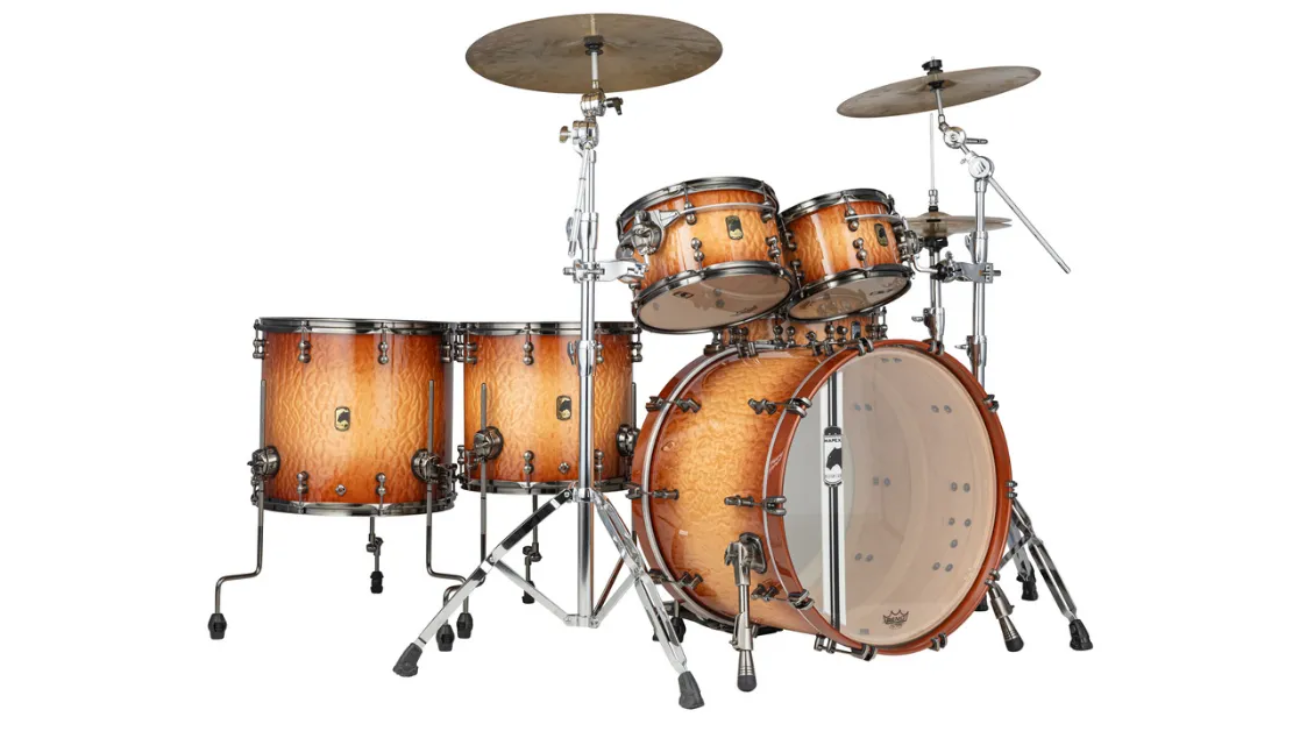
For Indian homes with sound constraints, electronic kits like the Alesis Nitro Mesh Kit or Roland TD-1K are popular choices. But for professional rock gigs, acoustic sets from Mapex, Pearl, and Yamaha remain the top choices.


3. Key Components of a Rock Drum Kit

To choose the best drum kit for rock music enthusiasts, you need to understand what the kit includes:

  • Bass Drum: Should be large (22” or more) for deep thump
    Best Drum Kit for Rock Music Enthusiasts in India 1
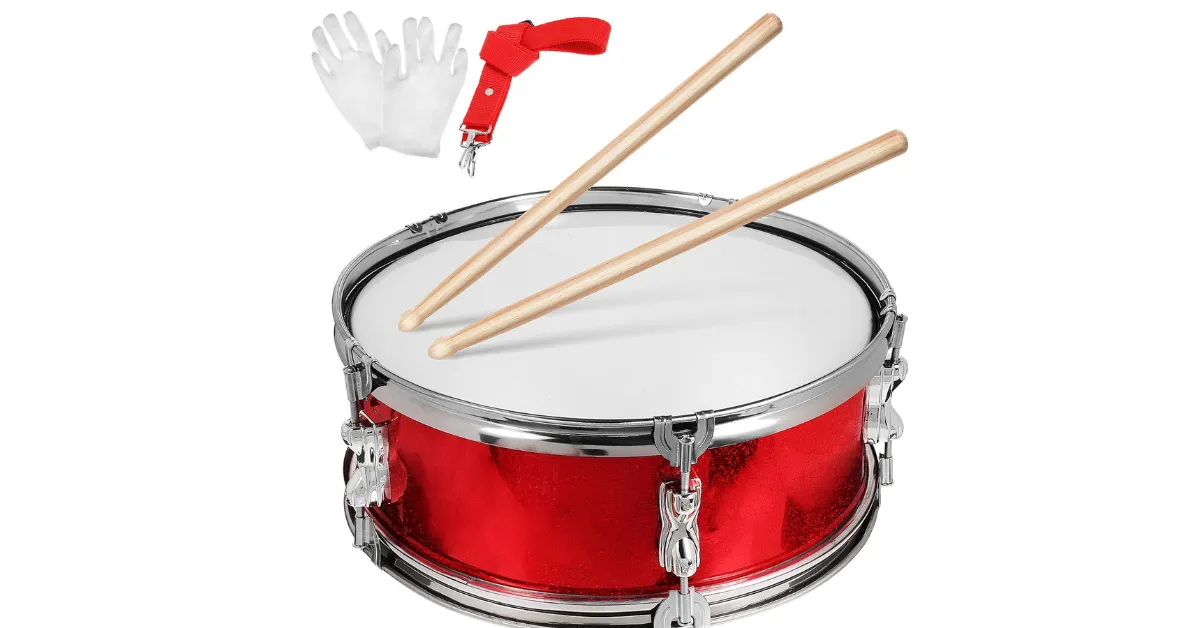
  • Snare Drum: Bright and cracking tone—maple or birch preferred
    Best Drum Kit for Rock Music Enthusiasts in India 3
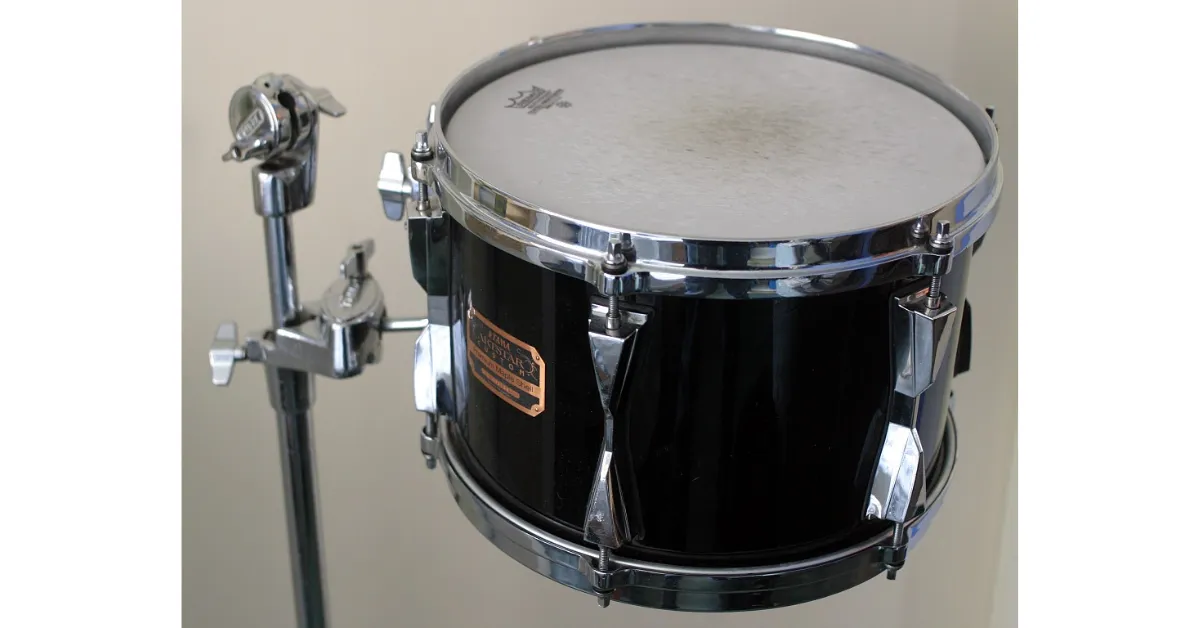
  • Toms (High, Mid, Floor): Provide melodic fills and rolls
    Best Drum Kit for Rock Music Enthusiasts in India 4
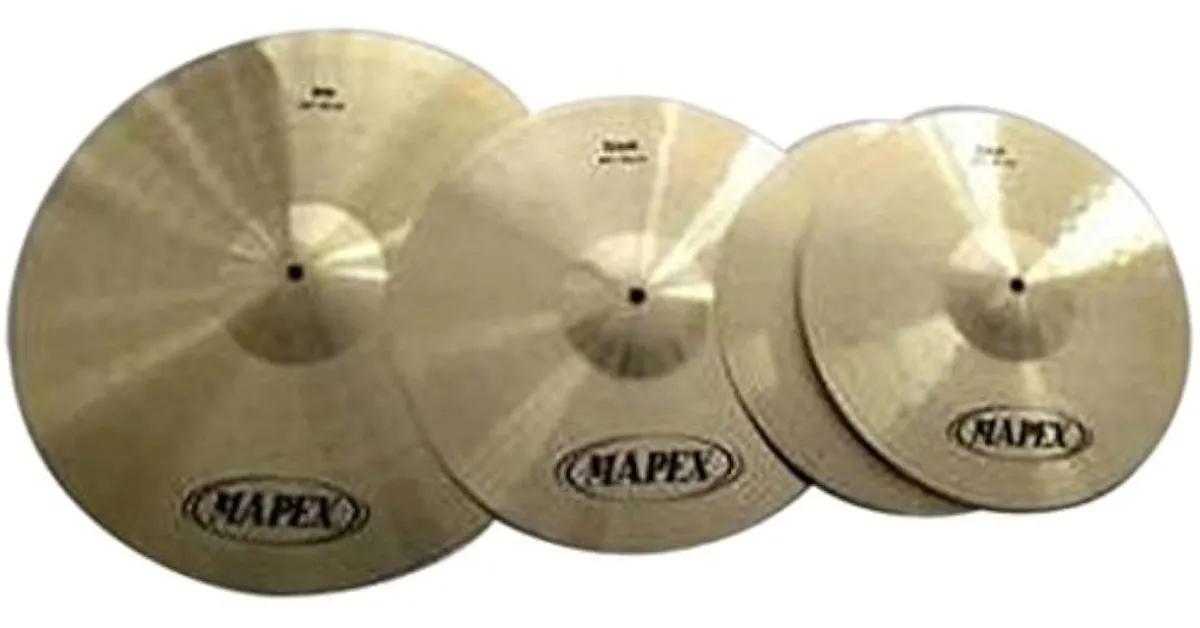
  • Hi-Hats, Crash, and Ride Cymbals: Key for timing and accents
    Best Drum Kit for Rock Music Enthusiasts in India 5

Choose heavy-duty cymbals from brands like Zildjian or Sabian, widely available in Indian music stores.


4. Best Drum Kit Brands for Rock Music in India

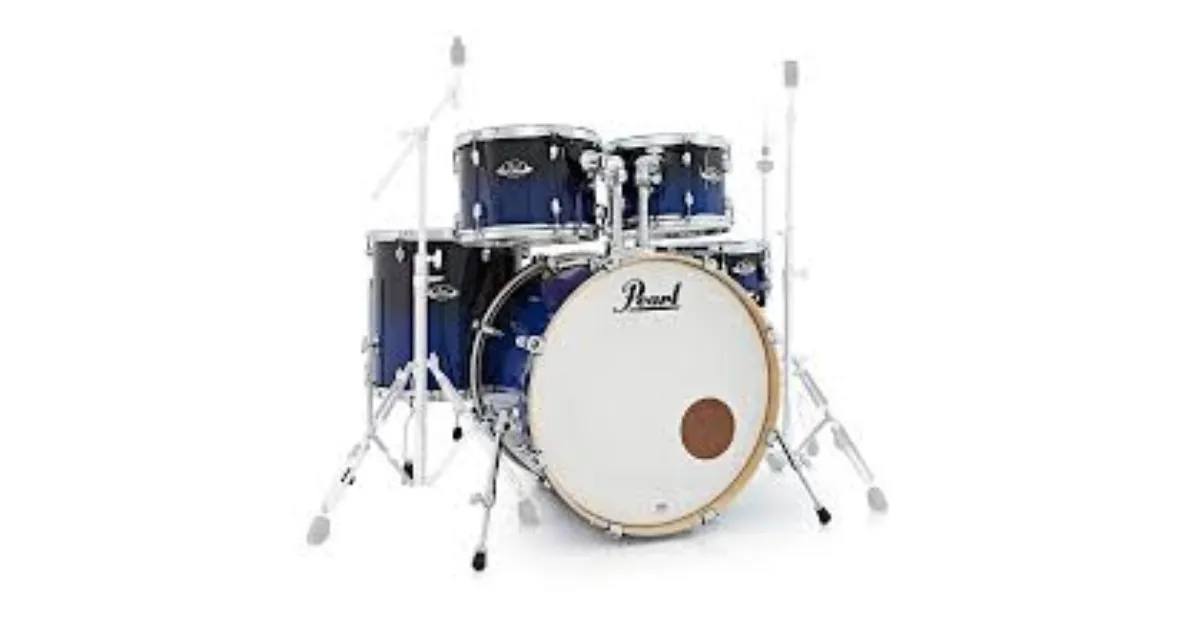
1. Pearl Export Series: Ideal for semi-pros, used by many Indian drummers
Best Drum Kit for Rock Music Enthusiasts in India 10
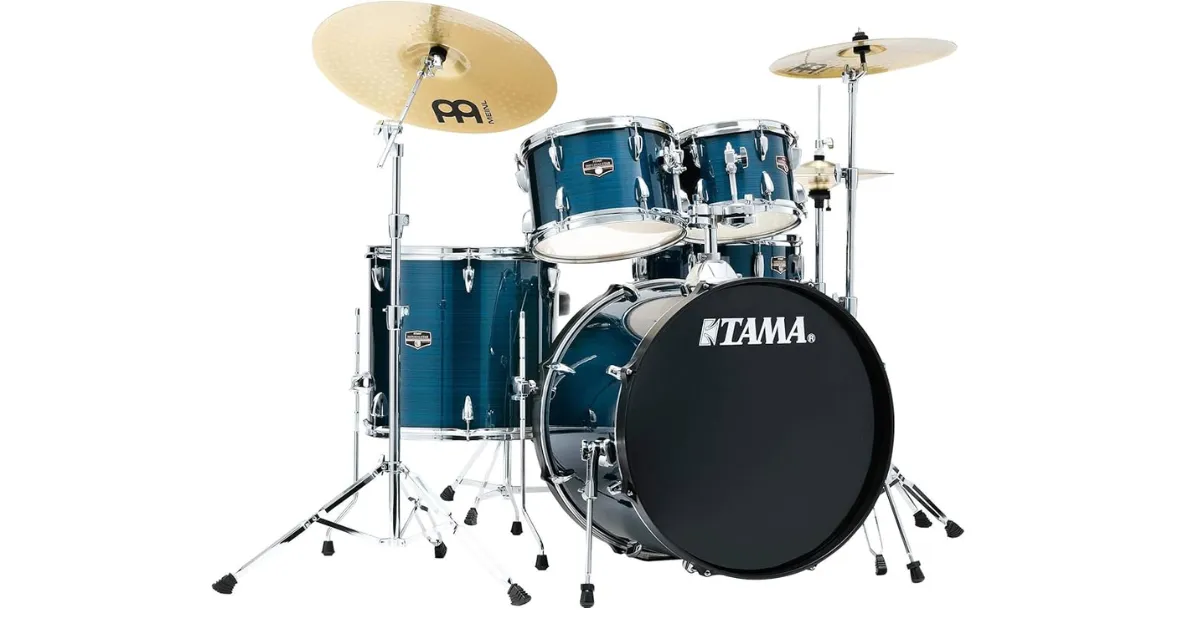
2. Tama Imperialstar: Versatile, durable, with great cymbal packs
Best Drum Kit for Rock Music Enthusiasts in India 11
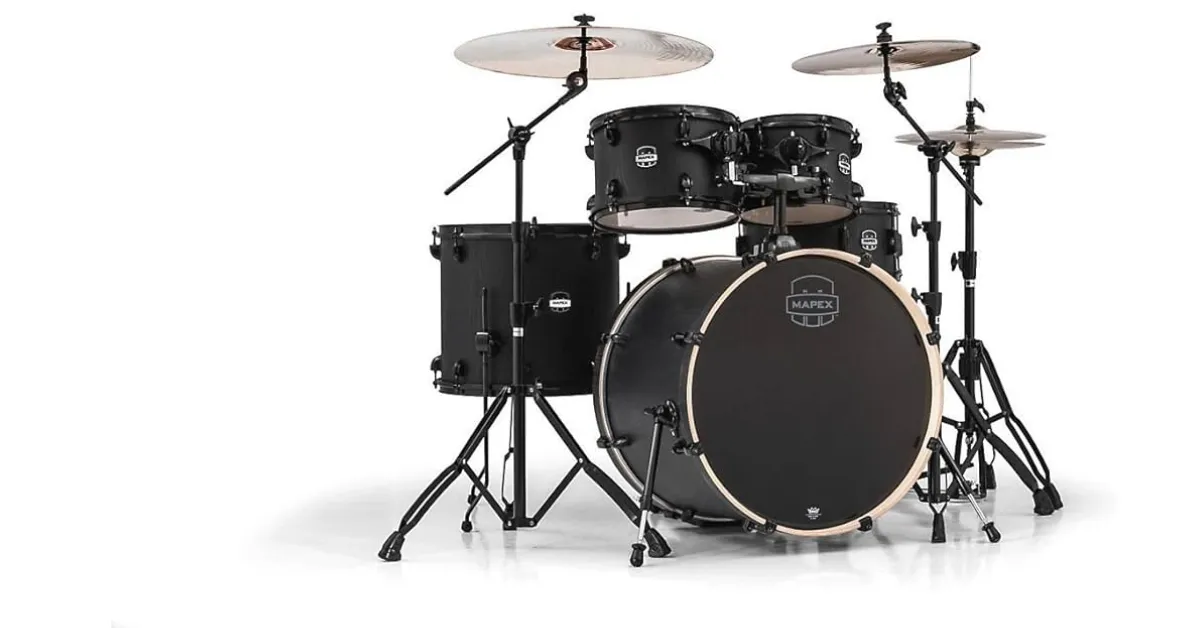
3. Mapex Mars Rock Kit: Loud, punchy sound perfect for rock
Best Drum Kit for Rock Music Enthusiasts in India 12
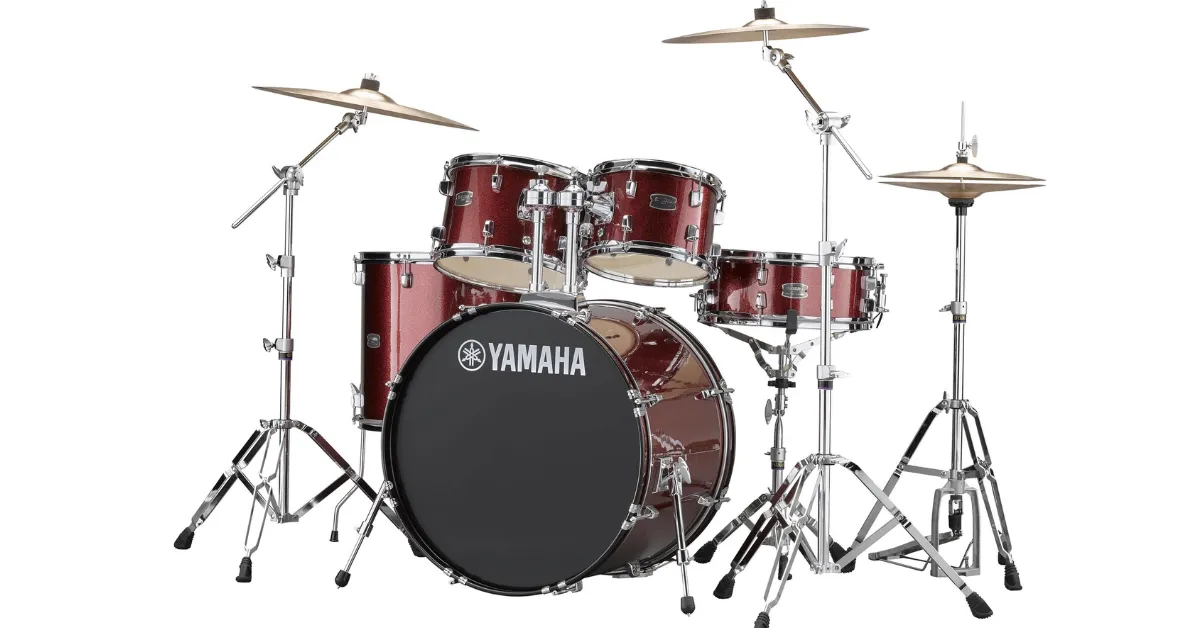
4. Yamaha Rydeen: Budget-friendly for beginners
Best Drum Kit for Rock Music Enthusiasts in India 13
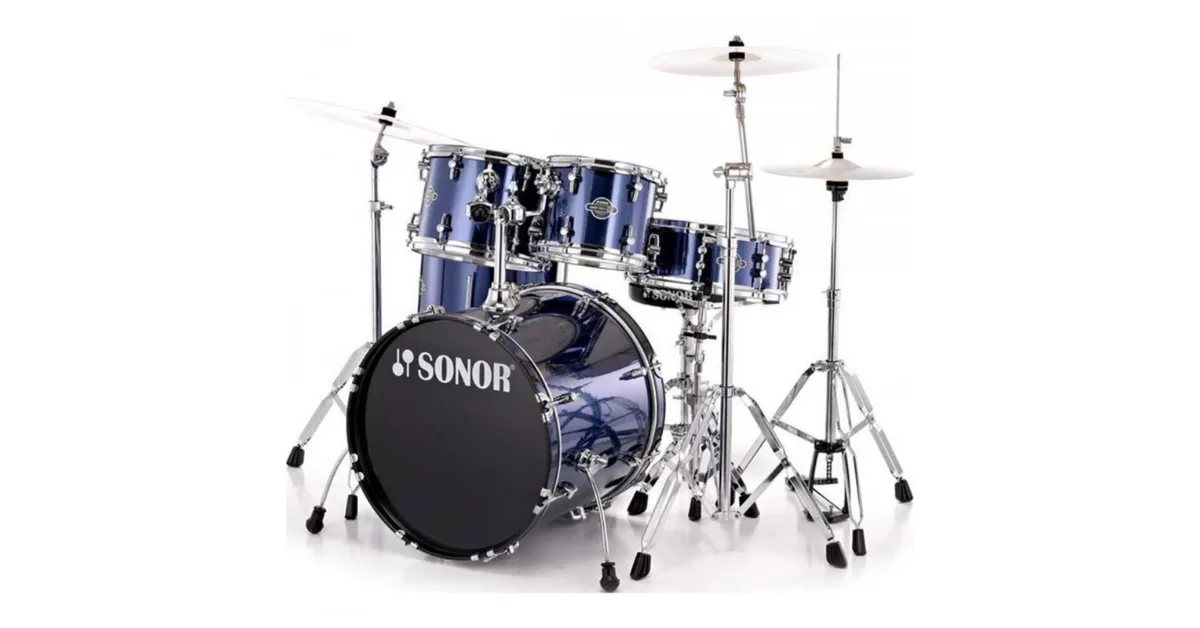
5. Sonor Smart Force: German quality, great sound projection
Best Drum Kit for Rock Music Enthusiasts in India 14

These kits are available on platforms like Bajaao, Amazon India, and NMS Musicals stores.


5. Choosing the Right Drum Material

The shell material impacts tone and resonance. For rock:

  • Maple: Warm and full-bodied tone, good for studio
  • Birch: Bright and cutting, ideal for live gigs
  • Poplar: Cheaper but acceptable for beginners

In India, maple and birch kits may cost more, but they’re worth the investment for serious rock drummers.


6. Hardware and Accessories to Consider

A great kit is only as good as its hardware.

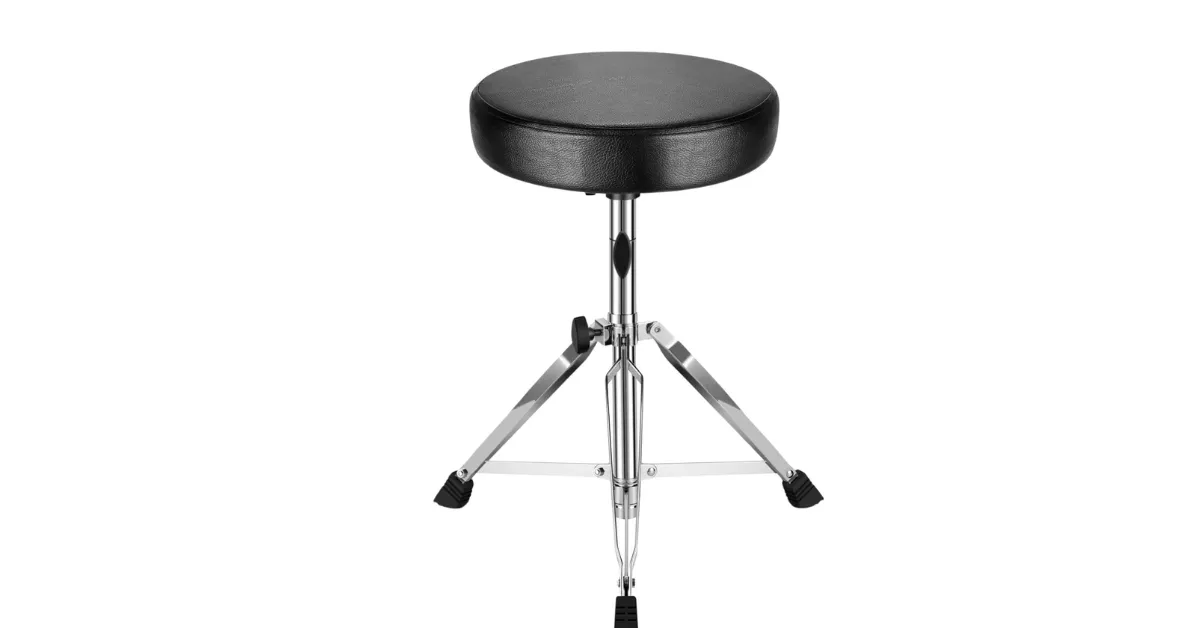
  • Drum Thrones: Comfortable seating is essential for long gigs
    Best Drum Kit for Rock Music Enthusiasts in India 6
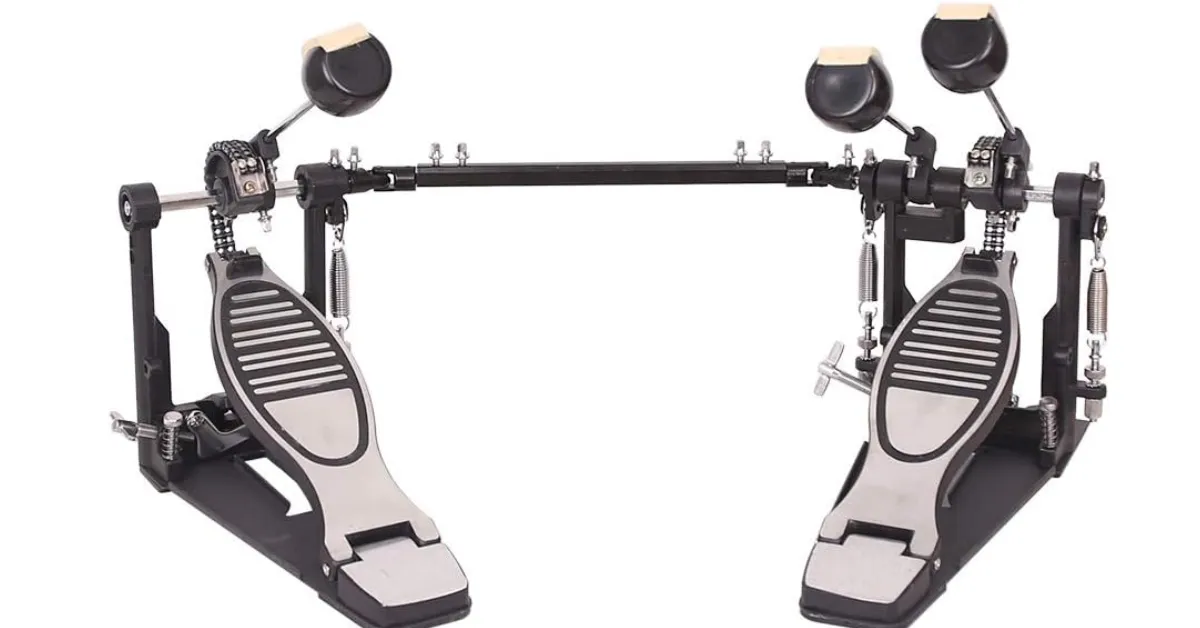
  • Double Bass Pedals: For genres like metal
    Best Drum Kit for Rock Music Enthusiasts in India 7
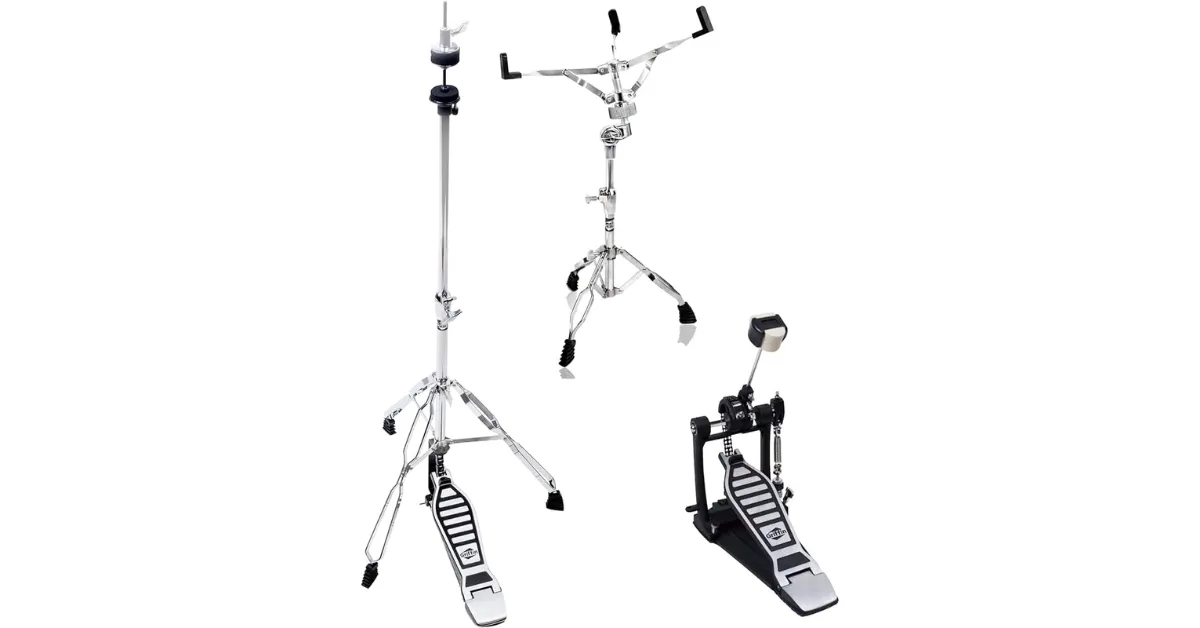
  • Hi-Hat Stand & Snare Stand: Adjustable and sturdy
    Best Drum Kit for Rock Music Enthusiasts in India 8
  • Cymbal Stands: Boom stands offer flexibility in positioning
    Cymbal Stands: Boom stands offer flexibility in positioning
Brands like Dixon, Gibraltar, and Tama offer reliable hardware commonly found in Indian markets.
    Brands like Dixon, Gibraltar, and Tama offer reliable hardware commonly found in Indian markets.


7. Beginner Rock Drum Kits in India

For beginners, affordability and ease-of-use matter. Some top entry-level kits:

  • Pearl Roadshow
  • Tama Stagestar
  • Kadence DP300 (India) – local brand gaining traction
  • Juarez 5-Piece Rock Drum Set – budget friendly and easily available online

Look for kits that come with stools, sticks, and setup guides.


8. Choosing Drum Sticks and Heads

  • Sticks: Size 5A or 5B for rock (brands: Vic Firth, ProMark)
    Ostar Blue Grip Drumsticks
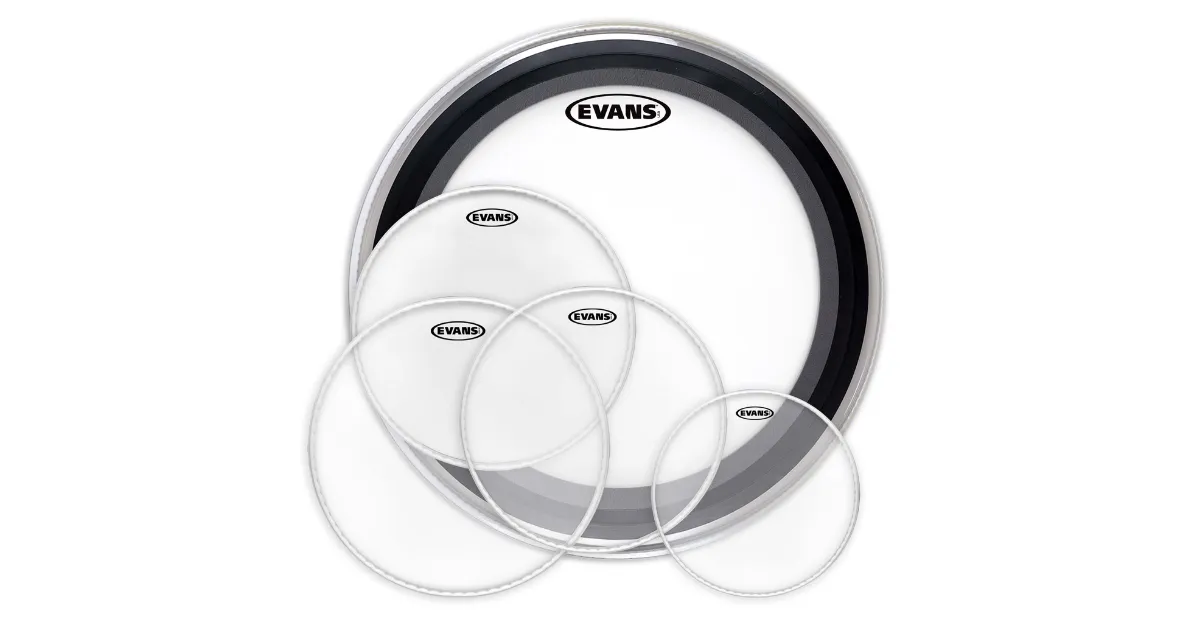
  • Drum Heads: Coated heads (Remo, Evans) give warm rock tone
    Best Drum Kit for Rock Music Enthusiasts in India 15
  • Practice Pads: Essential for silent practice
    Best Drum Kit for Rock Music Enthusiasts in India 16

In India, sticks and heads are widely available at music stores in Chennai, Mumbai, Delhi, and on online platforms.


9. Soundproofing and Practice at Home

Indian homes often lack acoustic treatment. To practice without disturbing others:

  • Use drum mutes or mesh heads
  • Opt for electronic kits with headphones
  • Practice in acoustically isolated rooms if possible
  • Consider soundproof mats or rugs to reduce vibration

Rock drumming is loud—practice etiquette matters in Indian apartments.


10. Buying New vs Used Drum Kits in India

New drum kits ensure warranty and reliability, but used kits can save money.
New Kits:

  • Full warranty
  • No wear and tear
  • Latest features
    Used Kits:
  • Cheaper
  • Ideal for experimentation
  • Check thoroughly for damage or replaced parts

Popular platforms for used gear: OLX, Facebook Marketplace, or music school sales.


11. Maintenance Tips for Long-Lasting Drum Kits

  • Tune your drums regularly using tuning keys
  • Keep the kit clean and dust-free
  • Replace worn-out drum heads every few months
  • Store in a dry area—Indian humidity damages wood shells
  • Oil pedals and hardware periodically

A well-maintained drum kit lasts decades—even in humid Indian conditions.


12. Upgrading Your Kit Over Time

Don’t feel pressured to buy everything at once. Start with basics:

  • Add crash cymbals or cowbells over time
  • Upgrade pedals and thrones after a year
  • Add toms or electronic triggers for hybrid kits

For Indian rock bands, customization is key—mix local percussion like dhol or kanjira for fusion.


13. How to Choose Based on Rock Genre

  • Classic Rock (e.g., Beatles): Standard 5-piece acoustic kits
  • Hard Rock (e.g., Metallica): Double bass pedals, deeper snare
  • Indie Rock: Vintage or smaller kits with punchy tone
  • Fusion Rock: Hybrid kits with electronic pads

Consider your genre before choosing kit type and configuration.


14. Where to Buy Drum Kits in India

  • NMS Musicals (Chennai & Pondicherry): Great selection of beginner and pro kits
  • Bajaao.com: Pan-India shipping, detailed comparisons
  • Furtados: Physical and online stores across metros
  • Amazon India: Good deals but verify authenticity
  • Local Music Stores: Try before you buy

Always test the kit in-store when possible, especially for rock-specific tone and build.


15. Learning Rock Drumming in India

You can learn from:

  • Online Classes: Udemy, Coursera, Drumeo, Indian YouTube educators
  • Private Tutors: Ideal for personalized feedback

Look for rock-focused courses or instructors who understand the style and demands of high-energy music.


CONCLUSION

Choosing the right drum kit is not just about buying a set of drums—it’s about finding the perfect partner for your rock music journey. Understanding how to choose the best drum kit for rock music enthusiasts can transform the way you learn, perform, and express yourself. In India, the blend of accessibility, cultural preferences, and local brands adds another layer of decision-making. Whether you go for an all-acoustic powerhouse or a compact electronic kit, the key lies in picking what fits your style, your space, and your soul. Let your drum kit be the thunder behind your passion—and rock on.


At NMS Musicals, we offer a comprehensive range of musical instruments, including percussion, string, wind, and keyboard instruments. Our services encompass sales, expert servicing, and the manufacture of leather instruments. Explore our diverse collection and find the perfect instrument to suit your musical needs.

Visit our website to browse our offerings: nmsmusicals.in

For a closer look at our products, check out our shop page: nmsmusicals.in/shop

Stay connected with us through our social media channels:
Our shop locations are:

For inquiries, contact/Whatsapp us at 9500663895 or email us at laxman.m89@gmail.com.

Discover the world of musical instruments with NMS Musicals today!

For a visual overview of our percussion instruments, watch the following video:
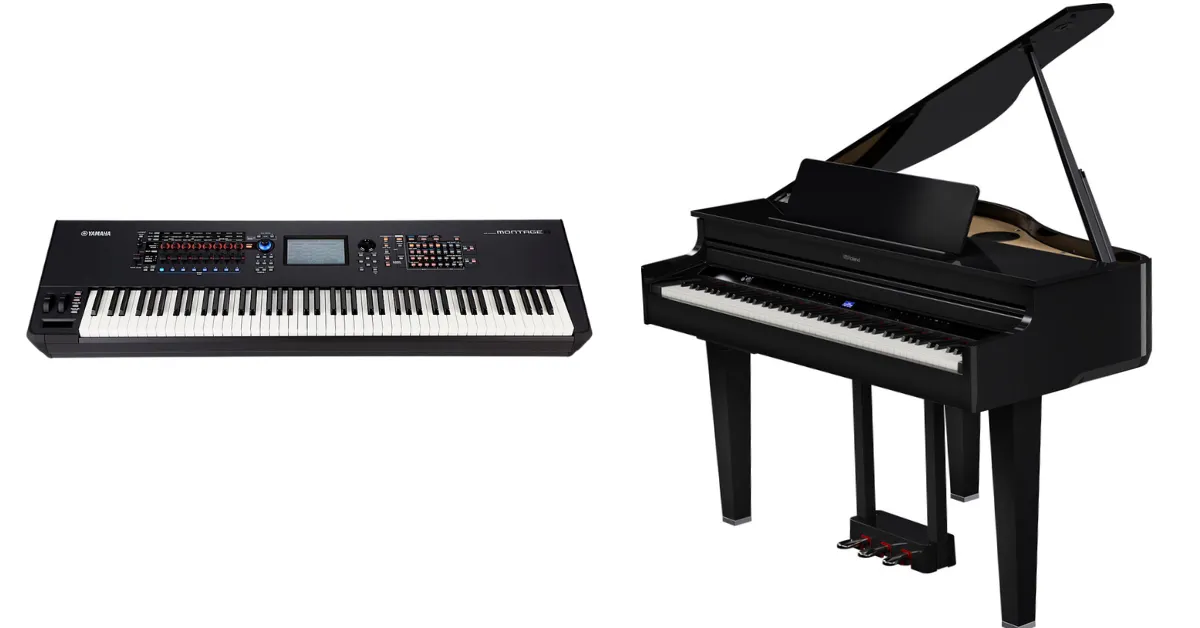
Top 5 Must Have Guitar Accessories

Essential Picks: Top 5 Must Have Guitar Accessories for All

Discover the top 5 must have guitar accessories every guitarist should own for the best playing experience.

Playing the guitar is more than just strumming strings—it’s an experience that evolves with time, skill, and the right set of tools. Whether you’re a beginner or a seasoned pro, building a solid gear collection is essential for smoother practice, better performances, and maintaining your instrument’s health. This is especially true in the Indian context, where musicians blend traditional and modern music styles. So, if you’re on a quest to upgrade your guitar game, we’ve compiled a list of the Top 5 Must-Have Items for Every Guitarist’s Gear Collection that’s tailored for Indian guitarists.


1. Guitar Tuner – Precision is Power

Clip-on Tuner
Clip-on Tuner

A well-tuned guitar is the foundation of great music. Whether you’re practicing Indian ragas or Western blues, precision tuning is non-negotiable.

Why It’s a Must-Have:

  • Ensures correct pitch for Indian classical and fusion styles.
  • Saves time tuning by ear, especially in live performances.
  • Clip-on tuners are ideal for Indian stage shows where quick tuning is needed between songs.

Recommended for Indian Guitarists:

Use chromatic tuners with pitch calibration. Brands like Boss, D’Addario, and SwarMandal Tuner Apps offer great options for Indian-style tuning.


2. Capo – Unlock New Scales Easily

Guitar Capo
Guitar Capo

A capo is a small device with massive potential. Indian guitarists often adapt songs from multiple scales, and a capo makes this transition seamless.

Why It’s a Must-Have:

  • Allows playing in multiple keys without changing finger positions.
  • Essential for reproducing Indian film music or devotional songs.
  • Great for composing in ragas that require specific pitch structures.

Ideal Use:

For Indian acoustic performances, a spring-loaded or adjustable tension capo works best. Brands like Kyser and Shubb are popular among Indian musicians.


3. Guitar Picks & Finger Picks – The Right Attack Matters

10Rs Guitar Picks
10Rs Guitar Picks

Picks come in all shapes and sizes—and they’re more than just plastic pieces. They impact tone, technique, and comfort—crucial for Indian genres.

Why It’s a Must-Have:

  • Picks allow control over strumming intensity.
  • Finger picks help with traditional Indian fingerpicking styles.
  • Nylon and metal picks are especially useful for Carnatic-style guitar compositions.

Suggested Types:

  • Light picks for rhythm-heavy Bollywood or bhajans.
  • Thicker picks for classical guitar or jazz fusion.
  • Finger picks for veena-style playing and intricate melodies.


4. Guitar Strap – Style Meets Comfort

Guitar Strap 100Rs
Guitar Strap 100Rs

Indian stage performances often involve long hours and intricate movements. A good strap prevents fatigue and adds personality.

Why It’s a Must-Have:

  • Provides comfort during long jamming sessions and concerts.
  • Ensures safety while performing on stage.
  • Custom straps can reflect Indian ethnic designs and personal flair.

Popular Picks:

Leather straps for durability, and embroidered Indian-pattern straps for cultural touch. Adjustable padded straps are a blessing for fusion bands and classical crossover artists.


5. Maintenance Kit – Keep Your Guitar in Top Shape

Alice Guitar Polish
Alice Guitar Polish

From Chennai’s humidity to Delhi’s dust, Indian weather can affect your guitar. A good maintenance kit ensures your instrument stays stage-ready.

Why It’s a Must-Have:

  • Includes string winder, cleaner, fretboard oil, microfiber cloth, and hex keys.
  • Prevents wear and tear due to climate conditions.
  • Essential for regular cleaning and string replacement.

Tip for Indian Guitarists:

Use lemon oil and dry cloth for areas with high humidity. Brands like Planet Waves offer Indian weather-compatible maintenance kits.


Bonus: Indian Add-Ons for Guitarists

Though not part of the top 5, these extras are worth considering:

a. Metronome App:

Perfect for practicing rhythm in Carnatic or Hindustani beats. Apps like TaalMala are tailored for Indian time cycles.

b. Tabla Loop Pedals:

Loop pedals with Indian percussion loops help in composing fusion tracks and practicing timing.

c. Guitar Stands & Wall Mounts:

Protects your instrument and adds to your room’s aesthetic.


How to Choose the Right Gear in India

When purchasing gear, always consider:

  • Local availability: Check Indian music stores or e-commerce platforms.
  • Compatibility: Choose items suitable for Indian classical, film, and fusion genres.
  • Budget: Many great accessories are available at affordable prices through Indian brands or online retailers.

Where to Buy in India

You can explore trusted music stores like:

  • NMS Musicals
  • Bajaao
  • Amazon India
  • Flipkart Music Gear Section

These platforms offer a wide range of affordable and premium gear curated for Indian musicians.


CONCLUSION

A well-equipped guitarist is a confident and expressive musician. Investing in the right tools not only improves your playing experience but also expands your creative possibilities—especially when you’re navigating both Indian and global music genres. With these Top 5 Must-Have Items for Every Guitarist’s Gear Collection, you’ll not only protect your guitar but also perform better, compose more fluently, and develop your musical identity. So, whether you’re performing at a temple festival, jamming at a college concert, or recording fusion covers for YouTube—gear up and play on!


At NMS Musicals, we offer a comprehensive range of musical instruments, including percussion, string, wind, and keyboard instruments. Our services encompass sales, expert servicing, and the manufacture of leather instruments. Explore our diverse collection and find the perfect instrument to suit your musical needs.

Visit our website to browse our offerings: nmsmusicals.in

For a closer look at our products, check out our shop page: nmsmusicals.in/shop

Stay connected with us through our social media channels:
Our shop locations are:

For inquiries, contact/Whatsapp us at 9500663895 or email us at laxman.m89@gmail.com.

Discover the world of musical instruments with NMS Musicals today!

For a visual overview of our percussion instruments, watch the following video:
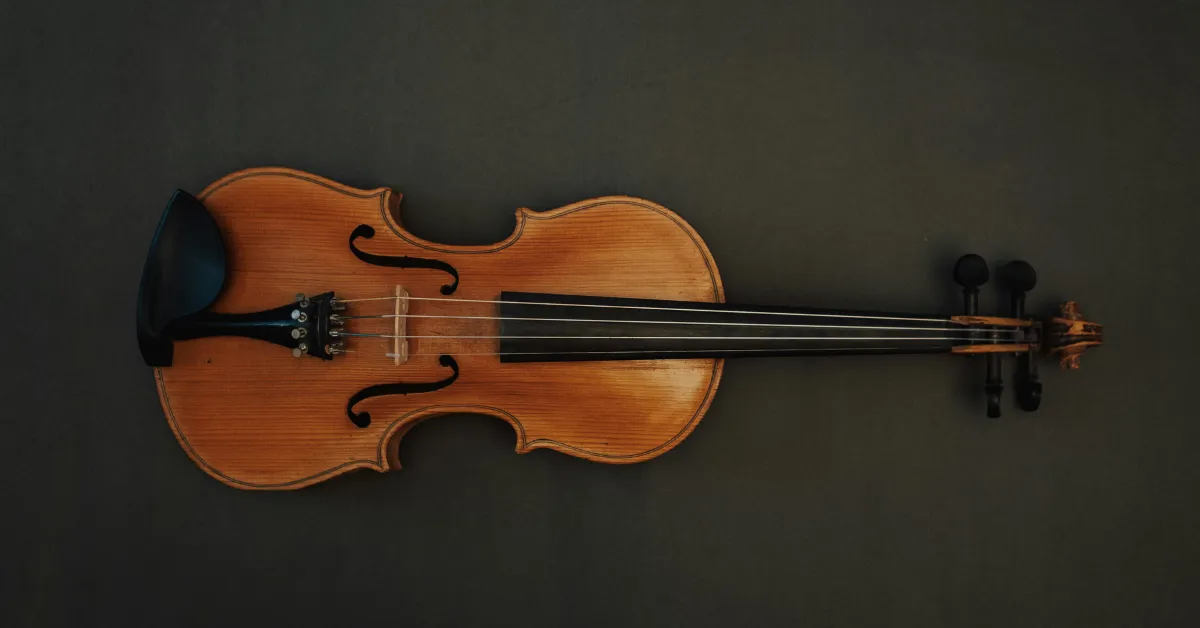
At NMS Musicals, we offer a comprehensive range of musical instruments, including percussion, string, wind, and keyboard instruments. Our services encompass sales, expert servicing, and the manufacture of leather instruments. Explore our diverse collection and find the perfect instrument to suit your musical needs.

Visit our website to browse our offerings: nmsmusicals.in

For a closer look at our products, check out our shop page: nmsmusicals.in/shop

Stay connected with us through our social media channels:
Our shop locations are:

For inquiries, contact/Whatsapp us at 9500663895 or email us at laxman.m89@gmail.com.

Discover the world of musical instruments with NMS Musicals today!

For a visual overview of our percussion instruments, watch the following video: