Best Acoustic Guitars for Rock Music Lovers5

Best Acoustic Guitars for Rock Music Lovers

Explore the best acoustic guitars for rock enthusiasts seeking power and tone.

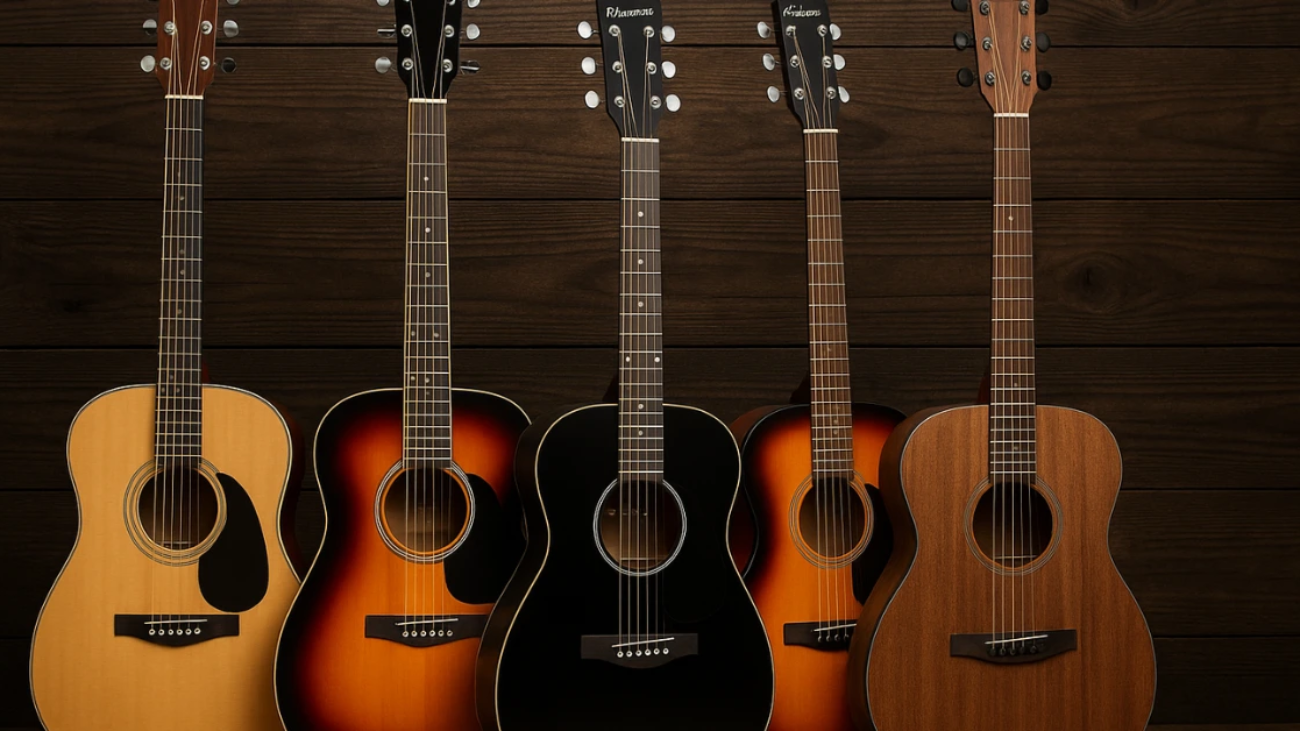
Whether you’re a beginner picking up your first six-string or a seasoned guitarist looking for a bold acoustic tone, rock music demands a guitar that can match its intensity. The crisp strumming, melodic solos, and raw edge of rock come alive only when your guitar complements the genre. Acoustic guitars may seem mellow to some, but with the right build, tonewood, and design, they can deliver explosive resonance that’s perfect for rock enthusiasts. In India, where musical diversity blends classical roots with modern flair, choosing the best acoustic guitar for rock music involves balancing global quality with local accessibility. This guide explores the top 5 models that deliver iconic sound, style, and playability for every rock lover.


1. Fender CD-60S Dreadnought Acoustic Guitar

Best Acoustic Guitars for Rock Music Lovers4

Fender has always been a household name in rock music, and the CD-60S Dreadnought proves why. Designed for beginners and intermediate players alike, this model offers powerful projection and clarity, making it ideal for energetic strumming.

Why it’s great for rock:

  • Solid spruce top ensures bold volume and resonance
  • Dreadnought shape creates a loud, punchy tone
  • Easy-to-play neck with rolled edges enhances comfort
  • Durable design that handles gigging and jamming sessions

In the Indian market, this model is widely available through online and offline retailers, making it a popular choice among aspiring rock artists.


2. Yamaha F310 Acoustic Guitar

Best Acoustic Guitars for Rock Music Lovers1

Yamaha’s reputation for consistency and quality shines through in the F310. Though it’s often recommended for beginners, its sound depth and playability make it a perfect fit for budding rock musicians.

Why it’s great for rock:

  • Meranti back and sides deliver balanced tonal response
  • Strong sound projection thanks to a spruce top
  • Lightweight and easy to handle
  • Excellent craftsmanship under budget

This model is a best-seller in India and often used by music academies for training students with rock and fusion tastes.


3. Epiphone DR-100 Acoustic Guitar

Best Acoustic Guitars for Rock

Epiphone, a brand with Gibson roots, brings powerful rock tones even to its acoustic models. The DR-100 boasts rich sound and stylish aesthetics that make it appealing for performers.

Why it’s great for rock:

  • Mahogany body provides deep lows and warm tones
  • Slim taper neck allows for fast playing—perfect for solos
  • Ideal for both strumming and fingerstyle
  • Classic looks that resemble vintage rock instruments

In India, the DR-100 is available through premium dealers and is ideal for rock lovers looking for stage-ready instruments without breaking the bank.


4. Kadence Frontier Series Acoustic Guitar

Best Acoustic Guitars for Rock Music Lovers3

Kadence is an Indian brand that has carved a niche in the acoustic guitar scene. The Frontier Series offers quality builds at an affordable price point, catering well to Indian rock fans.

Why it’s great for rock:

  • Great tone and projection for its price
  • Available in multiple finishes, including sunburst—popular among rock guitarists
  • Comfortable fretboard for long practice sessions
  • Comes bundled with accessories

It’s perfect for beginners who want to explore rock music with a desi twist, and many Indian bands and artists prefer Kadence for their reliability.


5. Ibanez AW54OPN Artwood Acoustic Guitar

Best Acoustic Guitars for Rock Music Lovers 3

Ibanez may be more famous for electric guitars, but its acoustic lineup like the AW54OPN delivers just the right raw power needed for acoustic rock.

Why it’s great for rock:

  • Solid mahogany top and body offer rich, punchy sound
  • Open pore natural finish gives it a rugged rock appearance
  • Warm low-end tones for deeper chords
  • High build quality for intermediate to pro musicians

Though slightly premium, Indian rock musicians find it a great investment due to its durability and brand legacy.


Essential Features to Look for in a Rock Acoustic Guitar

1. Tonewood: Mahogany and spruce tops are preferred for rock due to their ability to project and sustain sound.

2. Body Shape: Dreadnought and jumbo are ideal for louder volumes and fuller tones.

3. Neck Profile: A slim neck helps with faster playing, especially when shifting between chords and solos.

4. Durability: A guitar used for rock should withstand aggressive playing and regular travel.

5. Indian Market Availability: Choosing models that are accessible and serviceable in India ensures better long-term usability.


Tips for Maintaining Your Acoustic Guitar

1. Use a case: Always store your guitar in a hard case when traveling or not in use.

2. Clean strings and fretboard: Sweat and grime affect tone—clean them regularly.

3. Humidity control: Especially important in Indian climates to prevent wood cracking.

4. Regular tuning and servicing: Keeps your guitar sounding and playing its best.

5. Avoid DIY repairs: Always consult a professional for serious issues.


Indian Rock Artists and Their Acoustic Choices

Many Indian rock artists use acoustic guitars in unplugged performances or fusion compositions. Artists like Raghu Dixit, Agam, and The Local Train often incorporate acoustic guitar sounds in their rock music, blending Indian classical elements with modern rock rhythms.

Their choice of guitars leans toward models with warmth, depth, and tonal character—qualities emphasized in the above recommendations.


Conclusion

The journey of a rock music lover begins with the right instrument. While electric guitars dominate the stage, acoustic guitars are the soulful storytellers behind every great rock anthem. From global icons like Fender and Yamaha to reliable Indian favorites like Kadence, the options are diverse and powerful. Choosing the best acoustic guitar for rock music lovers means understanding what sound, feel, and vibe match your musical journey. With the right care, knowledge, and passion, your guitar becomes more than just an instrument—it becomes your voice in the world of music. So pick your rock companion, plug into your soul, and let the music roar.


At NMS Musicals, we offer a comprehensive range of musical instruments, including percussion, string, wind, and keyboard instruments. Our services encompass sales, expert servicing, and the manufacture of leather instruments. Explore our diverse collection and find the perfect instrument to suit your musical needs.

Visit our website to browse our offerings: nmsmusicals.in

For a closer look at our products, check out our shop page: nmsmusicals.in/shop

Stay connected with us through our social media channels:
Our shop locations are:

For inquiries, contact/Whatsapp us at 9500663895 or email us at laxman.m89@gmail.com.

Discover the world of musical instruments with NMS Musicals today!

For a visual overview of our percussion instruments, watch the following video:
How to Play the Tambura Easily 3

How to Play the Tambura Easily

How to Play the Tambura: An Introduction to the Instrument for Beginners

How to Play the Tambura 2

In the world of Indian classical music, the tambura holds a revered position as a drone instrument that provides the essential sonic foundation for both vocal and instrumental performances. If you’ve ever been captivated by the constant, calming resonance in a raga performance, chances are that was the sound of the tambura. Whether you’re a student of music or a curious listener, learning how to play the tambura can enrich your understanding and experience of Indian music. This blog offers a complete beginner’s guide to the instrument, including how it works, how to tune it, and the right technique to play it beautifully.


1. What is a Tambura?

  1. The tambura (also spelled tanpura) is a long-necked string instrument used primarily in Indian classical music.
  2. It does not play melody but supports the melodic structure with a continuous harmonic drone.
  3. It usually has four or five strings and is made from wood and a gourd resonator.
  4. There are different types—male, female, and instrumental tamburas—varying in size and tonal depth.


2. Importance of the Tambura in Indian Music

  1. The tambura provides a tonal reference for the main artist.
  2. It creates a tranquil sound environment for improvisation.
  3. The rich overtones help vocalists and instrumentalists stay in pitch.
  4. It is considered a sacred instrument, symbolizing purity and spiritual grounding.


3. Anatomy of the Tambura

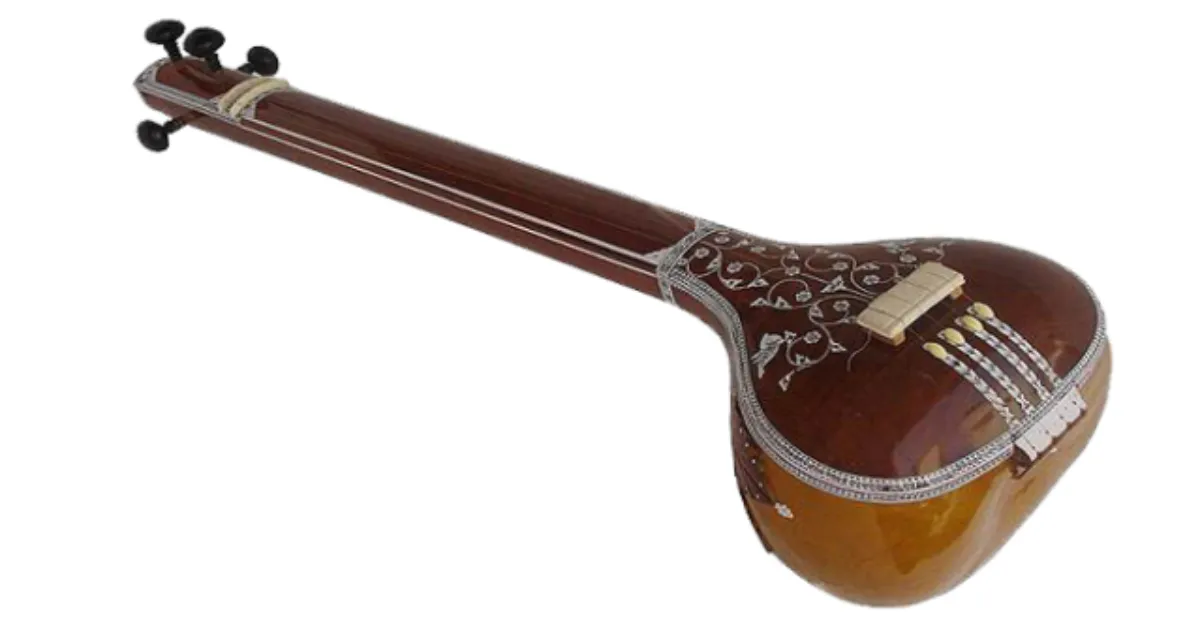
  1. Tumba (Resonator): Made from dried gourd or wood, amplifies the sound.
  2. Neck (Dandi): Long, hollow wooden tube that holds the strings.
  3. Bridge (Jawari): Made of bone or ivory, adds the buzzing sound.
  4. Strings: Usually 4–5 metal strings (3 steel and 1 brass or bronze).
  5. Tuning Pegs: Used to adjust the pitch of each string.


4. How to Tune the Tambura

  1. A standard four-string tambura is tuned to Pa-Sa-Sa-Sa or Sa-Sa-Pa-Sa.
  2. Tuning depends on the scale and the vocal range of the performer.
  3. The strings must be plucked while adjusting the pegs for precision.
  4. A digital tuner or reference pitch from a harmonium can help beginners.
  5. Indian tuning apps are also available for easy tuning on mobile phones.


5. Playing Technique: How to Pluck the Tambura

  1. Sit cross-legged with the tambura placed upright on the floor or your lap.
  2. Use your right hand (index and middle fingers) to pluck the strings in a cycle.
  3. Maintain a steady, relaxed plucking rhythm to create a uniform drone.
  4. Avoid over-plucking or uneven speed—consistency is key.
  5. Adjust finger angles for the right buzzing tone (jawari).


6. Practice Routine for Beginners

  1. Start with 10-minute daily plucking exercises.
  2. Focus on the evenness of sound and hand relaxation.
  3. Record your sound and compare with reference recordings.
  4. Practice with a tanpura app when a physical instrument is not available.
  5. Gradually increase playing time to build finger endurance.


7. Tips to Maintain Your Tambura

  1. Keep it away from moisture and direct sunlight.
  2. Clean strings and body with a dry cloth after use.
  3. Check and tighten tuning pegs regularly.
  4. Replace strings every 6–12 months depending on usage.
  5. Store in a padded bag or case for protection.


8. Learning Resources in India

  1. Online Platforms: YouTube, iTablaPro, and IndianRaga offer video tutorials.
  2. Teachers: Look for local classical vocal teachers—they usually include tambura basics.
  3. Books: “The Tanpura: An Indian Drone Instrument” by S. Yadav.


9. Digital Alternatives: Electronic Tambura

  1. Handy for practice when a traditional tambura isn’t available.
  2. Offers preset tuning and pitch settings.
  3. Portable and commonly used in music classes.
  4. Apps like iTanpura and Raga Sur are helpful for beginners.
  5. Ideal for solo practice and live performances.


10. Common Mistakes to Avoid

  1. Inconsistent plucking—leads to jarring drone sound.
  2. Incorrect tuning—disrupts the tonal base.
  3. Using broken or rusty strings.
  4. Holding the instrument in the wrong posture.
  5. Not practicing daily.


Conclusion

Mastering the tambura may seem simple because of its supportive role, but it’s a deeply nuanced instrument that enhances any Indian classical performance. For beginners, learning how to play the tambura is a great entry point into the world of raga music, tone, and spiritual expression. With consistent practice, proper tuning, and a keen ear, you can create that rich, meditative drone that defines the soul of Indian classical music. Whether you choose a traditional wooden tambura or a modern electronic version, the journey of learning this beautiful instrument is sure to be rewarding.


At NMS Musicals, we offer a comprehensive range of musical instruments, including percussion, string, wind, and keyboard instruments. Our services encompass sales, expert servicing, and the manufacture of leather instruments. Explore our diverse collection and find the perfect instrument to suit your musical needs.

Visit our website to browse our offerings: nmsmusicals.in

For a closer look at our products, check out our shop page: nmsmusicals.in/shop

Stay connected with us through our social media channels:
Our shop locations are:

For inquiries, contact/Whatsapp us at 9500663895 or email us at laxman.m89@gmail.com.

Discover the world of musical instruments with NMS Musicals today!

For a visual overview of our percussion instruments, watch the following video:
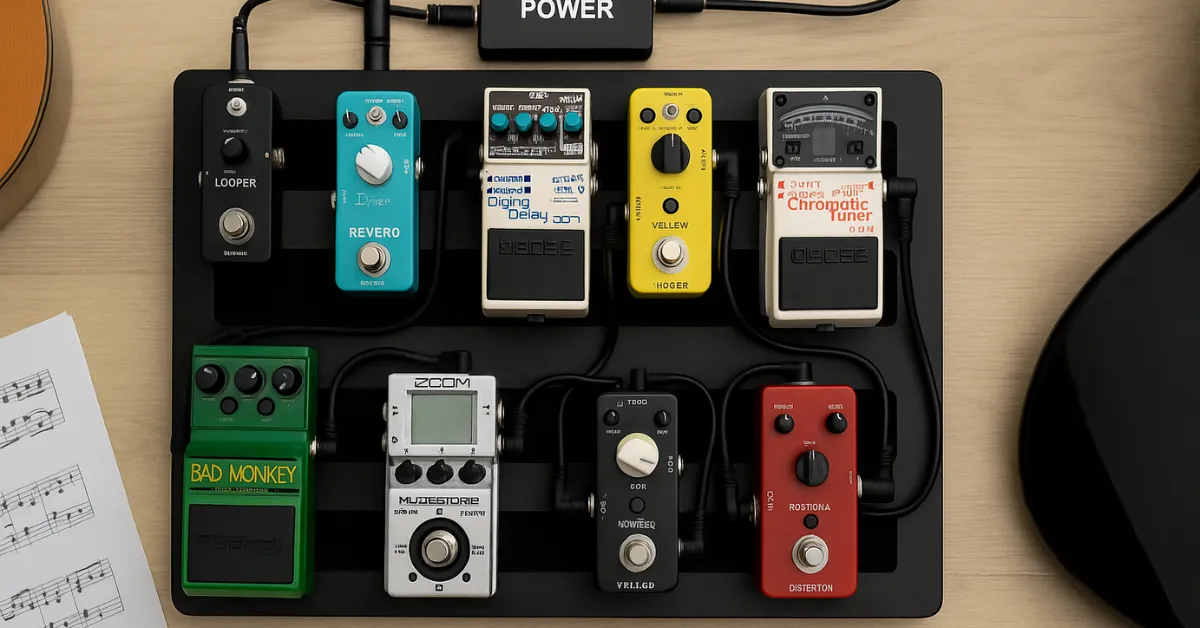
Must-Have Guitar Pedals for Beginners 1

Power Picks: Must-Have Guitar Pedals for Beginners

Must-Have Guitar Pedals for Beginners: Boost Tone, Learn Fast & Play Better

Must-Have Guitar Pedals for Beginners 5

The right guitar pedal can be a game-changer for any guitarist, especially for beginners looking to craft their unique sound. Whether you’re into rock, classical fusion, or Indian contemporary music, choosing the right pedalboard setup can completely transform your playing experience. In this blog, we explore why guitarists need the right pedals, how they enhance sound, and which options are best for Indian learners.


1. What Are Guitar Pedals and Why They Matter

  1. Definition: Guitar pedals are electronic devices that alter the sound of your guitar in various ways.
  2. Purpose: They help in shaping tone, adding effects, and controlling dynamics.
  3. Categories: Common categories include distortion, overdrive, delay, reverb, and modulation.
  4. Customization: Allows players to express their style and mood.
  5. Importance: They can turn a simple melody into an emotionally rich composition.


2. The Role of Pedals in Indian Guitar Playing

  1. Bollywood Influence: Modern Bollywood music uses delay and reverb-heavy tones.
  2. Classical Fusion: Pedals like reverb and EQ help blend guitars with tabla, flute, and sitar.
  3. Indie Music Scene: Indian indie artists rely on pedals for ambient textures and loops.
  4. Performance Settings: Useful in both live settings and studio recordings.
  5. Teaching Aids: Great for demonstrating sound textures in Indian music schools.


3. Essential Pedals for Beginners in India

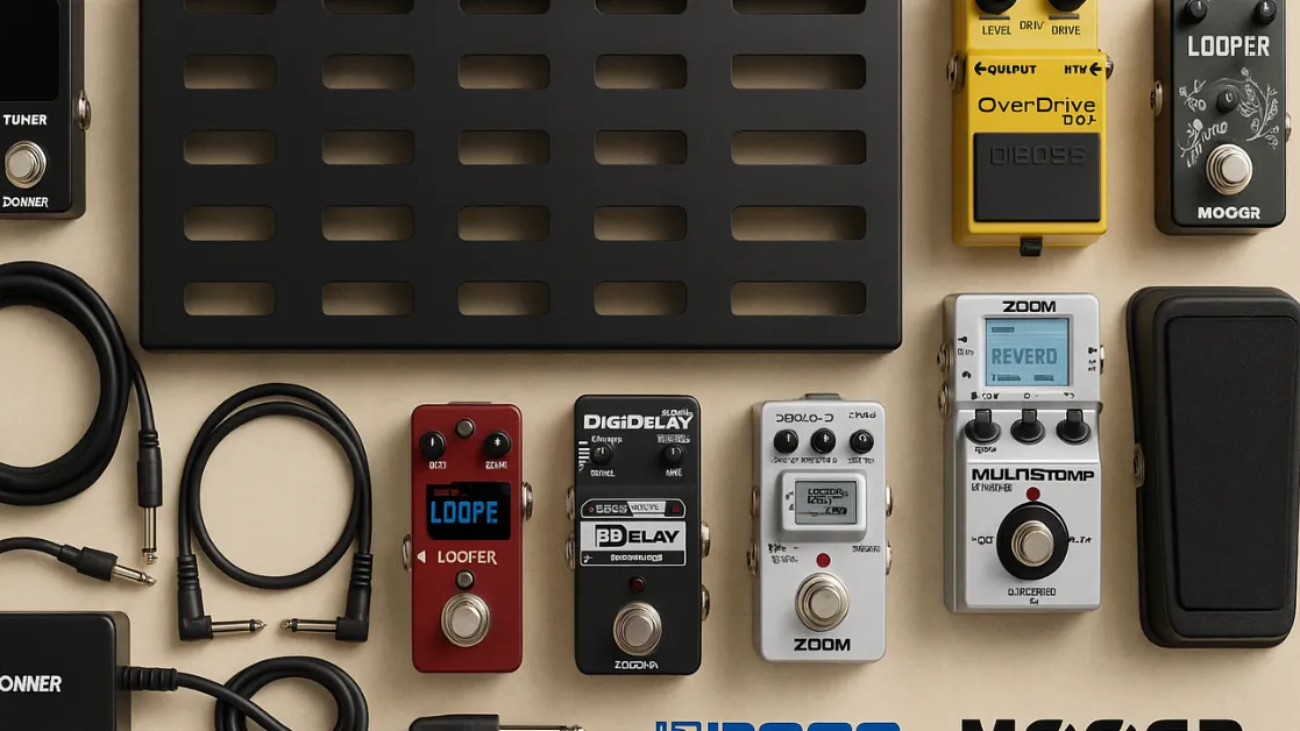
  1. Tuner Pedal: Keeps your guitar in tune without relying on external devices.
  2. Overdrive Pedal: A must for rock, metal, and energetic performances.
  3. Delay Pedal: Adds echo and depth—great for Bollywood and fusion.
  4. Reverb Pedal: Adds spaciousness to your sound.
  5. Looper Pedal: Helps practice layering and improvisation, especially in solo practice.


4. How Guitar Pedals Enhance Your Sound

  1. Tone Shaping: EQ and compressor pedals refine your frequency response.
  2. Dynamic Control: Volume and expression pedals let you modulate live.
  3. Ambient Effects: Delay and reverb can create vast soundscapes.
  4. Drive and Distortion: Create everything from bluesy warmth to metal crunch.
  5. Rhythmic Enhancement: Looper and delay can enhance timing and practice.


5. Choosing the Right Pedals for Your Genre

  1. Rock: Overdrive, distortion, chorus.
  2. Blues: Tube screamer, compressor.
  3. Pop/Bollywood: Delay, reverb, EQ.
  4. Jazz: Chorus, compressor, clean boost.
  5. Classical Fusion: Reverb, EQ, modulation pedals.


6. Common Mistakes Indian Guitarists Make with Pedals

  1. Buying Too Many: Start with 2–3 essential ones.
  2. Ignoring Power Supply: Use a good daisy chain or isolated supply.
  3. Skipping a Pedalboard: Helps organize and protect your setup.
  4. Not Learning Settings: Understand knob functions.
  5. Low-Quality Cables: Affects sound clarity and performance.


7. Best Guitar Pedal Brands in India

  1. Boss: Trusted by professionals.
  2. Zoom: Affordable and versatile multi-effects units.
  3. Digitech: Great for distortion and delay.
  4. Mooer: Compact and quality-driven.
  5. Donner: Budget-friendly and ideal for beginners.


8. Where to Buy Guitar Pedals in India

  • Offline:
    • NMS Musicals (Chennai & Pondicherry)
    • Saptaswara Musicals (Bangalore)
    • Furtados (Pan-India)
  • Online:
    • Amazon India
    • Bajaao
    • DevMusical
    • Flipkart


9. Setting Up Your First Pedalboard

  1. Choose Your Essentials: Tuner, overdrive, delay.
  2. Get a Board: Start with a small-sized pedalboard.
  3. Power Supply: Use a quality power source.
  4. Cable Management: Keep cables short and tidy.
  5. Order of Effects: Tuner → Drive → Modulation → Reverb/Delay.


10. Learning Resources for Guitar Pedals

  1. YouTube Channels: Indian musicians explaining pedal usage.
  2. Online Courses: Websites like GuitarMonk and Artium Academy.
  3. Books: “Guitar Effects Explained” and similar beginner guides.
  4. Workshops: Offered by music stores like NMS Musicals.
  5. Practice Routines: Include pedal-based practice in daily sessions.


Conclusion

Investing in the right guitar pedals can elevate your music and deepen your creativity. For Indian guitarists, the growing market of affordable and diverse pedals makes it easier than ever to explore sound textures and performance techniques. Whether you’re practicing Bollywood songs, composing fusion tracks, or playing live, pedals provide endless opportunities to personalize your tone. Start simple, learn deeply, and grow your setup as your skills evolve.


At NMS Musicals, we offer a comprehensive range of musical instruments, including percussion, string, wind, and keyboard instruments. Our services encompass sales, expert servicing, and the manufacture of leather instruments. Explore our diverse collection and find the perfect instrument to suit your musical needs.

Visit our website to browse our offerings: nmsmusicals.in

For a closer look at our products, check out our shop page: nmsmusicals.in/shop

Stay connected with us through our social media channels:
Our shop locations are:

For inquiries, contact/Whatsapp us at 9500663895 or email us at laxman.m89@gmail.com.

Discover the world of musical instruments with NMS Musicals today!

For a visual overview of our percussion instruments, watch the following video:
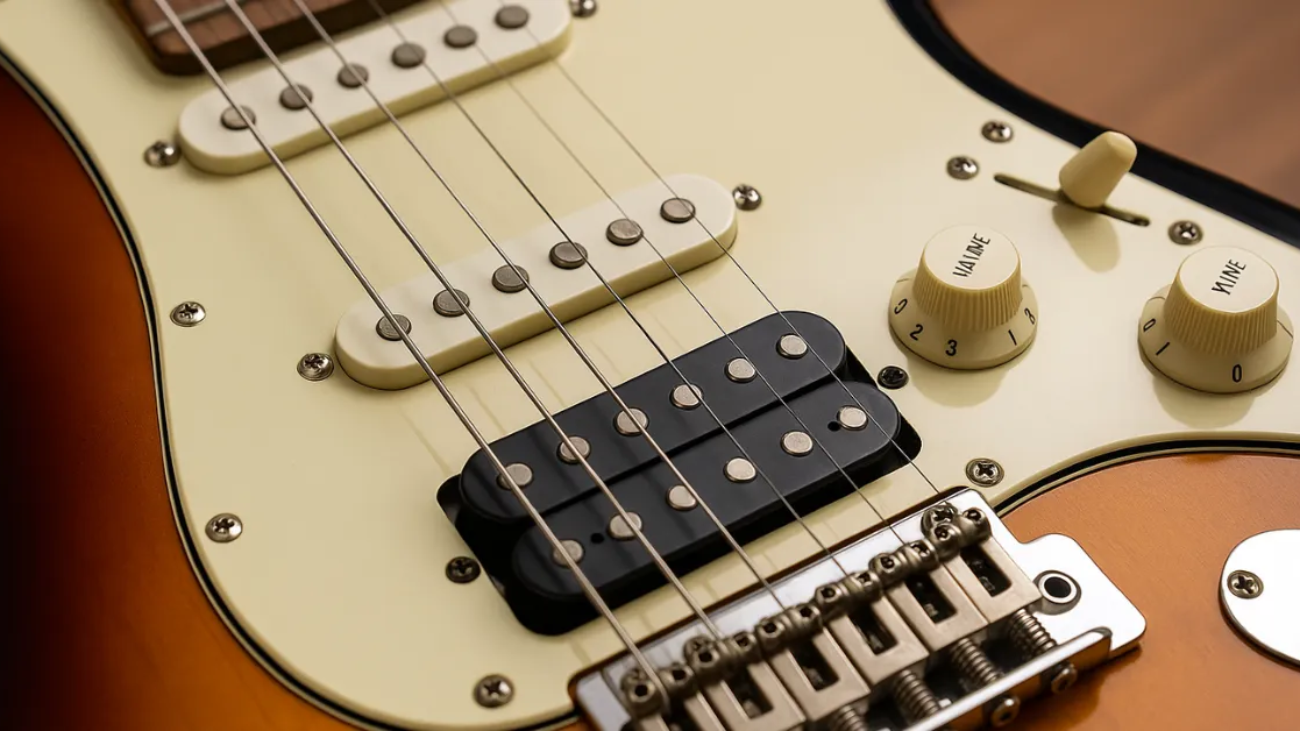
Guitar Pickups explained 1

Guitar Pickups explained You Must Know

Guitar Pickups Explained: What You Need to Know Before Buying

Guitar Pickups explained 2

When buying or upgrading an electric guitar in India, understanding guitar pickups is crucial. These tiny magnetic components dramatically impact your guitar’s tone, clarity, and even your musical style. Yet, many beginners overlook pickups while choosing their first guitar or attempting modifications. In this comprehensive guide, we’ll demystify guitar pickups, explain their types, and help you make the right choice before buying or upgrading your instrument.


1. What Are Guitar Pickups?

  1. Definition: Pickups are magnetic devices that capture string vibrations and convert them into electric signals.
  2. Purpose: They shape your guitar’s voice—clean, distorted, mellow, or bright.
  3. Placement: Usually placed under the strings between the neck and the bridge.
  4. Connection: Sends signals through your cable to the amp or recording device.
  5. Importance: Crucial for electric guitarists, especially those playing rock, jazz, blues, or Indian fusion.


2. Types of Guitar Pickups

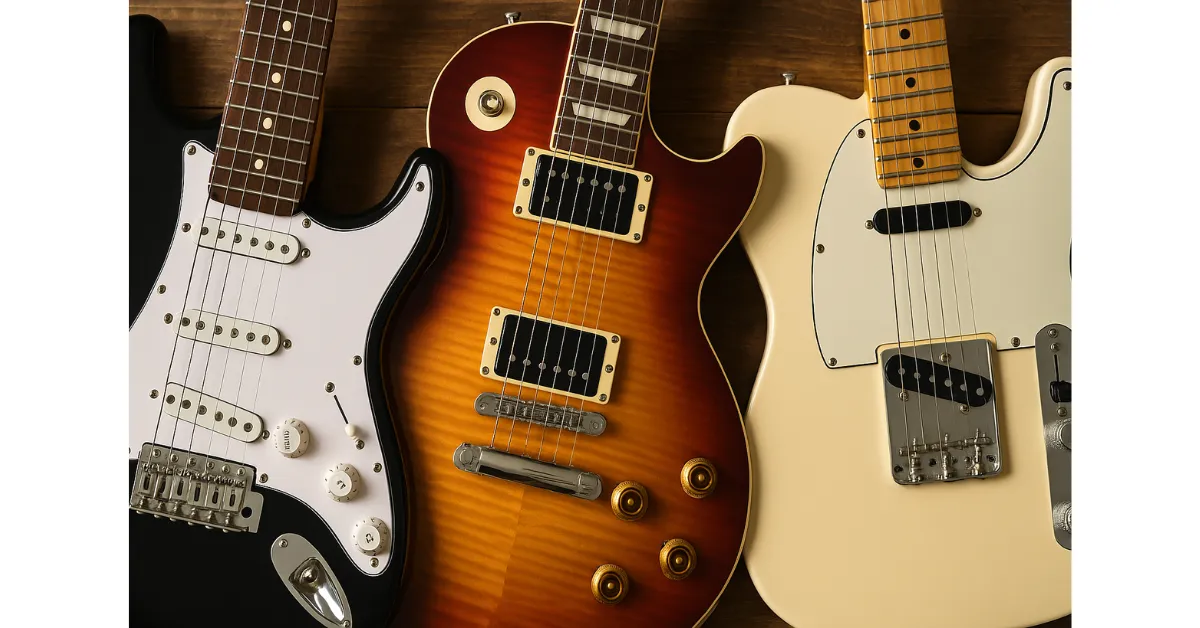
  1. Single Coil:
  • Known for bright, crisp sounds.
  • Found on Strat-style guitars.
  • Great for blues, indie, and light rock.
  1. Humbucker:
  • Thicker, warmer sound.
  • Cancels hum (hence “hum-bucker”).
  • Ideal for heavy rock, jazz, and metal.
  1. P90:
  • A hybrid tone—warmer than single coil but not as thick as humbuckers.
  • Common in vintage and retro guitars.
  1. Piezo Pickups:
  • Found in electro-acoustic guitars.
  • Captures string vibrations directly.
  • Clear, acoustic-like tone.


3. Guitar Pickup Configuration Styles

  1. SSS: Three single coils (e.g., Fender Stratocaster).
  2. HSS: Humbucker in bridge, single coils in middle/neck.
  3. HH: Dual humbuckers (e.g., Gibson Les Paul).
  4. HSH: Two humbuckers and a single coil in the middle.


4. Choosing Pickups Based on Music Genre

  1. Rock/Metal: Go for humbuckers for fuller sound and less noise.
  2. Blues/Jazz: P90 or neck-position humbuckers for warm, expressive tones.
  3. Pop/Indie: Single coils for their sparkle and articulation.
  4. Indian Fusion: Balanced tones—try HSS for maximum flexibility.


5. How Pickups Affect Tone

  1. Output: Higher-output pickups distort more easily.
  2. Tone Range: Single coils = trebly; Humbuckers = bass-heavy.
  3. Attack and Sustain: Pickup height and type influence dynamics.
  4. Noise: Humbuckers reduce hum; single coils may buzz.
  5. Clarity: Pickups determine note separation and clarity.


6. Factors to Consider Before Buying Pickups

  1. Guitar Compatibility: Not all pickups fit all guitars.
  2. Playing Style: Choose based on how and what you play.
  3. Tone Preference: Test pickups if possible.
  4. Budget: Prices vary from ₹1,500 to ₹15,000 in India.
  5. Installation: Some need professional fitting.


7. Popular Pickup Brands in India

  1. Seymour Duncan: Known for variety and quality.
  2. DiMarzio: Ideal for rock and metal.
  3. Fender: Authentic single coil tones.
  4. EMG: Active pickups for aggressive tones.
  5. Wilkinson: Budget-friendly with solid performance.


8. Best Guitar-Pickup Combos for Indian Players

  1. Budget Setup:
  • Guitar: Cort or Juarez
  • Pickup: Wilkinson or Artec
  1. Midrange Setup:
  • Guitar: Ibanez or Yamaha
  • Pickup: Seymour Duncan or Fender
  1. Pro Setup:
  • Guitar: PRS SE or Fender
  • Pickup: EMG or DiMarzio


9. Where to Buy Pickups in India

  1. Online Platforms:
  • Bajaao
  • Amazon India
  • DevMusical
  1. Physical Stores:
  • NMS Musicals (Chennai)
  • Furtados (Mumbai, Bangalore)
  • OnStage Music (Delhi)


10. Tips for Maintaining Pickups

  1. Keep Clean: Wipe after playing.
  2. Avoid Magnet Damage: Keep away from strong magnets.
  3. Height Adjustment: Learn correct height for tone balance.
  4. Humidity Protection: Store in dry environments.
  5. Wire Check: Inspect for damage or rust periodically.


Conclusion

Whether you’re a beginner upgrading your first guitar or an enthusiast looking for tonal magic, understanding pickups is a game-changer. For Indian guitarists, the right pickup can bring Bollywood tunes, Carnatic fusion, or Indie rock alive with richness and clarity. With so many options and brands available in India, knowing what to look for before buying helps you get the sound you truly want. Now that you’ve got guitar pickups explained thoroughly, make your choice wisely and start playing with confidence.


At NMS Musicals, we offer a comprehensive range of musical instruments, including percussion, string, wind, and keyboard instruments. Our services encompass sales, expert servicing, and the manufacture of leather instruments. Explore our diverse collection and find the perfect instrument to suit your musical needs.

Visit our website to browse our offerings: nmsmusicals.in

For a closer look at our products, check out our shop page: nmsmusicals.in/shop

Stay connected with us through our social media channels:
Our shop locations are:

For inquiries, contact/Whatsapp us at 9500663895 or email us at laxman.m89@gmail.com.

Discover the world of musical instruments with NMS Musicals today!

For a visual overview of our percussion instruments, watch the following video:
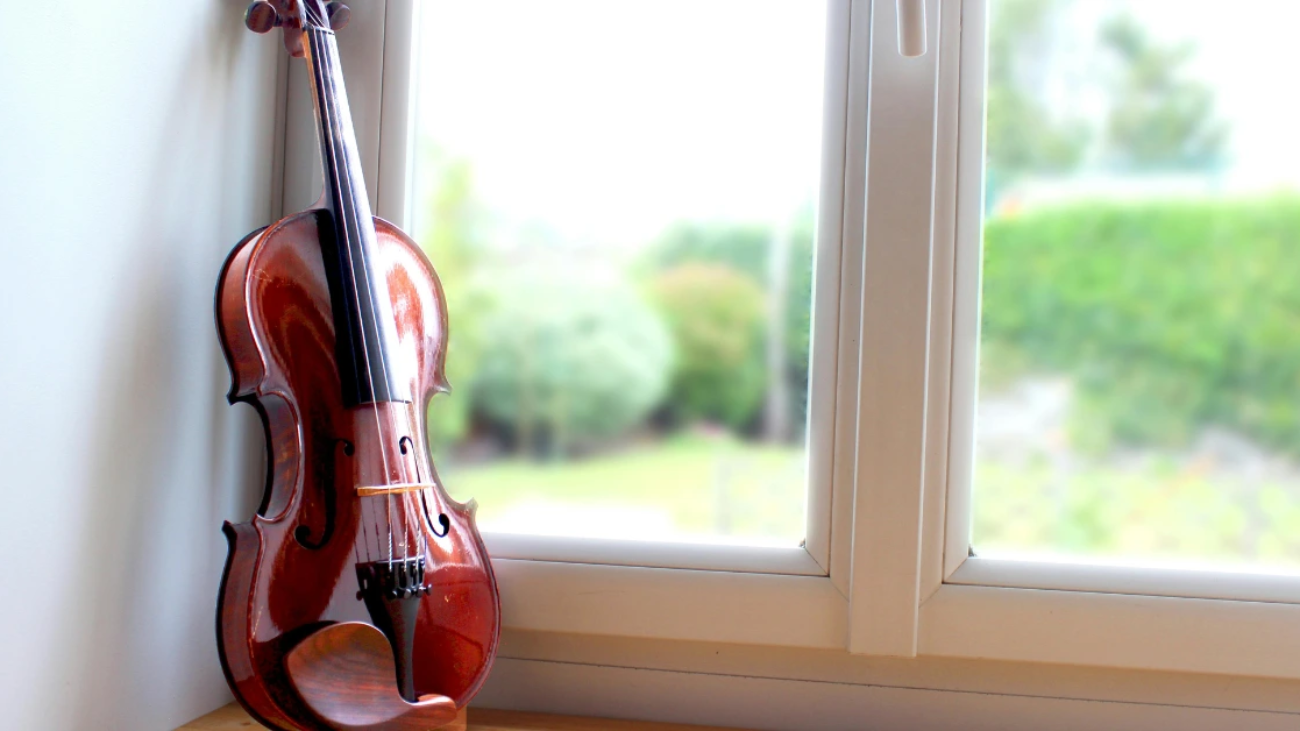
How to Care for Your Violin4

Brilliant Tips on How to Care for Your Violin

How to Care for Your Violin: Maintenance Tips Every Musician Should Know

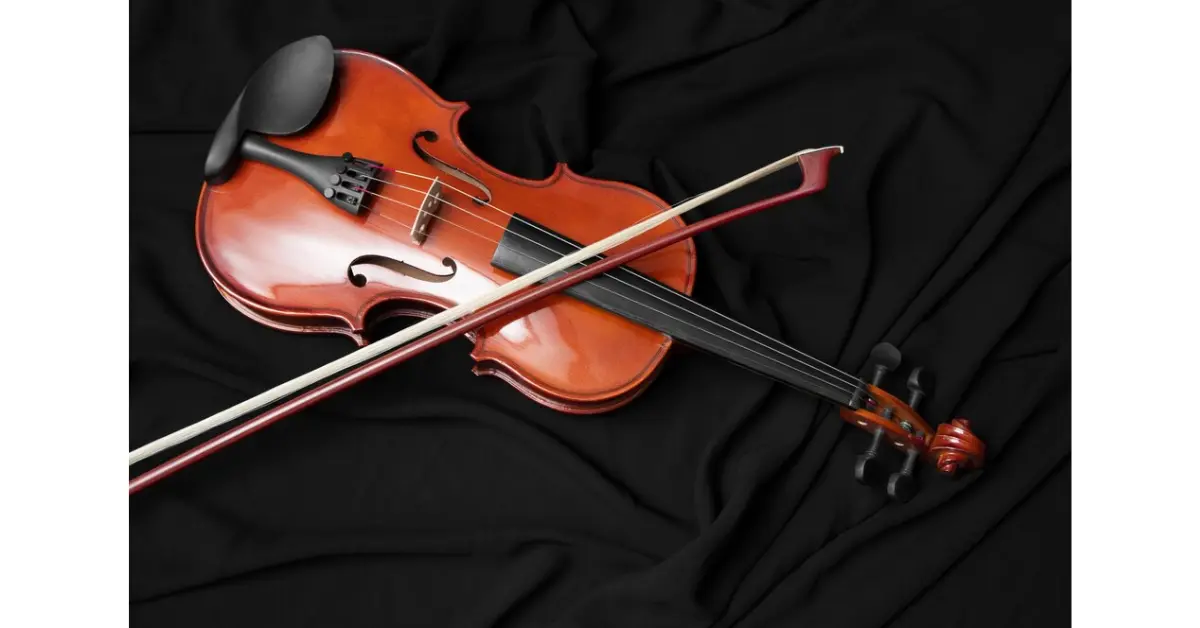
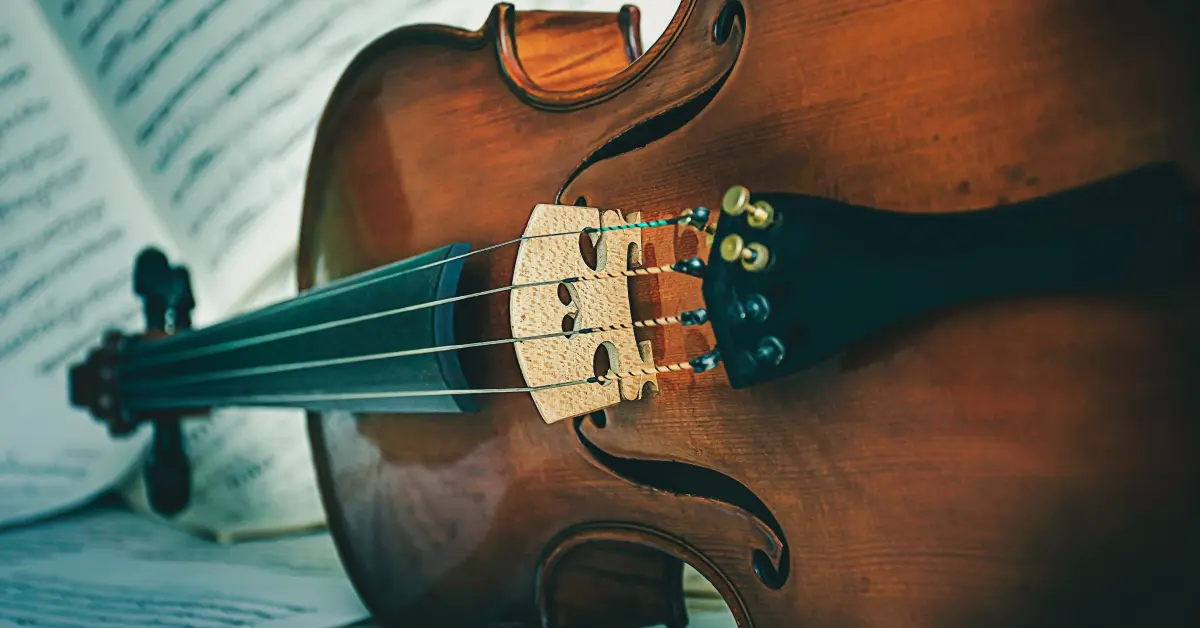
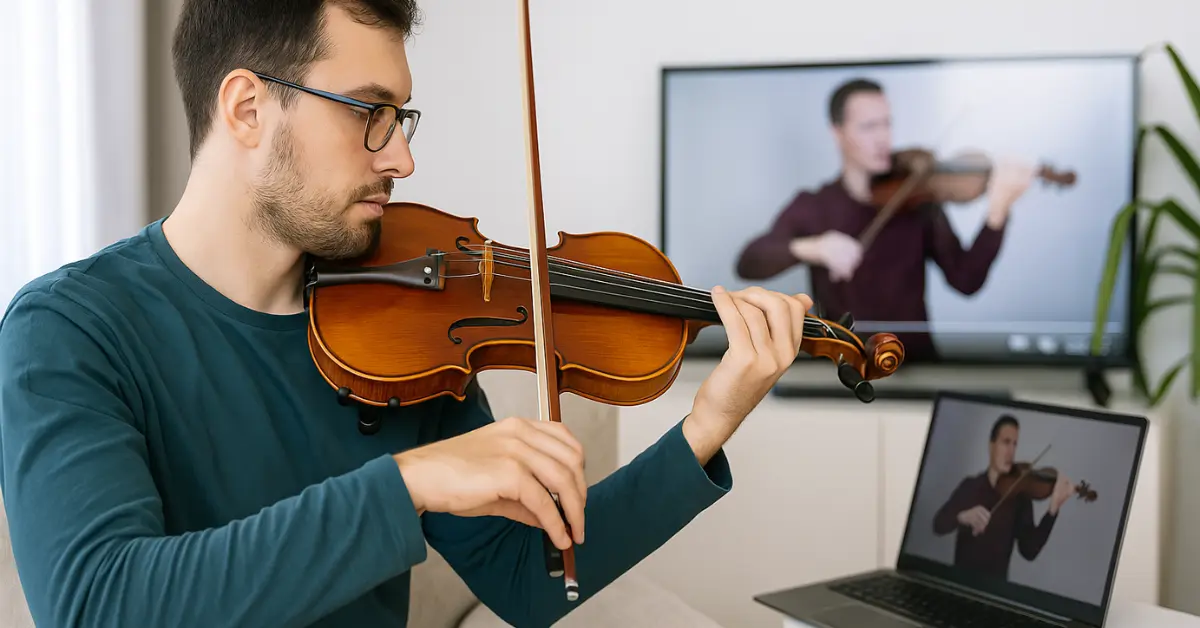
A violin is more than just an instrument—it’s a partner in your musical journey. For Indian musicians, whether you’re learning classical Carnatic violin or Western music, proper care of your instrument is essential. Knowing how to care for your violin ensures that its sound remains resonant, its body stays protected, and your playing experience stays smooth and uninterrupted. In this blog, we’ll dive into everything you need to know about violin maintenance, from daily habits to long-term care techniques. Whether you’re a beginner or a seasoned performer, these tips will help you extend the life of your violin and keep it performance-ready at all times.


1. Understand Your Violin’s Structure

How to Care for Your Violin

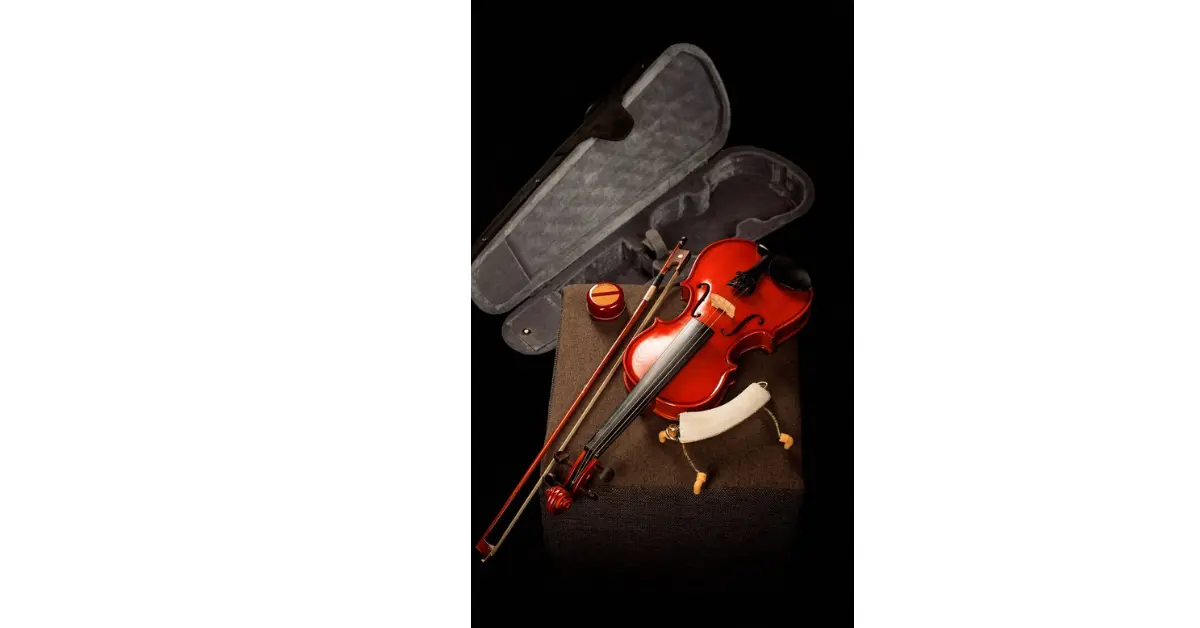
Before jumping into care routines, it’s crucial to know what you’re maintaining. The violin comprises:

  1. The body (top, back, sides)
  2. Fingerboard
  3. Pegs
  4. Bridge
  5. Strings
  6. Sound post
  7. Chin rest
  8. Bow

Understanding these parts helps you recognize where wear and tear might occur and what needs regular inspection.


2. Clean Your Violin After Every Use

How to Care for Your Violin123456

One of the simplest and most effective ways to maintain your violin is regular cleaning.

  1. Wipe down the body with a soft, lint-free cloth after playing.
  2. Clean off rosin dust from the strings and fingerboard.
  3. Avoid using alcohol or commercial cleaners unless specified for violins.
  4. For Indian conditions (humidity, sweat), clean more frequently to prevent grime buildup.


3. Maintain Your Bow Properly

How to Care for Your Violin12

Your bow is just as vital as the violin itself.

  1. Always loosen the bow hair after playing.
  2. Apply rosin sparingly—only when needed.
  3. Wipe the bow stick after every session.
  4. Store the bow in a dry place to prevent warping.


4. Store Your Violin Safely

How to Care for Your Violin123

Indian weather varies greatly, so proper storage is essential.

  1. Use a hard case with a humidity control system.
  2. Avoid exposing your violin to direct sunlight or heat.
  3. Do not leave your violin in a parked vehicle.
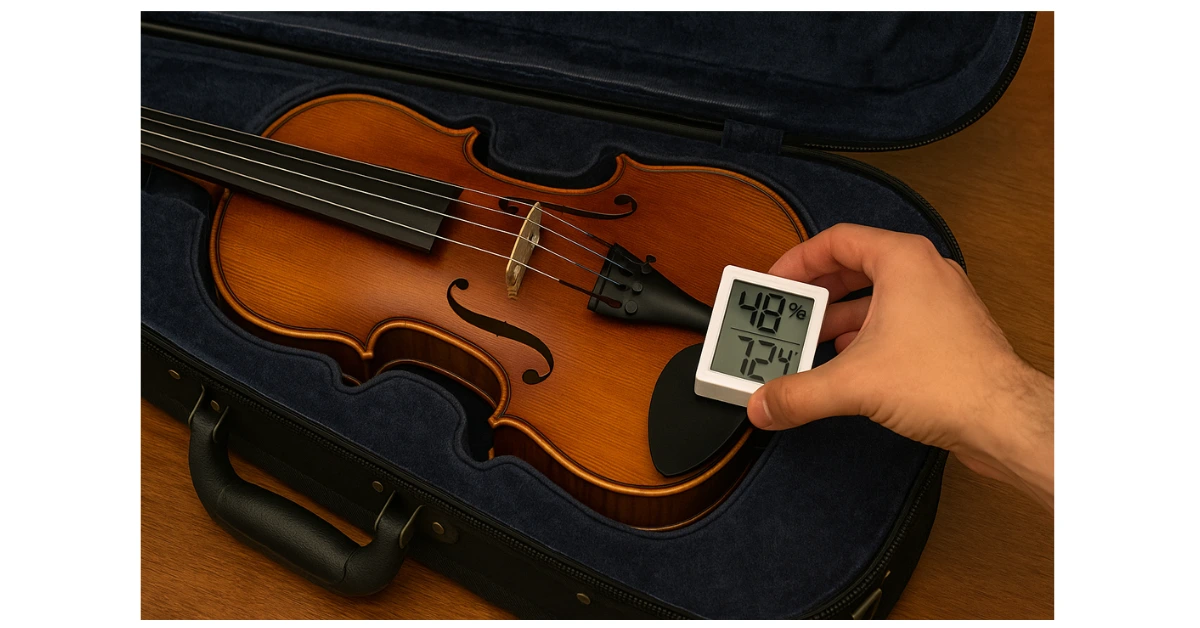
  4. Store in a room with moderate humidity (40%-60%).


5. Tune Your Violin Gently

How to Care for Your Violin1234567

Tuning is essential, but improper tuning can cause damage.

  1. Use fine tuners for small adjustments.
  2. Turn pegs slowly and firmly—don’t force them.
  3. Tune strings evenly to avoid uneven pressure on the bridge.
  4. Check tuning before every session, especially in humid areas.


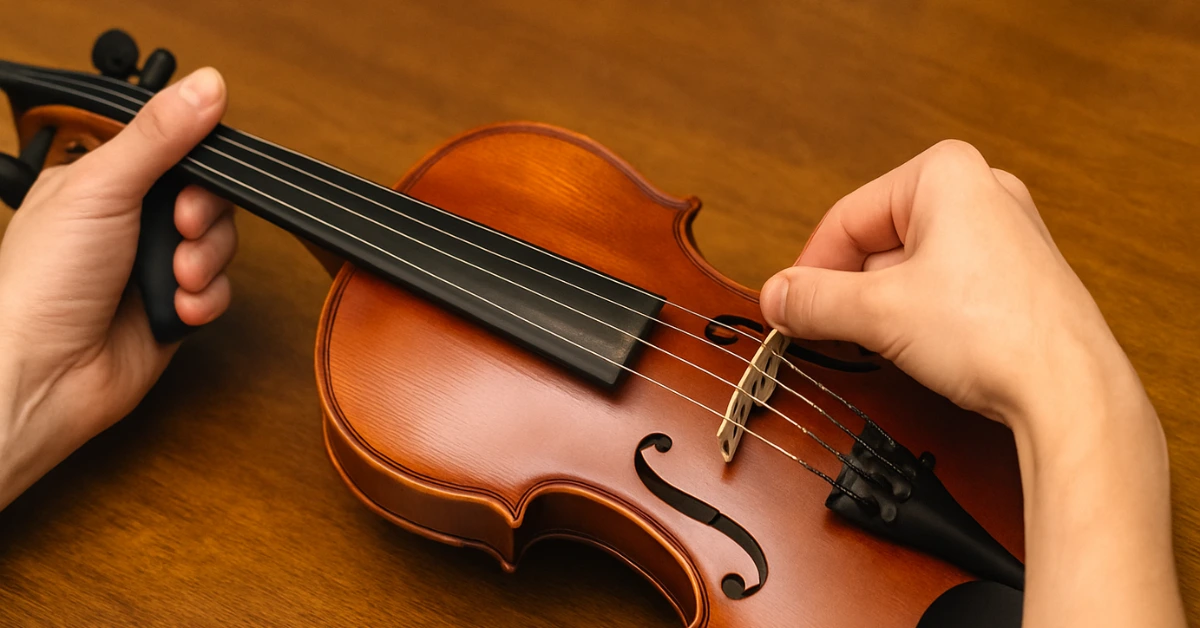
6. Change Strings Regularly

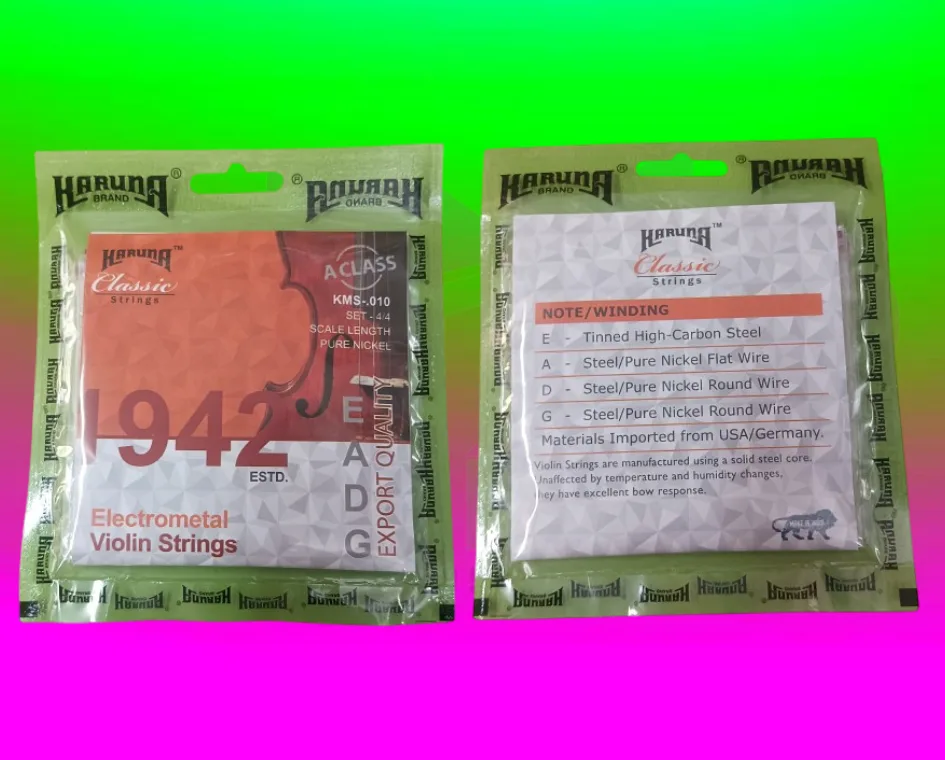
Karuna Violin Strings

Violin strings wear out over time, losing tone quality and elasticity.

  1. Change strings every 3–6 months, depending on usage.
  2. Always change one string at a time to maintain bridge position.
  3. Stretch new strings gently to stabilize tuning.
  4. Use strings that suit Indian climates and your genre of playing.


7. Check the Bridge and Sound Post

How to Care for Your Violin12345

The bridge and sound post are sensitive parts that influence tone.

  1. Ensure the bridge stands straight and doesn’t lean.
  2. The sound post should be vertically aligned inside the violin.
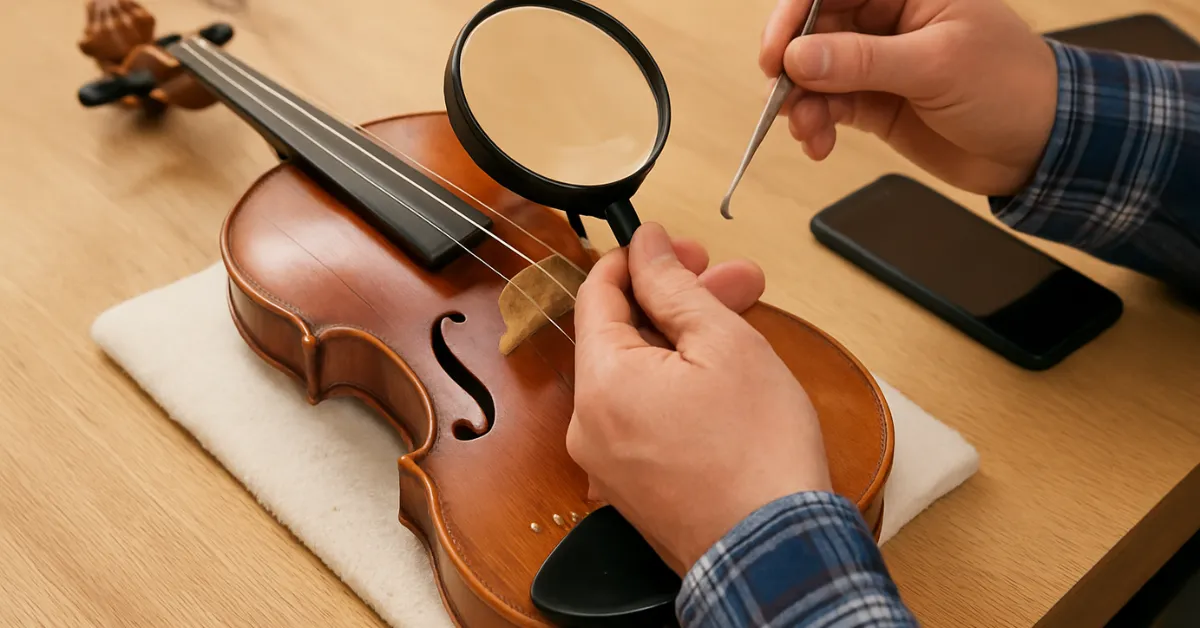
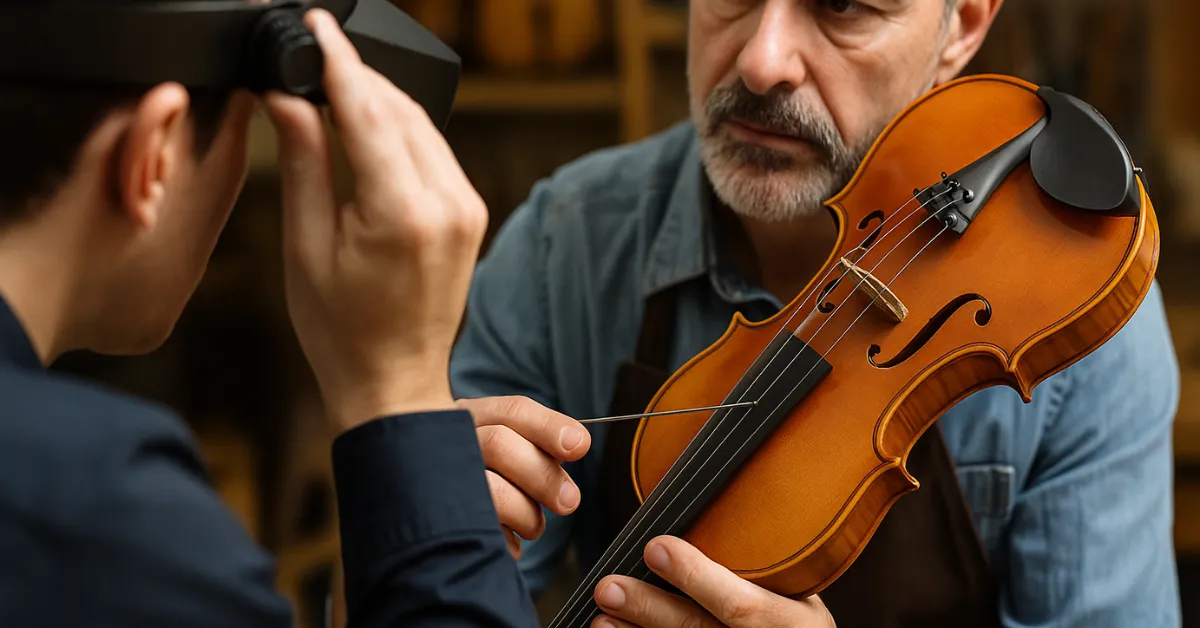
  3. Do not try to move these parts yourself—consult a luthier.


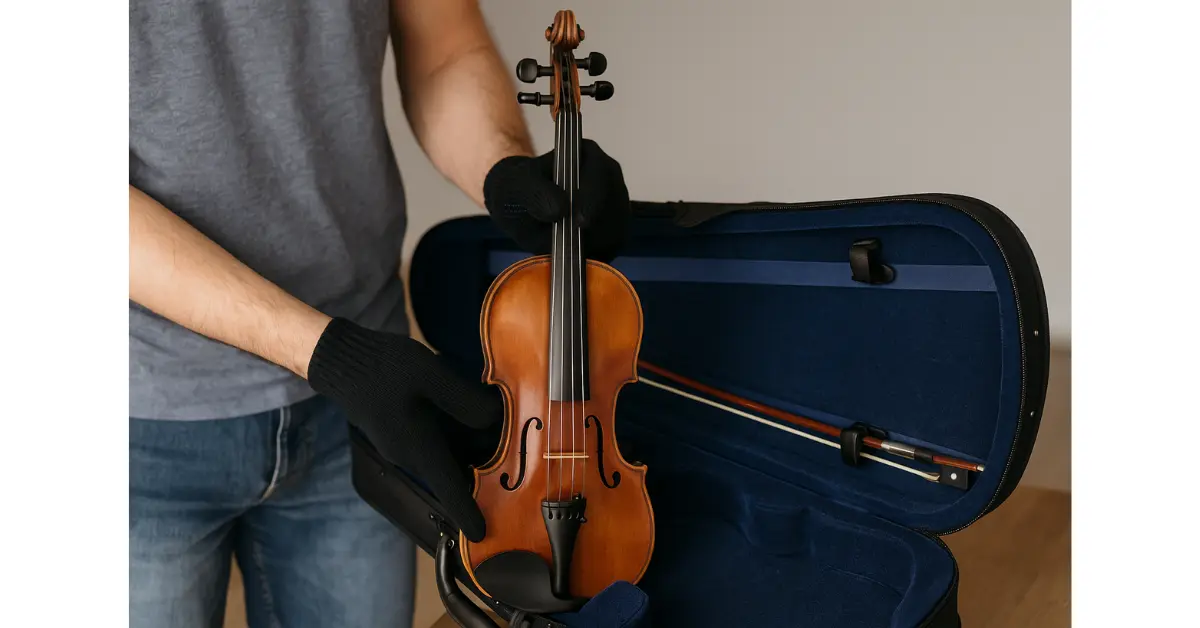
8. Handle with Clean Hands

How to Care for Your Violin2

Sweat and oil from hands can damage wood and strings.

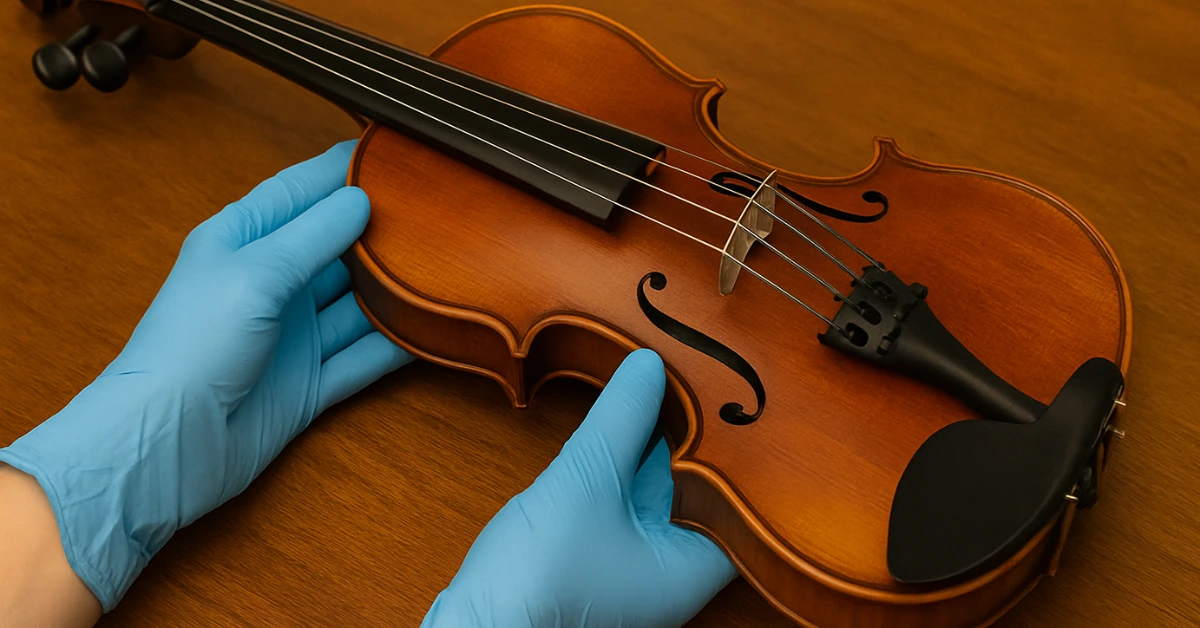
  1. Wash hands before every practice.
  2. Avoid eating snacks or applying lotions before playing.
  3. Use a cloth to support the chin rest if needed.


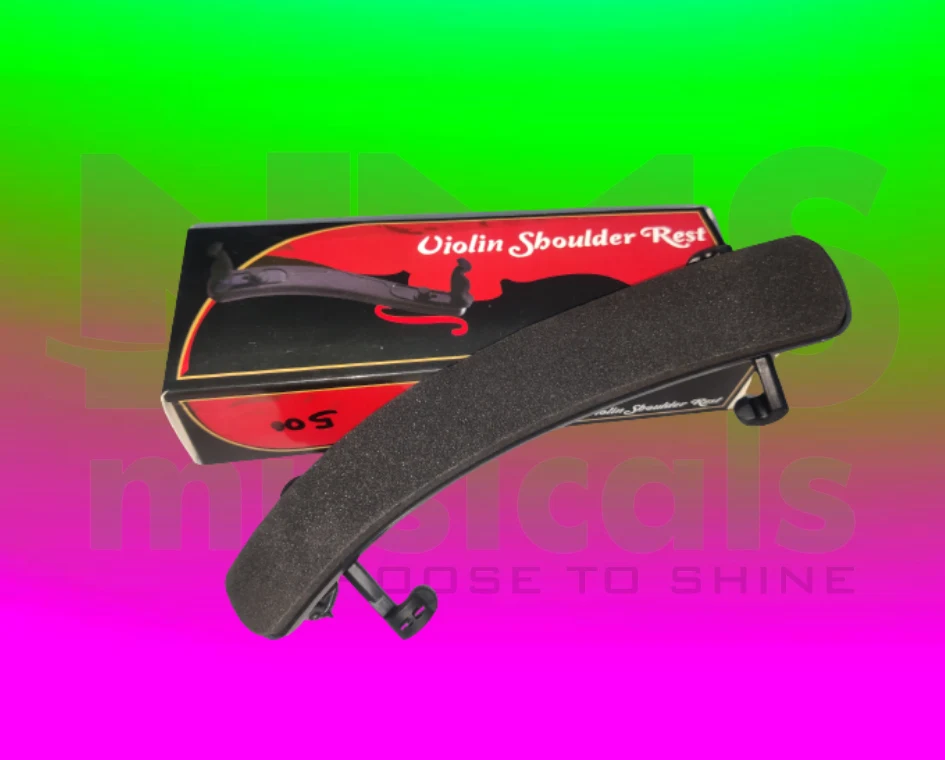
9. Use a Shoulder Rest or Pad

Comfort adds to care. Using proper accessories can reduce wear.

  1. Use padded shoulder rests or Indian-designed supports.
  2. Ensure it doesn’t leave marks or pressure dents.
  3. Adjust to fit your posture—avoid forcing.


10. Avoid DIY Repairs

Brilliant Tips on How to Care for Your Violin

Tempted to fix a minor crack? Don’t.

  1. Always consult a violin repair expert or luthier.
  2. DIY can worsen damage, especially in Indian wooden models.
  3. Keep contact details of trusted music shops or technicians.


11. Humidity Control Is Crucial

How to Care for Your Violin3

Indian summers and monsoons can wreck your instrument.

  1. Use silica gel packs or instrument humidifiers in your case.
  2. Avoid dehumidifiers unless advised.
  3. Monitor with a digital hygrometer.


12. Take Professional Servicing Seriously

Brilliant Tips on How to Care for Your Violin 1

Like tuning your vehicle, violins need expert checkups.

  1. Get your violin checked at least once a year.
  2. Ask your technician to inspect glue joints, fingerboard, and seams.
  3. Especially important before performances or recordings.


13. Know What Not to Do

Here’s what you should never do:

  1. Never hang your violin on a wall.
  2. Never leave it near a fan or AC vent.
  3. Never press down too hard on the strings.
  4. Never play with cracked rosin or dirty bows.


14. Indian Classical Violinists: Extra Tips

How to Care for Your Violin

For Carnatic and Hindustani players:

  1. Wipe after using coconut oil or any hand oil.
  2. Adjust tuning to match raga scales regularly.
  3. Use Indian-specific violin rests or floor supports.


15. Travel-Friendly Care Advice

How to Care for Your Violin8

Musicians who travel for concerts need extra care tips.

  1. Carry your violin as cabin luggage.
  2. Invest in a case with shock protection.
  3. Use string dampeners or rubber mutes during transit.


16. Educate Yourself Constantly

How to Care for Your Violin9

Care knowledge evolves.

  1. Read blogs (like this one!) and violin forums.
  2. Follow Indian violinists on YouTube or social media.
  3. Attend workshops and online maintenance tutorials.


CONCLUSION

Caring for your violin isn’t complicated—it’s about consistent habits and a little musical mindfulness. For Indian musicians, where climatic conditions and traditional styles bring unique demands, proper violin care becomes even more essential. From tuning to storage, cleaning to climate control, following the right steps ensures your violin delivers rich sound for years. Think of your violin as a lifelong friend—nurture it, and it will sing with you in every note. Whether you’re a budding Carnatic artist or a Western classical student, use these tips to play with confidence, clarity, and care.


At NMS Musicals, we offer a comprehensive range of musical instruments, including percussion, string, wind, and keyboard instruments. Our services encompass sales, expert servicing, and the manufacture of leather instruments. Explore our diverse collection and find the perfect instrument to suit your musical needs.

Visit our website to browse our offerings: nmsmusicals.in

For a closer look at our products, check out our shop page: nmsmusicals.in/shop

Stay connected with us through our social media channels:
Our shop locations are:

For inquiries, contact/Whatsapp us at 9500663895 or email us at laxman.m89@gmail.com.

Discover the world of musical instruments with NMS Musicals today!

For a visual overview of our percussion instruments, watch the following video:
Perfect Musical Instrument Gift for Boys Guide 2

Perfect Musical Instrument Gift for Boys Guide

Your Guide to the Perfect Musical Instrument Gift for Boys

Perfect Musical Instrument Gift for Boys

Gifting a musical instrument can be one of the most meaningful ways to inspire a child’s creativity and talent. If you’re looking to gift the perfect music instrument for a boy, there are many thoughtful choices, especially when you consider Indian musical traditions. Whether it’s for a birthday, a celebration, or simply to encourage musical growth, this guide will walk you through what to consider and which Indian instruments are best suited for boys of various ages and interests.


1. Understand the Child’s Age and Interest

  1. A musical gift should align with the child’s age. Younger boys may need lightweight, durable instruments like a small dhol or a beginner flute.
  2. Older boys may be ready for more complex instruments like a tabla set or a sitar.
  3. Observe if the boy has shown a preference for rhythm (like drumming on tables) or melody (humming tunes). This can guide your instrument choice.


2. Choose Age-Appropriate Instruments

  1. Ages 3–6: Toy instruments or simple percussive Indian instruments like the Kanjira or small dholaks.
  2. Ages 7–10: Instruments like the bansuri (Indian bamboo flute) or tabla.
  3. Ages 11+: Classical options like the sitar, harmonium, or even keyboard with Indian sound packs can be introduced.


3. Prioritize Indian Instruments for Cultural Connection

  1. Indian instruments help children develop cultural roots and a sense of tradition.
  2. Instruments like mridangam, bansuri, tabla, or santoor not only promote discipline but also build an emotional connection to music.
  3. These instruments can be easily learned under a local teacher or through online classes.


4. Consider Instrument Size and Portability

  1. Ensure the instrument isn’t too large or heavy for the child.
  2. Portable instruments like flutes or small tabla sets are easier to manage and store.
  3. If space is limited at home, avoid large instruments like harmoniums unless you’re sure they have space.


5. Think About Durability and Safety

  1. Choose instruments with rounded edges and non-toxic materials.
  2. Look for quality wood or fiber builds when gifting Indian instruments like tabla or dholak.
  3. Ensure tuning pegs, drum skins, or reeds are secure and don’t pose safety issues.


6. Balance Quality with Budget

  1. There are high-quality beginner instruments available under reasonable budgets.
  2. Indian brands like Paloma, Gurusoundz, and Radha Krishna Sharma offer beginner versions of classical instruments.
  3. Avoid ultra-cheap toy versions unless the gift is purely for fun, not serious learning.


7. Include Accessories and Learning Material

  1. Gift essential accessories like a tabla cover, sitar string set, or cleaning cloth.
  2. Include a beginner’s guidebook, online class subscription, or video tutorial.
  3. A tuning app or metronome can also add a valuable layer of learning.


8. Make It Personal and Inspiring

  1. Add a personal touch by engraving the boy’s name on the instrument (if applicable).
  2. Pair the gift with a storybook or documentary about famous Indian musicians.
  3. Attach a handwritten note encouraging their musical journey.


9. Top Indian Instruments to Gift a Boy

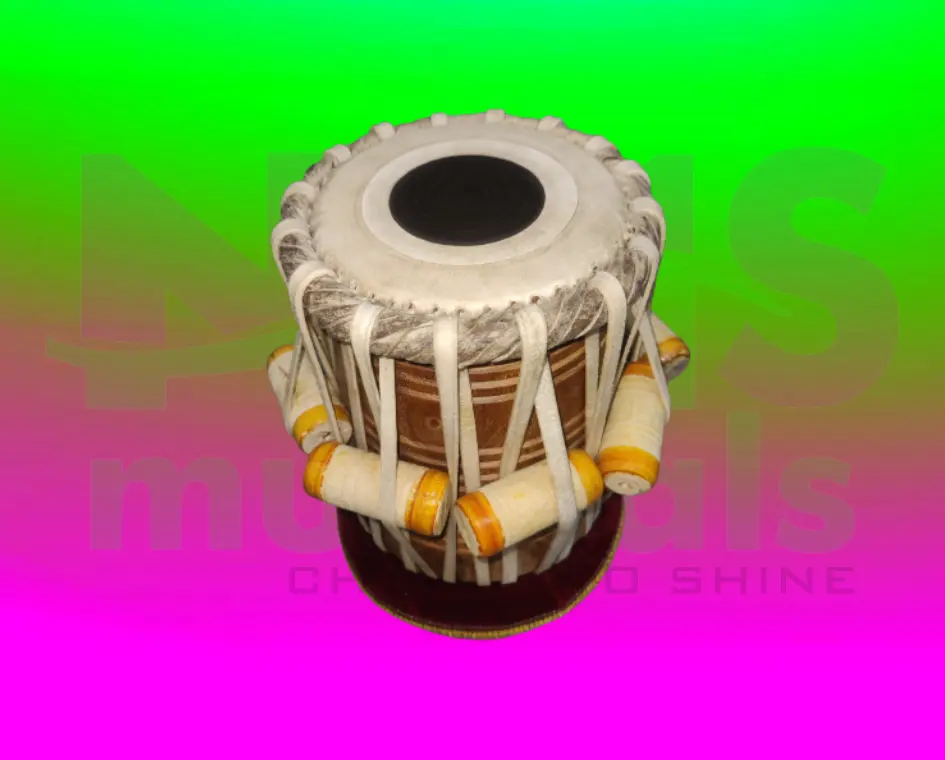
  1. Tabla: Great for rhythm-loving boys and one of the most iconic Indian instruments.
  2. Bansuri (Flute): Lightweight and portable, ideal for melodic learners.
    Bansuri D scale Flute
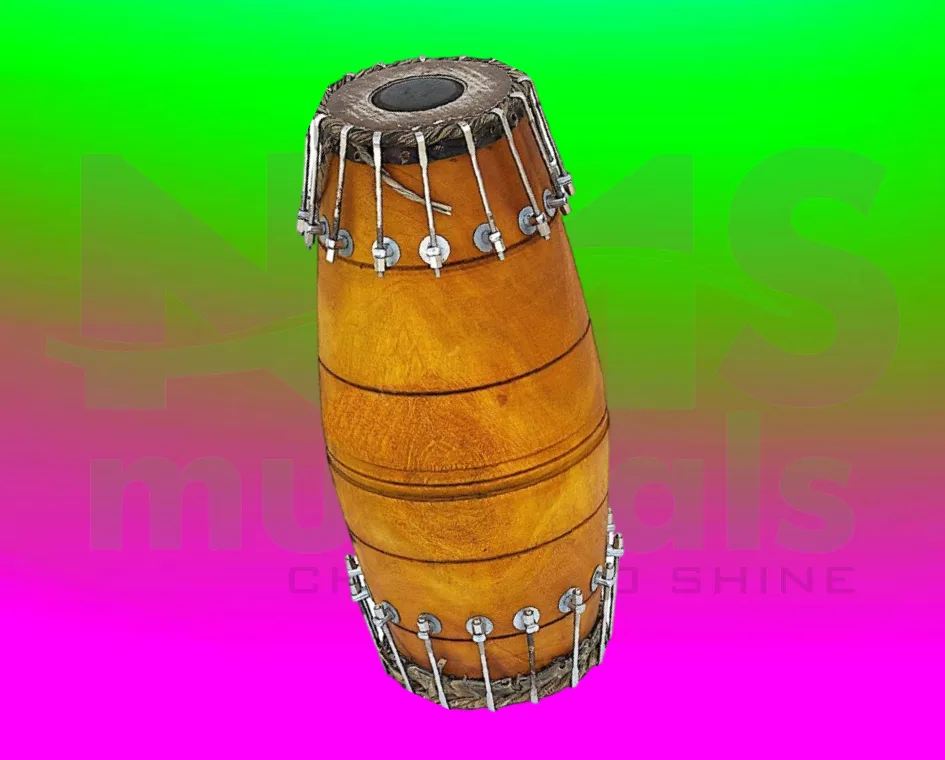
  3. Mridangam : Best for boys interested in South Indian classical percussion.
    Mridangam 22 inch bolt nut
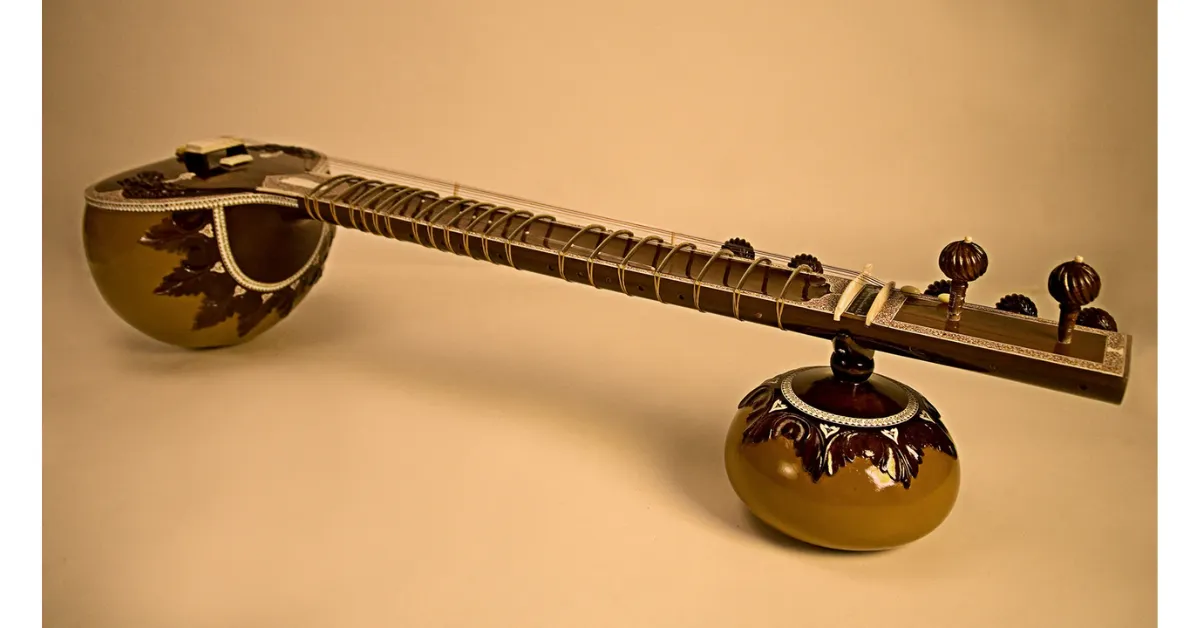
  4. Sitar: Perfect for older boys who want to dive into classical music.
    Perfect Musical Instrument Gift for Boys Guide 2
  5. Harmonium: Good for kids interested in both playing and singing.
    Harmonium side view
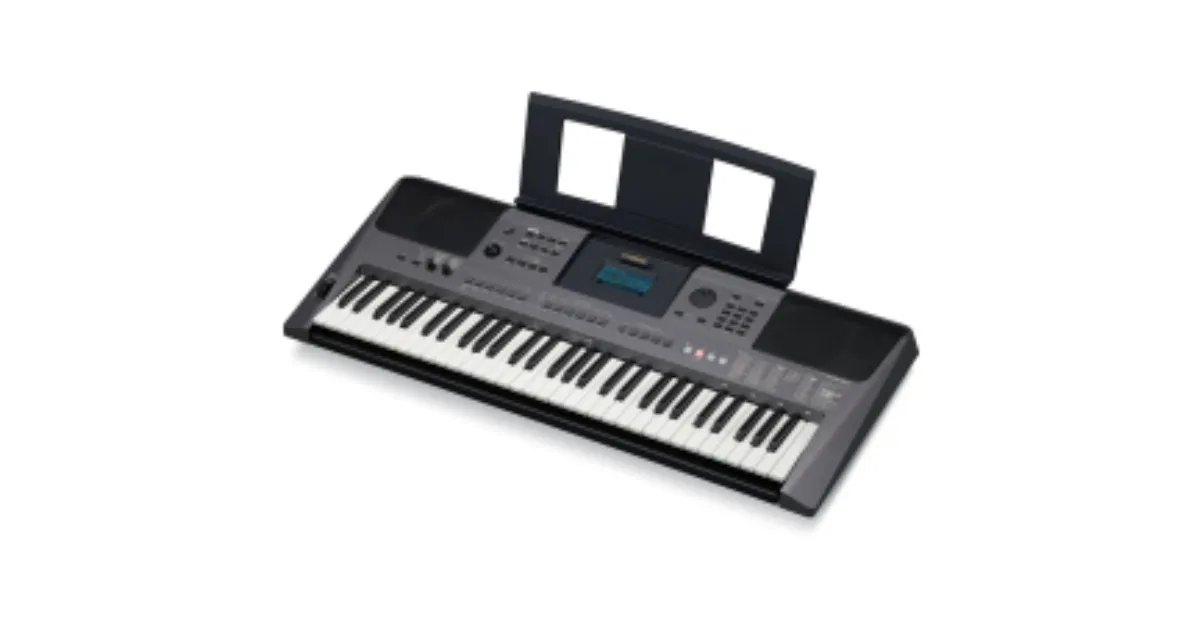
  6. Keyboard with Indian tones: Modern yet rooted in tradition.
    Perfect Musical Instrument Gift for Boys Guide 3


10. Where to Buy the Right Instrument

  1. Local music stores in cities like NMSMusicals(Chennai & Pondicherry) specialize in Indian classical instruments.
  2. Online platforms like NMSMusicals.in, Amazon India, or Flipkart offer child-friendly variants.
  3. Check for return policies, product reviews, and seller reputation before purchase.


CONCLUSION

Choosing to gift the perfect music instrument for a boy isn’t just about buying something fun—it’s about giving the gift of creativity, discipline, and cultural connection. By focusing on Indian instruments, age-appropriateness, safety, and learning support, you create an opportunity that can shape his future passion and talent. Whether it’s a tabla or a flute, the right instrument can unlock a lifelong love for music. Let your thoughtful choice be the beginning of a beautiful musical journey.


At NMS Musicals, we offer a comprehensive range of musical instruments, including percussion, string, wind, and keyboard instruments. Our services encompass sales, expert servicing, and the manufacture of leather instruments. Explore our diverse collection and find the perfect instrument to suit your musical needs.

Visit our website to browse our offerings: nmsmusicals.in

For a closer look at our products, check out our shop page: nmsmusicals.in/shop

Stay connected with us through our social media channels:
Our shop locations are:

For inquiries, contact/Whatsapp us at 9500663895 or email us at laxman.m89@gmail.com.

Discover the world of musical instruments with NMS Musicals today!

For a visual overview of our percussion instruments, watch the following video:
Benefits of Learning Violin for Kids Uncovered1

Amazing Benefits of Learning Violin for Kids Uncovered

Explore the top benefits of learning violin for kids and how it helps development

benefits of learning violin for kids

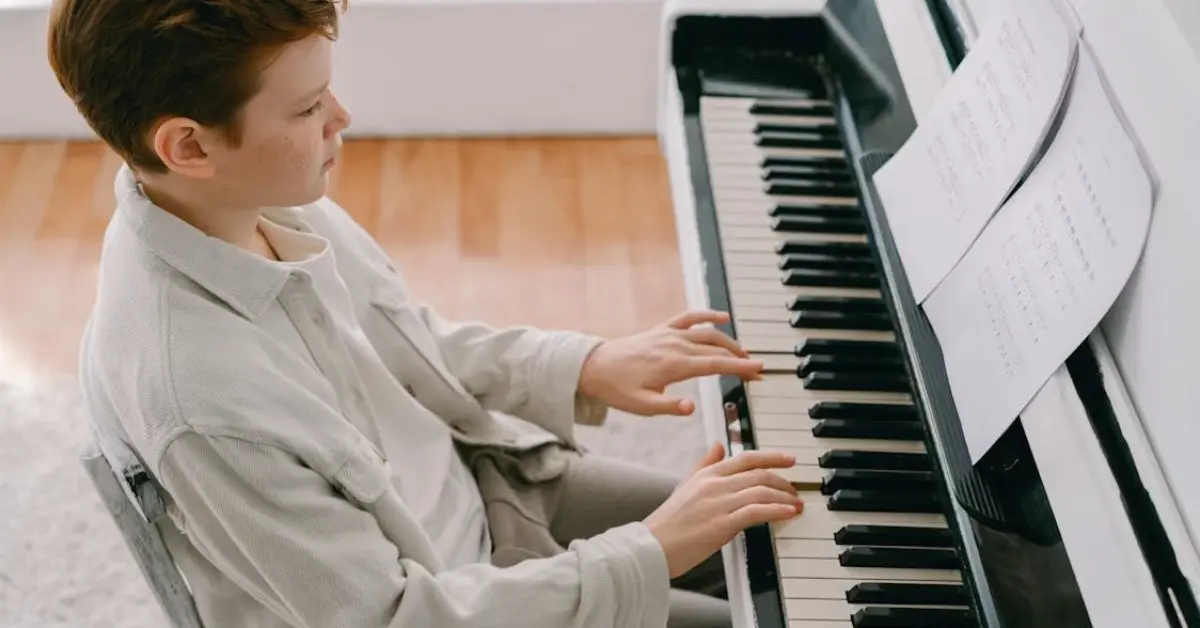
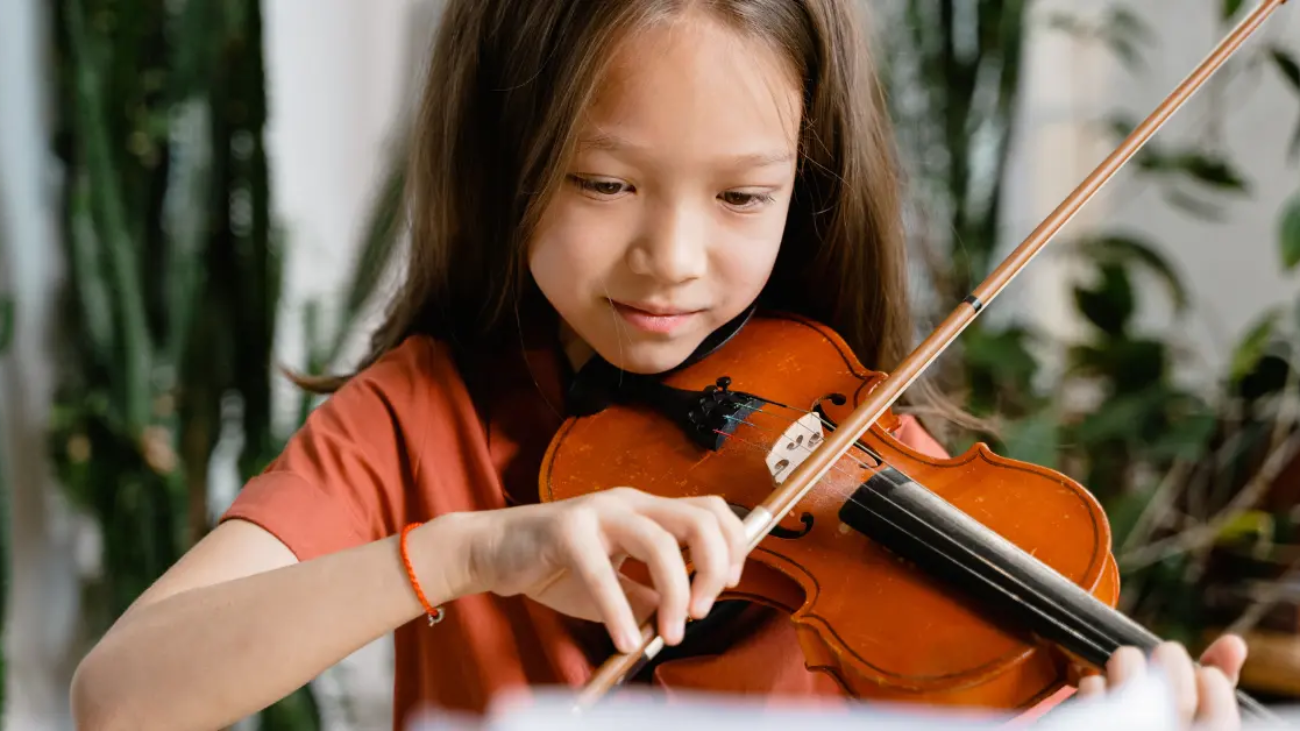
Music is a powerful tool for growth and development, especially for children. Among various instruments, the violin stands out as a unique blend of emotional expression, discipline, and technical skill. Parents looking to offer their child a meaningful musical journey often turn to violin training for its unmatched developmental benefits. In this blog, we’ll explore the top 5 benefits of learning the violin for children, helping you understand why this beautiful instrument can be a powerful part of your child’s growth story.


1. Enhances Cognitive and Academic Skills

Violin training has been closely linked with improved brain development and academic performance.

  • Why it matters: Strengthens memory, attention span, and problem-solving
  • Scientific support: Studies show increased IQ and better math/language skills
  • Practical impact: Children perform better in school and standardized tests

In-depth Insight:
When children learn to play the violin, they’re engaging both sides of their brain. Reading music, coordinating bowing and fingering, and listening attentively—all at once—activates cognitive centers that aid in multitasking and critical thinking. These skills spill over into classroom learning, making violin students more attentive and capable learners.


2. Develops Emotional Expression and Confidence

Playing the violin allows children to explore and express emotions while boosting self-esteem.

  • Why it matters: Promotes emotional intelligence and self-awareness
  • Performance effect: Builds stage confidence and pride in achievement
  • Emotional growth: Helps children articulate feelings through music

In-depth Insight:
Children often find it difficult to express emotions through words. The violin becomes a medium through which they communicate happiness, sorrow, and excitement. Over time, they become more in tune with their emotional states and gain confidence by mastering a complex instrument. Every recital or performance becomes a personal victory.


3. Improves Discipline and Patience

Mastering the violin takes regular practice, precision, and perseverance.

  • Why it matters: Builds a strong work ethic and persistence
  • Routine benefit: Instills time management and goal setting
  • Long-term impact: Creates a mindset of continuous improvement

In-depth Insight:
Children who learn the violin are introduced to the concept of delayed gratification. Progress is slow but rewarding, and this teaches them the value of commitment. Practicing scales or correcting posture may seem tedious, but it cultivates patience and a disciplined approach to challenges


.

4. Strengthens Physical Coordination and Motor Skills

Playing the violin improves fine motor control, posture, and overall physical coordination.

  • Why it matters: Enhances hand-eye coordination and muscle memory
  • Physical benefits: Improves dexterity and body alignment
  • Motor development: Refines gross and fine motor movements

In-depth Insight:
Handling a violin requires the simultaneous use of both hands in completely different roles—one managing the bow and the other fingering the strings. This bilateral coordination strengthens neural pathways responsible for complex movements. Children develop greater agility and precision in their movements, benefiting other physical activities as well.


5. Encourages Social Interaction and Teamwork

Violin students often participate in orchestras, duets, and group lessons, all of which foster social engagement.

  • Why it matters: Enhances communication and listening skills
  • Collaborative benefit: Teaches harmony and cooperation
  • Life skills: Fosters empathy, respect, and shared responsibility

In-depth Insight:
Music is a communal activity. When children play in ensembles, they learn to listen to others, adapt their timing, and maintain harmony. These lessons go beyond music, shaping them into empathetic and cooperative individuals who excel in group dynamics both in and outside of school.


CONCLUSION

Introducing your child to the violin can be a life-changing decision. The top 5 benefits of learning the violin for children go far beyond musical proficiency. From boosting academic performance to nurturing emotional expression and physical coordination, the violin cultivates a well-rounded personality. It teaches patience, discipline, and the joy of collaborative creativity.

By investing in violin education, you are not just giving your child a hobby—you are empowering them with skills that enrich every aspect of their life. Whether they pursue music professionally or keep it as a passion, the values and strengths they gain from the violin will stay with them forever.

So if you’re looking for an instrument that combines art, discipline, and emotional growth, the violin is a powerful and beautiful choice for your child.


At NMS Musicals, we offer a comprehensive range of musical instruments, including percussion, string, wind, and keyboard instruments. Our services encompass sales, expert servicing, and the manufacture of leather instruments. Explore our diverse collection and find the perfect instrument to suit your musical needs.

Visit our website to browse our offerings: nmsmusicals.in

For a closer look at our products, check out our shop page: nmsmusicals.in/shop

Stay connected with us through our social media channels:
Our shop locations are:

For inquiries, contact/Whatsapp us at 9500663895 or email us at laxman.m89@gmail.com.

Discover the world of musical instruments with NMS Musicals today!

For a visual overview of our percussion instruments, watch the following video:
Healing Power of Music Therapy Explained 2

Transformative Healing Power of Music Therapy Explained

Discover how the healing power of music therapy helps mind and body

Healing Power of Music Therapy

Music has always held a special place in human culture. From ancient chants and ceremonial rhythms to modern pop songs and symphonies, it speaks directly to our emotions and thoughts. In recent years, music has become more than just entertainment—it’s now recognized as a powerful form of therapy. Music therapy, particularly when it involves playing musical instruments, is emerging as a potent tool for healing and emotional well-being.

This blog explores music therapy the healing power of playing instruments, breaking down how and why it works, who it helps, and how anyone can benefit from it.


1. What Is Music Therapy?

Music therapy is a clinically proven approach where music is used to address physical, emotional, cognitive, and social needs. Certified music therapists design structured sessions involving music creation, listening, singing, or instrument playing to support therapeutic goals.

It’s not just about listening to relaxing music—though that helps, too. It’s an active, evidence-based process designed to improve quality of life, reduce stress, and promote emotional and psychological healing.


2. The Science Behind Music Therapy

Music has a profound effect on the brain. It activates both the left and right hemispheres, improves neuroplasticity, and encourages the release of dopamine and serotonin—neurochemicals associated with happiness and relaxation.

Here are some science-backed benefits:

  • Reduces cortisol levels (stress hormone)
  • Increases oxytocin (the “bonding” hormone)
  • Improves neuroplasticity, especially beneficial after trauma or injury
  • Enhances memory and focus—great for people with Alzheimer’s or ADHD


3. Why Playing Instruments Enhances Healing

Listening to music is powerful, but playing instruments deepens the therapeutic effect. Here’s how:

a. Physical Engagement

Playing an instrument involves coordination, movement, and breathing, which can help with motor skills and physical rehabilitation.

b. Emotional Release

Expressing emotions through music can help process trauma, reduce anxiety, and improve self-awareness.

c. Mental Focus

Learning an instrument encourages focus, discipline, and cognitive flexibility. This is particularly useful for children and individuals with attention disorders.

d. Social Connection

Group music sessions promote cooperation, communication, and empathy—crucial for those facing social anxiety or isolation.


4. Who Can Benefit from Music Therapy?

Music therapy is inclusive—it can help almost anyone, regardless of age or musical ability. Some groups that particularly benefit include:

a. Children with Developmental Disorders

Children with autism or speech delays often find it easier to express themselves through instruments and music games.

b. Seniors with Dementia

Music helps stimulate memory, evoke emotion, and create connections with others, even when verbal communication is challenging.

c. People Recovering from Trauma

Music provides a safe and non-verbal outlet to process painful memories and feelings.

d. Individuals with Mental Health Challenges

People dealing with depression, anxiety, PTSD, and stress-related disorders benefit from the structured emotional release that music offers.


5. Types of Instruments Often Used in Therapy

The type of instrument can influence the therapeutic effect. Some common options include:

a. Drums and Percussion

These are excellent for releasing tension and promoting coordination.

b. Piano and Keyboard

These instruments are great for melodic expression and cognitive stimulation.

c. Guitar

The guitar offers rhythmic and harmonic flexibility, making it popular in both individual and group sessions.

d. Wind Instruments (like flute or harmonica)

These aid in controlled breathing and relaxation.

e. Singing Bowls and Bells

Used in sound therapy, they promote calmness and meditation.


6. Music Therapy in Practice: What to Expect

In a typical music therapy session:

  • The therapist evaluates emotional and physical needs
  • Sessions are tailored—some may focus on rhythm, others on improvisation or songwriting
  • Goals may include improving communication, reducing anxiety, or enhancing motor skills

These sessions may be conducted in:

  • Hospitals
  • Schools
  • Mental health facilities
  • Rehabilitation centers
  • Private clinics or even online


7. Case Studies: Real-Life Healing Through Music

Case 1: PTSD Recovery

A war veteran struggling with PTSD found comfort in drumming sessions. Over months, the rhythmic activity helped reduce his flashbacks and anxiety levels.

Case 2: Speech Development in Children

A non-verbal child with autism began speaking words through singing activities during therapy. Instrument-based sessions encouraged expression and interaction.

Case 3: Elderly Joy

In a senior care home, group keyboard sessions sparked joy and laughter among residents, improving both cognitive function and emotional well-being.


8. Incorporating Music Therapy at Home

Even without a certified therapist, families can bring the benefits of music home:

  • Create a safe space for instrument exploration
  • Encourage improvisation and free play
  • Use music-based games for memory, attention, or communication
  • Practice breathing and mindfulness using wind instruments or singing


9. How to Get Started with Music Therapy

If you or someone you know could benefit:

  • Look for certified music therapists in your area
  • Ask your healthcare provider for referrals
  • Choose sessions based on individual needs—emotional healing, cognitive improvement, or stress reduction

Some useful resources include:

  • The Indian Association of Music Therapy (IAMT)
  • Hospitals and wellness centers with music-based programs
  • Online music therapy platforms for remote sessions


Conclusion

Music therapy is more than just a feel-good experience—it’s a transformative tool for healing. Through structured and purposeful engagement with instruments, individuals of all ages can experience improved mental, emotional, and physical well-being. Whether you’re struggling with stress, helping a child express emotions, or looking to reconnect with joy, music provides a path forward.

So why wait? Pick up that instrument, hit that key, or strike that drum. The healing power of playing instruments is real—and it’s never too late to tune into the music within.

At NMS Musicals, we offer a comprehensive range of musical instruments, including percussion, string, wind, and keyboard instruments. Our services encompass sales, expert servicing, and the manufacture of leather instruments. Explore our diverse collection and find the perfect instrument to suit your musical needs.

Visit our website to browse our offerings: nmsmusicals.in

For a closer look at our products, check out our shop page: nmsmusicals.in/shop

Stay connected with us through our social media channels:
Our shop locations are:

For inquiries, contact/Whatsapp us at 9500663895 or email us at laxman.m89@gmail.com.

Discover the world of musical instruments with NMS Musicals today!

For a visual overview of our percussion instruments, watch the following video:
Best Wind Instrument for Children

Powerful Choice: Best Wind Instrument for Children

Discover the perfect best wind instrument for children to nurture musical talent

Best Wind Instrument for Children1

Choosing the perfect wind instrument for your child can be a thrilling yet overwhelming experience. With so many options available, it’s essential to find an instrument that suits your child’s age, physical abilities, interests, and long-term musical goals. Wind instruments can help children build breath control, posture, coordination, and discipline, all while igniting a love for music.


Why Wind Instruments are Great for Kids

  1. Develops Physical and Mental Skills: Wind instruments improve lung capacity, posture, and hand-eye coordination.
  2. Encourages Discipline: Regular practice builds commitment and responsibility.
  3. Boosts Confidence: Performing and progressing builds self-esteem.
  4. Introduces Musical Concepts Early: Teaches pitch, rhythm, and tone from the beginning.
  5. Variety of Choices: From flutes to clarinets, there’s something for every personality.


Common Wind Instruments for Beginners

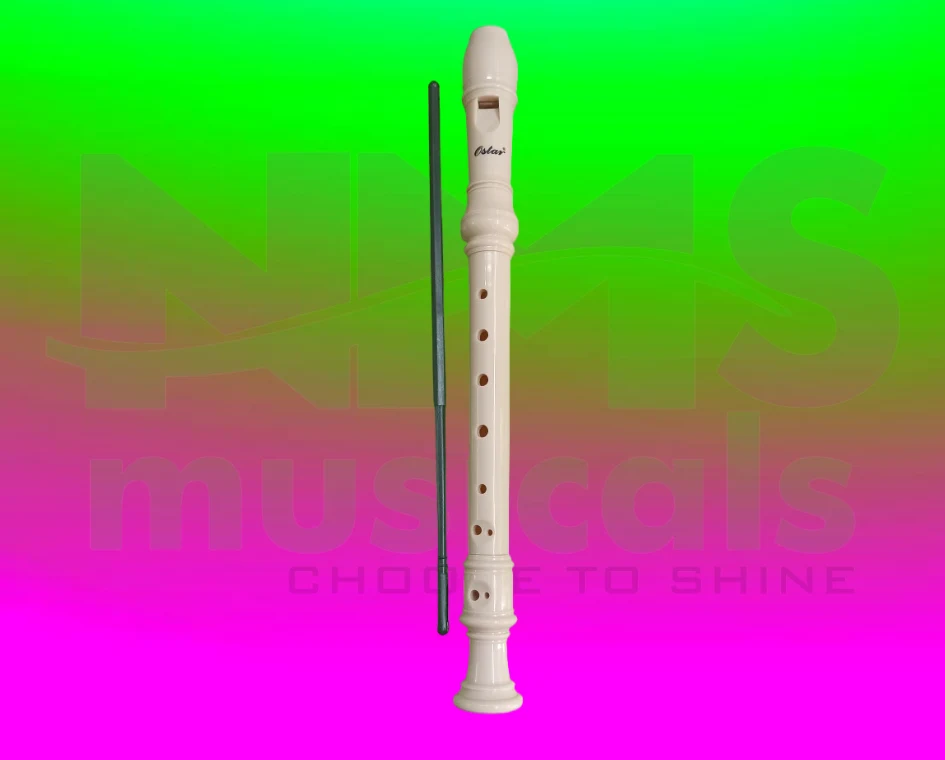
  1. Recorder
Recorder view
  • Affordable and simple to learn.
  • Teaches breath control and basic fingering.

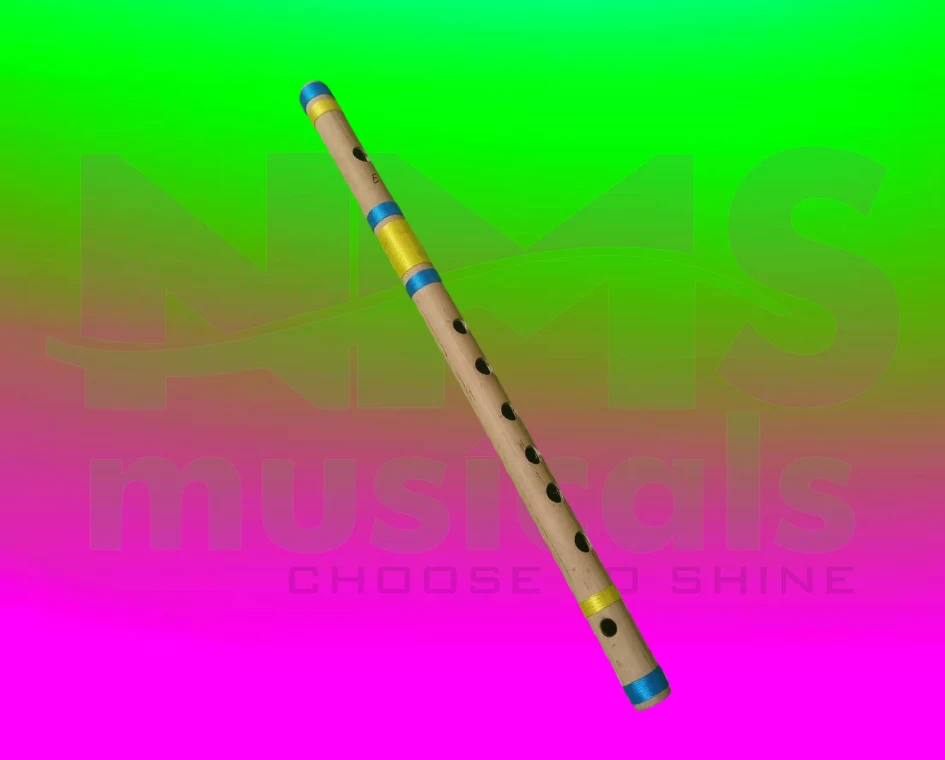
2. Flute

Bansuri E Flute
  • Requires good breath control.
  • Great for older children (ages 8+).

3. Clarinet

Best Wind Instrument for Children 1
  • Suitable for ages 9 and above.
  • Versatile for classical and modern music.

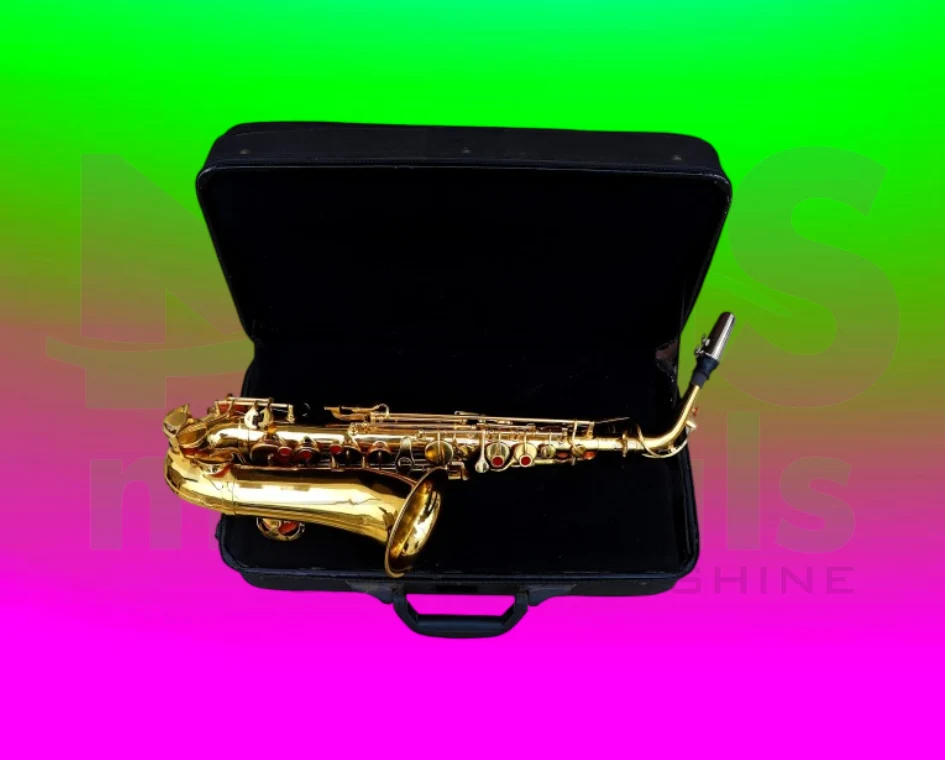
4. Saxophone

Saxophone with case
  • Best for teens due to size and weight.
  • Popular in jazz and school bands.

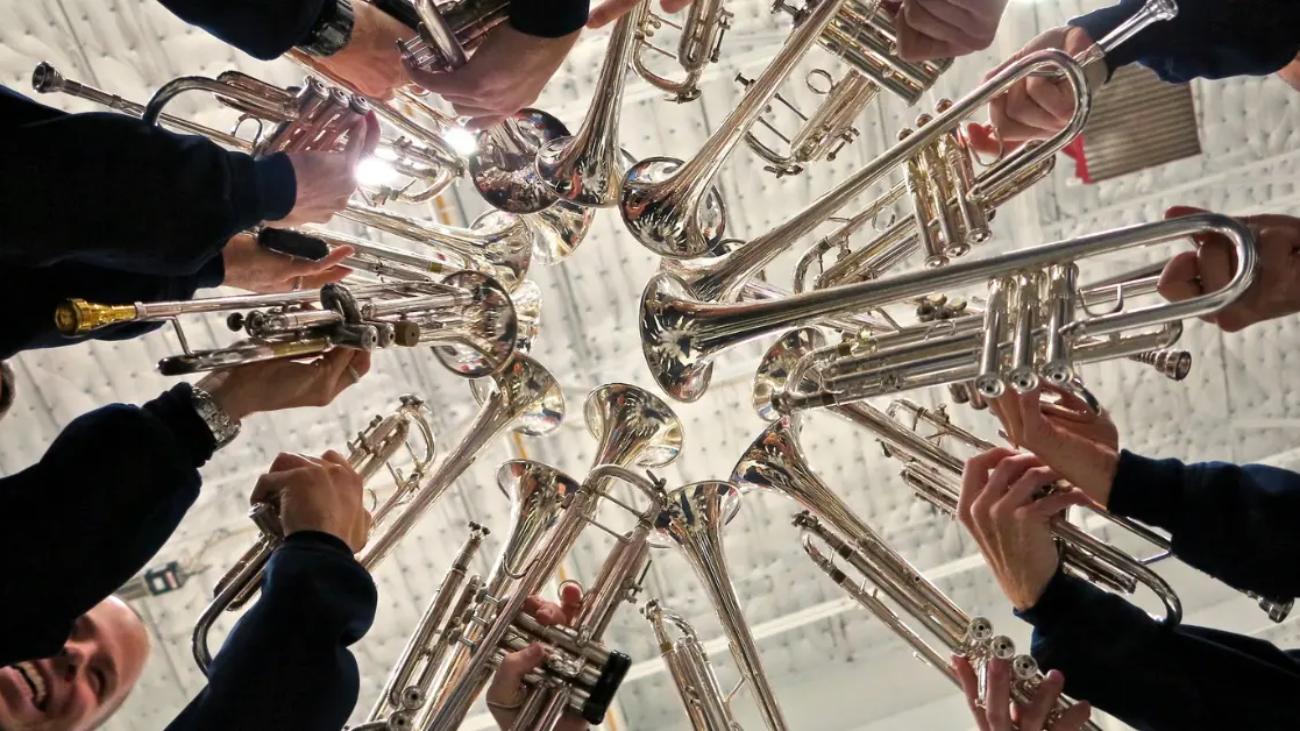
5. Trumpet

Trumpet
  • Loud and energetic.
  • Ideal for enthusiastic learners.

6. Trombone

Best Wind Instrument for Children 2
  • Fun to play, requires arm length and strength.
  • Great for physical kids with strong lungs.

7. French Horn

Best Wind Instrument for Children 3
  • Demands a good ear for pitch.
  • Suitable for dedicated students.


How to Know Which Instrument Fits Best

  1. Assess Physical Readiness
  • Mouth structure, hand size, and arm strength matter.
  • Ensure the child can comfortably hold the instrument.

2. Evaluate Musical Interests

  • Does your child enjoy classical, jazz, or pop music?
  • Match instrument to their favorite genre.

3. Consult with Music Teachers

  • Teachers can evaluate readiness and recommend the right choice.
  • They may allow trial sessions with various instruments.

4. Consider Personality Type

  • Outgoing kids might enjoy trumpet or saxophone.
  • Reflective children might prefer flute or clarinet.

5. Think Long-Term

  • Choose an instrument they can grow into.
  • Consider school band options and private lessons.


Benefits of Early Musical Training

  1. Academic Improvement: Music enhances math and reading skills.
  2. Emotional Development: Helps children express feelings creatively.
  3. Better Social Skills: Playing in bands or groups fosters teamwork.
  4. Improved Focus: Learning music requires concentration.
  5. Fun and Motivation: Children enjoy seeing progress and playing favorite songs.


Renting vs. Buying an Instrument

  1. Renting Pros:
  • Affordable for beginners.
  • Easy to switch instruments if needed.

2. Renting Cons:

  • Long-term cost adds up.
  • Rental instruments may have wear and tear.

3. Buying Pros:

  • Ownership creates a sense of responsibility.
  • Can be a good investment with proper care.

4. Buying Cons:

  • Higher upfront cost.
  • Risk of disinterest or damage.


Tips for Parents When Choosing a Wind Instrument

  1. Attend Live Performances: Let your child see and hear instruments in action.
  2. Try a Beginner’s Workshop: Hands-on experience can help them decide.
  3. Start with Private Lessons: Personalized guidance boosts initial success.
  4. Check for School Band Programs: These may influence instrument choices.
  5. Be Patient: It may take time for your child to find their favorite.


Maintaining the Instrument

  1. Regular Cleaning: Prevents bacteria build-up.
  2. Proper Storage: Use cases to avoid damage.
  3. Routine Check-ups: Technicians can catch minor issues early.
  4. Teach Responsibility: Encourage kids to care for their gear.
  5. Keep Accessories Handy: Reeds, oil, and cloths are essential.


Conclusion

How to choose the perfect wind instrument for your child doesn’t have to be a mystery. By considering their physical build, interests, personality, and long-term goals, you can help guide them toward a rewarding musical journey. Whether it’s a soft-toned flute or a bold trumpet, finding the right instrument can spark lifelong passion and joy. Equip your child with the right start and watch their musical talent flourish.


At NMS Musicals, we offer a comprehensive range of musical instruments, including percussion, string, wind, and keyboard instruments. Our services encompass sales, expert servicing, and the manufacture of leather instruments. Explore our diverse collection and find the perfect instrument to suit your musical needs.

Visit our website to browse our offerings: nmsmusicals.in

For a closer look at our products, check out our shop page: nmsmusicals.in/shop

Stay connected with us through our social media channels:
Our shop locations are:

For inquiries, contact/Whatsapp us at 9500663895 or email us at laxman.m89@gmail.com.

Discover the world of musical instruments with NMS Musicals today!

For a visual overview of our percussion instruments, watch the following video:
Ultimate Guide: How to Clean Your Guitar Step-by-Step

Ultimate Guide: How to Clean Your Guitar Step-by-Step

Ultimate Guide: How to Clean Your Guitar Step-by-Step

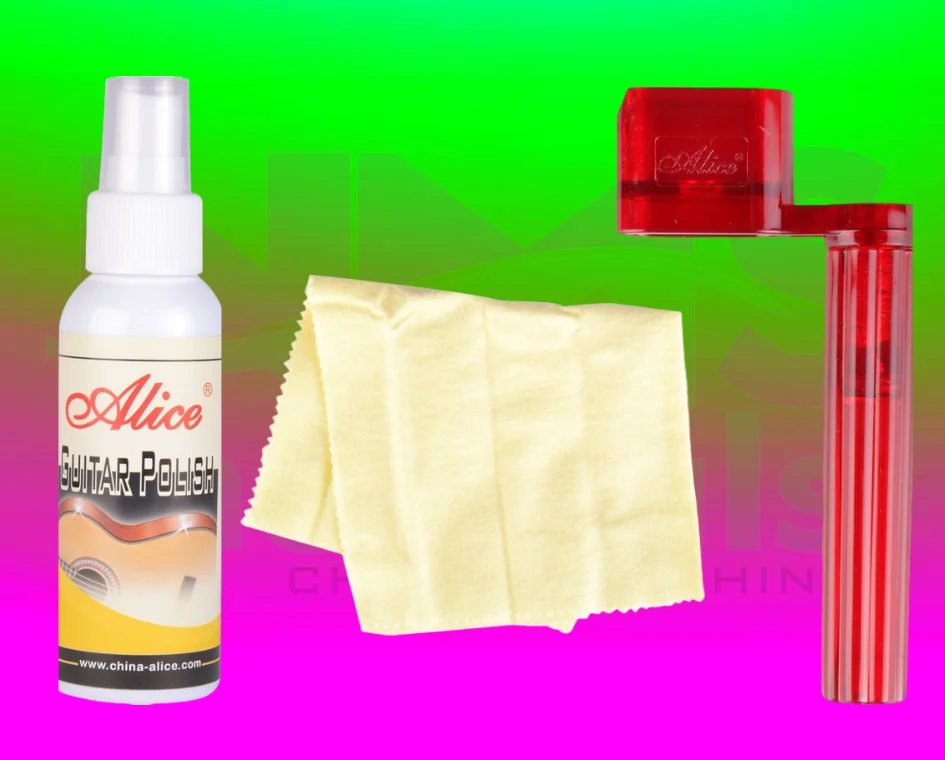
Alice Guitar Polish

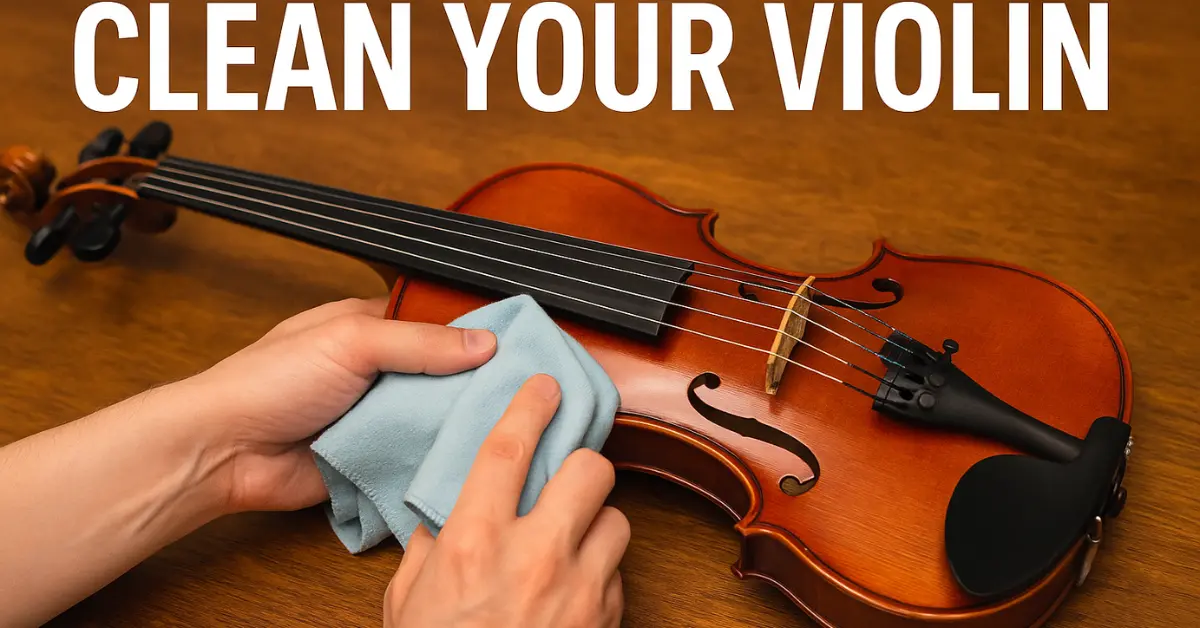
Keeping your guitar in top condition isn’t just about tuning and playing—it’s also about giving it the proper care it deserves. Whether you’re a beginner or an experienced musician, knowing how to clean your guitar step-by-step is essential. A clean guitar not only looks better but also sounds better and lasts longer. In this blog, we’ll walk you through an easy and effective way to clean your guitar and maintain it in perfect condition.


1. Why Cleaning Your Guitar Matters

  1. Sound Quality Preservation
    Dust and grime can dull the resonance and vibrancy of your guitar over time. A clean guitar ensures optimal sound output and clarity.
  2. Improves Playability
    Dirty fretboards and sticky strings can hinder smooth play. Cleaning your guitar regularly enhances your overall playing experience.
  3. Extends Lifespan
    Just like any other instrument, a well-maintained guitar lasts longer. Regular cleaning helps avoid rust, corrosion, and permanent damage.
  4. Enhances Aesthetics
    A shiny, clean guitar is a joy to look at. It reflects the care and love you have for your instrument.


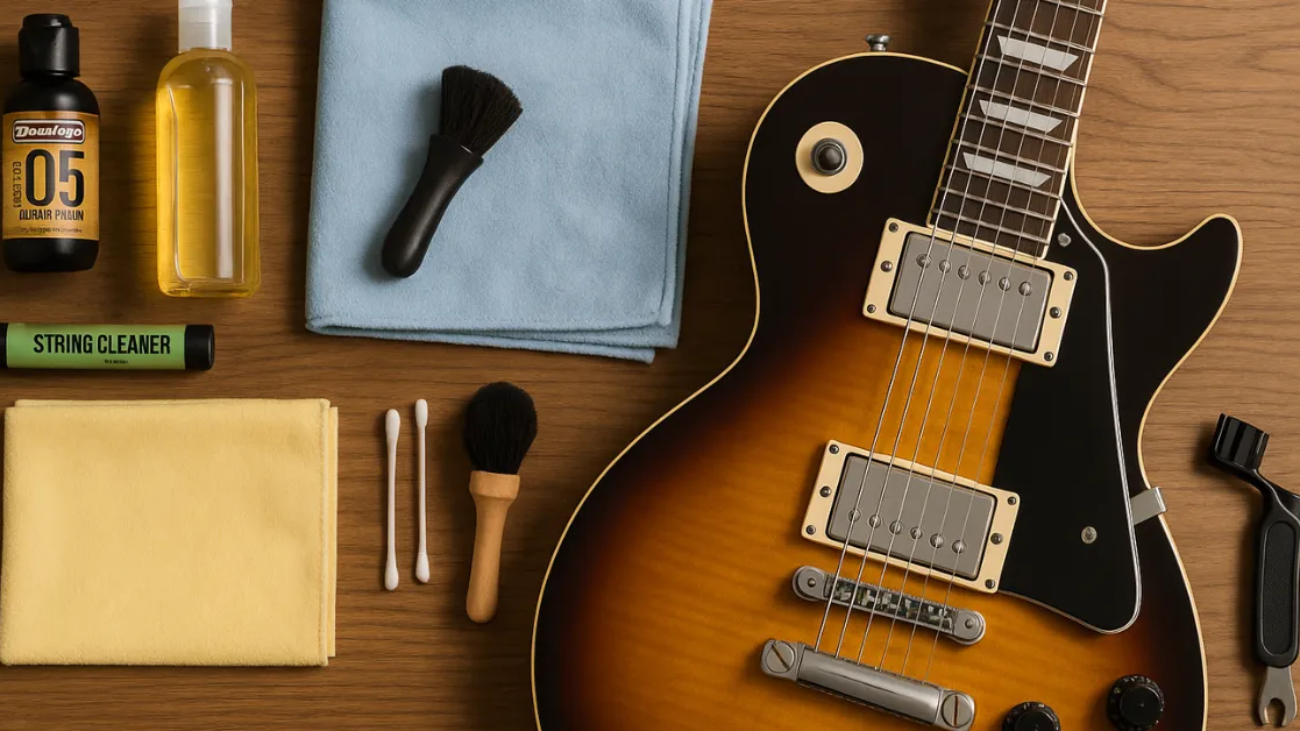
2. Tools and Materials You Need

  1. Microfiber Cloth
    Soft and lint-free cloth for wiping dust and polishing.
  2. Guitar Polish
    Use a polish that’s specially formulated for guitars to avoid damage.
  3. String Cleaner or Rubbing Alcohol
    To remove grime and oil buildup on the strings.
  4. Lemon Oil (for fretboard)
    Great for conditioning rosewood or ebony fretboards.
  5. String Winder and Cutter
    Helps to remove and replace guitar strings easily.
  6. Soft Brush or Paintbrush
    Useful for dusting around the tuning pegs and bridge.
  7. Cotton Swabs
    For cleaning those hard-to-reach spots.


3. Safety Tips Before You Start

  1. Work on a Flat Surface
    Place your guitar on a flat, soft surface to prevent it from slipping or falling.
  2. Remove Strings Carefully
    Always detune and remove strings slowly to prevent neck tension issues.
  3. Use Only Guitar-Safe Products
    Avoid household cleaners—they can damage the wood and finish.


4. Step-by-Step Guide to Clean Your Guitar

  1. Step 1: Remove the Strings
    Start by loosening and carefully removing the strings. This gives you full access to the fretboard and body.
  2. Step 2: Clean the Fretboard
    Use a dry brush or cloth to remove loose dirt. Then apply lemon oil using a cloth or cotton swab and wipe gently.
  3. Step 3: Polish the Body
    Spray a small amount of guitar polish on a microfiber cloth and wipe the body in circular motions. Avoid spraying directly on the guitar.
  4. Step 4: Clean the Headstock and Tuning Pegs
    Use a soft brush and cotton swabs to clean around the tuning machines. Wipe with a clean cloth.
  5. Step 5: Clean the Bridge and Pickups
    Dust the bridge carefully using a brush and polish the area. For electric guitars, use a dry cloth to gently wipe pickups.
  6. Step 6: Clean the Back and Sides
    Wipe the back and sides of the guitar with a microfiber cloth and polish if needed.
  7. Step 7: Clean the Strings (if reusing)
    If you’re not replacing strings, use a string cleaner or lightly damp cloth with rubbing alcohol to clean them.
  8. Step 8: Restring the Guitar
    Replace with a fresh set of strings or reinstall the old ones if cleaned. Tune your guitar gradually to full pitch.


5. How Often Should You Clean Your Guitar?

  1. Quick Wipe Down After Every Use
    Always give your guitar a quick wipe after playing to remove sweat and oils.
  2. Deep Cleaning Once a Month
    A monthly deep clean ensures everything stays in perfect condition.
  3. Fretboard Conditioning Every 3-6 Months
    If your fretboard is unfinished wood like rosewood or ebony, condition it every few months.
  4. String Change Every 1-3 Months
    Depending on usage, change your strings regularly to maintain tone and playability.


6. Tips to Keep Your Guitar Clean Longer

  1. Wash Your Hands Before Playing
    Clean hands mean less grime transferring to your instrument.
  2. Use a Guitar Case
    Store your guitar in a hard or soft case to protect it from dust and environmental changes.
  3. Avoid Exposure to Extreme Temperatures
    Keep your guitar away from direct sunlight, heaters, and moisture.
  4. Use a Humidifier if Needed
    Especially for acoustic guitars, humidity can make a big difference in wood preservation.
  5. Wipe Down Strings After Every Session
    It takes only a few seconds and keeps strings sounding fresh longer.


7. Special Tips for Different Guitar Types

  1. Acoustic Guitars
    Focus on wood conditioning and bridge cleaning. Avoid too much polish on soundboards.
  2. Electric Guitars
    Pay attention to electronics and pickups. Avoid liquid near knobs and switches.
  3. Classical Guitars
    Be extra gentle with nylon strings and avoid over-oiling the fretboard.
  4. Bass Guitars
    Strings collect grime easily. Clean them more often and watch for pickup buildup.


Conclusion

Cleaning your guitar doesn’t have to be complicated. With the right tools and a bit of time, you can keep your guitar in peak condition, improving its performance and extending its lifespan. Knowing how to clean your guitar step-by-step empowers you to care for your instrument like a pro. Whether you’re preparing for a performance or just enjoying a jam session at home, a clean guitar always sounds and feels better. Make cleaning a regular part of your musical journey, and your guitar will thank you with every note it plays.


At NMS Musicals, we offer a comprehensive range of musical instruments, including percussion, string, wind, and keyboard instruments. Our services encompass sales, expert servicing, and the manufacture of leather instruments. Explore our diverse collection and find the perfect instrument to suit your musical needs.

Visit our website to browse our offerings: nmsmusicals.in

For a closer look at our products, check out our shop page: nmsmusicals.in/shop

Stay connected with us through our social media channels:
Our shop locations are:

For inquiries, contact/Whatsapp us at 9500663895 or email us at laxman.m89@gmail.com.

Discover the world of musical instruments with NMS Musicals today!

For a visual overview of our percussion instruments, watch the following video: