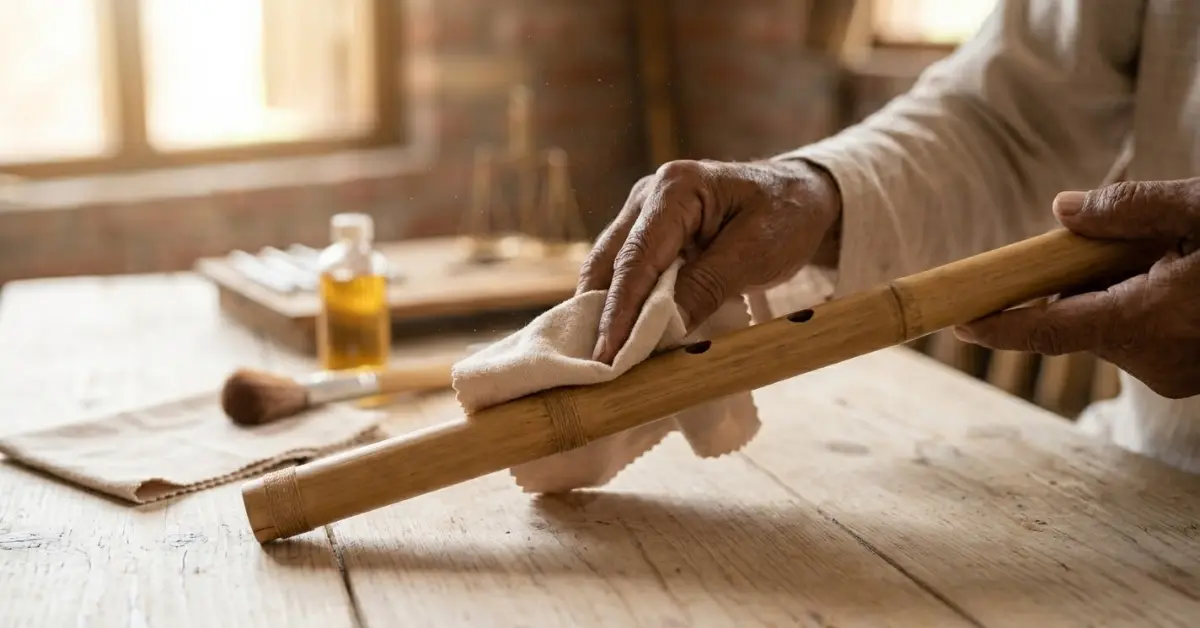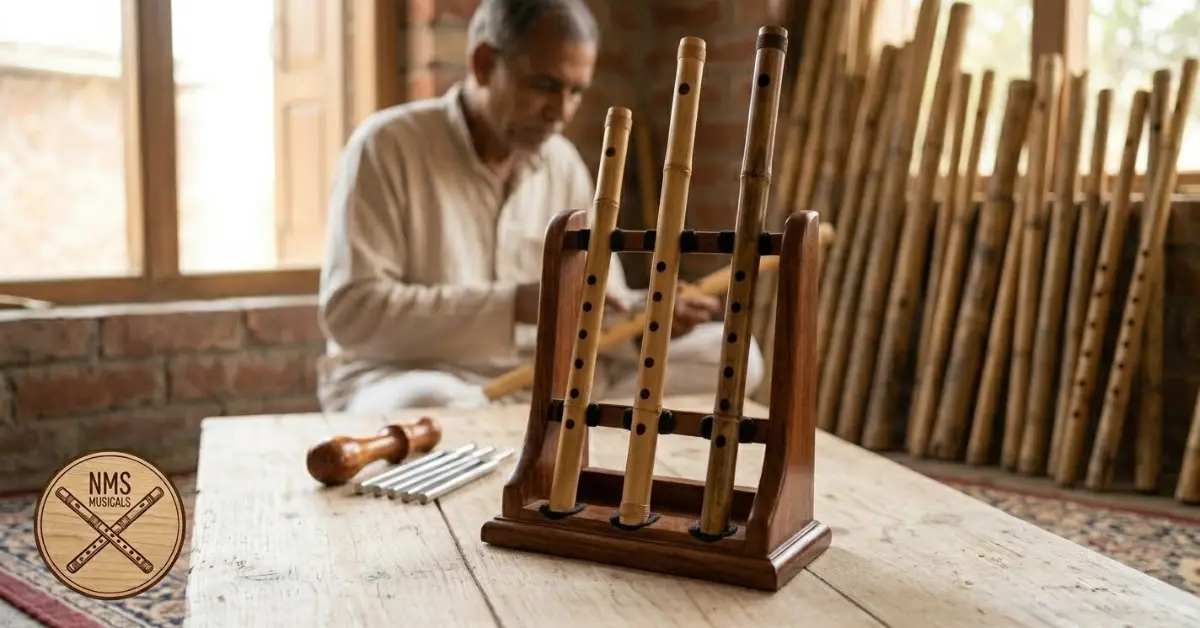
Trombone in Indian Marching Bands: Power, Sound & Style

Trombone in Indian Marching Bands: Amazing Professional Guide

Trombone in Indian Marching Bands and Why It Matters Today

Unstoppable Power: Why the Trombone is a Must-Have in Marching Bands

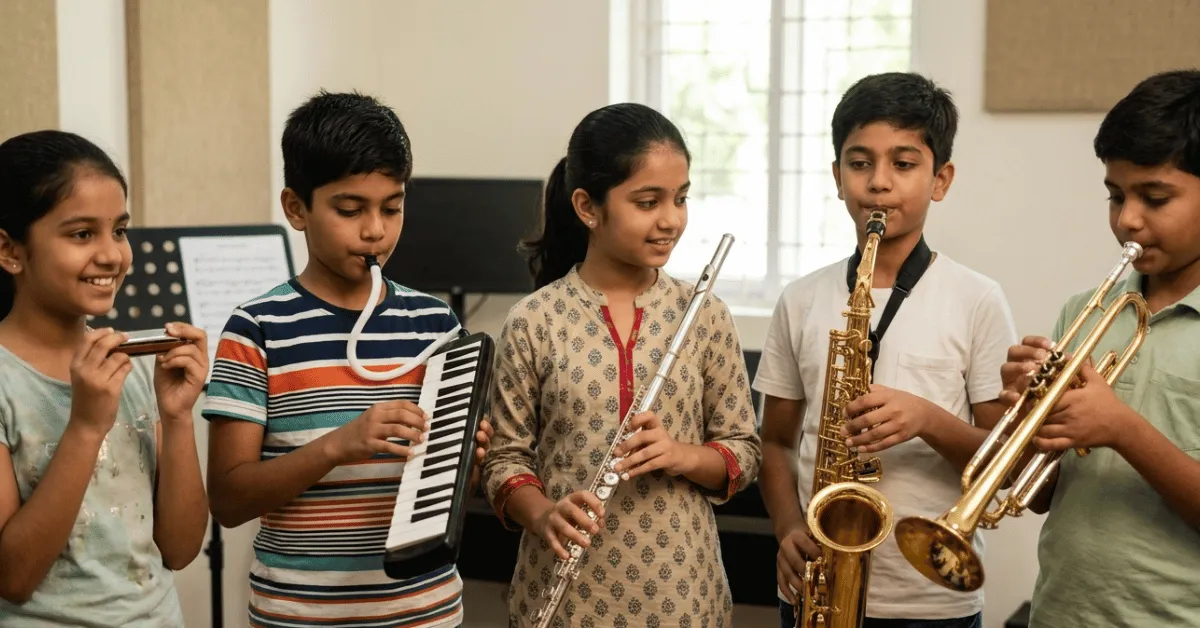
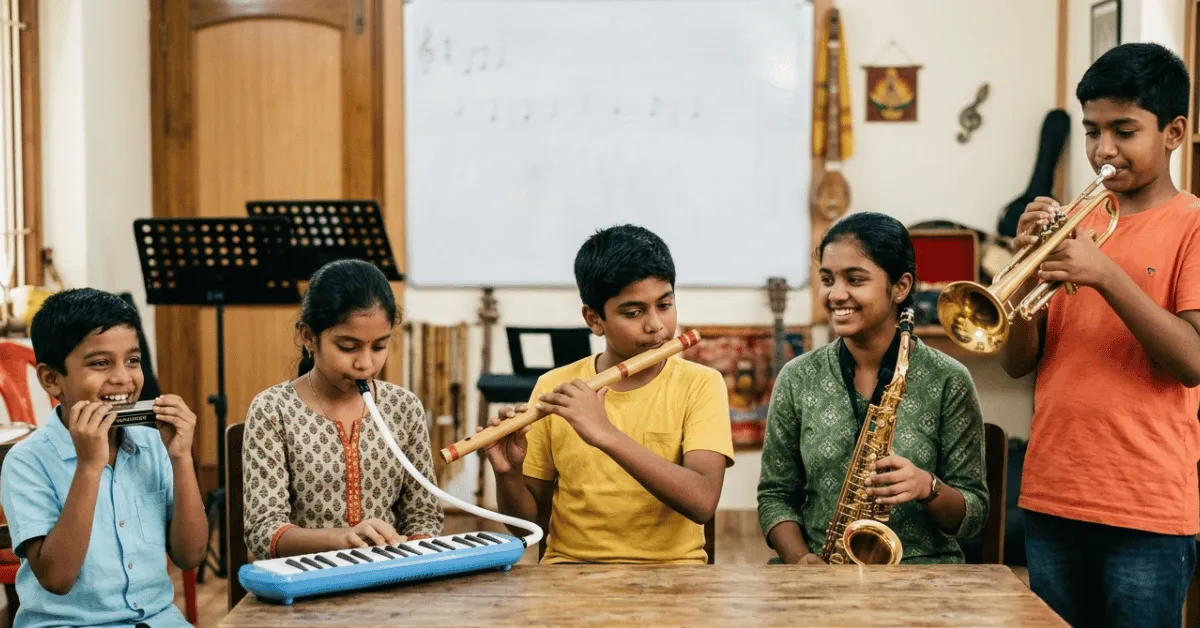
Marching bands are an iconic part of many cultural events in India, from Independence Day parades to Republic Day celebrations and even school competitions and college festivals. Among the many instruments that make up a marching band, the trombone holds a particularly powerful and irreplaceable role. Known for its rich tone, visual flair, and ability to blend or lead with equal finesse, the trombone brings both strength and soul to the ensemble.

This blog dives into why the trombone is an essential brass instrument in marching bands, especially in the Indian context. Whether you’re a student, band director, or music enthusiast, understanding the trombone’s impact can help you appreciate this powerful brass instrument—or even inspire you to pick one up yourself.


1. The Trombone’s Unique Sound Stands Out in Open-Air Marches

Trombone in Indian Marching Bands Power, Sound & Style

Marching bands often perform outdoors—on streets, school grounds, stadiums, and parade routes. The environment is open, and sound disperses quickly. Unlike indoor concerts, the outdoor setting demands instruments that can project loud, clear, and rich tones over distance and noise. The trombone does this remarkably well.

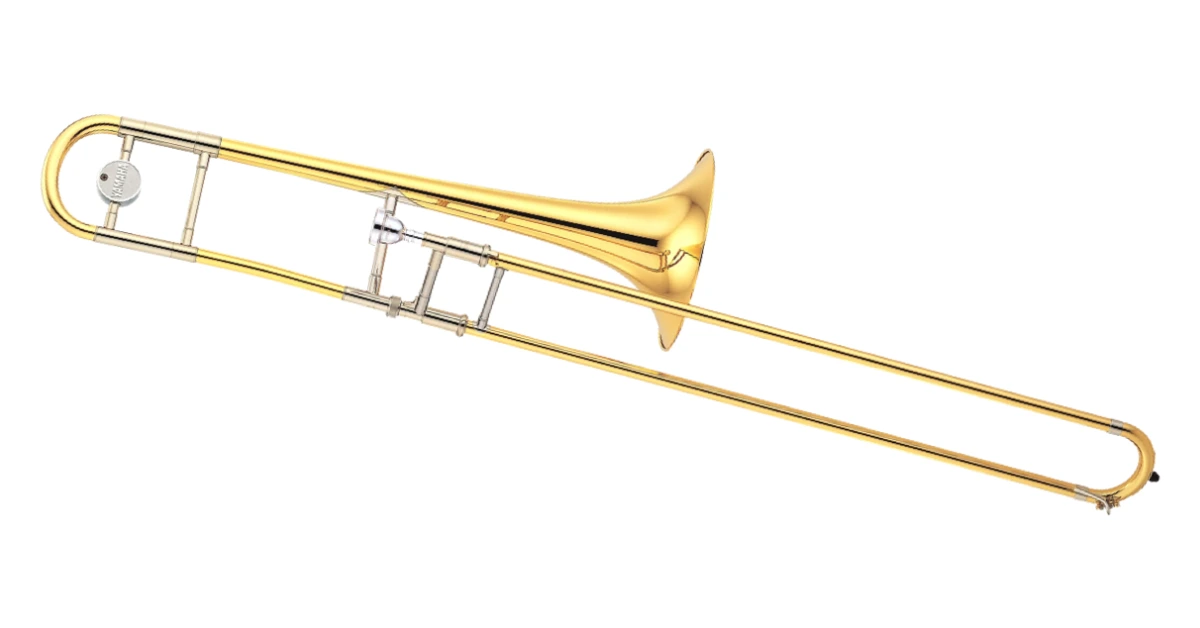
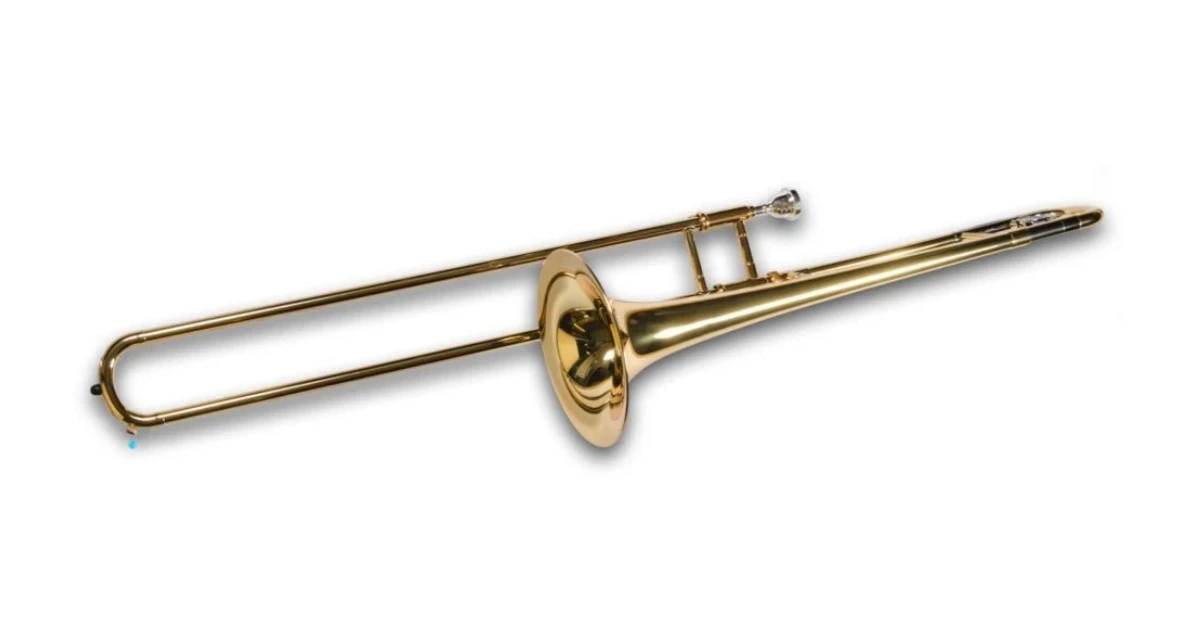
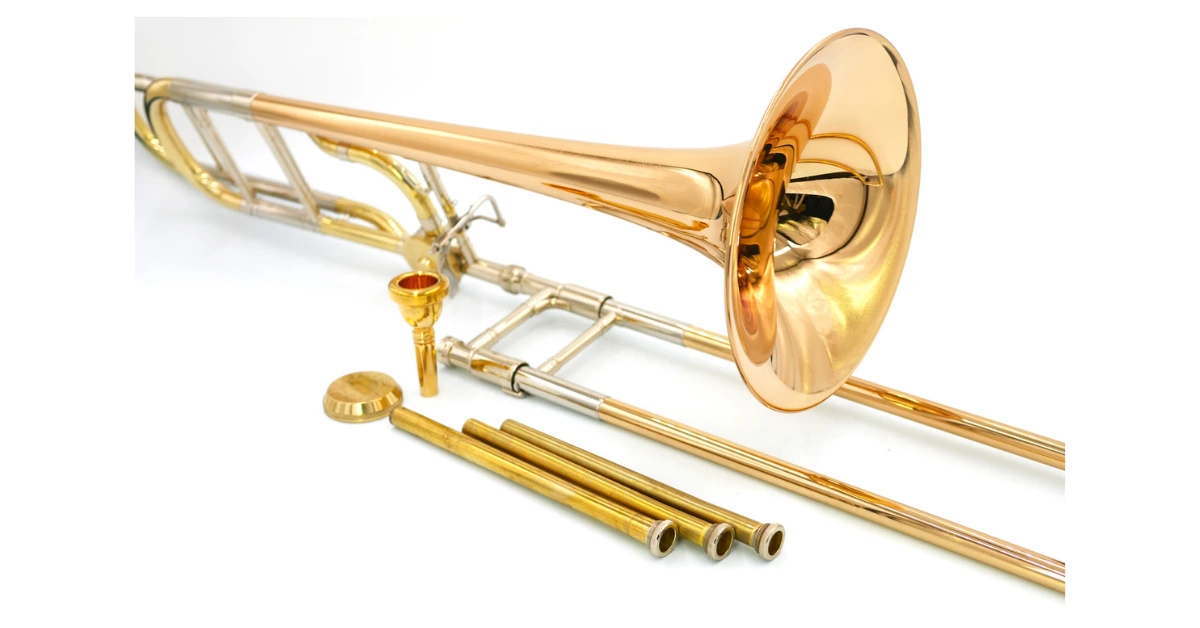
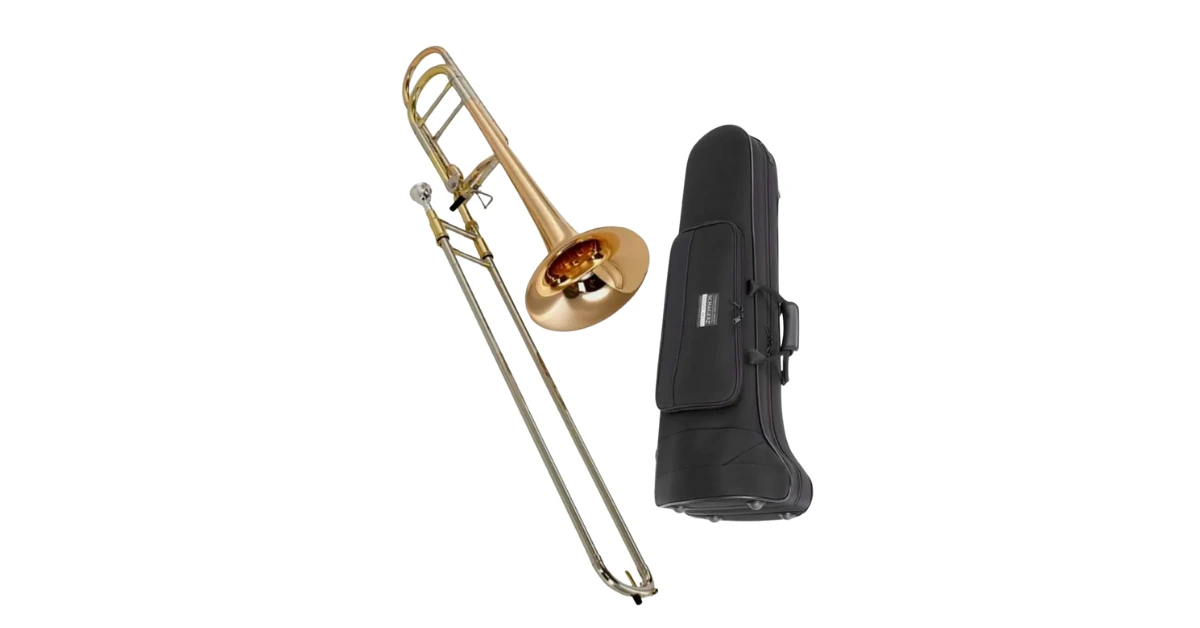
Its long slide and broad bell help it produce a deep, resonant sound that travels across open spaces. Whether it’s leading the melody, harmonizing with trumpets, or providing the bassline, the trombone’s acoustic power ensures the band’s sound reaches every ear in the crowd.


2. Trombones Add Depth and Warmth to the Brass Section

Unstoppable Power: Why the Trombone is a Must-Have in Marching Bands

In a marching band, brass instruments like trumpets, tubas, euphoniums, and horns each play their role. But the trombone adds a distinct timbral quality—a warm, full-bodied tone that balances the brightness of trumpets and the heaviness of tubas.

This tonal balance is crucial in creating a well-rounded and harmonious sound. Without the trombone, the band can sound too sharp or too hollow. Indian bands, especially in cities like Chennai, Delhi, and Kolkata, rely on trombones to create this rich middle layer that binds all other instruments together.


3. The Slide Mechanism Allows for Expressive and Dynamic Play

Trombone in Indian Marching Bands Power, Sound & Style

The trombone’s unique slide mechanism (instead of valves) gives it a dynamic and expressive range unmatched by most other brass instruments. It can glide between notes (called glissando), create comic effects, or add emotion to a slow march or patriotic tune.

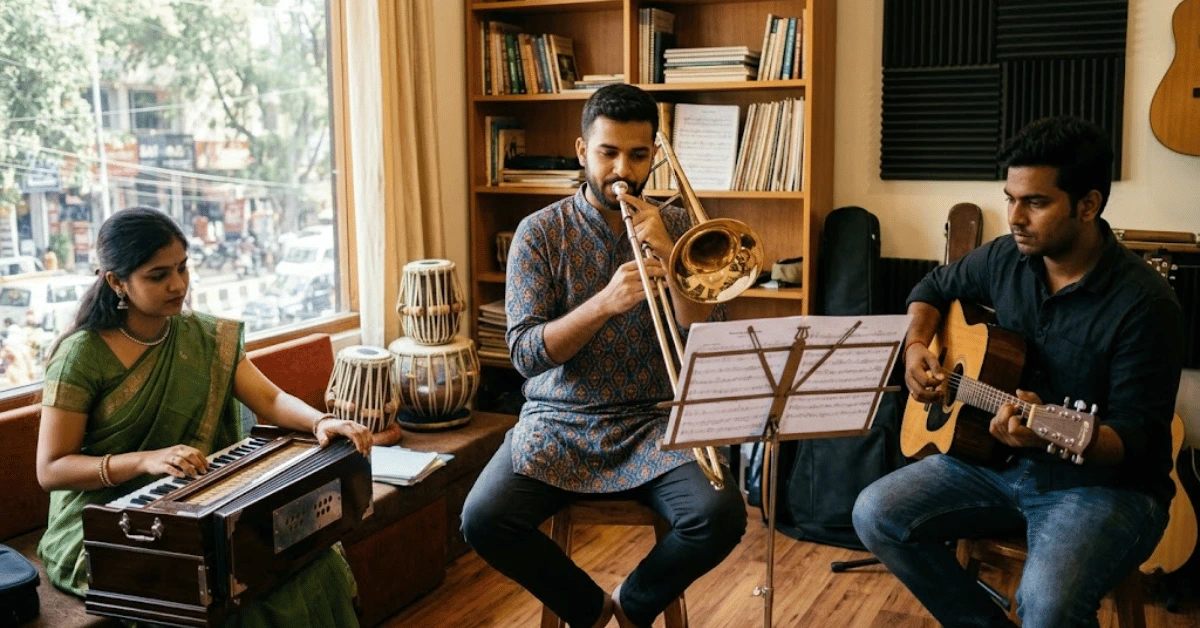
In Indian marching bands, where both western compositions and Indian-style marches are played, this expressiveness is essential. Trombones help execute smooth transitions, match complex rhythms, and adapt to fusion performances often seen in Indian school bands or military displays.


4. Visual Appeal: The Trombone is Made for Marching Shows

Trombone in Indian Marching Bands Power, Sound & Style

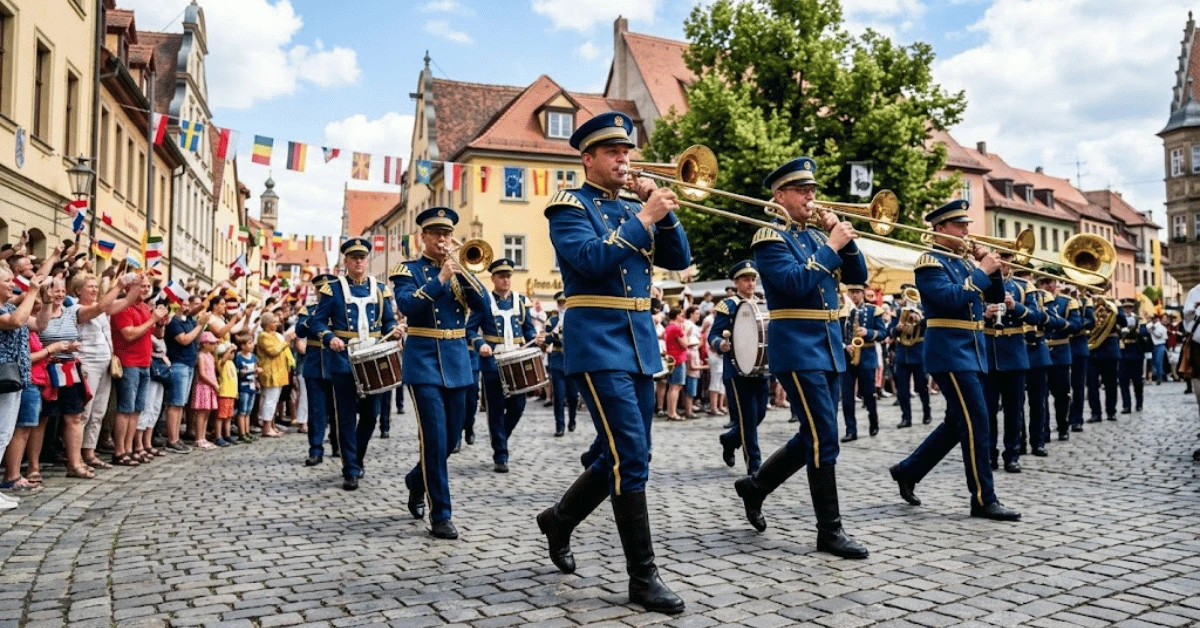
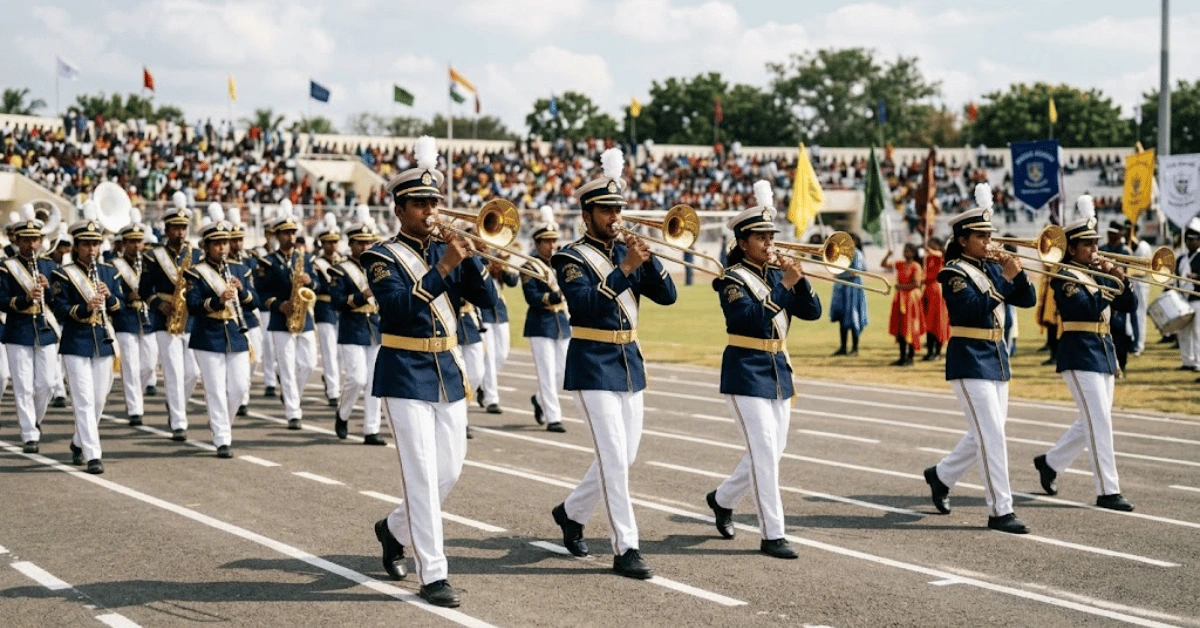
Let’s face it—marching bands are not just about sound, they’re also about spectacle. The trombone’s long slide, shiny brass finish, and the player’s dynamic hand movement create a visually striking presence on the parade ground.

When choreographed with synchronised steps and band formations, the trombone adds a dramatic flair to the overall performance. This visual component is especially important in India’s competitive inter-school and inter-college band circuits, where showmanship is judged alongside musicality.


5. It Supports Both Melody and Harmony

Trombone in Indian Marching Bands Power, Sound & Style

One of the biggest reasons why the trombone is an essential brass instrument in marching bands is its versatility. It can play both the lead melody and supporting harmonies, depending on the composition.

Whether you’re playing a national anthem, a Bollywood classic arranged for brass, or a complex western overture, the trombone fits effortlessly. It provides the band director with a flexible instrument that can adapt to any musical role.


6. The Trombone is Easy to Train and Standardize in School Bands

"Why the Trombone is an Essential Brass Instrument in Marching Bands"

For Indian schools and colleges, where marching bands are often trained from scratch, the trombone is a practical choice. Its straightforward learning curve, especially for students already familiar with music theory, makes it easier to standardize across student batches.

Unlike instruments that require complex finger positioning or breath control, the trombone’s slide positions are easy to teach in group settings. Schools looking to develop brass sections often choose trombones early in their programs to build a strong base.


7. Marching Band Music Relies Heavily on Trombone Lines

Trombone in Indian Marching Bands Power, Sound & Style

If you analyze popular marching band arrangements, you’ll notice that trombone parts are critical. They often provide the countermelodies, harmonies, and rhythmic drive that hold the piece together.

Especially in Indian parade routines, where multiple time signatures and traditional beats are used, the trombone’s ability to cut through percussion-heavy passages helps keep the music coherent and engaging. Without trombones, many of these arrangements would lose their musical foundation.


8. Trombones Build Leadership and Musical Discipline

Trombone in Indian Marching Bands Power, Sound & Style

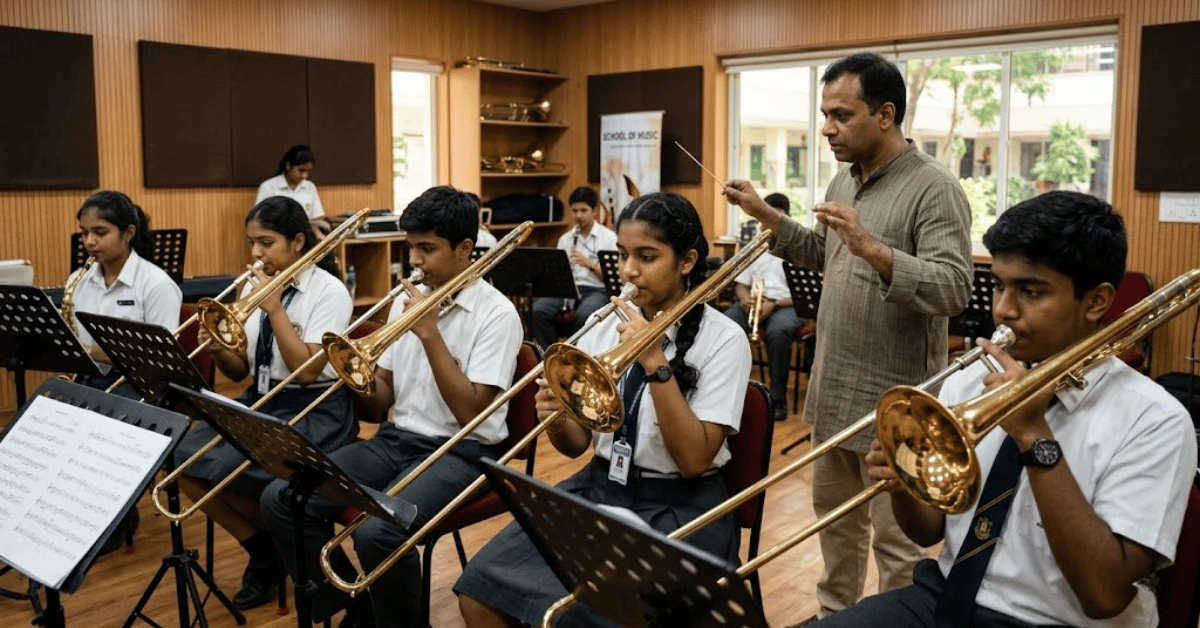
For students in India who play in school or college marching bands, the trombone isn’t just an instrument—it’s a discipline tool and leadership builder. Trombone players often take up section leader roles due to the instrument’s pivotal position in ensemble balance.

Learning to manage timing, breath control, and teamwork on the trombone instills responsibility, improves musical ear, and enhances overall confidence. This is one of the many non-musical benefits that make the trombone an essential pick for educational institutions.


9. Military and Police Bands in India Use Trombones Extensively

Trombone in Indian Marching Bands Power, Sound & Style

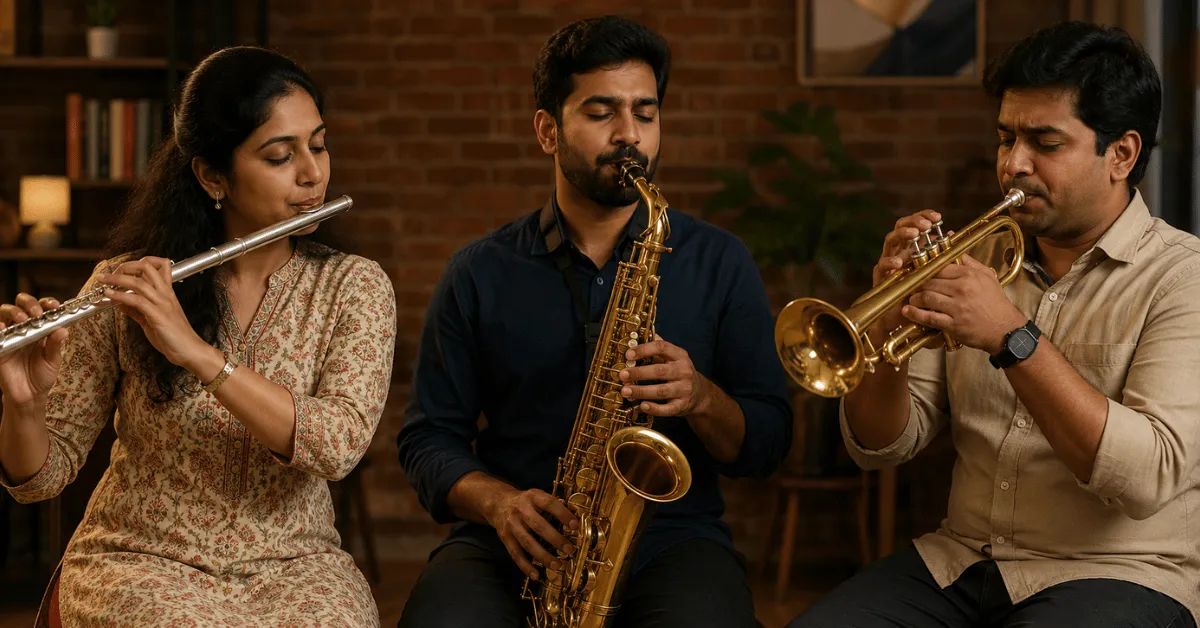
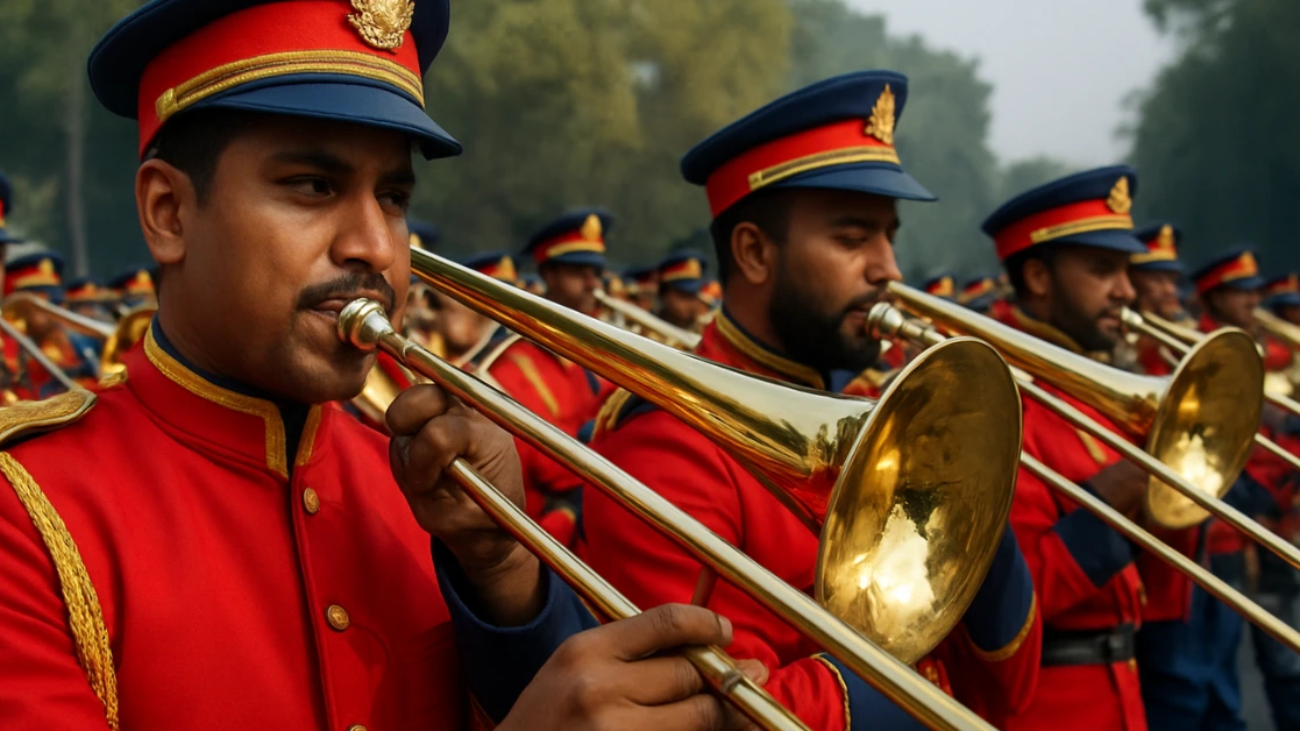
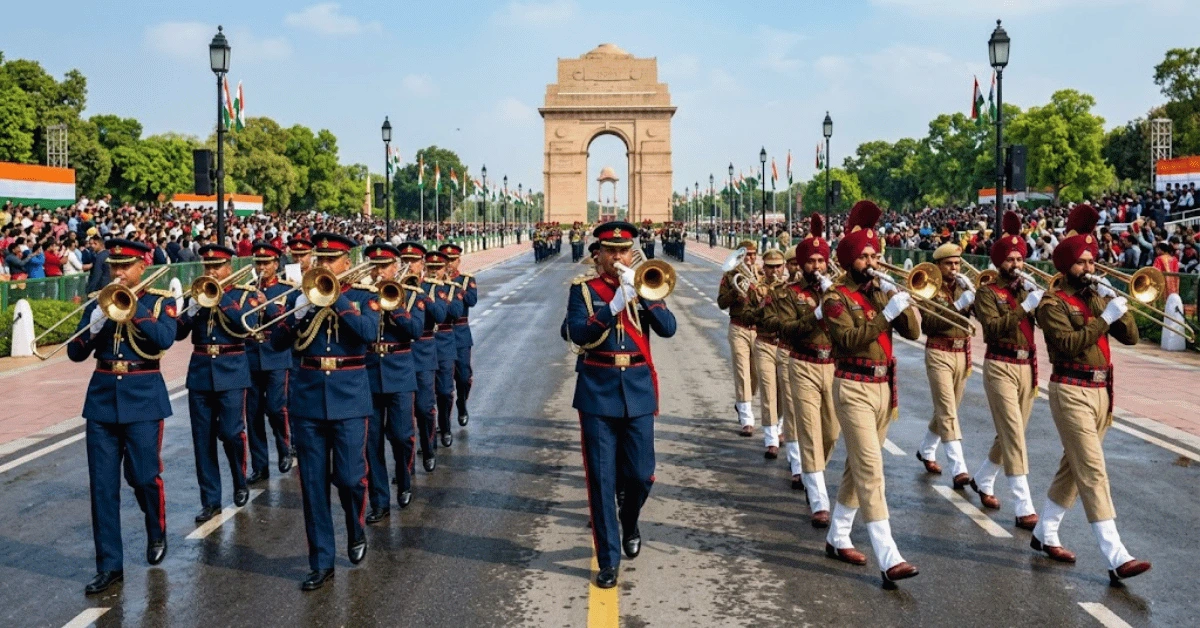
Look at any Indian Army, Navy, or Police band, and you’ll see a solid lineup of trombones. These bands perform at national events, foreign delegations, and ceremonial parades. The trombone is chosen not just for sound but for its regal, commanding presence.

The tradition has passed on to NCC bands, scouting groups, and school marching units, who model their instrumentation after the armed forces. Trombones symbolize prestige, discipline, and power, making them a natural fit in formal Indian marching bands.


10. Availability and Maintenance is Easier Than Ever in India

Unstoppable Power: Why the Trombone is a Must-Have in Marching Bands

One major concern for Indian band organizers is access to instruments and their servicing. Luckily, trombones are now readily available in India, with local dealers, online shops, and reputed music stores like NMS Musicals in Pondicherry and Chennai offering high-quality models.

At NMS Musicals, you can find student-level trombones, intermediate options, and professional-grade brass instruments, along with expert guidance and servicing support. Whether you’re starting a school band or upgrading a college-level ensemble, NMS Musicals provides reliable trombone solutions.


CONCLUSION

Trombone in Indian Marching Bands Power, Sound & Style

When it comes to the grand sound and visual splendor of a marching band, few instruments match the power, presence, and versatility of the trombone. From its resonant tone to its eye-catching movements, the trombone is truly the heartbeat of any brass section.

In India, where marching bands are woven into the cultural fabric—from Independence Day parades to school-level band competitions—the role of the trombone is not just essential, but irreplaceable. Its adaptability across genres, balance within ensembles, and compatibility with traditional Indian rhythms make it an instrument of choice for music educators, performers, and parade organizers.

If you’re looking to buy a trombone in India, whether for personal learning or band use, we recommend NMS Musicals in Pondicherry and Chennai. Their wide selection, expert staff, and commitment to musical excellence make them a trusted source for quality brass instruments.

So, whether you’re marching down a parade route or training the next generation of band stars, make sure your brass section includes the unstoppable power of the trombone.


At NMS Musicals, we offer a comprehensive range of musical instruments, including percussion, string, wind, and keyboard instruments. Our services encompass sales, expert servicing, and the manufacture of leather instruments. Explore our diverse collection and find the perfect instrument to suit your musical needs.

Visit our website to browse our offerings: nmsmusicals.in

For a closer look at our products, check out our shop page: nmsmusicals.in/shop

Stay connected with us through our social media channels:
Our shop locations are:

For inquiries, contact/Whatsapp us at 9500663895 or email us at laxman.m89@gmail.com.

Discover the world of musical instruments with NMS Musicals today!

For a visual overview of our percussion instruments, watch the following video:
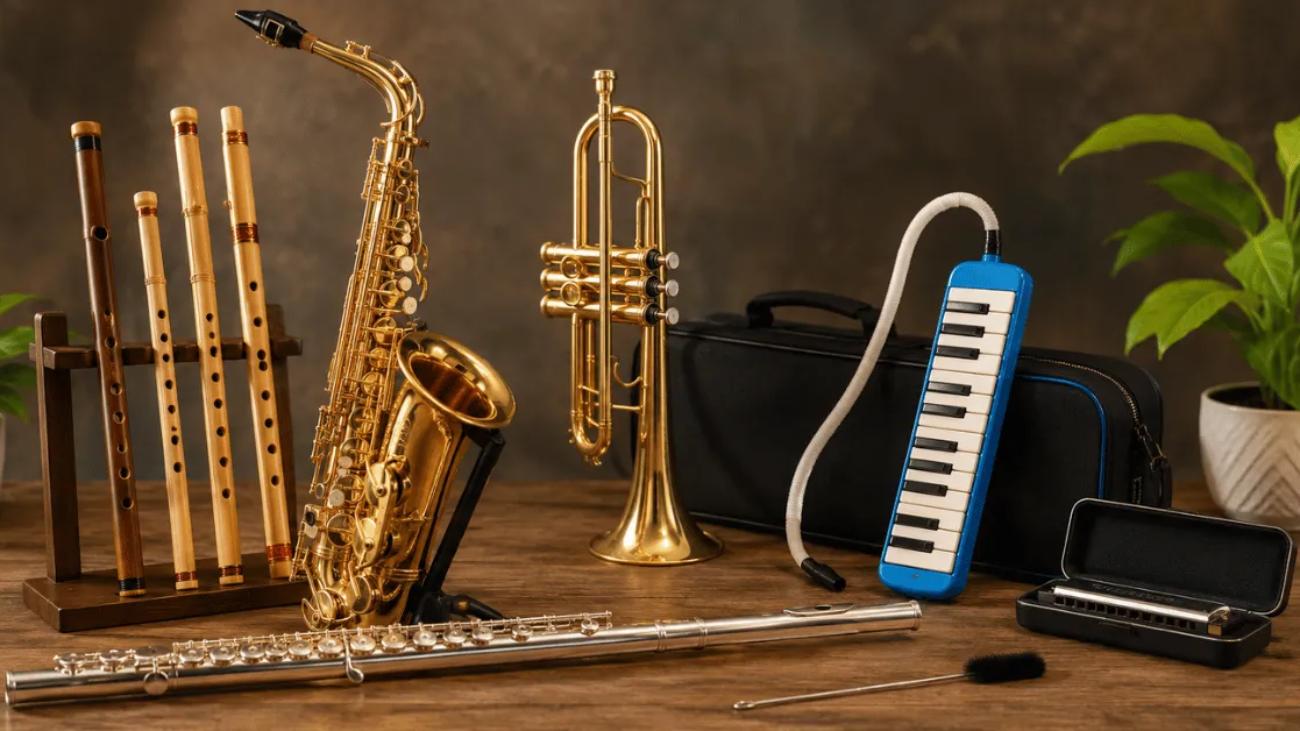
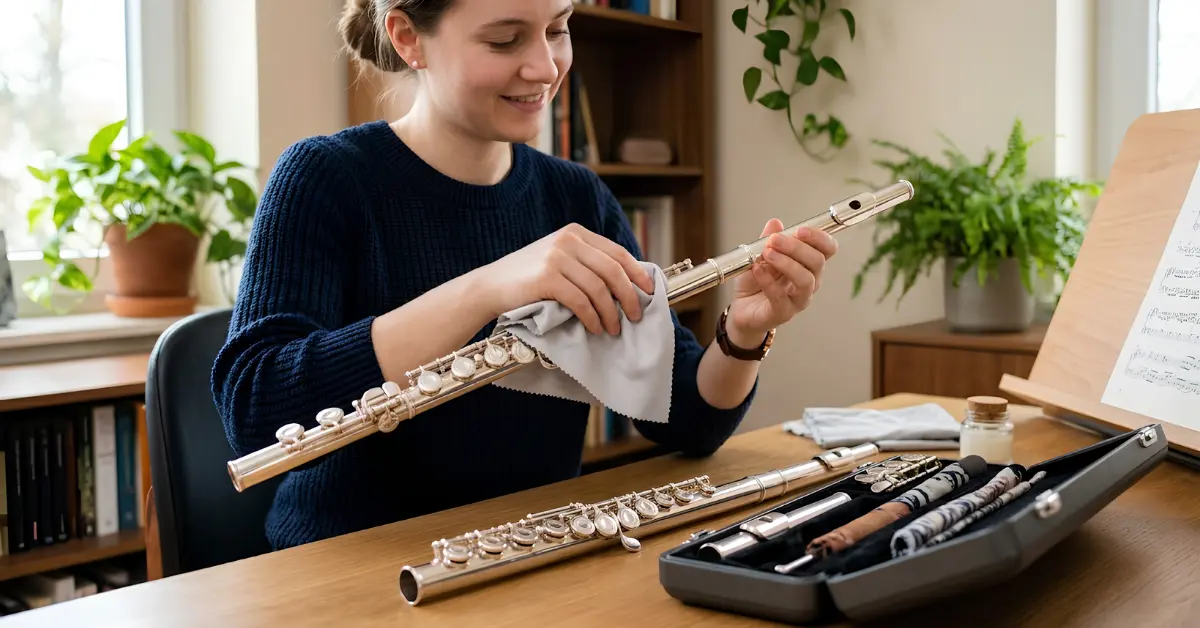
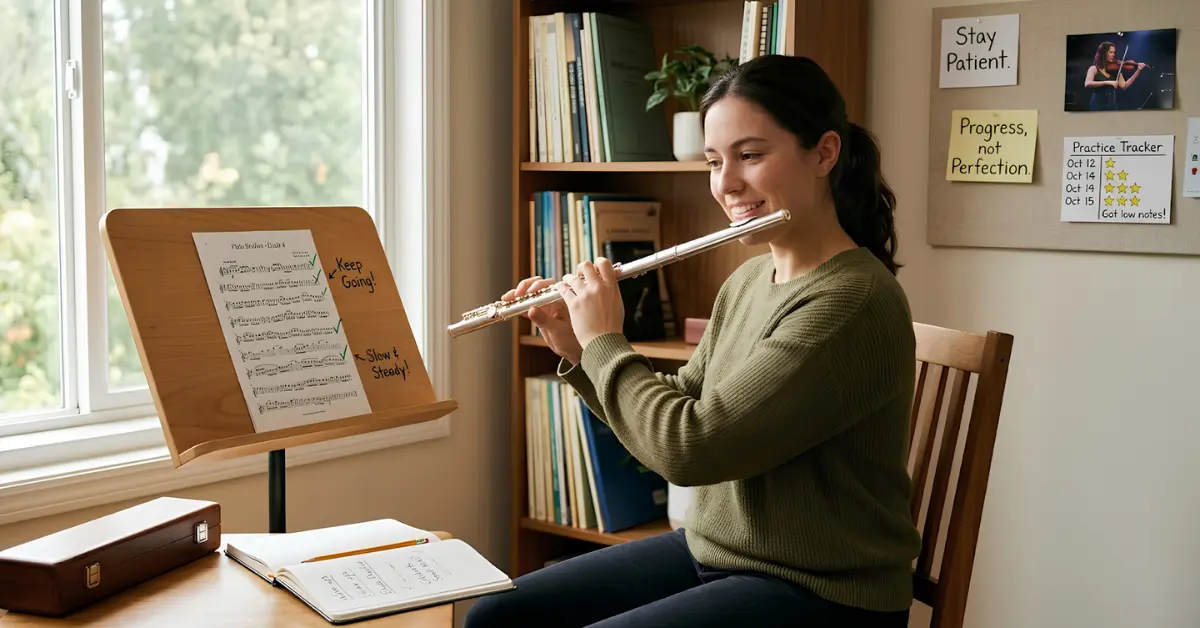
How to Play the Flute Like a Pro Powerful Guide

How to Play the Flute Like a Pro : Powerful Guide

How to Play the Flute Like a Pro: Essential Tips for Beginners in India

How to Play the Flute Like a Pro Powerful Guide 1

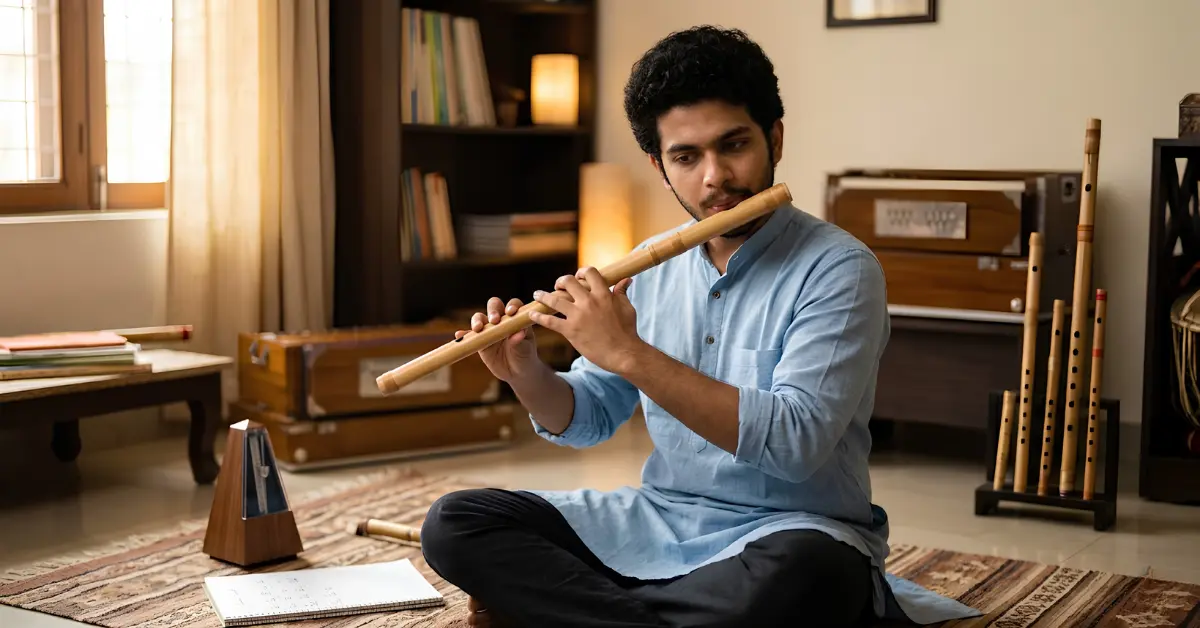
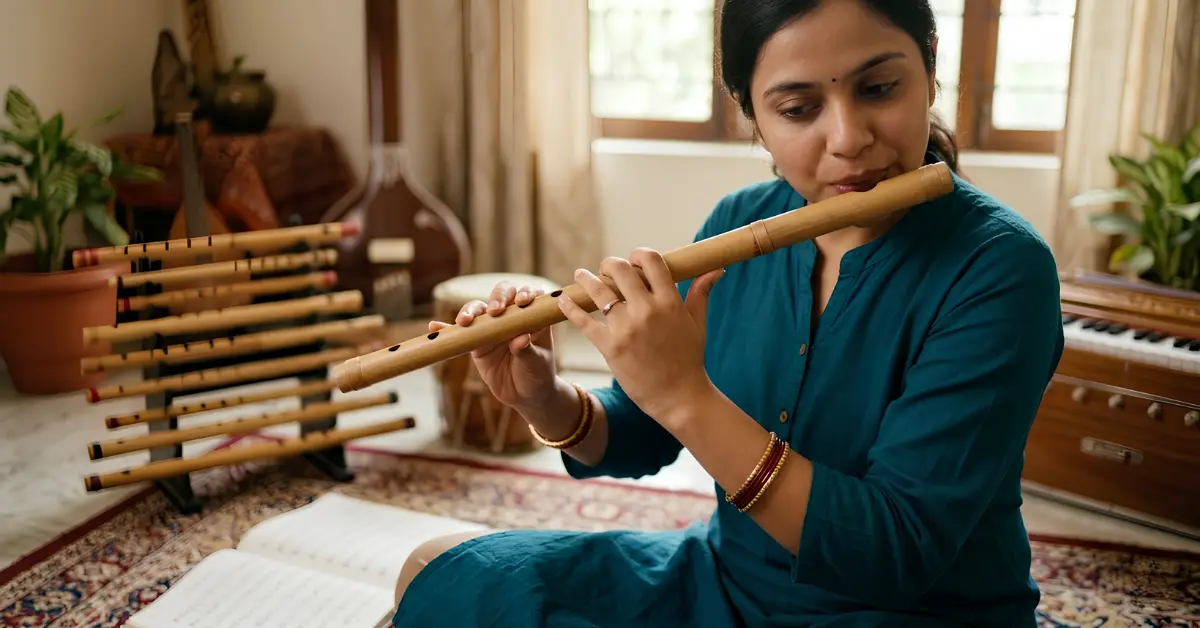
Learning how to play the flute like a pro might seem challenging at first, but with the right guidance, dedication, and consistent practice, anyone can master this beautiful instrument. In India, the flute—especially the bansuri—holds a deep cultural and musical significance, from classical Hindustani music to Bollywood melodies.

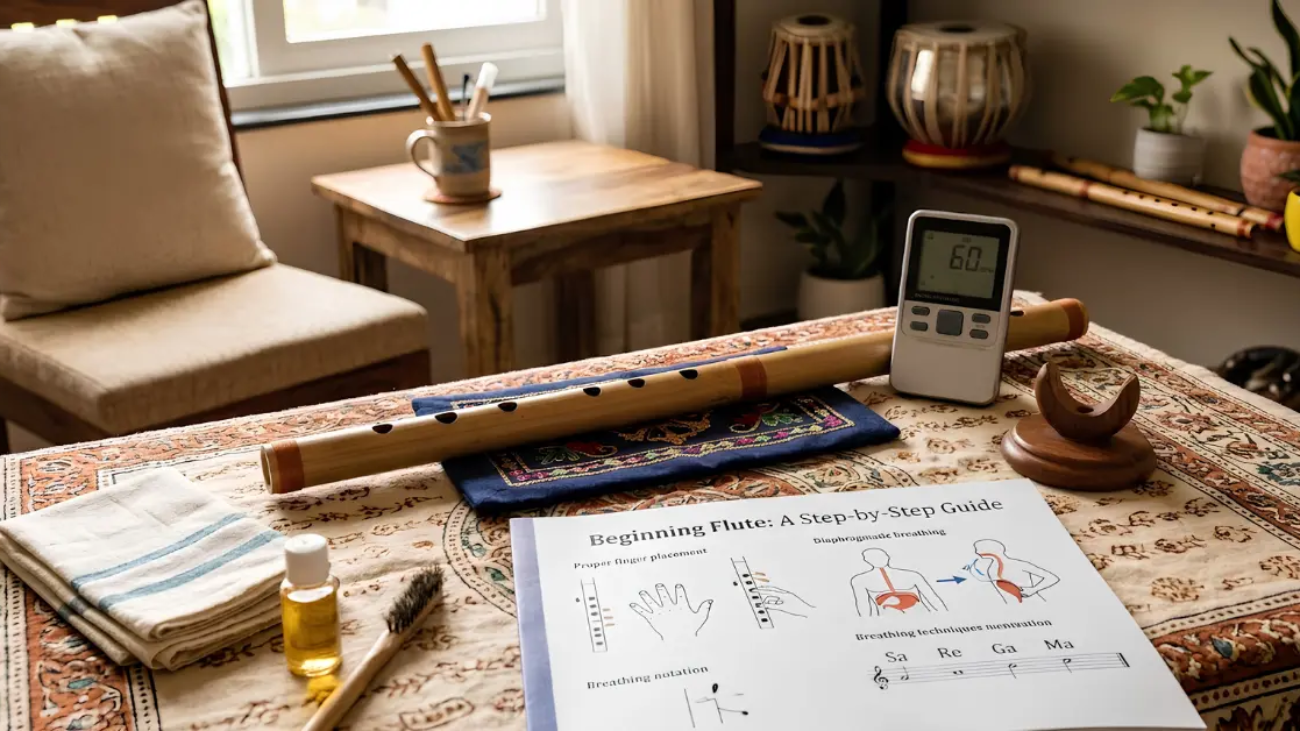
Beginners often struggle with breath control, finger placement, and producing a clear tone. However, once you understand the basics and build a strong foundation, playing the flute becomes an incredibly rewarding experience. Whether you aim to play classical ragas or modern tunes, this guide will walk you through essential tips to help you start your journey confidently.


1. Choose the Right Flute for Beginners

Selecting the right flute is the first and most crucial step.

Types of Flutes in India

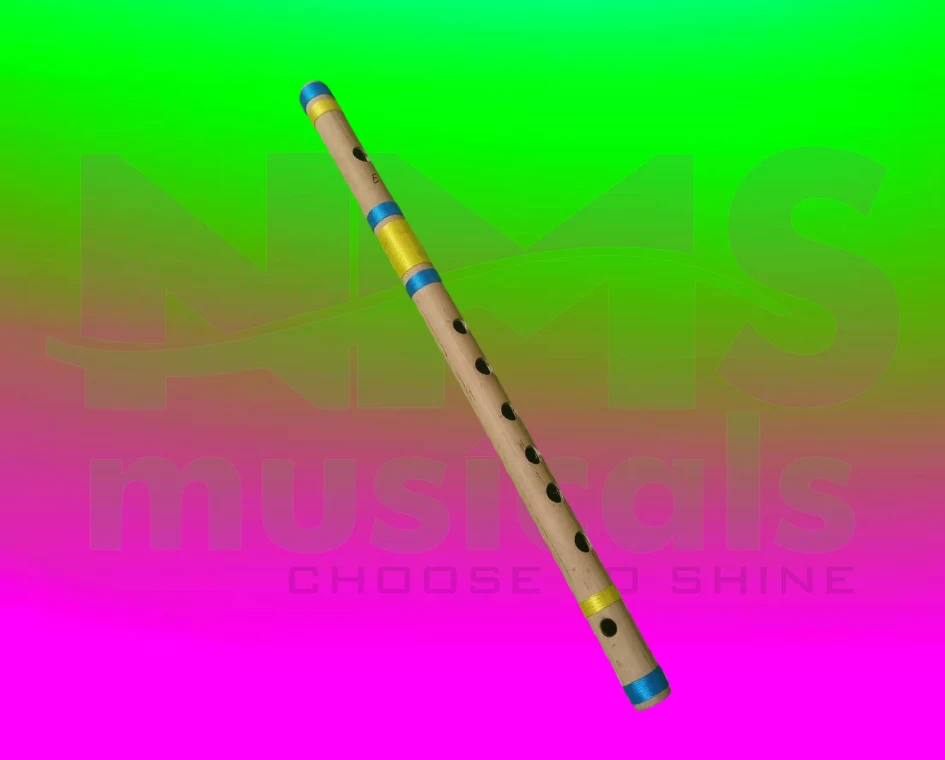
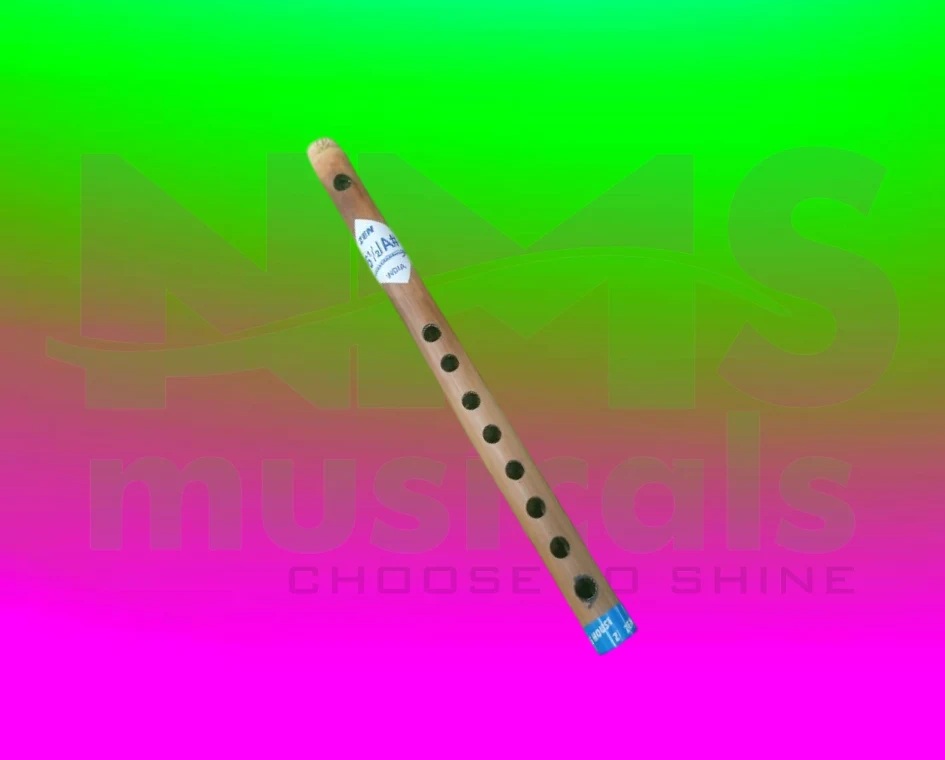
  1. Bansuri (Indian Bamboo Flute) – Ideal for classical and Bollywood music
    Flute Bansuri scale Musical Instrument from NMS Musicals
    Get this instrument at best deal
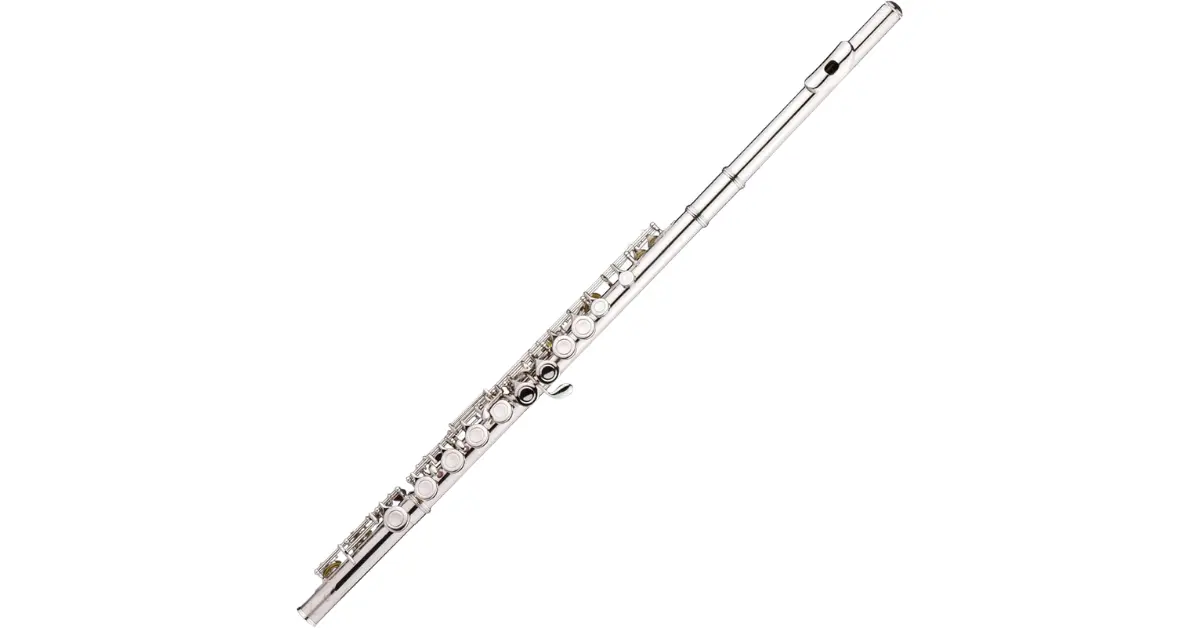
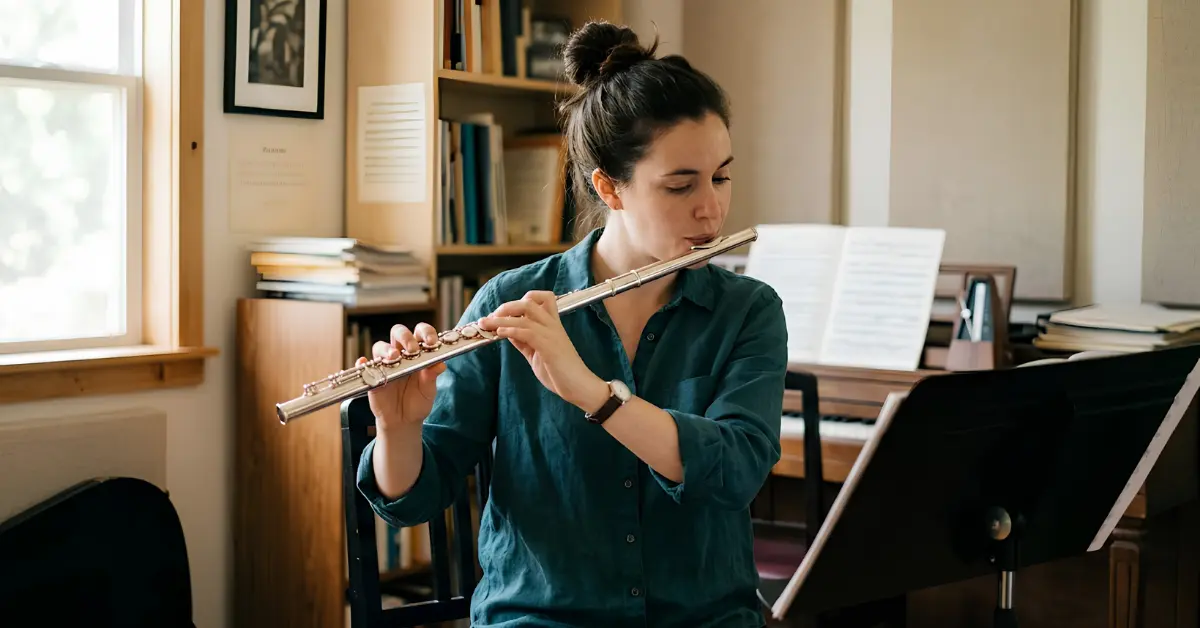
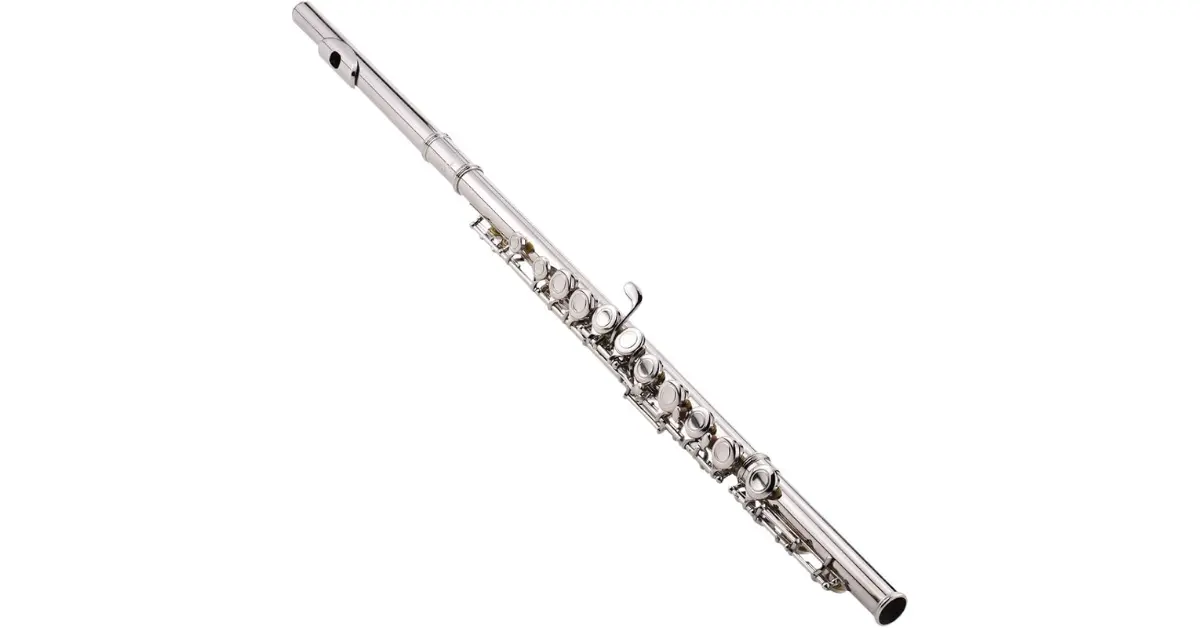
  2. Western Concert Flute – Suitable for orchestral and contemporary styles
    How to Play the Flute Like a Pro Powerful Guide Western Concert Flute

What Beginners Should Look For

  1. Start with a medium-sized bansuri (Key of C or E)
  2. Ensure proper hole spacing for comfortable finger placement
  3. Choose good-quality bamboo for better sound

If you’re unsure, you can visit NMS Musicals in Pondicherry & Chennai, where experts help you select the perfect beginner flute based on your comfort and goals.


2. Understand the Basic Structure of the Flute

How to Play the Flute Like a Pro Powerful Guide 2

Before playing, you must know your instrument.

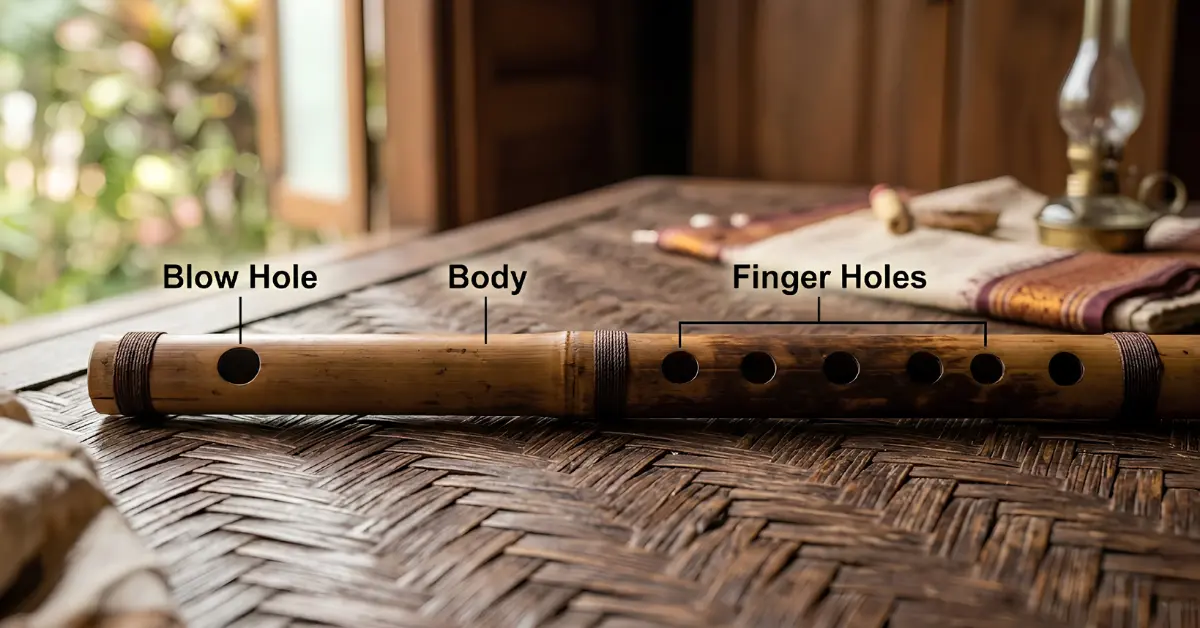
Key Parts of a Flute

  1. Blow hole (embouchure hole)
  2. Finger holes (usually 6–7 in bansuri)
  3. Body (bamboo tube)

Understanding these parts helps you control airflow and finger placement effectively.


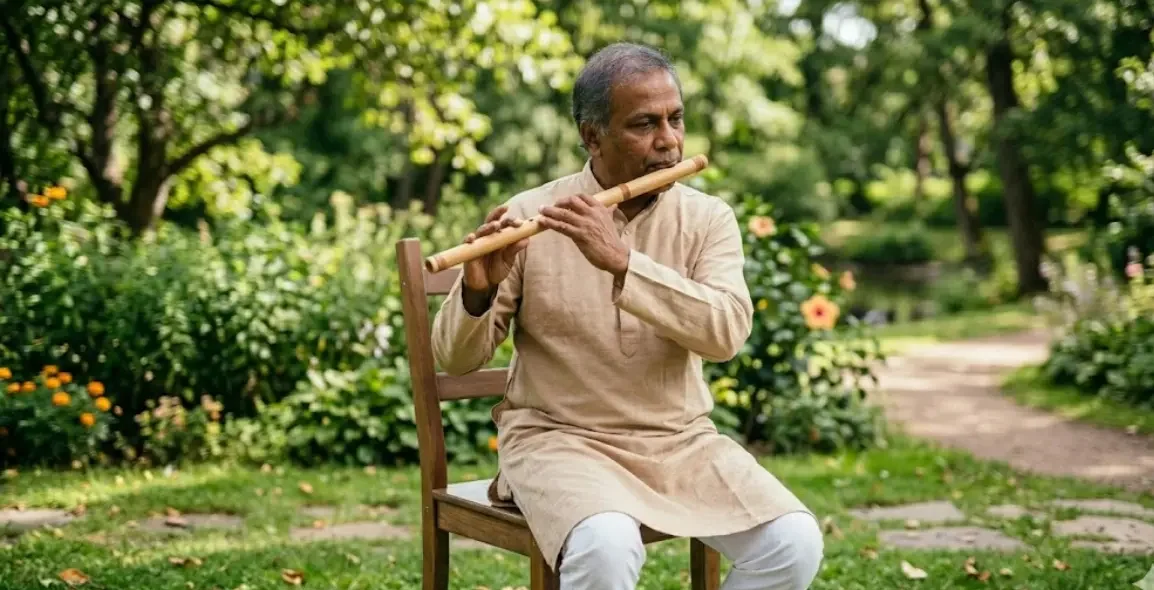
3. Master the Correct Posture

Posture plays a major role in sound quality.

Proper Sitting Position

  1. Sit cross-legged or on a chair with a straight back
  2. Keep shoulders relaxed
  3. Hold the flute parallel to the ground

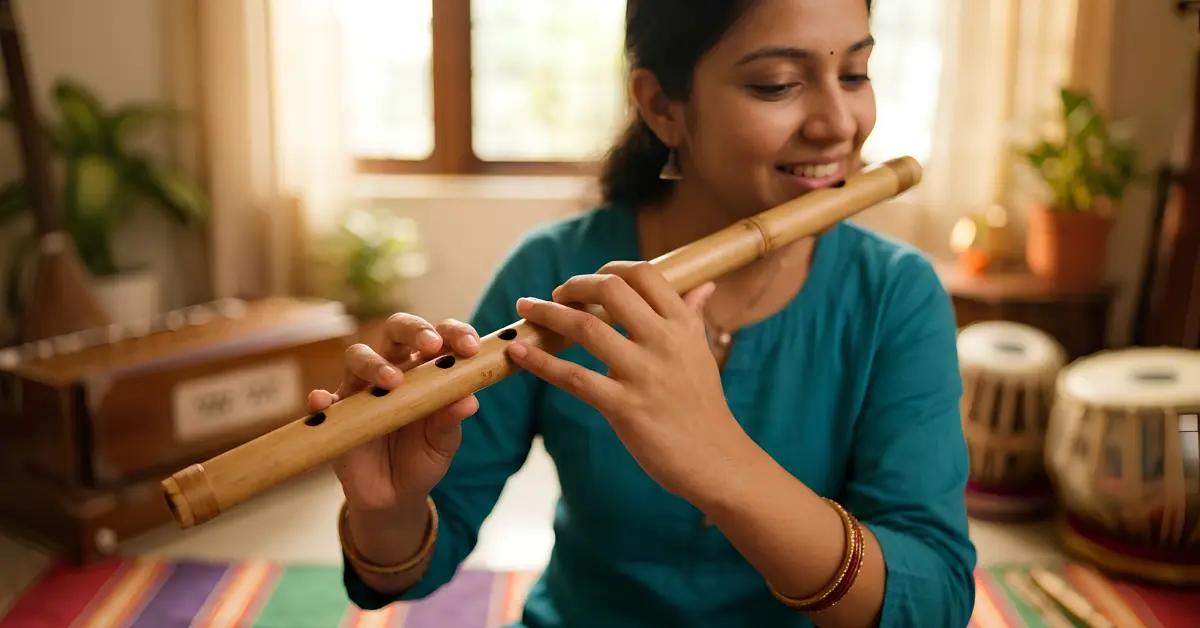
Hand Position

  1. Left hand near the blowing end
  2. Right hand covers lower holes
  3. Fingers should gently cover holes without pressing too hard


4. Learn Proper Breathing Techniques

How to Play the Flute Like a Pro Powerful Guide 3

Breathing is the heart of flute playing.

Basic Breathing Tips

  1. Use diaphragmatic breathing (deep breathing from the stomach)
  2. Avoid shallow chest breathing
  3. Practice slow inhalation and controlled exhalation

Simple Exercise

  1. Inhale deeply for 4 seconds
  2. Hold for 2 seconds
  3. Exhale slowly for 6 seconds

This improves airflow control and tone consistency.


5. Develop a Strong Embouchure

How to Play the Flute Like a Pro Powerful Guide 4

Embouchure refers to how you shape your lips while blowing.

Tips for Beginners

  1. Keep lips relaxed
  2. Blow across the hole, not directly into it
  3. Adjust angle slightly to find the sweet spot

Common Mistakes

  1. Blowing too hard
  2. Tightening lips excessively
  3. Incorrect angle

Practice in front of a mirror to improve faster.


6. Start with Basic Notes (Sa Re Ga Ma)

In Indian music, flute learning begins with basic swaras.

Steps to Learn Notes

  1. Cover all holes to play “Sa”
  2. Gradually lift fingers for “Re, Ga, Ma”
  3. Practice slow transitions

Tip

Consistency is more important than speed. Focus on clarity of each note.


7. Practice Daily with a Routine

How to Play the Flute Like a Pro Powerful Guide 5

Consistency builds mastery.

Ideal Practice Routine

  1. Warm-up (5–10 minutes breathing exercises)
  2. Note practice (10–15 minutes)
  3. Simple tunes (10–20 minutes)

Even 30 minutes daily can bring noticeable improvement.


8. Focus on Tone Quality

How to Play the Flute Like a Pro Powerful Guide 6

Producing a clean, melodious tone is essential.

How to Improve Tone

  1. Maintain steady airflow
  2. Ensure proper hole coverage
  3. Avoid air leakage

Pro Tip

Record your practice sessions and analyze your sound.


9. Learn Simple Songs First

Start with easy melodies before moving to complex compositions.

Beginner-Friendly Songs in India

  1. Simple Bollywood tunes
  2. Basic devotional songs
  3. Folk melodies

This keeps learning enjoyable and motivating.


10. Understand Rhythm and Timing

How to Play the Flute Like a Pro Powerful Guide 7

Music is not just notes—it’s timing.

How to Improve Rhythm

  1. Practice with a metronome
  2. Clap along with beats
  3. Learn basic taal (rhythm cycles)


11. Avoid Common Beginner Mistakes

Mistakes slow progress if not corrected early.

Common Errors

  1. Incorrect posture
  2. Poor breath control
  3. Skipping basics

Solution

Focus on fundamentals and seek guidance when needed.


12. Take Guidance from Experts

How to Play the Flute Like a Pro Powerful Guide 10

Learning from professionals accelerates growth.

Options in India

  1. Join music classes
  2. Learn online
  3. Attend workshops

You can also consult experts at NMS Musicals in Pondicherry & Chennai for guidance, instrument selection, and maintenance tips.


13. Maintain Your Flute Properly

How to Play the Flute Like a Pro Powerful Guide 8

A well-maintained flute produces better sound.

Maintenance Tips

  1. Clean regularly
  2. Avoid moisture buildup
  3. Store in a safe, dry place


14. Stay Motivated and Patient

How to Play the Flute Like a Pro Powerful Guide 9

Learning flute is a journey, not a race.

How to Stay Motivated

  1. Set small goals
  2. Track progress
  3. Celebrate improvements

Remember, even professional flutists started as beginners.


Conclusion

Mastering how to play the flute like a pro requires patience, discipline, and consistent practice. From choosing the right flute to developing proper breathing and embouchure techniques, every step plays a vital role in your musical journey.

For beginners in India, starting with a bansuri is a great way to connect with rich musical traditions while exploring modern music styles. With dedication and the right guidance, you can transform simple notes into soulful melodies.

If you’re ready to begin your flute journey, visit NMS Musicals in Pondicherry & Chennai for high-quality instruments, expert advice, and everything you need to kickstart your musical dreams.


At NMS Musicals, we offer a comprehensive range of musical instruments, including percussion, string, wind, and keyboard instruments. Our services encompass sales, expert servicing, and the manufacture of leather instruments. Explore our diverse collection and find the perfect instrument to suit your musical needs.

Visit our website to browse our offerings: nmsmusicals.in

For a closer look at our products, check out our shop page: nmsmusicals.in/shop

Stay connected with us through our social media channels:
Our shop locations are:

For inquiries, contact/Whatsapp us at 9500663895 or email us at laxman.m89@gmail.com.

Discover the world of musical instruments with NMS Musicals today!

For a visual overview of our percussion instruments, watch the following video:
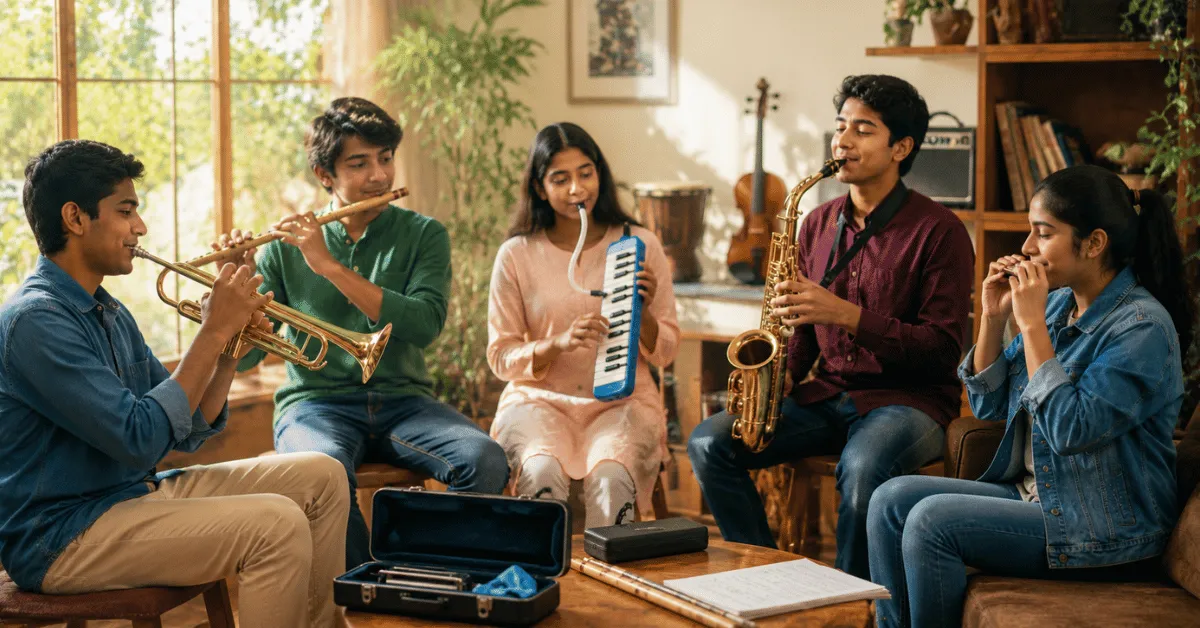
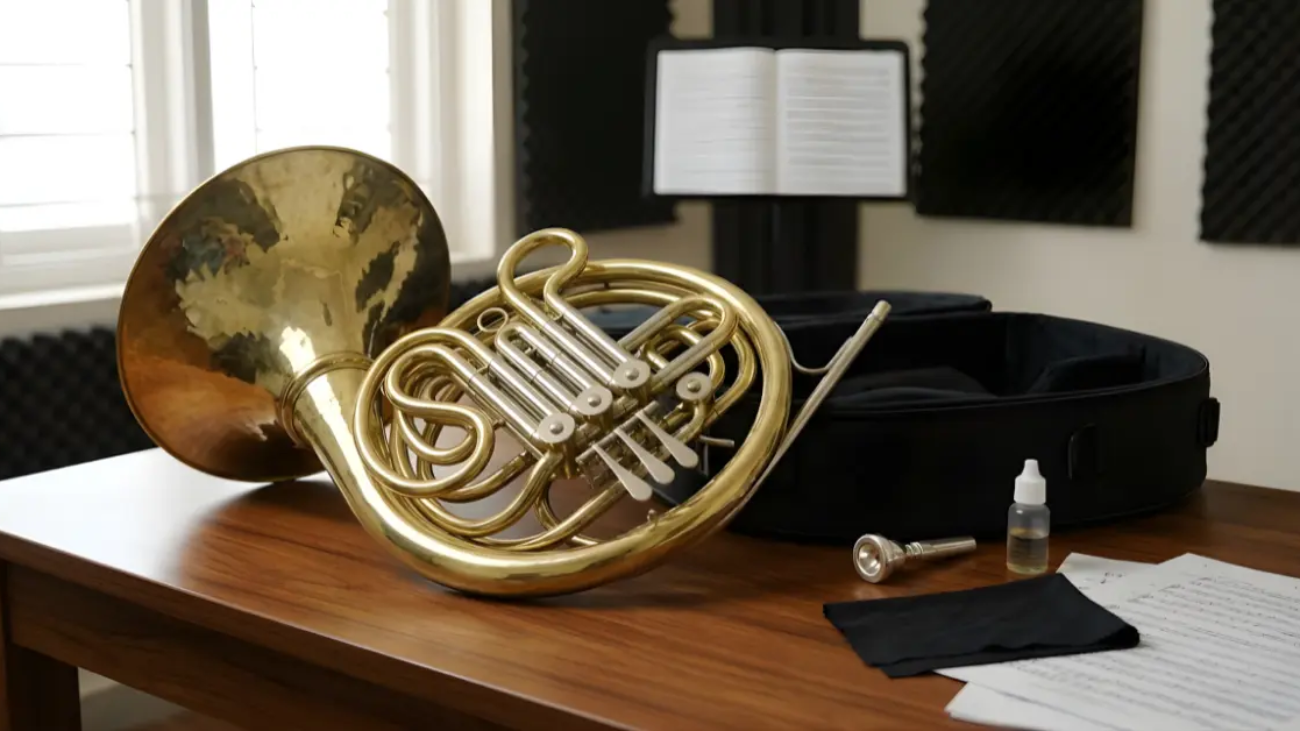
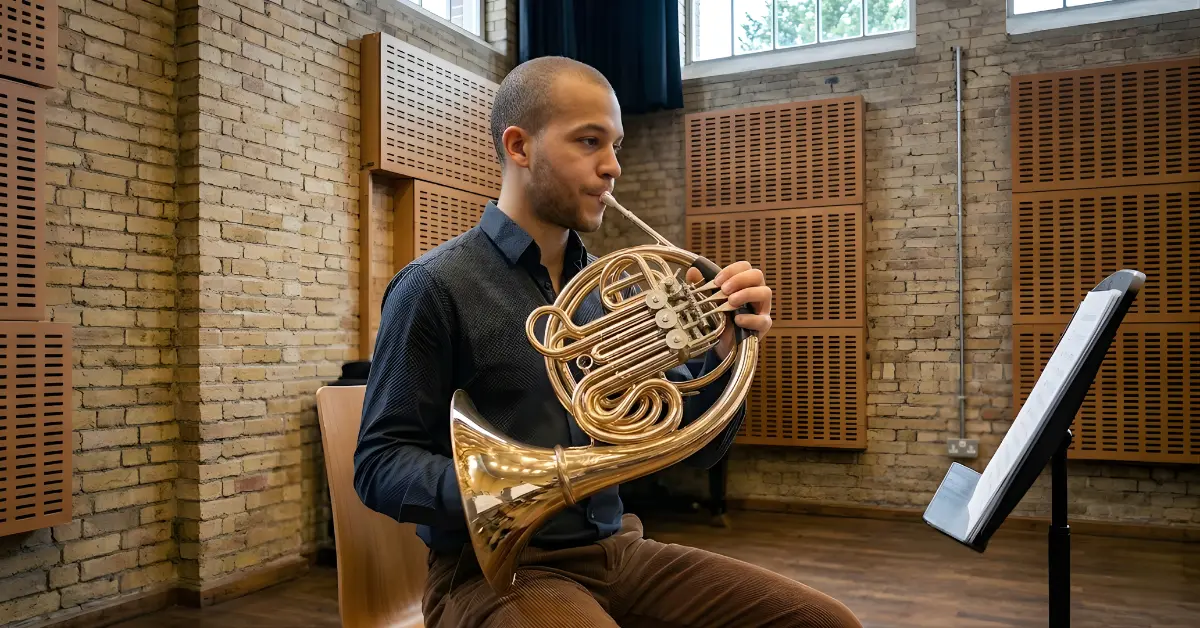
French Horn Challenging Rewarding Guide

French Horn Challenging Rewarding Guide

French Horn Challenging Rewarding Guide for Indian Musicians

French Horn Challenging Rewarding Guide 2

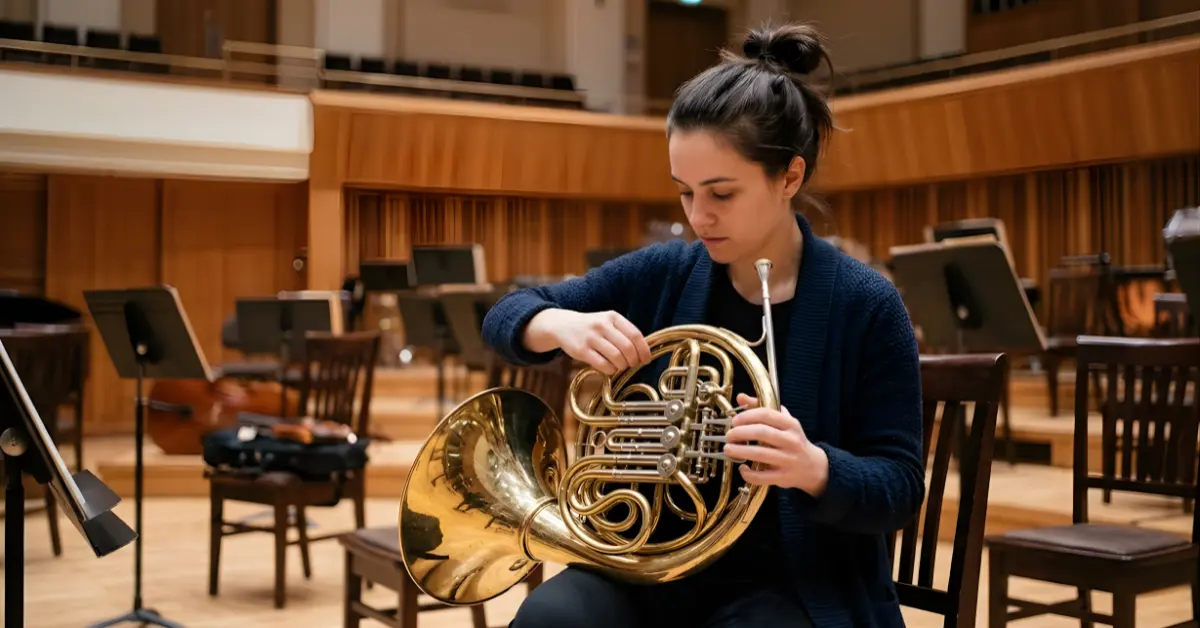
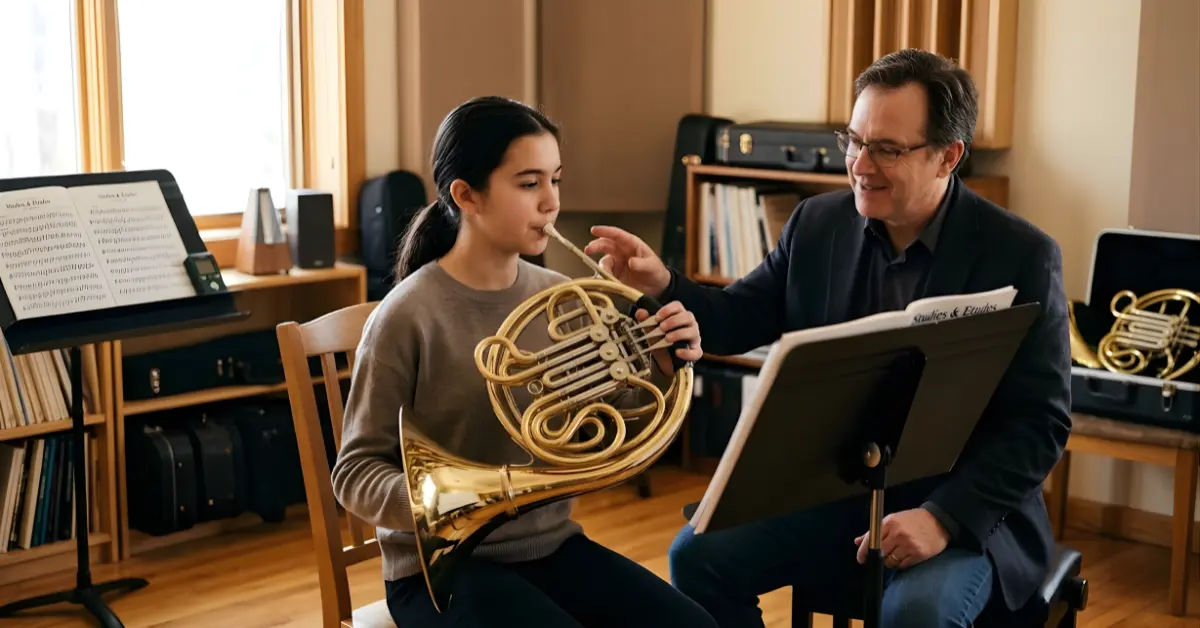
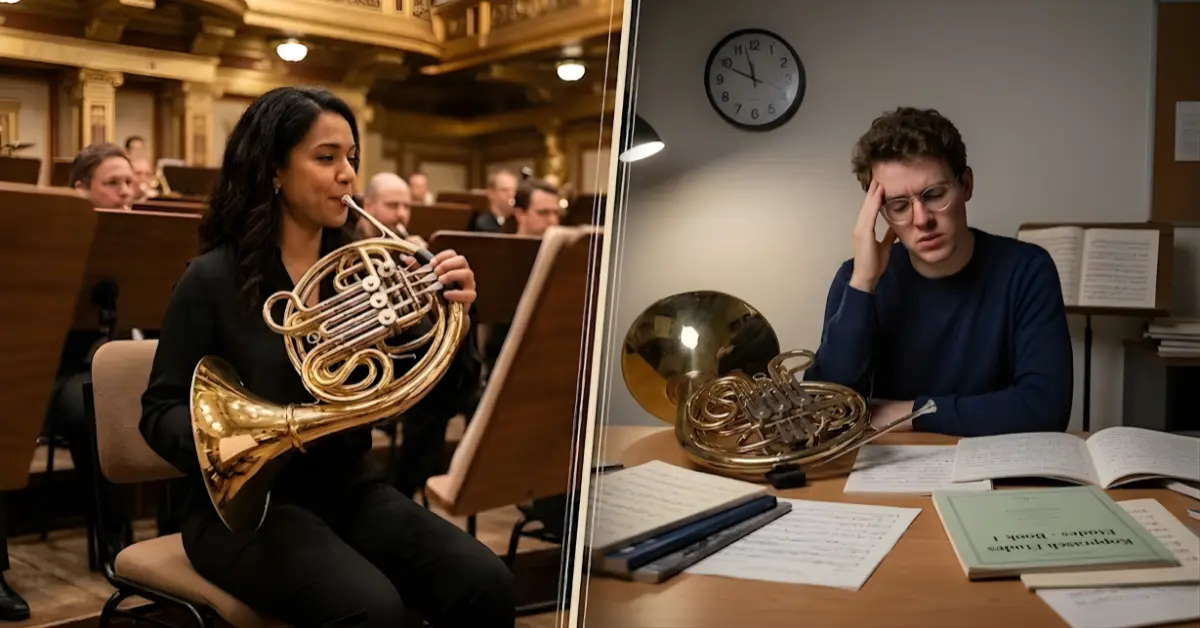
The French horn is often described as one of the most beautiful yet demanding instruments in the world of music. Its rich, warm tone has the power to evoke deep emotions, making it a key element in orchestras, film scores, and classical compositions. However, behind its mesmerizing sound lies a steep learning curve that challenges even the most dedicated musicians.

In India, where instruments like guitar, keyboard, and tabla dominate beginner choices, the French horn remains a rare and intriguing option. Those who choose it often do so out of passion, curiosity, or a desire to stand out musically.

So, what makes the French horn so challenging—and why do musicians still fall in love with it? Let’s explore.


1. Understanding the French Horn

French Horn Challenging Rewarding Guide 2

The French horn is a brass instrument known for its circular tubing and wide bell. Unlike trumpets or trombones, it produces a softer, more mellow tone that blends beautifully in orchestral settings.

It is widely used in:

  1. Western classical orchestras
  2. Film background scores
  3. Military bands
  4. Chamber music ensembles

In India, its use is growing, especially in:

  • Music schools
  • Fusion bands
  • Film scoring studios


2. Why the French Horn is So Challenging

French Horn Challenging Rewarding Guide 3

2.1 Complex Embouchure Control

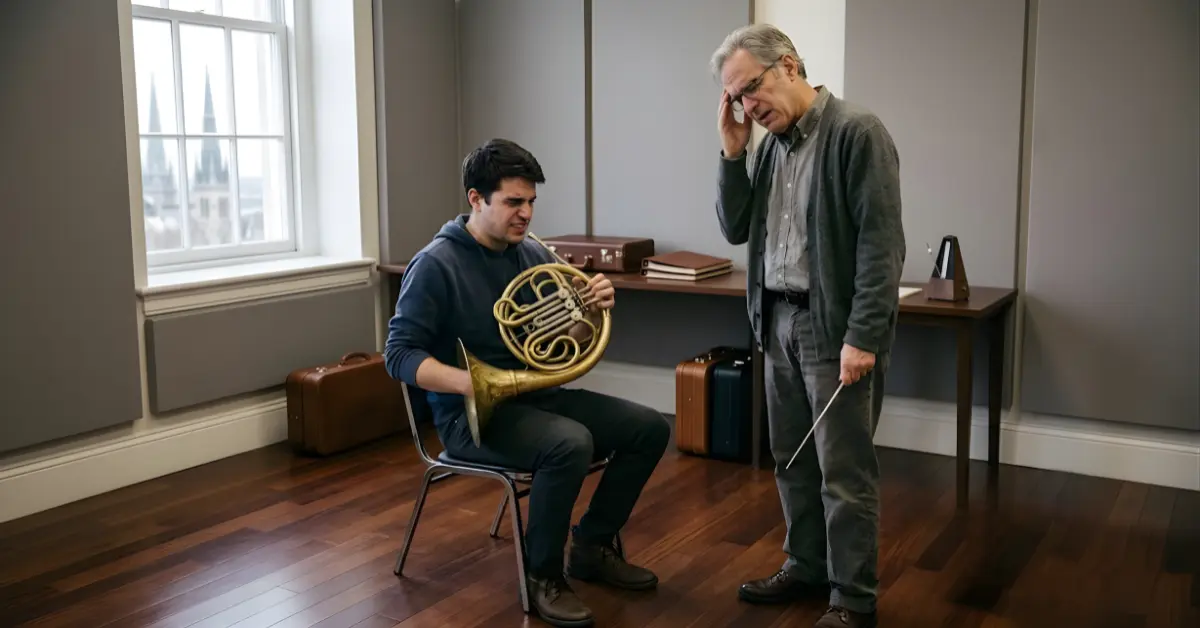
One of the biggest challenges is controlling the embouchure (the way you use your lips and facial muscles). The French horn requires extremely precise lip positioning to produce the correct pitch.

Even a slight mistake can:

  • Change the note
  • Distort the sound
  • Cause cracks in tone

This level of control takes months—even years—to master.

2.2 Narrow Partial Range

The French horn has very closely spaced notes (partials), especially in the higher register. This makes it easy to hit the wrong note accidentally.

For beginners, this means:

  1. Frequent mistakes
  2. Slow progress initially
  3. Need for constant practice

2.3 Breath Control and Endurance

Playing the French horn demands strong breath control. Long phrases and sustained notes require consistent airflow.

Challenges include:

  • Running out of breath quickly
  • Maintaining tone quality
  • Building stamina over time

2.4 Hand Position Inside the Bell

Unlike most brass instruments, the French horn requires the player to place their hand inside the bell.

This technique affects:

  • Pitch
  • Tone color
  • Intonation

Improper hand positioning can drastically change the sound, making it another difficult skill to master.

2.5 Reading Complex Music

French horn players often deal with:

  1. Transposing music
  2. Different clefs (treble and bass)
  3. Complex orchestral parts

This makes it more intellectually demanding compared to many other instruments.


3. Why the French Horn is So Rewarding

French Horn Challenging Rewarding Guide 4

3.1 Rich and Expressive Sound

The French horn produces one of the most emotional tones in music. Its sound can be:

  • Soft and romantic
  • Bold and heroic
  • Deep and mysterious

This versatility makes it highly valued in orchestras and film music.

3.2 High Demand in Orchestras

Unlike common instruments, French horn players are fewer in number—especially in India.

This creates opportunities in:

  1. Orchestras
  2. Studio recordings
  3. Live performances

If you master it, you stand out instantly.

3.3 Strong Musical Discipline

Learning the French horn builds:

  • Patience
  • Focus
  • Precision

These skills benefit musicians in any genre or instrument.

3.4 Unique Identity as a Musician

In a country where guitarists and keyboard players are everywhere, being a French horn player gives you a unique identity.

You become:

  • Rare
  • Recognizable
  • In-demand


4. French Horn in the Indian Music Scene

French Horn Challenging Rewarding Guide 5

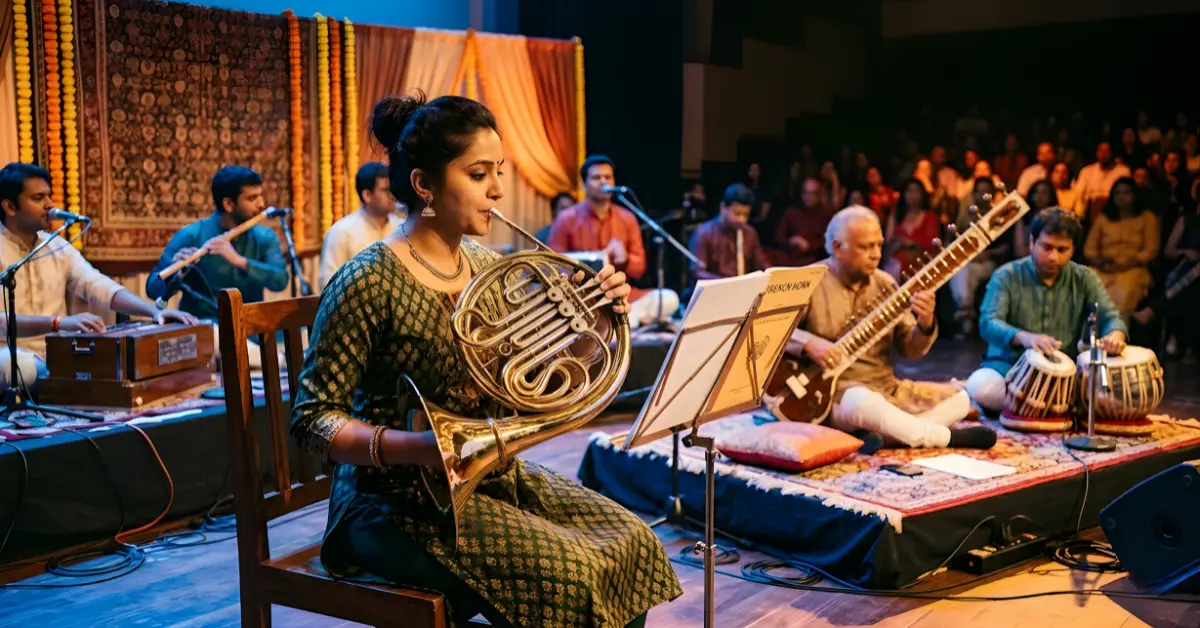
Although not traditionally Indian, the French horn is slowly gaining popularity.

It is used in:

  • Bollywood background scores
  • Symphony orchestras in metro cities
  • Fusion music projects

Cities like Chennai and Pondicherry are seeing a rise in Western classical learning, making it easier to access such instruments and training.


5. Tips for Beginners Learning French Horn

French Horn Challenging Rewarding Guide 7

5.1 Start with Proper Guidance

Always learn under a trained instructor. Self-learning can lead to bad habits, especially with embouchure and hand positioning.

5.2 Practice Long Tones Daily

Long tone exercises help improve:

  • Breath control
  • Tone quality
  • Stability

5.3 Be Patient with Progress

Unlike guitar or keyboard, the French horn takes time. Don’t expect quick results.

Consistency is key.

5.4 Use a Quality Instrument

A good instrument makes a huge difference in learning. Poor-quality horns can:

  • Affect tuning
  • Make playing harder
  • Reduce motivation

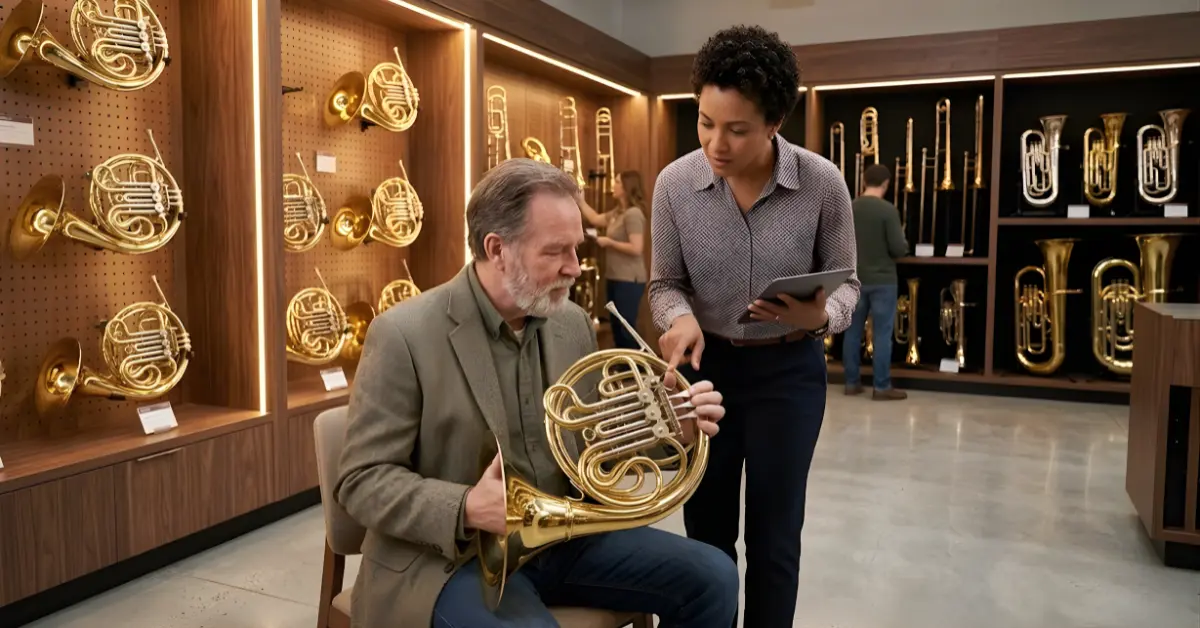
If you’re looking for a reliable French horn in South India, you can explore NMS Musicals in Pondicherry & Chennai, where you’ll find quality instruments along with expert guidance.


6. Choosing the Right French Horn

French Horn Challenging Rewarding Guide 6

When buying a French horn, consider:

  1. Single vs Double Horn
  2. Material quality
  3. Brand reliability
  4. Budget

Beginners usually start with:

  • Single horn (lighter and easier)

Advanced players prefer:

  • Double horn (more versatile)

At NMS Musicals, you can get assistance in choosing the right model based on your skill level and budget.


7. Common Mistakes to Avoid

French Horn Challenging Rewarding Guide 8
  1. Ignoring proper posture
  2. Skipping warm-up exercises
  3. Playing without tuning
  4. Using incorrect hand position
  5. Practicing inconsistently

Avoiding these mistakes can speed up your progress significantly.


8. Is the French Horn Right for You?

French Horn Challenging Rewarding Guide 9

The French horn is perfect if you:

  • Love classical or orchestral music
  • Enjoy challenges
  • Are patient and disciplined
  • Want a unique musical identity

It may not be ideal if you:

  • Want quick results
  • Prefer simple instruments
  • Have limited practice time


Conclusion

The French horn stands as one of the most challenging yet deeply rewarding instruments in the world of music. Its complexity can be intimidating, but for those who embrace the journey, it offers unmatched musical satisfaction.

In India’s growing music landscape, choosing the French horn can set you apart and open doors to unique opportunities. While the learning curve is steep, the emotional depth and expressive power it offers make every effort worthwhile.

If you’re ready to take on the challenge, start with the right guidance and instrument. Visit NMS Musicals in Pondicherry & Chennai to explore quality French horns and get expert advice tailored to your musical journey.

Mastering the French horn isn’t just about learning an instrument—it’s about discovering a powerful voice that truly stands out.


At NMS Musicals, we offer a comprehensive range of musical instruments, including percussion, string, wind, and keyboard instruments. Our services encompass sales, expert servicing, and the manufacture of leather instruments. Explore our diverse collection and find the perfect instrument to suit your musical needs.

Visit our website to browse our offerings: nmsmusicals.in

For a closer look at our products, check out our shop page: nmsmusicals.in/shop

Stay connected with us through our social media channels:
Our shop locations are:

For inquiries, contact/Whatsapp us at 9500663895 or email us at laxman.m89@gmail.com.

Discover the world of musical instruments with NMS Musicals today!

For a visual overview of our percussion instruments, watch the following video:
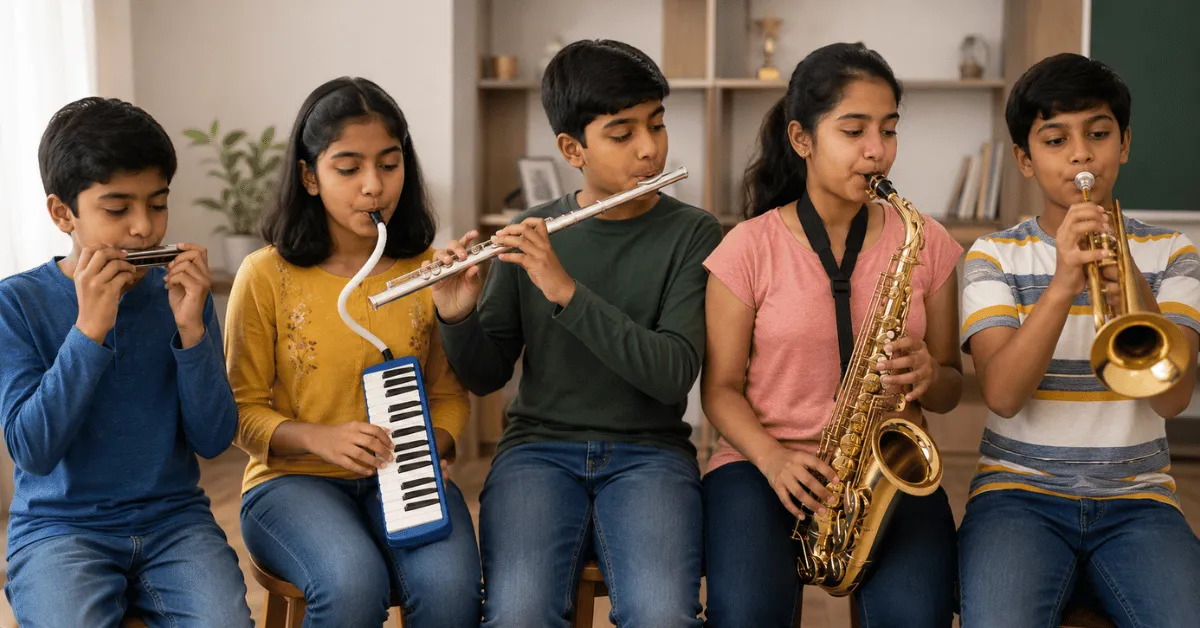
How to Buy Your First Flute A Beginner’s Guide

Powerful Beginner Guide: How to Buy Your First Flute
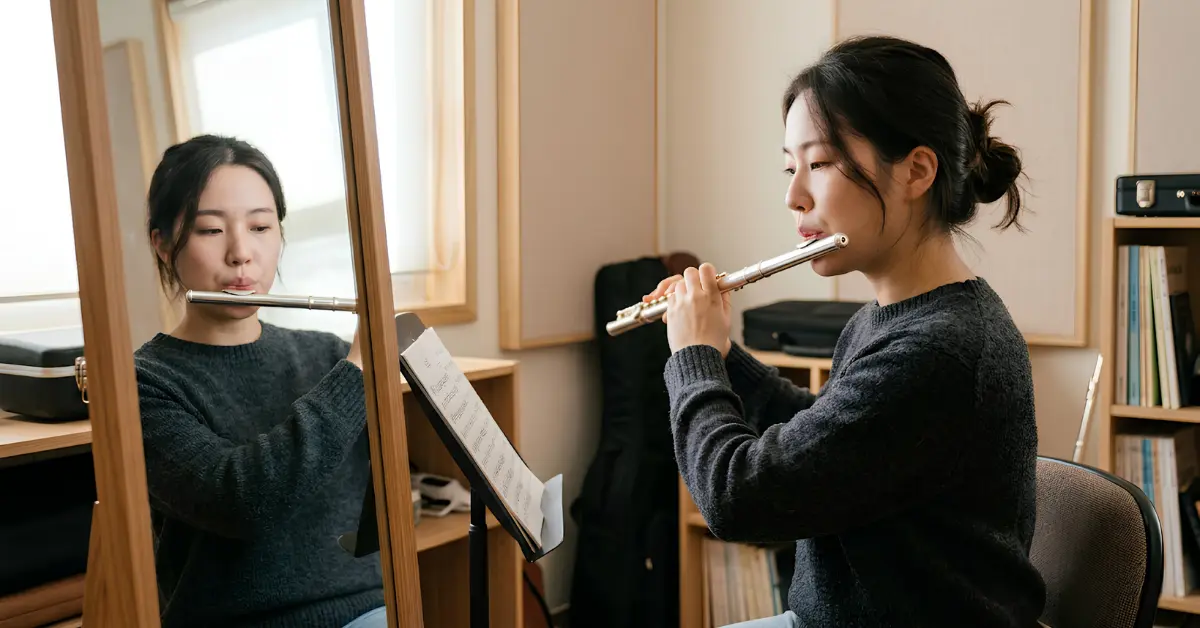
How to Buy Your First Flute: Complete Beginner Guide for Choosing the Perfect Flute in India

How to Buy Your First Flute A Beginner’s Guide 1

Learning the flute is an exciting musical journey. The flute is one of the oldest and most beautiful musical instruments in the world, known for its soothing and expressive sound. In India especially, the flute—commonly called the bansuri—has a deep cultural connection with classical music, devotional music, and even modern film music.

However, many beginners feel confused when they decide to buy their first flute. Questions like Which flute should I buy?, What size flute is best for beginners?, and How much should I spend on my first flute? are very common.

Choosing the right flute is important because the correct instrument will make learning easier, more enjoyable, and more motivating. The wrong flute can make it difficult to produce sound, control pitch, or even practice comfortably.

This detailed beginner guide will help you understand How to Buy Your First Flute step-by-step. You will learn about flute types, materials, sizes, prices, and important factors that every beginner in India should know before purchasing a flute.


1. Understand the Different Types of Flutes

Before buying your first flute, it is important to understand that there are several types of flutes available. Each type is designed for a specific style of music.

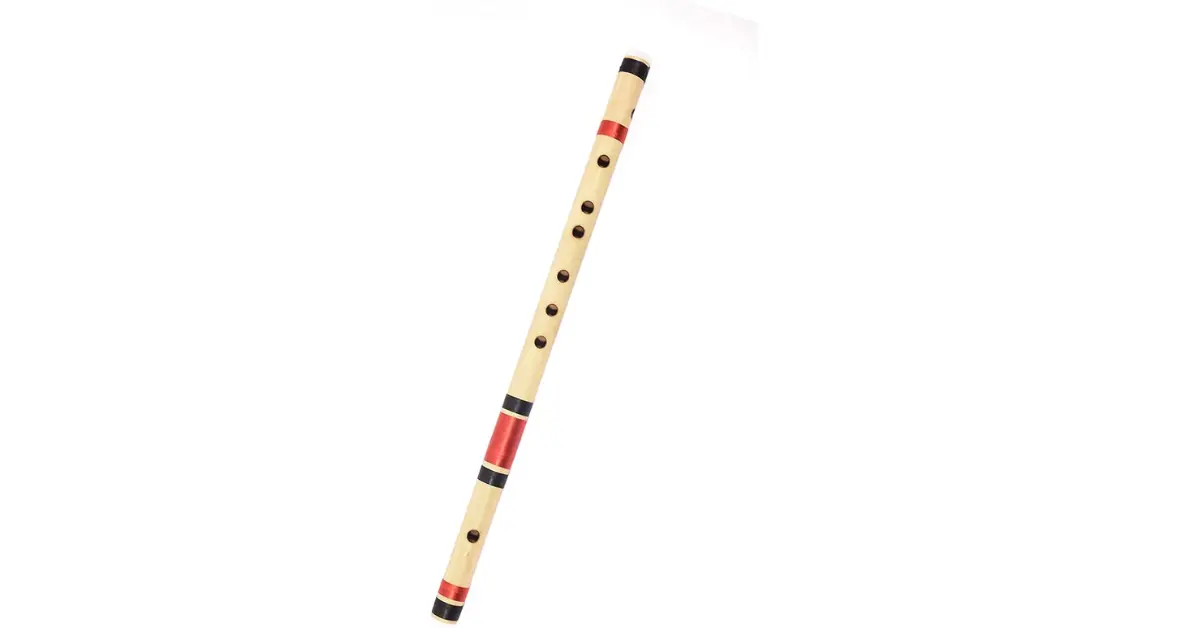
  1. Bamboo Flute (Bansuri)
    Bansuri E Flute
    Get this instrument at best deal – Bansuri Flute
    The bamboo flute is the most popular flute in India. It is widely used in Indian classical music, devotional music, and Bollywood songs. The bansuri produces a warm and natural sound and is often the first choice for beginners.


  2. Western Concert Flute
    How to Buy Your First Flute A Beginne's Guide 2
    This is a metal flute commonly used in Western classical music, orchestras, and bands. It has keys and a more complex structure compared to the bamboo flute.


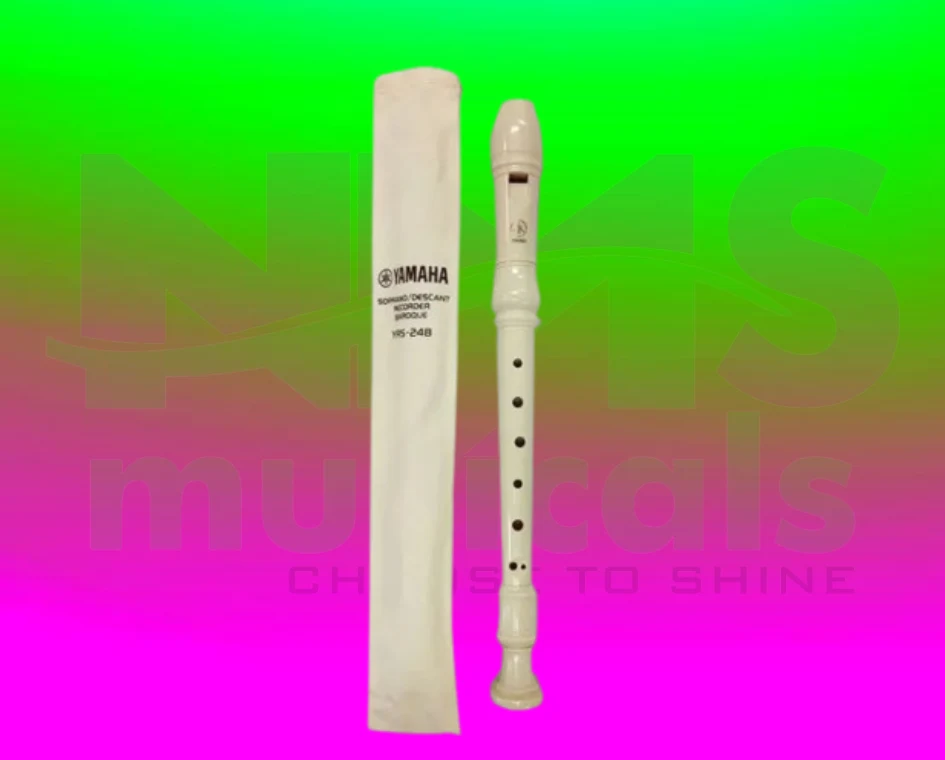
  3. Recorder
    Yamaha Recorder Musical Instrument from NMS Musicals
    Get this instrument at best deal – Yamaha Recorder
    The recorder is often used in schools and music education programs. It is easier to play but sounds different from the bansuri.

For beginners in India, bamboo bansuri is usually the best choice because it is affordable, traditional, and perfect for learning Indian melodies.


2. Choose the Right Flute Scale

One of the most important steps in How to Buy Your First Flute is choosing the correct scale. The scale of a flute determines the pitch and length of the instrument.

Some common flute scales include:

  1. C Scale Flute
    D# Scale - 8 holes Musical Instrument from NMS Musicals

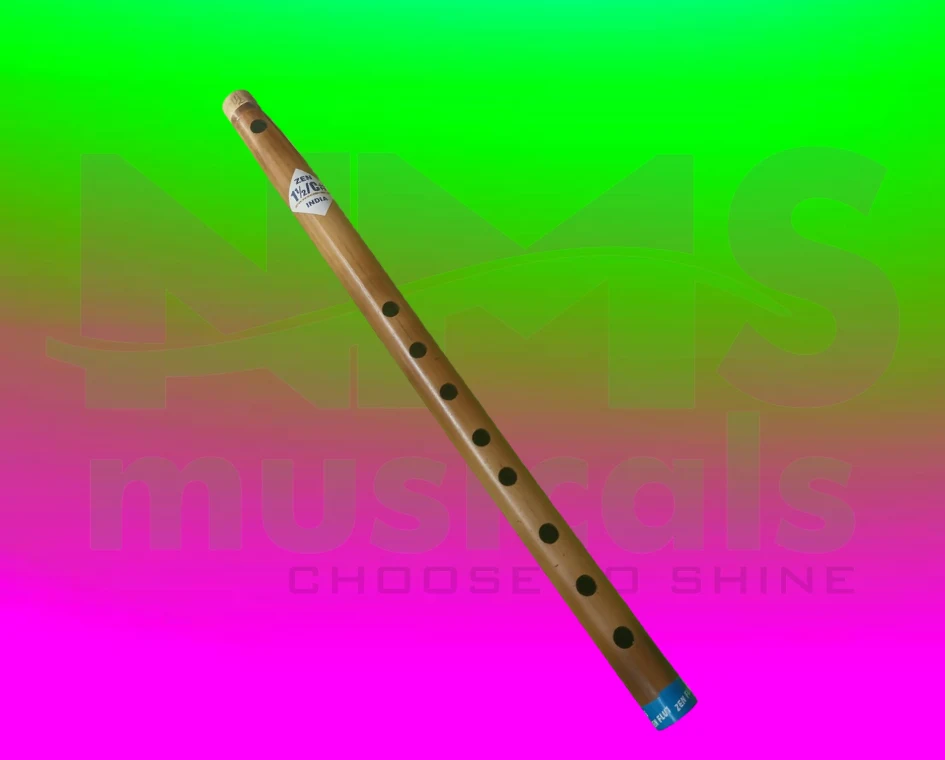
    Get this instrument at best deal – Zen Flute 8 Holes – C scale


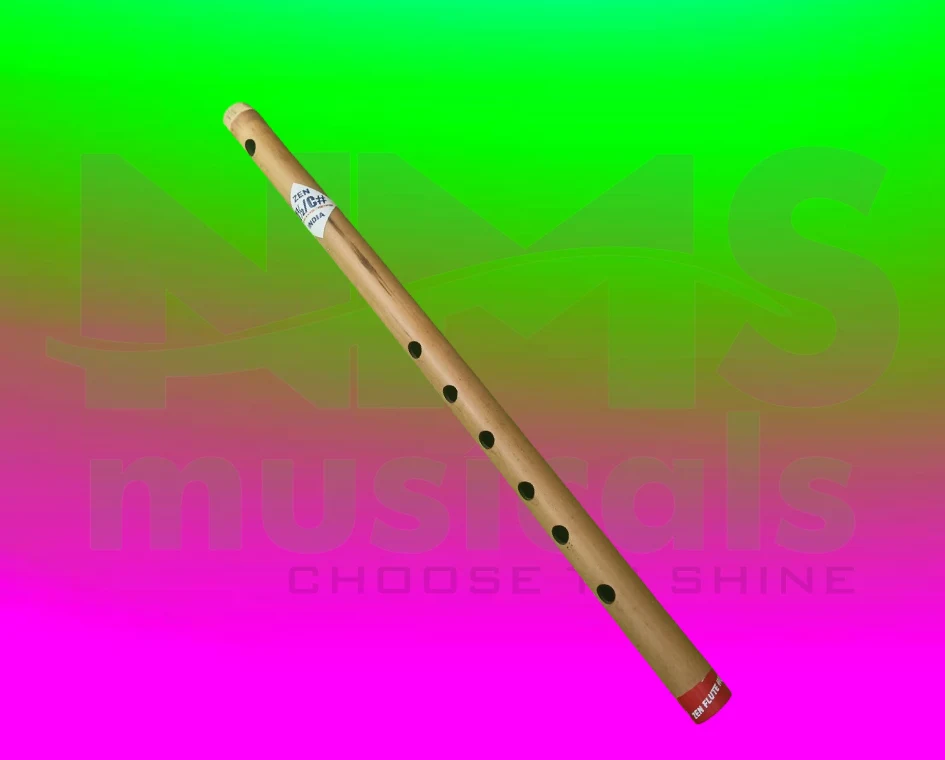
  2. C Sharp (C#) Flute
    C# scale - 6 holes Musical Instrument from NMS Musicals
    Get this instrument at best deal – Zen Flute 6 Holes – C# scale


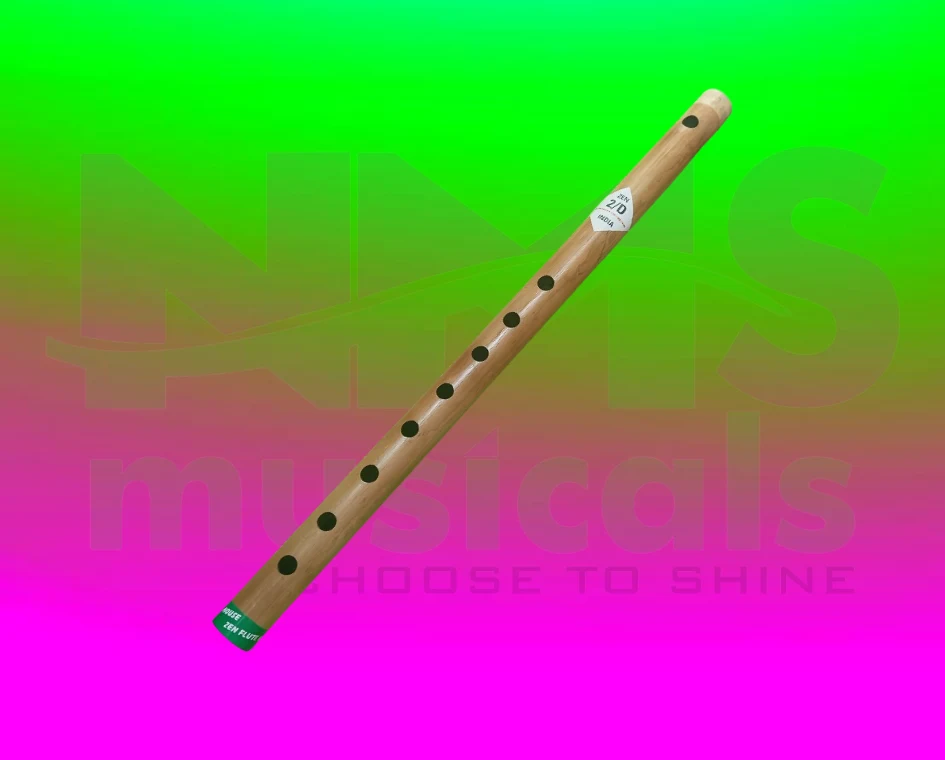
  3. D Scale Flute
    D Scale 8 holes Musical Instrument from NMS Musicals
    Get this instrument at best deal – Zen Flute 8 Holes – D scale


  4. E Scale Flute
    FLUTE E-Scale-8-holes-Musical Instrument from NMS Musicals

    Get this instrument at best deal – Zen Flute 8 Holes – E scale


  5. G Scale Flute
    G scale - 6 holes Musical Instrument from NMS Musicals
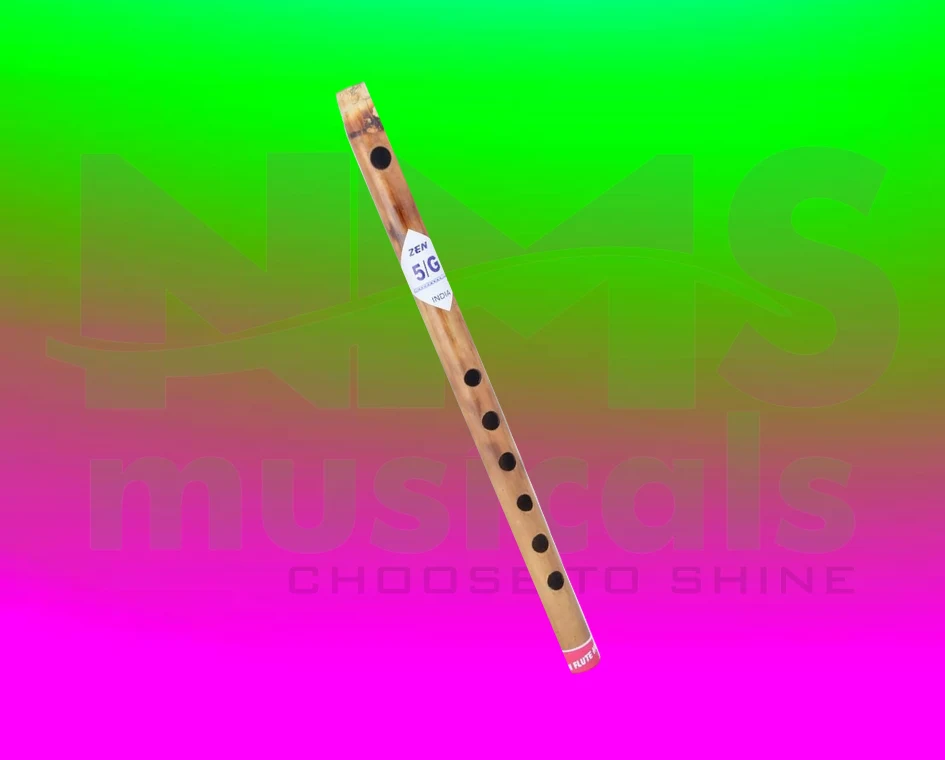
    Get this instrument at best deal – Zen Flute 6 Holes – G scale

For beginners, teachers often recommend:

  1. C Natural Medium Flute
    FLUTE 8HOLES c SCALE Musical Instrument from NMS Musicals

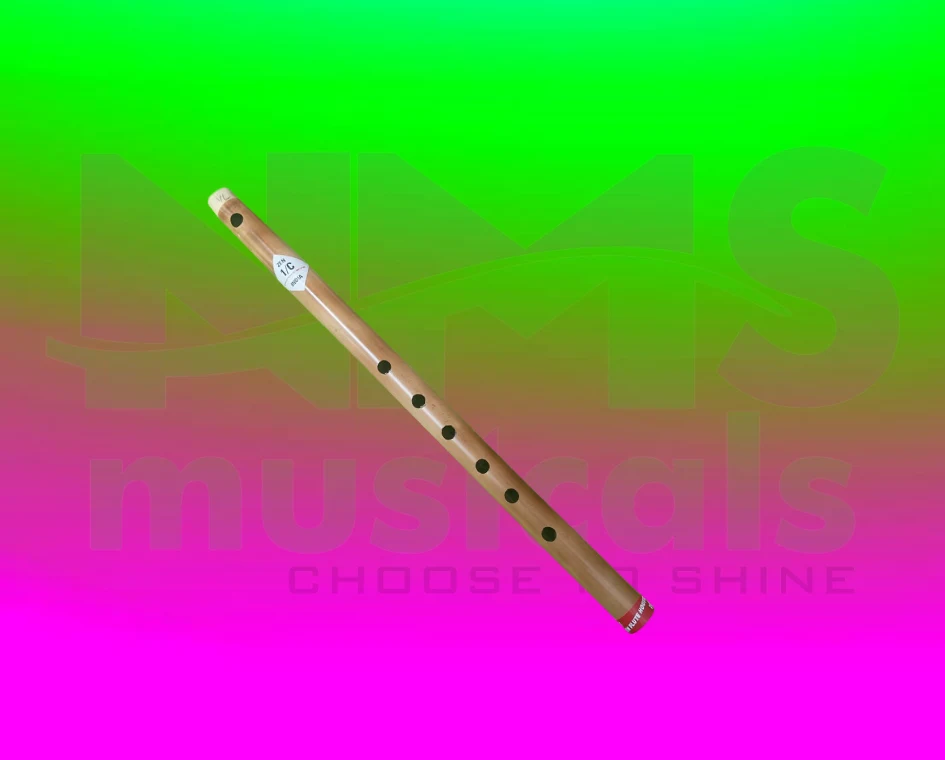
    Get this instrument at best deal – Zen Flute 6 Holes – C scale


  2. C Sharp Medium Flute
    C# Scale 8 holes Musical Instrument from NMS Musicals
    Get this instrument at best deal – Zen Flute 8 Holes – C# scale

These flutes are comfortable to hold and easier to control while learning. Very long flutes (like low bass flutes) require stronger breath control and wider finger stretch, which may be difficult for beginners.


3. Understand Flute Sizes and Length

Flute size directly affects playability. Longer flutes produce deeper bass sounds, while shorter flutes produce higher pitches. For beginners, it is best to start with medium-length flutes because they offer a balance between sound quality and comfort.

Typical beginner flute sizes:

  1. Small Flutes – High pitch, easy blowing but less depth
  2. Medium Flutes – Balanced tone and comfortable playing
  3. Large Flutes – Deep sound but require more breath control

Most flute teachers in India recommend medium C(Get this instrument at best deal) – or C#(Get this instrument at best deal) flute for beginners.

How to Buy Your First Flute A Beginne's Guide G Scale Flute 3
Get this instrument at best deal
Zen Flute 6 Holes – C# scale – https://nmsmusicals.in/shop-2/wind-instrument/zen-flute-6-holes-c-scale/
Zen Flute 6 Holes – C scale – https://nmsmusicals.in/shop-2/wind-instrument/zen-flute-6-holes-c-scale-2/


4. Choose the Right Flute Material

Material affects the tone, durability, and price of the flute. Common flute materials include:

  1. Bamboo
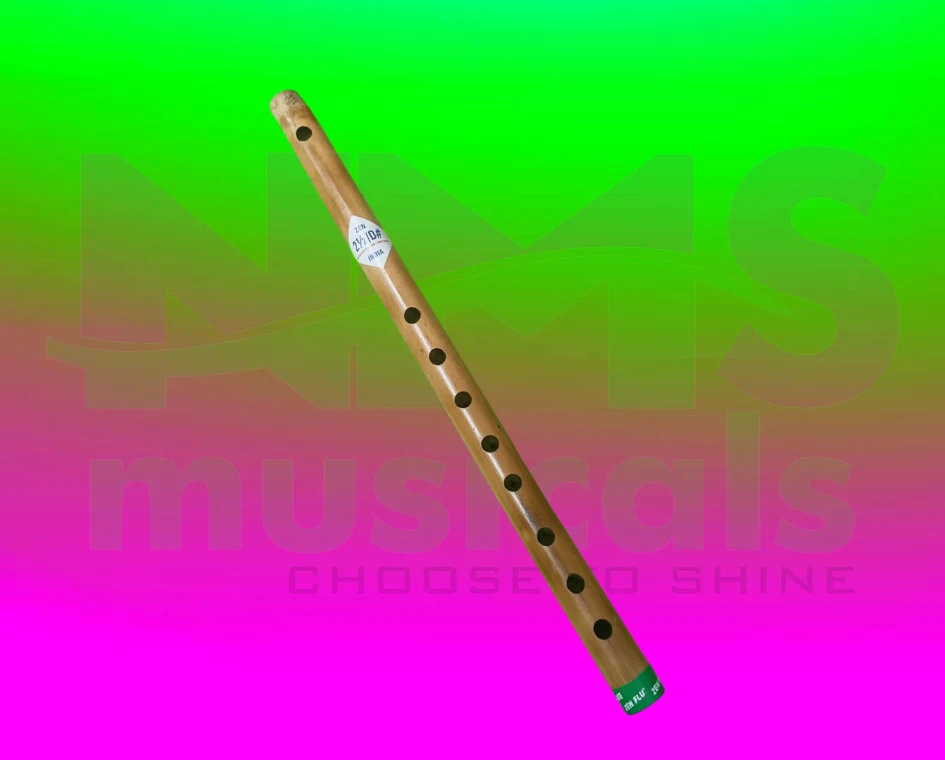
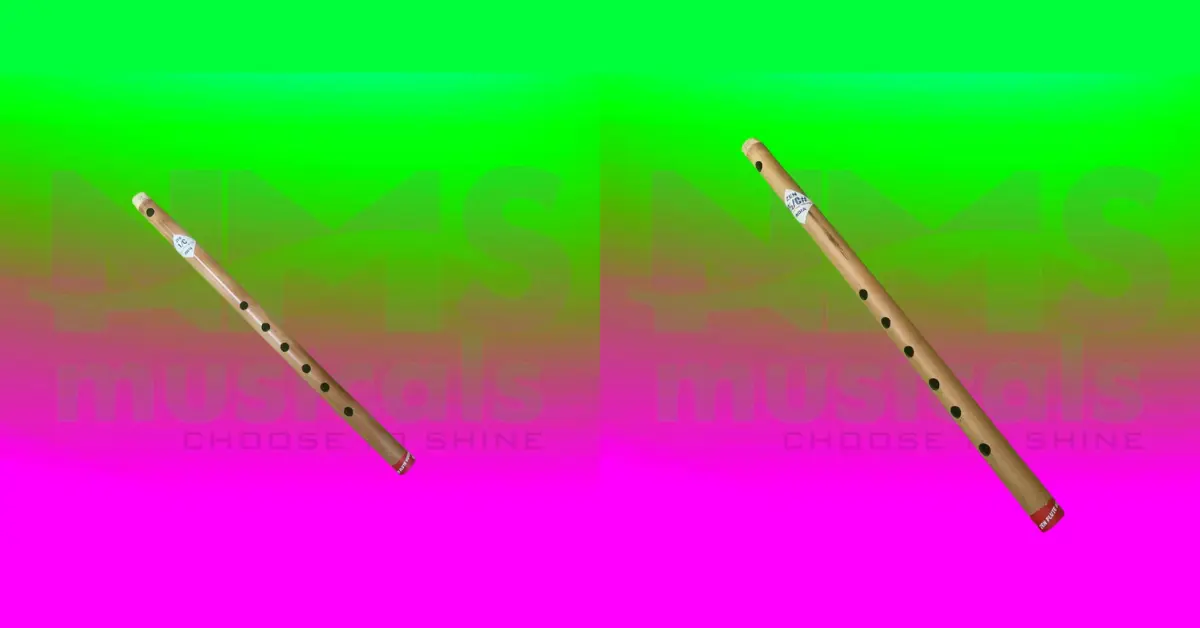
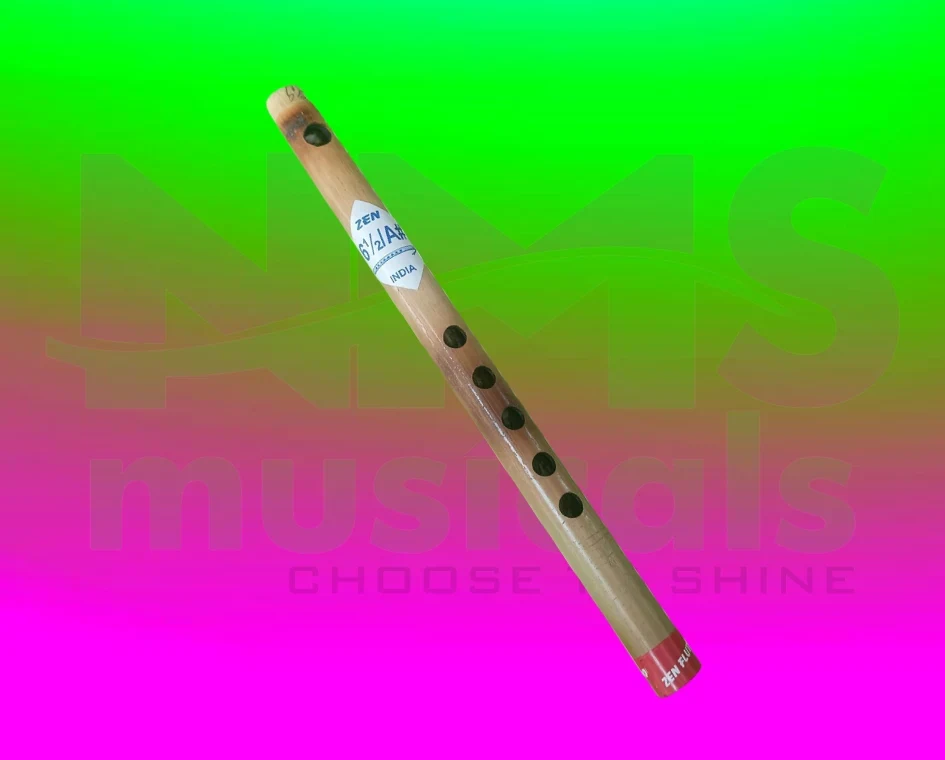
A# Scale - 6 Holes Musical Instrument from NMS Musicals
Get this instrument at best deal -A# Scale – 6 Holes

Bamboo flutes are traditional and widely used in Indian music. They produce a warm, natural sound and are ideal for beginners.

Advantages:

  • Natural sound quality
  • Lightweight
  • Affordable
  • Perfect for Indian classical music

  1. PVC Flutes
How to Buy Your First Flute A Beginne's Guide PVC Flutes

Some beginner flutes are made from PVC plastic.

Advantages:

  • Durable
  • Weather resistant
  • Affordable

However, many musicians prefer bamboo for its natural tone.

  1. Metal Flutes
High Pitch Flute Musical Instrument from NMS Musicals
Get this instrument at best deal -High Pitch Flute

Metal flutes are used in Western music and orchestras. They have a different playing technique compared to bansuri.

For beginners learning Indian music, bamboo bansuri is the best choice.


5. Check the Quality of the Flute

A good flute should be well-crafted and properly tuned.

When buying a flute, check the following:

  1. Hole Alignment

The finger holes should be evenly placed and smooth around the edges.

  1. Smooth Blowing Hole

The blowing hole should be smooth and properly shaped to allow easy sound production.

  1. Straight Bamboo

The bamboo body should be straight and free from cracks.

  1. Proper Tuning

The flute should produce accurate notes when played.

Buying from a trusted musical instrument shop ensures that the flute is well-tuned and professionally made.


6. Decide Your Budget

Another important step in How to Buy Your First Flute is deciding your budget. Flute prices in India vary depending on quality, craftsmanship, and material.

Typical price ranges:

  1. Beginner Flutes – ₹500 to ₹1500
  2. Intermediate Flutes – ₹1500 to ₹4000
  3. Professional Flutes – ₹4000 and above

For beginners, it is usually best to start with a good-quality beginner flute. A flute that is too cheap may have tuning problems or poor sound quality.


7. Buy from a Trusted Musical Instrument Store

Where you buy your flute is just as important as the flute itself. Purchasing from a trusted shop ensures that you receive:

  1. Properly tuned instruments
  2. Quality bamboo material
  3. Expert guidance
  4. After-sales support

If you are looking for a reliable place to buy a beginner flute, you can visit NMS Musicals, which offers a wide range of flutes suitable for beginners and professionals.

You can explore quality bansuri collections at:

The store provides carefully selected instruments so beginners can start their musical journey with the right flute.


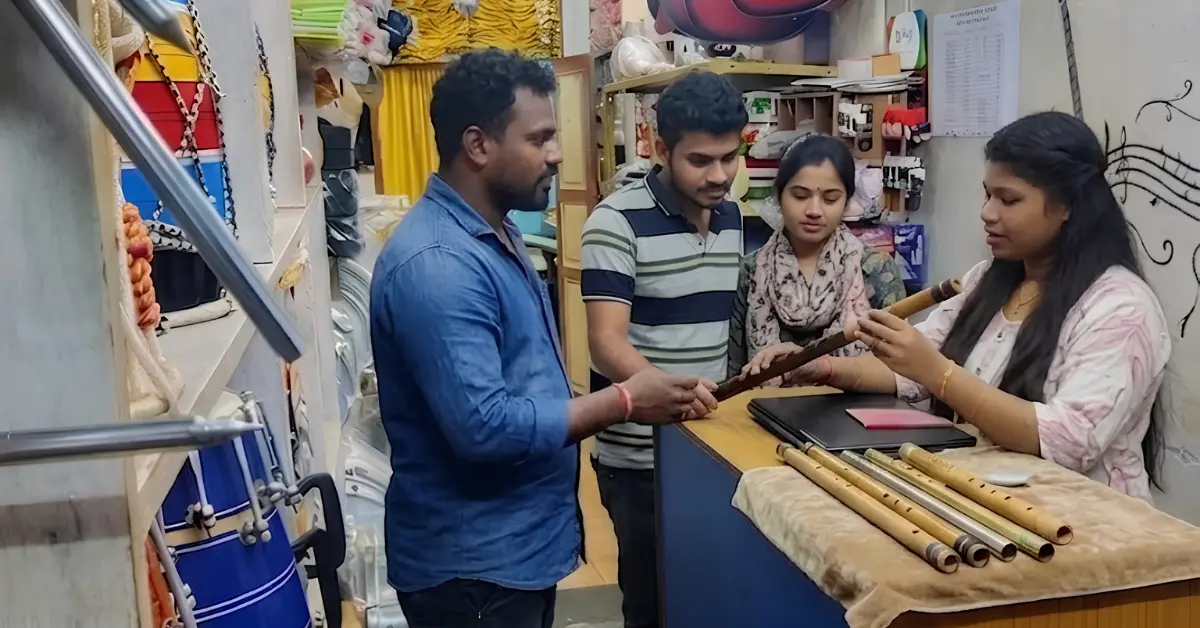
8. Test the Flute Before Buying

If possible, always test the flute before purchasing.

Testing helps you understand:

  1. Whether the flute produces clear sound
  2. If the finger holes feel comfortable
  3. Whether the flute suits your breath control

When testing:

  1. Blow gently into the flute.
  2. Try covering the holes properly.
  3. Check if the sound comes easily.

A good beginner flute should produce sound without too much effort.


9. Ask for Guidance from Musicians or Teachers

If you are unsure which flute to buy, it is helpful to seek advice from experienced musicians.

They can guide you about:

  1. Suitable flute scale
  2. Quality craftsmanship
  3. Proper tuning

Music teachers often recommend specific flute scales that are easier for beginners to learn.

A knowledgeable instrument shop can also provide valuable guidance during purchase.


10. Buy Essential Flute Accessories

While buying your first flute, it is also useful to consider a few basic accessories. These accessories help protect and maintain your instrument.

Important flute accessories include:

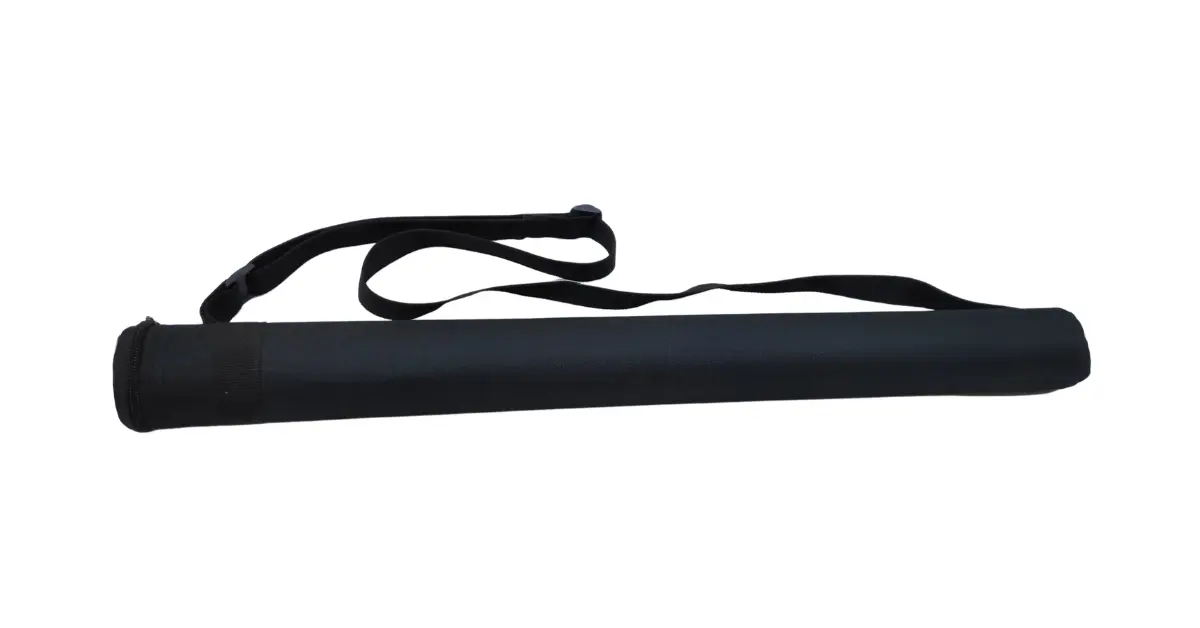
  1. Flute Carry Bag
How to Buy Your First Flute A Beginne's Guide Flute Carry Bag

Protects the flute from dust, moisture, and damage.

  1. Cleaning Cloth
How to Buy Your First Flute A Beginne's Guide 4

Keeps the flute clean after playing.

  1. Flute Stand
How to Buy Your First Flute A Beginne's Guide Flute Stand

Useful for safely placing the flute during practice. Many music stores offer these accessories along with the flute.


11. Learn Basic Flute Maintenance

Proper care helps your flute last longer and maintain good sound quality.

Simple maintenance tips:

  1. Keep the flute dry after playing.
  2. Store it in a protective case.
  3. Avoid extreme heat or moisture.
  4. Clean it regularly with a soft cloth.

Bamboo is a natural material, so proper care is important to prevent cracking or damage.


12. Start with Simple Practice

Once you buy your first flute, the next step is learning how to play.

Begin with simple exercises such as:

  1. Breathing control
  2. Producing a steady sound
  3. Learning basic notes
  4. Practicing simple melodies

Regular practice helps you develop finger control and breath technique.

Over time, you can explore classical ragas, film songs, and other musical styles.


Conclusion

Learning the flute is a rewarding and enjoyable musical experience. With the right instrument, beginners can quickly develop confidence and enjoy the beautiful sound of this timeless instrument.

Understanding How to Buy Your First Flute helps you avoid common beginner mistakes and ensures you start your musical journey with the right instrument.

By choosing the correct flute scale, selecting good-quality bamboo material, and purchasing from a trusted music store, you can make a smart and satisfying decision.

If you are planning to buy your first flute, you can explore a wide range of beginner-friendly bansuri instruments at NMS Musicals in Pondicherry and Chennai. The store offers quality instruments suitable for students, hobbyists, and professional musicians.

With the right flute in your hands and regular practice, you will soon be able to create beautiful melodies and enjoy the magic of music.

Your musical journey starts with one simple step—choosing the perfect flute.


At NMS Musicals, we offer a comprehensive range of musical instruments, including percussion, string, wind, and keyboard instruments. Our services encompass sales, expert servicing, and the manufacture of leather instruments. Explore our diverse collection and find the perfect instrument to suit your musical needs.

Visit our website to browse our offerings: nmsmusicals.in

For a closer look at our products, check out our shop page: nmsmusicals.in/shop

Stay connected with us through our social media channels:
Our shop locations are:

For inquiries, contact/Whatsapp us at 9500663895 or email us at laxman.m89@gmail.com.

Discover the world of musical instruments with NMS Musicals today!

For a visual overview of our percussion instruments, watch the following video: