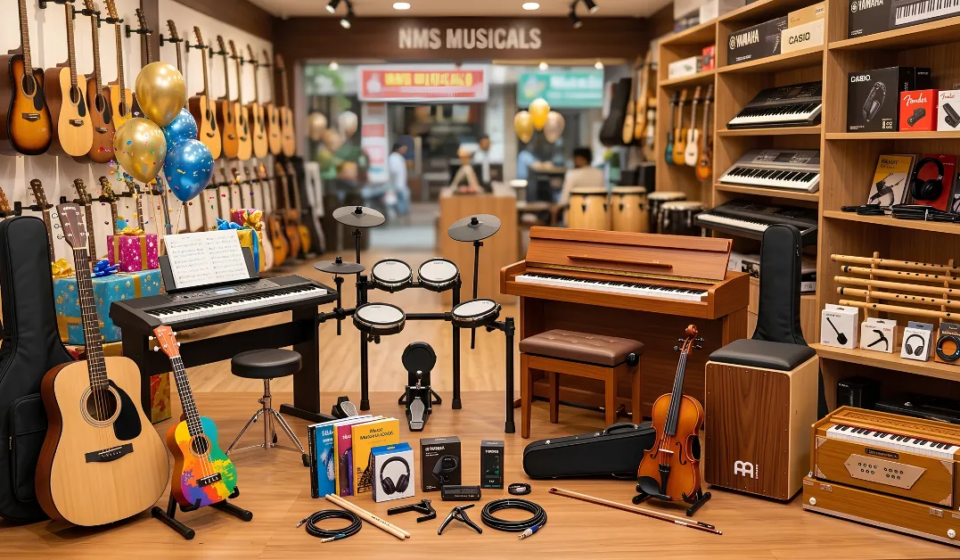
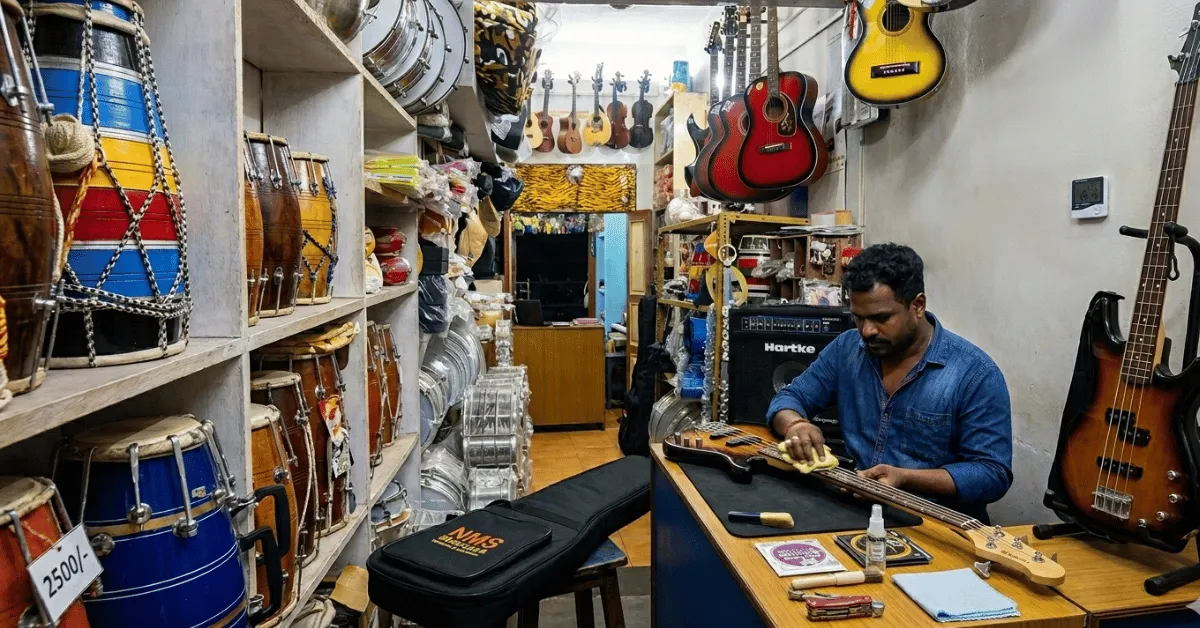
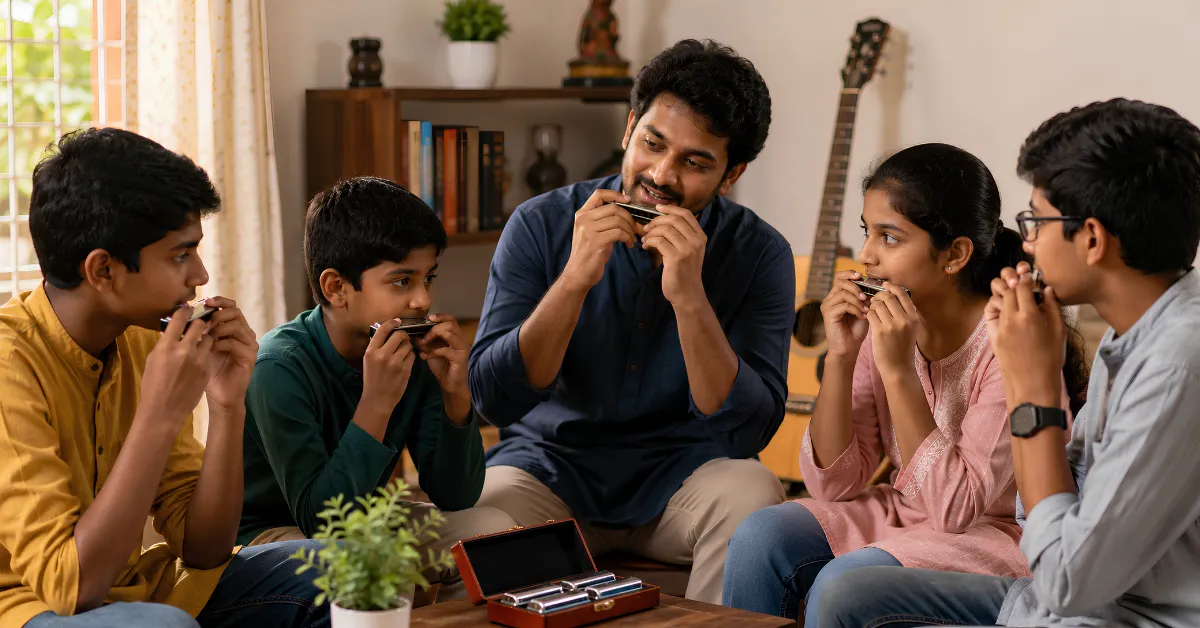
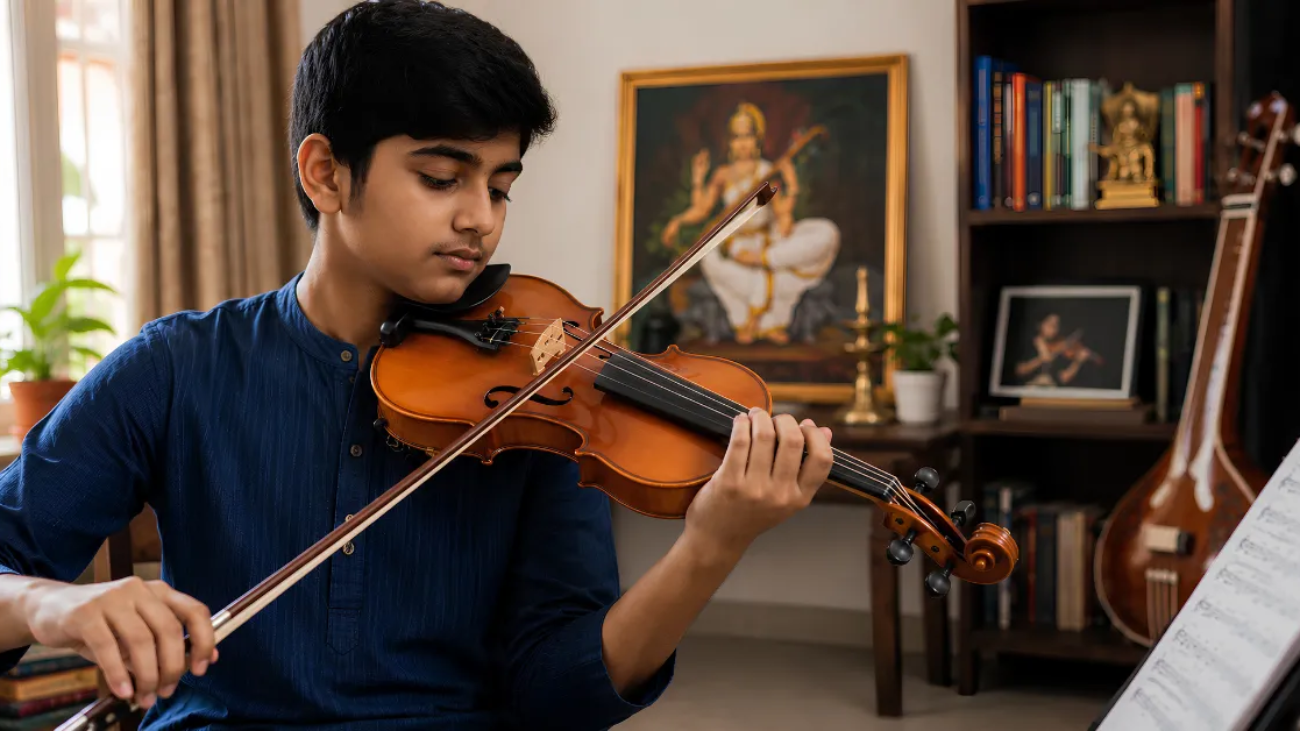
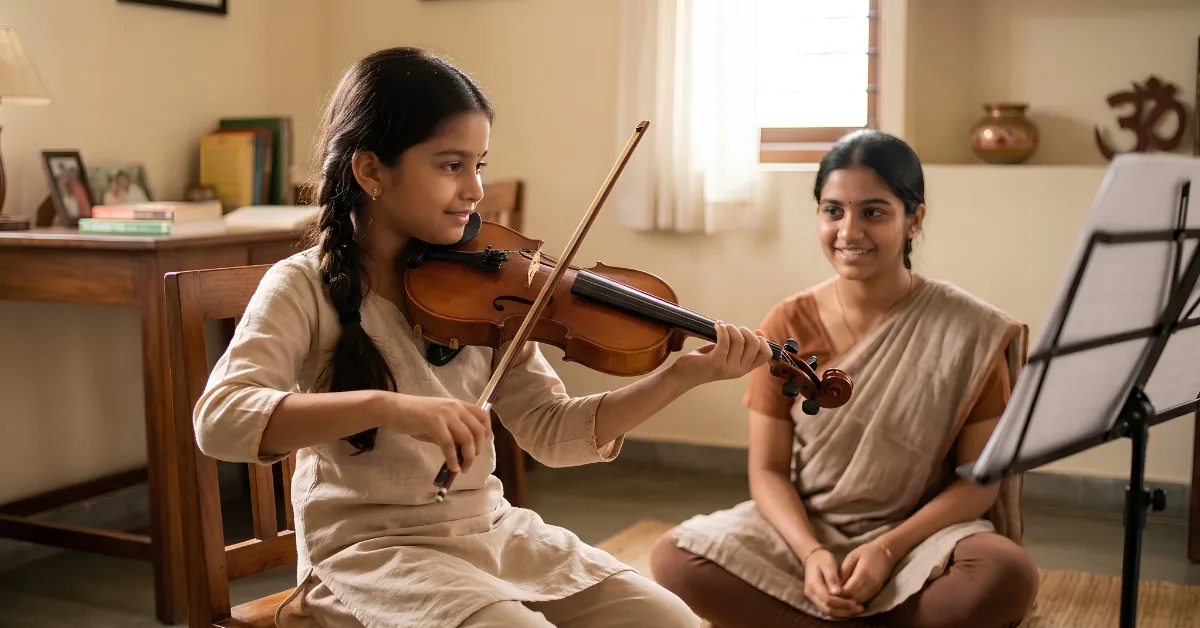
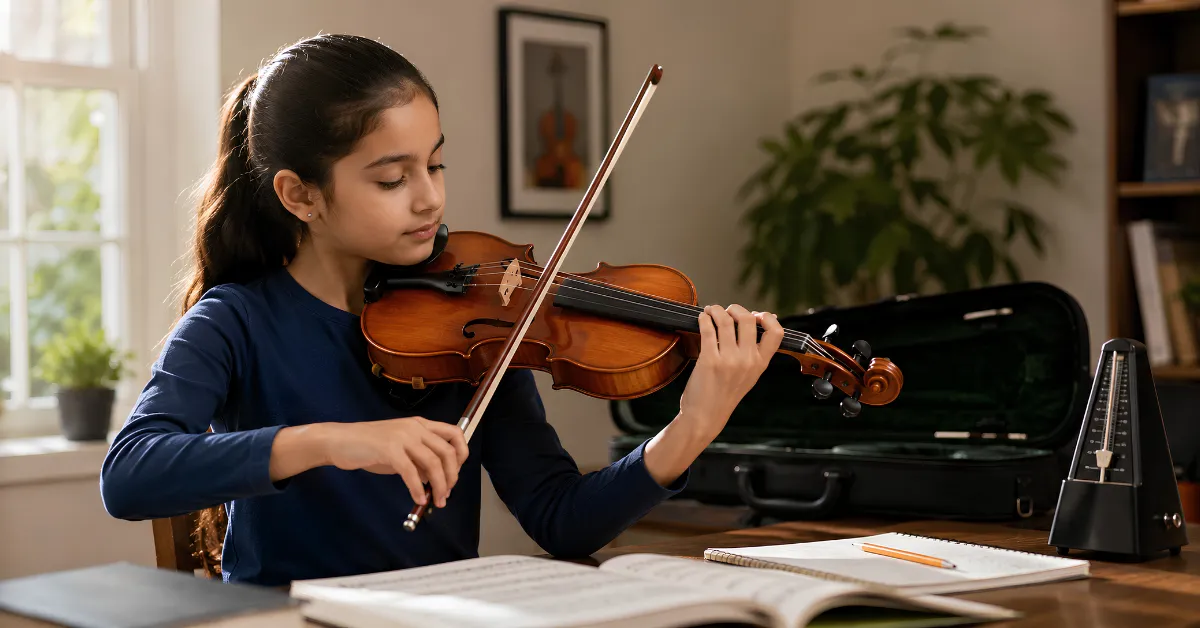
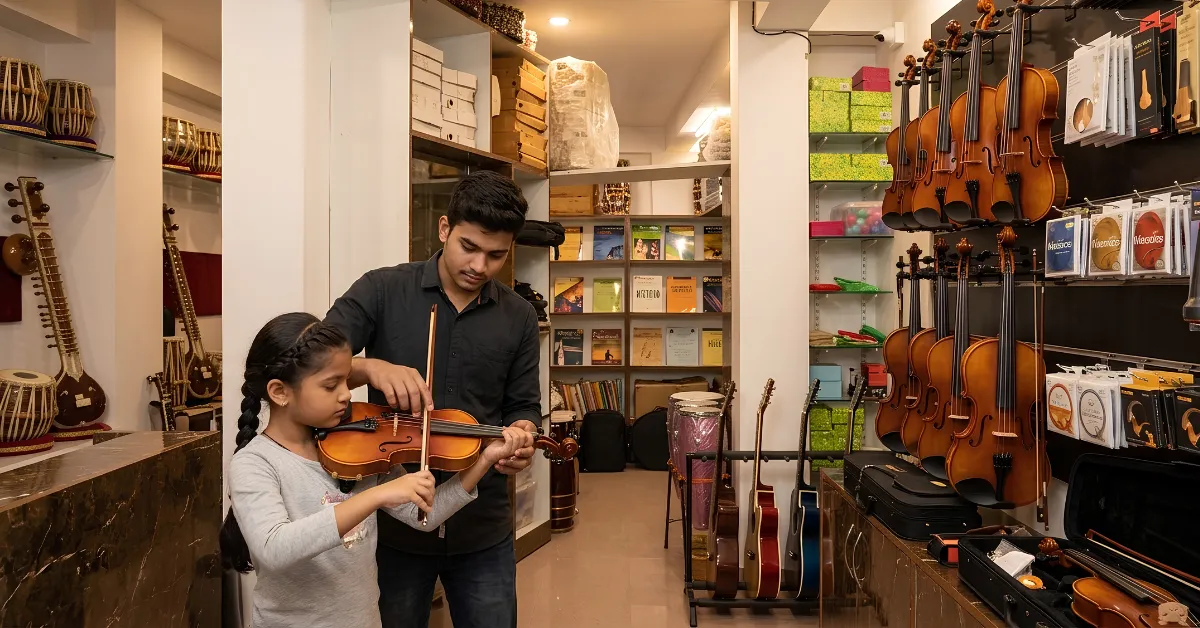
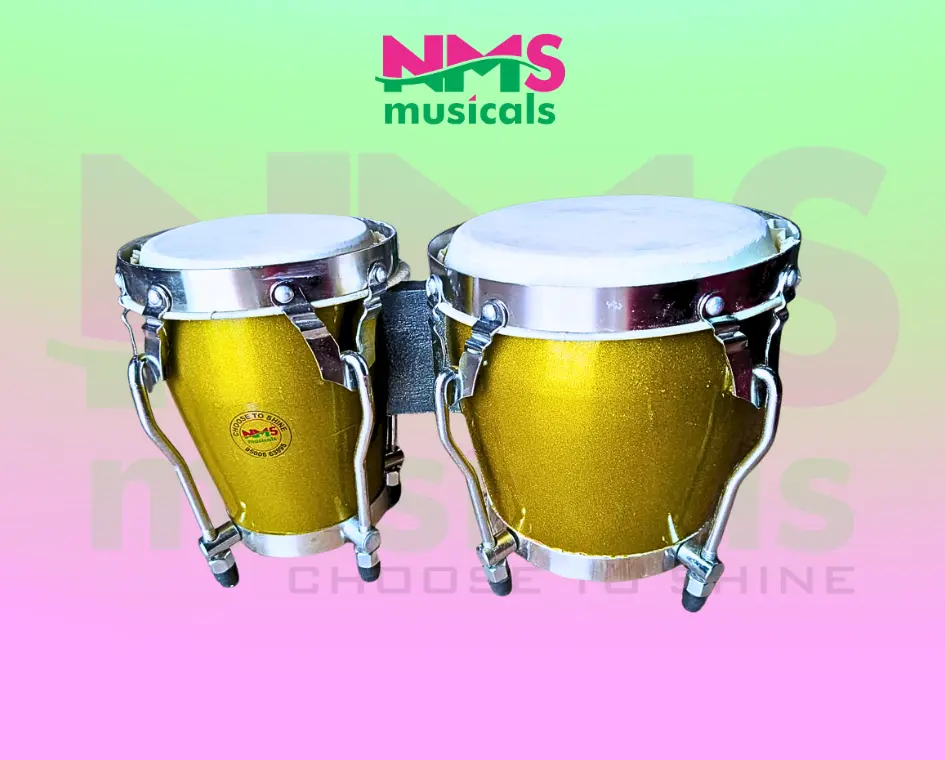
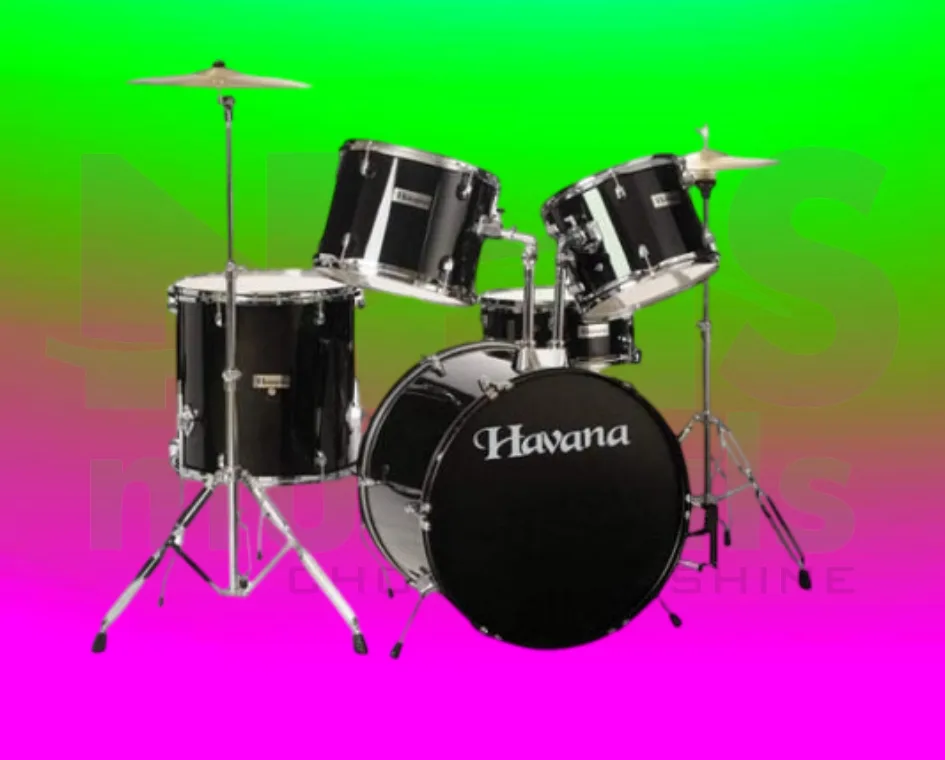
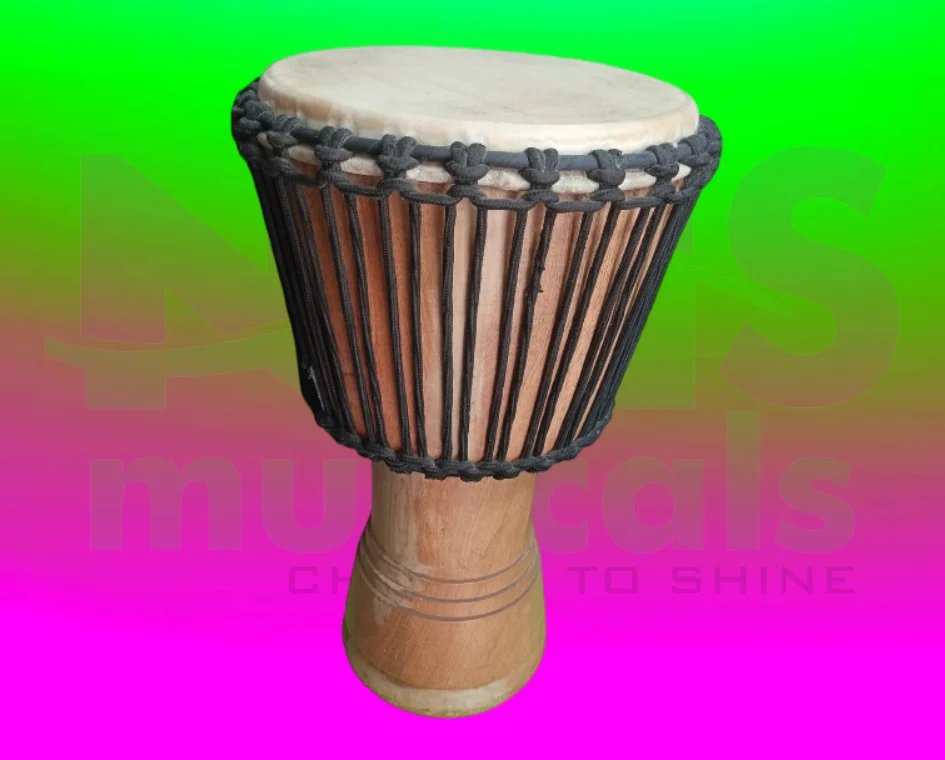
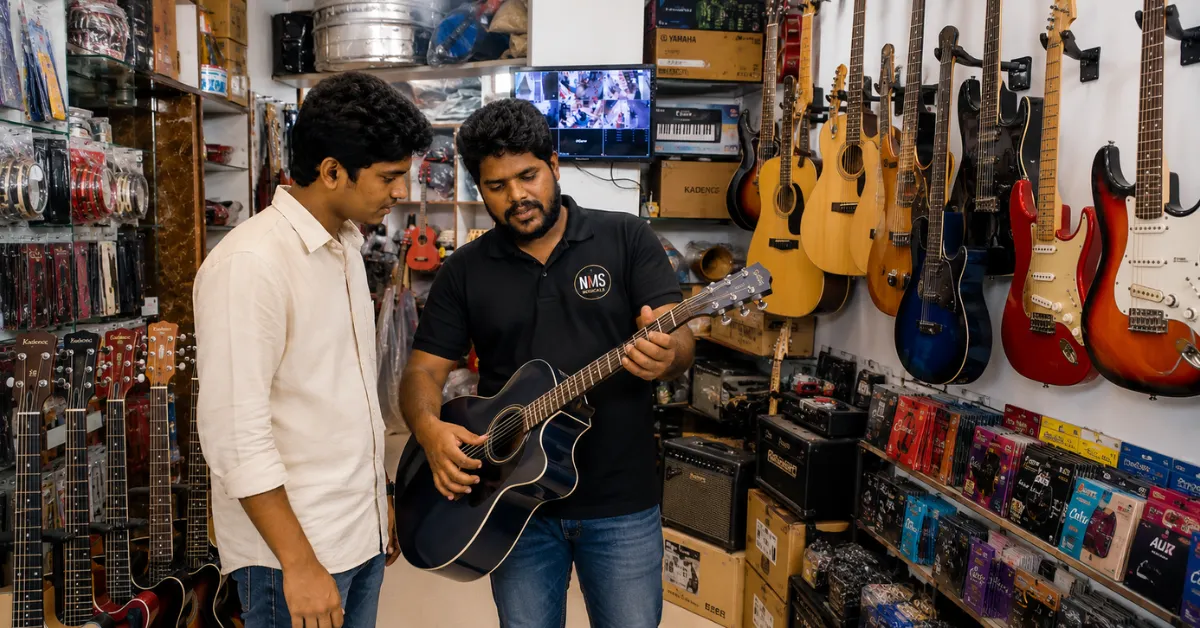
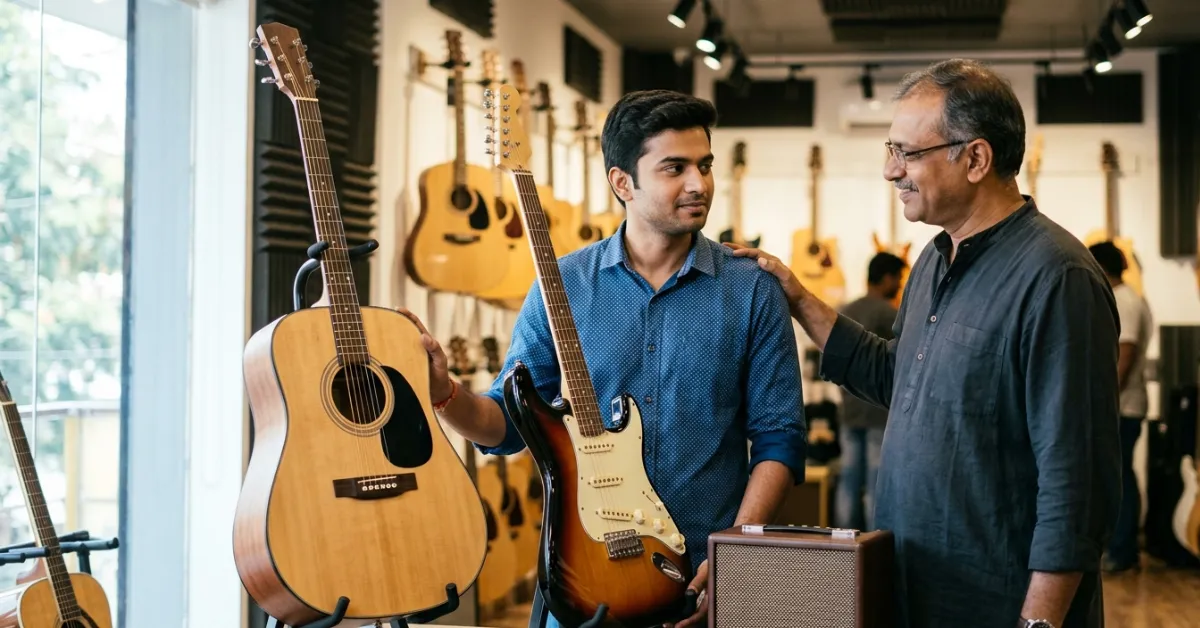
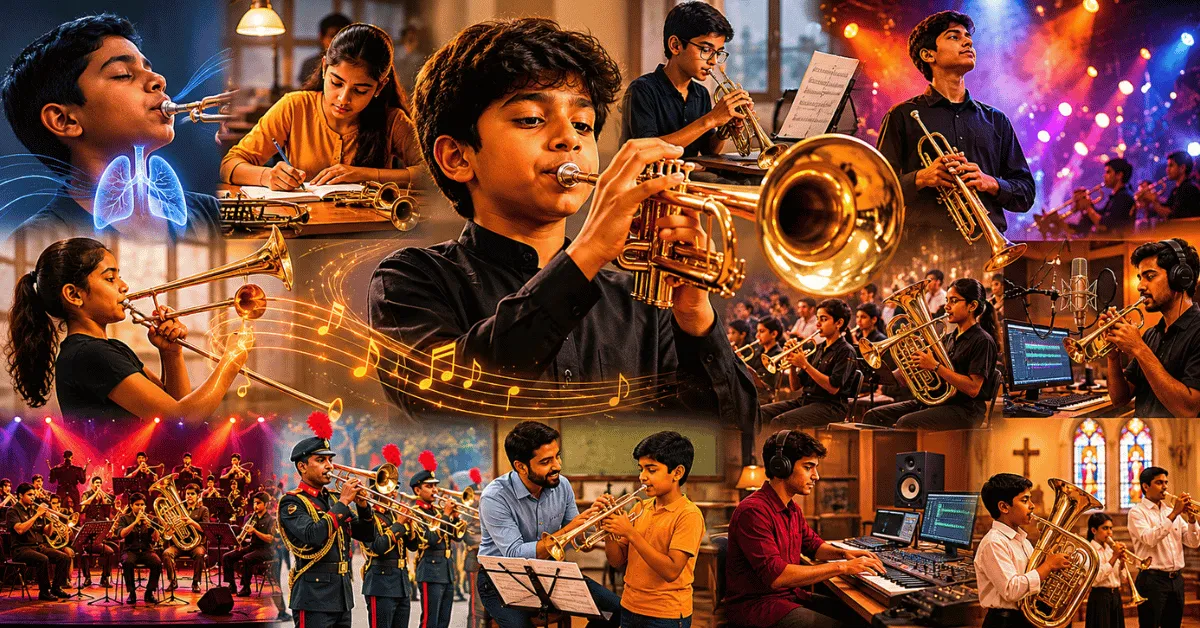
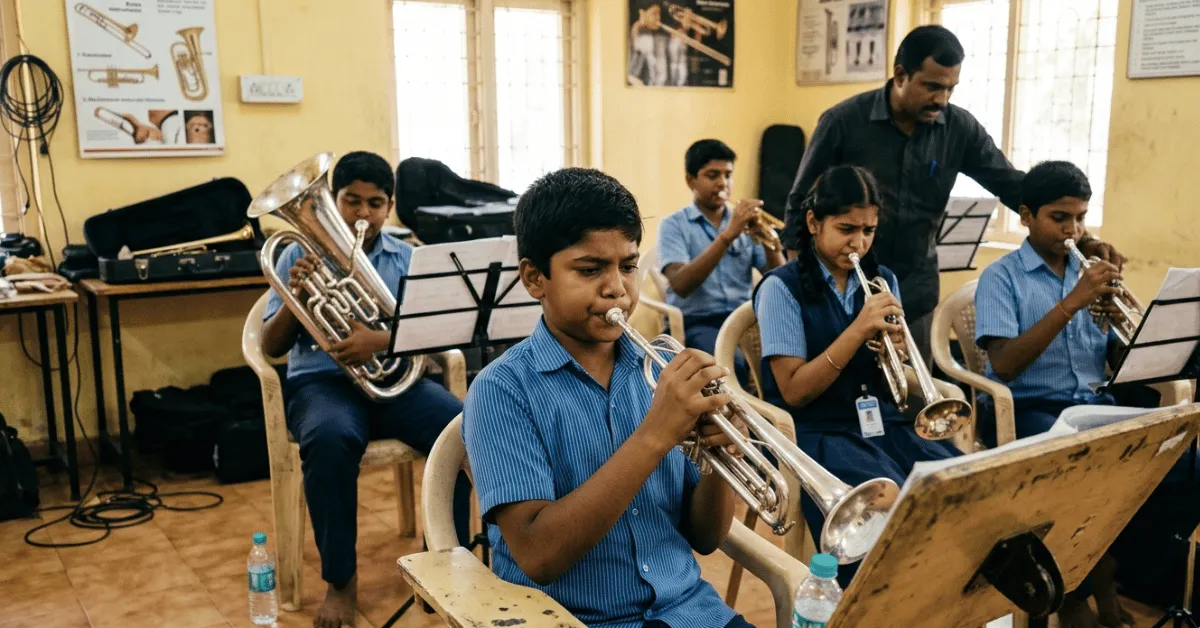
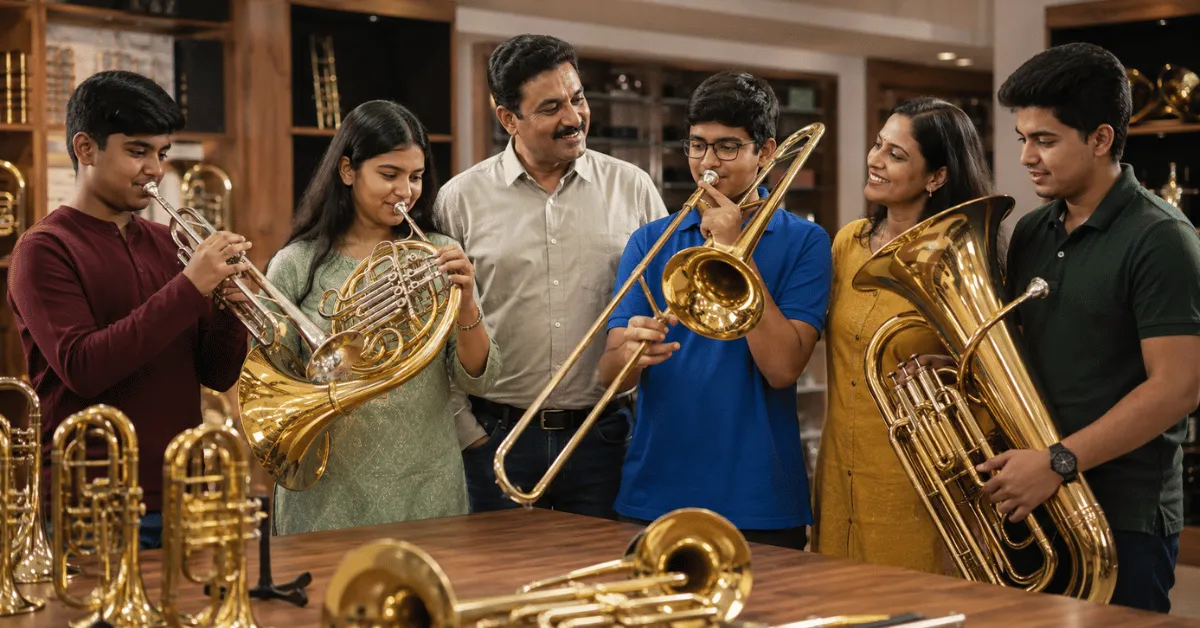
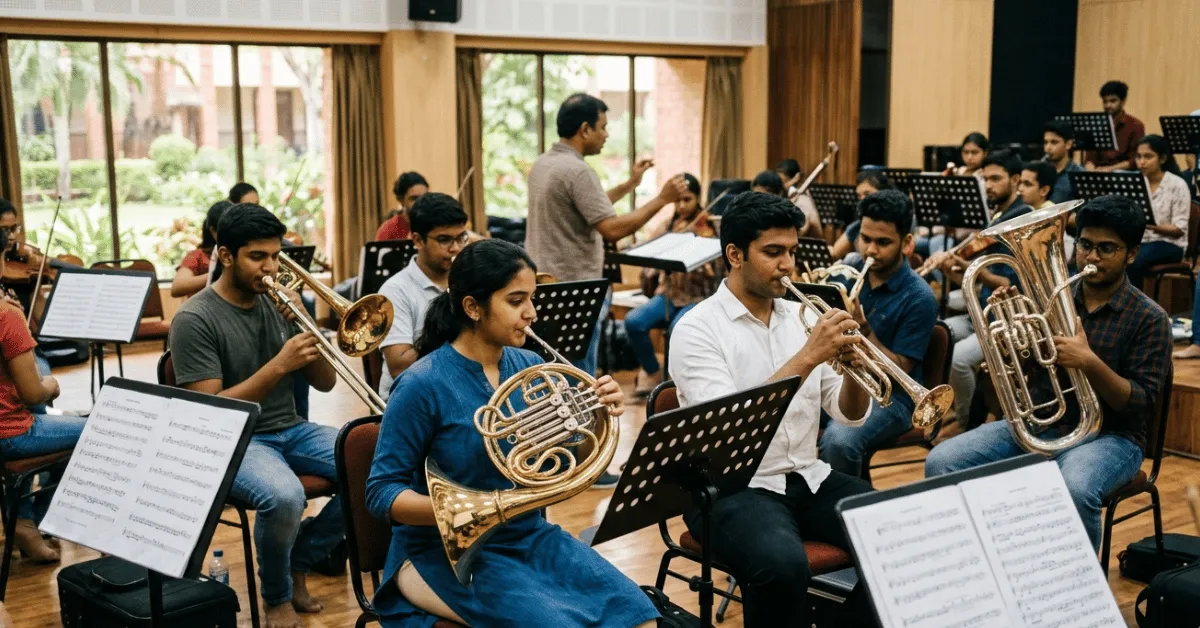
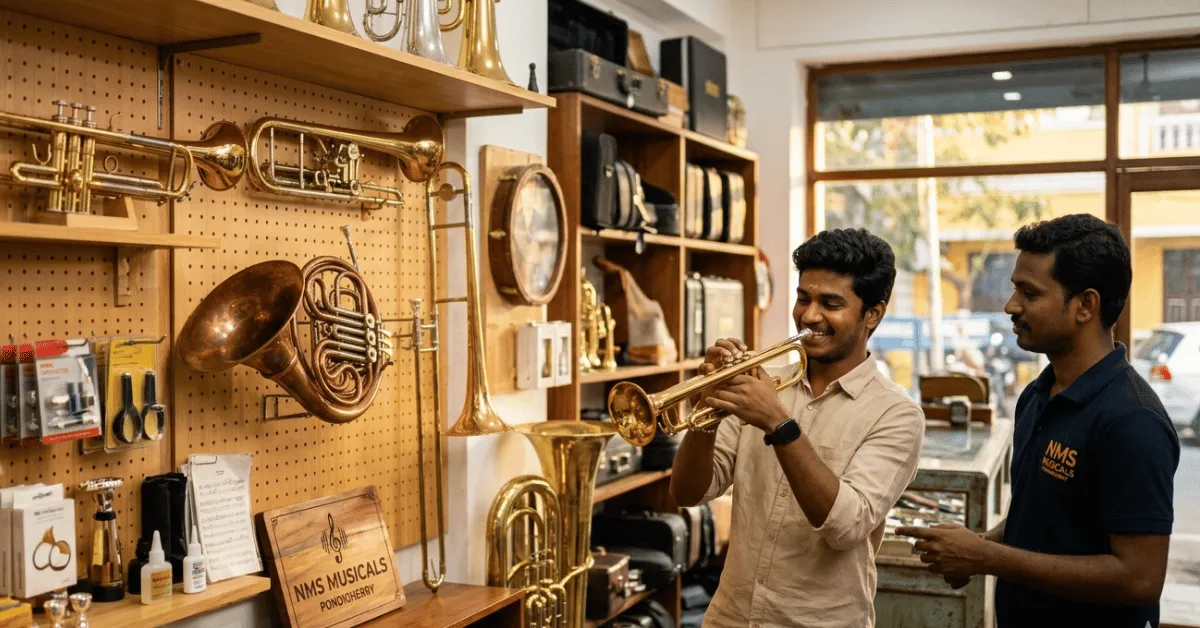
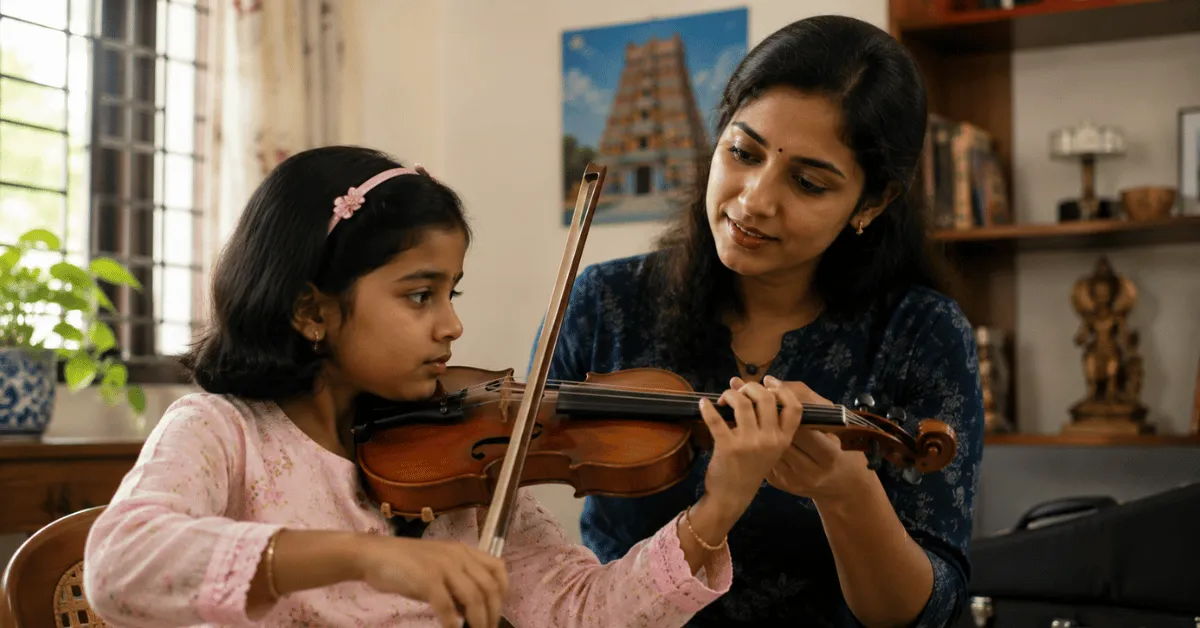
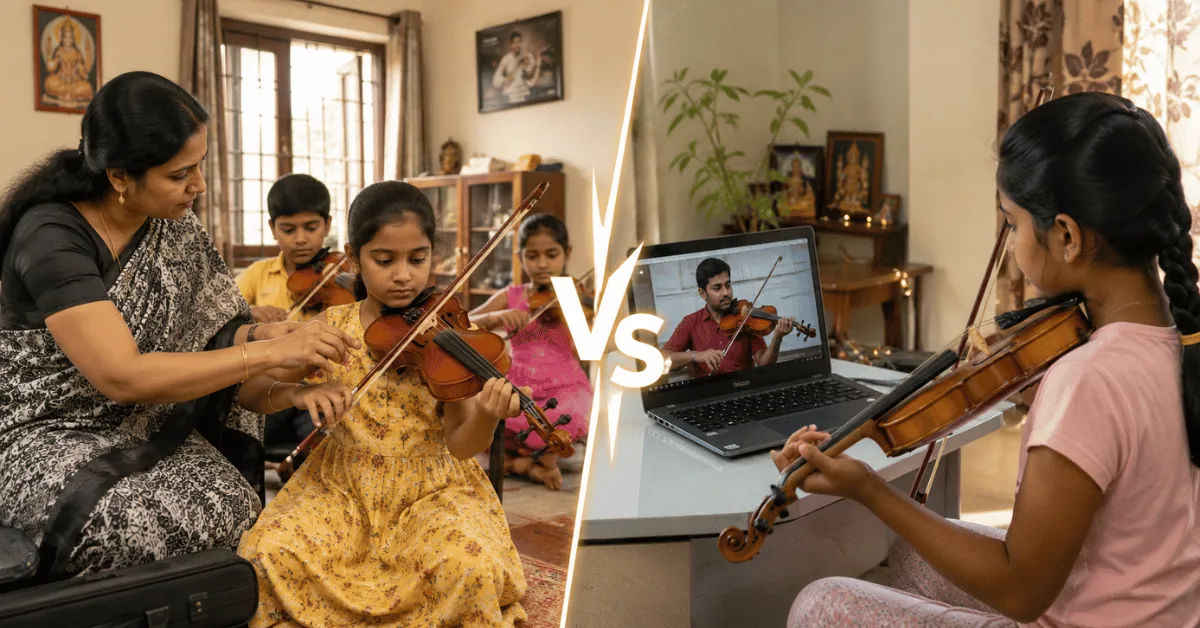
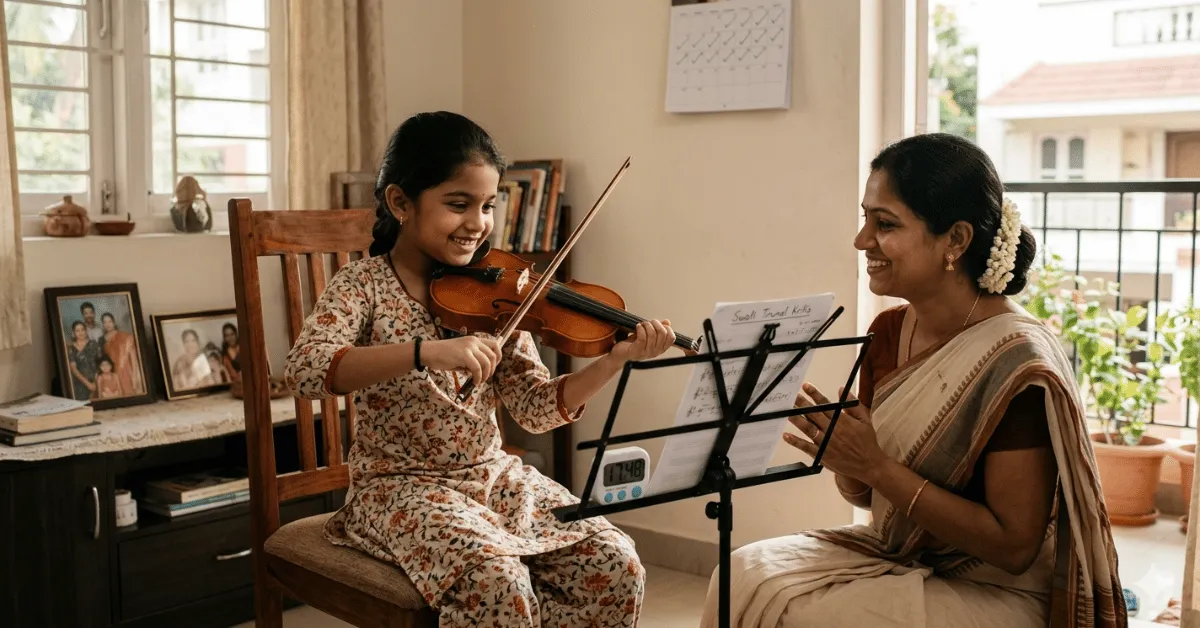
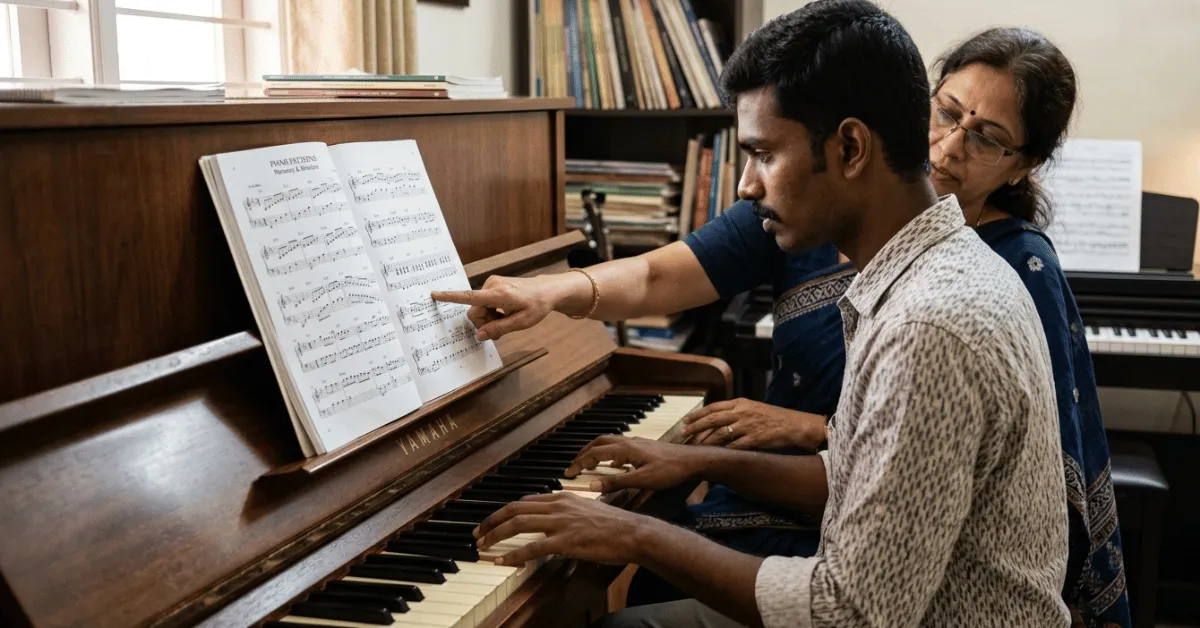
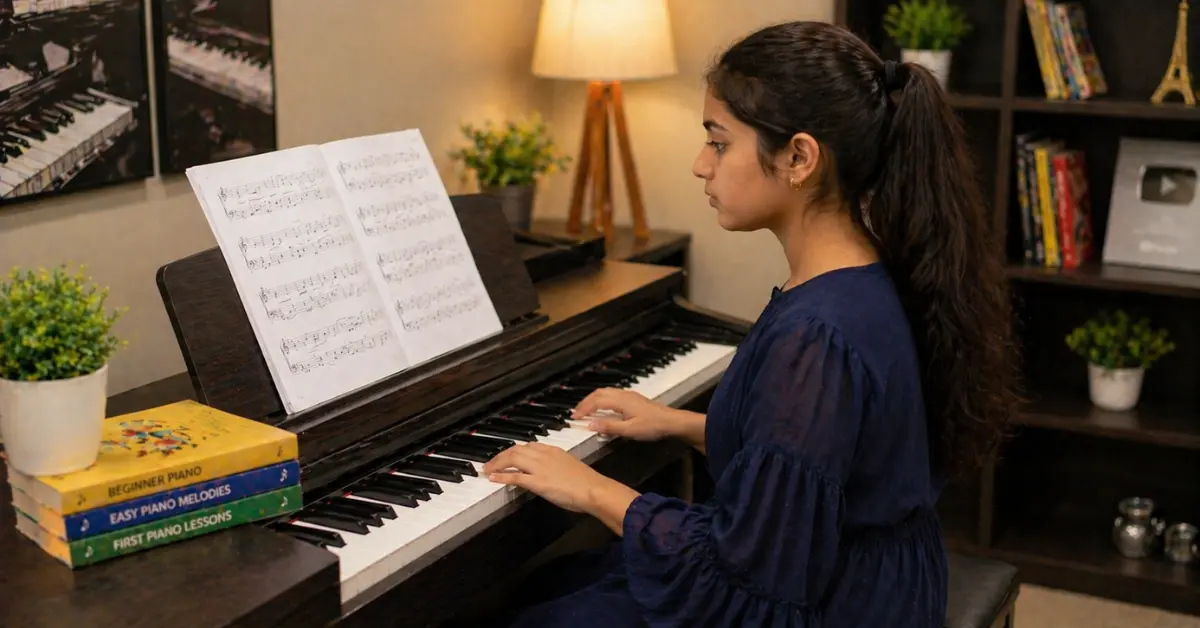
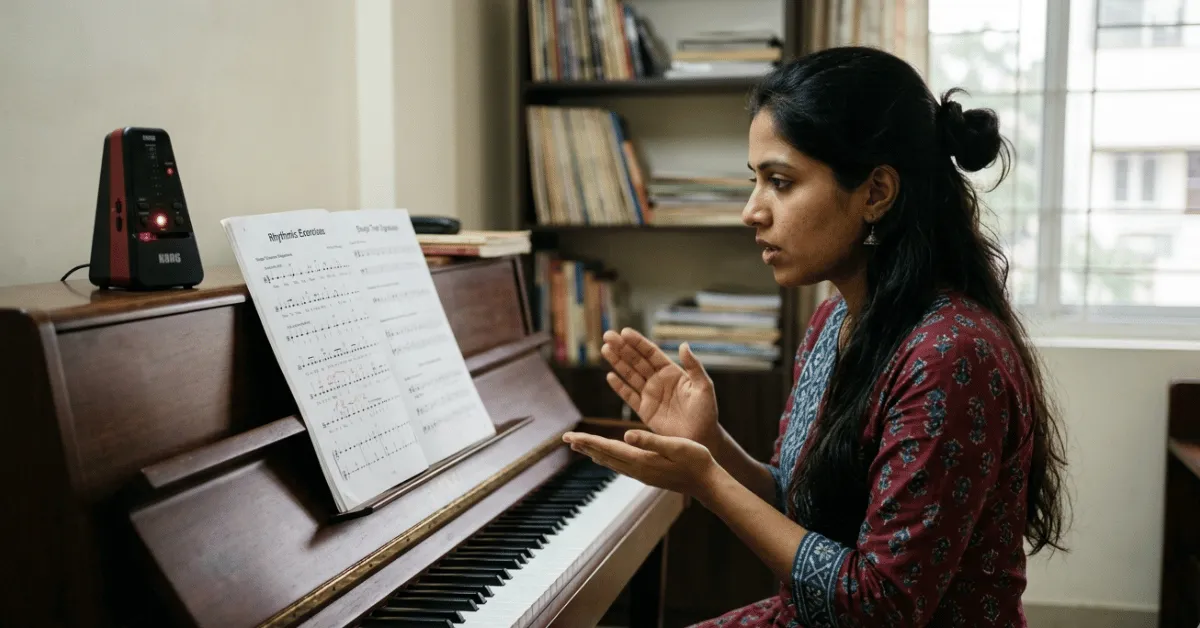
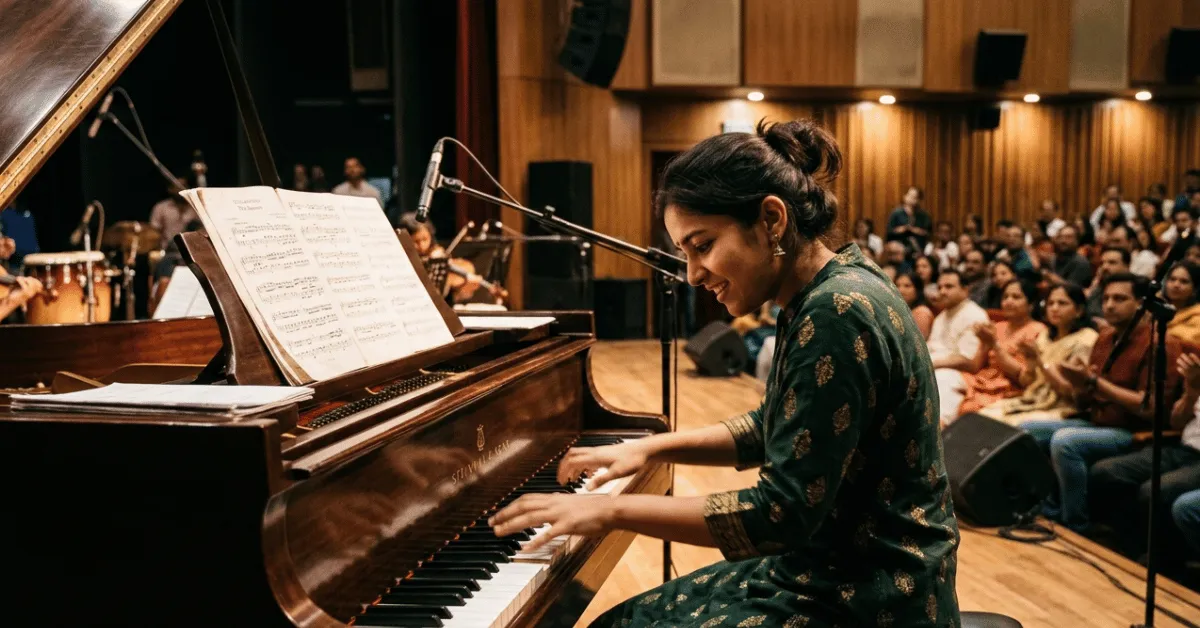
Your one-stop destination for all types of musical instruments, offering a wide range of sales, expert servicing, and bespoke manufacturing of Membranophones Indian instruments. Let the melodious journey begin!
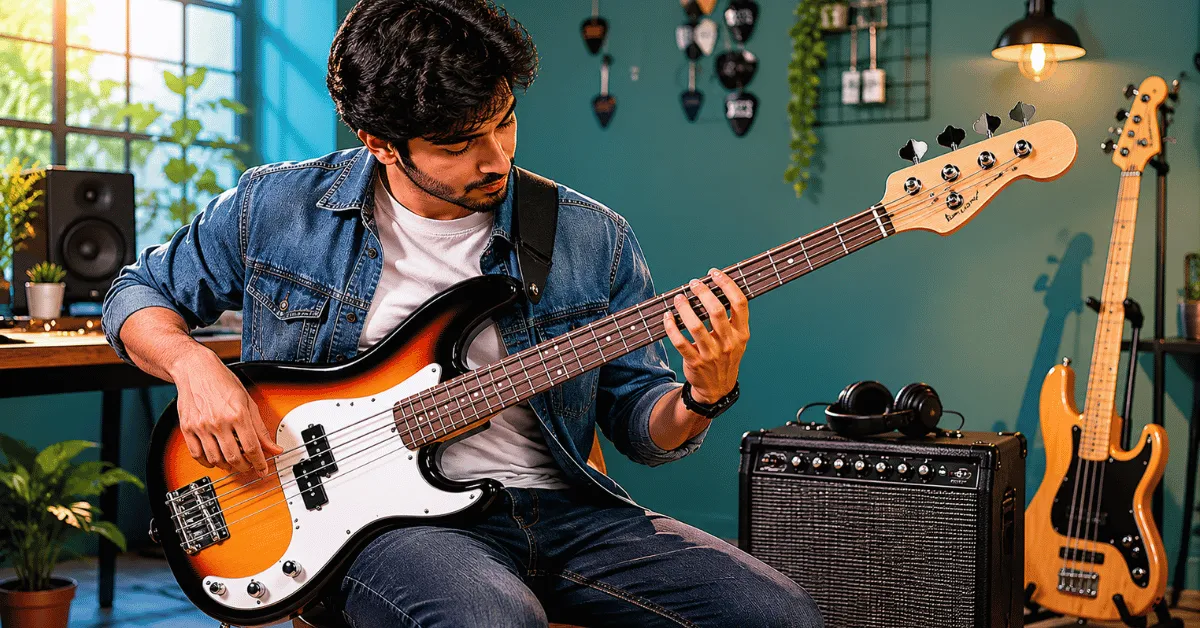
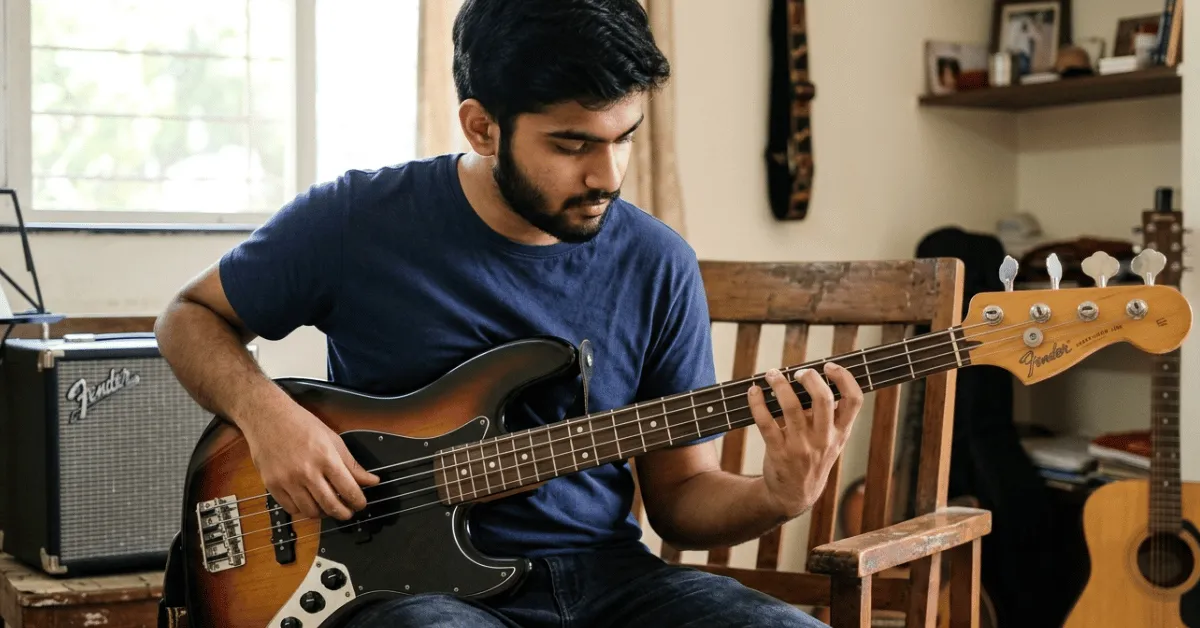
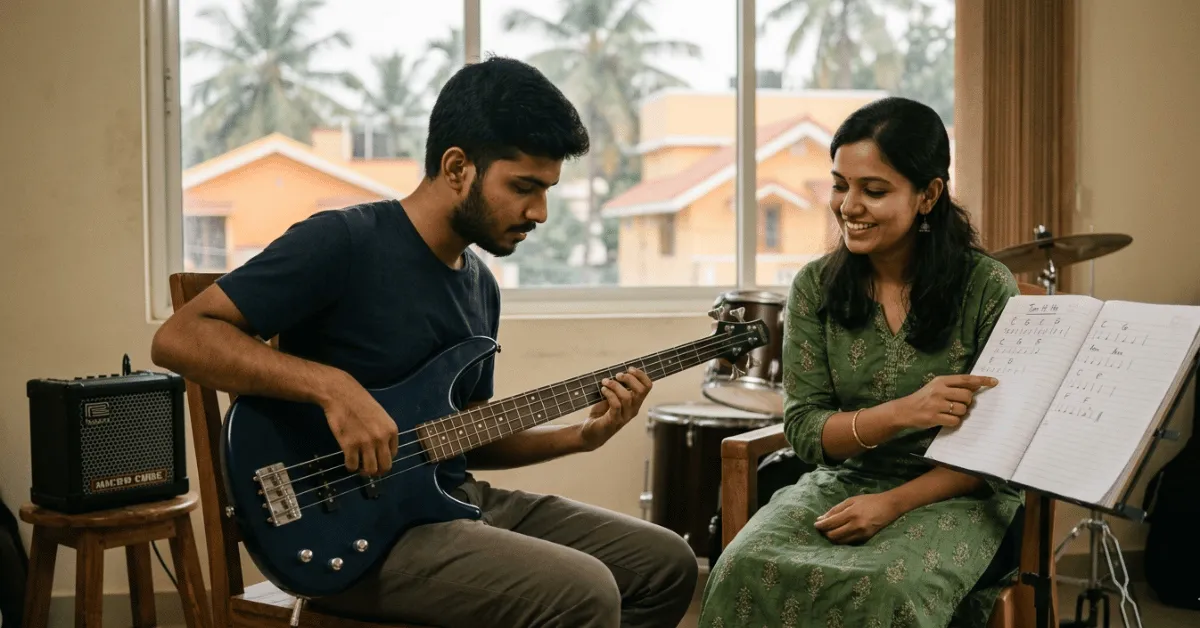
Learning how to play the bass guitar can completely change your musical journey. The electric bass is one of the most powerful instruments in modern music because it controls rhythm, groove, and energy. Whether you enjoy rock, jazz, funk, metal, gospel, pop, or Indian fusion music, the bass guitar plays a vital role in every band.
Today, many aspiring musicians in India are choosing to learn music independently from home. Thanks to YouTube tutorials, online classes, apps, and affordable instruments, it is now possible to understand How to Teach Yourself to Play the Electric Bass without joining expensive music academies.
However, self-learning also requires discipline, consistency, and the right approach. Many beginners quit because they feel confused about where to start, what to practice, or how to improve properly. The good news is that anyone can become a skilled bass player with patience and structured learning.
In this blog, we will explore practical techniques, beginner-friendly strategies, practice methods, and important tips that will help you succeed as a self-taught bass guitarist in India.
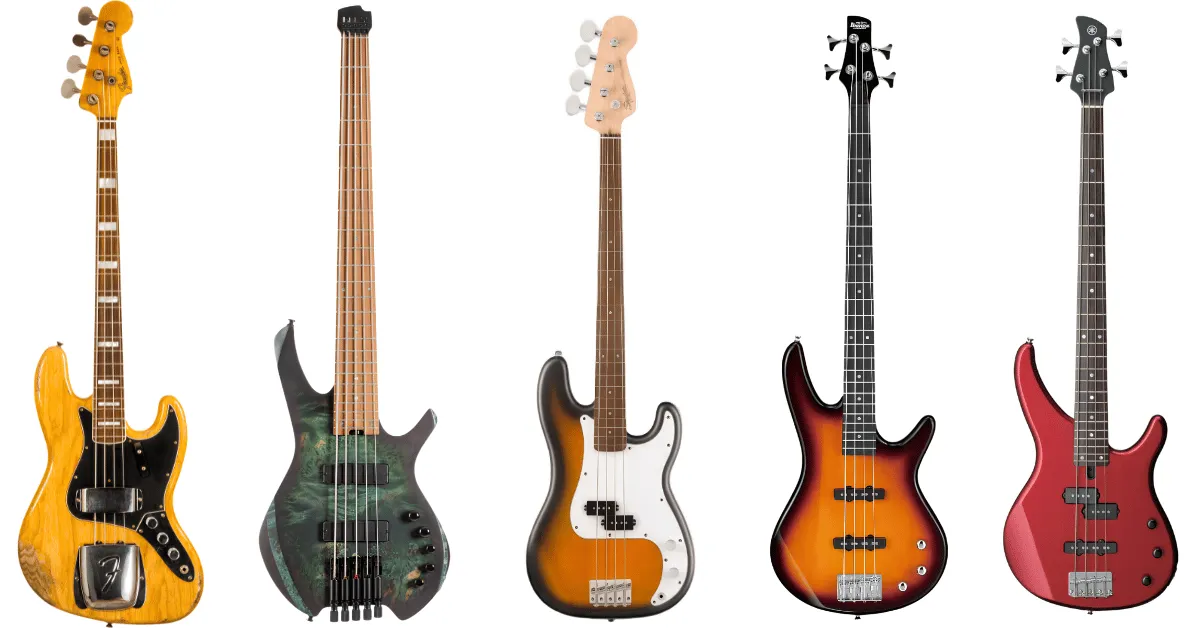
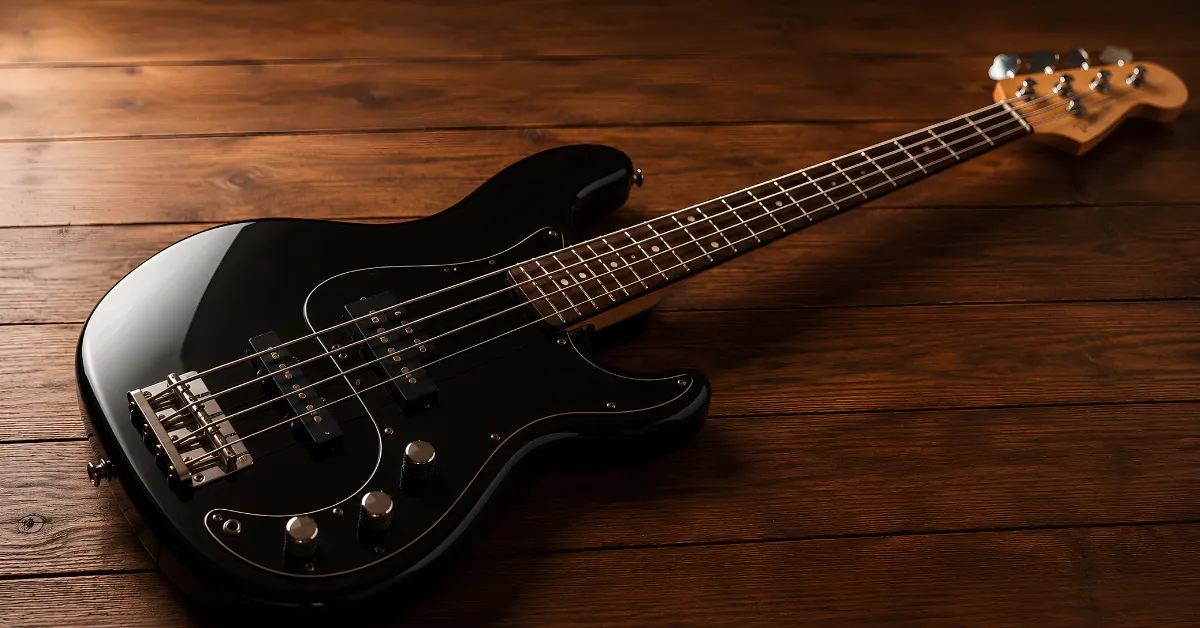
The first step is selecting a comfortable and reliable bass guitar. Many beginners buy cheap instruments that create tuning problems and poor sound quality.
For beginners, a 4-string bass guitar is usually the best choice because it is simple and easier to understand.
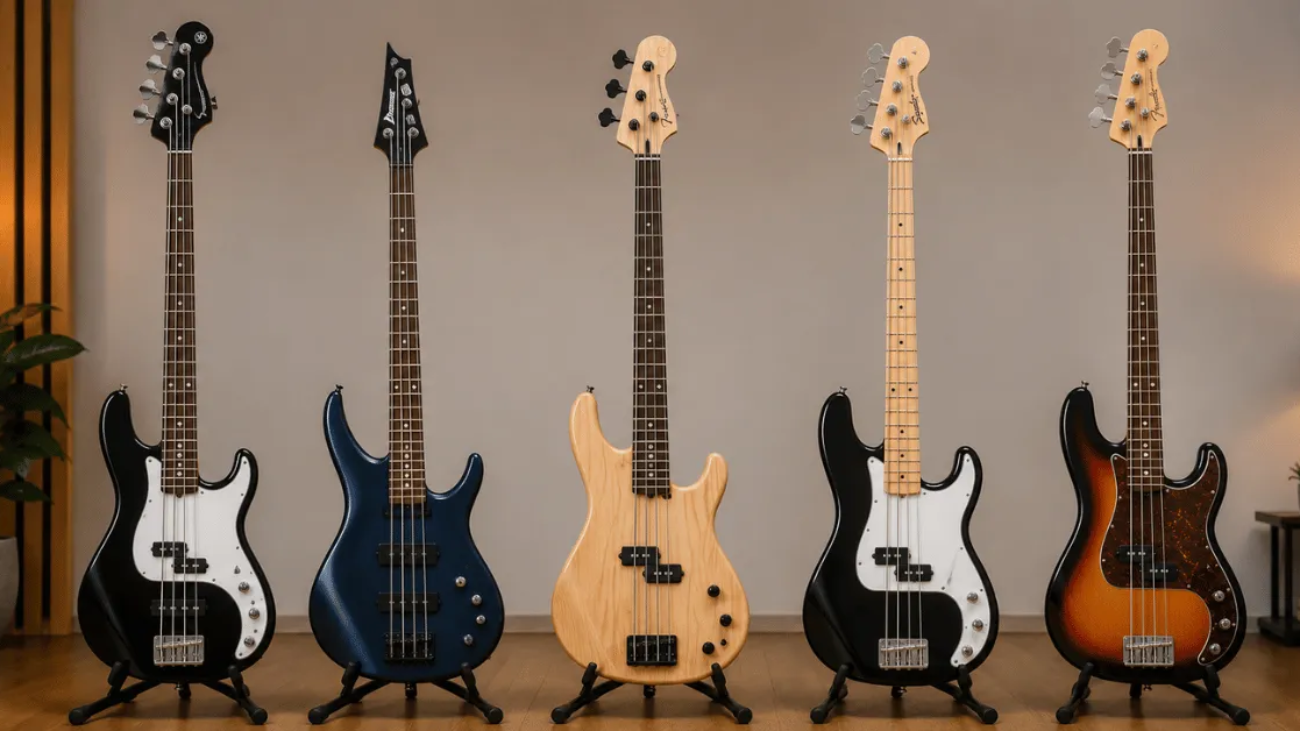
Popular beginner bass brands in India include:
Yamaha
Ibanez
Cort
Squier
Fender
If you want genuine instruments and expert guidance, you can visit NMS Musicals in Pondicherry and Chennai. Their team helps beginners choose instruments based on budget and learning goals.
2. Learn the Basic Parts of the Bass Guitar
Understanding your instrument helps you learn more effectively.
Important bass guitar parts include:
Headstock
Tuning pegs
Neck
Frets
Strings
Pickups
Bridge
Tone controls
Knowing these parts will help you follow online lessons and tutorials easily.
3. Practice Correct Playing Posture
Good posture is extremely important while learning bass guitar. Poor posture can cause wrist pain, shoulder strain, and finger discomfort.
Important posture tips:
Sit comfortably
Keep your back straight
Relax your shoulders
Keep wrists natural
Use a comfortable strap
Correct posture improves long practice sessions and helps avoid injuries.
4. Start with Finger Exercises
Finger strength and coordination are essential for bass players. Beginners should practice simple exercises daily.
Useful beginner exercises:
One-finger-per-fret practice
Alternate finger plucking
String switching exercises
Slow scale practice
These exercises improve:
Finger control
Accuracy
Speed
Timing
Always practice slowly in the beginning.
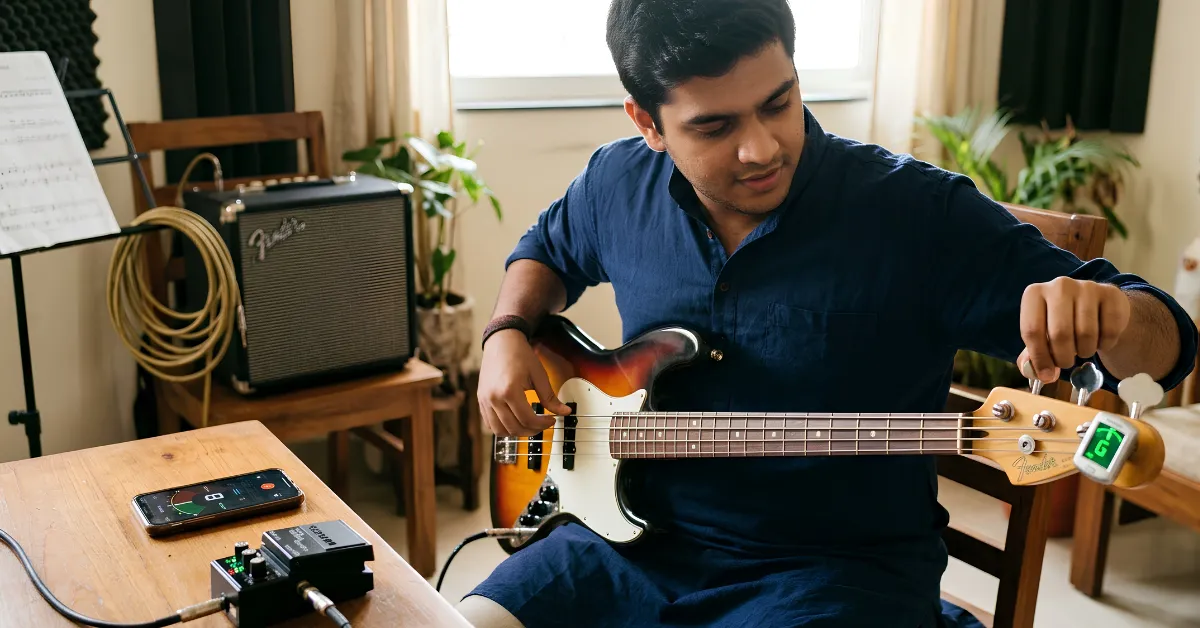
5. Learn Bass Guitar Tuning
Standard bass tuning is:
E
A
D
G
A properly tuned bass guitar helps develop your musical ear and improves sound quality.
You can tune using:
Clip-on tuners
Mobile apps
Pedal tuners
Tuning your bass before every practice session is a good habit.
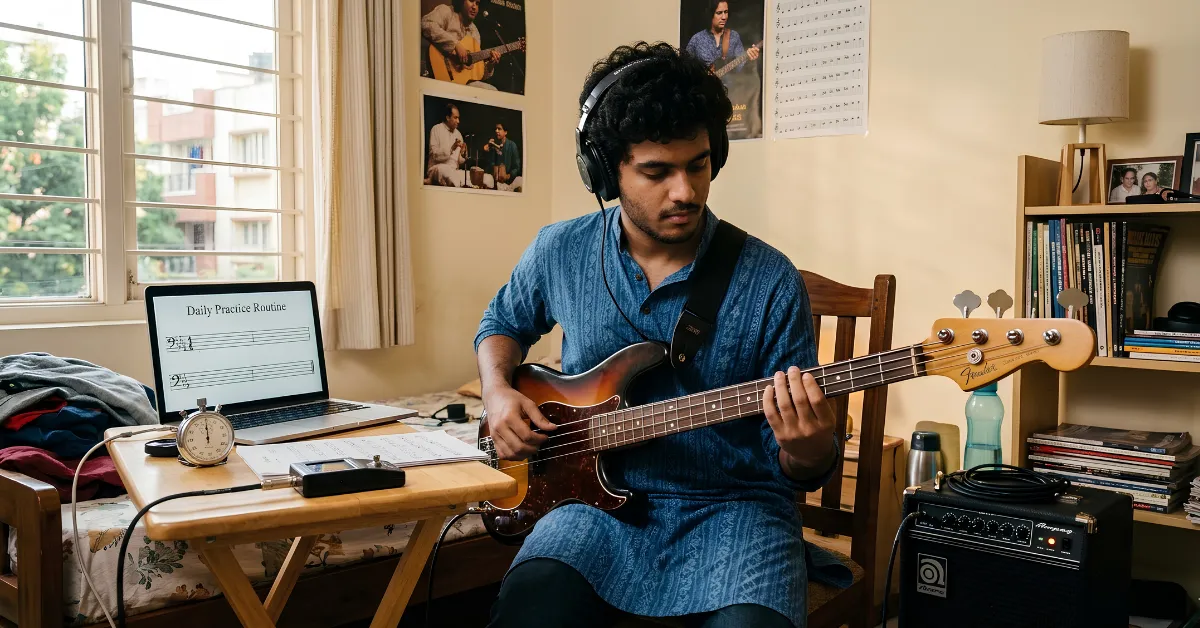
6. Build a Daily Practice Routine
Consistency is the key to learning any musical instrument. Even 30 to 45 minutes of focused practice daily can create major improvement.
Simple practice routine:
5 minutes warm-up
10 minutes finger exercises
10 minutes scales
10 minutes rhythm practice
15 minutes song learning
A structured routine helps you progress faster.
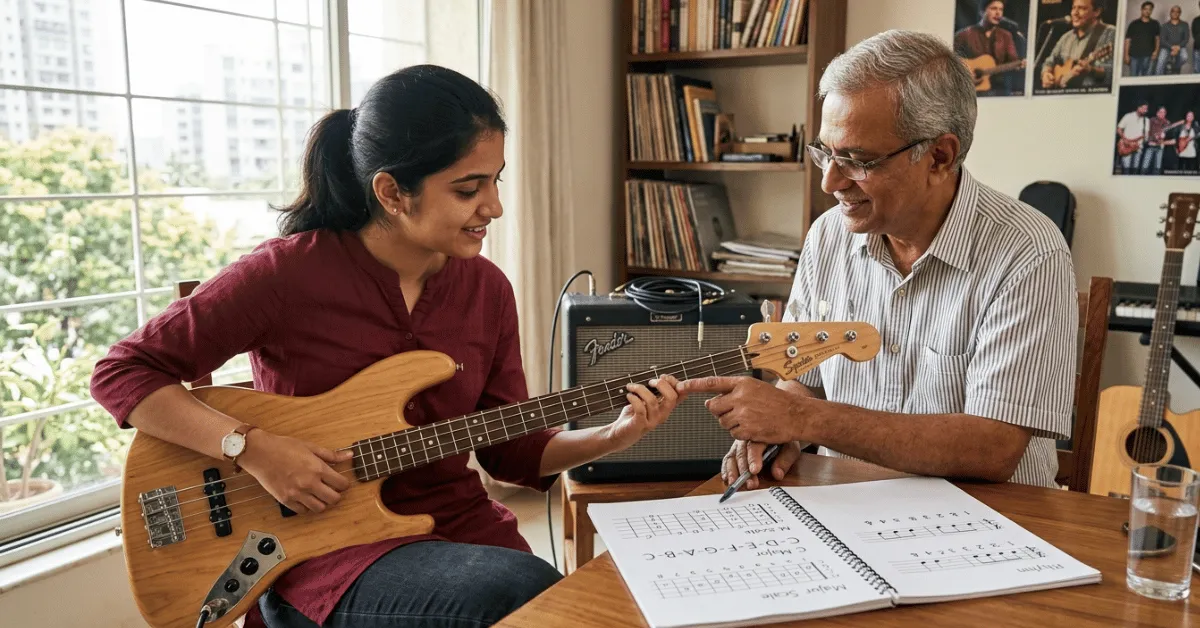
7. Learn Basic Music Theory
Many beginners avoid theory, but basic music theory makes bass learning easier.
Important theory concepts:
Notes on the fretboard
Major scales
Minor scales
Rhythm counting
Time signatures
Music theory helps you:
Understand songs better
Create bass lines
Jam with musicians
Improve confidence
You do not need advanced theory initially. Start with simple concepts.
Timing is one of the most important skills for bass players. Bass guitar mainly supports rhythm, so strong timing is necessary.
Practicing with a metronome improves:
Groove
Rhythm accuracy
Consistency
Band coordination
Start slowly and increase speed gradually. Many free metronome apps are available for beginners in India.
9. Learn Simple Songs First
Do not immediately attempt advanced bass solos. Begin with easy songs that focus on rhythm and groove.
Good beginner song types:
Pop songs
Worship music
Slow rock songs
Bollywood rhythm tracks
Simple songs help you:
Build confidence
Improve timing
Understand song structure
Develop groove
Learning songs also keeps practice enjoyable and motivating.
10. Maintain Your Bass Guitar Properly
Proper maintenance improves both sound quality and instrument life.
Basic maintenance tips:
Clean strings regularly
Store the bass safely
Avoid moisture exposure
Replace old strings
Use a padded gig bag
A well-maintained bass feels better to play and lasts longer.
For bass guitar accessories, amplifiers, servicing, and beginner support, many musicians trust NMS Musicals in Pondicherry and Chennai.
Conclusion
Learning How to Teach Yourself to Play the Electric Bass can be one of the most rewarding musical journeys. With dedication, structured practice, patience, and the right mindset, anyone can become a confident bass player from home.
The key to success is consistency. Practice daily, focus on groove, improve your timing, and continue learning step by step. Avoid comparing yourself with advanced musicians because progress takes time and discipline.
For Indian musicians, opportunities in music are growing rapidly through live bands, worship teams, independent music projects, studio recording, and online content creation. Bass guitar skills are now more valuable than ever.
If you are planning to start your bass guitar journey, choosing the right instrument is extremely important. You can explore beginner-friendly bass guitars, amplifiers, accessories, and expert support at NMS Musicals in Pondicherry and Chennai.
Start practicing today, stay patient, and enjoy the exciting journey of becoming a skilled electric bass player.
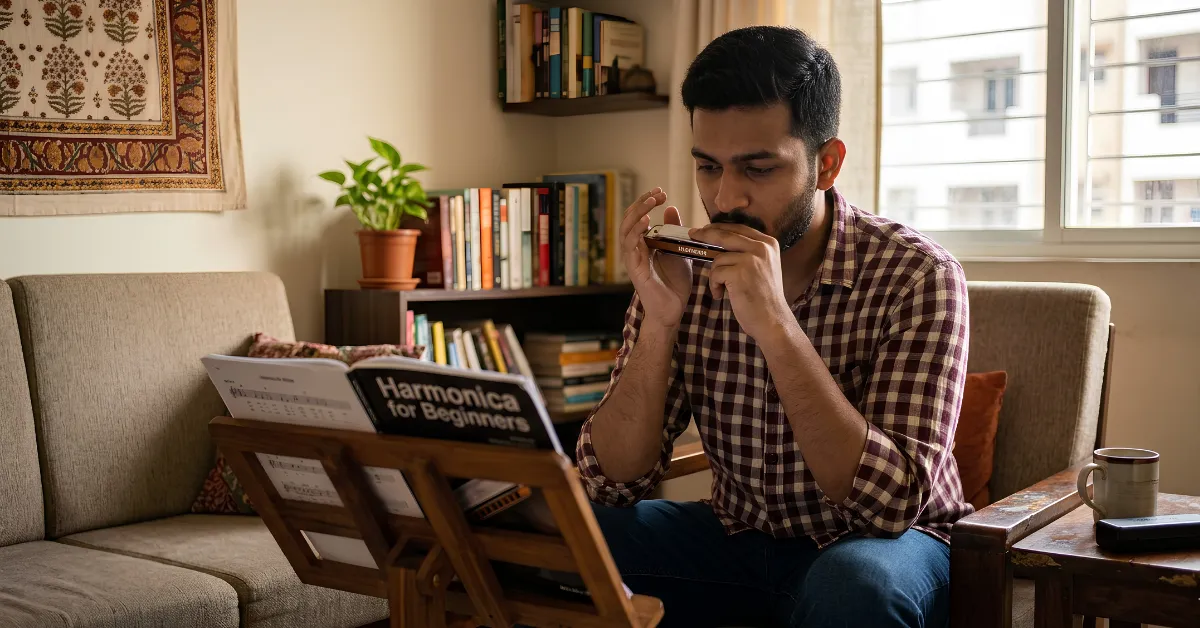
Choosing your first musical instrument can be an exciting yet challenging decision. Many beginners want an instrument that is affordable, easy to learn, portable, and capable of producing enjoyable music within a short period. While instruments such as the guitar, piano, violin, and drums are popular choices, they often require a significant investment of time, money, and practice before beginners can confidently play songs.
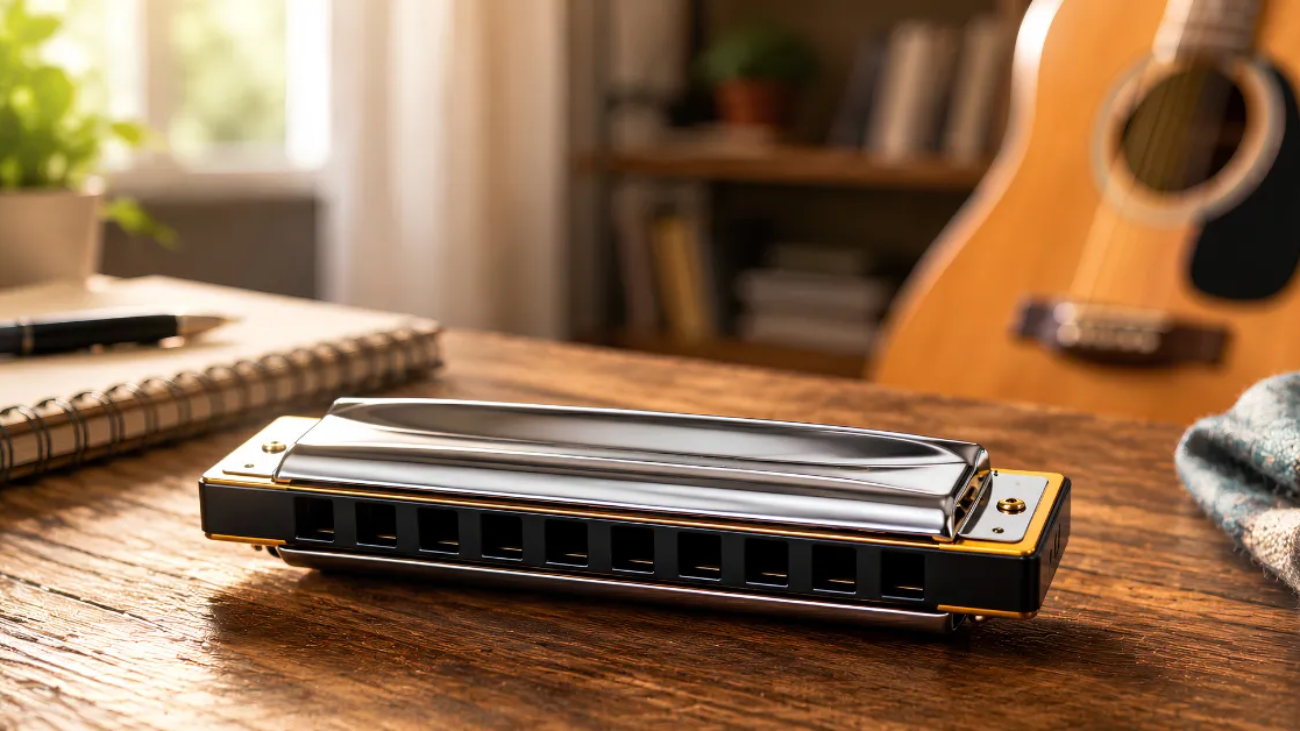
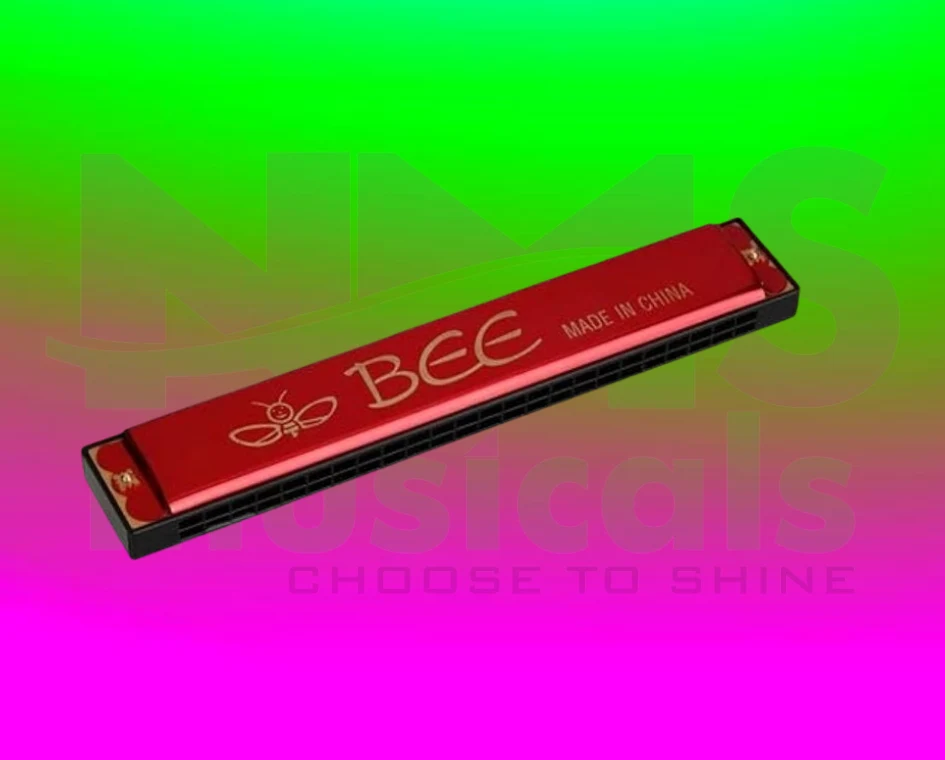
This is one of the main reasons why the harmonica continues to gain popularity among new musicians. Small enough to fit into a pocket yet powerful enough to create beautiful melodies, the harmonica is often considered one of the most beginner-friendly musical instruments in the world. It allows learners to experience musical success quickly while building important foundational skills that can benefit future musical pursuits.
In India, interest in learning musical instruments is growing rapidly among children, students, working professionals, and retirees. Many people are searching for an instrument that offers a low barrier to entry without compromising enjoyment. The harmonica perfectly meets these requirements. Whether you want to play Bollywood tunes, folk songs, devotional melodies, blues, or contemporary music, the harmonica provides endless opportunities for learning and creativity.
In this article, we will explore ten detailed reasons why the harmonica is a great entry-level instrument and why it deserves consideration as your first step into the world of music.
One of the biggest barriers to learning music is the cost of purchasing an instrument. Many instruments require a substantial investment, especially when beginners need additional accessories, maintenance, and lessons.
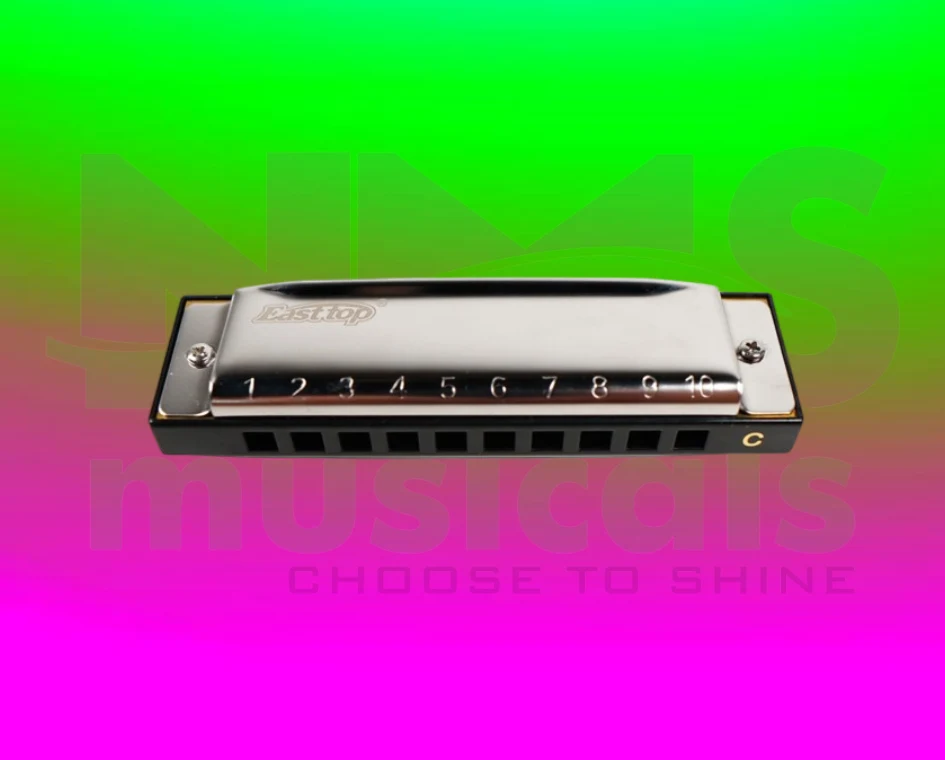
The harmonica stands out because it is one of the most affordable musical instruments available. A quality beginner harmonica can be purchased at a reasonable price, making it accessible to students, hobbyists, and families.
This affordability offers several advantages. First, beginners can start learning music without worrying about spending a large amount of money. Second, parents who want to introduce their children to music can do so without making a significant financial commitment. Third, learners can focus on developing their skills before deciding whether they want to invest in more advanced musical equipment.
In India, where many people seek value-for-money purchases, the harmonica provides an excellent balance between affordability and quality. Even budget-friendly harmonicas can produce impressive sounds when played correctly, making them a practical choice for first-time musicians.
2. Its Compact Size Makes Learning Convenient
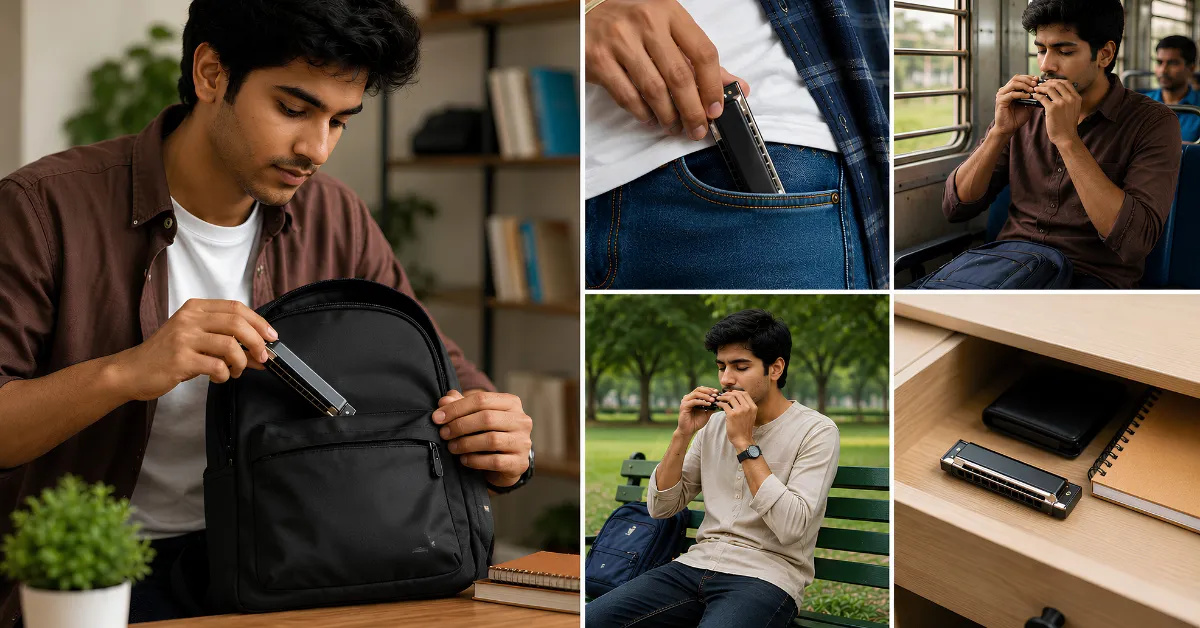
Unlike many musical instruments that require dedicated storage space and transportation arrangements, the harmonica is incredibly compact. This small size offers convenience that few instruments can match.
A harmonica can easily fit into a pocket, backpack, purse, or desk drawer. Because of this portability, learners can practice almost anywhere. Whether you are traveling by train, waiting at a bus stop, relaxing in a park, or taking a break at work, your harmonica can be with you.
Frequent practice is one of the most important factors in musical progress. Since the harmonica is always within reach, learners are more likely to practice regularly. Even short practice sessions of ten or fifteen minutes can significantly improve skills over time.
For Indian students and professionals who often have busy schedules, this convenience can make a huge difference. The ability to practice whenever free time becomes available helps maintain consistency and accelerates learning.
One reason many people give up on learning musical instruments is frustration. Some instruments require weeks or months before beginners can play recognizable tunes.
The harmonica offers a different experience. Many learners can play simple melodies within just a few days of practice. This quick progress creates excitement and motivation.
Because the instrument uses a straightforward blow-and-draw system, beginners can focus on learning melodies rather than mastering complex finger techniques. As learners become familiar with note placement and breath control, they can start playing simple songs relatively quickly.
This immediate sense of achievement is important because it encourages continued practice. When beginners hear themselves producing actual music, they gain confidence and become more committed to improving their skills.
For children and adults alike, this fast learning curve makes the harmonica an enjoyable and rewarding instrument to begin with.
4. The Harmonica Builds Essential Musical Skills
Although it is considered easy to learn, the harmonica teaches many important musical concepts that apply to other instruments as well.
Playing the harmonica helps develop rhythm, timing, listening skills, pitch recognition, and musical memory. These abilities form the foundation of musicianship and can make learning additional instruments easier in the future.
Learners also improve their understanding of melodies and phrasing. Since harmonica players often focus on single-note melodies, they become more aware of how musical notes interact to create expressive performances.
Furthermore, harmonica practice encourages active listening. Players learn to identify mistakes, adjust their technique, and improve their musical accuracy through careful observation of sound.
These skills are valuable not only for harmonica playing but also for broader musical education.
5. It Improves Breathing Control and Concentration
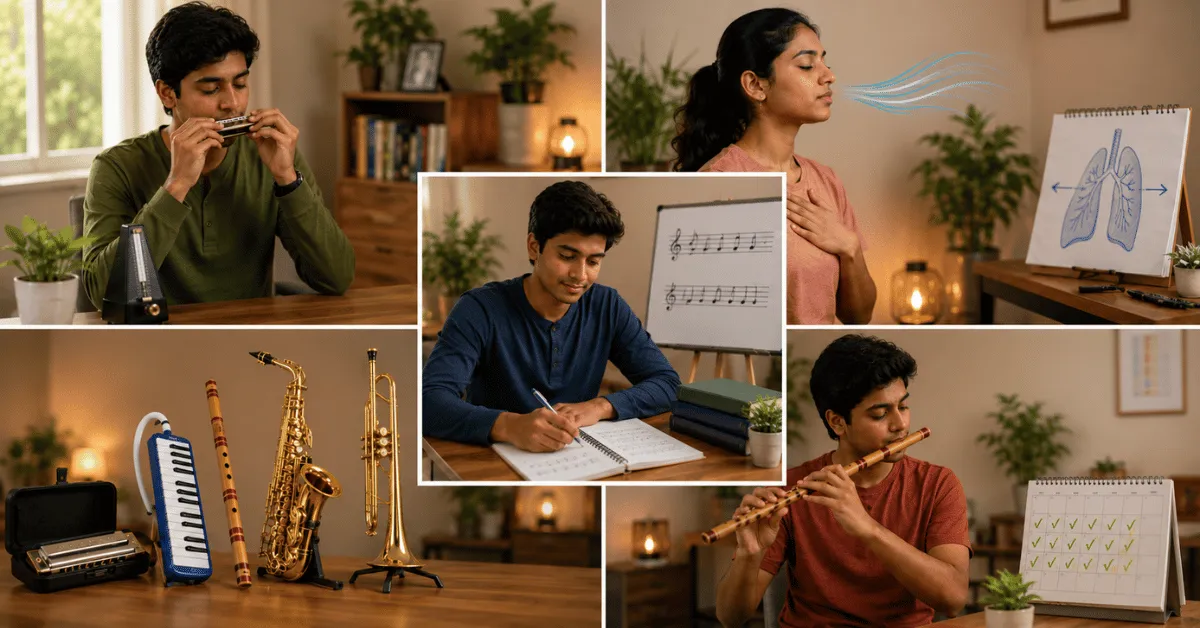
The harmonica is unique because it combines music with breath control. Unlike string or percussion instruments, harmonica players use controlled airflow to produce notes.
This breathing-based approach offers several benefits. Regular practice can improve breath awareness, lung control, and concentration. Players learn how to regulate airflow, maintain consistent tone quality, and coordinate breathing patterns with musical phrases.
Many learners find harmonica practice relaxing because it encourages focused attention and rhythmic breathing. This can create a calming effect that helps reduce stress and improve mental clarity.
In today’s fast-paced environment, activities that promote mindfulness and concentration are increasingly valuable. The harmonica provides an enjoyable way to develop these skills while learning music.
6. It is Suitable for All Age Groups
Some musical instruments are better suited to certain age groups due to physical requirements or complexity. The harmonica, however, can be enjoyed by people of nearly all ages.
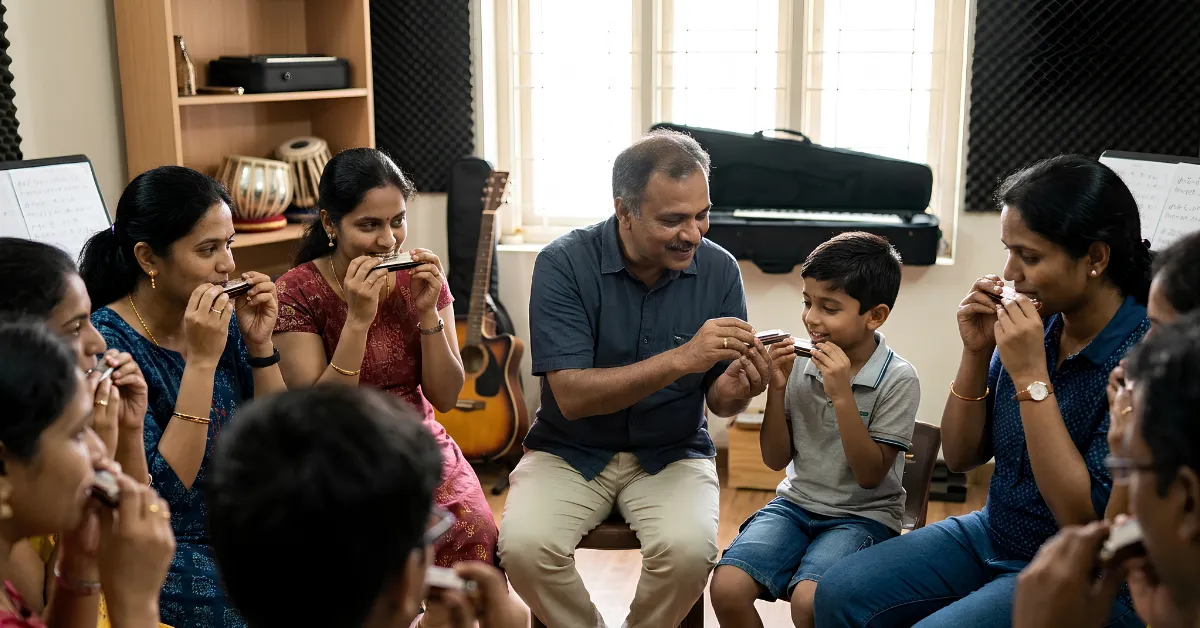
Children appreciate its simplicity and portability. Teenagers enjoy its versatility and cool factor. Adults often value its convenience and affordability. Senior citizens appreciate its accessibility and ease of use.
Because the instrument does not require significant physical strength or large hand spans, many people can learn it comfortably. This inclusiveness makes the harmonica an excellent choice for families interested in exploring music together.
Whether you are introducing a child to music or pursuing a hobby later in life, the harmonica provides an approachable learning experience that adapts to different ages and skill levels.
A common misconception is that the harmonica is only suitable for folk or traditional music. In reality, it is one of the most versatile instruments available.
The harmonica can be used in blues, rock, country, jazz, folk, devotional music, film music, and even modern fusion genres. This flexibility allows learners to explore a wide variety of musical styles without changing instruments.
In India, harmonica players often enjoy performing Bollywood songs, regional melodies, devotional compositions, and contemporary music. The instrument’s expressive capabilities make it suitable for both traditional and modern musical settings.
As beginners grow more confident, they can experiment with different genres and discover their personal musical preferences. This versatility helps keep the learning process interesting and engaging.
8. It Encourages Creativity and Self-Expression
One of the greatest joys of music is the ability to express emotions and ideas creatively. The harmonica excels in this area because it encourages experimentation from the very beginning.
Even beginners can explore different rhythms, melodies, and playing techniques. As learners gain confidence, they often begin improvising and creating their own musical interpretations.
The harmonica’s expressive nature allows players to add emotion and personality to their performances. Small changes in breath pressure, timing, and articulation can dramatically affect the sound.
This creative freedom makes practice more enjoyable because learners are not simply repeating exercises. Instead, they are actively engaging with music and discovering their unique musical voice.
For individuals seeking an artistic outlet, the harmonica provides endless opportunities for exploration and self-expression.
Maintaining certain musical instruments can be expensive and time-consuming. String instruments require replacements, keyboards may need servicing, and drums often require tuning and maintenance.
The harmonica is refreshingly simple to care for. Basic maintenance involves keeping the instrument clean, storing it properly, and avoiding excessive moisture.
With proper handling, a quality harmonica can last for many years. This low-maintenance nature is especially appealing to beginners who want to focus on learning rather than instrument upkeep.
Additionally, replacement and repair costs are generally lower than those associated with larger instruments. This contributes to the harmonica’s reputation as one of the most practical beginner instruments available.
For learners seeking a hassle-free musical experience, the harmonica offers exceptional convenience.
10. Quality Harmonicas are Easily Available in India
Access to quality instruments plays a major role in a beginner’s success. Poor-quality instruments can create unnecessary frustration and slow progress.
Fortunately, harmonicas from trusted brands are widely available across India. Beginners can choose from a range of models designed specifically for learning and skill development.
When purchasing a harmonica, it is important to seek expert guidance. Factors such as tuning, build quality, comfort, and durability can significantly affect the learning experience.
If you are looking for a reliable beginner harmonica, NMS Musicals in Pondicherry and Chennai offers a wide range of genuine musical instruments and accessories. Their experienced team can help beginners select the right harmonica based on skill level, budget, and musical goals.
Choosing a quality instrument from a trusted music store ensures a more enjoyable learning journey and helps beginners develop proper technique from the start.
Conclusion
The harmonica is a remarkable instrument that combines affordability, portability, simplicity, and musical versatility into one compact package. These qualities make it one of the best entry-level instruments for aspiring musicians of all ages.
For beginners, the harmonica removes many of the barriers commonly associated with learning music. It is affordable to purchase, easy to carry, simple to maintain, and capable of producing satisfying results within a short period. At the same time, it teaches essential musical skills such as rhythm, timing, breath control, listening, and expression.
Its ability to adapt to multiple genres ensures that learners remain engaged as their musical interests evolve. Whether you enjoy Bollywood songs, devotional music, folk tunes, blues, or contemporary styles, the harmonica offers endless opportunities for exploration and growth.
As interest in music education continues to rise across India, more people are discovering the unique advantages of this versatile instrument. If you are considering your first musical instrument, the harmonica deserves serious consideration. It provides an enjoyable, rewarding, and accessible path into the world of music while laying a strong foundation for future musical development.
To begin your musical journey with confidence, visit NMS Musicals in Pondicherry or Chennai, where you can explore quality harmonicas, receive expert guidance, and find the perfect instrument to match your learning goals.
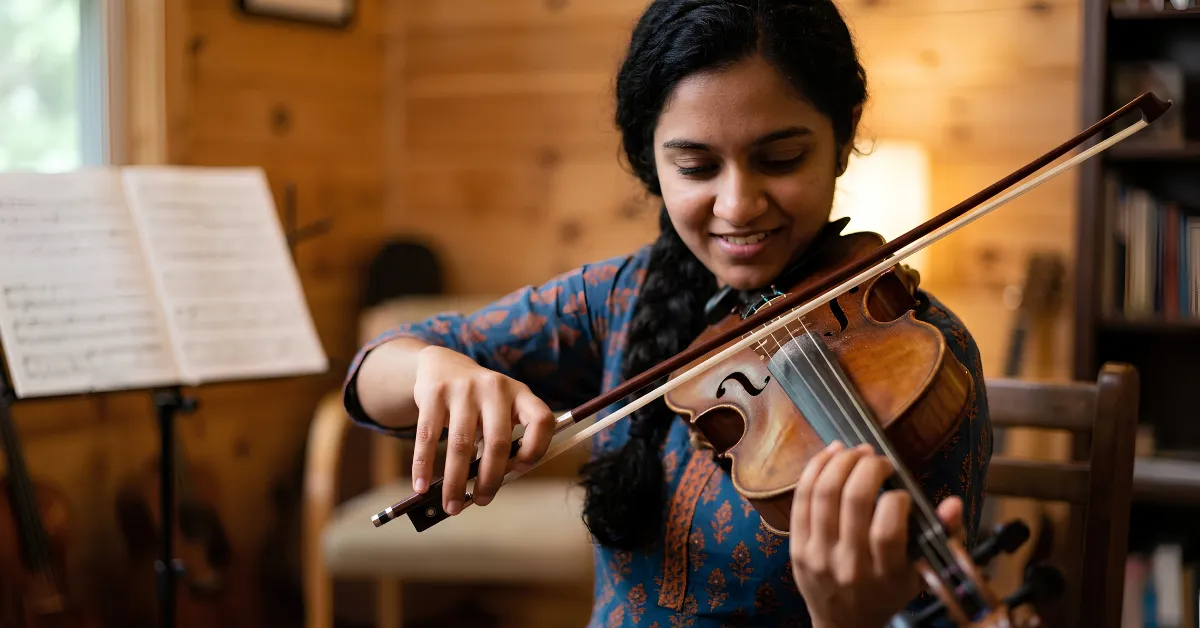
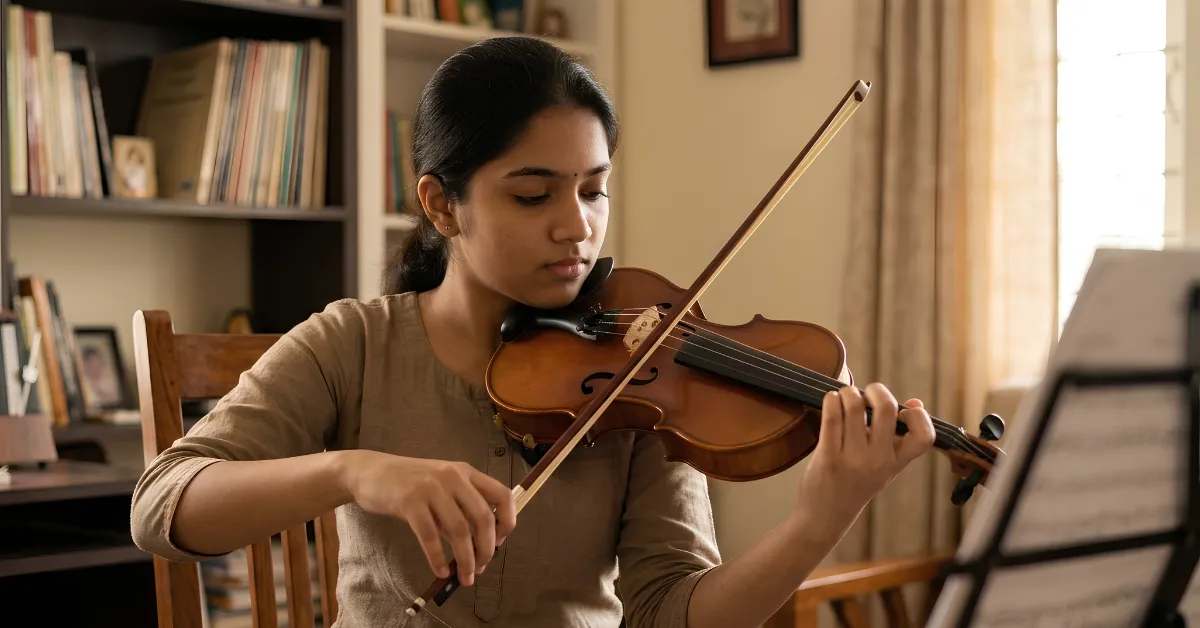
The violin is one of the most expressive and rewarding musical instruments in the world. Its ability to produce emotional melodies and rich musical tones has made it a favorite among musicians for centuries. From Western classical music and film soundtracks to contemporary performances and fusion music, the violin continues to captivate audiences globally. In India, interest in learning the violin has grown significantly as students explore both Western and Indian styles of violin playing.
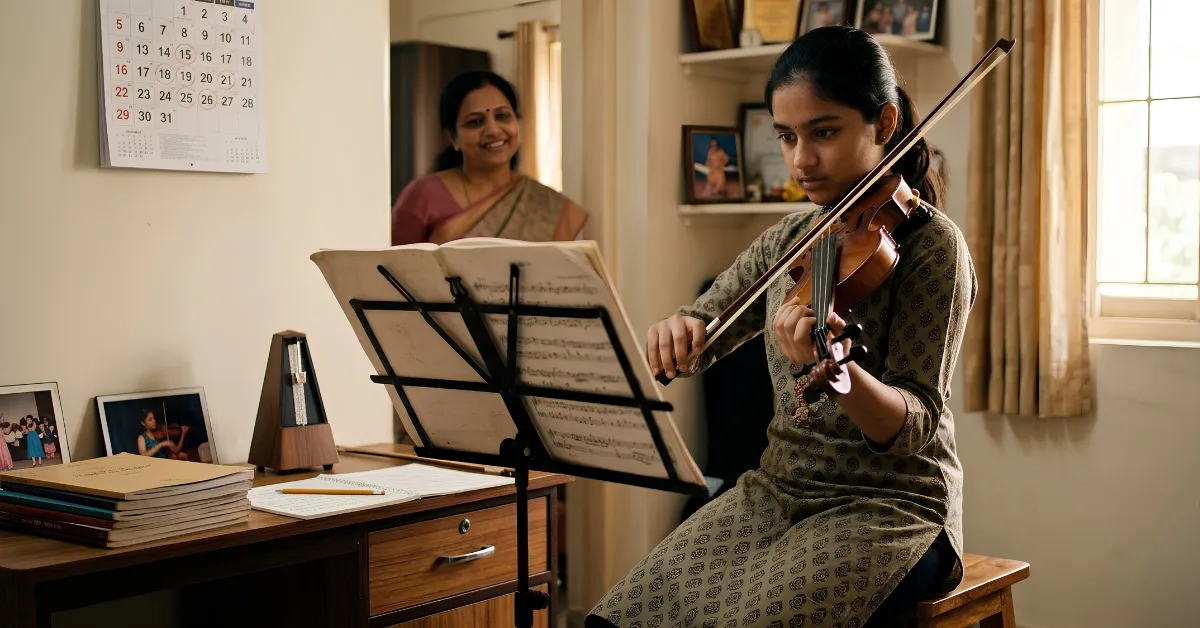
However, learning the violin is not a skill that develops overnight. Unlike some instruments that allow beginners to produce pleasant sounds relatively quickly, the violin requires patience, dedication, and consistent effort. One of the most important factors that separates successful violinists from those who struggle is the habit of regular practice.
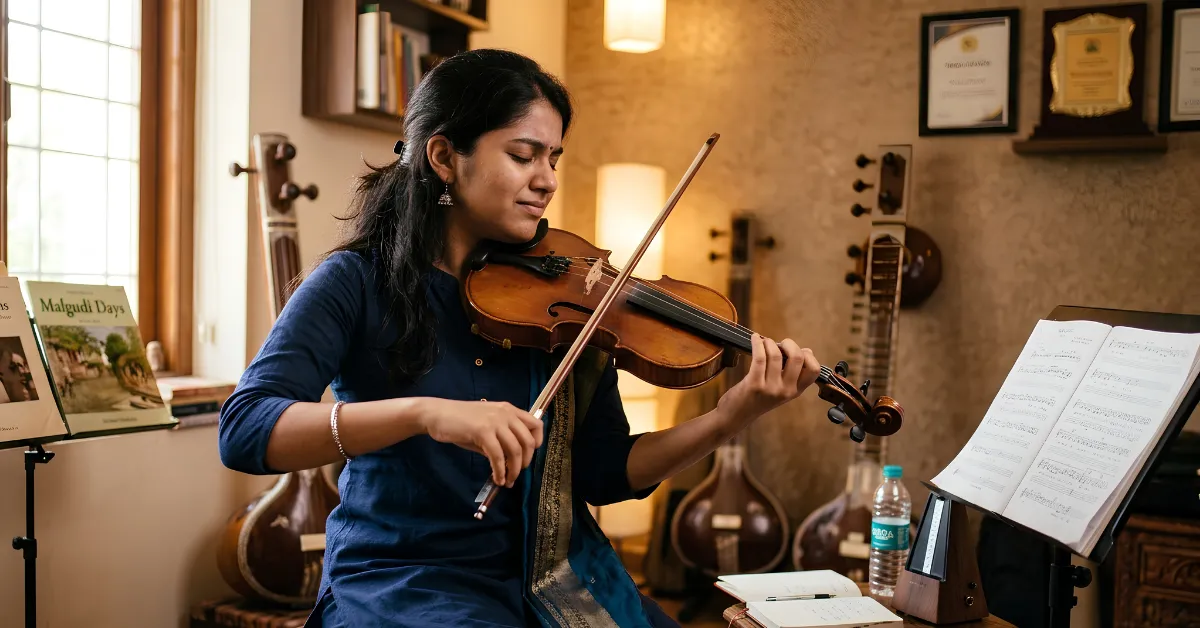
The Importance of Regular Practice for Violin Players cannot be overstated. Daily practice helps develop technical abilities, improves musical understanding, strengthens discipline, and builds confidence. Whether you are a beginner learning basic scales or an advanced player preparing for performances, regular practice serves as the foundation for continuous improvement.
In this article, we will explore ten key reasons why consistent violin practice is essential and how it contributes to long-term musical success for learners across India.
1. Regular Practice Builds a Strong Technical Foundation
Every successful violinist begins by mastering the fundamentals. Learning proper posture, bow grip, finger placement, and instrument positioning may seem simple, but these skills require repeated practice before they become natural. Without a strong technical foundation, students often struggle as they progress to more advanced pieces.
Regular practice allows violinists to reinforce correct techniques daily. Over time, proper movements become automatic, reducing the likelihood of developing bad habits that can hinder progress. Consistent practice also helps students understand how different parts of the body work together while playing, including finger coordination, wrist flexibility, arm movement, and bow control.
Many beginners become frustrated when they do not see immediate results. However, technical development happens gradually. Every practice session contributes to building muscle memory and refining skills. Students who practice consistently usually experience smoother progression and greater confidence when learning new techniques.
A strong foundation also prevents future problems. Incorrect posture or poor bowing habits can become difficult to correct later. Regular practice ensures that students establish proper habits from the beginning, making advanced learning significantly easier.
Playing the violin requires exceptional finger control. Unlike instruments with keys or frets, violinists must place their fingers precisely on the strings to produce accurate notes. This demands strength, flexibility, and coordination that can only be developed through consistent practice.
Daily practice strengthens finger muscles and improves dexterity. Repeated scale exercises, finger drills, and musical passages train the fingers to move quickly and accurately between notes. As coordination improves, players can perform more challenging pieces with greater ease.
Finger independence is another important skill developed through practice. Each finger must move confidently without affecting the others. This level of control is especially important when playing fast passages, complex melodies, and advanced techniques such as vibrato.
For younger students in India who are beginning violin lessons, regular practice also helps develop fine motor skills that can benefit other areas of learning. Over time, stronger and more flexible fingers contribute to cleaner playing, faster note transitions, and improved musical expression.
3. Enhances Bow Control and Produces Better Sound Quality
The violin bow plays a crucial role in creating beautiful music. While finger placement determines pitch, bowing determines tone quality, volume, dynamics, and expression. Many beginners discover that producing a pleasant sound is one of the most challenging aspects of learning the violin.
Regular practice helps players gain better control over the bow. Through repetition, students learn how to manage bow speed, pressure, and contact with the strings. They develop the ability to create smooth, even tones while avoiding unwanted scratching or inconsistent sounds.
As bow control improves, violinists can explore a wider range of musical expression. They learn how to create soft and gentle passages, powerful dramatic sections, and subtle dynamic changes that bring music to life.
Practicing bow exercises daily also improves endurance and stability. The arm becomes more comfortable with controlled movements, allowing players to maintain sound quality throughout longer performances. Over time, regular practice transforms bowing from a technical challenge into a powerful tool for artistic expression.
One unique challenge of the violin is the absence of frets. Unlike a guitar, where frets help guide finger placement, violinists must rely entirely on their ears and muscle memory to find the correct pitch.
This makes intonation one of the most important skills for violin players. Good intonation means consistently playing notes in tune. Achieving this requires regular practice and careful listening.
Daily practice trains the ear to recognize pitch differences and identify when notes are sharp or flat. Students become more aware of the relationship between finger placement and sound production. Over time, they develop stronger pitch accuracy and greater confidence in their playing.
Listening skills developed through violin practice also benefit overall musicianship. Players become more sensitive to harmony, melody, rhythm, and musical balance. These skills are valuable not only for solo performances but also for ensemble playing and collaborations with other musicians.
Consistent intonation practice helps students perform with greater precision and professionalism, making their music more enjoyable for audiences and fellow performers.
5. Strengthens Muscle Memory for Faster Learning
Muscle memory is one of the most valuable advantages gained through regular violin practice. It refers to the body’s ability to remember specific movements through repetition, allowing actions to become automatic over time.
When violinists repeatedly practice scales, exercises, and musical passages, their fingers and arms gradually learn the required movements. Eventually, these actions can be performed with minimal conscious effort.
Strong muscle memory offers several benefits. It allows players to learn new pieces more quickly because many technical movements are already familiar. It also reduces performance anxiety since the body naturally remembers practiced passages.
Regular practice strengthens neural connections between the brain and muscles. As these connections become more efficient, violinists can focus more on musical interpretation rather than basic mechanics.
This is especially important during performances, where confidence and fluidity depend heavily on reliable muscle memory. Students who practice consistently often find that difficult passages become easier and more natural over time.
Many violin players experience nervousness before performances, examinations, competitions, or recitals. While some level of excitement is normal, excessive anxiety can negatively affect performance quality.
Regular practice is one of the most effective ways to build confidence. When students spend sufficient time preparing, they become more familiar with the music and trust their abilities. This preparation reduces uncertainty and creates a stronger sense of control.
Confidence comes from knowing that the necessary work has been completed. Players who practice consistently are better prepared to handle unexpected challenges during performances. They recover more easily from mistakes and remain focused under pressure.
For students participating in school events, music examinations, or cultural programs across India, confidence gained through regular practice can significantly improve performance outcomes.
As confidence grows, violinists become more willing to perform publicly, participate in competitions, and explore new musical opportunities that contribute to their overall development.
7. Accelerates Musical Progress and Skill Development
One of the most noticeable benefits of regular practice is faster improvement. Students who practice consistently generally progress much more quickly than those who practice only occasionally.
Frequent practice reinforces learning and prevents skills from fading between sessions. Instead of spending time relearning old material, students can focus on advancing to new concepts and techniques.
Regular practice helps violinists:
Learn pieces more efficiently.
Improve technical skills faster.
Retain information longer.
Correct mistakes earlier.
Reach musical goals sooner.
Even short daily practice sessions can be highly effective when performed consistently. Thirty minutes of focused practice each day often produces better results than several hours of practice once a week.
This steady progress keeps students motivated and encourages long-term commitment to learning the instrument.
Learning the violin is about more than music. It also teaches valuable life skills that contribute to personal and professional success.
Regular practice encourages discipline by requiring students to follow a routine and stay committed to long-term goals. Progress on the violin rarely happens instantly, which teaches patience and perseverance.
These qualities often transfer to other areas of life, including academics, careers, and personal development. Students learn the importance of consistent effort, delayed gratification, and continuous improvement.
Parents across India frequently appreciate music education because it helps children develop focus, responsibility, and self-confidence. Adults who learn the violin also benefit from improved concentration and stress management.
The discipline developed through regular practice often becomes one of the most valuable lessons students gain from their musical journey.
9. Improves Musical Expression and Artistic Creativity
Technical skill alone does not make a great violinist. True musicianship involves communicating emotions and telling stories through music. Regular practice creates the freedom necessary for artistic expression.
As technical challenges become easier, violinists can focus more on interpretation and creativity. They begin exploring dynamics, phrasing, vibrato, articulation, and emotional expression.
Practice also encourages experimentation. Players discover different ways to shape musical phrases and communicate feelings through their performances. This process helps develop a unique artistic voice.
Whether performing classical compositions, film music, devotional pieces, or contemporary songs, expressive playing creates a stronger connection with audiences.
Creative growth is one of the most rewarding aspects of violin practice. It transforms music from a technical exercise into a meaningful form of personal expression.
10. Makes Long-Term Success Possible for Every Violin Player
The journey of learning the violin is a marathon rather than a sprint. Success is rarely determined by natural talent alone. Instead, it is largely influenced by consistency, dedication, and the willingness to practice regularly.
Students who establish a strong practice routine are more likely to achieve long-term success. They continue improving year after year, gradually mastering advanced techniques and expanding their repertoire.
Having access to a quality instrument also plays an important role. A well-maintained violin provides better sound quality, easier playability, and a more enjoyable learning experience. For aspiring violinists looking for reliable instruments, accessories, strings, bows, and professional guidance, NMS Musicals in Pondicherry and Chennai offers a wide selection of products suited for beginners, intermediate learners, and advanced musicians.
With the right instrument, proper guidance, and a commitment to regular practice, any student can unlock their full musical potential and enjoy a lifelong relationship with music.
Conclusion
The Importance of Regular Practice for Violin Players extends far beyond simply improving technical skills. Consistent practice strengthens finger coordination, enhances bow control, develops accurate intonation, builds confidence, and accelerates musical growth. It also teaches valuable life skills such as discipline, patience, perseverance, and self-motivation.
Whether you are a beginner taking your first violin lessons or an experienced musician pursuing advanced goals, regular practice remains the most reliable path to success. Small daily efforts accumulate over time, leading to remarkable improvements in both skill and confidence.
For violin learners across India, investing in quality instruments and maintaining a consistent practice routine can make a significant difference in the learning experience. If you are looking for violins, accessories, maintenance services, or expert guidance, NMS Musicals in Pondicherry and Chennai is committed to supporting musicians at every stage of their journey.
Remember, every accomplished violinist started with simple daily practice. The key to musical excellence is not perfection—it is consistency. By practicing regularly and staying committed to your goals, you can unlock the true potential of this beautiful instrument and enjoy a lifetime of musical achievement.
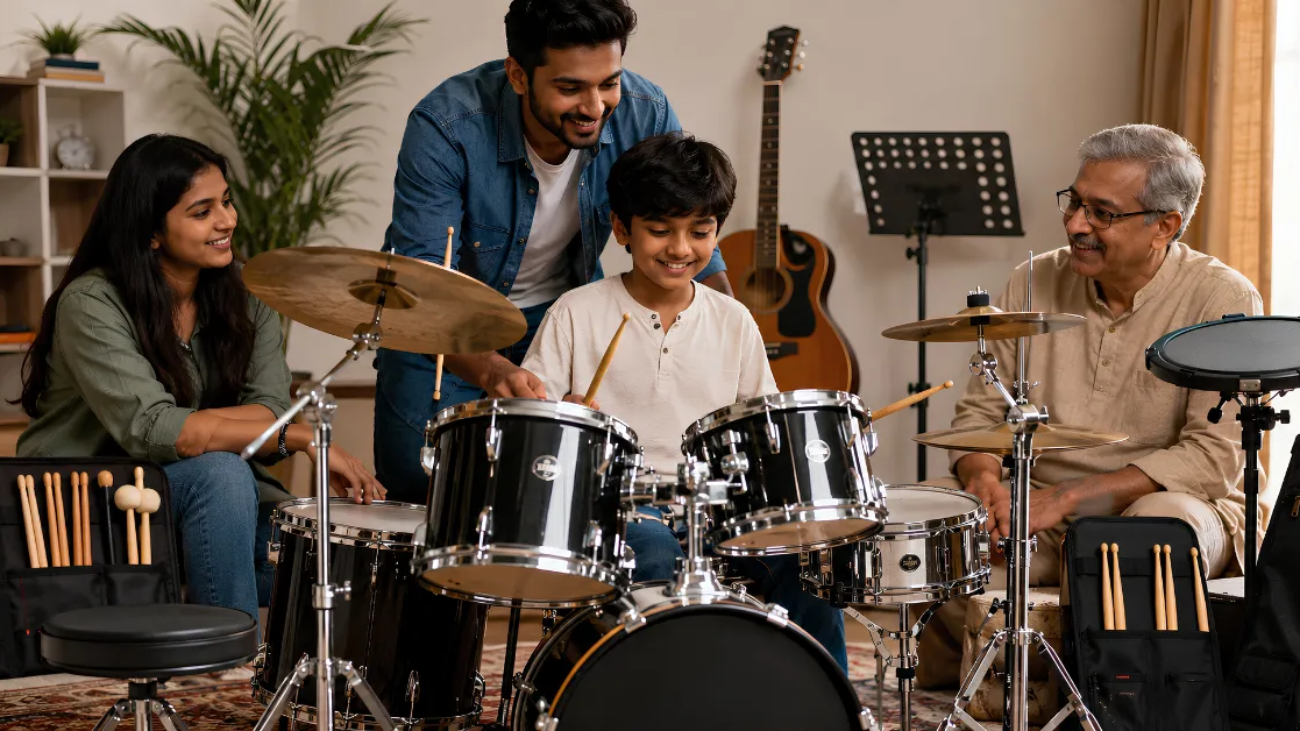
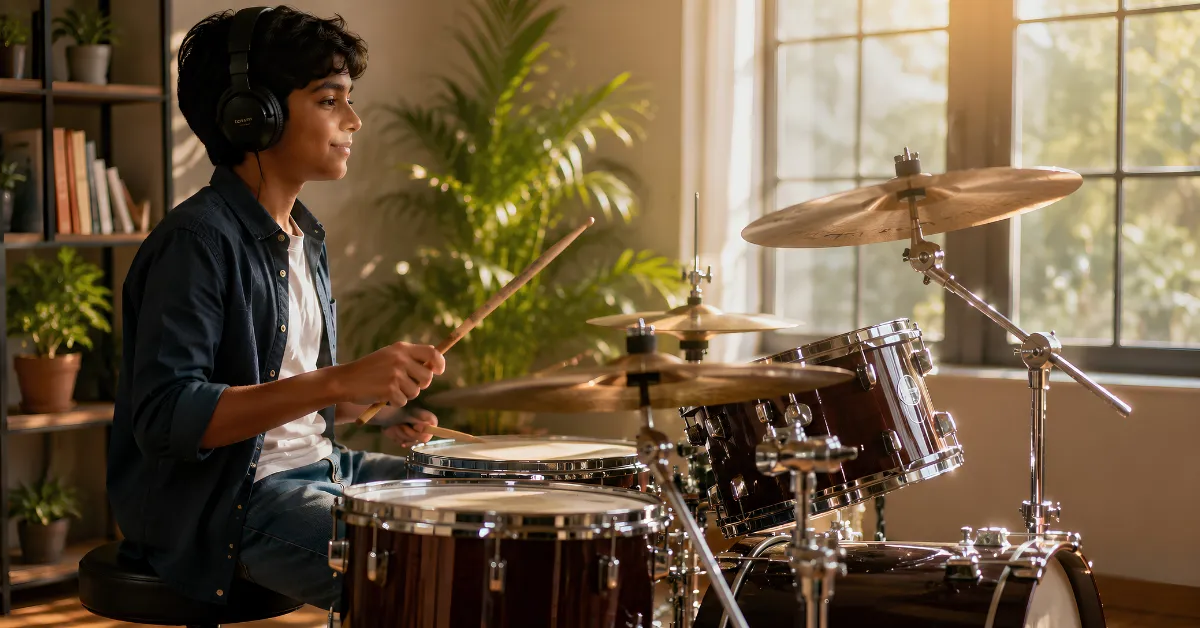
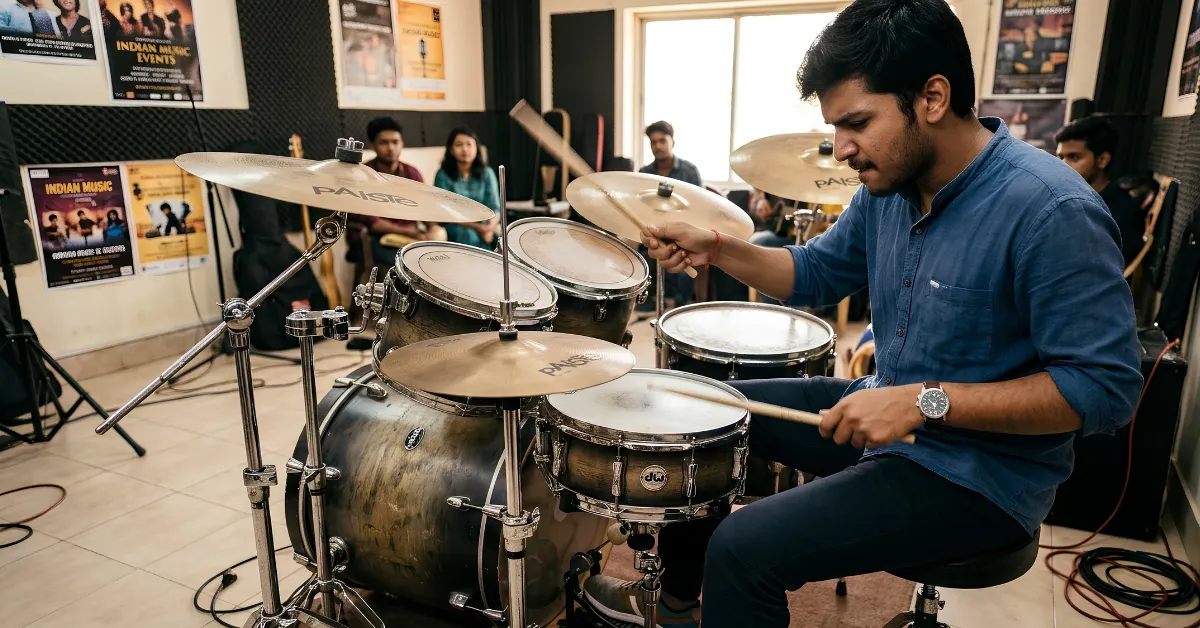
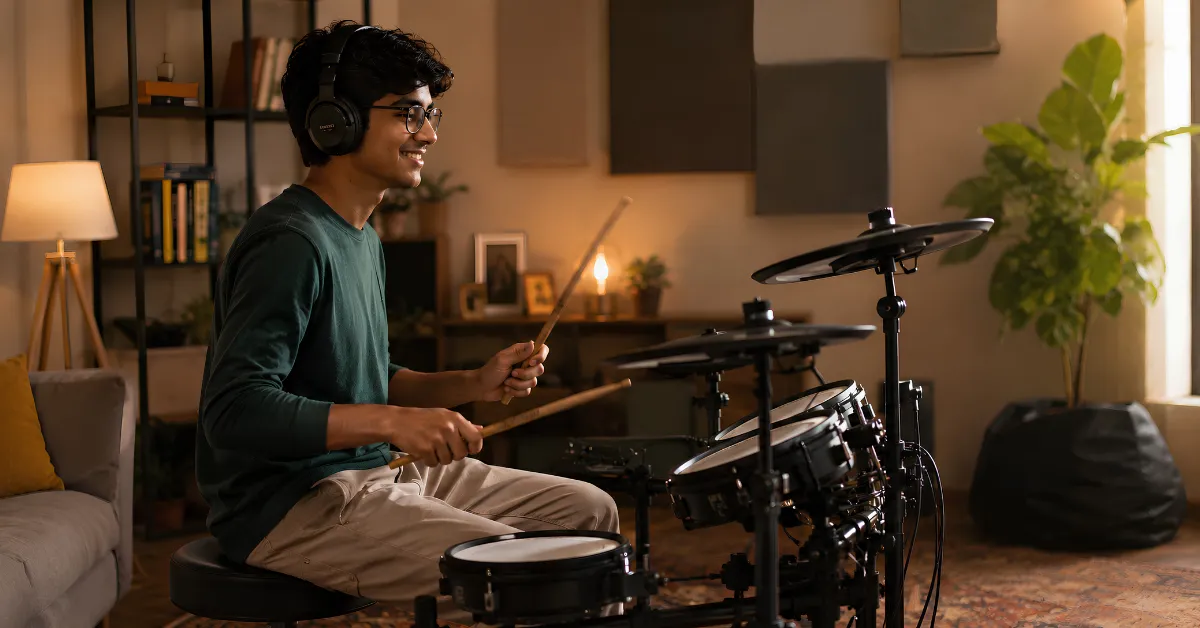
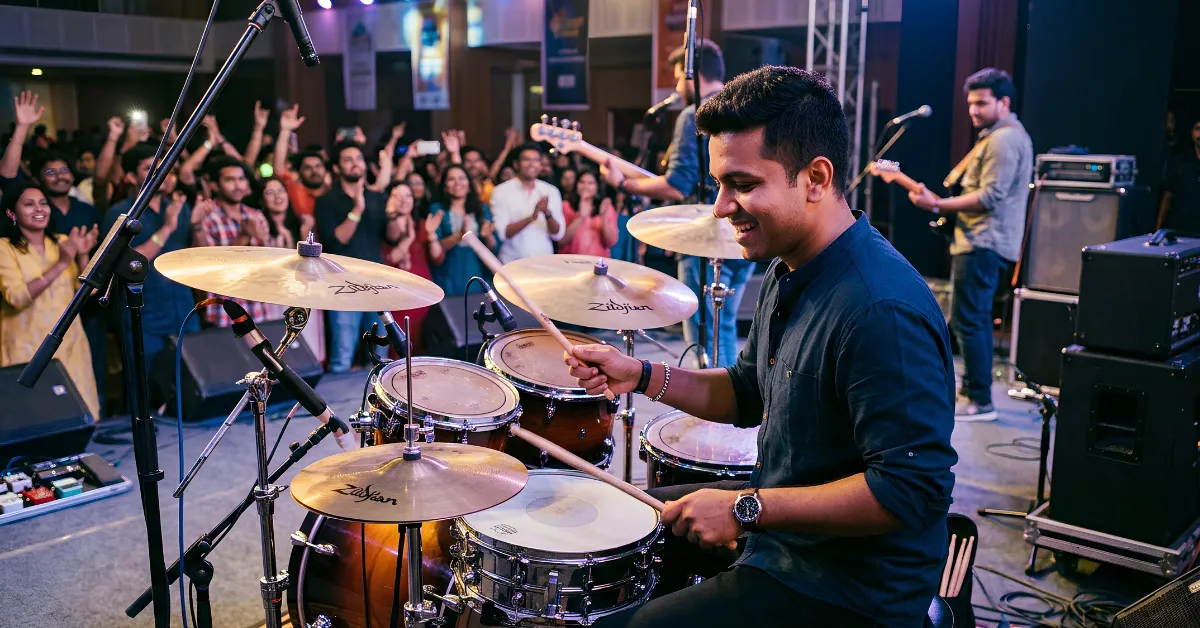
Music has the power to transform lives, improve mental well-being, and create meaningful experiences. Among all musical instruments, drums hold a unique position because they combine rhythm, movement, creativity, and energy in a way that few other instruments can. Whether you are a child discovering music for the first time, a teenager looking for a creative outlet, an adult seeking stress relief, or a senior wanting to stay mentally active, learning to play the drums offers countless benefits.
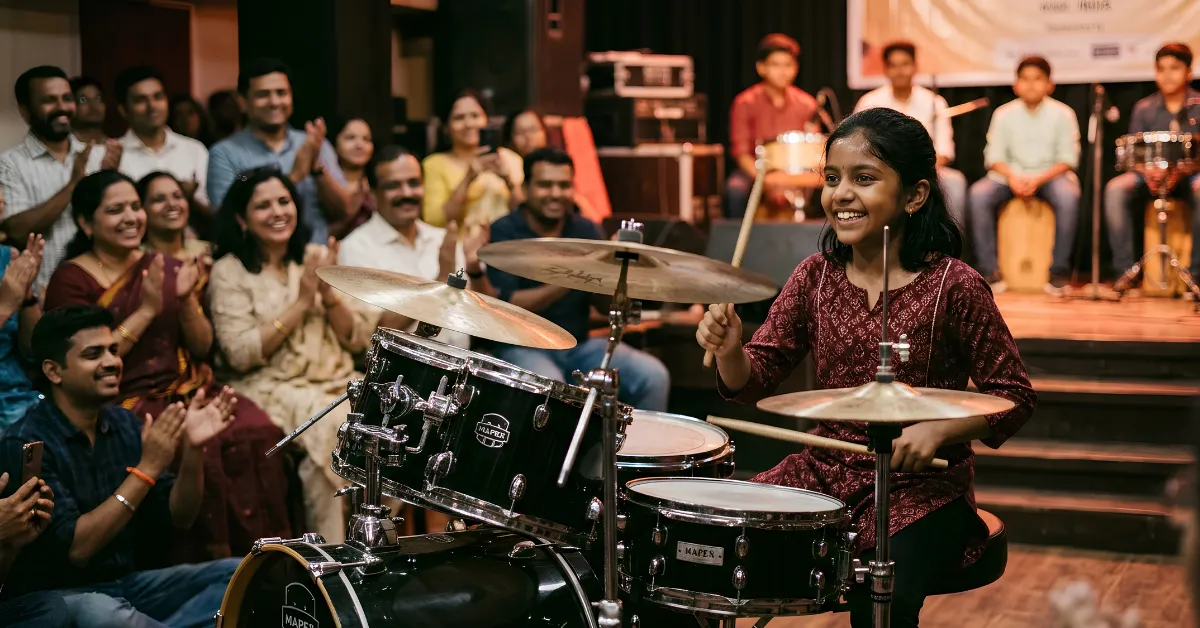
In India, the popularity of drumming has grown significantly over the years. Modern music, school bands, worship teams, rock bands, and music academies have increased the demand for skilled drummers. The good news is that drumming is not limited by age. Anyone can start learning and enjoy the rewards that come with mastering rhythm.
This article explores why you should learn to play the drums and how this exciting instrument can positively impact people of all ages.
1. Drumming Improves Coordination and Motor Skills
One of the first benefits of learning drums is the improvement of physical coordination. Unlike many instruments that primarily use the hands, drumming requires the simultaneous use of both hands and both feet.
A drummer often performs different rhythms with each limb at the same time. This develops:
Hand-eye coordination.
Foot coordination.
Fine motor skills.
Body awareness.
Reflexes.
For children, this coordination development can support overall physical growth. For adults and seniors, it helps maintain mobility and cognitive function.
The more you practice, the more naturally your body learns to work in sync, resulting in improved coordination both on and off the drum set.
Learning drums demands attention and discipline. Every rhythm pattern requires focus on timing, tempo, and technique.
Drummers must constantly:
Listen carefully.
Count beats accurately.
Maintain rhythm consistency.
Coordinate multiple movements.
Stay synchronized with music.
These activities strengthen concentration skills over time.
Students who learn drums often experience improvements in academic performance because their ability to focus becomes stronger. Working professionals may also find that drumming helps sharpen mental clarity and attention during daily tasks.
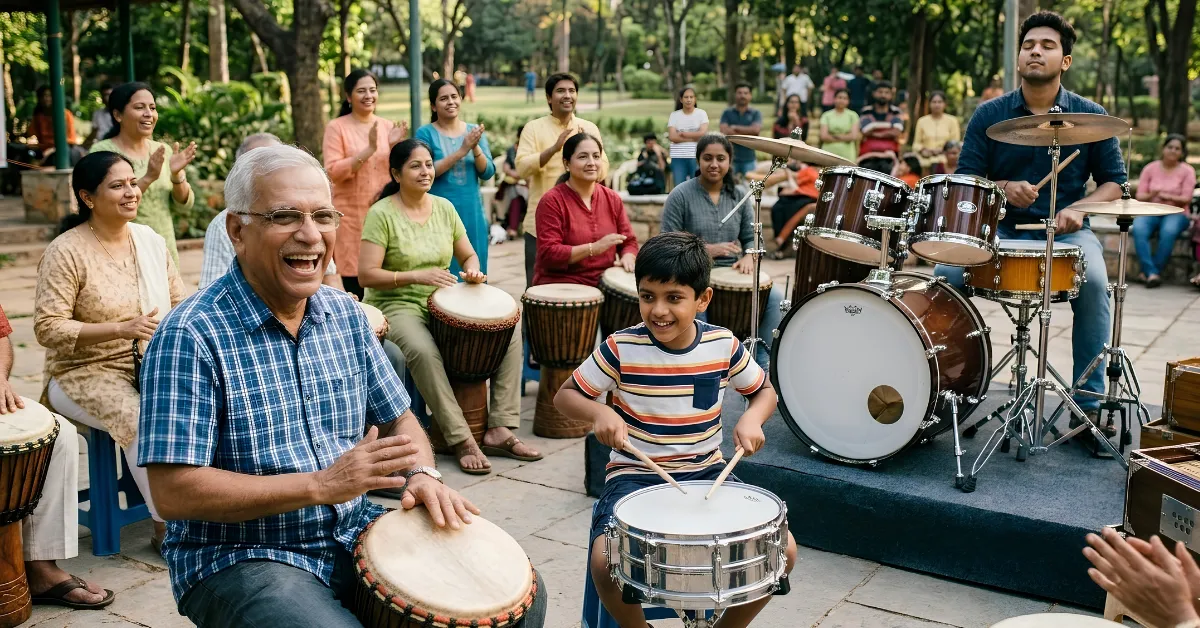
One of the greatest advantages of drums is that they can be learned at almost any age.
Children benefit from:
Motor skill development.
Creativity.
Focus enhancement.
Teenagers gain:
Confidence.
Social opportunities.
Creative expression.
Adults enjoy:
Stress relief.
Personal growth.
A rewarding hobby.
Seniors experience:
Mental stimulation.
Physical activity.
Social engagement.
Unlike some activities that become difficult with age, drumming can be adapted to different physical abilities and learning levels.
11. Opens Doors to Musical Opportunities
Learning drums can lead to exciting opportunities in the music industry.
Skilled drummers may participate in:
Live performances.
Recording sessions.
Church and worship teams.
School and college bands.
Professional music groups.
India’s growing music industry offers numerous opportunities for trained drummers.
Whether music becomes a hobby or a career, drumming skills remain valuable throughout life.
12. Drums Are Fun and Rewarding to Learn
Perhaps the most important reason to learn drums is simple—they are incredibly fun.
From the first basic beat to advanced performances, every step of the journey is enjoyable.
Drumming provides:
Excitement.
Creativity.
Achievement.
Entertainment.
Lifelong learning opportunities.
Unlike many hobbies that lose their appeal over time, drumming continues to challenge and inspire players for years.
There is always a new rhythm to learn, a new style to explore, and a new goal to achieve.
Conclusion
The reasons why you should learn to play the drums extend far beyond making music. Drumming improves coordination, strengthens focus, boosts confidence, enhances physical fitness, stimulates brain function, encourages creativity, and creates meaningful social connections.
Most importantly, drums can be enjoyed by people of all ages, making them one of the most accessible and rewarding musical instruments available today. Whether you are a complete beginner or someone returning to music after many years, there has never been a better time to start your drumming journey.
If you are looking for quality drum kits, practice pads, drum accessories, or expert guidance, visit NMS Musicals in Pondicherry and Chennai. Our experienced team can help you choose the right drum setup based on your age, skill level, and musical goals. With the right instrument and consistent practice, you can unlock the many benefits that drumming has to offer and enjoy a lifelong connection with music.
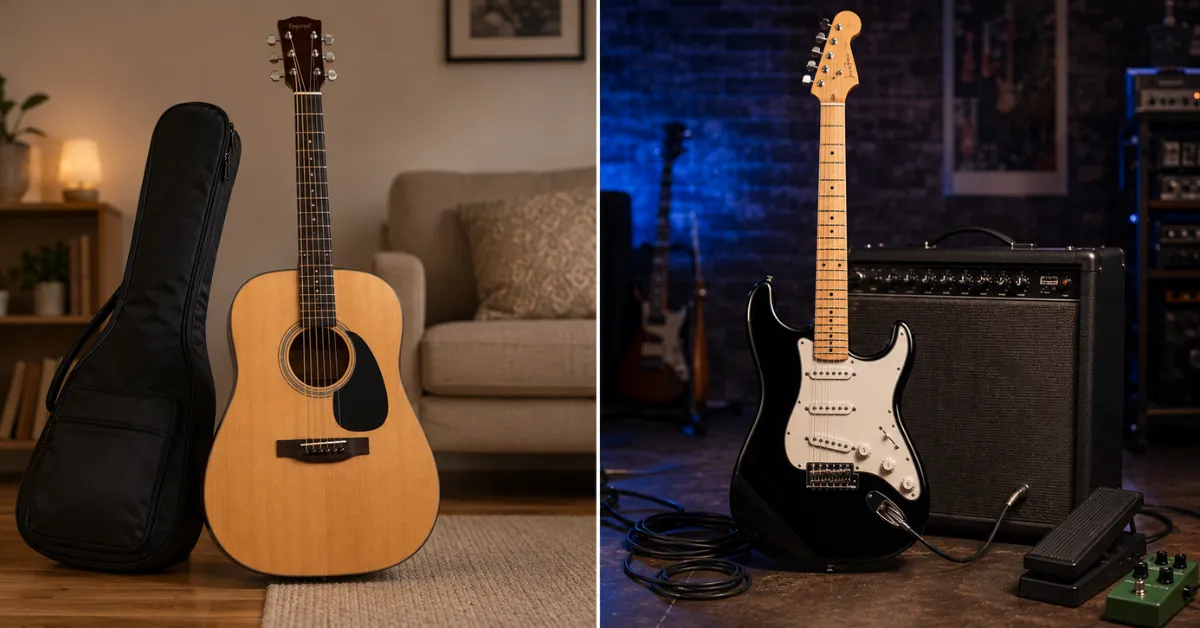
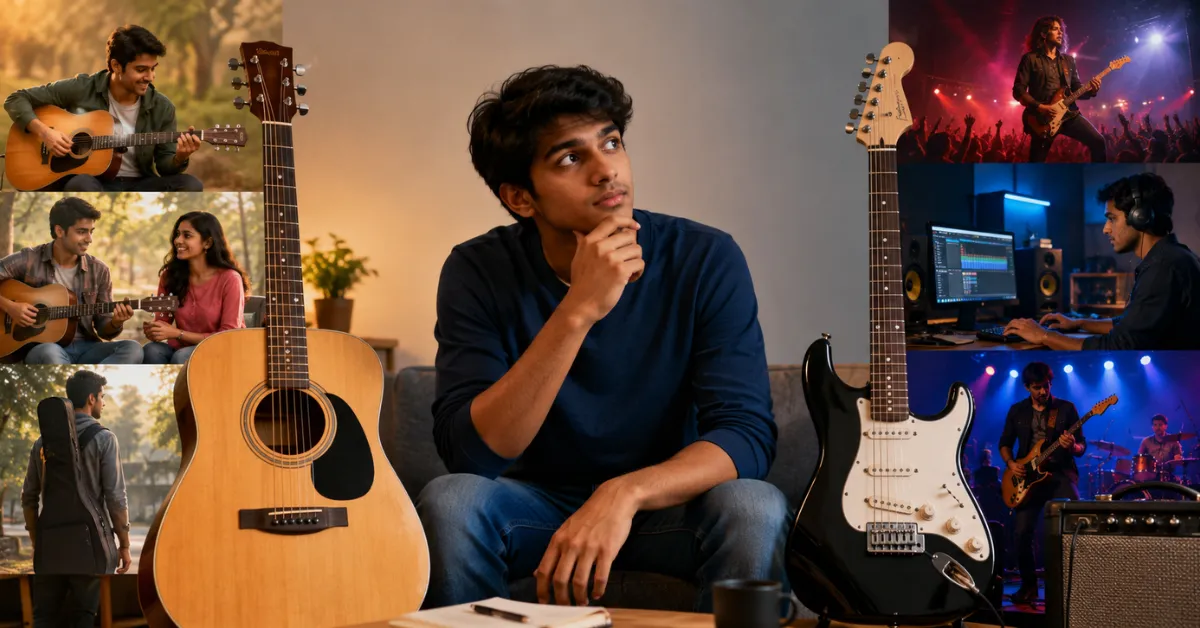
The guitar is one of the most popular musical instruments in India today. From Bollywood music and independent artists to church worship teams and school bands, guitars have become a preferred choice for musicians of all ages. However, many beginners often face confusion when selecting their first instrument. The most common question is whether to choose an acoustic guitar or an electric guitar.
Understanding the Different Types of Guitars: Acoustic vs. Electric is essential before making a purchase. Both guitar types offer unique sounds, playing experiences, and advantages. Choosing the right one depends on your musical goals, budget, learning style, and performance needs.
In this comprehensive guide, we will explore the differences between acoustic and electric guitars, their features, advantages, disadvantages, maintenance requirements, and buying considerations specifically for Indian musicians.
An acoustic guitar is a stringed instrument that produces sound naturally through its hollow wooden body. The vibrations from the strings resonate inside the guitar body, creating sound without requiring external amplification.
Acoustic guitars are widely used in India for:
Bollywood songs
Folk music
Worship music
Campfire performances
Singer-songwriter performances
Music education
Most beginners start their musical journey with an acoustic guitar because it is simple to use and does not require additional equipment.
2. Types of Acoustic Guitars
There are several acoustic guitar varieties available in the Indian market.
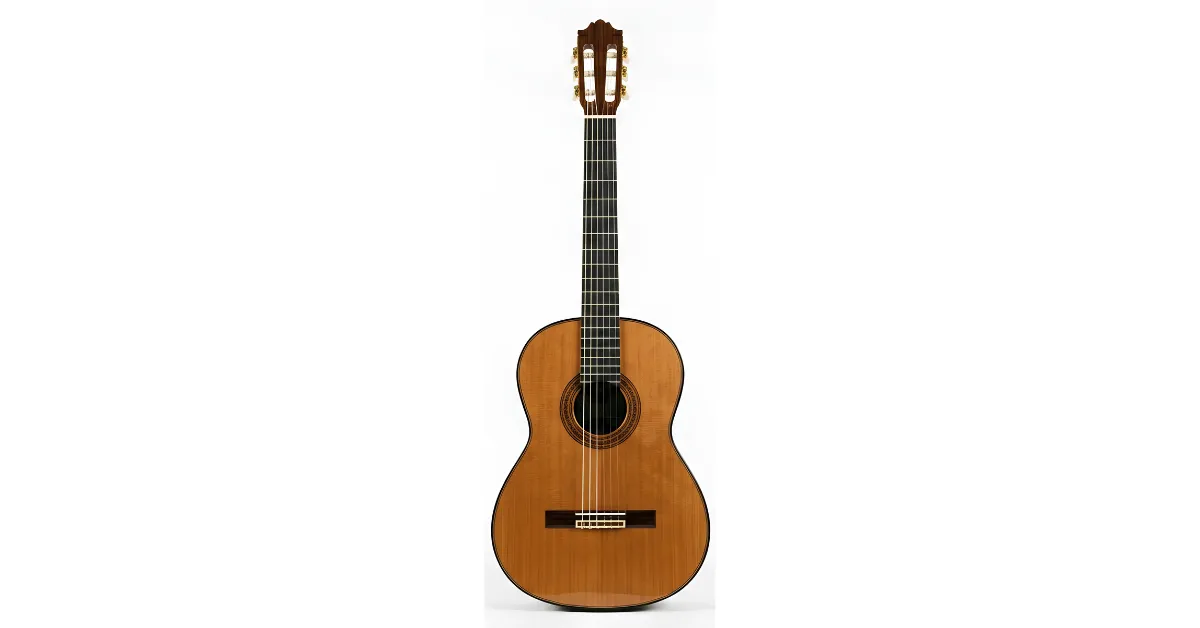
2.1 Classical Guitar
Classical guitars use nylon strings instead of steel strings.
Features:
Softer sound
Easier on fingers
Wider neck
Suitable for classical music
Best for:
Children
Classical music students
Beginners seeking comfortable playability
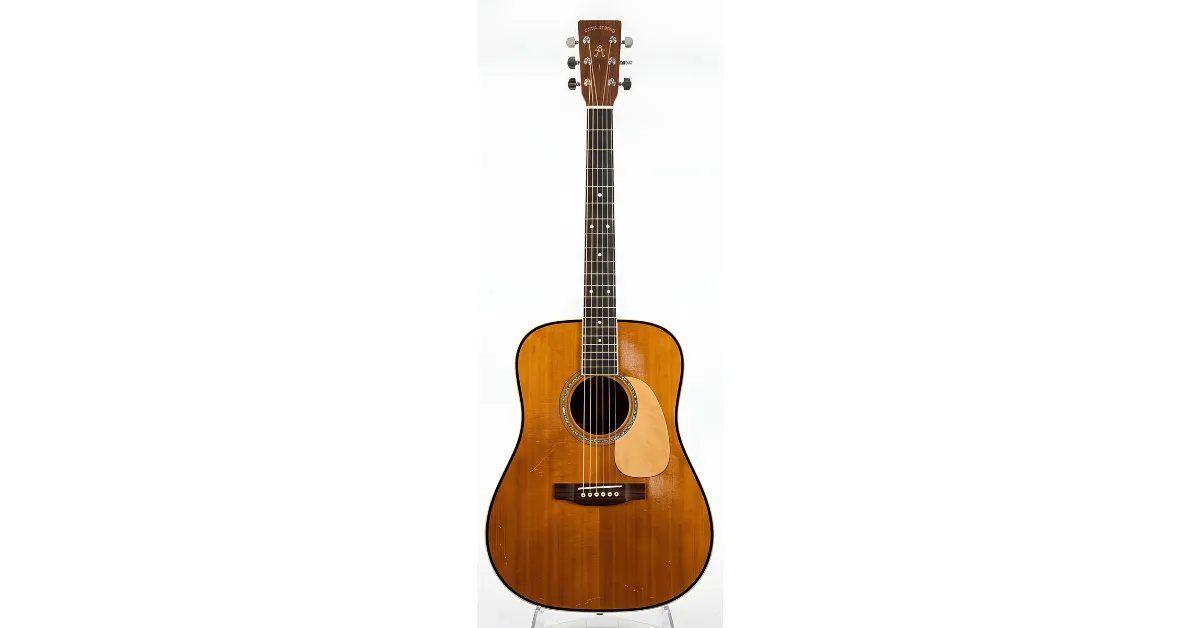
2.2 Steel-String Acoustic Guitar
This is the most common acoustic guitar type.
Features:
Bright sound
Strong projection
Suitable for modern music
Popular among beginners
Best for:
Pop music
Bollywood songs
Worship music
Singer-songwriters
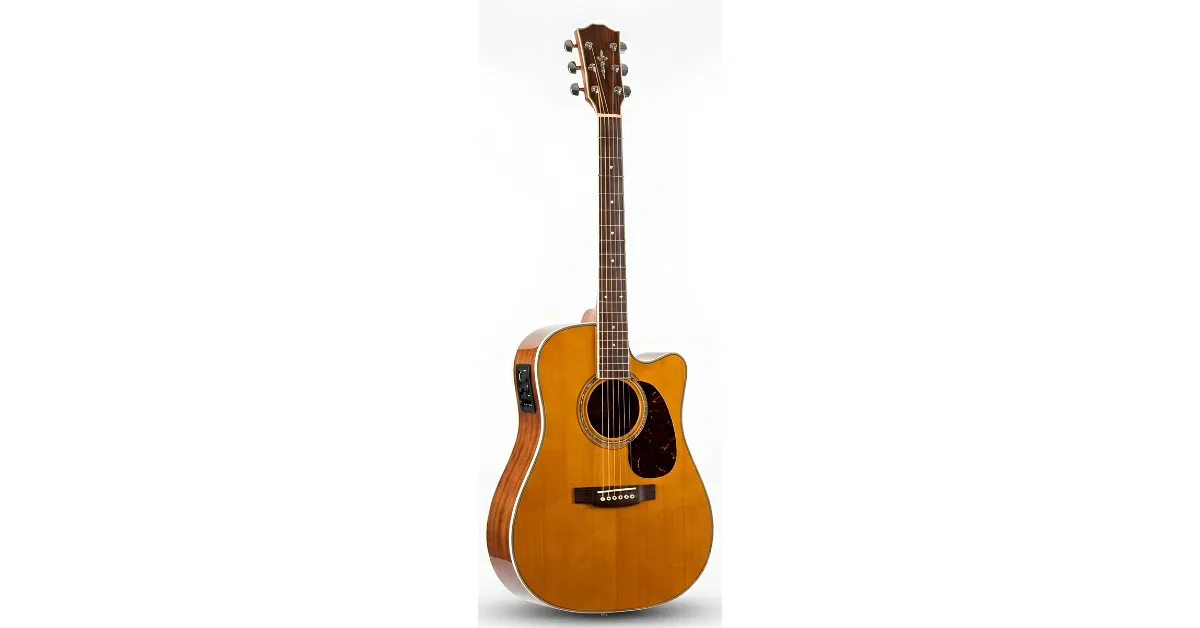
2.3 Electro-Acoustic Guitar
These guitars combine acoustic sound with built-in electronics.
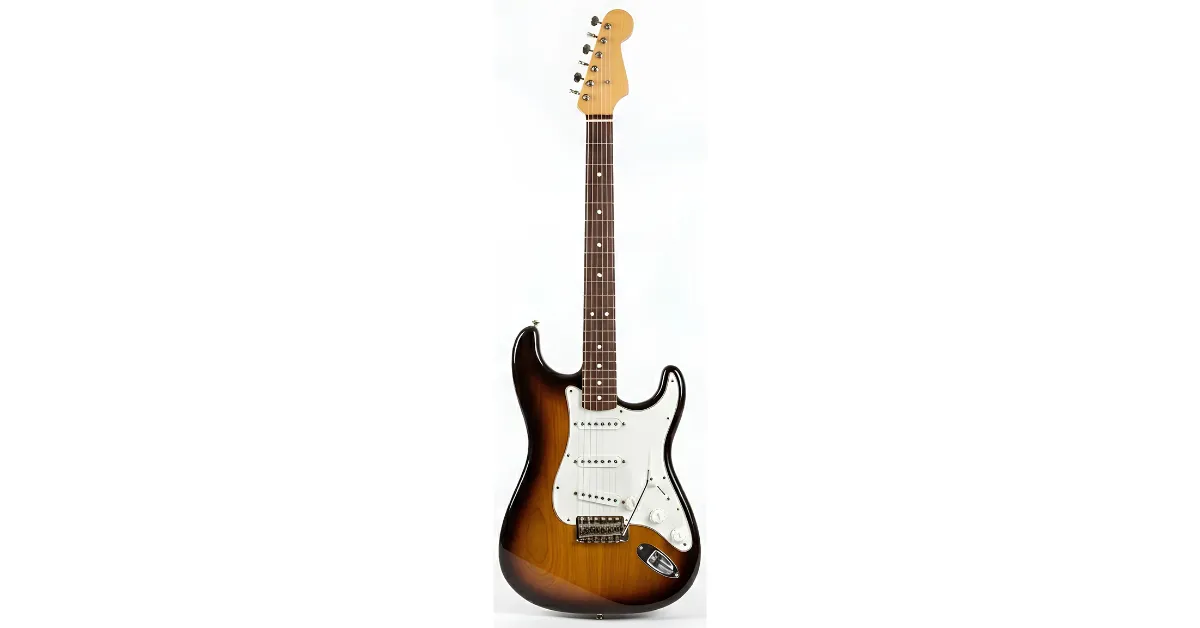
An electric guitar uses magnetic pickups to convert string vibrations into electrical signals. These signals are amplified through a guitar amplifier to produce sound.
Unlike acoustic guitars, electric guitars have a solid body and rely heavily on electronic equipment.
Electric guitars are commonly used for:
Rock music
Metal music
Blues
Jazz
Fusion music
Modern worship music
4. Types of Electric Guitars
Several electric guitar styles are available for Indian musicians.
4.1 Solid Body Electric Guitar
This is the most common type.
Features:
Durable construction
Excellent sustain
Wide tonal possibilities
Popular among beginners
4.2 Semi-Hollow Electric Guitar
Features:
Warmer tone
Better resonance
Suitable for jazz and blues
4.3 Hollow Body Electric Guitar
Features:
Rich natural resonance
Vintage sound
Preferred by jazz musicians
5. Major Differences Between Acoustic and Electric Guitars
Understanding these differences helps buyers make informed decisions.
Electric guitars offer benefits that appeal to modern musicians.
Easier Playability
Lower string action makes playing comfortable.
Greater Sound Variety
Players can experiment with multiple tones.
Stage Performance Capability
Excellent for concerts and live events.
Recording Flexibility
Ideal for studio work and music production.
Modern Music Compatibility
Perfect for rock, metal, and contemporary genres.
8. Challenges of Acoustic Guitars
Before purchasing, consider these limitations.
Harder on fingers initially
Limited tone customization
Larger body size
Difficult for some young learners
Despite these challenges, many Indian teachers still recommend acoustic guitars for beginners.
9. Challenges of Electric Guitars
Electric guitars also have certain drawbacks.
Require amplifier
Higher initial investment
Additional maintenance
More accessories needed
These factors should be considered when budgeting.
10. Which Guitar Is Better for Beginners in India?
The answer depends on personal goals.
Choose an Acoustic Guitar if:
You are completely new to music
You have a limited budget
You want a portable instrument
You enjoy Bollywood and acoustic songs
Choose an Electric Guitar if:
You love rock music
You want modern guitar tones
You plan to perform live
You are interested in recording music
Many guitar teachers suggest starting with an acoustic guitar and later transitioning to an electric guitar if desired.
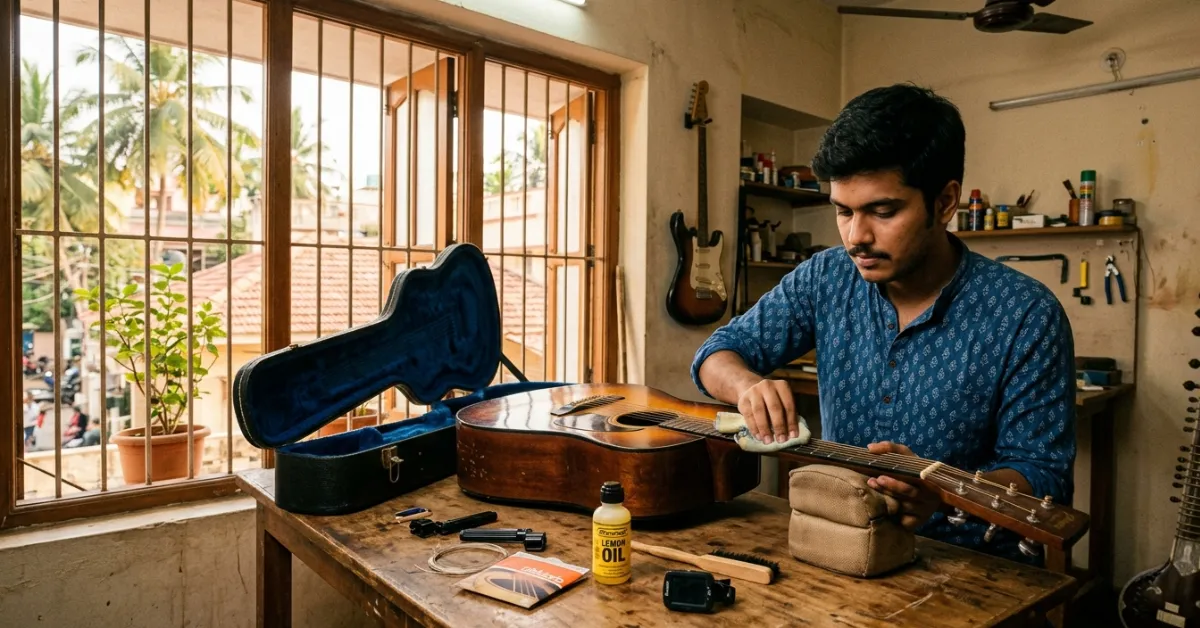
11. Guitar Maintenance in Indian Climate
India’s weather conditions can affect guitars significantly.
Factors include:
Heat
Humidity
Dust
Seasonal changes
Maintenance tips:
Store guitars in quality cases
Avoid direct sunlight
Keep away from moisture
Clean strings regularly
Schedule professional servicing
Regular maintenance extends the life of your instrument considerably.
12. Where to Buy the Right Guitar in India
Buying from a trusted music store is extremely important. Many online listings may offer attractive prices, but professional guidance and after-sales support often make a significant difference.
The experienced team helps customers compare different models, understand their needs, and select the most suitable instrument based on skill level and budget.
Additionally, customers benefit from expert guidance, setup assistance, maintenance services, and genuine products from trusted brands.
Conclusion
Understanding the Different Types of Guitars: Acoustic vs. Electric is the first step toward making a smart purchasing decision. Acoustic guitars provide simplicity, affordability, portability, and a strong foundation for learning. Electric guitars offer greater tonal flexibility, comfortable playability, and exceptional performance capabilities.
Neither option is universally better. The ideal choice depends on your musical interests, learning goals, and budget. Indian musicians should also consider climate conditions, maintenance requirements, and long-term growth when selecting a guitar.
Whether you are a beginner purchasing your first guitar or an experienced musician upgrading your setup, taking the time to understand the differences between acoustic and electric guitars will help you invest confidently and enjoy a rewarding musical journey. For expert guidance, quality instruments, and reliable after-sales support, visiting NMS Musicals in Pondicherry or Chennai can help you find the perfect guitar for your needs.
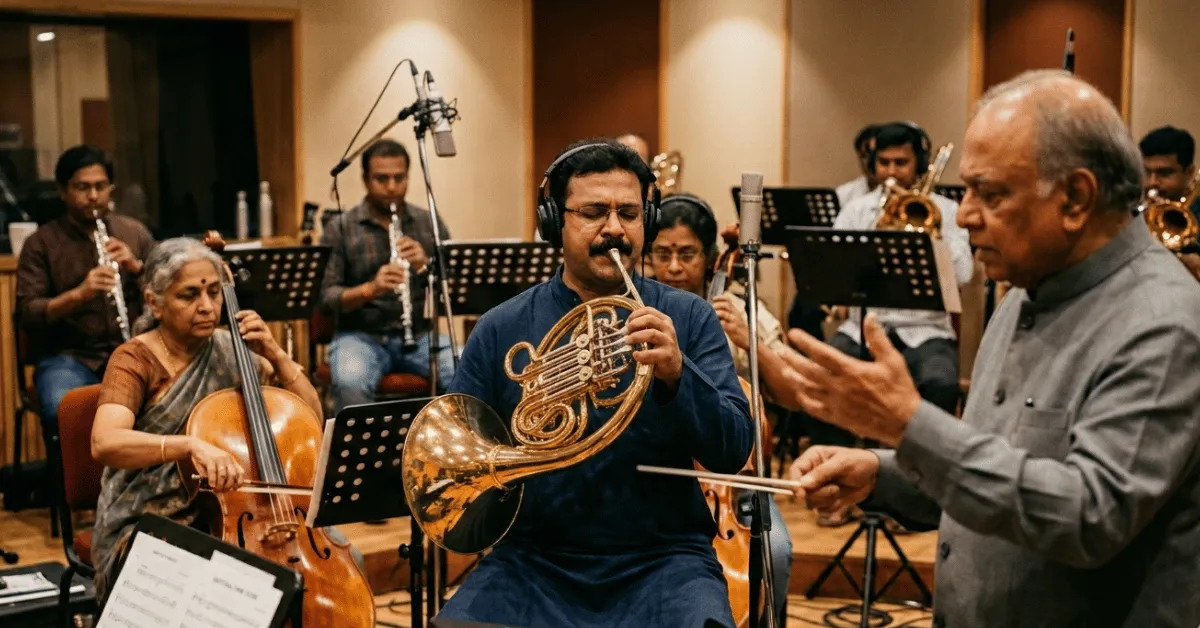
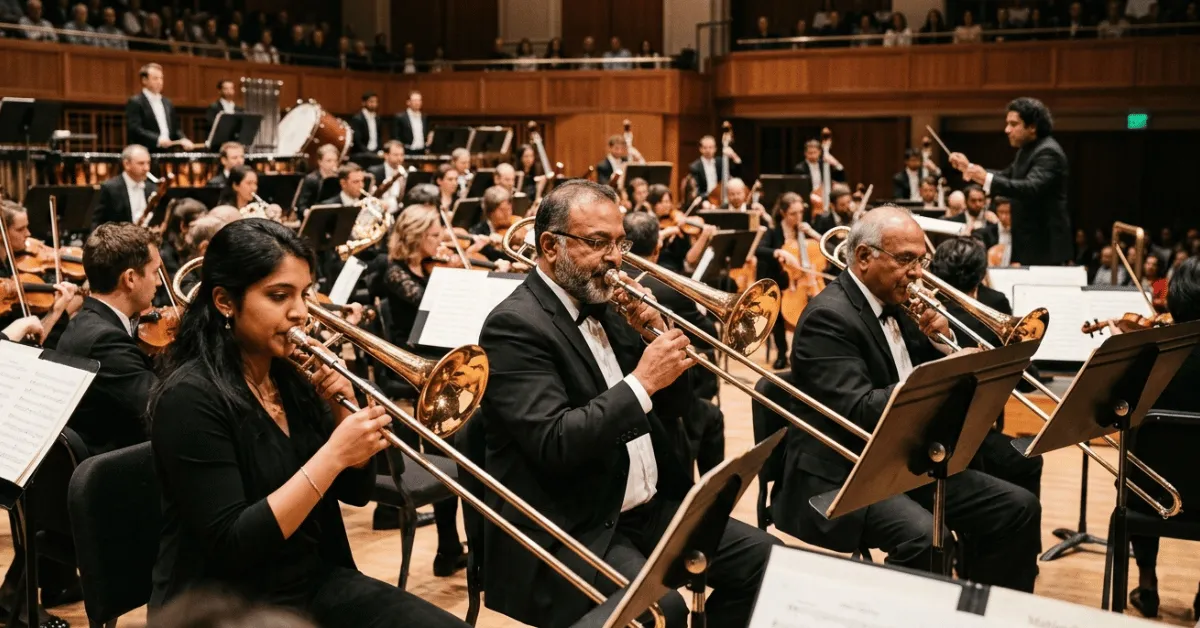
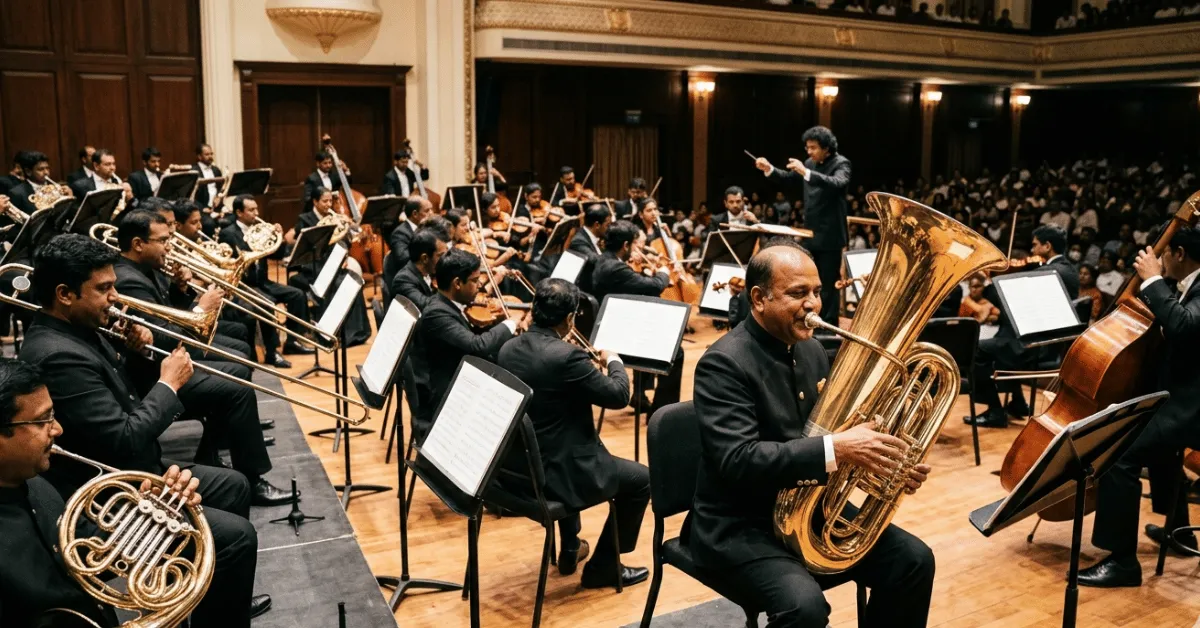
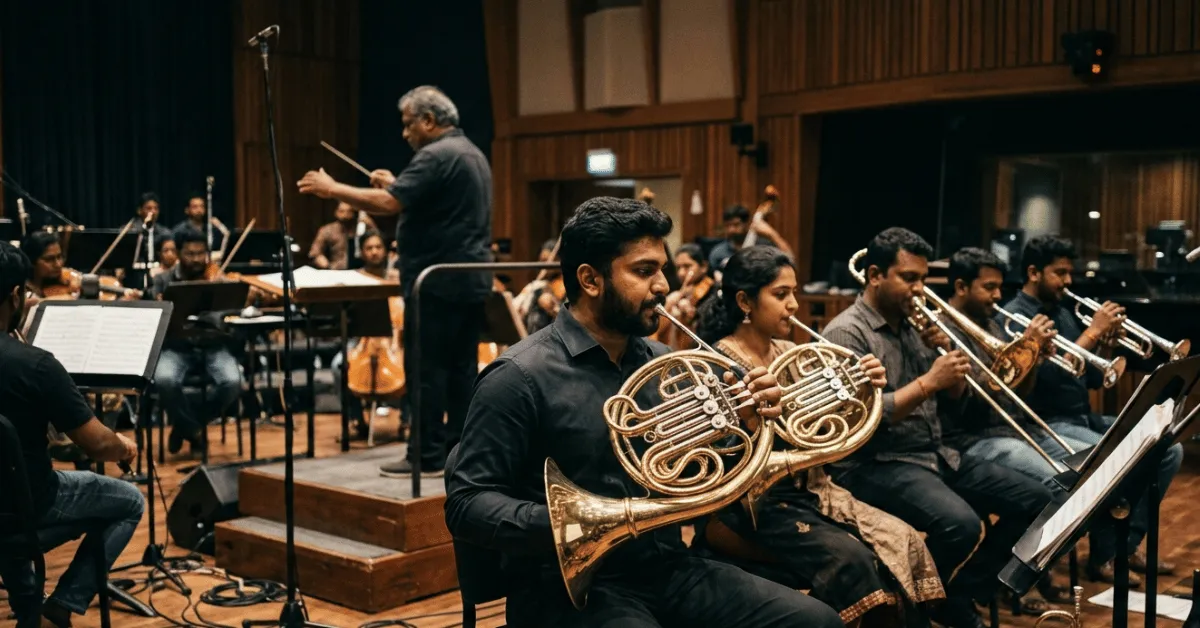
Brass Instruments in Symphonic Music for Modern Indian Orchestras
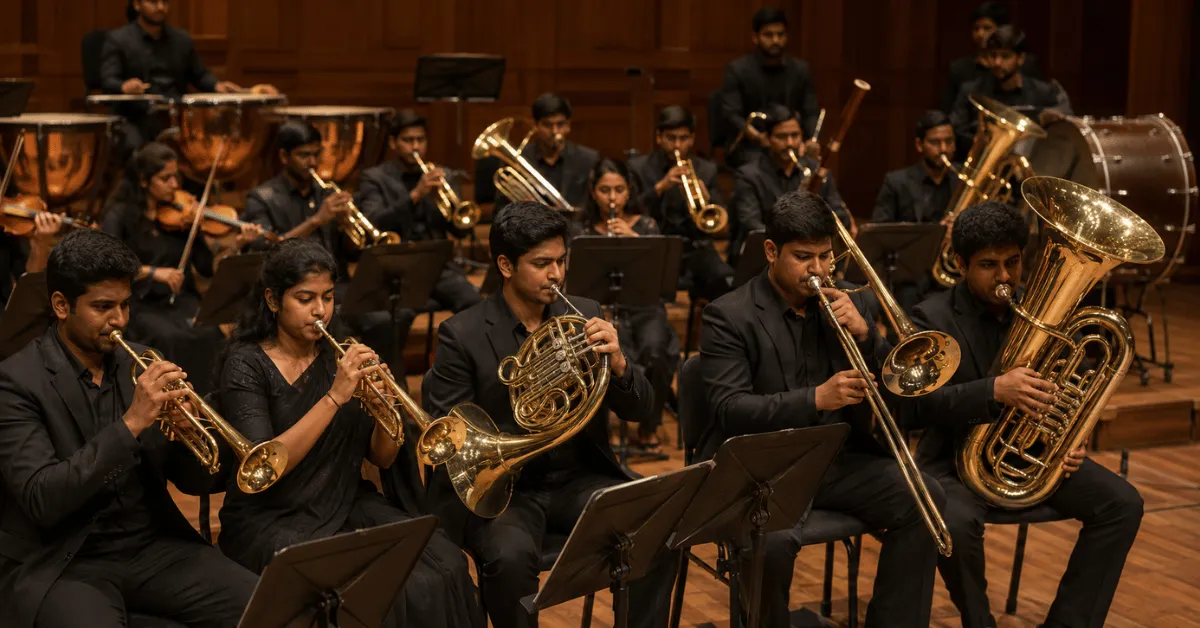
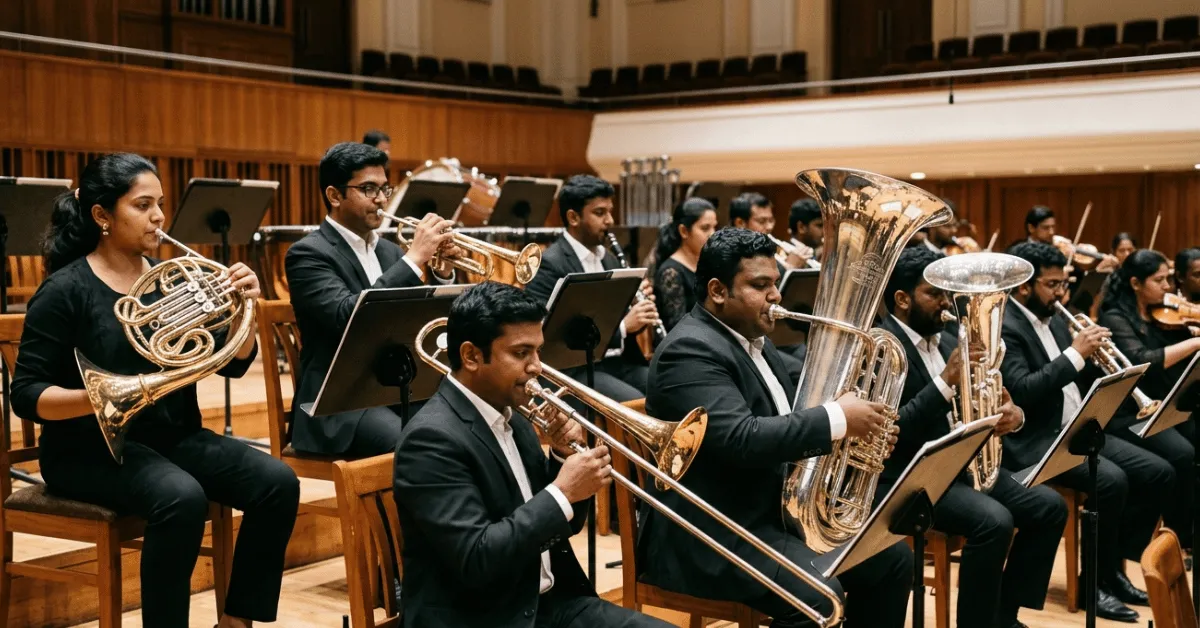
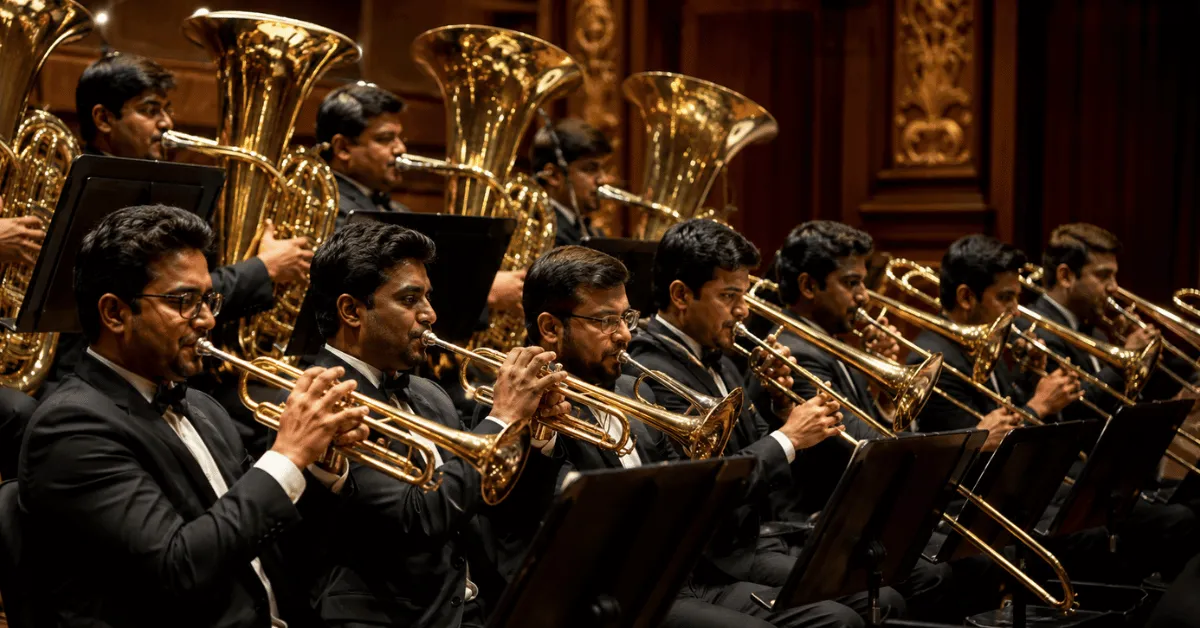
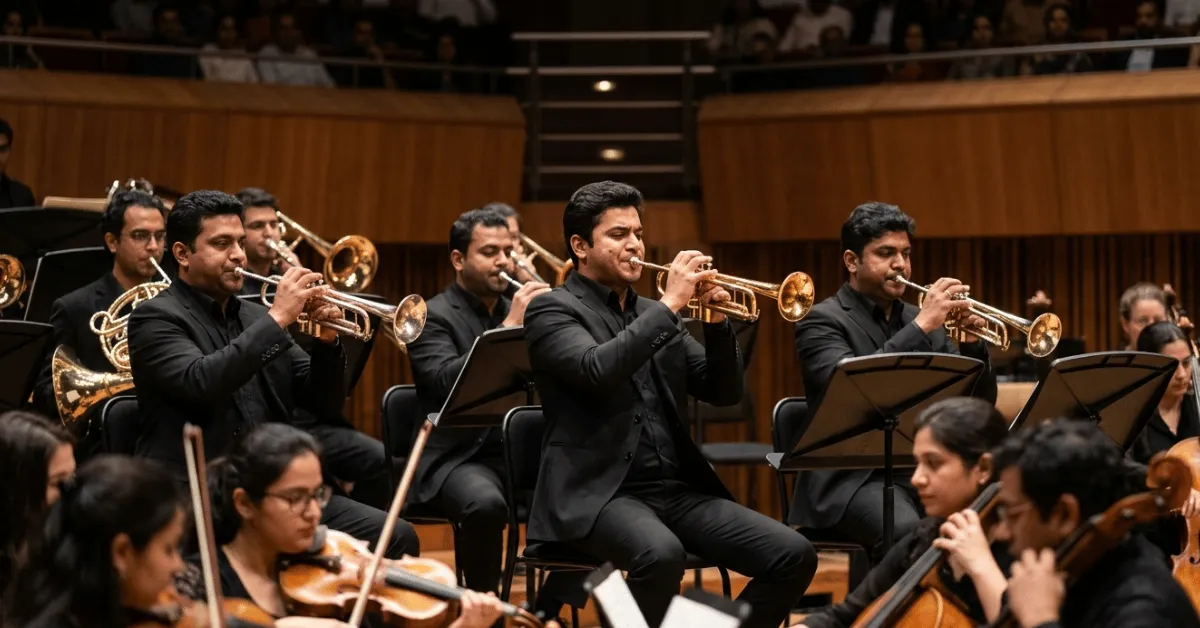
Symphonic music is one of the most powerful forms of musical expression in the world. Every orchestra depends on different sections working together to create emotional, cinematic, and dramatic performances. Among these sections, brass instruments hold a unique and essential position. Their bold tone, rich harmonies, and commanding presence make orchestral music feel complete and emotionally impactful.
This is exactly why brass instruments are essential in symphonic music. Without brass instruments, orchestras would lose their intensity, emotional depth, and majestic character. Whether it is a heroic fanfare, emotional climax, suspenseful buildup, or grand finale, brass instruments play a major role in shaping the audience’s musical experience.
In India, interest in orchestral music and Western classical learning is increasing rapidly. Students, churches, schools, wedding bands, military bands, and live performers are now exploring brass instruments more seriously. Cities like Chennai and Pondicherry are becoming important centers for instrumental music education and live orchestral performance.
In this blog, we will explore powerful reasons why brass instruments are essential in symphonic music, understand their role in orchestras, and see why they continue to dominate symphonic arrangements worldwide.
1. Understanding Brass Instruments in Symphonic Music
Brass instruments are wind instruments that create sound through lip vibration into a mouthpiece. Most brass instruments are made using brass metal and produce strong, resonant tones.
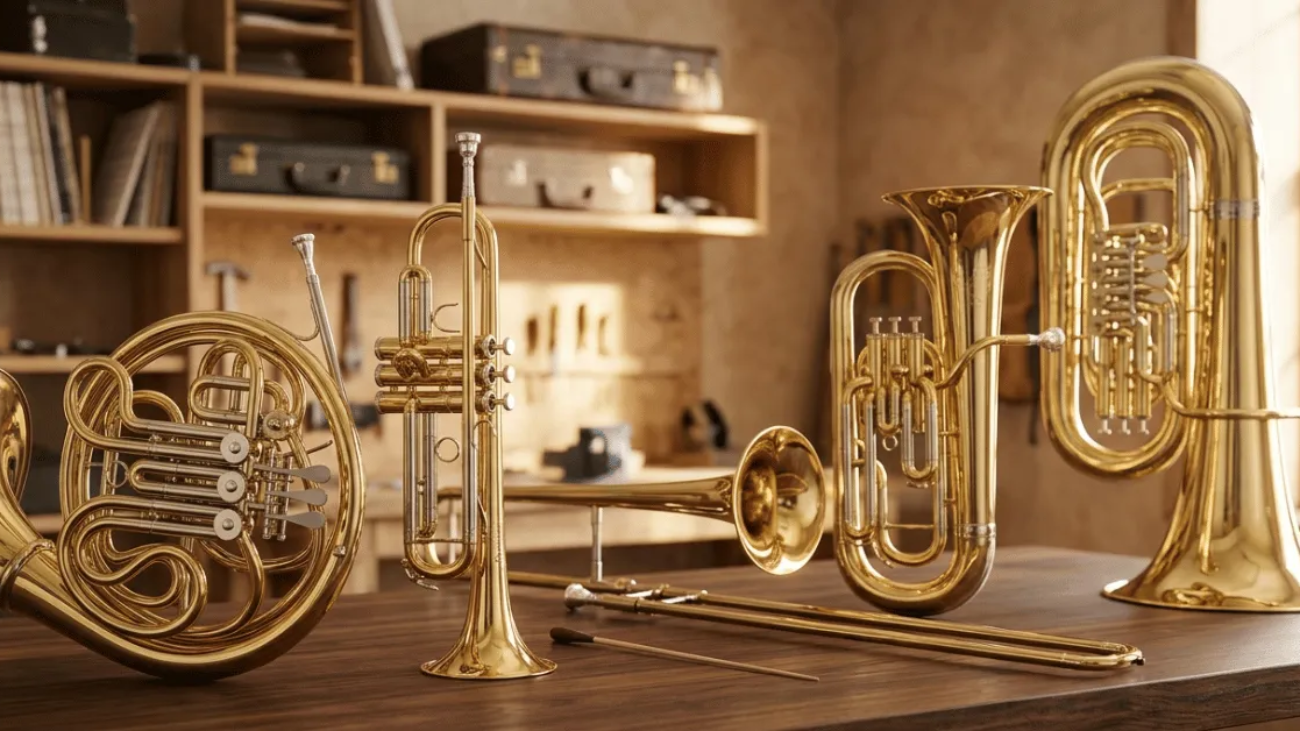
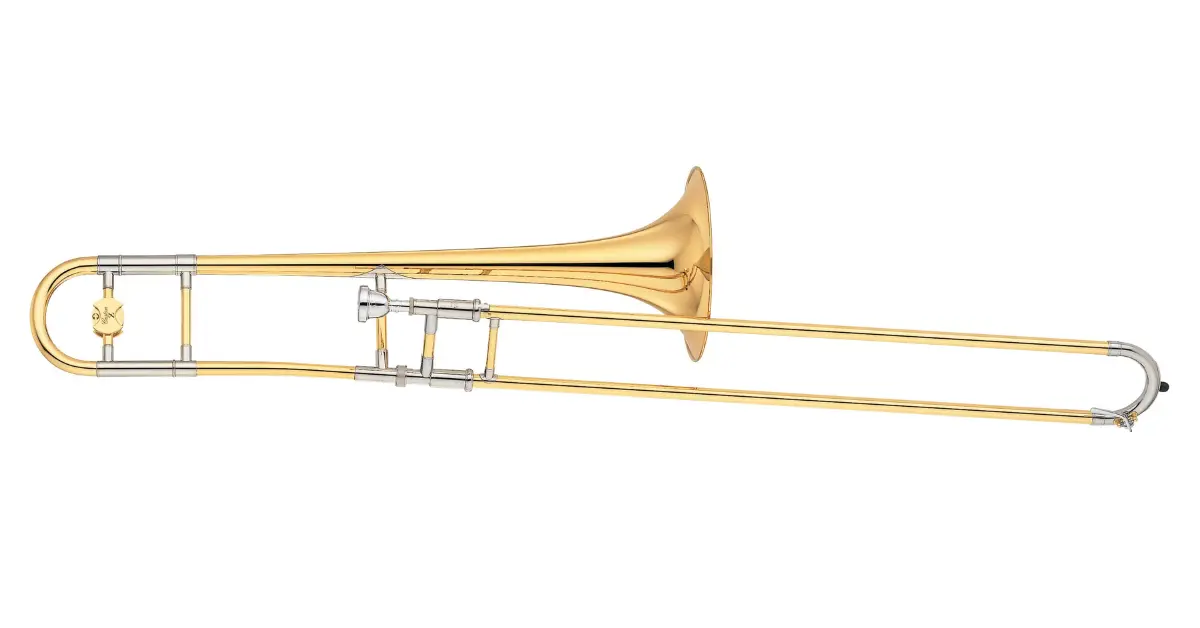
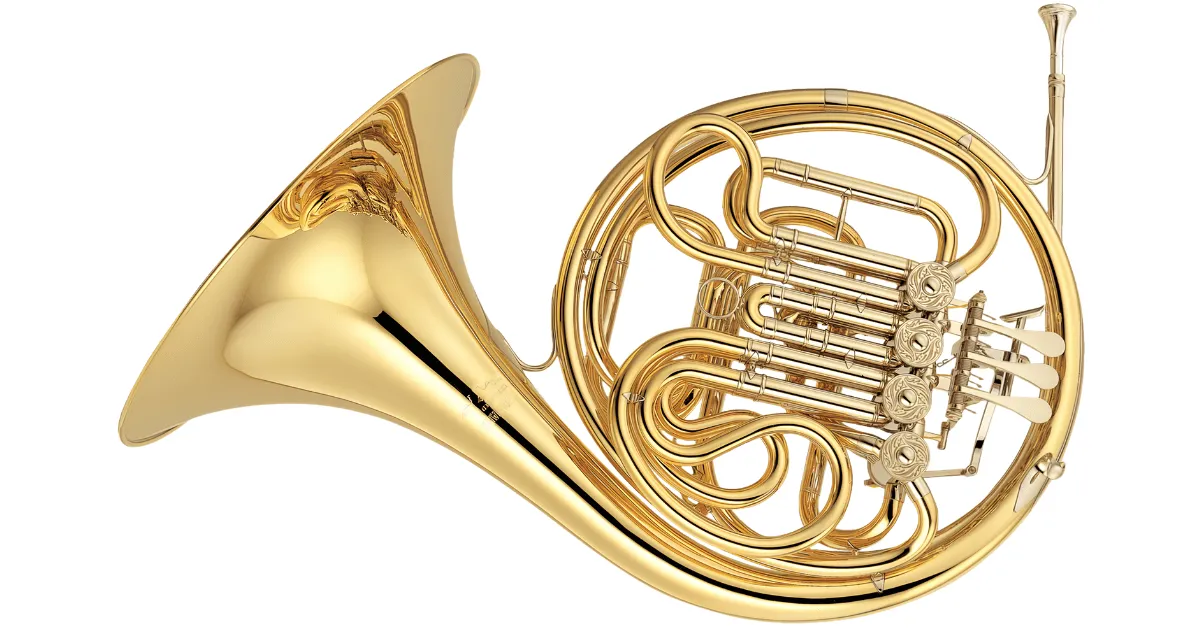
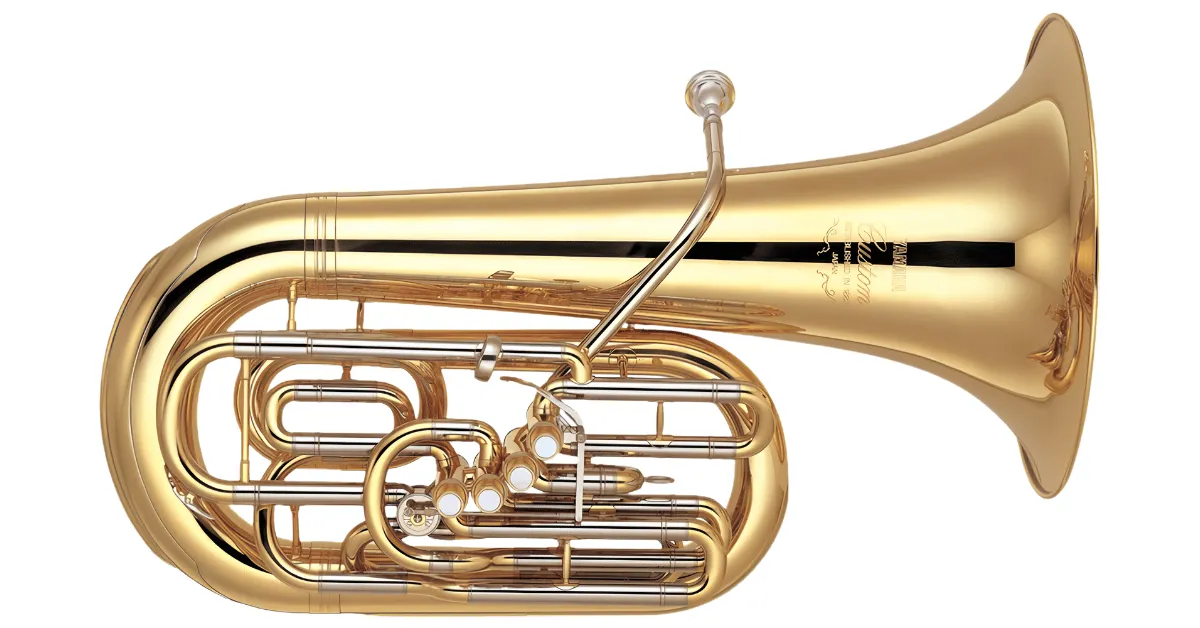
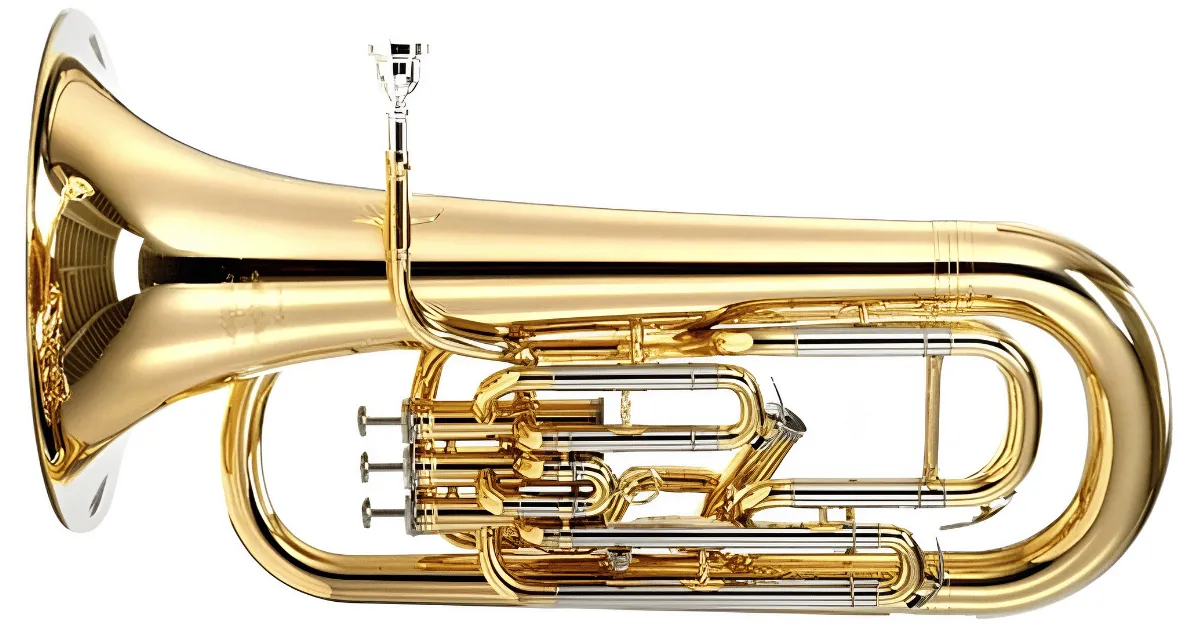
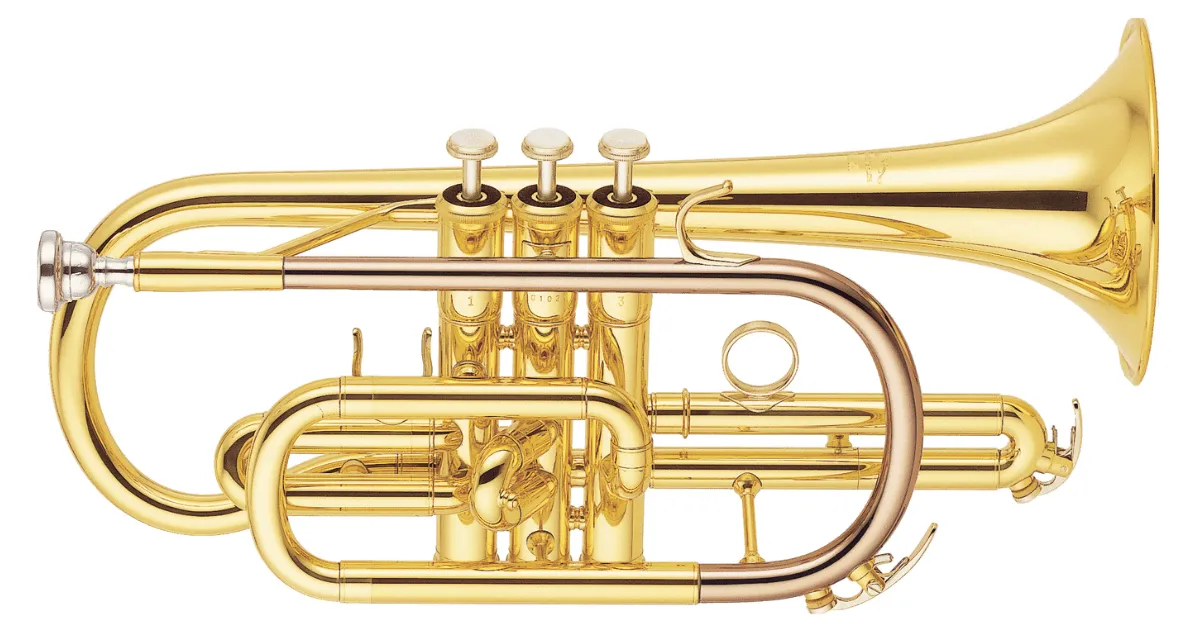
The main brass instruments used in symphonic orchestras include:
Modern symphonic music relies heavily on brass instruments for cinematic storytelling.
Brass instruments are used to create:
Suspense
Heroism
Victory
Emotional intensity
Fear and tension
Grand finales
This is one reason why film composers depend so much on orchestral brass sections.
Indian cinema, especially Tamil and Hindi film industries, frequently uses brass arrangements in background scores.
8. Brass Instruments in Indian Music Culture
India has a long tradition of brass-based performances.
Brass instruments are commonly used in:
Wedding processions
Military bands
Church choirs
School orchestras
Western classical groups
Fusion performances
In Chennai and Pondicherry, many young musicians are learning orchestral brass instruments to explore professional music careers.
9. Benefits of Learning Brass Instruments
Learning brass instruments helps students develop valuable musical and personal skills.
Benefits include:
Better breathing control
Improved concentration
Stronger discipline
Better posture
Enhanced musical timing
Increased stage confidence
Brass players also gain opportunities in:
Live orchestras
Film recording sessions
Military bands
Teaching careers
Music production
Church performances
10. Challenges Beginners Face While Learning Brass Instruments
Although rewarding, brass instruments can be challenging for beginners.
Common challenges include:
Lip endurance
Breath management
Pitch control
Instrument maintenance
Correct posture
Sound consistency
Choosing quality instruments and proper training is extremely important for beginners.
For students and musicians in South India, NMS Musicals in Pondicherry and Chennai provides expert guidance, instrument selection support, and musical accessories for brass learners and professionals.
11. Choosing the Right Brass Instrument
Different brass instruments suit different personalities and musical goals.
For example:
Trumpet suits energetic performers
French horn suits emotional players
Trombone suits expressive musicians
Tuba suits bass-oriented performers
Before purchasing, musicians should consider:
Budget
Comfort
Age
Lung capacity
Musical interest
Future goals
Trying instruments physically before buying is always recommended.
12. The Growing Future of Brass Instruments in India
Western classical and orchestral music are becoming increasingly popular in India.
Major reasons include:
Exposure through YouTube
Film music influence
International music education
Growth of live orchestras
School music programs
Fusion music trends
As orchestral culture grows, brass instruments will continue playing a vital role in Indian music education and performance industries.
Conclusion
Brass instruments are one of the most powerful and emotionally expressive sections in symphonic music. Their ability to create grandeur, drama, excitement, and emotional intensity makes them absolutely irreplaceable in orchestras.
This clearly explains why brass instruments are essential in symphonic music. From trumpets and trombones to French horns and tubas, every brass instrument contributes unique musical depth and character to orchestral arrangements.
In India, brass instrument learning is growing rapidly among students, orchestras, schools, churches, and live performers. With increasing interest in Western classical music and cinematic orchestration, brass instruments are becoming more important than ever before.
If you are planning to start learning or purchasing brass instruments, choosing a trusted music store is extremely important. NMS Musicals in Pondicherry and Chennai offers quality brass instruments, expert guidance, accessories, and support for beginners as well as professional musicians.
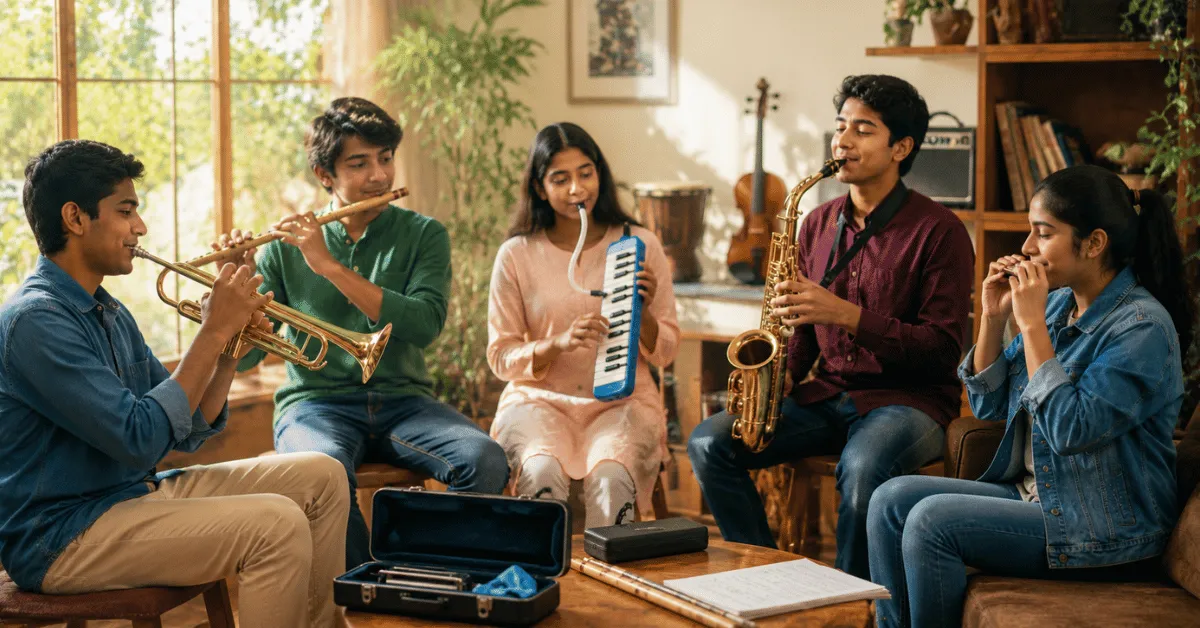
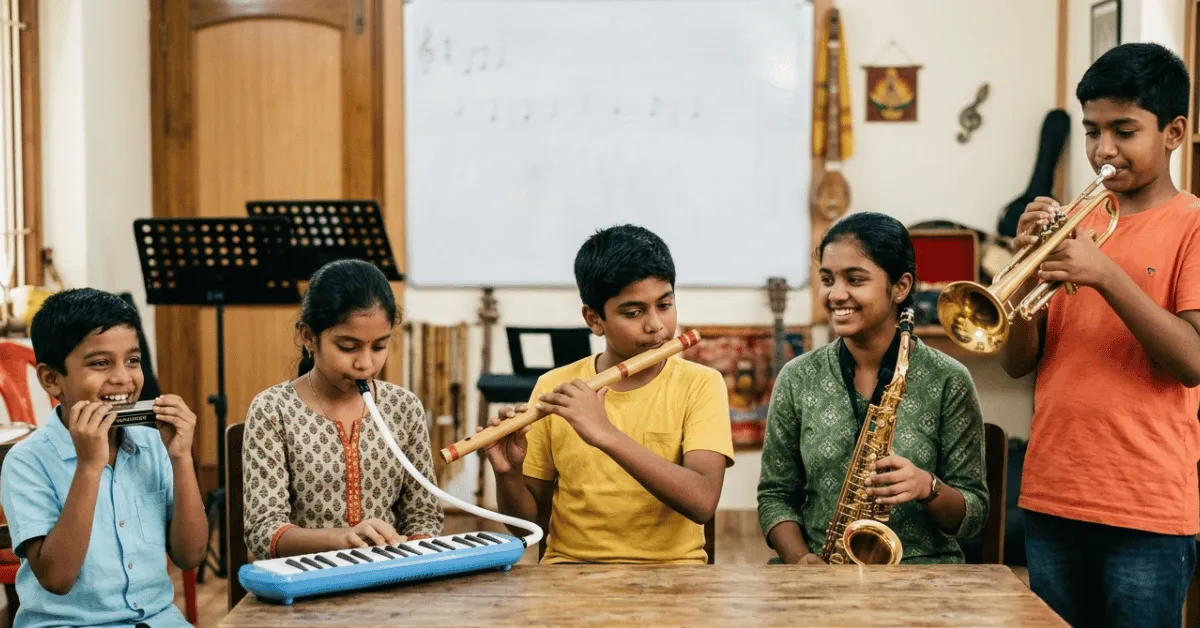
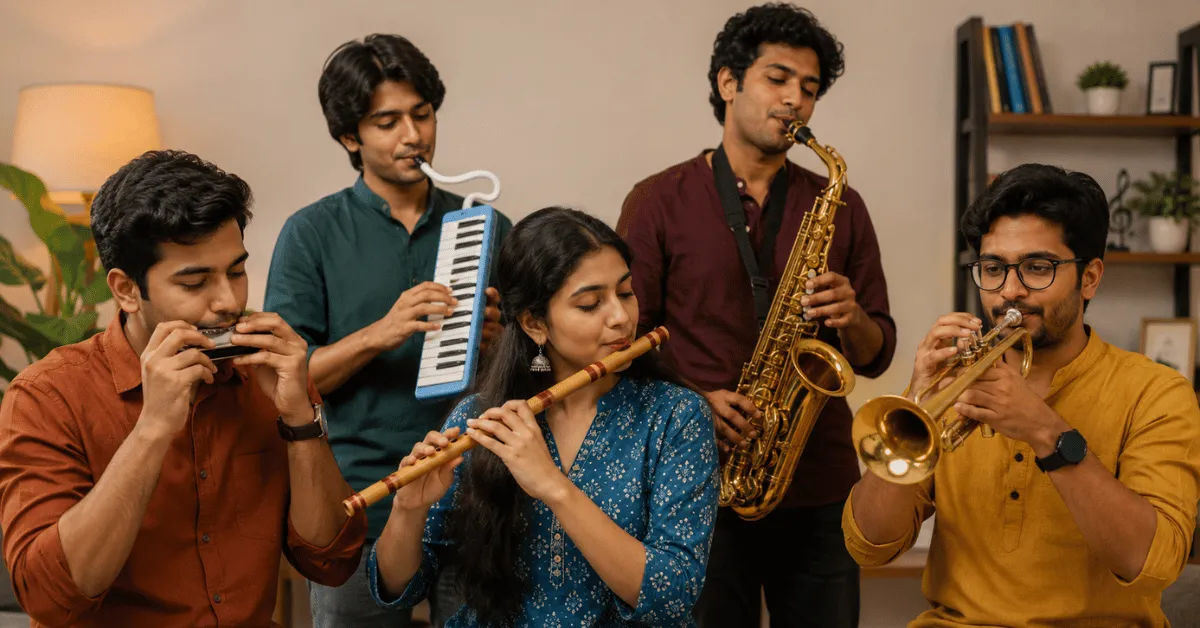
Learning a musical instrument is one of the most rewarding skills anyone can develop. Among all categories of instruments, wind instruments are often loved for their expressive sound, portability, and ability to improve breathing control and musical understanding. Many beginners in India are now exploring wind instruments because they are exciting to learn and suitable for both classical and modern music styles.
However, choosing the right beginner instrument is extremely important. Some instruments are easier to play, easier to maintain, and more affordable for first-time learners. Selecting the wrong instrument can make the learning process frustrating and discouraging.
This guide on the Top 5 Beginner-Friendly Wind Instruments to Learn will help students, parents, hobby learners, and aspiring musicians choose the best instrument according to comfort, budget, and learning speed.
1. Why Wind Instruments Are Great for Beginners
Wind instruments help improve several important skills beyond music itself.
Better breathing control
Improved concentration
Enhanced listening ability
Finger coordination
Musical timing and rhythm
Confidence during performance
2. Things Beginners Should Consider Before Choosing a Wind Instrument
2.1 Ease of Learning
Some instruments produce sound quickly, while others require advanced breath control.
2.2 Budget
Beginners do not always need expensive professional models.
2.3 Maintenance
Choosing a low-maintenance instrument makes learning easier.
2.4 Music Style
Different instruments suit different genres and learning goals.
2.5 Availability of Teachers
Choosing an instrument with easily available teachers in India helps beginners learn faster.
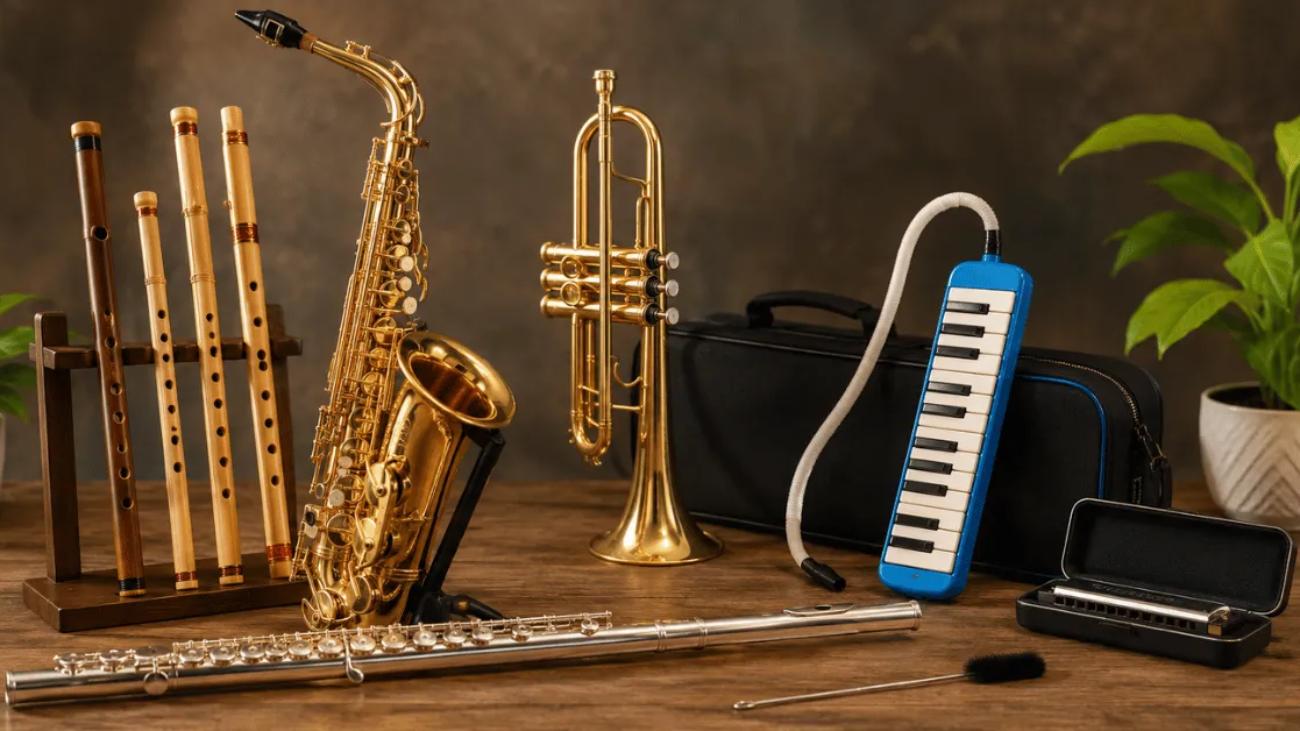
3. Top 5 Beginner-Friendly Wind Instruments to Learn
The best instrument depends on personal interest and musical goals.
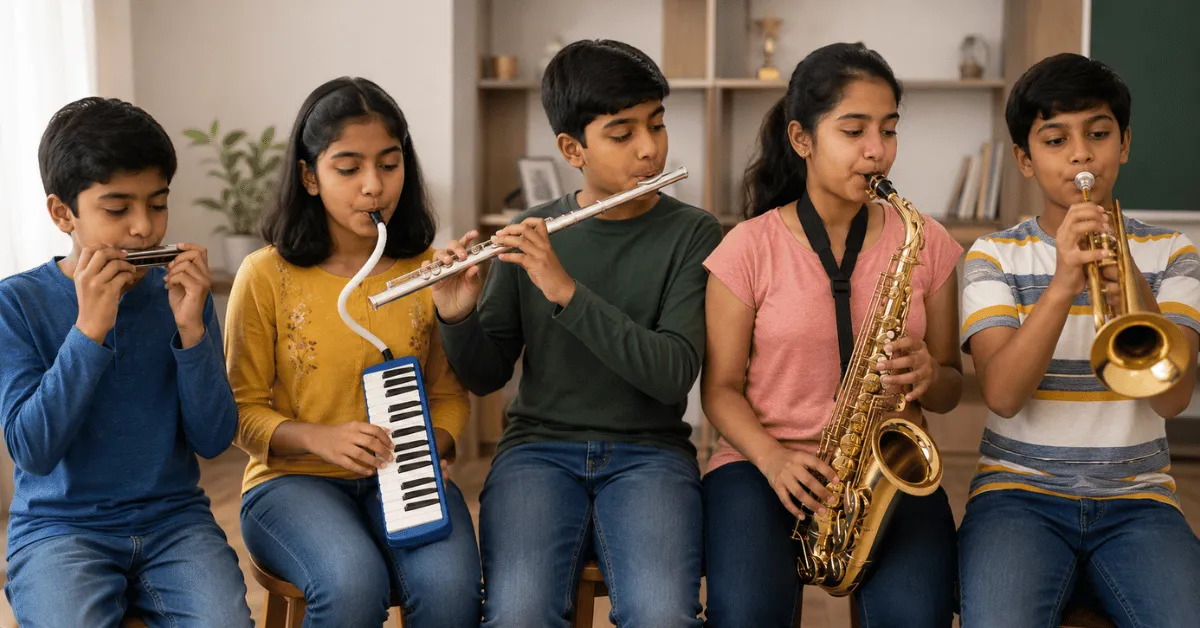
5. Best Wind Instruments for Children
Children usually learn better with:
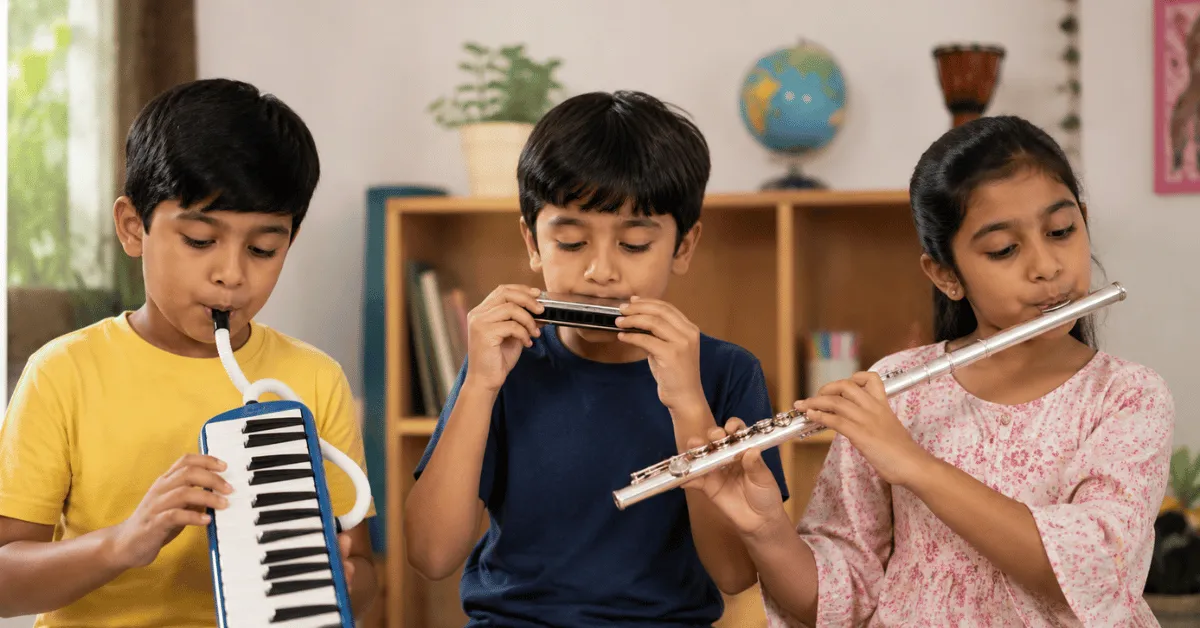
Melodica
Harmonica
Beginner flute
6. Best Wind Instruments for Adults
Adults often prefer:
Flute
Saxophone
Trumpet
because of their deeper musical possibilities.
7. How Much Should Beginners Spend on Wind Instruments in India?
Approximate beginner pricing:
Harmonica: ₹500 – ₹3000
Melodica: ₹2000 – ₹7000
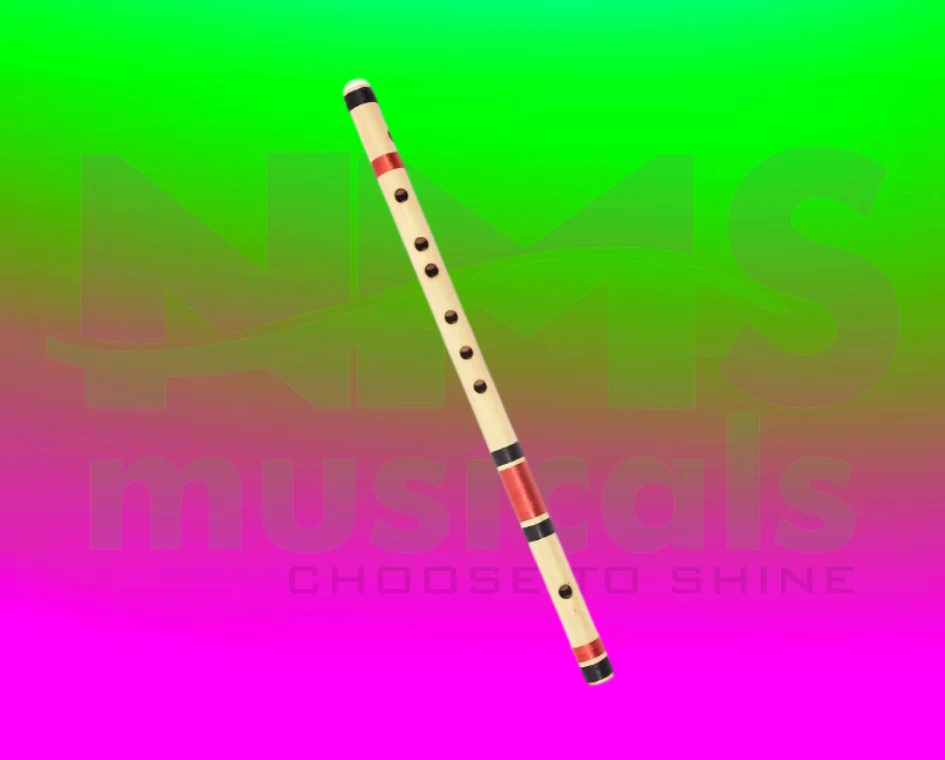
Bamboo Flute: ₹500 – ₹5000
Beginner Saxophone: ₹25,000 – ₹70,000
Beginner Trumpet: ₹15,000 – ₹50,000
8. Why Buying from a Trusted Music Store Matters
A trusted music store helps with:
Genuine products
Expert guidance
Warranty support
Instrument testing
Better after-sales service
For beginners in Tamil Nadu and nearby regions, NMS Musicals in Pondicherry and Chennai offers reliable beginner-friendly instruments and expert assistance.
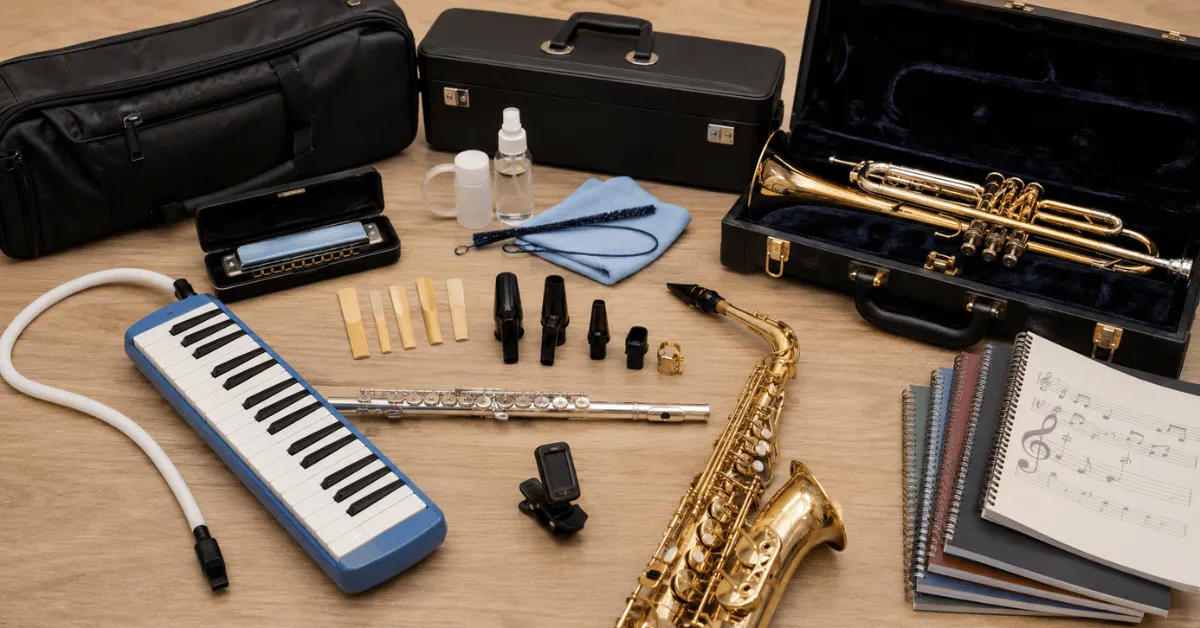
9. Essential Accessories for Wind Instrument Beginners
Beginners may also need:
Cleaning kits
Instrument cases
Reeds
Mouthpieces
Tuners
Music books
10. Tips to Learn Wind Instruments Faster
10.1 Practice Daily
Even 20 minutes daily can make a big difference.
10.2 Focus on Breath Control
Good airflow improves sound quality.
10.3 Learn Basic Music Theory
Understanding rhythm and notes helps faster progress.
10.4 Use Quality Instruments
Good instruments improve comfort and tuning accuracy.
10.5 Be Patient
Consistency is more important than speed.
Conclusion
The Top 5 Beginner-Friendly Wind Instruments to Learn mentioned in this guide are excellent starting points for students, hobby learners, and aspiring musicians across India.
If you want something simple and affordable, the harmonica or melodica can be perfect. If you love expressive melodies, the flute offers an incredible experience. For learners interested in stage performance and long-term musical growth, the saxophone and trumpet provide exciting opportunities.
If you are searching for trusted beginner wind instruments and expert guidance, visit NMS Musicals in Pondicherry and Chennai for genuine products and beginner-friendly recommendations.
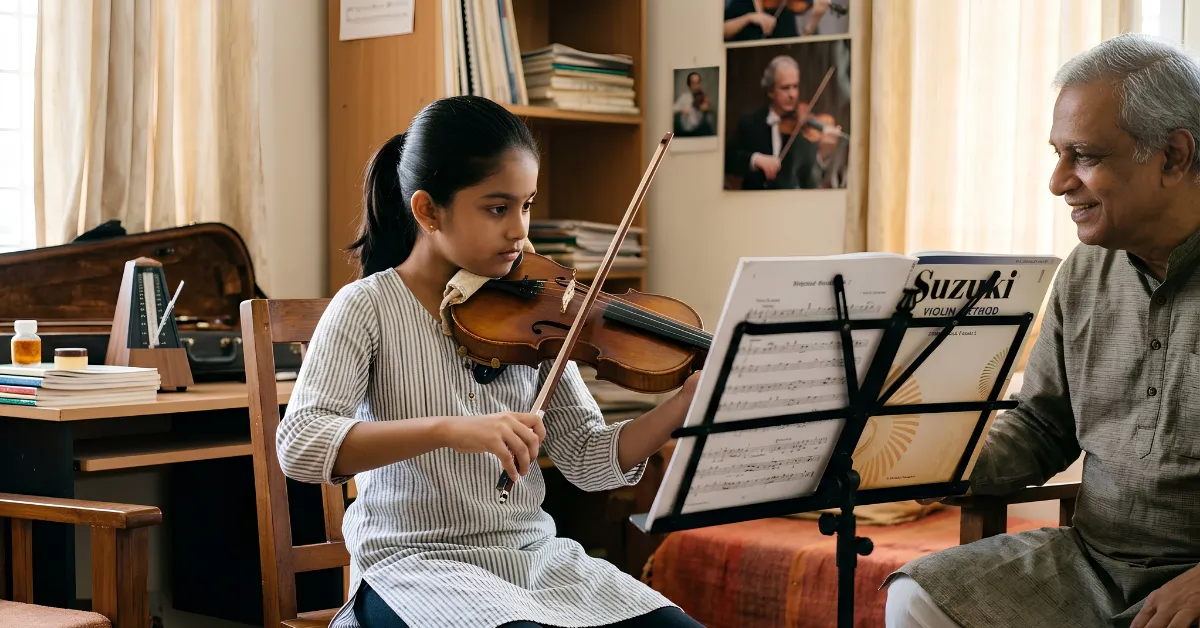
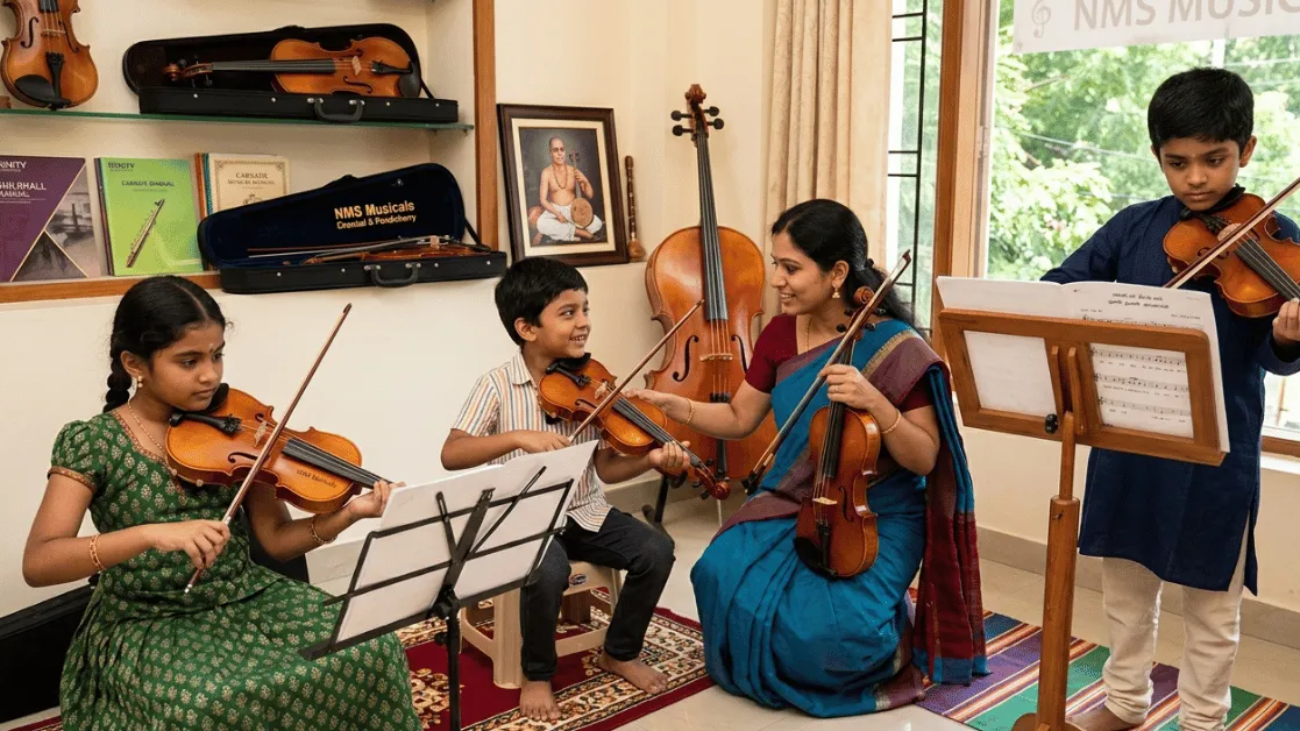
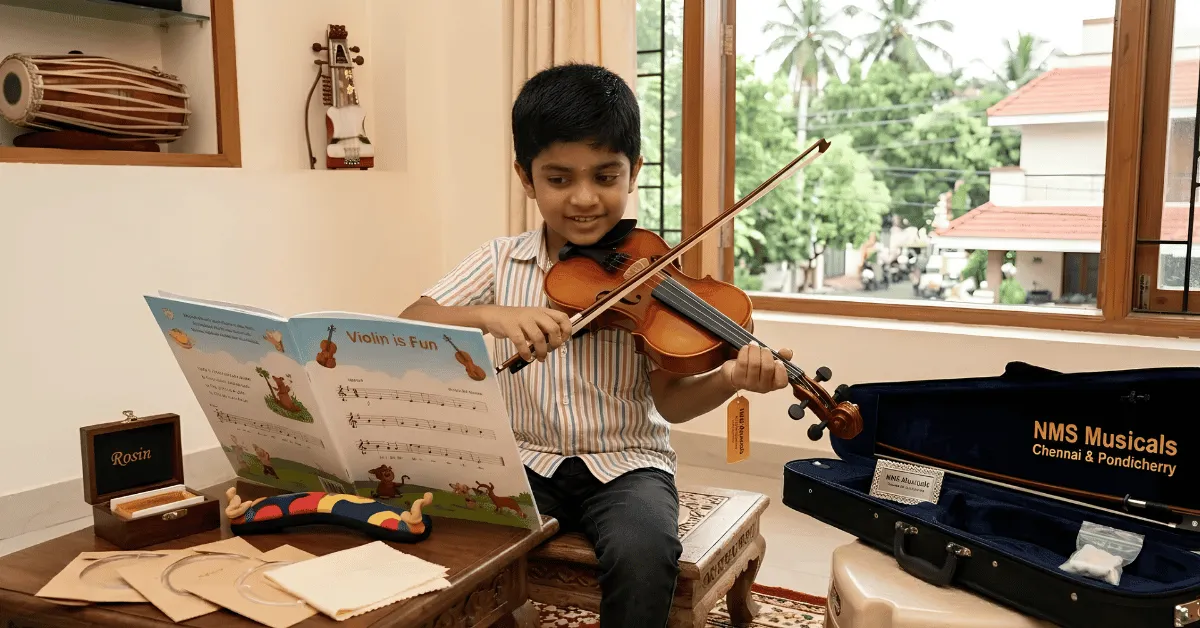
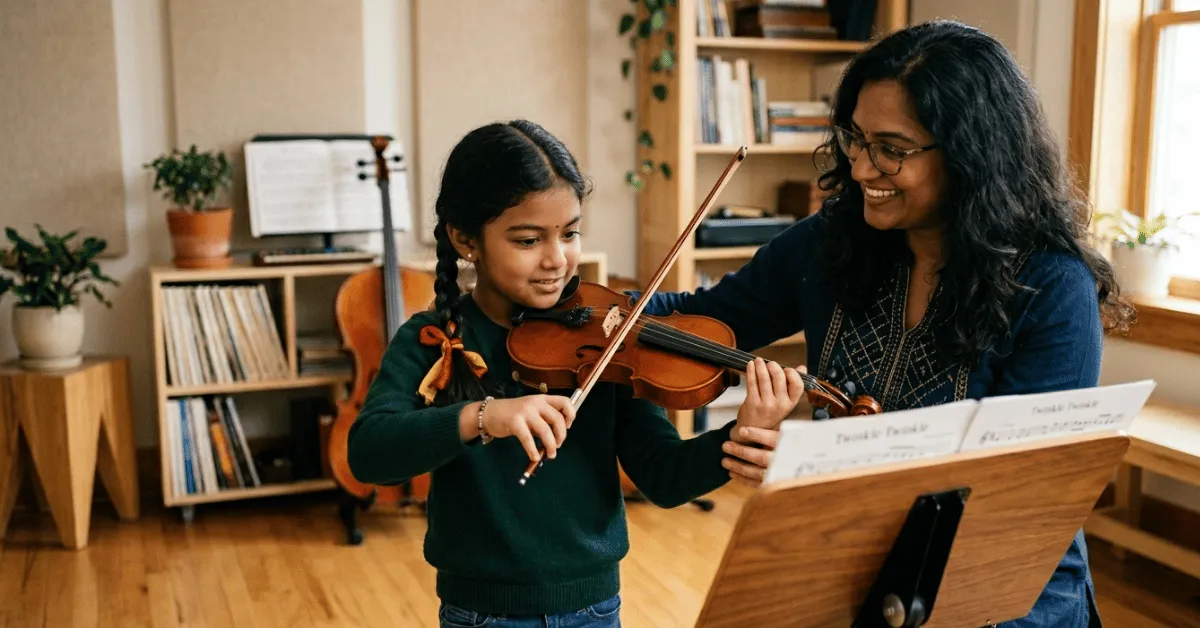
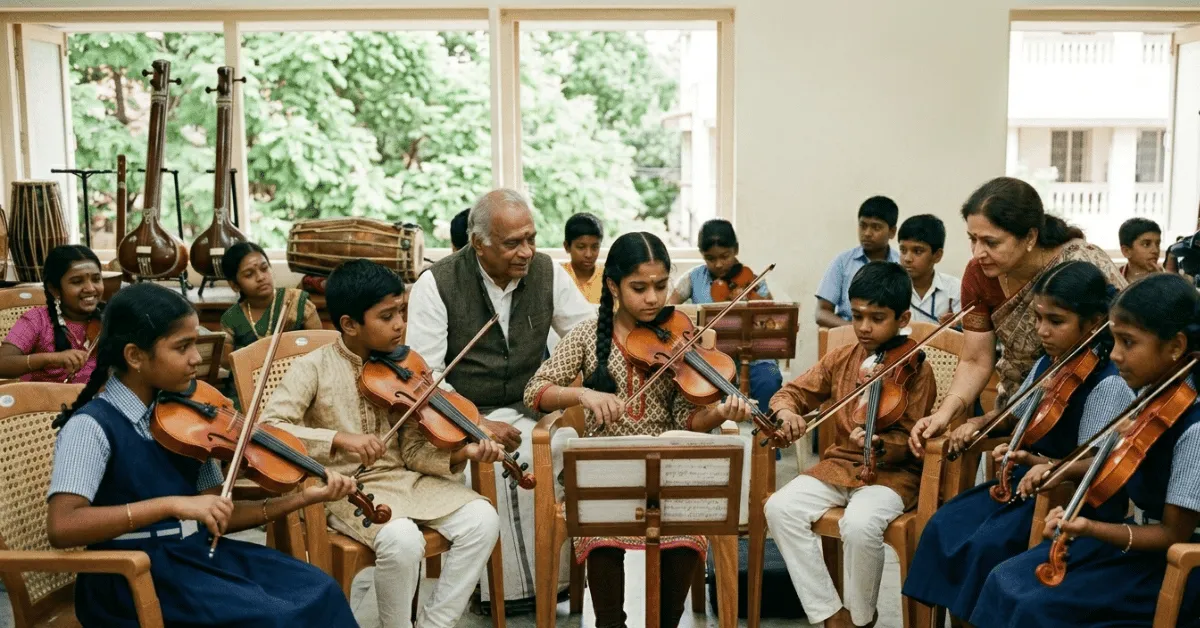
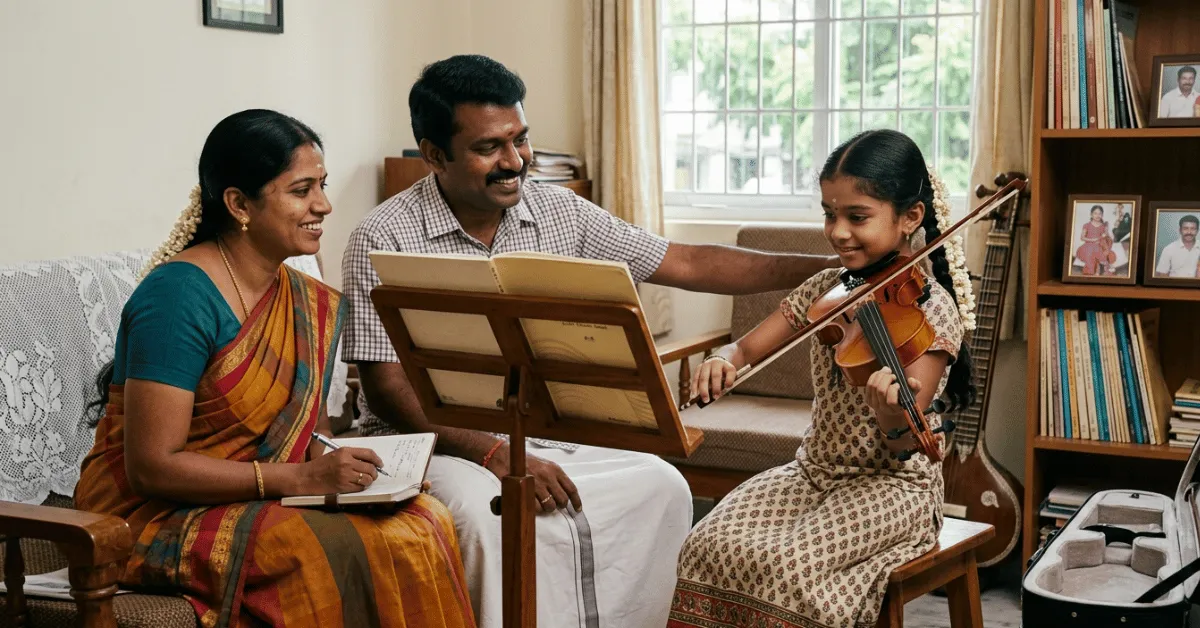
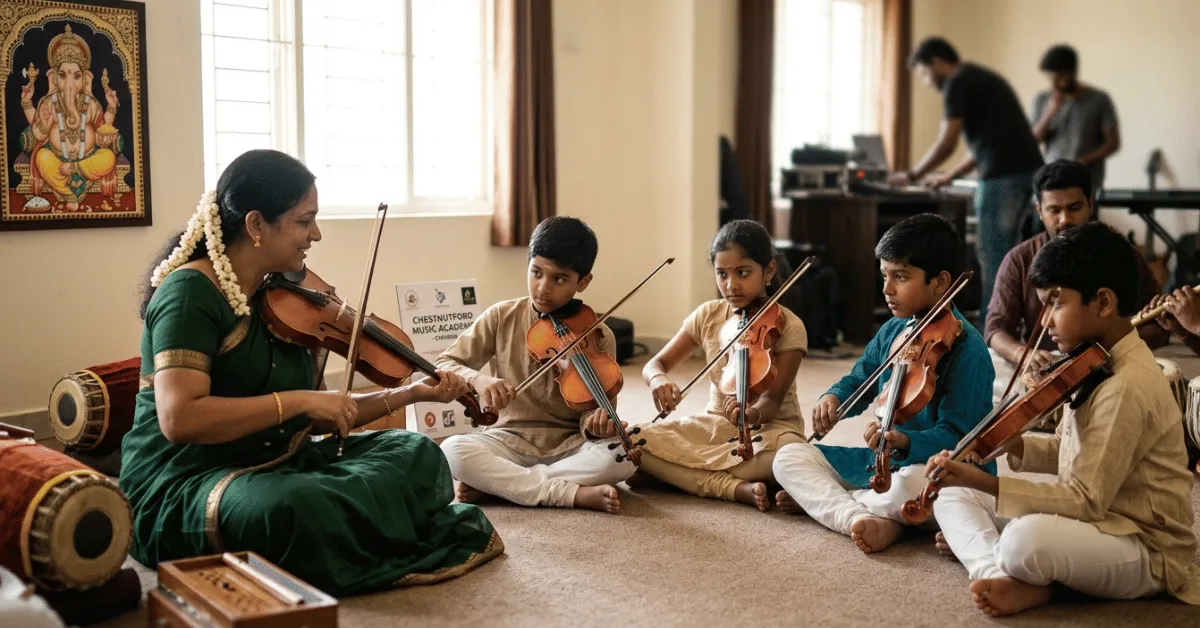
The demand for violin learning among children in India has increased rapidly in recent years, especially in cities like Chennai where music is deeply connected with culture and education. Parents are actively searching for the Best Violin Lessons for Kids in Chennai because they understand the value of music education in improving creativity, discipline, focus, and confidence in children.
The violin is one of the most expressive and versatile musical instruments. Whether your child wants to learn Carnatic music, Western classical music, film songs, or fusion music, violin training can create a strong musical foundation from an early age. Chennai, being one of India’s cultural capitals, offers many opportunities for children to learn violin professionally.
However, choosing the right violin lessons is not always easy. Parents often struggle to decide between online and offline classes, group and individual training, or Carnatic and Western violin styles. The quality of teachers, learning environment, and instruments also play a major role in a child’s musical journey.
In this detailed guide, we will explore everything parents need to know about choosing the Best Violin Lessons for Kids in Chennai. We will also discuss how selecting the right violin and music store can make learning easier and more enjoyable for children.
1. Why Violin Lessons Are Beneficial for Kids
Violin learning offers many long-term benefits beyond music itself. Children who learn violin often develop better concentration, patience, and emotional expression.
Improves Brain Development
Studies have shown that learning music can improve memory, coordination, and cognitive skills. Playing the violin requires children to use both hands simultaneously while reading notes and listening carefully to pitch and rhythm.
Builds Discipline and Patience
Violin is not an instrument that can be mastered overnight. Regular practice teaches children consistency and patience. These habits often help them academically and personally.
Boosts Creativity and Confidence
Performing in front of teachers, classmates, or audiences helps children overcome stage fear and build self-confidence. Music also encourages creativity and emotional expression.
Enhances Listening Skills
Violin students learn to identify pitch, rhythm, and tonal quality. This sharpens their listening ability and musical understanding.
Supports Emotional Growth
Music can help children express emotions positively. Many parents notice that children become calmer and more focused after starting violin lessons.
2. Why Chennai Is a Great Place for Learning Violin
Chennai is known for its rich musical heritage and strong classical music culture. The city offers excellent opportunities for children interested in learning violin.
Strong Carnatic Music Tradition
Chennai is famous for Carnatic music, and violin plays a major role in classical performances. Many experienced Carnatic violin teachers are based in the city.
Growing Interest in Western Music
Apart from classical music, many schools and academies in Chennai also teach Western violin. Children can learn orchestral music, Trinity syllabus, and modern violin styles.
Availability of Experienced Teachers
The city has many professional violin trainers who teach beginners as well as advanced students. Parents can find teachers for both online and offline classes.
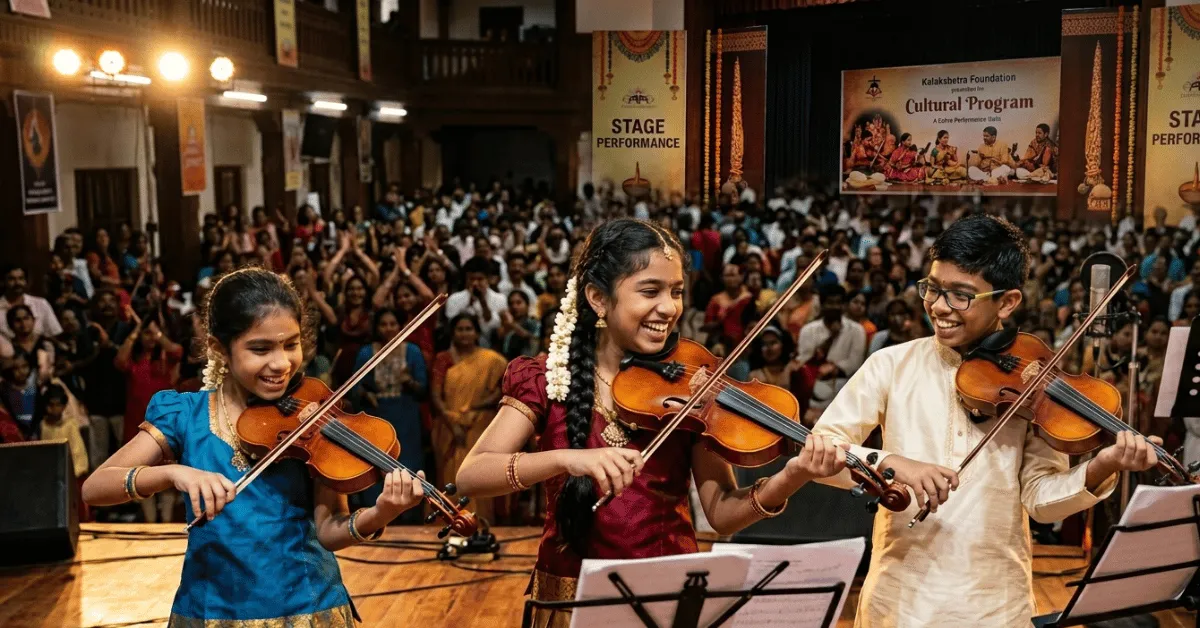
Music Events and Competitions
Children in Chennai get opportunities to participate in music festivals, school competitions, and cultural programs. These experiences help improve performance skills.
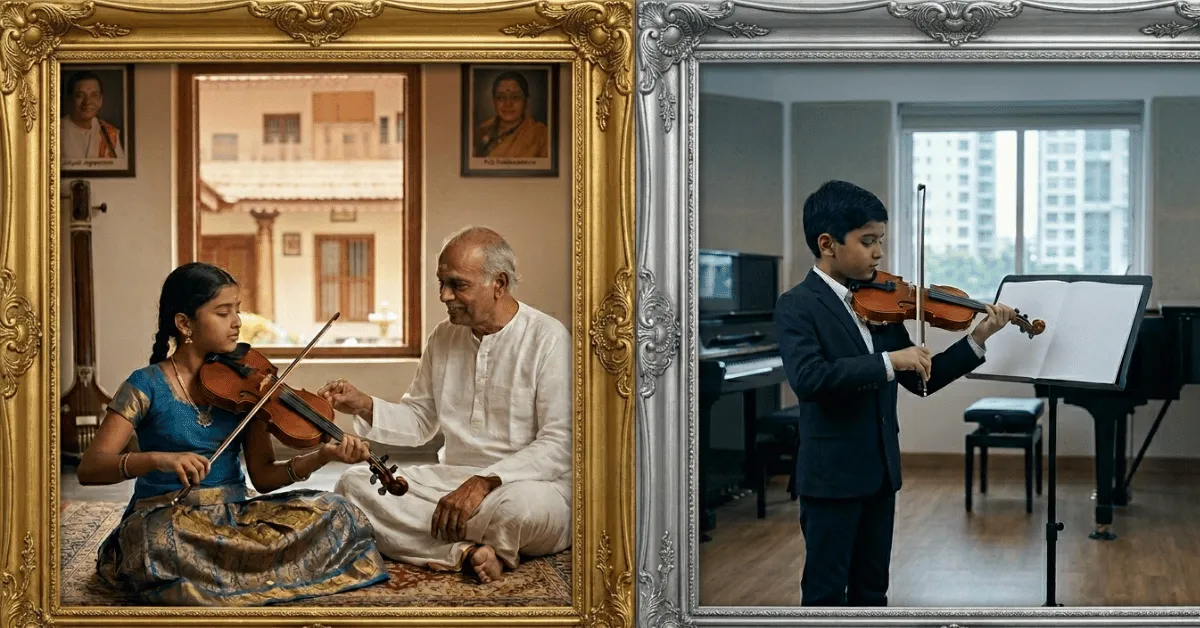
3. Choosing Between Carnatic and Western Violin
One of the biggest decisions parents face is choosing between Carnatic violin and Western violin lessons.
Carnatic Violin
Carnatic violin focuses on Indian classical music traditions. Students learn ragas, swaras, and classical compositions.
Benefits of Carnatic Violin
Strong foundation in Indian classical music
Improves listening and improvisation skills
Helps children participate in Indian cultural programs
Excellent for devotional and traditional music
Western Violin
Western violin training focuses on staff notation, orchestral playing, and classical Western compositions.
Benefits of Western Violin
Structured international syllabus
Opportunity for global music certifications
Suitable for orchestras and bands
Builds music reading skills
Which One Is Better for Kids?
Both styles are excellent. The best choice depends on your child’s interests and future goals. Some children even learn both styles together.
4. What to Look for in the Best Violin Lessons for Kids in Chennai
Not all violin classes provide the same quality of training. Parents should carefully evaluate different factors before enrolling their child.
Experienced and Patient Teachers
Children need teachers who are patient, motivating, and skilled at handling beginners.
Structured Curriculum
A good violin course should include:
Basic posture
Bow control
Finger exercises
Rhythm training
Simple songs
Performance preparation
Child-Friendly Teaching Methods
Young children learn better through fun activities, games, and interactive lessons.
Regular Practice Guidance
Teachers should guide parents and students on proper practice routines at home.
Performance Opportunities
Stage performances help children gain confidence and practical experience.
5. Ideal Age to Start Violin Lessons
Many parents wonder when children should start learning violin.
Best Starting Age
Most violin teachers recommend starting between the ages of 5 and 8. At this stage, children can understand instructions and develop hand coordination.
Can Older Kids Learn Violin?
Absolutely. Children above 10 years can also learn violin successfully with proper guidance and regular practice.
Early Learning Advantages
Faster muscle memory development
Better listening skills
Long-term musical growth
Greater adaptability
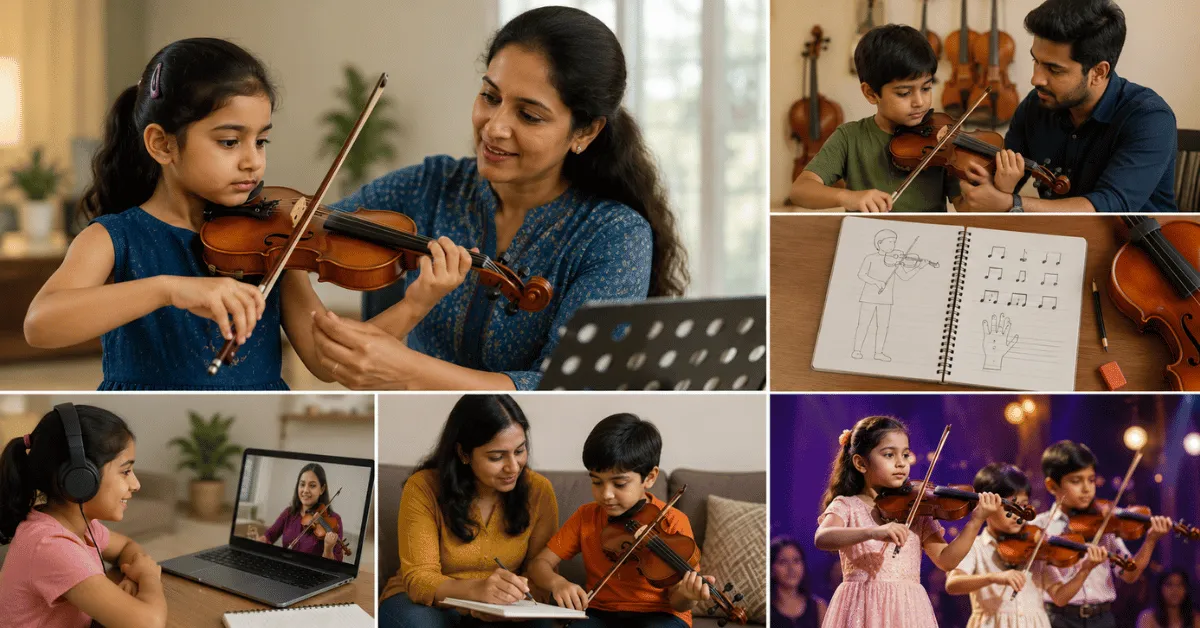
6. Online vs Offline Violin Classes
Both online and offline violin lessons have advantages.
Offline Violin Classes
Offline classes allow direct interaction with teachers and easier posture correction.
Advantages
Better teacher observation
Easier group learning
Improved discipline
Strong classroom environment
Online Violin Classes
Online learning has become popular across India.
Advantages
Flexible schedules
Learn from home
Access to teachers from different cities
Convenient for busy parents
Which Is Better for Kids?
For very young children, offline lessons are often more effective. Older children can benefit from both online and offline learning.
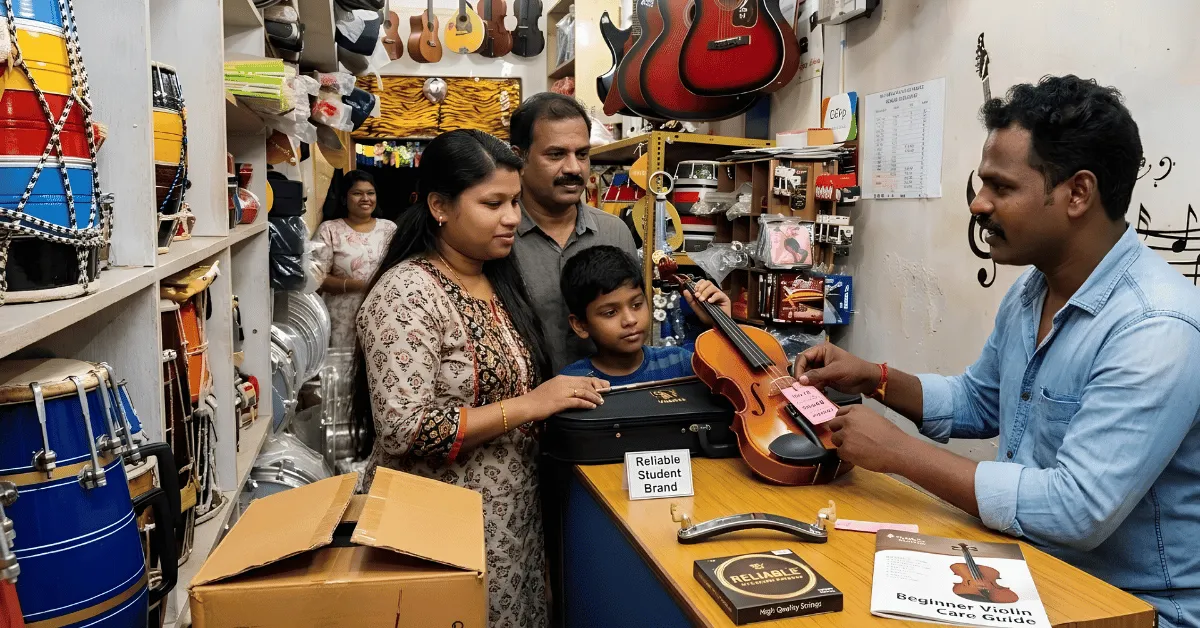
Parents looking for quality violins and accessories can explore NMS Musicals. The store offers violins for beginners and advanced learners along with music accessories and guidance for students.
You can also visit the Chennai branch and Pondicherry branch of NMS Musicals for assistance in choosing the right violin for kids.
8. Practice Tips for Kids Learning Violin
Regular practice is essential for improvement.
Create a Fixed Practice Schedule
Children learn better when they practice at the same time every day.
Keep Practice Sessions Short
Young children do not need long practice sessions initially.
Recommended Practice Time
Beginners: 15–20 minutes
Intermediate students: 30–45 minutes
Advanced learners: 1 hour
Encourage Positive Motivation
Parents should appreciate effort rather than only focusing on perfection.
Use Fun Songs and Activities
Learning familiar tunes keeps children interested and motivated.
9. Common Challenges Kids Face While Learning Violin
Learning violin can be challenging initially.
Finger Pain
Beginners may experience finger discomfort at first, but this improves with practice.
Difficulty in Bow Control
Bow movement takes time to master. Patience and repetition are important.
Maintaining Pitch Accuracy
Unlike keyboard instruments, violin does not have fixed notes, so ear training is necessary.
Lack of Consistent Practice
Some children lose interest if practice becomes repetitive. Teachers and parents should make learning enjoyable.
10. How Parents Can Support Their Child’s Violin Journey
Parental support plays a huge role in musical success.
Attend Performances and Classes
Showing interest in your child’s progress boosts motivation.
Provide a Positive Environment
Encourage practice without creating pressure.
Invest in Quality Instruments
A reliable violin improves sound quality and learning experience.
Stay Connected With Teachers
Regular communication with teachers helps track progress effectively.
11. Benefits of Learning Violin in Indian Music Culture
In India, violin is widely used in:
Carnatic concerts
Devotional music
Film music
Orchestra performances
Fusion bands
Children learning violin gain exposure to both traditional and modern music styles.
12. Why Professional Music Stores Matter
Many beginners buy low-quality violins online without proper guidance. This can affect tuning stability, comfort, and overall learning experience.
Professional music stores help parents choose:
Correct violin size
Proper accessories
Reliable brands
Budget-friendly options
For parents in Chennai and Pondicherry, NMS Musicals Official Website is a trusted option for violins, accessories, and musical guidance.
13. Future Opportunities for Kids Learning Violin
Violin learning can open many opportunities for children.
Music Certifications
Students can appear for graded exams from recognized music institutions.
Stage Performances
Children can perform in:
School events
Music competitions
Cultural programs
Concerts
Professional Career Opportunities
Advanced violin students may later explore:
Music teaching
Session recording
Orchestra performance
Film music
Independent music creation
Conclusion
Finding the Best Violin Lessons for Kids in Chennai is an important step in helping children develop musical skills, creativity, confidence, and discipline. Chennai offers excellent opportunities for young violin learners through experienced teachers, strong musical culture, and access to quality instruments.
Parents should focus on choosing the right teacher, learning style, and violin size to ensure a positive learning experience for their child. Consistent practice, encouragement, and exposure to performances can help children enjoy music while building lifelong skills.
Whether your child wants to learn Carnatic violin, Western violin, or simply explore music as a hobby, starting early can create a strong foundation for future growth.
For parents searching for quality violins, accessories, and expert guidance in India, NMS Musicals in Chennai and Pondicherry can help students begin their violin journey with the right instruments and support.
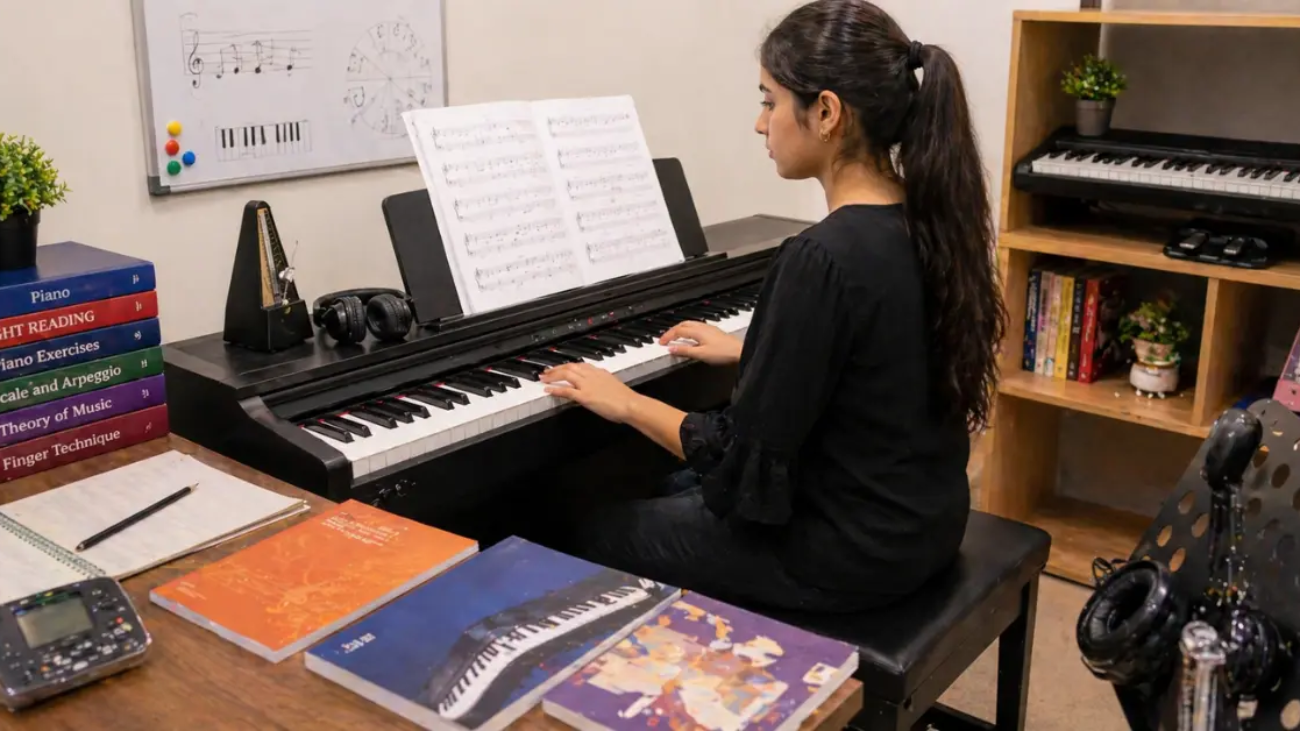
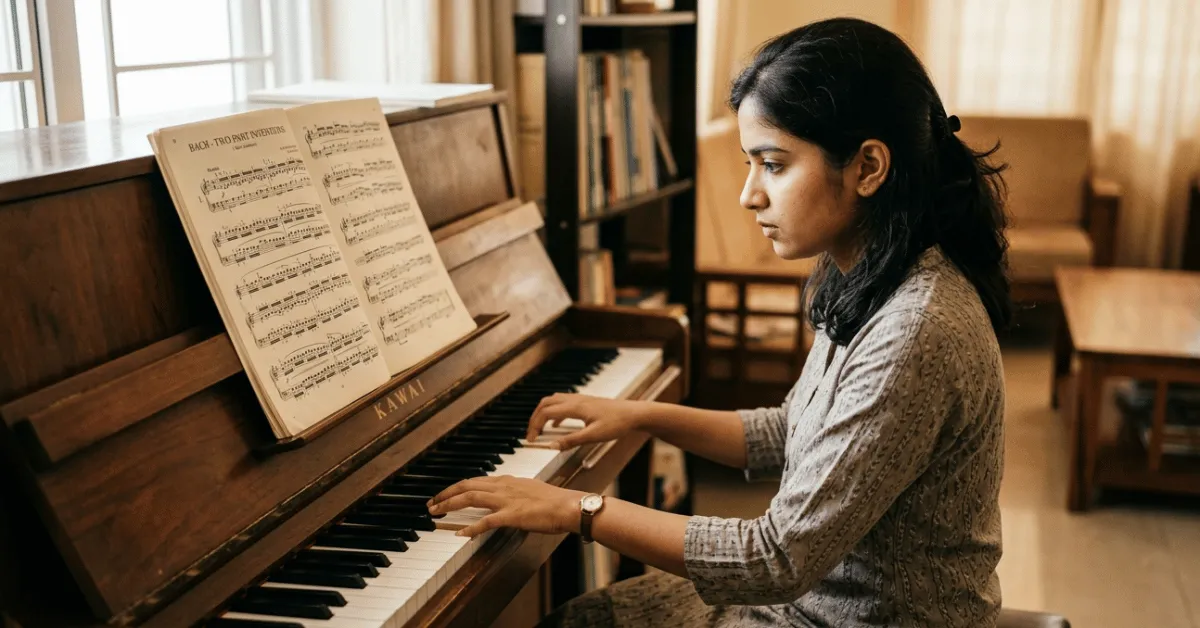
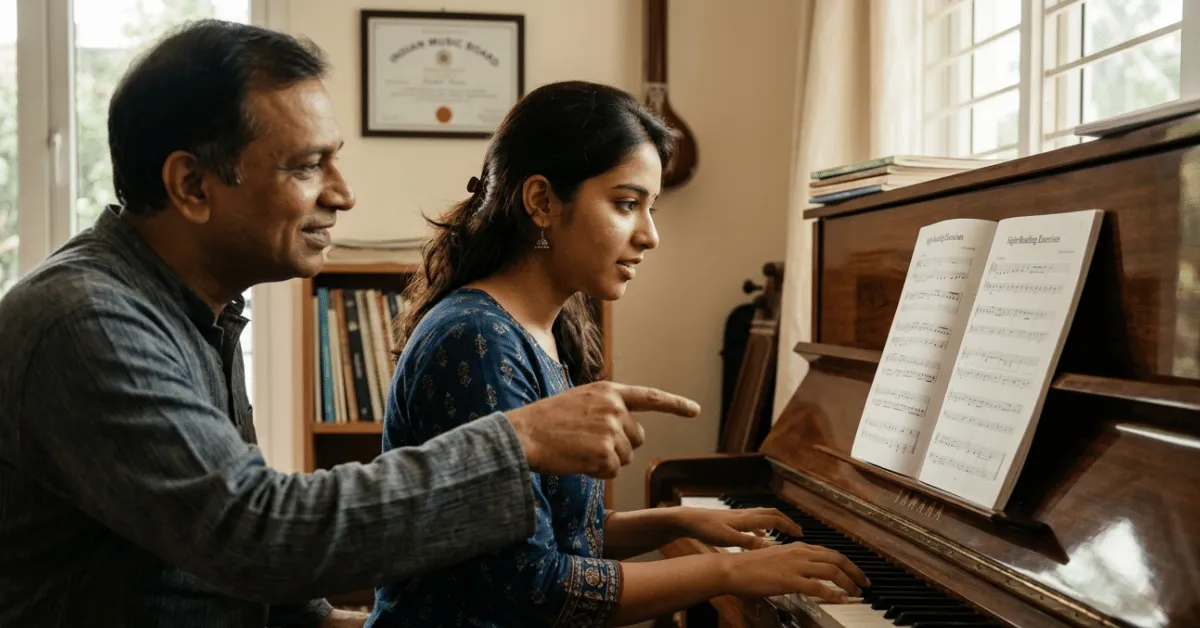
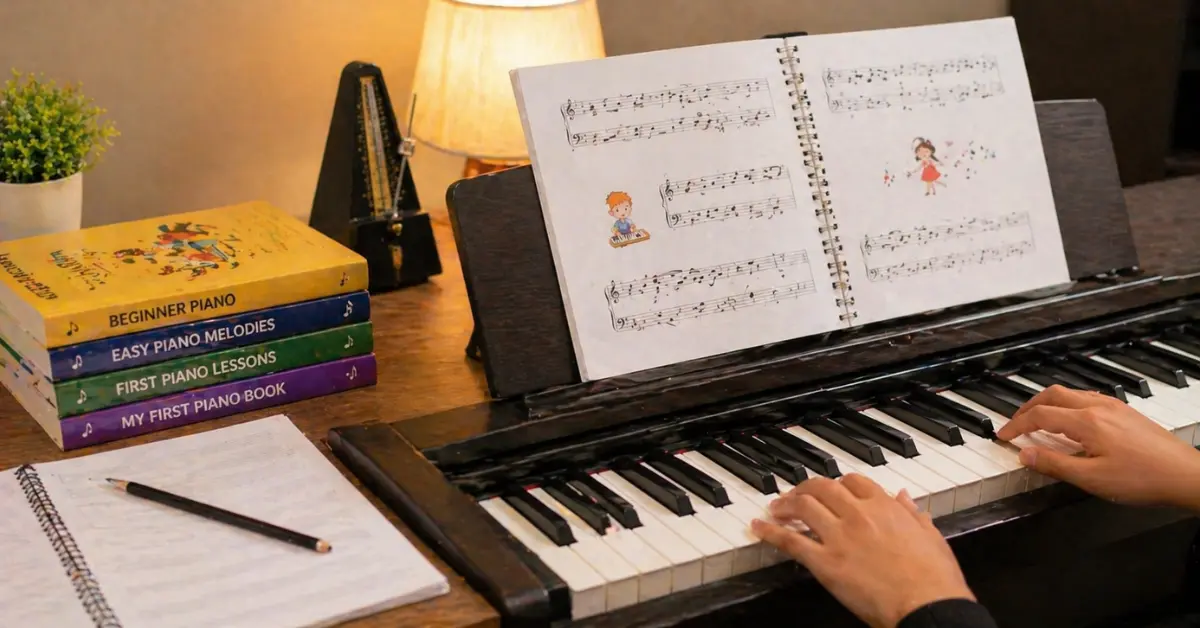
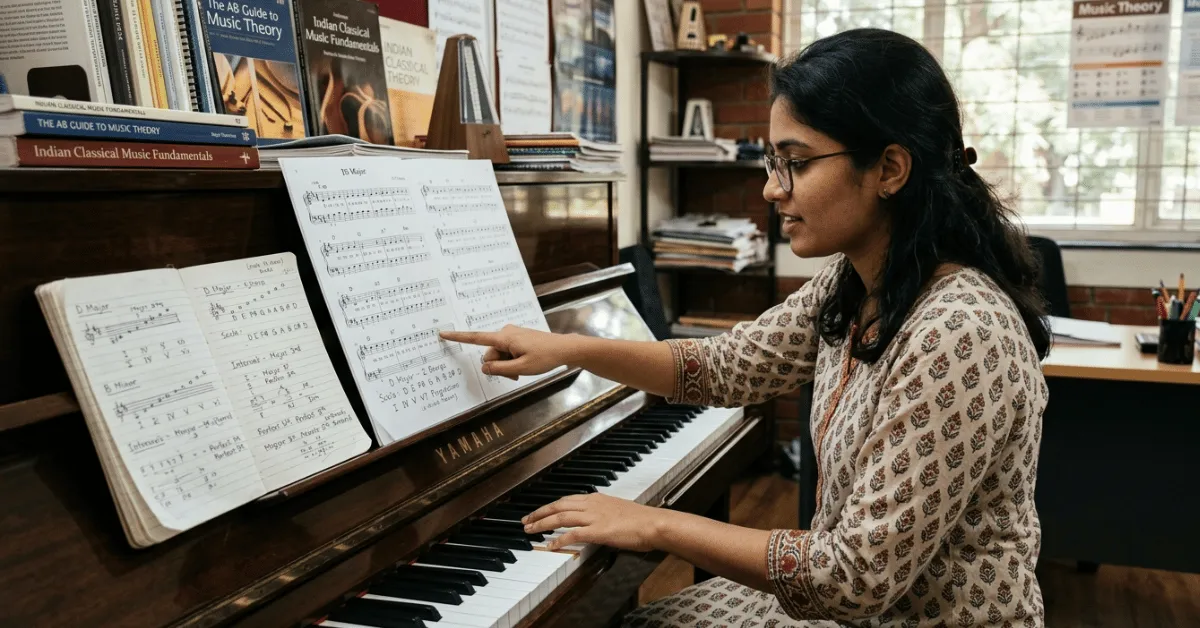
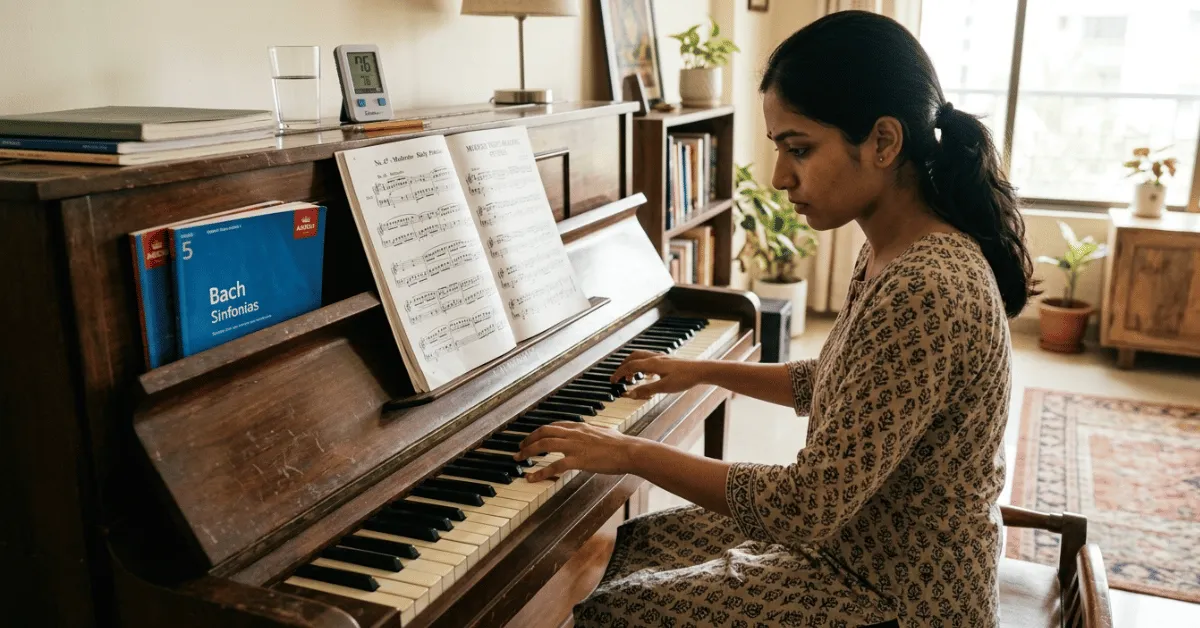
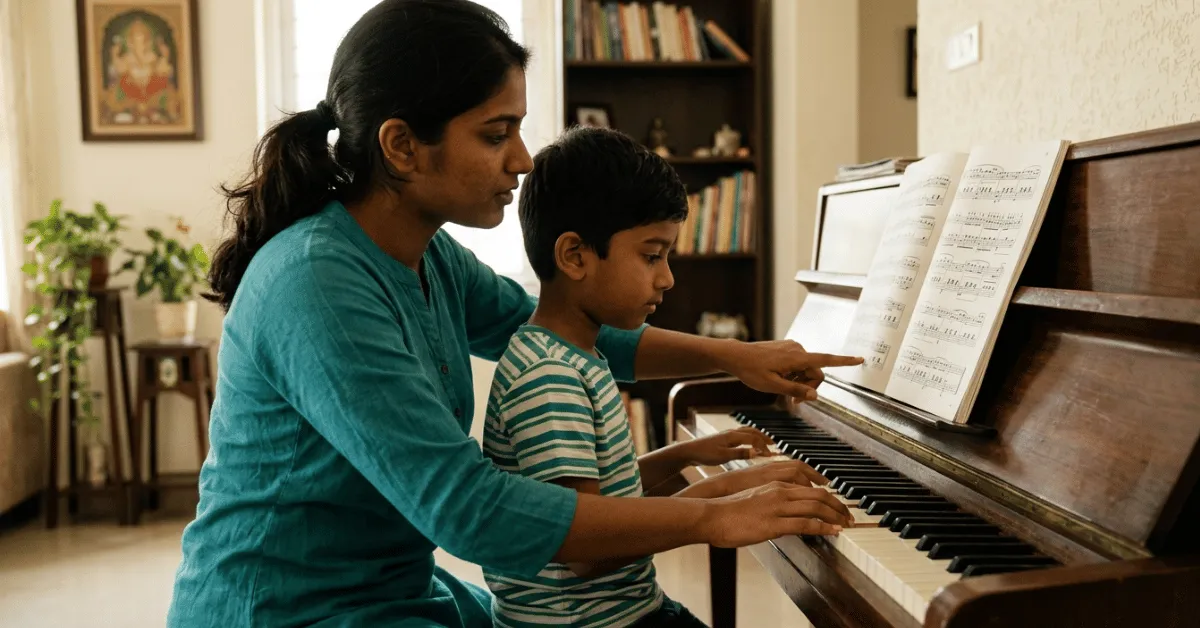
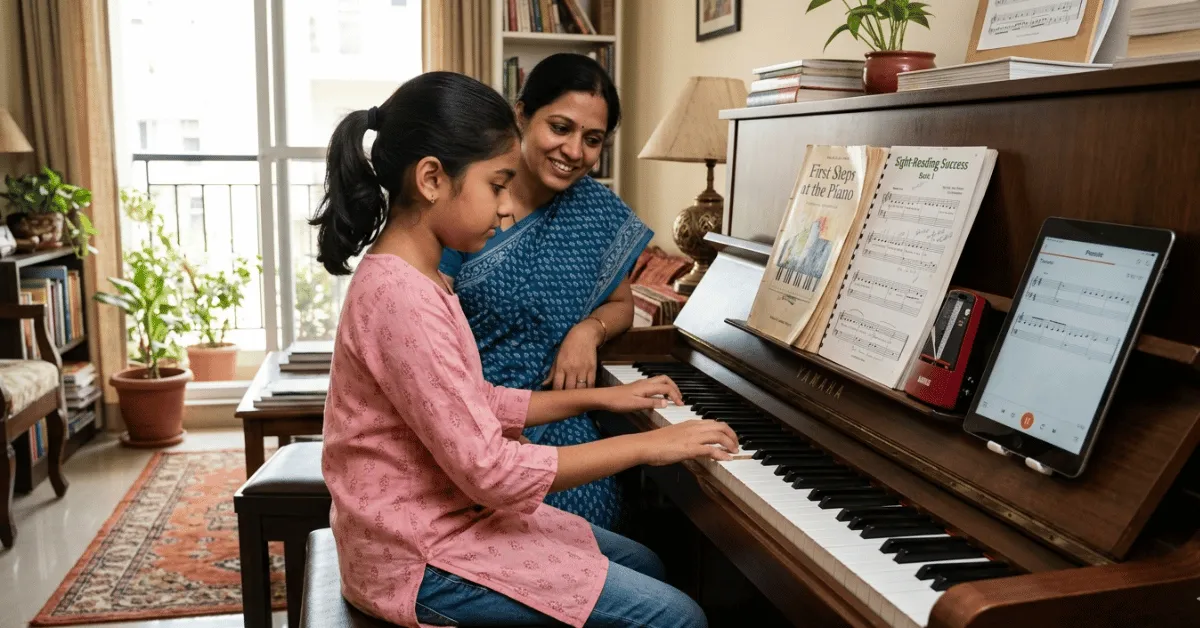
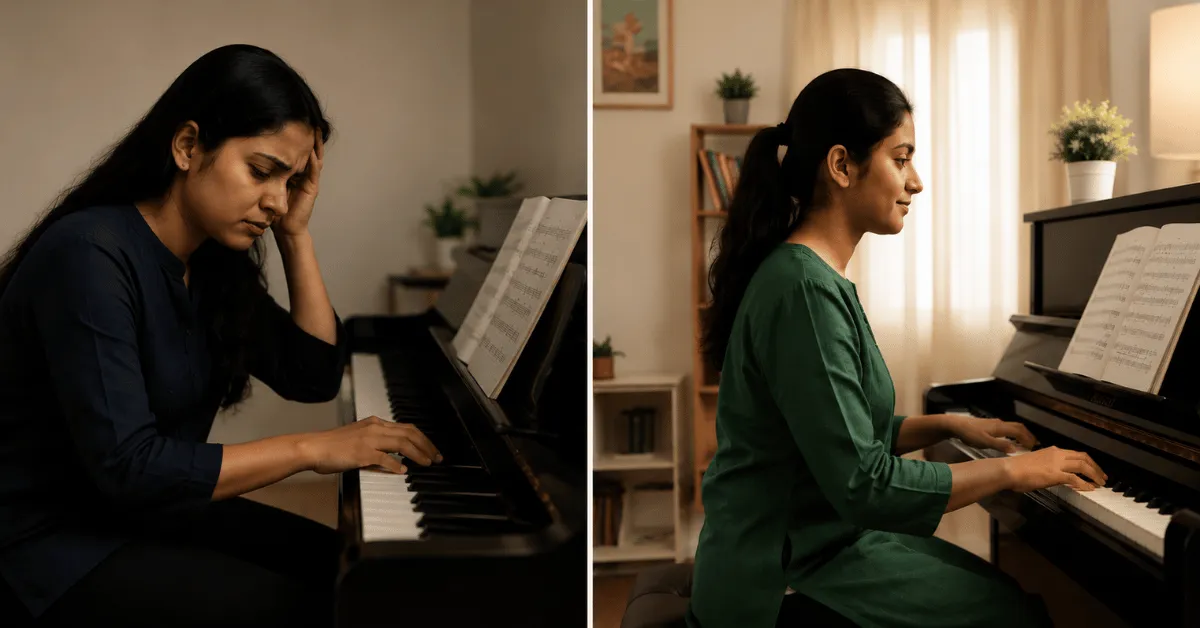
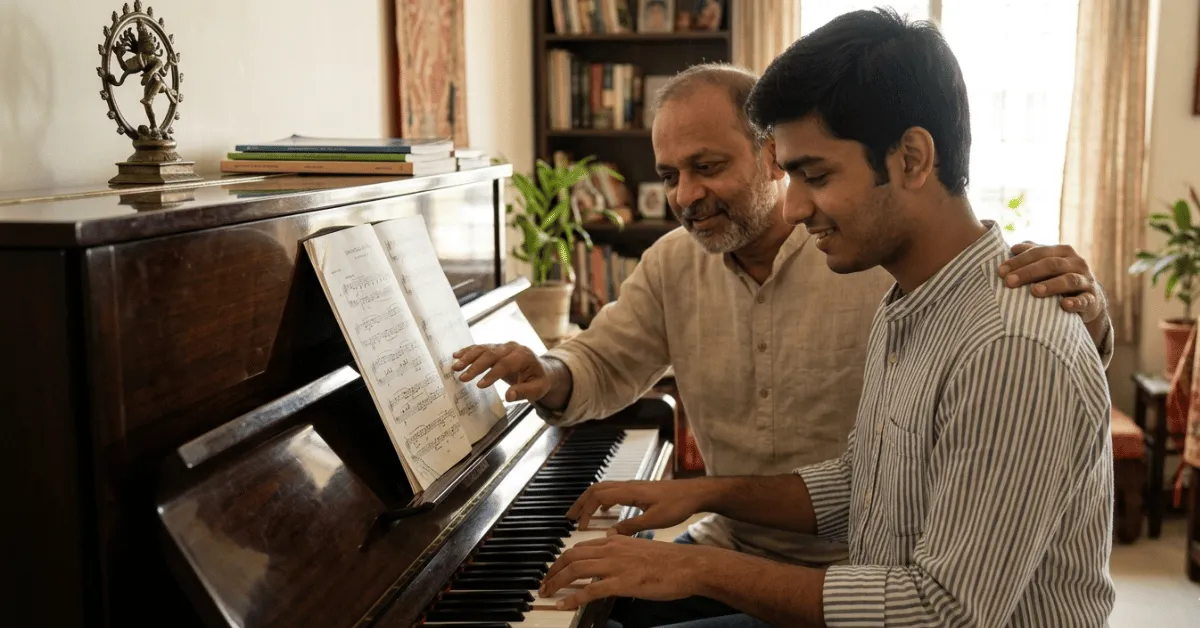
Sight-reading is one of the most important yet often overlooked skills for piano players. It is the ability to read and play a piece of music at first sight without prior practice. For many beginners, sight-reading can feel difficult and frustrating, but with the right approach, it becomes a powerful skill that improves overall musicianship.
Understanding how to improve your sight-reading skills for piano can help you play new songs faster, reduce practice time, and build confidence. Whether you are preparing for music exams, playing in a band, performing in church, or simply learning for fun, strong sight-reading skills can make your musical journey much smoother.
In India, where many students learn piano through Trinity, ABRSM, or private lessons, sight-reading is an essential part of exams and performances. Developing this skill early helps students progress faster and perform more confidently.
If you are looking for quality keyboards, pianos, and learning accessories, NMS Musicals in Pondicherry and Chennaioffers a wide range of instruments suitable for beginners and advanced players.
1. What is Sight-Reading in Piano
Sight-reading is the ability to play a piece of music by reading it for the first time. It involves understanding musical notation, rhythm, tempo, and hand coordination simultaneously. Unlike memorized playing, sight-reading requires quick thinking and real-time decision-making. Key elements involved in sight-reading include:
Note recognition
Rhythm accuracy
Hand coordination
Timing and tempo control
Musical expression Improving these elements together helps you become a better sight-reader.
2. Why Sight-Reading is Important
Many piano learners focus only on memorizing songs, but sight-reading offers several long-term benefits.
Faster learning of new songs You can play new music quickly without spending hours memorizing notes.
Better understanding of music theory Sight-reading strengthens your knowledge of notes, scales, and rhythms.
Increased confidence You can perform unfamiliar pieces without fear.
Essential for exams and performances Sight-reading is a key component in music certification exams in India. Developing this skill early gives you a strong advantage in your musical journey.
3. Start with Simple Music
One of the biggest mistakes beginners make is trying to sight-read difficult pieces too early. Start with simple music that matches your skill level. This helps you build confidence and accuracy. Tips for starting simple:
Choose beginner-level books
Practice easy melodies
Focus on slow tempo
Avoid complex rhythms initially As your skills improve, gradually move to more challenging pieces.
4. Learn to Recognize Patterns Instead of Individual Notes
Reading music note-by-note is slow and inefficient. Instead, train your brain to recognize patterns such as chords, intervals, and scales. Benefits of pattern recognition:
Faster reading speed
Improved accuracy
Better hand positioning For example, instead of reading three separate notes, recognize them as a chord shape. This reduces mental effort and increases playing speed.
5. Keep Your Eyes on the Sheet Music
Many beginners look at their hands while playing, which slows down sight-reading. Train yourself to keep your eyes on the sheet music as much as possible. Tips to improve this habit:
Practice without looking at the keyboard
Use peripheral vision for hand placement
Start with slow exercises Over time, this will help you play more confidently without relying on visual hand guidance.
6. Practice Rhythm Separately
Rhythm is a crucial part of sight-reading. Even if you play the correct notes, poor rhythm can make the music sound incorrect. Practice rhythm separately by:
Clapping the rhythm before playing
Using a metronome
Counting beats out loud
Practicing with simple time signatures Strong rhythm skills make sight-reading smoother and more accurate.
A metronome helps you maintain a steady tempo while sight-reading. Start at a slow speed and gradually increase tempo as you improve. Benefits of using a metronome:
Improves timing
Builds consistency
Prevents rushing or slowing down Consistency is more important than speed when learning sight-reading.
8. Do Not Stop When You Make Mistakes
One of the most important rules of sight-reading is to keep going even if you make mistakes. Stopping frequently breaks the flow and makes sight-reading ineffective. Tips to handle mistakes:
Ignore small errors
Focus on staying in rhythm
Continue playing without stopping This approach helps simulate real performance situations and improves confidence.
9. Practice Sight-Reading Daily
Sight-reading improves with regular practice. Even 10 to 15 minutes daily can make a big difference. Effective practice routine:
Choose a new piece daily
Play it once or twice only
Avoid memorizing the piece
Move to a new piece the next day Consistency is the key to mastering sight-reading skills.
10. Improve Your Music Theory Knowledge
Understanding music theory makes sight-reading easier. When you know scales, chords, and key signatures, you can predict upcoming notes. Important theory concepts include:
Key signatures
Time signatures
Chord progressions
Scales and intervals Learning theory alongside practice accelerates your progress.
11. Use Both Hands from the Beginning
Many beginners practice sight-reading with one hand only. While this can be helpful initially, it is important to practice with both hands as soon as possible. Benefits of two-hand practice:
Improves coordination
Prepares you for real pieces
Enhances overall playing ability Start slowly and gradually build coordination between both hands.
12. Choose the Right Learning Tools in India
Having the right learning tools can make sight-reading practice more effective. Useful tools include:
Beginner piano books
Sight-reading exercise books
Digital keyboards with built-in lessons
Metronomes and practice apps
If you are in South India, you can visit NMS Musicals in Pondicherry and Chennaito explore keyboards, digital pianos, and learning accessories. The store offers instruments suitable for beginners, students, and professional musicians.
13. Common Mistakes to Avoid
Avoiding common mistakes can speed up your progress.
Playing too fast
Looking at hands constantly
Ignoring rhythm
Practicing the same piece repeatedly
Getting discouraged by mistakes Stay patient and focus on gradual improvement.
Conclusion
Learning how to improve your sight-reading skills for piano is a valuable step toward becoming a confident and skilled musician. Sight-reading allows you to explore new music easily, perform with confidence, and develop a deeper understanding of musical notation.
By starting with simple music, recognizing patterns, practicing rhythm, and maintaining consistency, you can gradually improve your sight-reading ability. Remember that mistakes are part of the learning process, and regular practice is the key to success.
For piano learners in India, especially those preparing for exams or performances, strong sight-reading skills can make a significant difference in progress and confidence.
If you are looking for quality keyboards, digital pianos, and learning accessories, you can visit NMS Musicals in Pondicherry and Chennai. The store provides a wide range of instruments and expert guidance to support your musical journey.
With dedication and the right practice methods, you can master sight-reading and unlock a whole new level of musical freedom and creativity.
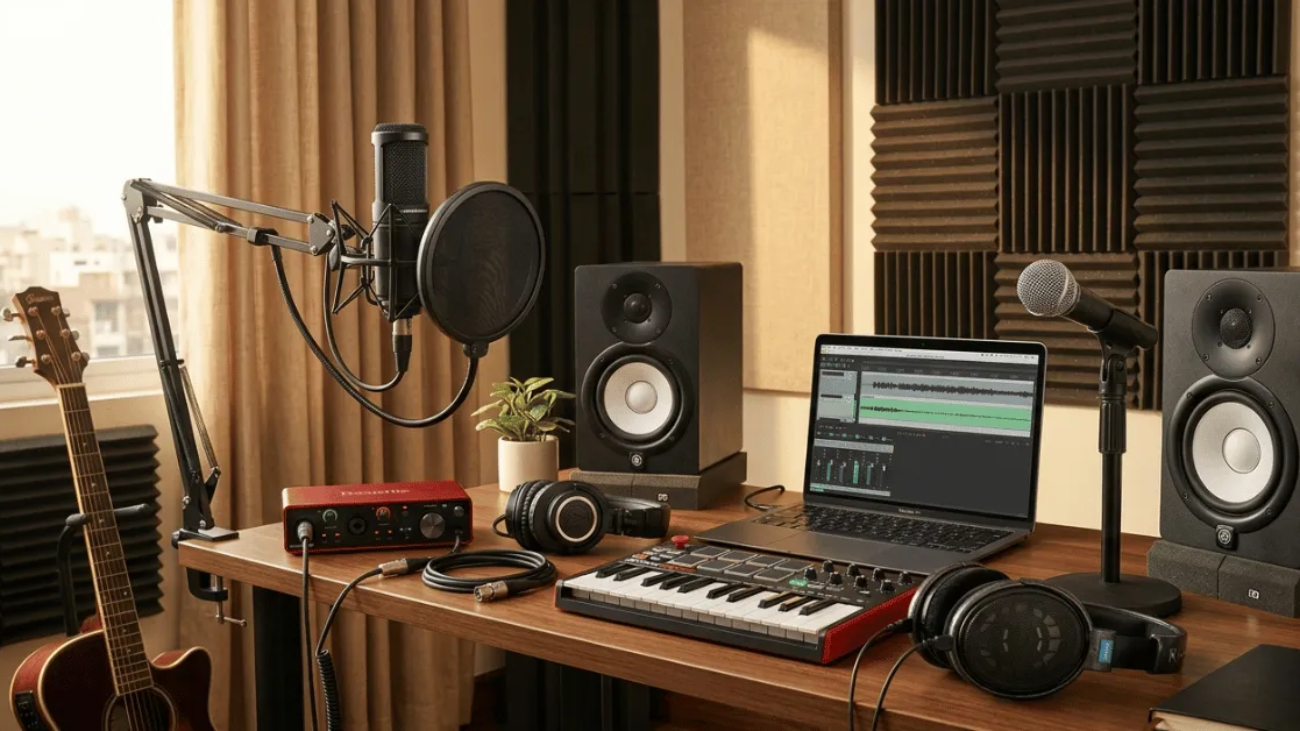
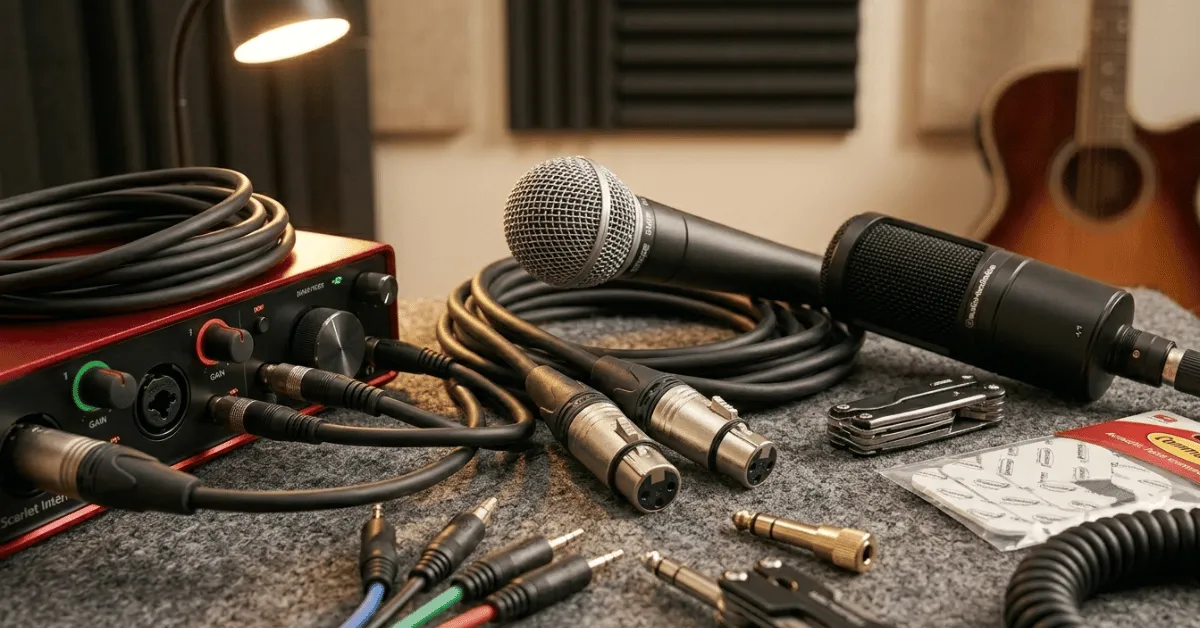
Creating music from home has become easier and more affordable than ever before. Whether you are a singer, guitarist, podcaster, music producer, or content creator, having the right recording setup can dramatically improve your sound quality. However, choosing the Best Music Equipment for Recording at Home can feel confusing, especially with so many brands and products available in the Indian market.
Many beginners end up spending money on equipment they do not actually need. Some buy expensive gear without understanding compatibility, while others choose cheap products that affect recording quality. The key is to build a smart home studio setup that matches your goals, room size, recording style, and budget.
In India, the demand for home recording equipment has increased rapidly because of YouTube creators, independent musicians, online music teachers, and social media content creators. From affordable USB microphones to professional audio interfaces, there are now plenty of options available for Indian users.
In this detailed guide, you will learn how to choose the Best Music Equipment for Recording at Home, what equipment you actually need, common mistakes to avoid, and how to create a budget-friendly setup that delivers professional-quality recordings.
If you are looking for trusted music equipment in India, you can also explore quality recording gear at NMS Musicals in Pondicherry and Chennai.
1. Understand Your Recording Needs First
Before buying any equipment, you should clearly understand your recording goals. Different creators require different setups.
For example:
Singers mainly need microphones, headphones, and audio interfaces.
Guitarists may need audio interfaces and instrument cables.
Podcasters require clear vocal microphones and acoustic treatment.
Music producers need MIDI keyboards, studio monitors, and DAW software.
YouTubers may require simple USB microphones and portable setups.
Buying equipment without understanding your needs can lead to unnecessary expenses.
Ask yourself:
What type of content will I record?
What is my budget?
Do I need portability?
Will I record vocals, instruments, or both?
Is my room suitable for recording?
Once you answer these questions, choosing the Best Music Equipment for Recording at Home becomes much easier.
2. Choose the Right Microphone
The microphone is one of the most important parts of any home recording setup. Your recording quality depends heavily on it.
There are mainly two types of microphones used for home recording:
A. Dynamic Microphones
Dynamic microphones are durable and good at reducing background noise. They work well for:
Live vocals
Loud instruments
Untreated rooms
Podcasting
They are ideal for Indian homes where outside noise can sometimes be an issue.
B. Condenser Microphones
Condenser microphones are more sensitive and capture detailed sound. They are commonly used for:
Studio vocals
Acoustic instruments
Professional music recording
Voiceovers
However, they require quieter recording environments.
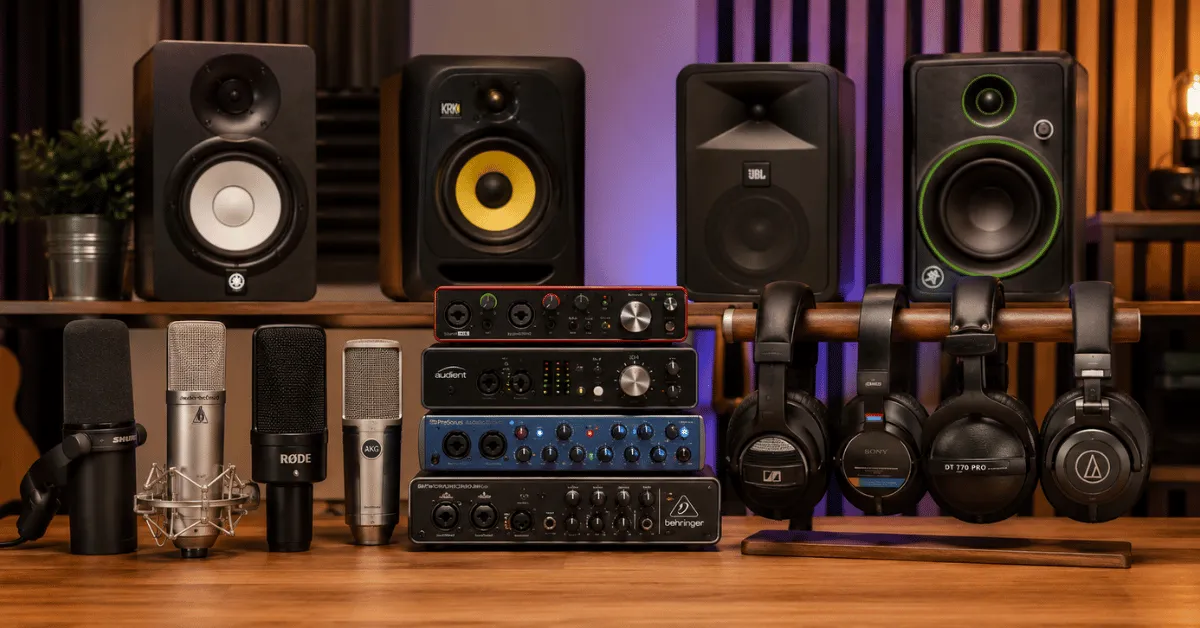
Popular beginner microphone brands in India include:
Audio-Technica
Shure
Rode
AKG
Samson
If you are unsure which microphone suits your needs, visiting experienced music stores like NMS Musicals can help you compare products directly.
3. Select a Good Audio Interface
An audio interface converts your microphone or instrument signal into digital audio for your computer.
Without a proper audio interface, your recordings may suffer from:
Noise issues
Low sound quality
Delay problems
Weak microphone gain
A good beginner audio interface should offer:
Clean preamps
Phantom power for condenser microphones
Low latency
USB connectivity
Multiple input options
Popular audio interface brands in India:
Focusrite
Behringer
PreSonus
Universal Audio
Audient
For beginners, a 2-input interface is usually enough.
4. Invest in Quality Headphones
Many beginners ignore headphones while building a home studio. However, proper monitoring is extremely important.
Ordinary consumer headphones often exaggerate bass or treble, making your mix inaccurate.
For recording and mixing, choose studio headphones that provide balanced sound.
Closed-Back Headphones
Best for:
Recording vocals
Noise isolation
Preventing sound leakage
Open-Back Headphones
Best for:
Mixing
Critical listening
Wider soundstage
Some reliable headphone brands available in India:
Audio-Technica
Sennheiser
Beyerdynamic
AKG
Sony
5. Studio Monitors vs Normal Speakers
Studio monitors are designed for accurate sound reproduction. Normal speakers often boost bass and highs artificially.
If you are serious about music production, studio monitors are highly recommended.
Benefits of studio monitors:
Accurate mixing
Better sound balance
Professional-quality monitoring
Improved music production decisions
For small Indian bedrooms or apartments, 5-inch studio monitors are usually sufficient.
Popular monitor brands:
Yamaha
KRK
JBL
Presonus
Mackie
6. Importance of Acoustic Treatment
Even expensive equipment cannot fix a bad-sounding room.
Indian homes often have reflective surfaces like tiles, concrete walls, and empty spaces that create echo.
Basic acoustic treatment can greatly improve recording quality.
Simple solutions include:
Acoustic foam panels
Curtains
Carpets
Bass traps
Bookshelves
Portable vocal booths
You do not need a fully professional studio room initially. Even small improvements can make a huge difference.
7. Pick the Right Recording Software (DAW)
DAW stands for Digital Audio Workstation. It is the software used for recording, editing, mixing, and producing music.
Popular DAWs in India include:
FL Studio
Ableton Live
Logic Pro
Cubase
Studio One
Reaper
Best DAWs for Beginners
FL Studio – Easy for beat making
Reaper – Affordable and lightweight
Studio One – Beginner friendly
Ableton Live – Great for electronic music
Most audio interfaces also include free DAW software versions.
8. Do You Need a MIDI Keyboard?
A MIDI keyboard is useful for:
Music production
Virtual instruments
Beat creation
Film scoring
Electronic music
If you mainly record vocals or acoustic instruments, you may not need one immediately.
However, producers and composers benefit greatly from MIDI controllers.
Popular MIDI keyboard brands:
Akai
Novation
M-Audio
Arturia
Native Instruments
9. Essential Accessories for Home Recording
Accessories are often overlooked but extremely important.
Here are some must-have accessories:
Microphone stand
Pop filter
XLR cables
Shock mount
Power conditioner
External hard drive
Cable organizers
Good accessories improve workflow and recording quality.
10. Budget Planning for Indian Users
One of the biggest mistakes beginners make is overspending initially.
Here is a simple beginner budget setup idea for India:
Basic Budget Setup
USB microphone
Closed-back headphones
Free DAW software
Basic acoustic treatment
Mid-Level Setup
Condenser microphone
Audio interface
Studio headphones
Studio monitors
MIDI keyboard
Professional Setup
High-end microphone
Premium interface
Advanced monitors
Dedicated acoustic treatment
Multiple instruments
Start small and upgrade gradually.
11. Common Mistakes to Avoid
Avoiding mistakes can save both money and frustration.
Mistake 1: Buying Cheap Unknown Brands
Low-quality products often create noise and durability issues.
Mistake 2: Ignoring Room Acoustics
A bad room can ruin even expensive recordings.
Mistake 3: Spending Everything on One Product
Balance your budget across all equipment.
Mistake 4: Choosing Equipment Without Research
Always compare reviews and compatibility.
Mistake 5: Ignoring After-Sales Support
Choose trusted sellers who provide proper support and guidance.
That is why many musicians in South India prefer trusted stores like NMS Musicals in Pondicherry and Chennai for music equipment and expert recommendations.
12. Best Brands for Home Recording in India
Here are some trusted brands popular among Indian musicians:
Microphones
Shure
Rode
Audio-Technica
AKG
Audio Interfaces
Focusrite
Audient
Presonus
Behringer
Headphones
Sennheiser
Sony
Beyerdynamic
Audio-Technica
Studio Monitors
Yamaha
KRK
JBL
Mackie
13. Online vs Offline Music Equipment Shopping
Many people in India buy music equipment online because of convenience. However, offline stores also provide major advantages.
Benefits of Offline Shopping
Product testing
Expert guidance
Better understanding of sound quality
Immediate support
Easier servicing
Benefits of Online Shopping
Easy price comparison
Wider product availability
Home delivery
A balanced approach works best. Research online and buy from trusted sellers.
14. Why Trusted Music Stores Matter
Buying from a trusted music store ensures:
Genuine products
Warranty support
Expert advice
Better customer service
Long-term reliability
Whether you are a beginner or professional musician, trusted stores can guide you toward the Best Music Equipment for Recording at Home according to your budget and recording goals.
Musicians across South India often explore recording equipment and instruments at NMS Musicals in Pondicherry and Chennai for reliable products and professional assistance.
Conclusion
Building a home recording setup does not mean buying the most expensive gear. The real goal is choosing equipment that matches your recording style, room setup, and budget.
The Best Music Equipment for Recording at Home should help you create clean, professional-quality audio without unnecessary complexity. Start with essential equipment like a good microphone, audio interface, headphones, and proper recording software. As your skills improve, you can gradually upgrade your setup.
Indian musicians today have access to excellent recording equipment across every budget range. With smart planning and the right guidance, even a simple bedroom setup can produce professional-level music.
If you are planning to build or upgrade your home studio setup, you can explore quality recording equipment, microphones, interfaces, headphones, and musical instruments at NMS Musicals in Pondicherry and Chennai.
Choosing wisely today can help you create better music for years to come.


 Cart is empty